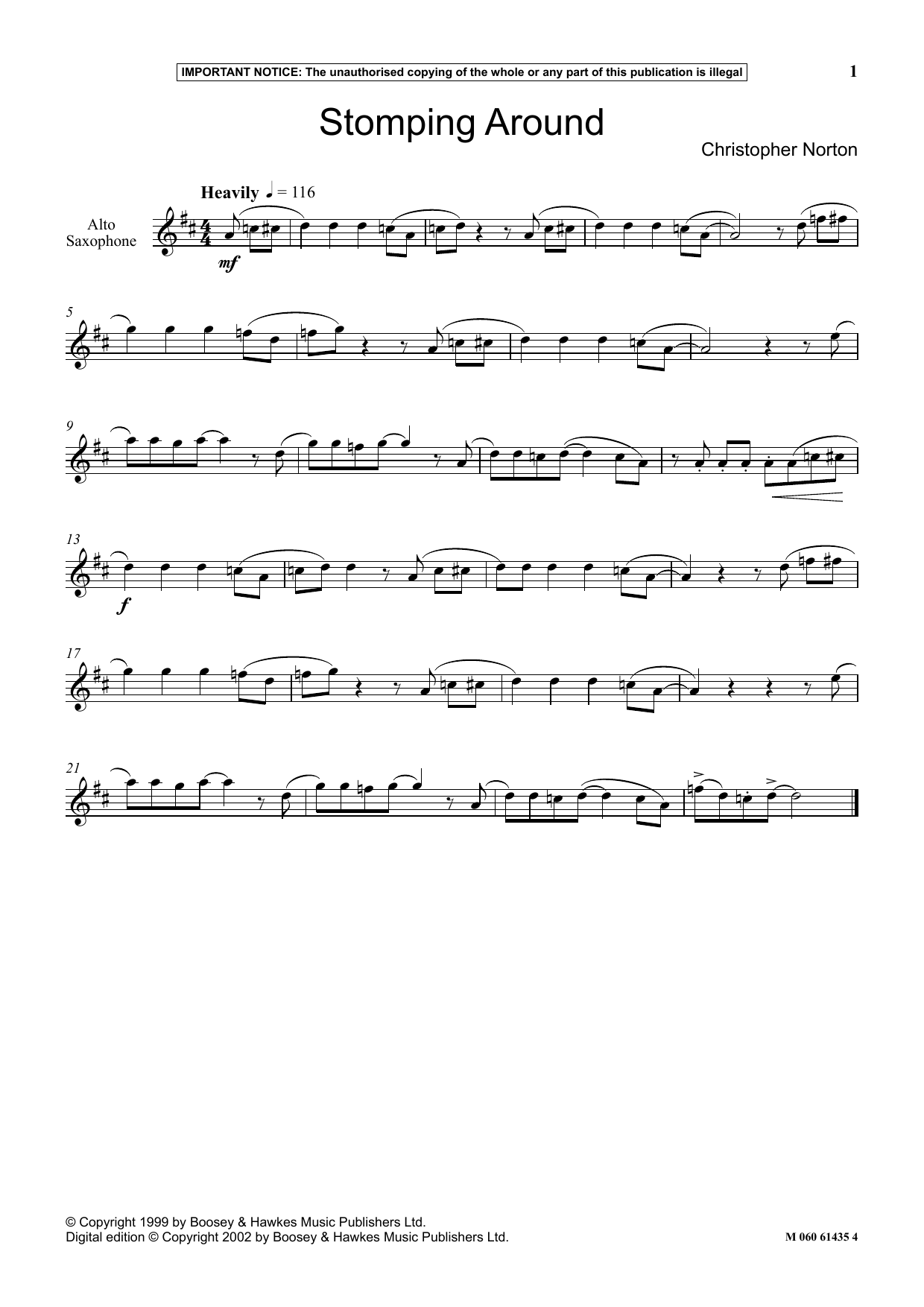
Christopher Norton is a British composer and educator known for writing accessible yet musically substantive works for young musicians. His catalog spans multiple genres and levels, with particular strength in writing for piano students and chamber ensembles that balance technical instruction with genuine musicality.
Why we love this
Norton captures the infectious energy of rhythmic movement without relying on complexity for its own sake. The piece sits perfectly in that zone where students feel genuinely musical while building fundamental skills, and the title promises exactly what the music delivers: infectious, propulsive character that players want to perform.
What to expect
The title says it all: there's a joyful, kinetic quality to the piece, with rhythmic vitality that invites physical engagement. The music bounces and moves with the kind of straightforward enthusiasm that makes playing feel rewarding without demanding hours of practice.
Who it's for
Students working at intermediate piano or early ensemble level who are ready for pieces with rhythmic sophistication and personality. The three-page length and accessible vocabulary make it suitable for private lesson repertoire or small group performance.
How to get the most out of it
Establish the pulse clearly before students enter; this piece thrives on rhythmic confidence and forward motion.
Listen for the distinction between passages where the accompaniment drives the melody versus moments where they interlock, adjusting balance accordingly.
Keep the tempo steady and slightly buoyant rather than dragging; the piece loses its character without rhythmic lift.
How to use it
Slot this into a recital or concert as a crowd-pleasing contrast to more introspective repertoire, or use it as a motivational piece during technique-focused lessons when students need a musical win. The compact length makes it ideal for filling programming gaps or building student confidence before tackling more demanding works.
Skills your students will build
Maintaining rhythmic precision in syncopated passages
Coordinating independent rhythmic lines between hands or parts
Building stamina in repeated rhythmic patterns
Responding to rhythmic momentum and character in phrasing
You May Also Like
Scan to Complete Your Purchase
Use your phone's camera to scan the code below
You'll log in on your phone and the order will be added to your account