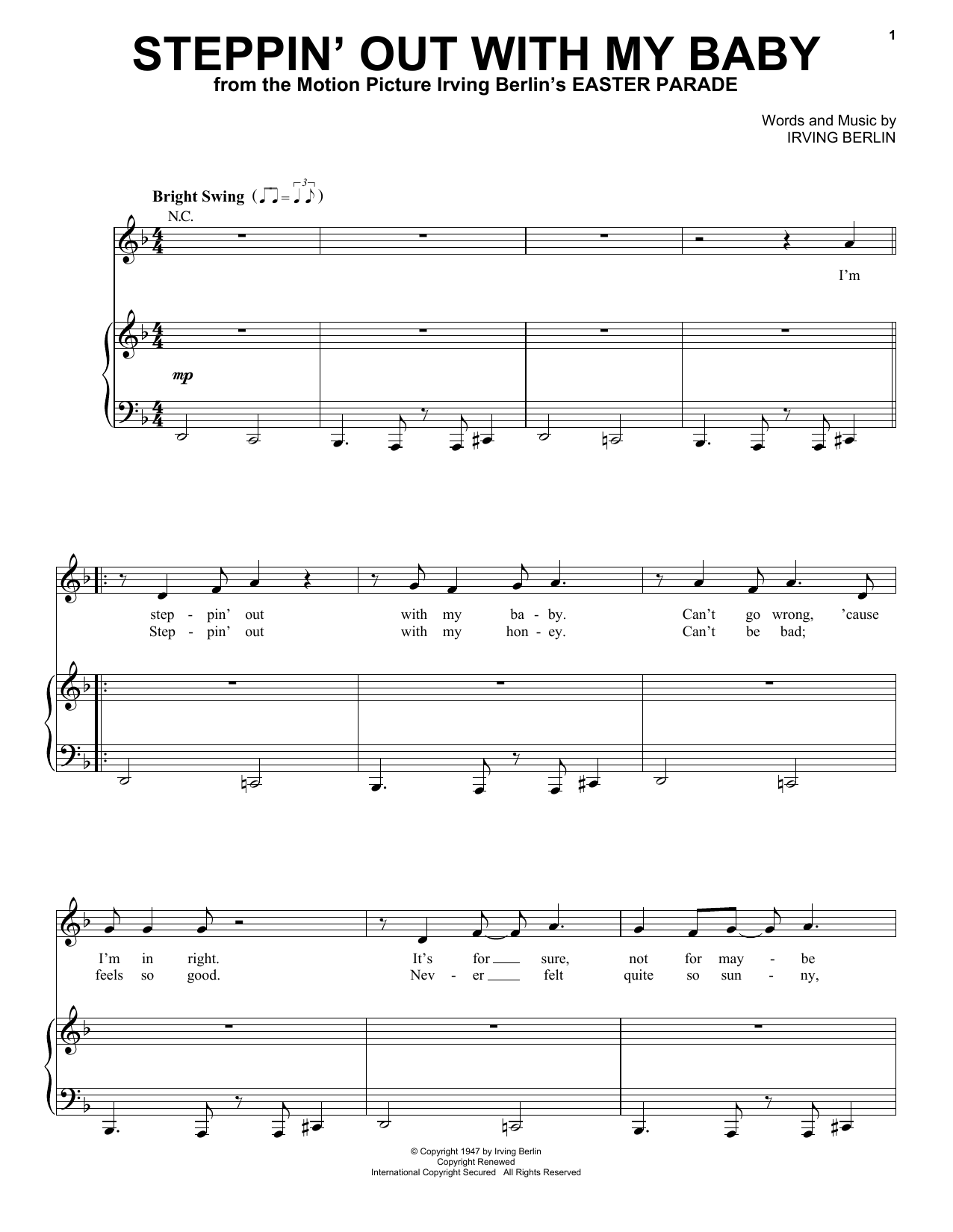
Tony Bennett stands as one of the last great interpreters of the American songbook, a vocalist whose impeccable phrasing and emotional directness shaped standards from the 1950s onward. His approach to jazz vocals emphasized clarity of text, rhythmic sophistication, and genuine emotional connection over technical display, making him a model for singers who value storytelling within formal song structure.
Why we love this
Bennett's interpretations teach singers how to inhabit a standard without overplaying it. The piano writing provides a conversational partner to the melody, creating space for a vocalist to shape phrases naturally while maintaining harmonic sophistication.
What to expect
The song captures the confidence of someone ready to take on the world, with a melody that bounces between swagger and vulnerability. The piano accompaniment maintains an urbane elegance throughout, suggesting late-night jazz clubs and the kind of sophistication that comes from knowing exactly who you are.
Who it's for
Vocalists studying jazz standards and the Great American Songbook will find this an essential addition to their repertoire. Piano teachers working with singers benefit from Bennett's recorded interpretations as a reference for style and phrasing choices.
How to get the most out of it
Shape the melody through breath and articulation rather than vibrato. Bennett's approach favors clarity and directness, which means the piano accompaniment should breathe with the voice, not underneath it.
Lock the rhythmic feel early. This standard swings, and the pianist needs to establish a relaxed groove that lets the vocalist sit comfortably on top of the changes.
Pay attention to Bennett's vowel placement and how he handles consonants. His diction stays warm even at quicker tempos, requiring intentional breath management from the singer.
How to use it
Feature this in a concert celebrating jazz standards or American songwriting traditions. It pairs well with other mid-century vocal repertoire and works equally well as a solo feature or as part of a larger jazz-focused program.
Skills your students will build
Swing rhythm and the coordination of lyrical phrasing over a jazz beat
Interpreting harmonic movement and understanding chord changes through vocal line
Controlled vibrato and diction clarity at conversational volume levels
Piano comping techniques that support rather than compete with the vocal melody
You May Also Like
Scan to Complete Your Purchase
Use your phone's camera to scan the code below
You'll log in on your phone and the order will be added to your account