
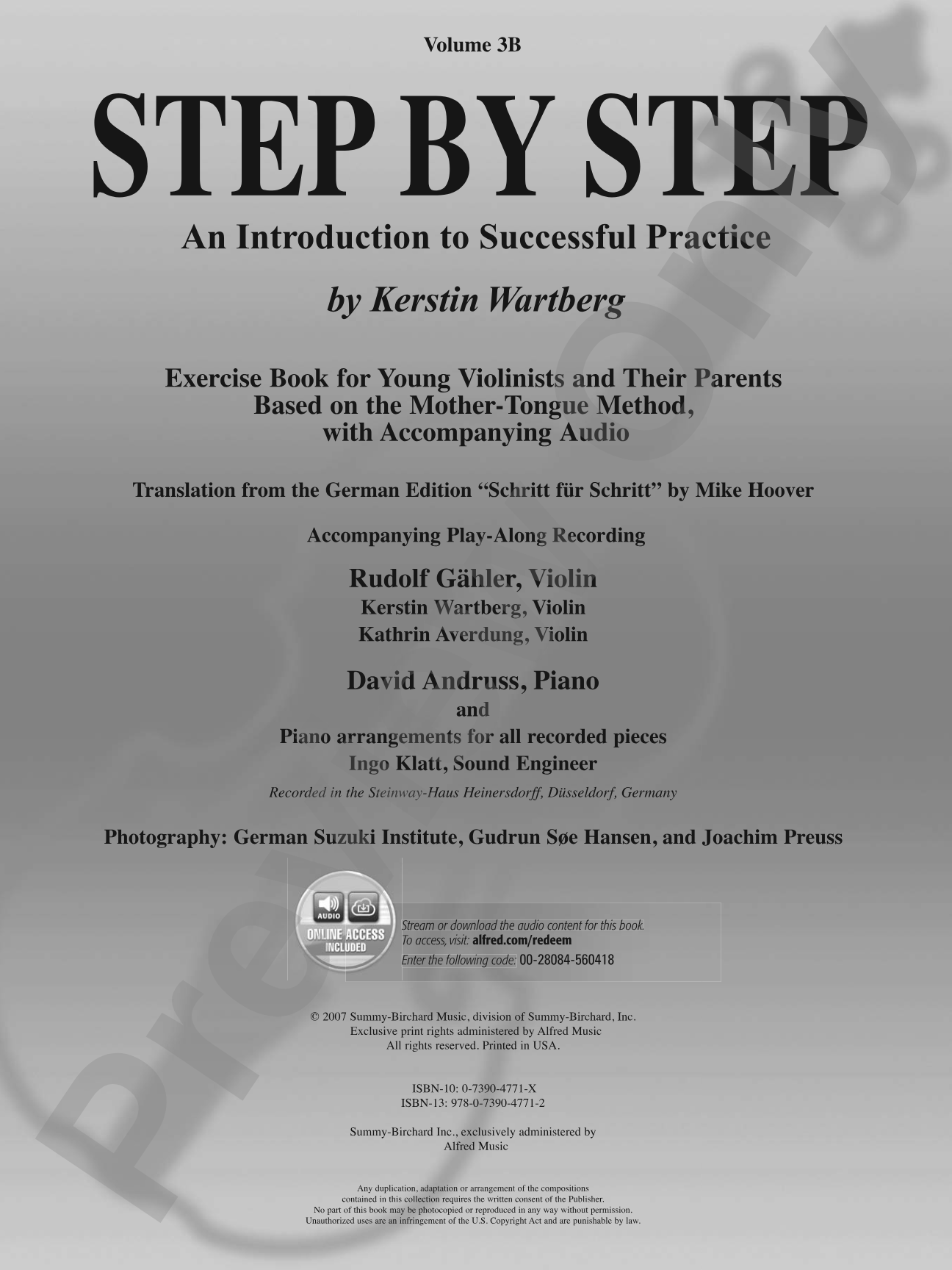

Step by Step 3B: An Introduction to Successful Practice for Violin: Violin
Arr. Kerstin Wartberg
Item: 00-PB-0001816
$16.99
Pickup currently not available
Related Items
Step by Step 3B: An Introduction to Successful Practice for Violin: Violin Book & Online Audio |
$16.99
|
View |
Description
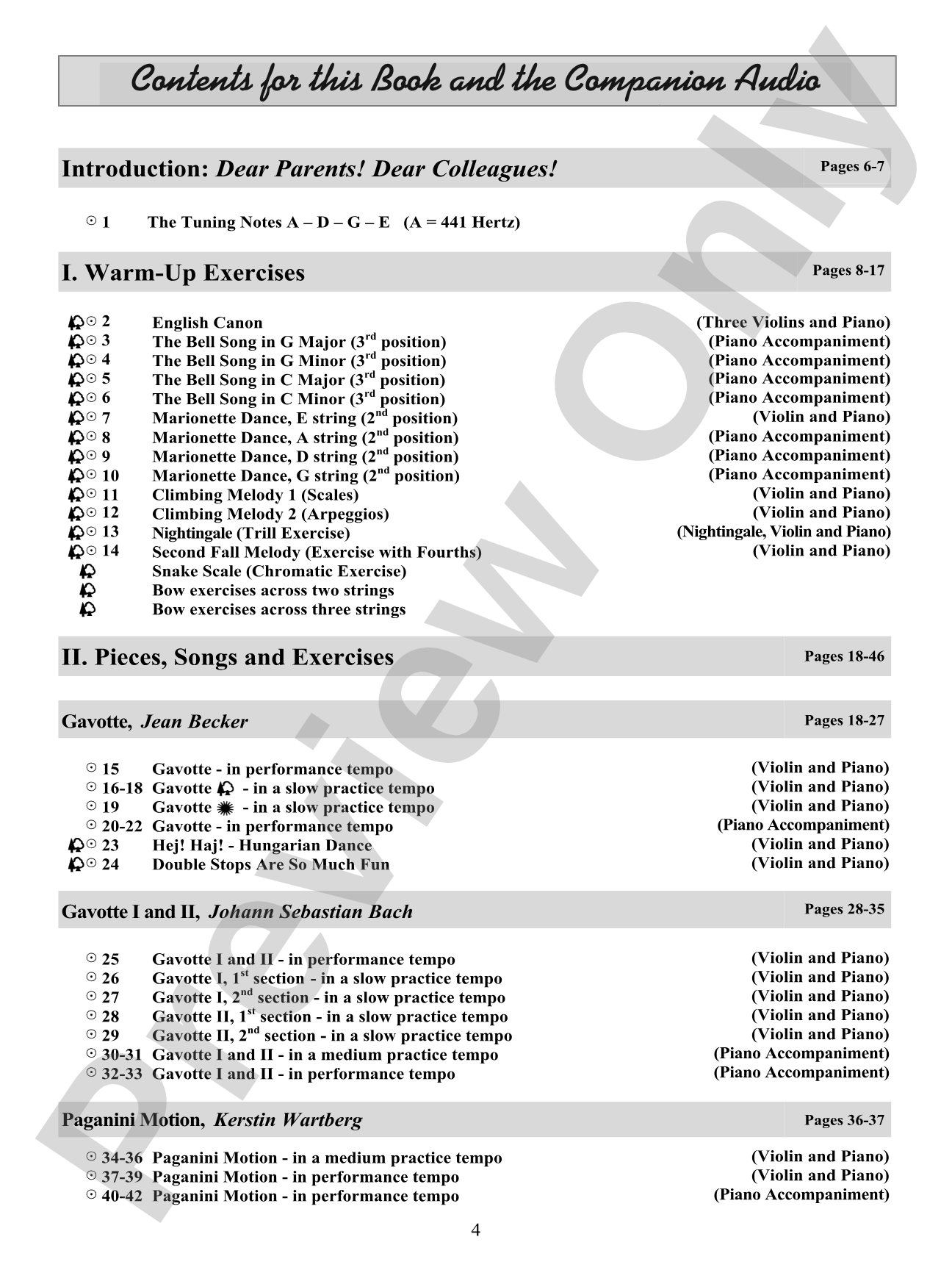
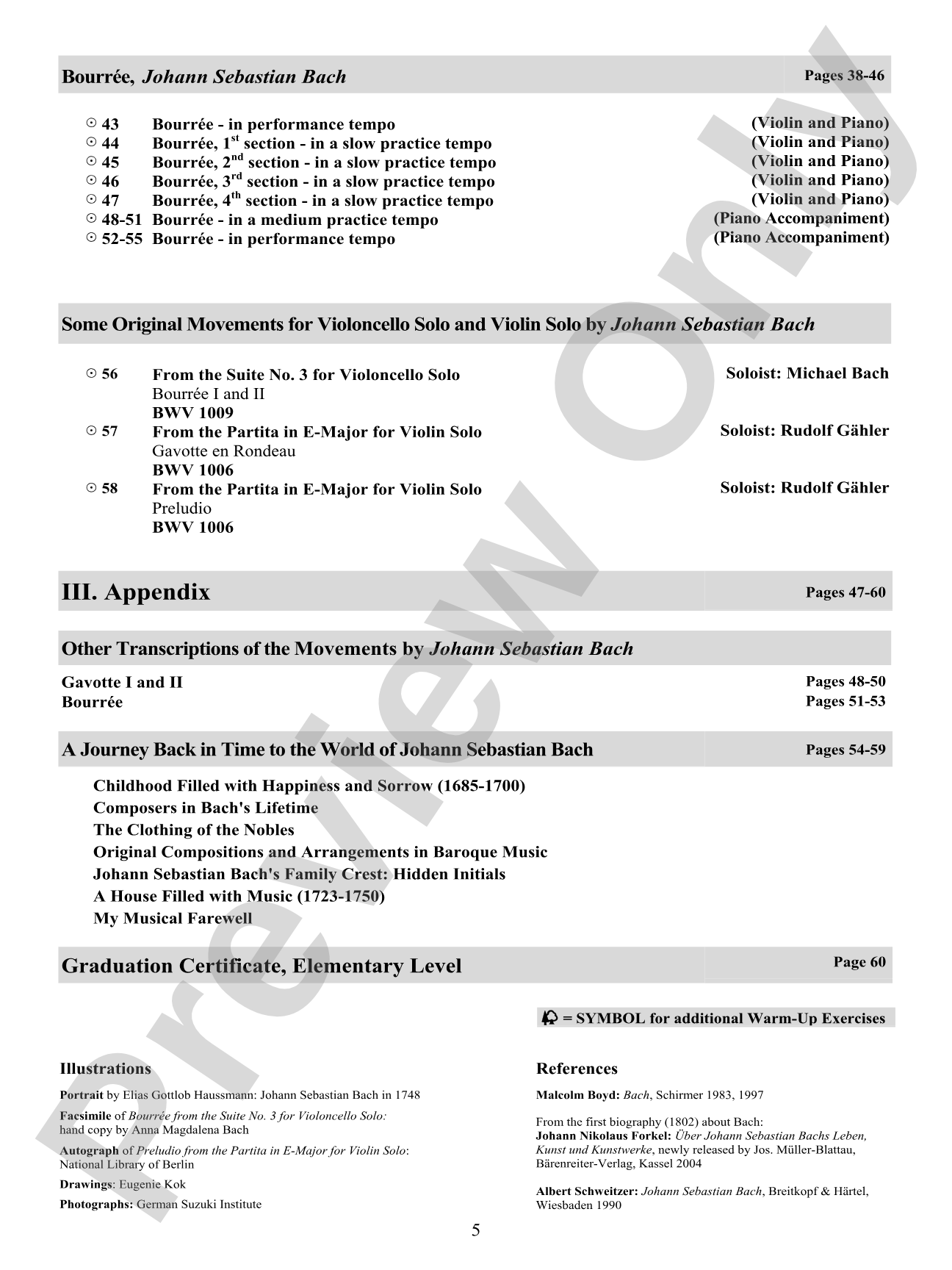
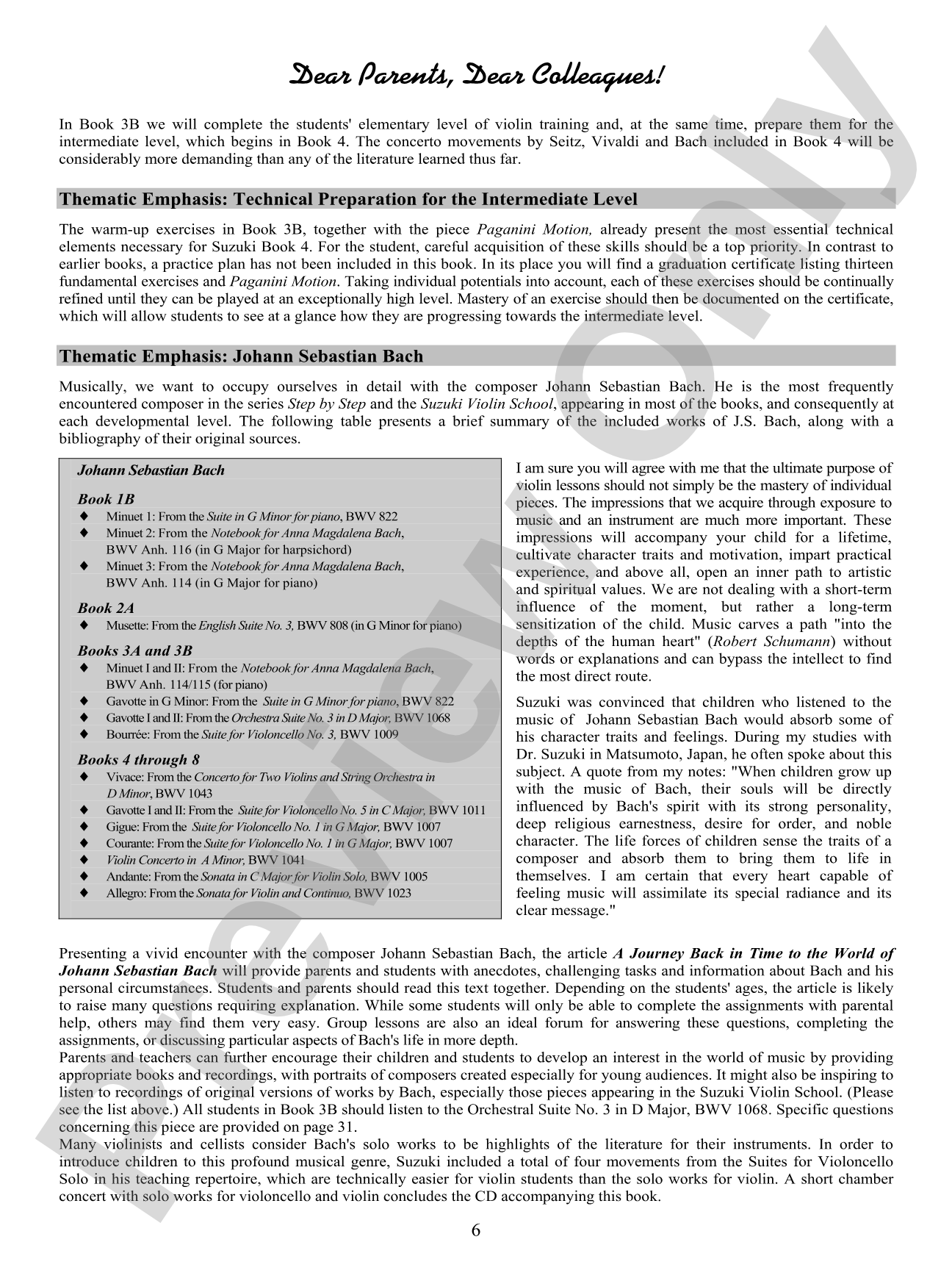
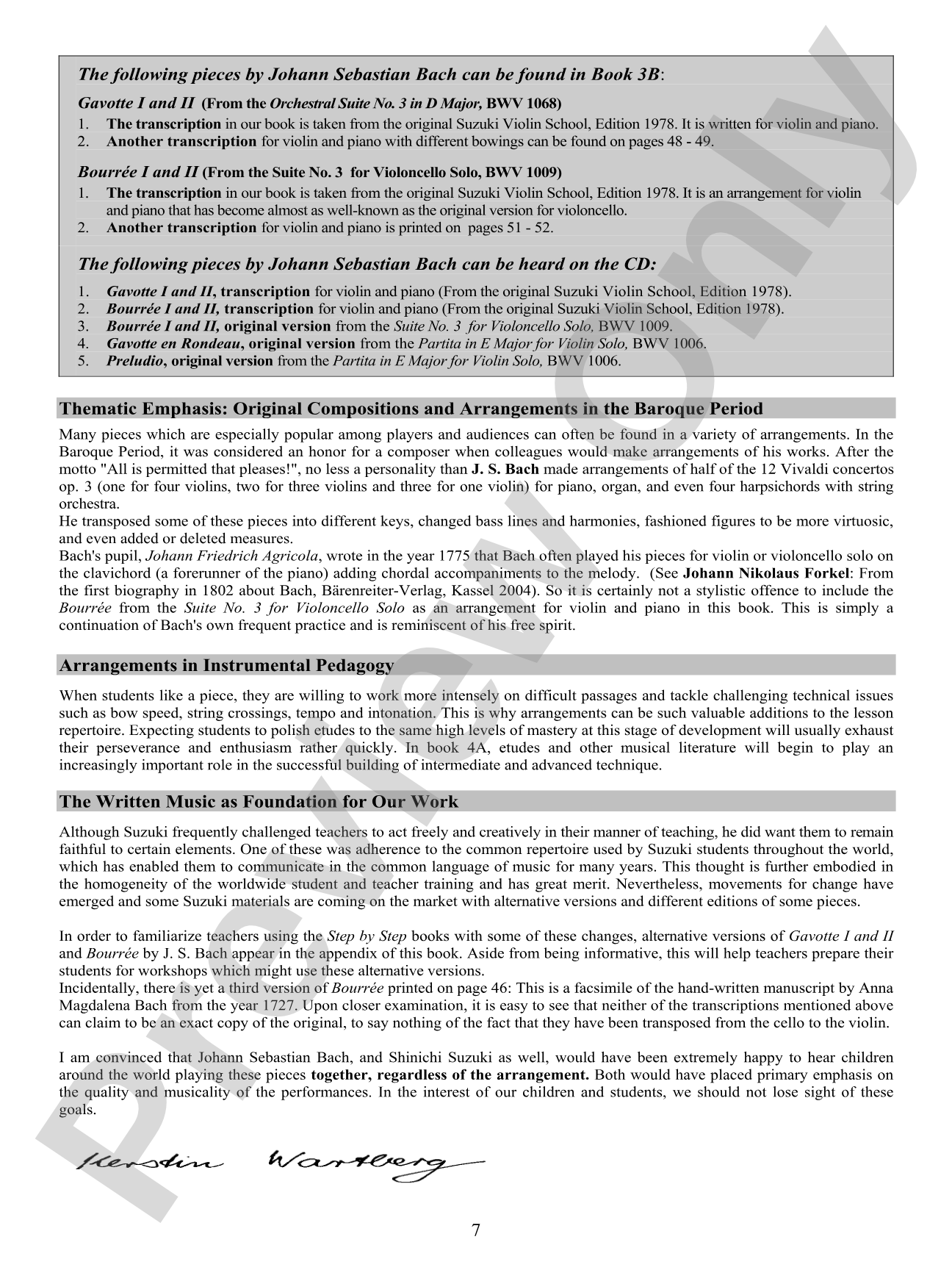
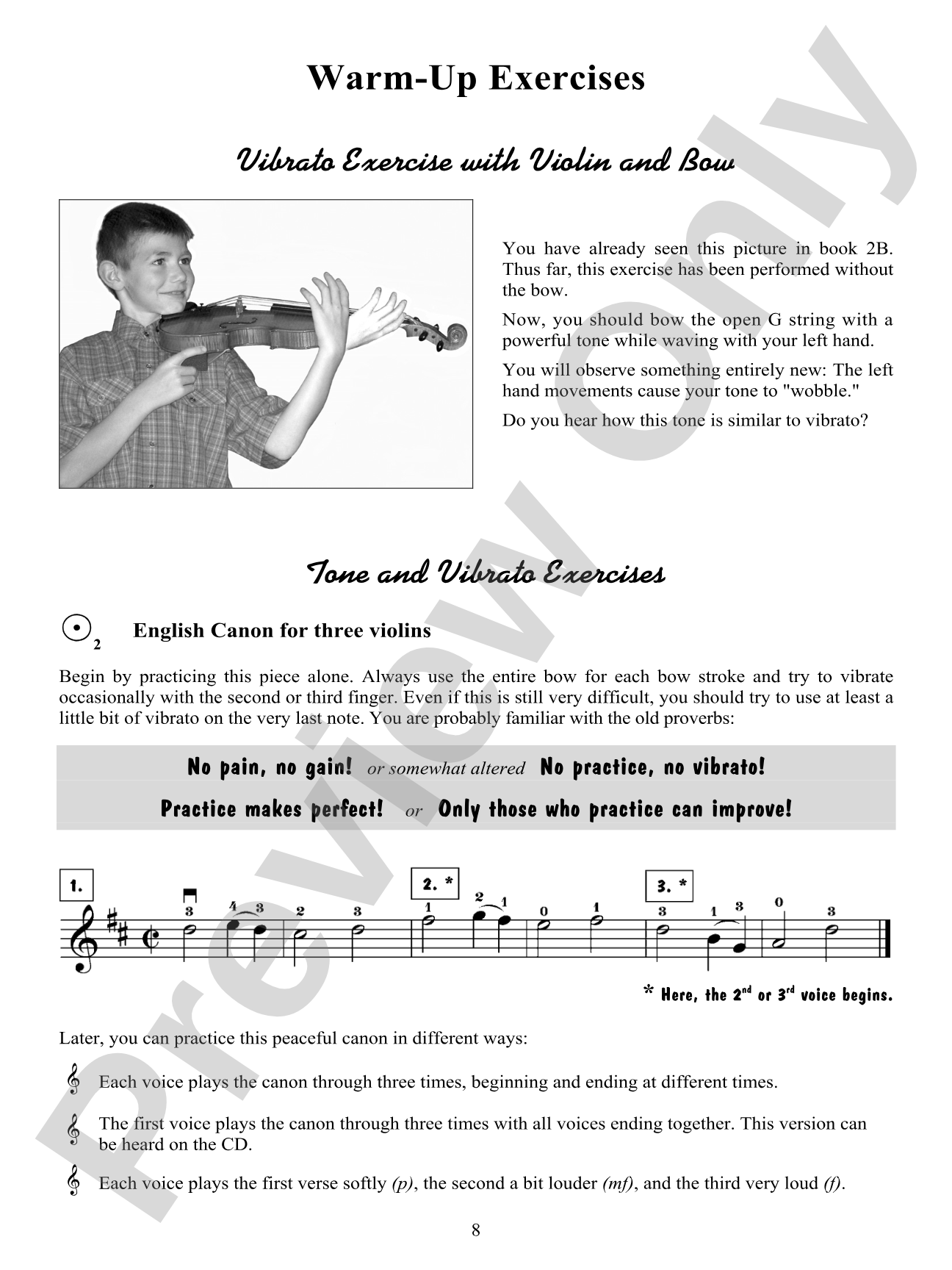
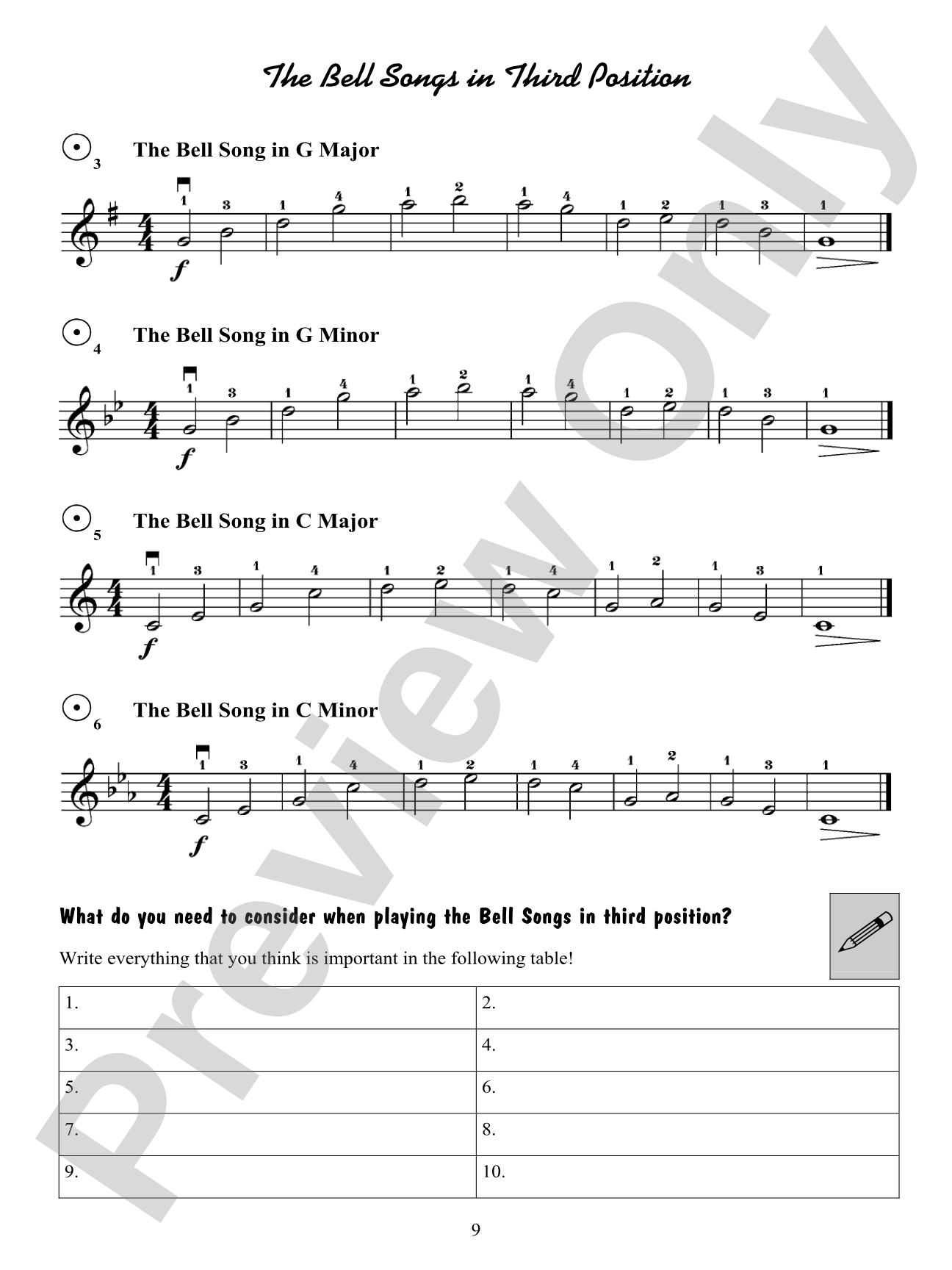
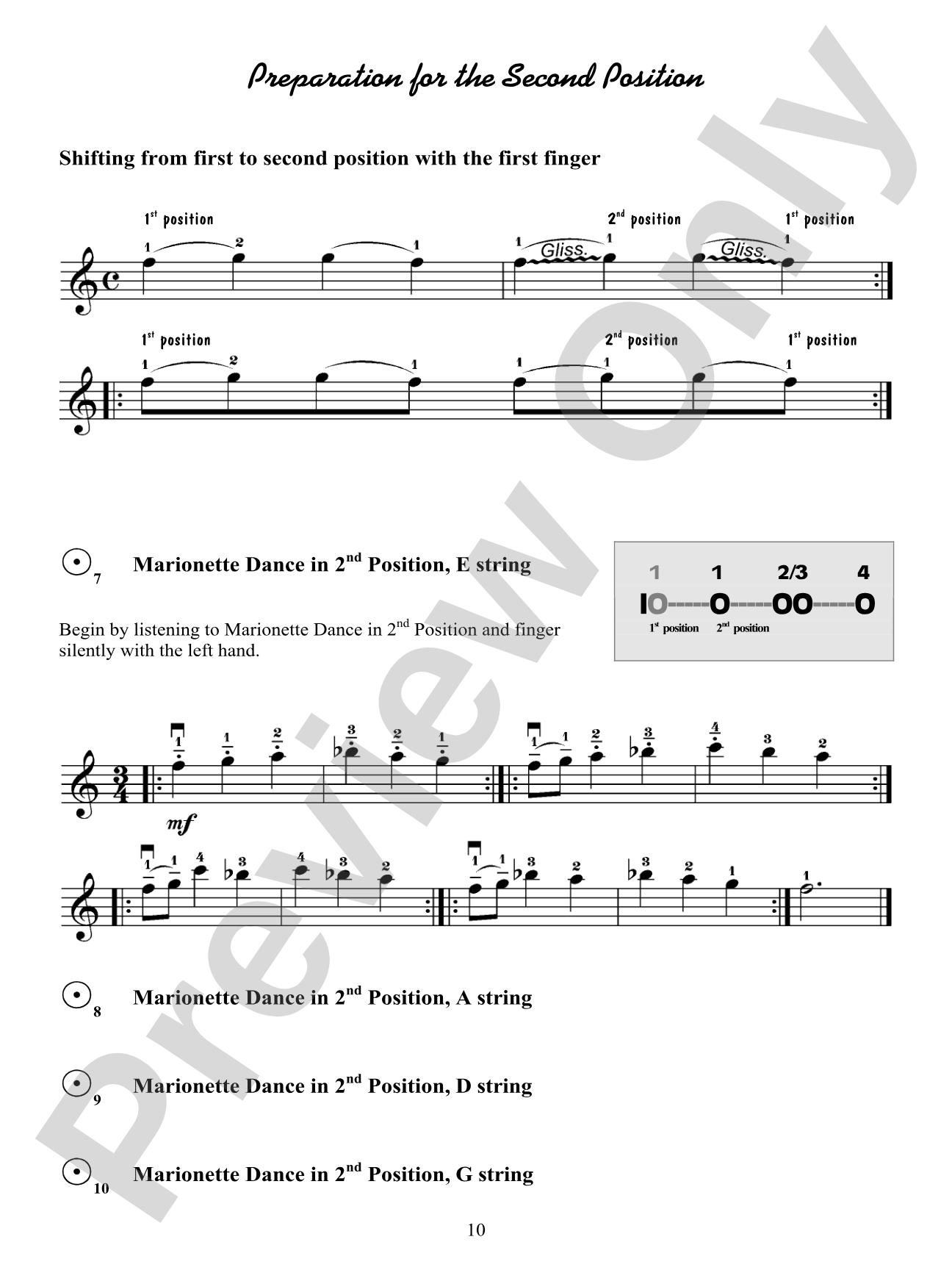
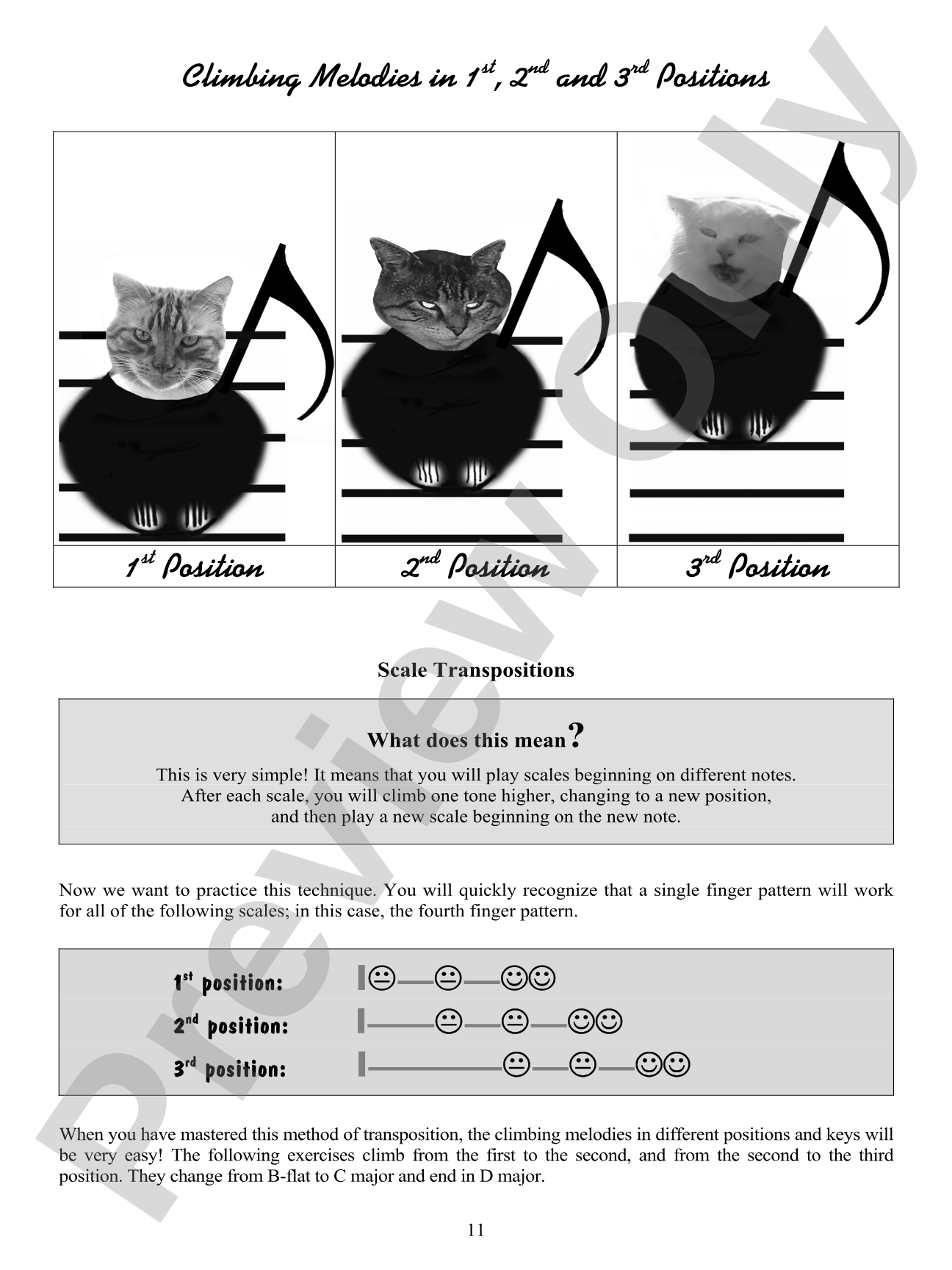
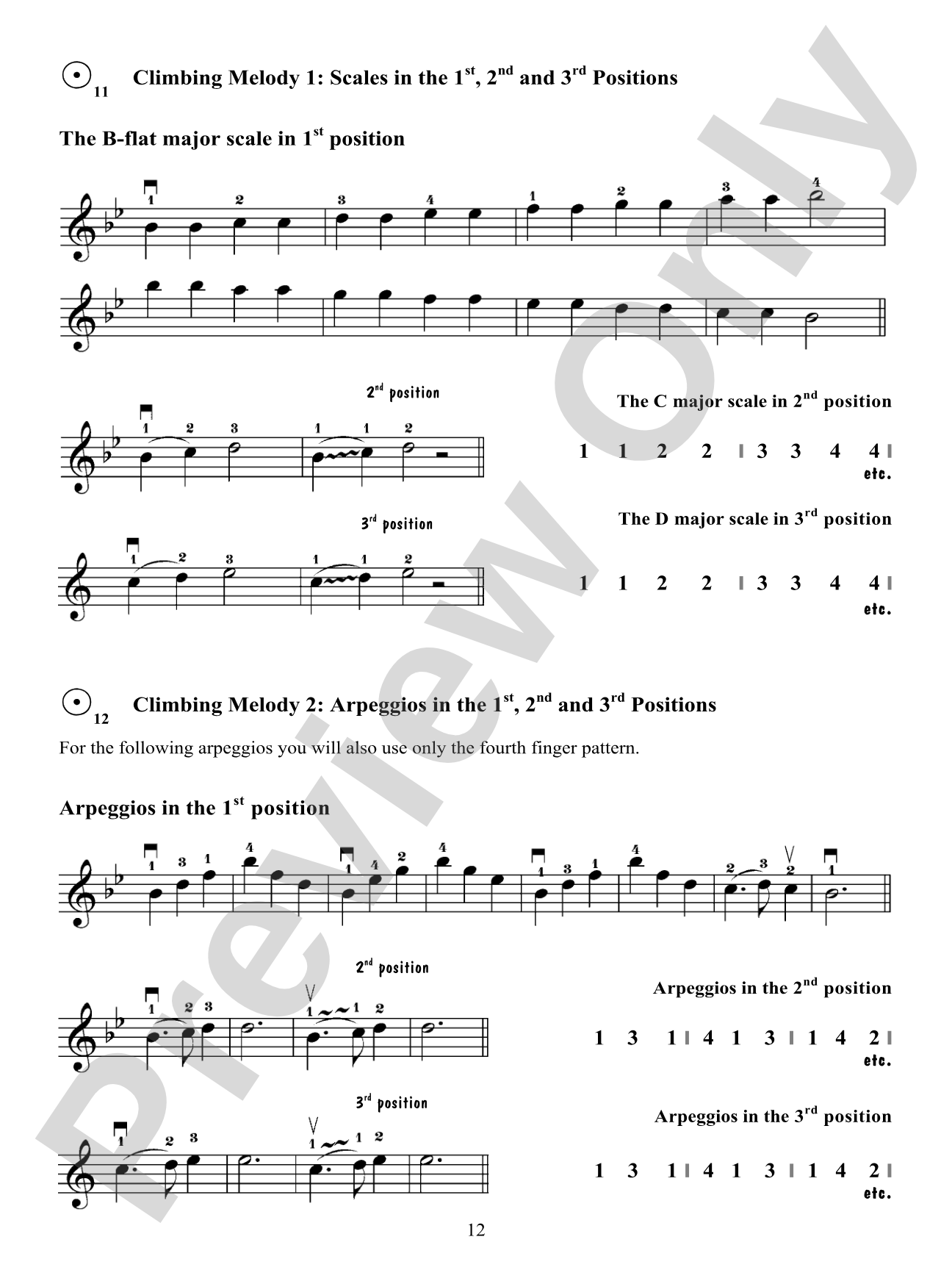
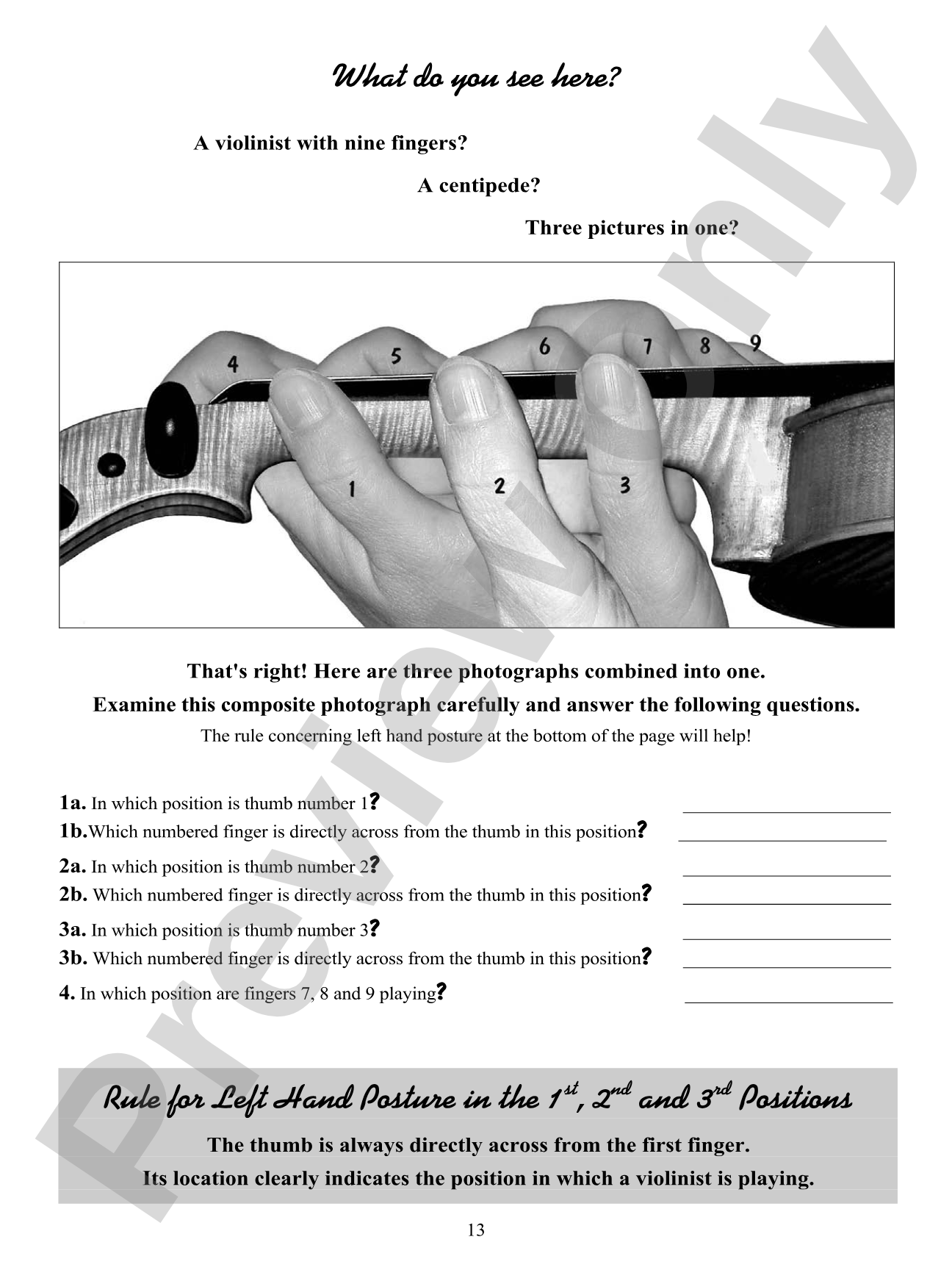
The Step by Step series is a collection of exercise books/audio for violin based on the Mother-Tongue approach. From the very beginning, it will provide a solid foundation in instrumental technique for Suzuki and traditional approaches in private lessons or group settings. The focus is on teaching correct, child-appropriate practice habits that range from listening, singing, and dancing to playing music. The ideas presented, including information for parent and practice tips should stimulate daily practice and also make it more effective. Includes new piano arrangements by David Andruss. This volume is the Complete Version based on Suzuki Violin School, Volume 3, and includes the Violin Exercise Book in English with the recording. Pages: 60


Step by Step 3B: An Introduction to Successful Practice for Violin: Violin isn't in MakeMusic Cloud just yet...but it could be. Let us know you'd like to see it, and you'll help shape what comes next. In the meantime, start a free trial and dive into thousands of interactive titles your students can play along with today.
Request This Title
Tell us you want it.
Start Your Free Trial
Explore everything that's ready to play right now.
Sample Audio
No sample audio found.
Sample Video
No sample videos found.
Additional Details
Publisher:
Alfred Music
Page Count:
60
SKU:
00-PB-0001816
More about this title
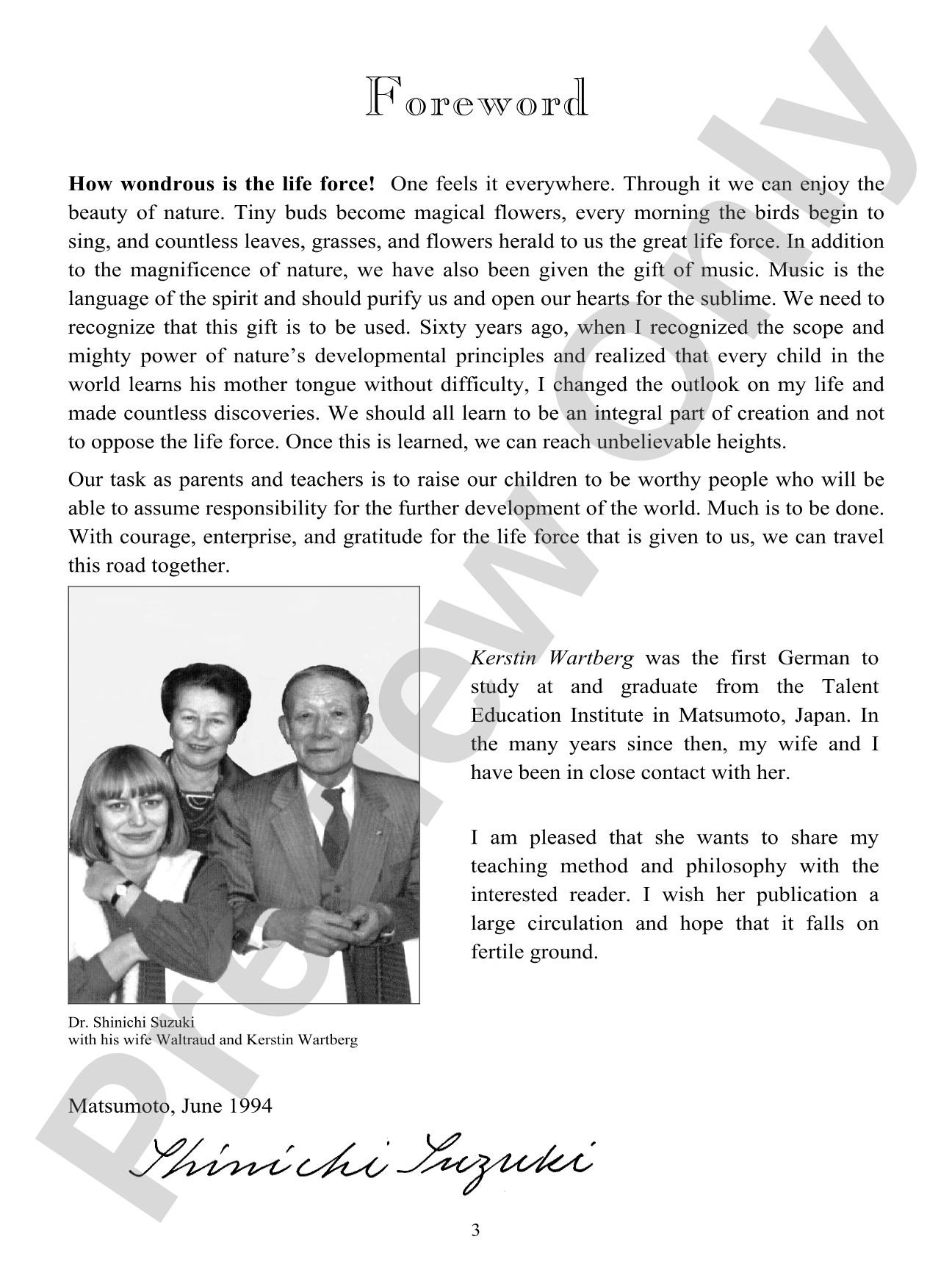
About the Arranger: Kerstin Wartberg
Kerstin Wartberg is a string pedagogue with deep roots in the Suzuki method and Mother-Tongue approach to instrumental instruction. Her work centers on translating the philosophical foundations of natural language acquisition into practical violin pedagogy, particularly in designing exercise sequences and practice frameworks that respect how young musicians actually learn.
Wartberg's arrangements and instructional materials prioritize the connection between listening, singing, and playing. Her piano accompaniments serve not as ornaments but as active teaching tools, reinforcing tonality and intonation while maintaining the pedagogical integrity of the Suzuki sequence.
Why we love this
This resource grounds itself in proven practice habits rather than just exercises. Wartberg's thoughtful piano arrangements by David Andruss transform what could be rote drill into genuinely musical engagement, and the embedded parent guidance shifts the entire dynamic of home practice from teacher-imposed to family-centered learning.
What to expect
Systematic yet musical. The exercises never feel divorced from the repertoire that follows; instead, they build the physical and musical vocabulary students will need to inhabit their Suzuki pieces fully. The addition of piano accompaniments lifts what might feel like isolated technical work into an ensemble experience.
Who it's for
Beginning to early intermediate violinists working through Suzuki Volume 3 repertoire, whether in private lessons, group classes, or combined instruction. Parents seeking concrete daily practice structures will find actionable guidance here, not just aspirational advice.
How to get the most out of it
- Before playing, have students listen to the recorded accompaniment while singing or speaking the note names. This auditory anchor prevents mechanical finger patterns from dominating the learning.
- Encourage parents to notice when their child's bow speed and pressure change, then use that observation as a springboard for specific practice goals rather than broad corrections.
- Break longer exercises into smaller segments (2-4 measures) when first introducing them. Completion and success matter more than coverage.
How to use it
Use this as your primary practice resource during the third book cycle, regardless of whether you teach Suzuki method or traditional approach. The parent tips section is equally valuable for studio teachers and school group instructors coordinating home practice expectations.
Skills your students will build
- Consistent and repeatable practice routines
- Intonation awareness through singing and listening before playing
- Bow control and evenness in scales and arpeggios
- Independence between hands (bow and fingers moving with intention)
- Recognition of tonality patterns across registers
- Self-correction through comparison with recorded models