
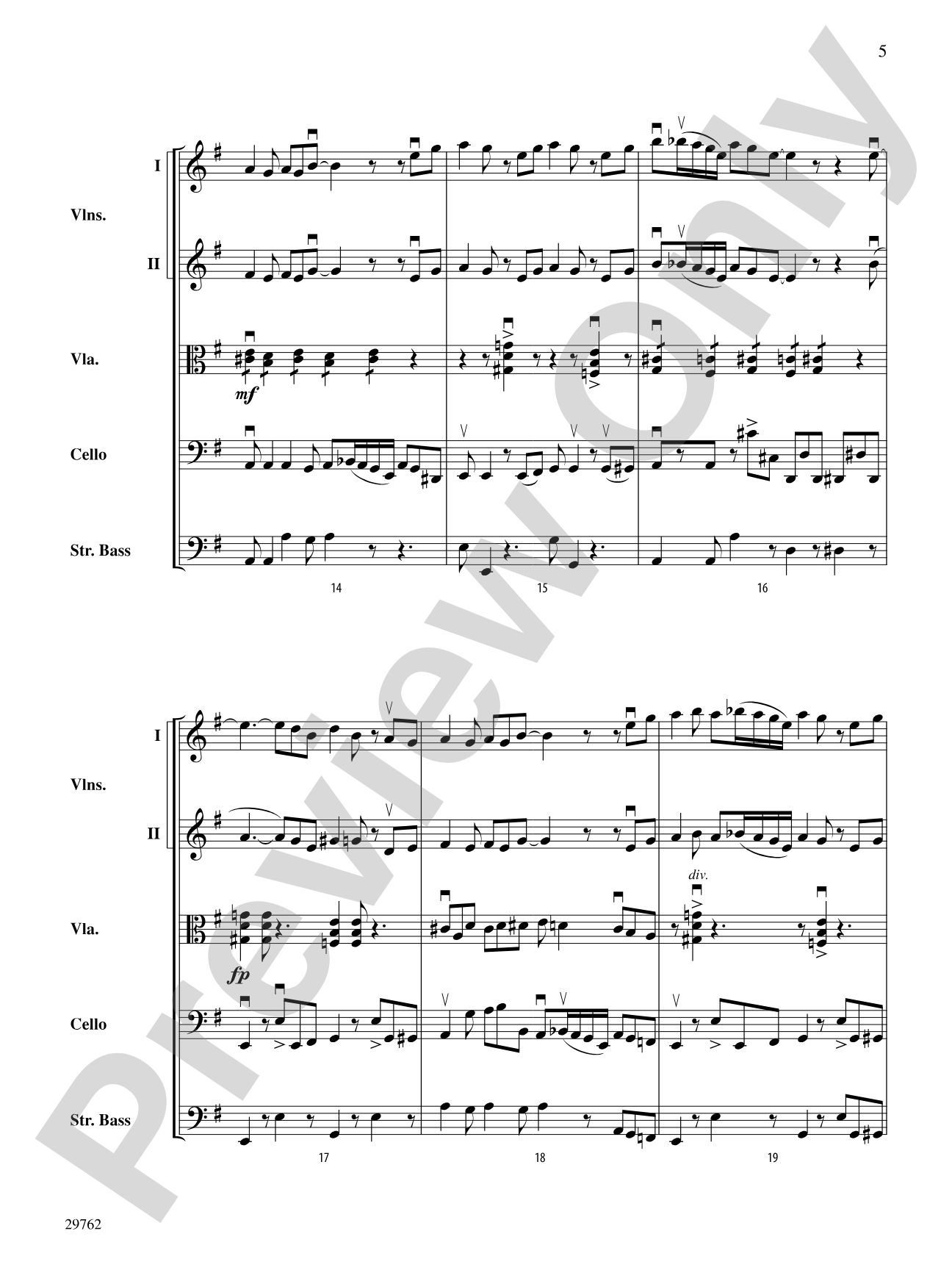
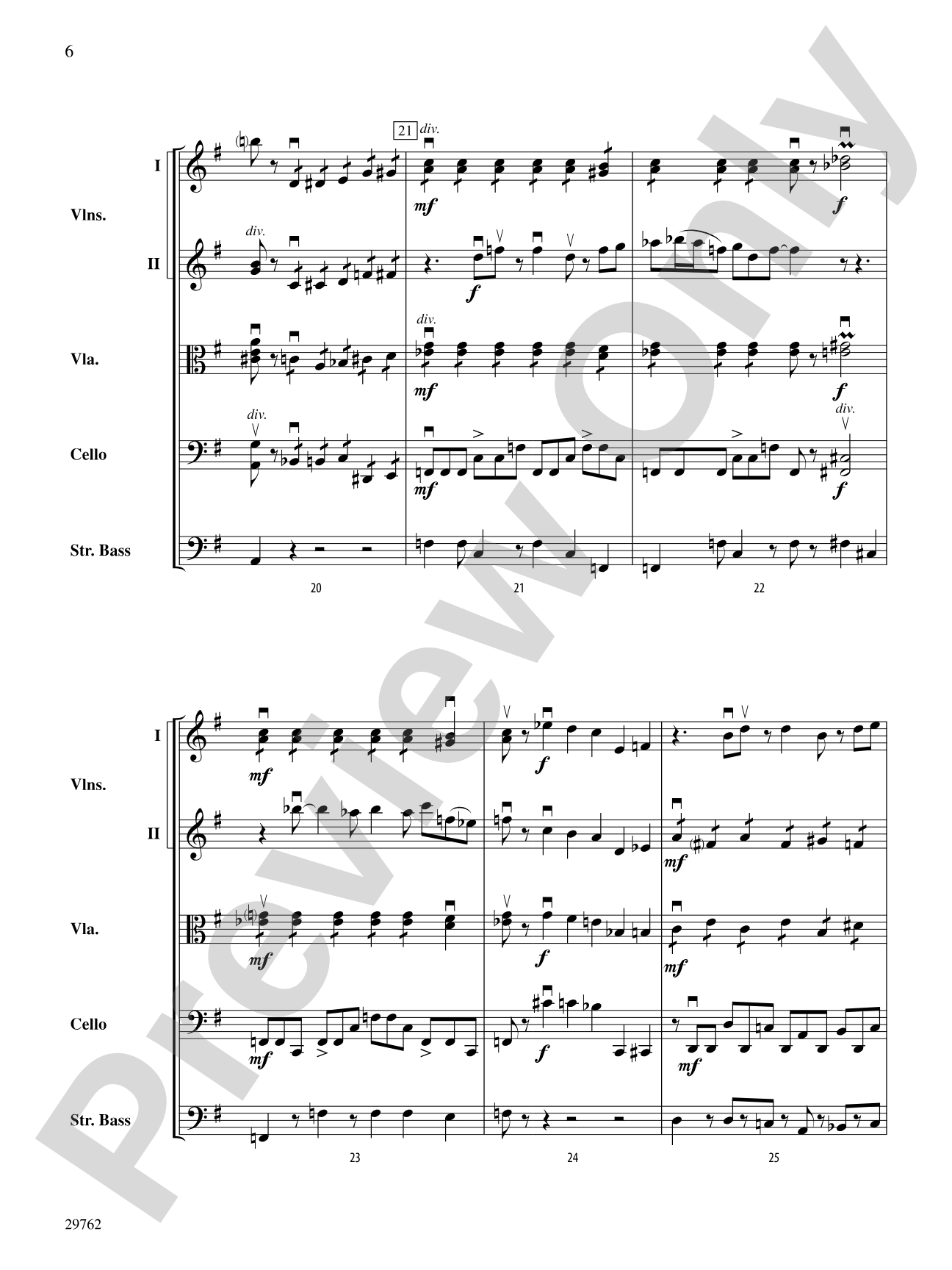
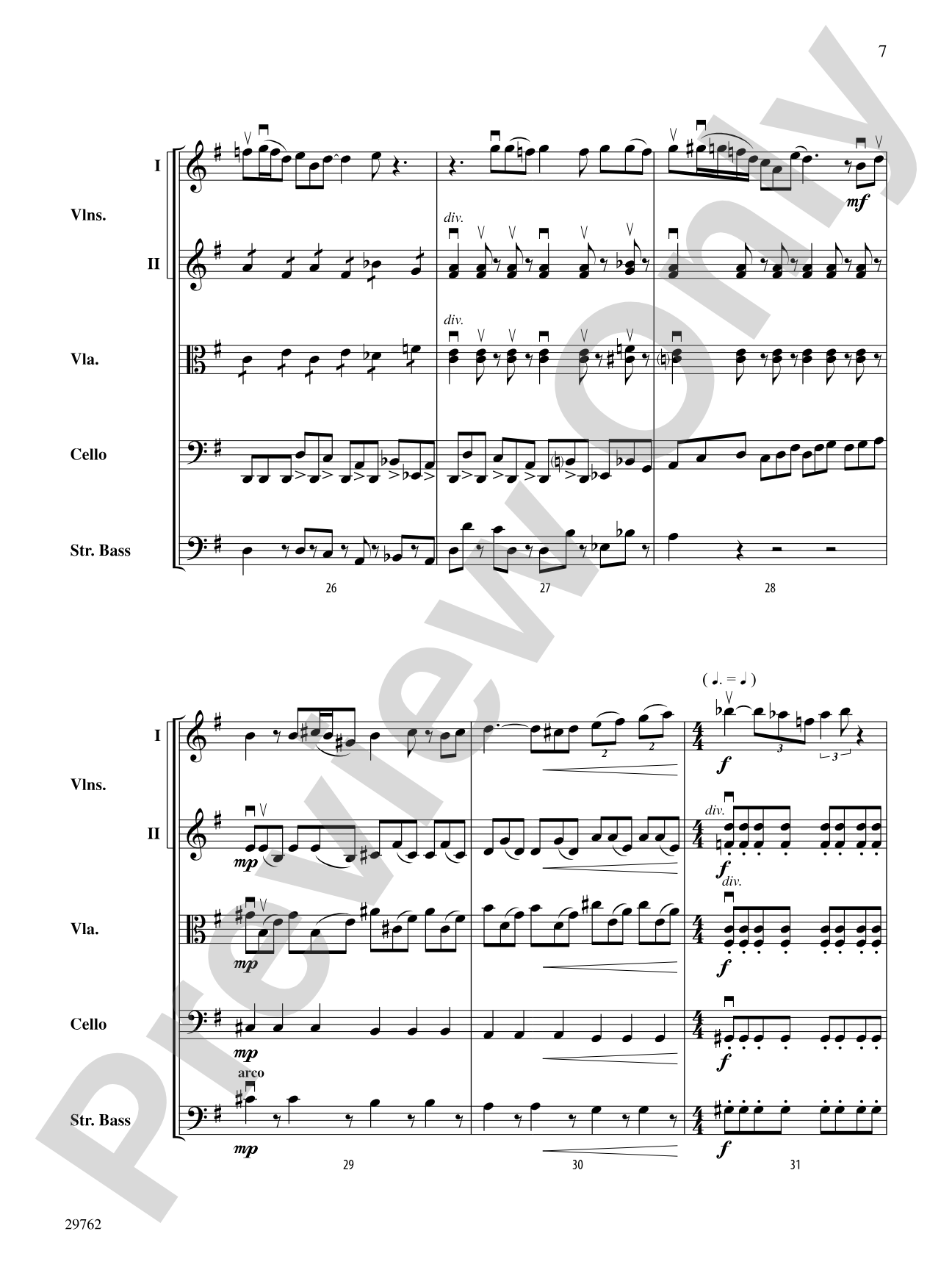
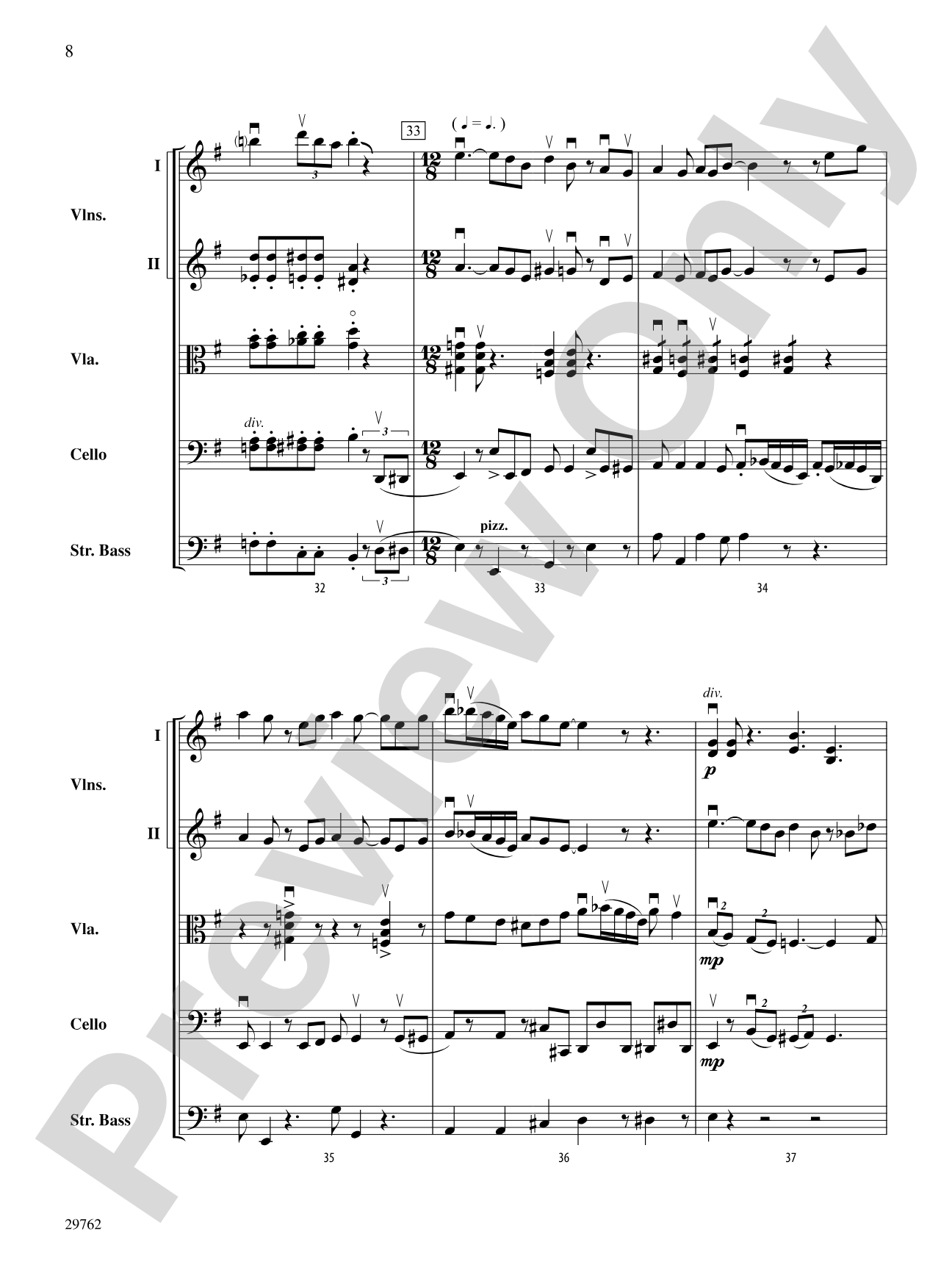
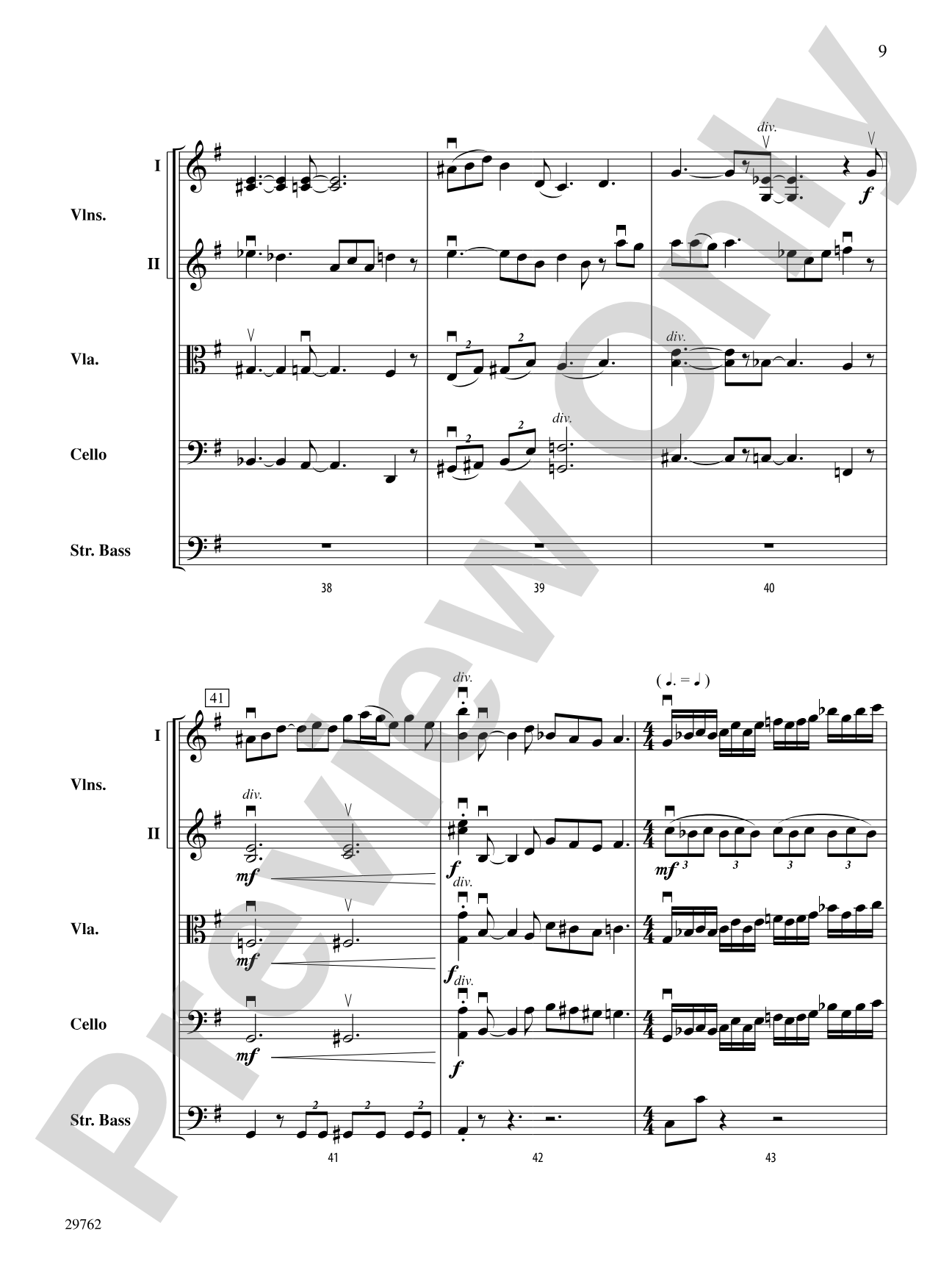
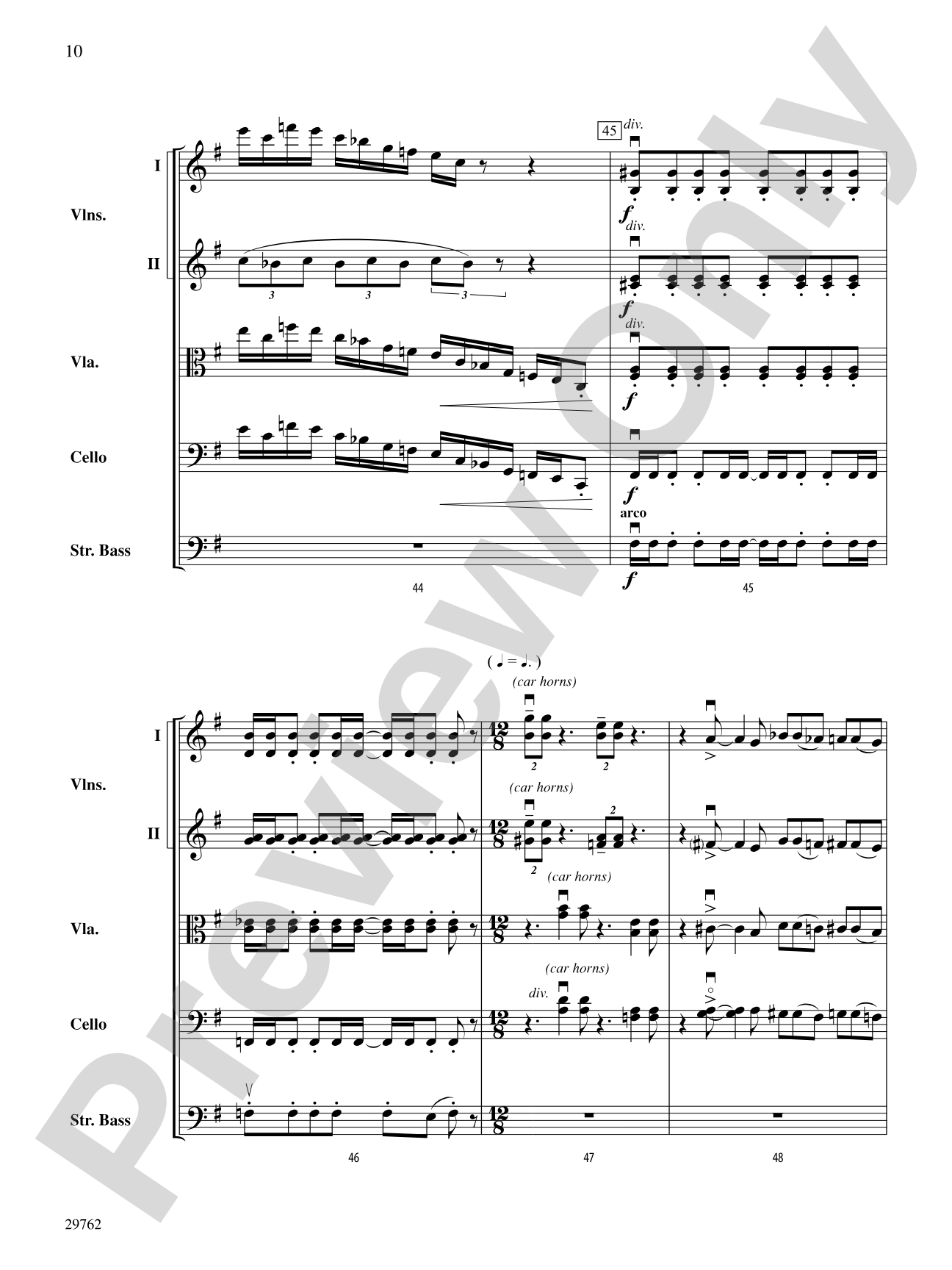
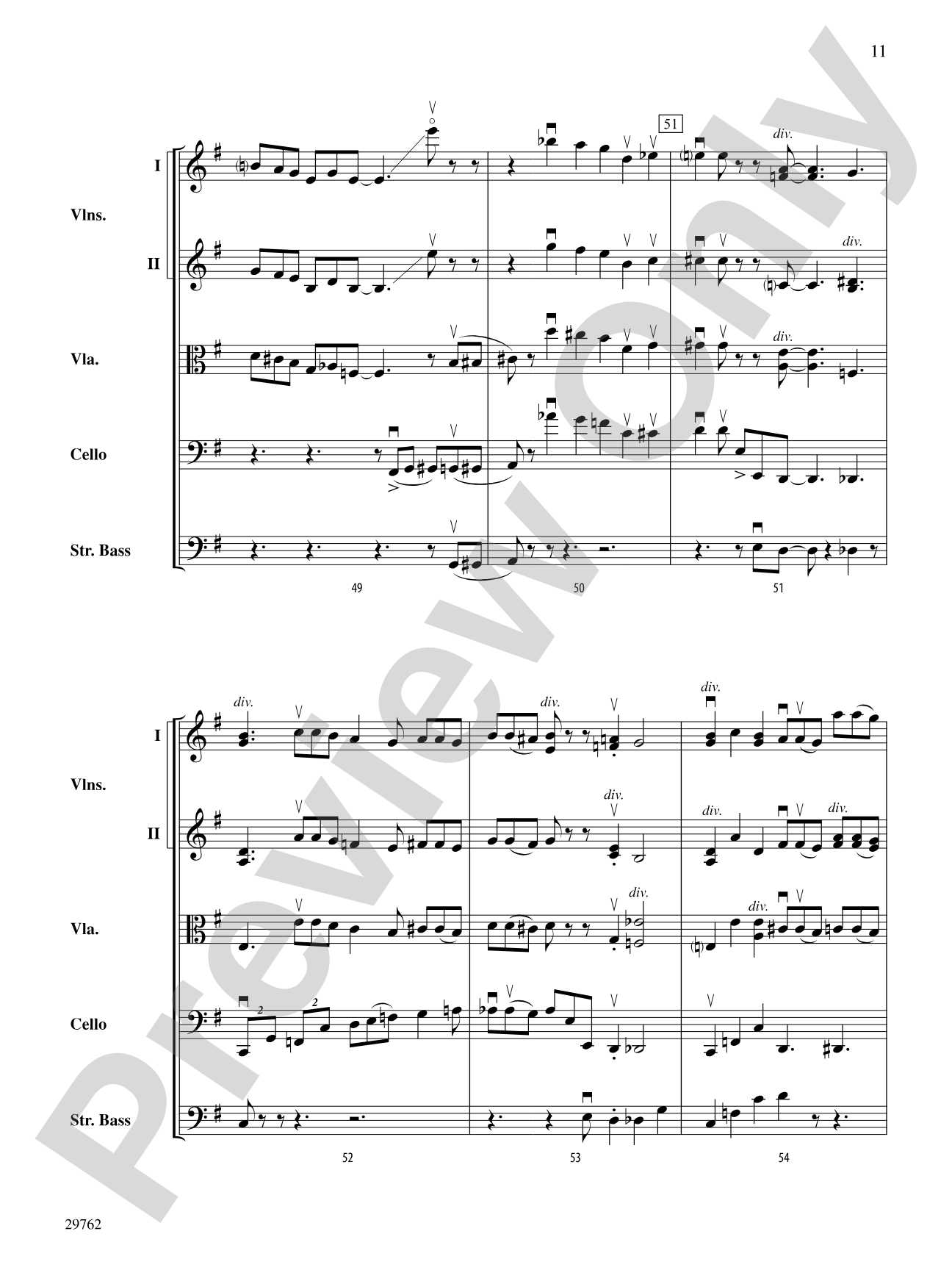
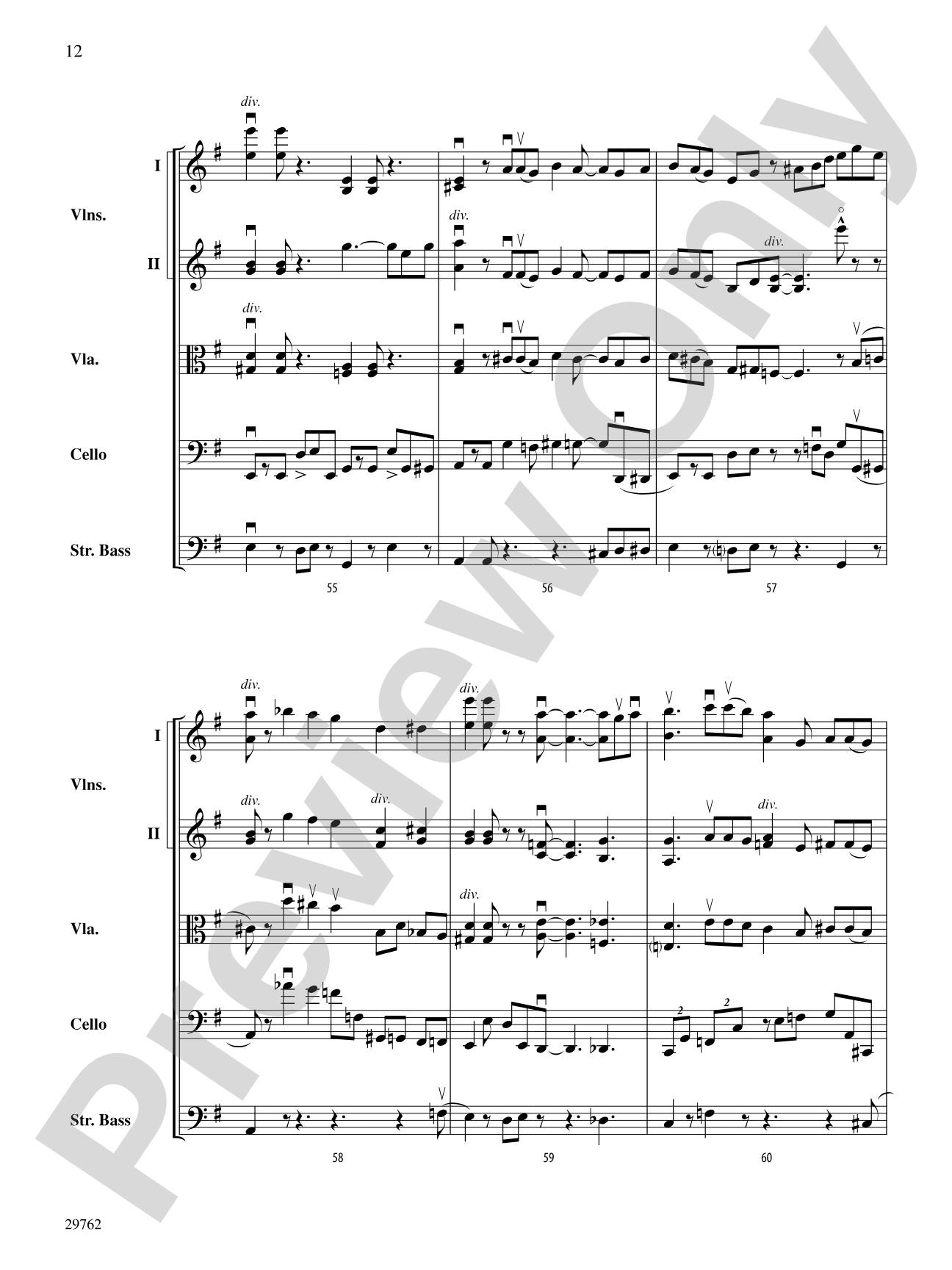
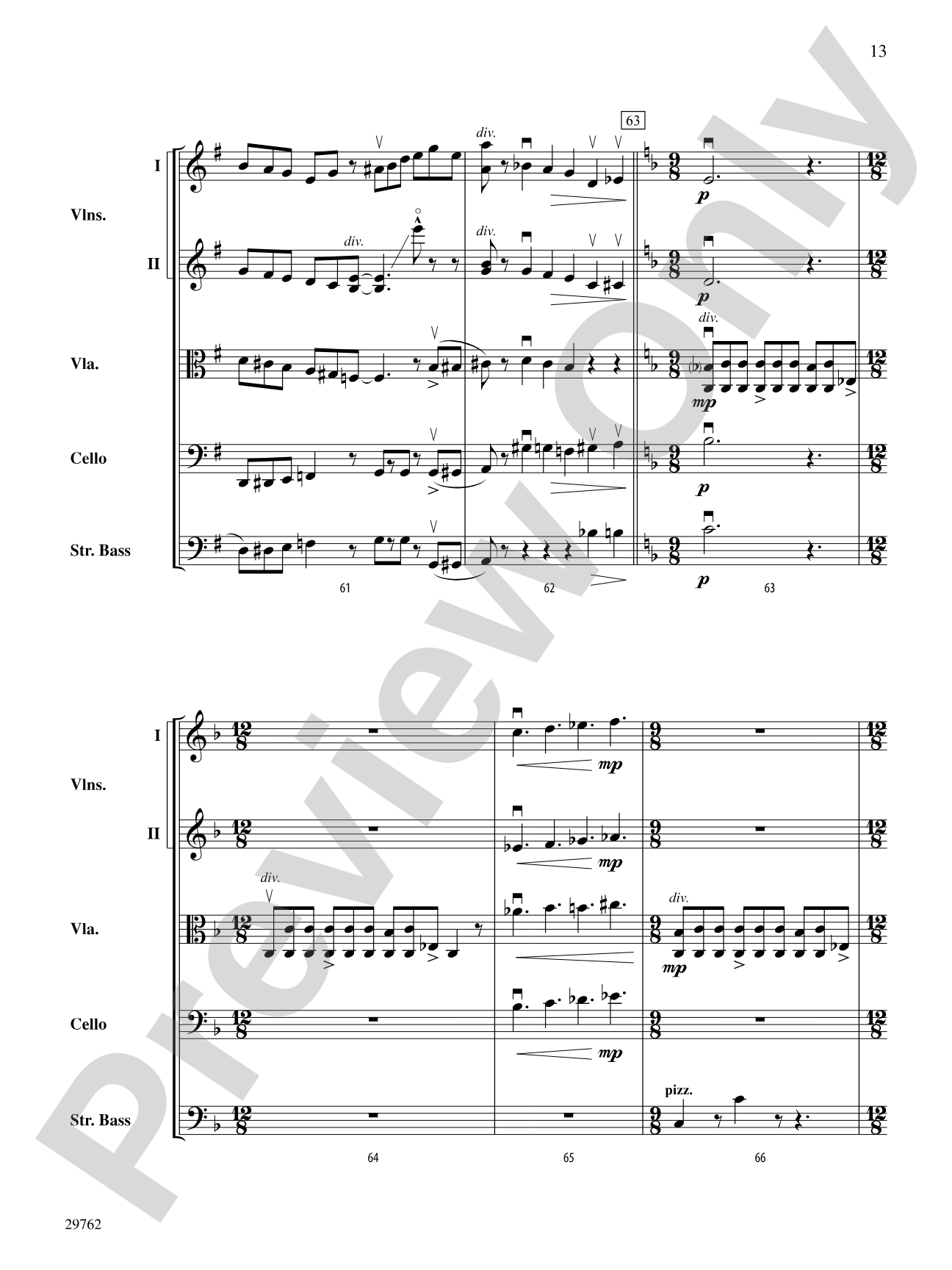
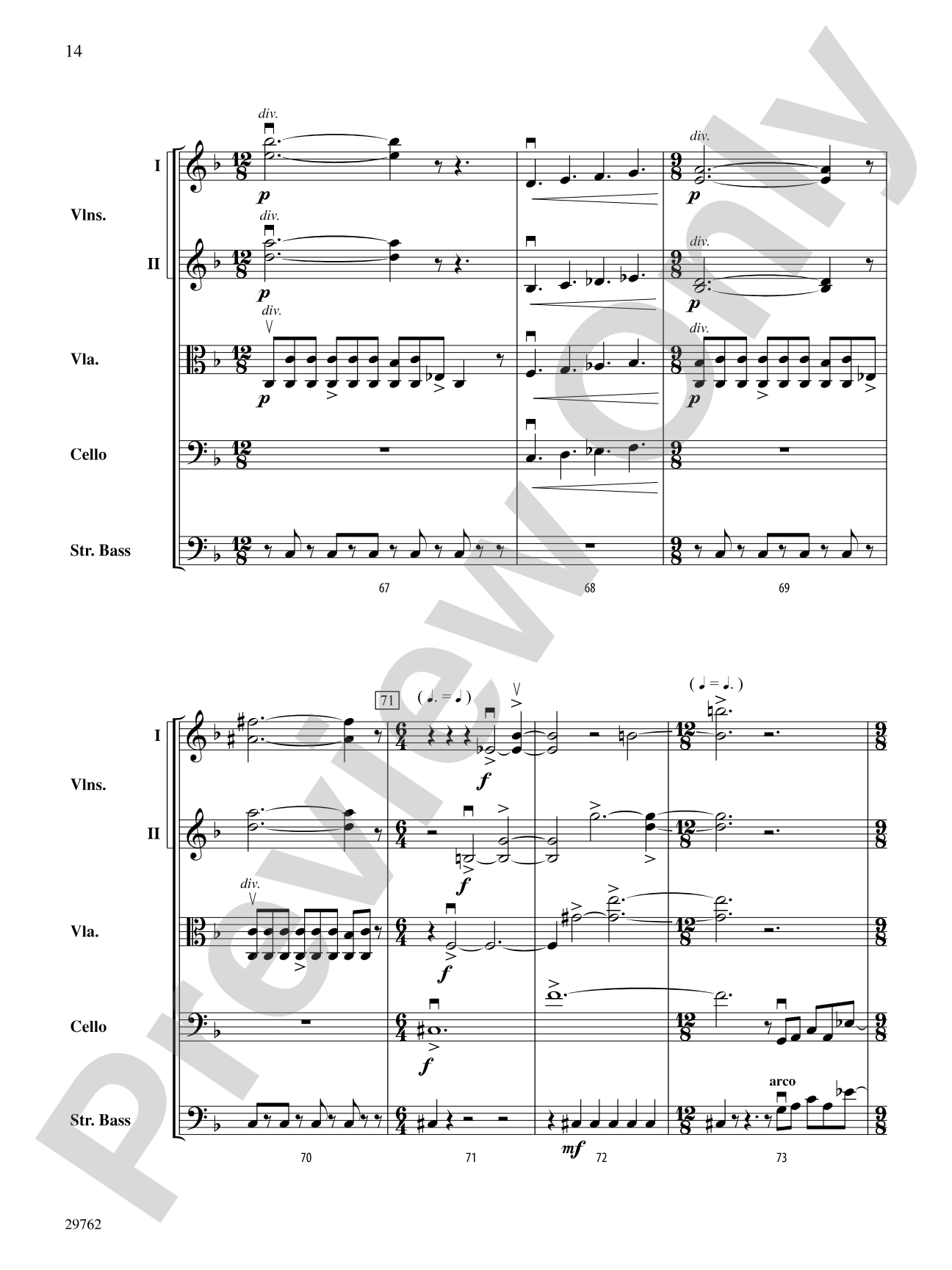
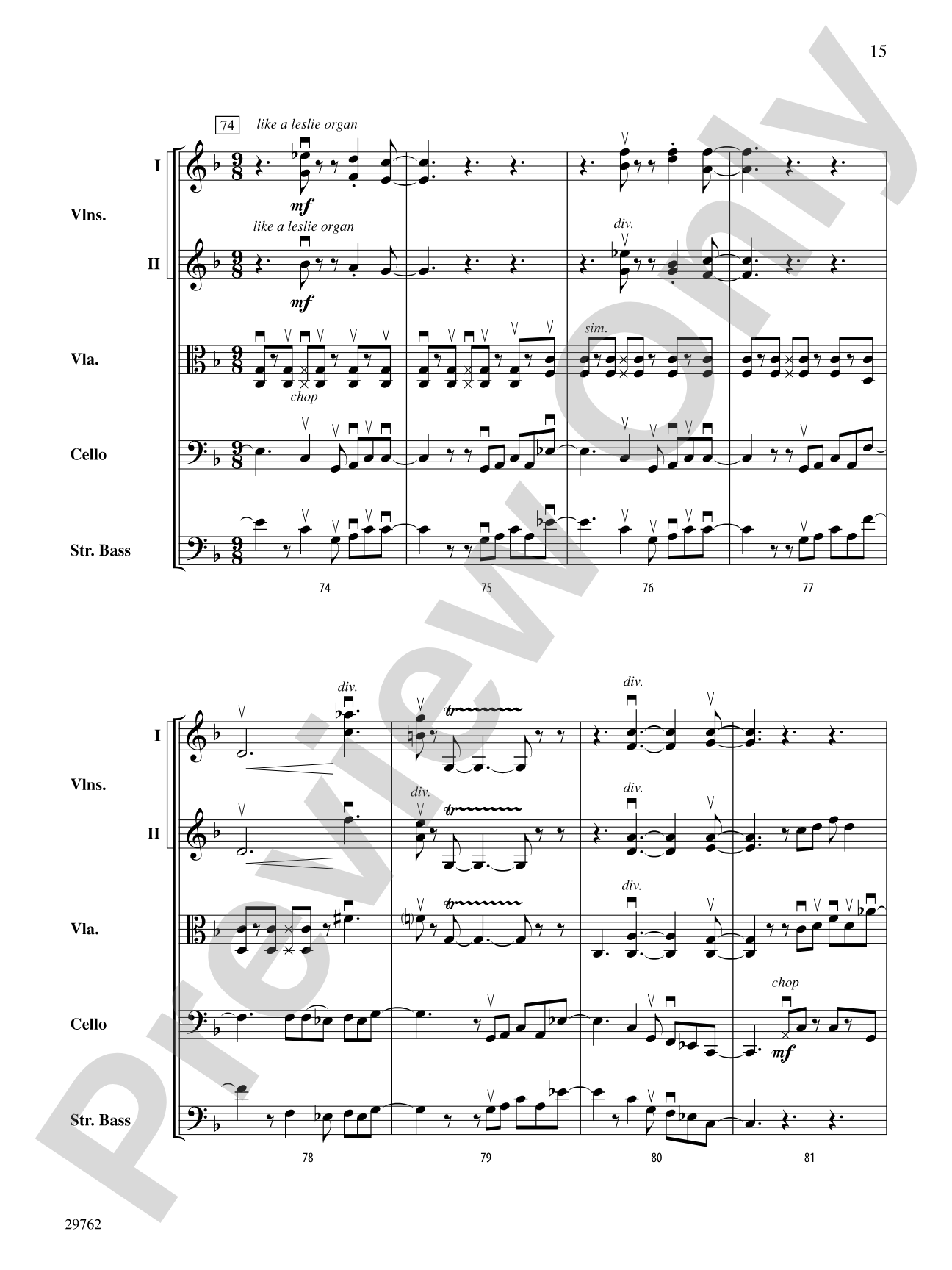
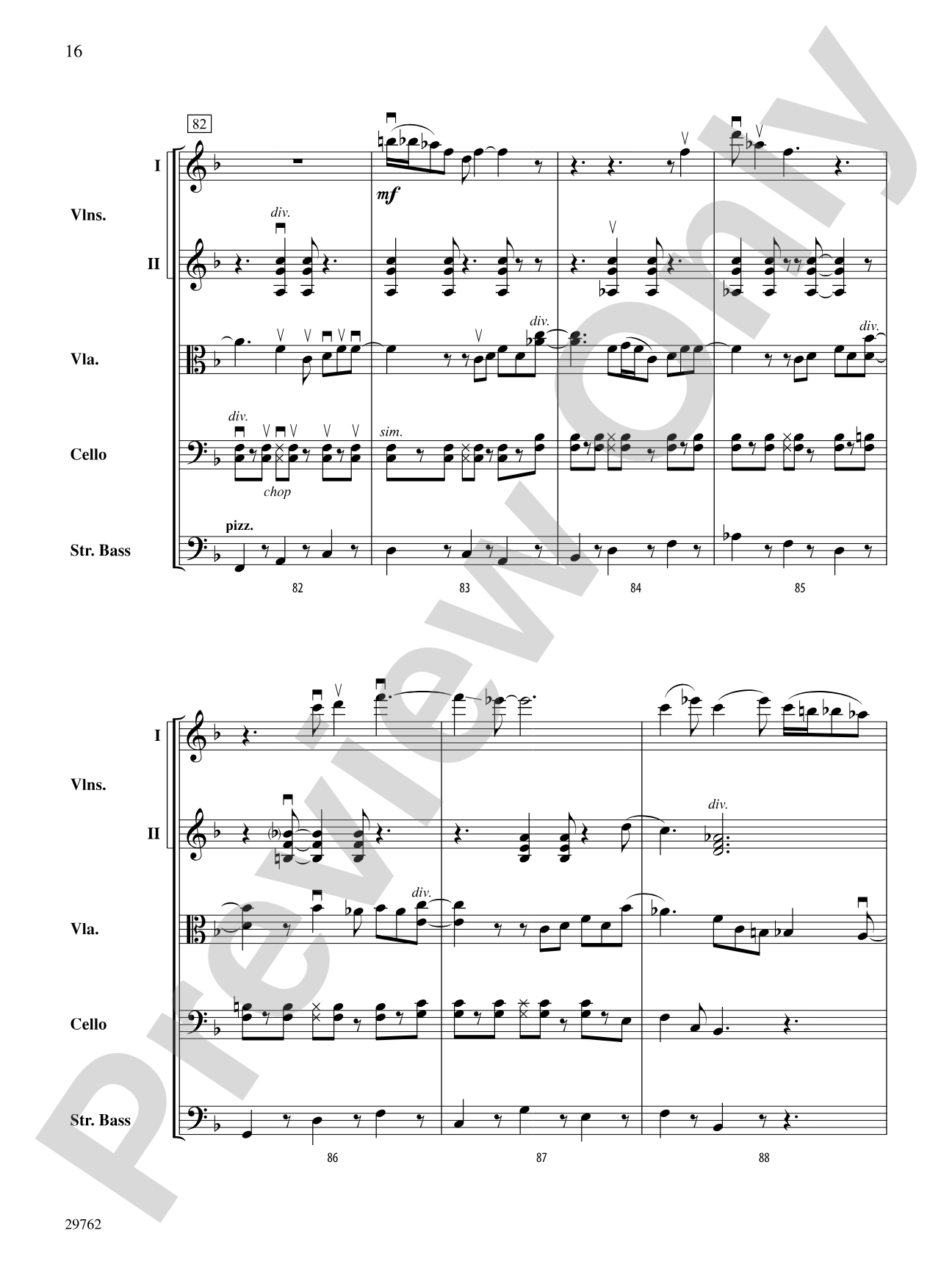
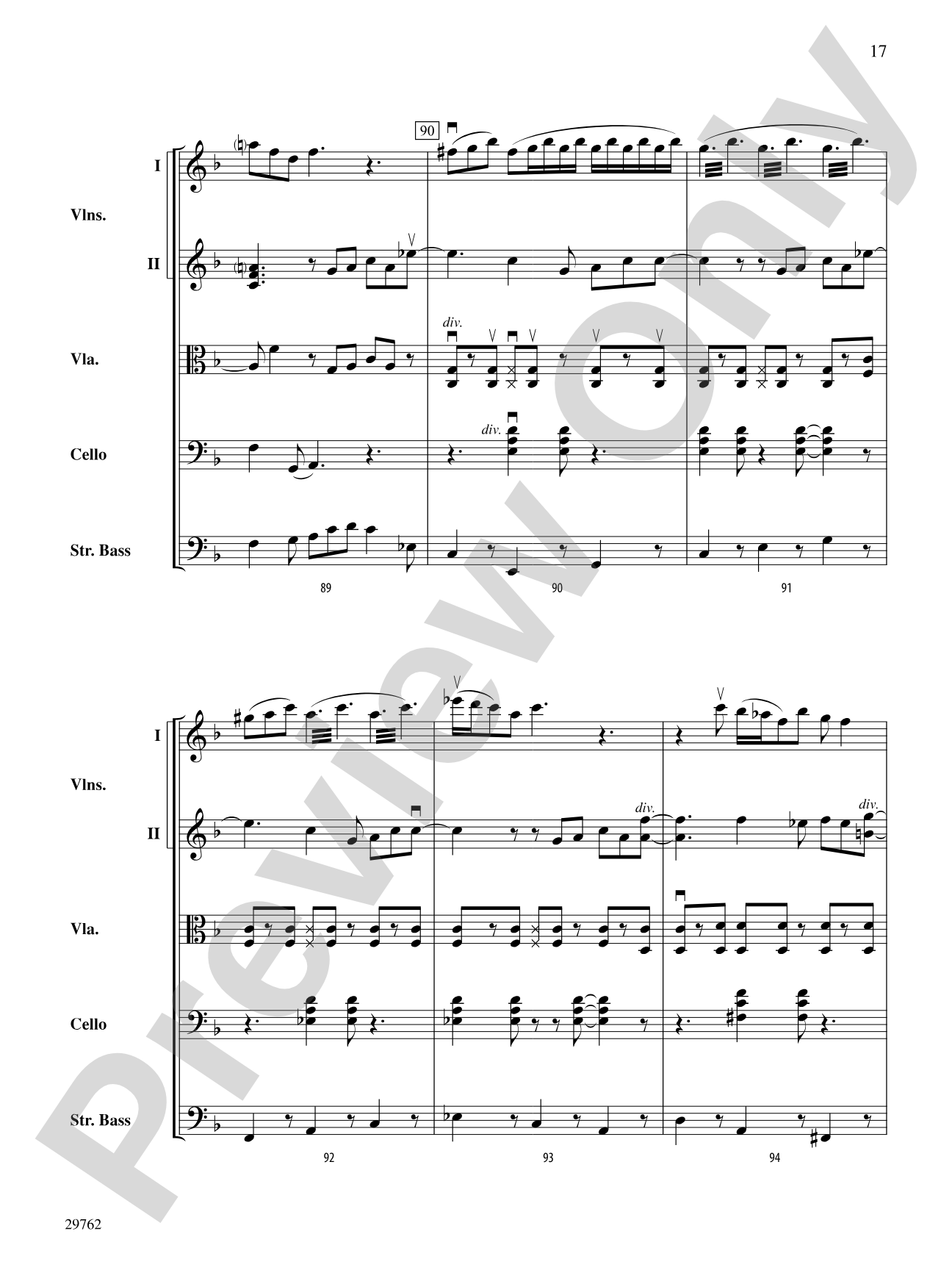
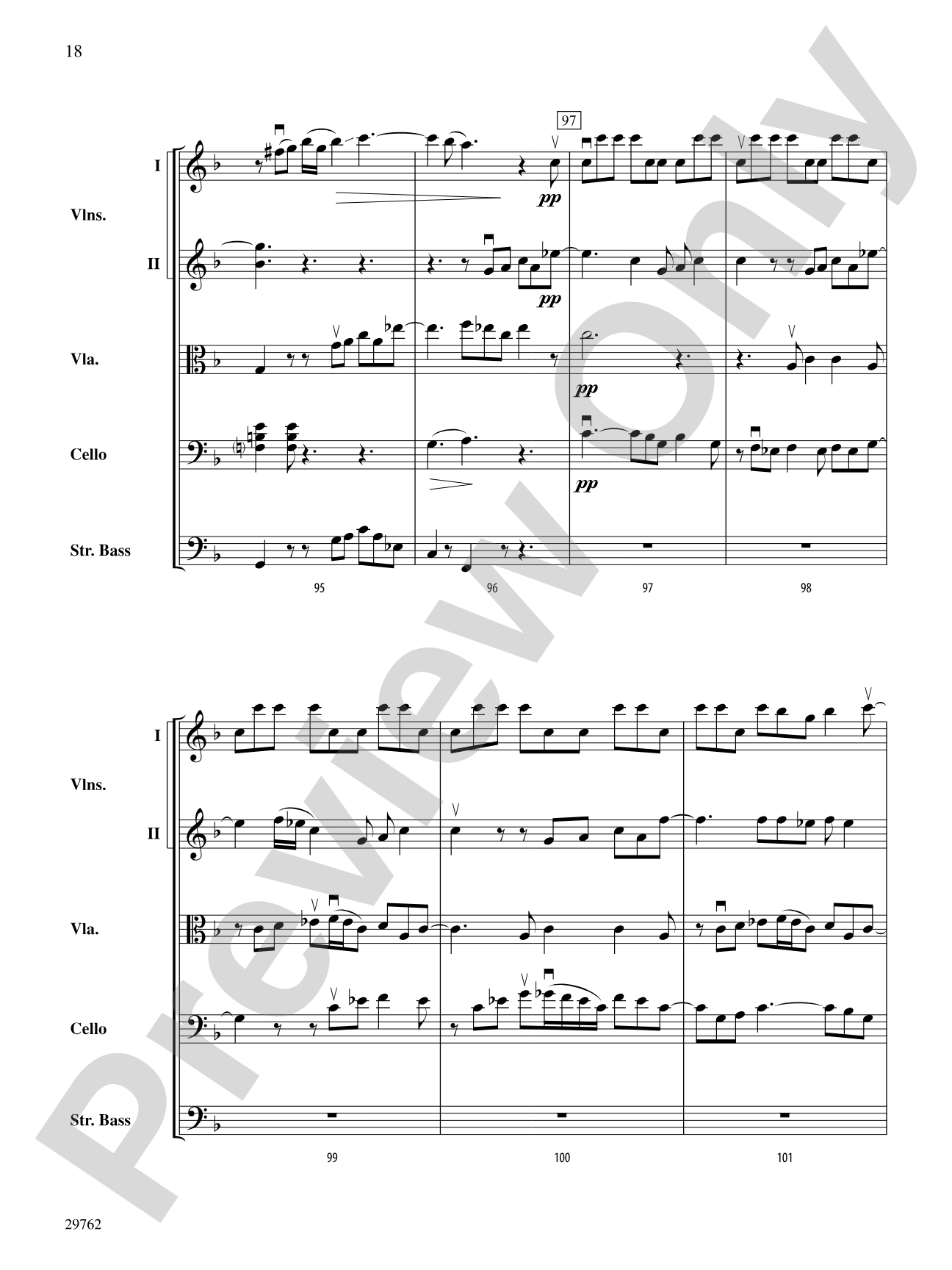
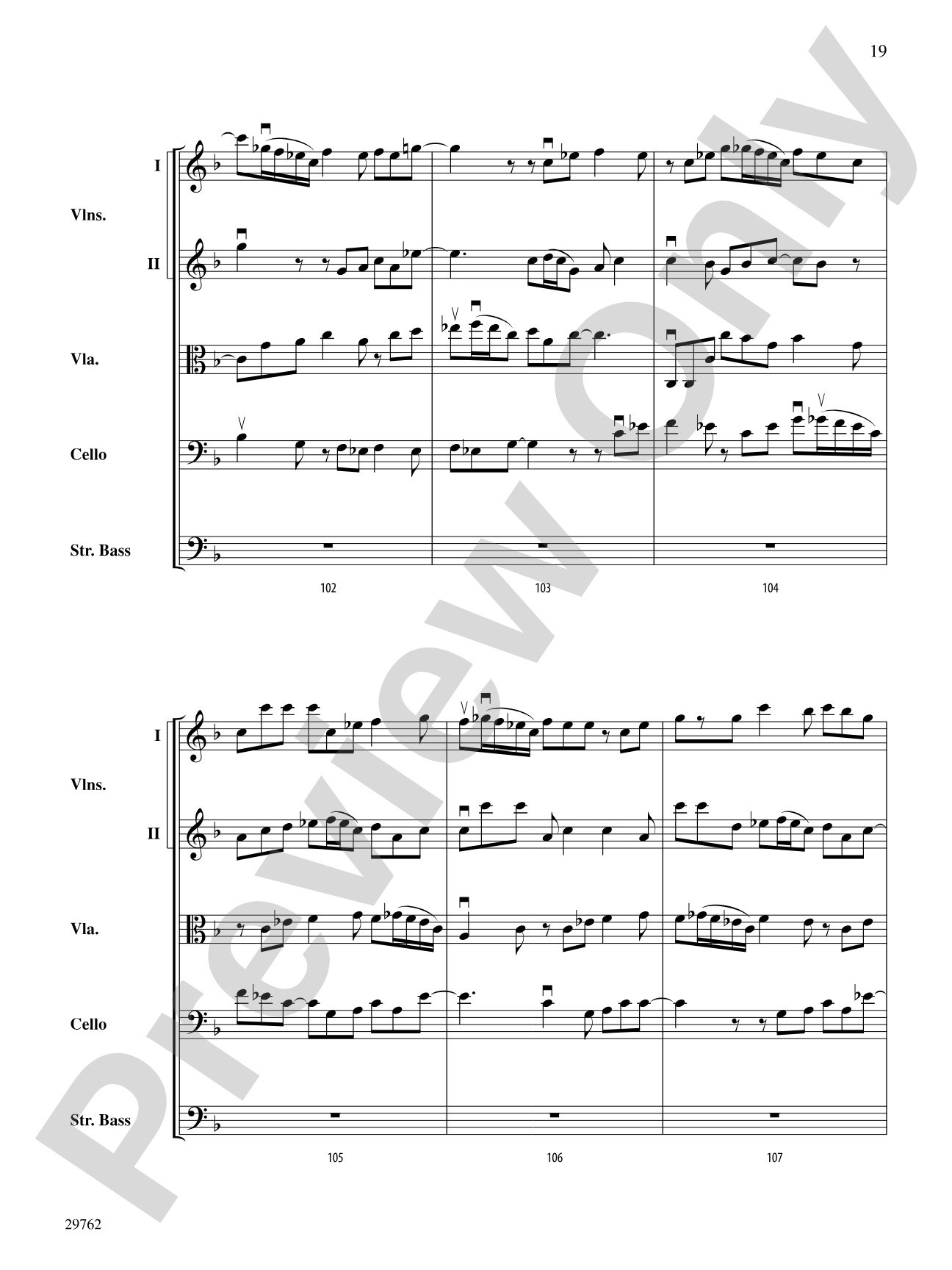
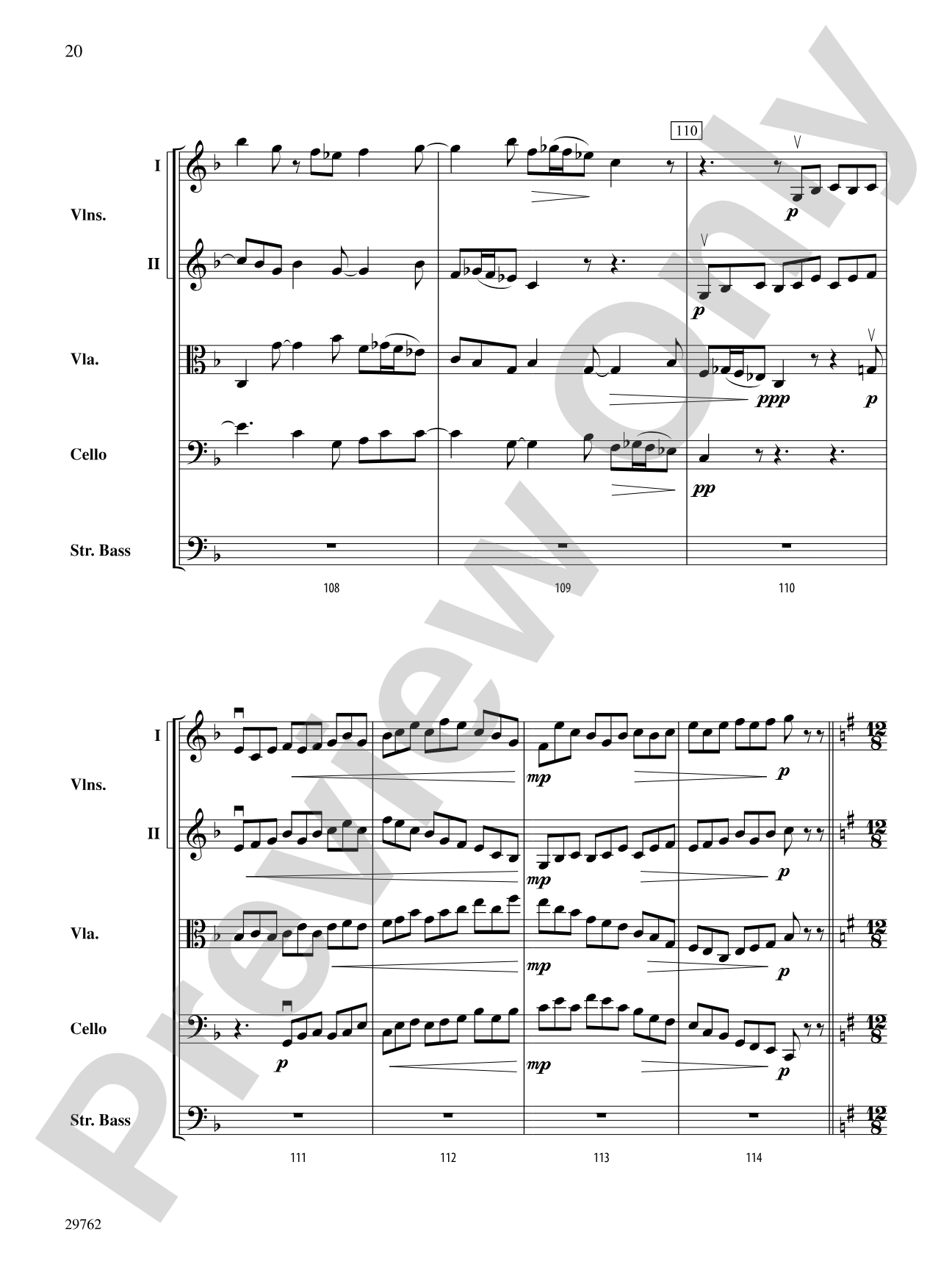
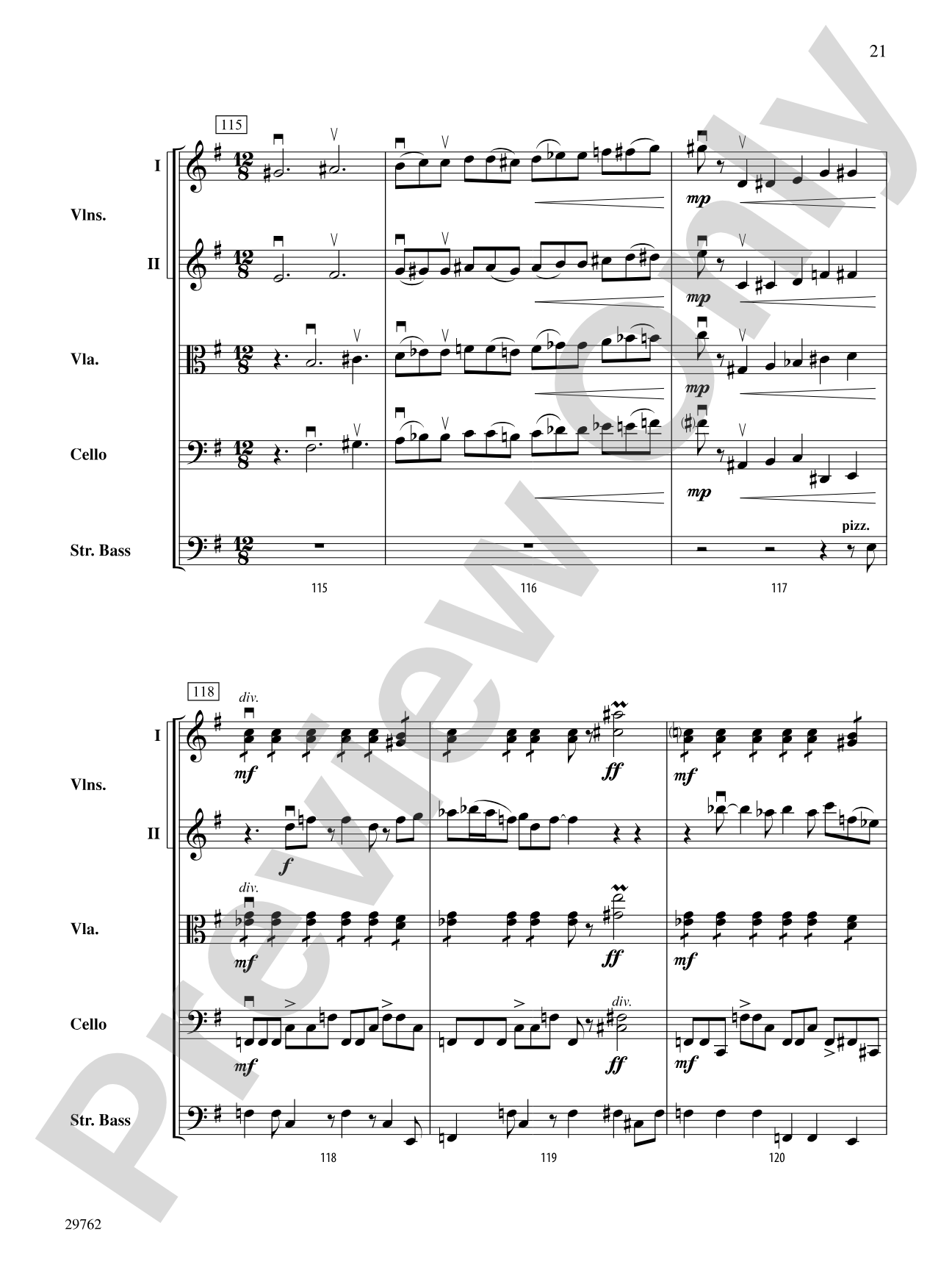
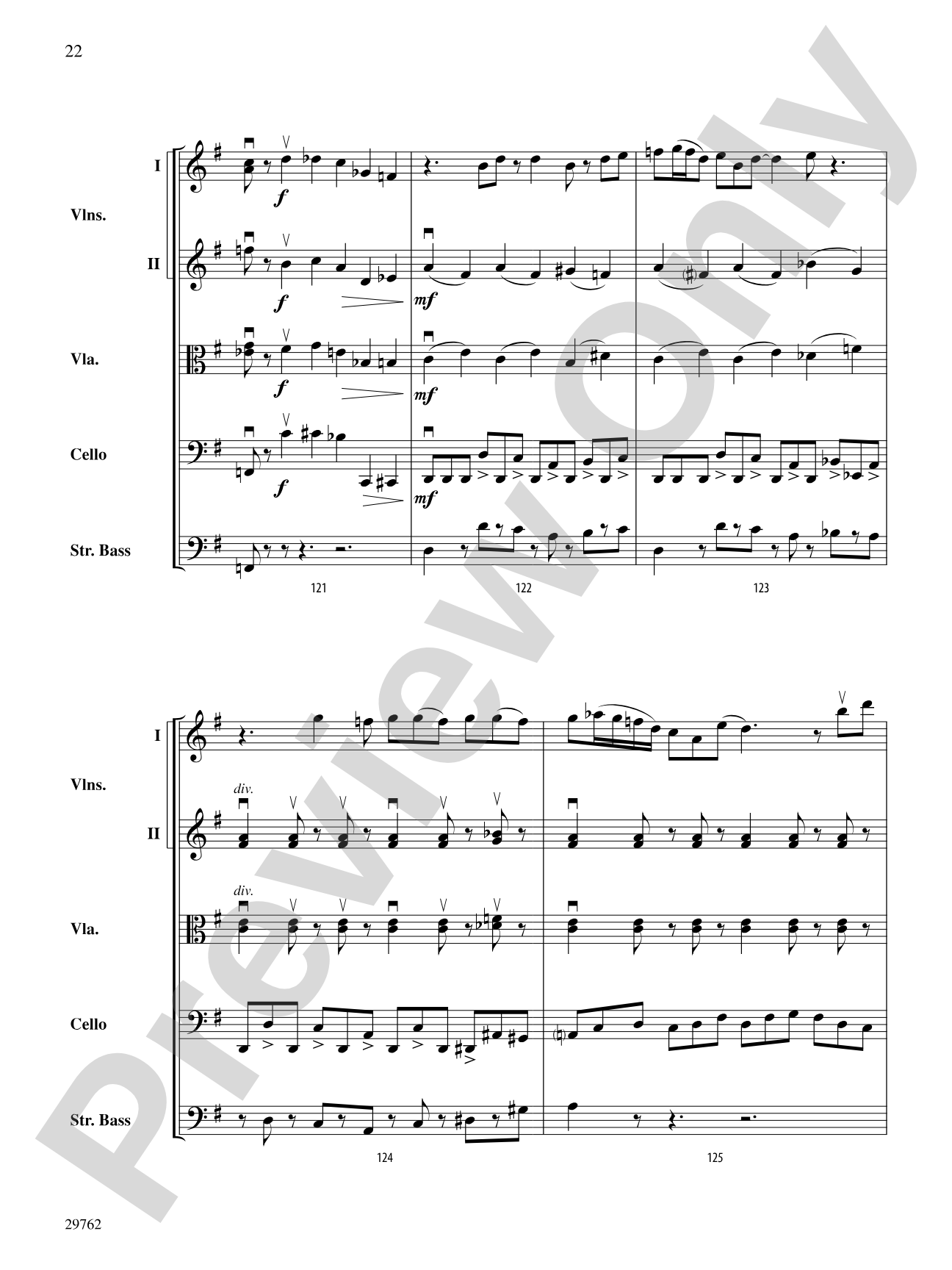
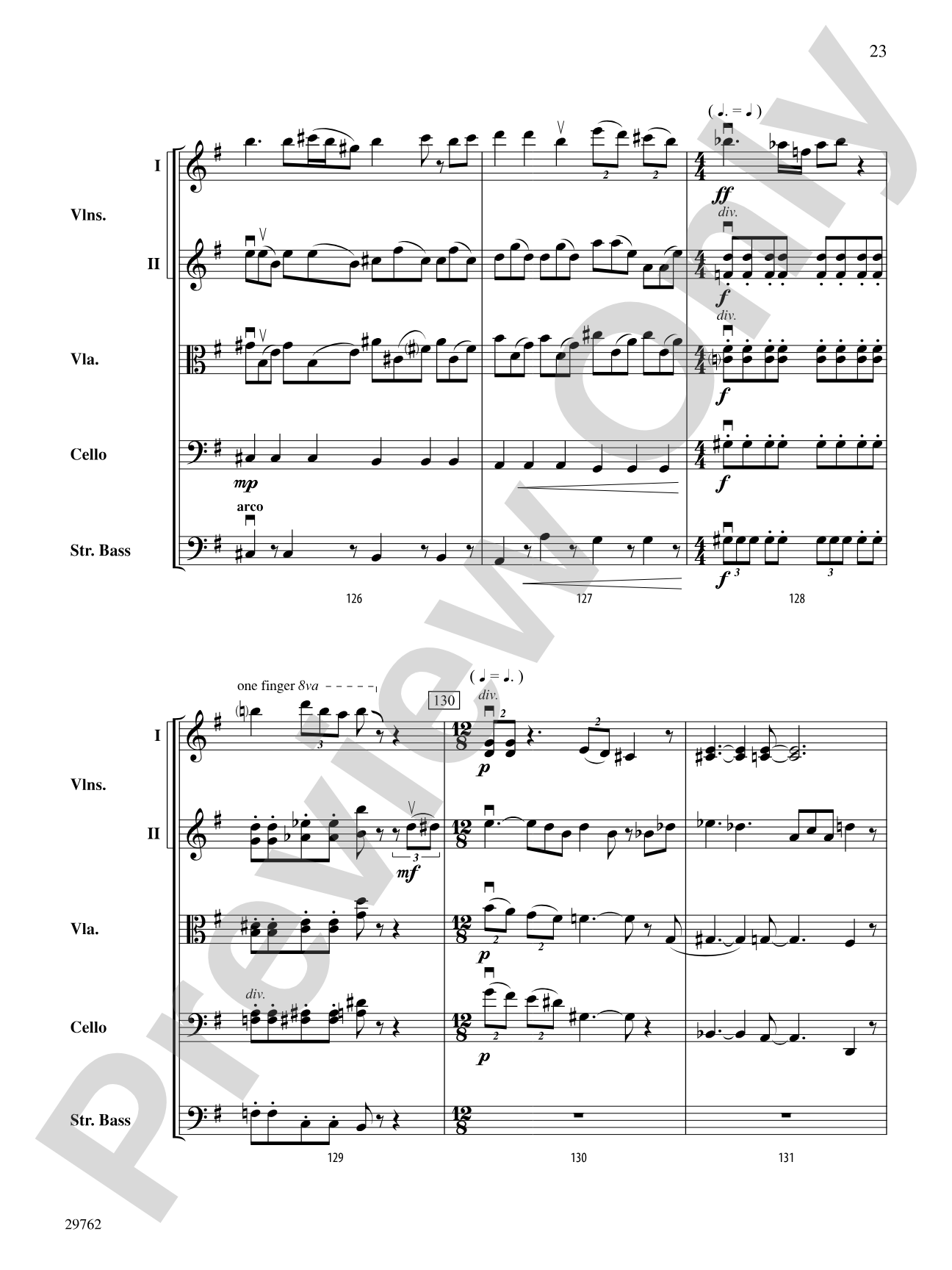
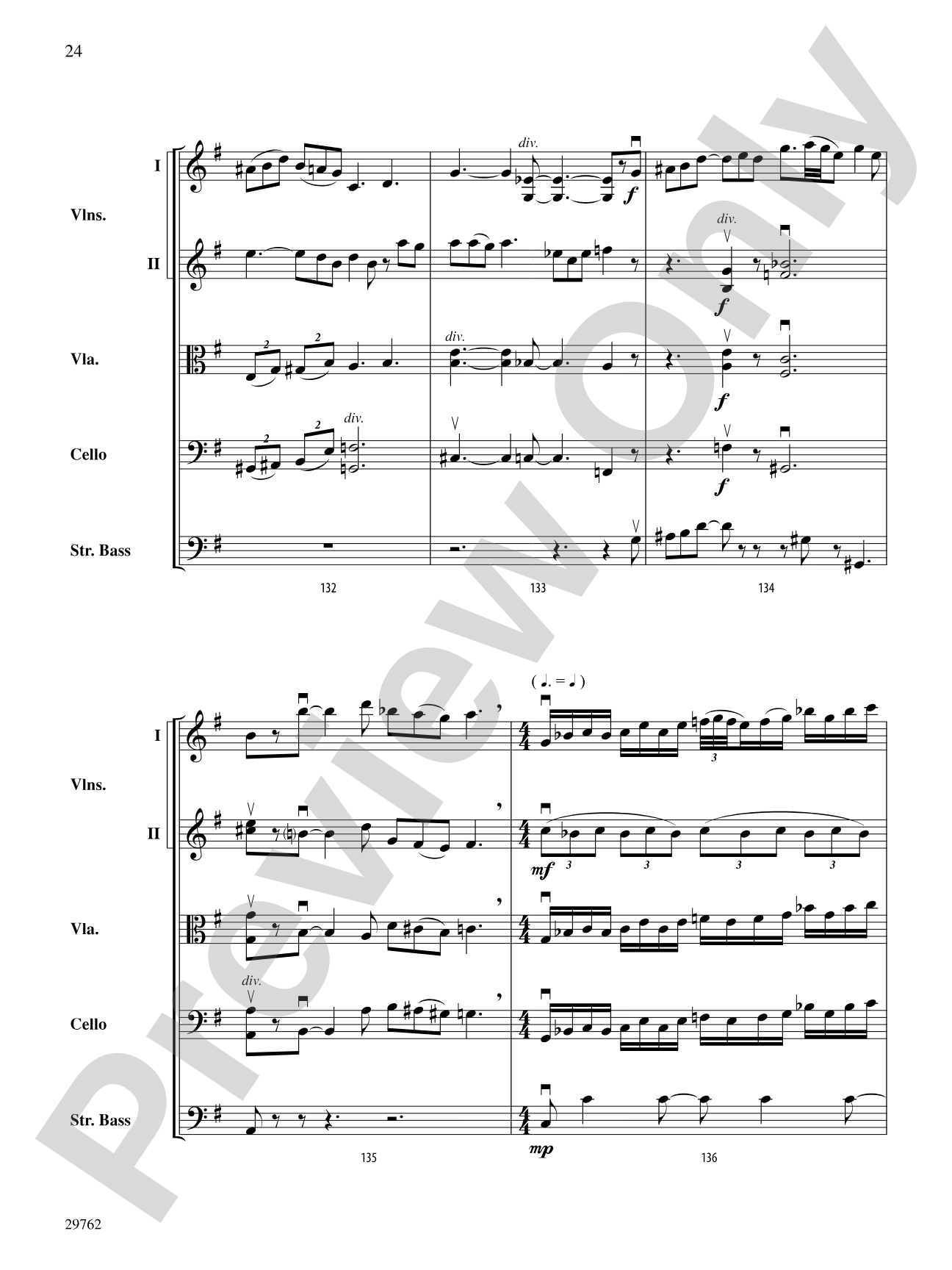
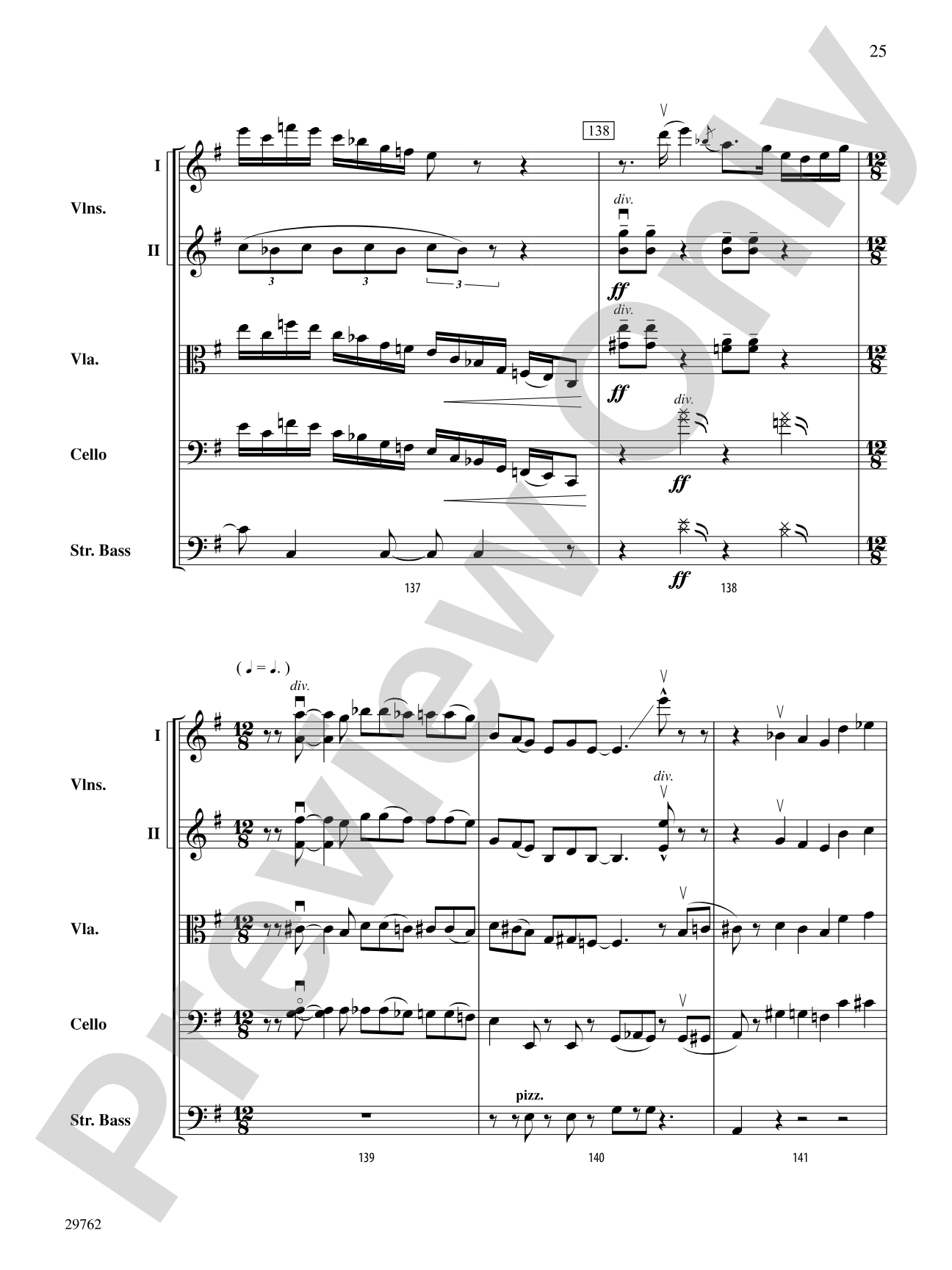
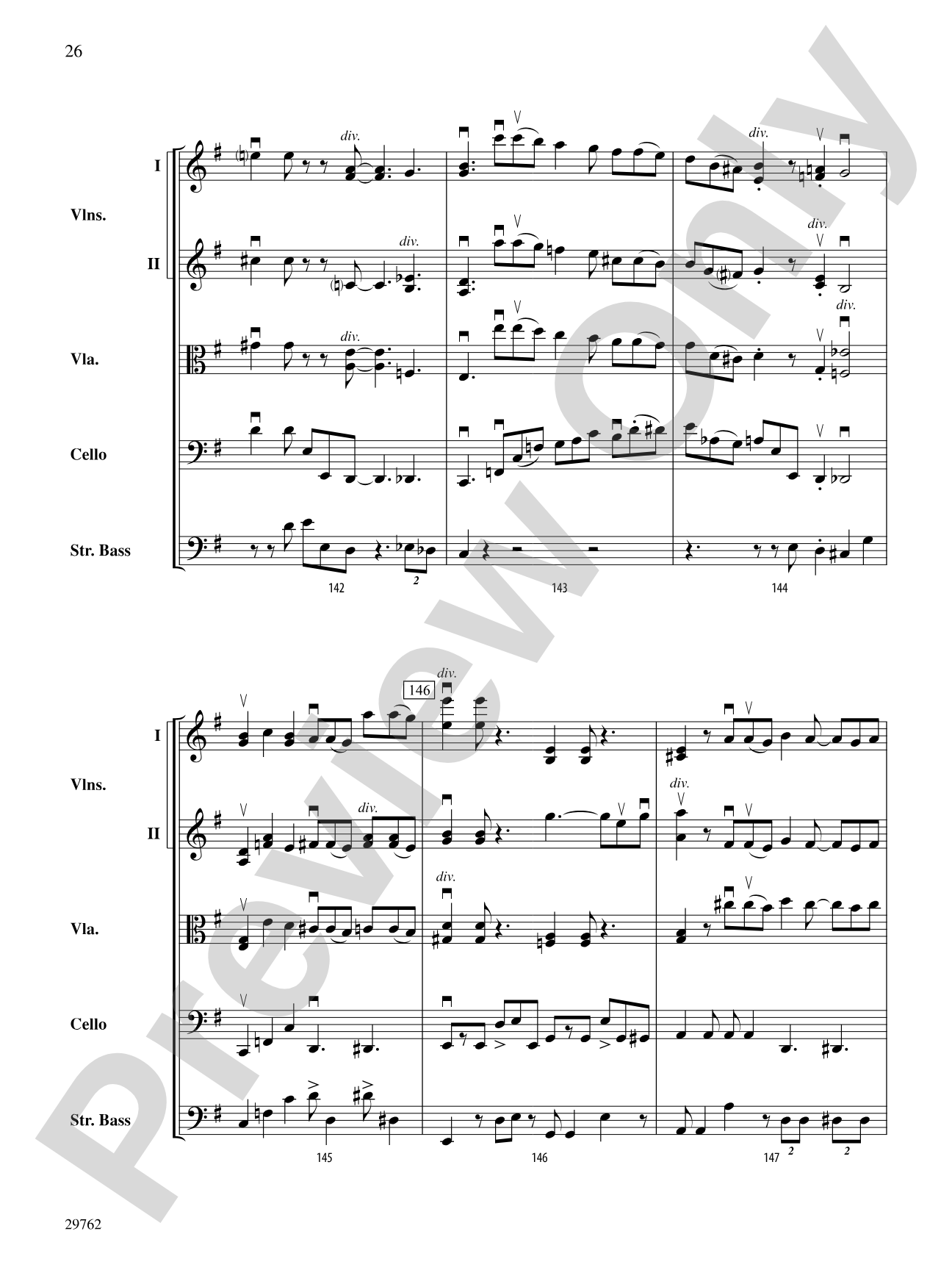
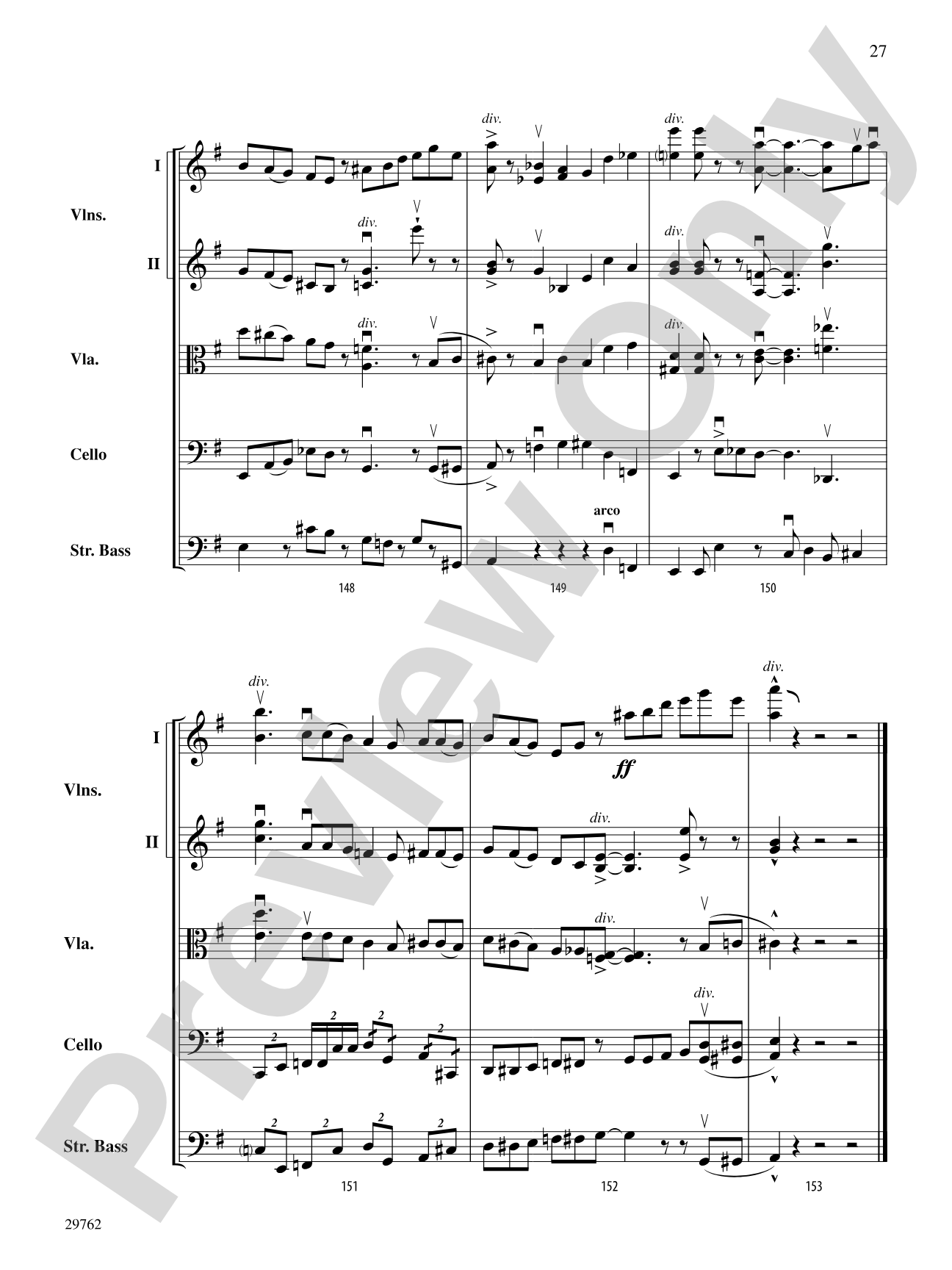


Steel City Strut: Score
By Danny Seidenberg
Grade: 4.5
Item: 00-PR-0001588
$10.00
Pickup currently not available
Description
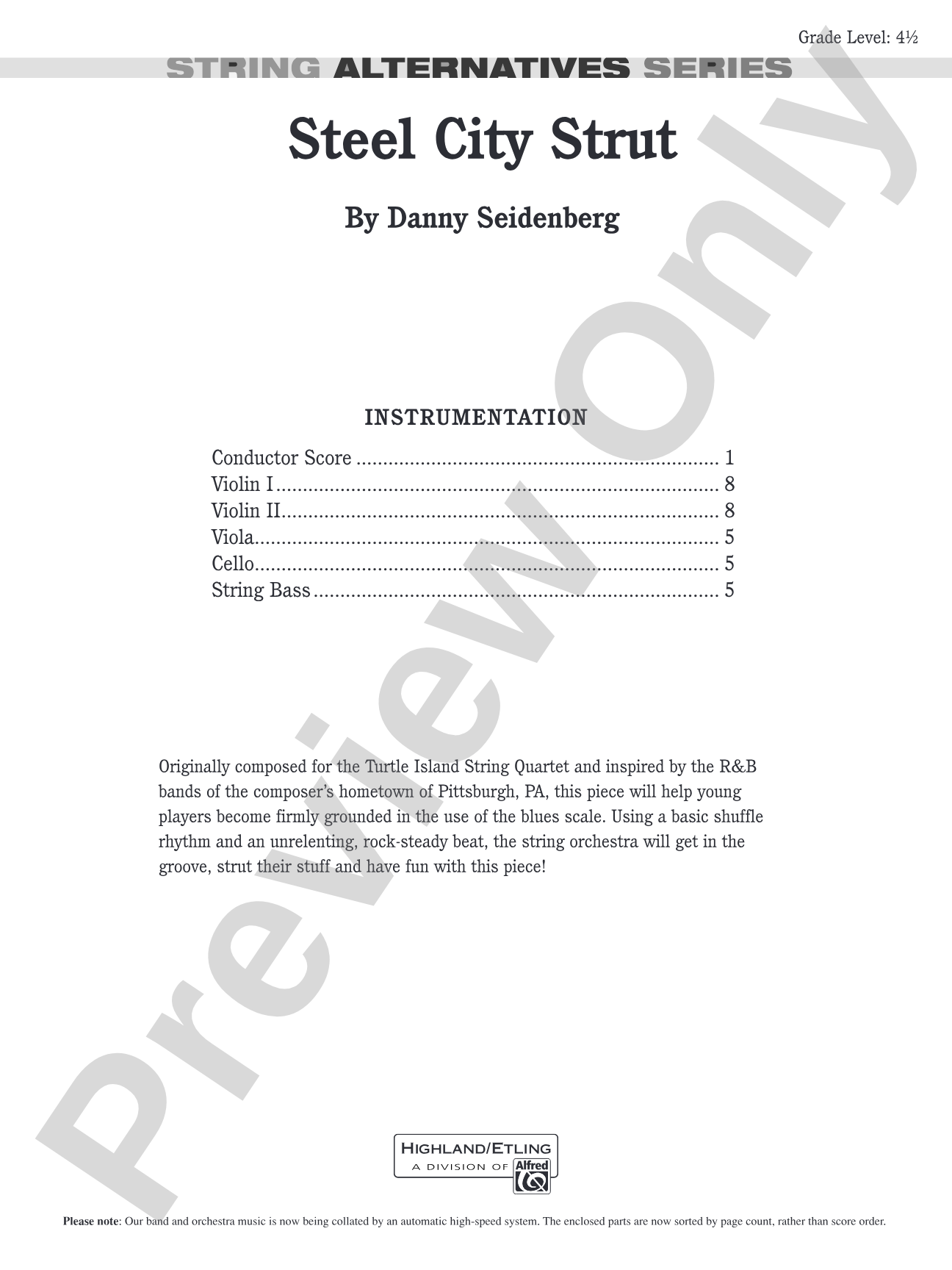
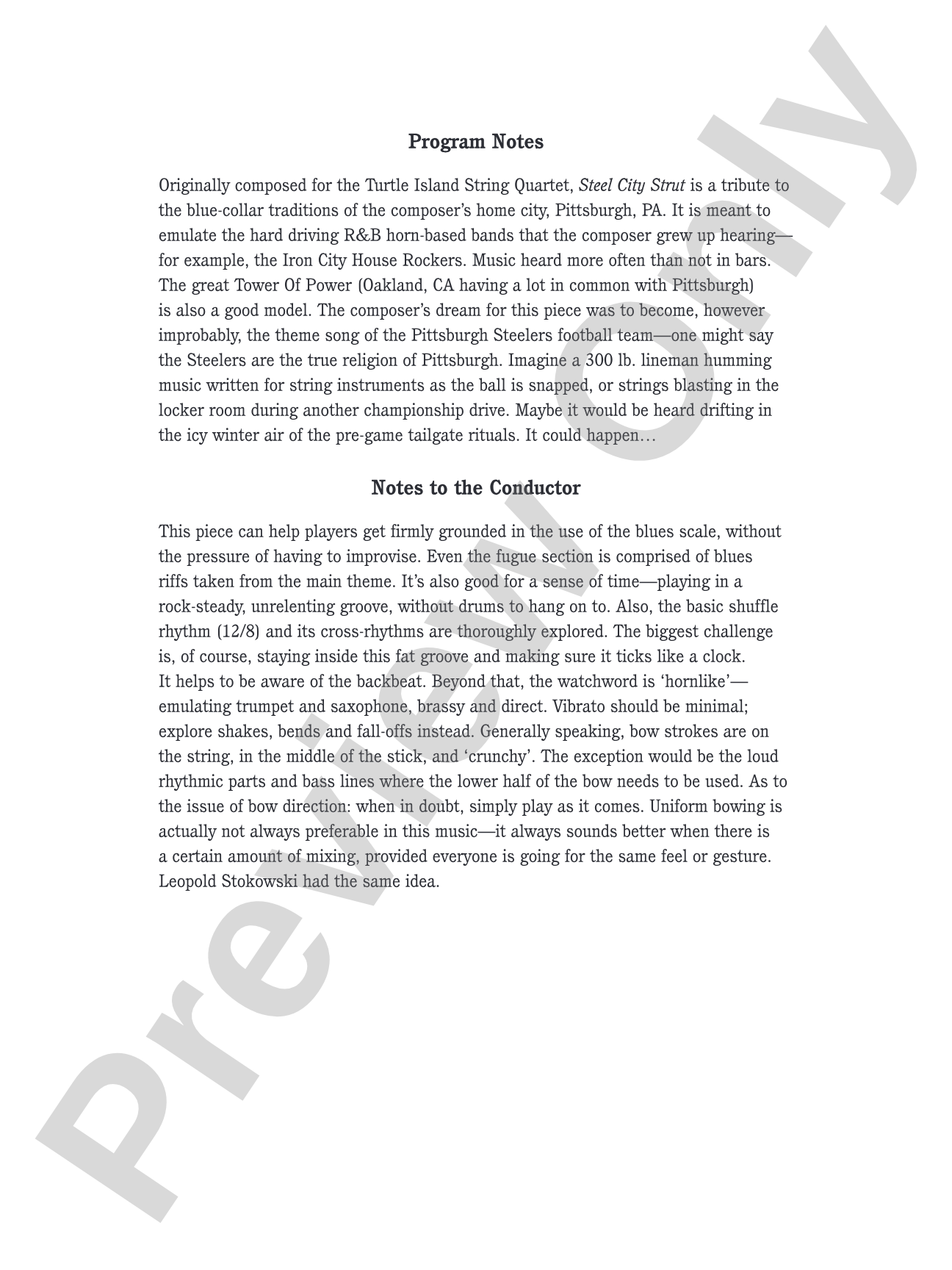
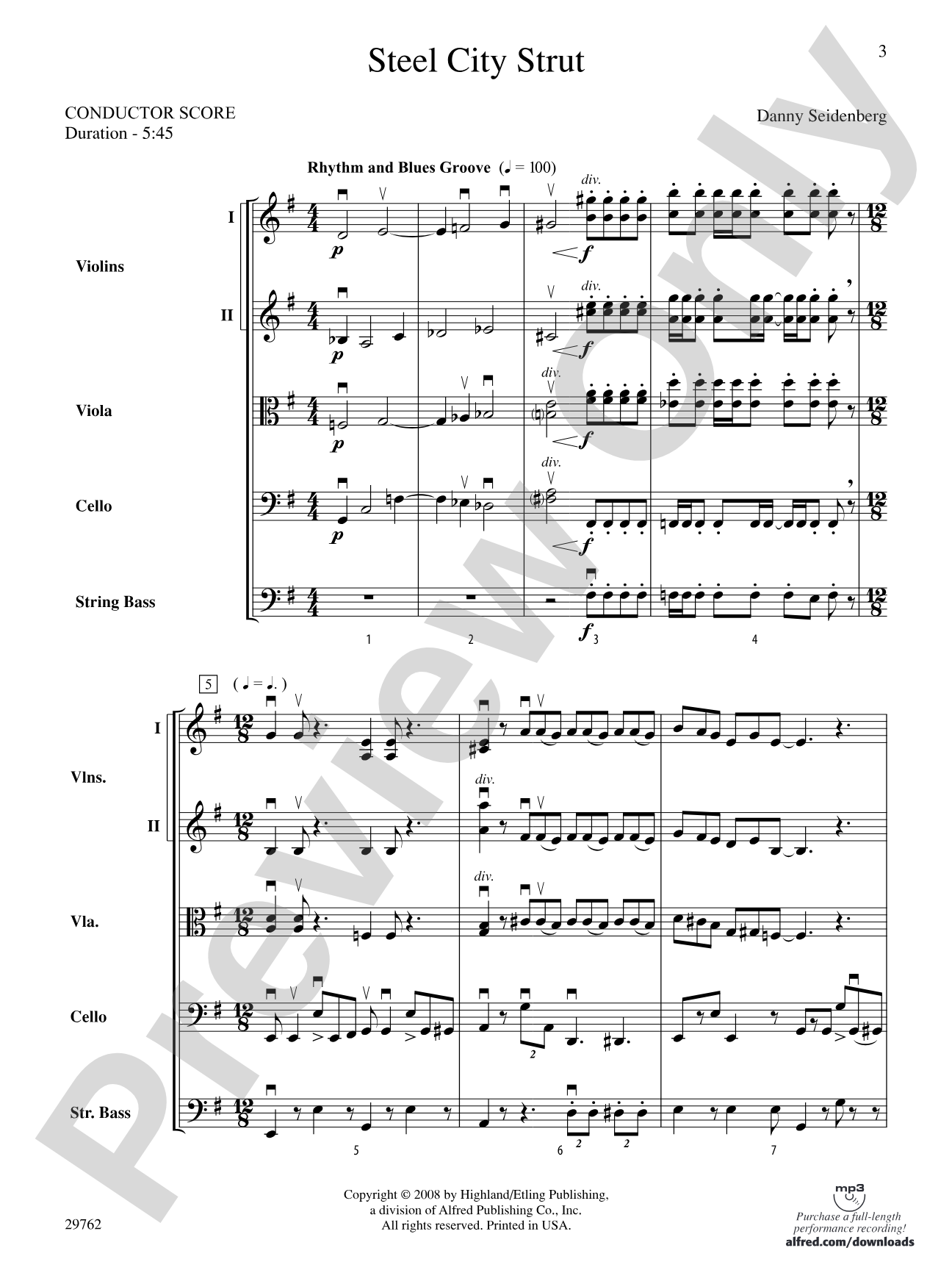
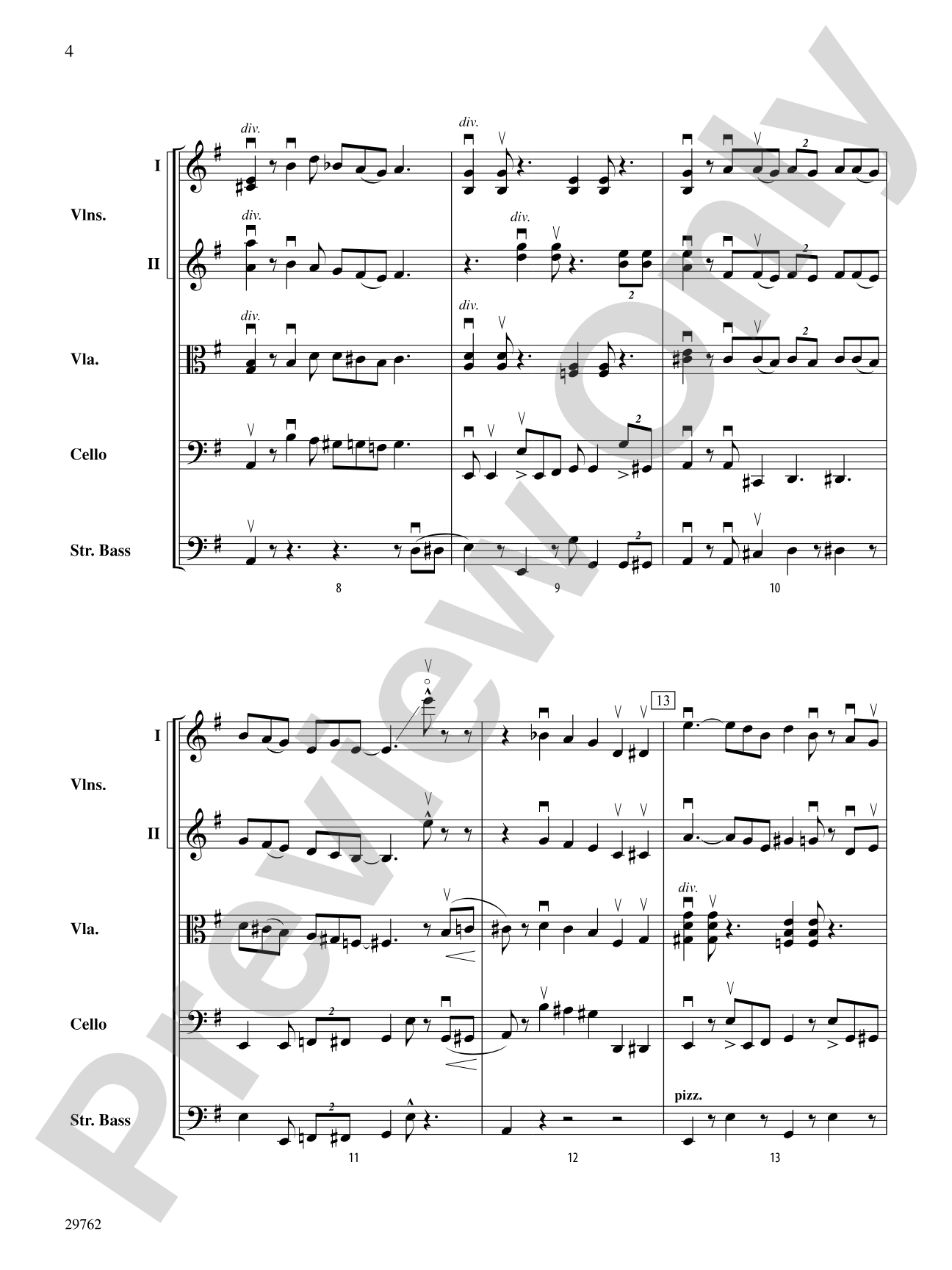
Originally composed for the Turtle Island String Quartet and inspired by the R&B bands of the composer's hometown of Pittsburgh, PA, this piece will help young players become firmly grounded in the use of the blues scale. Using a basic shuffle rhythm and an unrelenting, rock-steady beat, the string orchestra will get in the groove and strut their stuff---and have fun---with this piece! (5:45)


Don't just read it, hear it, play along with it, and watch your students grow with it. In MakeMusic Cloud, Steel City Strut: Score comes alive with professional accompaniment, adjustable tempo, and built-in practice tools that turn solo practice into real progress.
Open in the Player
Jump straight in and assign it today.
Start Your Free Trial
Open this title and explore the full library in minutes.
Sample Audio
1
Audio File
--:--
0:00
0:00
Sample Video
No sample videos found.
Additional Details
Series:
Highland/Etling String Alternatives
Publisher:
Alfred Music
Page Count:
124
SKU:
00-PR-0001588
More about this title
About the Composer: Danny Seidenberg
Danny Seidenberg draws on his Pittsburgh roots to create string music that speaks to contemporary ensembles. His work for Turtle Island String Quartet demonstrates a deep understanding of how strings can embrace rhythmic grooves and stylistic diversity beyond the classical tradition.
Why we love this
Seidenberg writes for young string players with genuine stylistic authority. Rather than adapting jazz or R&B idioms from the outside, he grounds this piece in the blues scale and shuffle rhythm as primary compositional tools, so students aren't just playing the notes—they're learning the harmonic and rhythmic DNA of the style. The result feels earned and confident, not derivative.
What to expect
Urban and energetic. The blues scale gives the piece a soulful edge, while the shuffle rhythm and unrelenting beat create forward momentum that draws the ensemble into a genuine groove. There's swagger here—justified swagger, grounded in real musical material.
Who it's for
String orchestra conductors at the intermediate-advanced level who want their students to experience stylistically authentic music beyond classical tradition. Young players ready to tackle rhythmic precision, jazz inflection, and ensemble independence will thrive with this piece.
How to get the most out of it
- Lock the tempo early and keep the shuffle rhythm metronomic. The piece depends on that rock-steady beat; any wavering in the rhythm section (cellos and basses especially) will undermine the groove.
- Shape the melody line with attitude. The blues scale can sound plaintive or it can sound bold. Encourage violins to lean into the character and phrasing cues rather than playing note-to-note.
- Balance the ensemble so the texture breathes. With sustained harmonies underneath a moving melody, check that you're not getting a wall of sound; each section should sit clearly in the mix.
How to use it
Program this as a bridge piece between a traditional classical selection and a contemporary work, or use it to anchor a concert exploring American vernacular music traditions. At nearly six minutes, it carries the weight of a full concert work while remaining accessible to young players.
Skills your students will build
- Blues scale navigation and targeting
- Shuffle rhythm execution and consistency
- Stylistic phrasing in jazz and R&B contexts
- Part independence and ensemble balance in a groove-based texture
- Intonation precision within a blues harmonic framework