
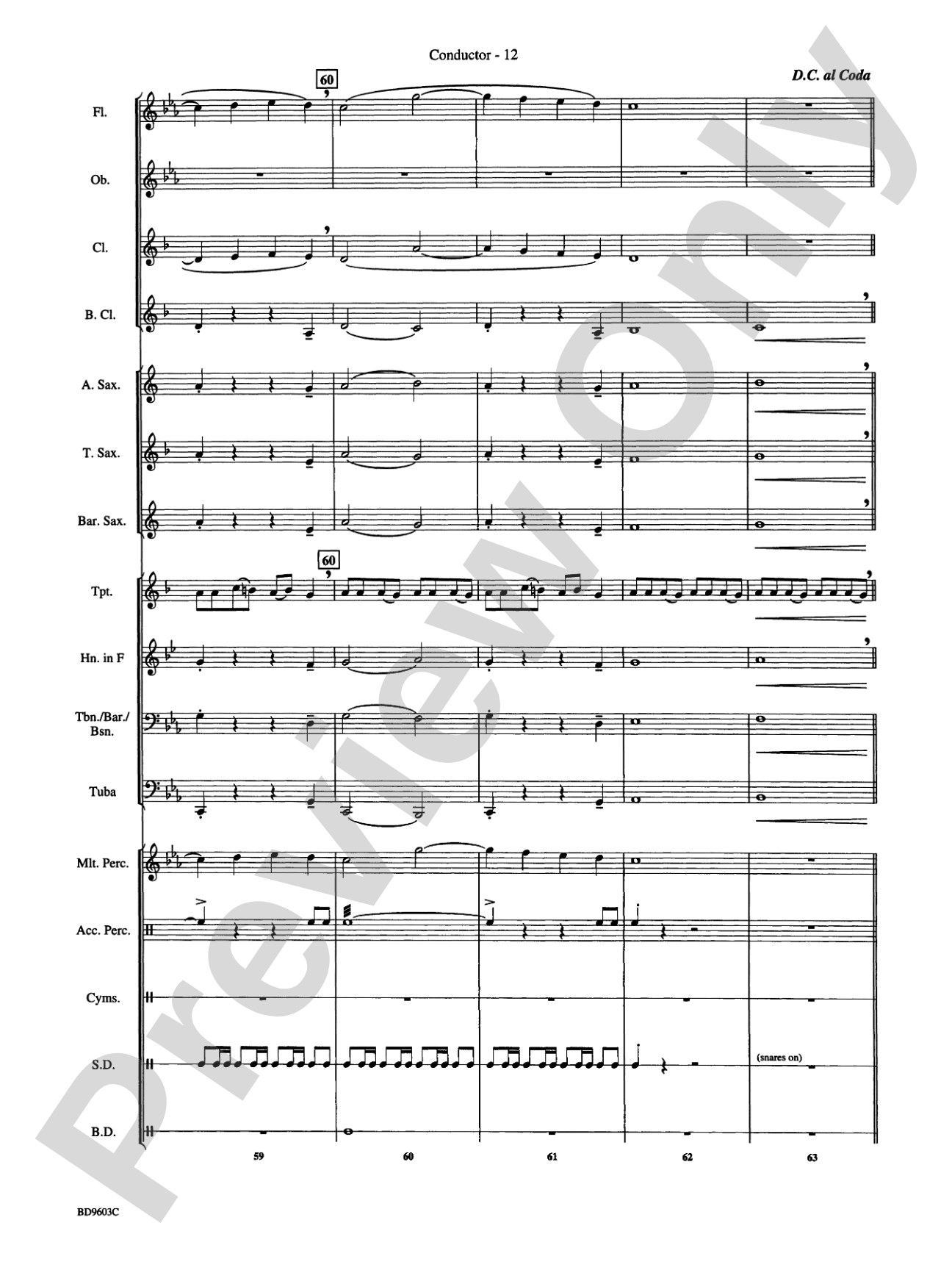
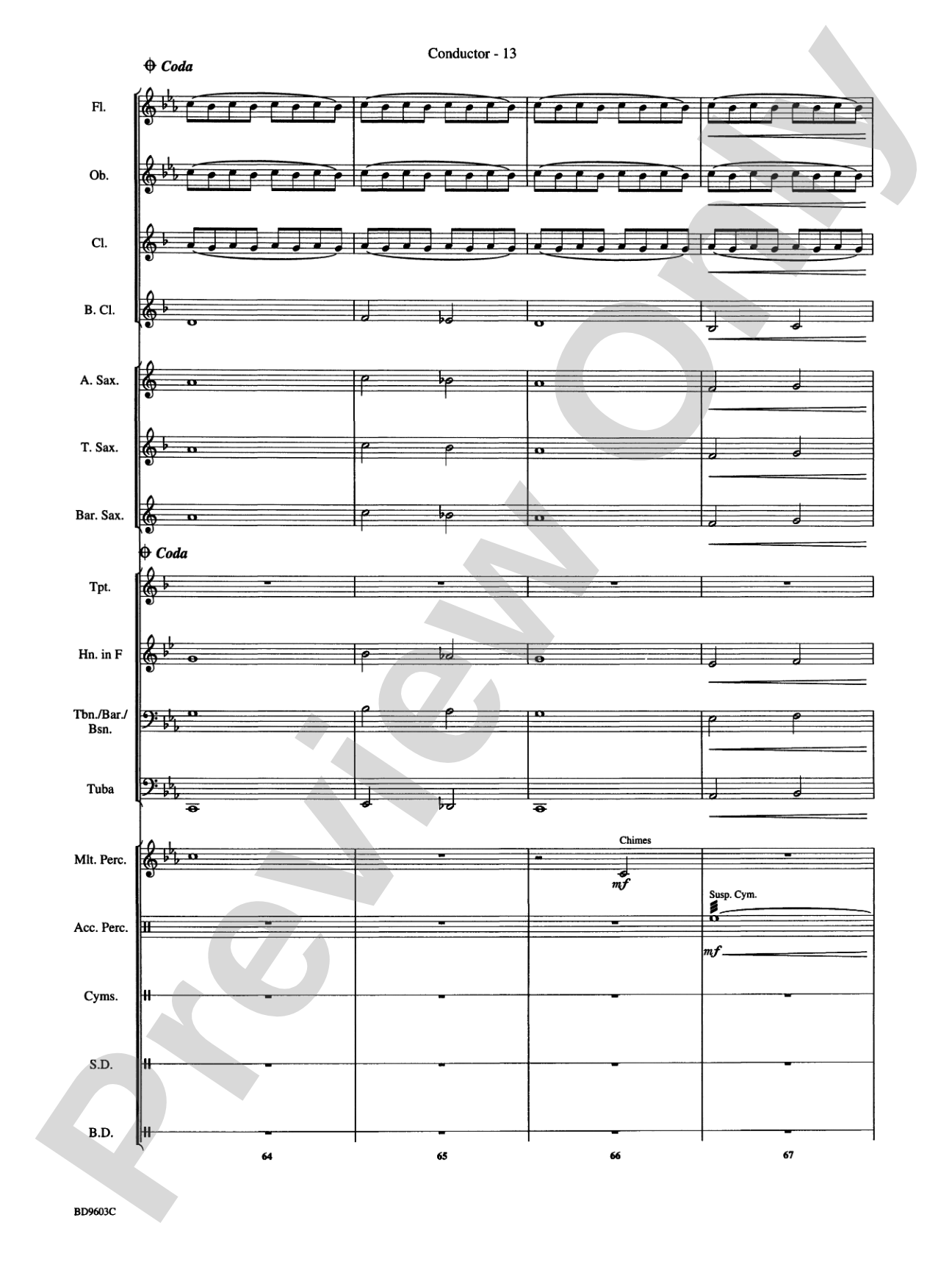
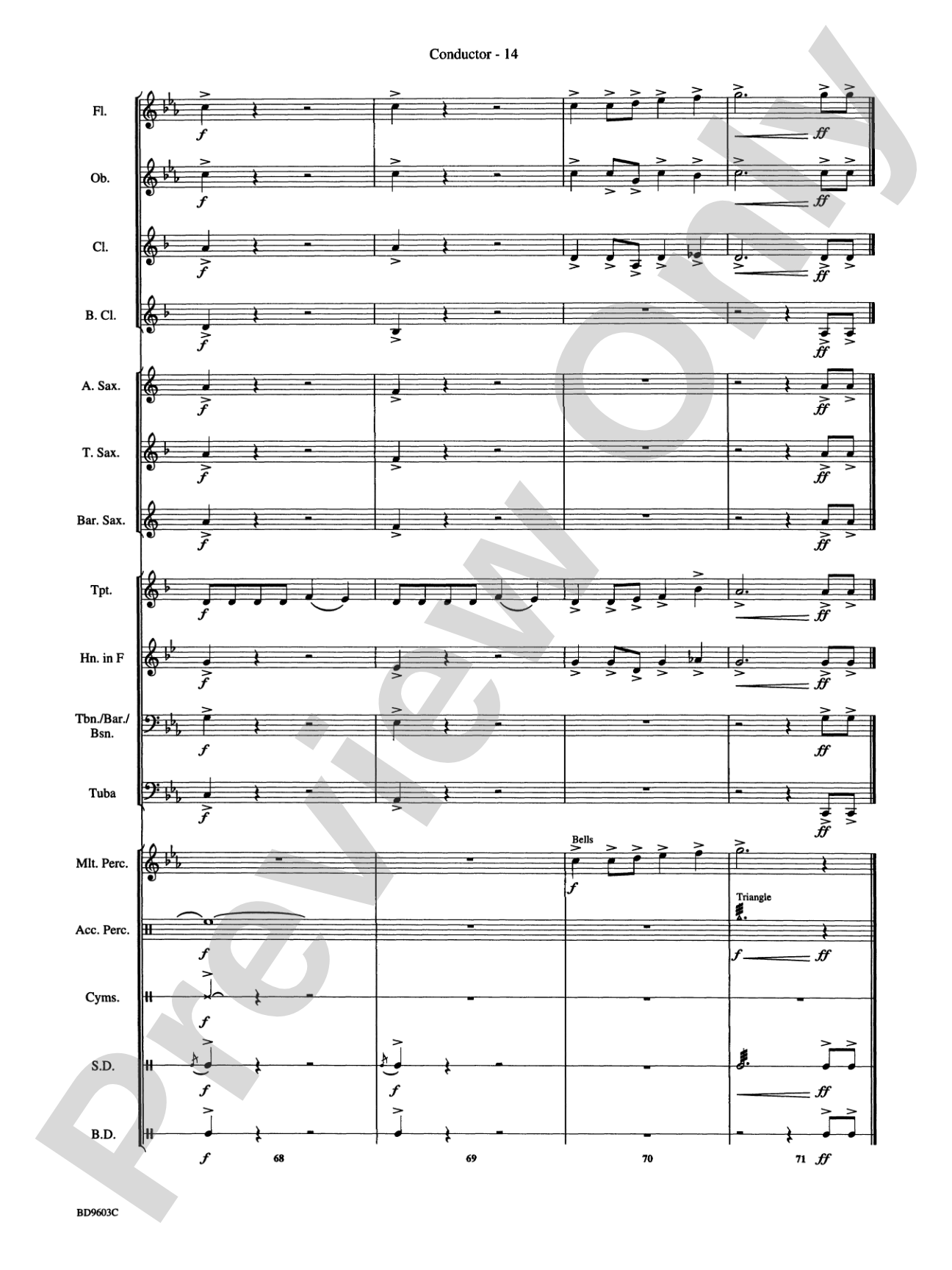


Statements: Concert Band Conductor Score & Parts
By Douglas E. Wagner
Grade: 1 (Very Easy)
Item: 00-PK-0004359

$45.00
Pickup currently not available
Buy Extra Parts (Digital PDF Download)
| Product | Price | Quantity |
|---|---|---|
| Statements: Score | $8.00 | |
| Statements: Flute | $3.00 | |
| Statements: Oboe | $3.00 | |
| Statements: 1st B-flat Clarinet | $3.00 | |
| Statements: B-flat Bass Clarinet | $3.00 | |
| Statements: E-flat Alto Saxophone | $3.00 | |
| Statements: B-flat Tenor Saxophone | $3.00 | |
| Statements: E-flat Baritone Saxophone | $3.00 | |
| Statements: 1st B-flat Trumpet | $3.00 | |
| Statements: 1st F Horn | $3.00 | |
| Statements: 1st Trombone | $3.00 | |
| Statements: Tuba | $3.00 | |
| Statements: Mallets | $3.00 | |
| Statements: Snare Drum | $3.00 | |
| Statements: Bass Drum | $3.00 | |
| Statements: Cymbals | $3.00 | |
| Statements: 1st Percussion | $3.00 |
Parts Added to Cart!
Related Items
Statements: Concert Band Conductor Score & Parts |
$45.00
|
View |
Description
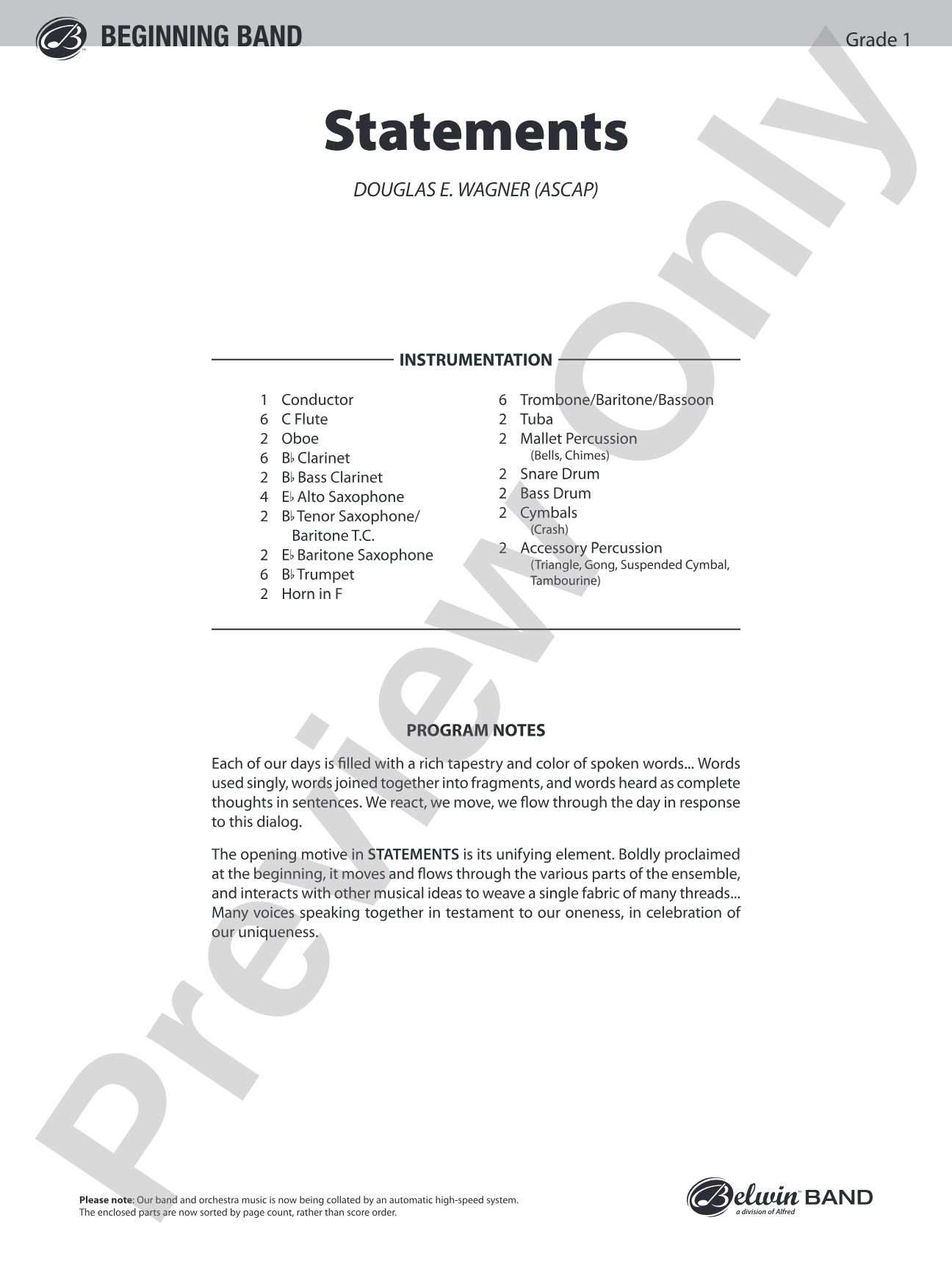
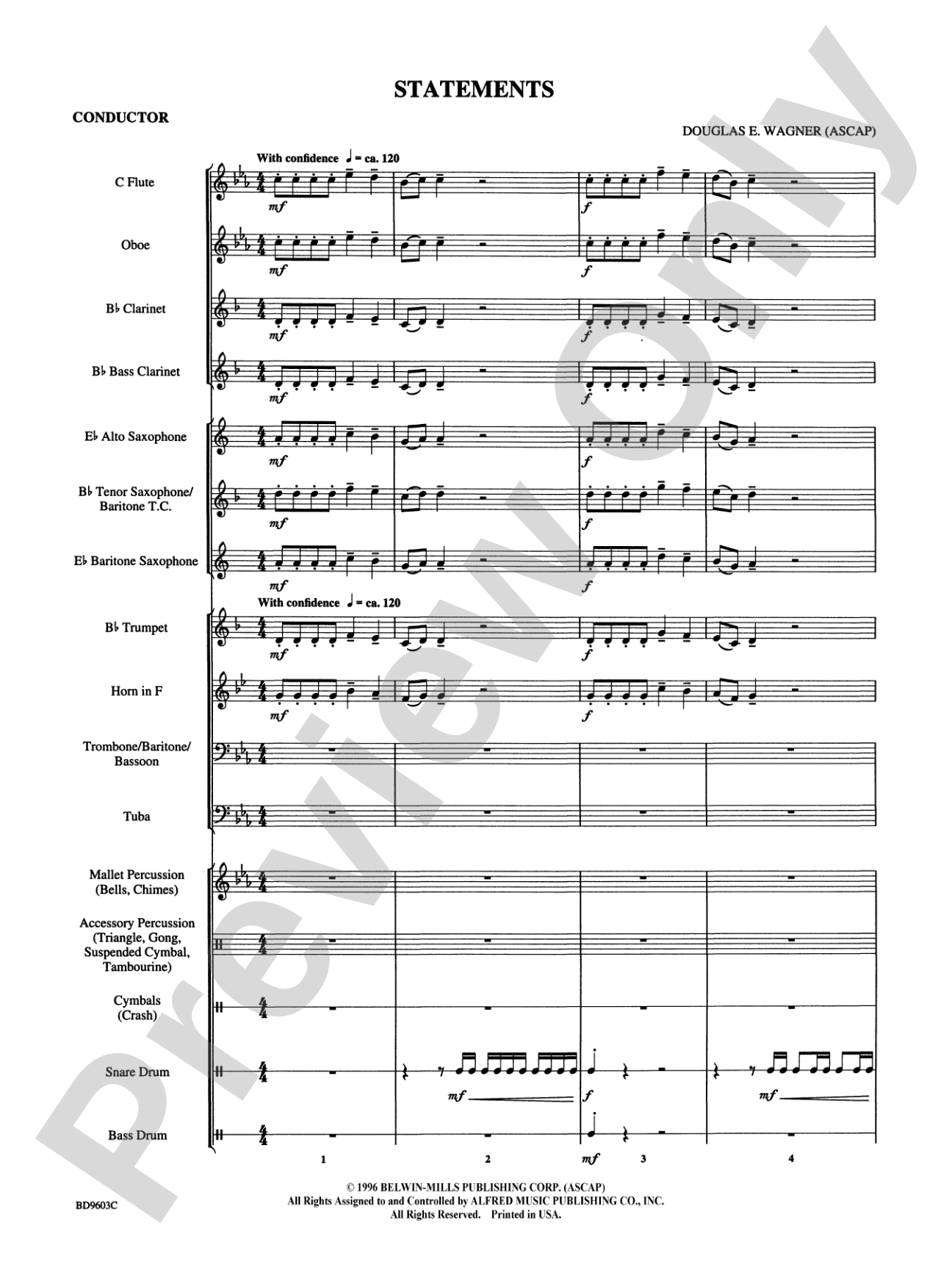
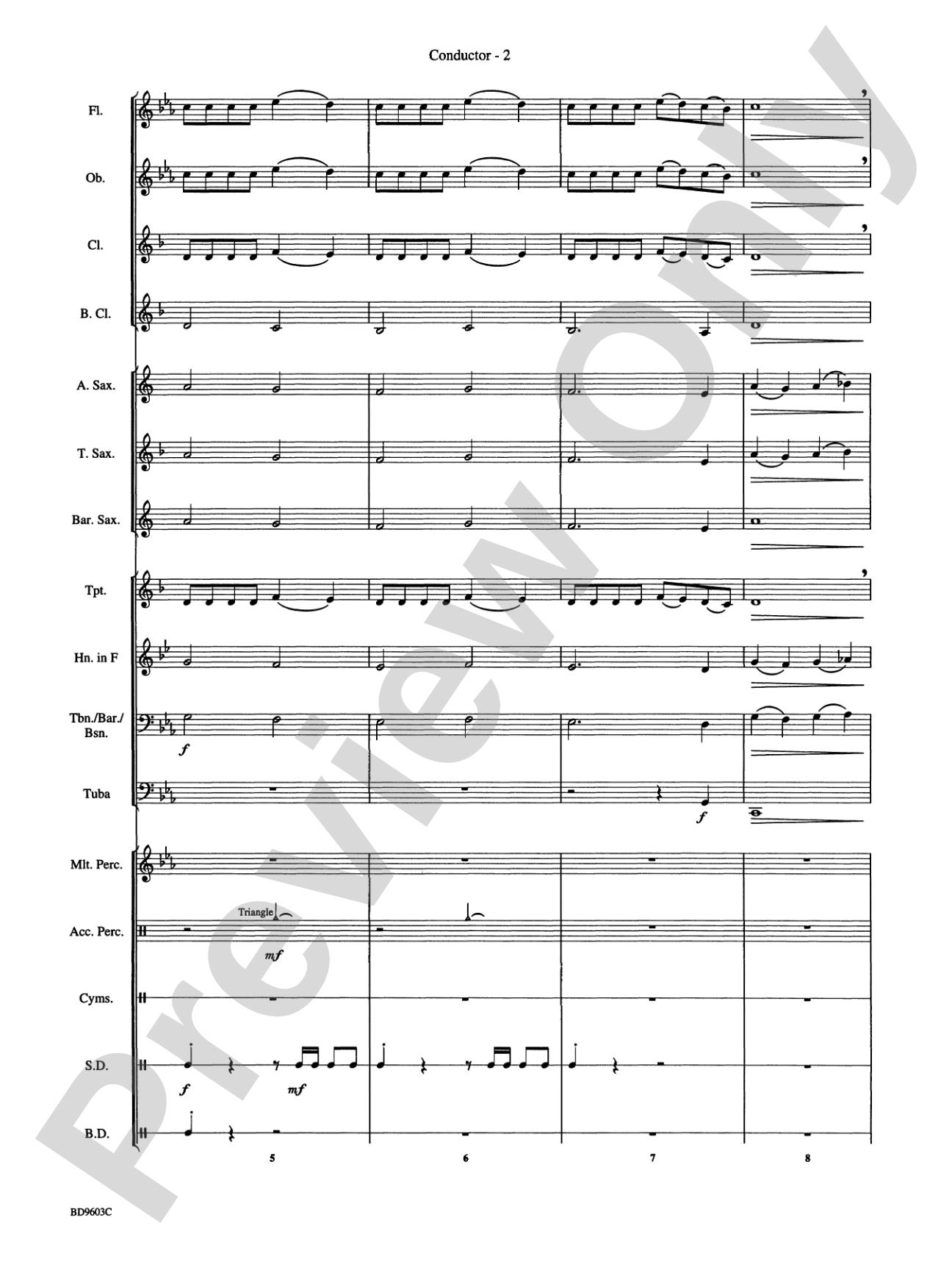
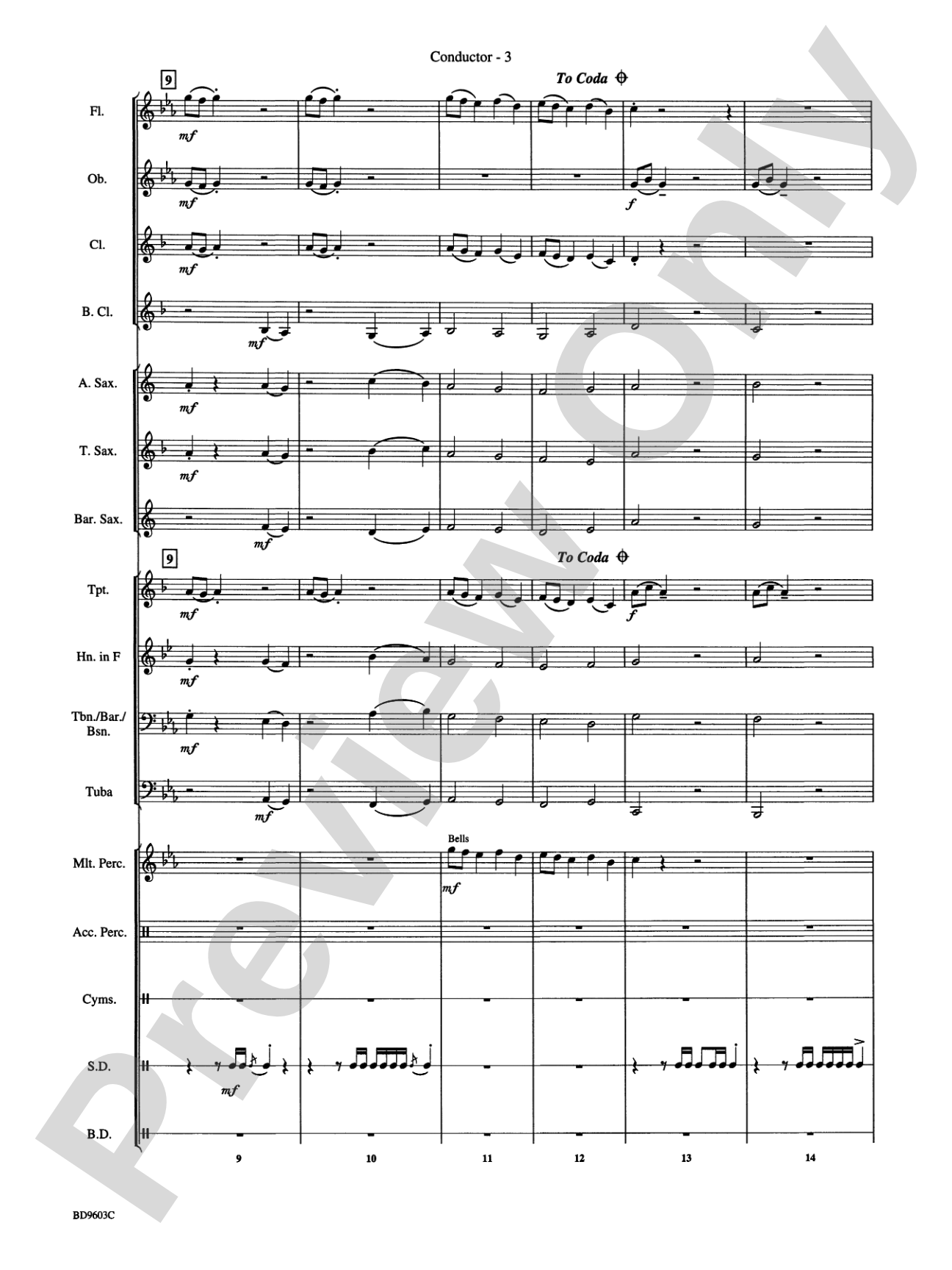
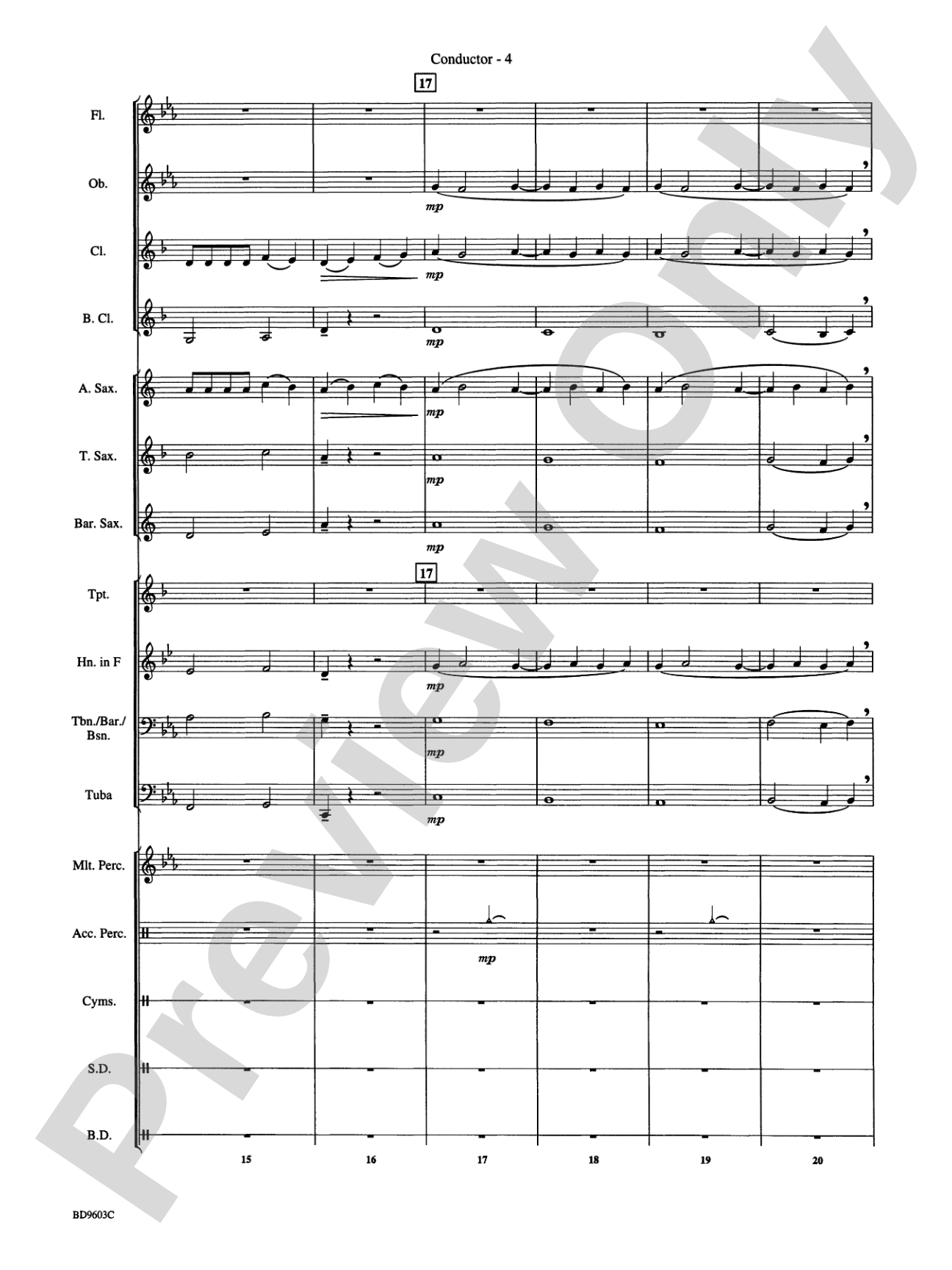
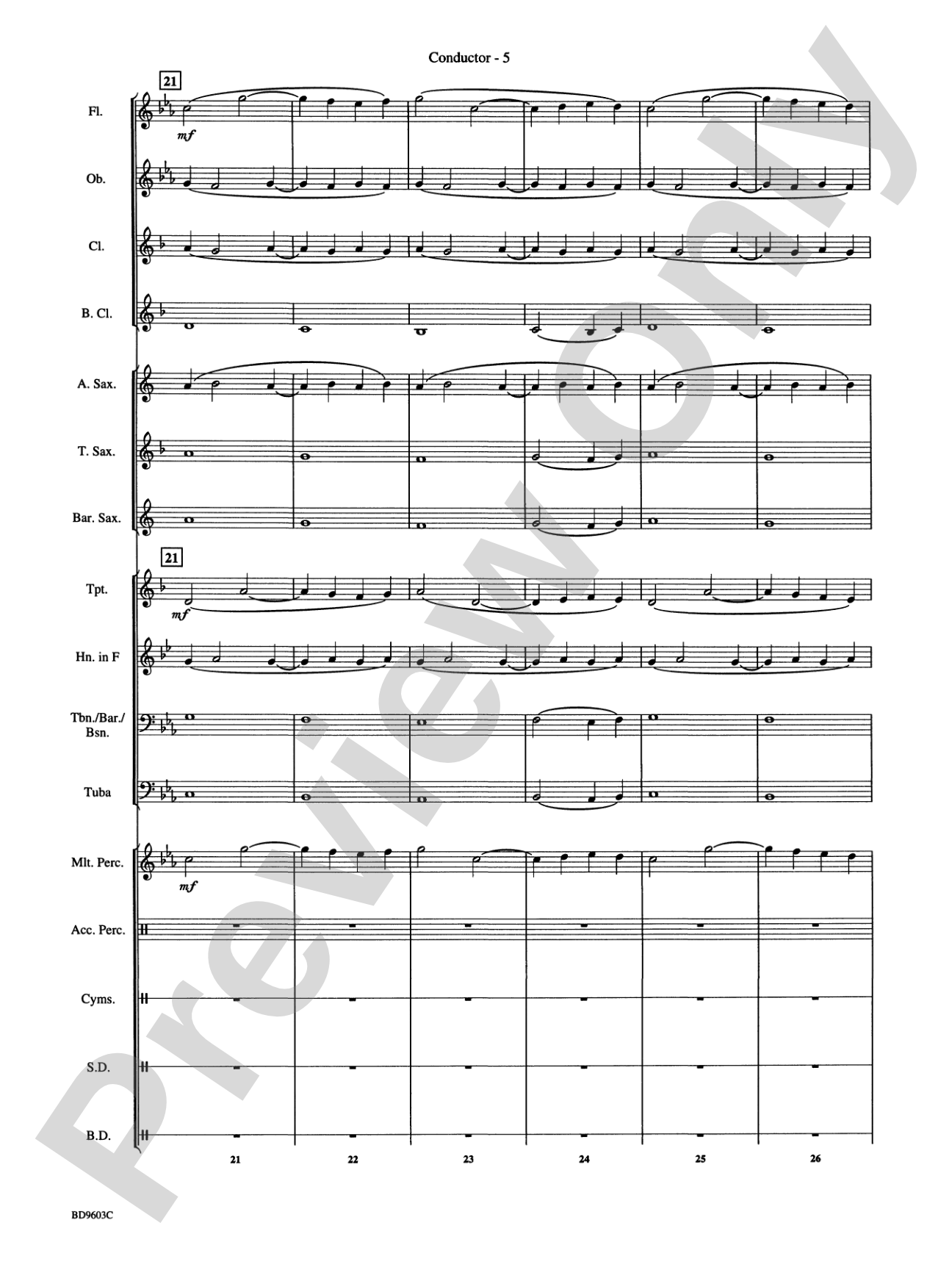
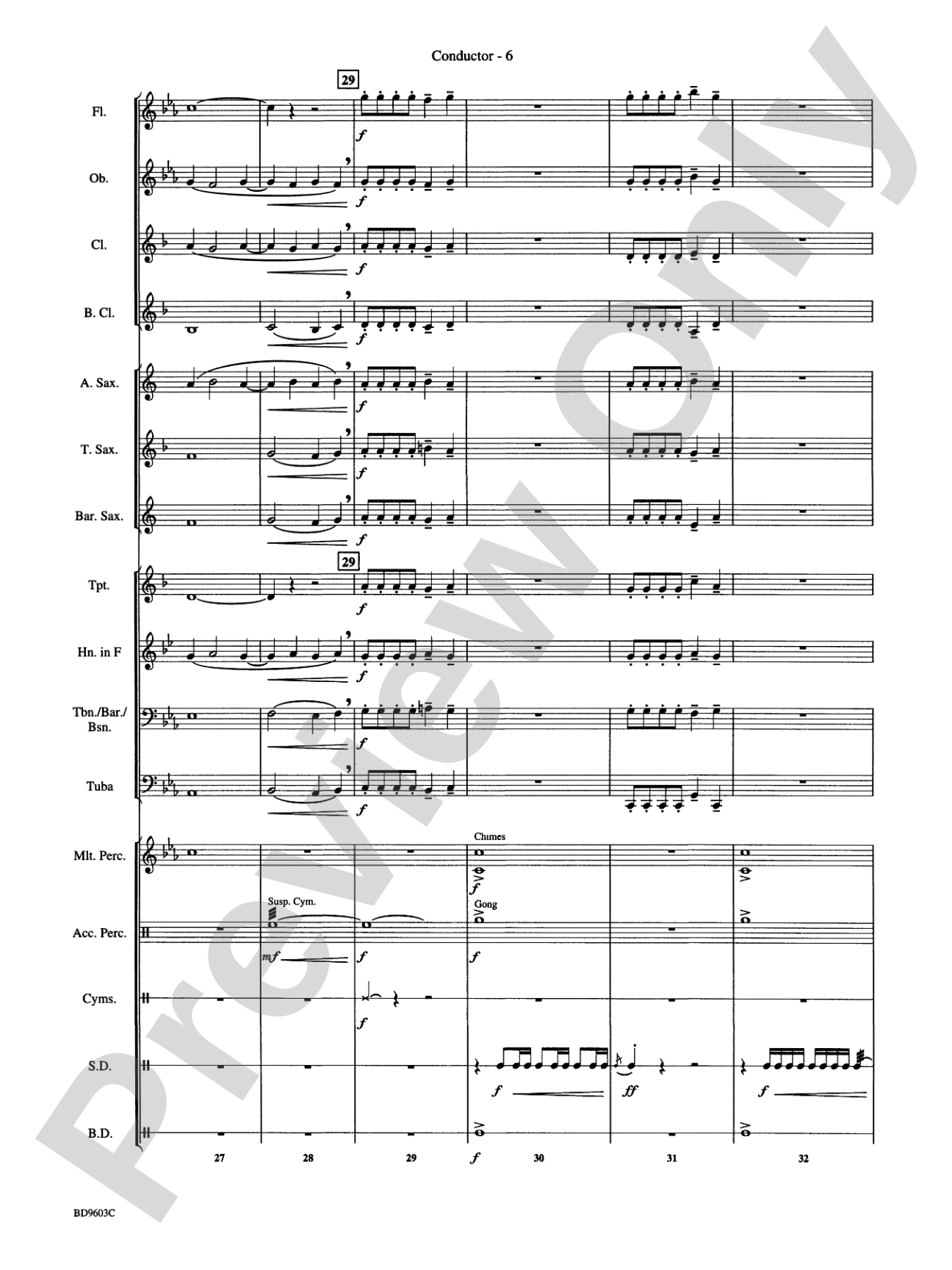
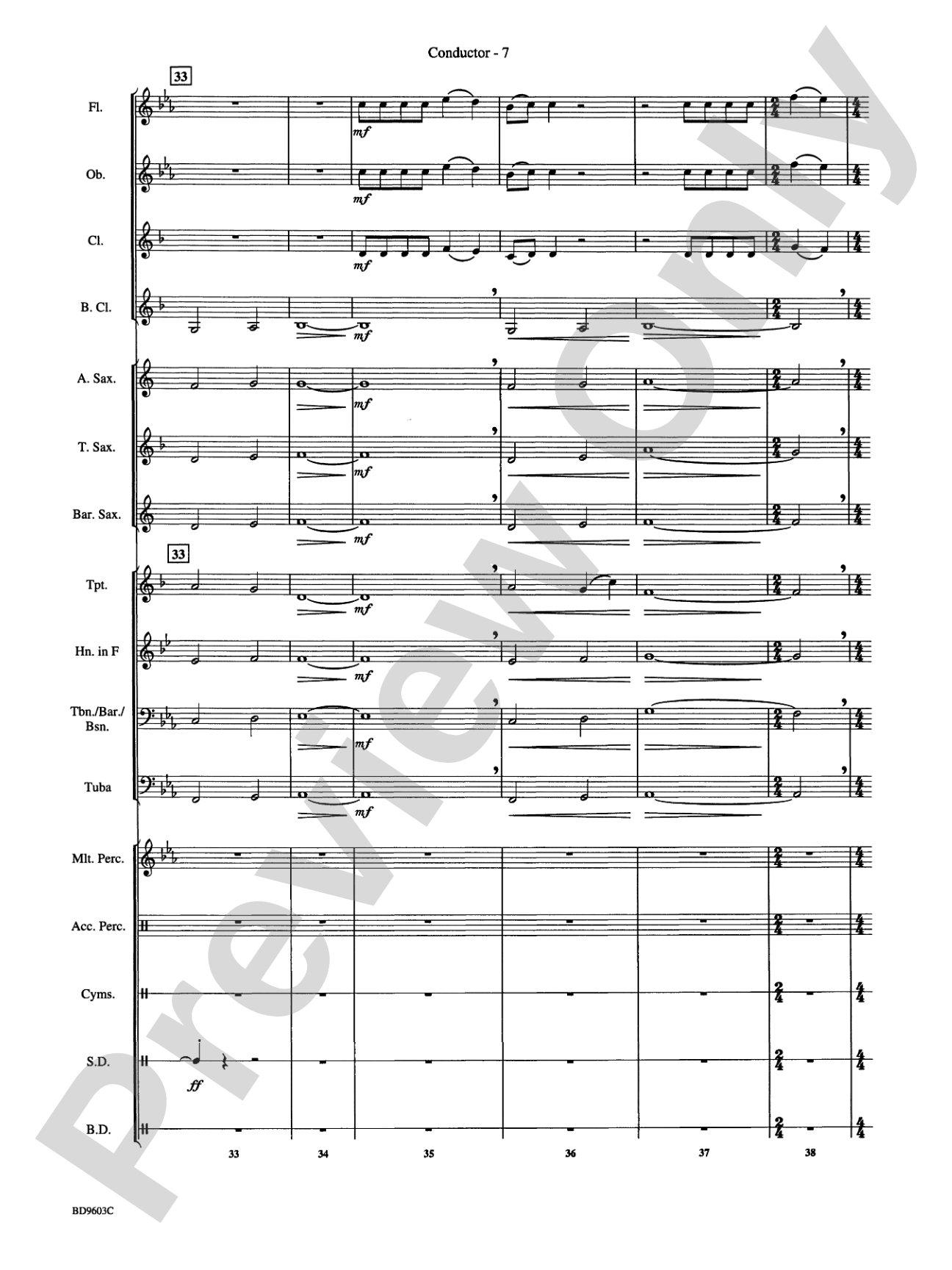
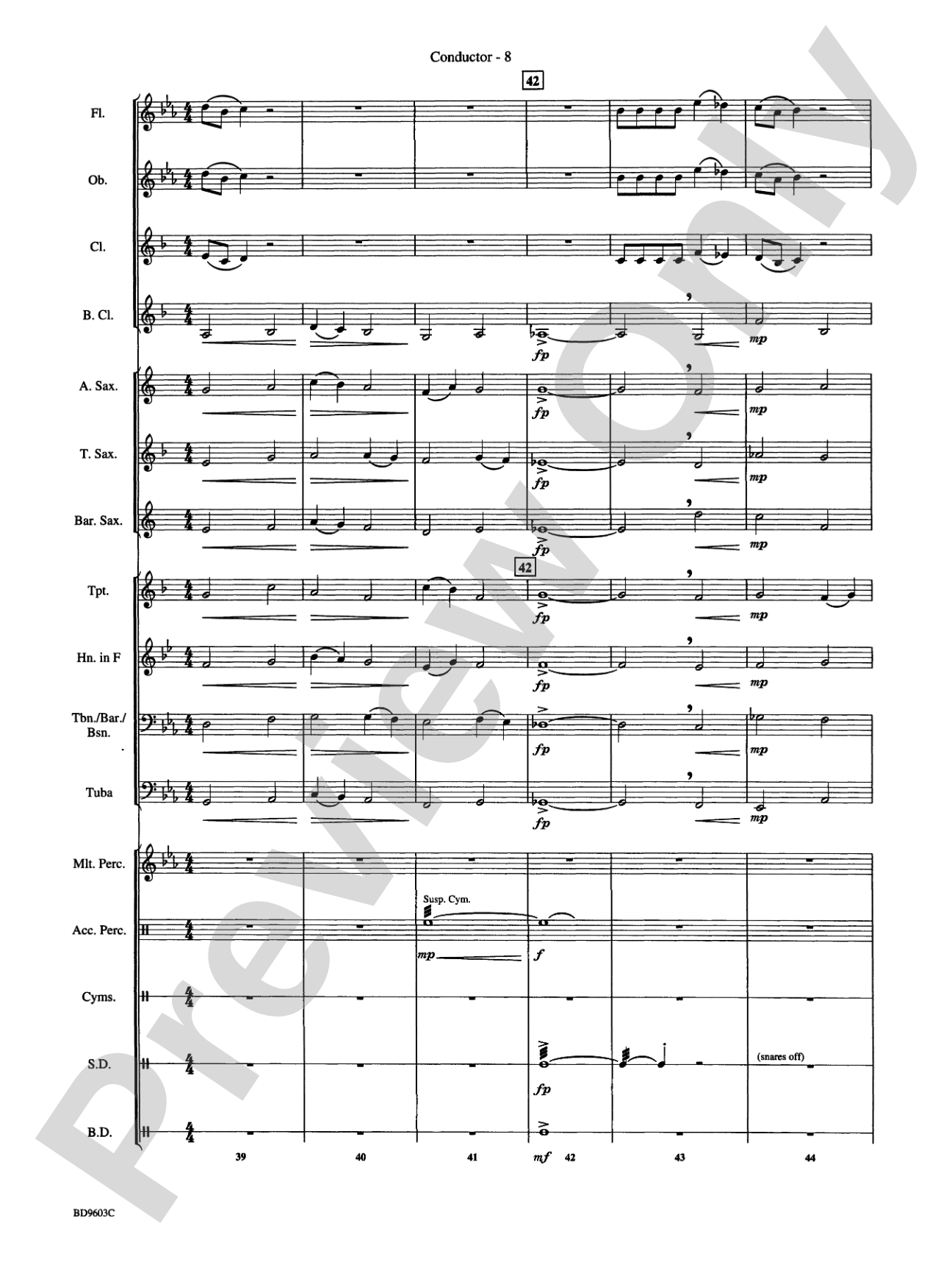
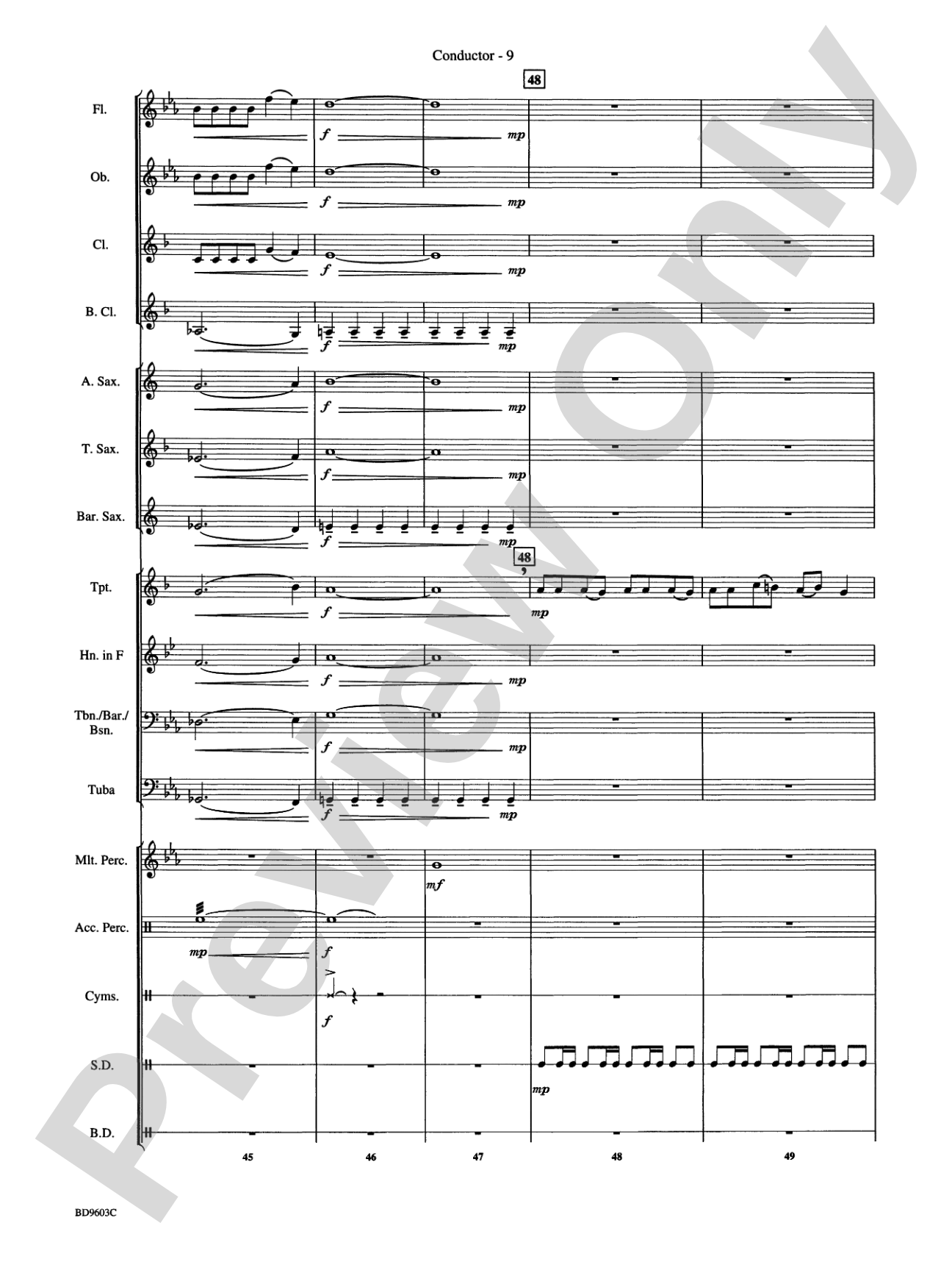
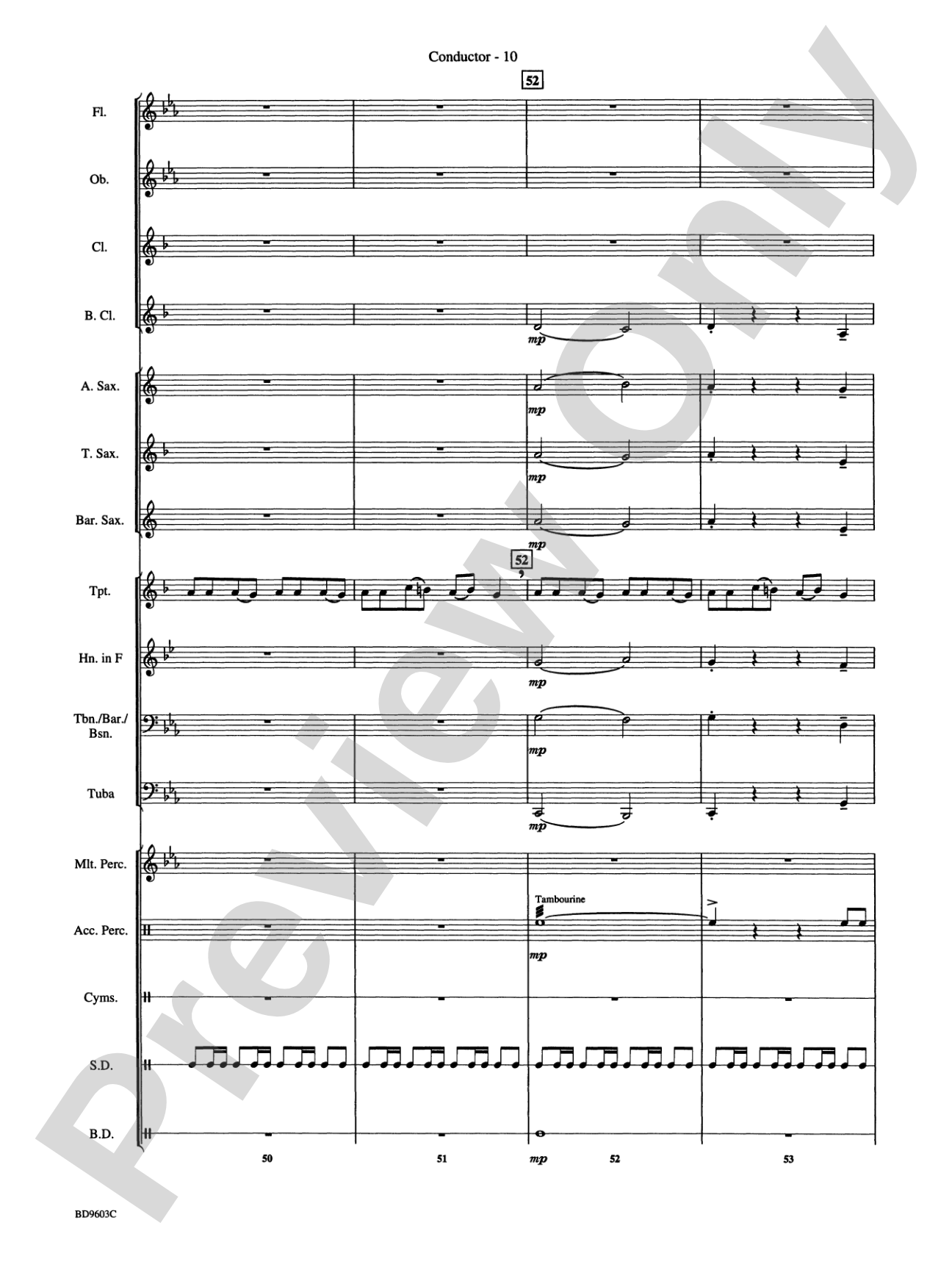
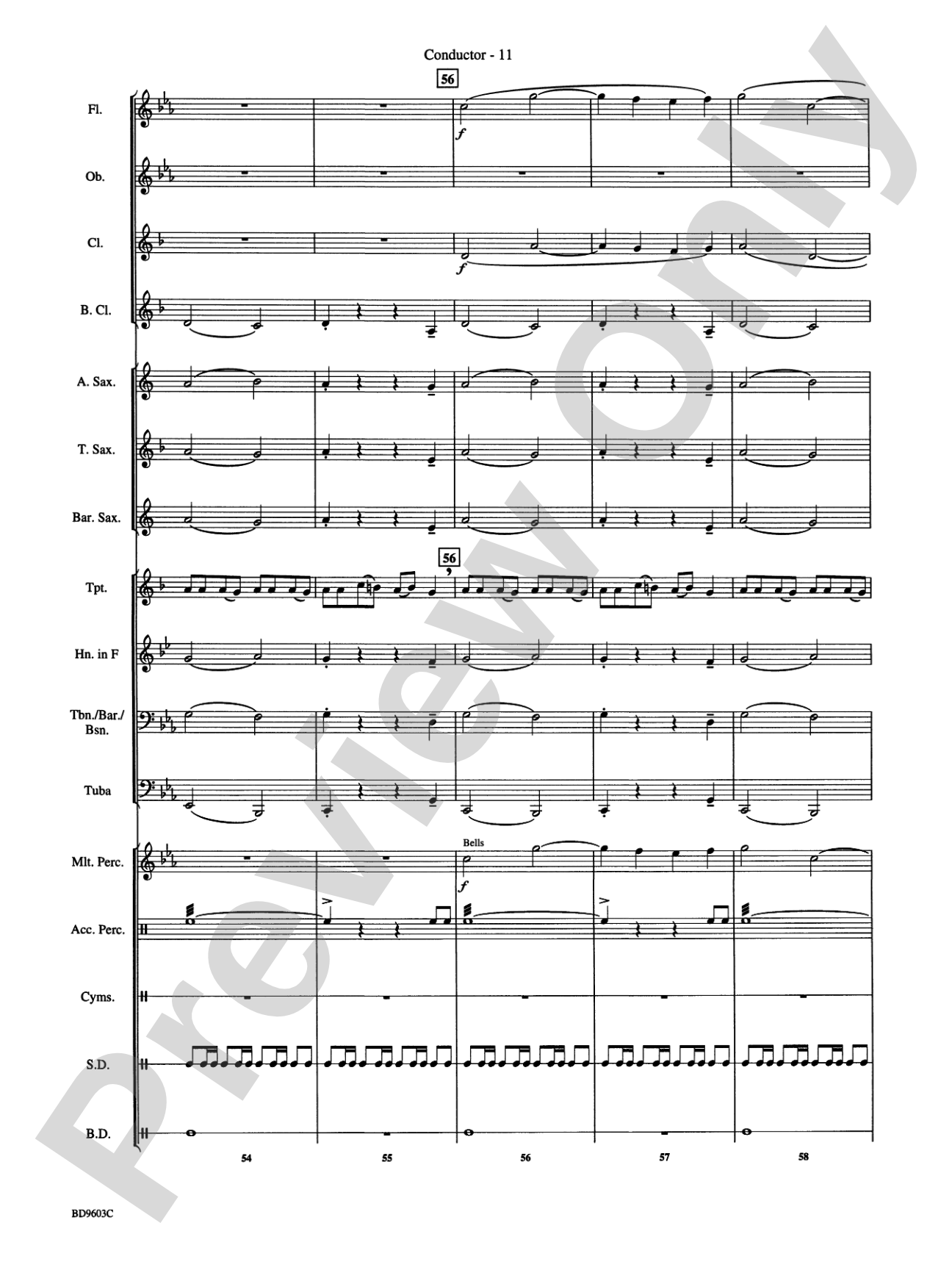
The bold opening motif of this work flows through various parts of the ensemble and interacts with other musical ideas to weave a single fabric of many threads -- just as we humans interact with our voices to the world that surrounds us. Fascinating musical commentary.


Don't just read it, hear it, play along with it, and watch your students grow with it. In MakeMusic Cloud, Statements: Concert Band Conductor Score & Parts comes alive with professional accompaniment, adjustable tempo, and built-in practice tools that turn solo practice into real progress.
Open in the Player
Jump straight in and assign it today.
Start Your Free Trial
Open this title and explore the full library in minutes.
Sample Audio
1
Audio File
--:--
0:00
0:00
Sample Video
No sample videos found.
Additional Details
Series:
Belwin Beginning Band
Publisher:
Alfred Music
Page Count:
100
SKU:
00-PK-0004359
More about this title
About the Composer: Douglas E. Wagner

Douglas E. Wagner grew up in Chicago and earned both undergraduate and graduate degrees in music from Butler University. He spent three decades in the high school classroom as a music educator and administrator before committing himself fully to composition.
Since 1973, Wagner has published more than 3,500 works spanning choir, concert band, orchestra, handbell ensemble, organ, piano, and voice repertoires. His music has reached audiences through concert halls, radio, television, and international broadcasts; over seventeen million copies of his compositions have been purchased worldwide. He currently lives in Indianapolis with his wife, Sandy.
Why we love this
Wagner's Grade 1 writing here captures something musically substantial without condescension. The central motif genuinely travels through the ensemble in a way that teaches young musicians how themes develop and interact, and the metaphor of individual voices contributing to a unified whole gives conductors rich language for rehearsal.
What to expect
Confident and flowing, with an opening gesture that immediately feels important. The piece moves beyond simple statement-and-response; instead, musical ideas overlap and weave, creating texture and forward motion that holds young musicians' attention.
Who it's for
Beginning concert bands ready to engage with thematic development and ensemble interaction at an accessible level. This score works well for first-year students who benefit from hearing how a single idea can be shaped and passed around the group.
How to get the most out of it
- Follow the journey of the opening motif as it passes between sections; have each group identify where their part carries the main idea so entrances feel intentional rather than mechanical.
- Balance the interaction of musical ideas by adjusting dynamic relationships between the featured line and supporting material; this ensures the "many threads" remain audible as separate conversations.
- Use the digital parts to project examples for sections during rehearsal, pausing to discuss how Wagner nests different musical thoughts within the same passage.
How to use it
Program this early in the year once students have foundational control over their instruments and basic ensemble balance. It functions well as a building block toward more complex thematic writing and also fits nicely on contest or festival programs where judges appreciate musicality at Grade 1.
Skills your students will build
- Tracking and identifying thematic material as it moves between instrumental sections
- Playing supporting voice roles that complement rather than overshadow a featured melody
- Listening for ensemble balance and blend across changing textures
- Understanding how a single musical idea can generate form and coherence