

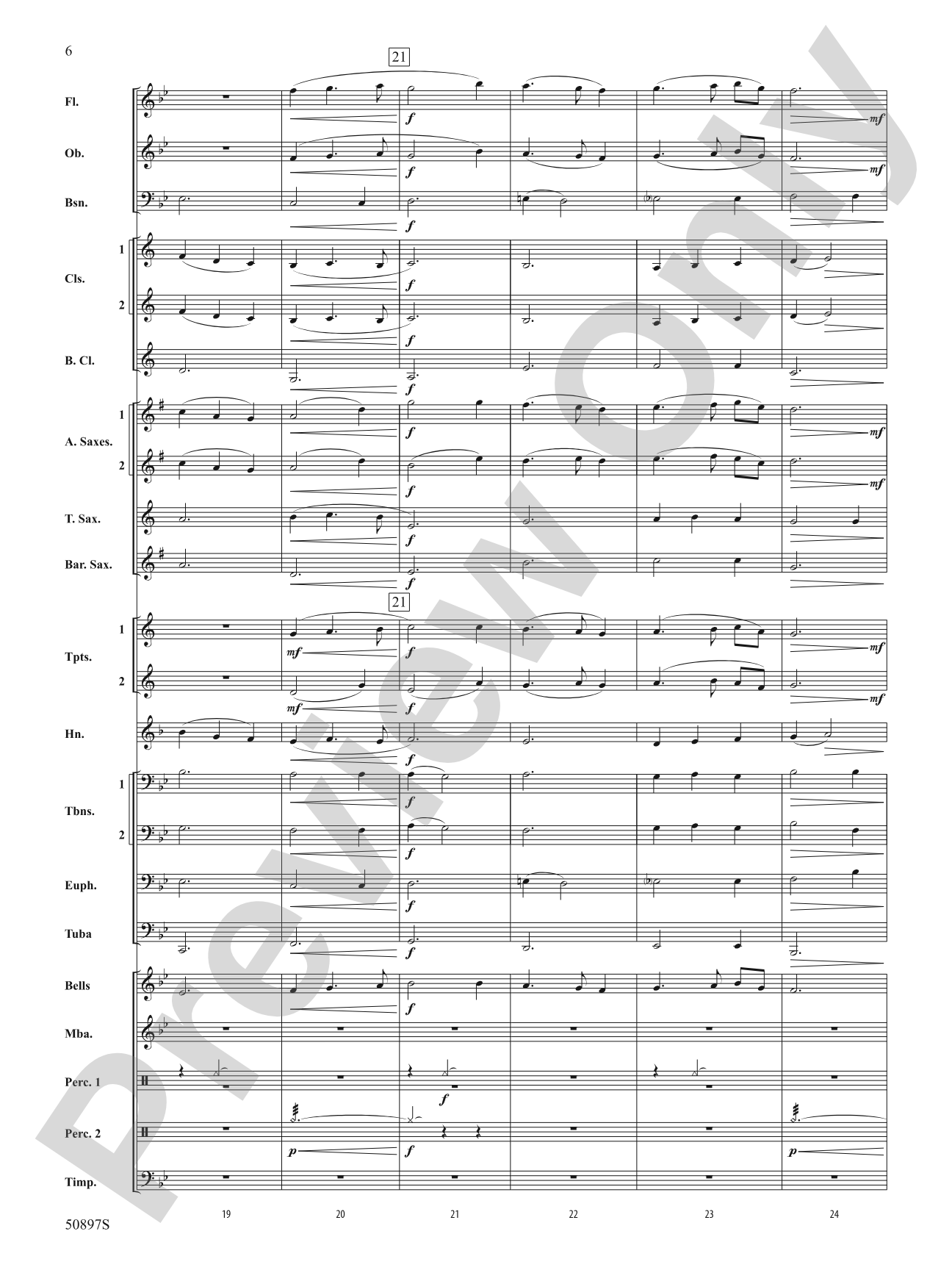
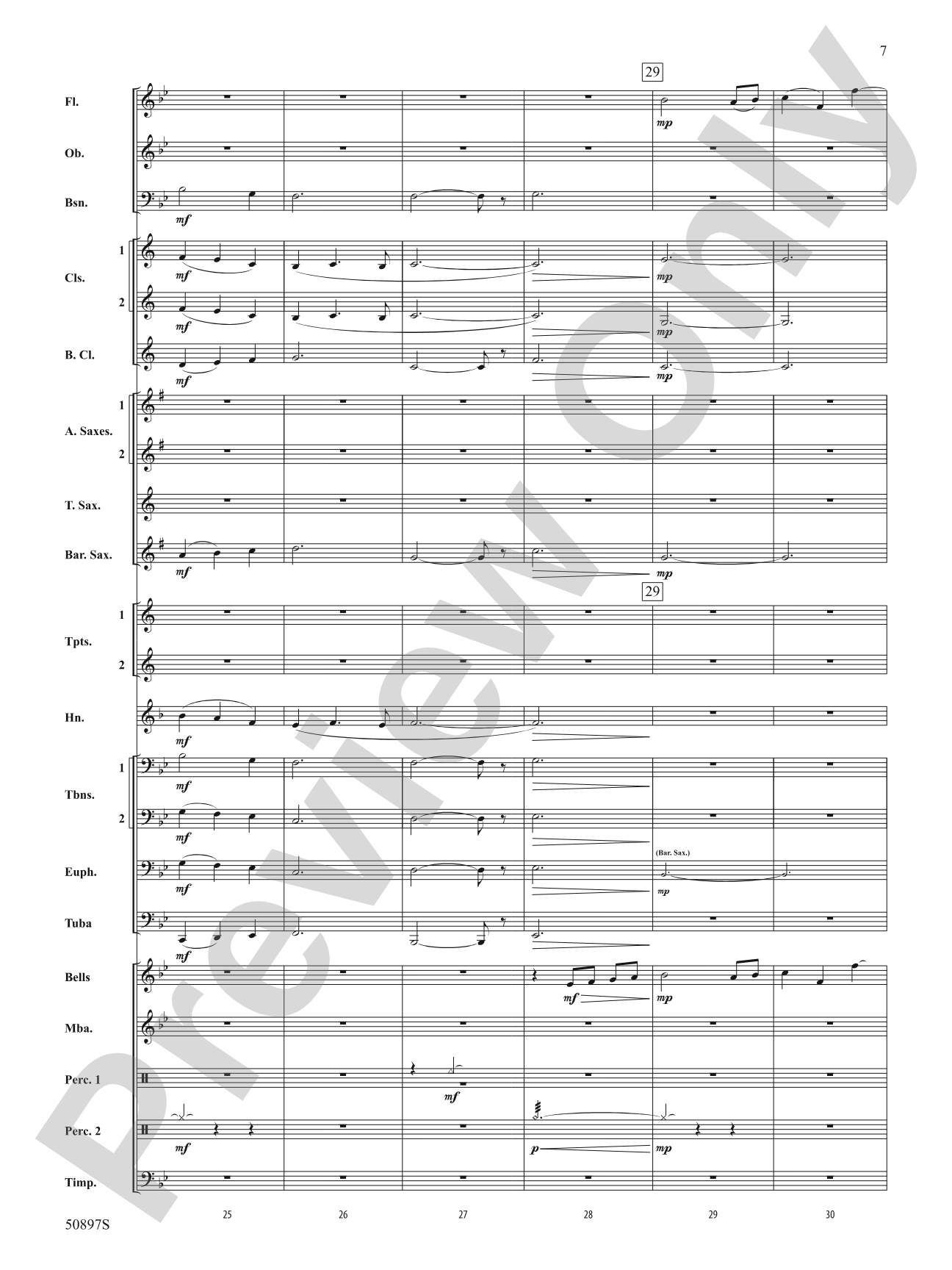
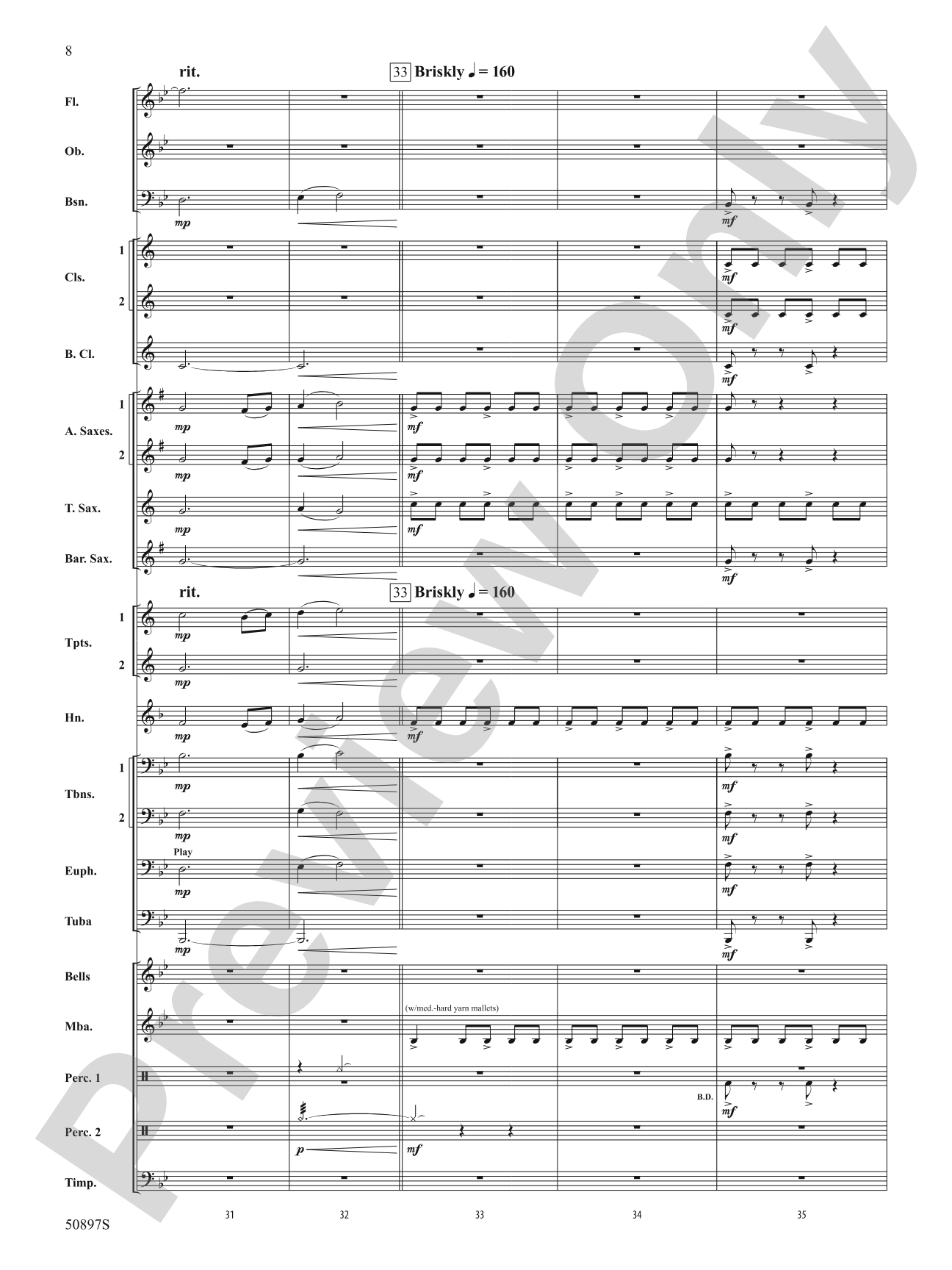
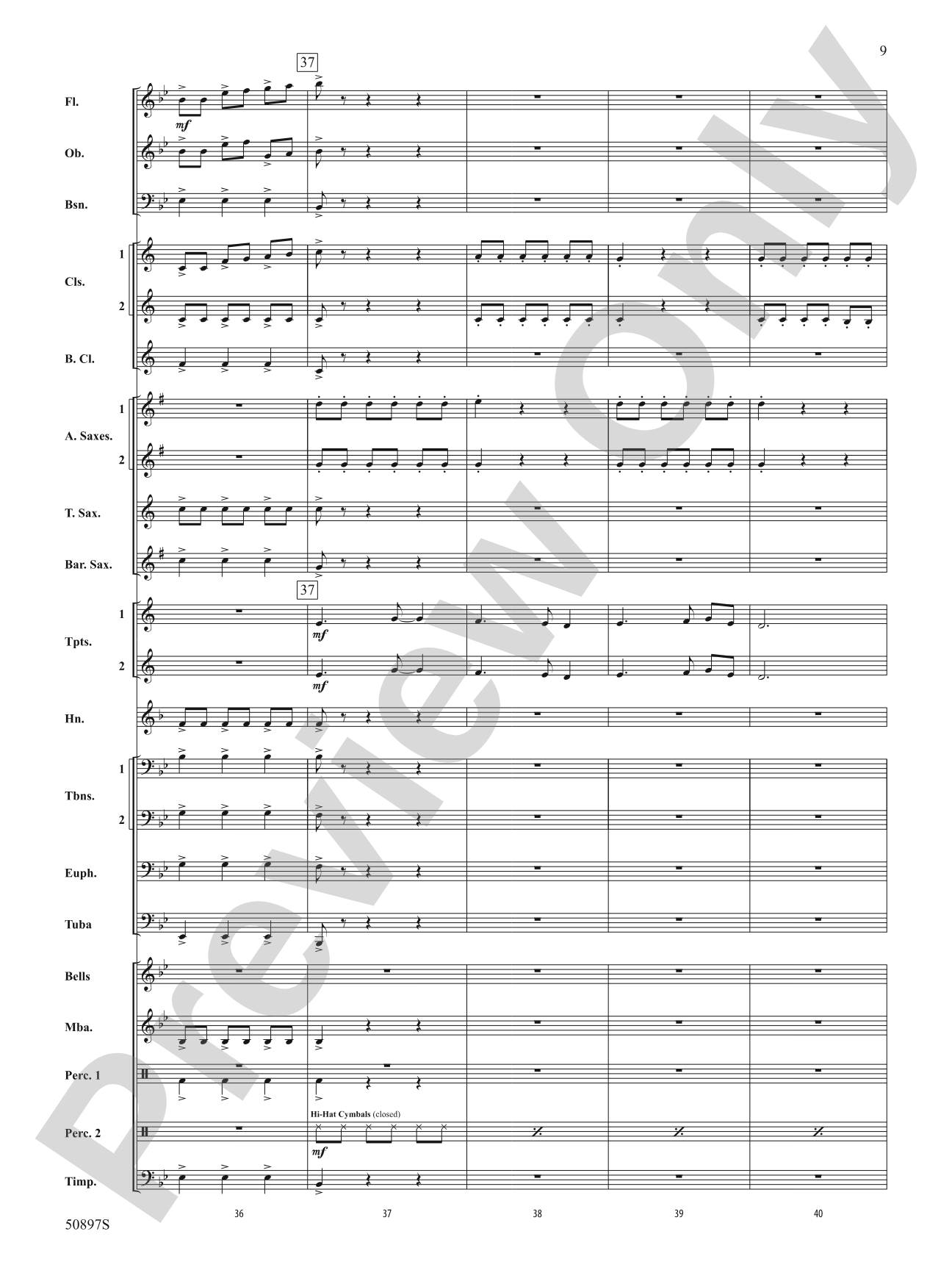
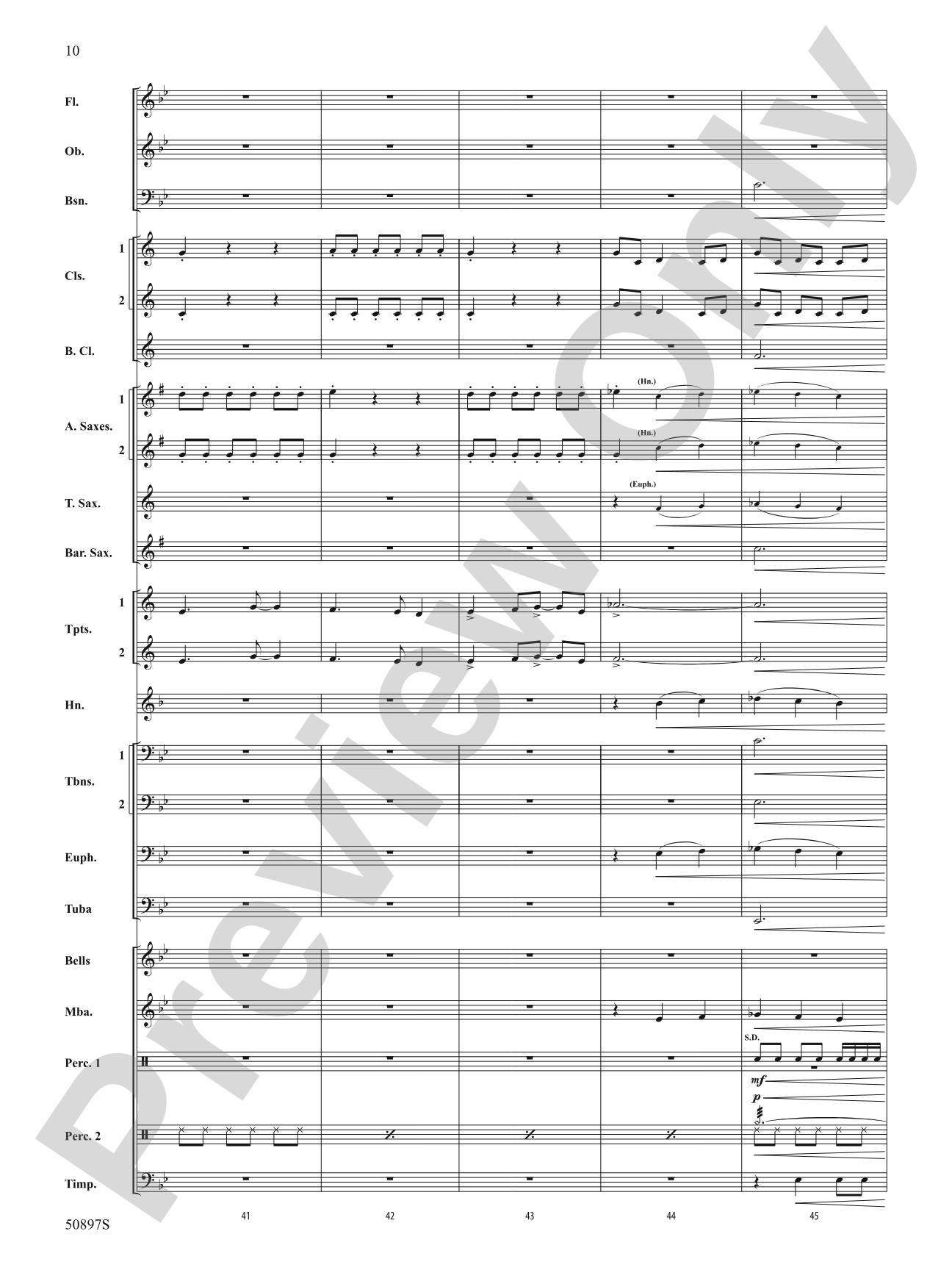
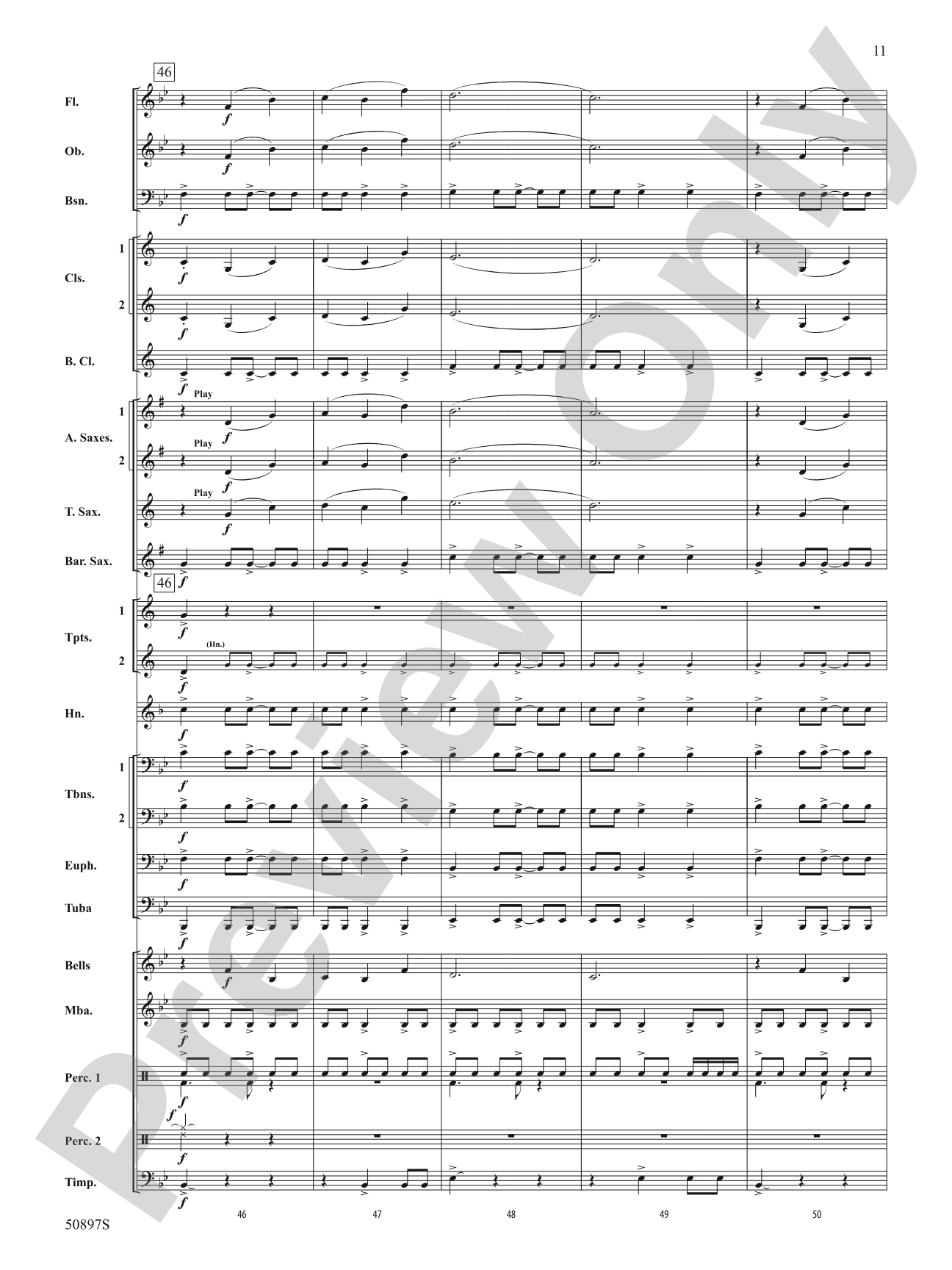
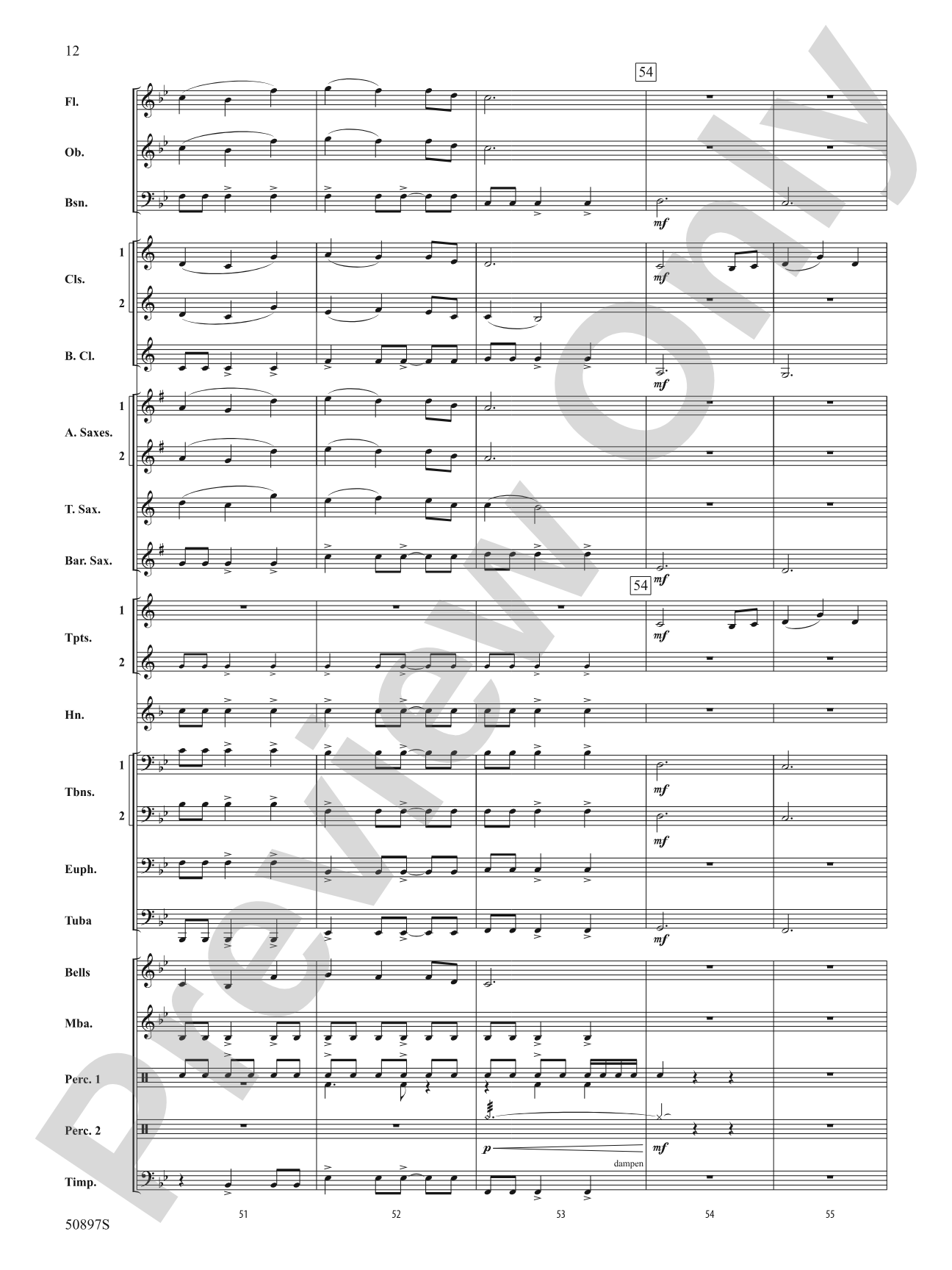
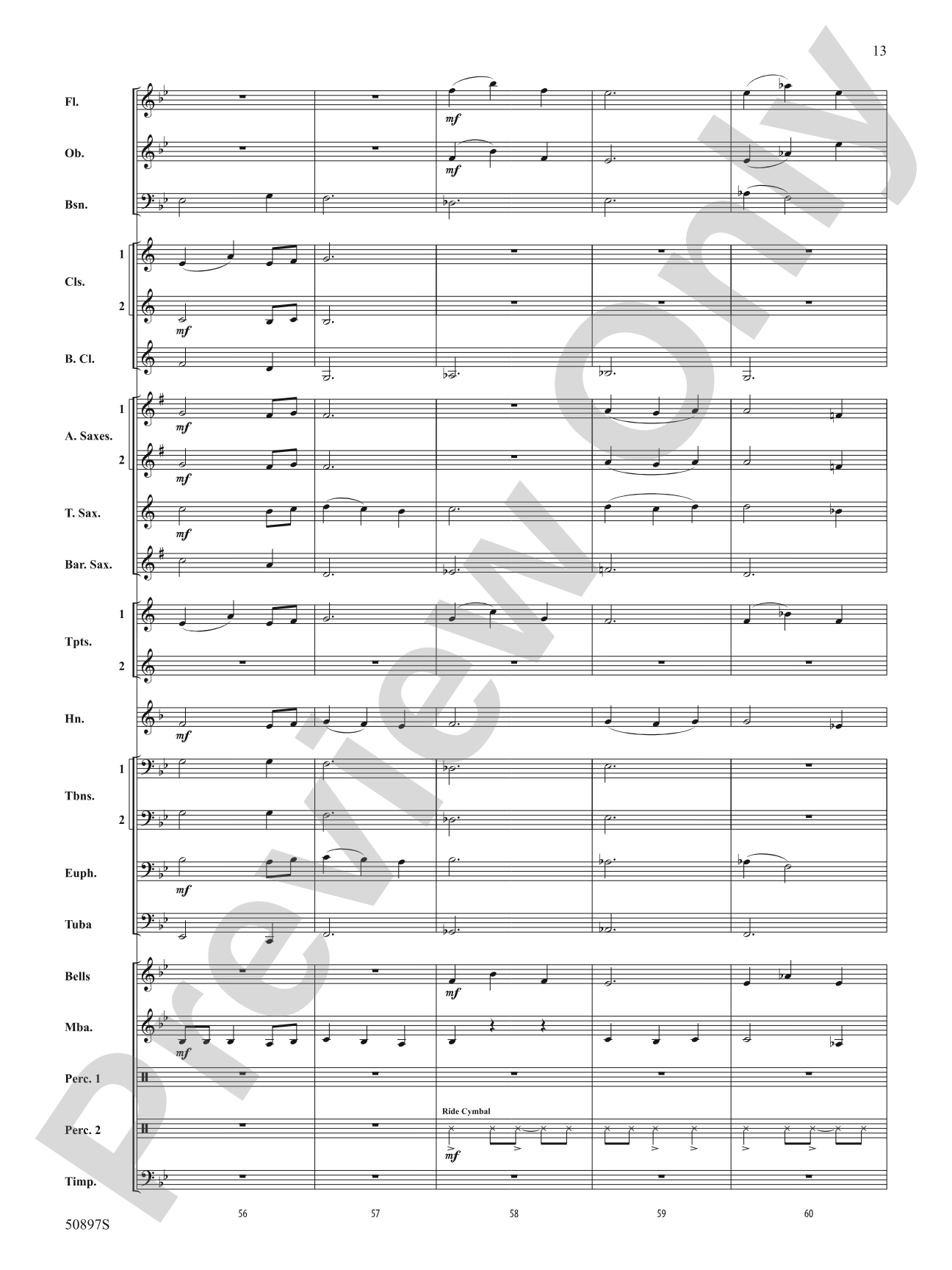
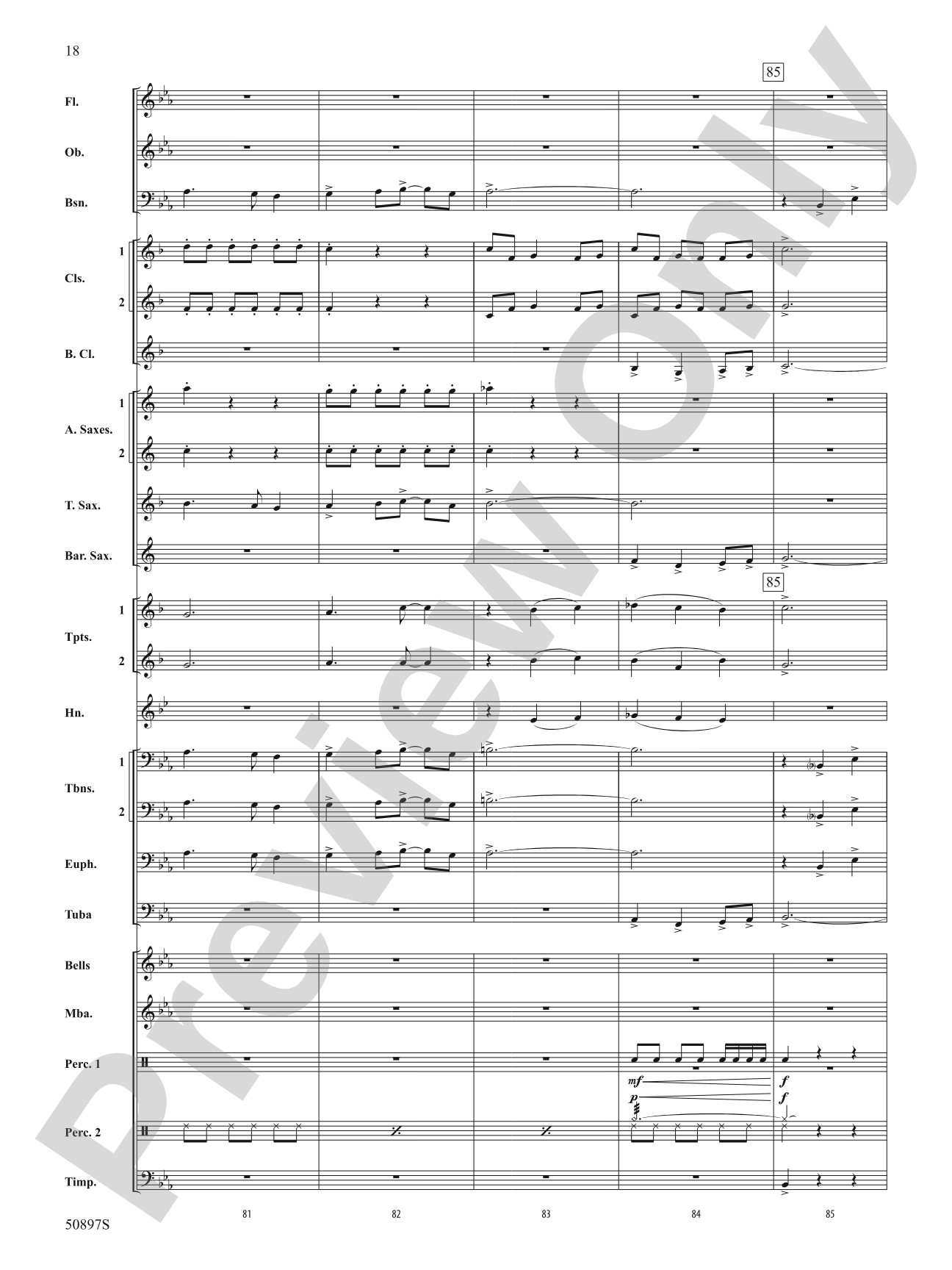
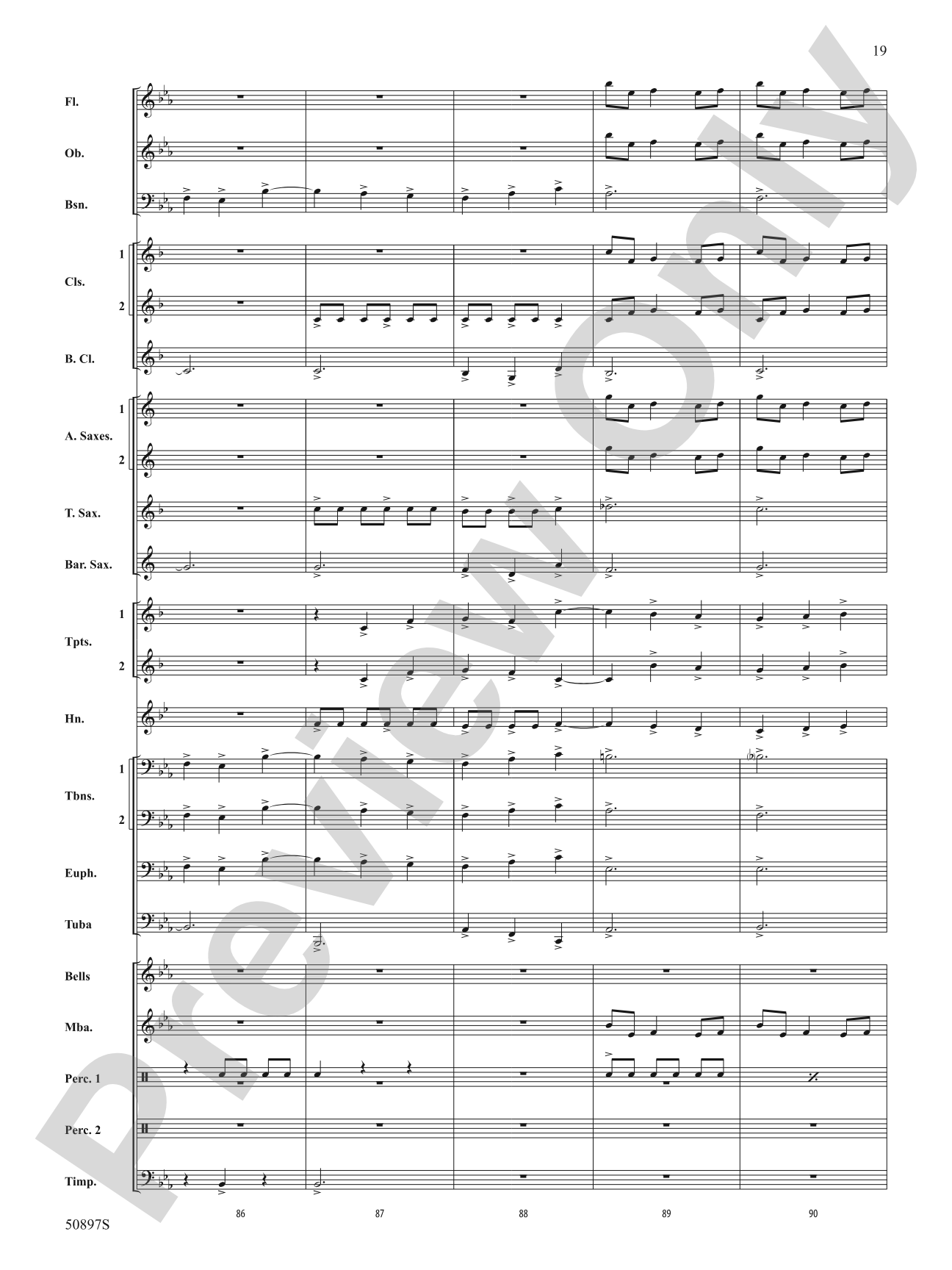
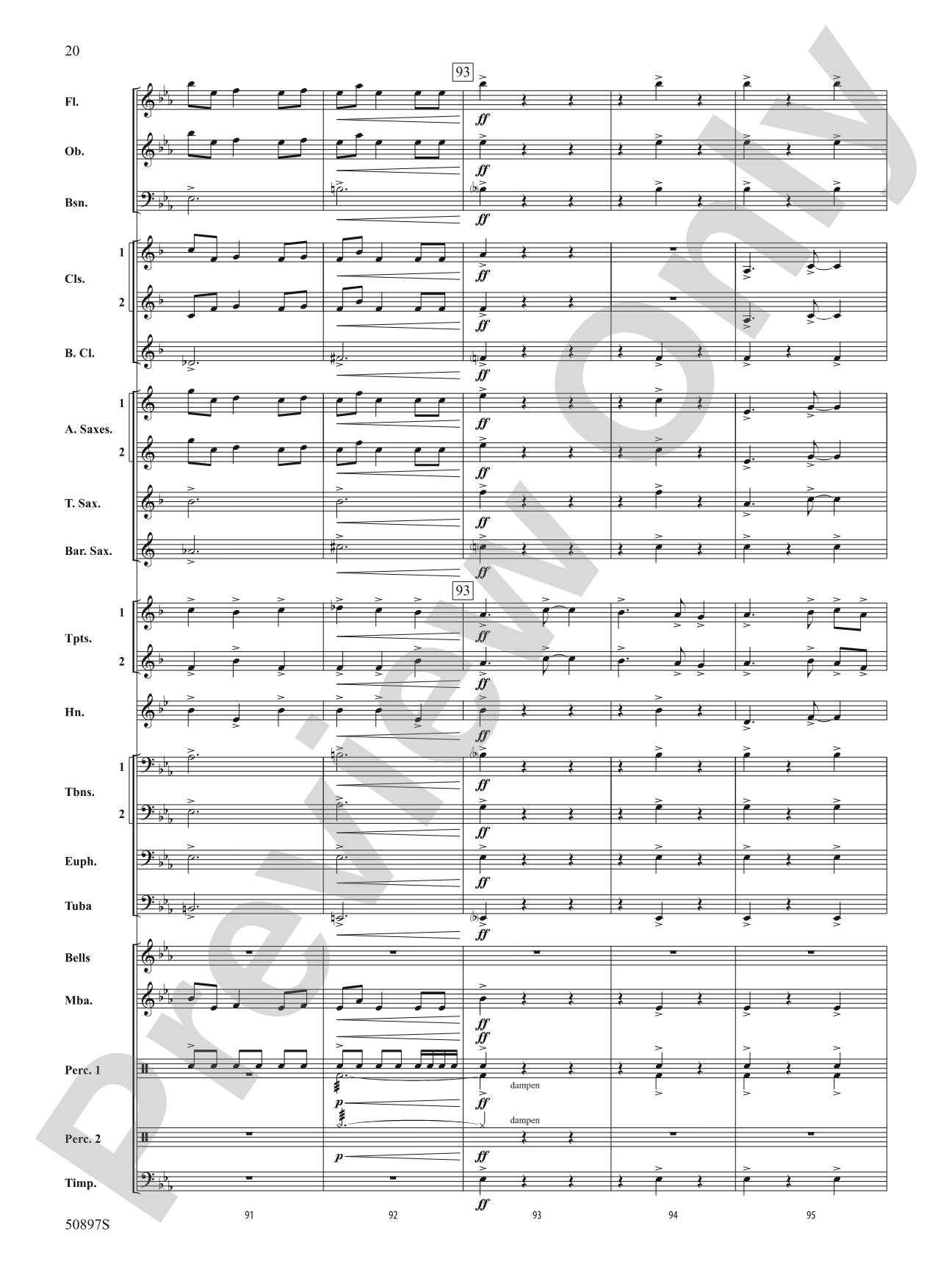
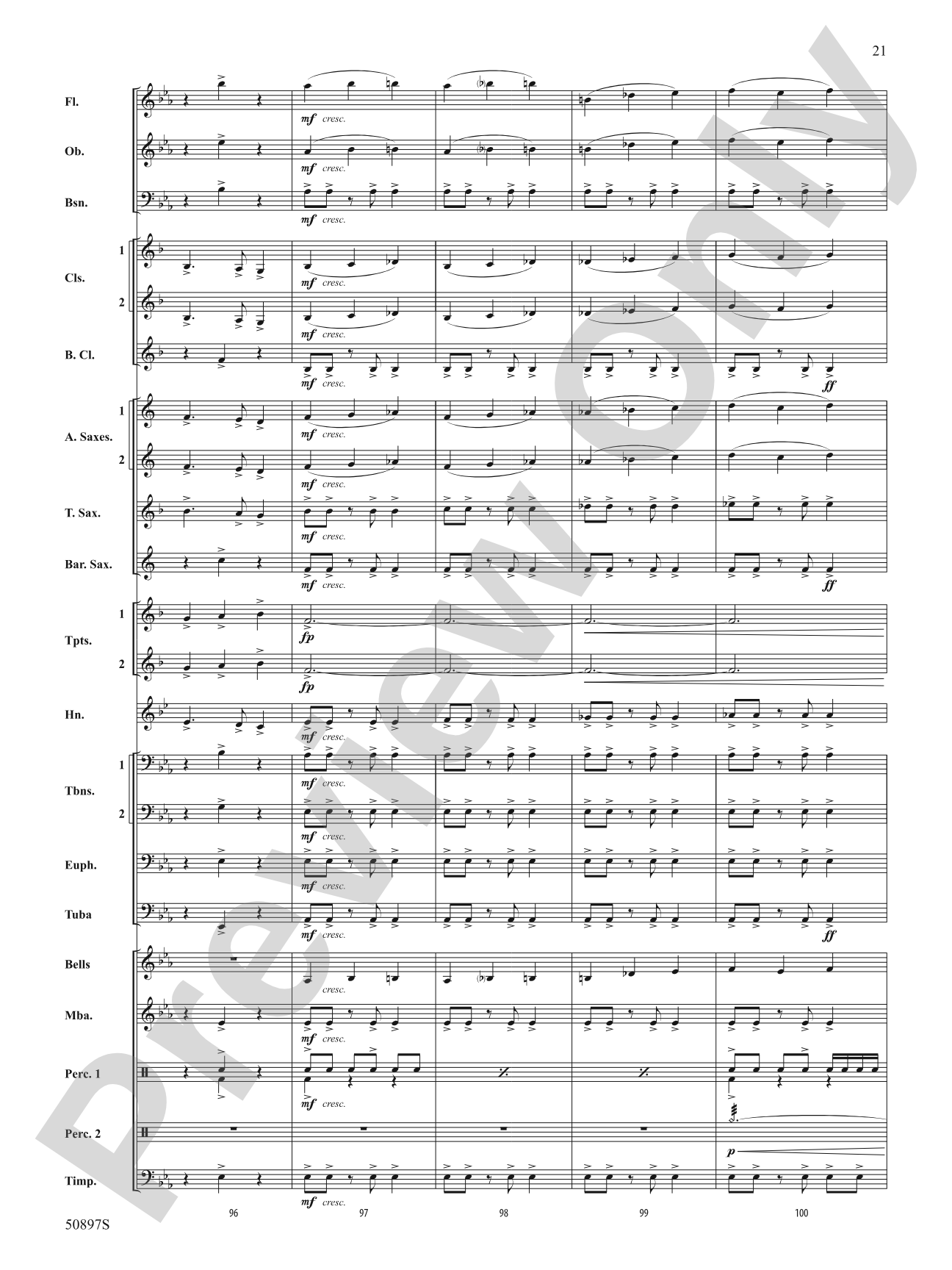
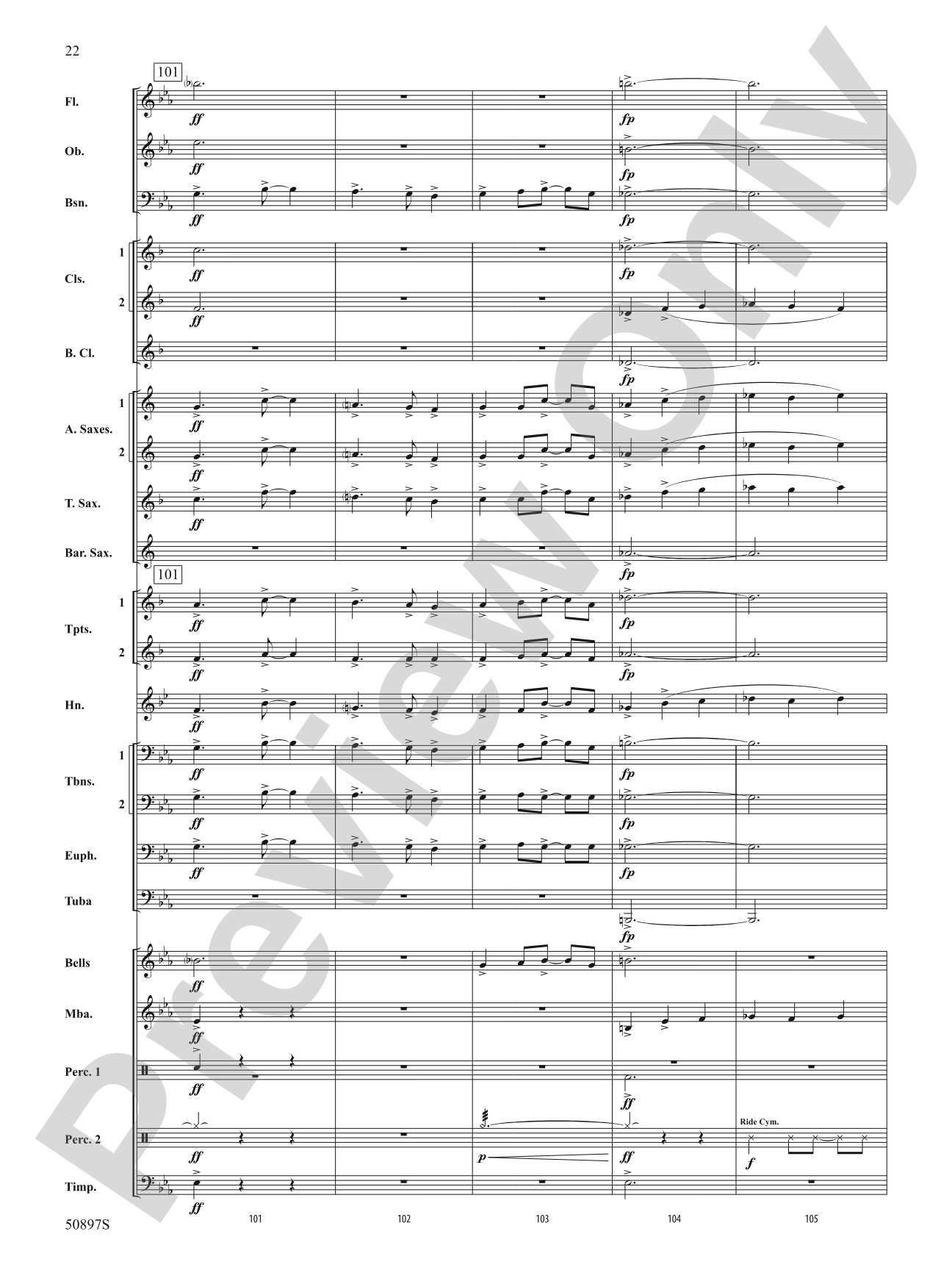
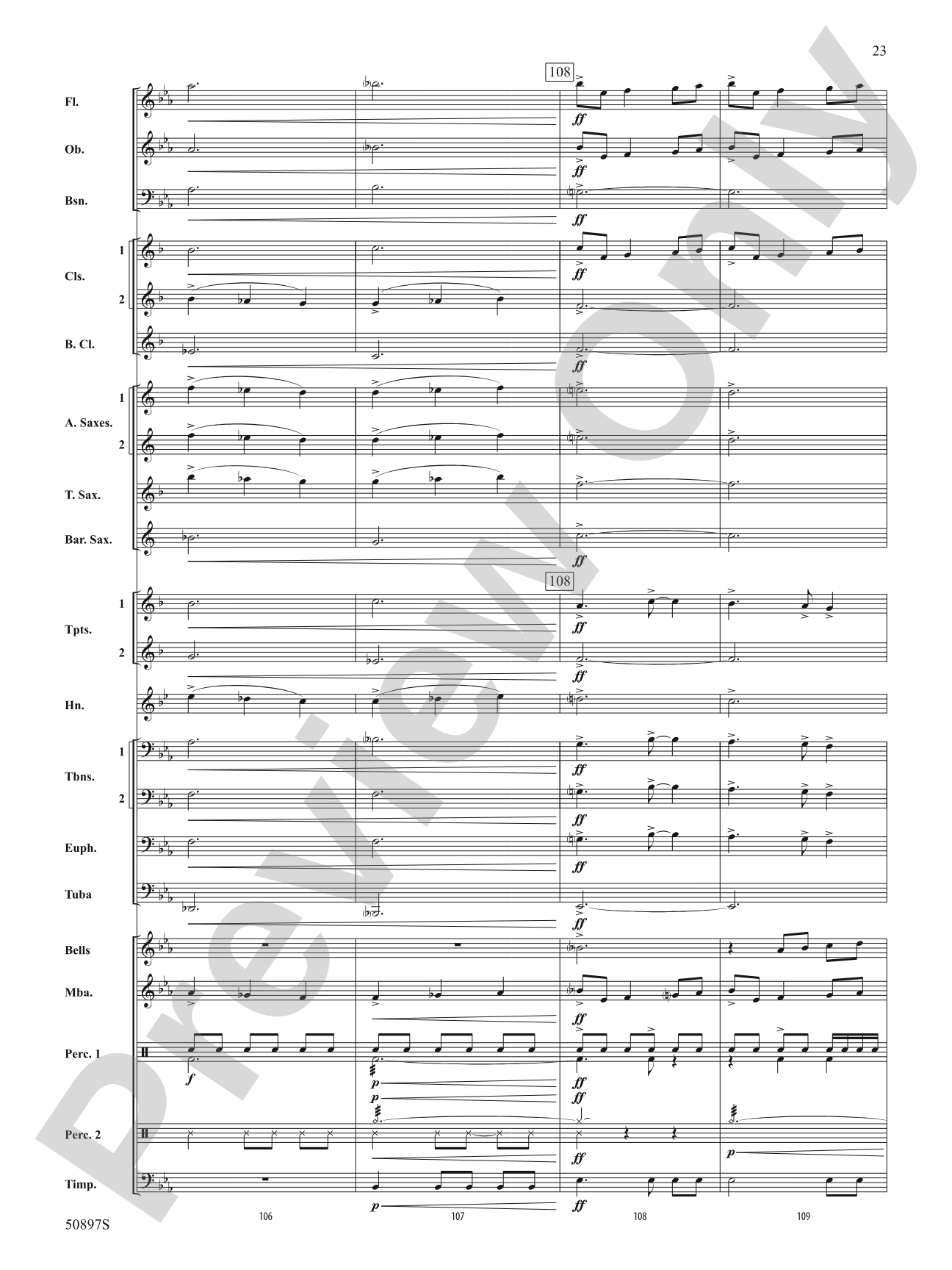
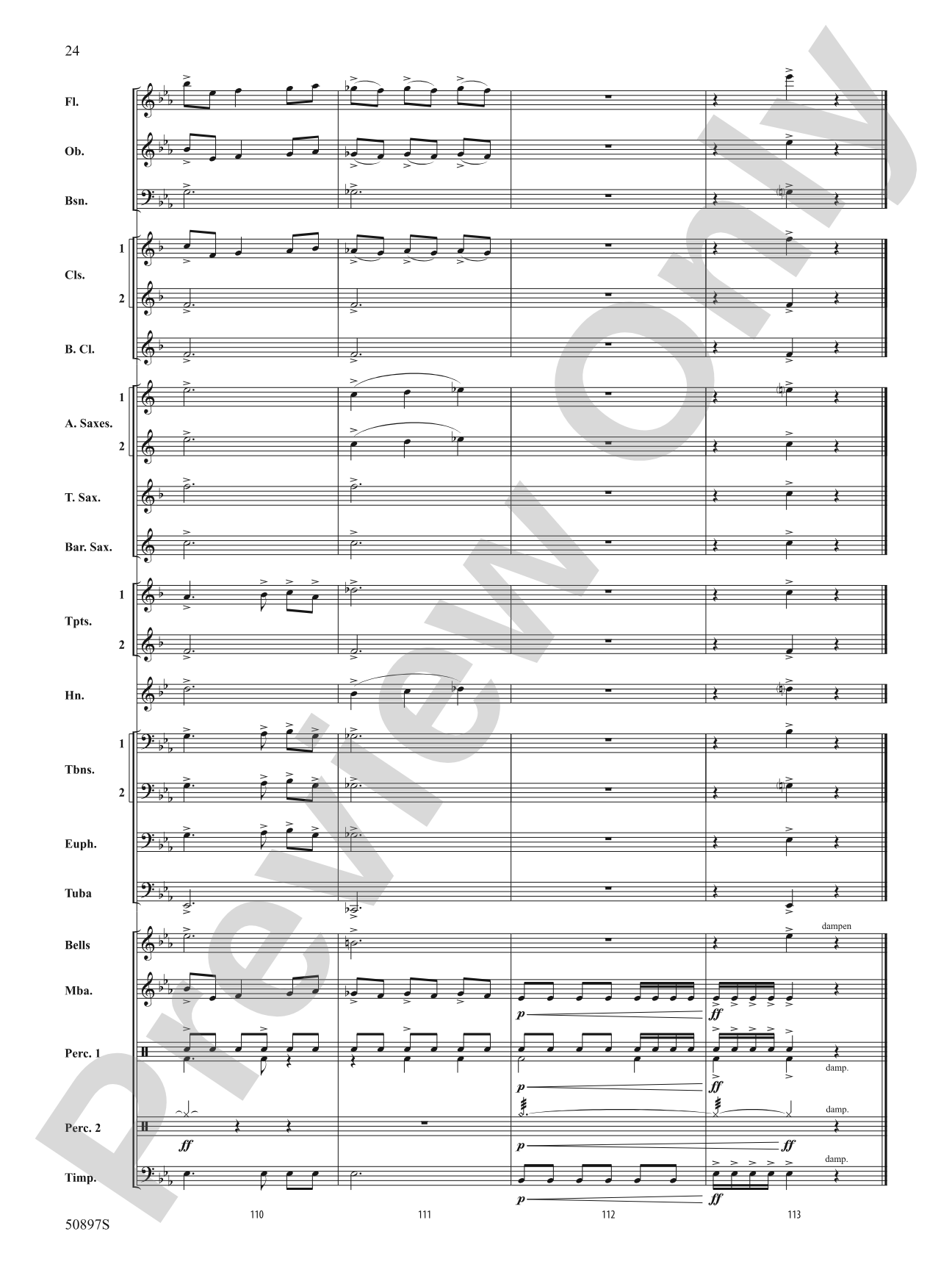

Starlight Adventures: Score
By Adrian B. Sims
Grade: 2
Item: 00-PR-0007574
$12.00
Pickup currently not available
Description
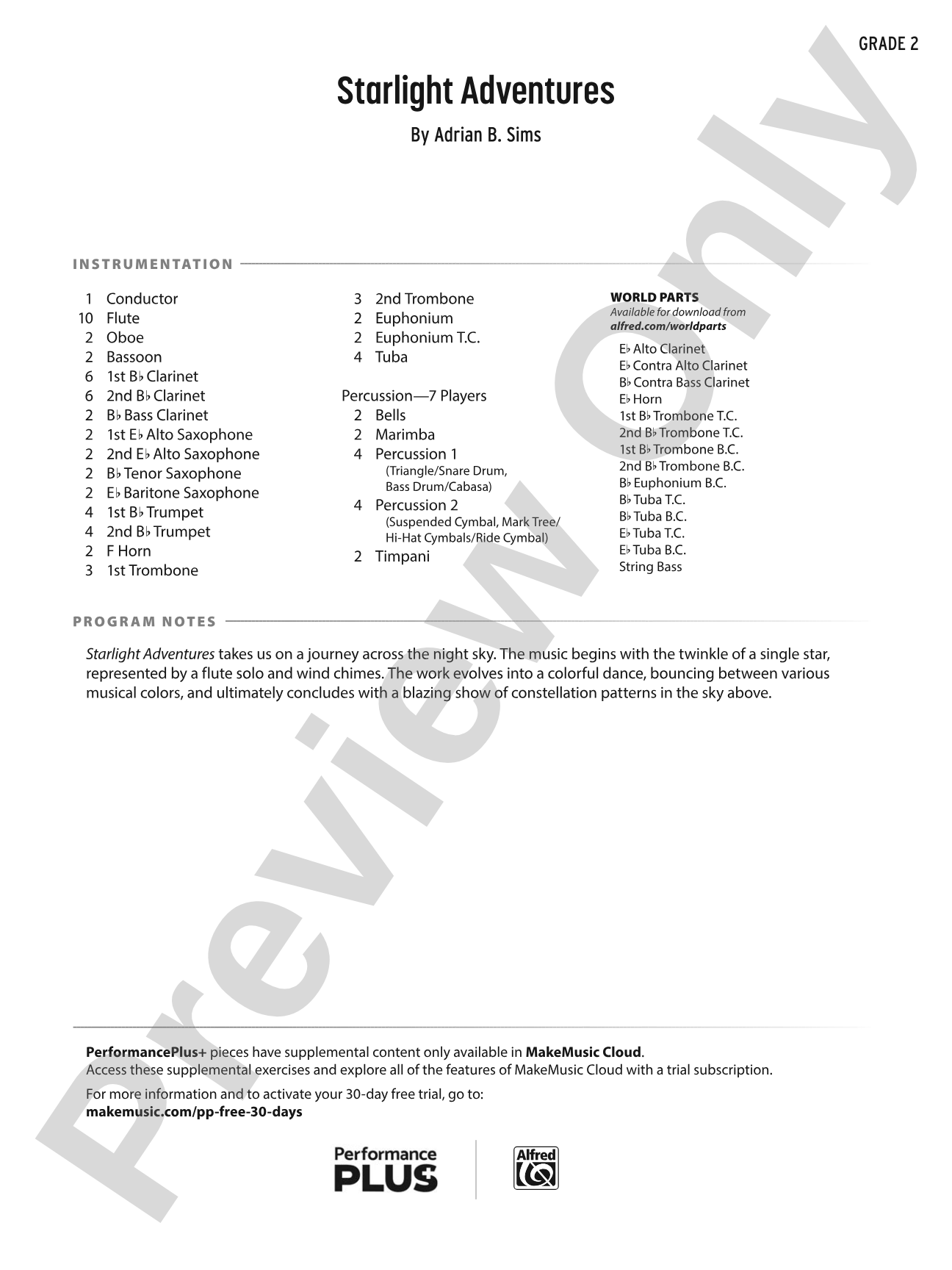
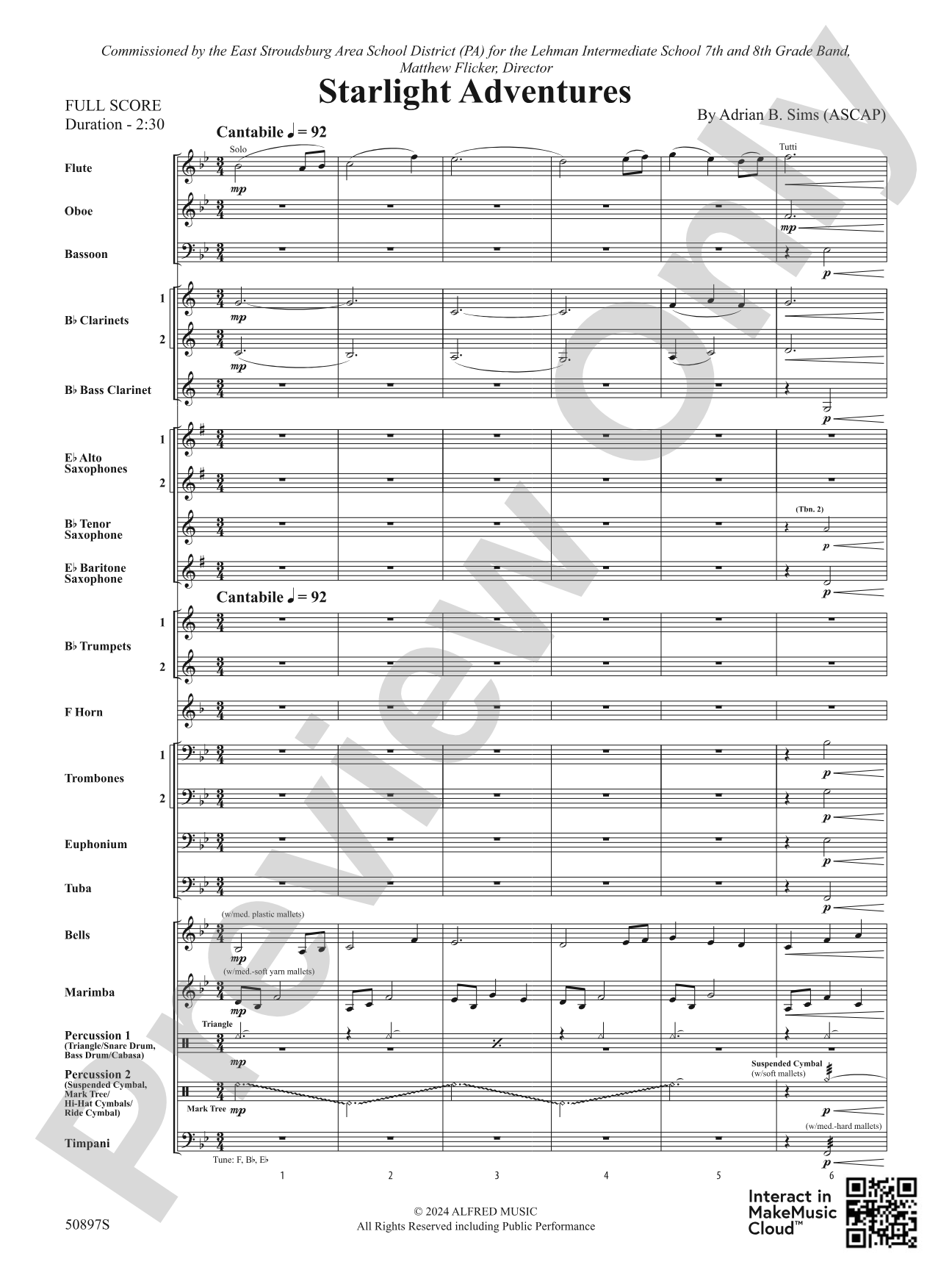
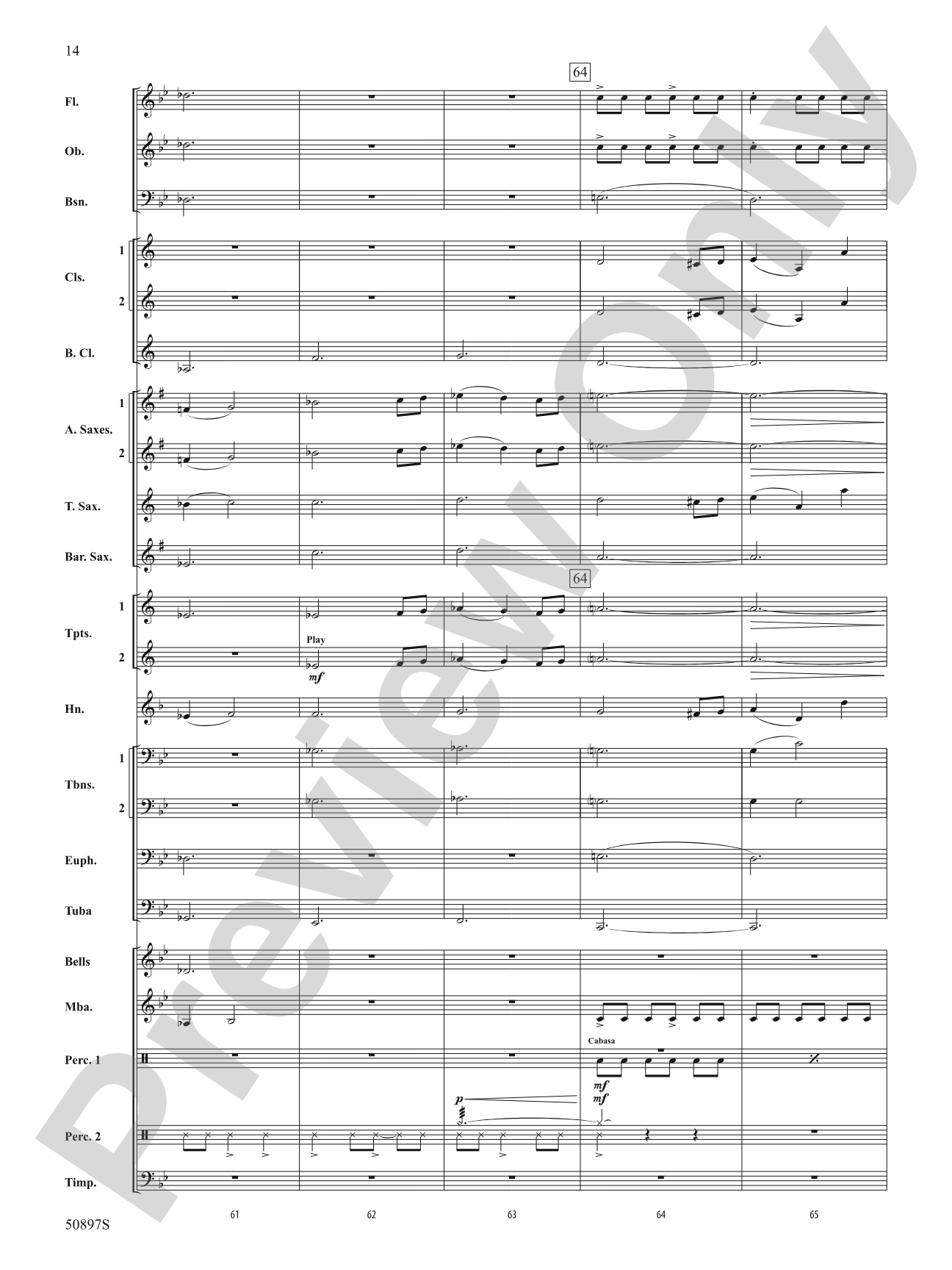
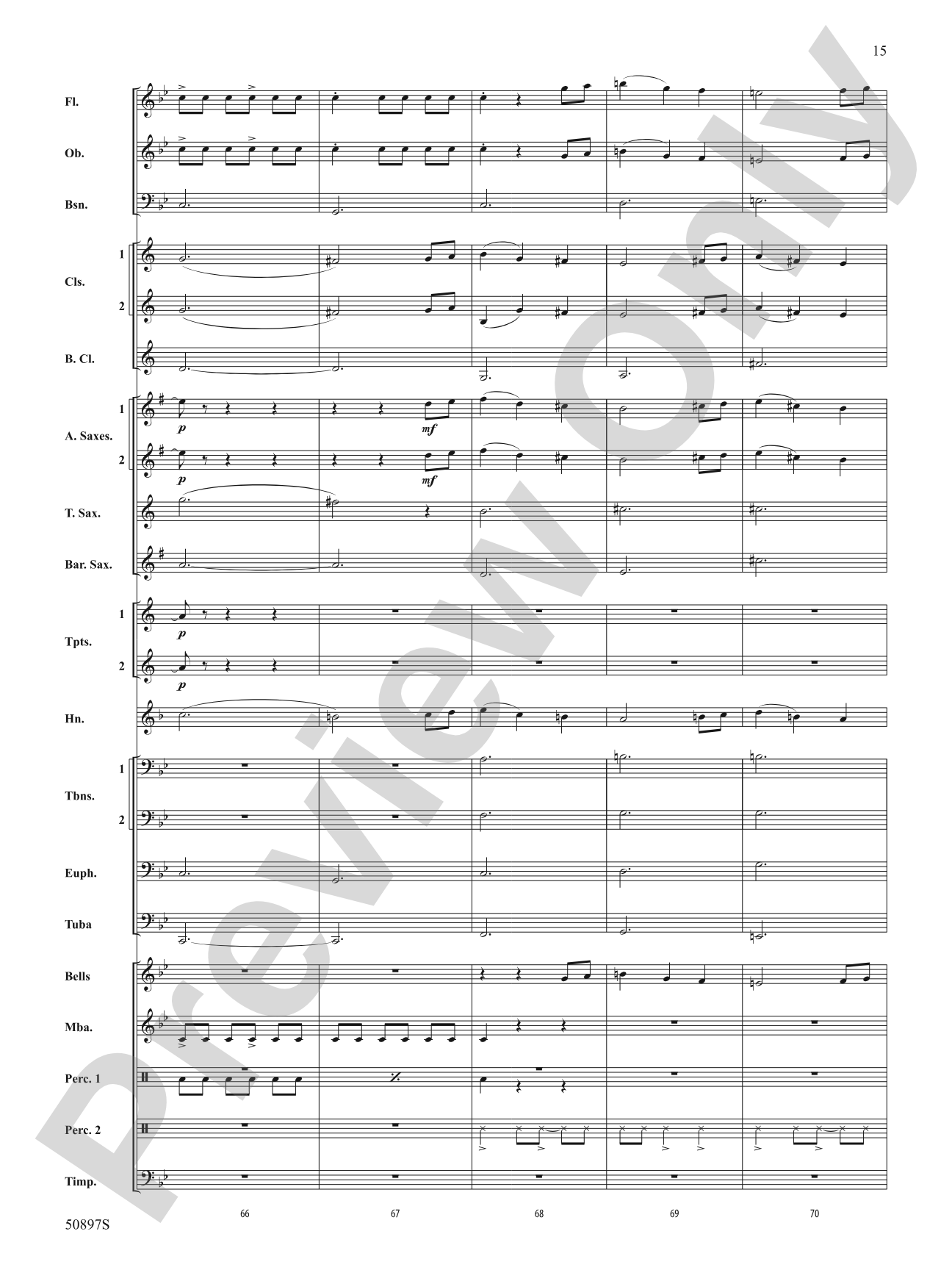
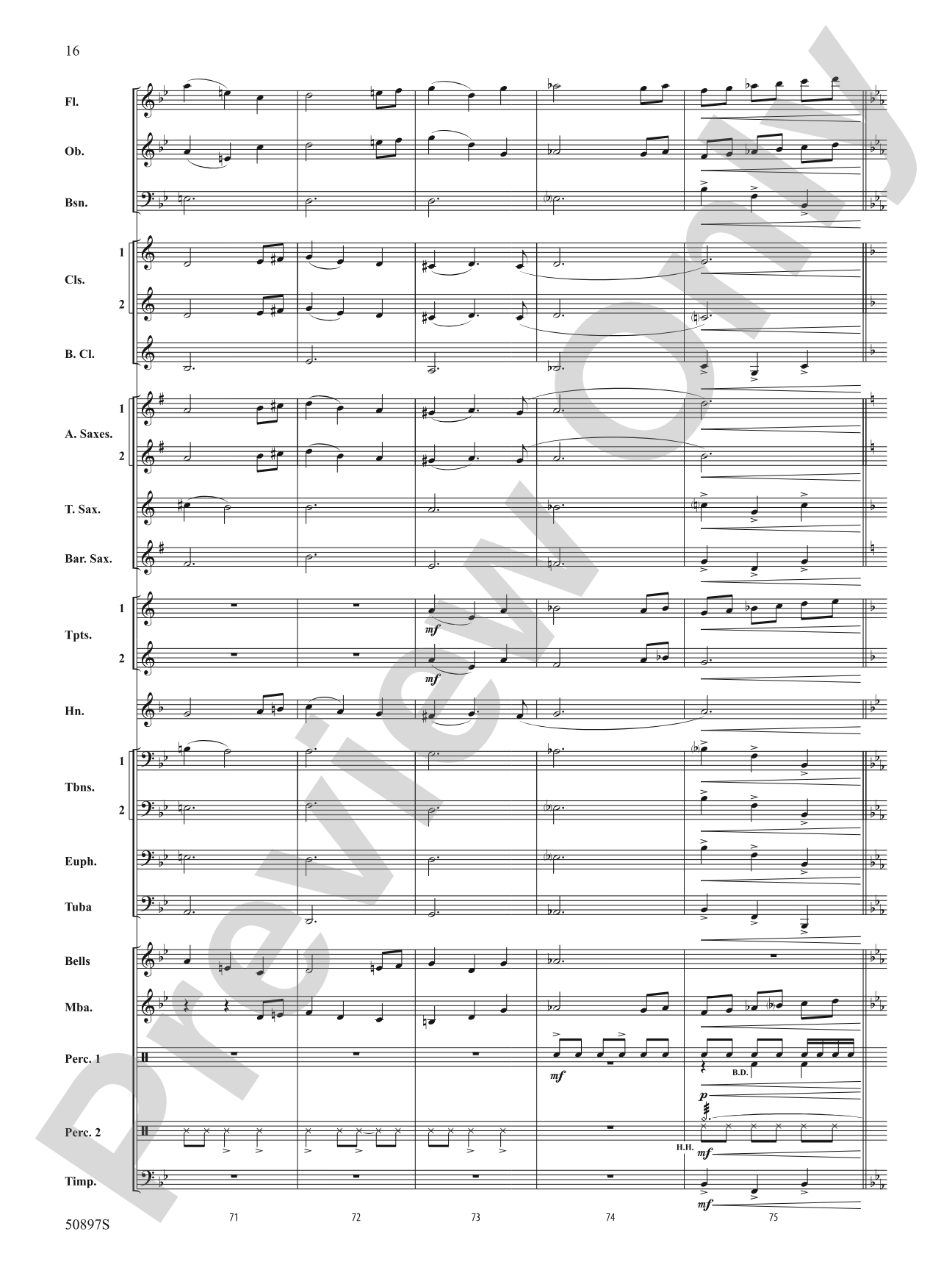
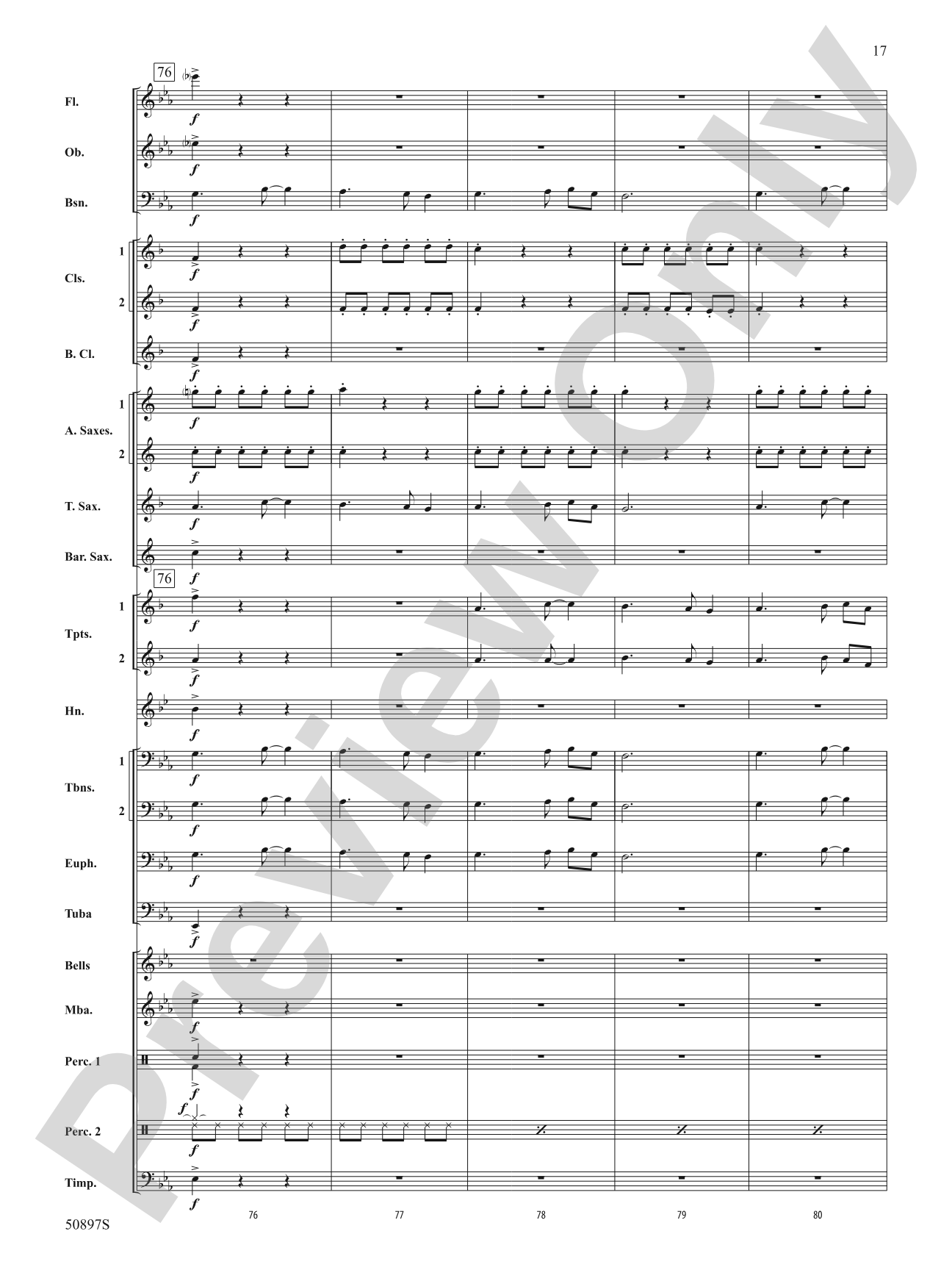
Starlight Adventures, by Adrian B. Sims, begins with the twinkle of a single star on a quiet night and concludes with a blazing show of constellation patterns after a colorful musical adventure along the way. An engaging and harmonically interesting new work that is approachable by developing ensembles! (2:30)
The PerformancePlus+ series is an innovative addition to the ever-expanding MakeMusic Cloud interactive library. These engaging selections are presented with educational resources designed to enrich the rehearsal process and create outstanding performances. Including:


The PerformancePlus+ series is an innovative addition to the ever-expanding MakeMusic Cloud interactive library. These engaging selections are presented with educational resources designed to enrich the rehearsal process and create outstanding performances. Including:
- Assignment, recording, and assessment tools within MakeMusic Cloud
- Piece-specific exercises focused on skills and techniques
- Educational tips and suggestions to support learning
Available in print and digital formats.
Don't just read it, hear it, play along with it, and watch your students grow with it. In MakeMusic Cloud, Starlight Adventures: Score comes alive with professional accompaniment, adjustable tempo, and built-in practice tools that turn solo practice into real progress.
Open in the Player
Jump straight in and assign it today.
Start Your Free Trial
Open this title and explore the full library in minutes.
Sample Audio
1
Audio File
--:--
0:00
0:00
Sample Video
Additional Details
Series:
Alfred Concert Band - PerformancePlus+
Publisher:
Alfred Music
SKU:
00-PR-0007574
More about this title
About the Composer: Adrian B. Sims
Adrian B. Sims (b. 2000) is a composer, conductor, educator, and trombonist based in Seattle. A student at the University of Maryland pursuing dual degrees in Music Education and Composition, Sims has already earned recognition through the Maryland Music Educators Association Young Composers Project, the Make Music Young Composers Contest, and selection on the Bandworld Top 100 List. His work has been performed at The Midwest Band and Orchestra Clinic and across Maryland schools.
As a performer, Sims brings firsthand knowledge of ensemble writing. His trombone experience spans concert and jazz bands, pit and symphony orchestras, and the top ensembles at the University of Maryland, where he studies with Matthew Guilford, solo bass trombonist with the National Symphony Orchestra. He credits his development as a composer to mentorship from Dr. Robert Gibson and Brian Balmages.
Why we love this
Sims captures the narrative arc of stargazing without overcomplicating the musical writing. Grade 2 concert bands often struggle to balance accessibility with harmonic interest, but this piece delivers both: the orchestration stays within reach of developing musicians while the harmonic movement keeps the music engaging for players and listeners alike. The programmatic framework gives students a concrete reason to shape phrases and care about dynamics.
What to expect
Quiet wonder unfolds into a luminous journey. The writing evokes both intimacy and expansiveness, moving from the solitary shimmer of a single star through colorful harmonic shifts before erupting into a finale where every voice matters in the constellation reveal. The music feels hopeful and exploratory rather than sentimental.
Who it's for
Concert bands in Grades 2-3 ready for something beyond simple melodic writing but still developing foundational balance and blend. Conductors seeking programmatic works that spark student engagement without requiring advanced technical demands will find this especially useful. The piece works equally well for festival programming or in-school concert contexts.
How to get the most out of it
- Balance the opening solo voices carefully. The 'twinkle' effect depends on clarity before the texture thickens. Have your quieter players rehearse independently first so they listen for blend rather than drowning out early statements.
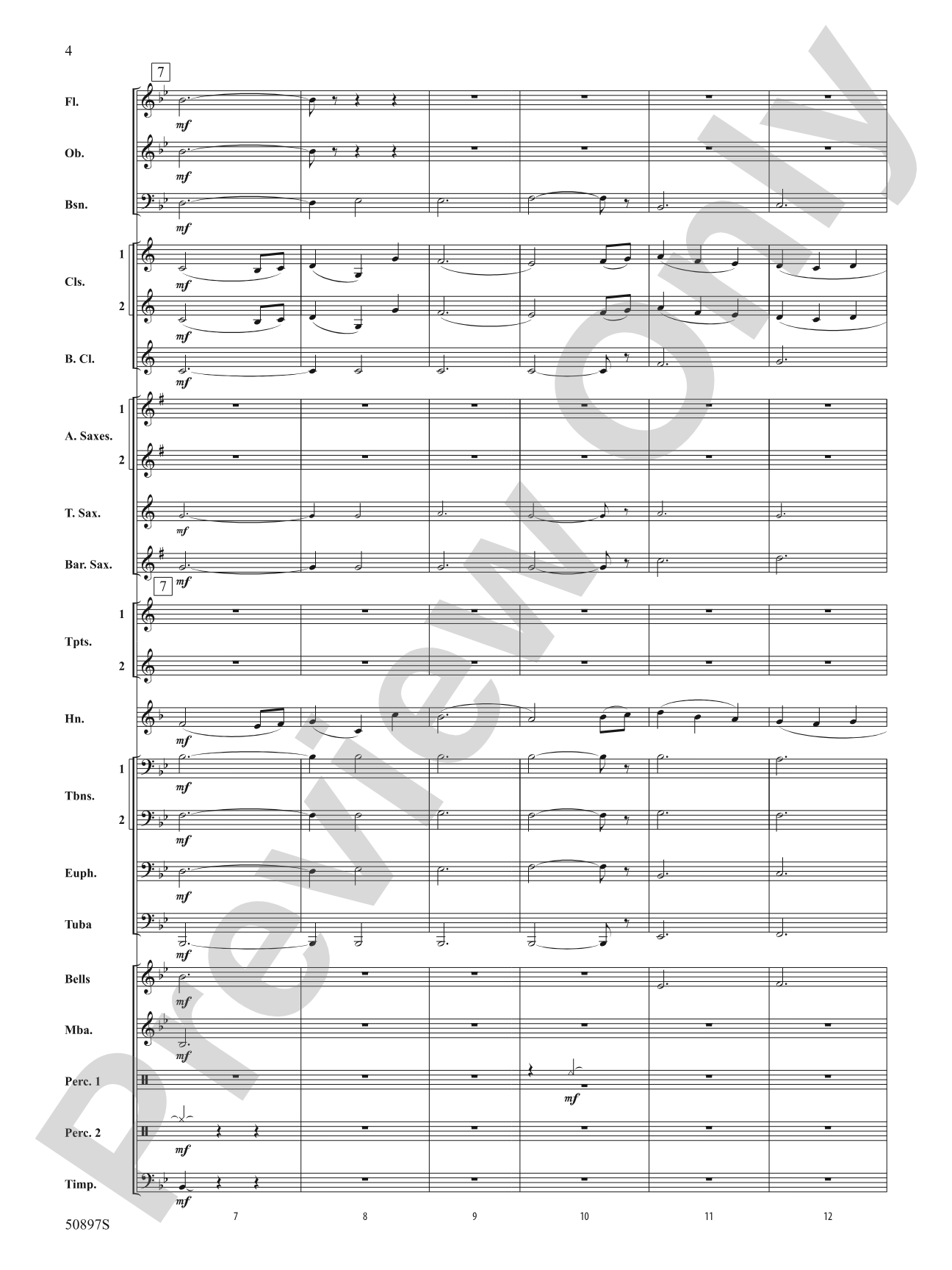
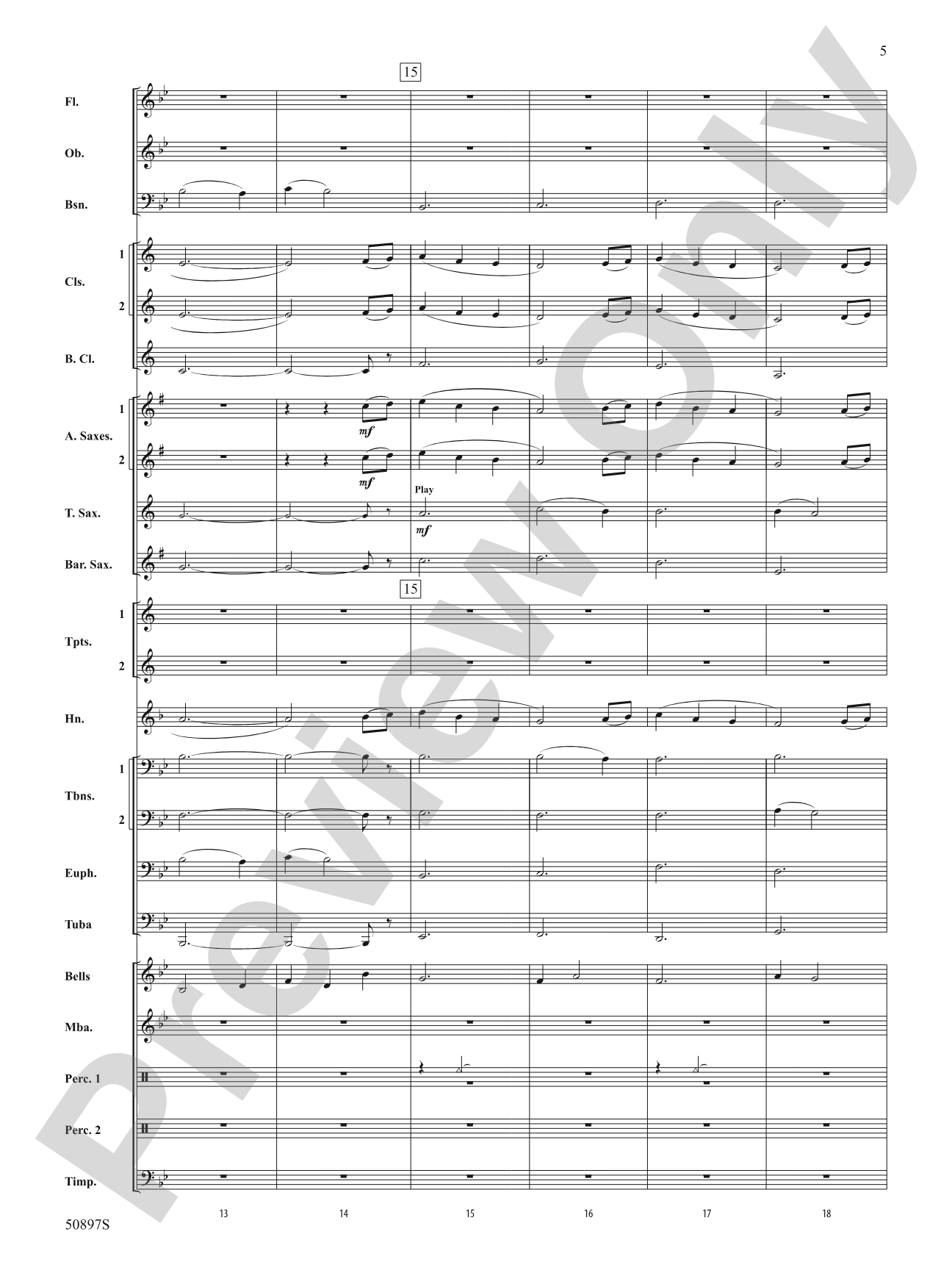
- Shape the 'colorful musical adventure' section with intentional phrasing. Ask players where they hear the peaks and valleys in the melodic lines so they understand the architecture rather than simply playing through.
- Bring out the constellation patterns in the final section by isolating parts in sectional rehearsals. Even at Grade 2, students respond well to understanding how their specific line contributes to the bigger texture.
- Use the PerformancePlus+ recorded accompaniment to lock tempos and intonation during preparation, then remove it two weeks before performance so the ensemble owns the pacing themselves.
How to use it
This works beautifully as an opener to establish attention before heavier programming, or as a mid-concert palette cleanser between contrasting pieces. Consider pairing it with other Grade 2-3 programmatic works to create a themed concert around imagery and storytelling in music. The 2:30 duration fits comfortably into any performance slot without dominating your concert time.
Skills your students will build
- Sustaining soft dynamic levels with control and clarity
- Balancing multiple melodic lines within a texture
- Shaping phrases around programmatic imagery
- Reading and executing harmonic voice leading
- Ensemble listening and intonation in harmonically active passages