


Starfleet: Score
By Richard Meyer
Grade: 1.5
Item: 00-PR-0000922
$6.00
Pickup currently not available
Description
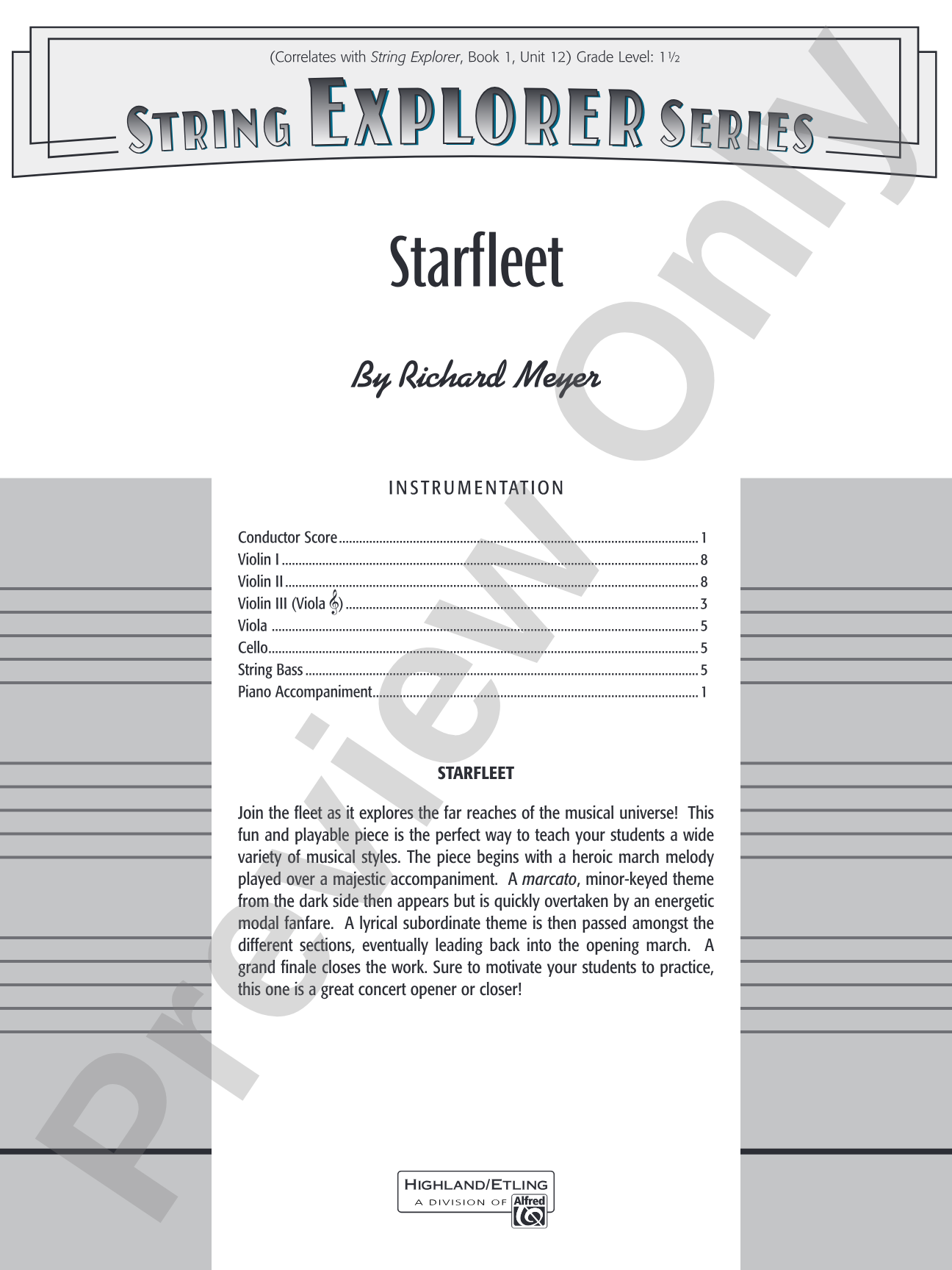
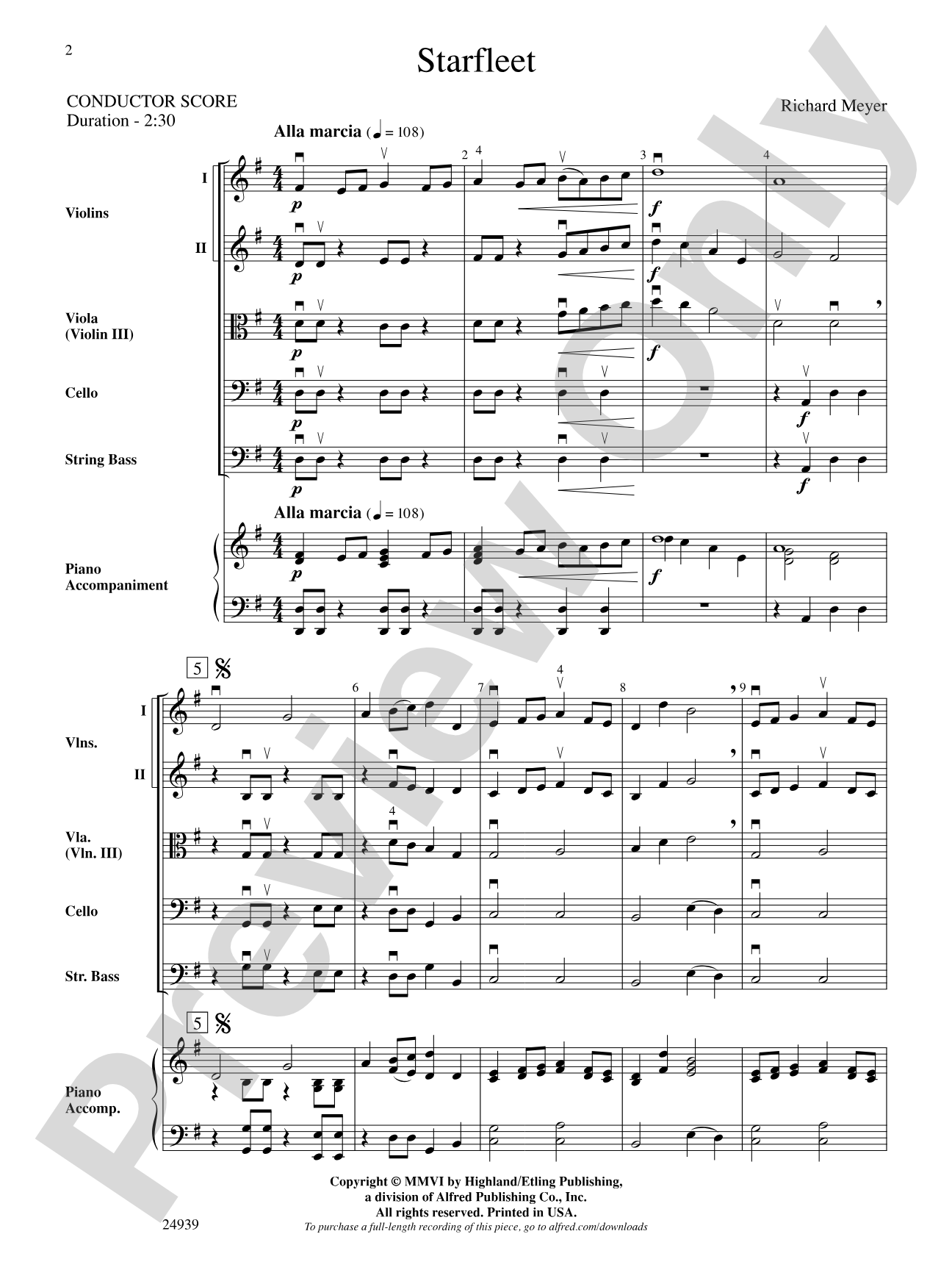
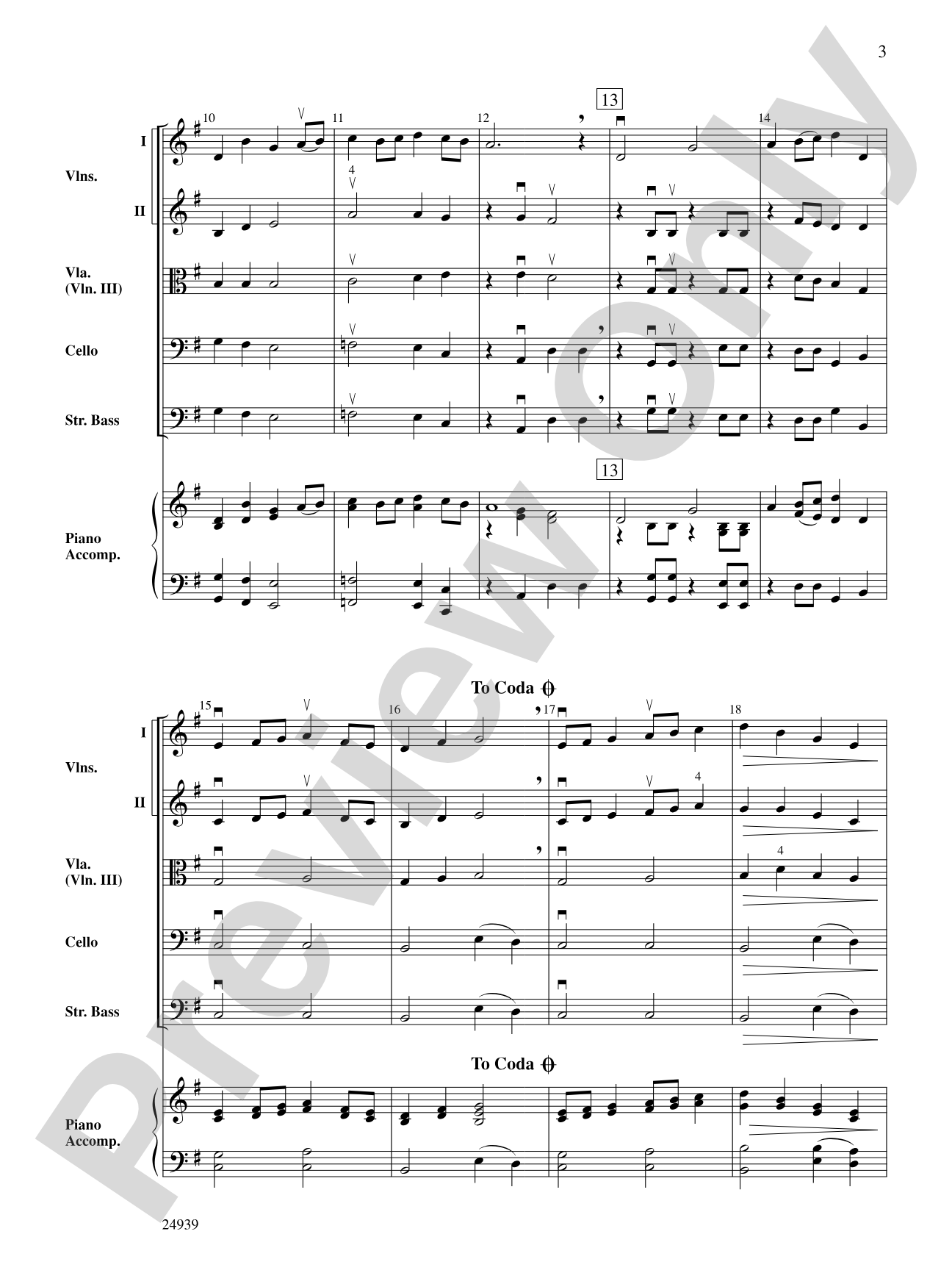
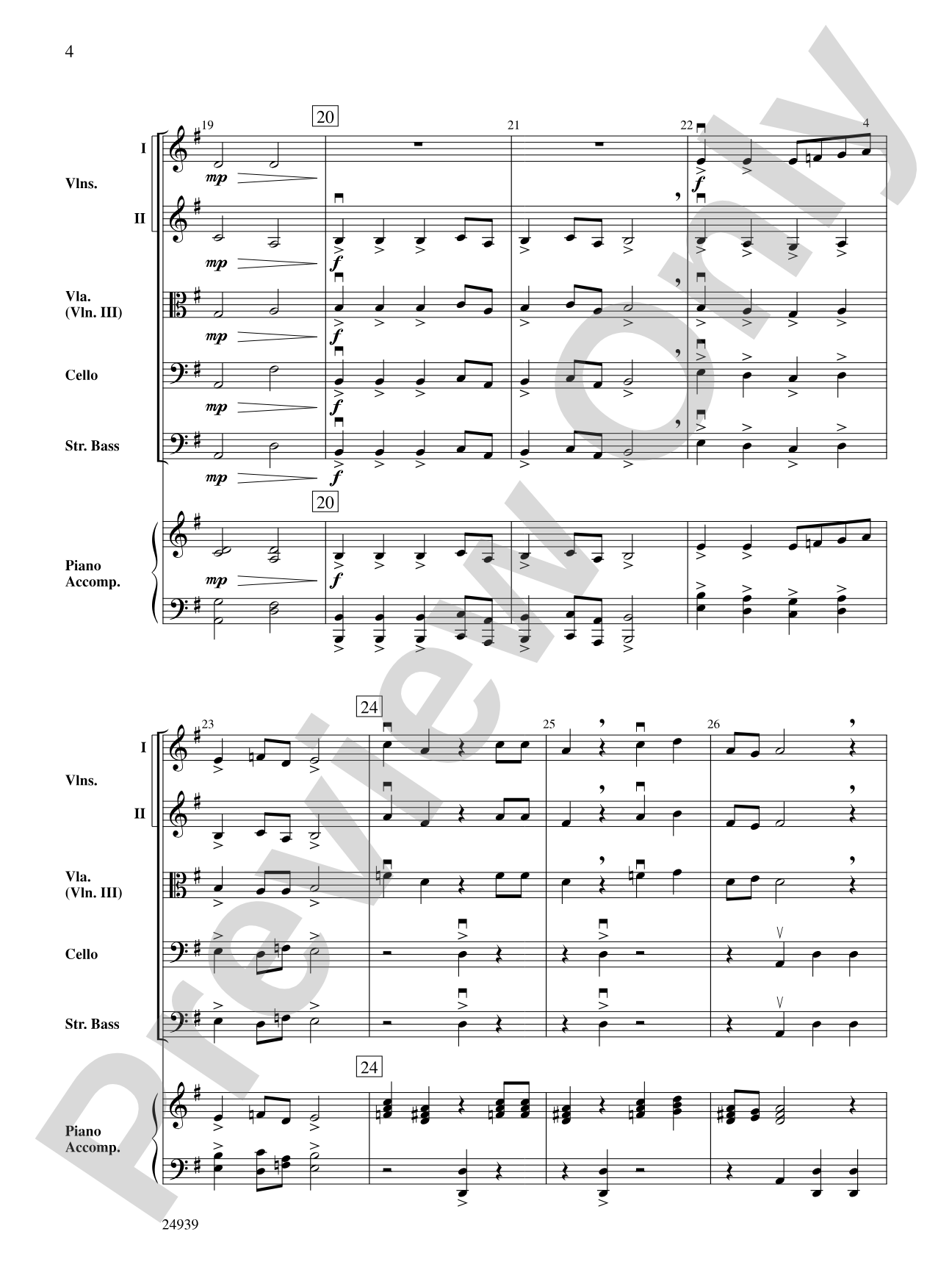
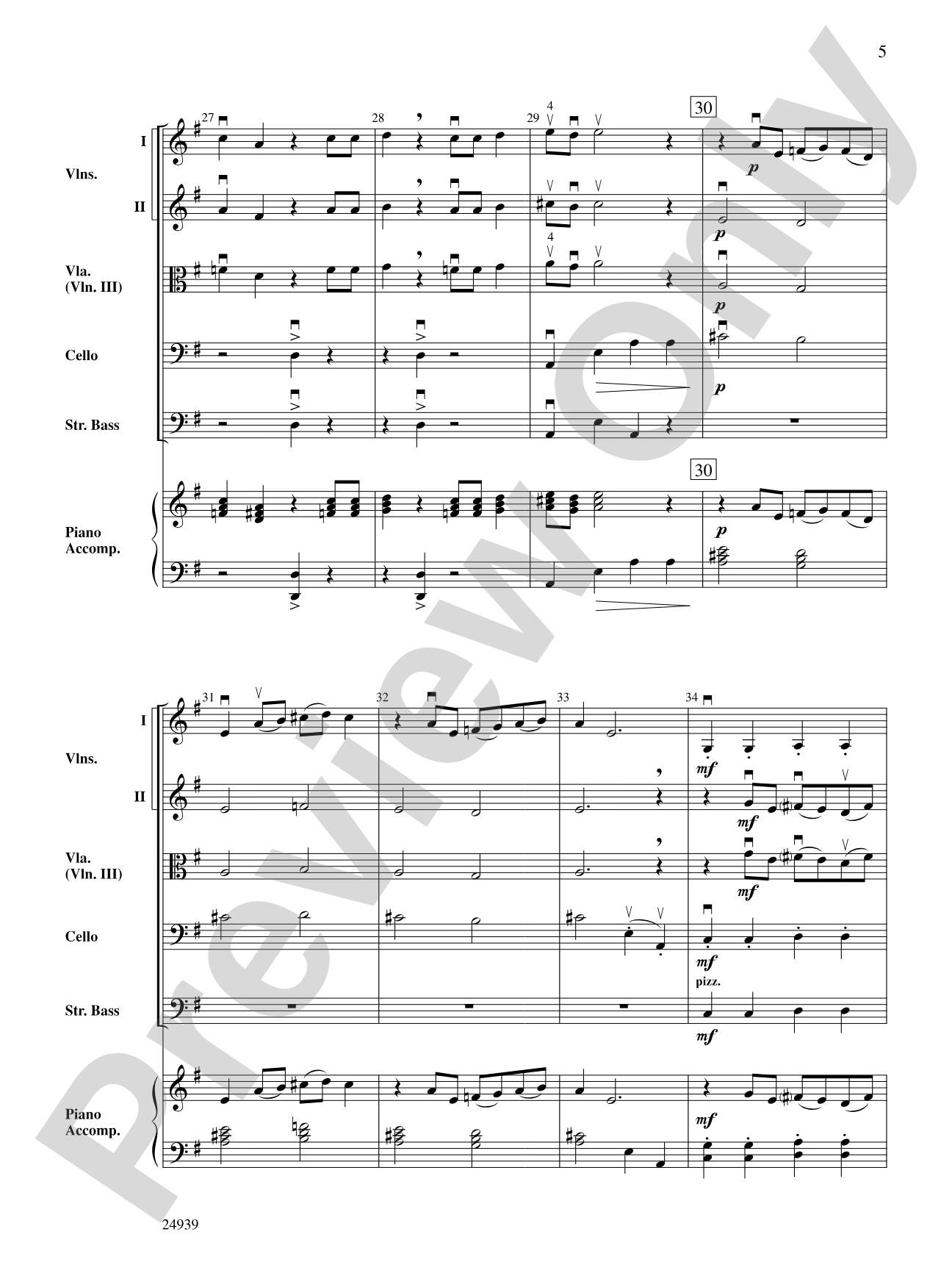
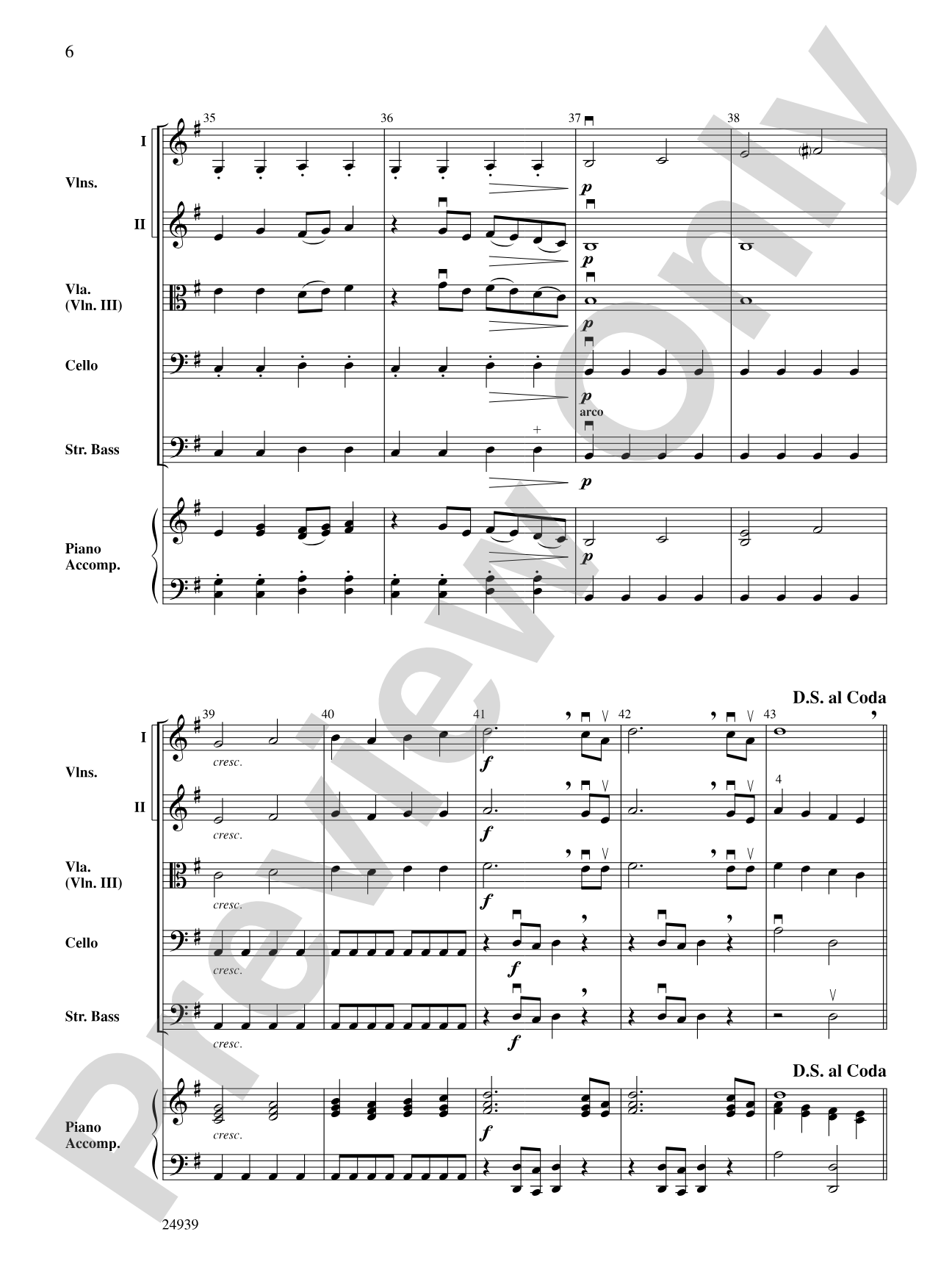
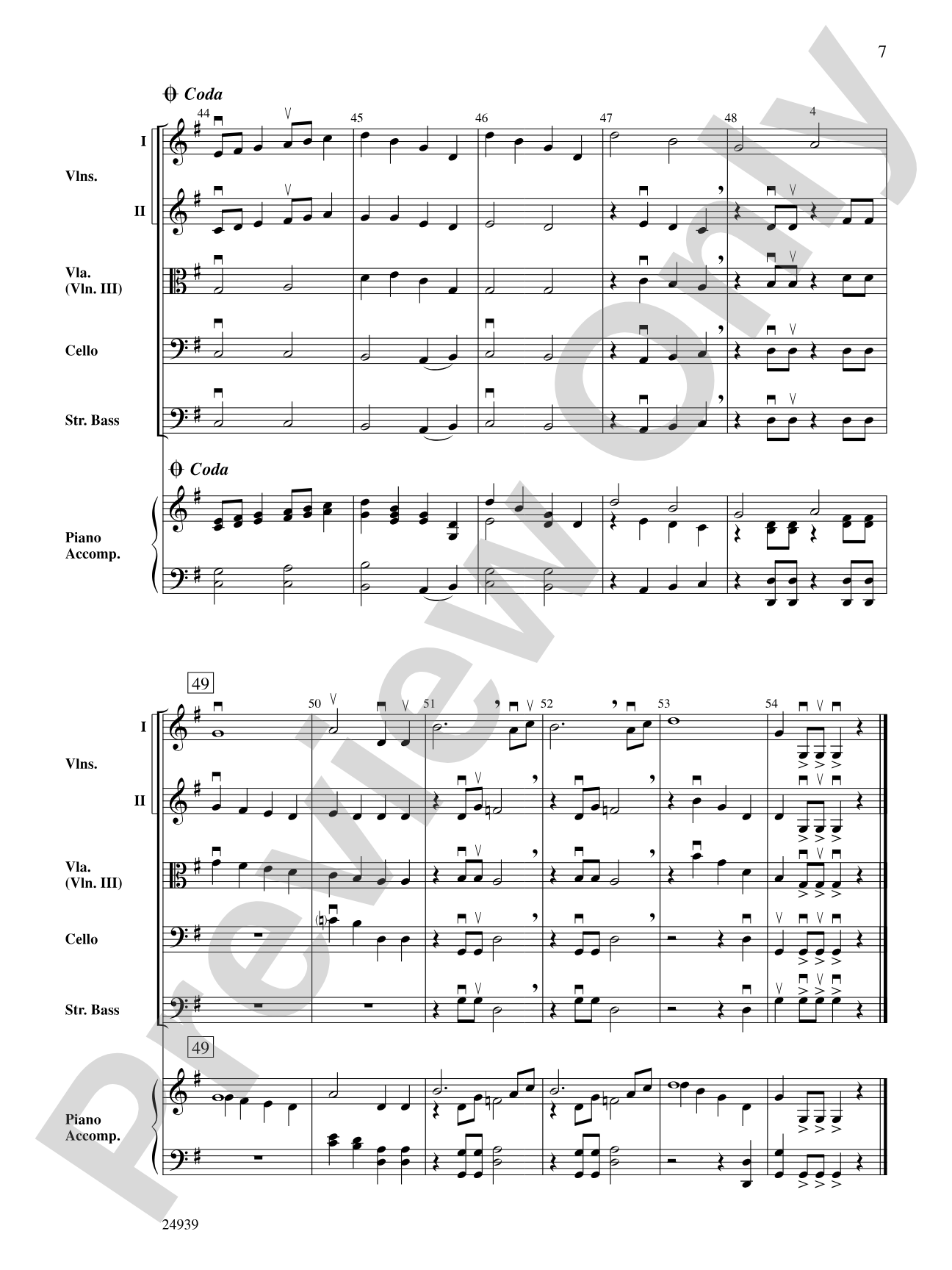
Join the "Starfleet" as it explores the far reaches of the musical universe! This fun and playable piece is the perfect way to teach your students a wide variety of musical styles. The piece begins with a heroic march melody played over a majestic accompaniment. A marcato, minor-keyed theme from the dark side then appears but is quickly overtaken by an energetic modal fanfare. A lyrical subordinate theme is then passed amongst the different sections, eventually leading back into the opening march. A grand finale closes the work. Sure to motivate your students to practice, this one is a great concert opener or closer! This title is available in MakeMusic Cloud.


Don't just read it, hear it, play along with it, and watch your students grow with it. In MakeMusic Cloud, Starfleet: Score comes alive with professional accompaniment, adjustable tempo, and built-in practice tools that turn solo practice into real progress.
Open in the Player
Jump straight in and assign it today.
Start Your Free Trial
Open this title and explore the full library in minutes.
Sample Audio
1
Audio File
--:--
0:00
0:00
Sample Video
No sample videos found.
Additional Details
Series:
Highland/Etling String Explorer
Publisher:
Alfred Music
Page Count:
72
SKU:
00-PR-0000922
More about this title
About the Composer: Richard Meyer

Richard Meyer spent 35 years teaching strings at all levels in Southern California public schools, including 22 years directing orchestras at Oak Avenue Intermediate School in Temple City, where he grew the program from 29 students to 200. He served as music director of the Pasadena Youth Symphony Orchestra for 16 years, leading ensembles on international tours to Vienna, Australia, and Canada, and has been a guest conductor for All-State and Honor Orchestras across multiple states.
Beyond the podium, Meyer is a prolific composer with nearly 190 published works and arrangements to his credit. He spent 16 years as string editor for Alfred Publishing Company and co-authored the widely used String Explorer Series and Sight-read It for Strings. His "Giving Bach" program, launched in 2009, brought interactive concerts to special needs and underserved students throughout Southern California and earned national recognition for its innovative approach to music access.
Why we love this
Meyer writes with an orchestrator's ear for what strings can do at each level. The harmonic language keeps young players engaged without overwhelming them, and the structural arc (march, minor theme, modal fanfare, lyrical passage, return, finale) gives students a clear roadmap for musical storytelling. This is the kind of piece that makes students want to come to rehearsal.
What to expect
The piece launches with the swagger of a heroic march, then pivots into darker, more introspective territory before exploding into a bright, rhythmically driven modal section. A tender, singing melody winds through the ensemble as the tension softens, setting up a triumphant return that builds to a commanding finale that leaves the hall buzzing.
Who it's for
String orchestras at the Grade 1.5 level, from middle school programs through early high school groups looking for accessible yet musically substantial repertoire. Directors seeking a piece that balances technical approachability with genuine concert appeal will find this particularly valuable.
How to get the most out of it
- Establish the heroic character of the opening march with confident attacks on the main melody; the accompaniment figures support rather than compete, so keep them warm but proportionate.
- Contrast the minor-keyed theme sharply against the major material that surrounds it. The shift to the modal fanfare should feel like a sudden burst of energy, not a gradual transition.
- Let the lyrical subordinate theme breathe as it passes between sections. This passage rewards clean hand-offs and good listening between stands.
- Shape the return to the opening march with slight tempo flexibility; a touch of rubato on the final approach into the grand finale can heighten the sense of arrival.
How to use it
Open a concert with this one to signal ambition and energy; the narrative arc and varied textures keep audience attention while showcasing what your orchestra can do technically and musically. It also works beautifully as a finale, particularly if programmed after lighter or more introspective pieces.
Skills your students will build
- Playing sustained accompaniment figures while the melody is carried by other sections
- Responding to quick stylistic shifts (marcato, legato, modal fanfare technique)
- Blending lyrical sections across different string voices and stands
- Maintaining rhythmic precision during energetic, syncopated passages
- Shaping dynamic contours across longer musical phrases