


Starchasers: String Orchestra Conductor Score & Parts
By Tanner Otto
Grade: 1.5
Item: 00-PK-0008652

$55.00
Pickup currently not available
Buy Extra Parts (Digital PDF Download)
| Product | Price | Quantity |
|---|---|---|
| Starchasers: Score | $10.00 | |
| Starchasers: 1st Violin | $3.00 | |
| Starchasers: 2nd Violin | $3.00 | |
| Starchasers: 3rd Violin (Viola [TC]) | $3.00 | |
| Starchasers: Viola | $3.00 | |
| Starchasers: Cello | $3.00 | |
| Starchasers: String Bass | $3.00 |
Parts Added to Cart!
Description
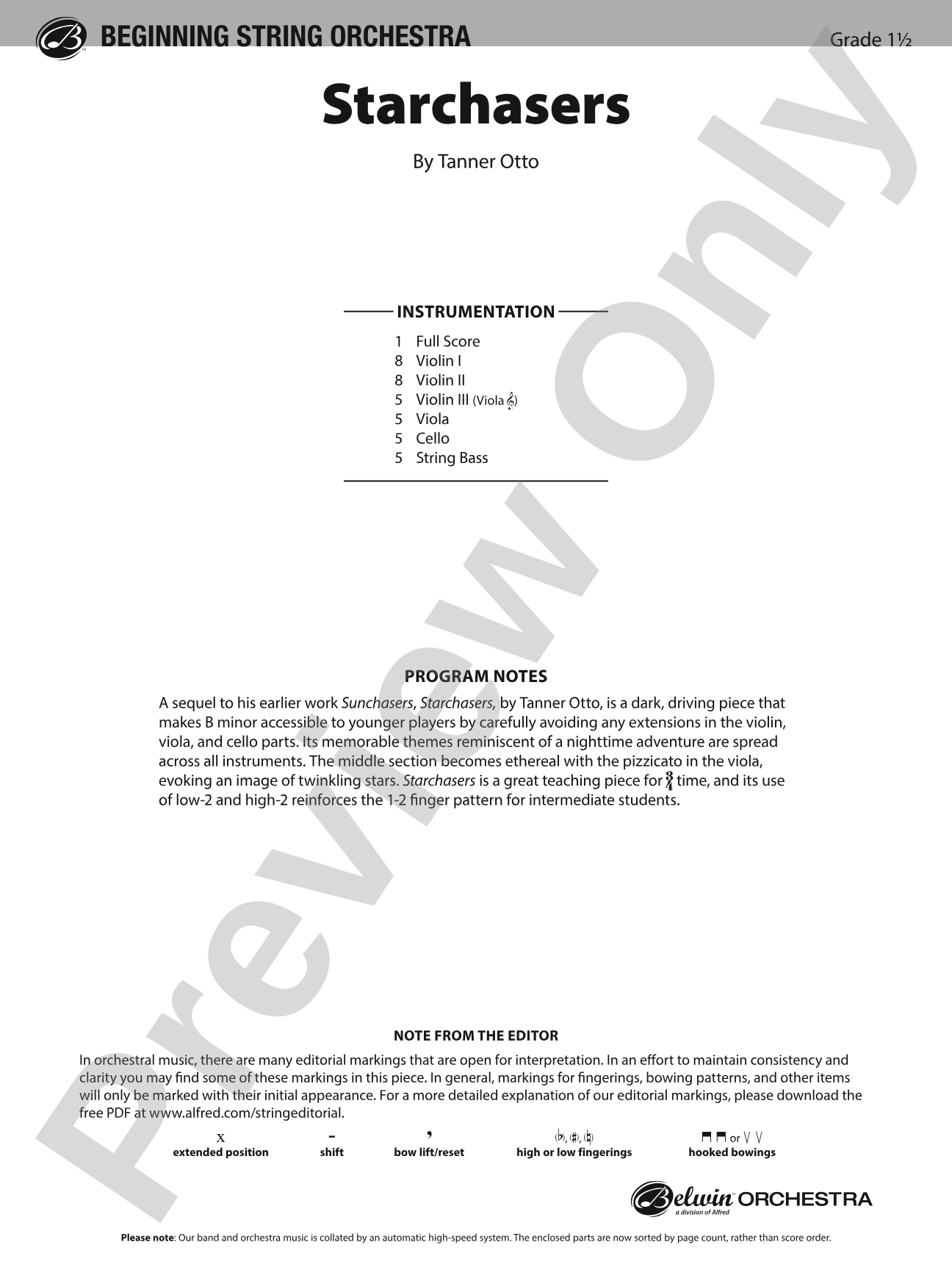
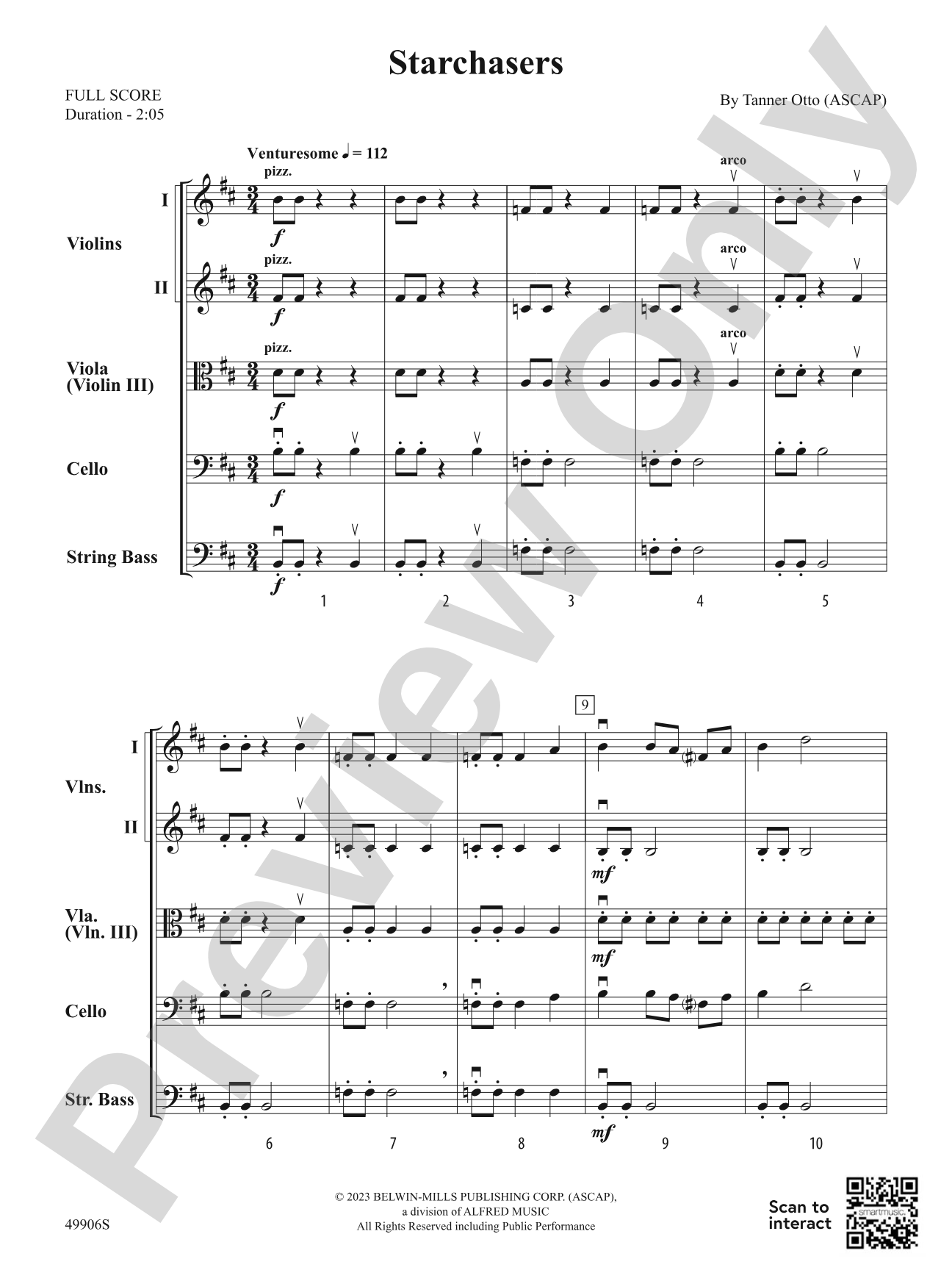
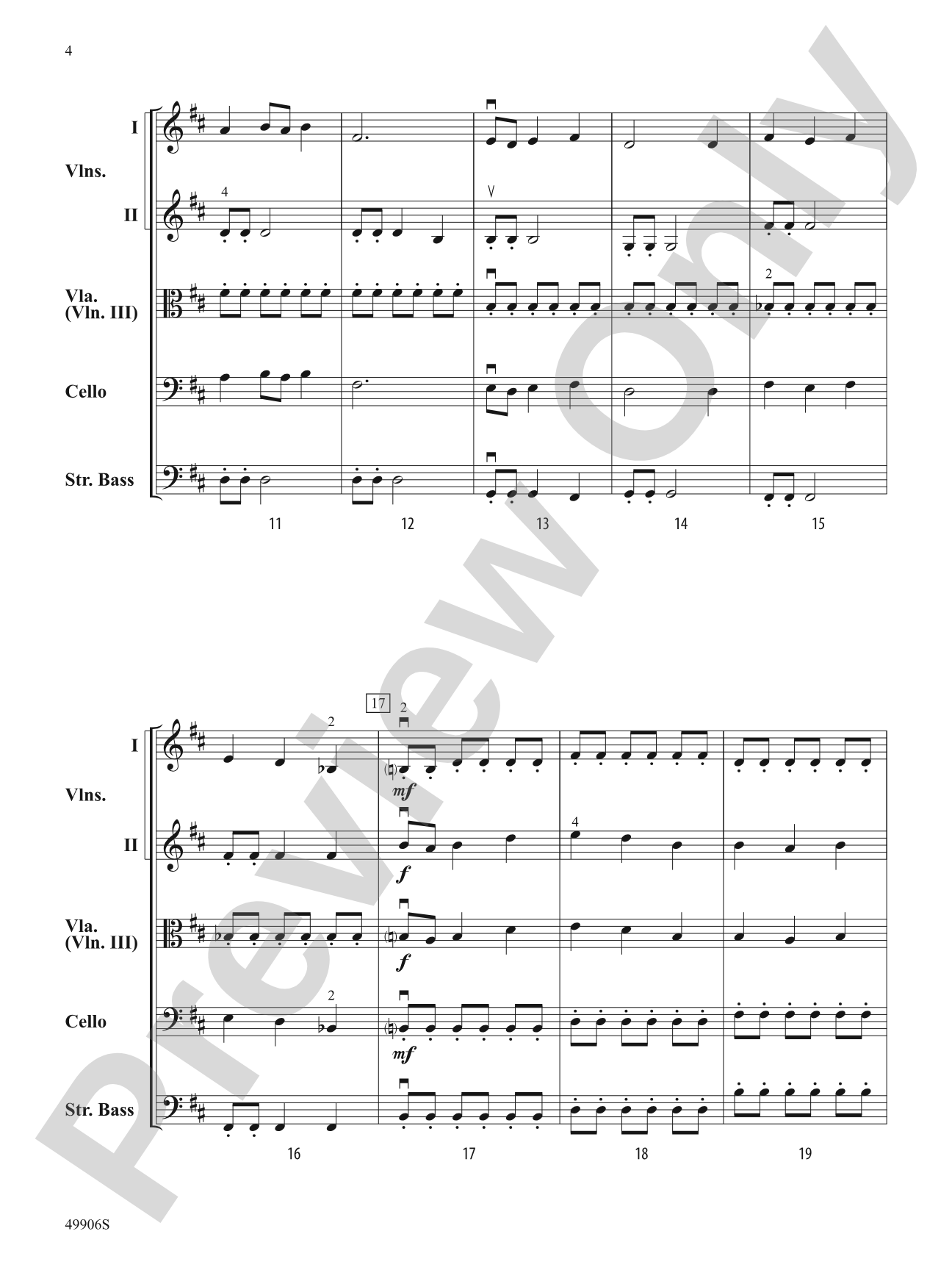
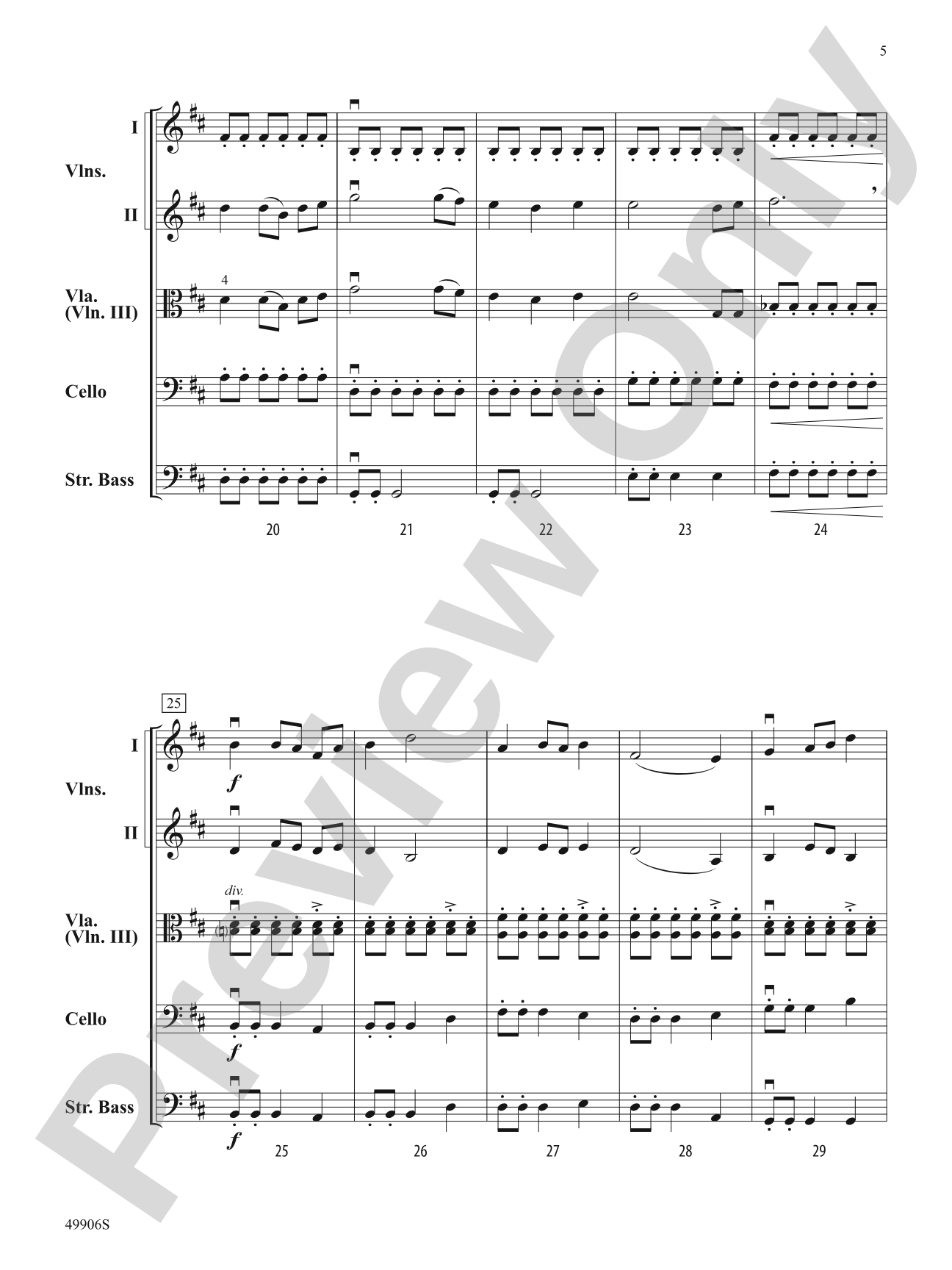
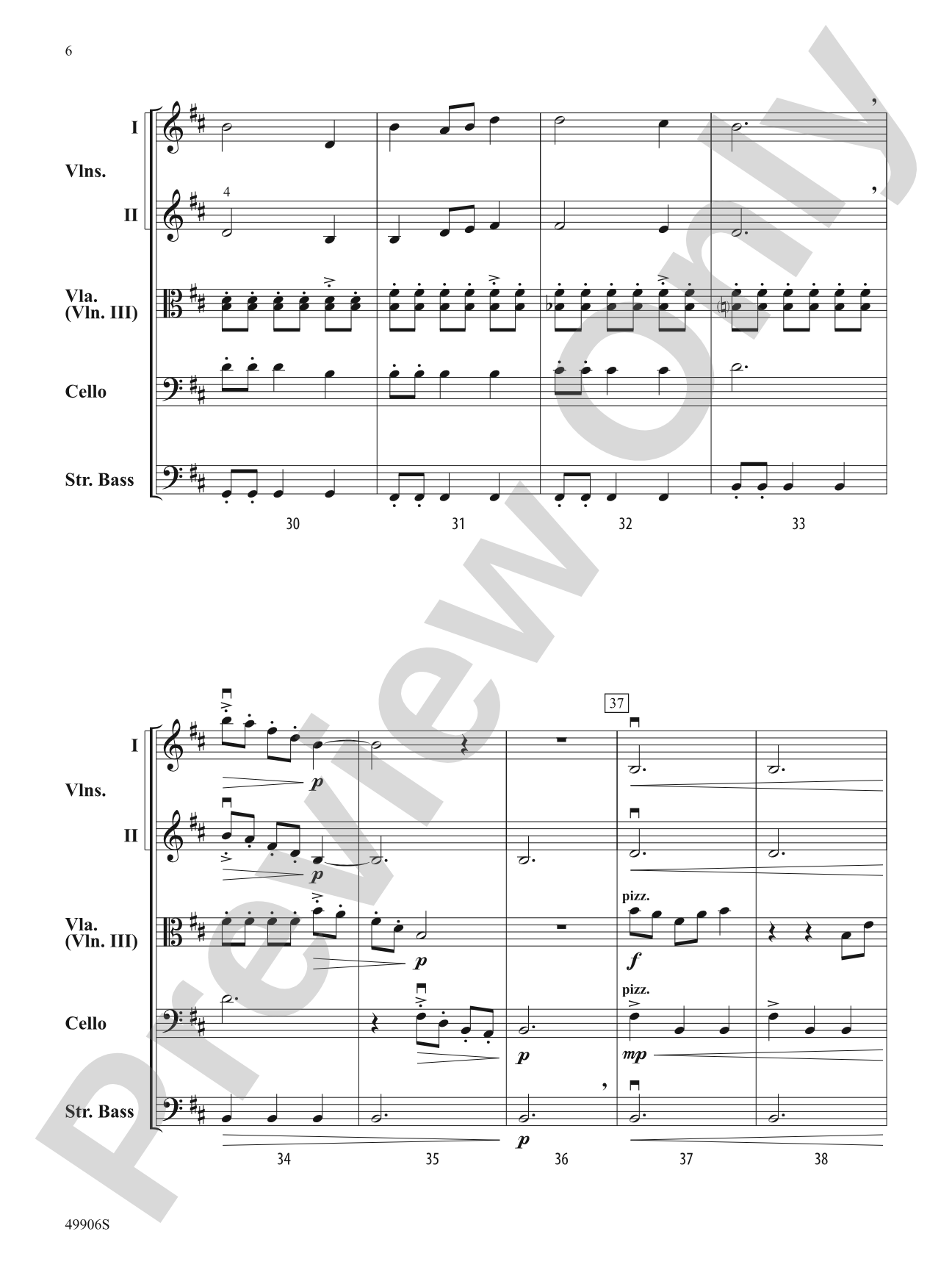
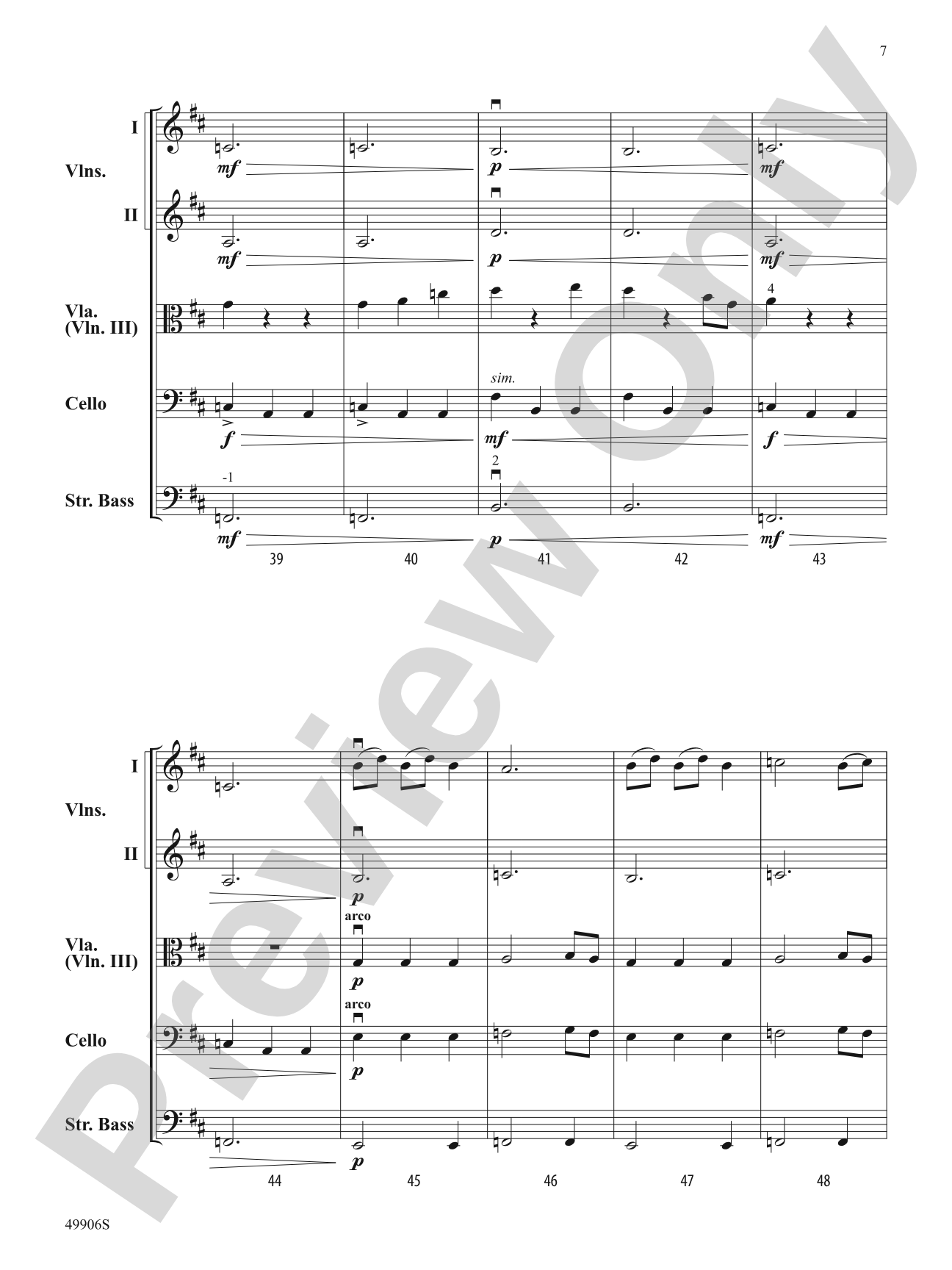
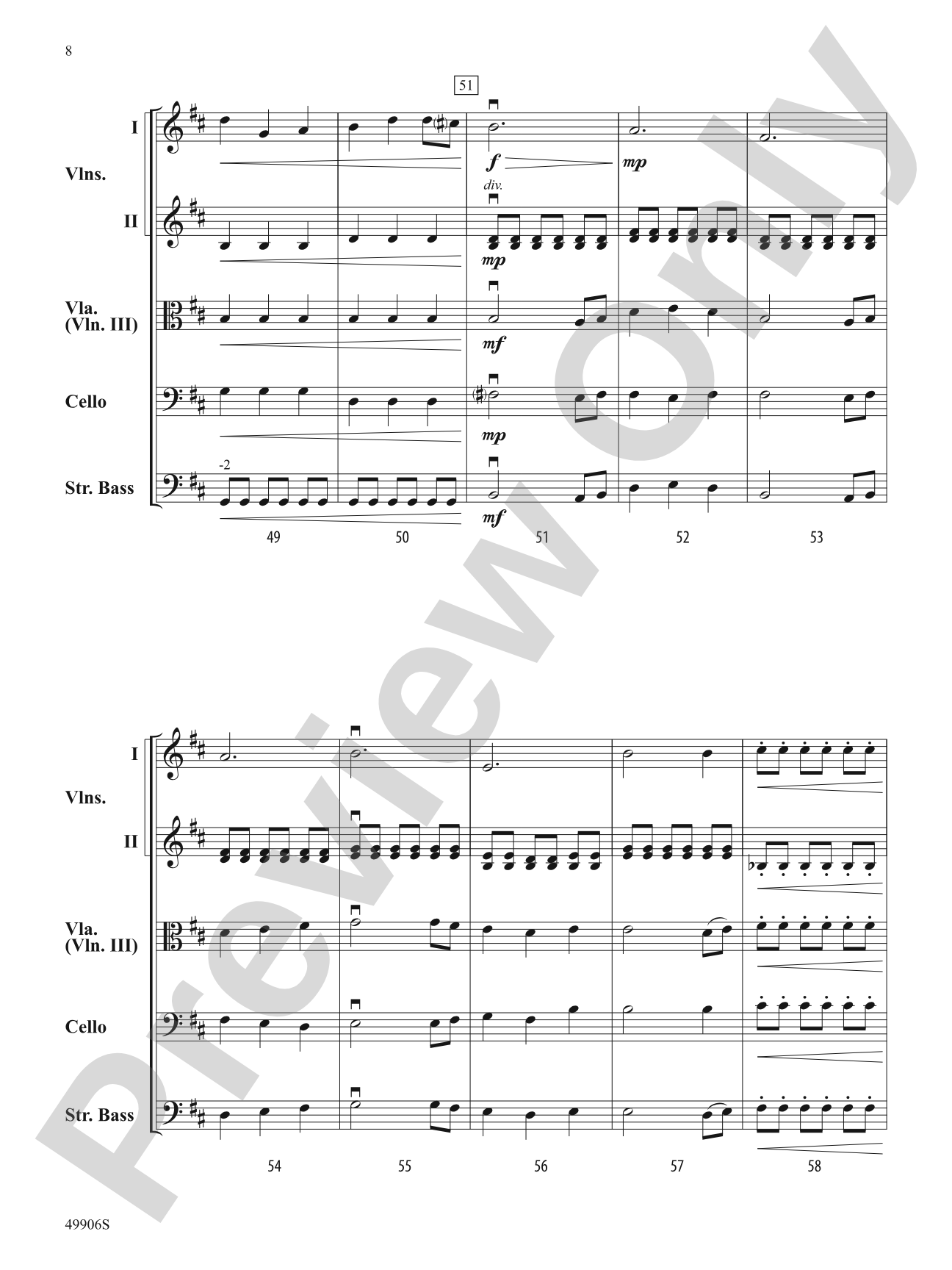
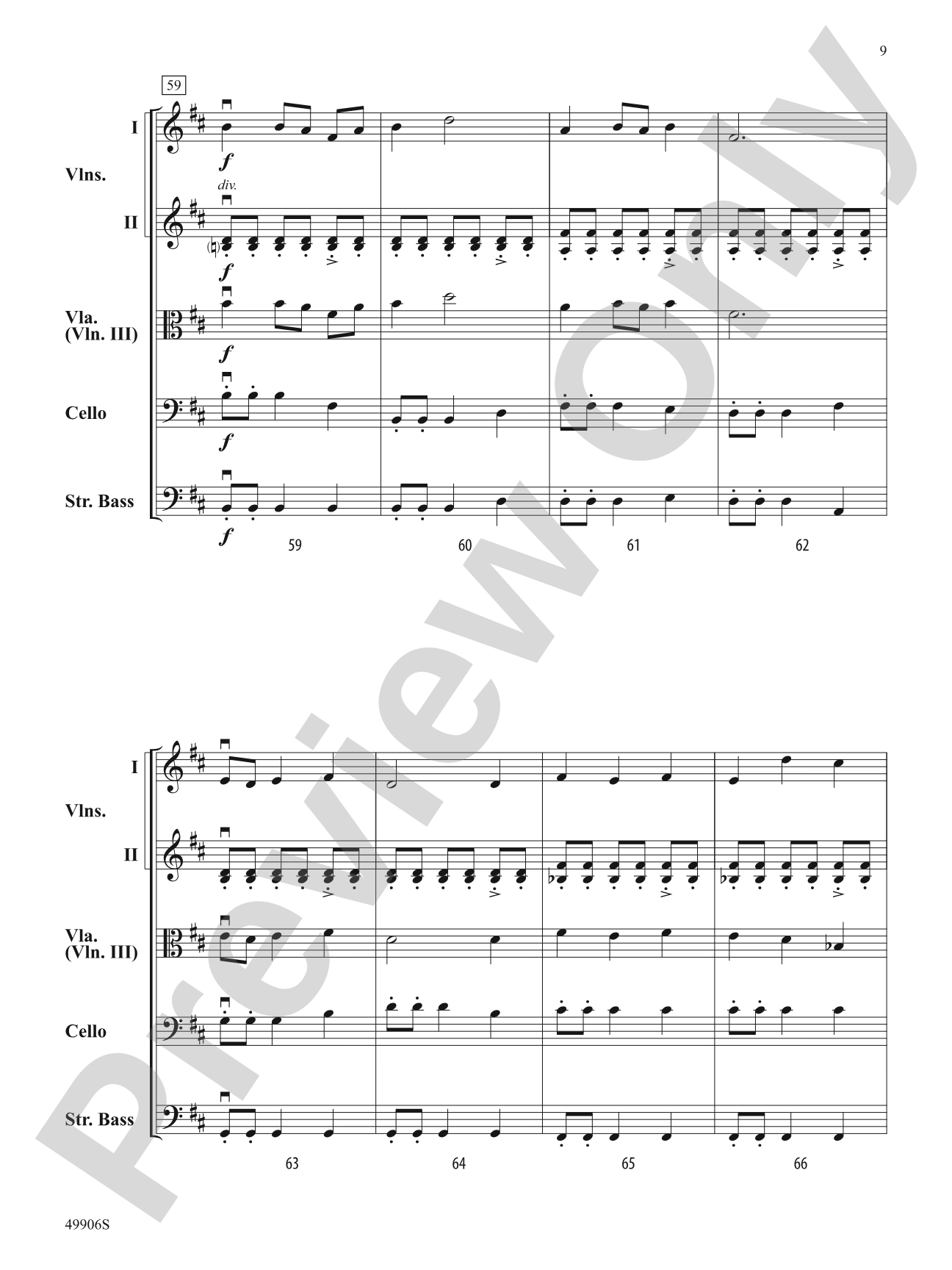
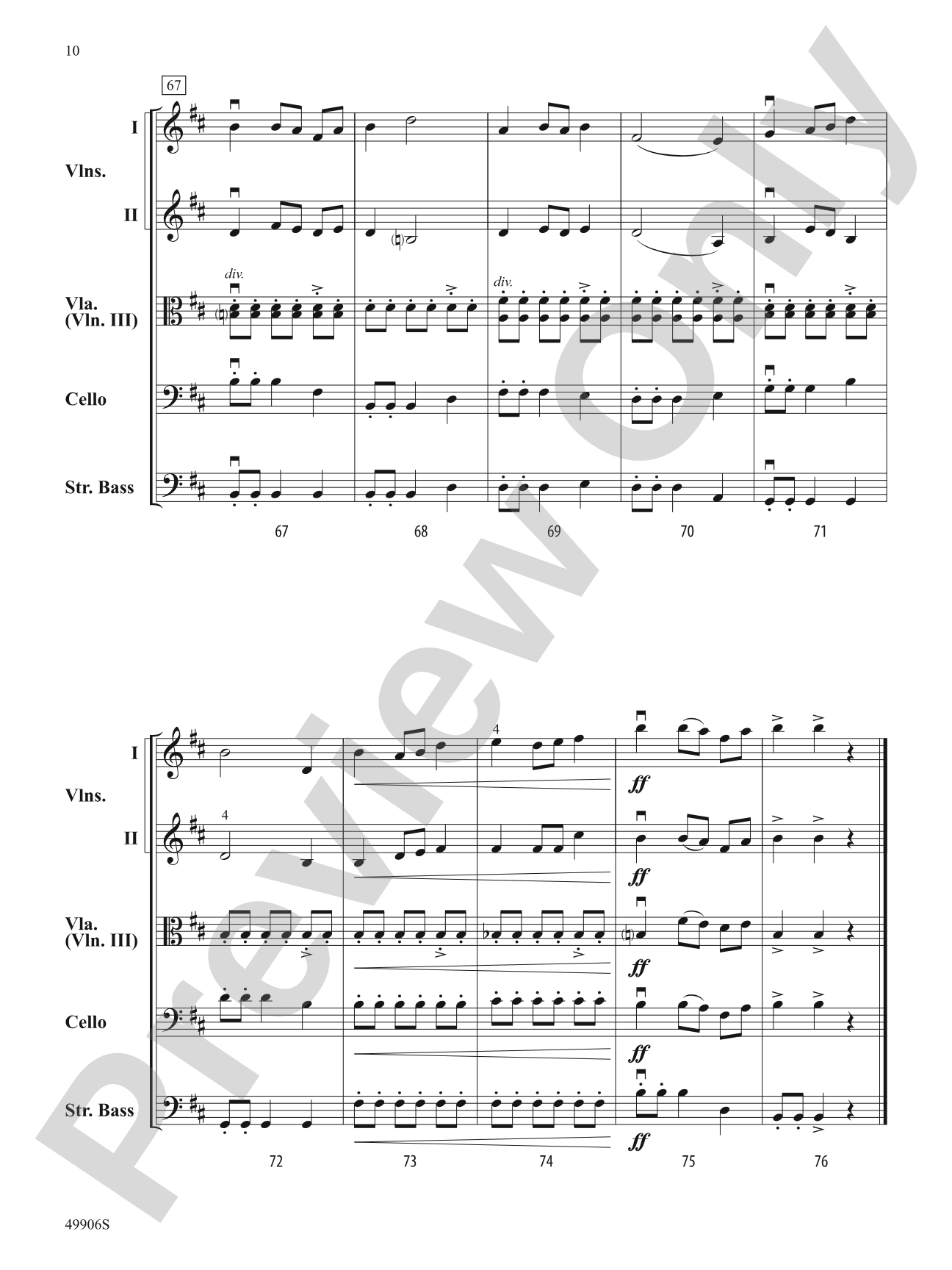
A sequel to his earlier work Sunchasers, Starchasers by Tanner Otto is a dark, driving piece that makes B minor accessible to younger players by carefully avoiding any extensions in the violin, viola, and cello parts. Its memorable themes, reminiscent of a nighttime adventure, are spread across all instruments. The middle section becomes ethereal with the pizzicato in the viola, evoking an image of twinkling stars. Starchasers is a great teaching piece for 3/4 time and uses low-2 and high-2 work to reinforce the 1-2 finger pattern for intermediate students. (2:05)


Don't just read it, hear it, play along with it, and watch your students grow with it. In MakeMusic Cloud, Starchasers: String Orchestra Conductor Score & Parts comes alive with professional accompaniment, adjustable tempo, and built-in practice tools that turn solo practice into real progress.
Open in the Player
Jump straight in and assign it today.
Start Your Free Trial
Open this title and explore the full library in minutes.
Sample Audio
1
Audio File
--:--
0:00
0:00
Sample Video
Additional Details
Series:
Belwin Beginning String Orchestra
Publisher:
Alfred Music
SKU:
00-PK-0008652
More about this title
About the Composer: Tanner Otto

Tanner Otto combines string pedagogy with contemporary musical sensibilities. A violist and violinist trained at The Ohio State University, he teaches orchestra at Sycamore Community Schools in Cincinnati while serving as Assistant Director of the nation's largest summer string camp in Moorhead, Minnesota, which draws over 300 students each August. His work with GarageBand-based composition and improvisation has shaped how he approaches teaching technology and creative musicmaking, ideas he has shared at the Ohio Music Education Association Conference and the ASTA National Conference.
Otto's arranging and composing grew from his early interest in eclectic styles and pop and rock influences. Over the past several years, he has written for ensembles ranging from string quartet to full orchestra, bringing a distinctly modern voice to string repertoire. His published works with Alfred Music reflect his commitment to creating accessible yet musically rewarding pieces for developing orchestras.
Why we love this
Starchasers strikes an unusual balance between accessibility and musical substance. The dark, driving character and memorable themes work perfectly for younger orchestras, yet the piece never talks down to the players. Otto's strategic avoidance of extensions in the upper strings keeps the technical demands manageable while the pizzicato section in the viola provides a moment of genuine musical contrast that students find engaging to perform.
What to expect
Starchasers evokes a nighttime journey through sound. The opening establishes an urgent, dark energy that pulls the listener forward, while thematic material drifts across the ensemble like constellations appearing one by one. The middle section shifts entirely, becoming hushed and ethereal as pizzicato violas twinkle overhead, before the piece returns to its driving character with renewed purpose.
Who it's for
Intermediate string orchestras at the 1½ grade level benefit most from this piece. It works particularly well for ensembles ready to explore B minor tonality and develop more nuanced rhythmic understanding in 3/4 time. Directors seeking programming that balances technical growth with genuine musicality will find Starchasers rewarding for both teaching and performance.
How to get the most out of it
- Shape the main theme with attention to phrasing across the ensemble; younger players often miss that melody lives in sustained lines, not just in the highlights.
- Let the 3/4 meter establish itself early in rehearsal through body movement before diving into rhythmic details. Many intermediate students conflate triple meter with something inherently bouncy.
- Isolate the low-2 and high-2 work in the strings during sectional rehearsals so each player builds confidence before blending. These positions are foundational and worth the extra attention.
- The pizzicato viola section will shine if you allow breath and space around it; don't let the momentum of the opening rush the starlight imagery of the middle section.
How to use it
Program Starchasers early in the concert to establish energy and capture attention, or place it as a contrast to a slower work in the second half. It pairs well with lighter folk-based material in the same concert, allowing directors to show the range of their intermediate orchestra. The piece also works effectively as a contest selection, where its memorable themes and clear structure help young orchestras make a strong impression.
Skills your students will build
- Reading and performing in B minor without extensions
- Understanding 3/4 meter through ensemble playing
- Low-2 and high-2 finger pattern reinforcement
- Thematic awareness across multiple instrumental voices
- Pizzicato technique with rhythmic precision and tonal control
- Dynamic contrast and phrasing in a driving tempo