
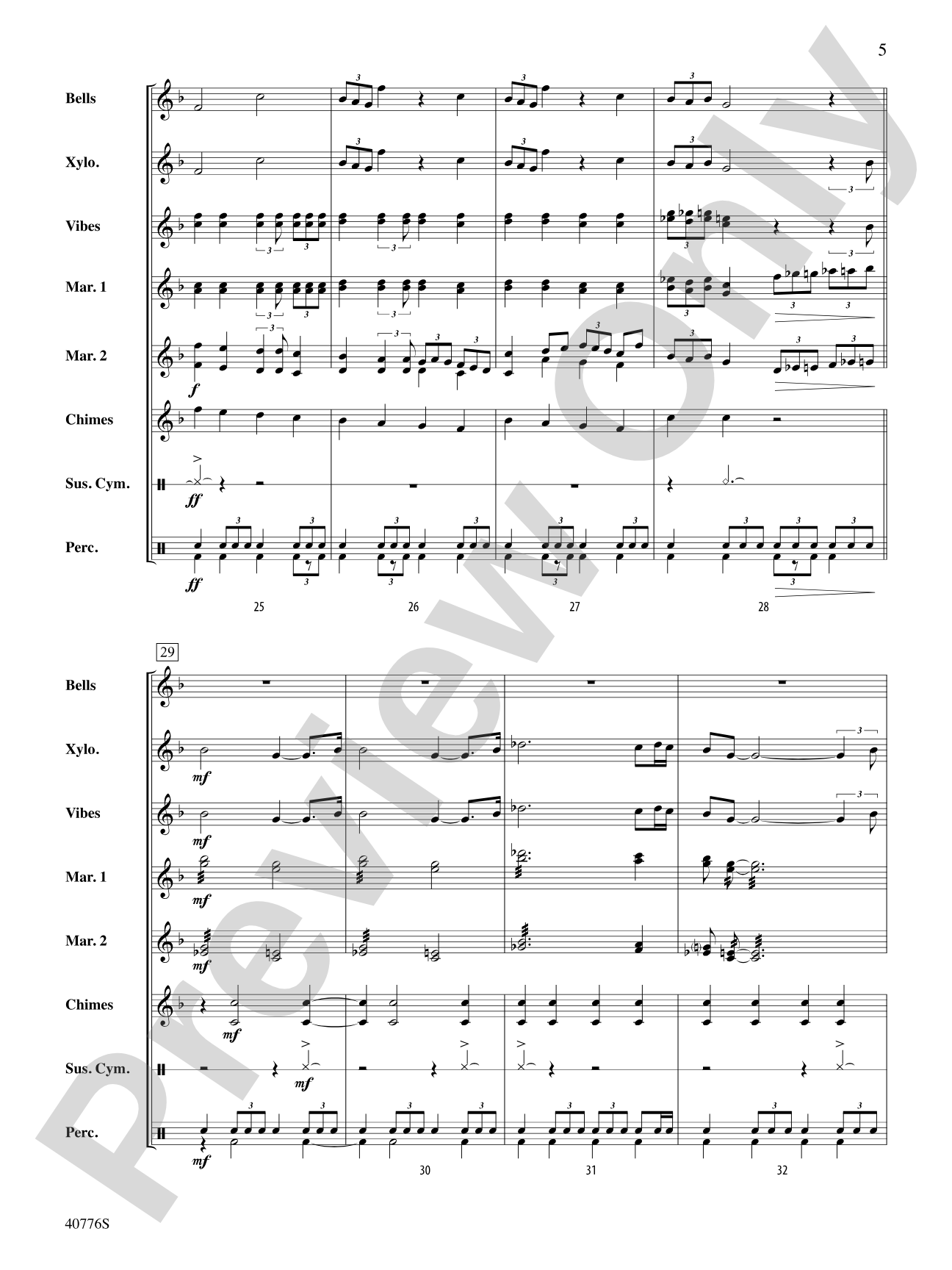
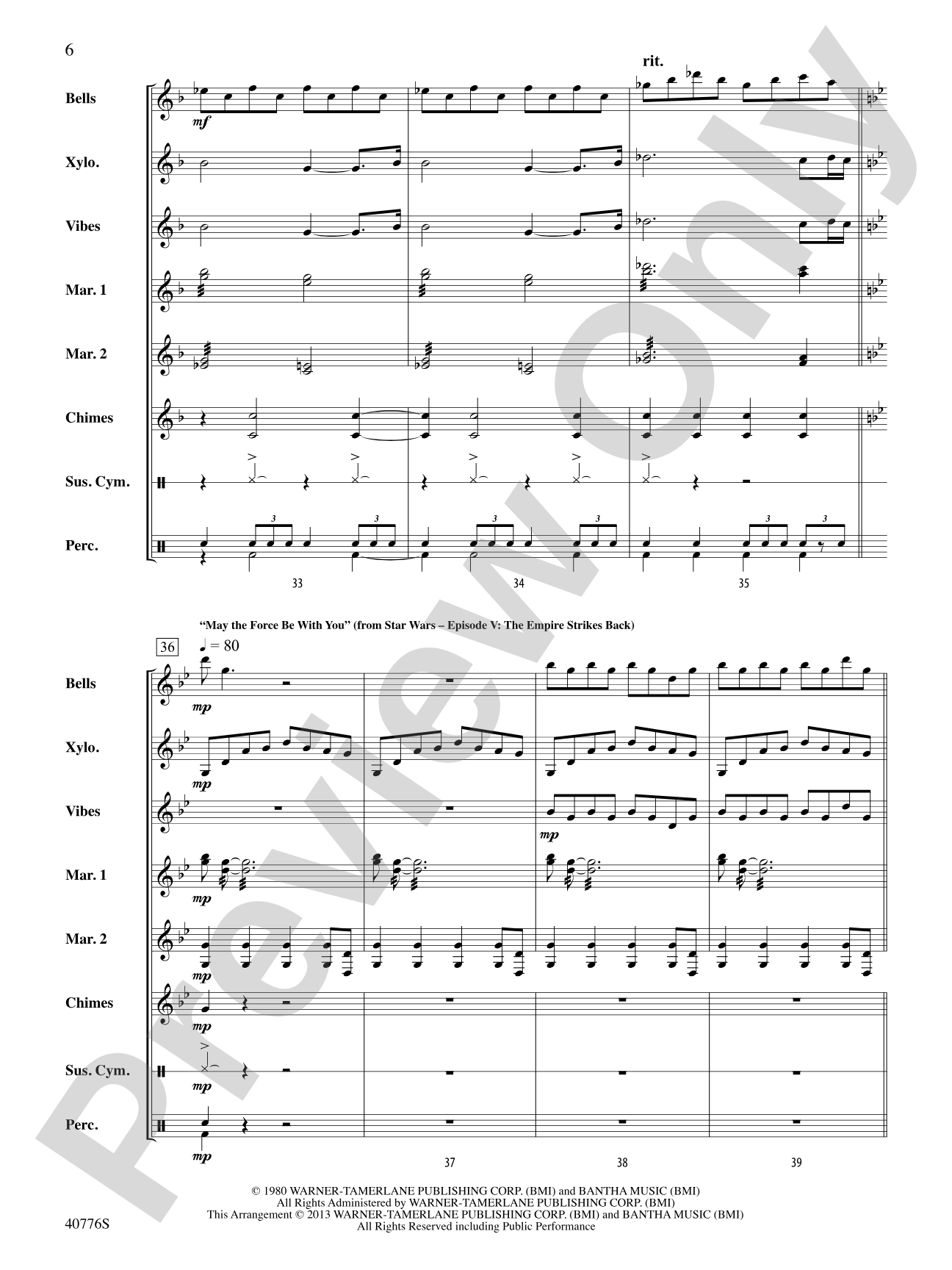
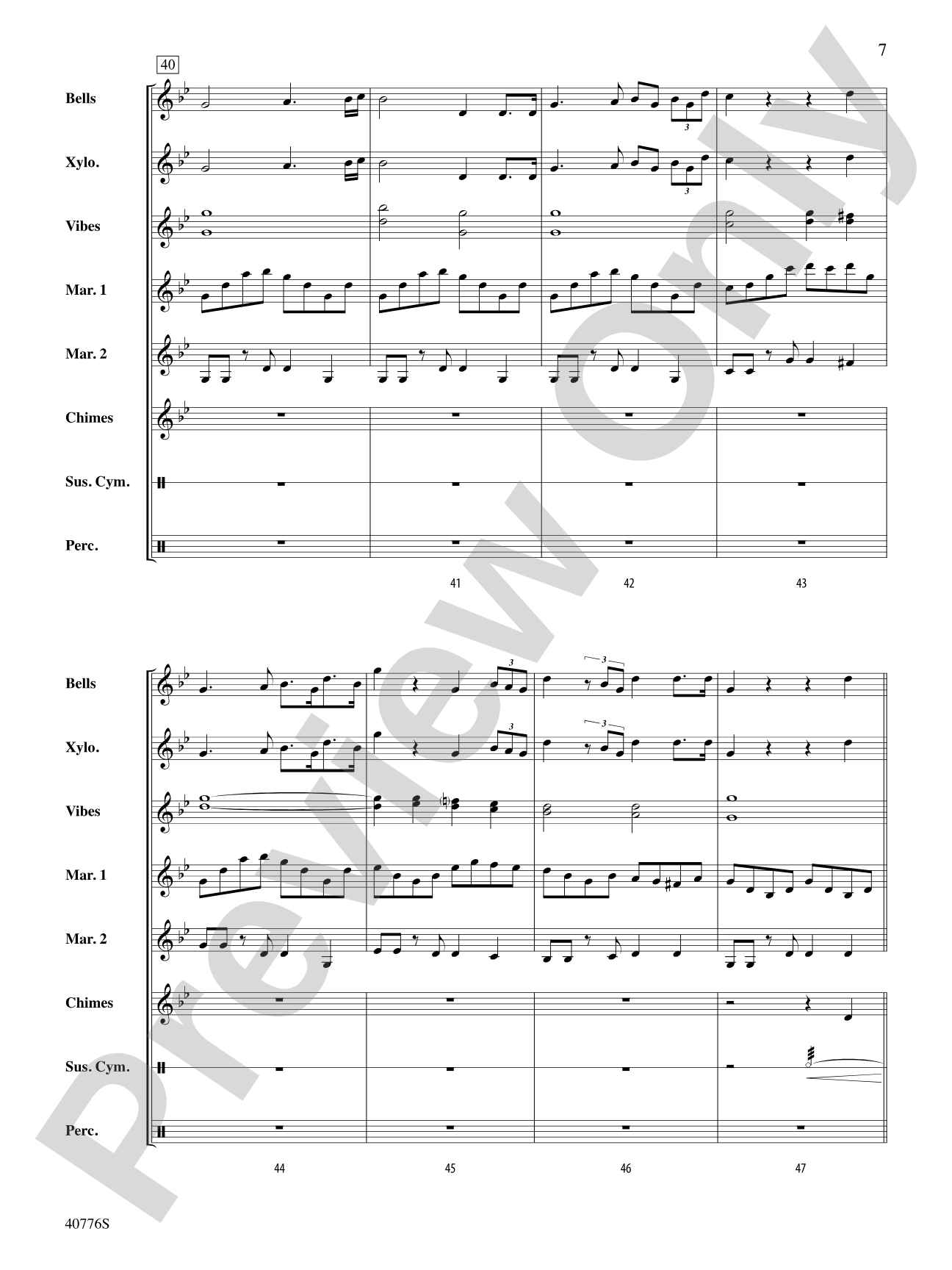
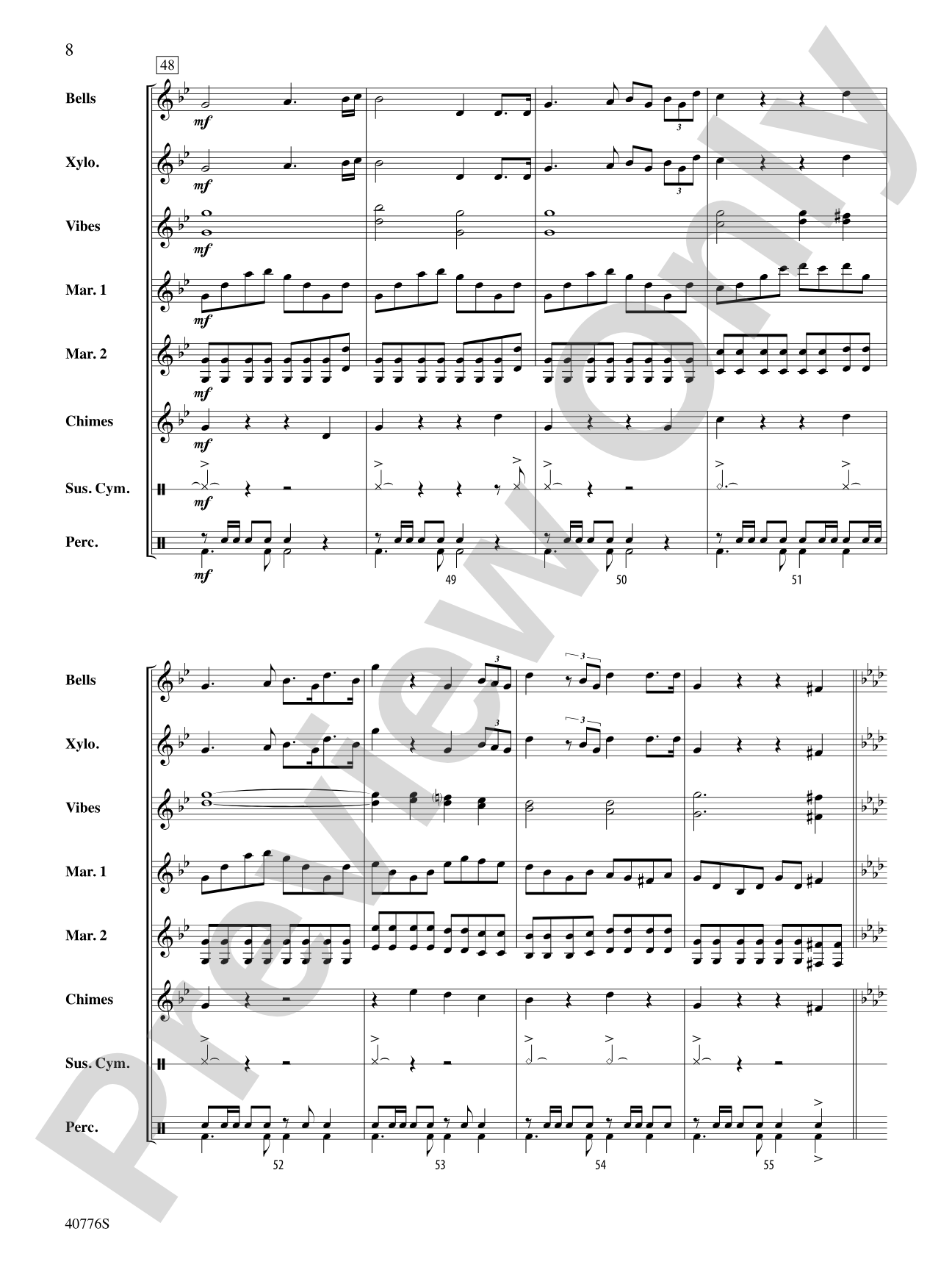
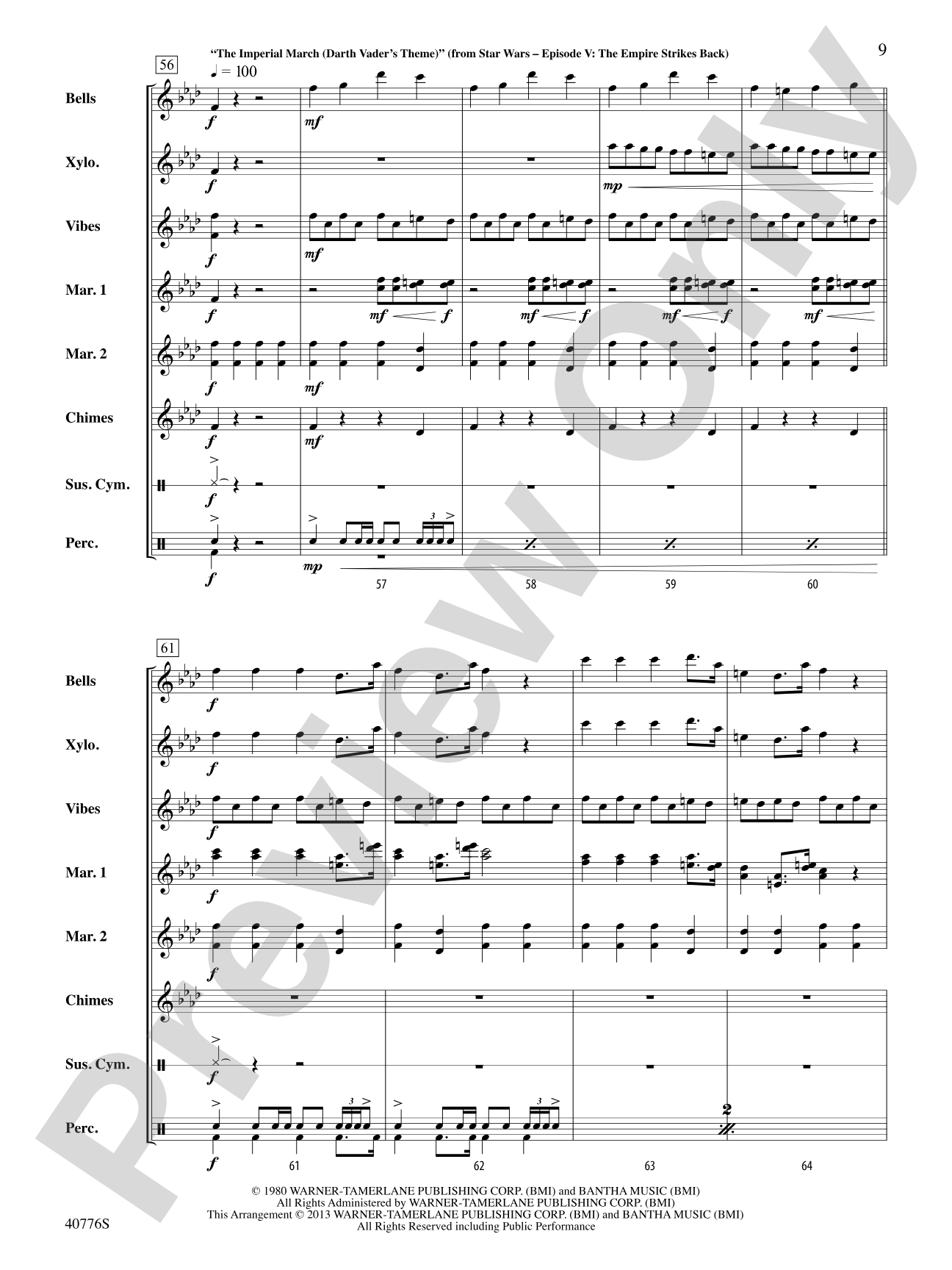
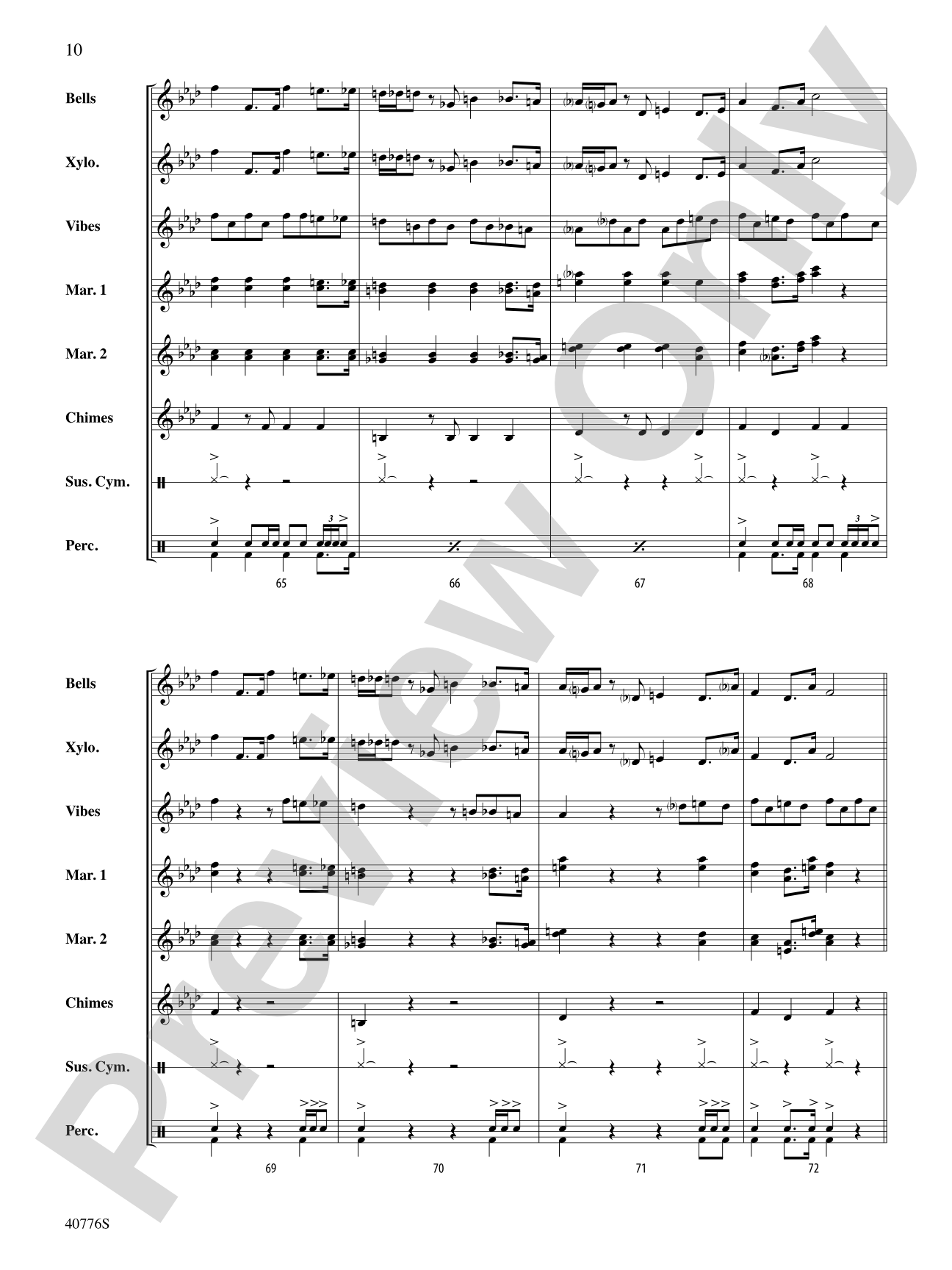
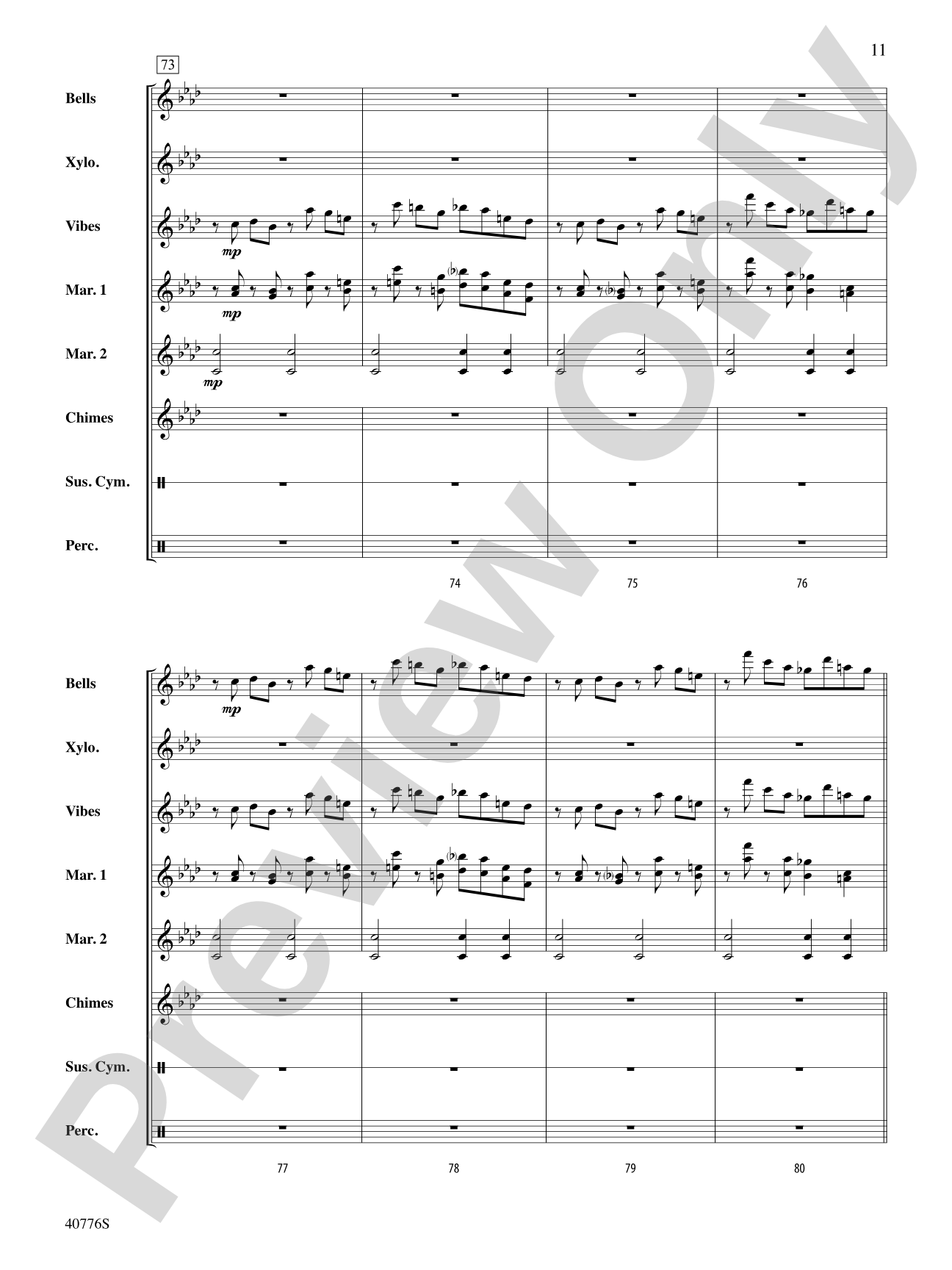
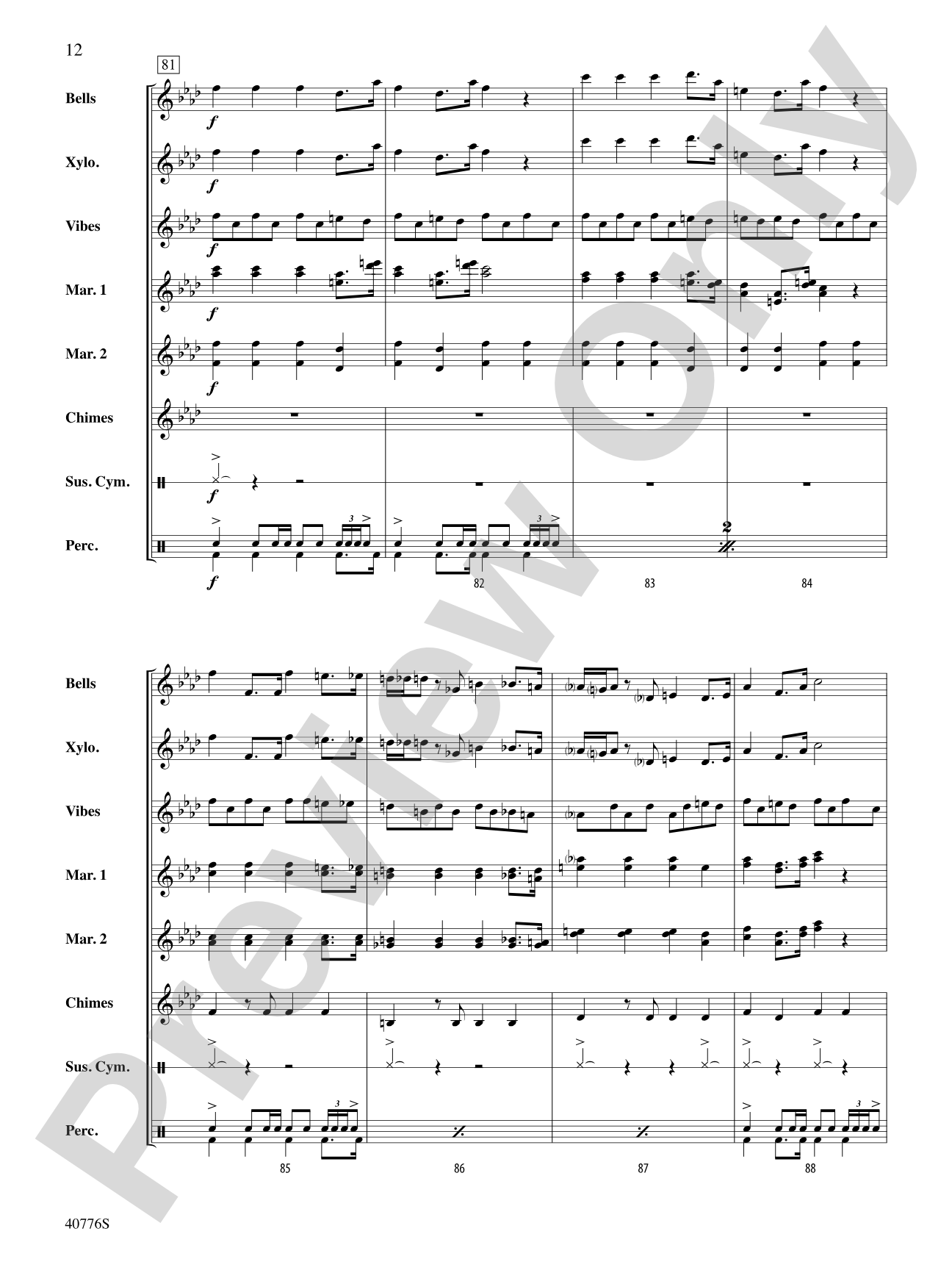
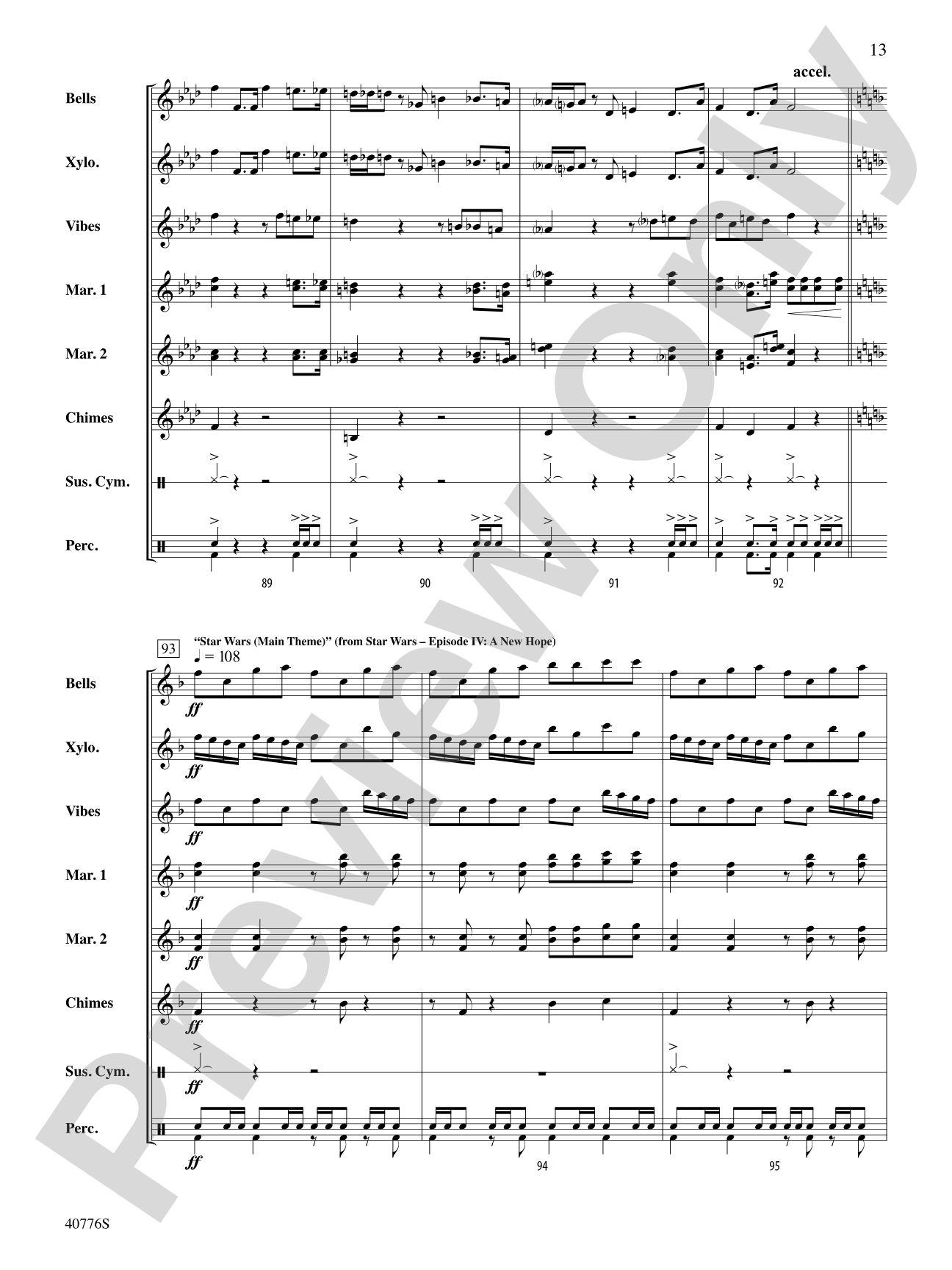
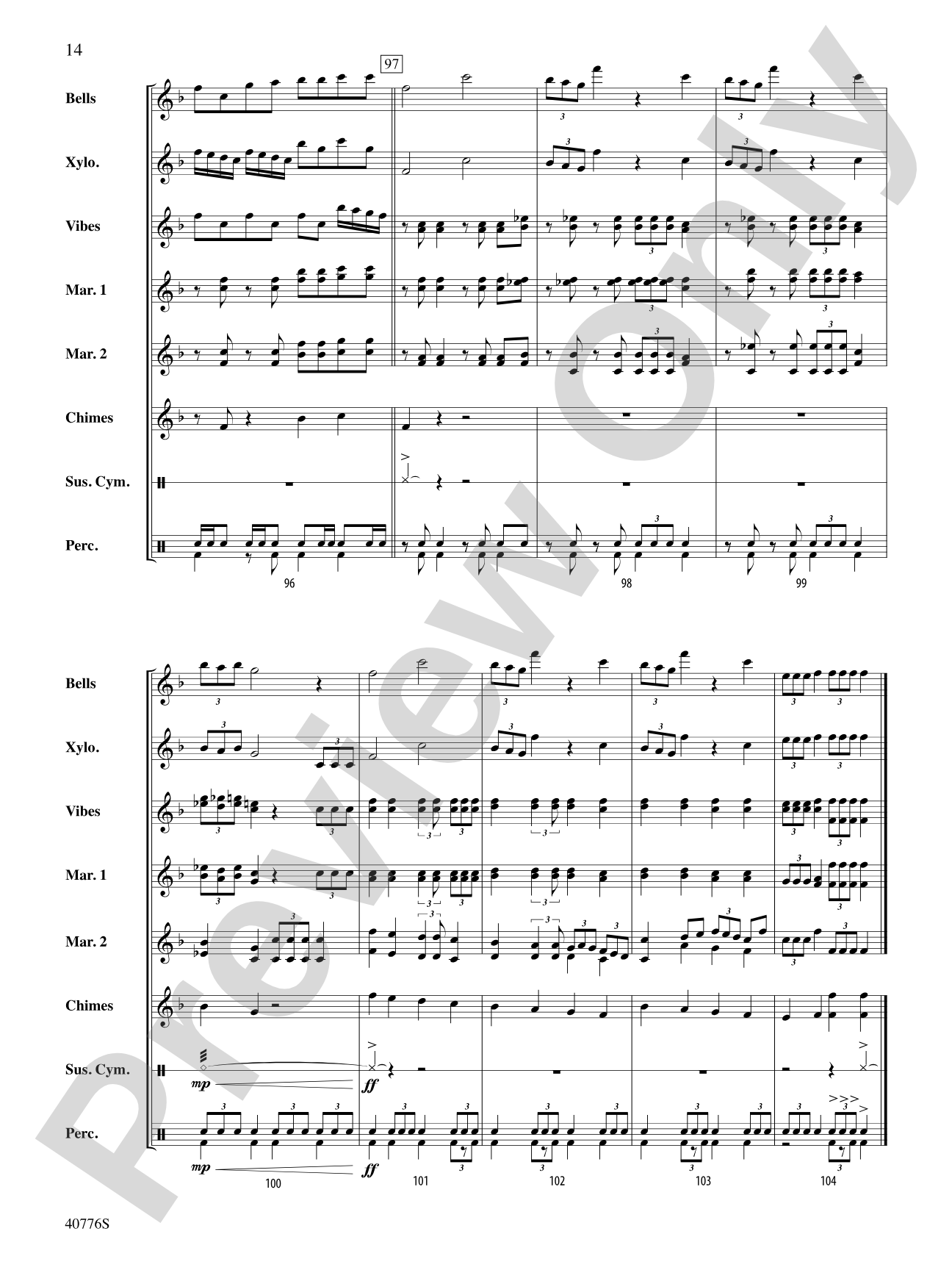



Star Wars Medley: Percussion Ensemble Conductor Score & Parts
(For 9 Players)
By John Williams / arr. Eric Kalver
Item: 00-PK-0005787

$18.99
Pickup currently not available
Buy Extra Parts (Digital PDF Download)
| Product | Price | Quantity |
|---|---|---|
| Star Wars Medley: Score | $8.00 | |
| Star Wars Medley: Bells | $5.99 | |
| Star Wars Medley: Xylophone | $5.99 | |
| Star Wars Medley: Vibraphone | $5.99 | |
| Star Wars Medley: Mallets | $5.99 | |
| Star Wars Medley: 2nd Mallet Percussion | $5.99 | |
| Star Wars Medley: Chimes | $5.99 | |
| Star Wars Medley: 2nd Percussion | $5.99 | |
| Star Wars Medley: 1st Percussion | $5.99 |
Parts Added to Cart!
Related Items
Star Wars Medley: Percussion Ensemble Conductor Score & Parts |
$18.99
|
View |
Description
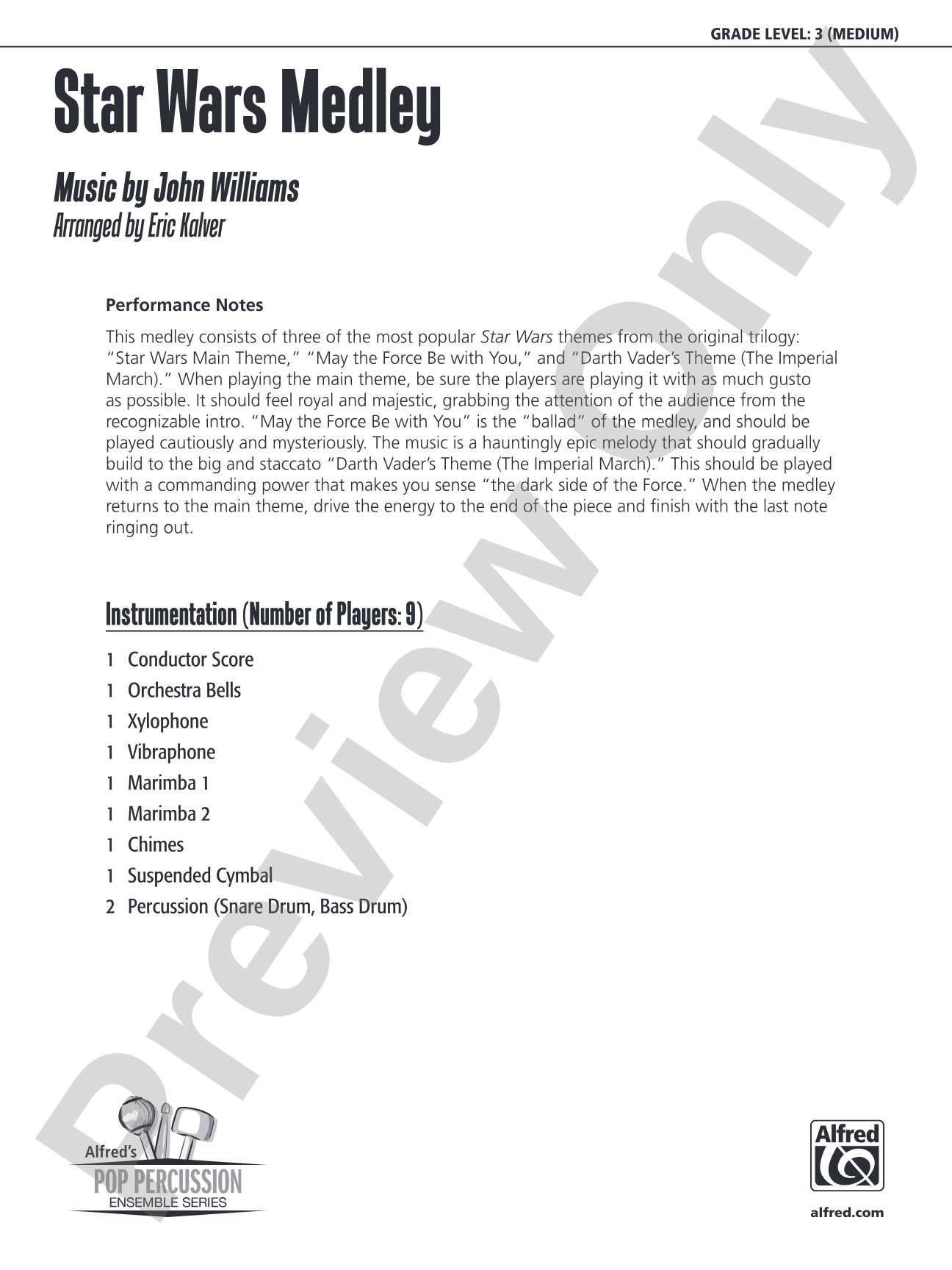
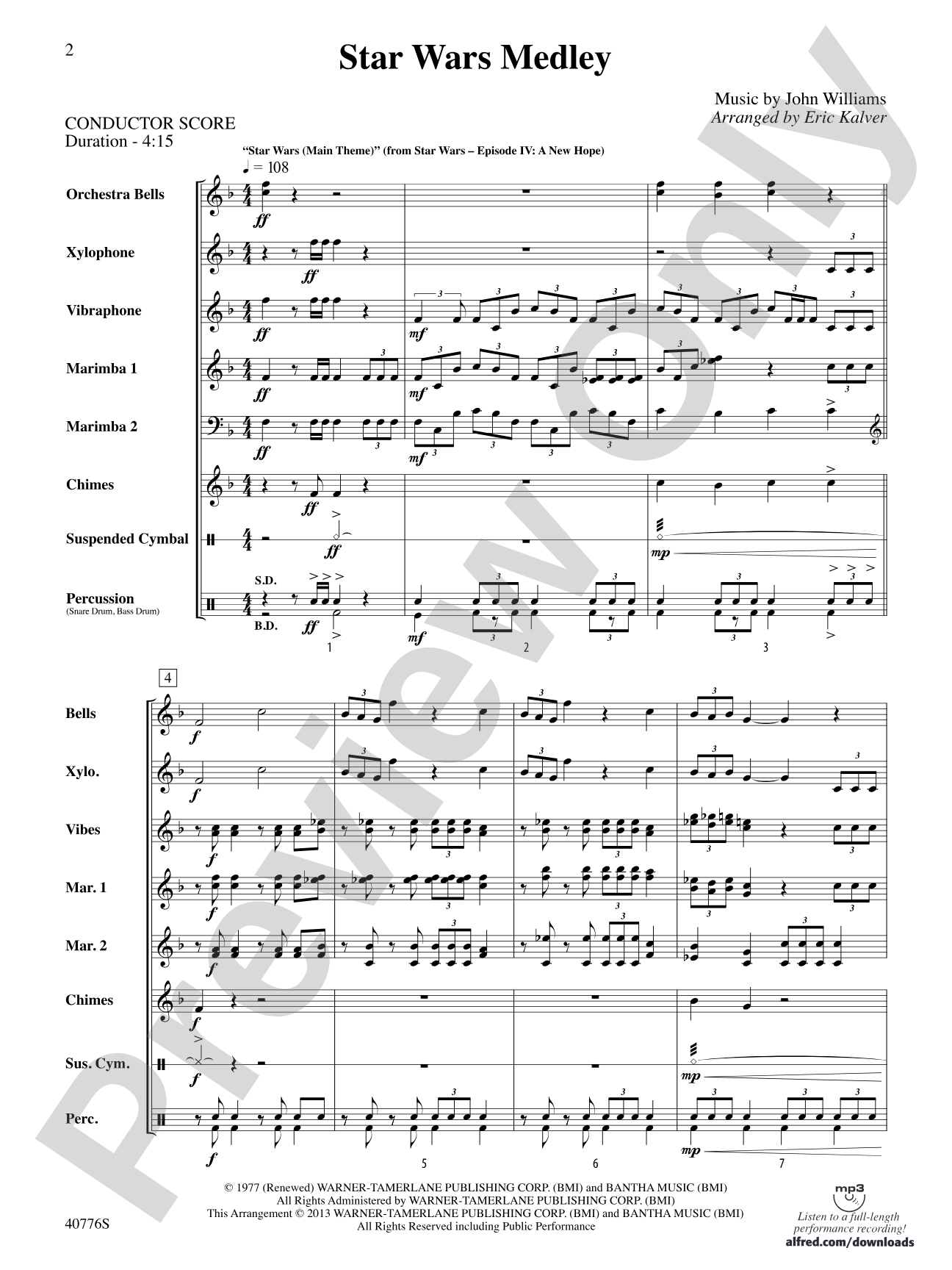
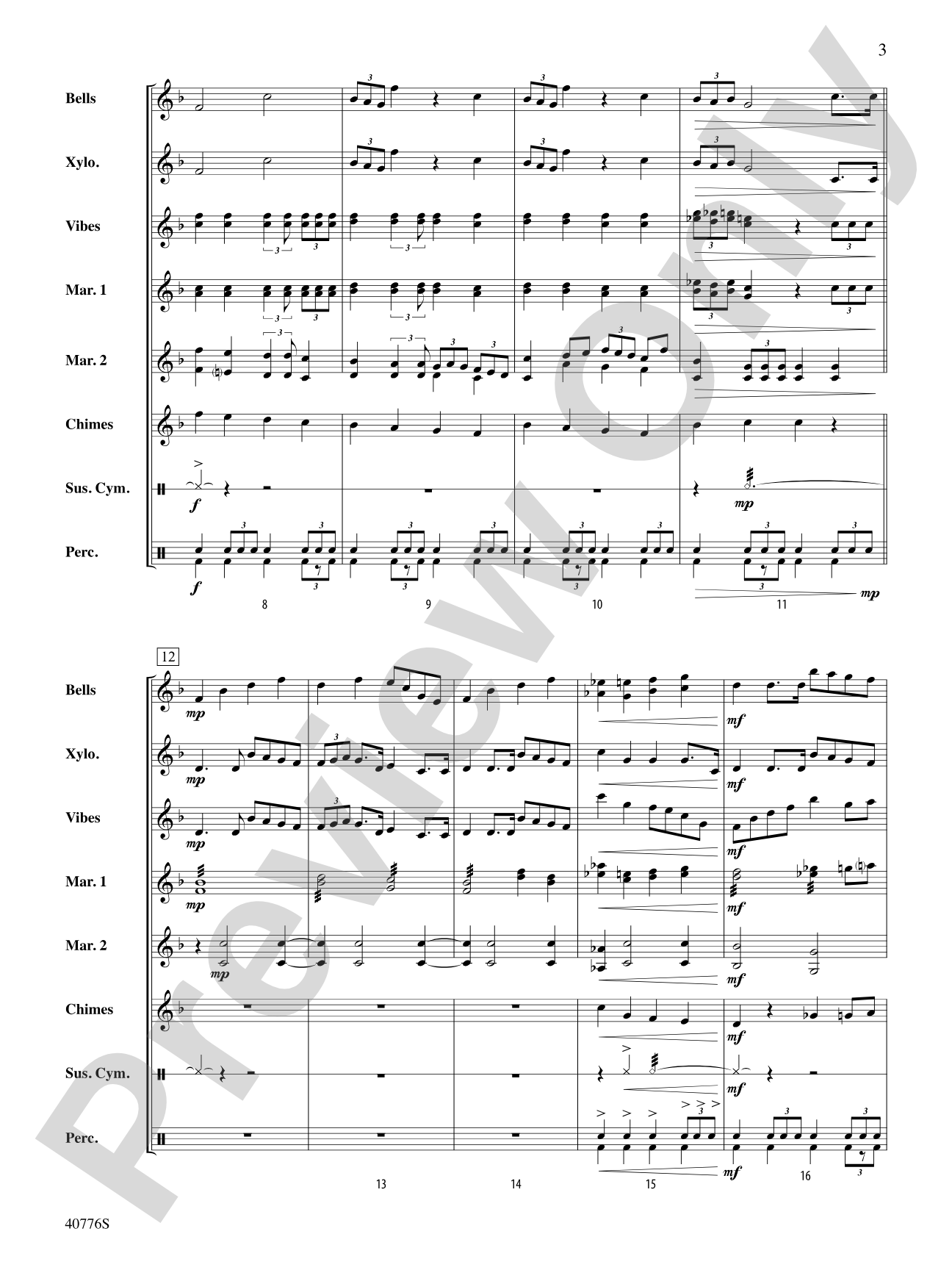
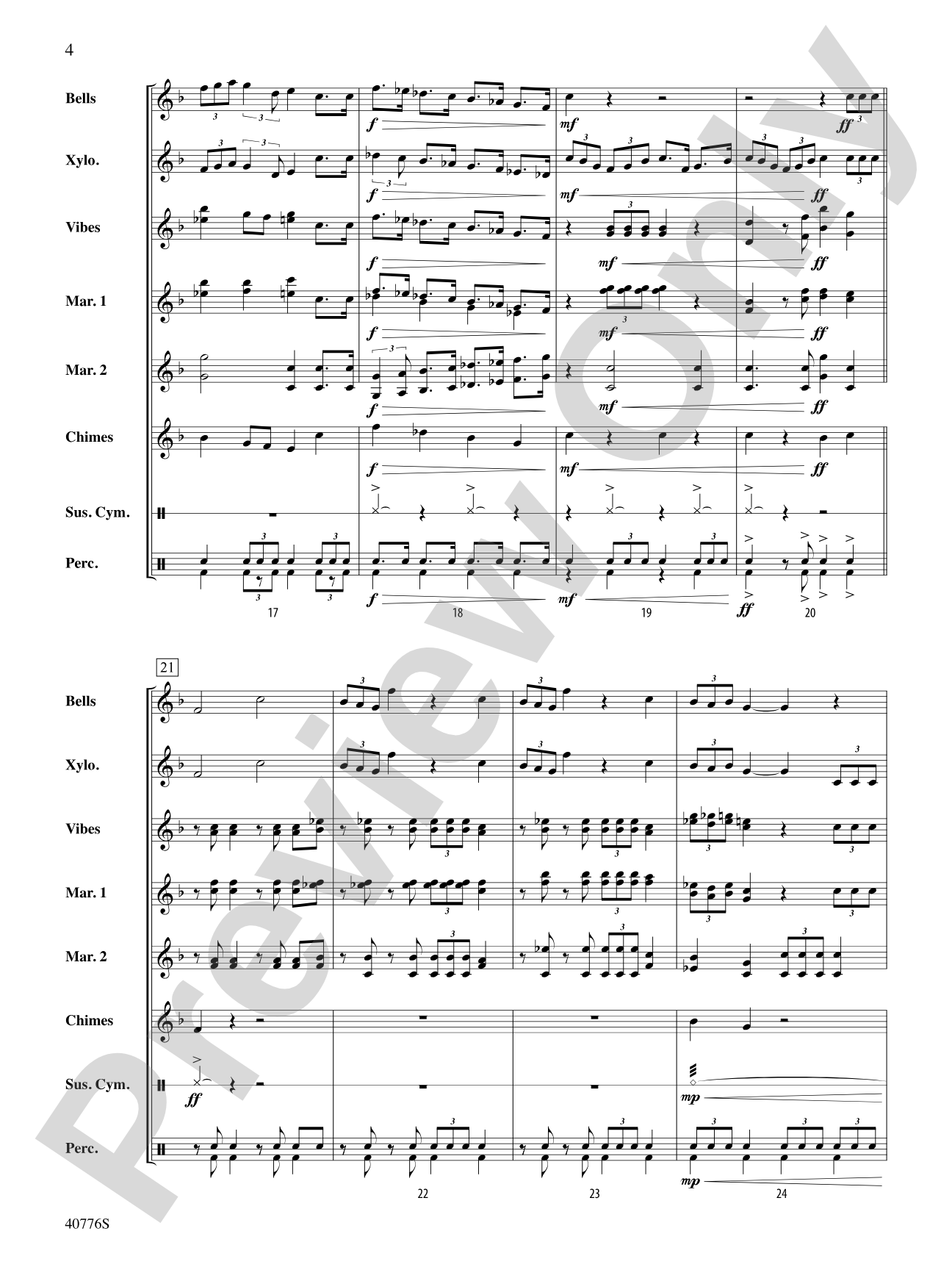
This medley consists of three of the most popular Star Wars themes from the original trilogy by the great film composer, John Williams: "Star Wars Main Theme," "May the Force Be with You," and "Darth Vader's Theme (The Imperial March)." Williams' compositions are instrumental to director George Lucas's trilogy, but even when heard outside of the films, his music is beloved and instantly recognizable by all generations. This arrangement, for nine players, is sure to be a crowd-pleaser. Instrumentation: orchestra bells, xylophone, vibraphone, marimba 1, marimba 2, chimes, suspended cymbal, snare drum, bass drum.


Don't just read it, hear it, play along with it, and watch your students grow with it. In MakeMusic Cloud, Star Wars Medley: Percussion Ensemble Conductor Score & Parts comes alive with professional accompaniment, adjustable tempo, and built-in practice tools that turn solo practice into real progress.
Open in the Player
Jump straight in and assign it today.
Start Your Free Trial
Open this title and explore the full library in minutes.
Sample Audio
1
Audio File
--:--
0:00
0:00
Sample Video
No sample videos found.
Additional Details
Series:
Alfred's Pop Percussion Ensemble Series
Publisher:
Alfred Music
Page Count:
32
SKU:
00-PK-0005787
More about this title
About the Composer: John Williams
John Williams stands among the most prolific and celebrated film composers of all time. His work on George Lucas's Star Wars trilogy defined an entire generation's relationship with orchestral music in cinema, crafting themes so memorable they've become part of popular culture across decades.
Beyond Star Wars, Williams has shaped the sound of modern filmmaking through scores for Jaws, E.T., Indiana Jones, Schindler's List, and dozens of other landmark films. His mastery of orchestration, harmonic language, and thematic development makes his music equally compelling when performed in concert halls and rehearsal rooms by student musicians.
Why we love this
This medley captures the unmistakable Williams sound in a setting that energizes every section of your percussion ensemble. Three of the most iconic themes from the original trilogy work together beautifully, giving students the satisfaction of playing music they genuinely recognize while grappling with the rhythmic variety and independence that makes Williams' orchestrations sophisticated.
What to expect
Heroic and immediately familiar, yet fresh when heard through the clarity of a nine-piece ensemble. The medley moves between the grand, sweeping grandeur of the Main Theme, the quiet introspection of the Force theme, and the menacing drive of the Imperial March, offering dynamic variety that keeps both players and audiences engaged.
Who it's for
Intermediate percussion ensembles with nine capable players across mallet and unpitched percussion roles. This arrangement works equally well for middle school groups hitting Grade 3 proficiency and high school percussionists seeking accessible repertoire with genuine musical substance.
How to get the most out of it
- Balance the melodic lead across your pitched percussion players; the main theme works best when one player carries it clearly while others provide harmonic support rather than competing for prominence.
- Shape the Imperial March with clear articulation on the snare drum and bass drum foundation; this section rewards tight rhythmic control and defined stick technique.
- Use the suspended cymbal and chimes strategically to accent key harmonic moments, especially the transitions between themes, rather than sustaining continuously.
- Draw out the lyrical quality in 'May the Force Be with You' by maintaining a singing tone on the vibraphone and marimba; this contrast prevents the medley from feeling relentless.
How to use it
Program this as a centerpiece for a concert celebrating film music or twentieth-century popular culture. The medley's instant recognition makes it an excellent choice for community concerts, school assemblies, or pops-style programs where you want to connect with a broad audience while maintaining musical credibility.
Skills your students will build
- Mallet independence across pitched and unpitched instruments
- Thematic awareness and musical phrasing across a multi-section form
- Rhythmic precision in unison passages with conductor dependency
- Dynamic control and tone production on vibraphone and marimba
- Ensemble balance and texture blending in nine-part writing