
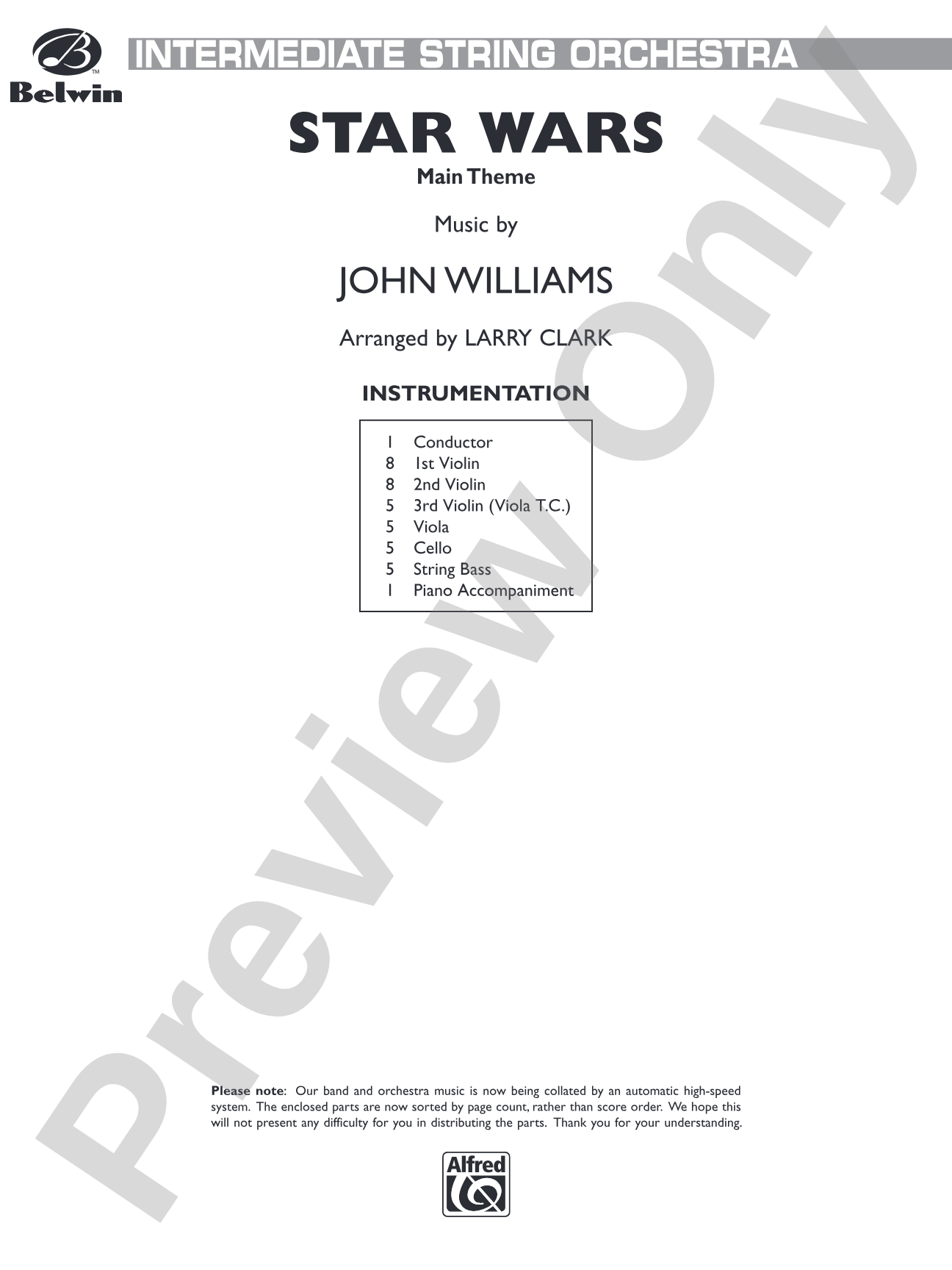

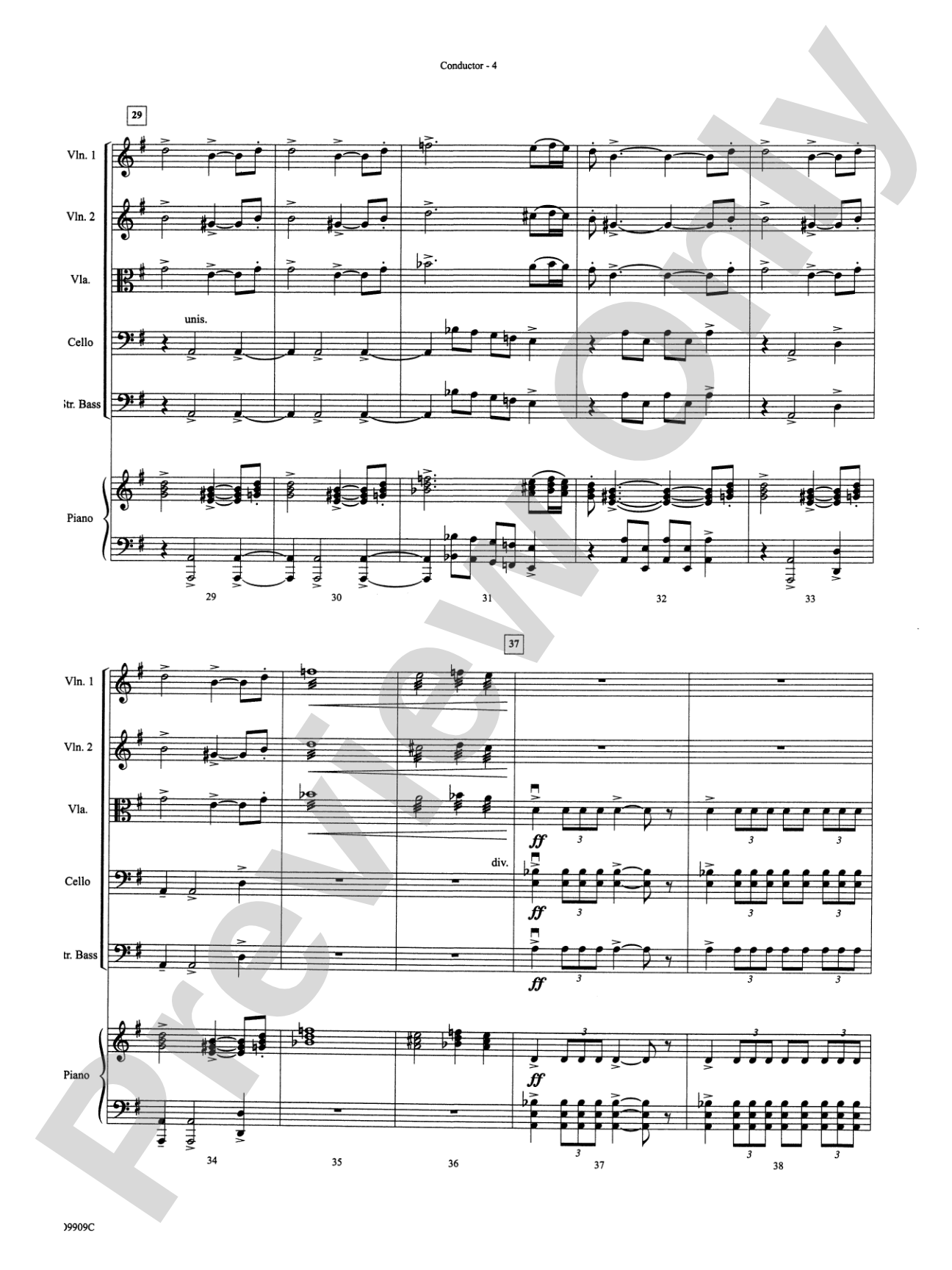
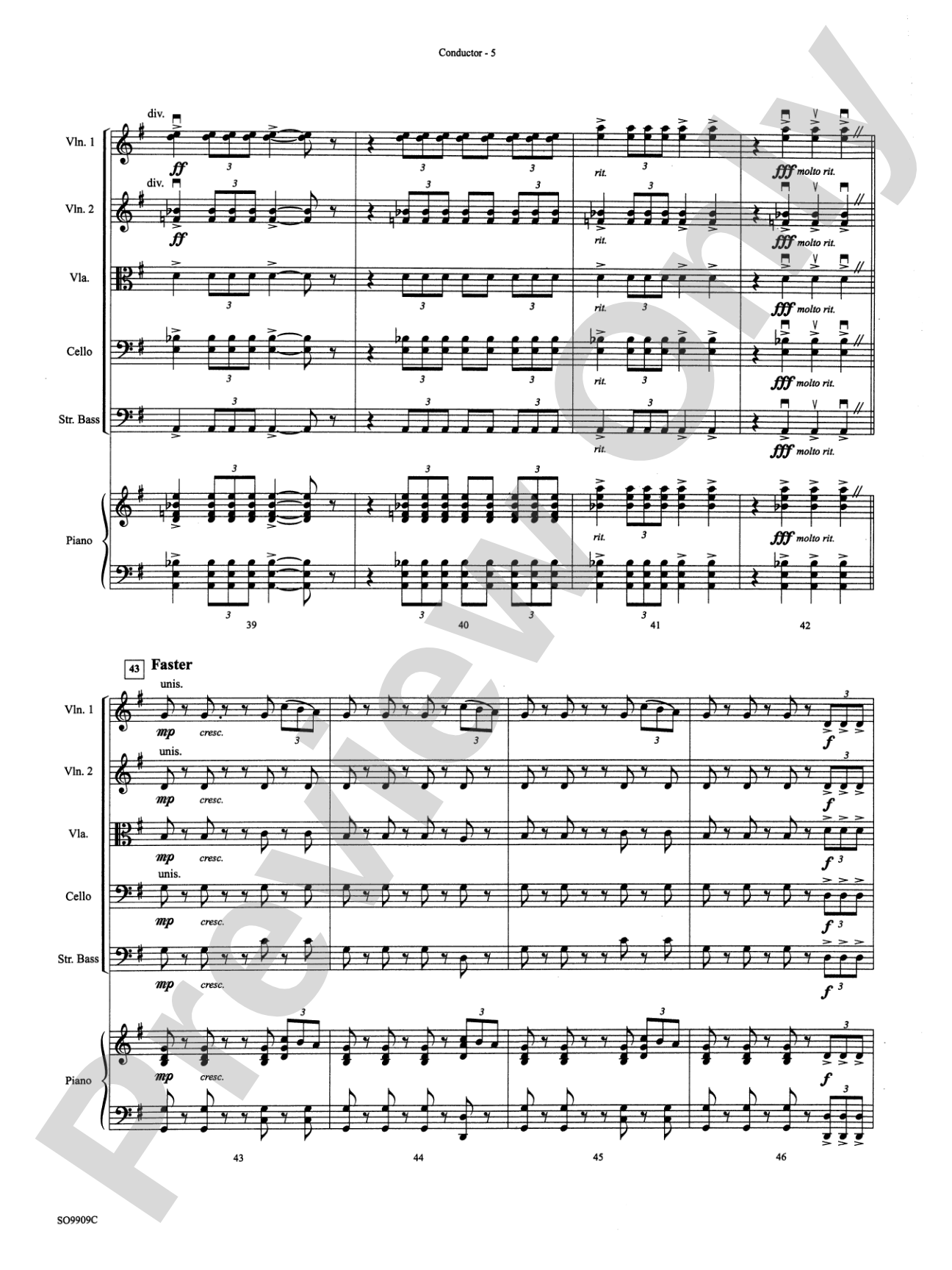
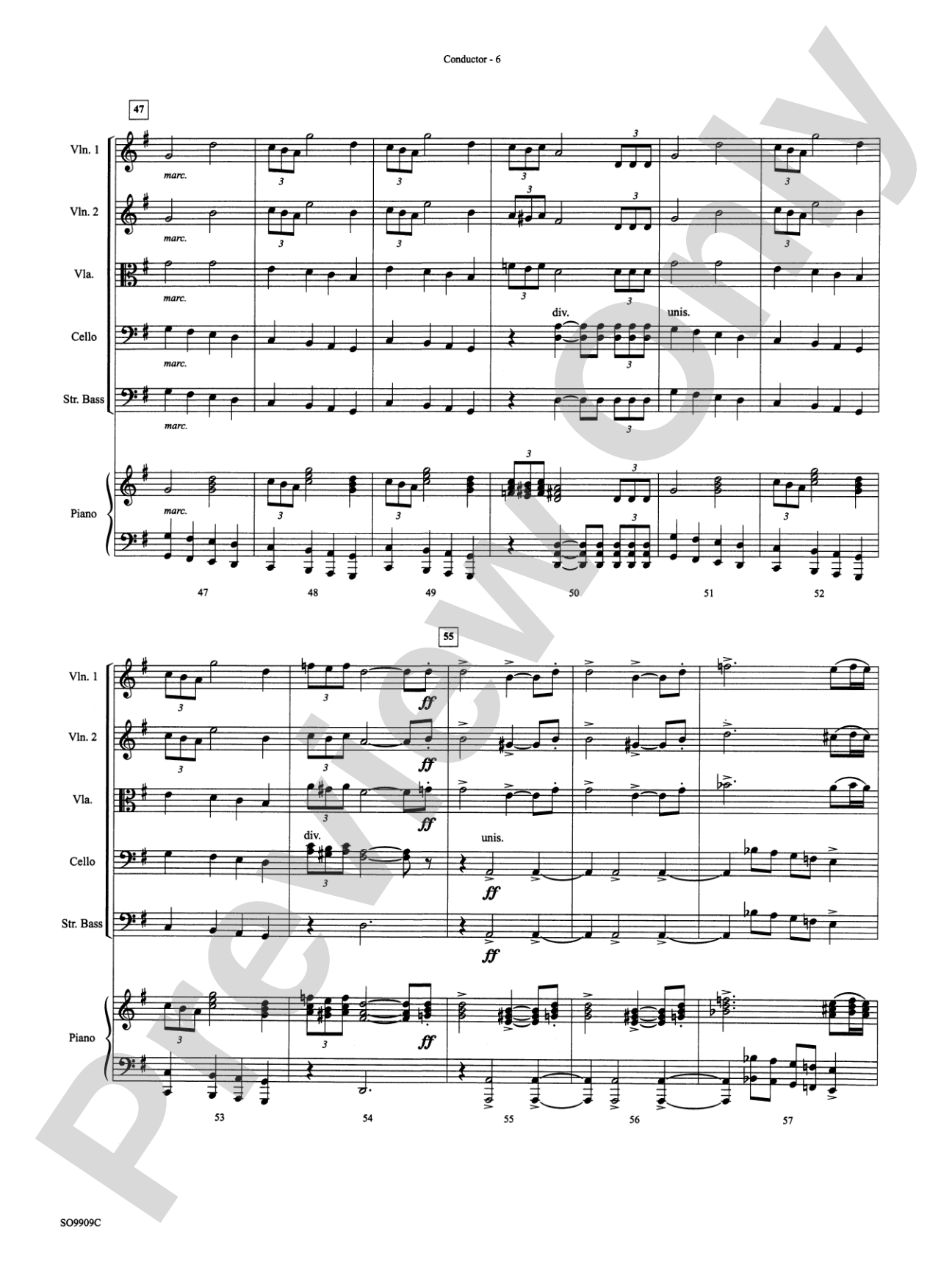
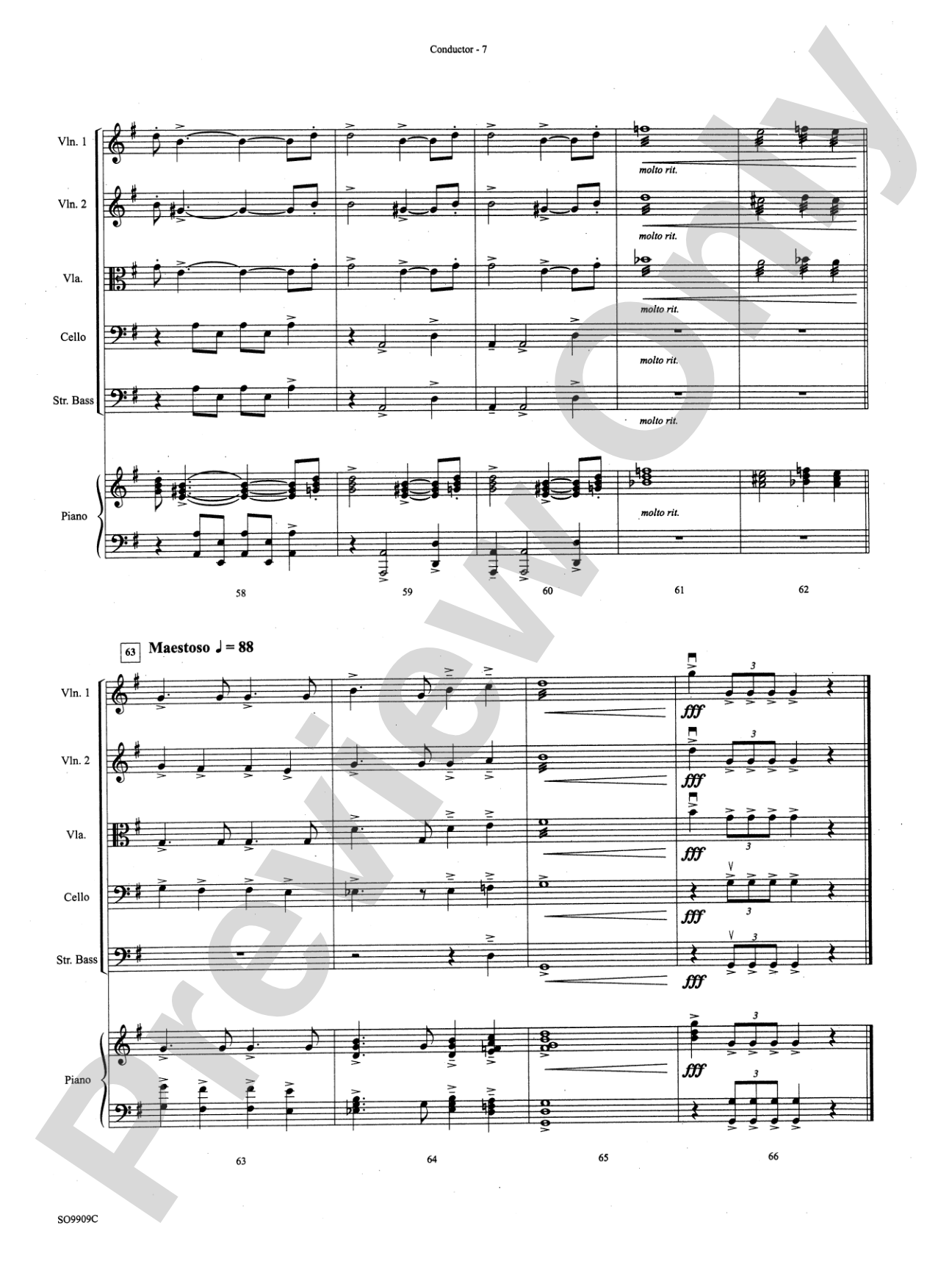




Star Wars (Main Theme): String Orchestra Conductor Score & Parts
By John Williams / arr. Larry Clark
Grade: 2.5
Item: 00-PK-0002623

$65.00
One moment…
Description
Darth Vader lives! It's the most important entertainment story of the time. The marvelously exciting music of John Williams has created a magical aura, and Larry Clark has masterfully created a fresh version of this gigantic anthem for string orchestra. Need more be said? This title is available in MakeMusic Cloud.


Don't just read it, hear it, play along with it, and watch your students grow with it. In MakeMusic Cloud, Star Wars (Main Theme): String Orchestra Conductor Score & Parts comes alive with professional accompaniment, adjustable tempo, and built-in practice tools that turn solo practice into real progress.
Open in the Player
Jump straight in and assign it today.
Start Your Free Trial
Open this title and explore the full library in minutes.
Sample Audio
1
Audio File
--:--
0:00
0:00
Sample Video
Additional Details
Series:
Pop Intermediate String Orchestra
Publisher:
Alfred Music
Page Count:
148
SKU:
00-PK-0002623
More about this title
About the Arranger: Larry Clark
Larry Clark has spent decades crafting accessible arrangements that honor the original composer's vision while reimagining scores for school and community ensembles. His work across film music, classical standards, and contemporary pieces demonstrates a sophisticated understanding of how to balance orchestration challenges with pedagogical value, making iconic music available to musicians at multiple levels.
Why we love this
Clark's arrangement captures the unmistakable swagger and dramatic intensity of Williams's original without overwhelming intermediate players. The Grade 2.5 scoring allows your entire string section to carry this cultural landmark, creating a performance moment that resonates with audiences and builds genuine ensemble pride.
What to expect
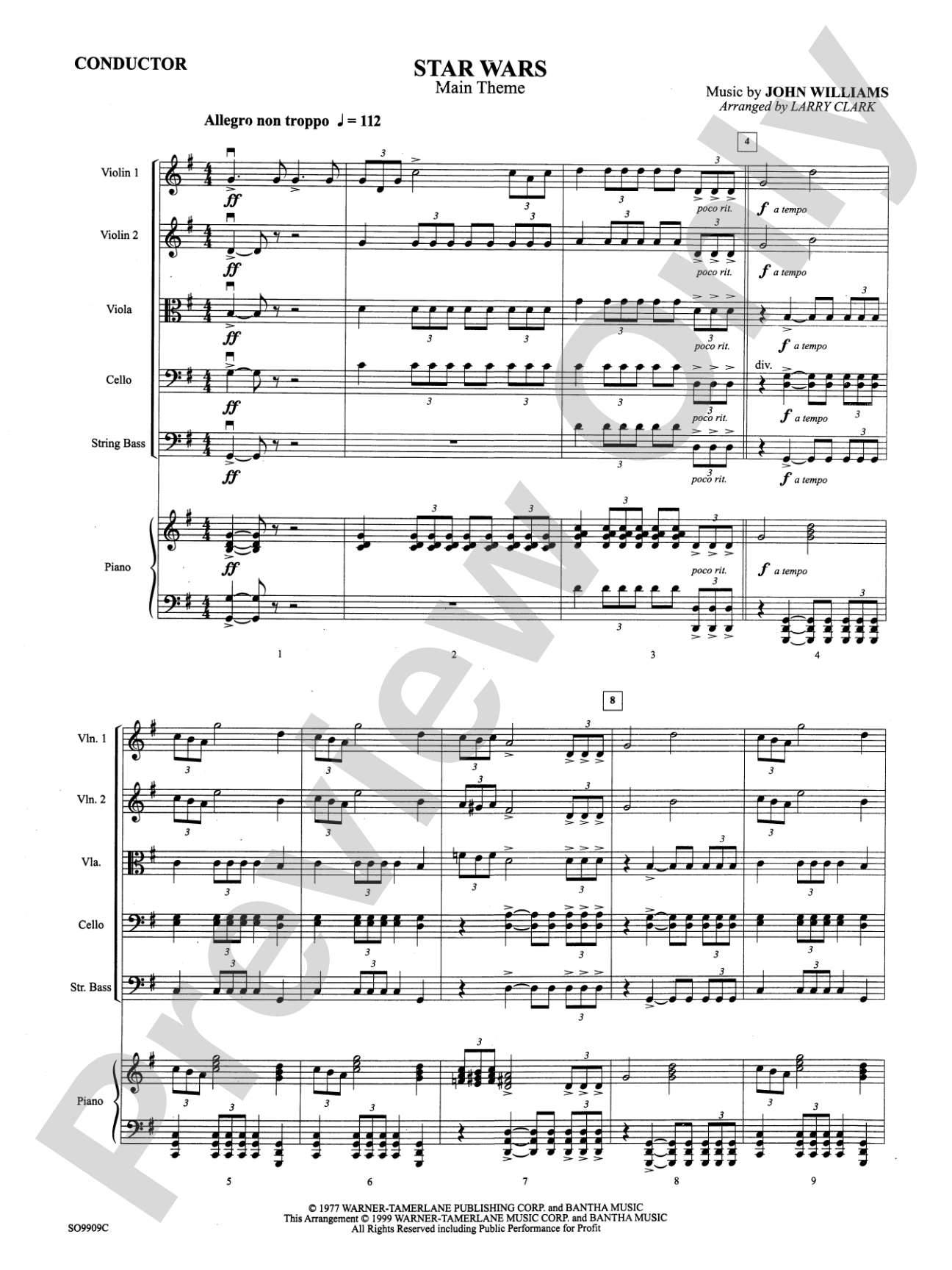
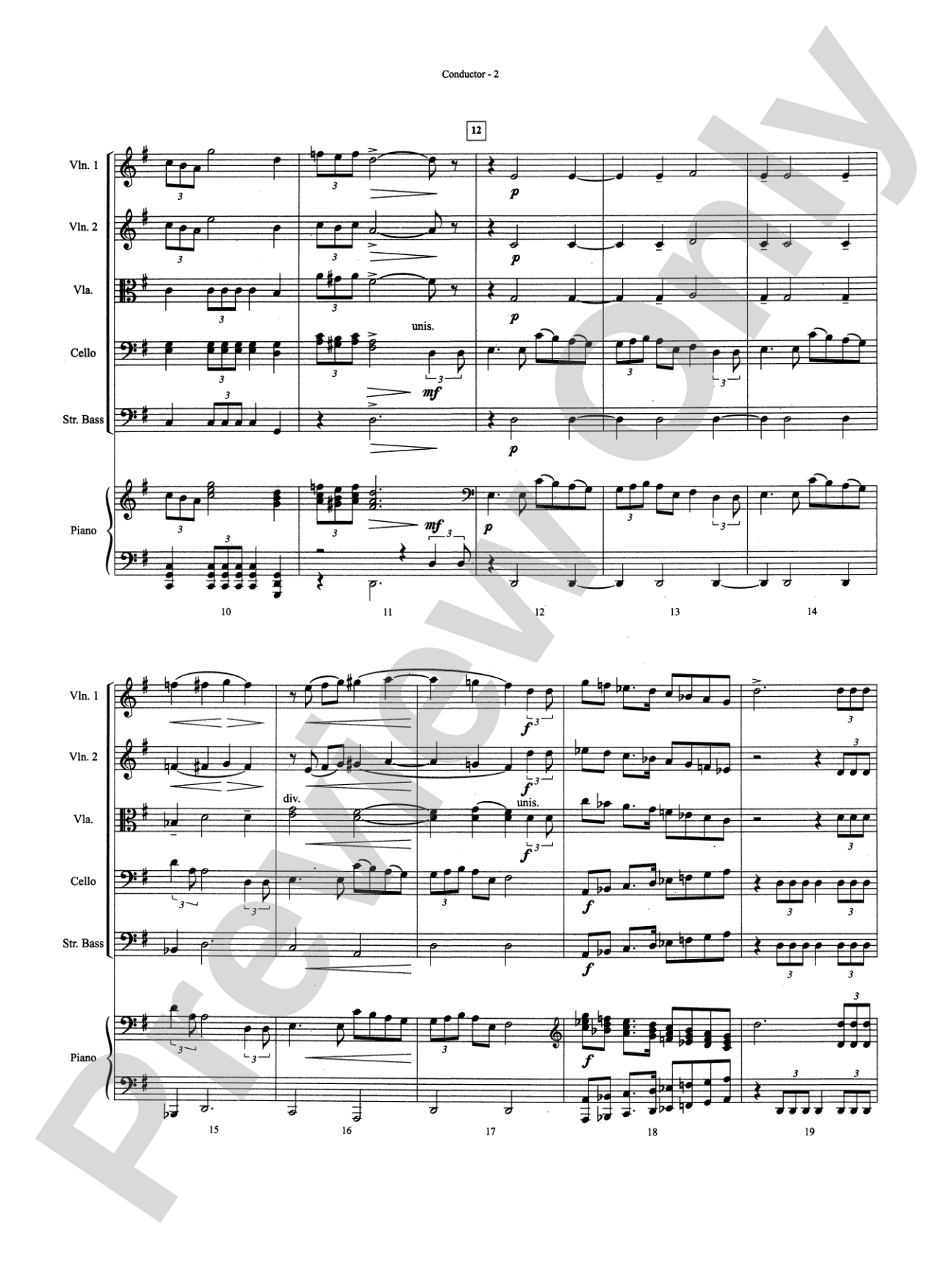
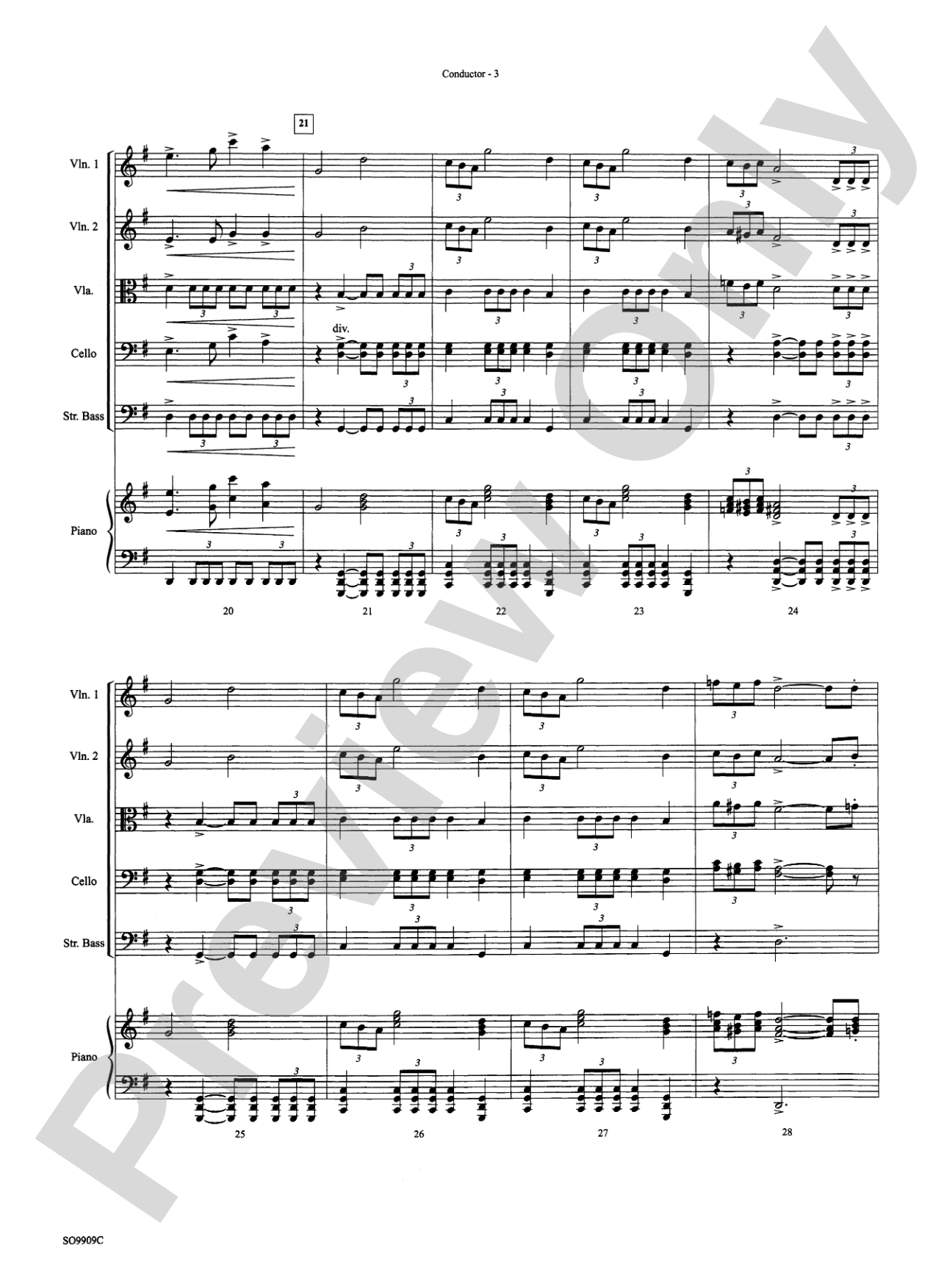
Cinematic and propulsive. The theme unfolds with imperial grandeur, driving forward with inexorable momentum. You'll feel the swagger of one of popular music's most recognizable melodies translated into rich string orchestration that alternates between unison power and layered harmonic depth.
Who it's for
String orchestras at the intermediate level seeking repertoire with immediate audience recognition and genuine musical substance. This works equally well for school orchestras, community ensembles, and youth orchestras ready to tackle a film score that demands focused ensemble work without requiring advanced technical facility.
How to get the most out of it
- Lock the rhythmic foundation in your lower strings (cello and bass), particularly in the opening statement. Their steady pulse underneath the melody defines the theme's driving character.
- Shape the main melodic line with dynamic flexibility rather than metronomic consistency. Williams's theme breathes, and your first violins should feel permission to lean into the iconic phrases.
- Balance transparent voicing in the accompaniment so the primary melody reads clearly across the ensemble. Check that inner voices aren't drowning out the line you want the audience to hear.
- Rehearse the section transitions as distinct moments. This arrangement moves through recognizable thematic statements, and clear articulation between sections heightens the drama.
How to use it
Program this as a concert opener or closing piece where it can command full attention as a standalone statement. It pairs naturally with other accessible film music or lighter concert selections, and works particularly well as the finale to a spring pops concert or family-friendly program.
Skills your students will build
- Sustaining long melodic lines with consistent vibrato and tone quality
- Balancing individual parts within a thick harmonic texture
- Executing rhythmic precision across a large ensemble
- Responding to dynamic shaping and phrasing within a familiar thematic context
- Reading standard orchestral string parts and cues