
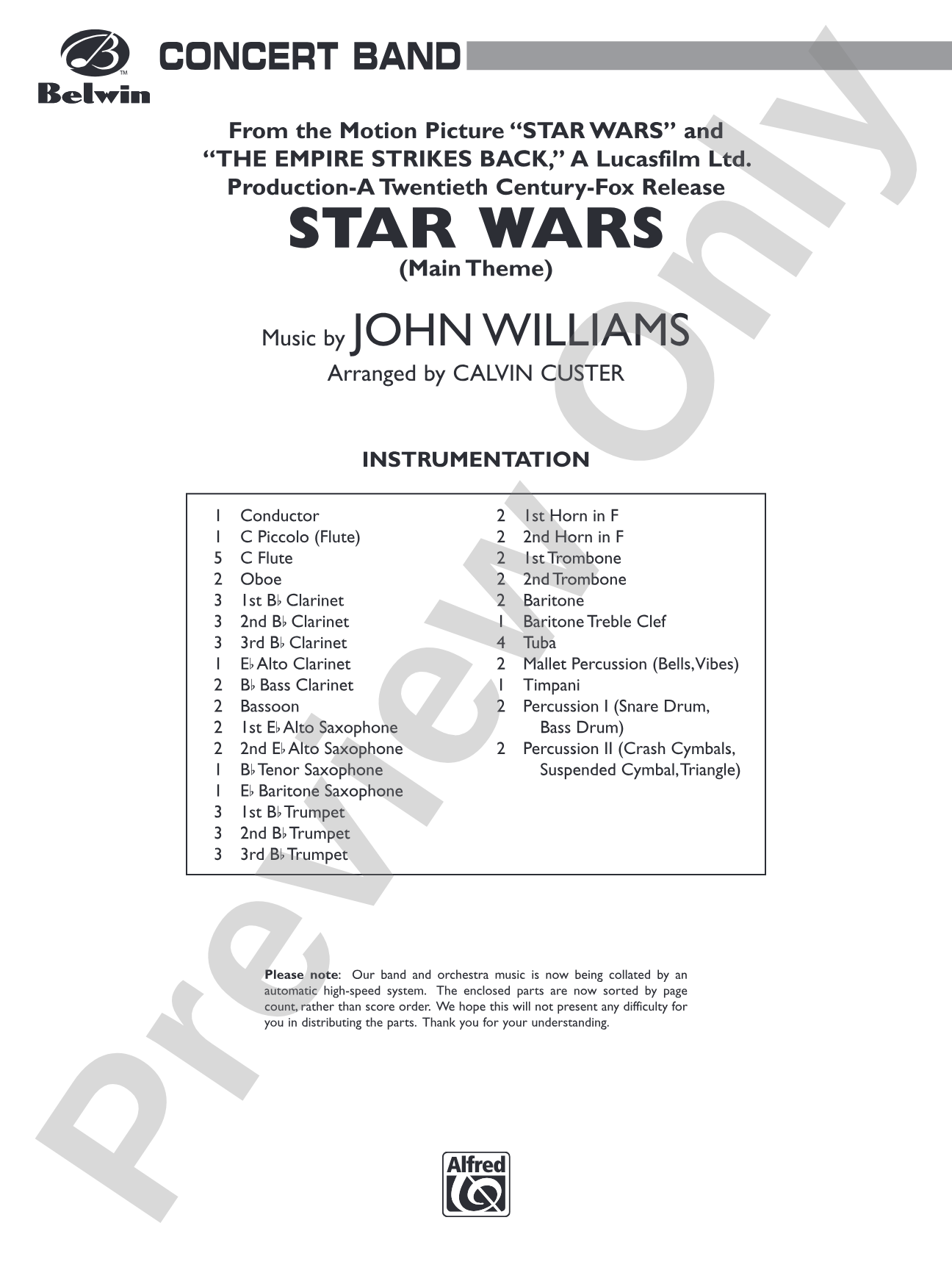

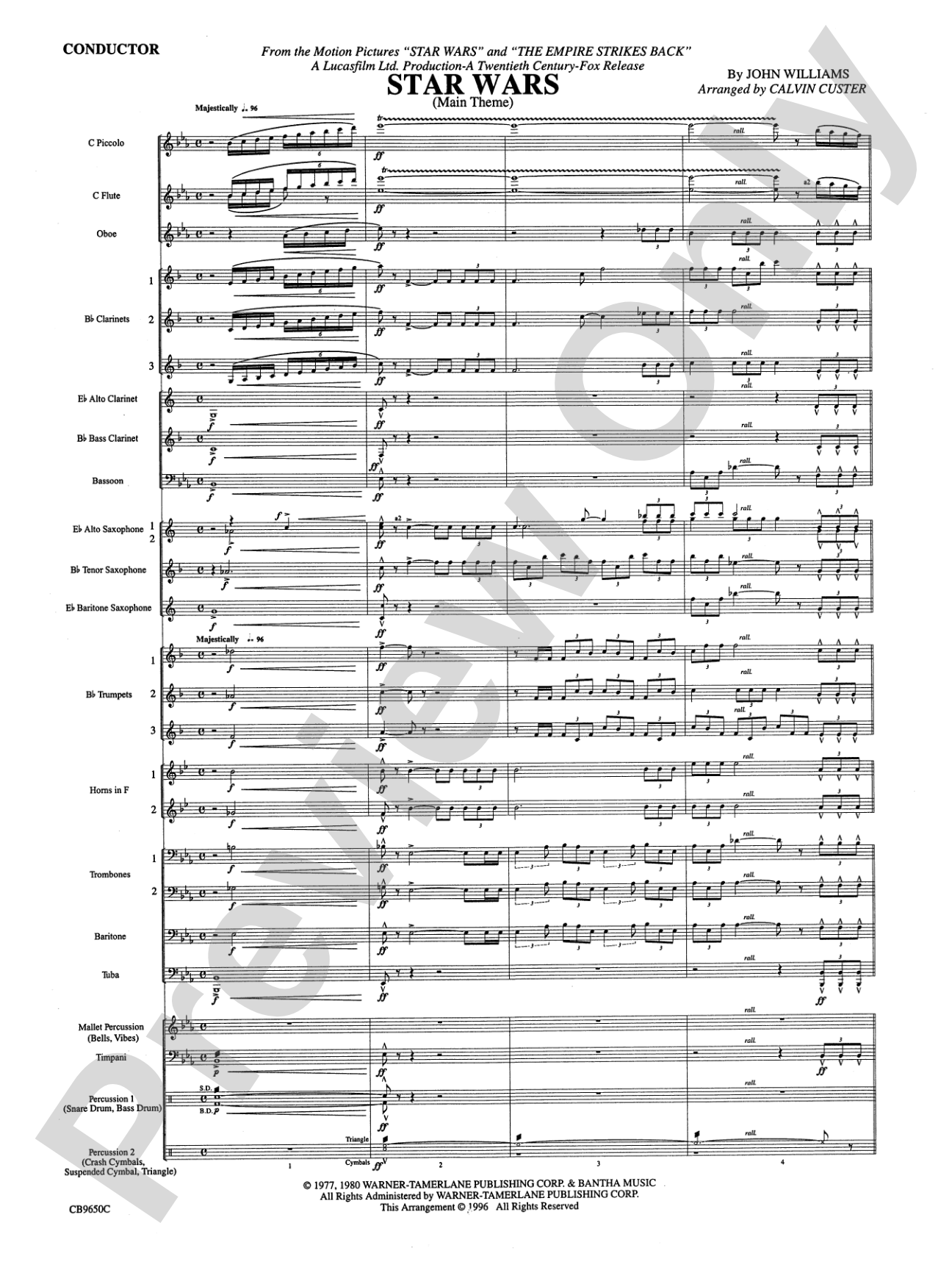
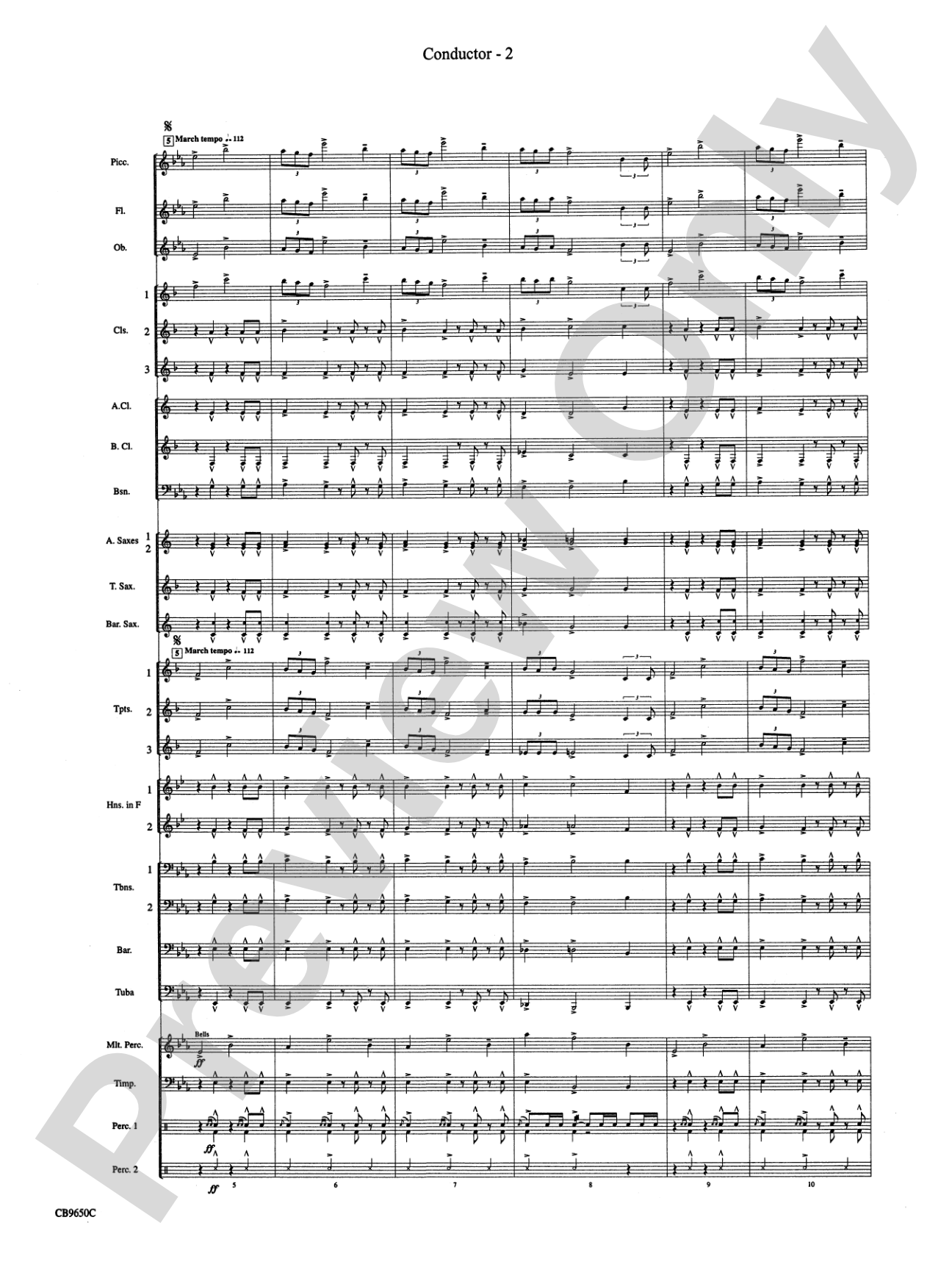
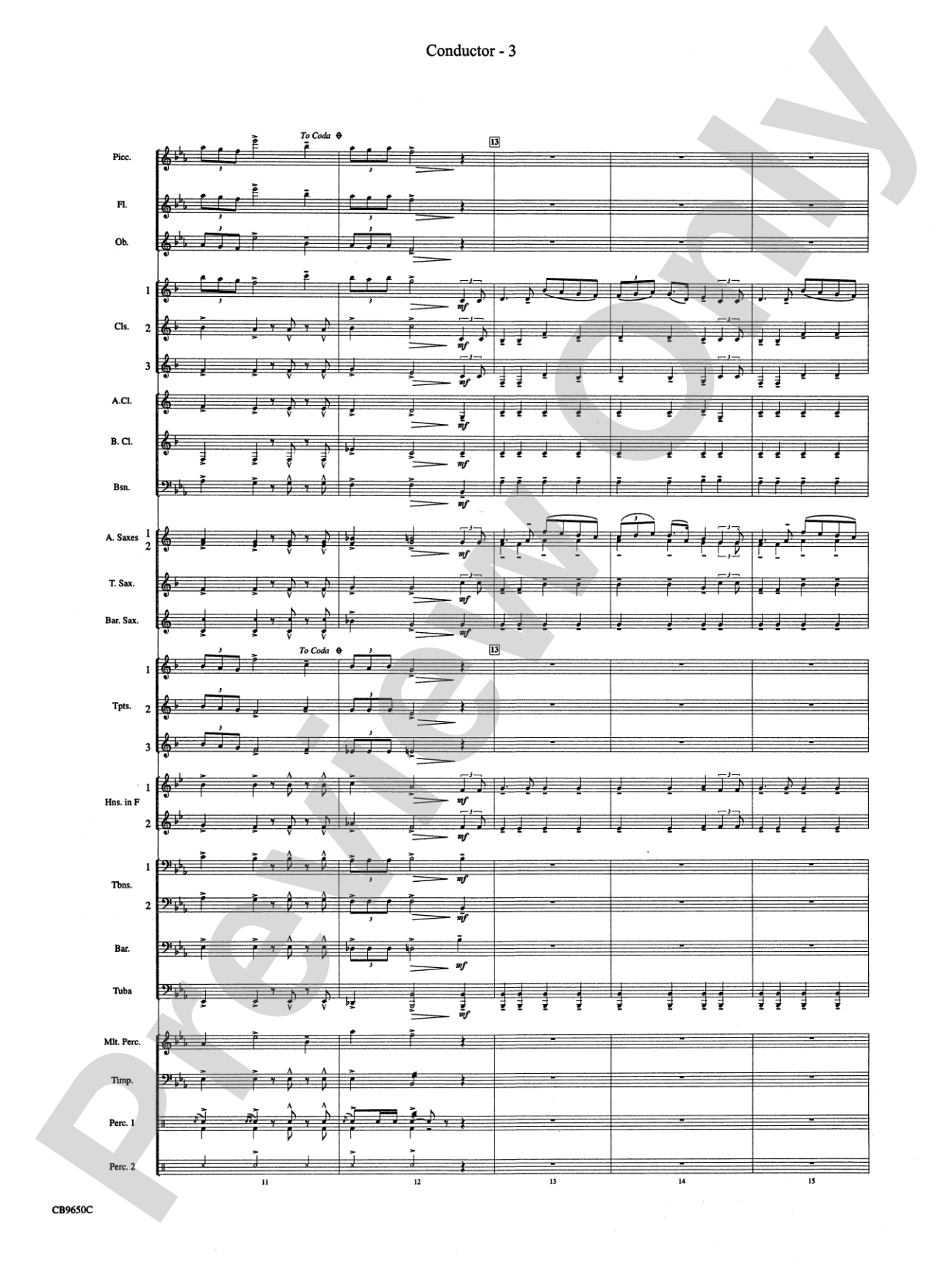
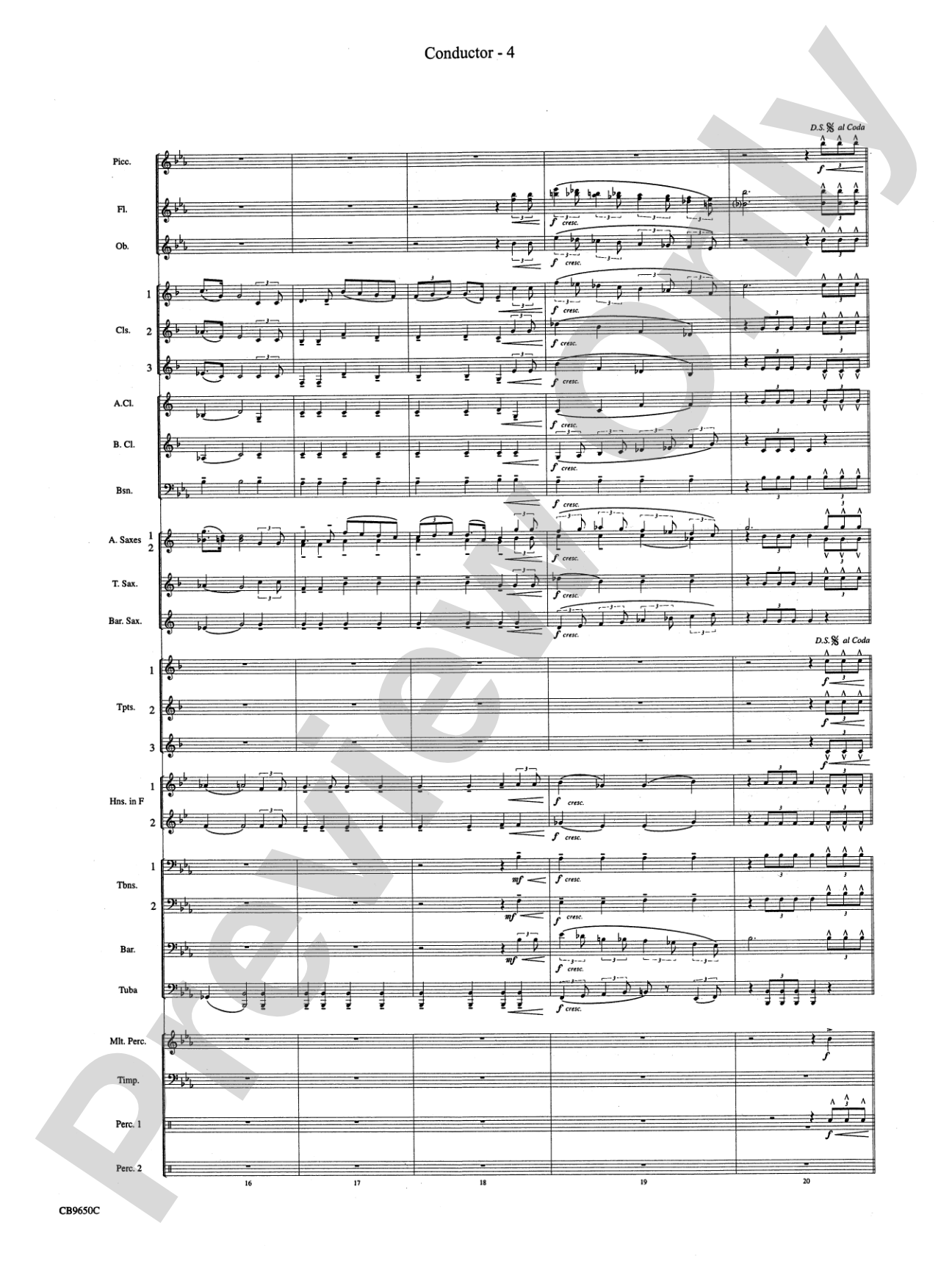
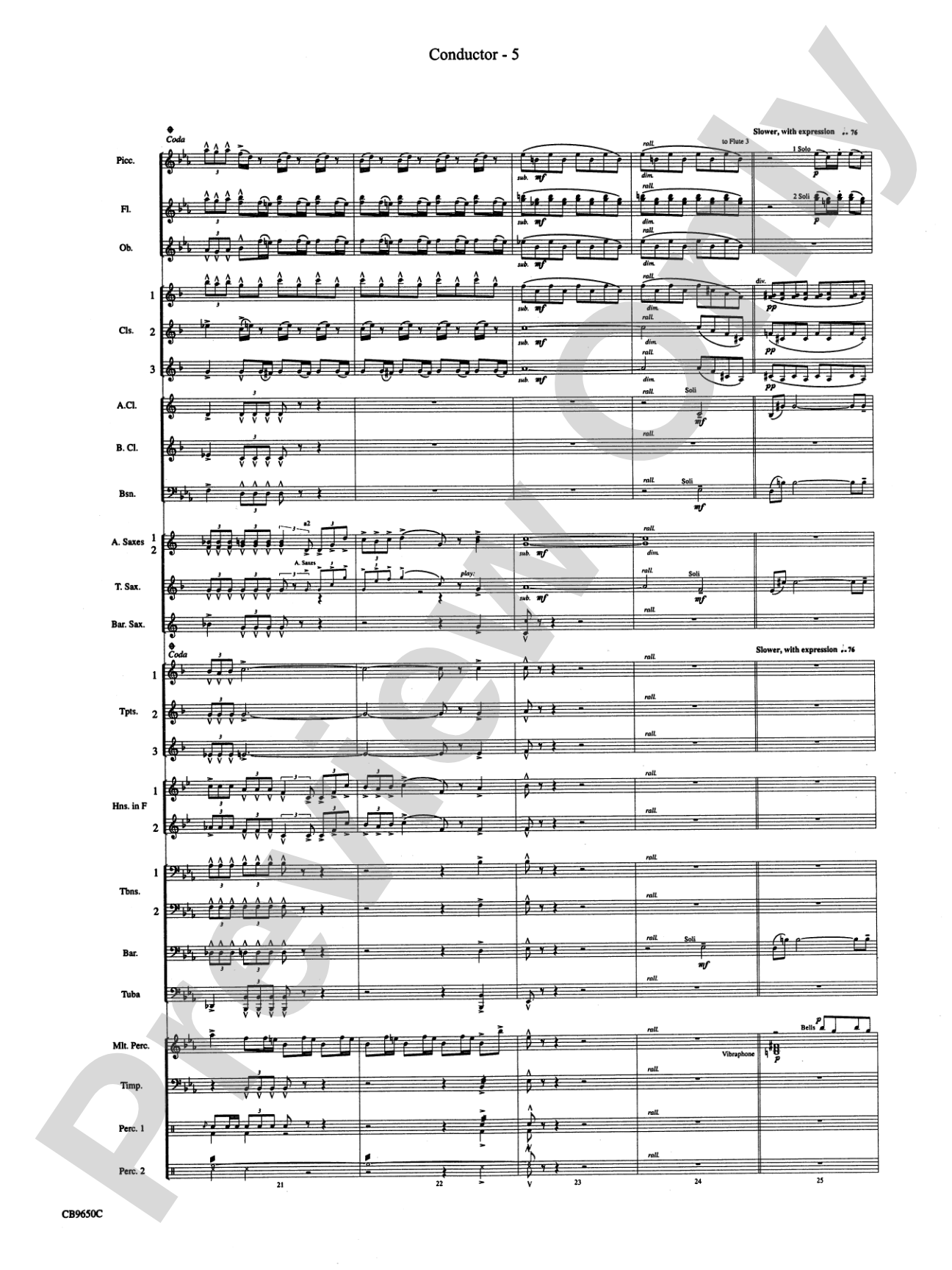
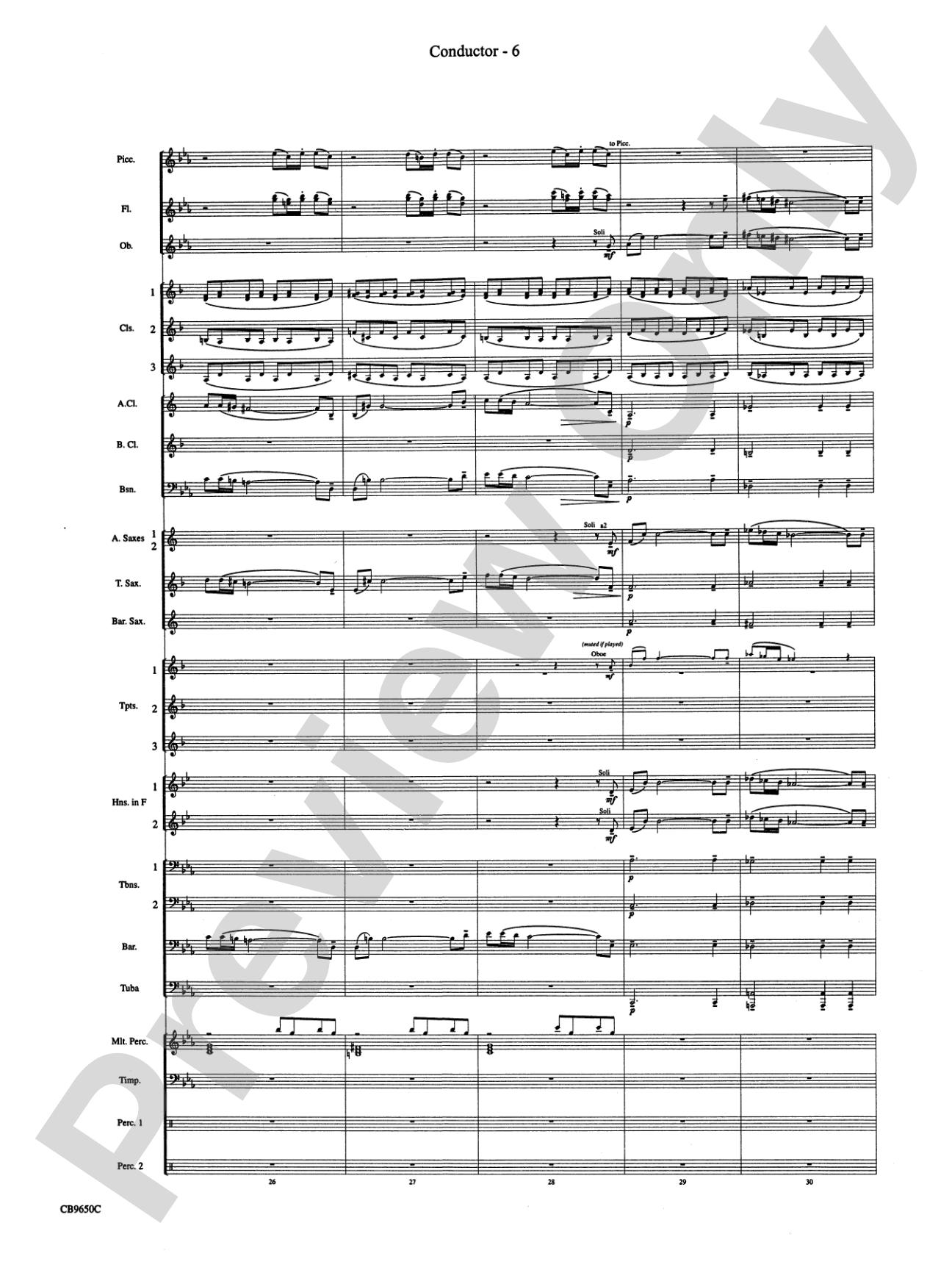
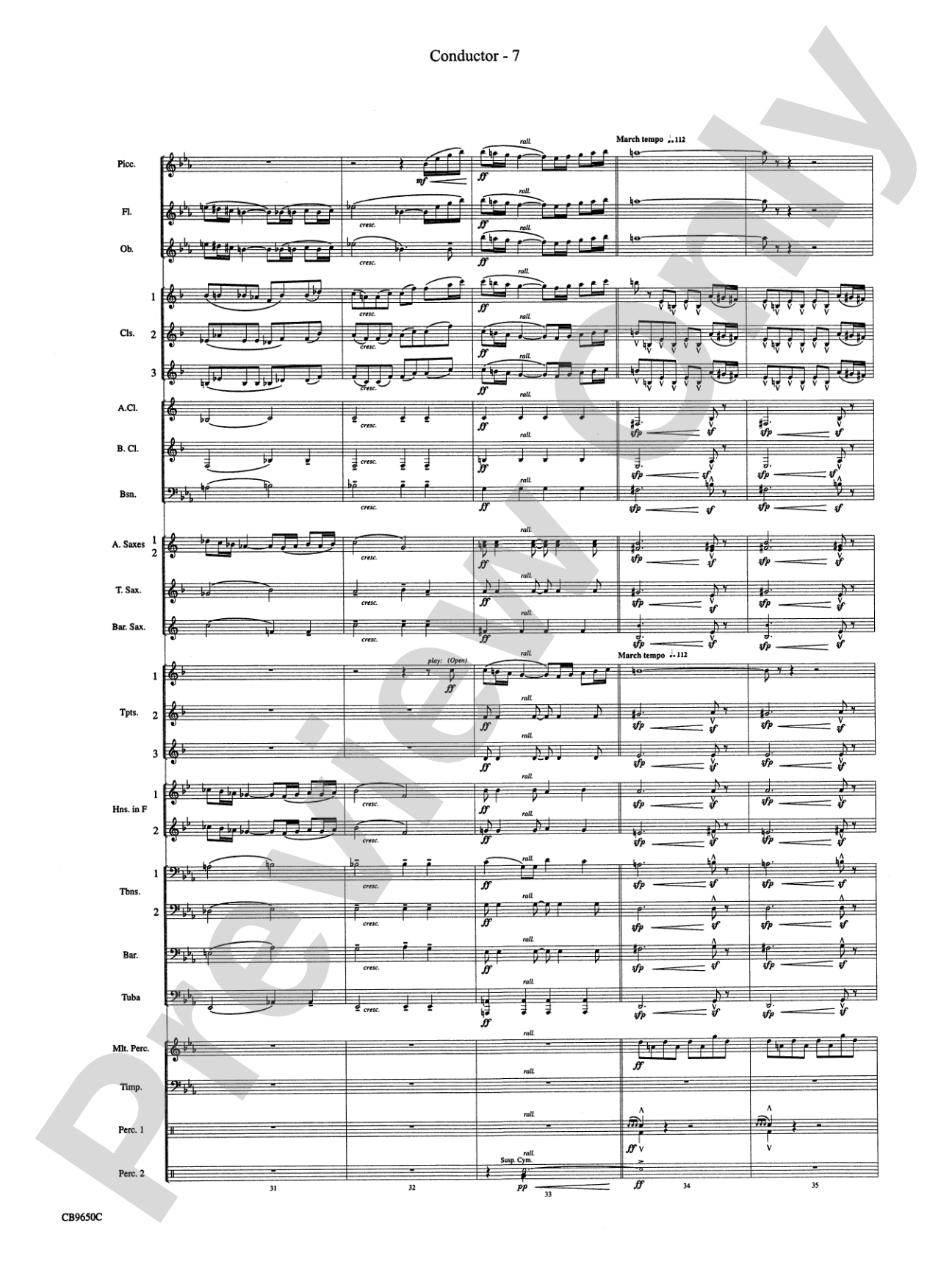
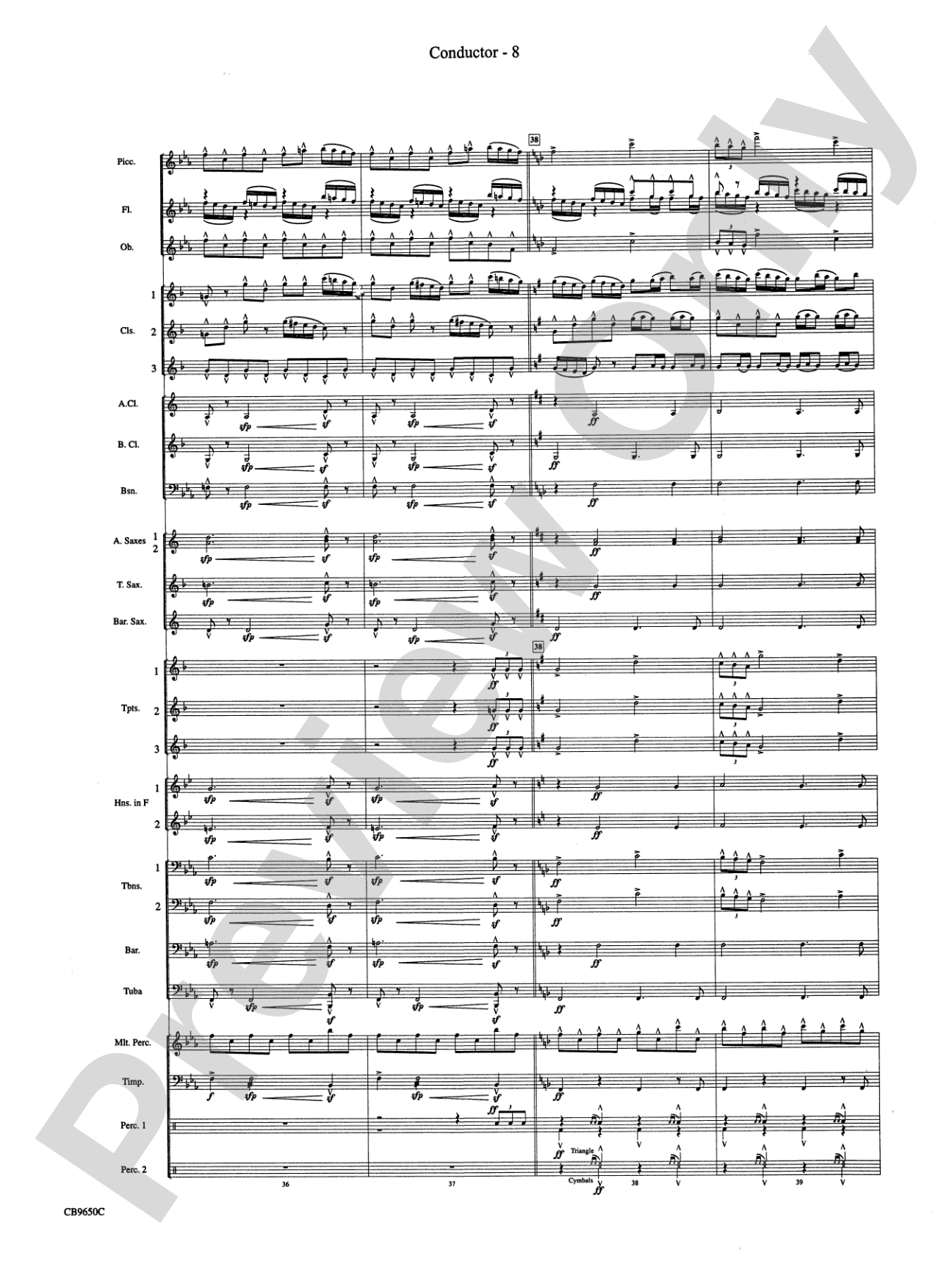
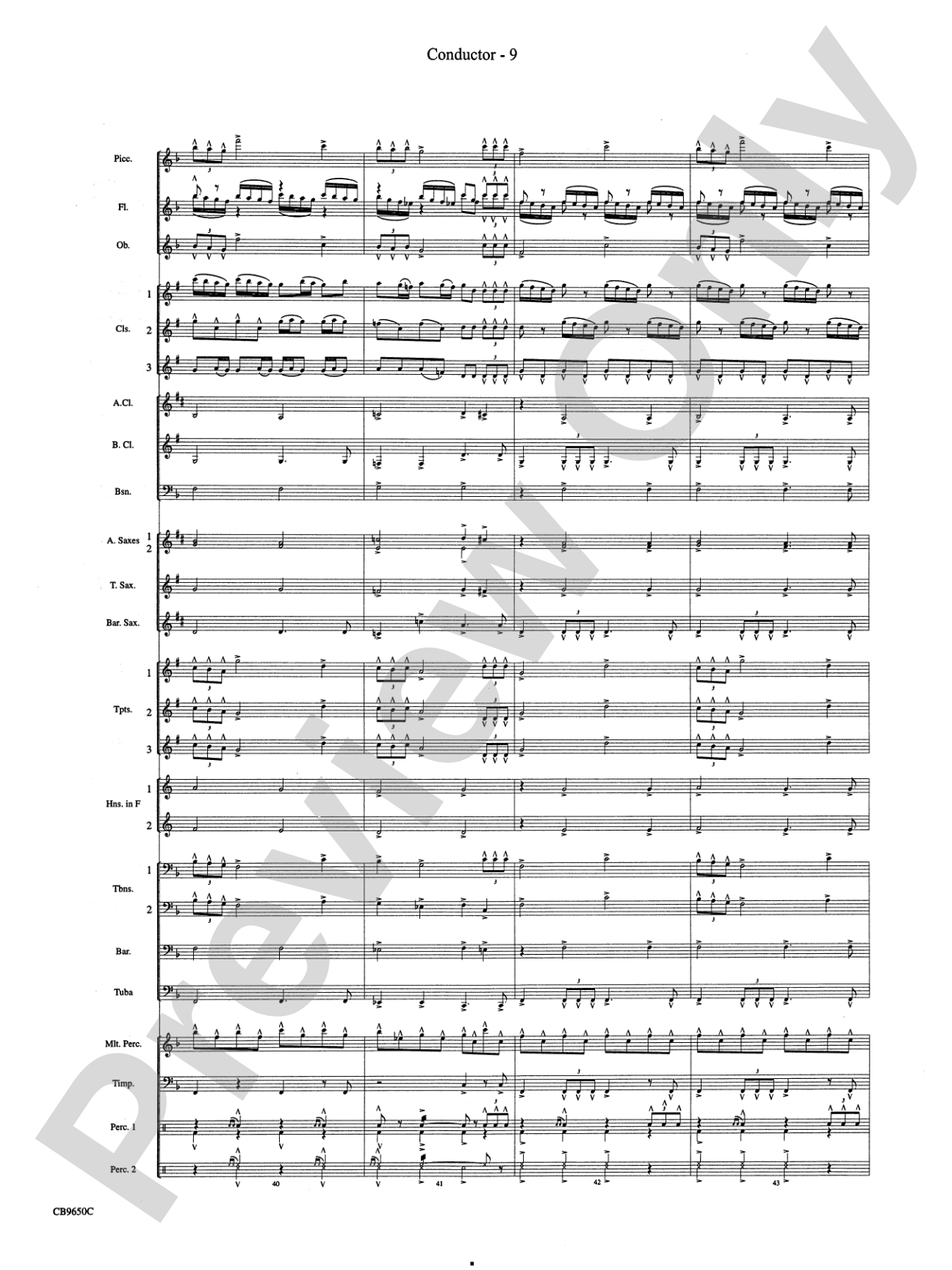
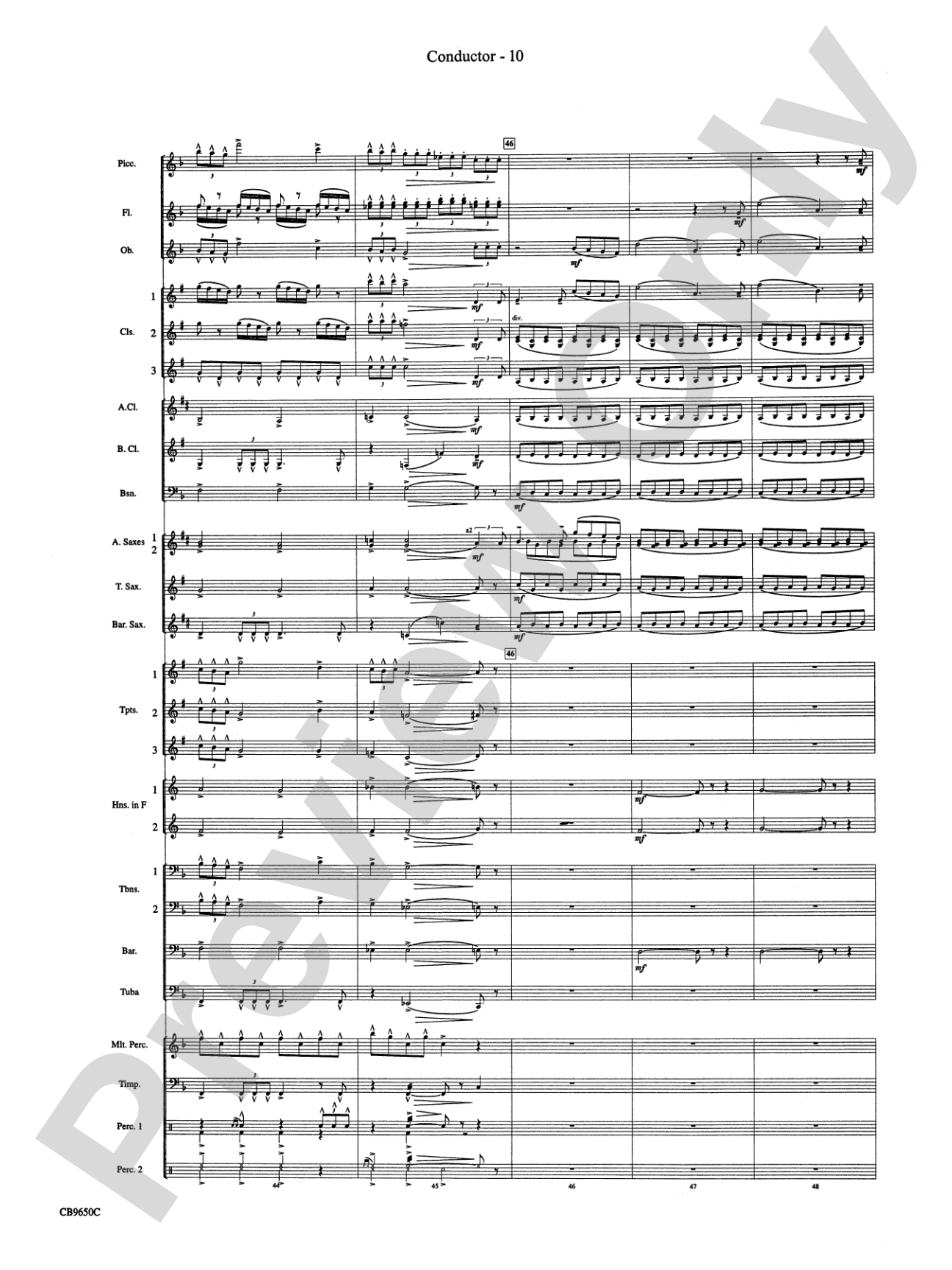
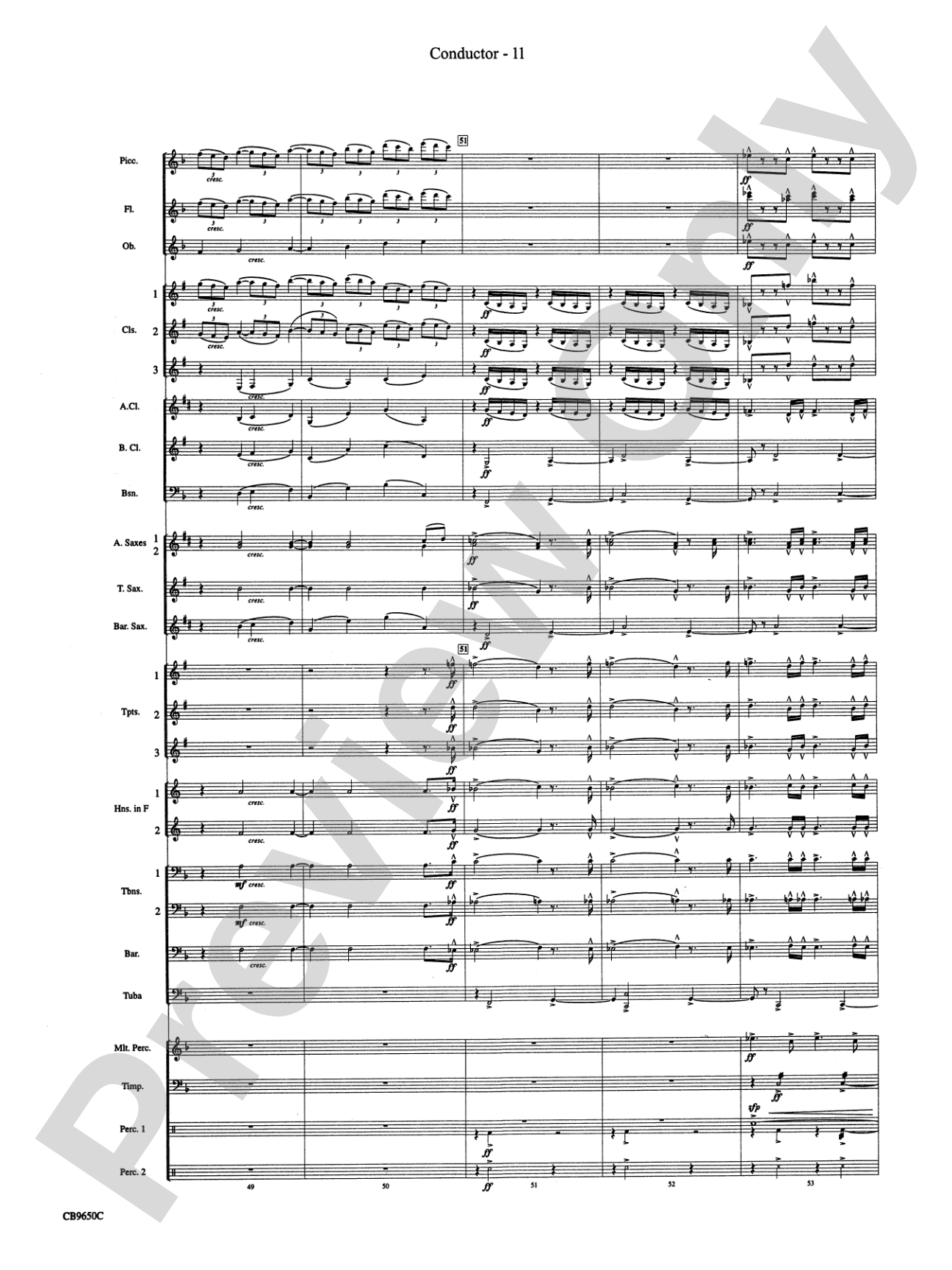
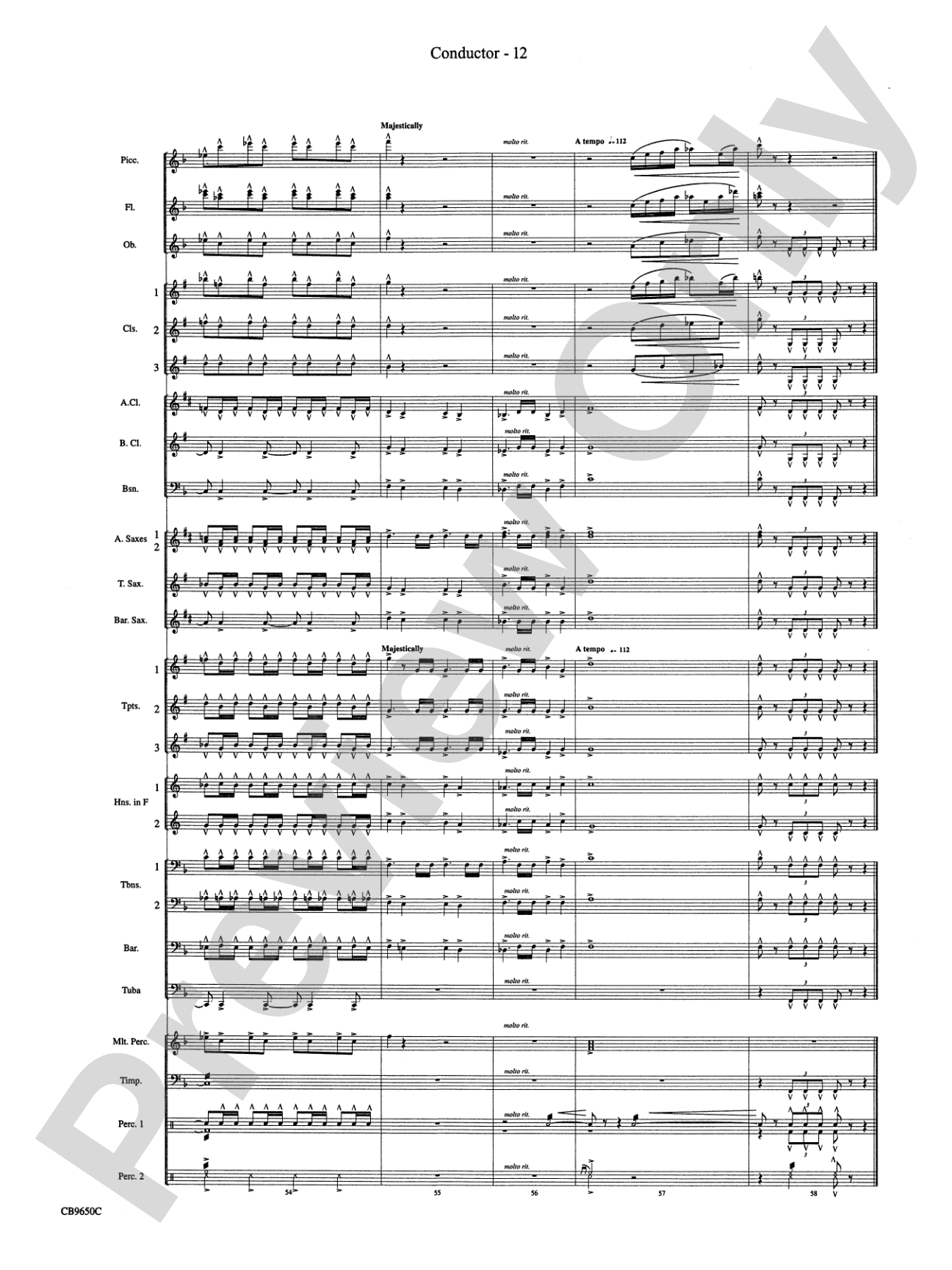



Star Wars® Main Theme: Concert Band Conductor Score & Parts
By John Williams / arr. Calvin Custer
Grade: 3 (Medium Easy)
Item: 00-PK-0002325

$72.00
One moment…
Description
Darth Vader lives! Seldom has a series of films had such an impact on the entertainment world. We relive each episode and await what will be next. The marvelously exciting music of John Williams has created a magical aura, and Calvin Custer masterfully presents a fresh version of this gigantic anthem. (duration 2:32)


Don't just read it, hear it, play along with it, and watch your students grow with it. In MakeMusic Cloud, Star Wars® Main Theme: Concert Band Conductor Score & Parts comes alive with professional accompaniment, adjustable tempo, and built-in practice tools that turn solo practice into real progress.
Open in the Player
Jump straight in and assign it today.
Start Your Free Trial
Open this title and explore the full library in minutes.
Sample Audio
No sample audio found.
Sample Video
No sample videos found.
Additional Details
Series:
Pop Concert Band
Publisher:
Alfred Music
Page Count:
146
SKU:
00-PK-0002325
More about this title
About the Composer: John Williams
John Williams has shaped the sound of American cinema for more than five decades. His film scores for Star Wars, Jaws, E.T., Indiana Jones, Harry Potter, and countless others have become synonymous with blockbuster storytelling, combining classical orchestration with memorable melodic hooks that lodge instantly in the listener's ear. His work demonstrates that film music and concert music need not be separate worlds; his themes translate brilliantly to the concert stage and to student ensembles.
Beyond Hollywood, Williams has composed extensively for concert orchestra and has served as conductor of major orchestras. His music appears regularly in school and university bands worldwide, making him one of the most performed living composers in educational settings. His gift for clear orchestration and singable melody makes his work accessible to developing musicians while retaining the sophistication that keeps audiences engaged.
Why we love this
Custer's arrangement captures the relentless drive and heroic swagger of Williams' original without oversimplifying the orchestration. At Grade 3, the part writing stays playable for developing bands while preserving the signature brass punctuation and sweeping string melody that made this theme a global phenomenon. Programming this gives your band an immediate connection to audiences who grew up with these films, and the confidence boost from nailing such an iconic piece is invaluable.
What to expect
Heroic and unstoppable. The opening fanfare immediately establishes authority, and the relentless march of the main theme—driven by steady low brass and punctuated by bright brass stabs—creates forward momentum that carries the band and audience alike. There's a sense of grand adventure here, confidence without pretension.
Who it's for
Conductors programming a Grade 3 concert band looking for a crowd-pleaser that builds student confidence and ensemble unity. Students with basic reading skills can execute this arrangement while experiencing the satisfaction of bringing a universally recognized theme to life with precision and energy.
How to get the most out of it
- Shape the main melody with a steady crescendo through the first statement; resist playing too hard too early, or you'll have nowhere to go when the theme repeats.
- Anchor the low brass and tuba line with absolute rhythmic precision. This theme lives and dies by the steadiness of the foundation.
- Balance the woodwind answering phrases against the brass; these countermelodies should sing but never disappear under the main theme.
- Let the percussion breathe slightly on the dramatic hits without rushing into the next phrase. These accents are part of the character, not obstacles to push through.
How to use it
Place this as an opener or closer on a concert focused on film music, popular themes, or contemporary classics. It pairs well alongside other accessible concert band arrangements of recognizable music, and it works equally well as a season finale piece where audience familiarity amplifies the impact of a polished performance.
Skills your students will build
- Maintaining steady tempo against syncopated rhythmic figures
- Balancing layered melodic lines (main theme, countermelody, accompaniment)
- Executing clean articulation on repeated brass figures
- Reading full concert band score layout and part relationships
- Building dynamic shape within a 2:32 timeframe
- Responding to sudden dynamic changes and accent markings