
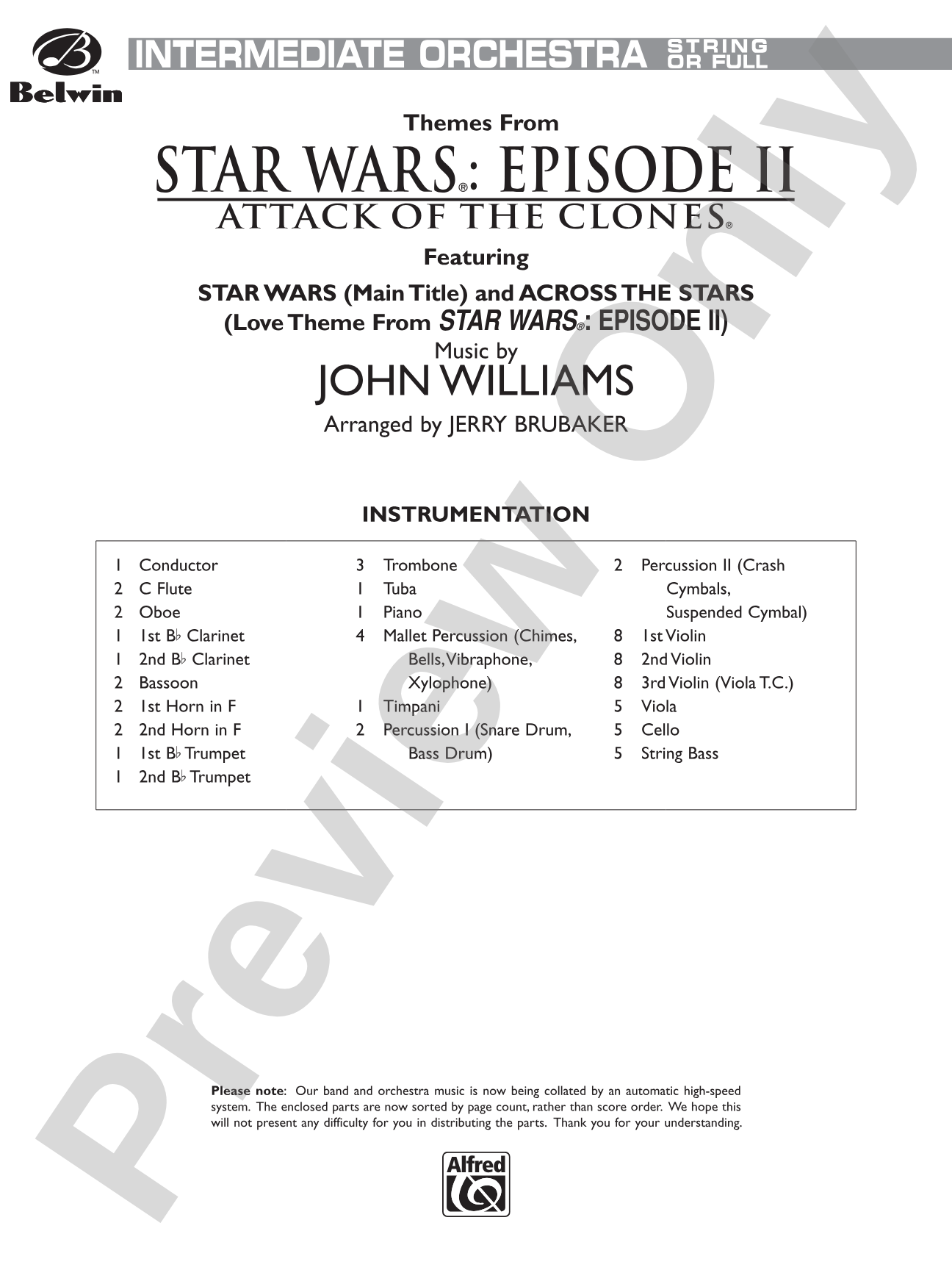

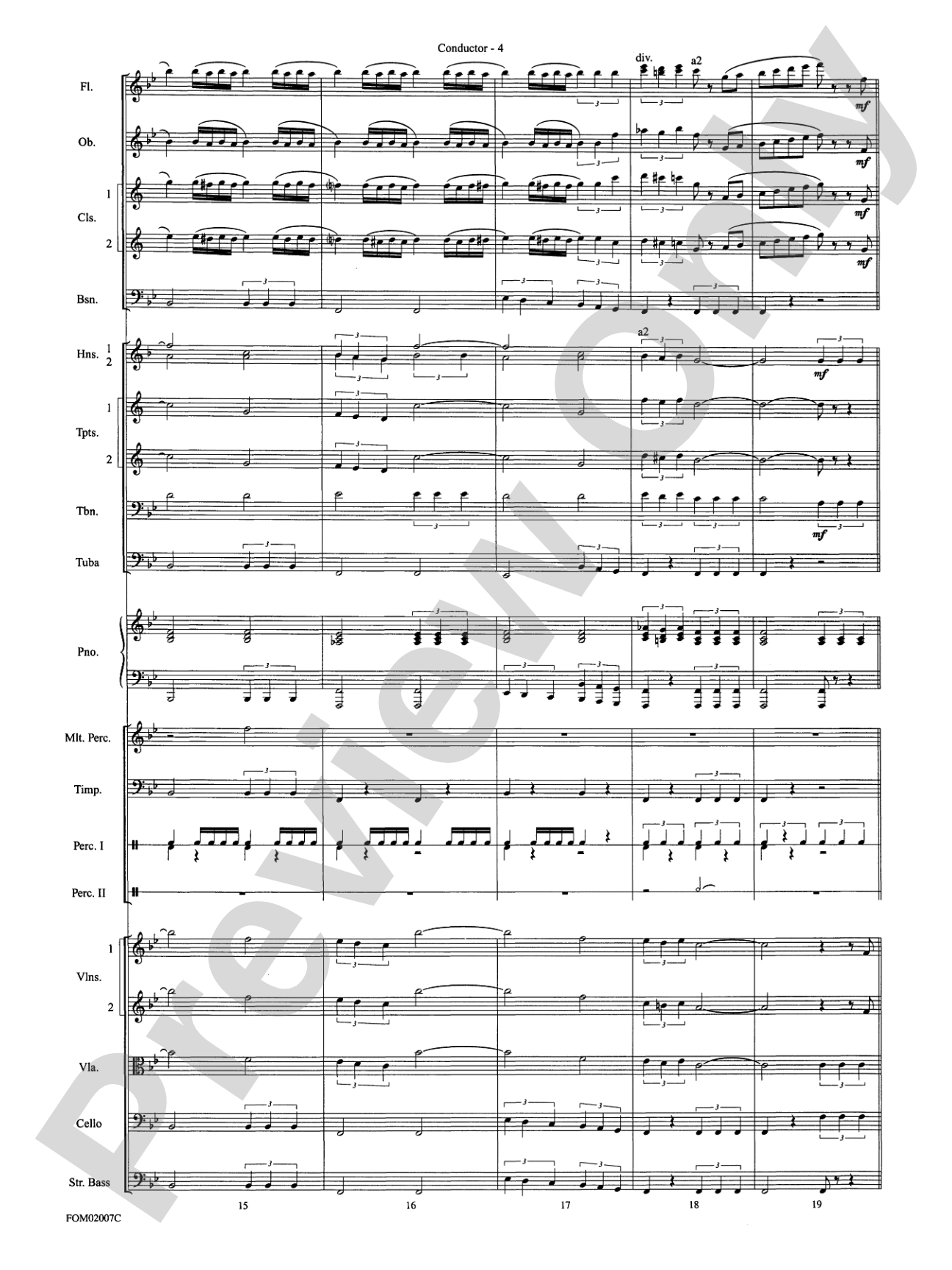
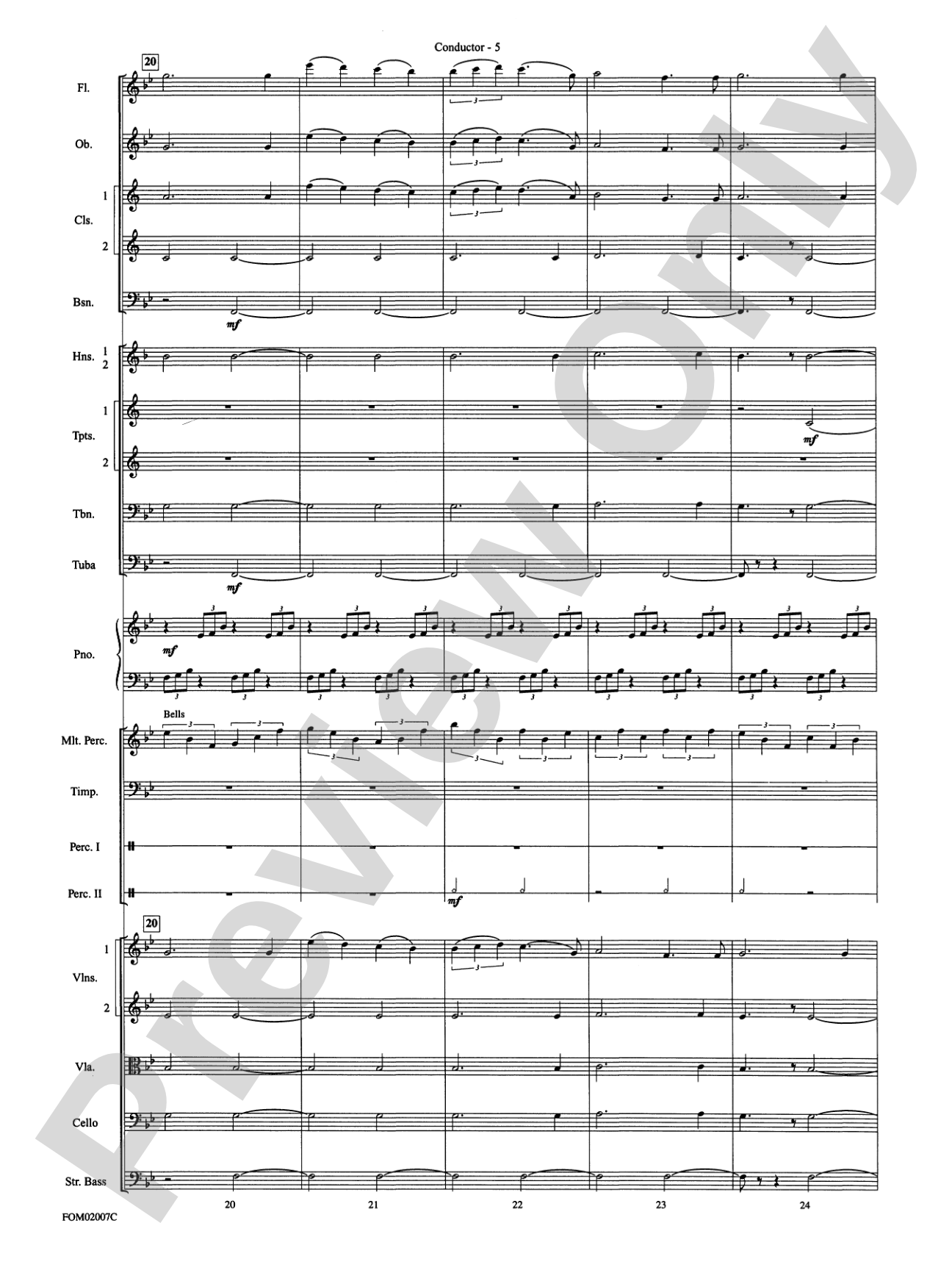
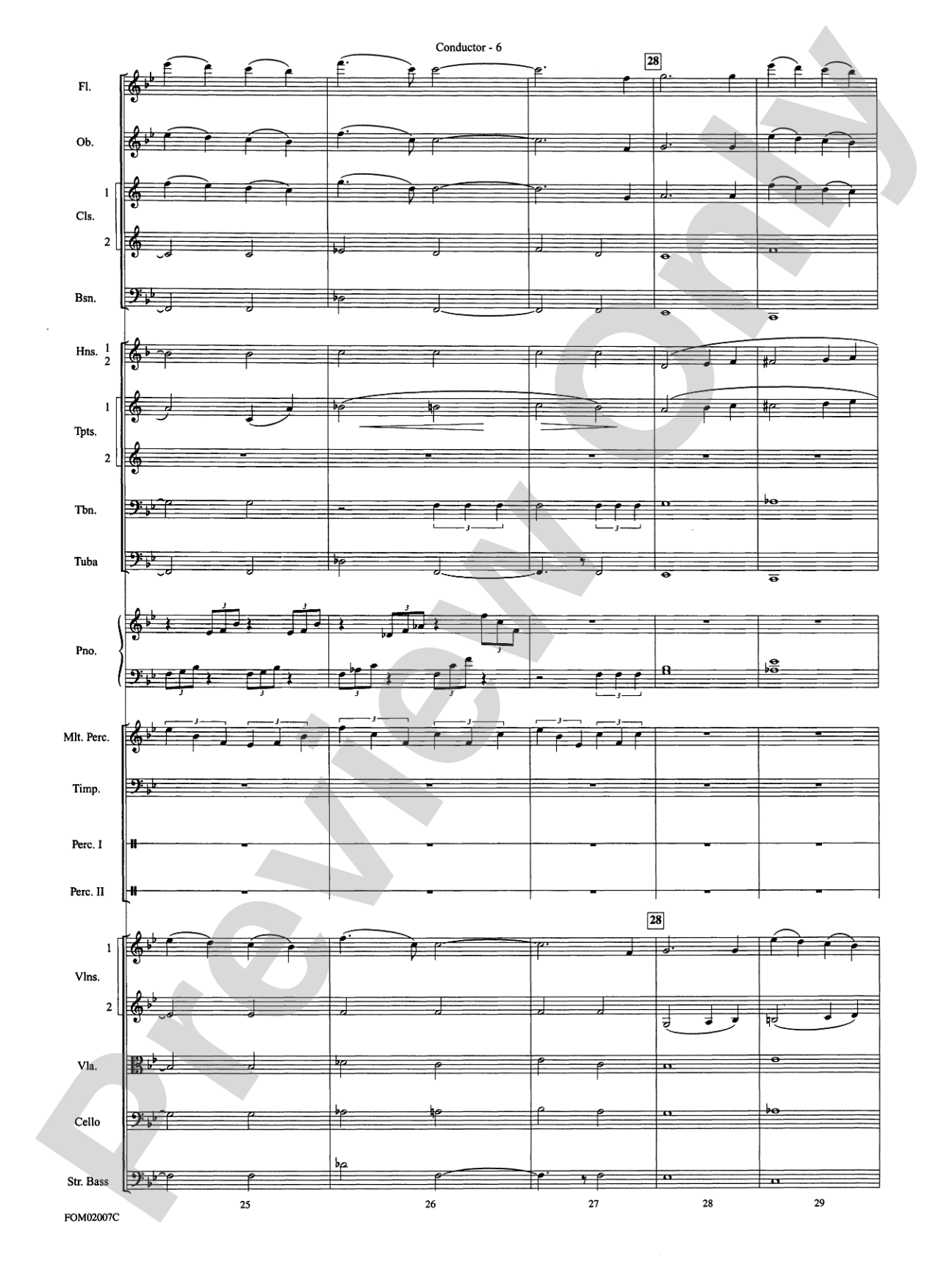
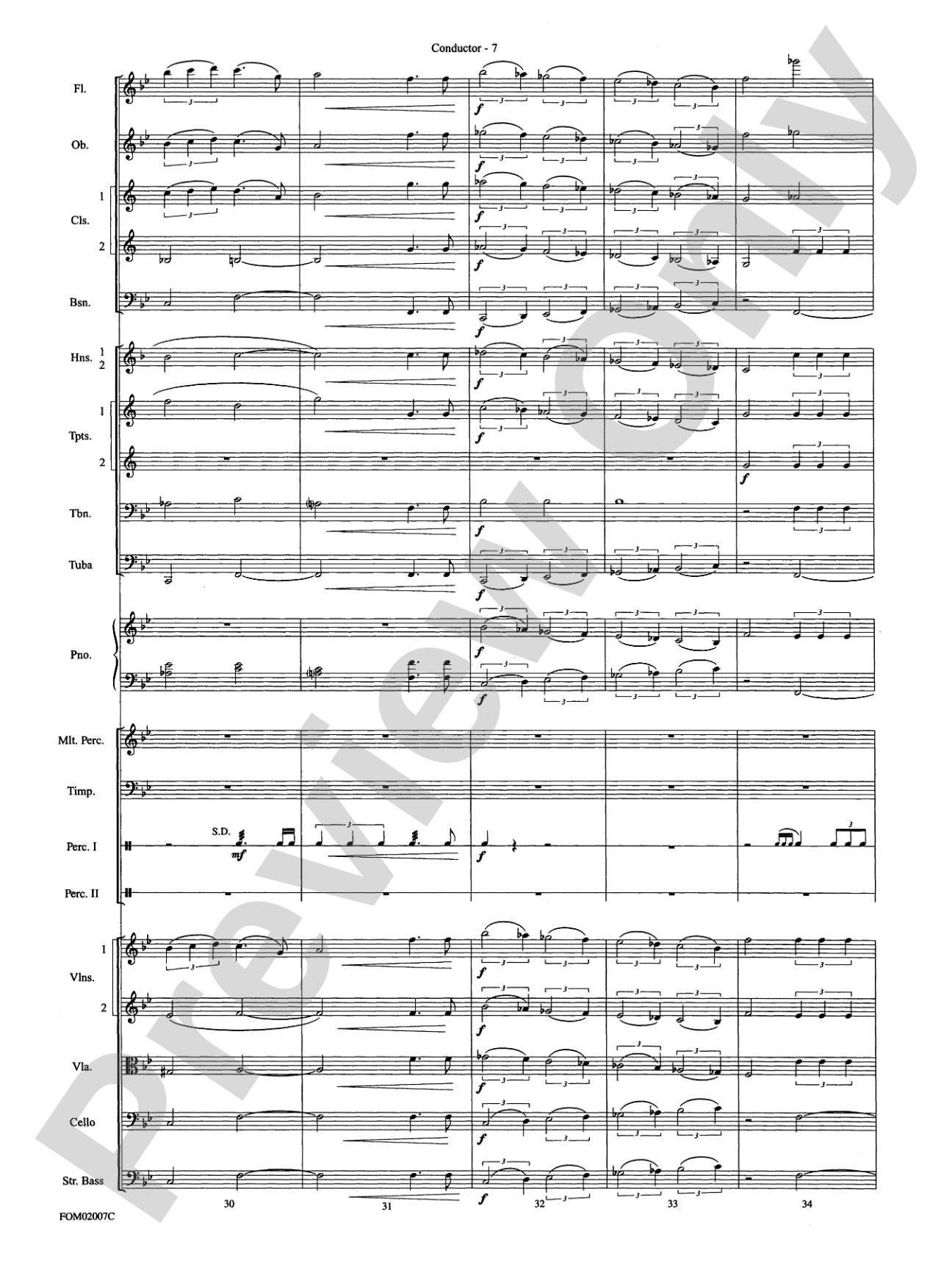
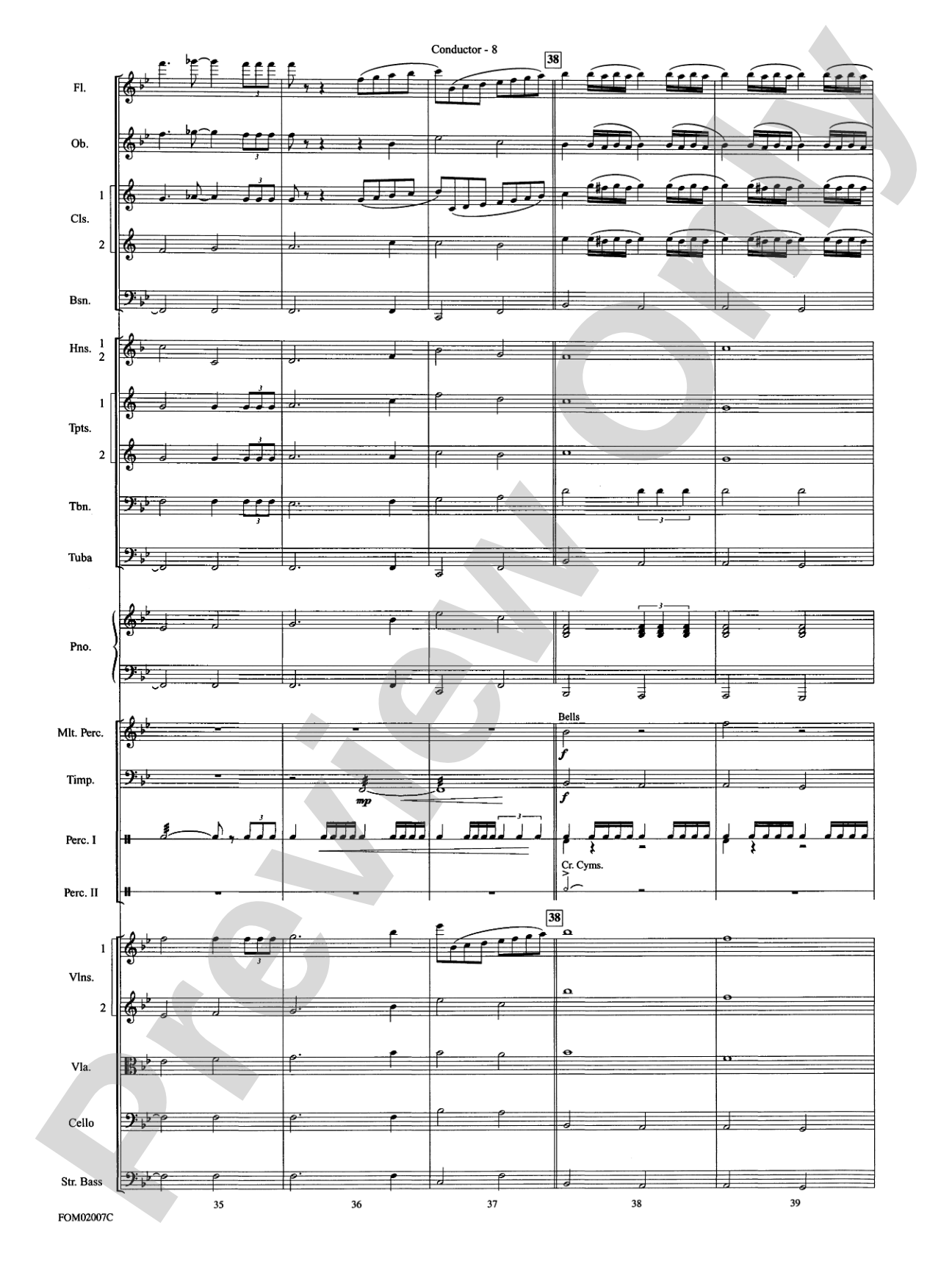
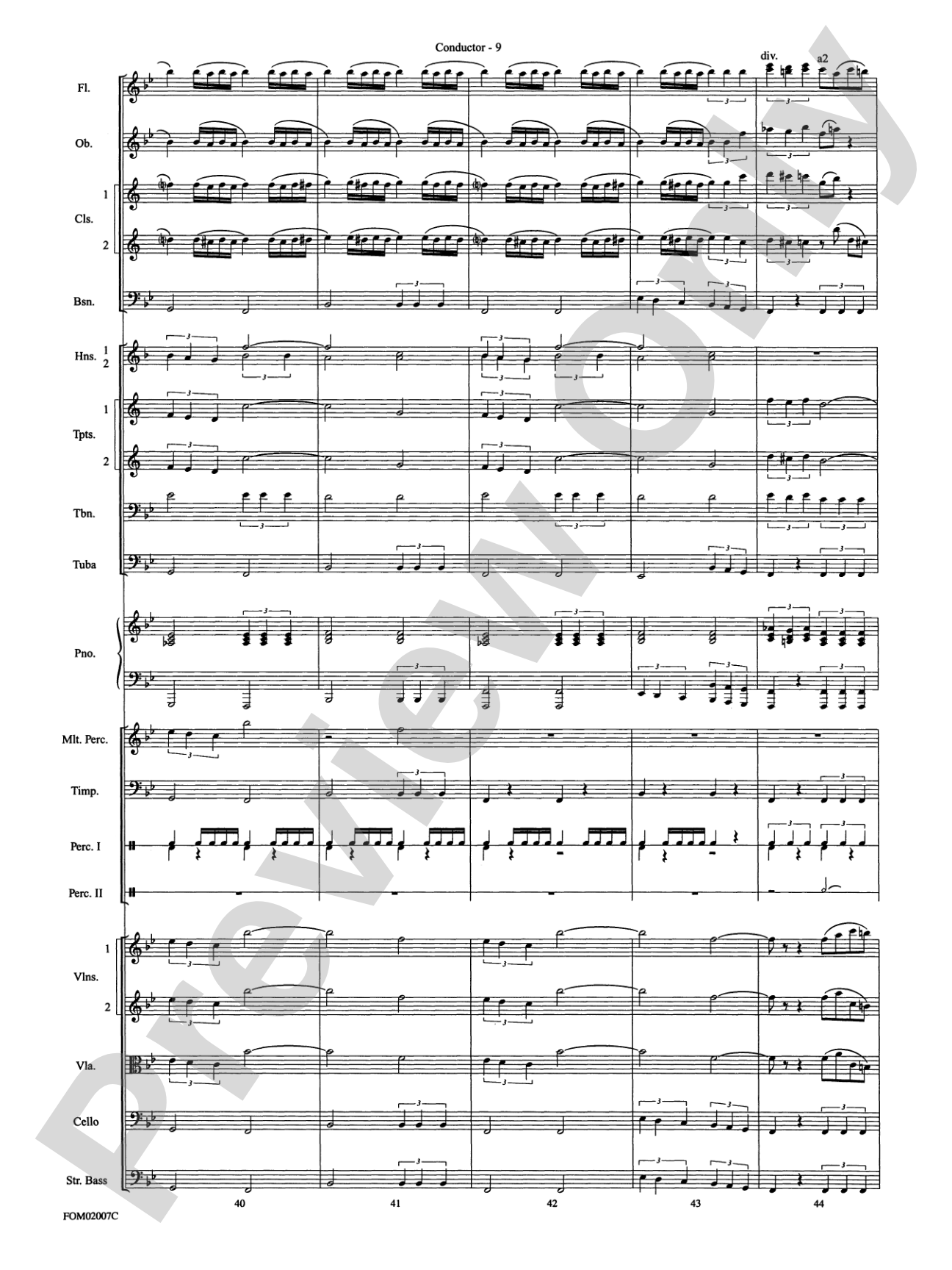
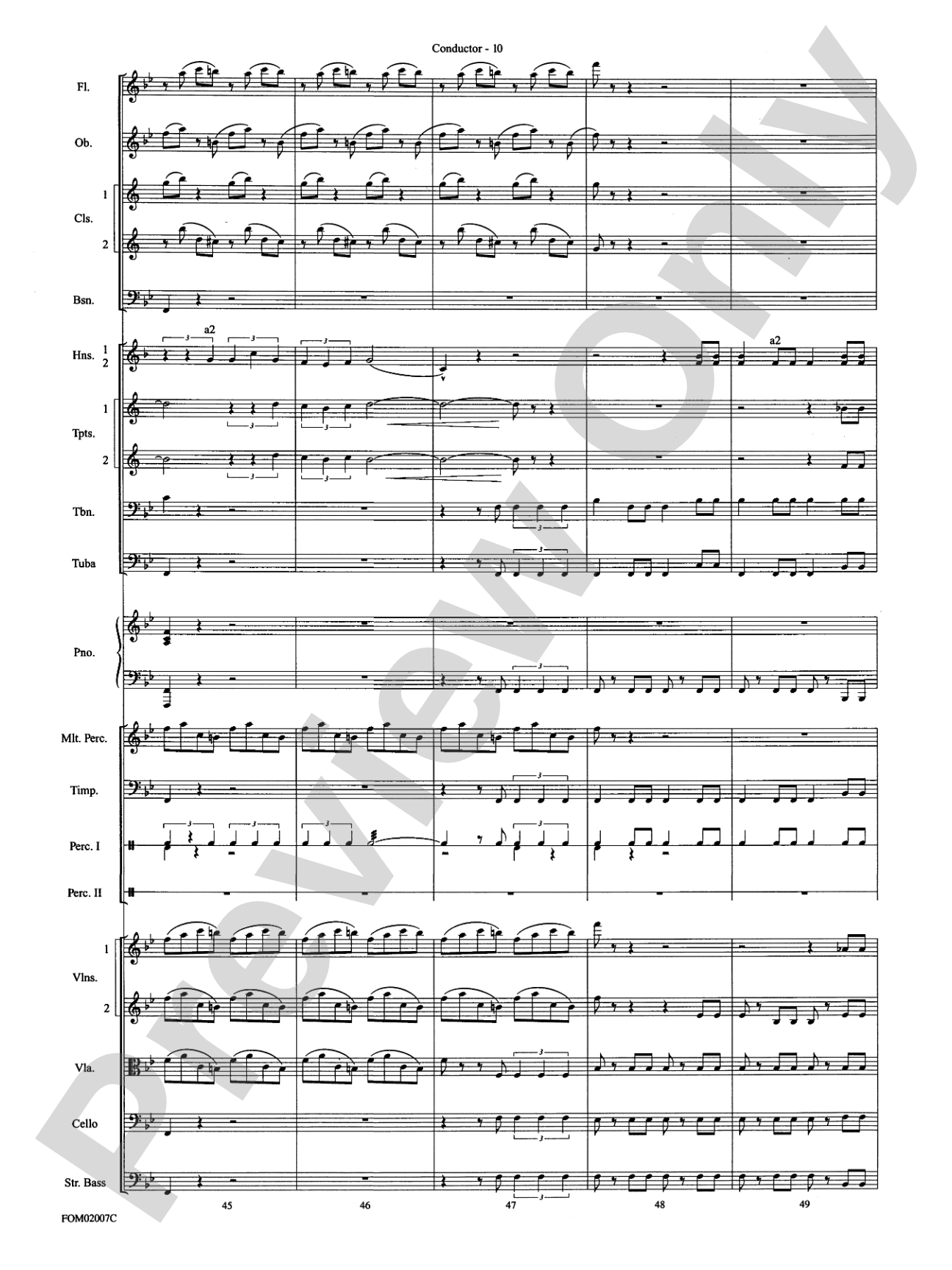
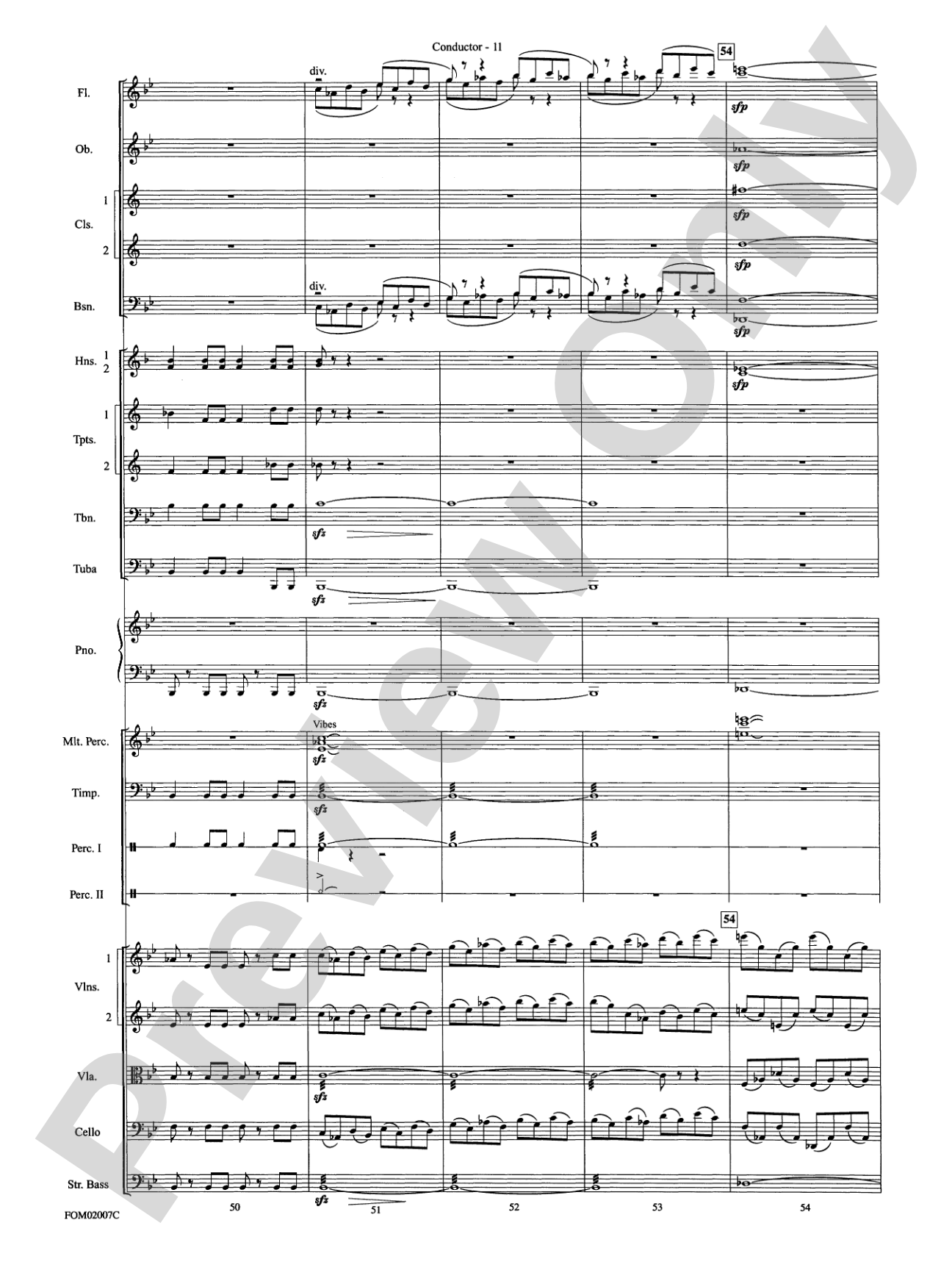
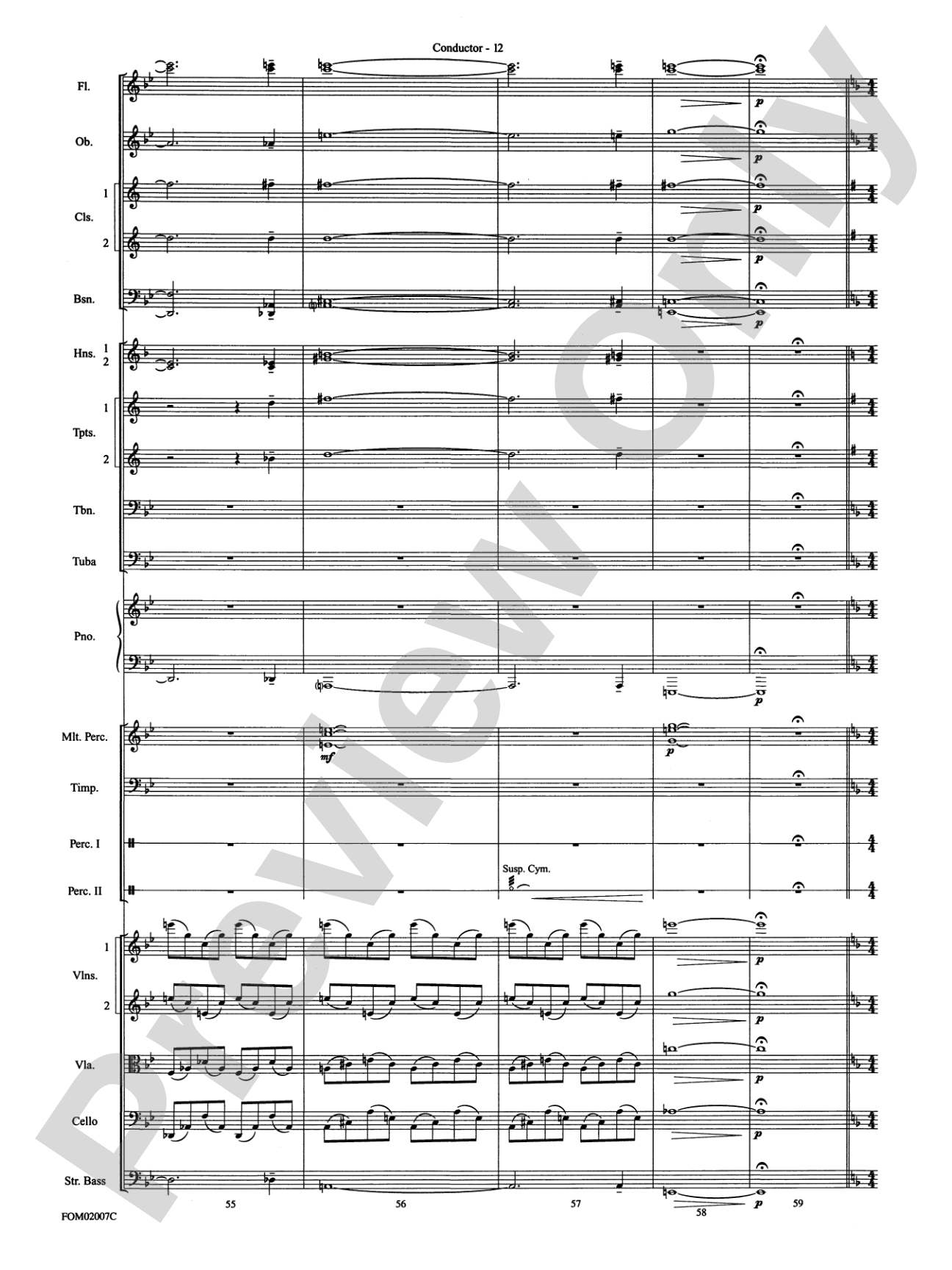
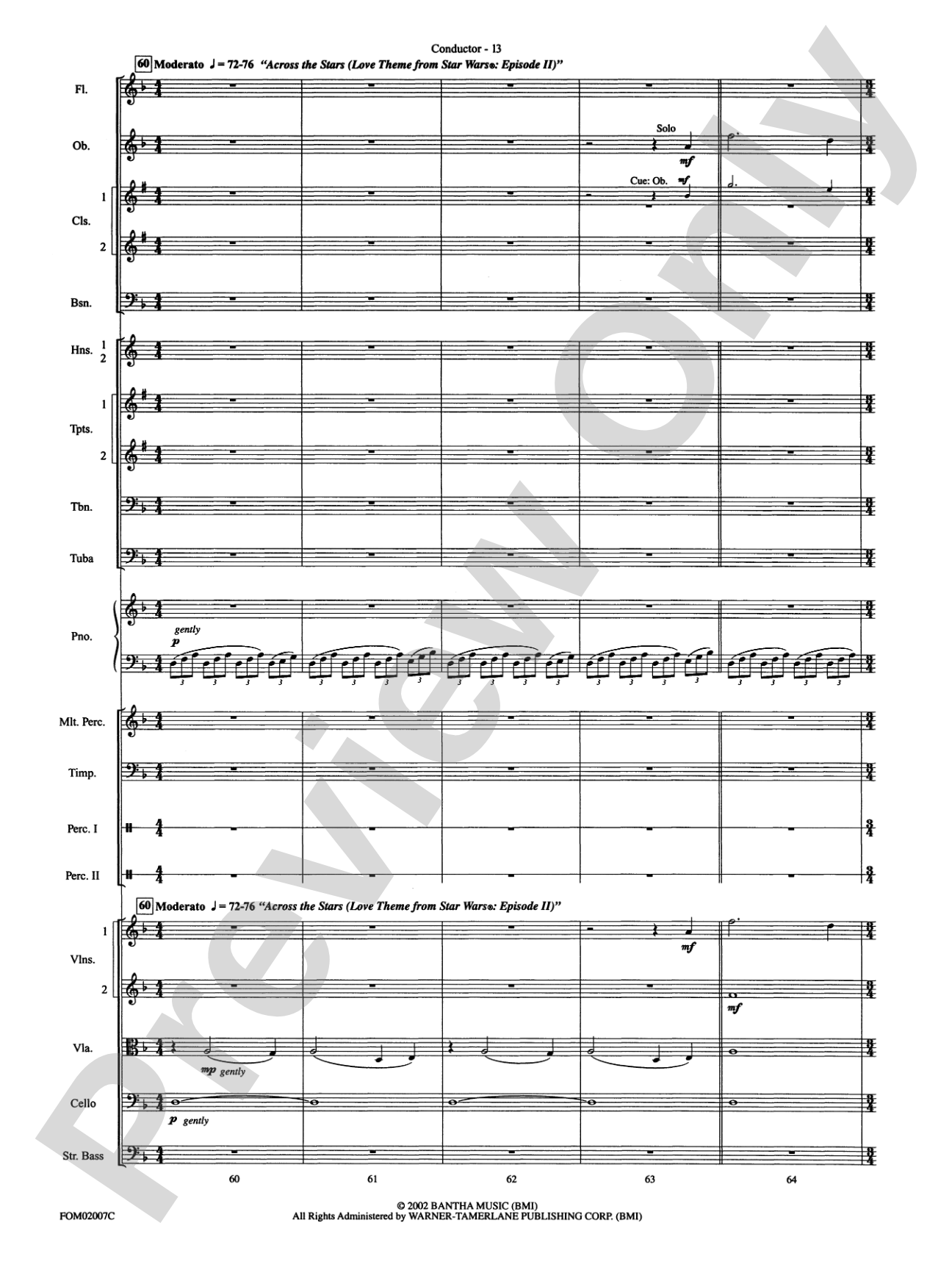
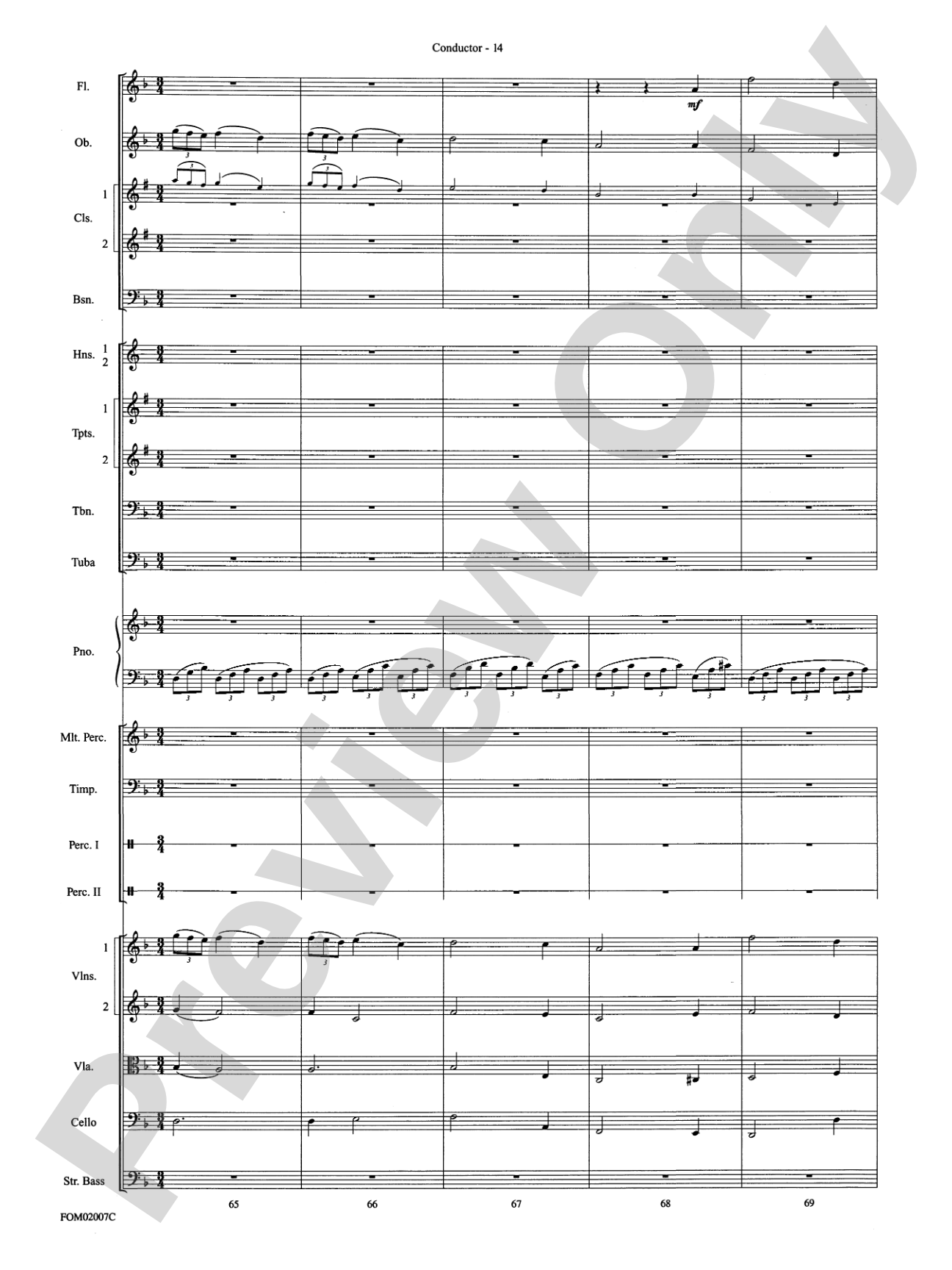
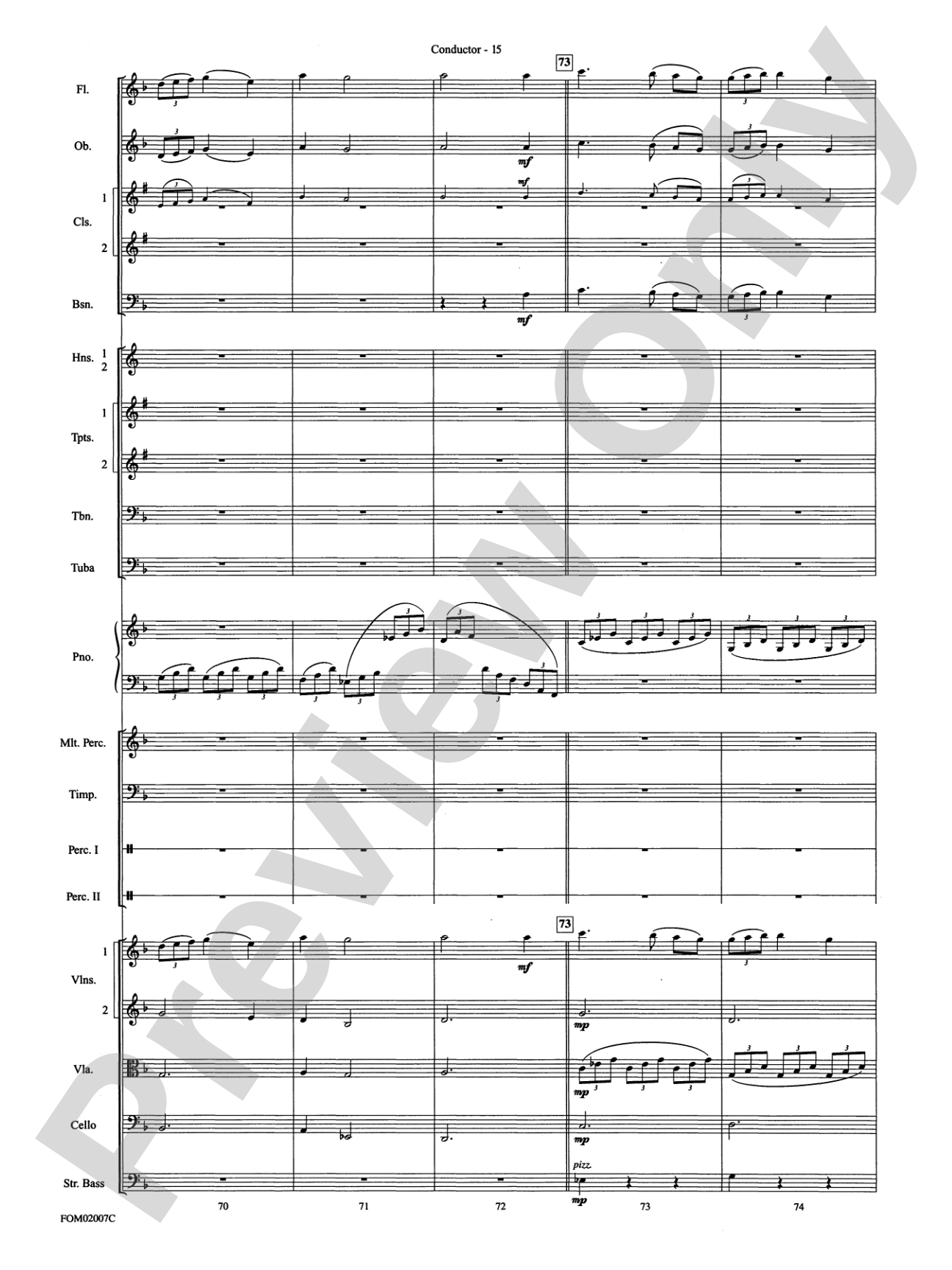
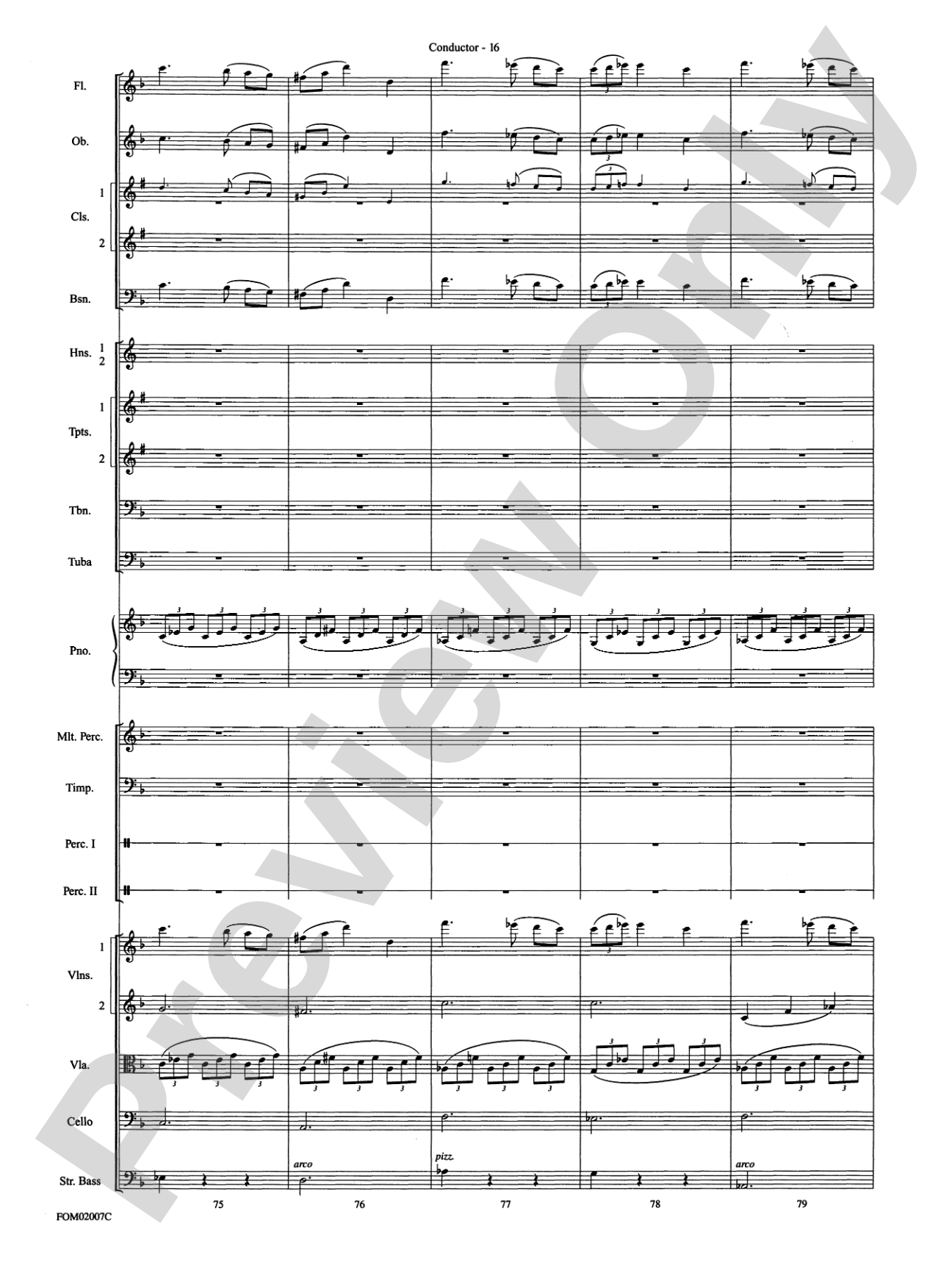
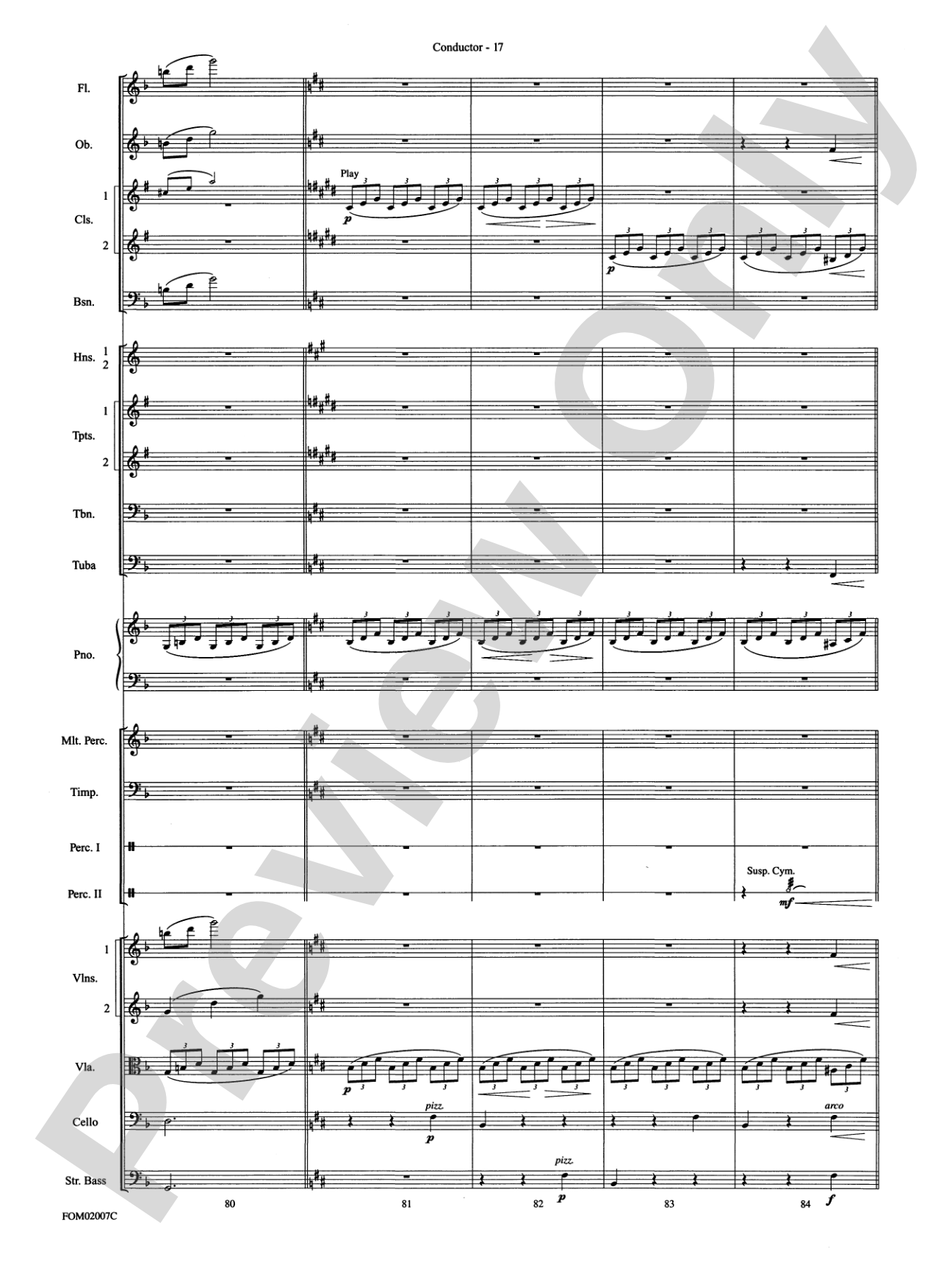
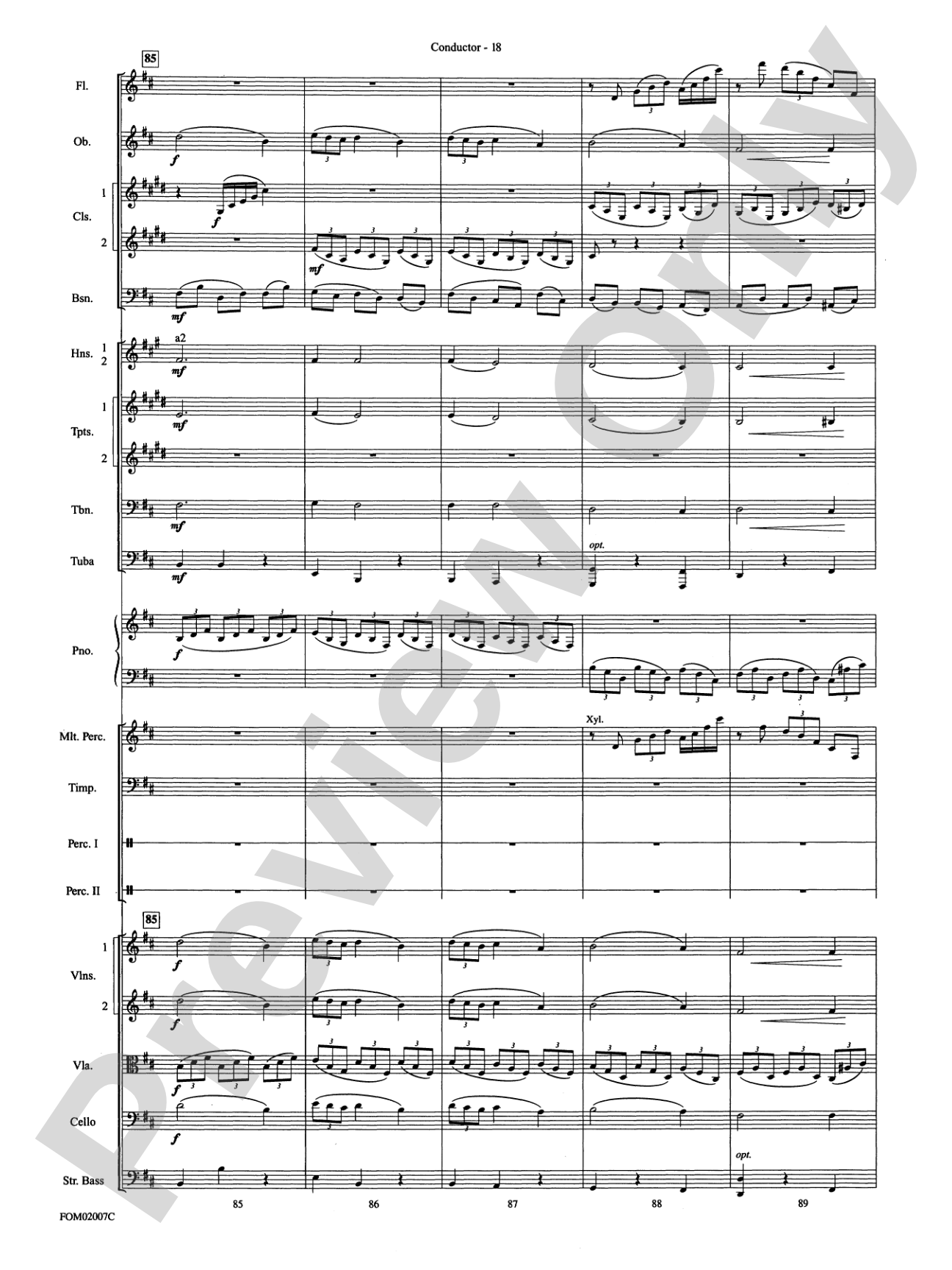
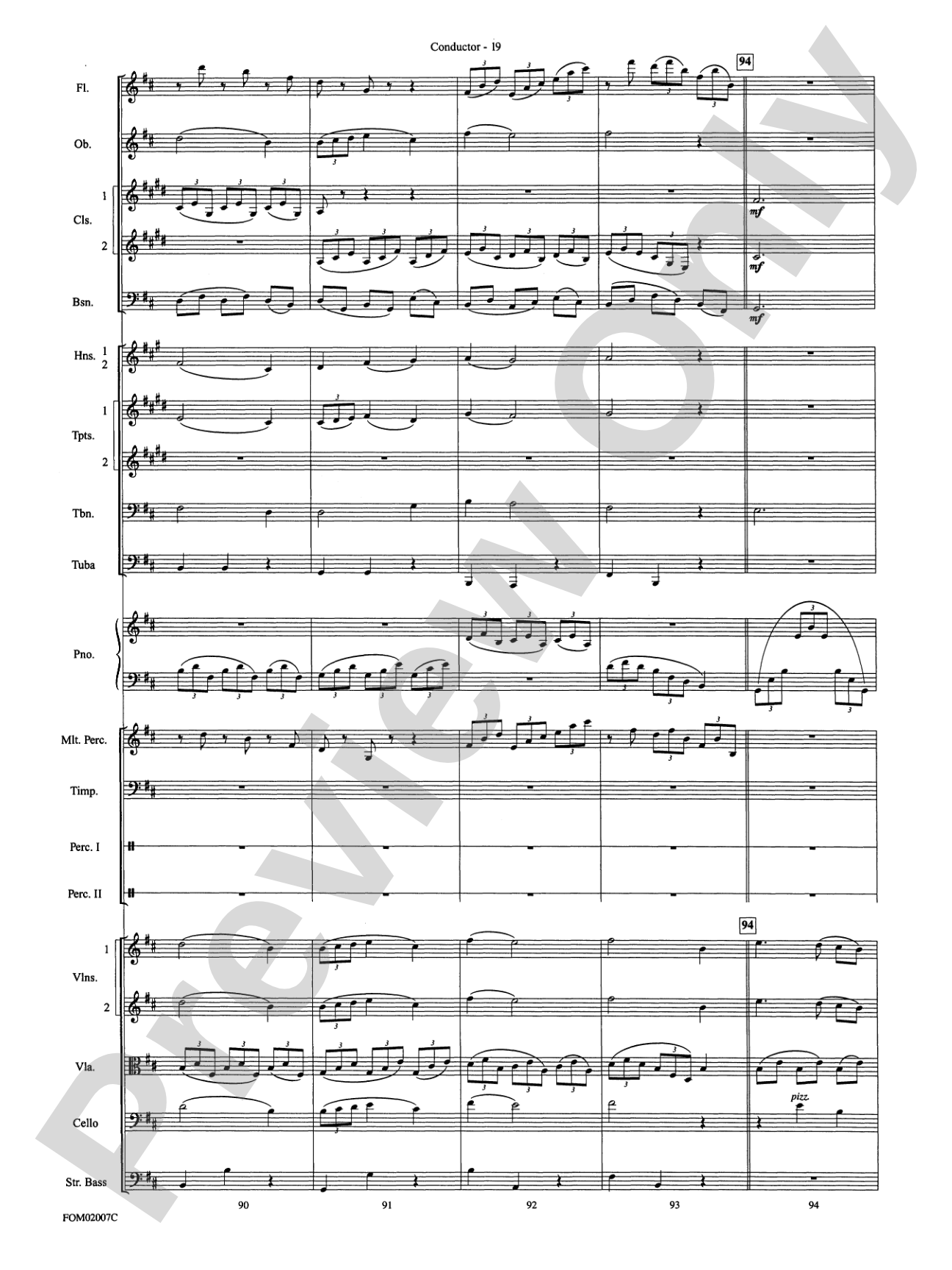
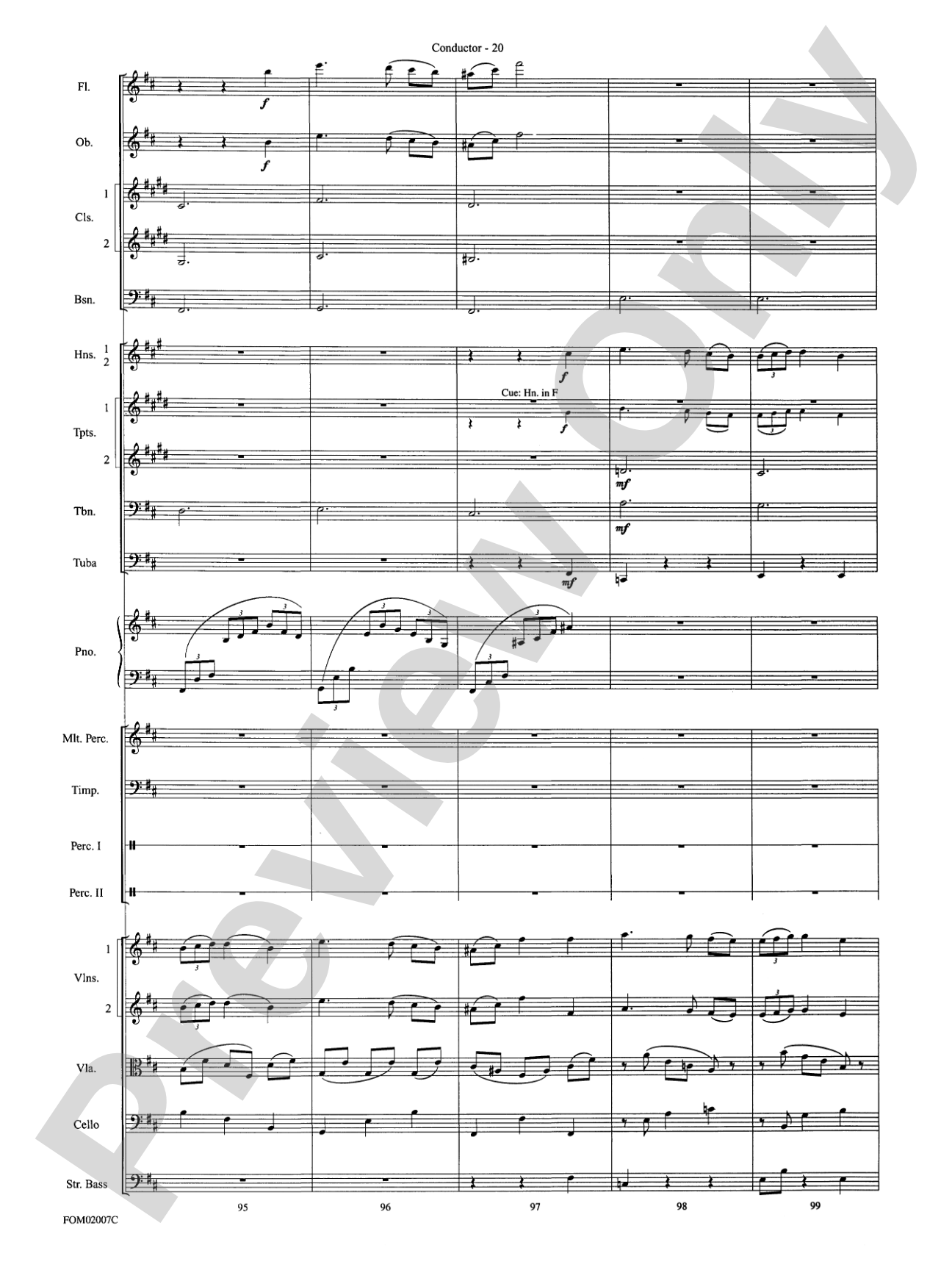
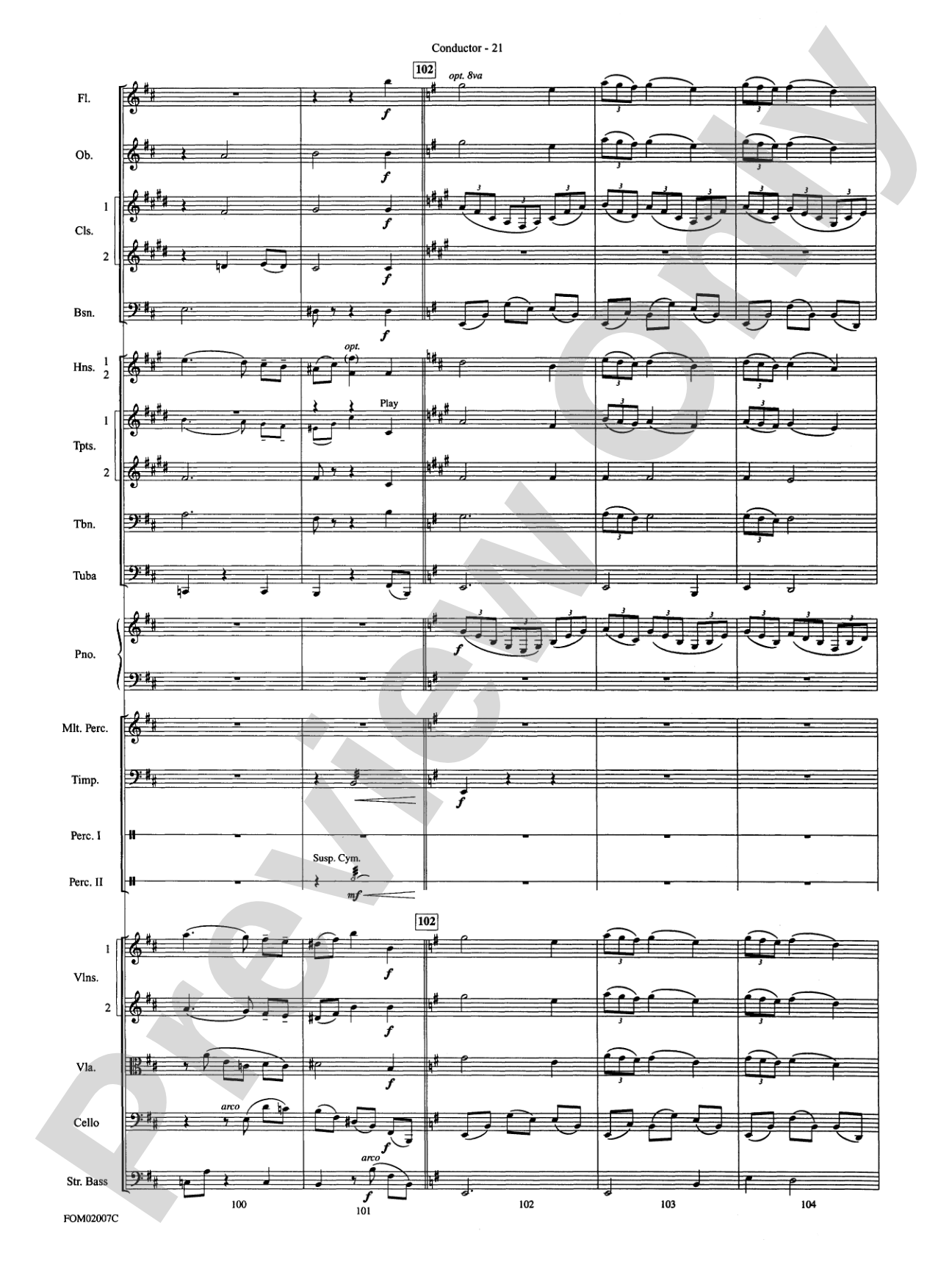
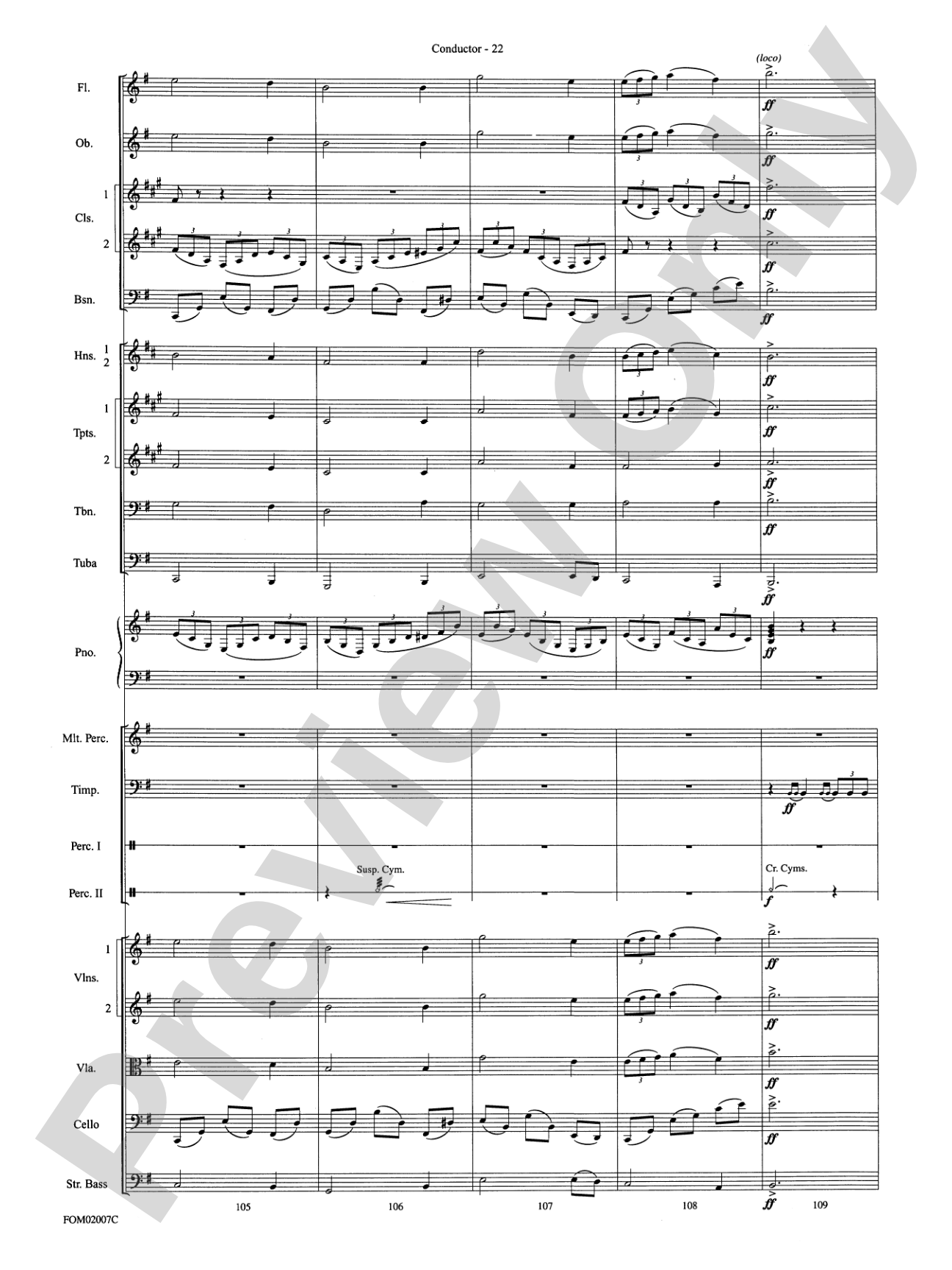
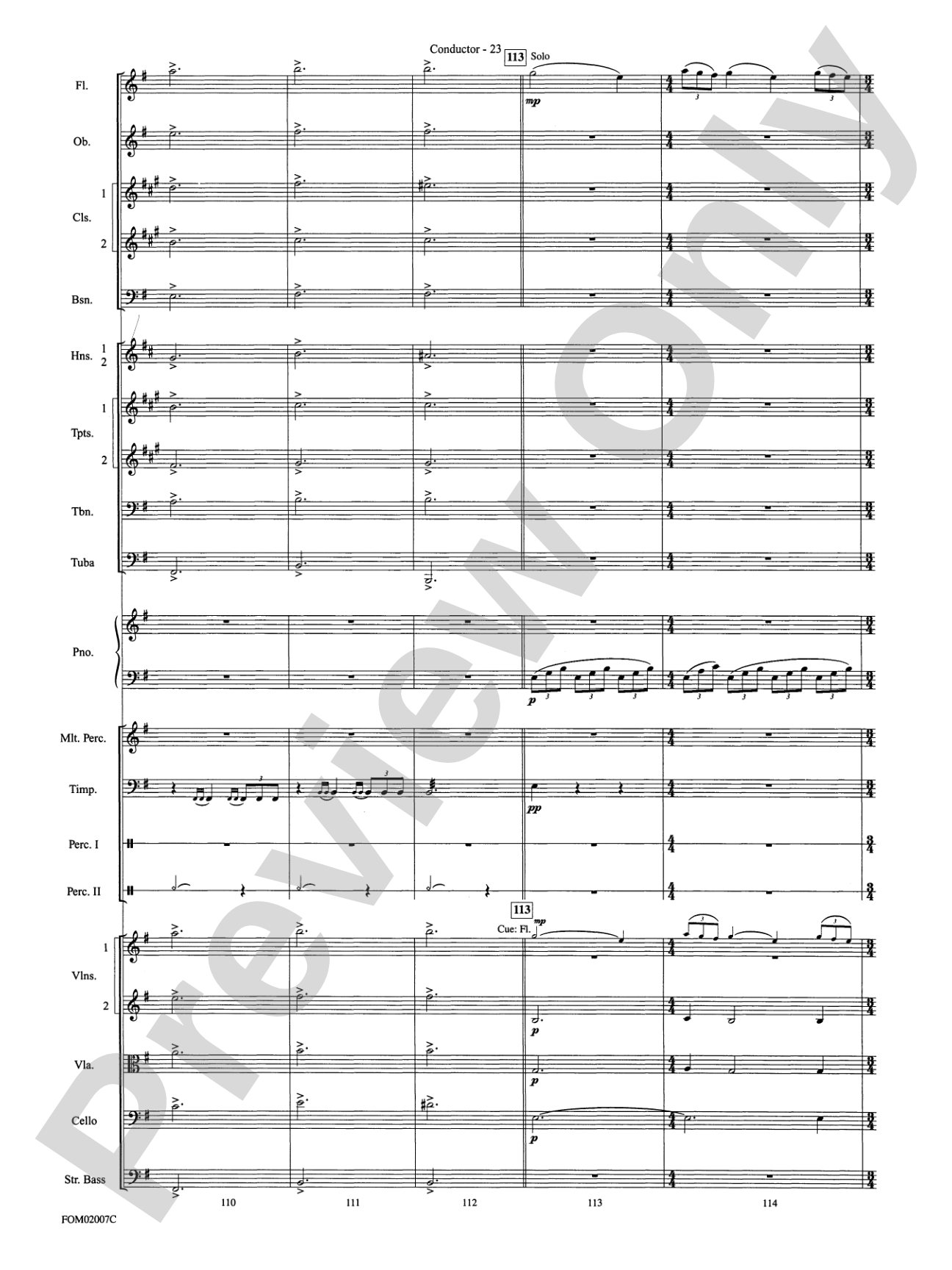
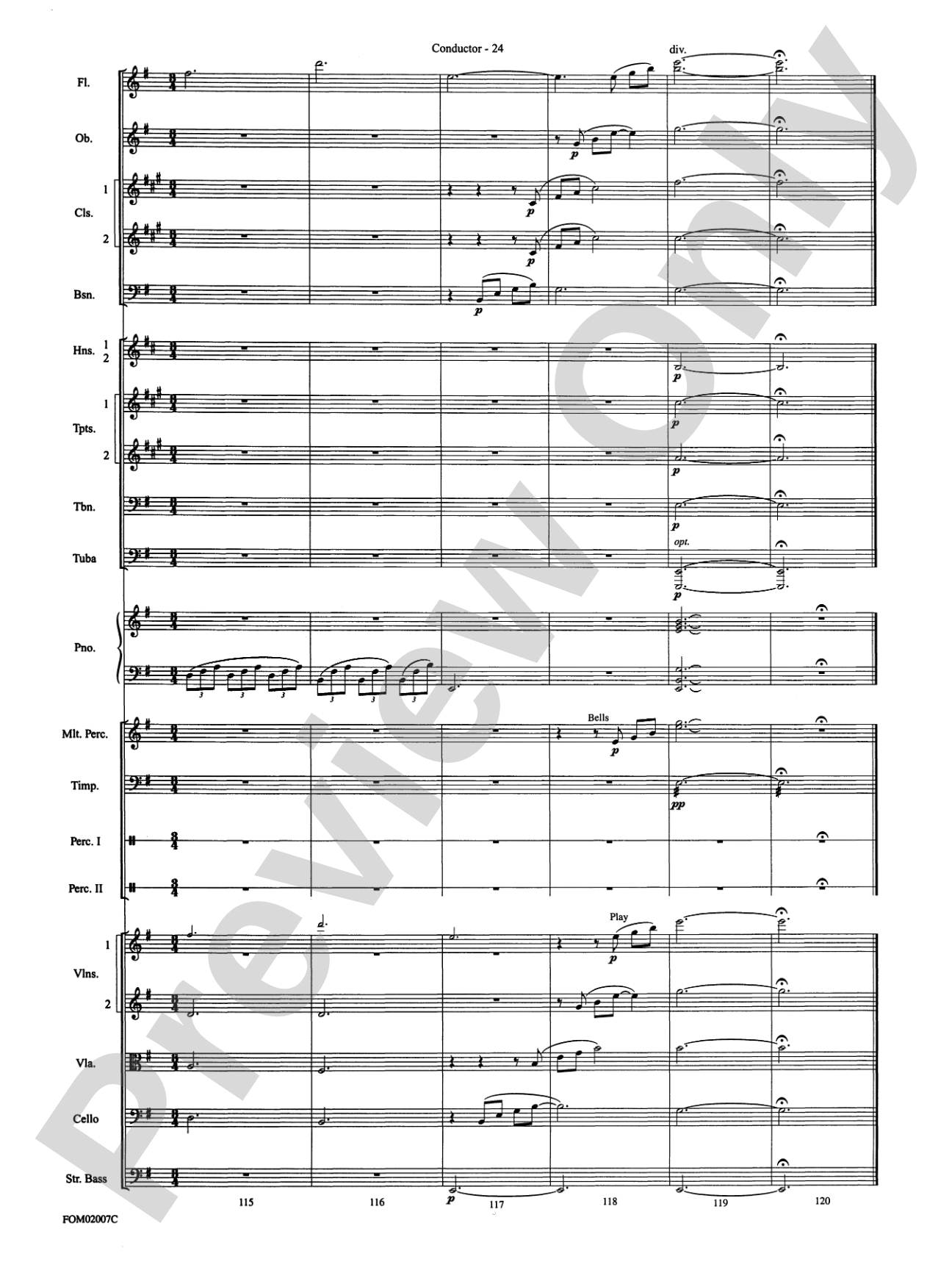



Star Wars®: Episode II Attack of the Clones: Full Orchestra Conductor Score & Parts
Featuring: Star Wars (Main Title) / Across the Stars (Love Theme from Star Wars: Episode II)
Music by John Williams / arr. Jerry Brubaker
Grade: 2.5
Item: 00-PK-0002414

$75.00
One moment…
Description
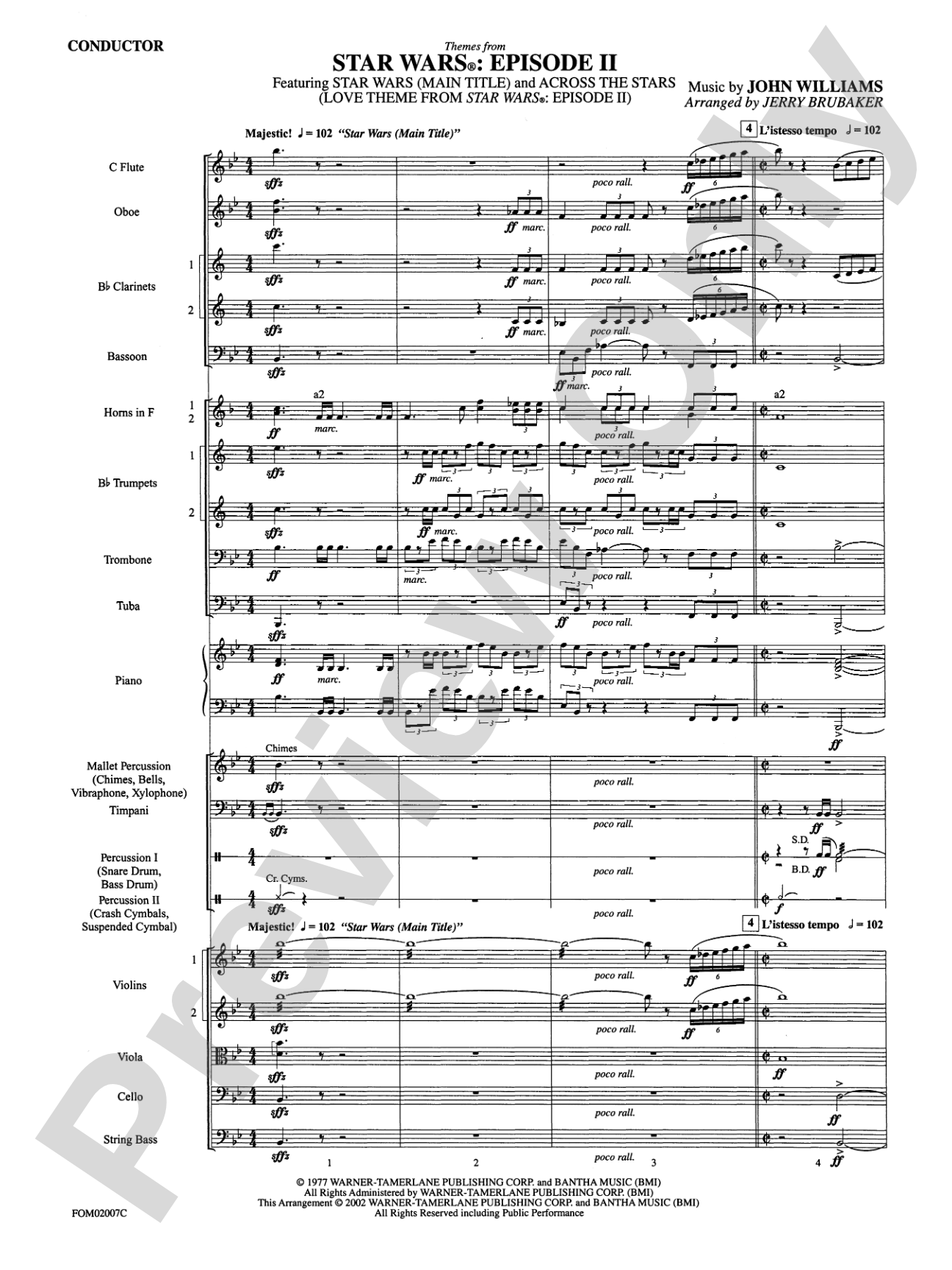
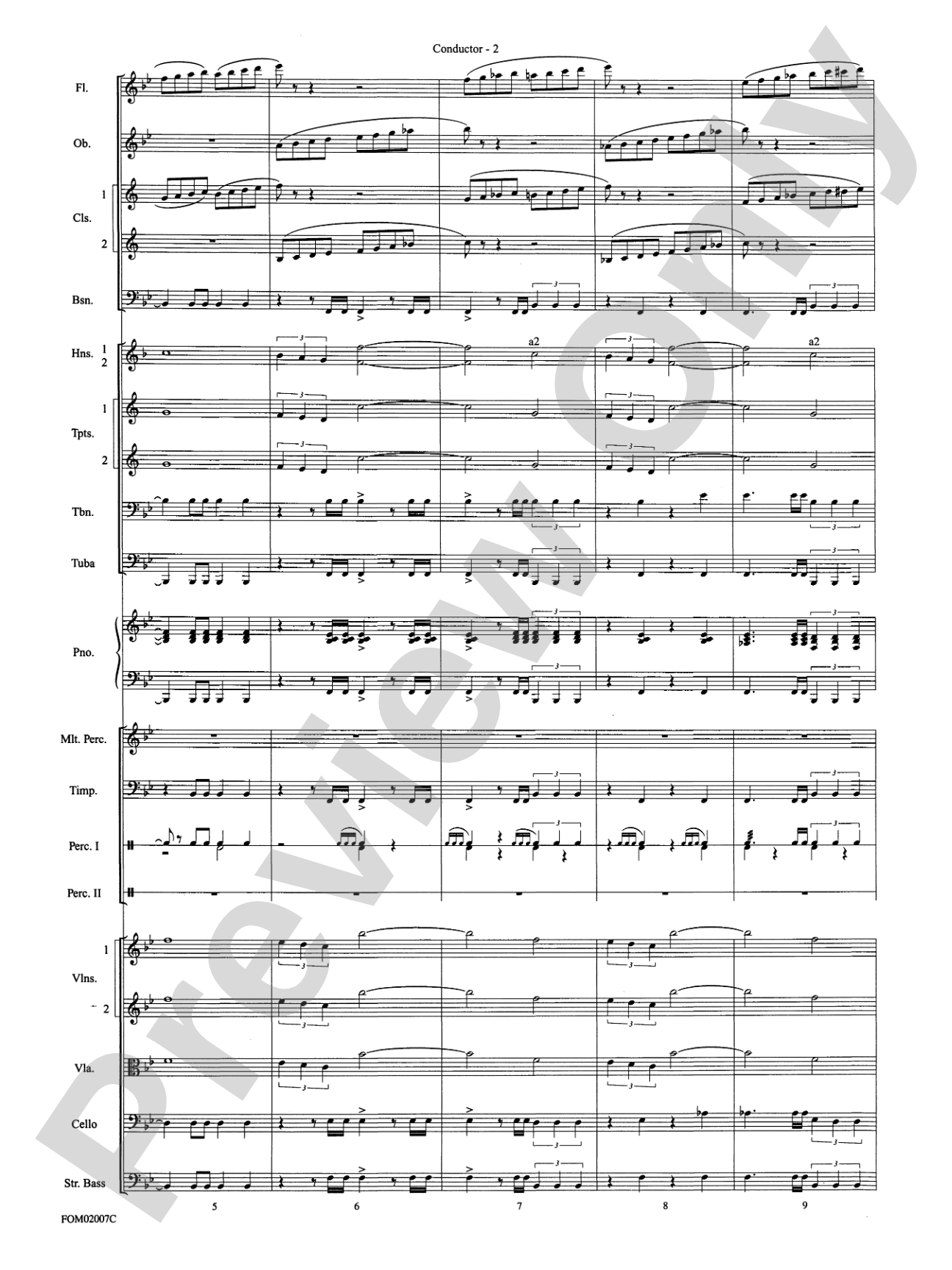
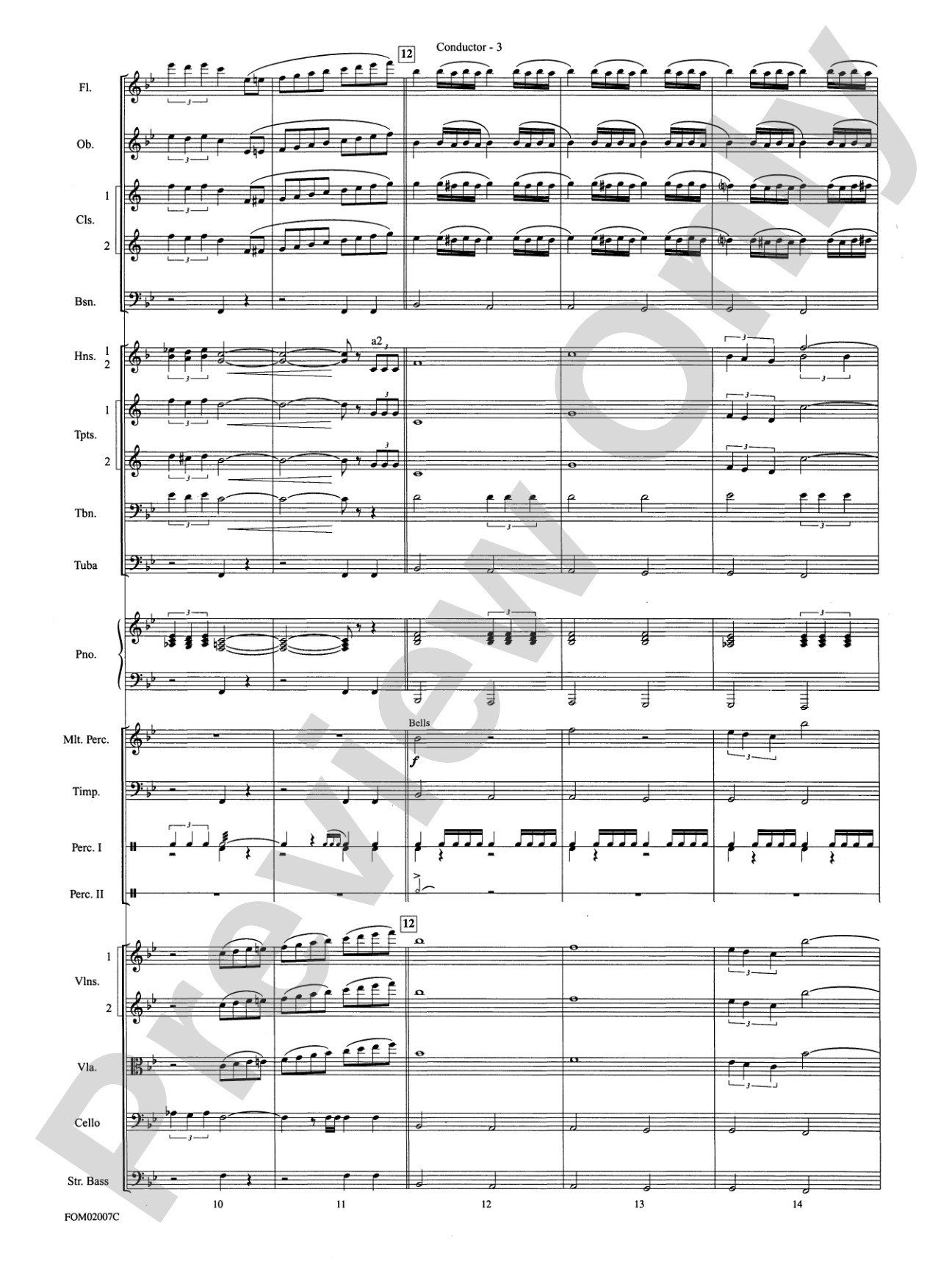
The regal main title that evokes vivid interstellar scenes is combined with the lovely ballad entitled "Across the Stars." Expertly scored for intermediate full orchestra by Jerry Brubaker, this emotional John Williams film score music will be a sure-fire audience pleaser. Playable by strings and piano or any complement of winds up to a full orchestra. (3:50)


Don't just read it, hear it, play along with it, and watch your students grow with it. In MakeMusic Cloud, Star Wars®: Episode II Attack of the Clones: Full Orchestra Conductor Score & Parts comes alive with professional accompaniment, adjustable tempo, and built-in practice tools that turn solo practice into real progress.
Open in the Player
Jump straight in and assign it today.
Start Your Free Trial
Open this title and explore the full library in minutes.
Sample Audio
1
Audio File
--:--
0:00
0:00
Sample Video
No sample videos found.
Additional Details
Series:
Pop Intermediate String/Full Orchestra
Publisher:
Alfred Music
Page Count:
266
SKU:
00-PK-0002414
More about this title
About the Composer: John Williams
John Williams stands as one of the most significant film composers in cinema history, crafting iconic scores for Star Wars, Indiana Jones, Jaws, E.T., Schindler's List, and dozens of other landmark films across five decades. His orchestral writing combines classical training with an instinctive gift for melody; his themes are immediately recognizable and emotionally resonant, making his work a natural fit for concert and educational settings. Williams has profoundly shaped how young musicians understand orchestration, harmonic language, and the relationship between music and dramatic storytelling.
Why we love this
Jerry Brubaker's arrangement strikes an intelligent balance: it preserves the emotional arc and orchestral color of Williams's original while remaining within reach of intermediate musicians. The pairing of the stately main title with the soaring "Across the Stars" gives your orchestra a chance to demonstrate both rhythmic precision and sustained lyrical playing, and audiences respond to this music with genuine enthusiasm every single time.
What to expect
Majestic and sweeping, with the ceremonial weight of an intergalactic empire balanced against intimate, yearning beauty. The music moves between grand orchestral gestures and tender melodic moments, creating an arc that keeps performers and audiences engaged throughout.
Who it's for
Orchestras and full ensembles at the Grade 2.5 level who want to tackle a recognizable, substantial film score without the technical demands of advanced repertoire. This arrangement works equally well for string orchestra plus piano or expanded wind sections, making it flexible across different school and community settings.
How to get the most out of it
- Shape the main title's opening phrases with clear articulation in the brass; resist the urge to rush the regal, deliberate tempo that gives this theme its grandeur.
- Balance the lower strings and piano accompaniment carefully during "Across the Stars" so the melody (whether in violins or woodwinds) has room to soar without being buried.
- Prepare your musicians for the key change by rehearsing the transition in context multiple times; secure ensemble alignment here elevates the emotional payoff considerably.
- Mark dynamic contrasts explicitly in parts; Williams's score relies on subtle shifts in orchestration and color to maintain listener interest across the 3:50 duration.
How to use it
This pair of themes is ideal for a pops concert or a family-friendly spring concert where you want crossover appeal. It also works beautifully as the centerpiece of a film music-themed program, or as a showstopper that closes a concert and sends the audience home humming.
Skills your students will build
- Balancing sustained melodic lines with rhythmic accompaniment figures
- Transitioning between major and minor tonalities and key areas
- Responding to conductor phrasing and shaping in long-form music
- Blending orchestral colors across strings, winds, and keyboard
- Maintaining ensemble rhythmic precision in moderate tempos