
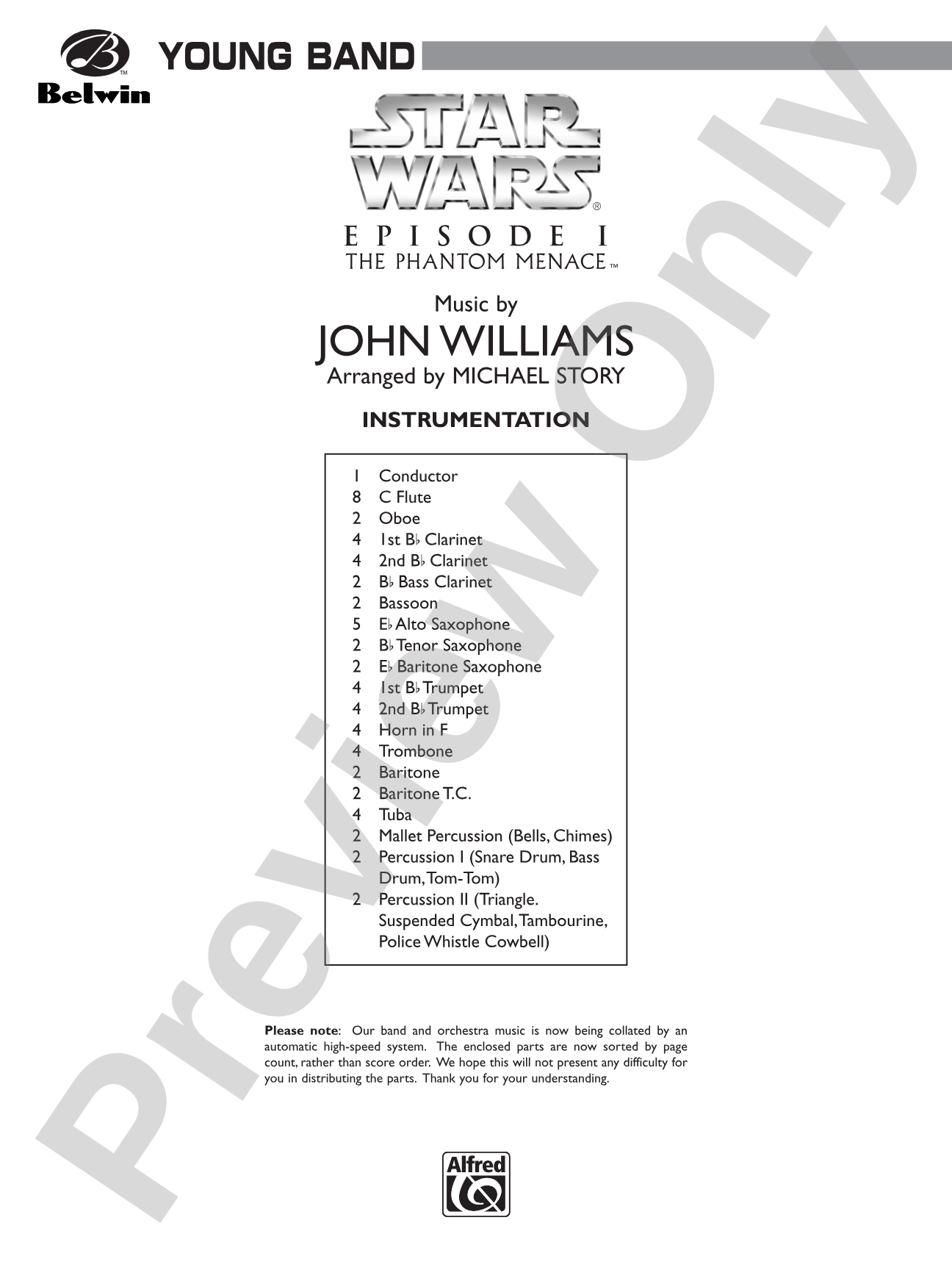
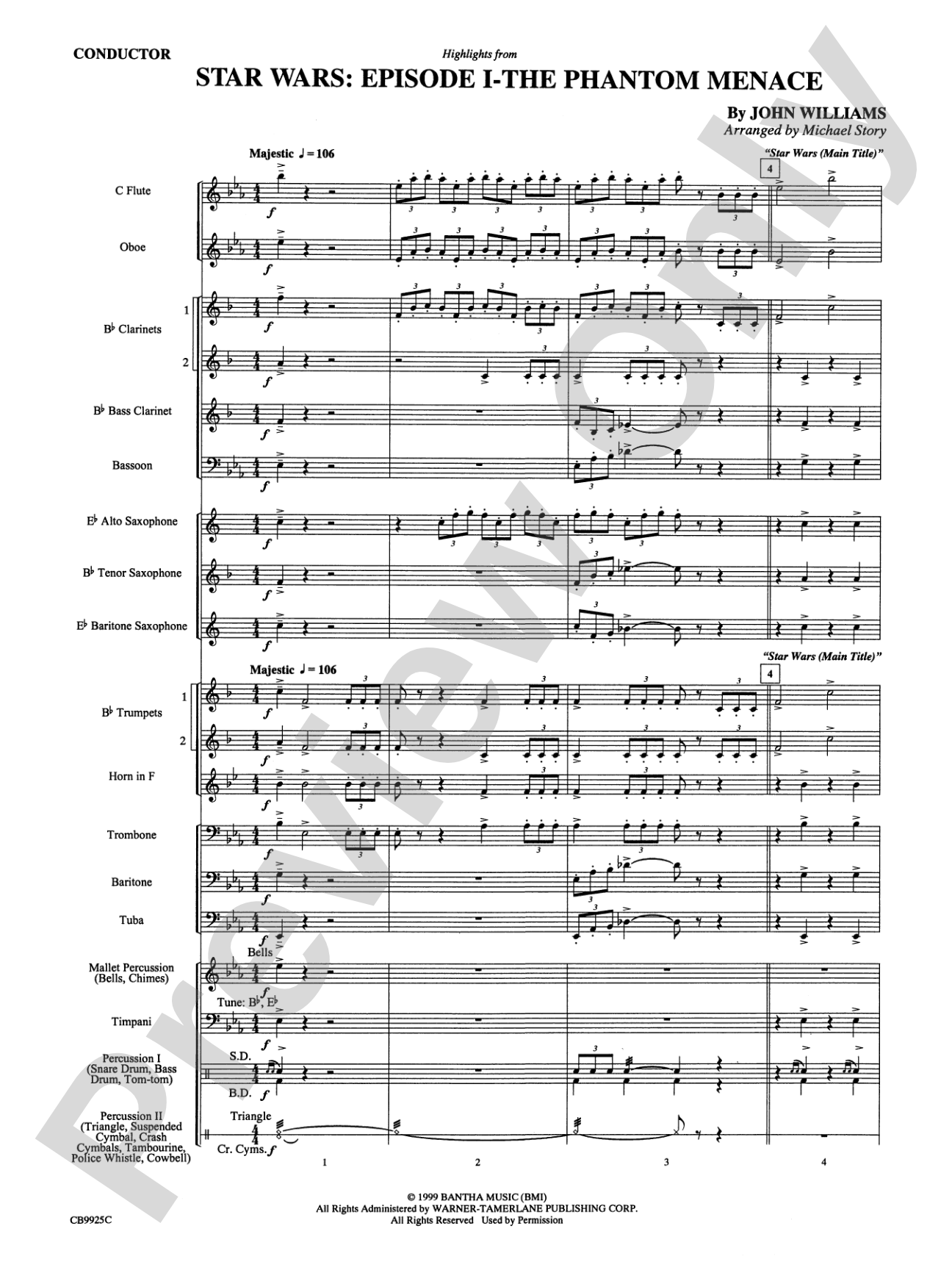
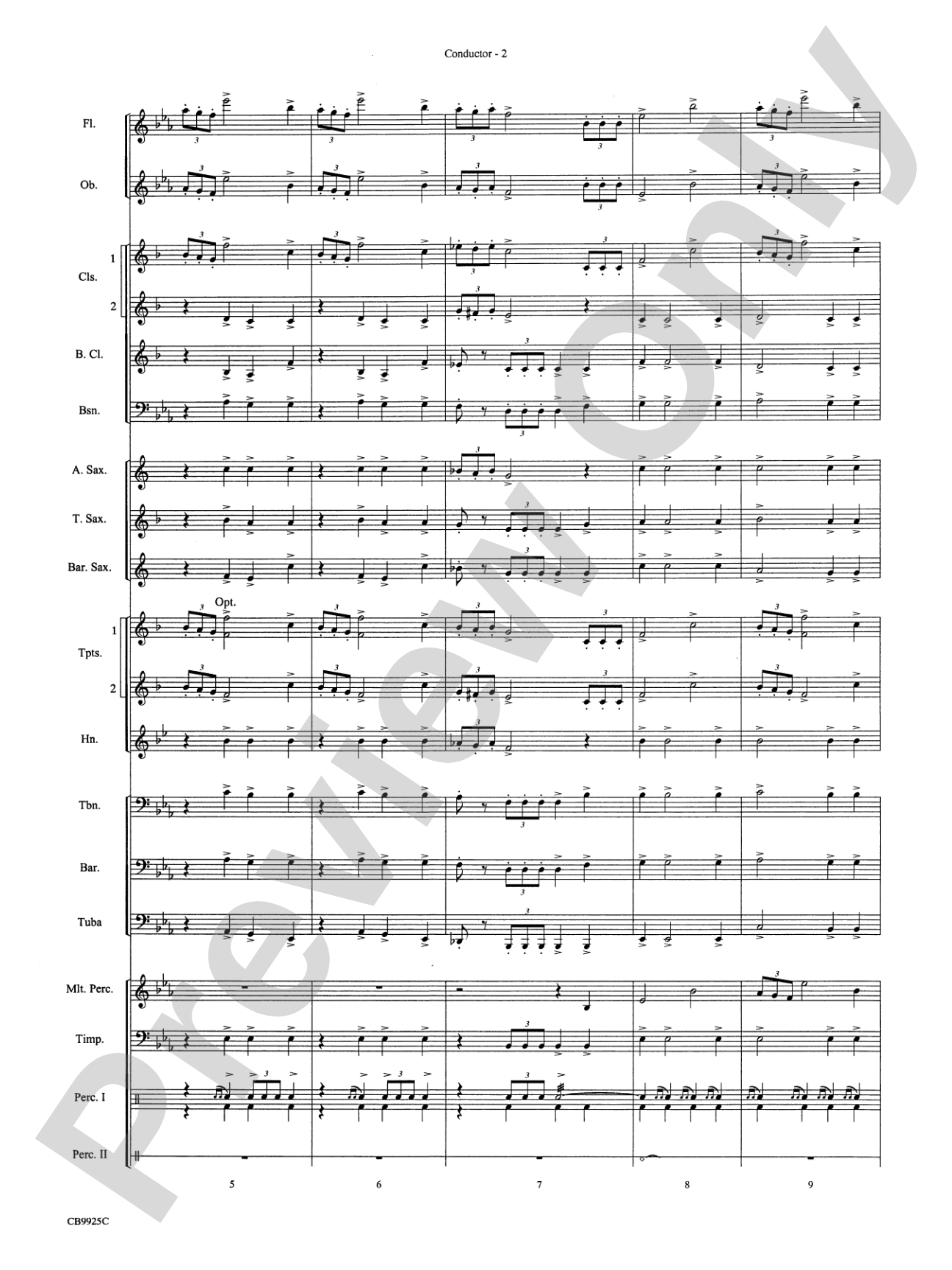
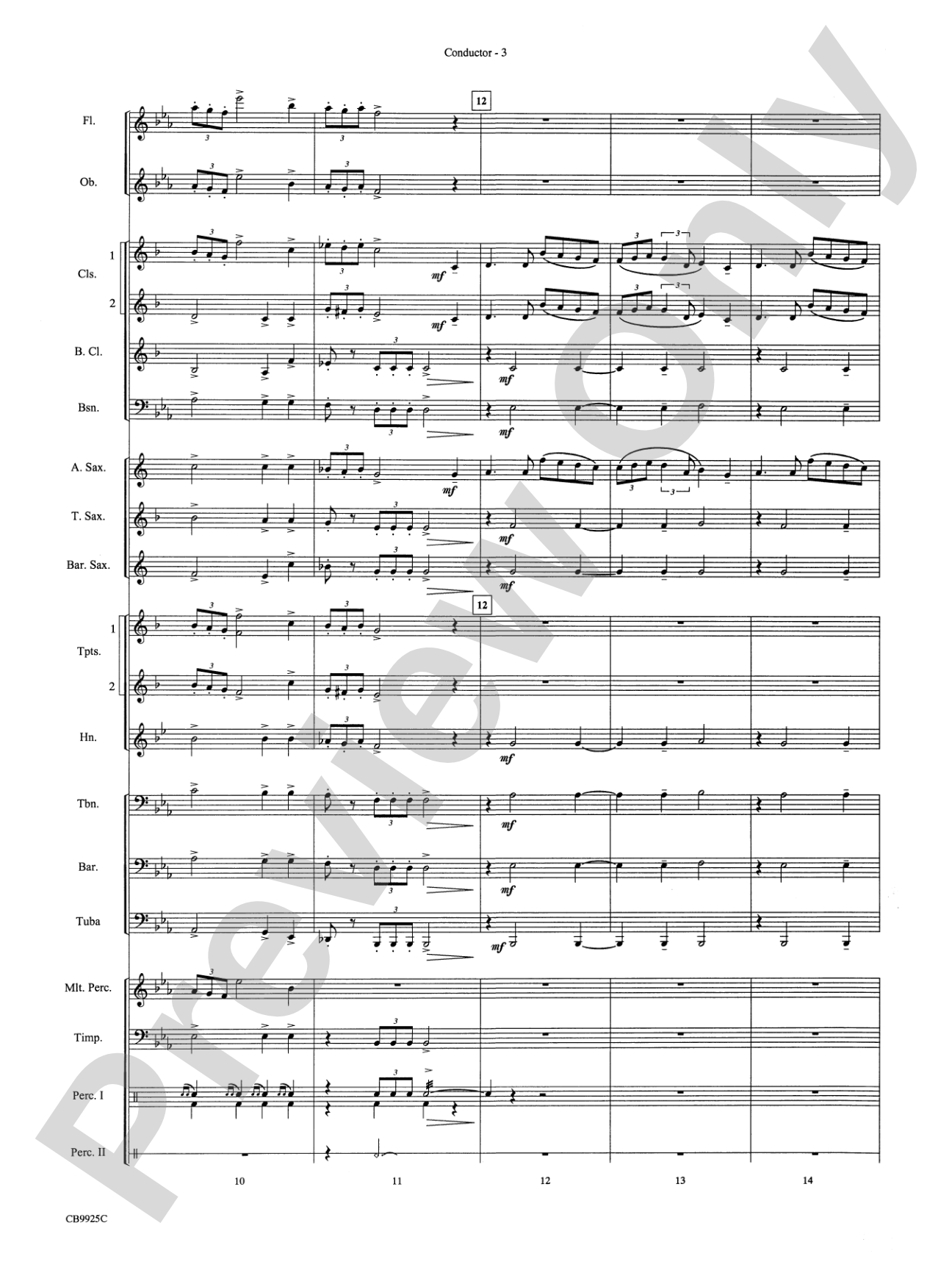
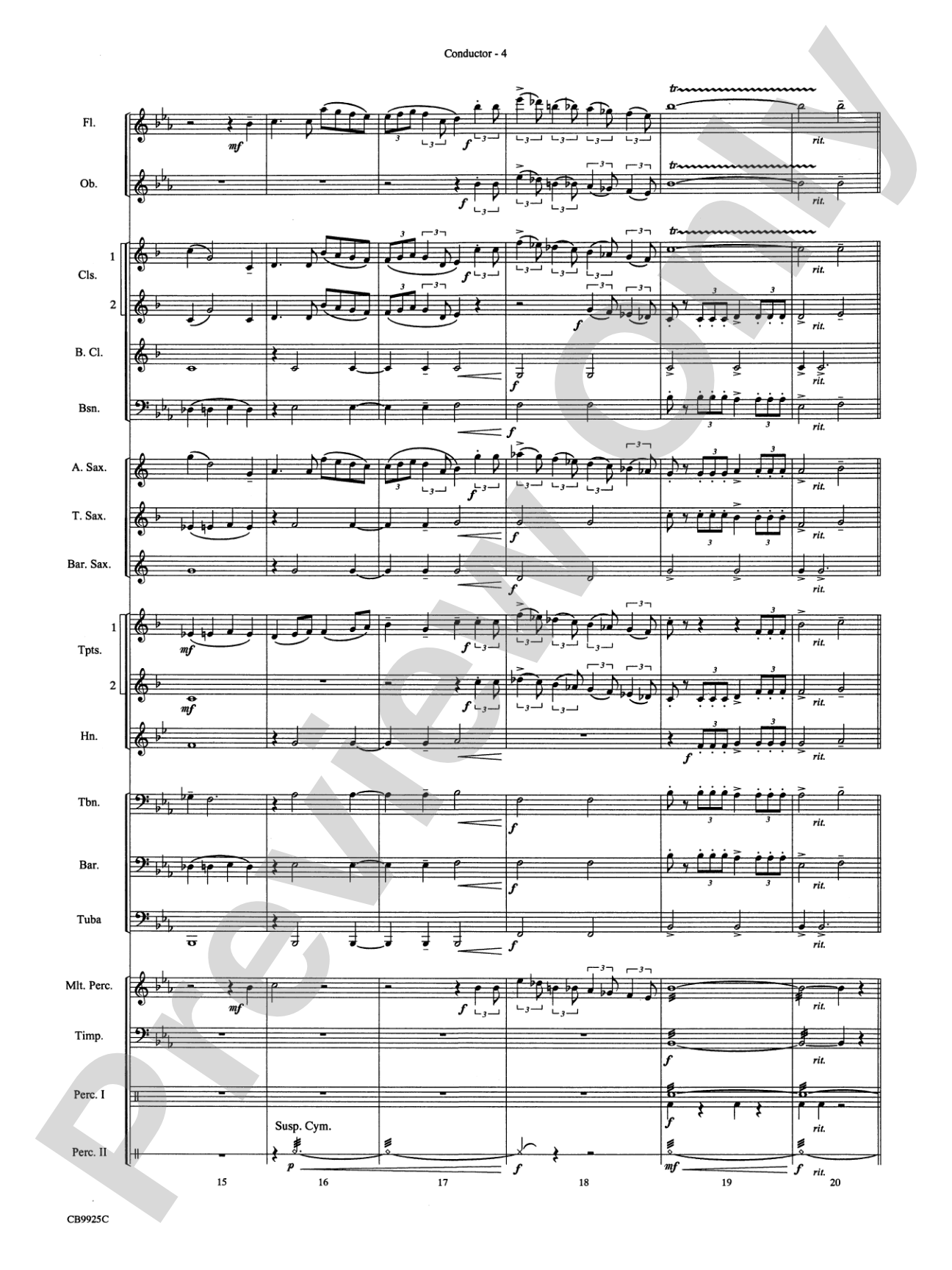
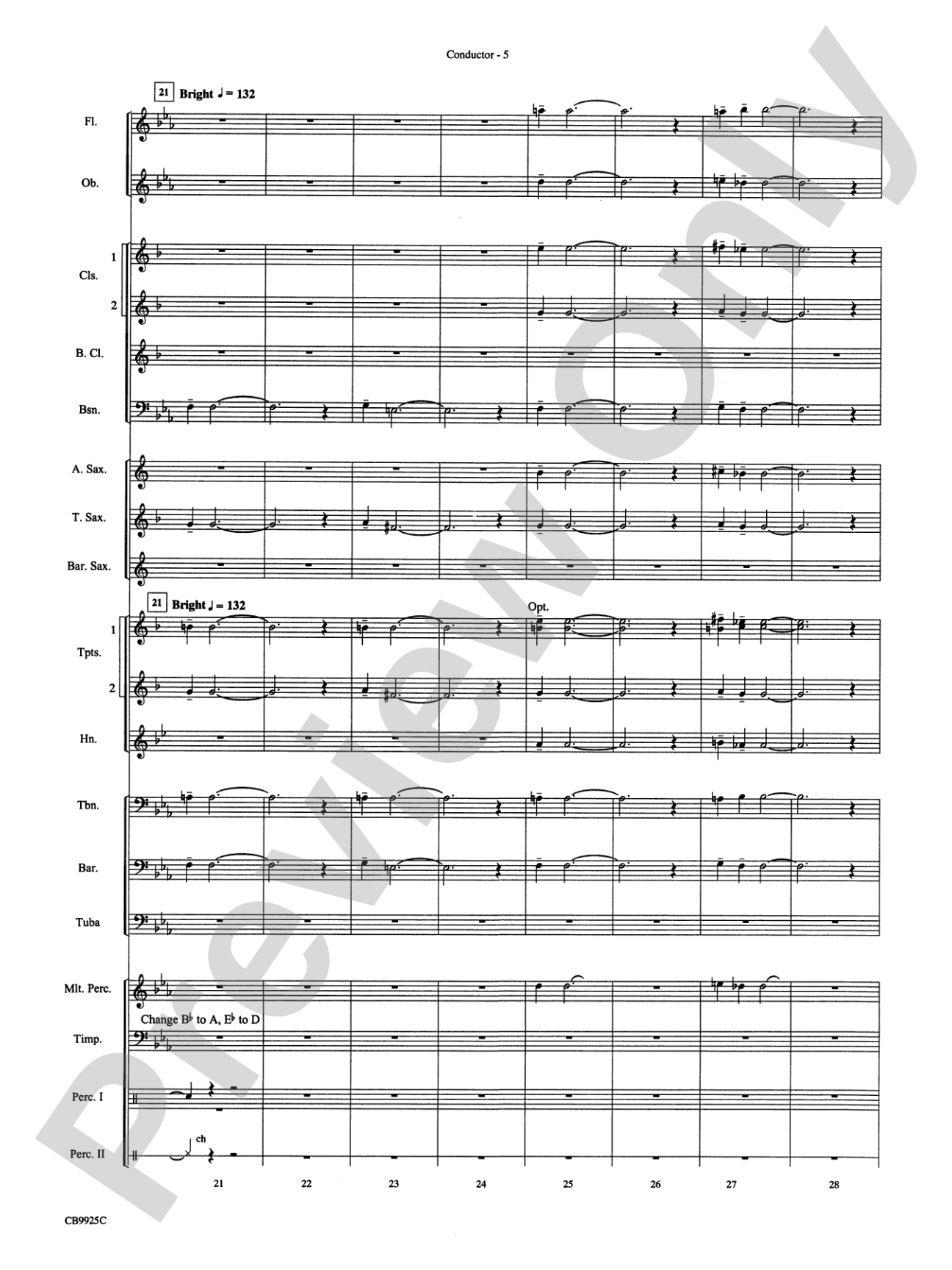
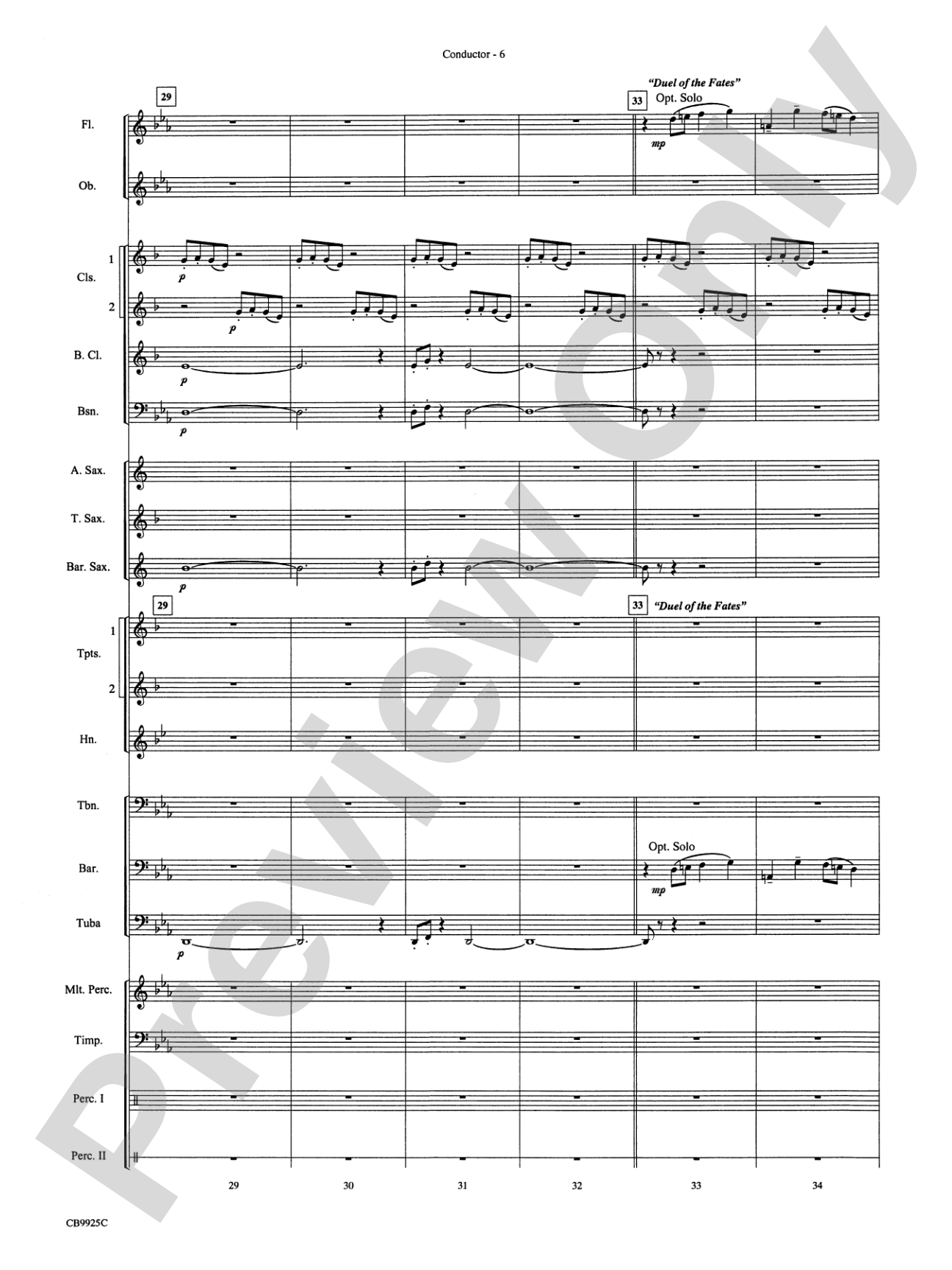
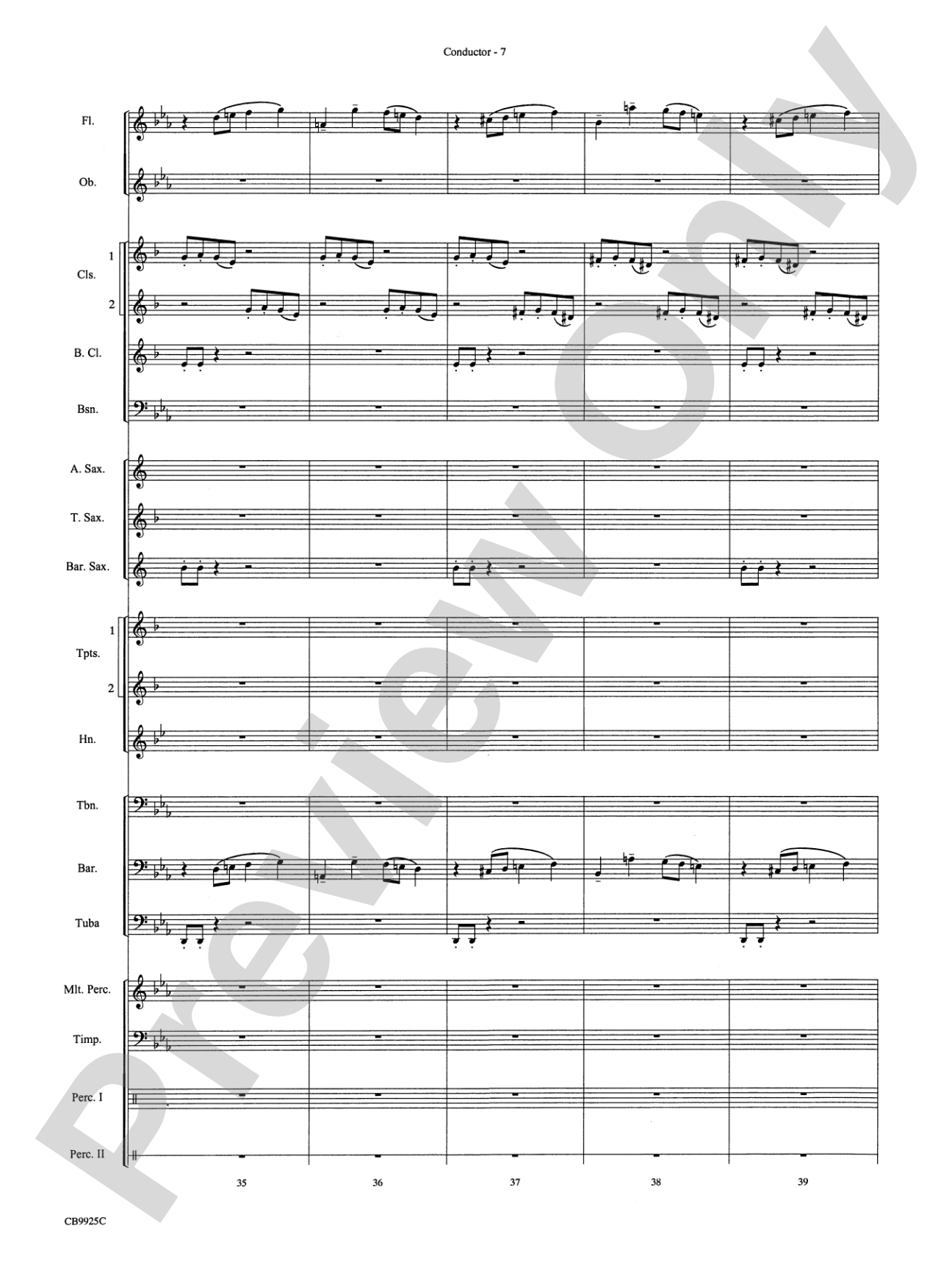
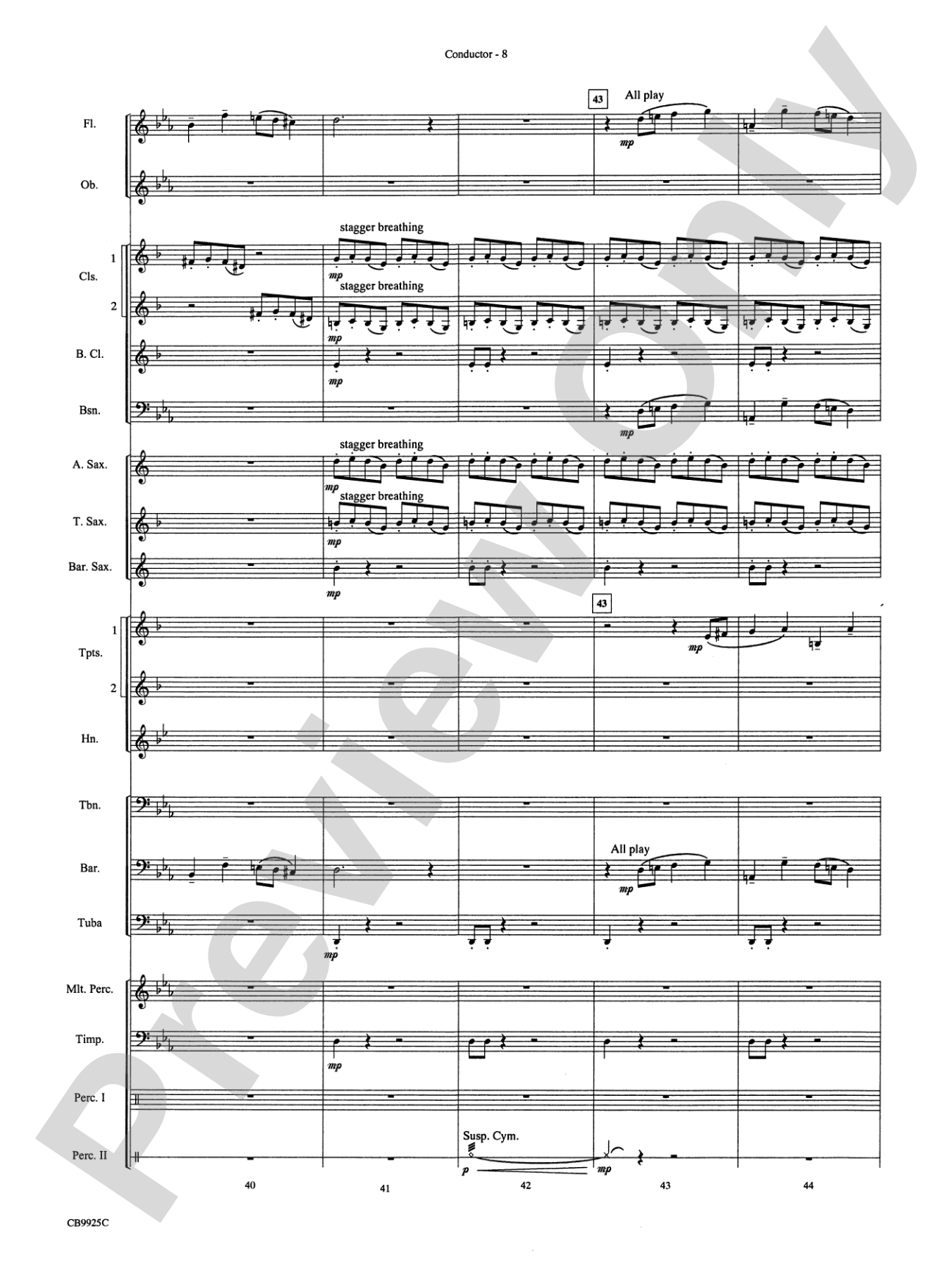
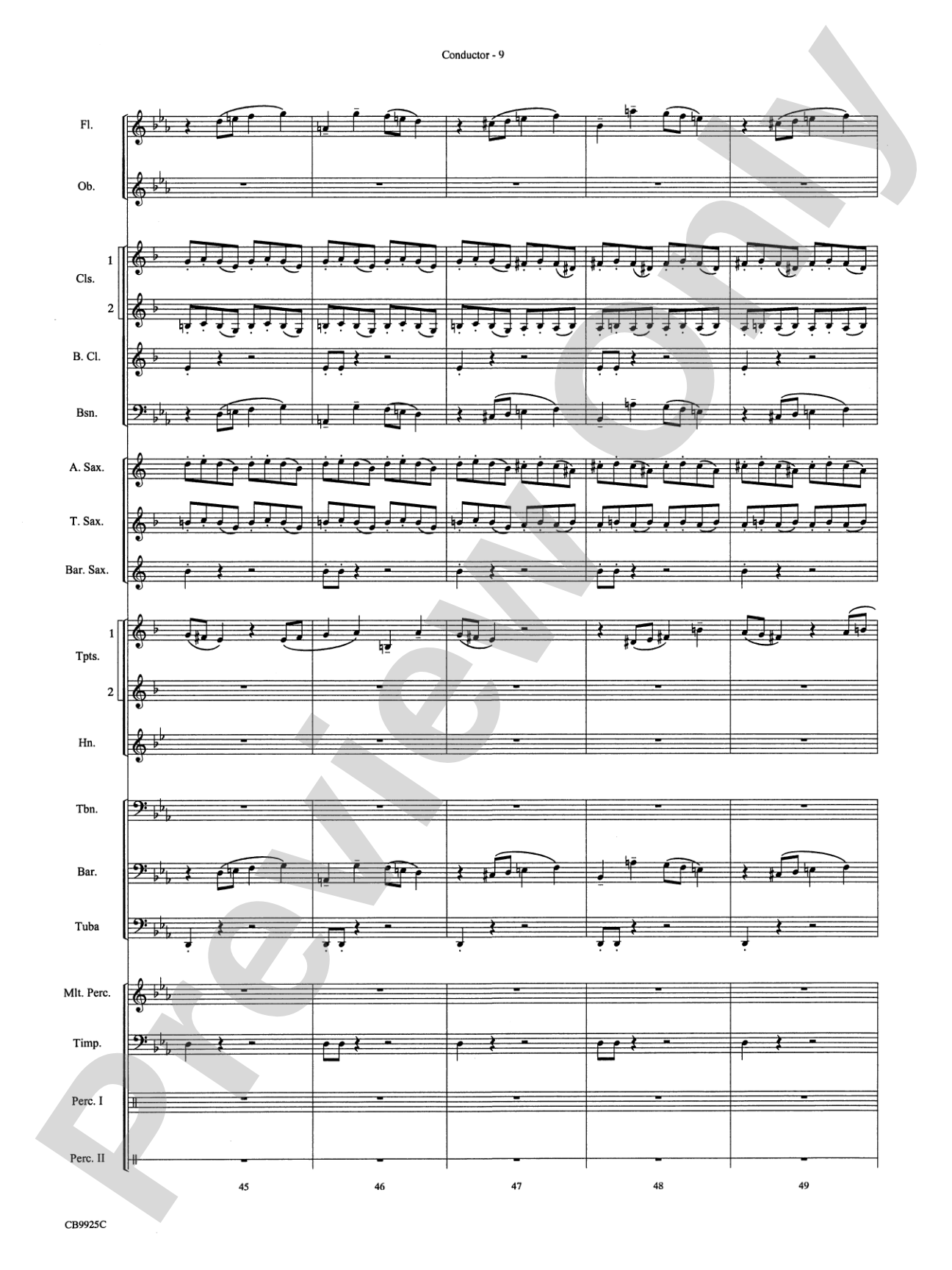
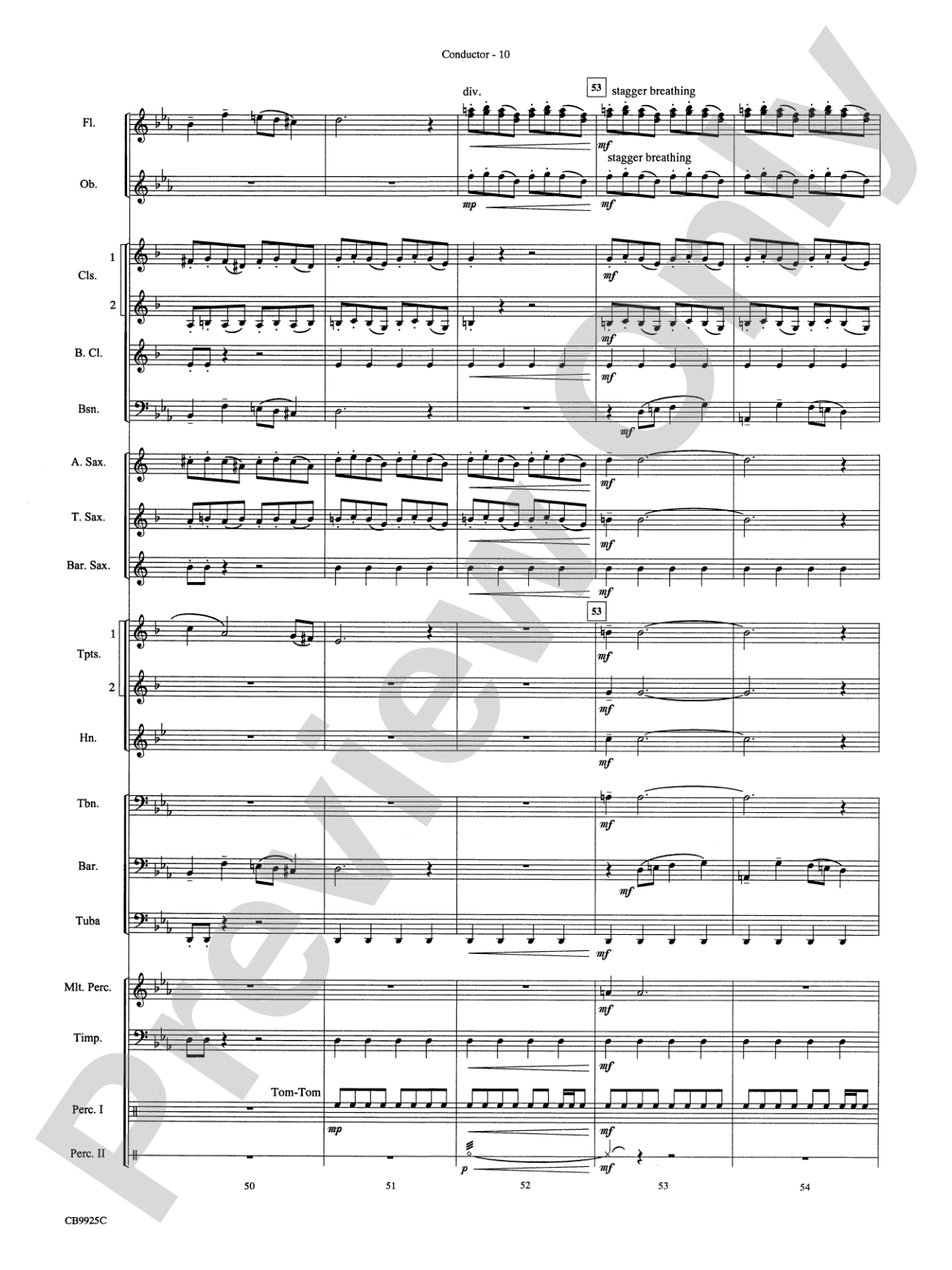
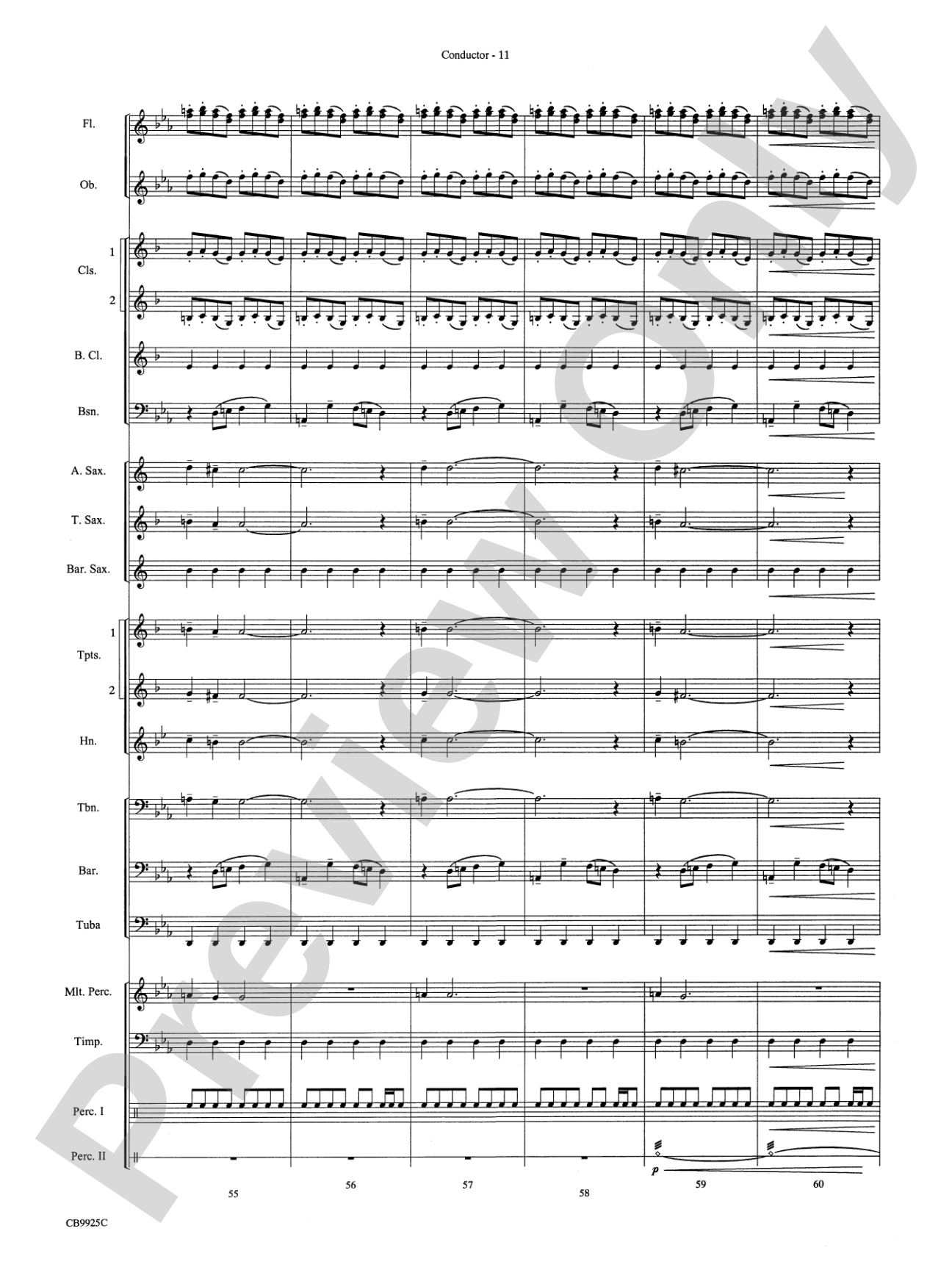
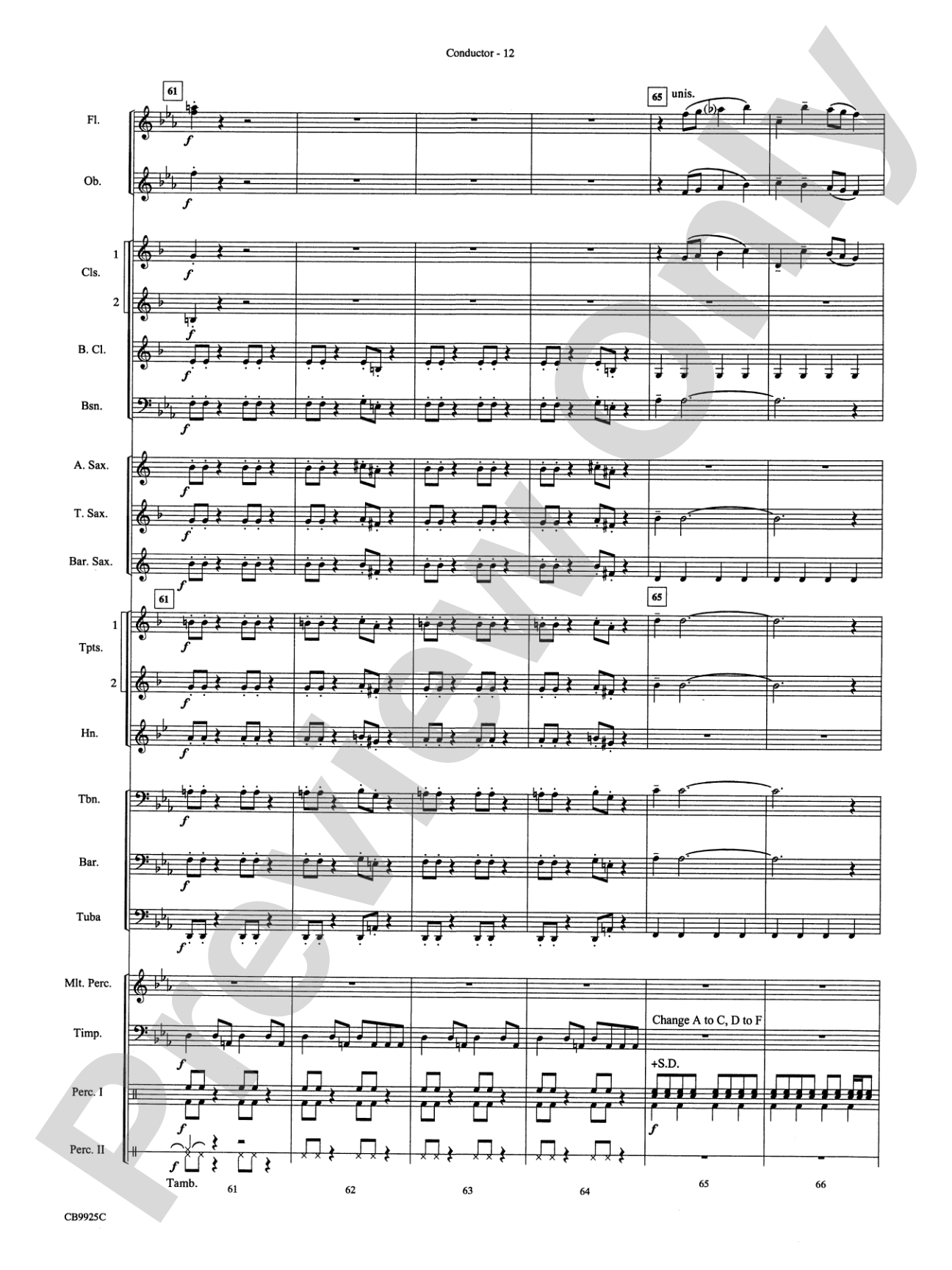
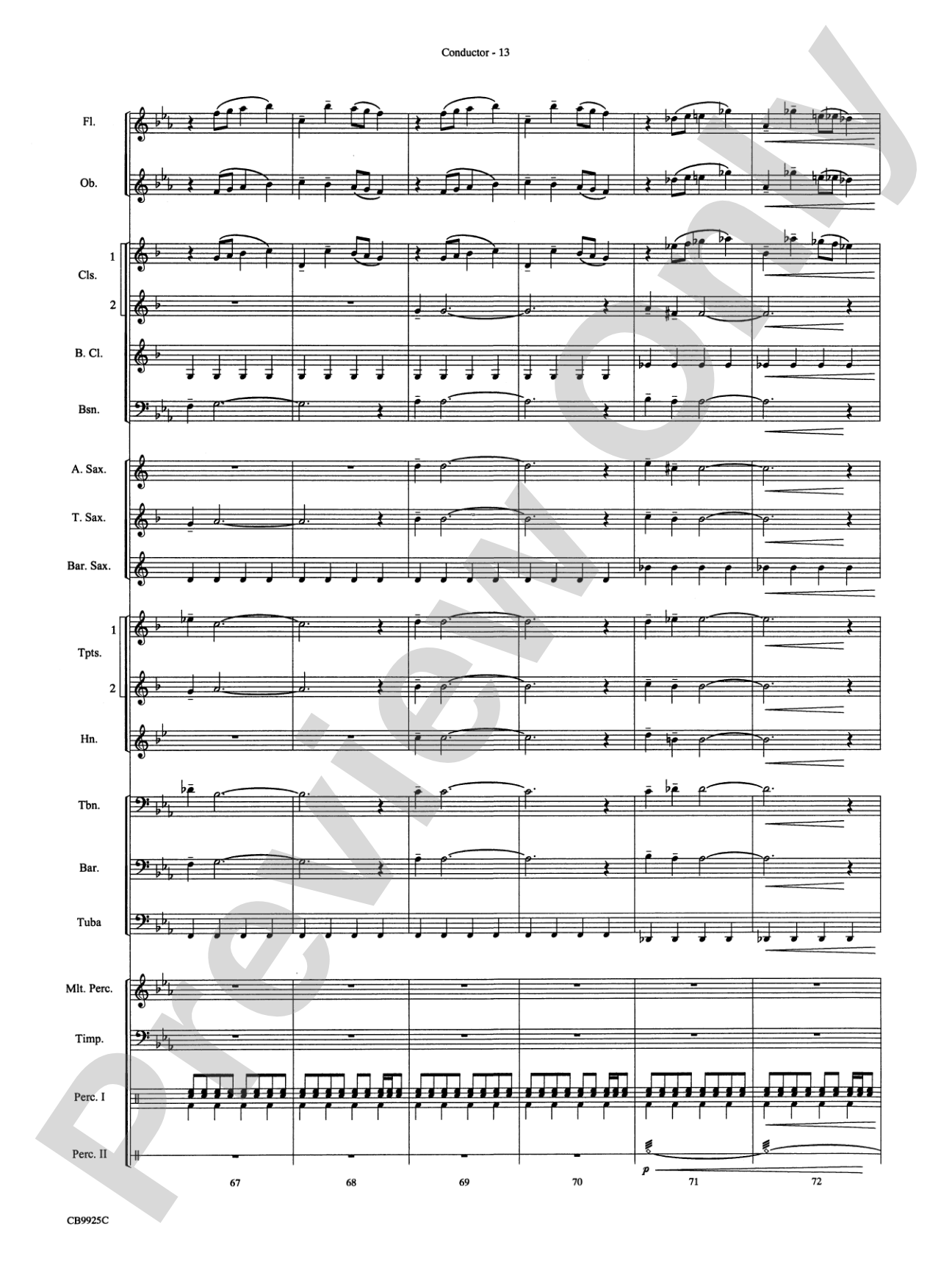
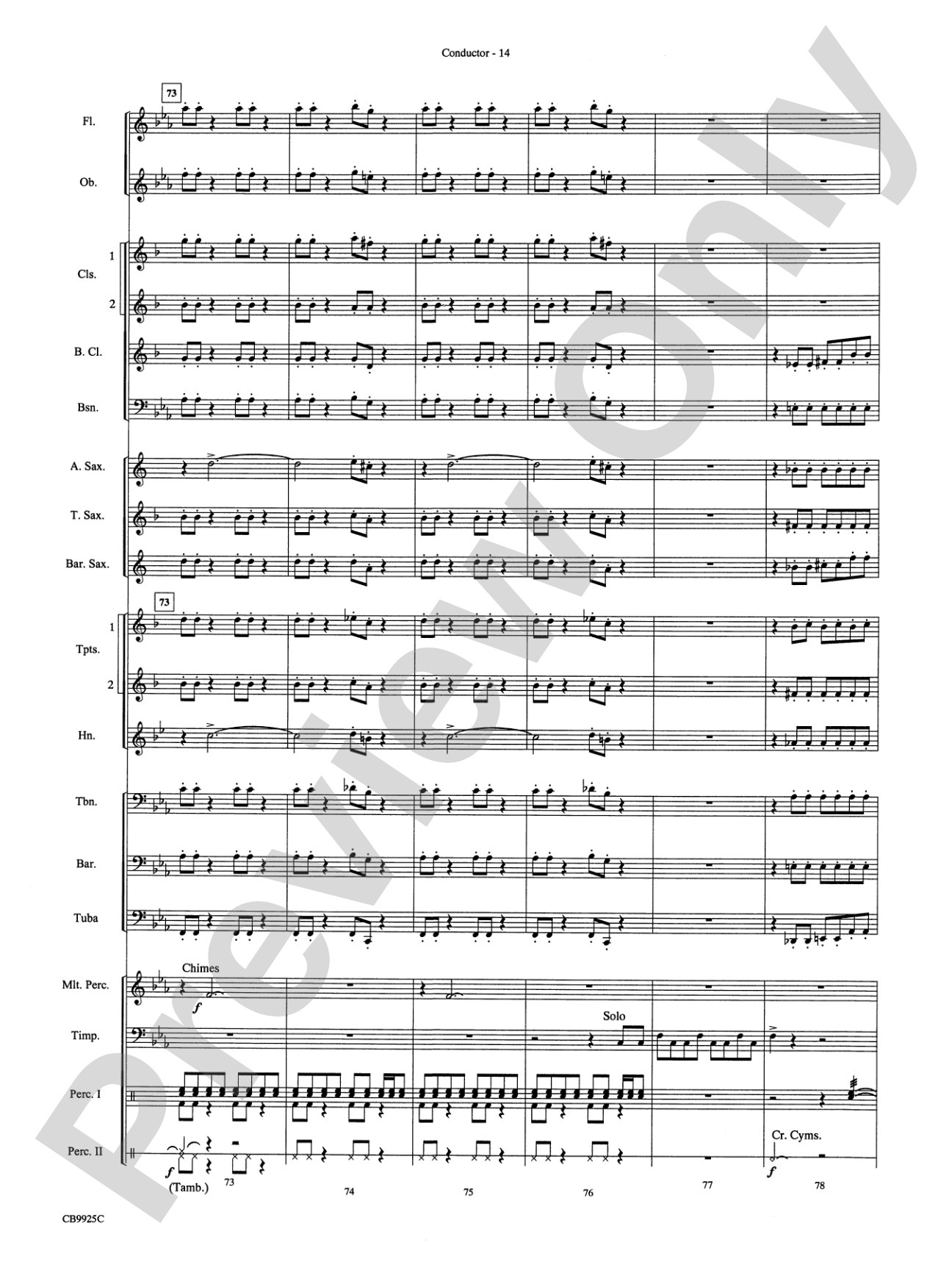
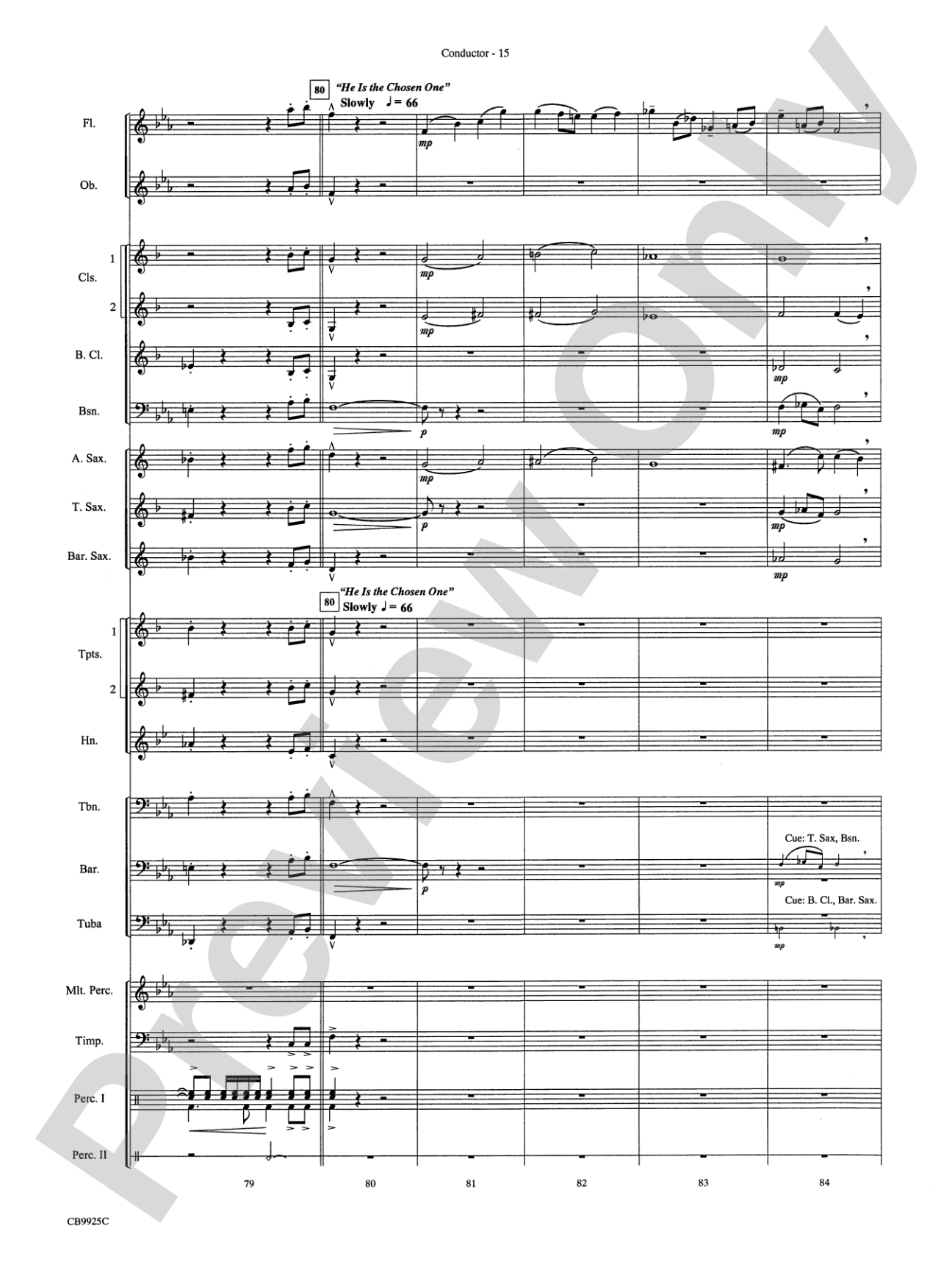
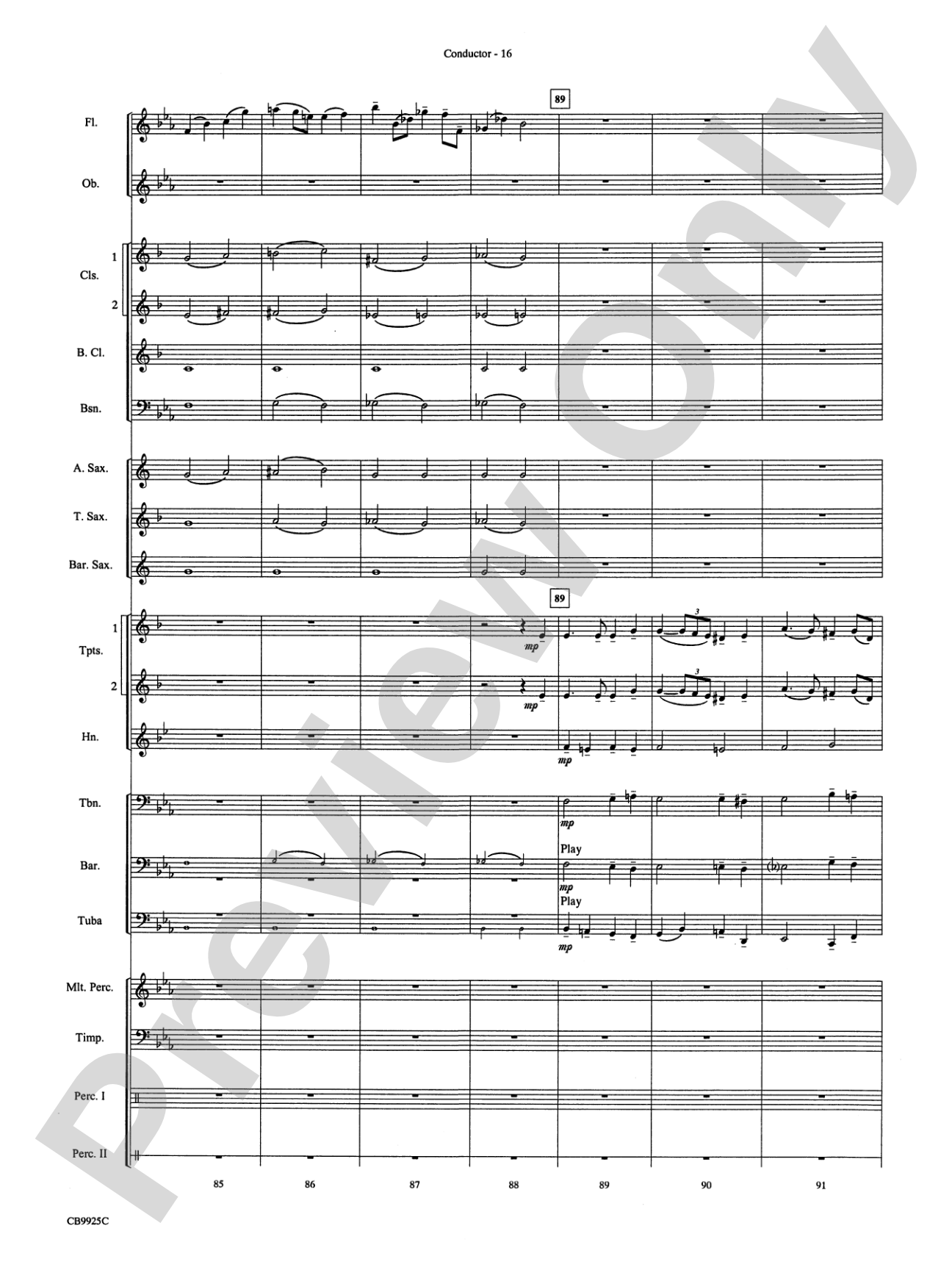
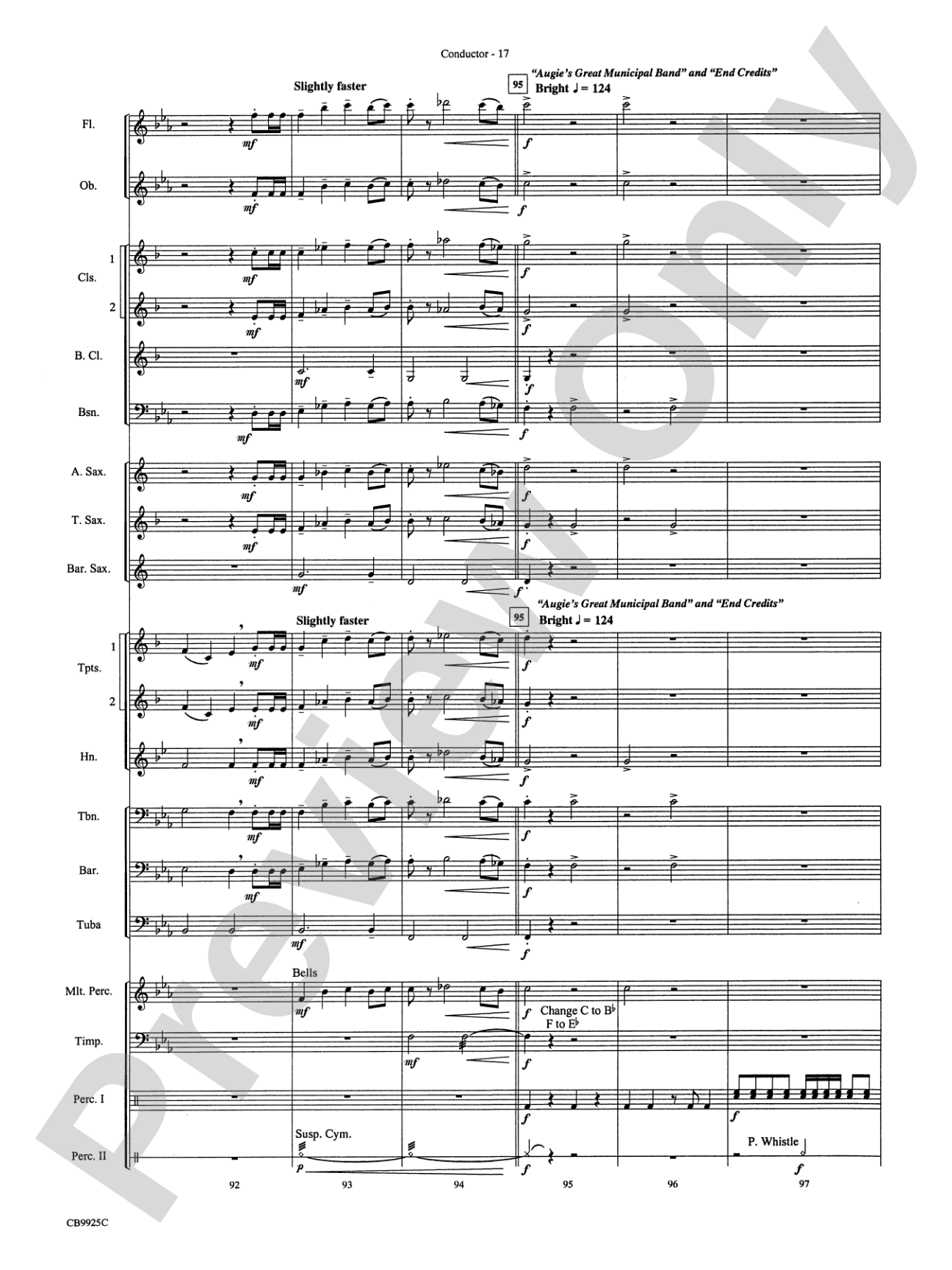
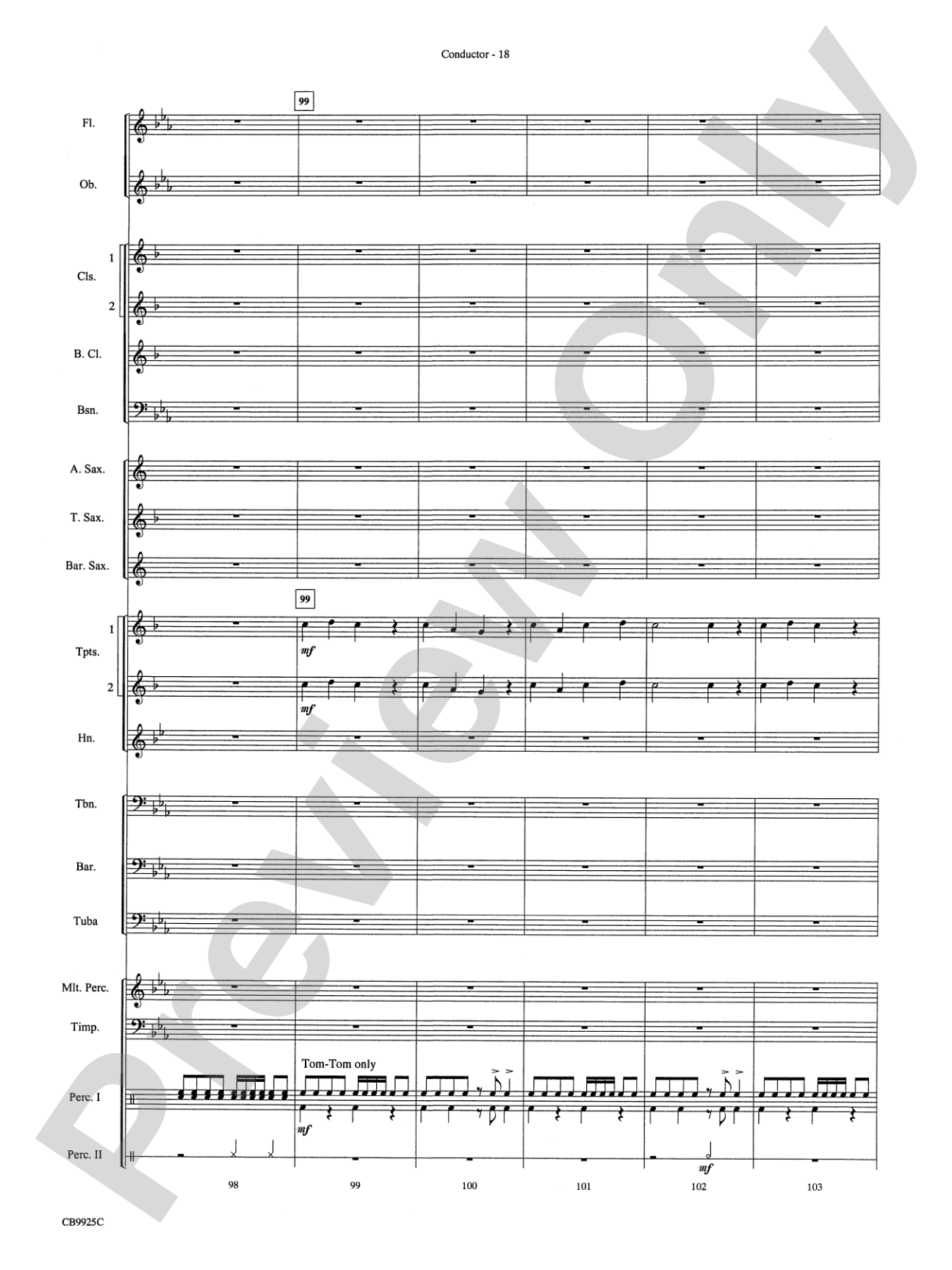
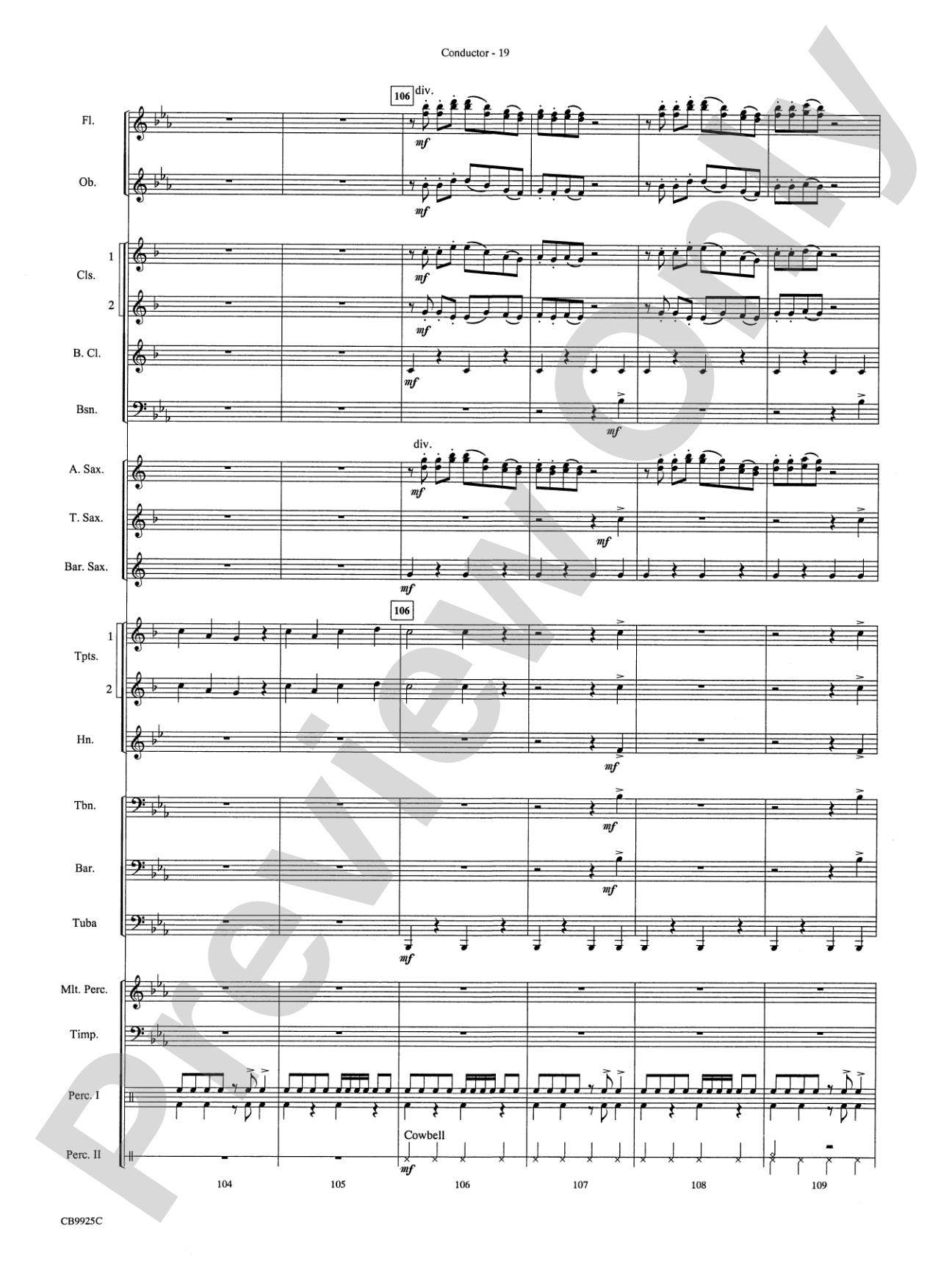
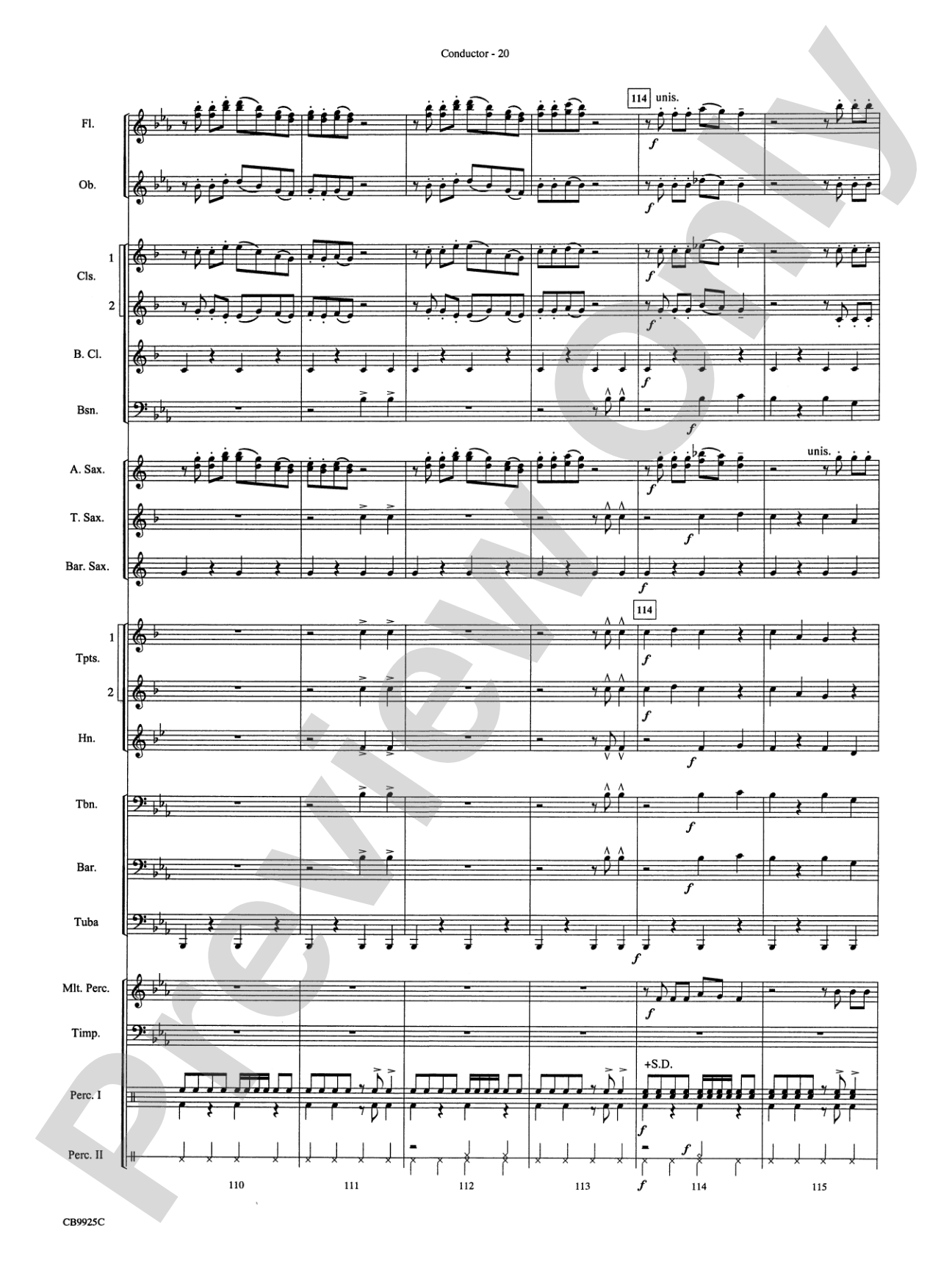
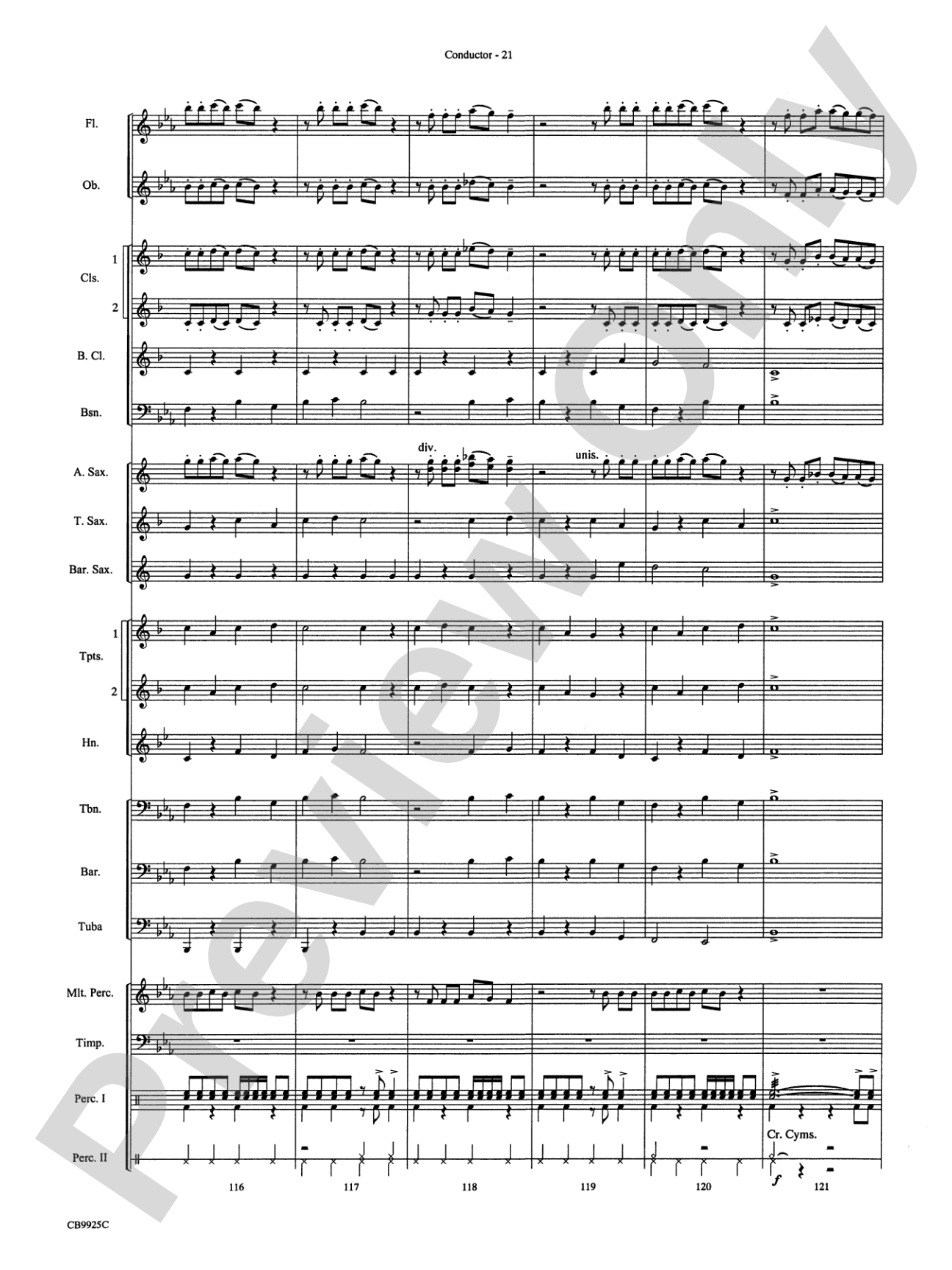
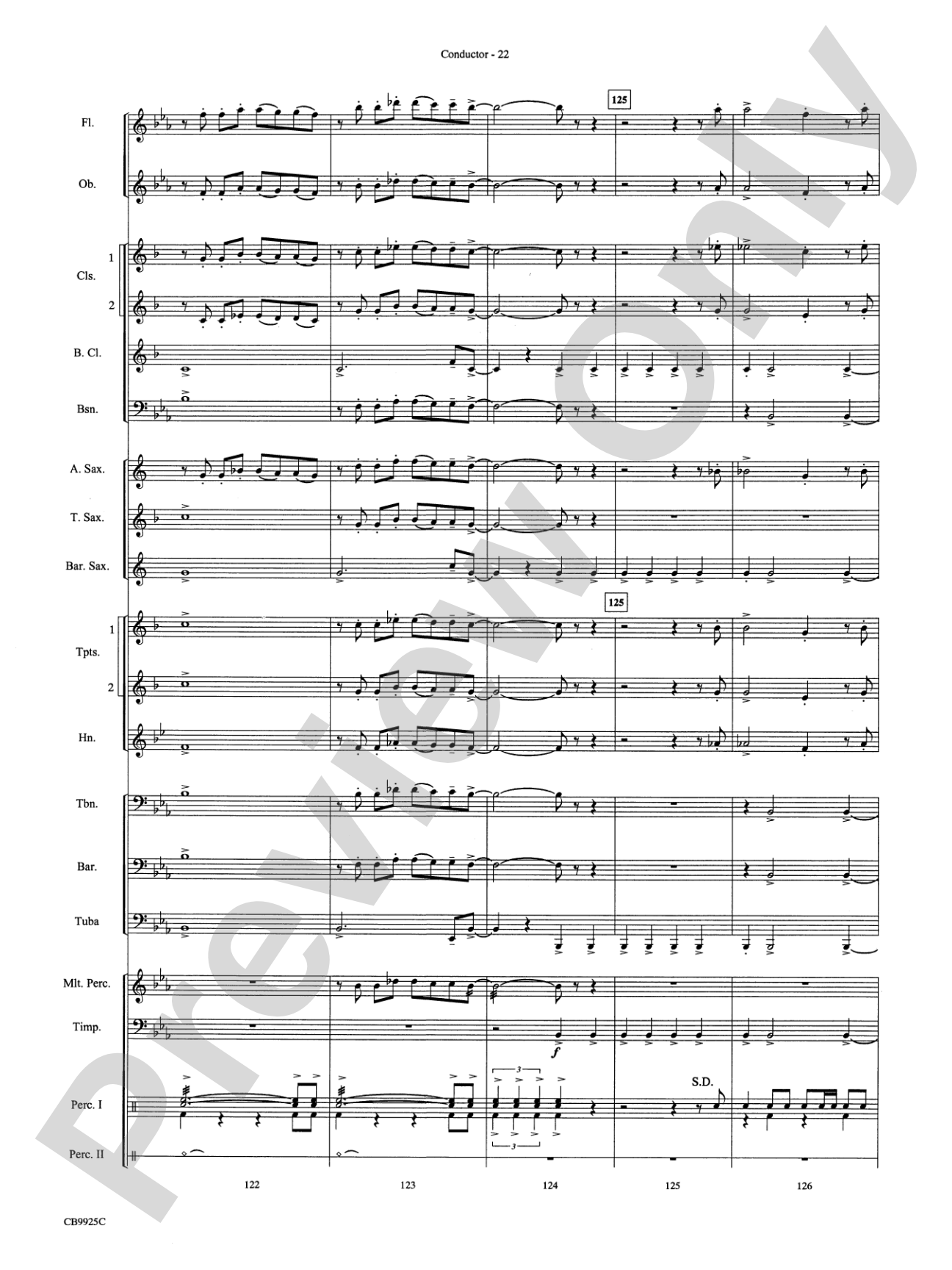
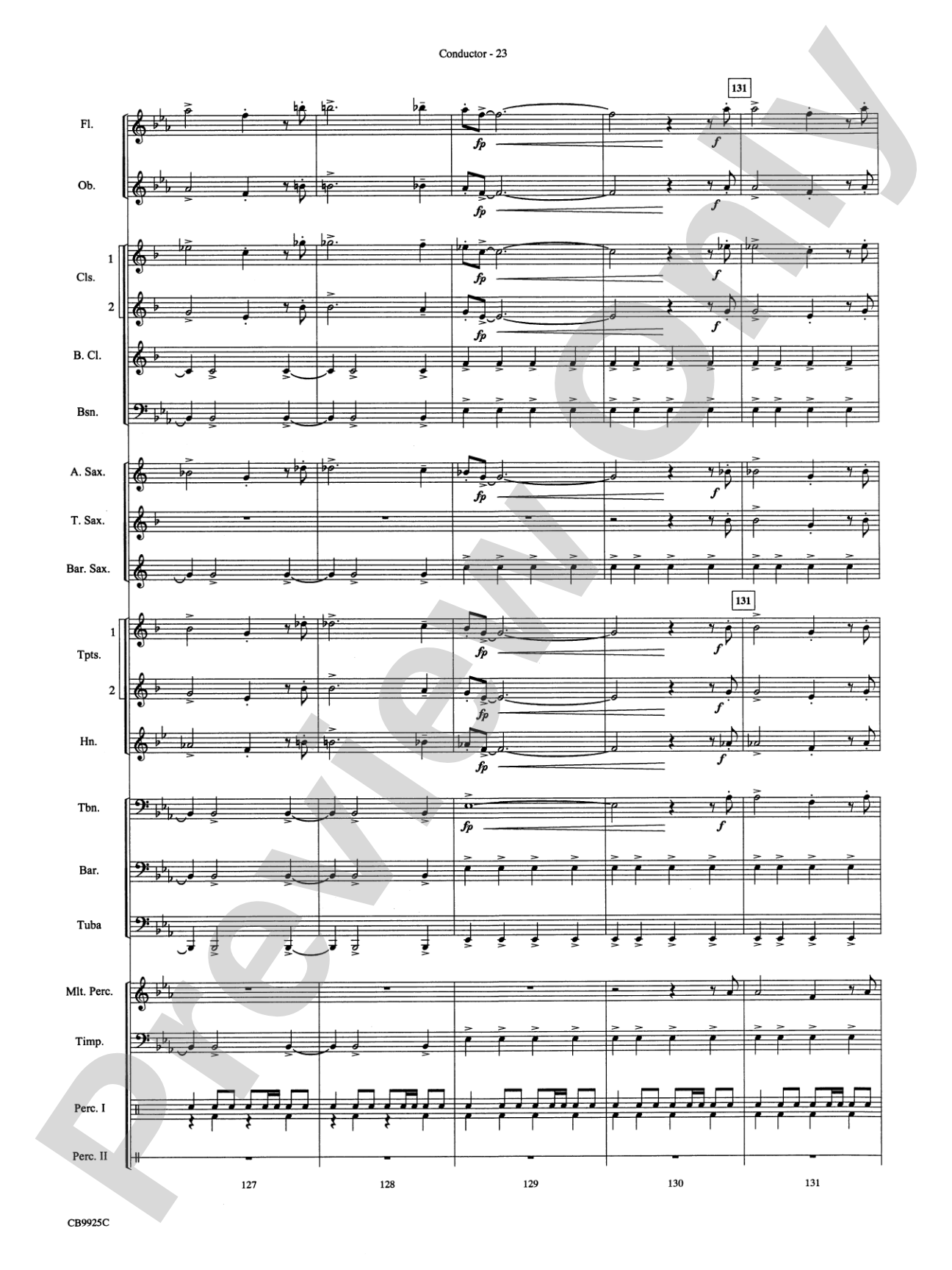
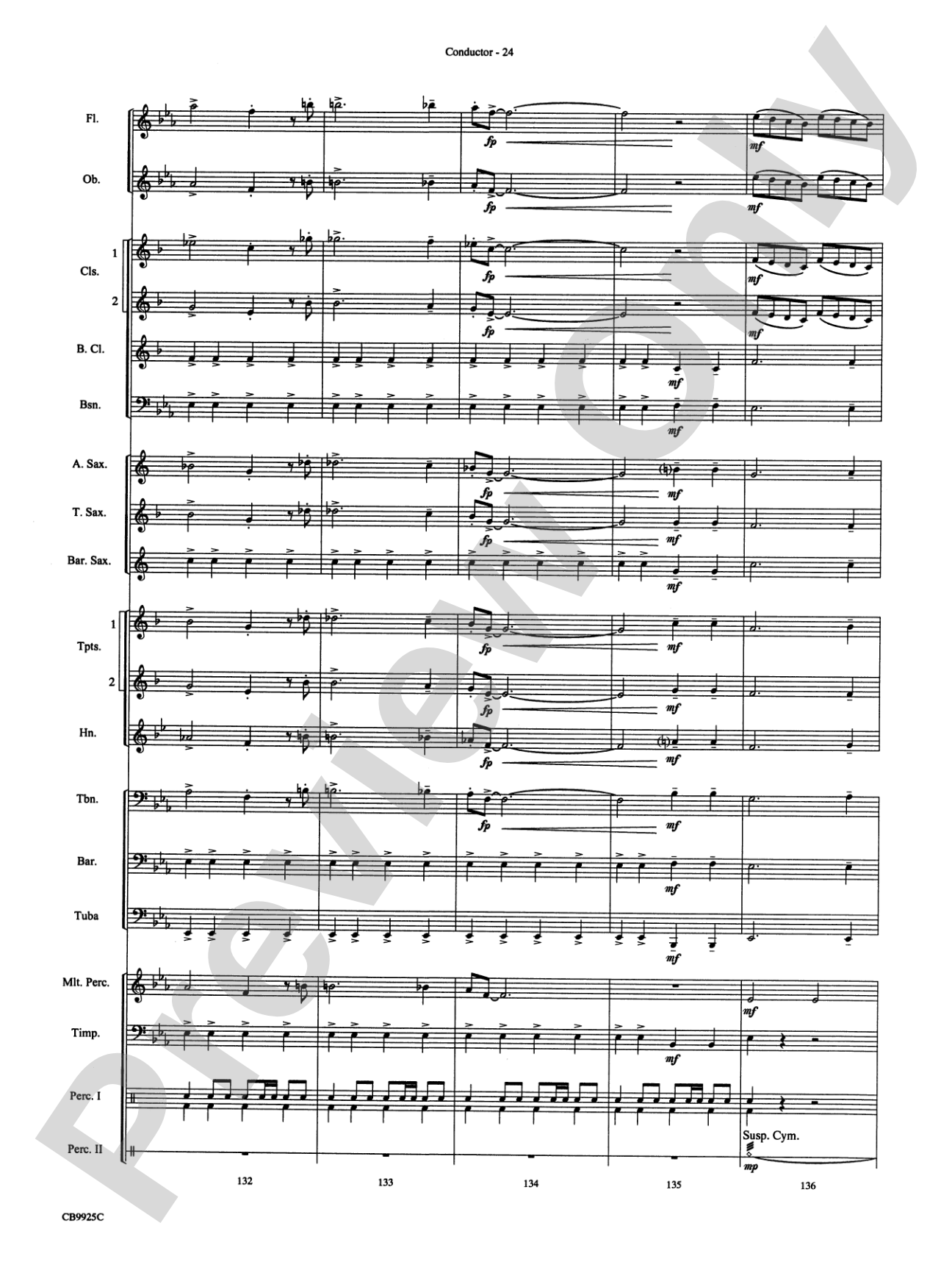
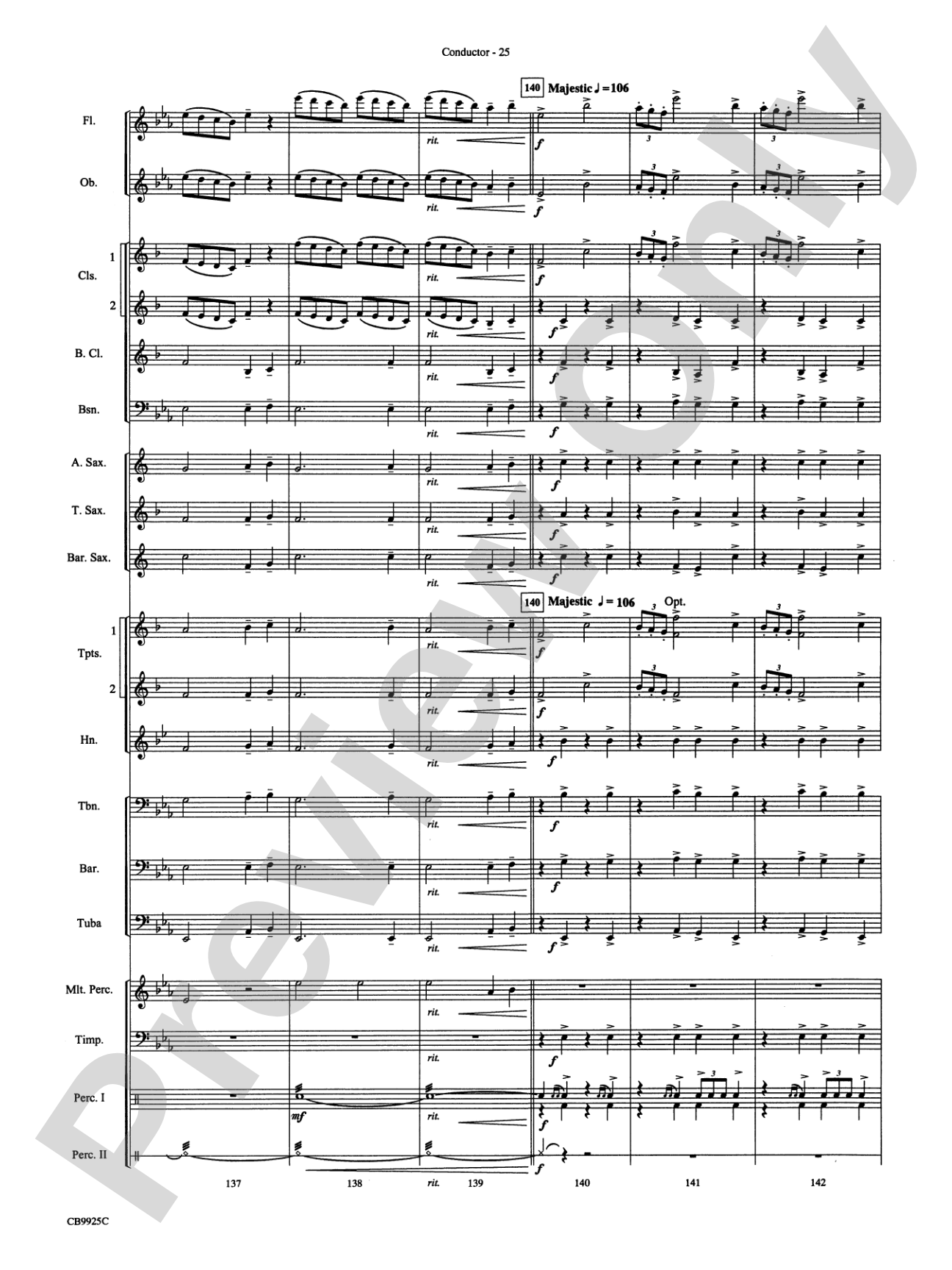
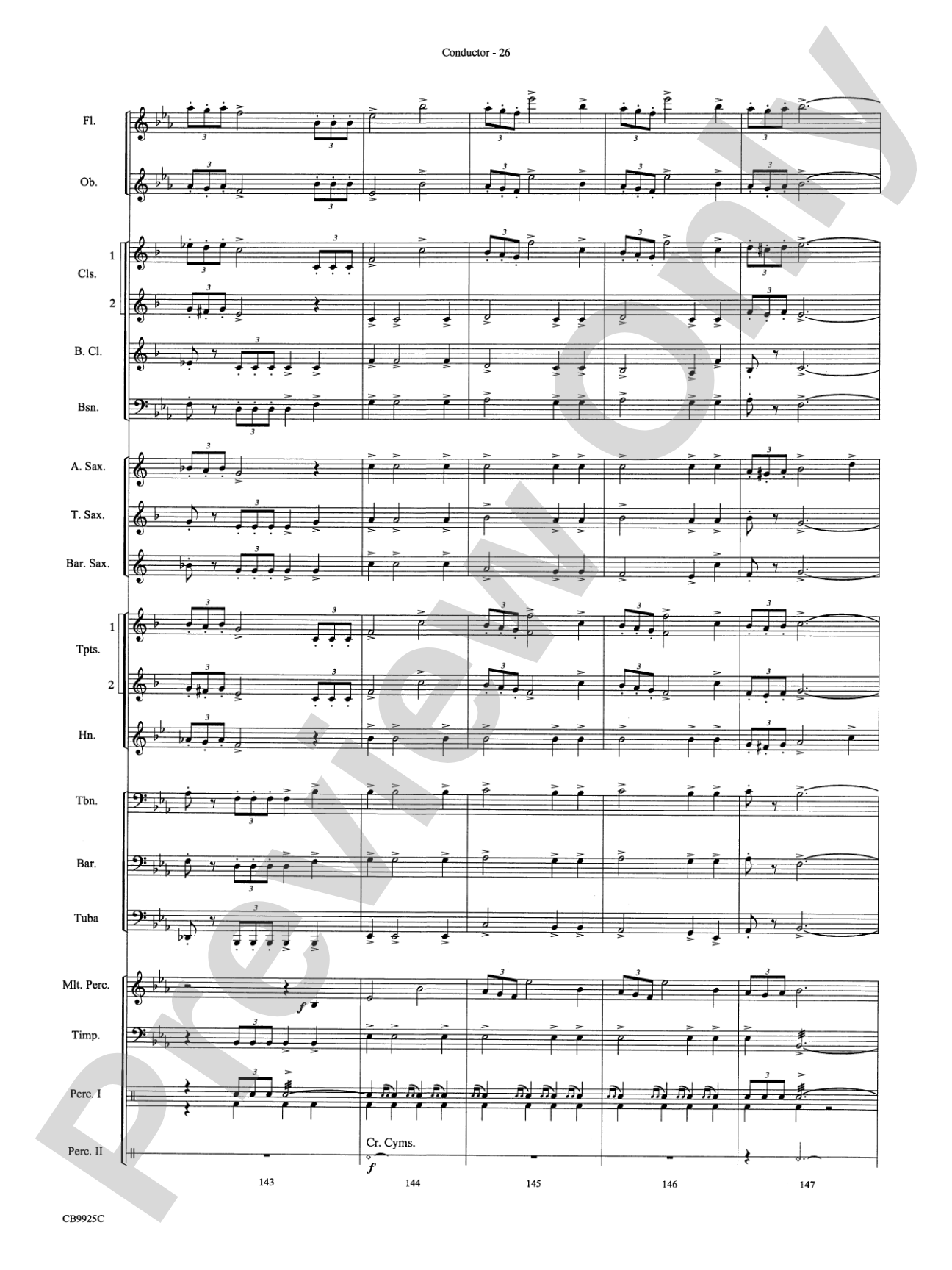
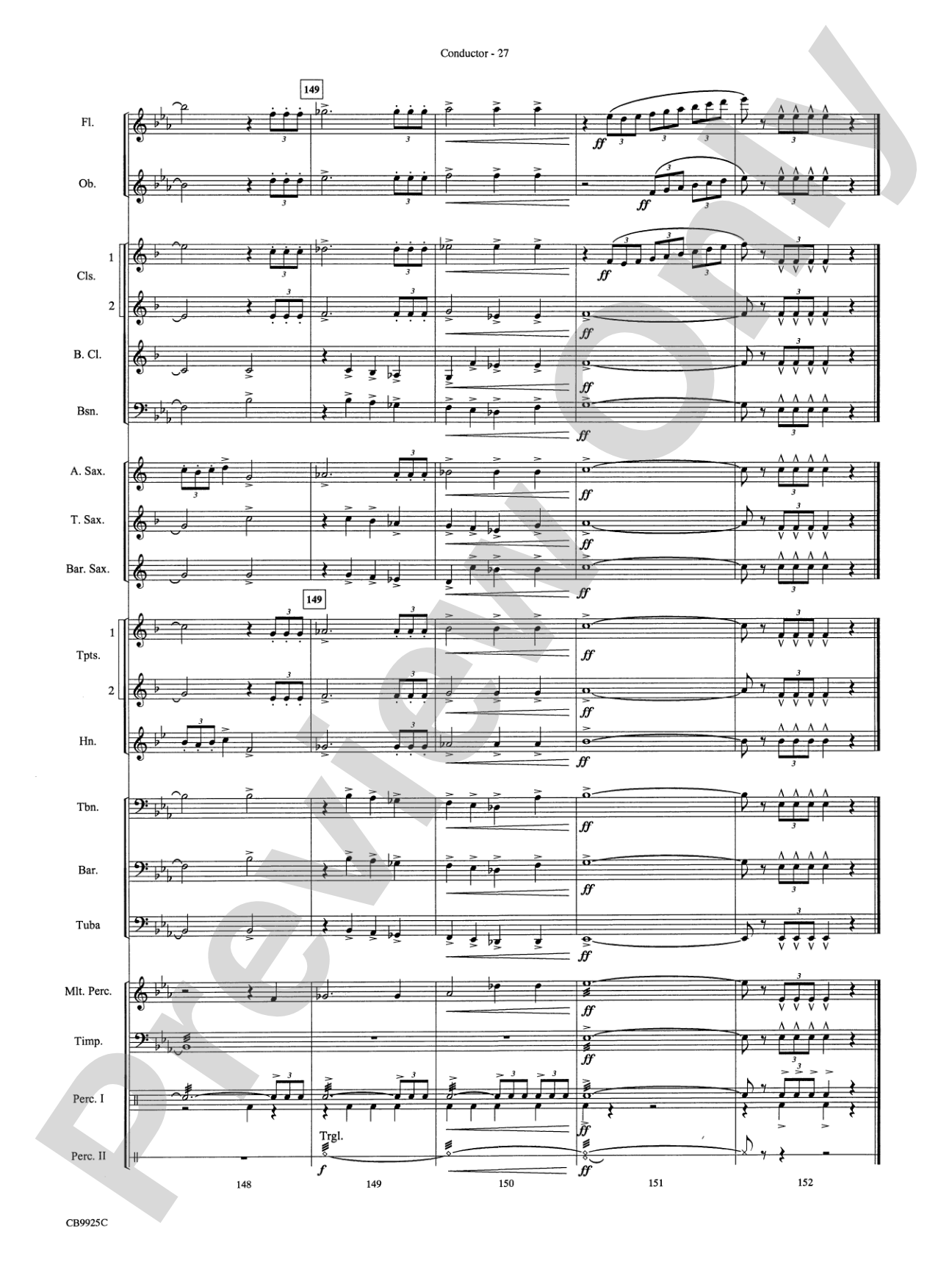

Star Wars®: Episode I The Phantom Menace, Highlights from: Concert Band Conductor Score & Parts
By John Williams / arr. Michael Story
Grade: 2 (Easy)
Item: 00-PK-0002338

$75.00
One moment…
Description
The world had waited years, and finally the motion picture event of the century exploded on the screen in Star Wars: Episode 1 The Phantom Menace. From the power-packed John Williams score, this Michael Story treatment is a highly creative mix of "Star Wars (Main Theme)" * "Duel of the Fates" * "Augie's Great Municipal Band" * "He Is The Chosen One" and the soaring "End Credits." Every band and wind ensemble in the world will be playing this one! (5:31) Easy


Don't just read it, hear it, play along with it, and watch your students grow with it. In MakeMusic Cloud, Star Wars®: Episode I The Phantom Menace, Highlights from: Concert Band Conductor Score & Parts comes alive with professional accompaniment, adjustable tempo, and built-in practice tools that turn solo practice into real progress.
Open in the Player
Jump straight in and assign it today.
Start Your Free Trial
Open this title and explore the full library in minutes.
Sample Audio
No sample audio found.
Sample Video
No sample videos found.
Additional Details
Series:
Pop Young Band
Publisher:
Alfred Music
Page Count:
288
SKU:
00-PK-0002338
More about this title
About the Composer: John Williams
John Williams stands as one of the most prolific and celebrated film composers in history. His orchestral writing combines classical sophistication with immediate melodic appeal, creating scores that work equally well in the concert hall and on screen. Williams has shaped the sound of modern cinema for over five decades, from Star Wars to Indiana Jones to Harry Potter, and his music remains a cornerstone of wind band and orchestral repertoires worldwide.
For music educators, Williams' accessibility is transformative. His themes are memorable enough for young musicians to engage with emotionally, yet sophisticated enough to demand serious musicianship. Countless students encounter classical compositional techniques through his film scores, learning about leitmotif, orchestration, and dramatic pacing in ways that feel immediate and relevant.
Why we love this
Michael Story's arrangement captures the cinematic sweep of Williams' score while keeping the ensemble writing clean and balanced for Grade 2 bands. The selection smartly bridges crowd-pleasing themes with genuine musical substance, so your students perform something recognizable and exciting without sacrificing the integrity of the original composition. A piece this popular also energizes concert attendance and reminds audiences why your program matters.
What to expect
Heroic and propulsive, with moments of grandeur that make young musicians feel like they're part of something bigger than the rehearsal room. The themes soar with the expansiveness of Williams' original while the Story arrangement keeps the textures transparent enough that every player can hear their contribution to the whole.
Who it's for
Grade 2 concert bands and wind ensembles looking for repertoire that genuinely excites student musicians while remaining accessible to developing players. Directors seeking pieces that appeal to mixed-ability ensembles without compromising musicianship will find this arrangement particularly useful.
How to get the most out of it
- Balance the brass section carefully during the main theme statements. The melody often lives in the trumpets, but the harmonic foundation in horns and trombones needs presence without overwhelming. Check that second and third trumpet parts carry the writing clearly rather than filling.
- Shape the "Duel of the Fates" section with rhythmic precision. The driving energy comes from locked ensemble articulation, particularly in the woodwind stabs and brass punches. Drill the attacks together rather than relying on individual practice.
- Allow the quieter moments in "End Credits" to breathe. After the intensity of earlier sections, these passages give listeners space to reflect. Don't rush; let the chord progressions settle.
- Use the recorded accompaniment during sectional rehearsals to help students internalize their parts within the fuller orchestral context before full ensemble run-throughs.
How to use it
This works exceptionally well as a concert opener or closer, depending on the energy you want to set. Pair it with a contrasting classical or contemporary selection to show the range of your ensemble's musicianship. It's also an ideal choice for pops concerts, family-friendly programs, or any concert where you want to draw audiences who might not typically attend band performances.
Skills your students will build
- Sustaining long phrases with proper breath support and dynamic control
- Balancing within sections (trumpet I carrying melody, II and III maintaining harmonic integrity)
- Coordinated ensemble articulation and rhythmic precision in fast passages
- Reading multiple key signatures and accidentals across the concert band score
- Responding to varied tempos and dramatic contrasts within a single movement