Star Trails Cover Image

Star Trails: Concert Band Conductor Score & Parts

$55.00 USD
Sale price  $55.00 USD Regular price 
Skip to product information
Star Trails Cover Image

Star Trails: Concert Band Conductor Score & Parts

By Naoya Wada

Grade: 1.5

Item: 81-CB17333

$55.00
Shipped

One moment…

Description
"Star Trails" is an original overture designed for first and second year players to experience playing in a full ensemble setting, with a variety of styles and articulations to focus and challenge young musicians.

Star Trails: Concert Band Conductor Score & Parts isn't in MakeMusic Cloud just yet...but it could be. Let us know you'd like to see it, and you'll help shape what comes next. In the meantime, start a free trial and dive into thousands of interactive titles your students can play along with today.

Sample Pages

Sample Audio
No sample audio found.
Sample Video
Additional Details
Series: Eighth Note Publications
Publisher: Eighth Note Publications
ISBN10: 1-77157-425-9
ISBN13: 978-1-77157-425-9
UPC: 685462024621
SKU: 81-CB17333

More about this title

About the Composer: Naoya Wada
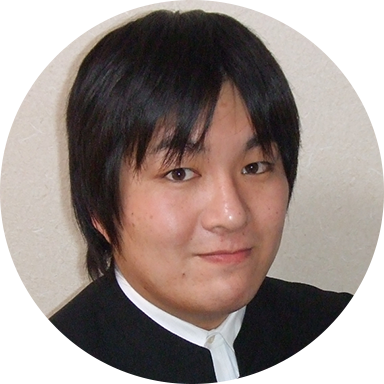
Naoya Wada

Naoya Wada, born in Kitakyushu, Fukuoka, Japan in 1986, has established himself as a leading voice in contemporary educational band music. His compositions for concert band, string orchestra, and small ensembles have earned international recognition through performances and recordings spanning elementary to professional ensembles worldwide.

Wada's contributions to the field have been recognized with multiple Bandworld Top 100 honors and J.W. Pepper Editor's Choice selections. He serves as a guest conductor and clinician while maintaining an active commission schedule. In 2009, he received the 42nd Kitakyushu Cultural Award in recognition of his artistic achievements.

Why we love this

Wada writes with a clear understanding of what early ensemble players need: music that sounds sophisticated without requiring advanced technique. The variety of styles and articulations keeps young musicians engaged and focused during rehearsal while building genuine ensemble literacy at a manageable pace.

What to expect

The music moves with purpose and character, shifting between energetic passages and more lyrical moments that let players breathe. You hear the freshness of an original overture written specifically for developing musicians, where every section gets something meaningful to play and the overall arc feels complete.

Who it's for

Band directors introducing first and second year students to the full ensemble experience. This overture works especially well for groups building toward their first formal concert or needing repertoire that develops musicianship without overwhelming younger players.

How to get the most out of it

  • Address articulation differences between sections early. Young players often default to uniform tonguing, so isolate passages where woodwinds and brass use contrasting approaches.
  • Shape the dynamic contours as a unified group. Overtures can fragment if each section treats dynamics independently; conduct phrase arcs rather than individual notes.
  • Establish style consistency within each section. When players encounter unfamiliar articulation marks, model the intended sound before sectional rehearsal begins.
  • Balance blend against clarity. At this grade level, young musicians benefit from hearing how their part sits within the ensemble texture, so rotate who carries the melodic line during run-throughs.

How to use it

Open a concert with this piece to set an upbeat, accomplished tone without requiring your ensemble to sustain the physical and mental stamina of a longer or more demanding work. It also serves well as a festival selection where its approachable grade level and genuine musical substance make a strong impression.

Skills your students will build

  • Ensemble balance and blend within a full concert band texture
  • Varied articulation techniques (legato, staccato, and mixed styles within a single piece)
  • Phrasing and dynamic shaping across longer musical phrases
  • Following sectional independence while maintaining overall ensemble cohesion
  • Style awareness and stylistic contrast within a single work

You May Also Like