
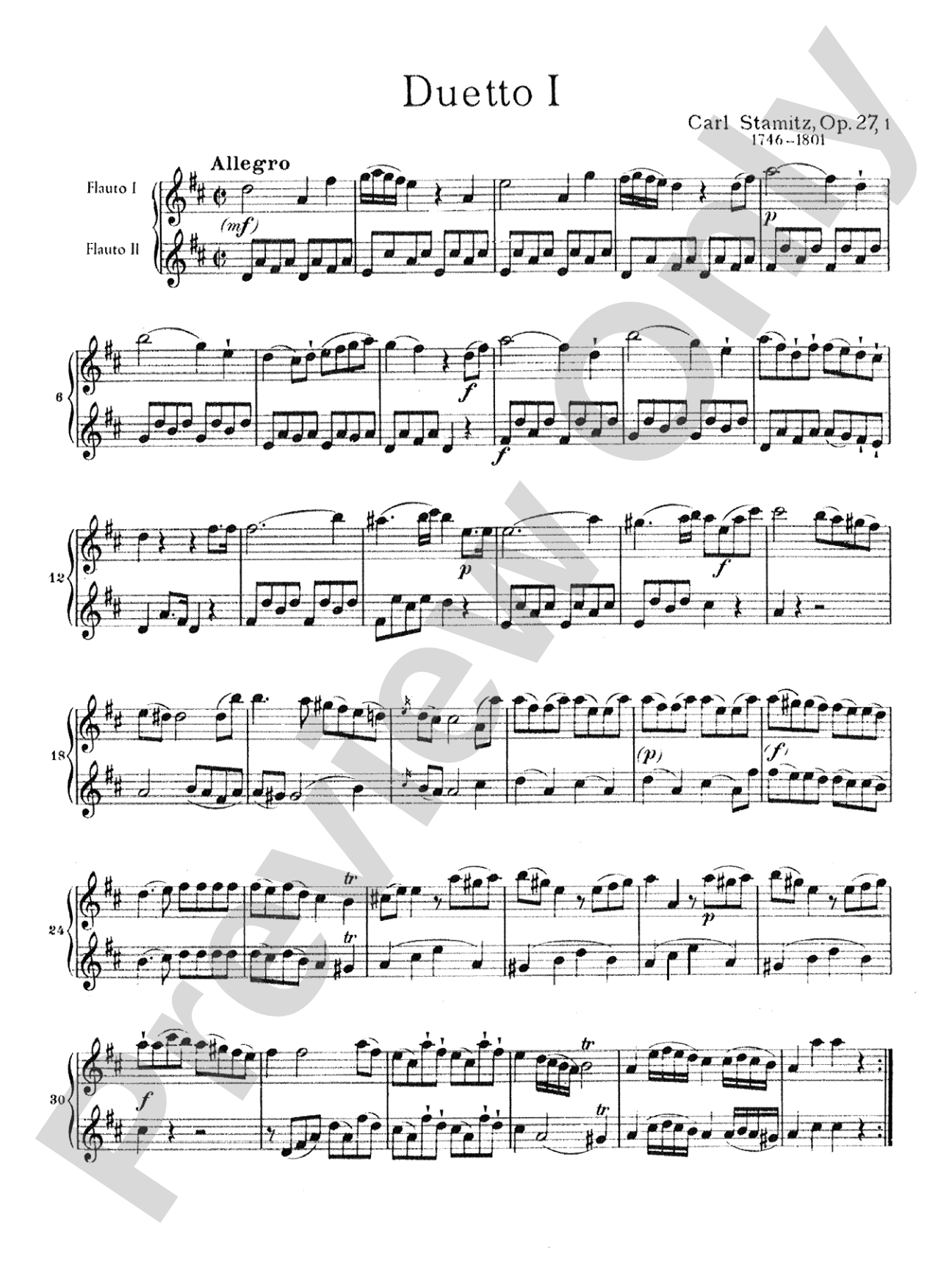
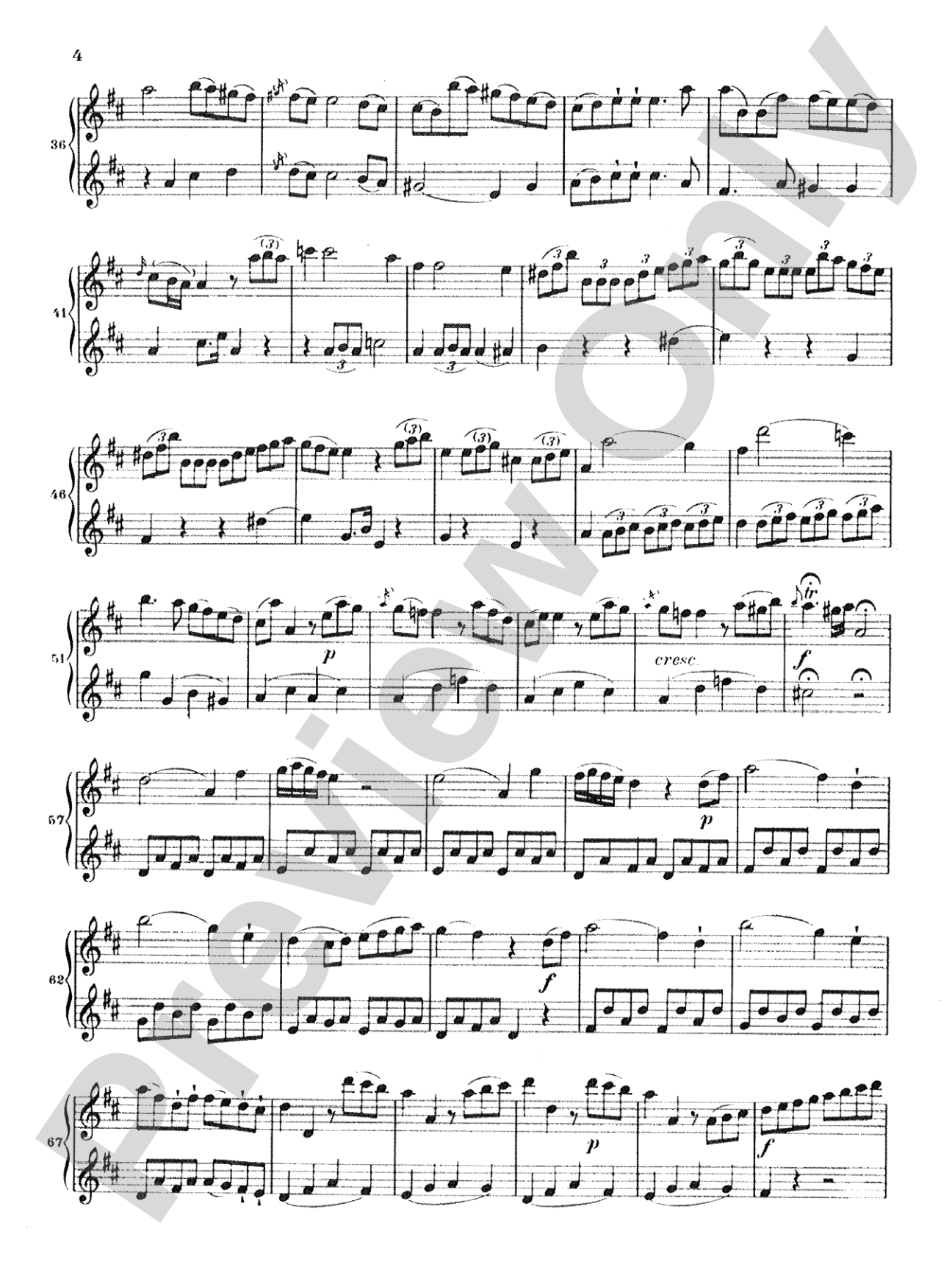
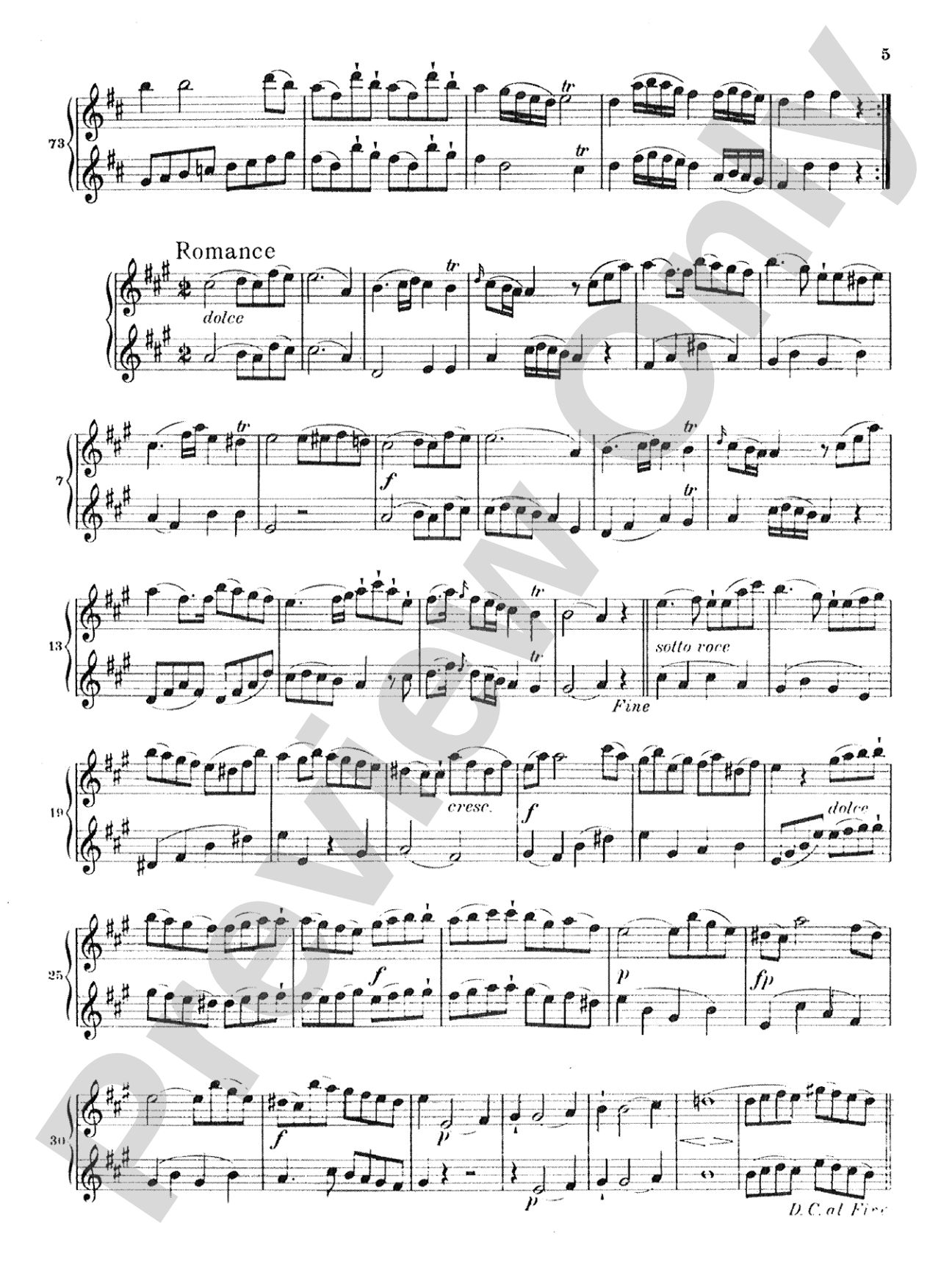
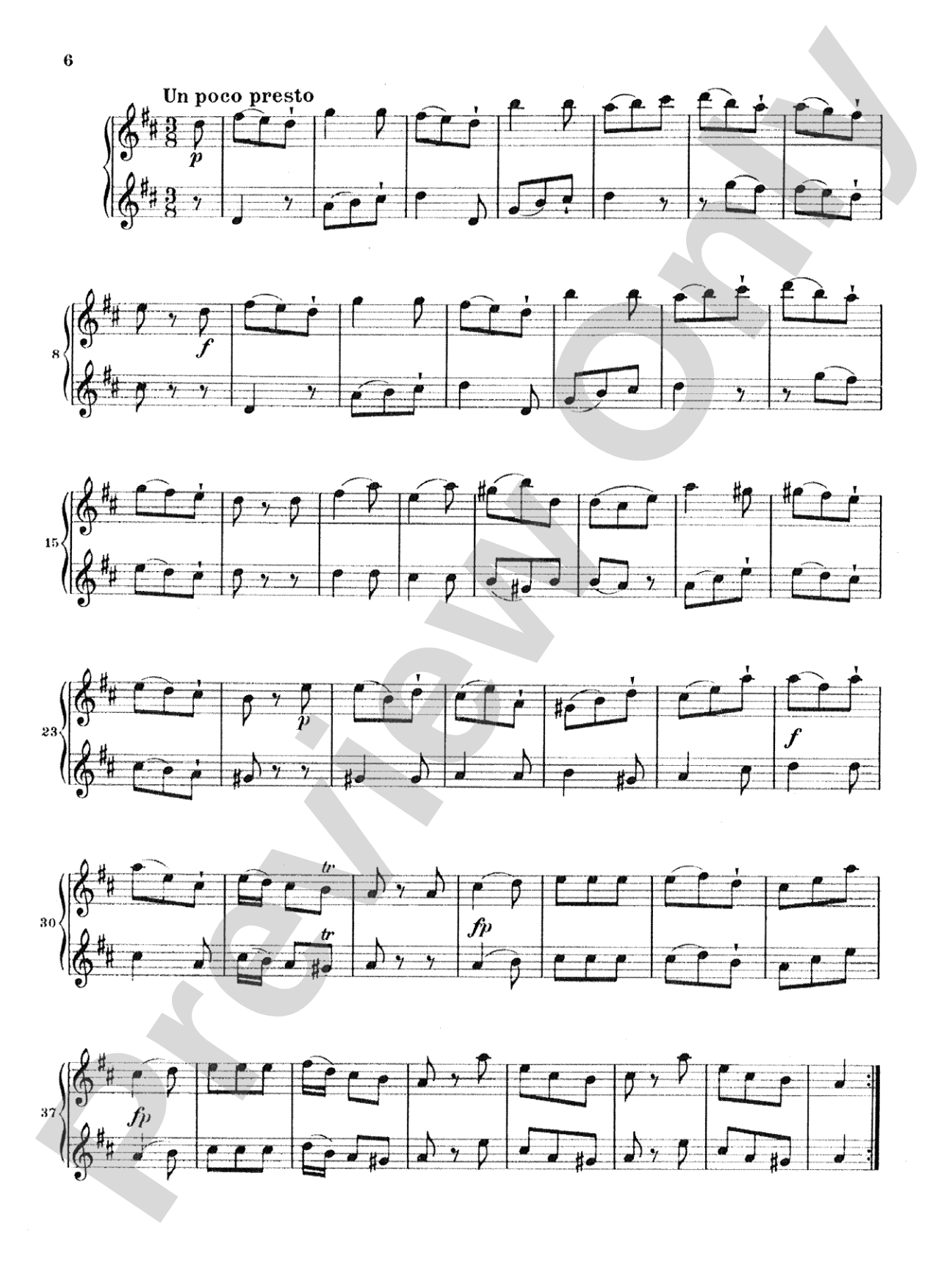

Stamitz: Three Duets, Op. 27: Flute Book
By Karl Stamitz
Item: 00-PK-0003605

$8.99
Pickup currently not available
Buy Extra Parts (Digital PDF Download)
| Product | Price | Quantity |
|---|---|---|
| Stamitz: Three Duets, Op. 27 | $1.99 | |
| Stamitz: Three Duets, Op. 27 | $1.99 | |
| Stamitz: Three Duets, Op. 27 | $1.99 |
Parts Added to Cart!
Description
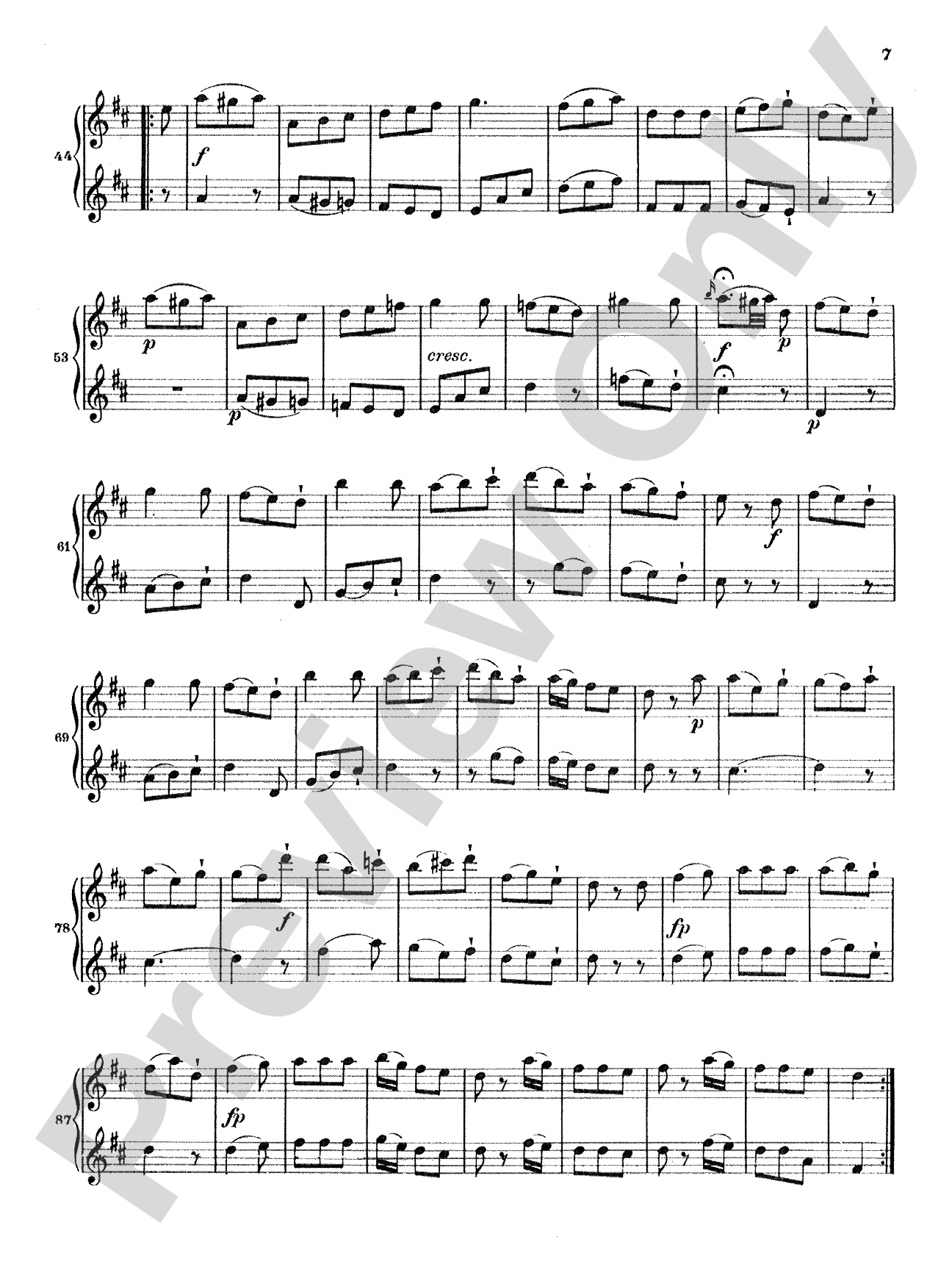
A duet, for Flute, composed by Karl Stamitz.


Don't just read it, hear it, play along with it, and watch your students grow with it. In MakeMusic Cloud, Stamitz: Three Duets, Op. 27: Flute Book comes alive with professional accompaniment, adjustable tempo, and built-in practice tools that turn solo practice into real progress.
Open in the Player
Jump straight in and assign it today.
Start Your Free Trial
Open this title and explore the full library in minutes.
Sample Audio
No sample audio found.
Sample Video
No sample videos found.
Additional Details
Series:
Kalmus Edition
Publisher:
Alfred Music
Page Count:
16
SKU:
00-PK-0003605
More about this title
About the Composer: Karl Stamitz
Karl Stamitz (1745-1801) was a prominent flutist and composer of the Classical era, born into the celebrated Stamitz family of musicians. He trained under his father Johann Wenzel Stamitz and established himself as a virtuoso performer while composing prolifically for his instrument, leaving an important legacy in the flute repertoire of the late eighteenth century.
Stamitz's works exemplify the galant style, combining technical brilliance with lyrical grace. His duets remain valuable teaching and performance pieces that balance classical form with the expressive possibilities of the flute.
Why we love this
These duets embody the Classical flute tradition without the heavy technical demands of later virtuosic works. The writing sits comfortably across two intermediate players, making them ideal for ensemble classes or recital pairs seeking repertoire with genuine musical substance rather than pedagogical scaffolding.
What to expect
The music unfolds with the elegance and clear structure of Classical chamber works, trading melodic material between the two parts in ways that feel natural and conversational. There is genuine lyrical content here, not mere technical exercise; the pieces reward thoughtful phrasing and demonstrate why the flute remained a beloved solo and ensemble instrument throughout the era.
Who it's for
Intermediate flutists working toward independence in ensemble playing will find these duets engaging and rewarding. Flute studios preparing students for collaborative recitals, chamber music festivals, or audition repertoire benefit from works that demand mutual listening without excessive technical display.
How to get the most out of it
- Shape each phrase with attention to harmonic rhythm; the galant style rewards subtle dynamic shaping within the natural contours of the melodic line.
- Balance the two flute parts so that dialogues remain conversational; neither player should dominate unless the music explicitly calls for one voice to lead.
- Consider the original stylistic context when choosing articulation; crisp but not heavy tonguing aligns with Classical aesthetic principles.
- Coordinate rubato sparingly and only in cadential passages; the classical framework depends on steady pulse elsewhere.
How to use it
Program these duets in a recital alongside other Classical chamber works to showcase the stylistic breadth of the flute repertoire. They also serve as excellent material for student chamber performances or competitions where solid musicianship and Classical style are valued over virtuosic display.
Skills your students will build
- Coordinating rhythmic and dynamic balance between independent melodic lines
- Phrasing in Classical style with appropriate harmonic awareness
- Dialogue and conversation between duo partners
- Sight-reading in traditional Classical forms and notation