
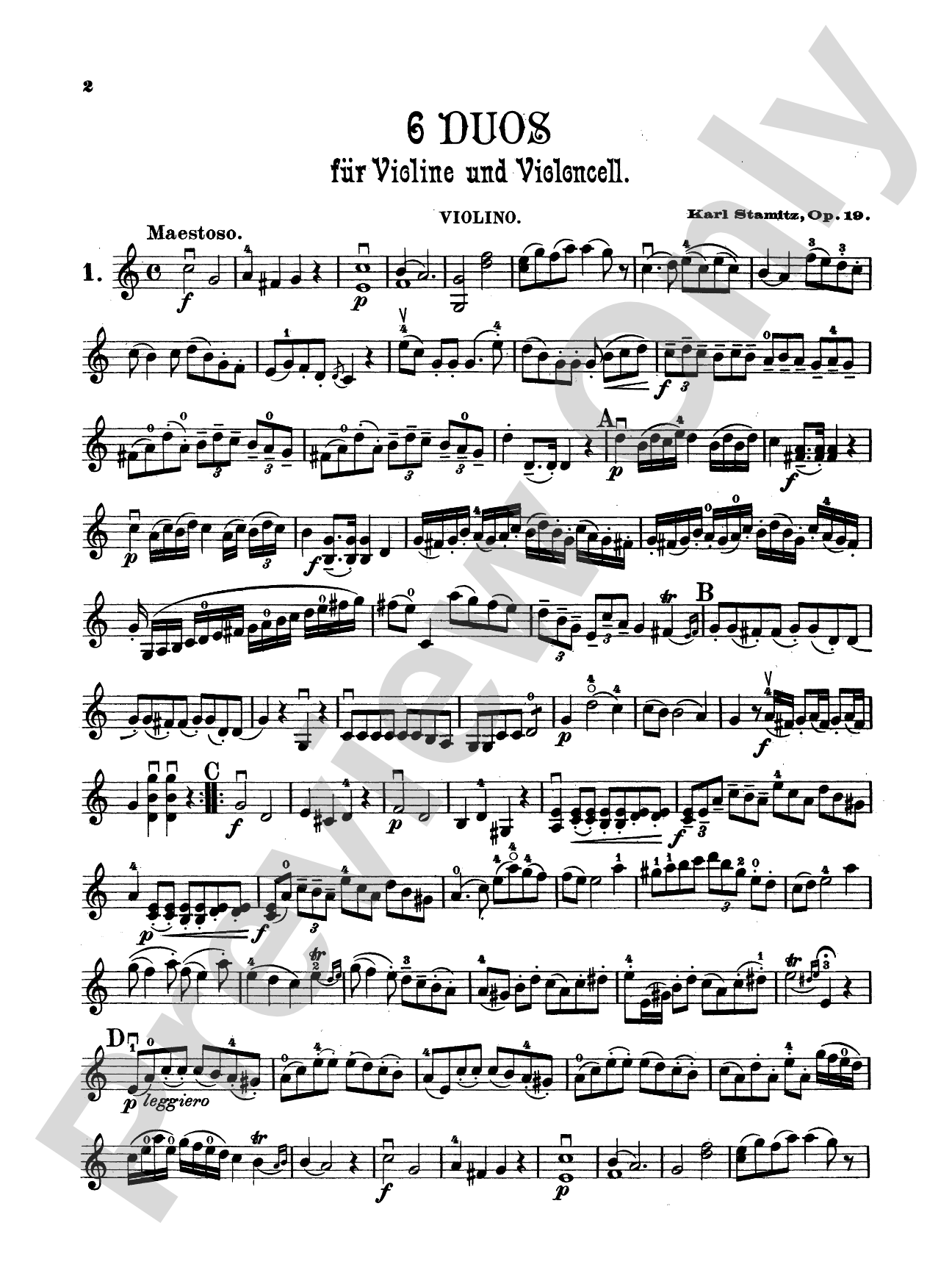
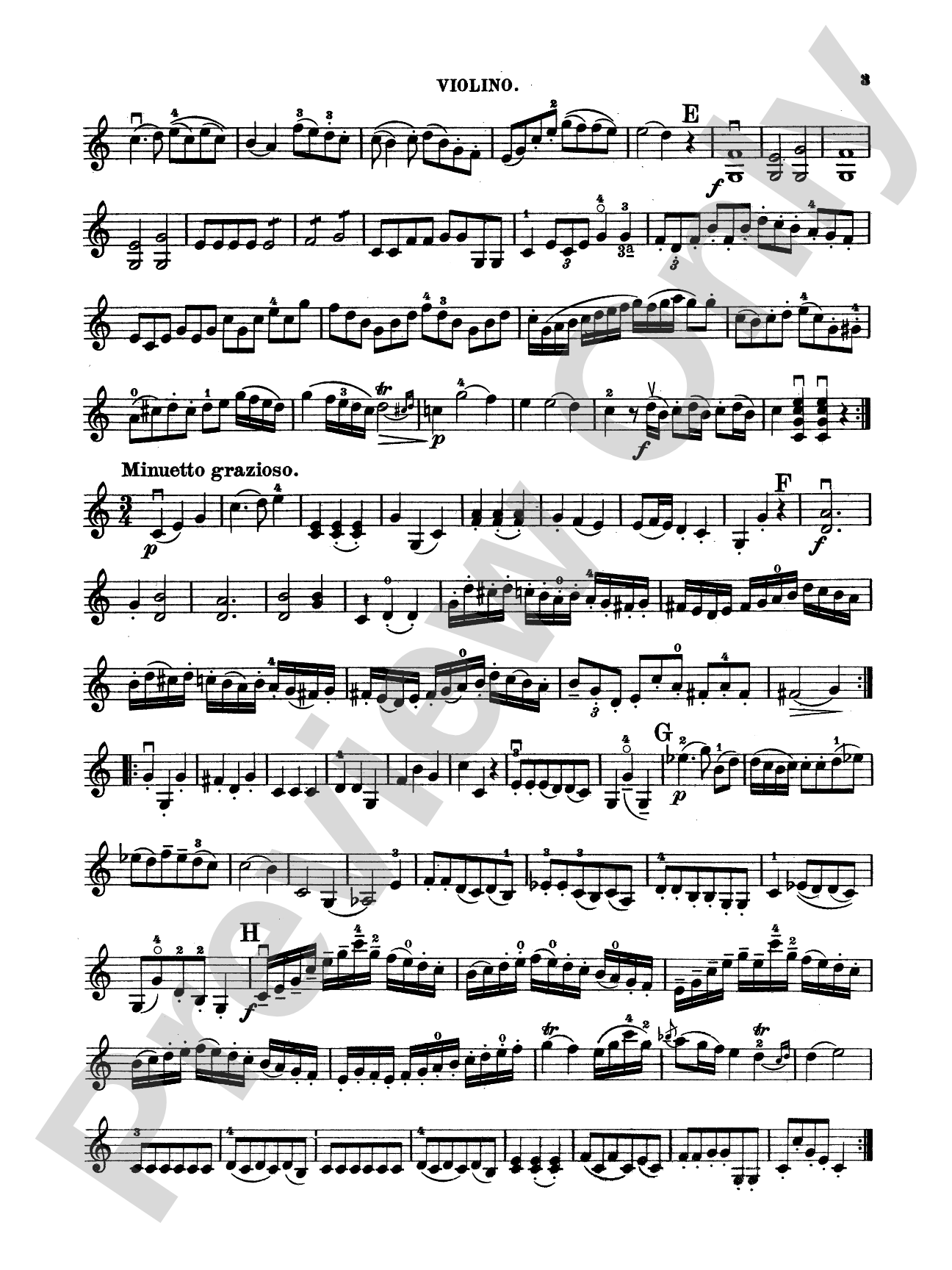
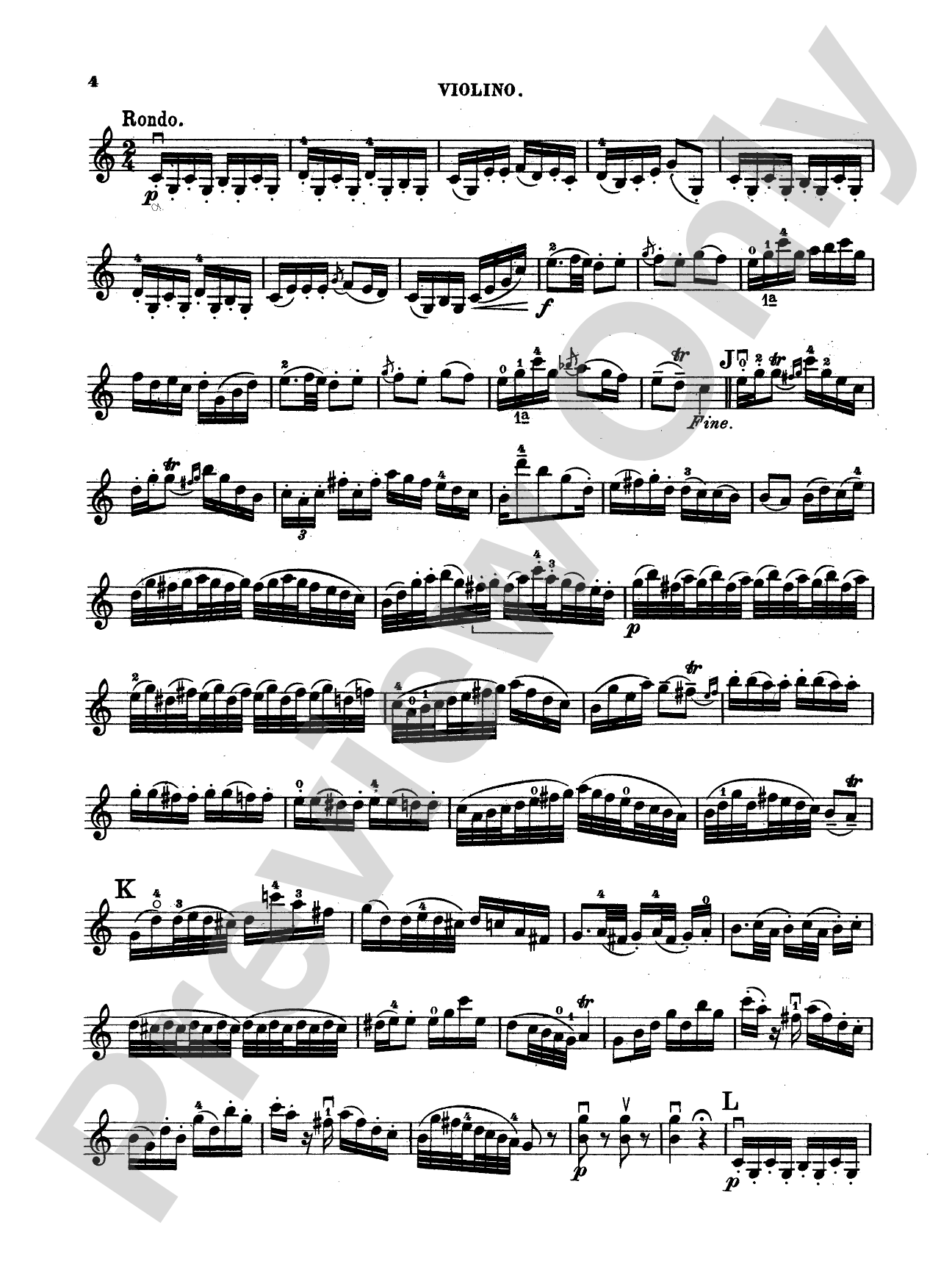
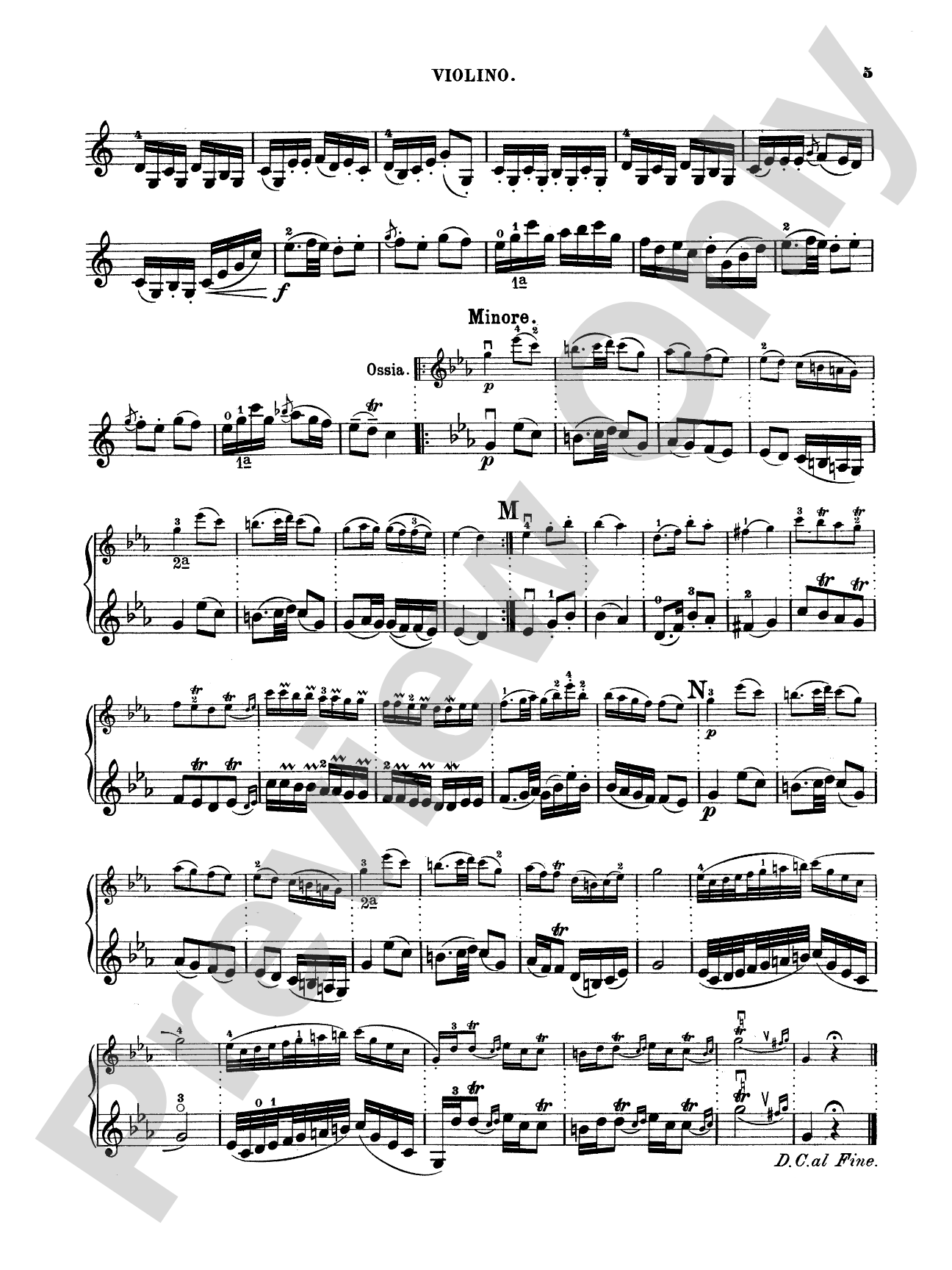

Stamitz: Six Duets, Op. 19: String Duo Book
By Karl Stamitz
Item: 00-PK-0003843
$12.99
Pickup currently not available
Buy Extra Parts (Digital PDF Download)
| Product | Price | Quantity |
|---|---|---|
| Stamitz: Six Duets, Op. 19 | $0.99 | |
| Stamitz: Six Duets, Op. 19 | $0.99 | |
| Stamitz: Six Duets, Op. 19 | $0.99 | |
| Stamitz: Six Duets, Op. 19 | $0.99 | |
| Stamitz: Six Duets, Op. 19 | $0.99 | |
| Stamitz: Six Duets, Op. 19 | $0.99 | |
| Stamitz: Six Duets, Op. 19 | $0.99 | |
| Stamitz: Six Duets, Op. 19 | $0.99 | |
| Stamitz: Six Duets, Op. 19 | $0.99 | |
| Stamitz: Six Duets, Op. 19 | $0.99 | |
| Stamitz: Six Duets, Op. 19 | $0.99 | |
| Stamitz: Six Duets, Op. 19 | $0.99 |
Parts Added to Cart!
Related Items
Six Duets, Opus 19: String Duo Book |
$12.95
|
View |
Description
A collection of six duets brilliantly composed by Karl Stamitz for Violin and Cello.


Stamitz: Six Duets, Op. 19: String Duo Book isn't in MakeMusic Cloud just yet...but it could be. Let us know you'd like to see it, and you'll help shape what comes next. In the meantime, start a free trial and dive into thousands of interactive titles your students can play along with today.
Request This Title
Tell us you want it.
Start Your Free Trial
Explore everything that's ready to play right now.
Sample Audio
No sample audio found.
Sample Video
No sample videos found.
Additional Details
Series:
Kalmus Edition
Publisher:
Alfred Music
Page Count:
40
SKU:
00-PK-0003843
More about this title
About the Composer: Karl Stamitz
Karl Stamitz (1745, 1801) was a Mannheim-school violinist and composer who inherited his father Johann's legacy as a leading instrumental voice of the late 18th century. He studied composition under the masters of the Mannheim court and developed a gift for elegant, singable writing that showcased the violin while respecting the abilities of his collaborators. His duet collections became standard teaching repertoire across Europe, prized for their clarity of voice-leading and genuine dialogue between parts.
Why we love this
These duets sit at the sweet spot between pedagogical utility and genuine musical substance. Stamitz gives both players equal voice and compelling material, making them rewarding for advanced high school and early college duos without the technical or ensemble demands that can make Baroque duos feel overly conservative.
What to expect
Elegant and conversational, with the classical grace of the Mannheim school infused into intimate writing. The dialogue between violin and cello unfolds naturally, full of the kind of melodic grace and harmonic clarity that defined the late Classical period.
Who it's for
Violinists and cellists at the intermediate-to-advanced level who want duet repertoire that feels substantial without being virtuosic. These are ideal for chamber music study, recital programming, and contest preparation where players need material that sits comfortably within reach while developing musical maturity.
How to get the most out of it
- Balance the dialogue carefully; both the violin and cello parts carry thematic weight, so resist the tendency to defer to the upper line.
- Attend to phrase shape across the full line rather than playing measure to measure; Stamitz's Classical phrasing rewards longer, vocal-style arcs.
- Use vibrato sparingly and strategically to highlight important moments, following the practice of the late 18th century rather than modern convention.
- Lock in rhythmic clarity in the accompanimental passages; even when one player carries the melody, rhythmic precision keeps the texture from becoming muddy.
How to use it
Program individual duets as intermission or recital fillers in a concert where they provide stylistic contrast to Baroque sonatas or Romantic chamber works. They also make excellent material for a chamber music showcase, especially when students are working to build a diverse performance portfolio.
Skills your students will build
- Playing equal partnership in ensemble dialogue rather than soloist-accompanist roles
- Phrasing and breathing as a duo across sectional forms
- Intonation control in sustained Classical harmonic progressions
- Classical-era ornamentation and period-appropriate articulation
- Musical communication and balance without a keyboard instrument anchoring the harmony