
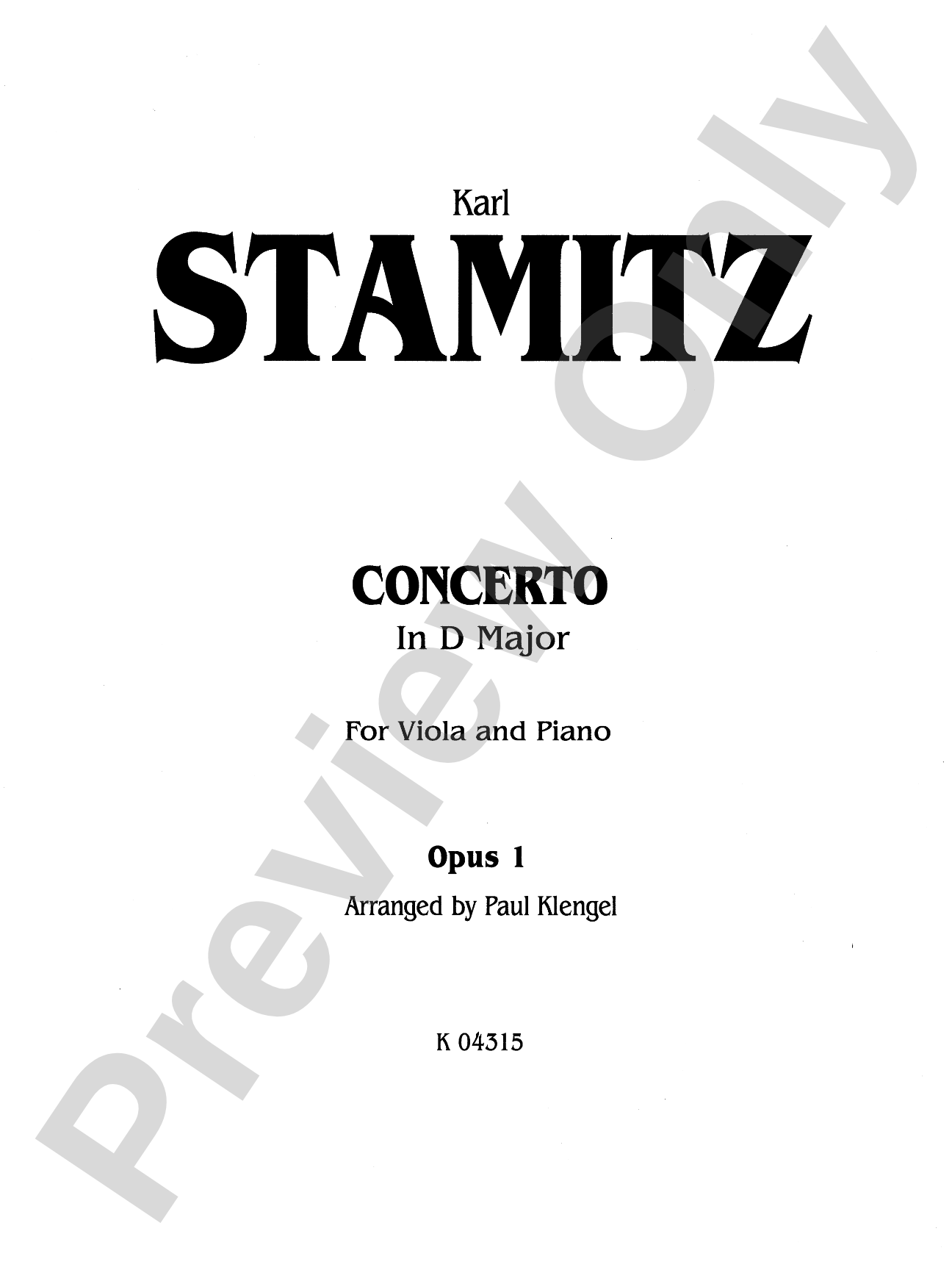

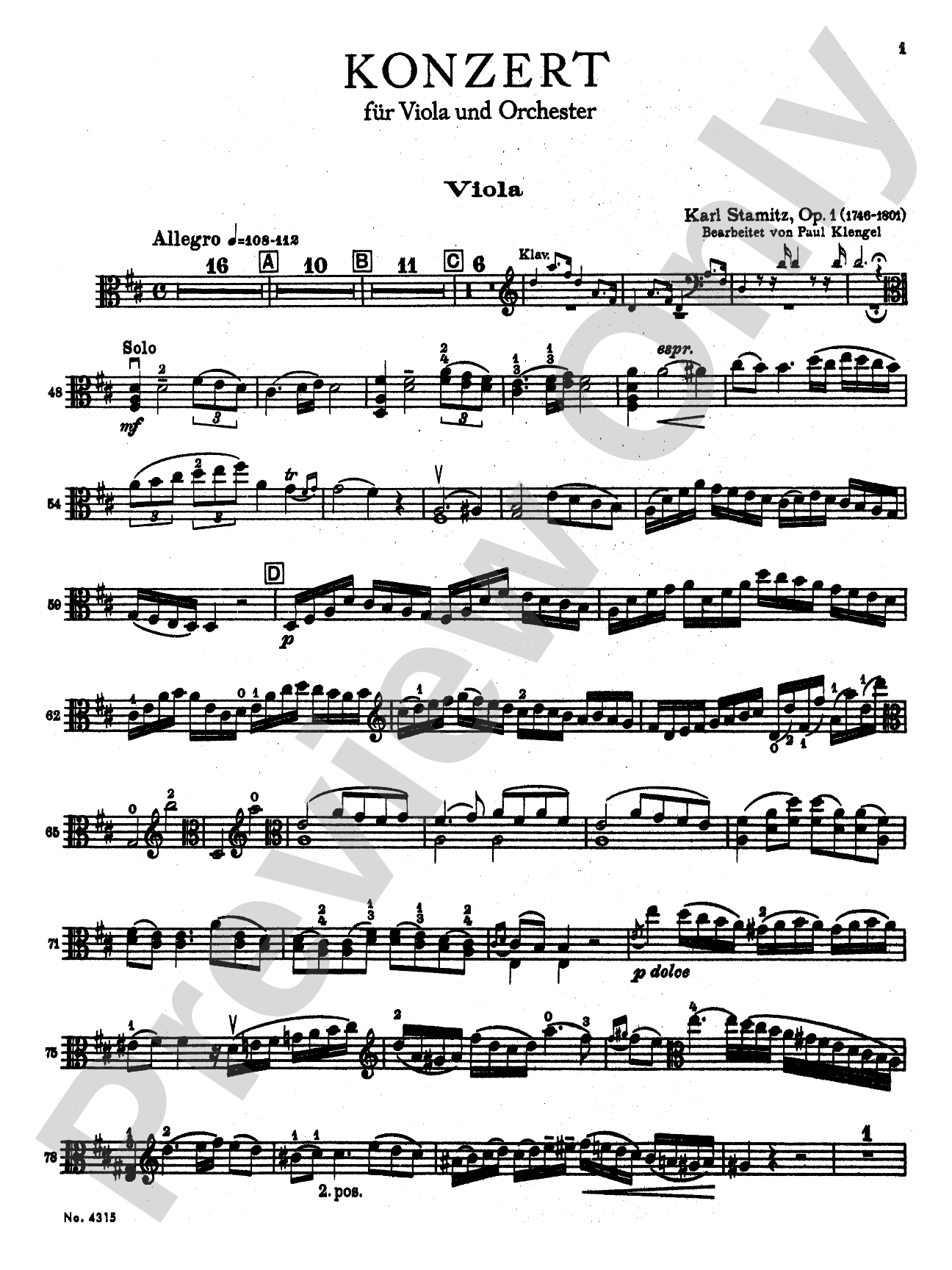
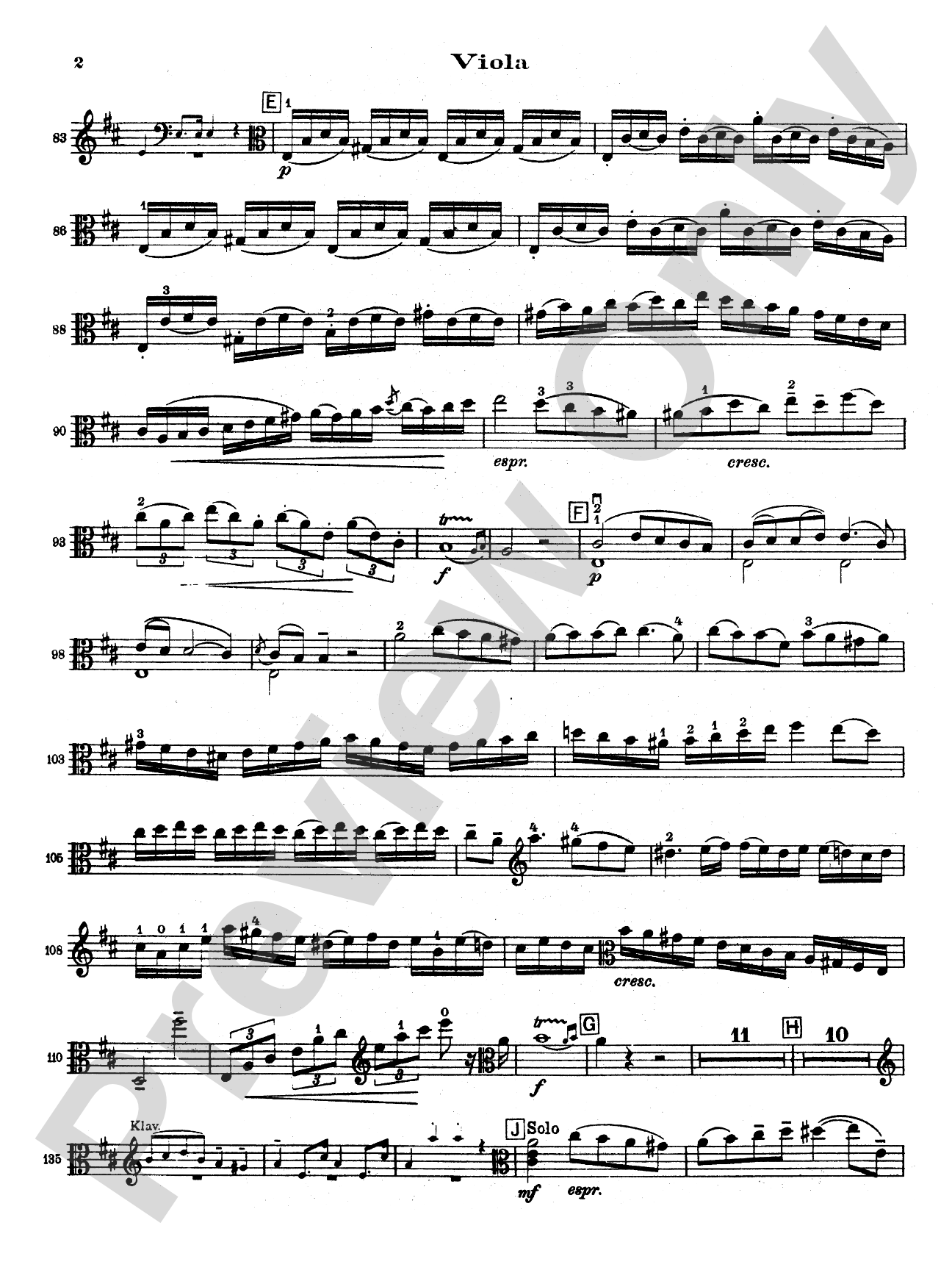
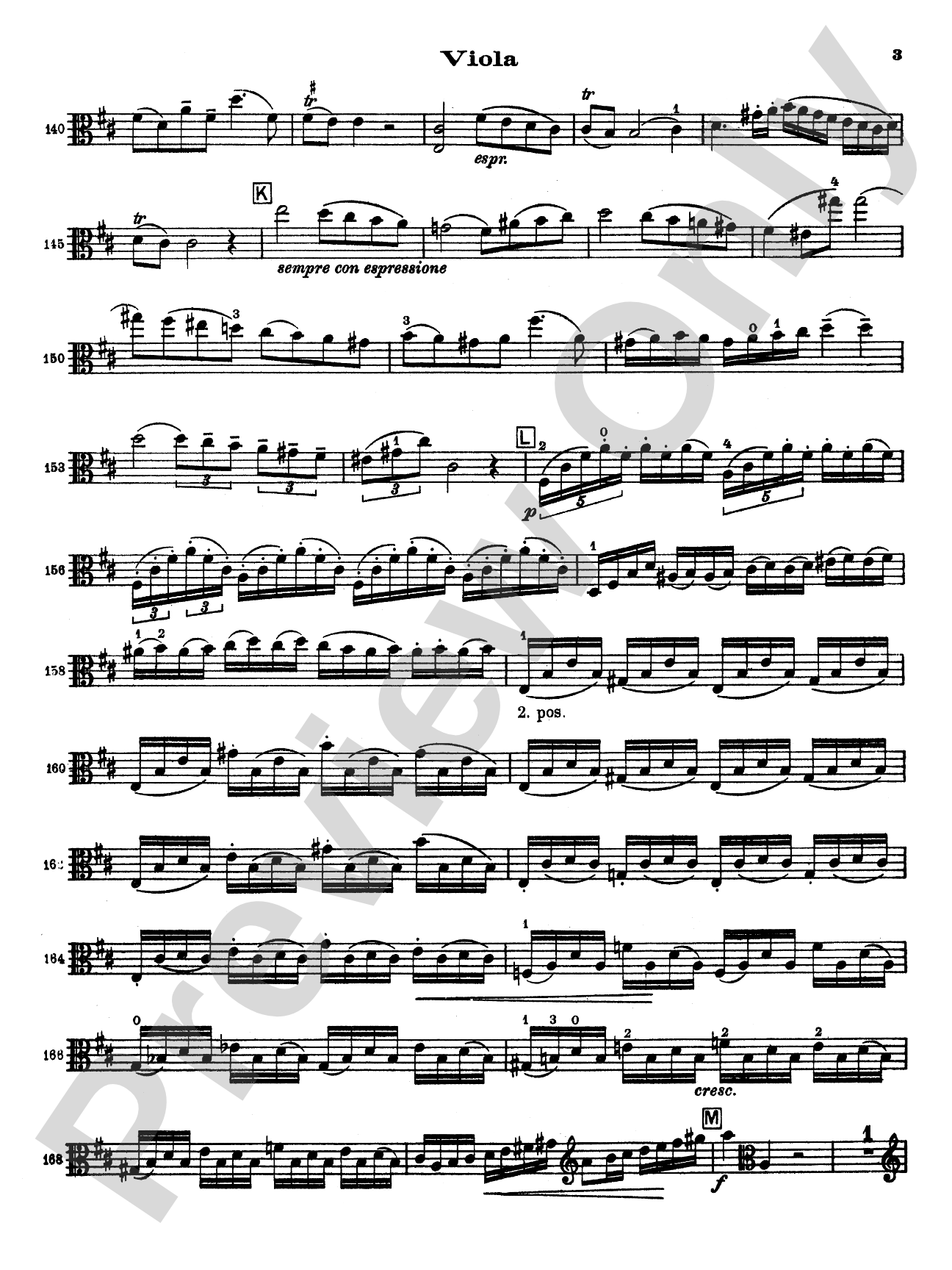
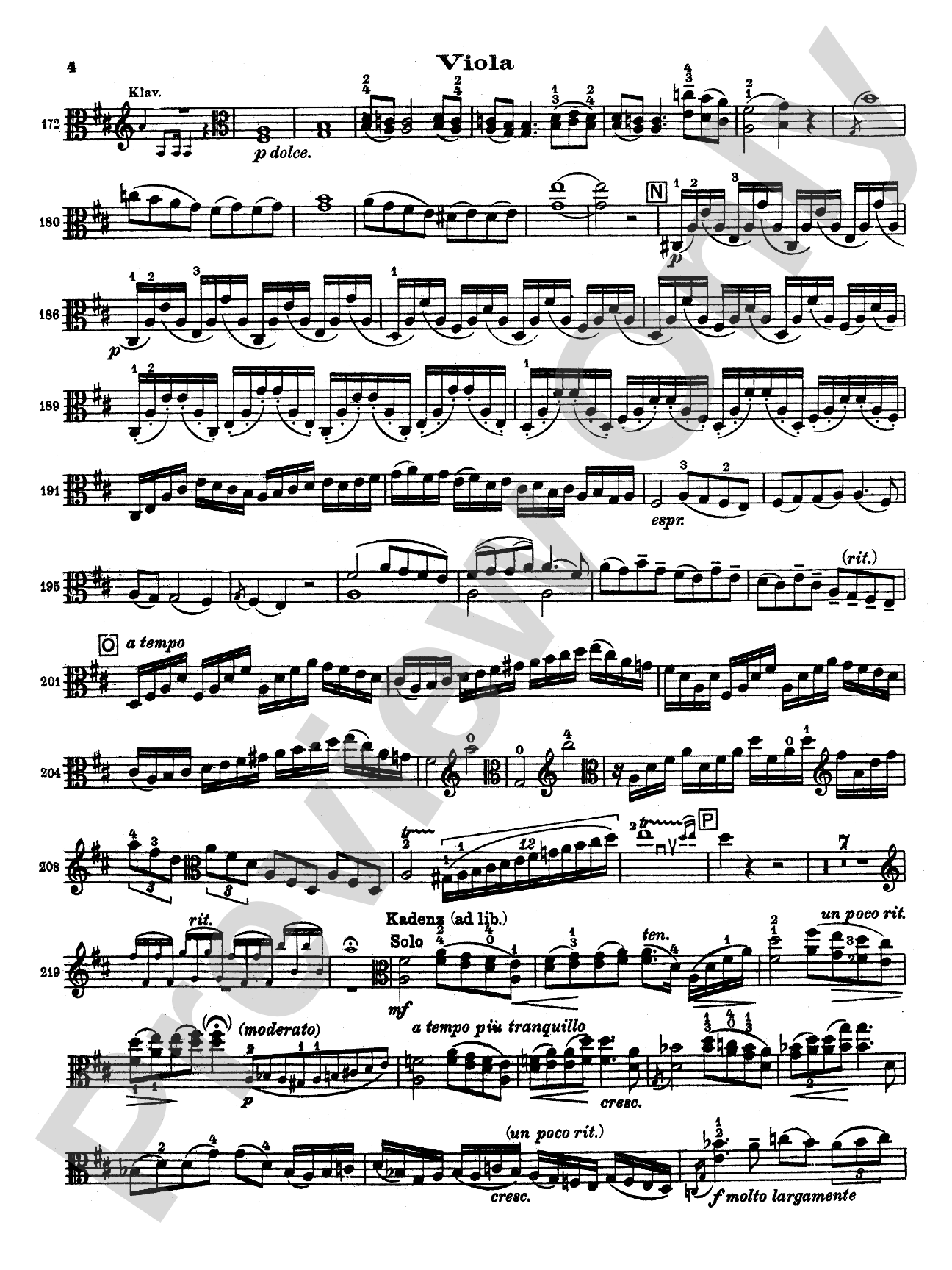
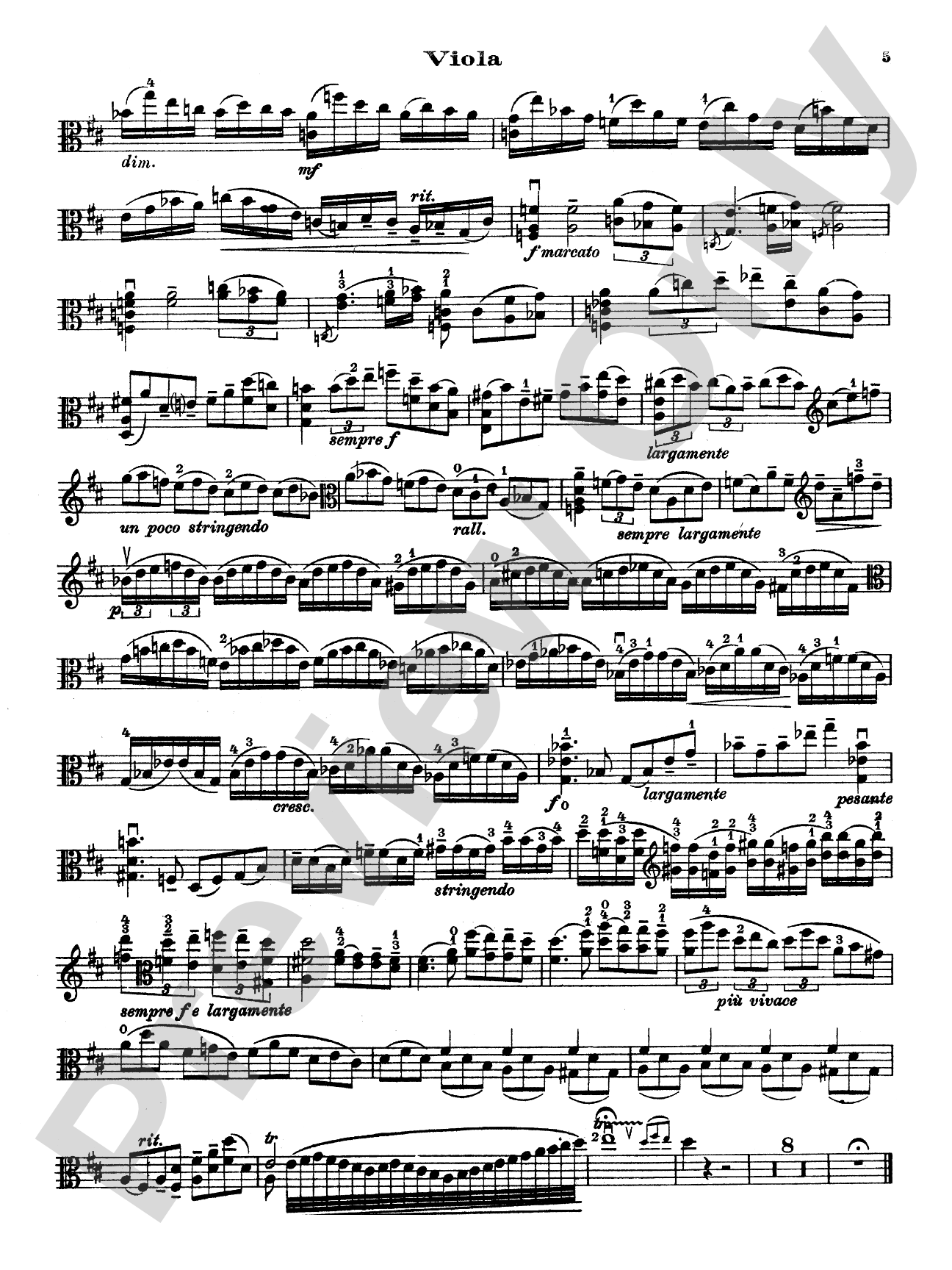
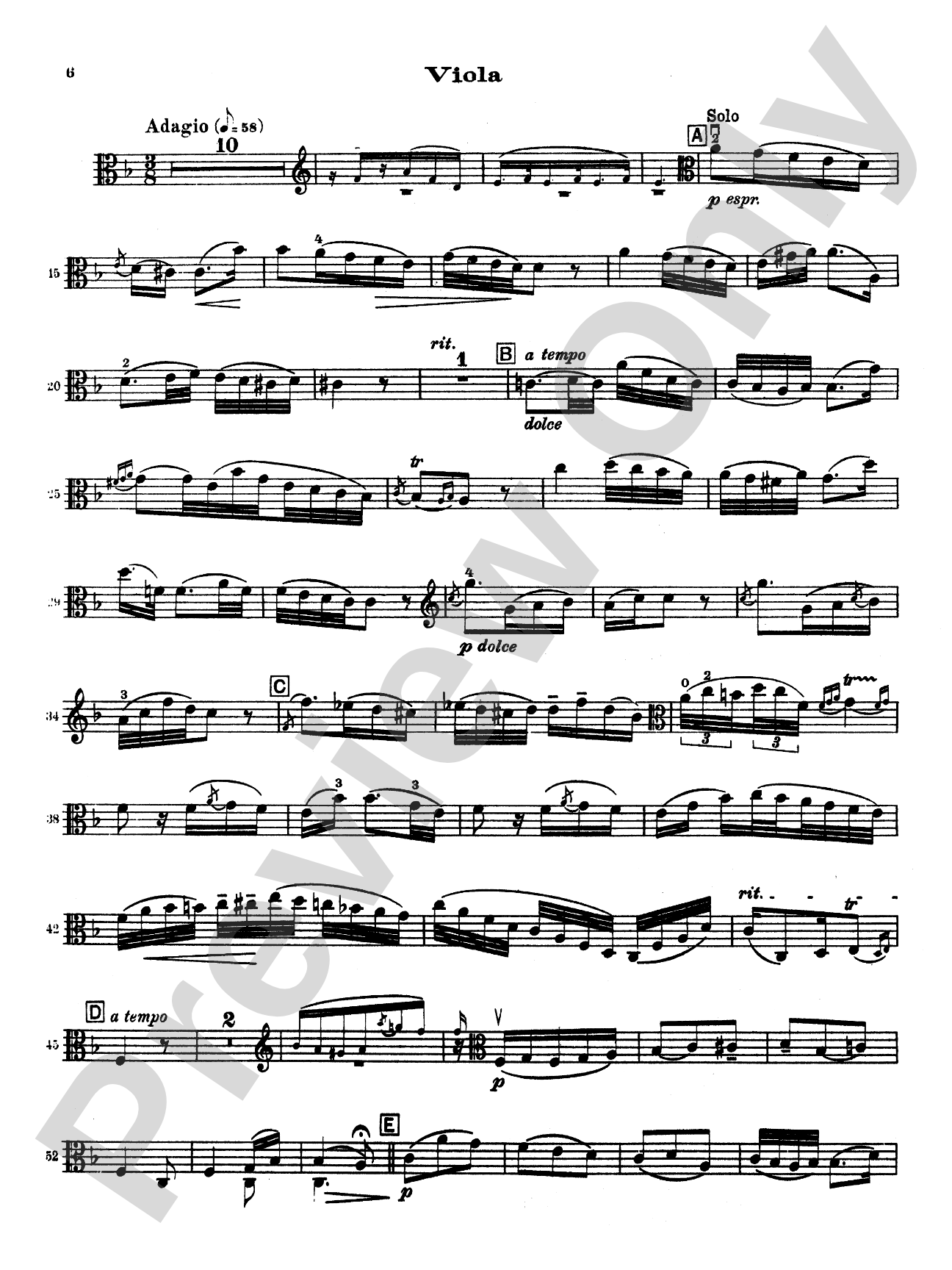
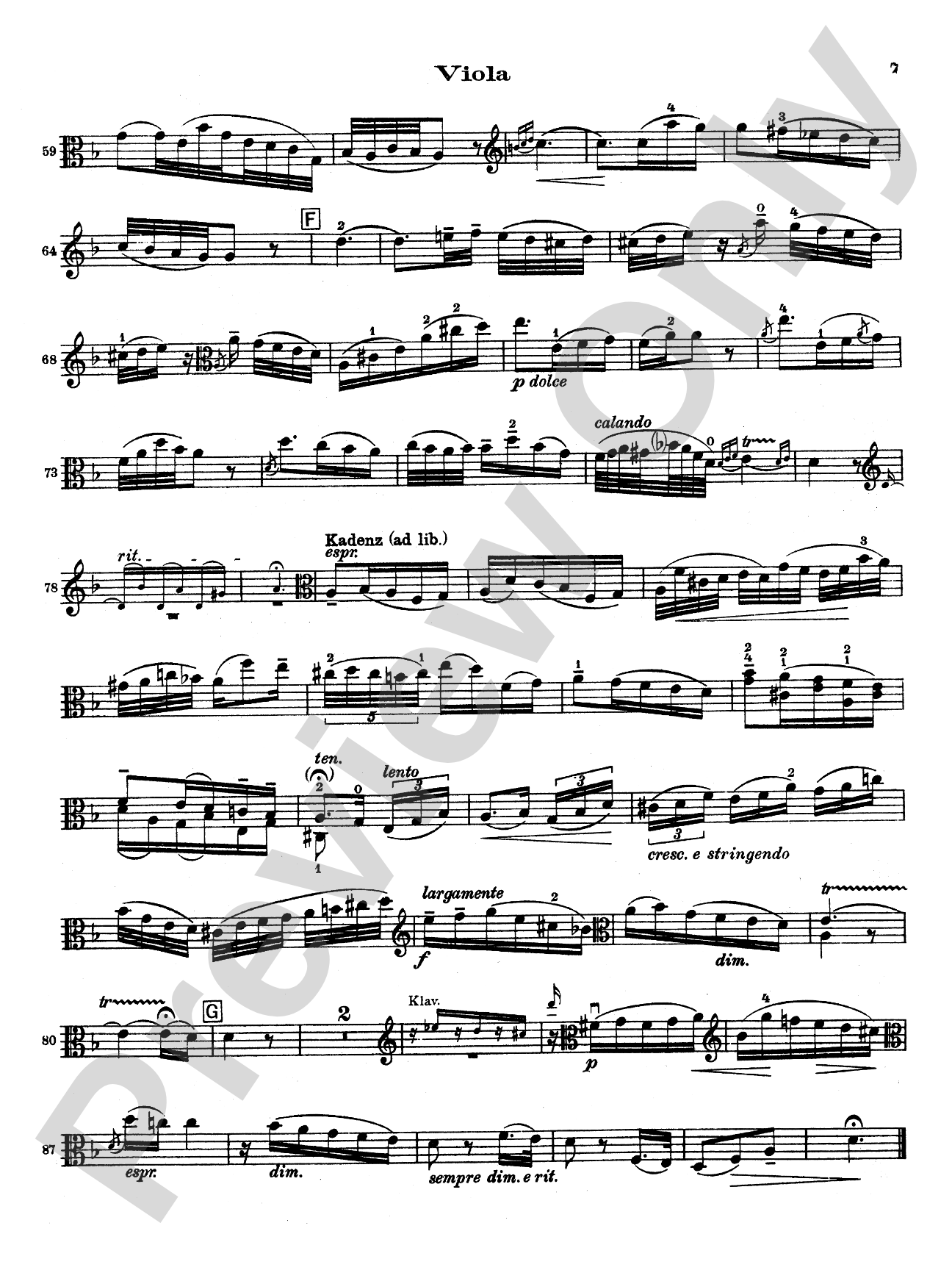
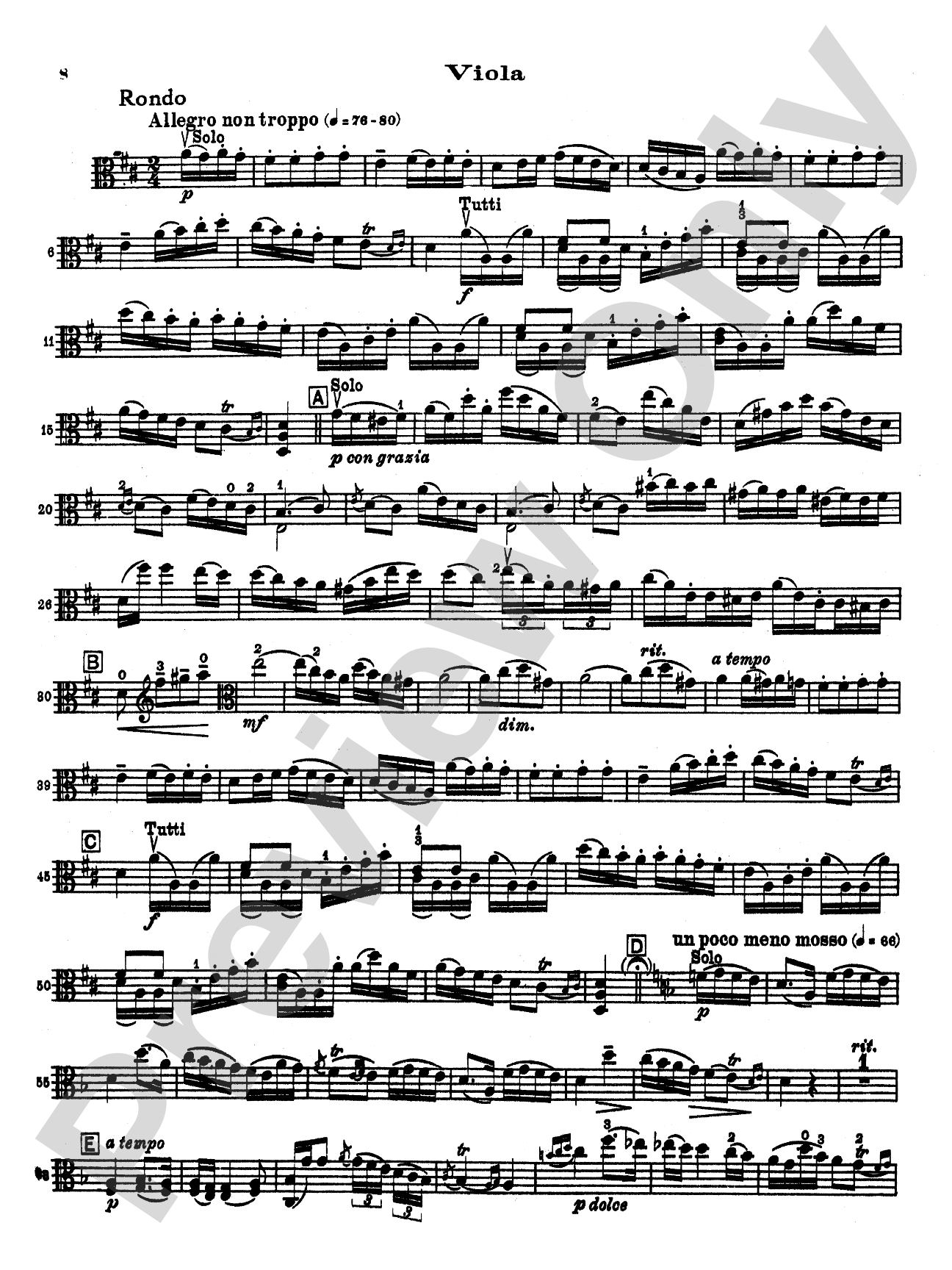
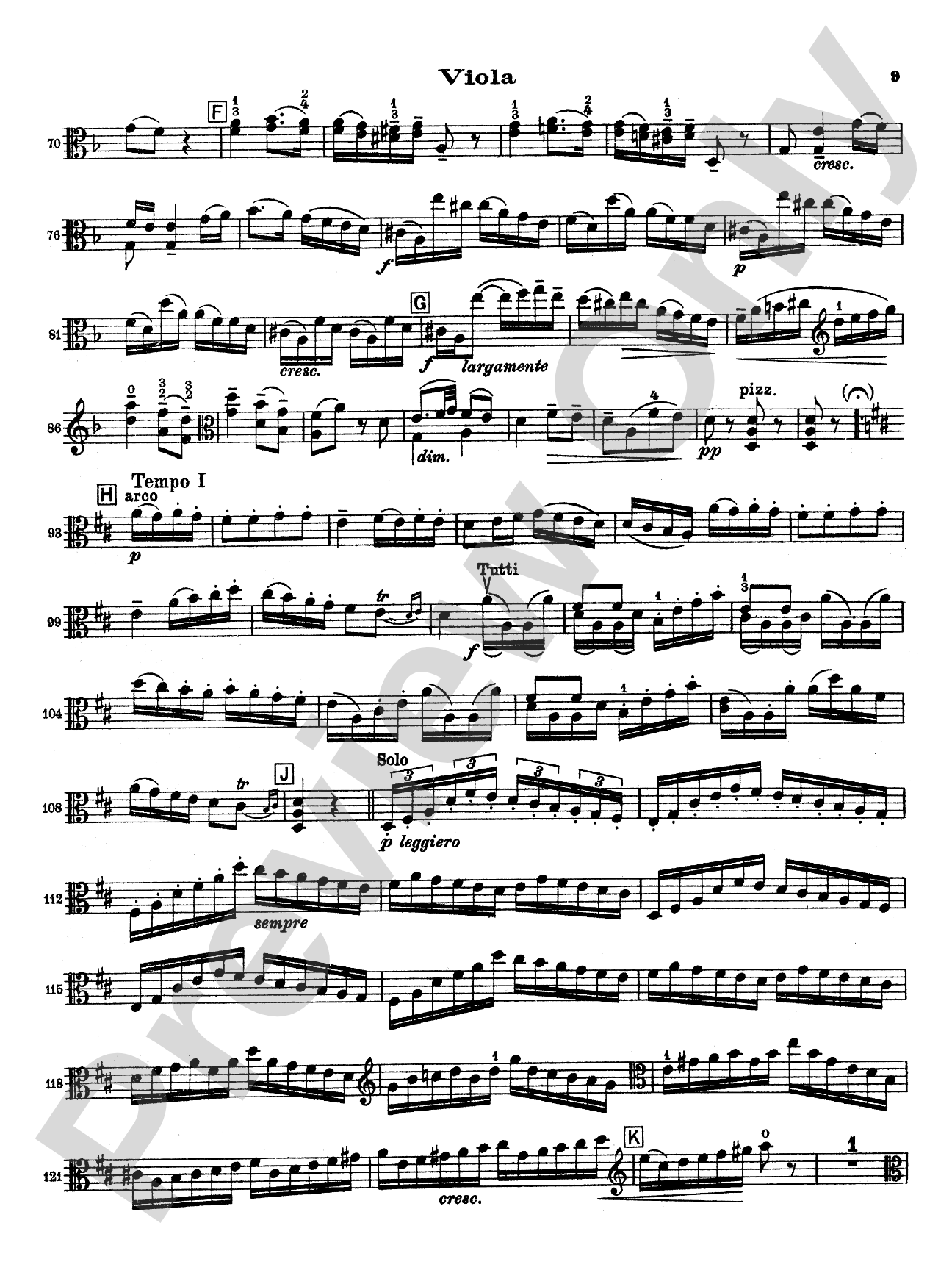
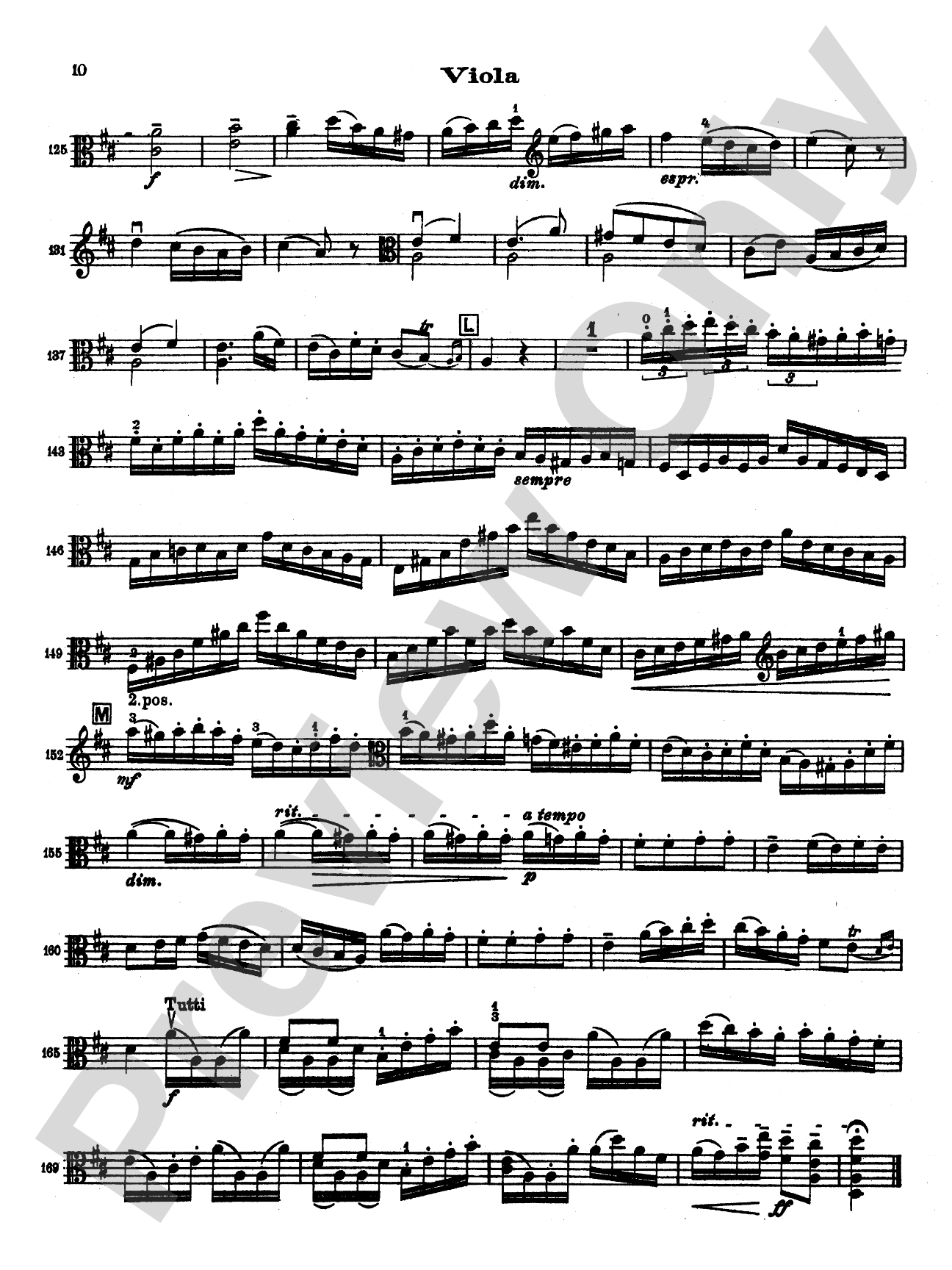

Stamitz: Concerto in D Major, Op. 1: Viola Book
By Karl Stamitz
Item: 00-PK-0003465

$9.99
Pickup currently not available
Buy Extra Parts (Digital PDF Download)
| Product | Price | Quantity |
|---|---|---|
| Stamitz: Concerto in D Major, Op. 1 | $3.99 | |
| Stamitz: Concerto in D Major, Op. 1 | $3.95 |
Parts Added to Cart!
Related Items
Concerto in D Major, Opus 1: Viola Book |
$9.95
|
View |
Description
A solo, for Viola with Piano Accompaniment, composed by Karl Stamitz.


Don't just read it, hear it, play along with it, and watch your students grow with it. In MakeMusic Cloud, Stamitz: Concerto in D Major, Op. 1: Viola Book comes alive with professional accompaniment, adjustable tempo, and built-in practice tools that turn solo practice into real progress.
Open in the Player
Jump straight in and assign it today.
Start Your Free Trial
Open this title and explore the full library in minutes.
Sample Audio
No sample audio found.
Sample Video
No sample videos found.
Additional Details
Series:
Kalmus Edition
Publisher:
Alfred Music
Page Count:
36
SKU:
00-PK-0003465
More about this title
About the Composer: Karl Stamitz
Karl Stamitz (1745-1801) was a Mannheim-trained violinist and composer who inherited the cosmopolitan style of his father, Johann Stamitz, the concertmaster of the Mannheim orchestra. He composed prolifically across genres, but his concertos for strings remain cornerstone works of the Classical era, bridging the virtuosic demands of his inherited tradition with the formal clarity that defined his generation.
Why we love this
This concerto sits at the heart of viola repertoire, offering students and soloists a work with genuine musical substance rather than mere technical display. The writing balances lyricism with legitimate virtuosity, and the Classical architecture gives performers a clear structural road map while never sacrificing musicality.
What to expect
Graceful and purposeful, with the crystalline elegance of the Mannheim school. The outer movements combine lyrical themes with passages of genuine brilliance, while the slow movement invites introspection and expressive depth.
Who it's for
Violists at the intermediate-advanced level seeking a repertoire standard that sits between pedagogical concertos and the virtuosic works of the nineteenth century. Solo competition participants and recital performers will find this an ideal choice for festival and contest schedules.
How to get the most out of it
- Shape the first movement's main theme with subtle dynamic inflection rather than aggressive accent; the Mannheim style prizes elegance over weight.
- Balance brilliance in the fast passages with singing quality in the sustained sections; rapid sixteenth-note figures should never sound scrambled or breathless.
- Coordinate bow distribution and vibrato intensity with the pianist to ensure the accompaniment supports rather than overpowers the solo line.
- Pay close attention to the articulation markings in the original; they define the character far more than tempo alone.
How to use it
Program this as a featured solo work in a chamber or solo recital, or use it as a centerpiece for a "Classical Masters" or era-based concert. Its substantial length and musical weight make it a complete arc on its own, requiring no filler to support it.
Skills your students will build
- Baroque-to-Classical stylistic conventions and articulation
- Sustained legit tone production across dynamic ranges
- Double-stops and passage work in the upper register
- Structural awareness of sonata form and thematic development
- Collaborative balance and independence in chamber contexts