

Stairway to Heaven: String Orchestra Conductor Score & Parts
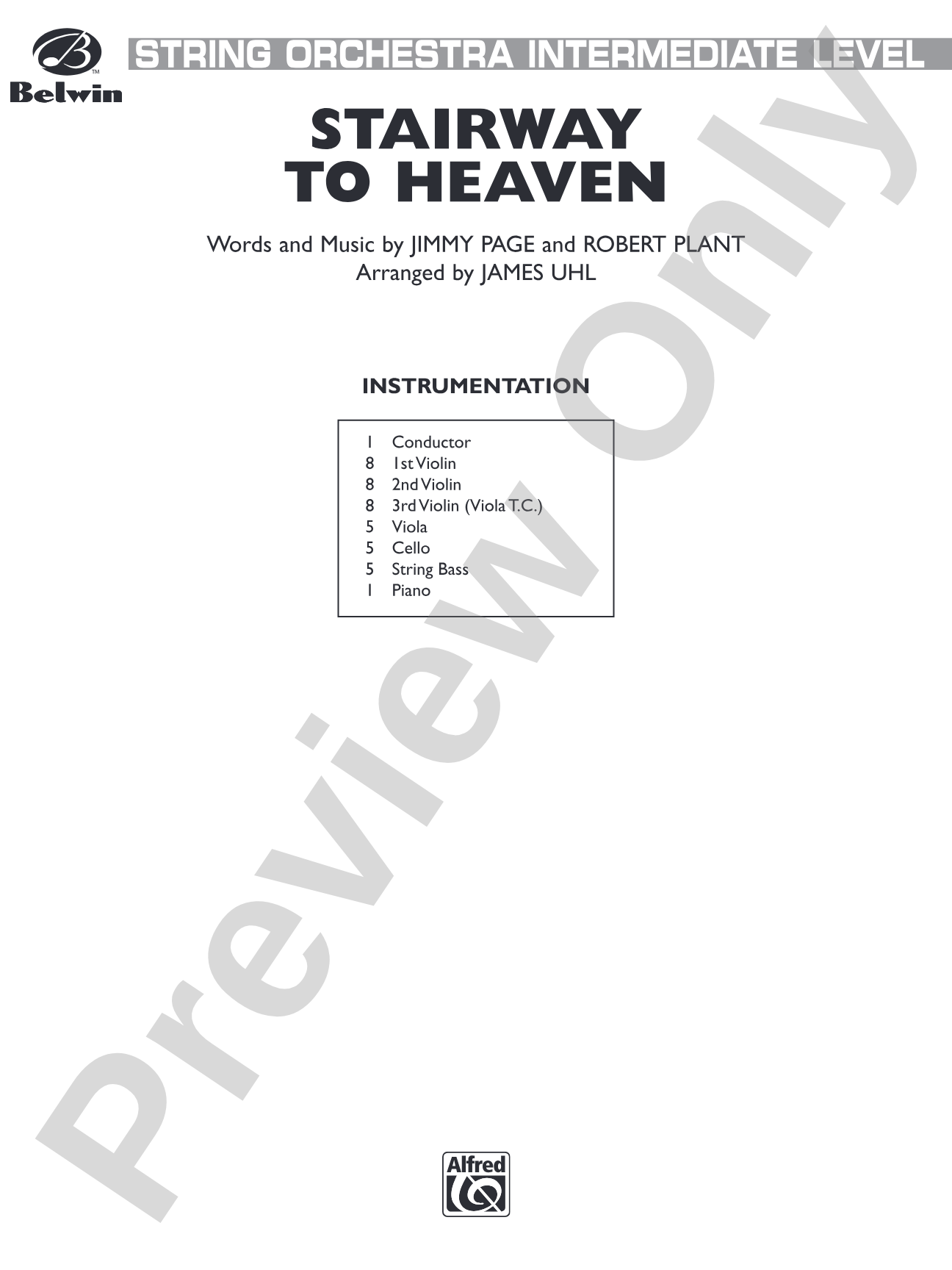
Words and music by Jimmy Page and Robert Plant / arr. James Uhl
Grade: 2.5
Item: 00-PK-0002631

$55.00
Pickup currently not available
Buy Extra Parts (Digital PDF Download)
| Product | Price | Quantity |
|---|---|---|
| Stairway to Heaven: Score | $7.00 | |
| Stairway to Heaven: 1st Violin | $5.99 | |
| Stairway to Heaven: 2nd Violin | $5.99 | |
| Stairway to Heaven: 3rd Violin (Viola [TC]) | $5.99 | |
| Stairway to Heaven: Viola | $5.99 | |
| Stairway to Heaven: Cello | $5.99 | |
| Stairway to Heaven: String Bass | $5.99 | |
| Stairway to Heaven: Piano Accompaniment | $5.99 |
Parts Added to Cart!
Description
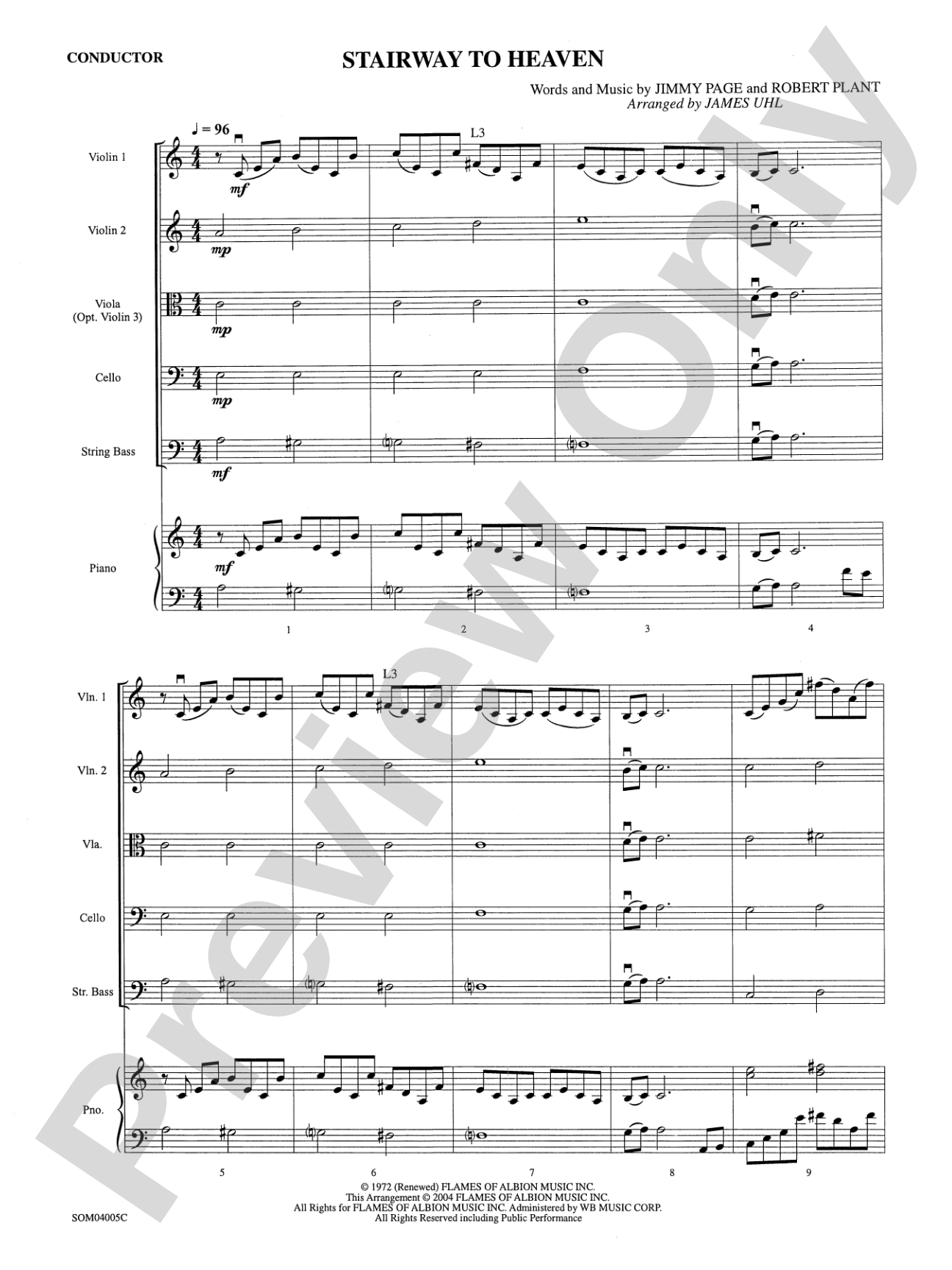
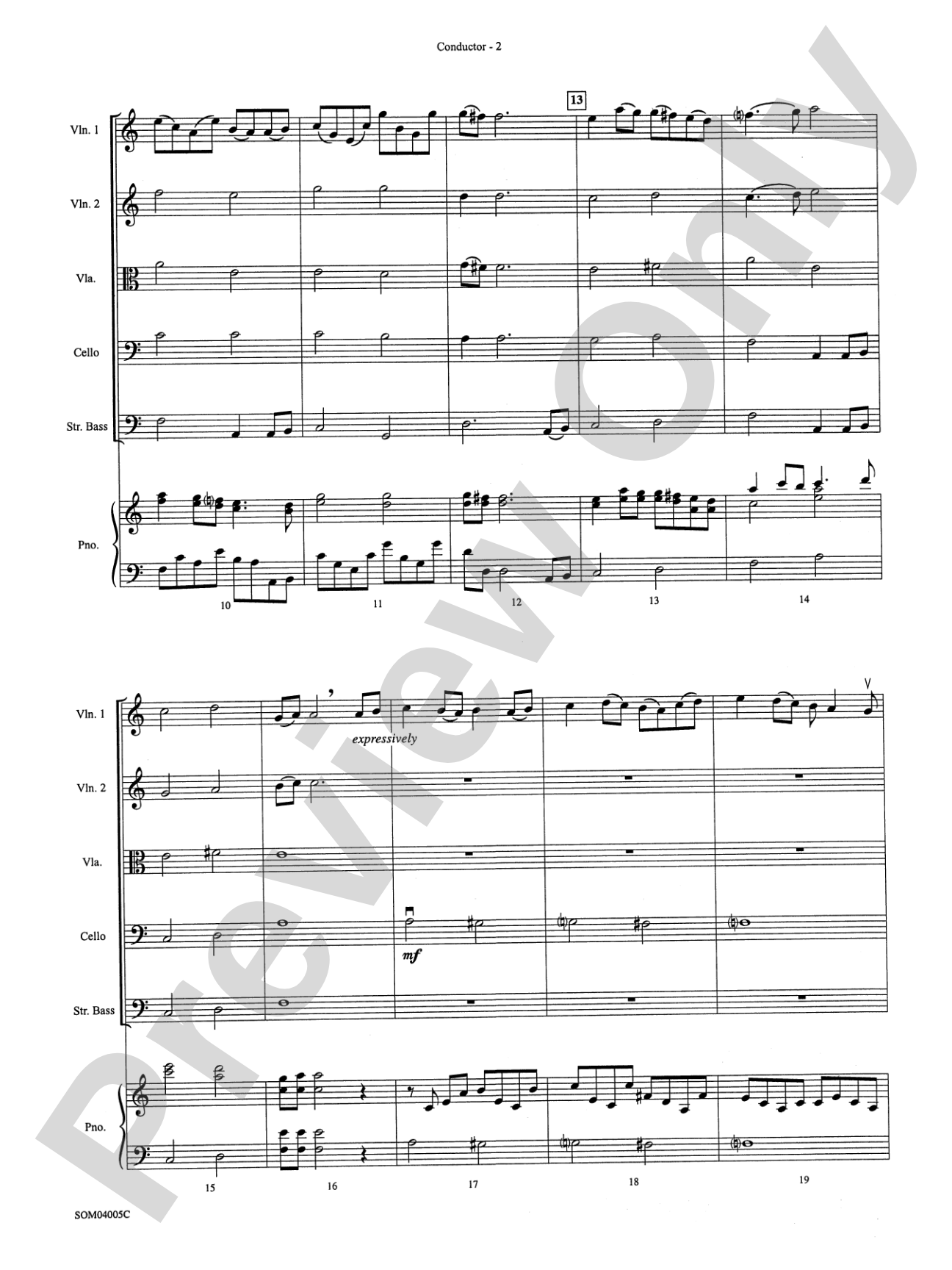
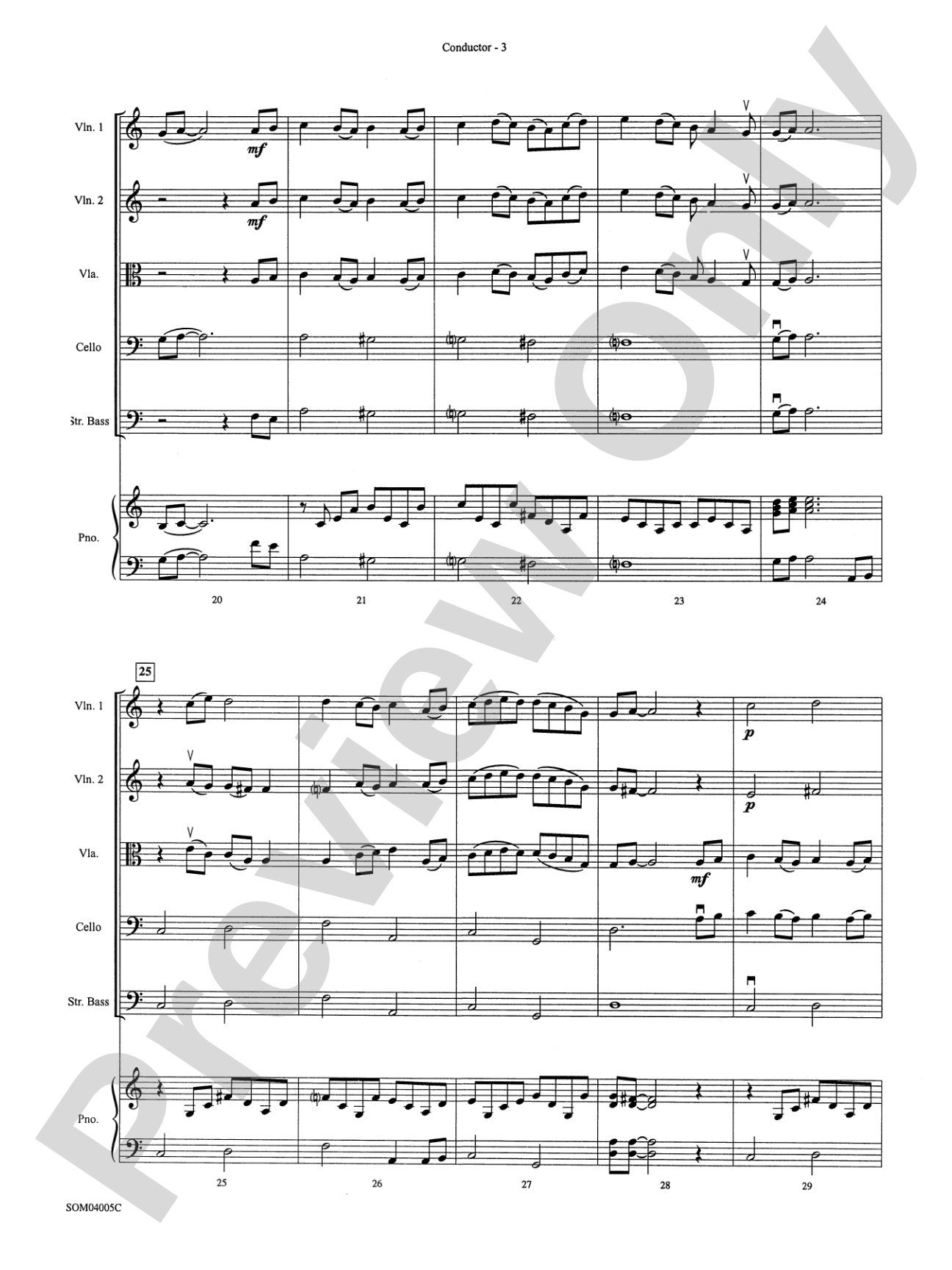
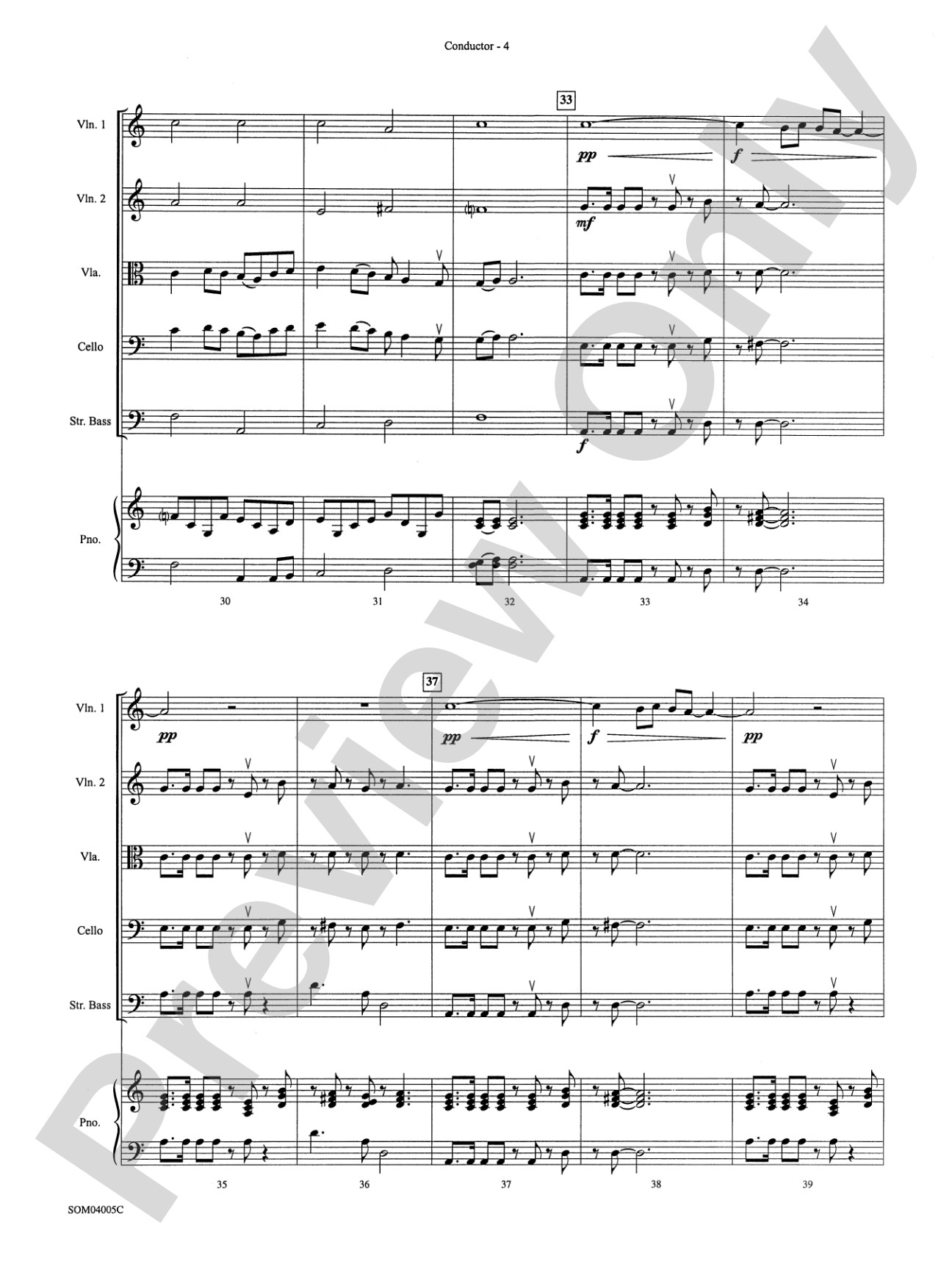
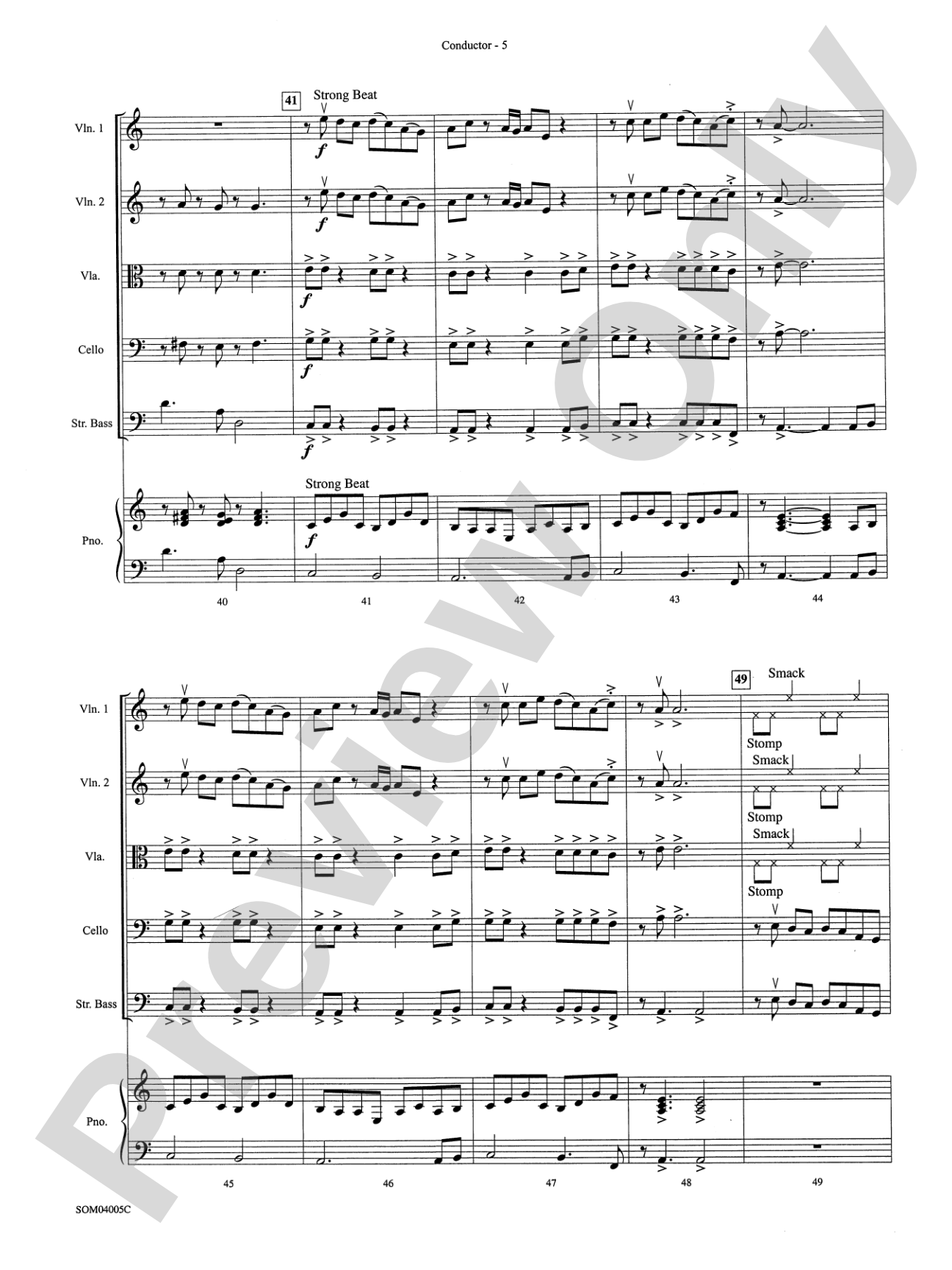
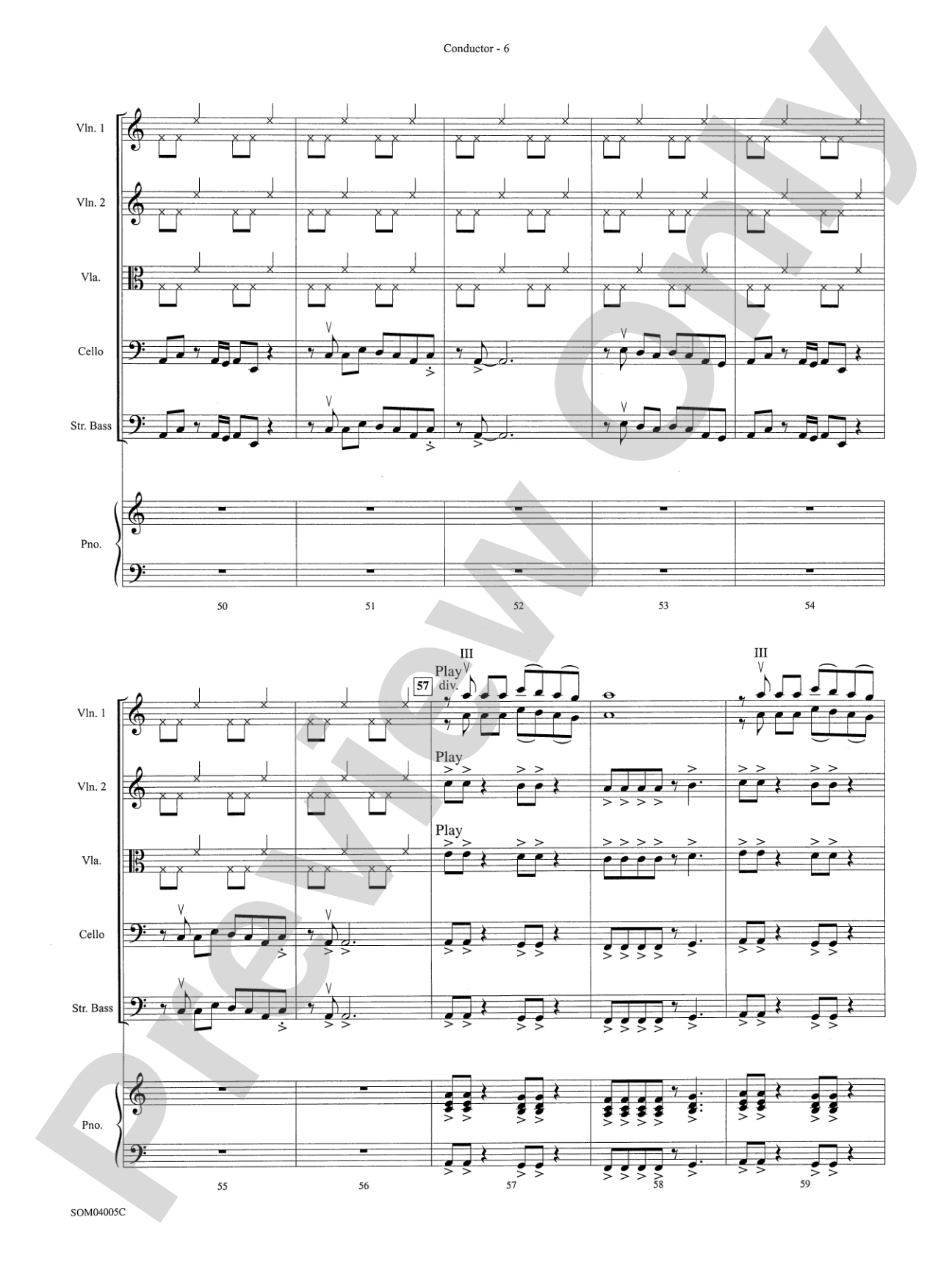
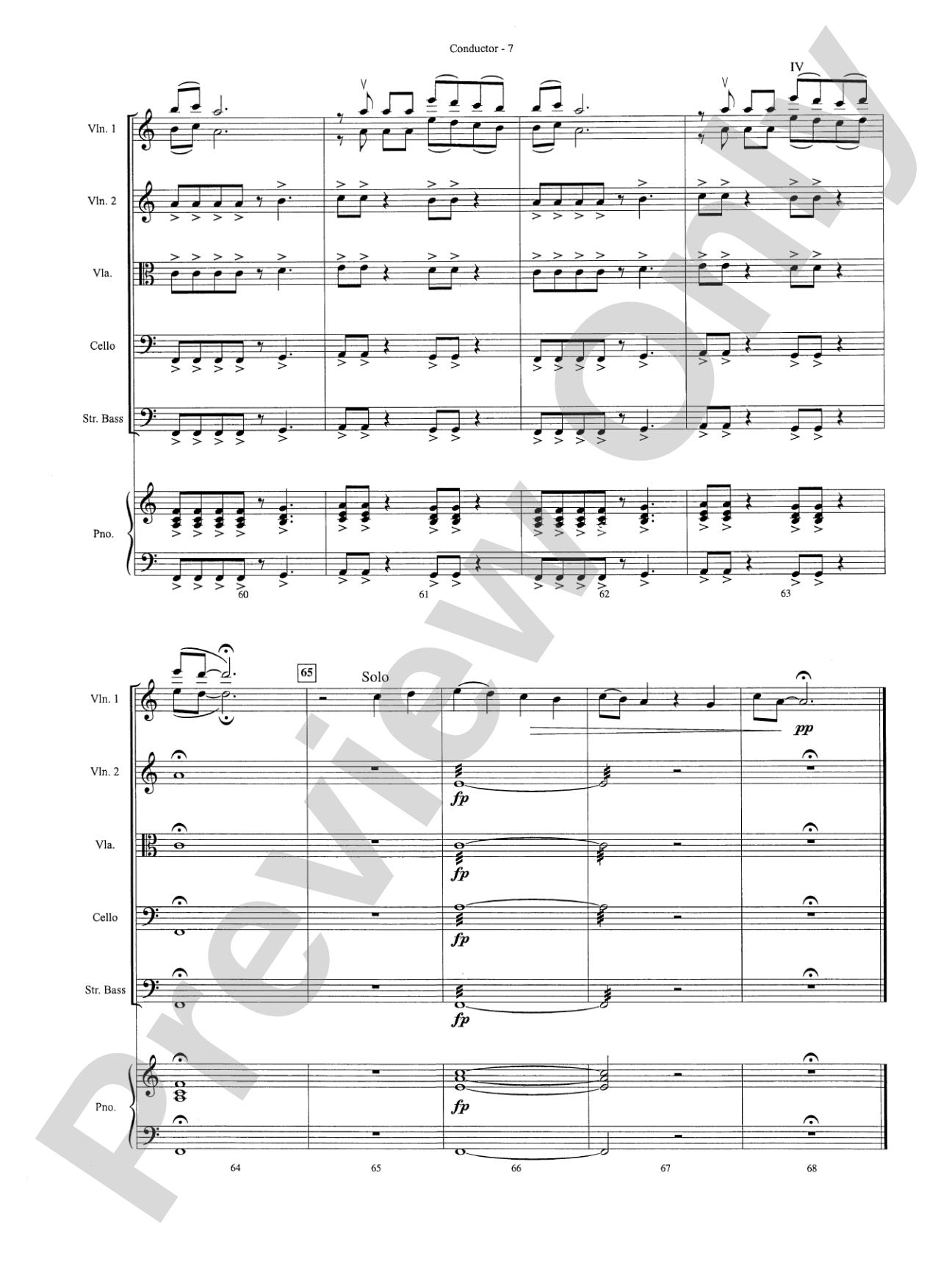
This classic rock ballad is familiar to all -- children, parents, and grandparents alike. Following a traditional introduction, the melody is stated initially in the first violins then shared with the remainder of the ensemble. There is lots of rhythm in this nostalgic classic hit. (2:53)


Don't just read it, hear it, play along with it, and watch your students grow with it. In MakeMusic Cloud, Stairway to Heaven: String Orchestra Conductor Score & Parts comes alive with professional accompaniment, adjustable tempo, and built-in practice tools that turn solo practice into real progress.
Open in the Player
Jump straight in and assign it today.
Start Your Free Trial
Open this title and explore the full library in minutes.
Sample Audio
1
Audio File
--:--
0:00
0:00
Sample Video
No sample videos found.
Additional Details
Series:
Pop Intermediate String Orchestra
Publisher:
Alfred Music
Page Count:
98
SKU:
00-PK-0002631
More about this title
About the Composer: Jimmy Page
Jimmy Page crafted some of the most recognizable guitar riffs in rock history as Led Zeppelin's primary songwriter and virtuoso instrumentalist. His approach to composition emphasized melodic development, dynamic contrast, and orchestral textures long before "Stairway to Heaven" became a cultural touchstone. Page's influence on how rock musicians think about arrangement and progression extends far beyond the genre itself, making his work relevant to string educators seeking to bridge classical and contemporary music.
Why we love this
An arrangement that actually works for Grade 2.5 ensembles is rare. James Uhl preserves the song's unmistakable character without requiring advanced technique, giving students a piece they'll recognize and want to play well. The gradual textural build from first violin melody through full ensemble participation teaches musical storytelling in a way students experience as organic, not contrived.
What to expect
The opening floats with introspection before gradually gathering momentum and texture. Despite its familiar character, the arrangement emphasizes the contemplative quality that makes the original so compelling, allowing string players to explore lyricism within a recognizable rock framework.
Who it's for
String orchestra directors teaching at the early-intermediate level who want to program something their students actually know and care about playing. It works equally well for groups seeking concert repertoire that engages families and broader audiences beyond traditional classical music listeners.
How to get the most out of it
- Let the introduction breathe. This sets the listener's expectations for the entire piece, so clarity and space matter more than tempo consistency.
- Balance the first violin melody carefully once other voices enter. The arrangement's strength lies in hearing how parts layer, not in one section dominating.
- Shape the dynamic rise across the arrangement's arc. Since there's substantial rhythmic activity throughout, use dynamics to create the sense of building intensity rather than relying on tempo alone.
- Check tuning in the sustained harmonic backgrounds. Ensemble blend depends on accuracy here, especially as the texture thickens.
How to use it
This fits naturally on a pop or light concert program where it can anchor an audience-friendly set without requiring dramatic key or style shifts between pieces. Consider programming it mid-concert to reset energy, since its gradual build and length (2:53) provide breathing room between heavier classical works.
Skills your students will build
- Layering texture and maintaining individual voice independence in thick harmonic settings
- Shaping dynamic arcs across extended sections rather than relying on written markings
- Balance between melody and supporting material when multiple lines are active
- Reading and executing rhythmic patterns consistently over time (rock-influenced steady grooves)
- Interpreting articulation and phrasing in a contemporary style context