Antonio Vivaldi (1678-1741) shaped the Baroque concerto into a vehicle for both virtuosity and vivid musical storytelling. A prolific Venetian composer and master violinist, he composed over 500 works across multiple genres while teaching at an orphanage conservatory in Venice. His ability to write music that sounds both technically brilliant and immediately expressive made him influential across Europe and remains central to string pedagogy today.
Why we love this
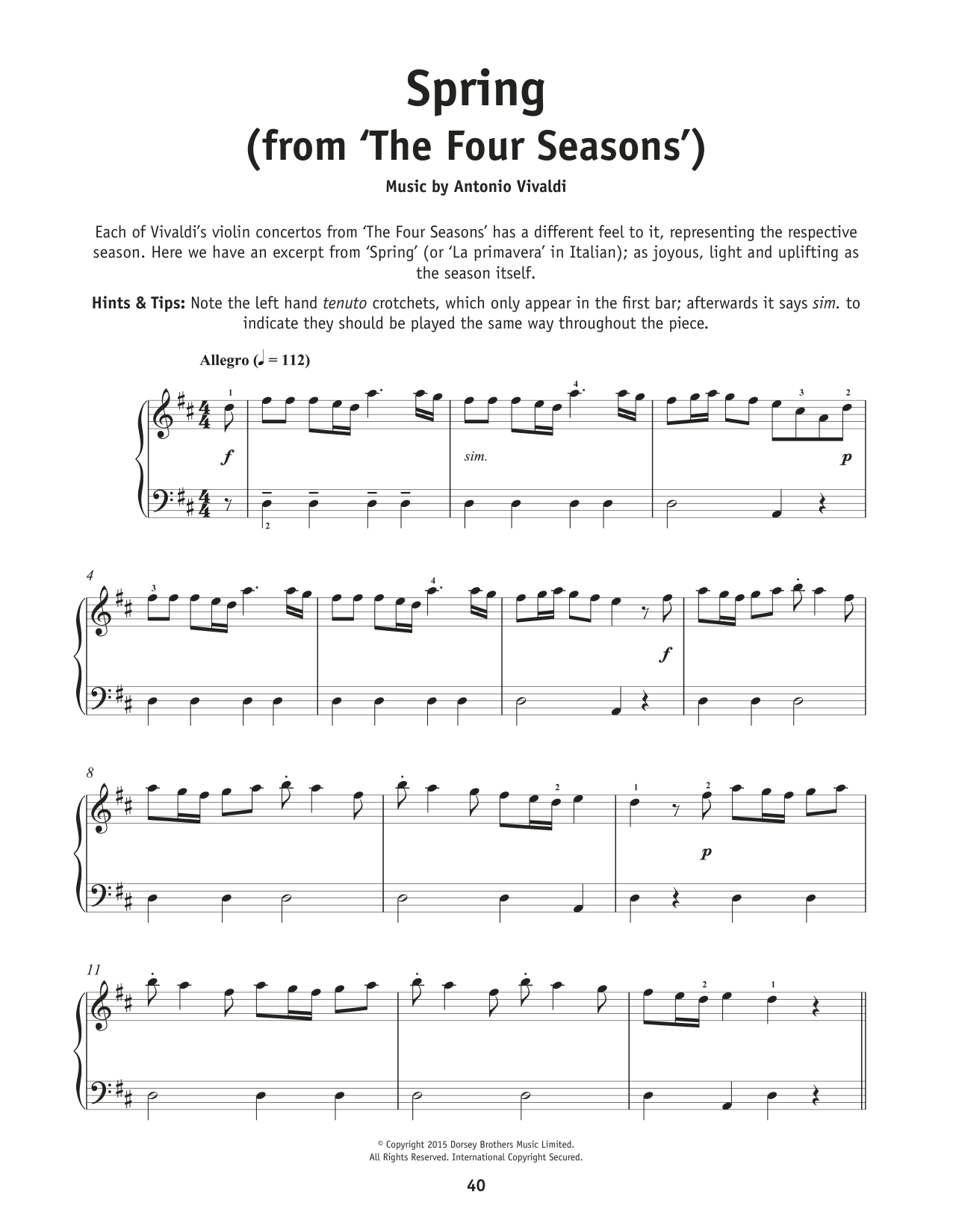
Spring sits at the intersection of accessibility and sophistication. The melodies are instantly recognizable and rewarding for students to perform, yet the harmonic language and rhythmic drive reveal Vivaldi's compositional mastery on every listen. Programming this movement opens doors to conversations about program music, Baroque style, and how a skilled composer evokes season and emotion without a single word.
What to expect
Vivaldi captures spring as a torrent of energy and renewal. Bright allegro tempos surge forward, while sudden shifts into minor passages remind us that spring also brings unpredictability. The writing sparkles with optimism and forward motion, as if nature itself is shaking off winter and leaping into life.
Who it's for
Musicians and ensembles seeking substantial yet accessible repertoire that connects Baroque style to concert programming. This works for students developing interpretive maturity, mixed ensembles building a crossover repertoire, and educators planning thematic concerts around seasons, celebrations, or classical foundations.
How to get the most out of it
Shape the opening theme with clear articulation and gentle dynamic contour; let the spring energy breathe rather than rush.
Balance the solo line against accompanying figures so both layers register clearly in the acoustic space you're performing in.
Observe the rhythmic swagger in fanfare sections; this is character writing, not mere ornamentation.
How to use it
This movement works beautifully as a concert opener when you need immediate audience engagement and a sense of occasion. It pairs naturally with other seasonal works, standalone classical concerto movements, or as part of a thematic wedding or spring concert. The two-page length makes it suitable for positioning between larger works or as a feature for your ensemble's strongest players.
Skills your students will build
Baroque articulation and phrasing conventions
Balancing solo melodic content against accompanimental textures
Interpreting dotted rhythms and rhythmic character
Sustaining musical energy across multiple statement and variation sections
Responding to program music and narrative imagery in instrumental writing
You May Also Like
Scan to Complete Your Purchase
Use your phone's camera to scan the code below
You'll log in on your phone and the order will be added to your account