

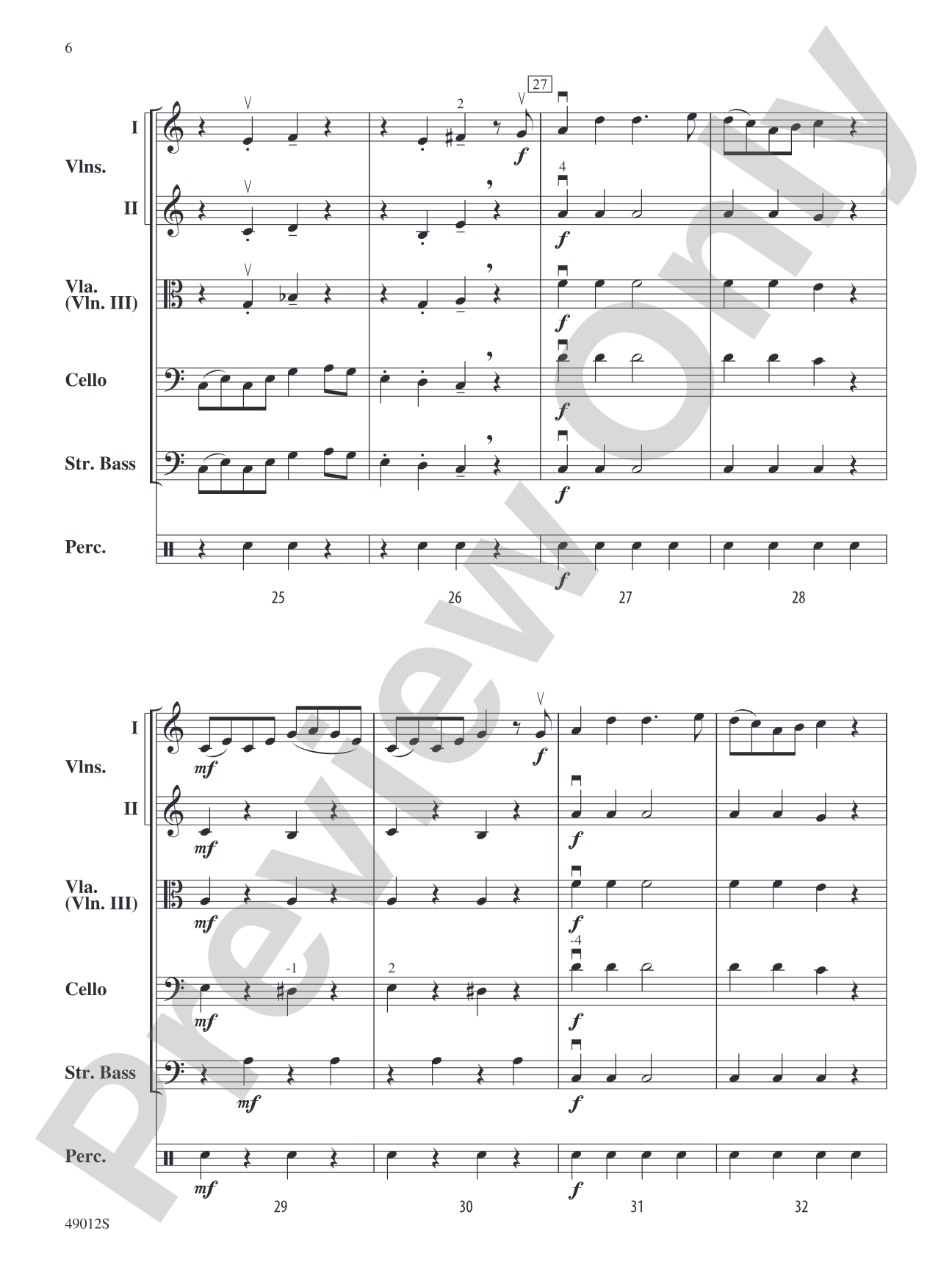
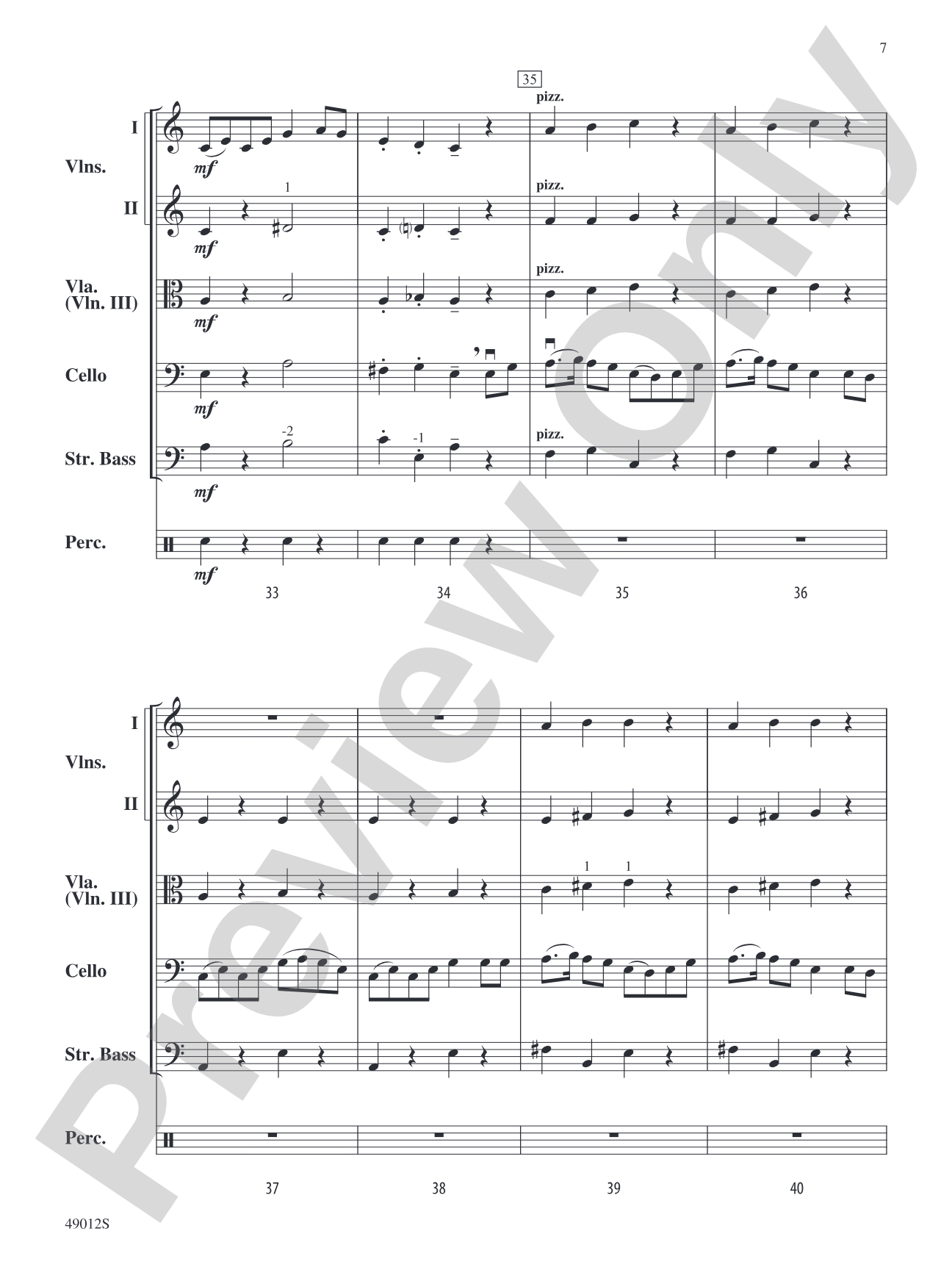
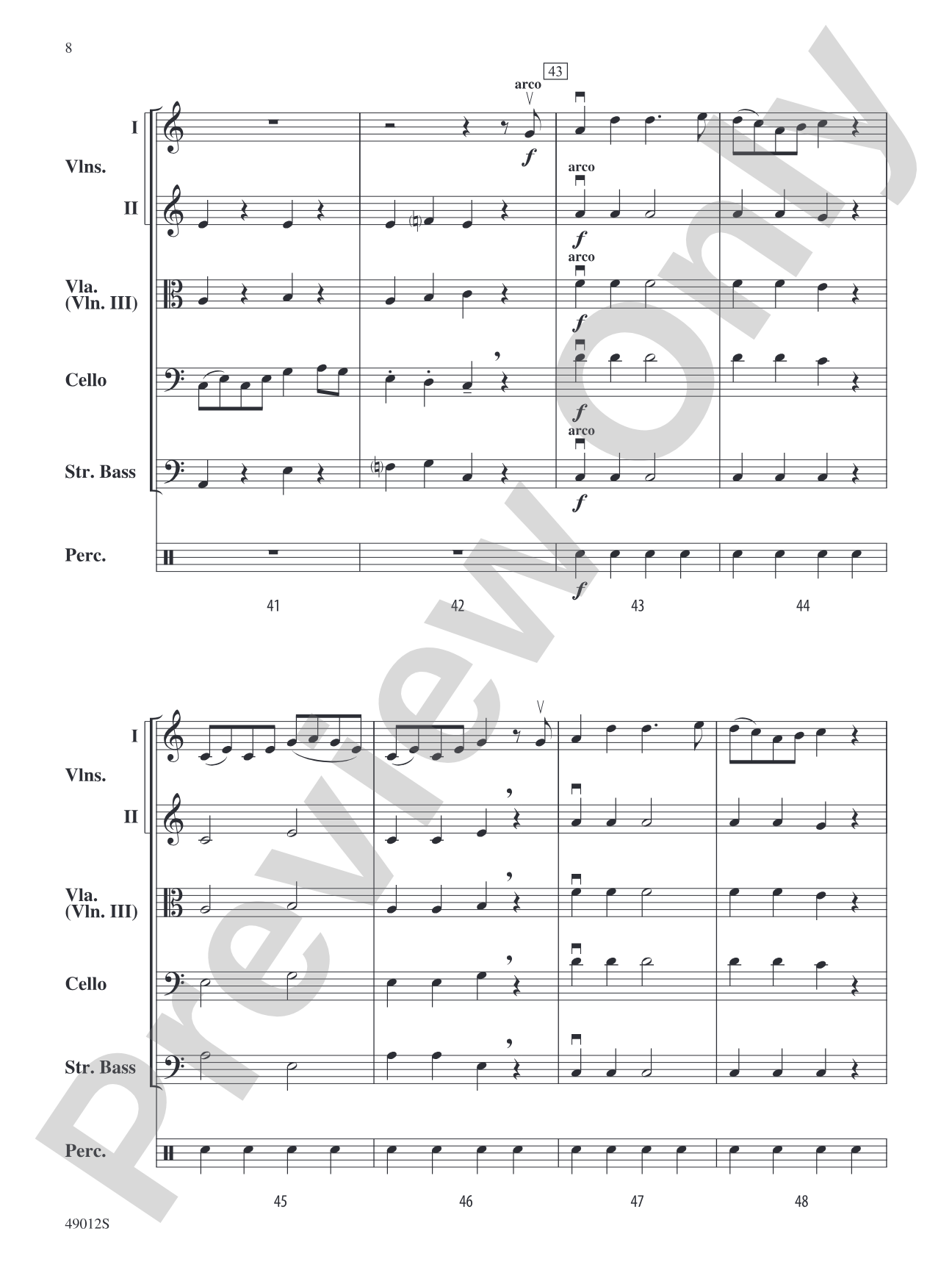
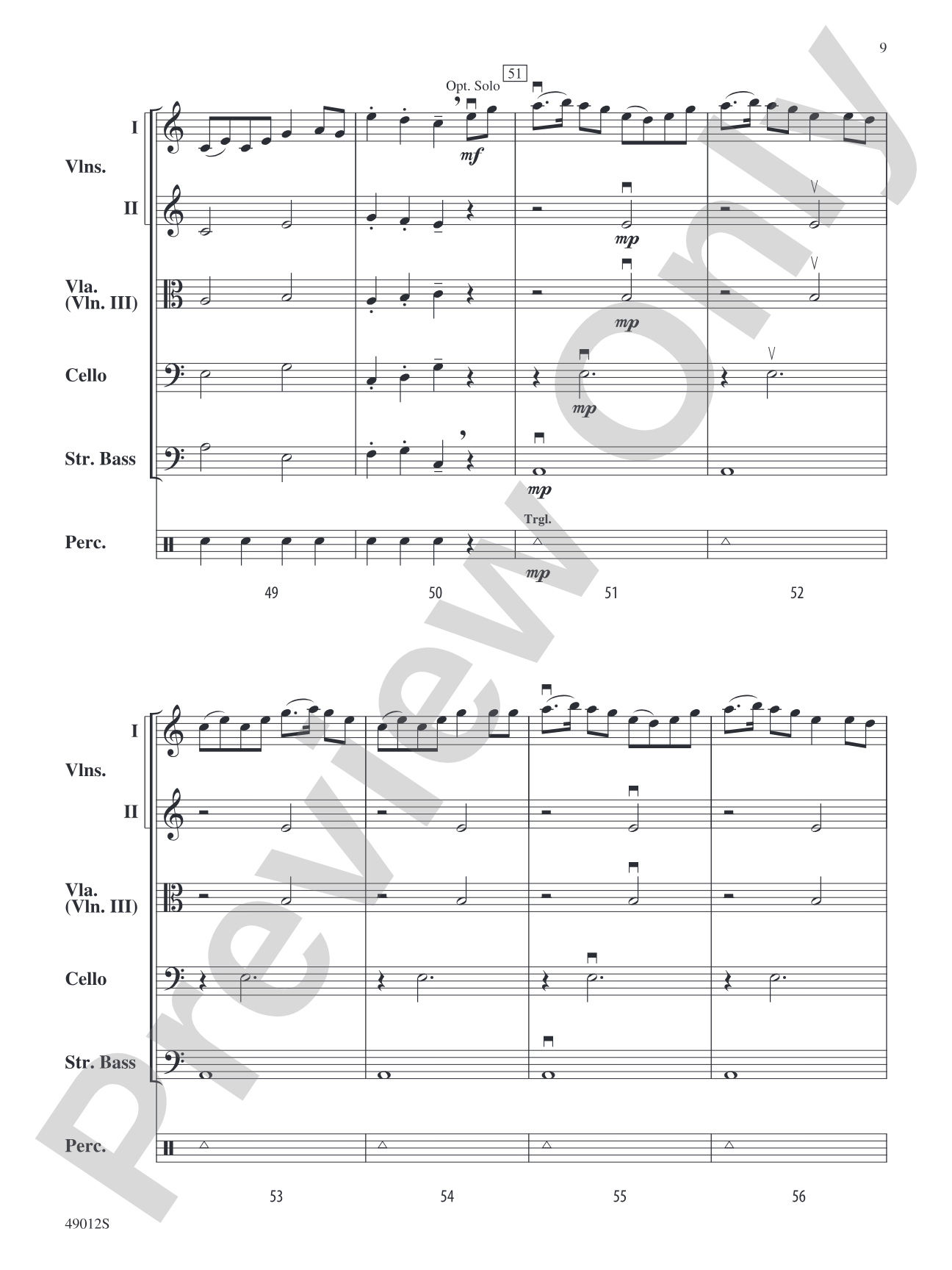

Spoon River: String Orchestra Conductor Score & Parts
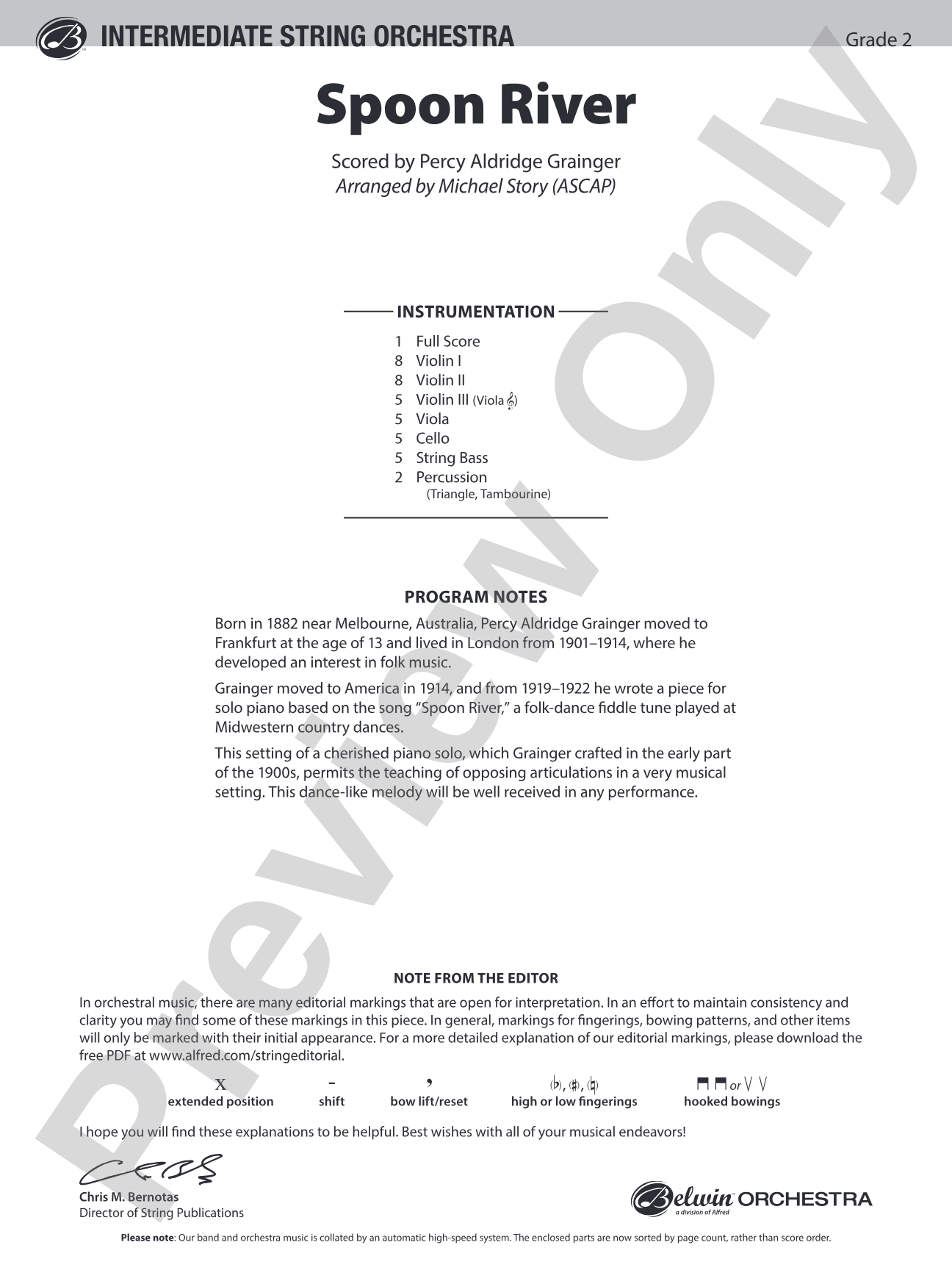
Scored by Percy Aldridge Grainger / arr. Michael Story
Grade: 2
Item: 00-PK-0008340

$50.00
One moment…
Description
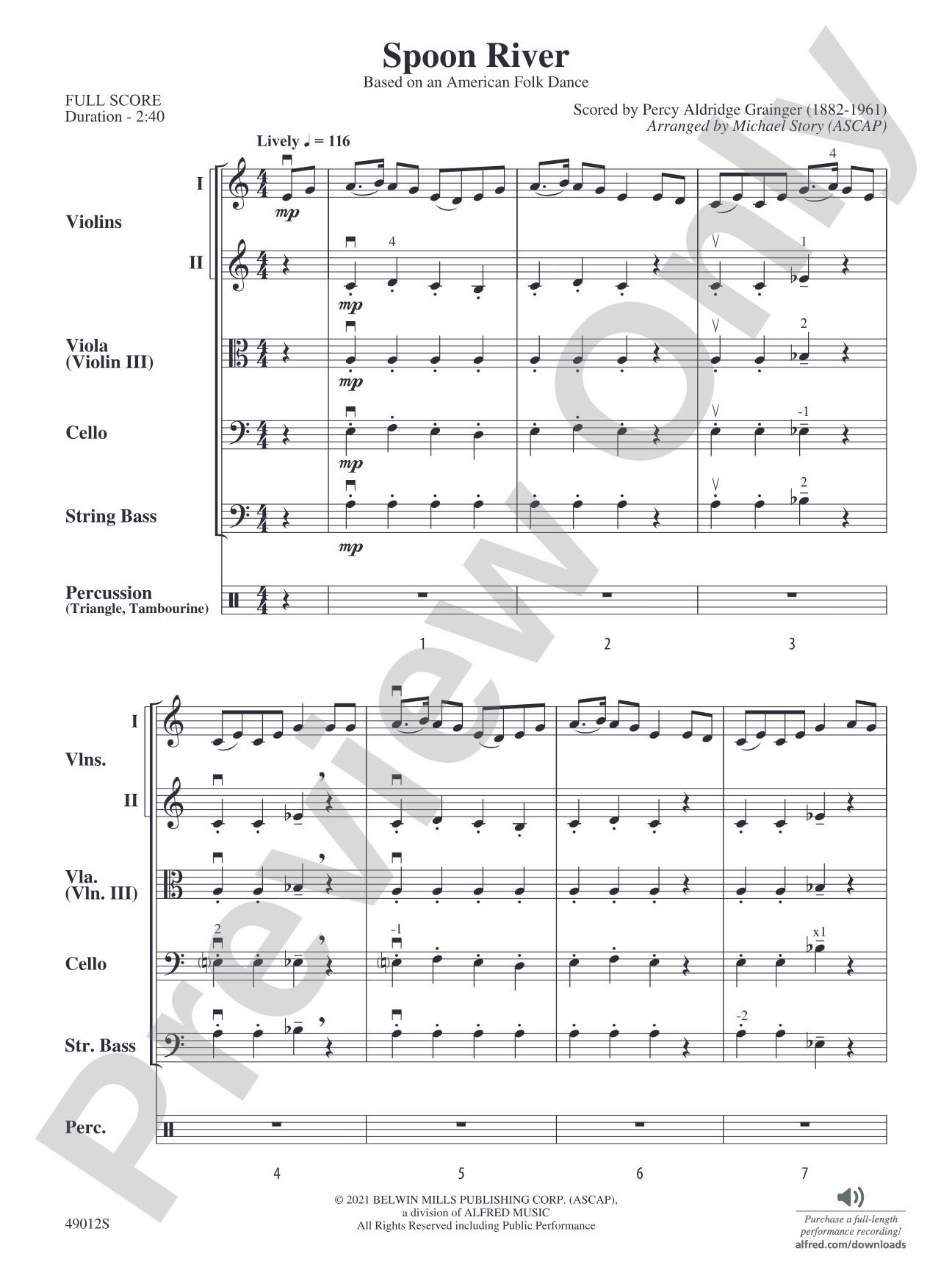
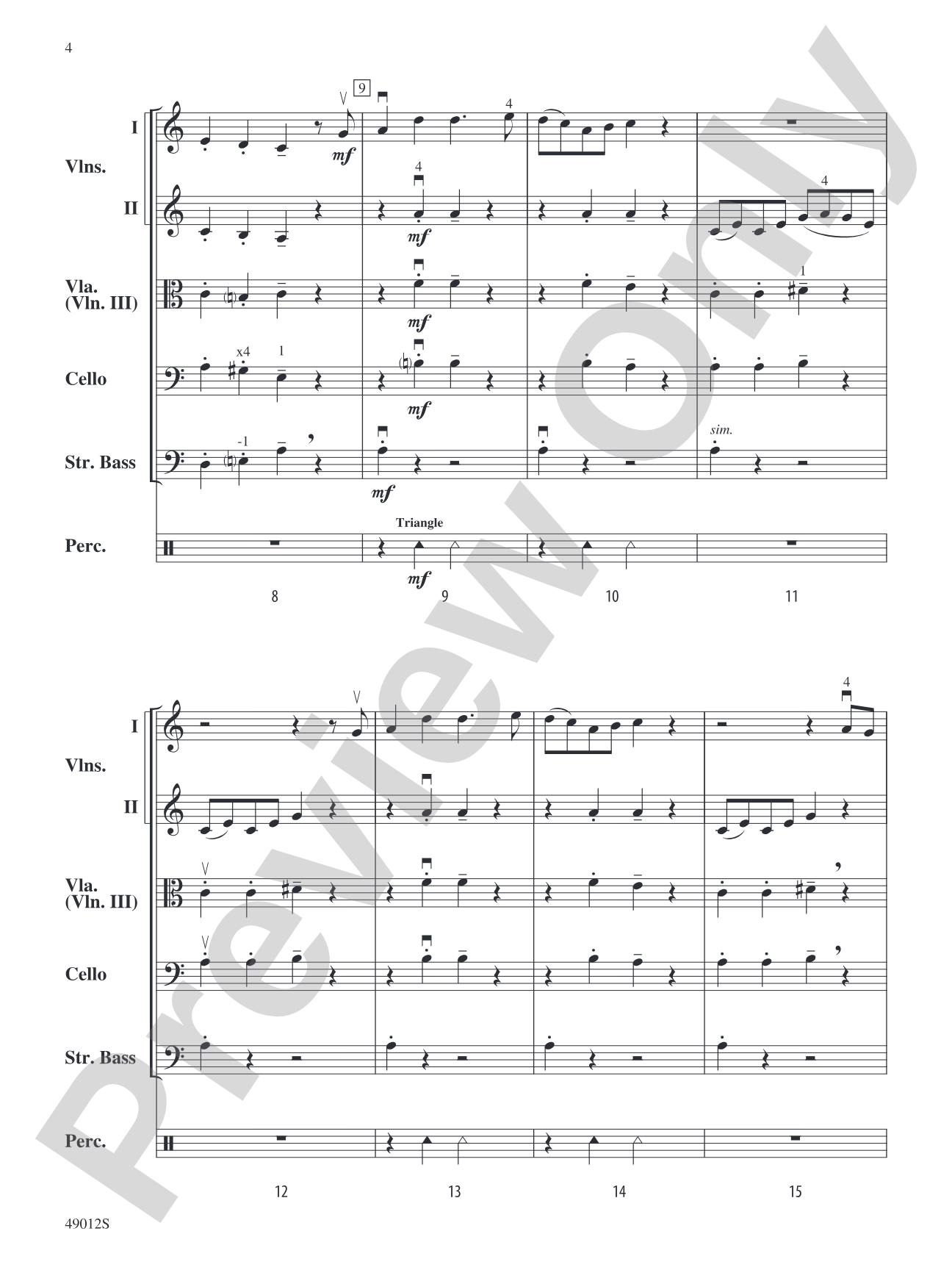
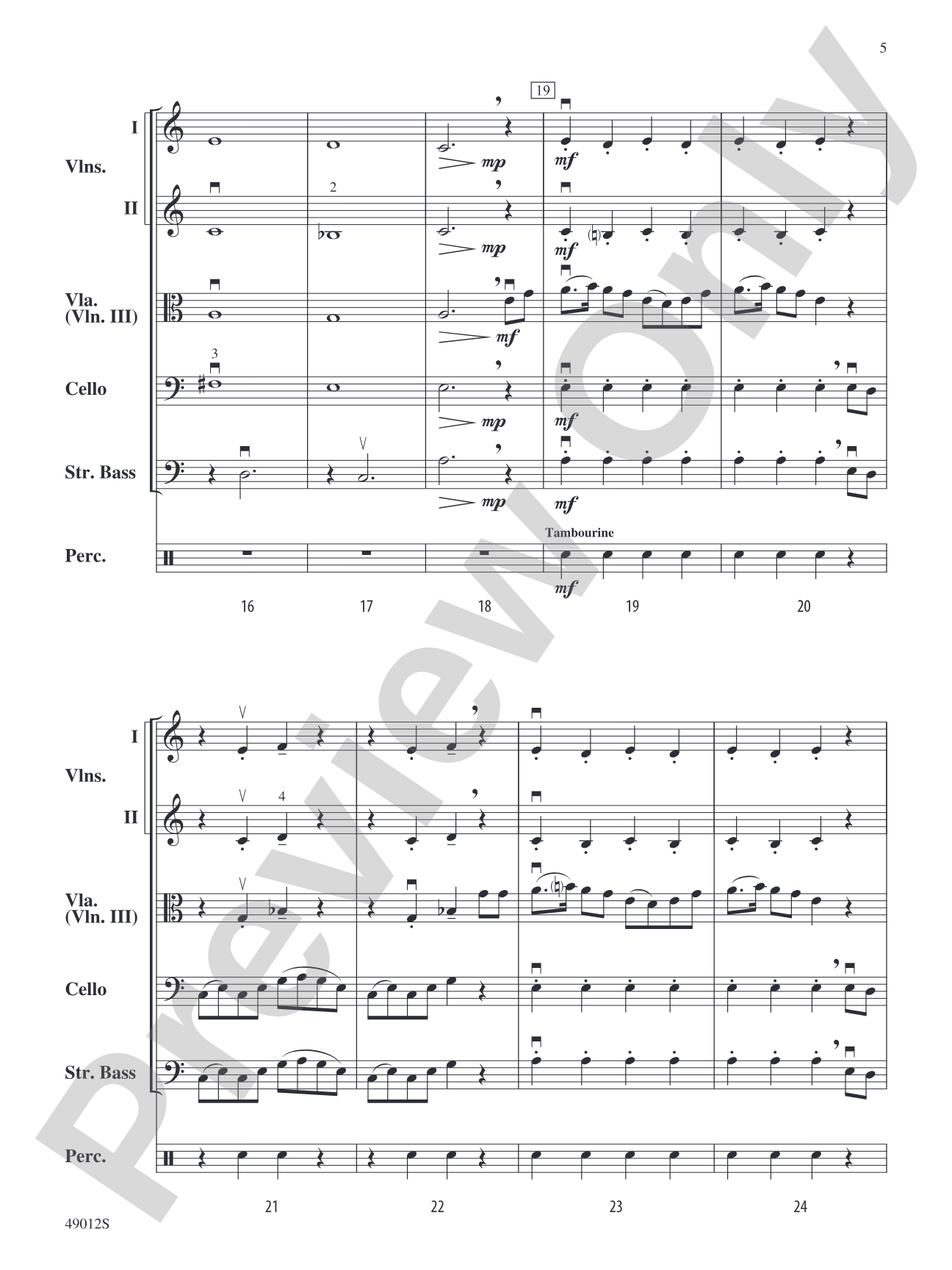
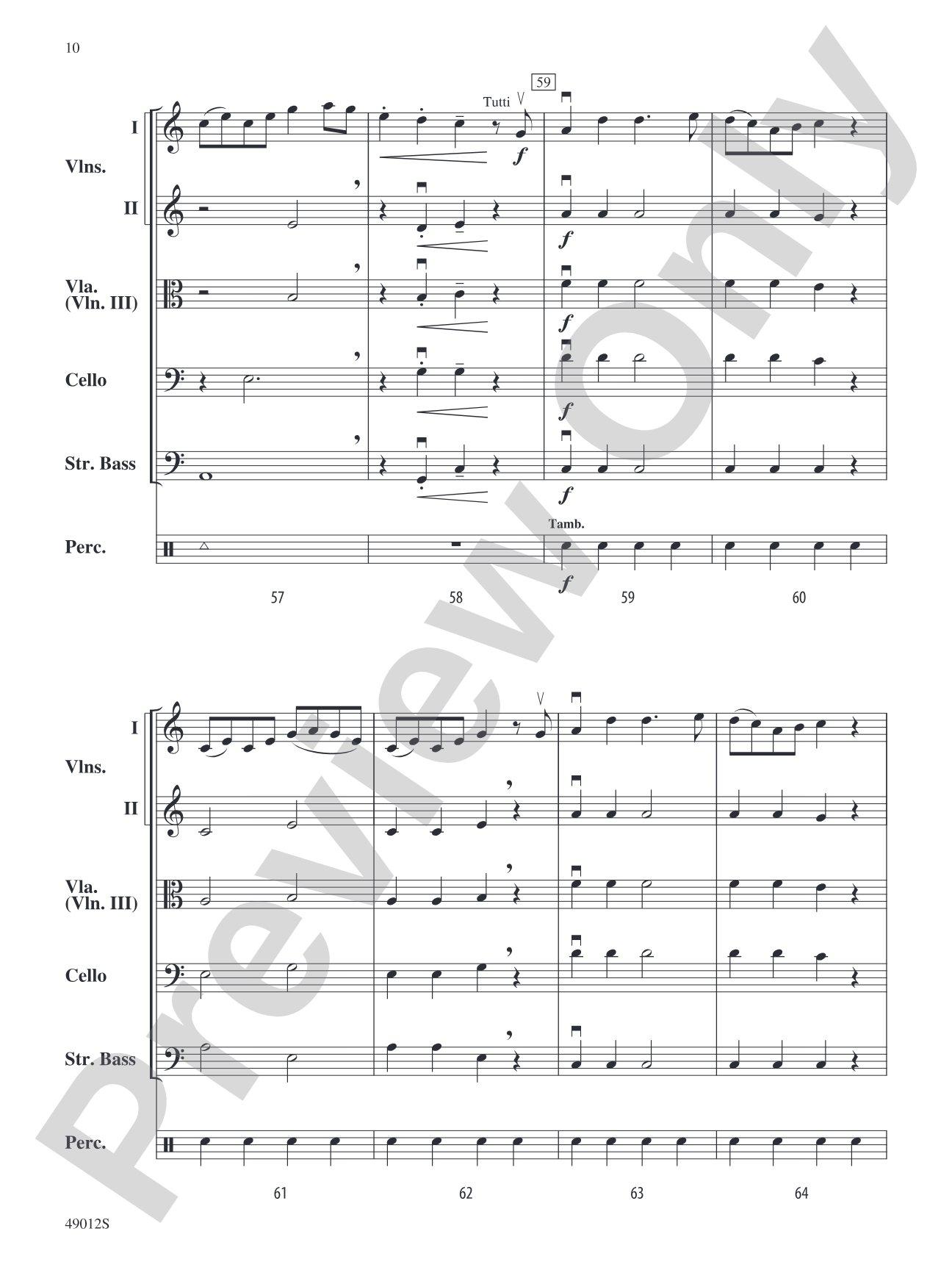
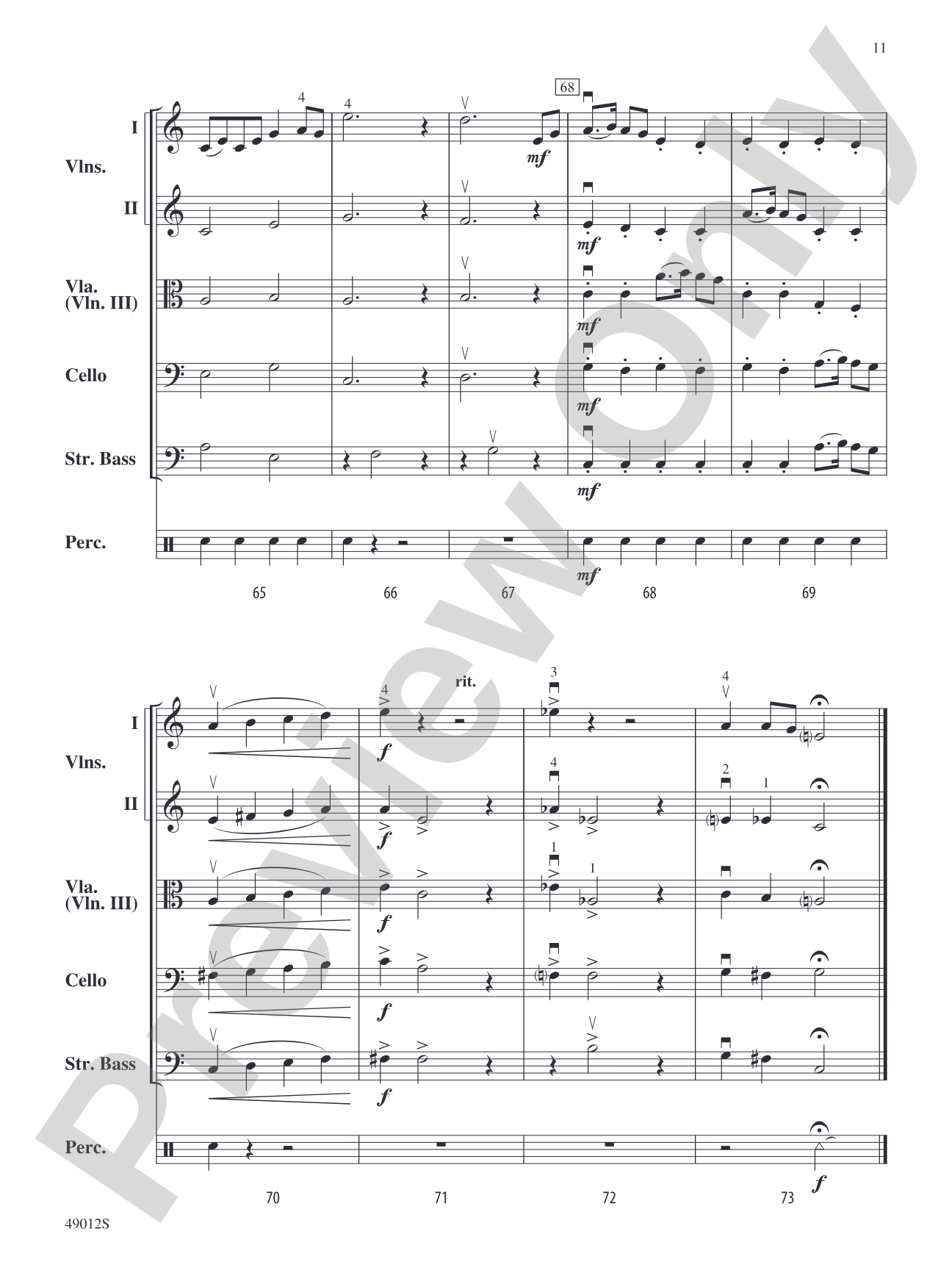
This setting of a cherished piano solo Grainger crafted in the early part of the 1900s permits the teaching of opposing articulations in a very musical setting. Spoon River arranged by Michael Story features a dance-like melody that will be well received in any performance. (2:40)


Don't just read it, hear it, play along with it, and watch your students grow with it. In MakeMusic Cloud, Spoon River: String Orchestra Conductor Score & Parts comes alive with professional accompaniment, adjustable tempo, and built-in practice tools that turn solo practice into real progress.
Open in the Player
Jump straight in and assign it today.
Start Your Free Trial
Open this title and explore the full library in minutes.
Sample Audio
1
Audio File
--:--
0:00
0:00
Sample Video
Additional Details
Series:
Belwin Intermediate String Orchestra
Publisher:
Alfred Music
Page Count:
86
SKU:
00-PK-0008340
More about this title
About the Composer: Percy Aldridge Grainger
Percy Aldridge Grainger (1882-1961) was an Australian-born composer and pianist who became a major force in twentieth-century music. Working across multiple genres and instrumental combinations, he combined rigorous musicianship with a democratic spirit about what music deserved attention and development. His output ranged from large concert works to intimate character pieces, many rooted in folk melodies and dance forms he encountered throughout his life.
Grainger's approach to arrangement and orchestration was as inventive as his original compositions. He believed that good music should speak across ensembles and contexts, and he revised and reimagined his works throughout his career. His pieces remain teaching staples because they balance accessibility with genuine musical substance and clear compositional craft.
Why we love this
Michael Story's arrangement honors the dance-like character of Grainger's original while using contrasting articulations as the musical hook. Grade 2 orchestras rarely encounter pieces that teach articulation control without sacrificing melodic warmth, making this both pedagogically sound and genuinely enjoyable to perform.
What to expect
Spoon River moves with the ease of a country dance, joyful but not frivolous. The interplay between smooth and detached articulations creates a rhythmic buoyancy that keeps the ear engaged even as the melody remains memorable and warm.
Who it's for
This is ideal for Grade 2 string orchestras preparing for festival play or a young musicians concert. The 2:40 duration and straightforward technical demands make it accessible without feeling reductive, and the folk melody appeals to audiences of all ages.
How to get the most out of it
- Establish clarity between the articulated and legato lines from rehearsal one. The contrast between these textures is what gives the piece its character, so resist the urge to soften differences in the name of blend.
- Shape the melody with direction even at Grade 2 level. Grainger's dance rhythms have natural phrasing; let students hear where phrases breathe rather than playing mechanically through bar lines.
- Balance the viola and cello lines when they carry counter-melody. These voices often support the main tune but deserve enough volume to demonstrate the piece's textural intelligence.
How to use it
This works beautifully as a concert opener or as a palate cleanser between weightier Grade 2 pieces. The folk roots and transparent orchestration also make it an excellent choice for collaborative concerts with elementary school choirs, where its directness and charm appeal equally to young singers.
Skills your students will build
- Contrasting articulation techniques (staccato versus legato) within a single piece
- Maintaining rhythmic precision in dance-like meters
- Balance and blend when multiple voices carry independent melodic material
- Shaping folk melody with phrase direction and natural breathing points