
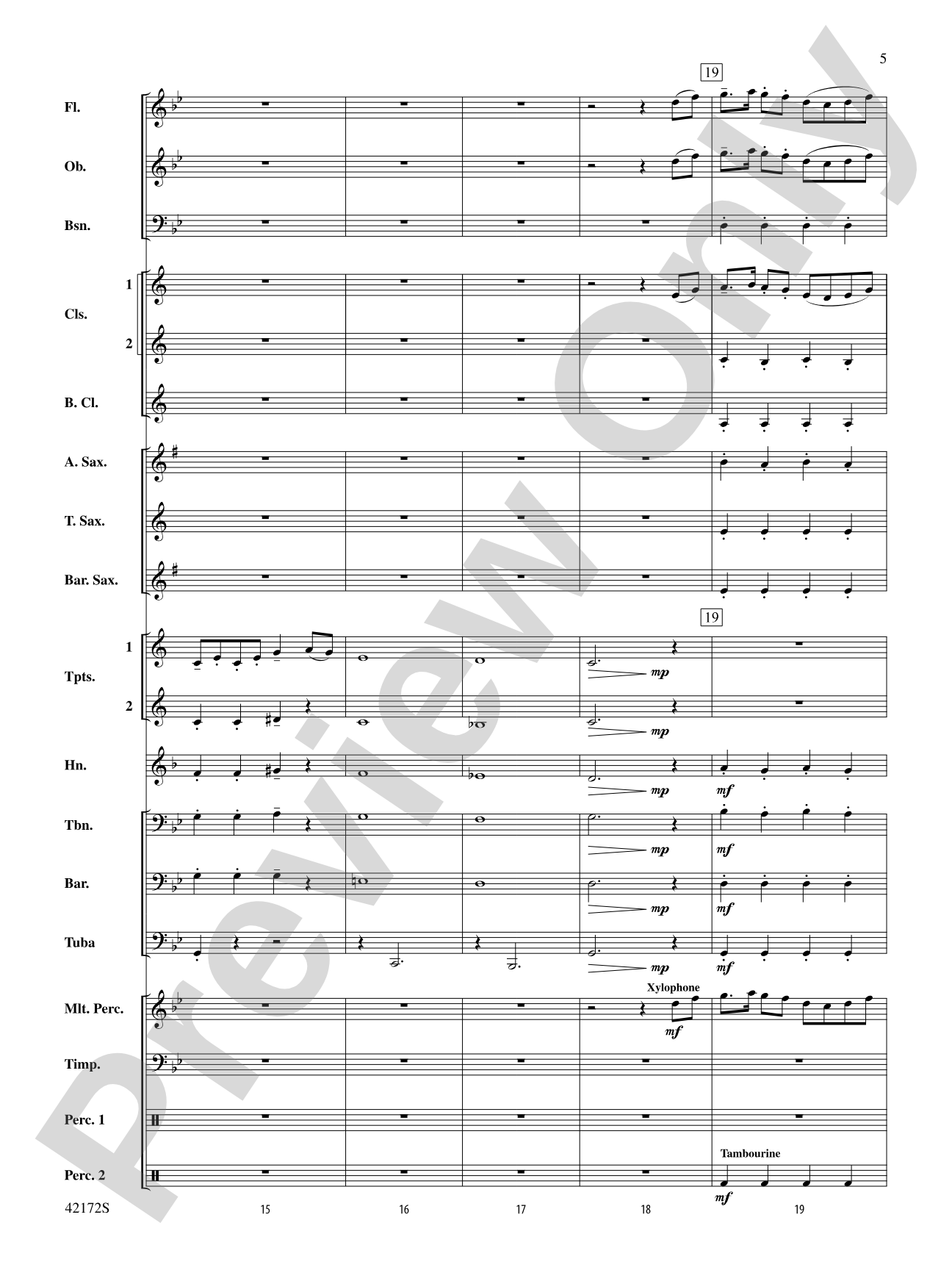
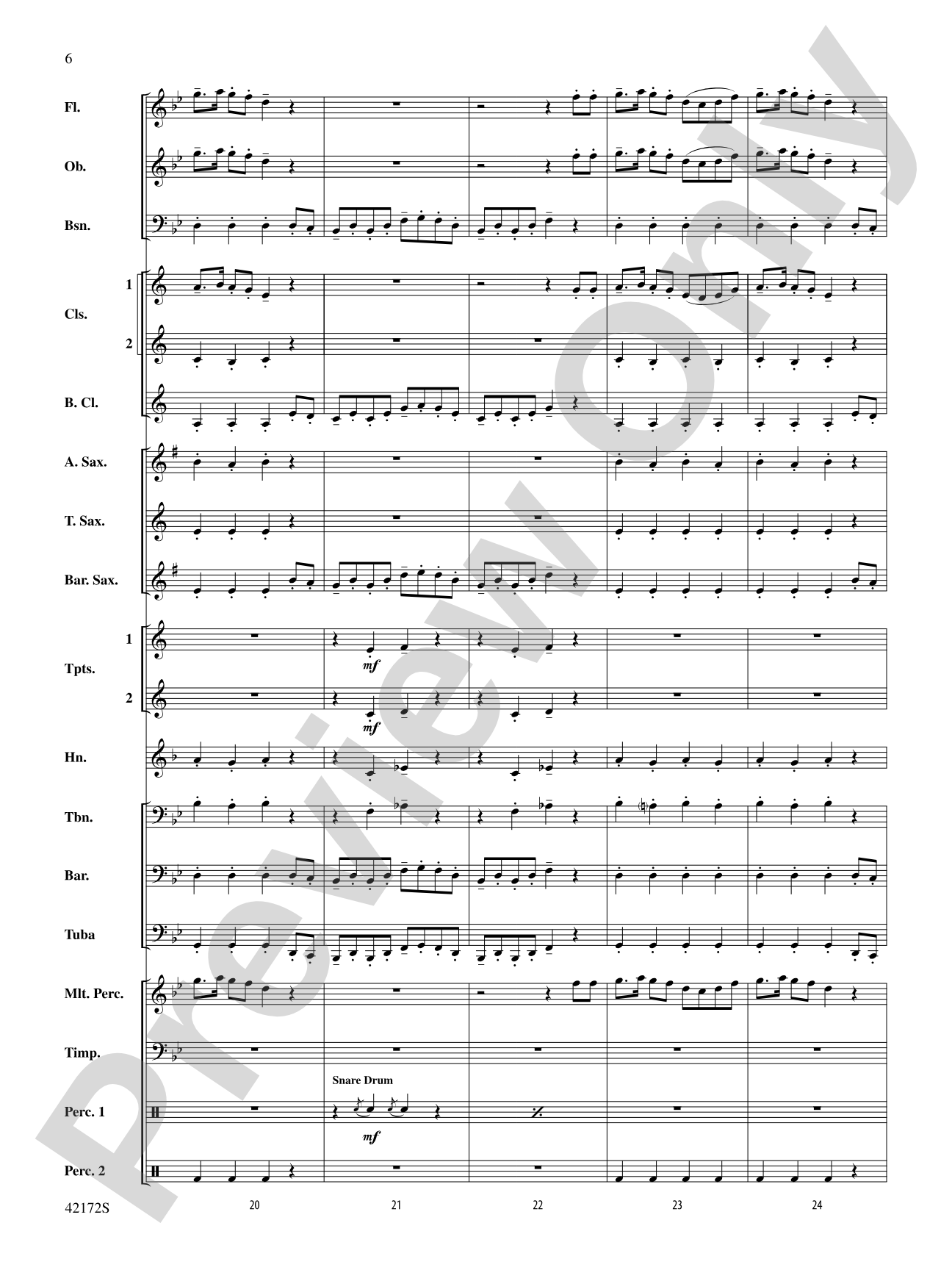
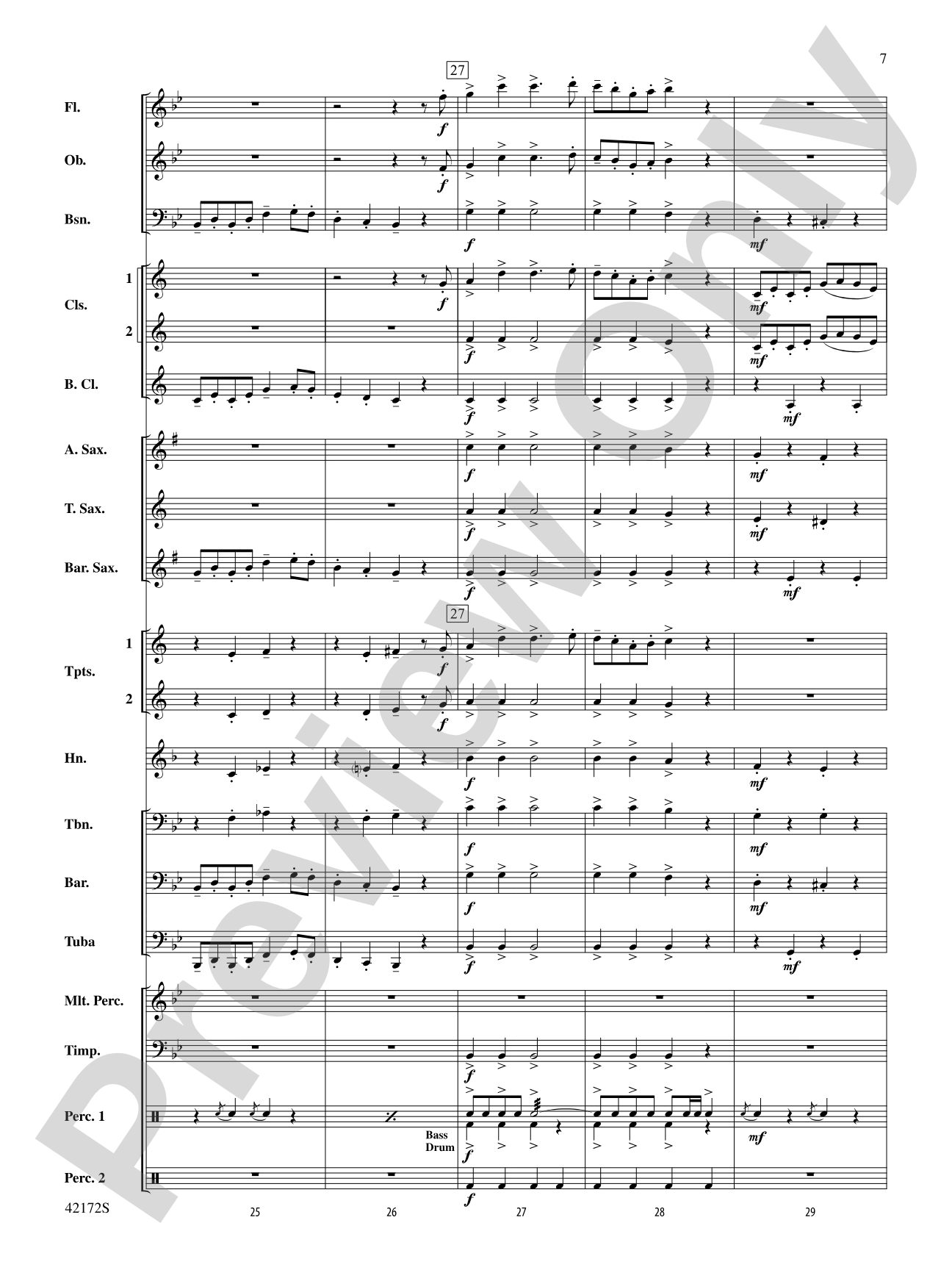
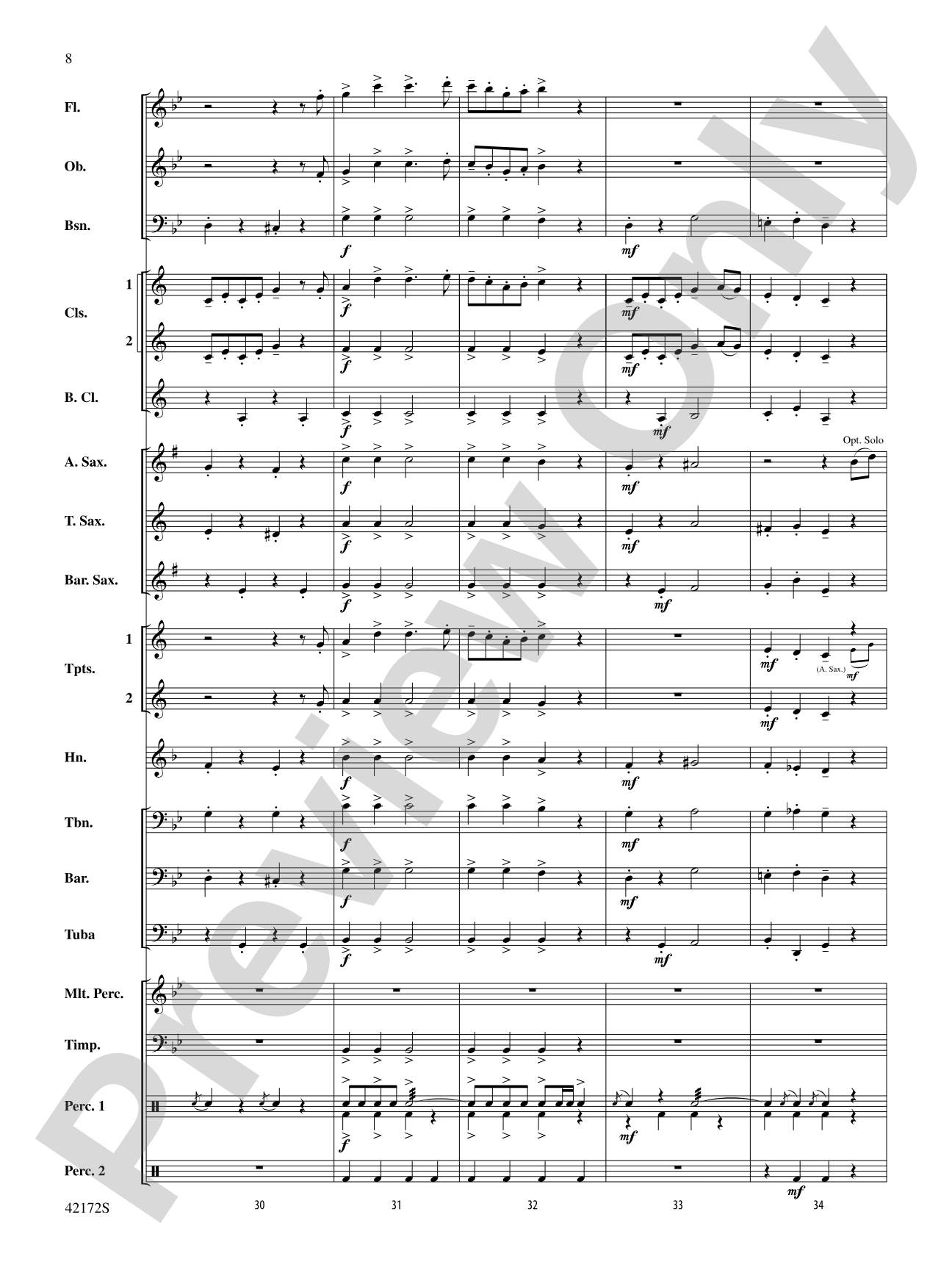
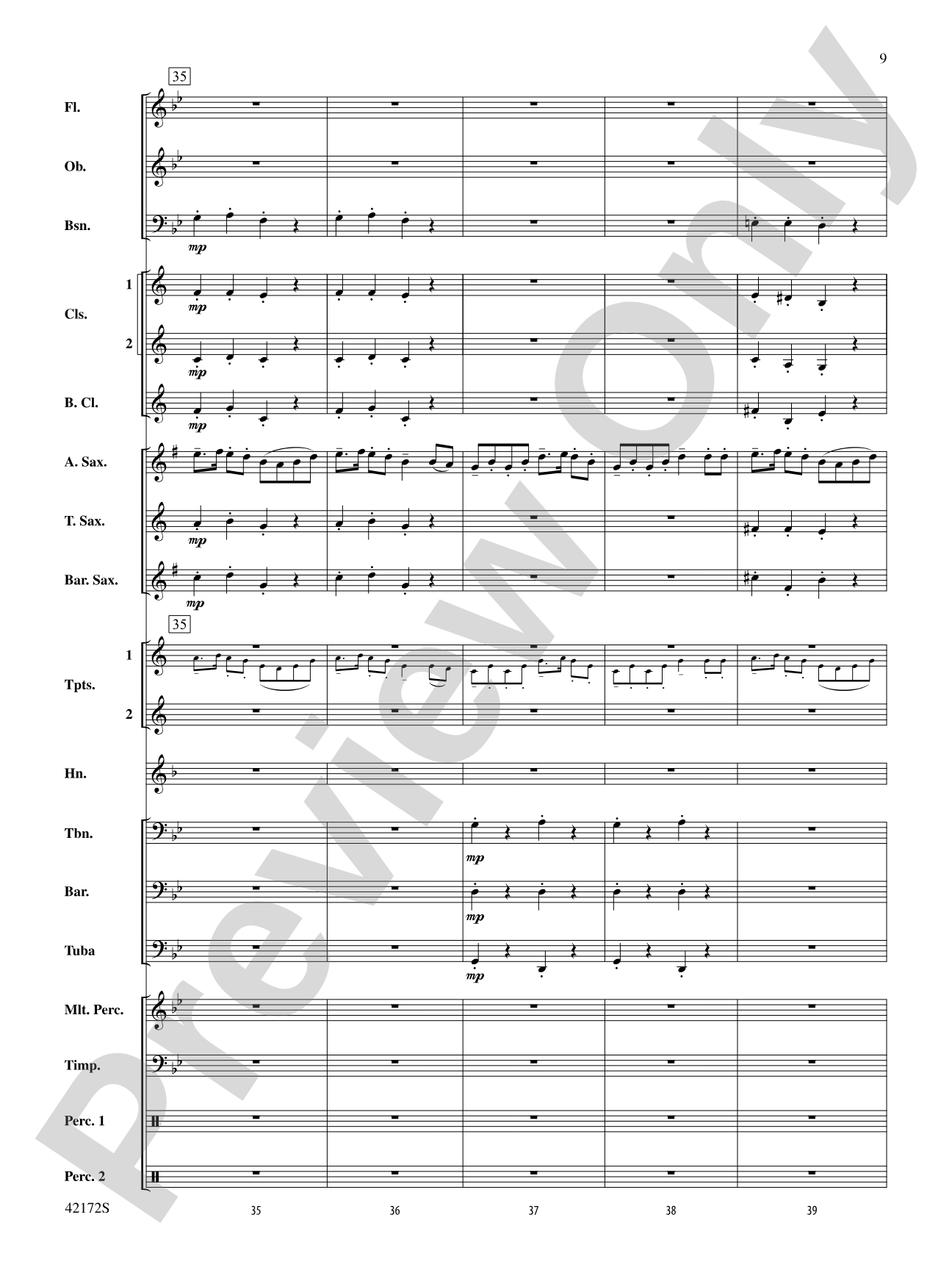
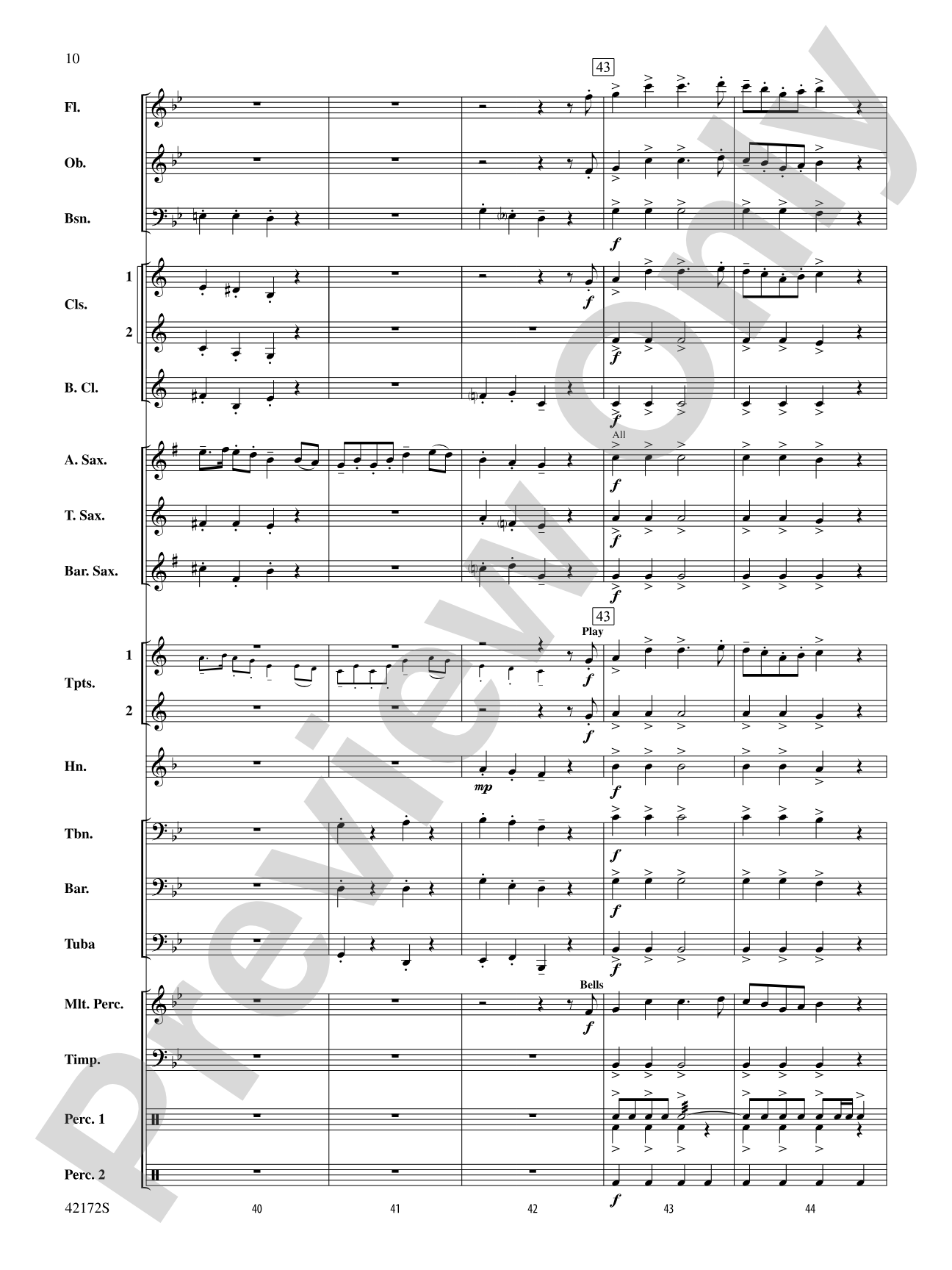
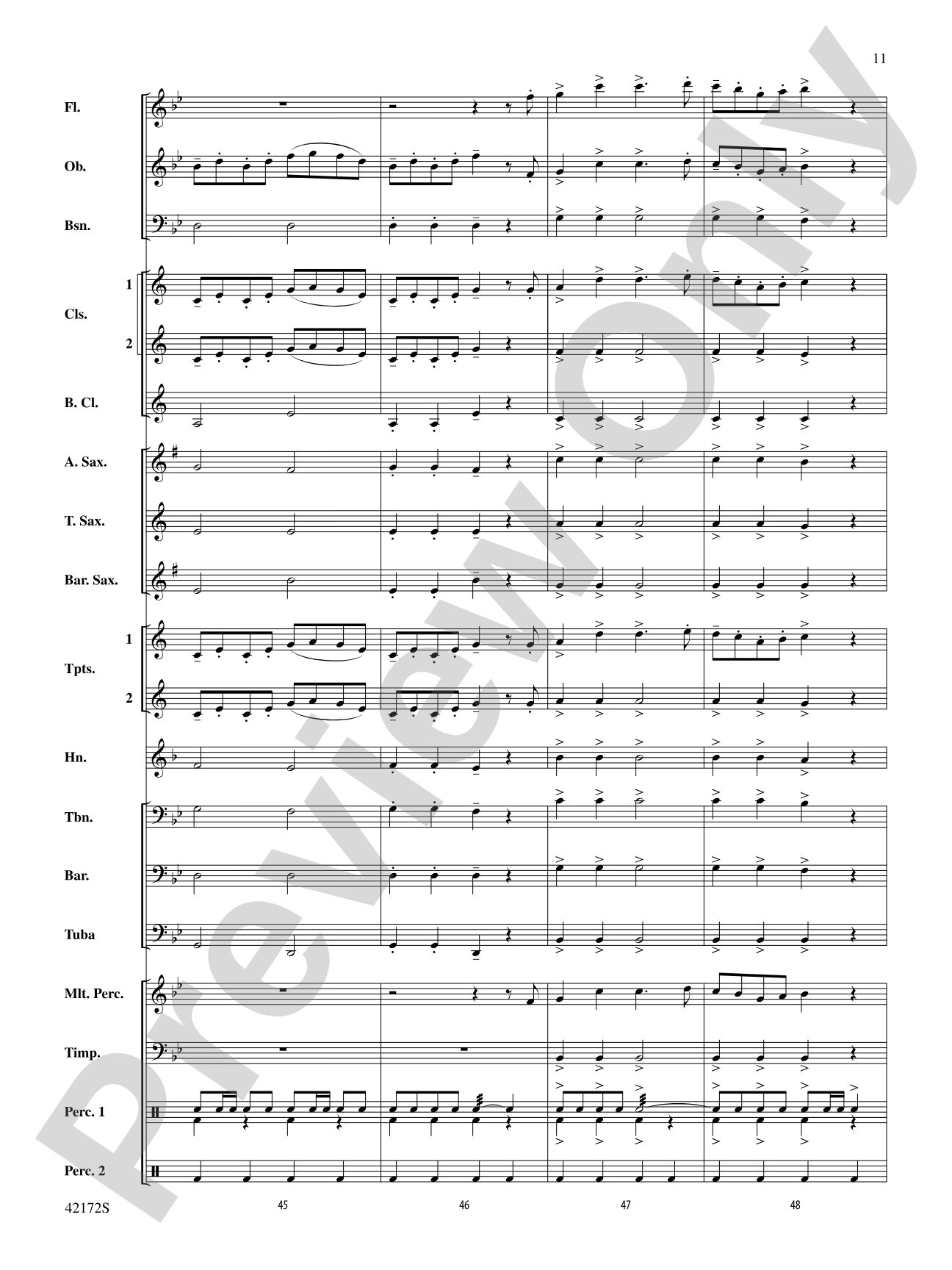
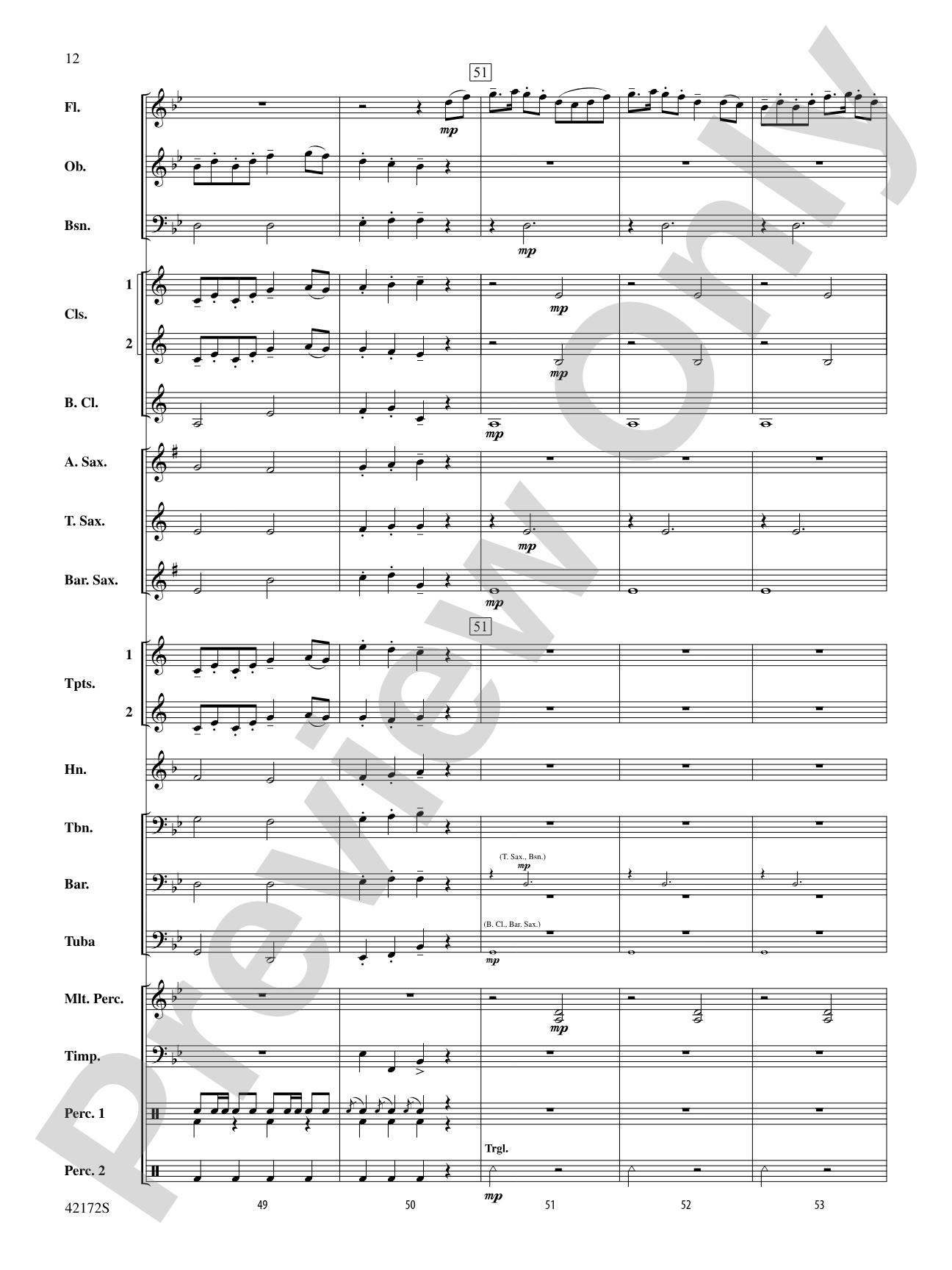
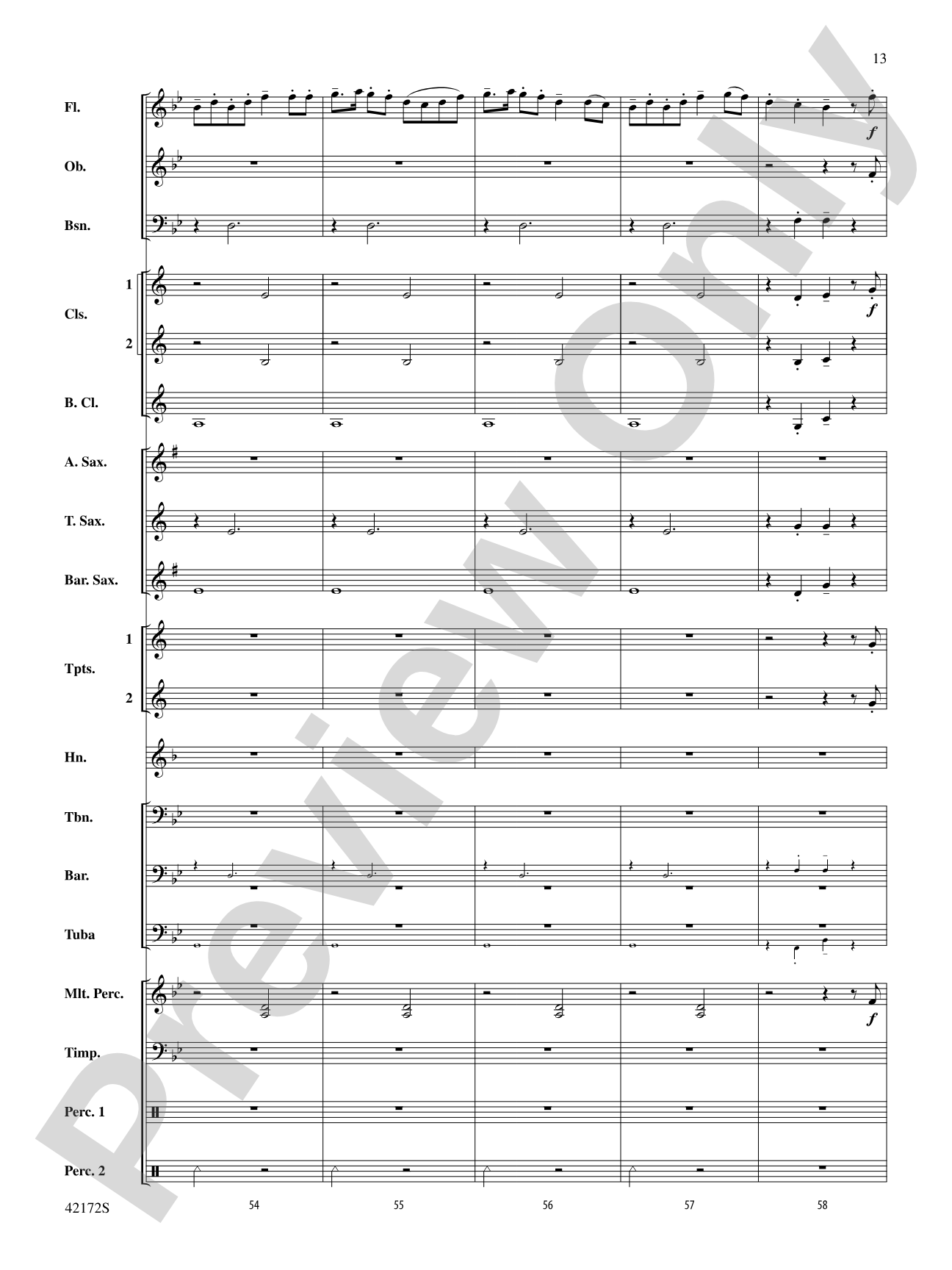
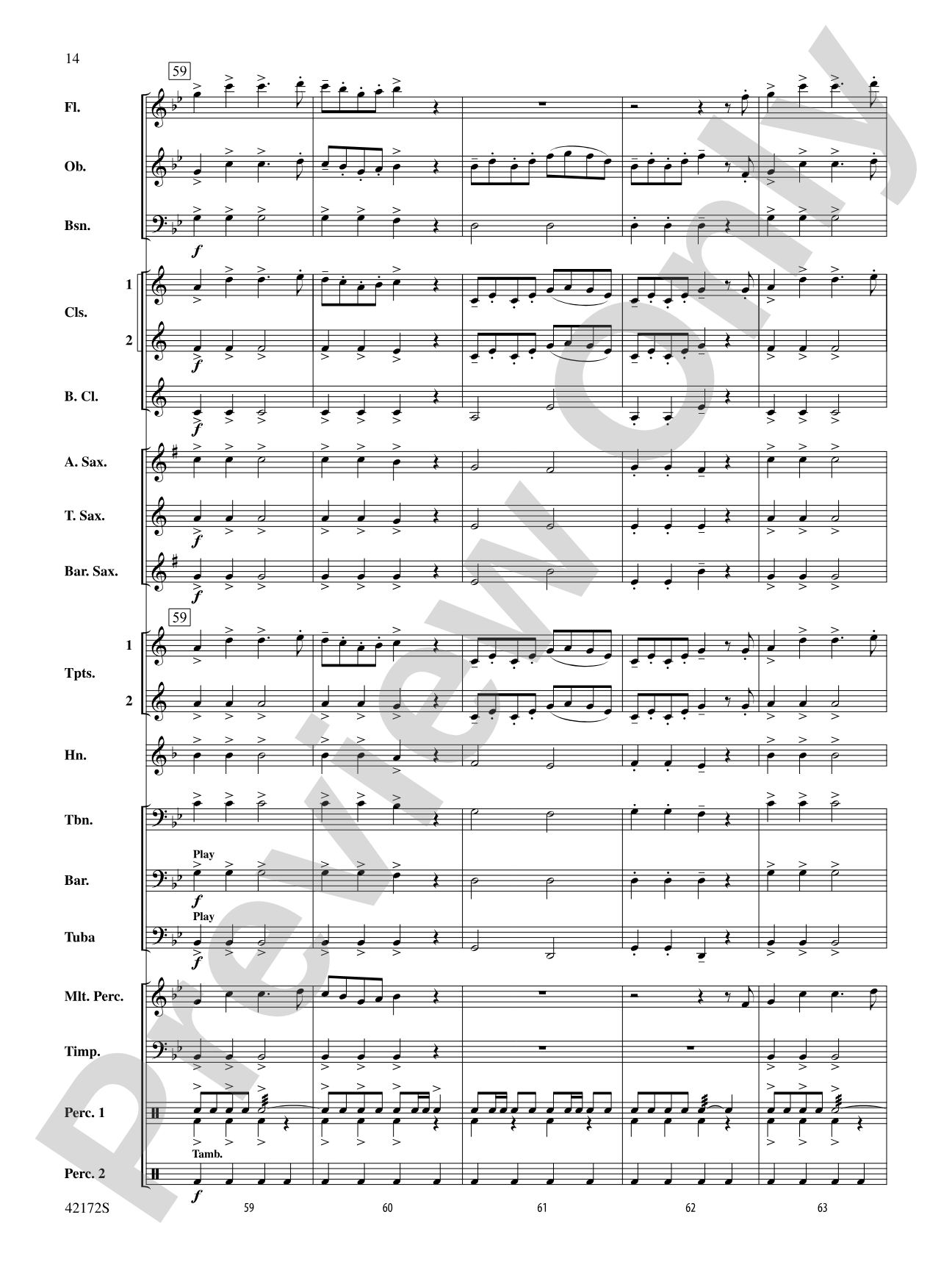
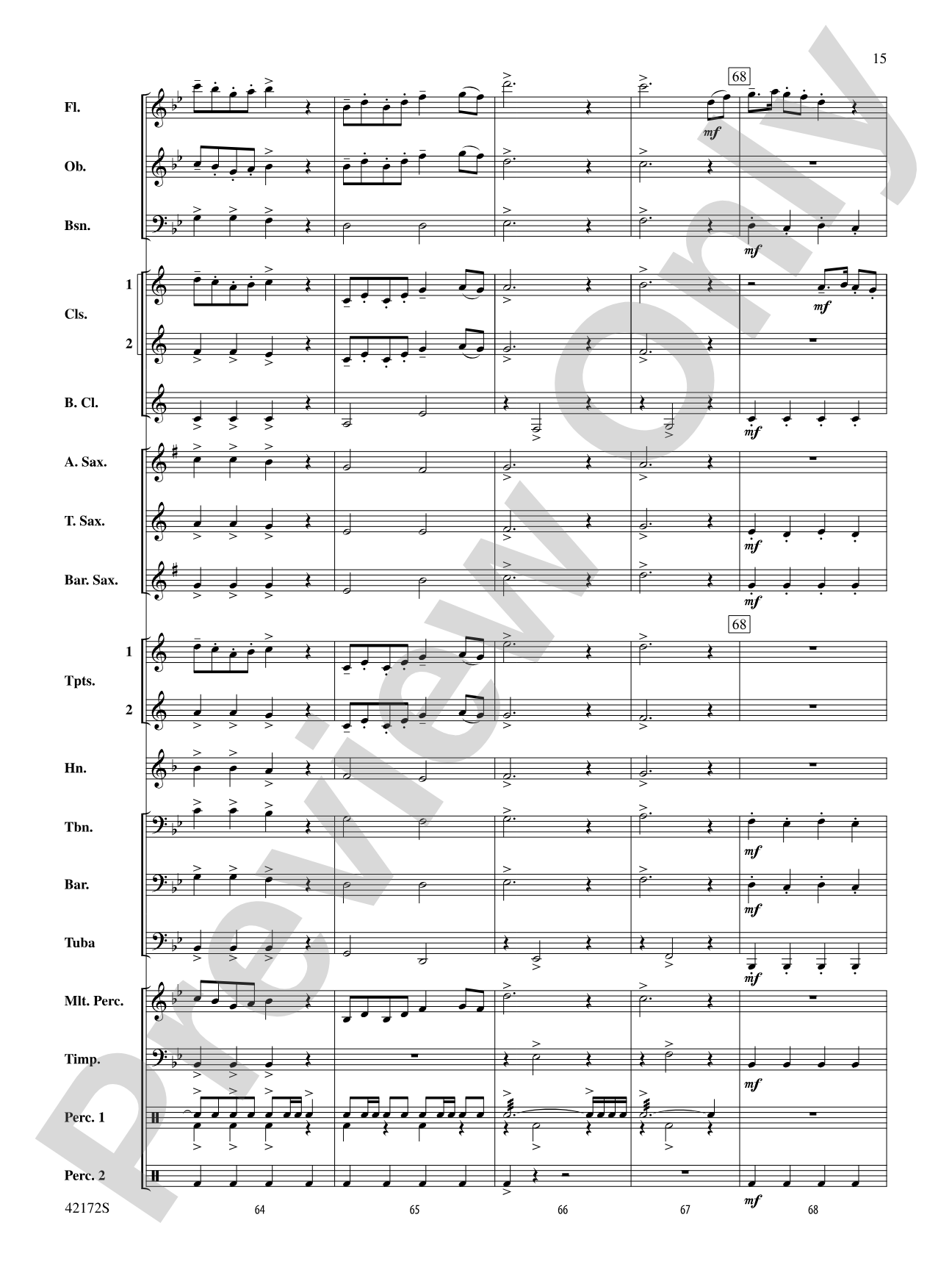
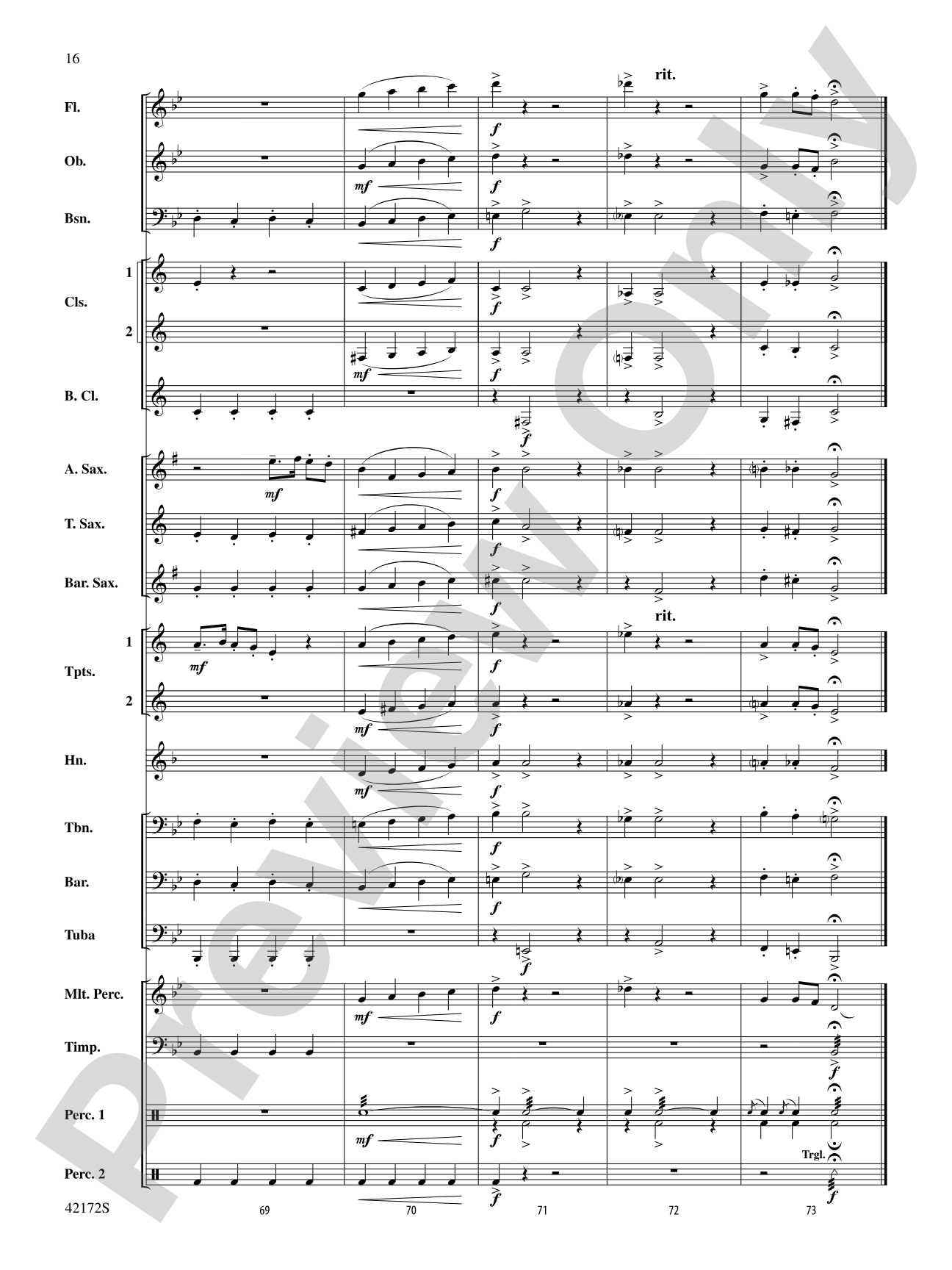

Spoon River: Concert Band Conductor Score & Parts
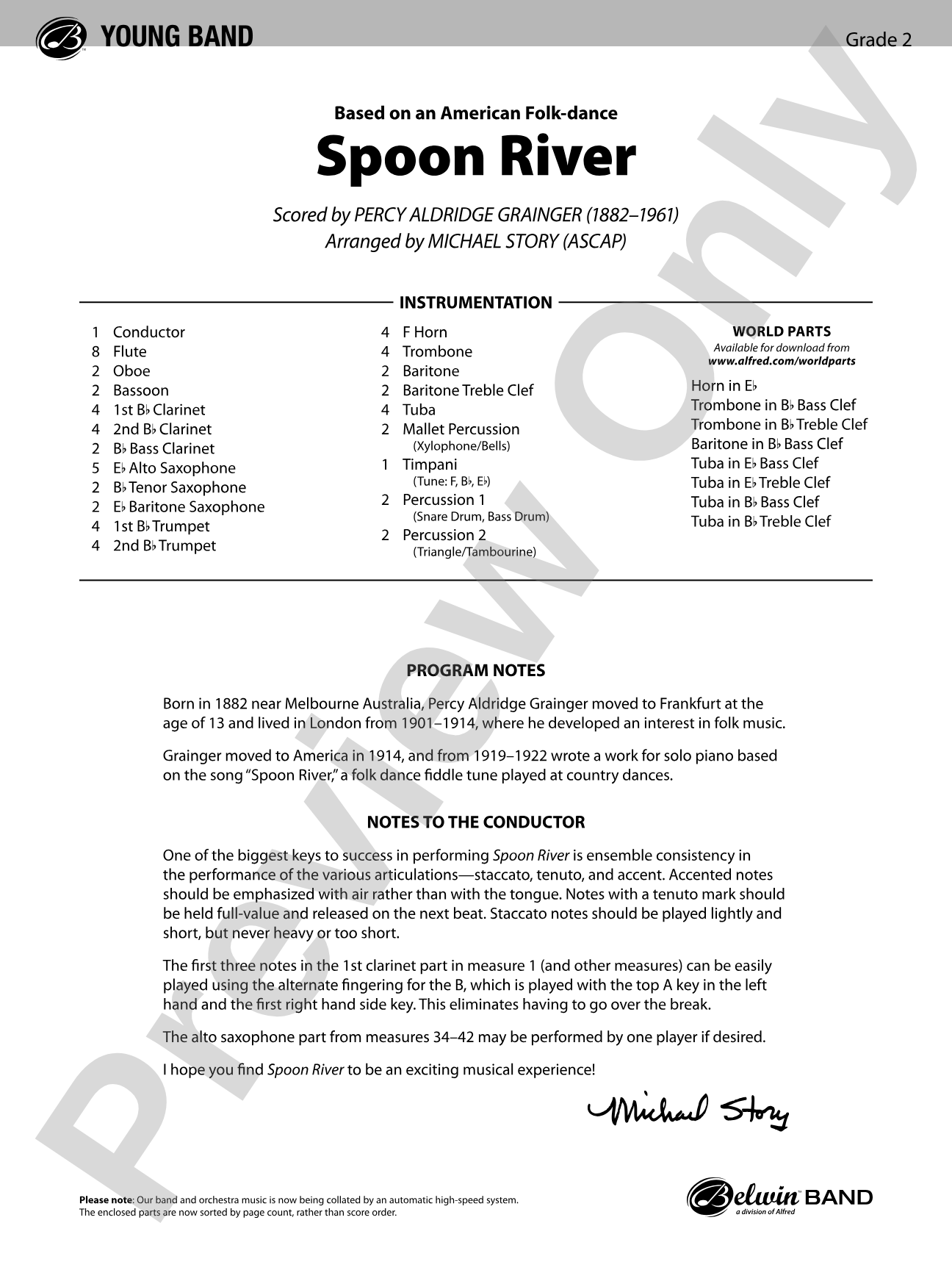
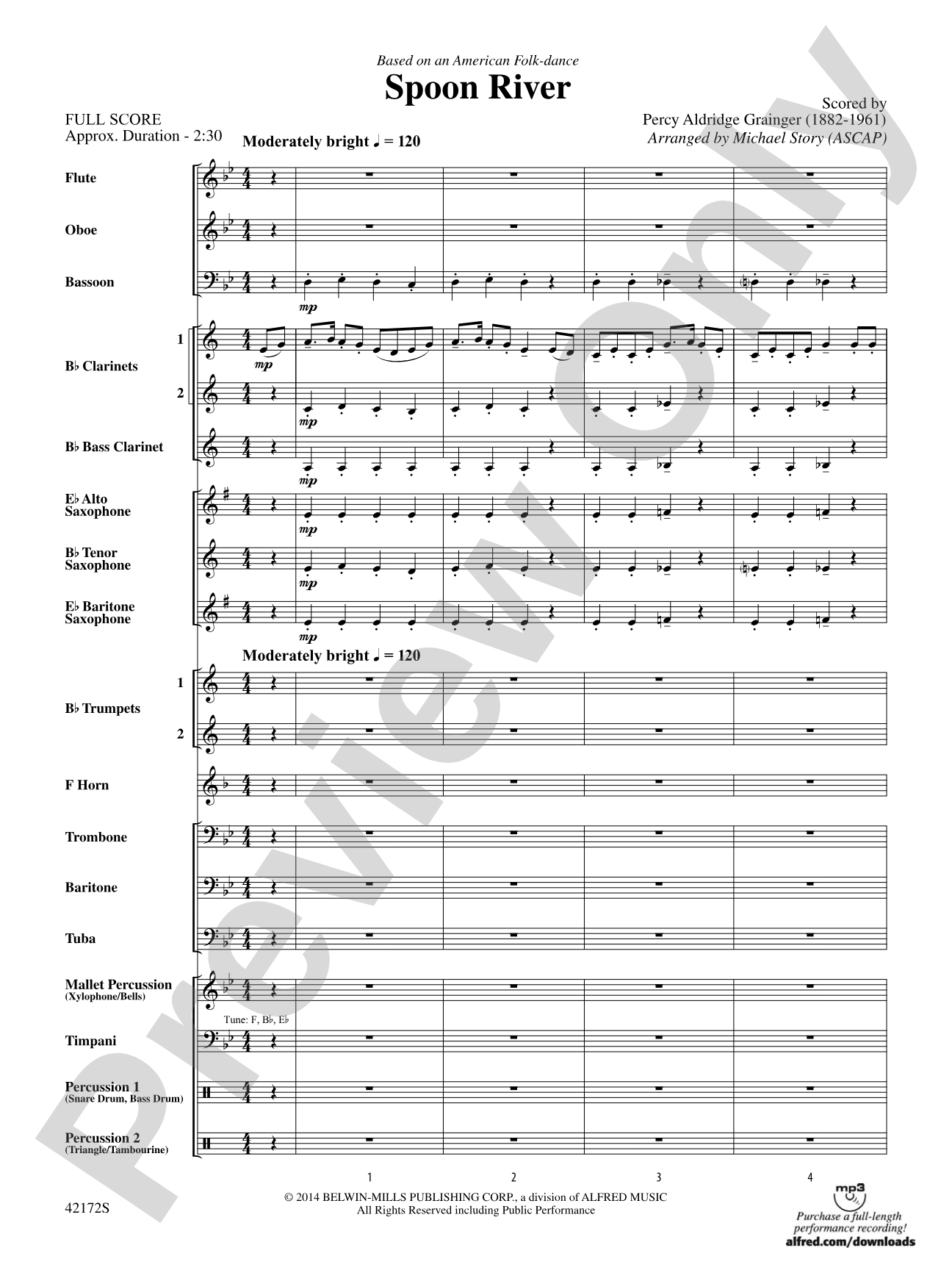
Scored by Percy Aldridge Grainger / arr. Michael Story
Grade: 2 (Easy)
Item: 00-PK-0006289

$57.00
One moment…
Description
Percy Grainger's love of folk songs continues to serve concert bands well. This setting of a cherished piano solo he crafted in the early part of the 1900s permits the teaching of opposing articulations in a very musical setting. This dance-like melody will be well received in any performance. (2:30) This title is available in MakeMusic Cloud.


Don't just read it, hear it, play along with it, and watch your students grow with it. In MakeMusic Cloud, Spoon River: Concert Band Conductor Score & Parts comes alive with professional accompaniment, adjustable tempo, and built-in practice tools that turn solo practice into real progress.
Open in the Player
Jump straight in and assign it today.
Start Your Free Trial
Open this title and explore the full library in minutes.
Sample Audio
1
Audio File
--:--
0:00
0:00
Sample Video
No sample videos found.
Additional Details
Series:
Belwin Young Band
Publisher:
Alfred Music
Page Count:
140
SKU:
00-PK-0006289
More about this title
About the Composer: Percy Aldridge Grainger
Percy Aldridge Grainger (1882-1961) was an Australian-American composer and pianist whose fascination with folk music shaped his entire compositional voice. He collected and arranged traditional melodies from around the world, believing that folk songs held essential truths about music that transcended formal training. His arrangements and original works built on folk idioms became staples of band and orchestra repertoire, offering generations of musicians access to both authentic cultural material and sophisticated compositional craft.
Grainger's approach to orchestration was fearless and inventive. He embraced unconventional instrumental combinations, experimented with new timbral possibilities, and wrote with warmth for amateur and student ensembles. His gift for melody and his respect for the voices he wrote for made his work immediately appealing to performers at all levels, from school bands to professional orchestras.
Why we love this
Michael Story's arrangement captures the character of Grainger's original piano piece while giving concert bands a genuine pedagogical tool. The opposing articulations feel organic to the melody and dance rhythm rather than imposed, making this an ideal vehicle for teaching clarity and independence across sections without sacrificing musicality or appeal.
What to expect
Spoon River dances with the easy joy of a traditional folk melody brought to life by a full band. The rhythm is buoyant and straightforward, while the interplay of articulations creates rhythmic texture and color without demanding virtuosity. It feels like a celebration of music that matters to people.
Who it's for
This score and parts work well for Grade 2 concert bands seeking music that balances accessibility with genuine artistic content. Directors programming festival performances, school concerts, or contest events will find a piece that students enjoy learning and audiences receive warmly.
How to get the most out of it
- Shape the melodic line with attention to the articulation contrasts. Let legato passages breathe and allow staccato figures to sparkle, but keep both serving the overall phrase rather than fighting each other.
- Balance your lower voices carefully so the harmonic foundation supports the folk tune without overwhelming it. This is a melody-driven piece, and the accompaniment should enhance rather than compete.
- Maintain consistent rhythmic energy throughout. The dance-like character needs forward momentum, but avoid rushing; let the natural pulse carry the phrase.
- Use dynamic shaping to highlight the structure of the melody. Slight swells at phrase peaks and gentle releases at cadences will make the familiar tune feel fresh to listeners.
How to use it
This piece pairs naturally with other folk-based concert band literature, making it an excellent choice for a concert centered on American musical traditions. Its accessibility and approachable length (2:30) also make it ideal for opening a program or as a confidence-builder earlier in a festival rotation.
Skills your students will build
- Executing contrasting articulations (legato and staccato) in the same melodic context
- Balancing ensemble sound between melody and accompaniment voices
- Maintaining steady rhythm and pulse in a dance-like setting
- Reading and performing a folk melody across diverse instrument families