

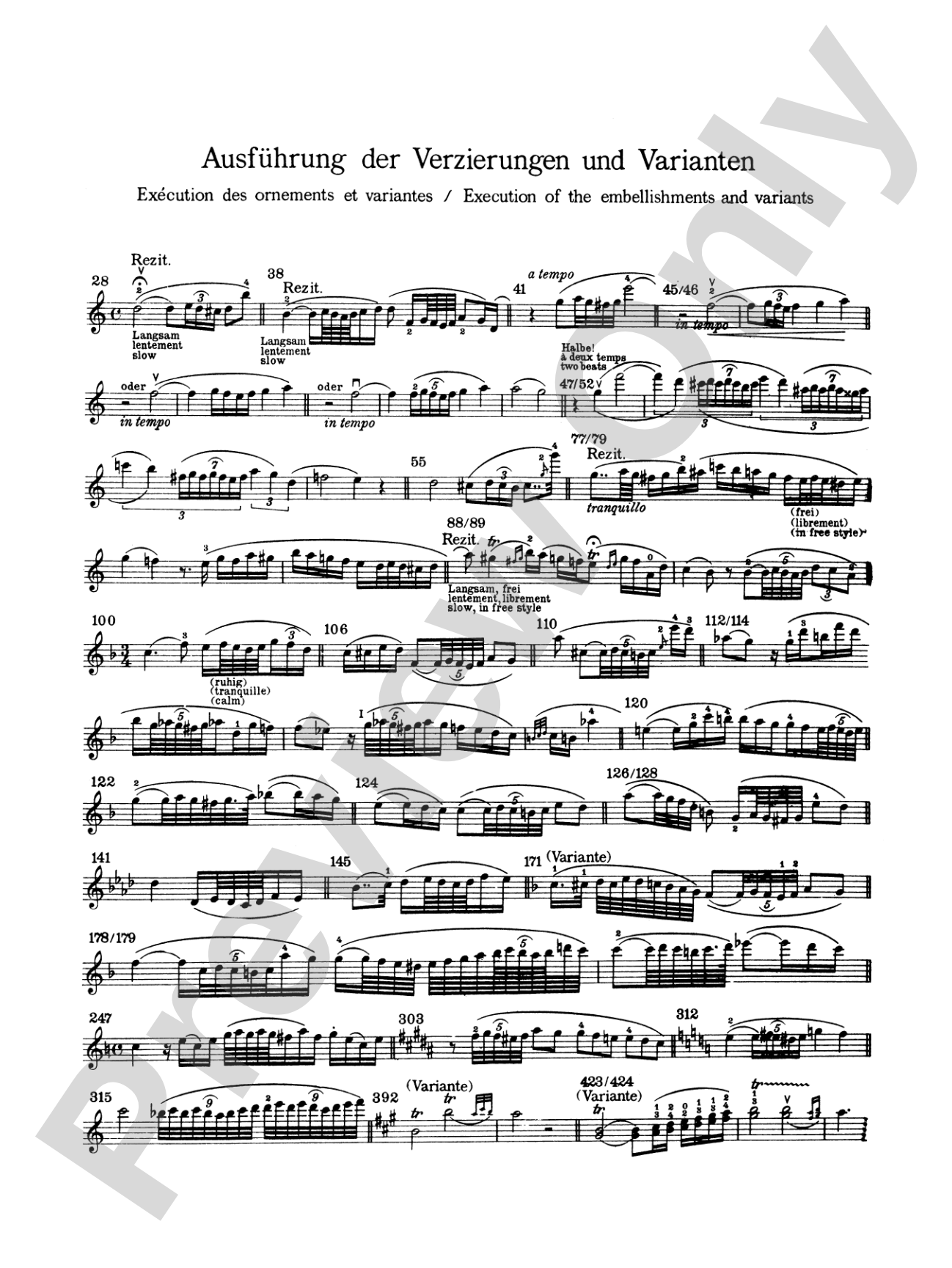
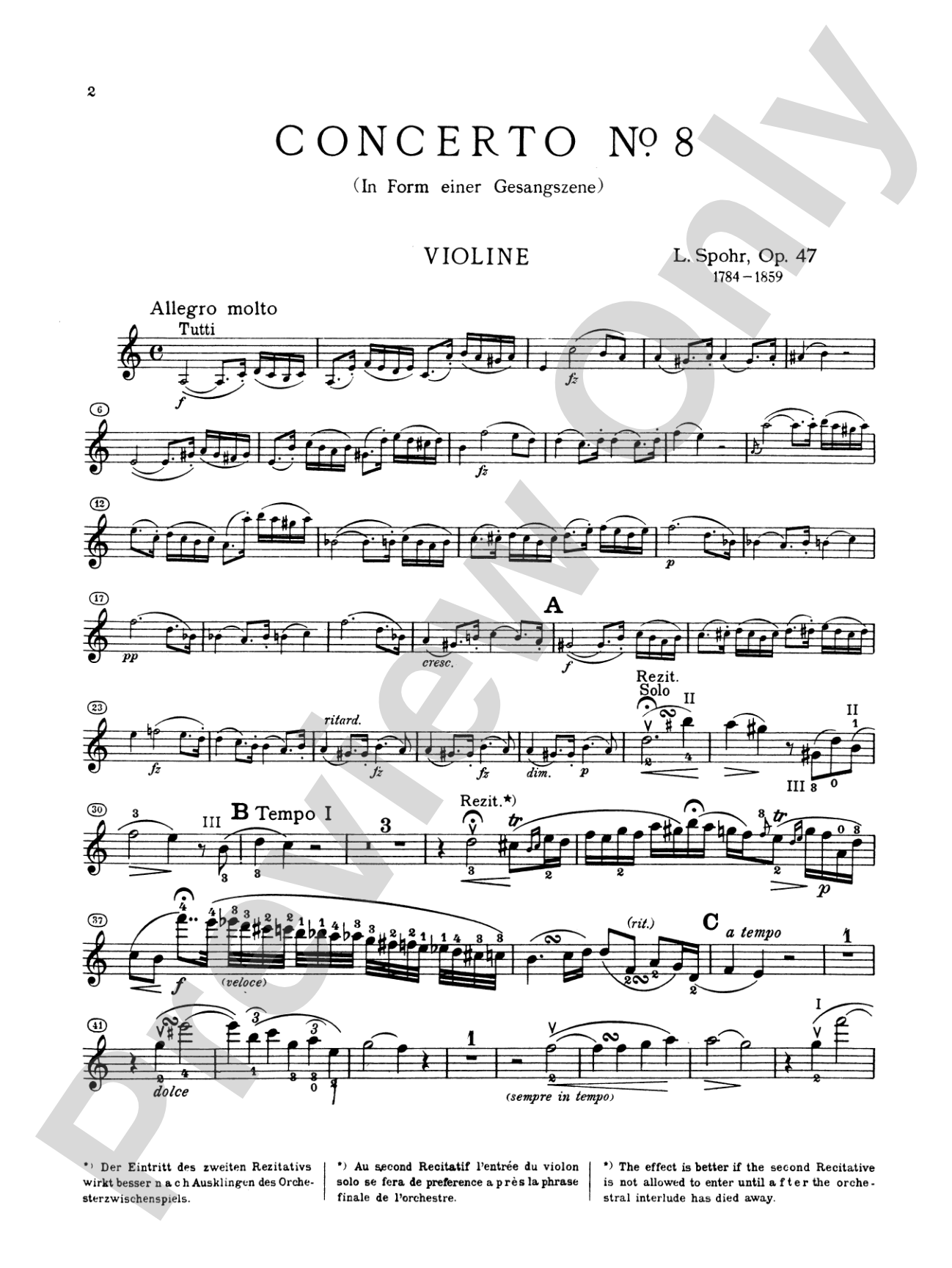
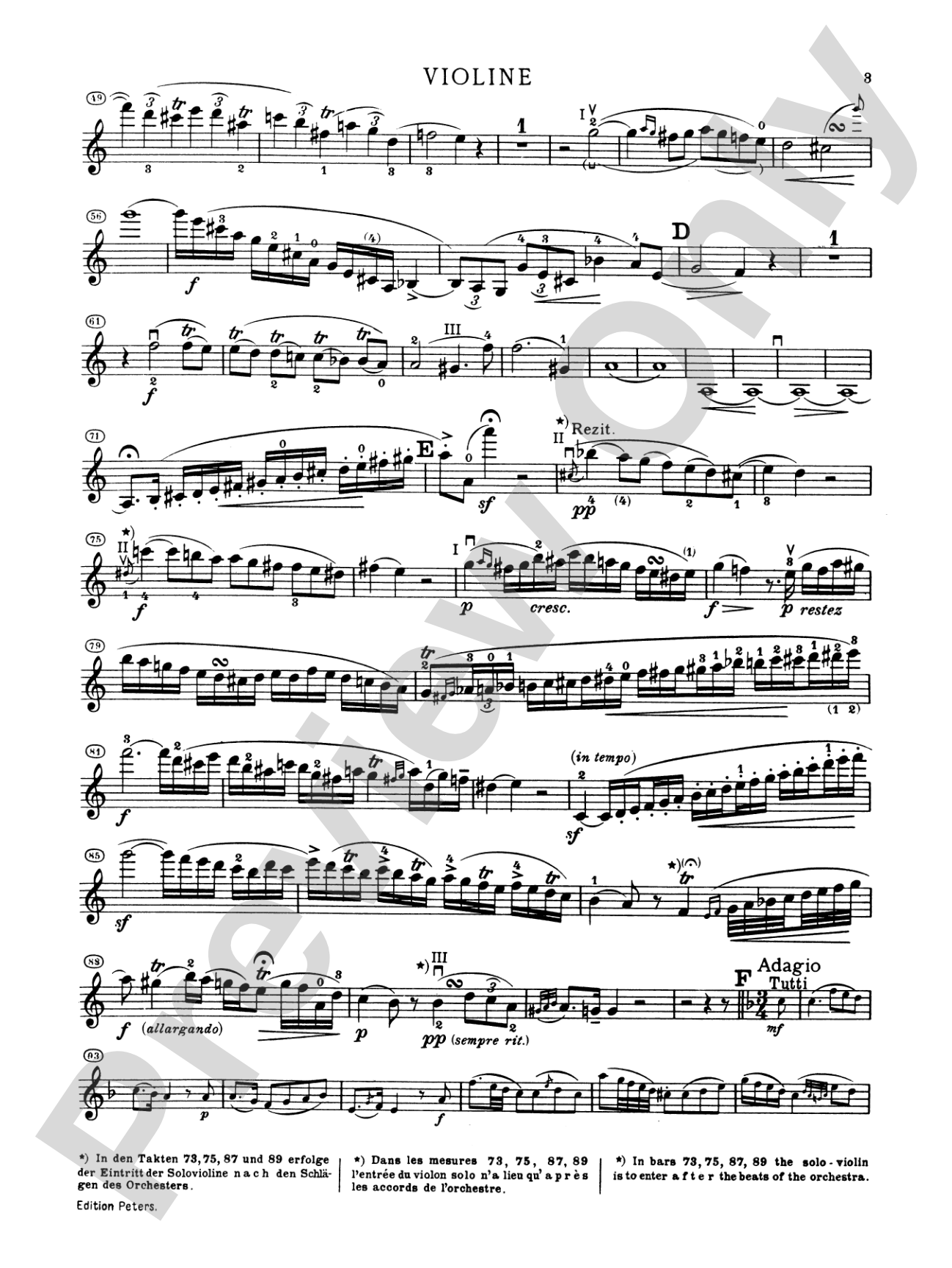
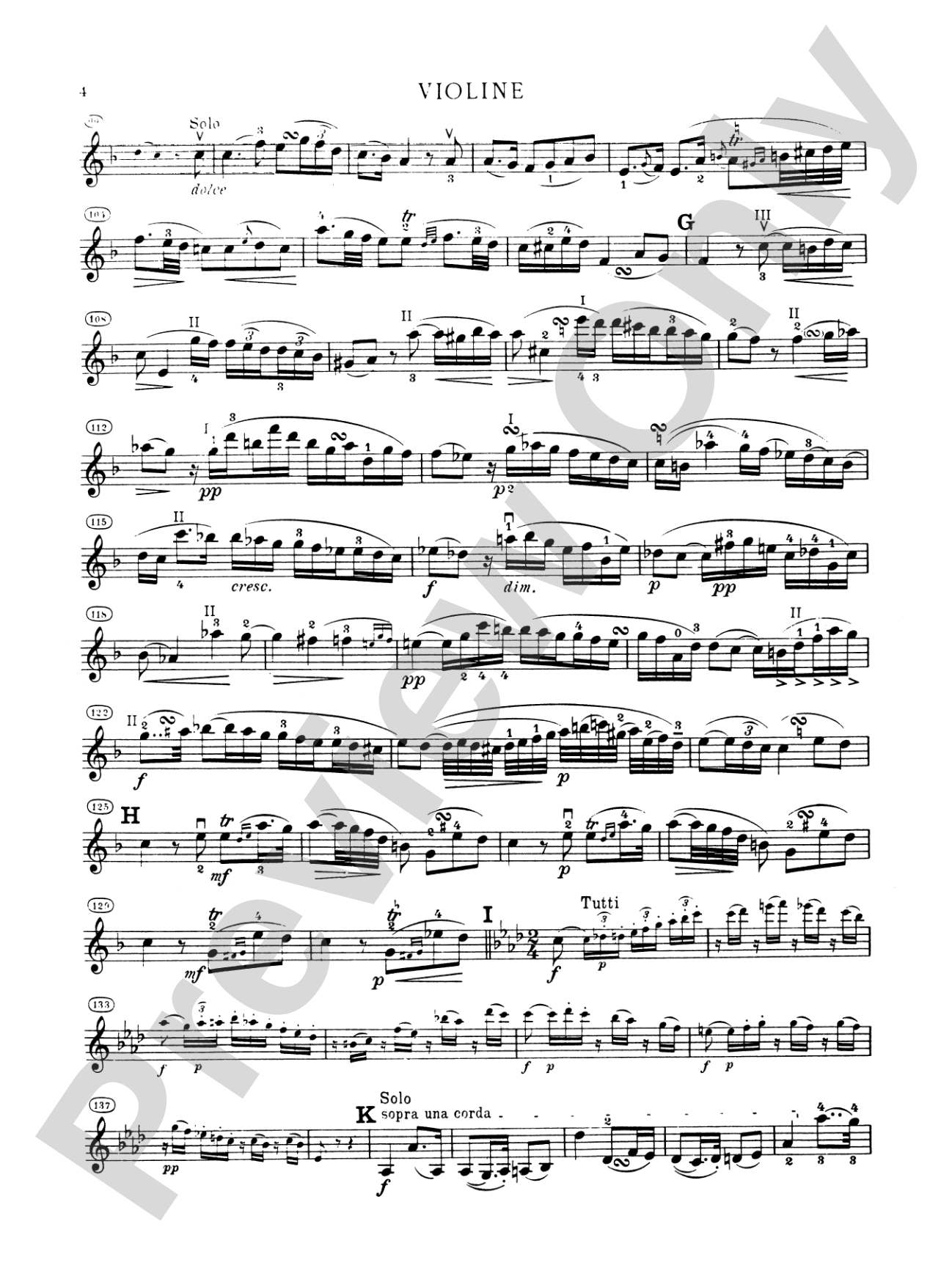
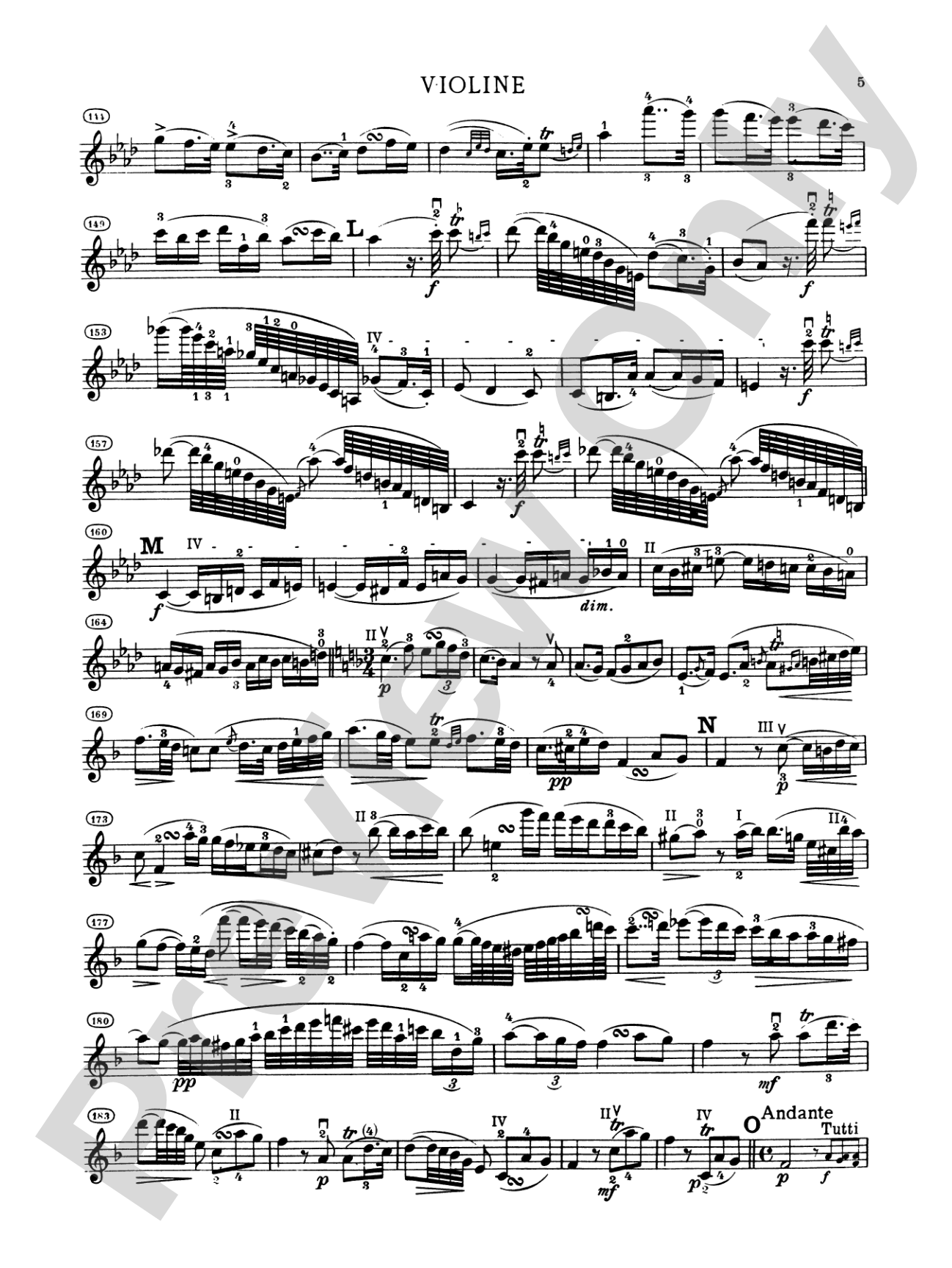
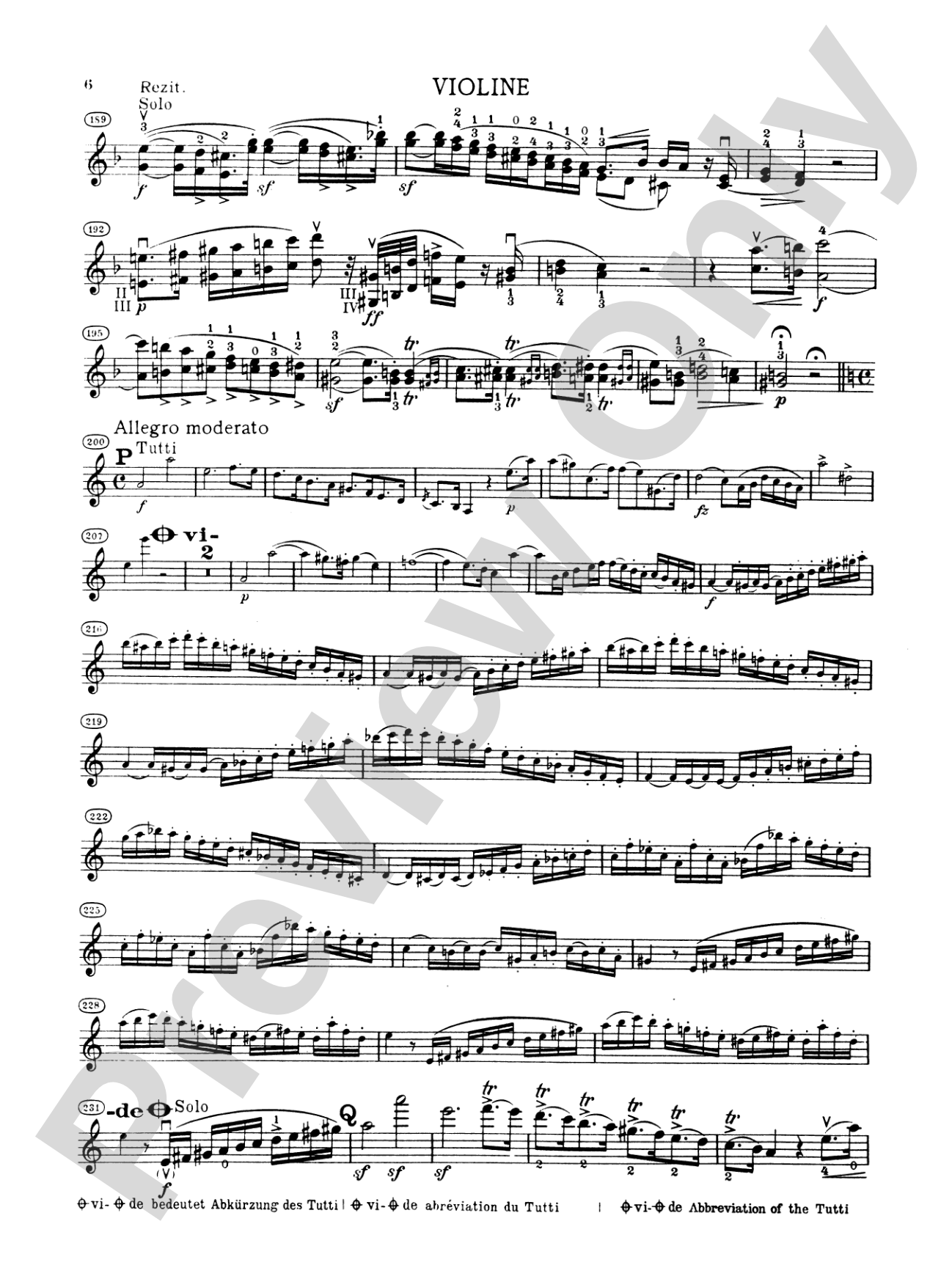
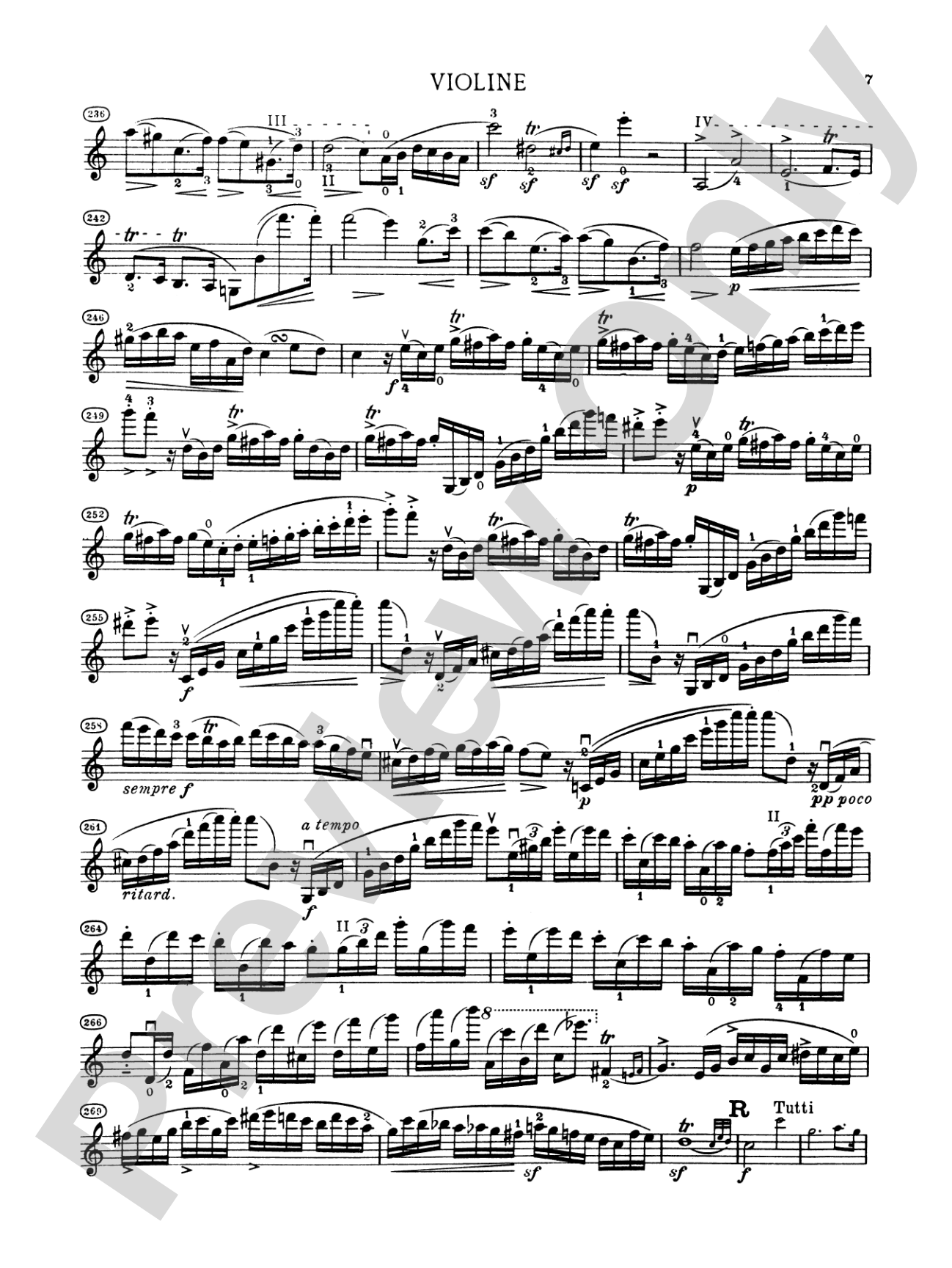
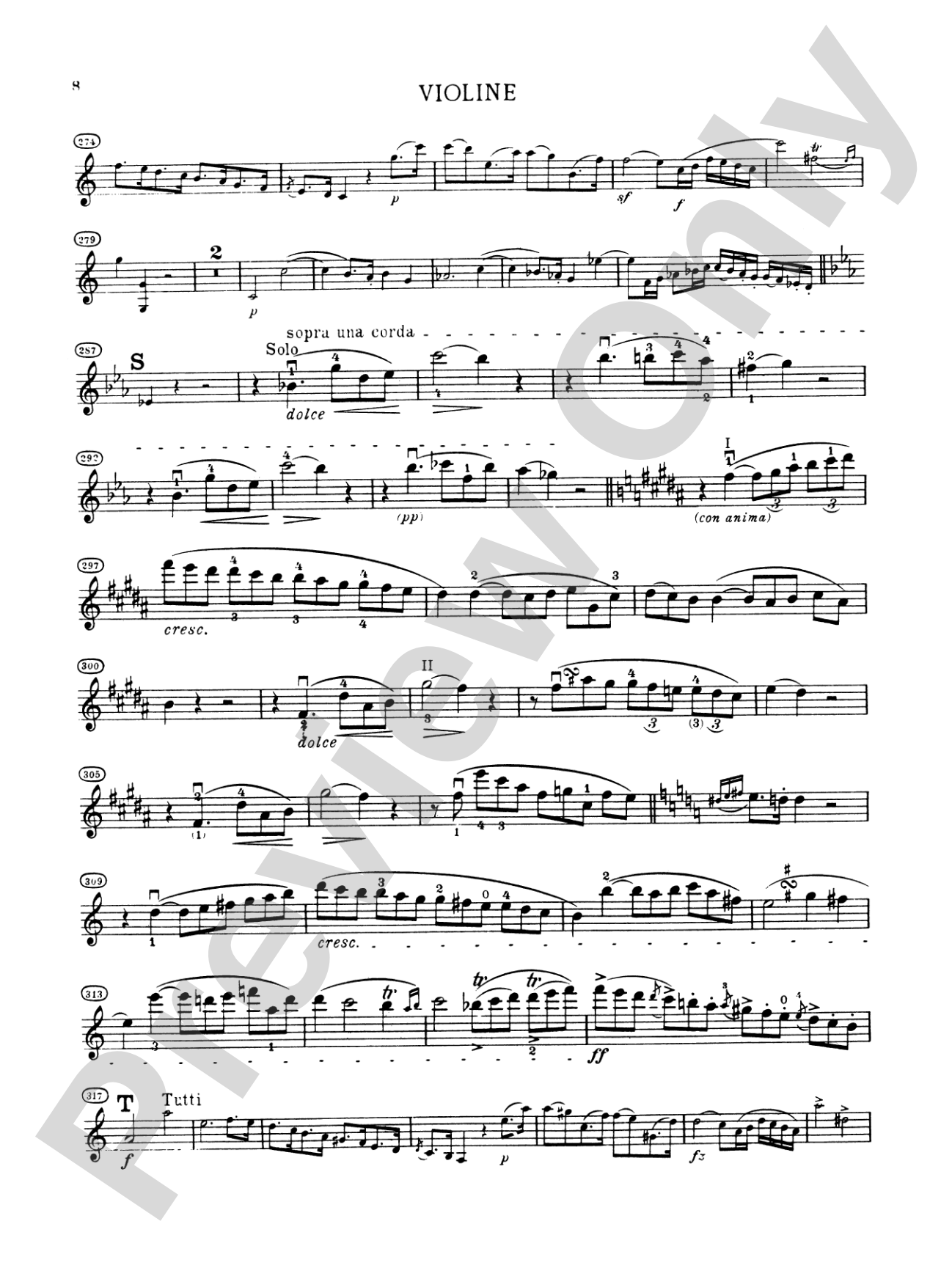
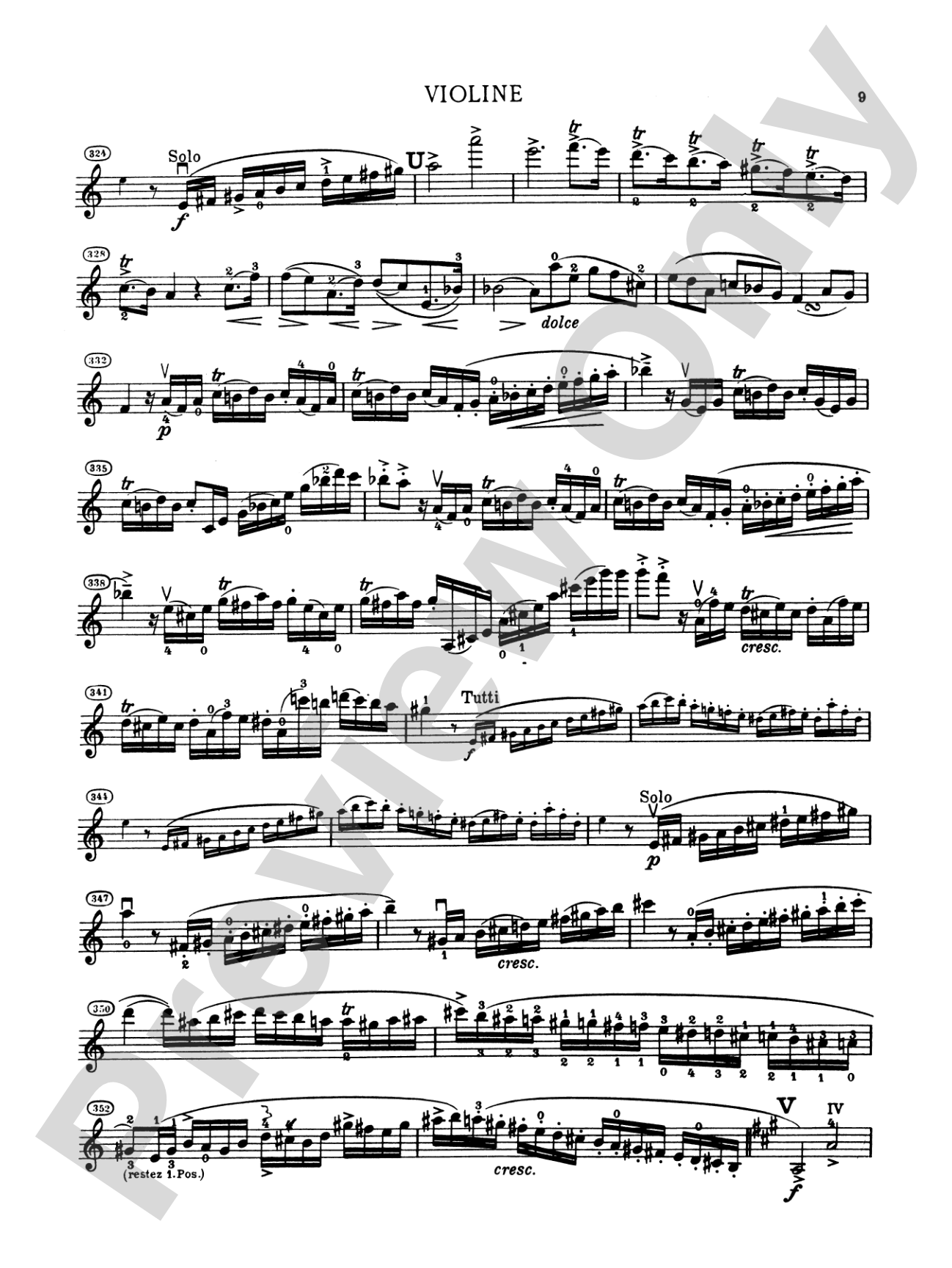
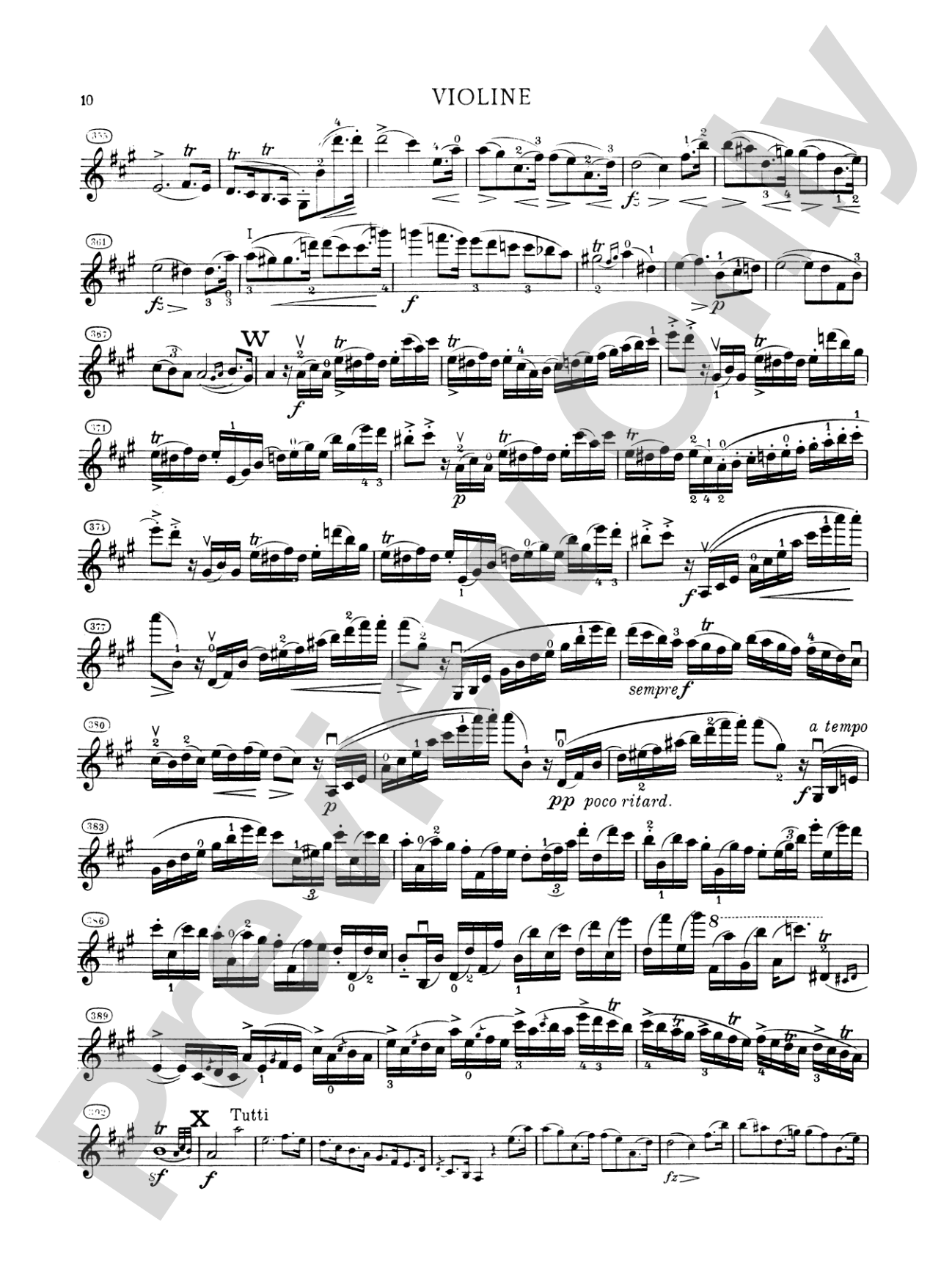
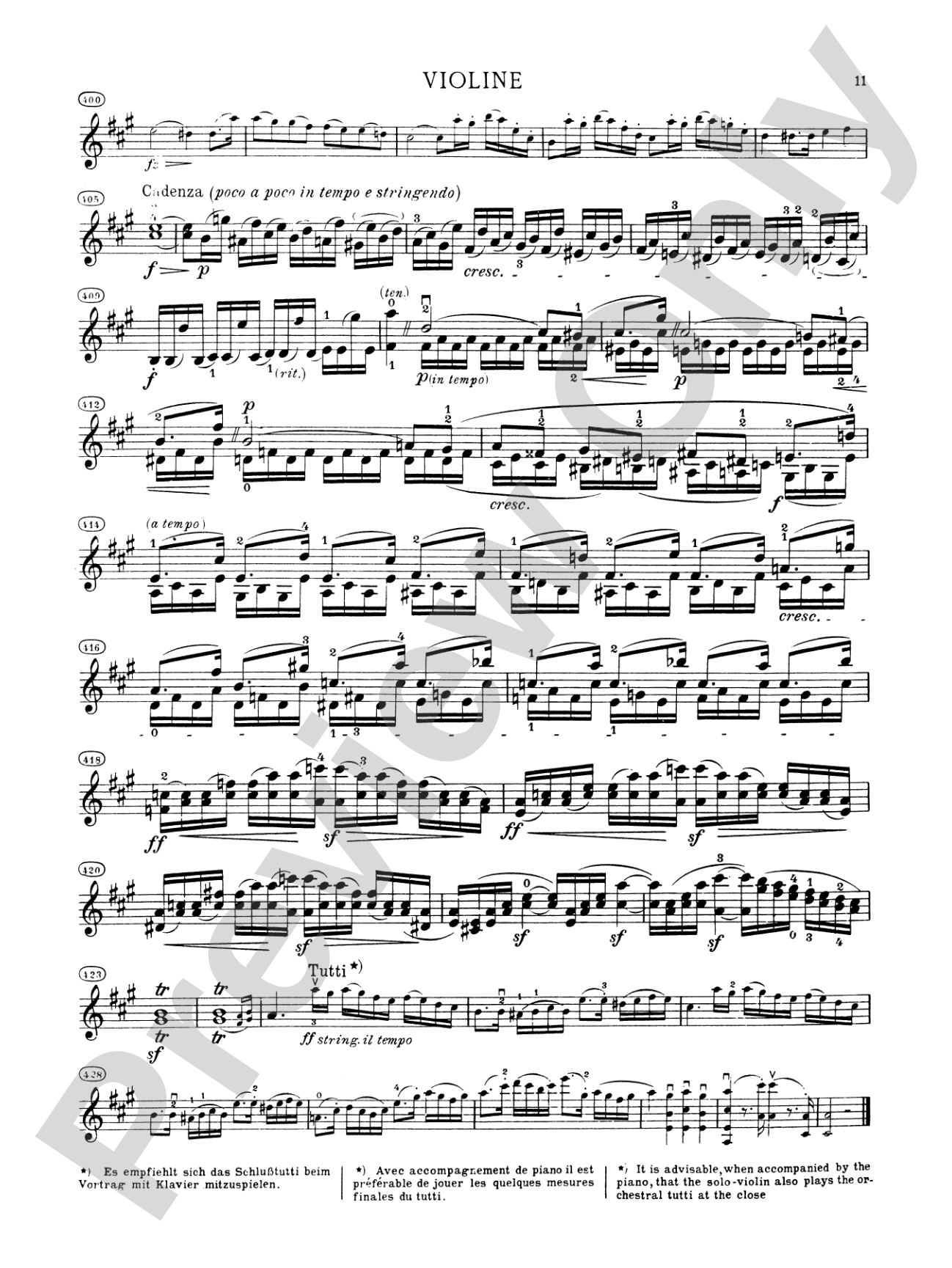




Spohr: Concerto No. 8 in A Minor, Op. 47: Violin Book
By Louis Spohr
Item: 00-PK-0003492

$9.99
Pickup currently not available
Buy Extra Parts (Digital PDF Download)
| Product | Price | Quantity |
|---|---|---|
| Spohr: Concerto No. 8 in A Minor, Op. 47 | $3.99 | |
| Spohr: Concerto No. 8 in A Minor, Op. 47 | $3.95 |
Parts Added to Cart!
Related Items
Concerto No. 8, Opus 47: Violin Book |
$9.95
|
View |
Description
A Violin solo with Piano Accompaniment composed by Louis Spohr.


Don't just read it, hear it, play along with it, and watch your students grow with it. In MakeMusic Cloud, Spohr: Concerto No. 8 in A Minor, Op. 47: Violin Book comes alive with professional accompaniment, adjustable tempo, and built-in practice tools that turn solo practice into real progress.
Open in the Player
Jump straight in and assign it today.
Start Your Free Trial
Open this title and explore the full library in minutes.
Sample Audio
No sample audio found.
Sample Video
No sample videos found.
Additional Details
Series:
Kalmus Edition
Publisher:
Alfred Music
Page Count:
40
SKU:
00-PK-0003492
More about this title
About the Composer: Louis Spohr
Louis Spohr (1784–1859) was a German violinist and composer whose writing for the instrument shaped Romantic-era violin technique. A virtuoso performer who gave recitals across Europe, Spohr understood string playing from the inside out; his eight violin concertos balance lyrical cantabile passages with brilliant figurework that demands secure intonation and musical maturity. His influence on pedagogy extended far beyond his playing: his composition studies and string quartets became central to the European concert tradition, and his concertos remain benchmarks for violinists seeking a bridge between Classical formality and Romantic expression.
Spohr's approach to the violin emphasized singing quality and structural coherence. Unlike some contemporaries who wrote primarily for display, his concertos contain genuine musical substance—they tell stories through melody and harmony rather than relying solely on technical fireworks. This philosophy makes his works invaluable for advancing players who are ready to think beyond mechanics.
Why we love this
The Eighth Concerto sits at a sweet spot: substantial enough to command serious rehearsal time, yet more approachable than his later concertos. The A minor tonality gives it introspective weight without the technical extremes that would derail intermediate-advanced students. This is a concerto that rewards musical thinking as much as finger work.
What to expect
The work opens with an intimate, introspective character that gradually unfolds into moments of genuine brilliance. There's a Romantic sensibility here—earnest, expressive, never showy for its own sake—that rewards deep musical engagement. The A minor tonality lends a wistful quality that distinguishes it from flashier showpieces.
Who it's for
Advanced high school violinists and early college players preparing for auditions or competitions. This concerto belongs in the hands of students who have solid vibrato, secure intonation across multiple positions, and the interpretive maturity to balance virtuosity with musicality.
How to get the most out of it
- Shape the opening theme with a singing bow hold. Spohr expects sustained beauty in the main melody, which means listening constantly to tone color across the entire range of the instrument.
- Attend carefully to intonation in the lyrical sections. The harmonic language is rich, and even small departures from true pitch will muddy the accompaniment.
- Work with your pianist to establish clear phrase boundaries. The piano part is not merely background; it drives harmonic movement and you'll need to breathe together.
- Take time with the cadential passages. Spohr's writing creates natural momentum toward these moments, but they require patience and control to land with impact rather than rushing.
How to use it
Program this as the centerpiece of a spring recital or as a competition entry that showcases serious musicianship. Pair it with shorter Romantic or early 20th-century works to build an integrated program, or stand it alone as a full concerto performance. It works well in a student showcase featuring advanced soloists.
Skills your students will build
- Sustaining long melodic lines with consistent tone quality
- Intonation in higher positions and in harmonic contexts
- Balancing virtuosic passage work with musical phrasing
- Ensemble awareness and rhythmic alignment with an accompanist
- Romantic-era interpretation and rubato