

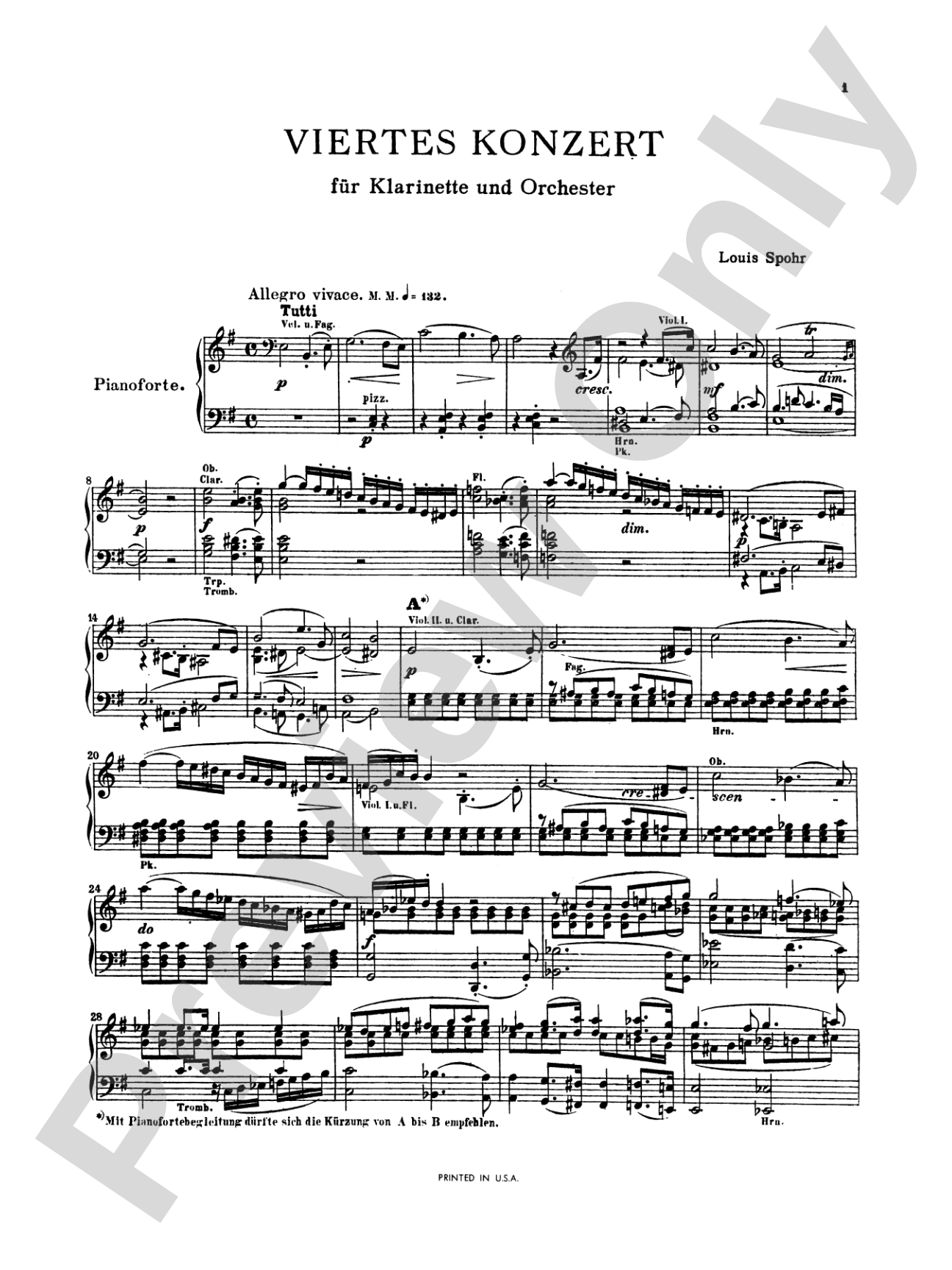
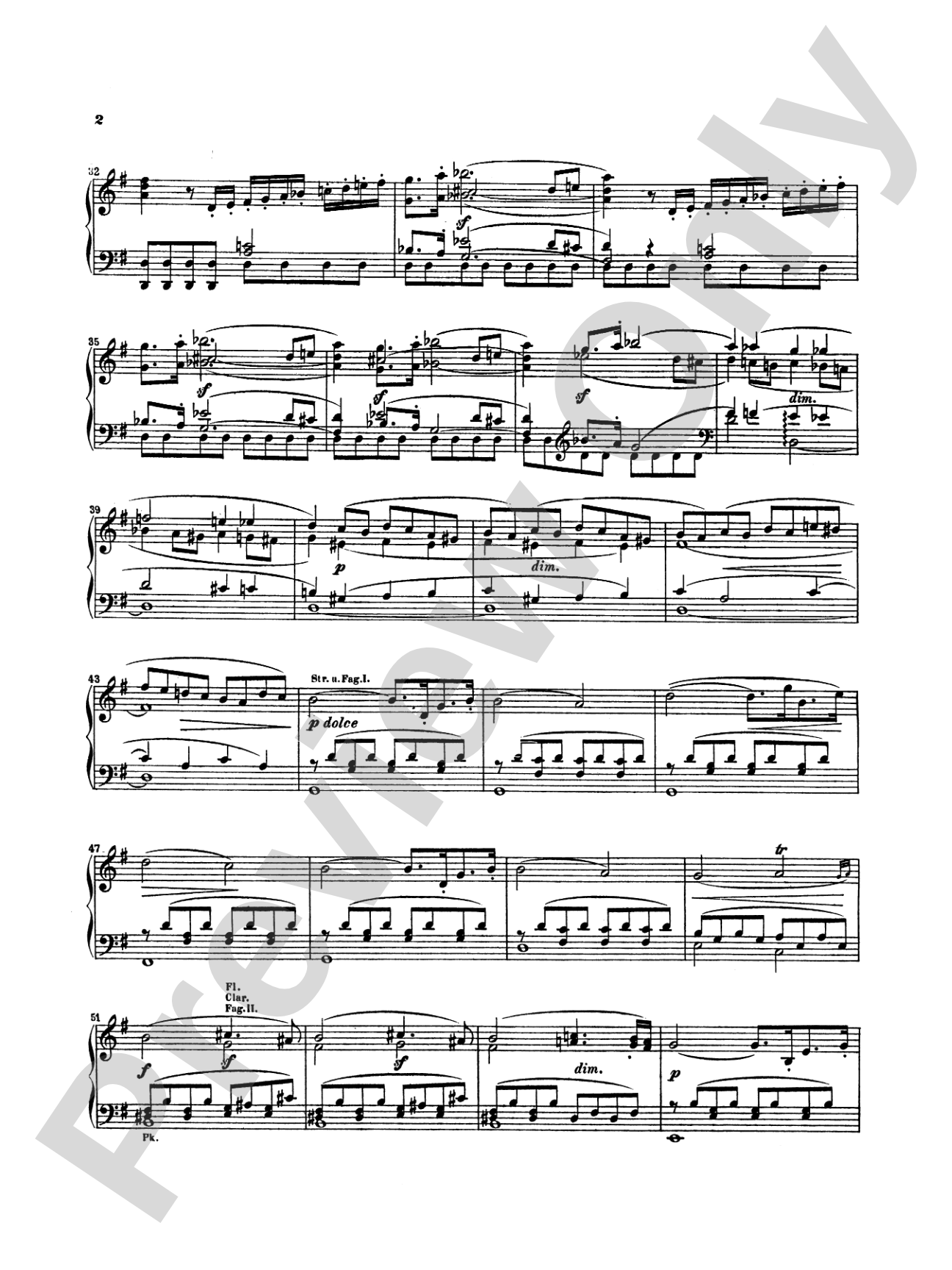
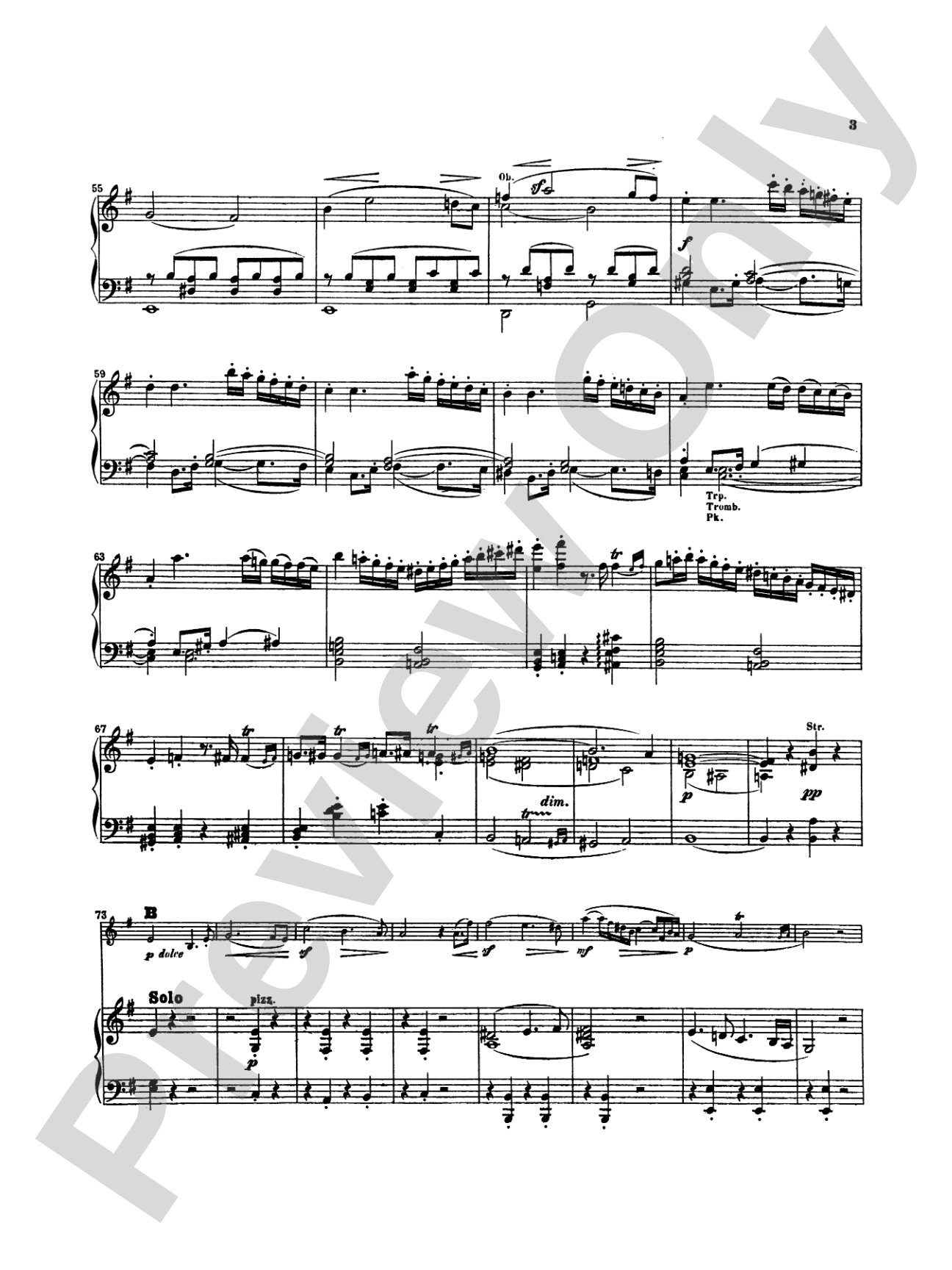
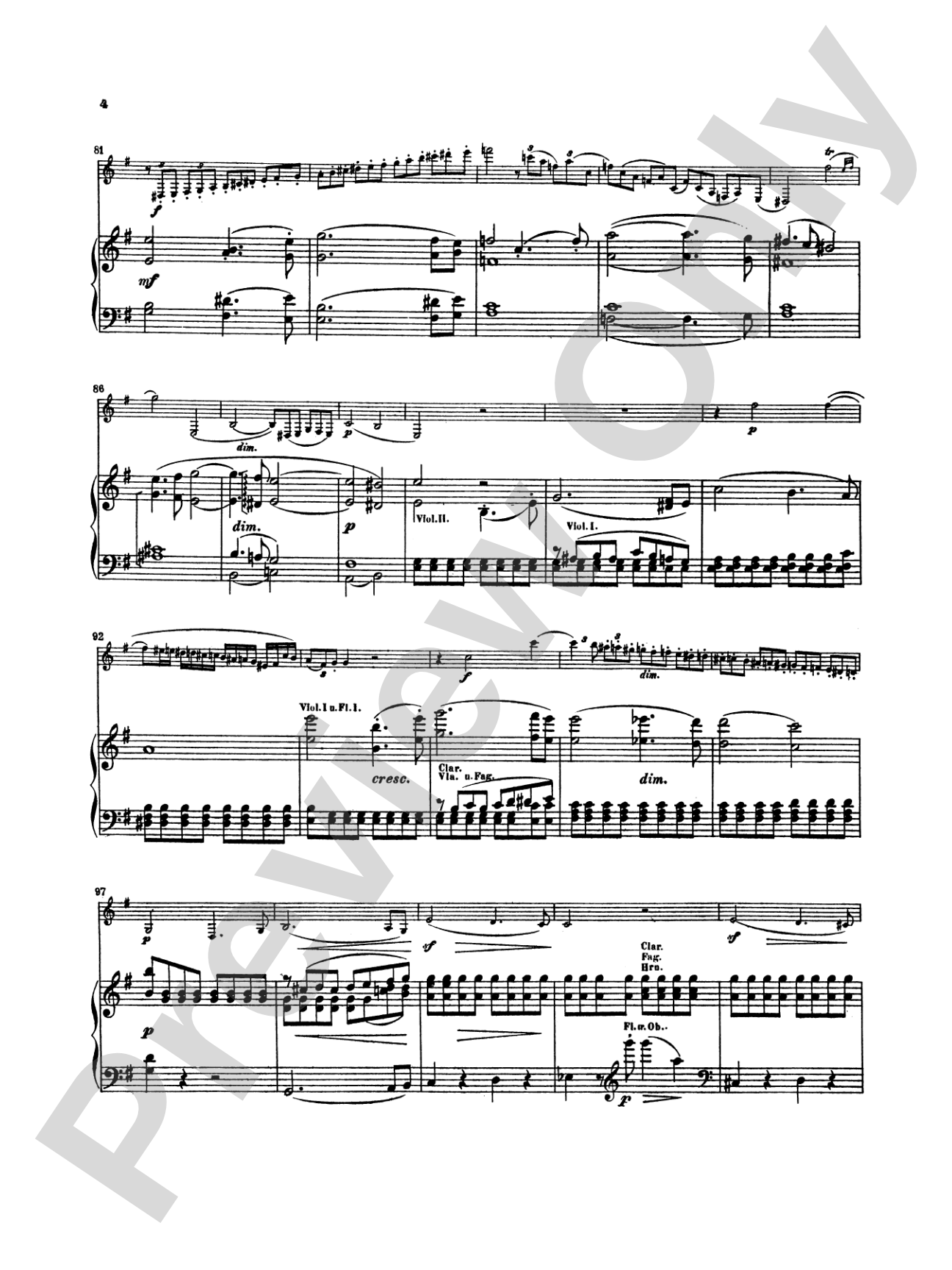
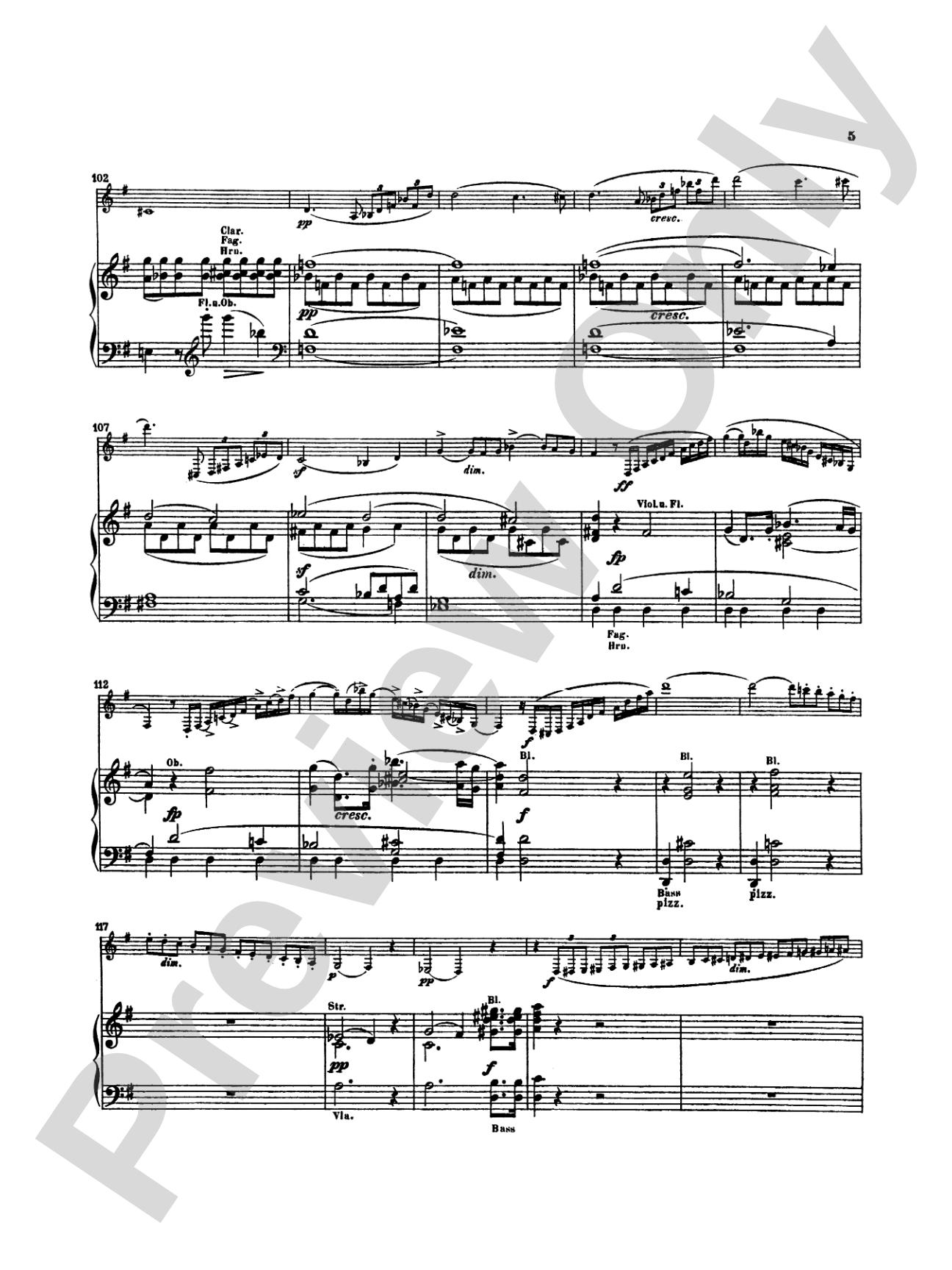
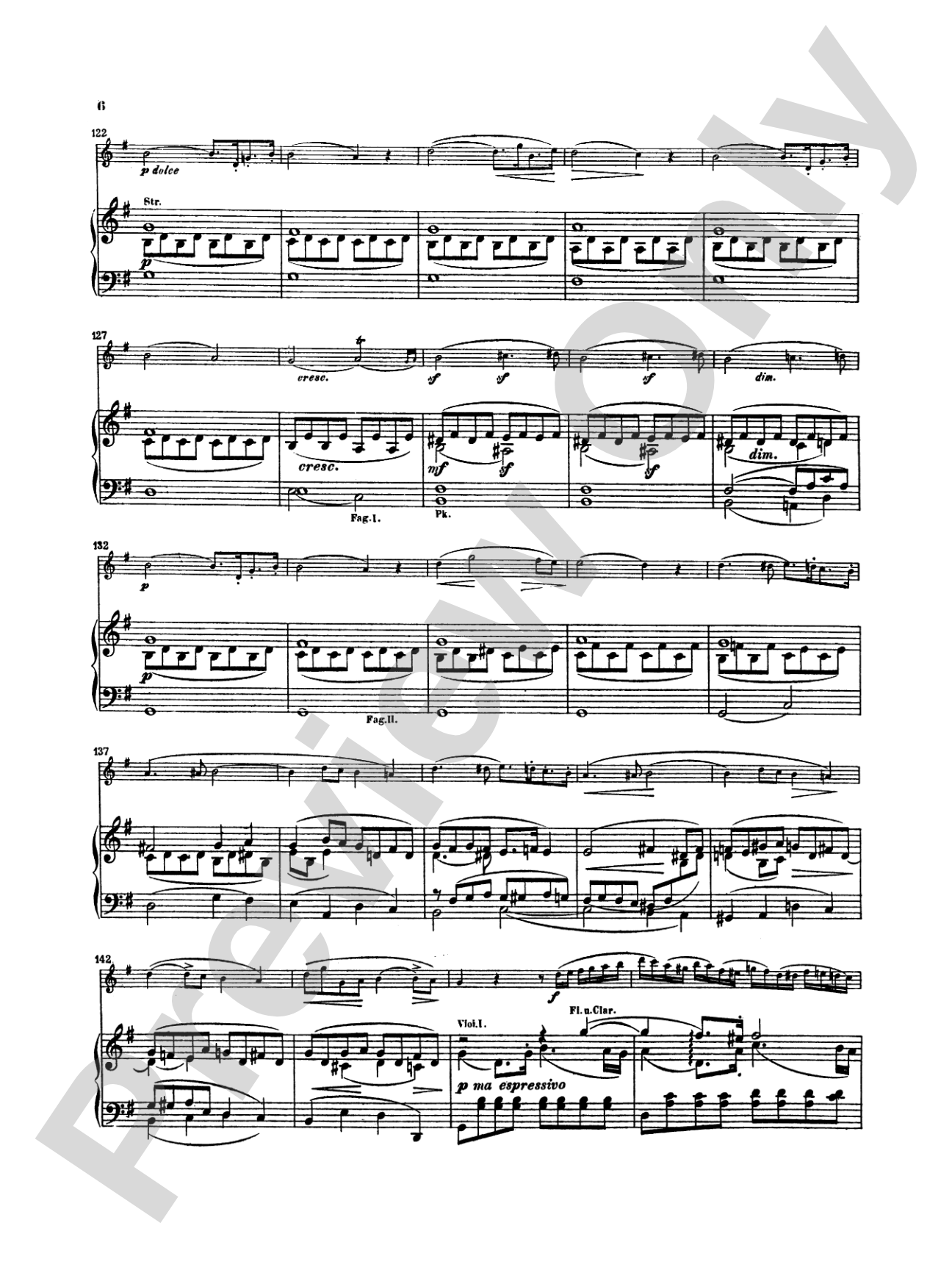
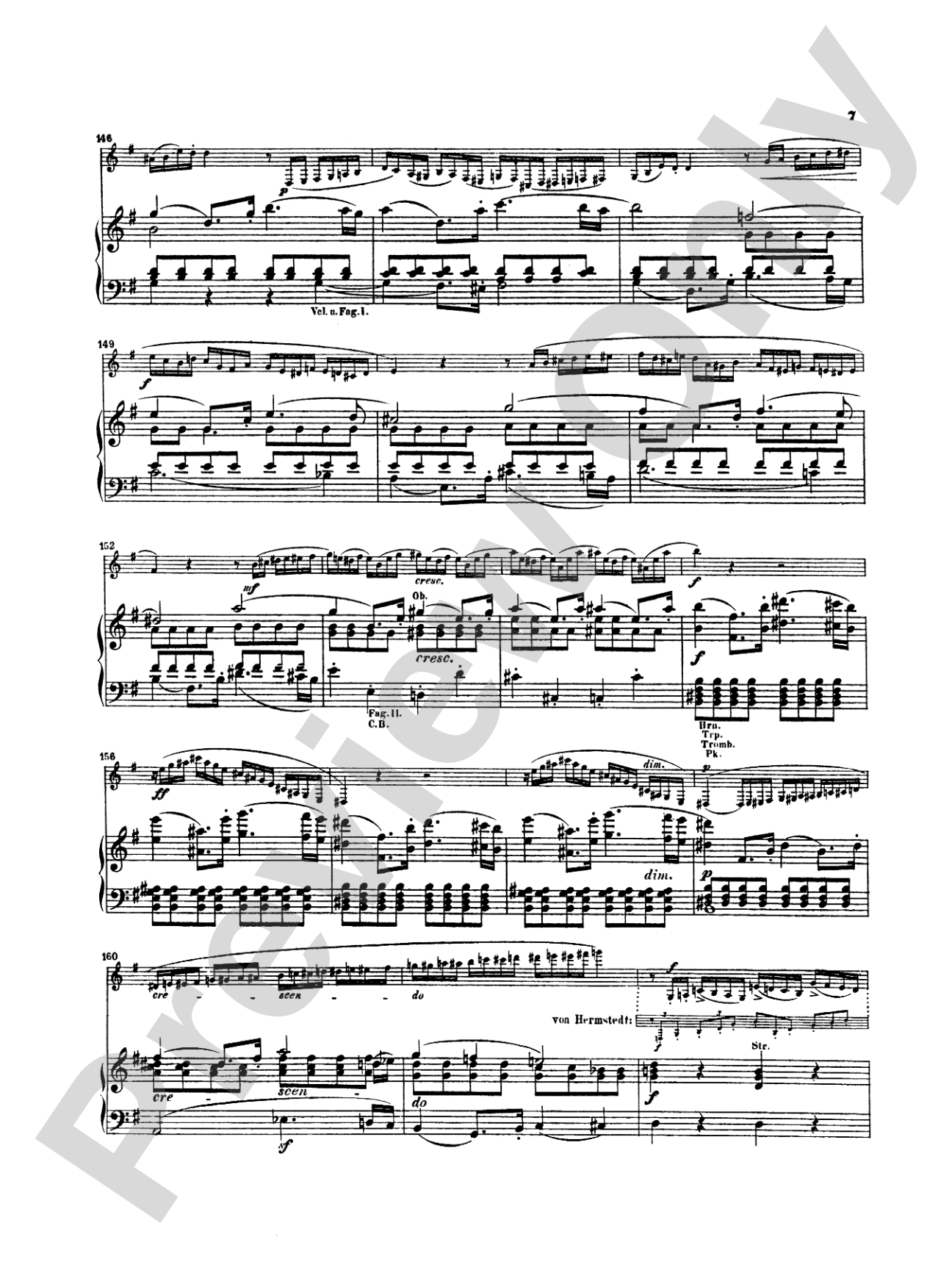
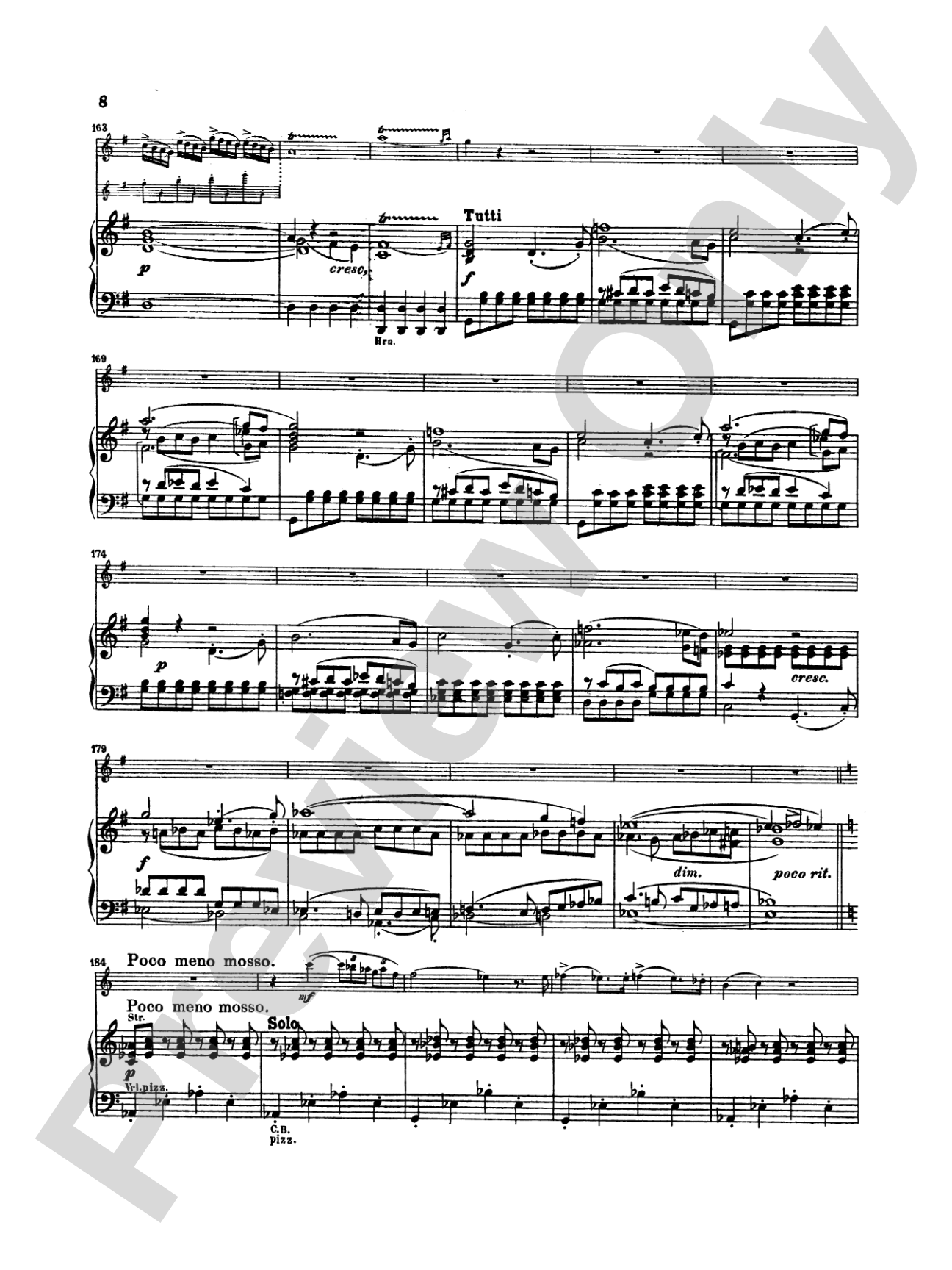
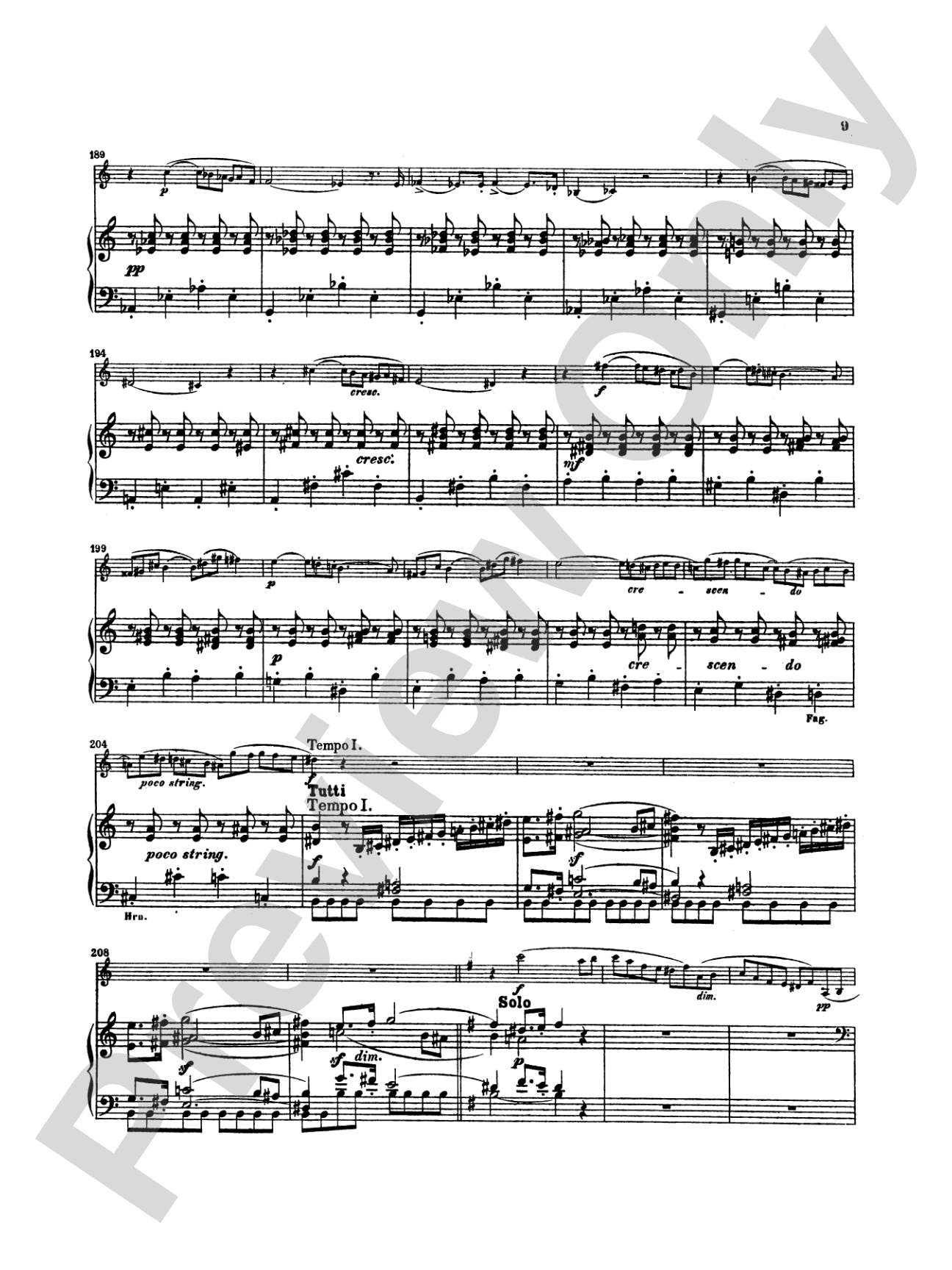
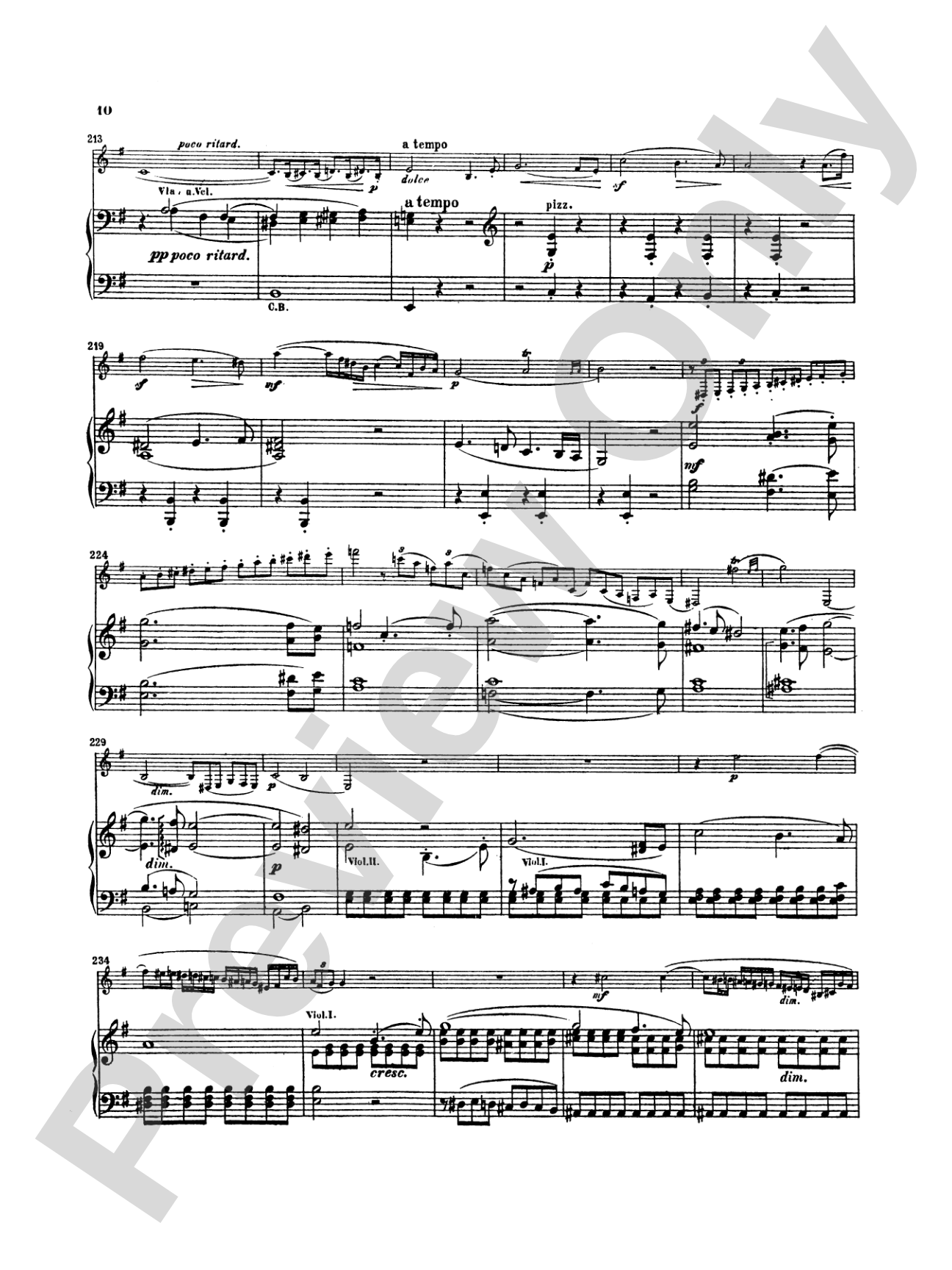
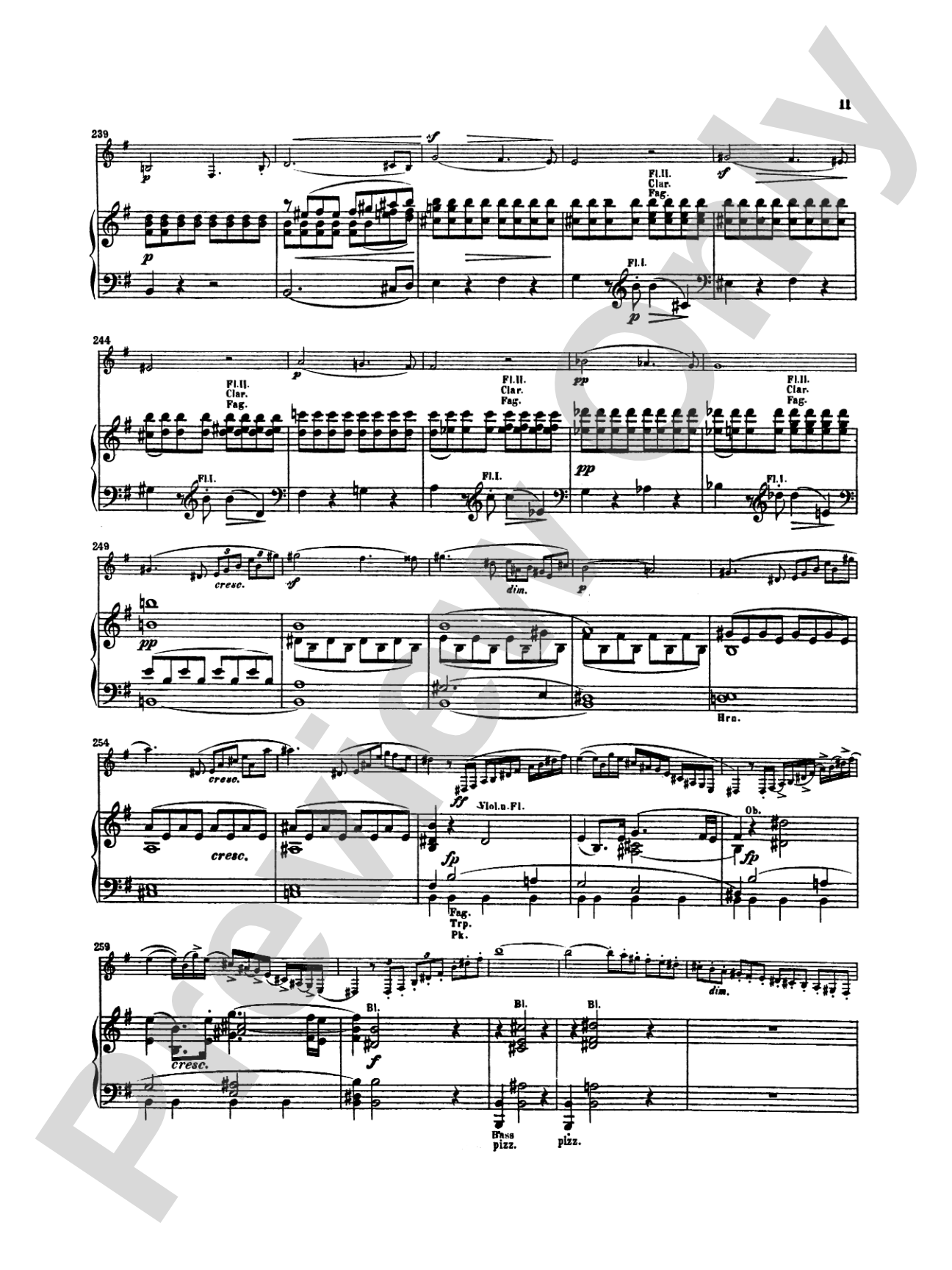
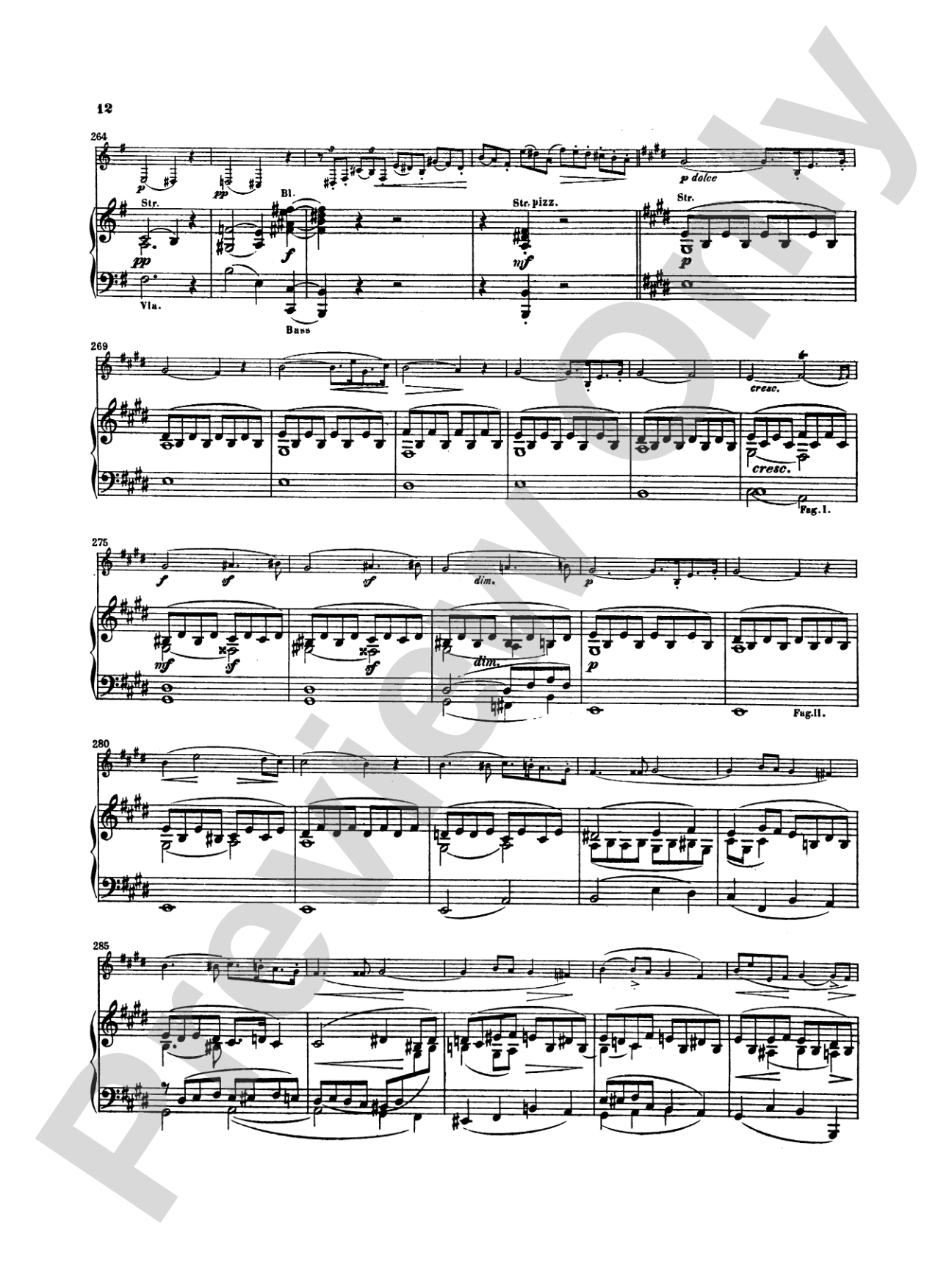
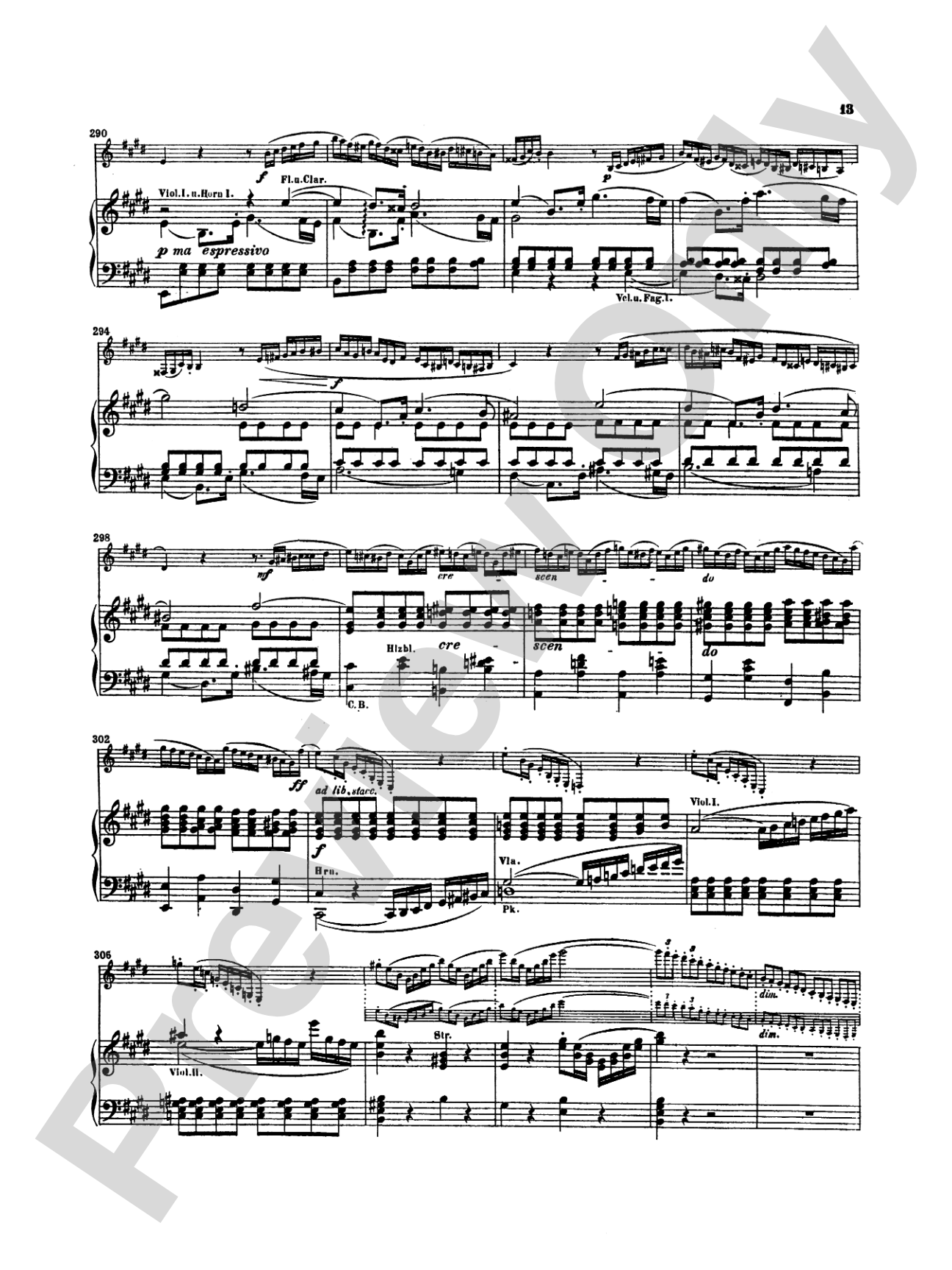
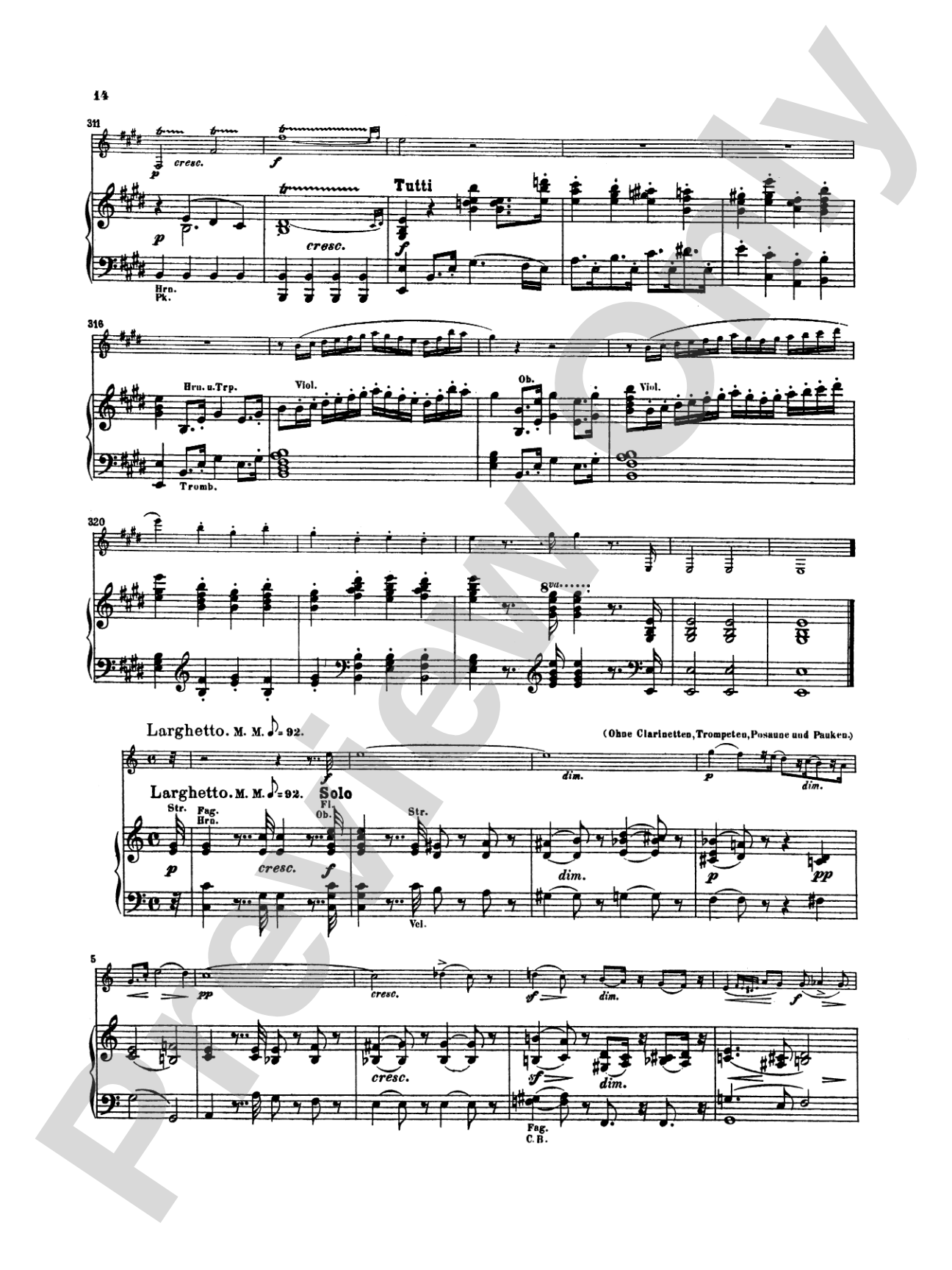
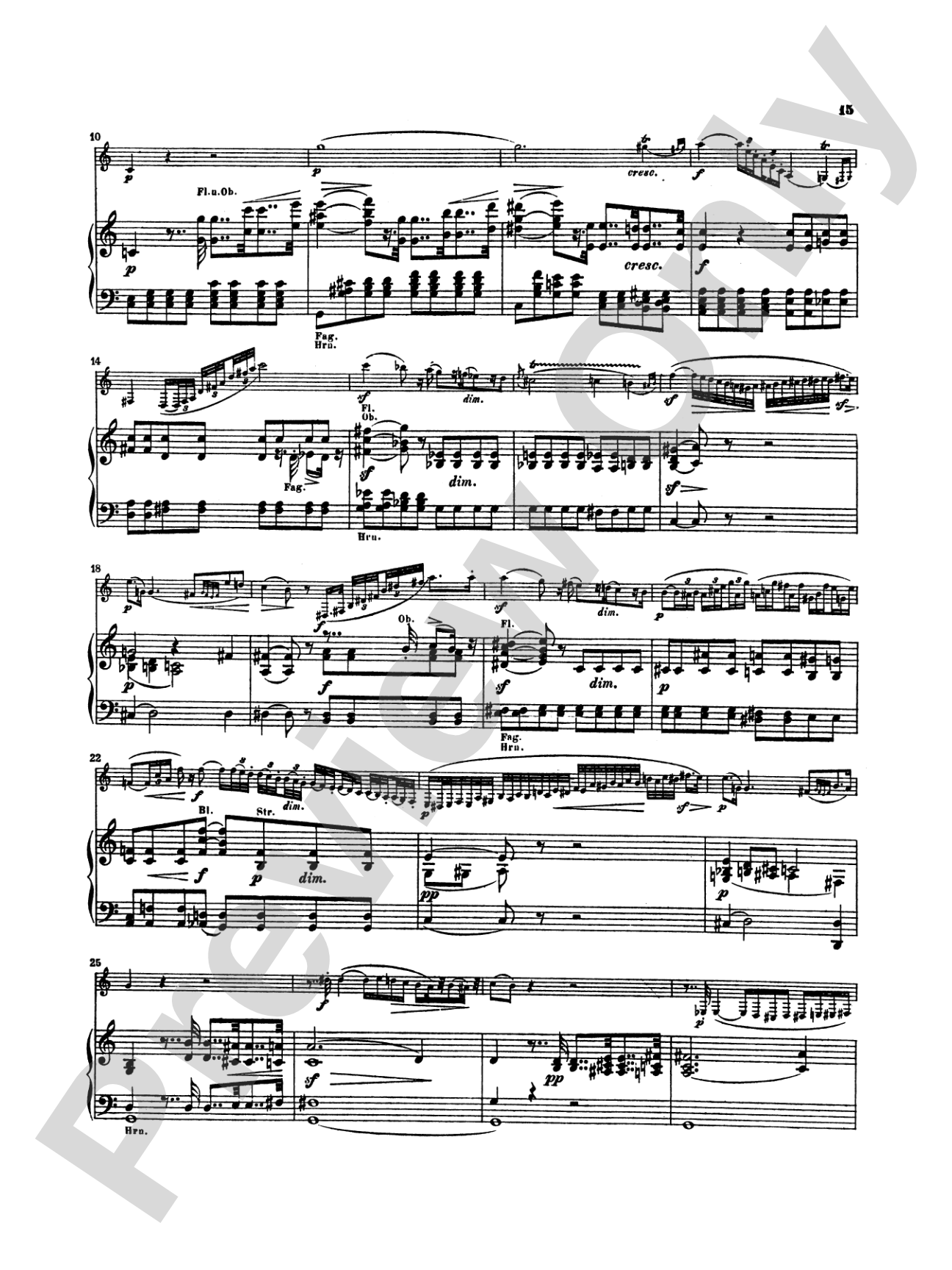
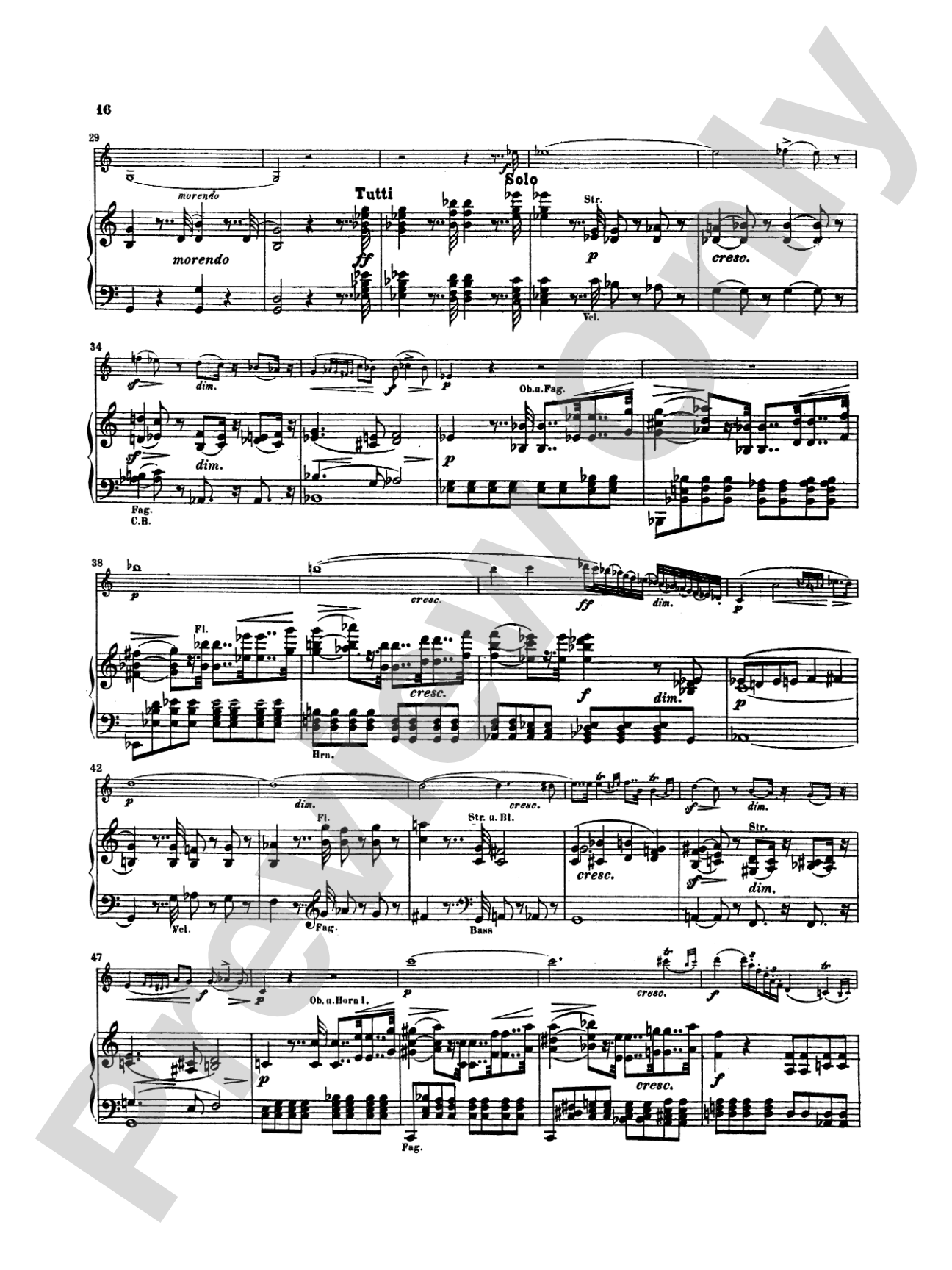
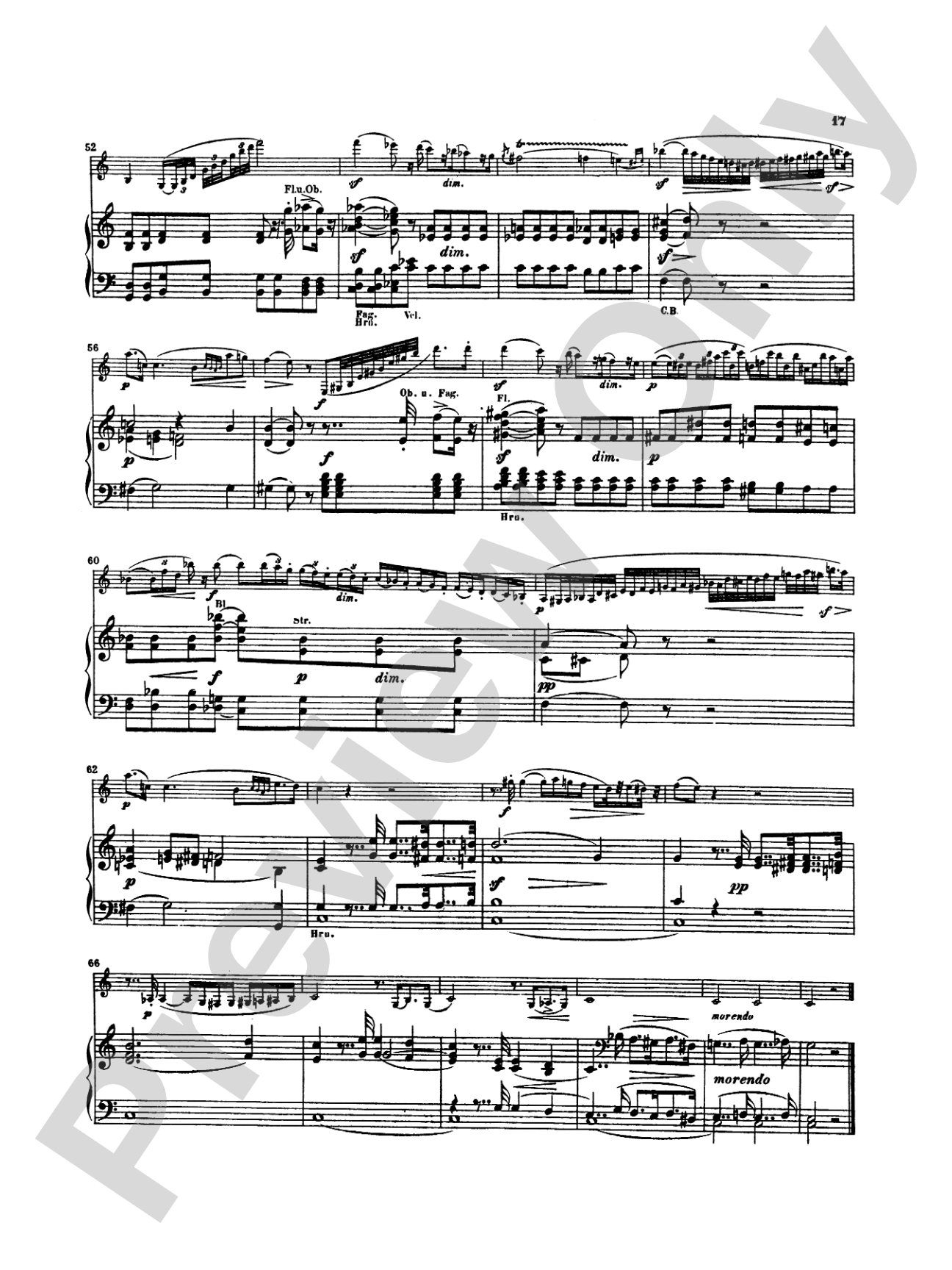
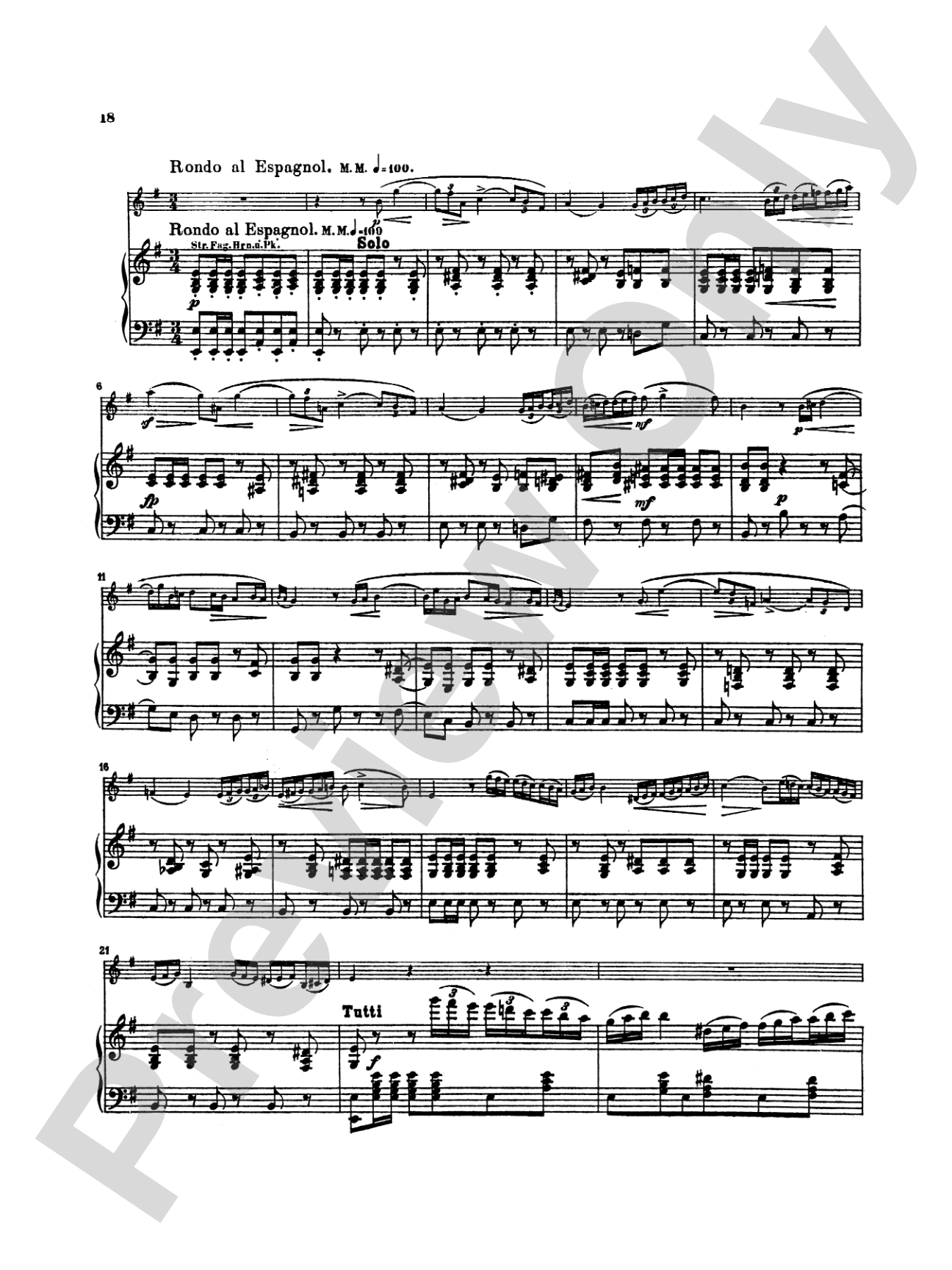
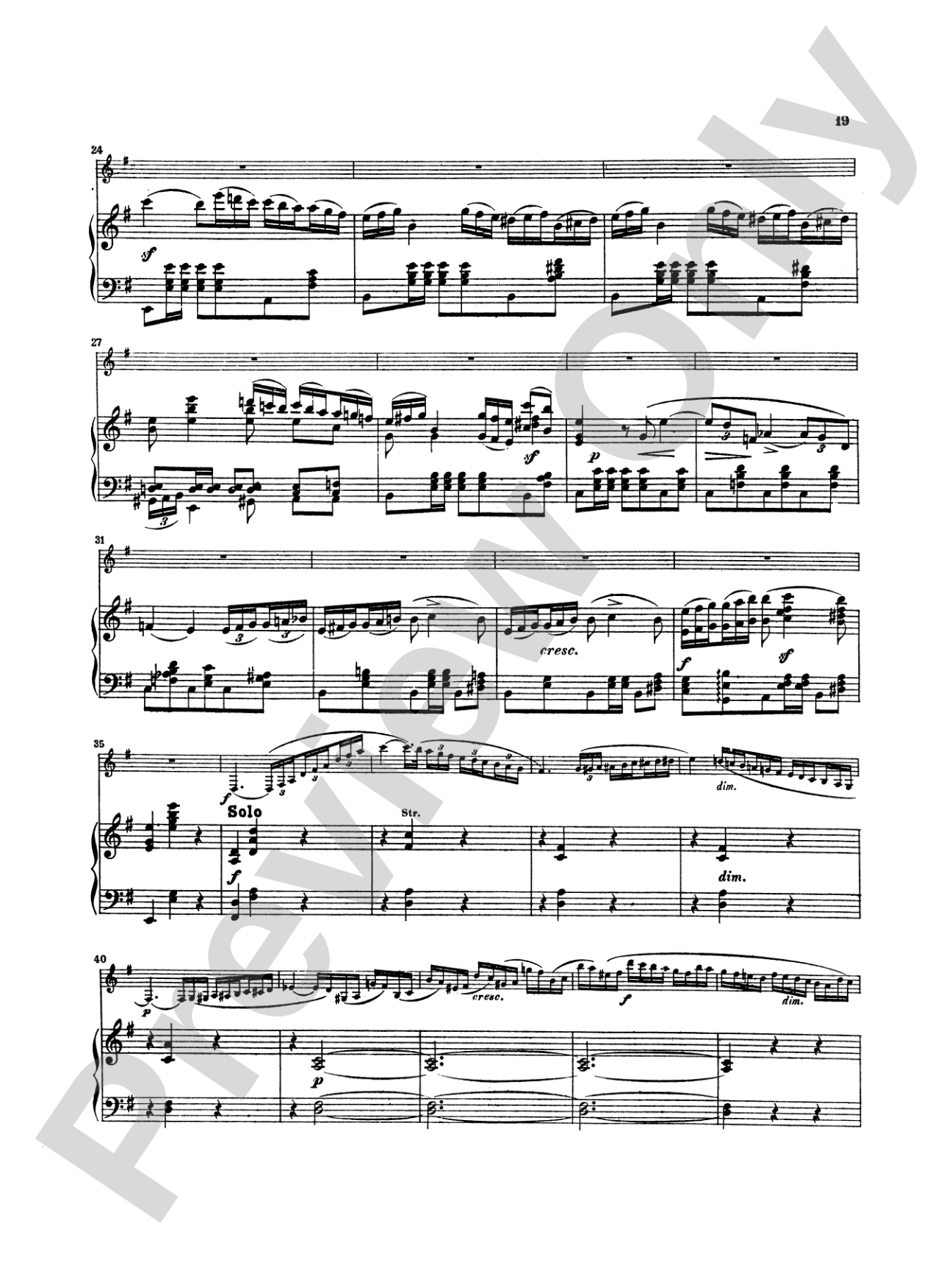
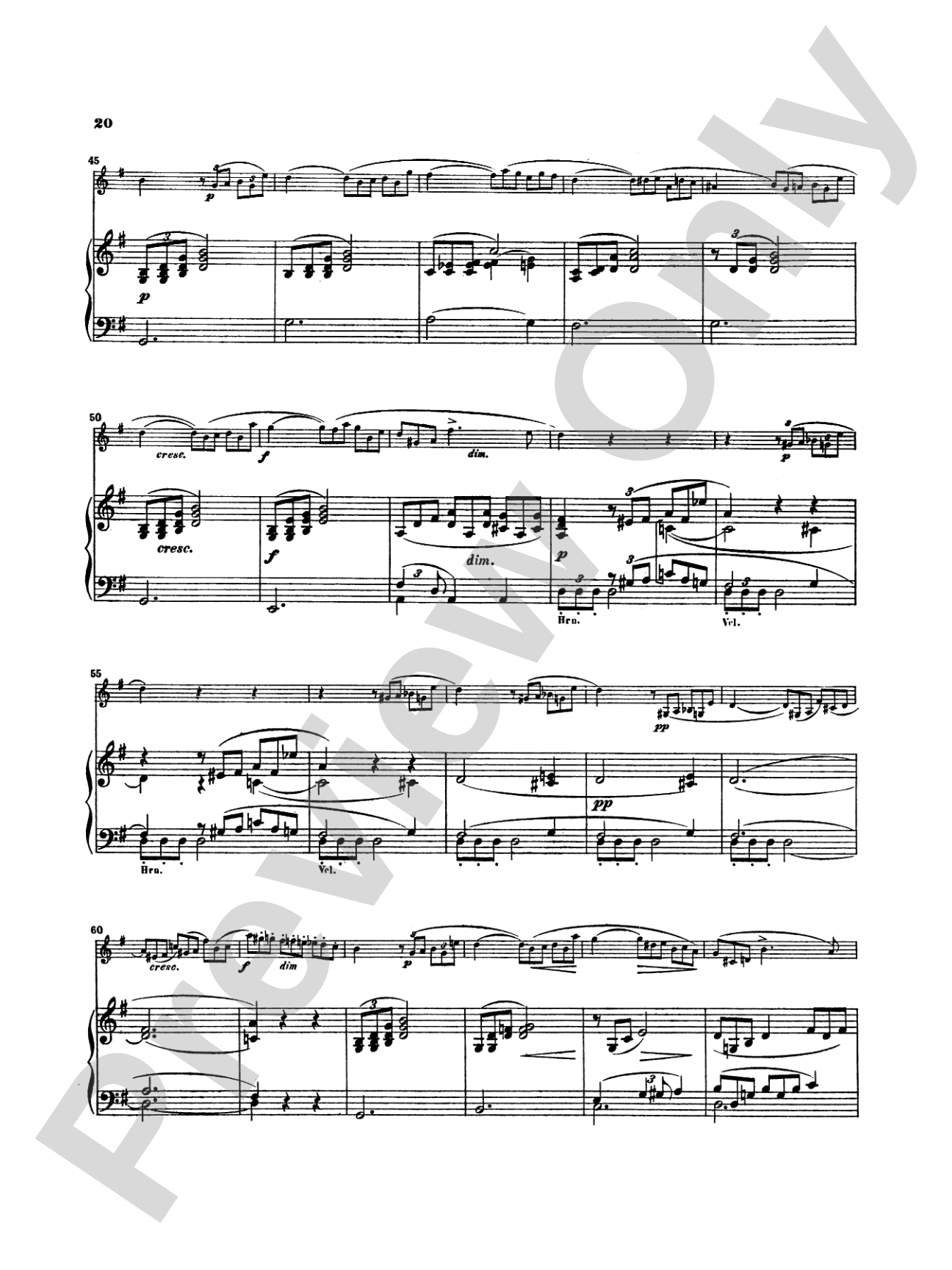
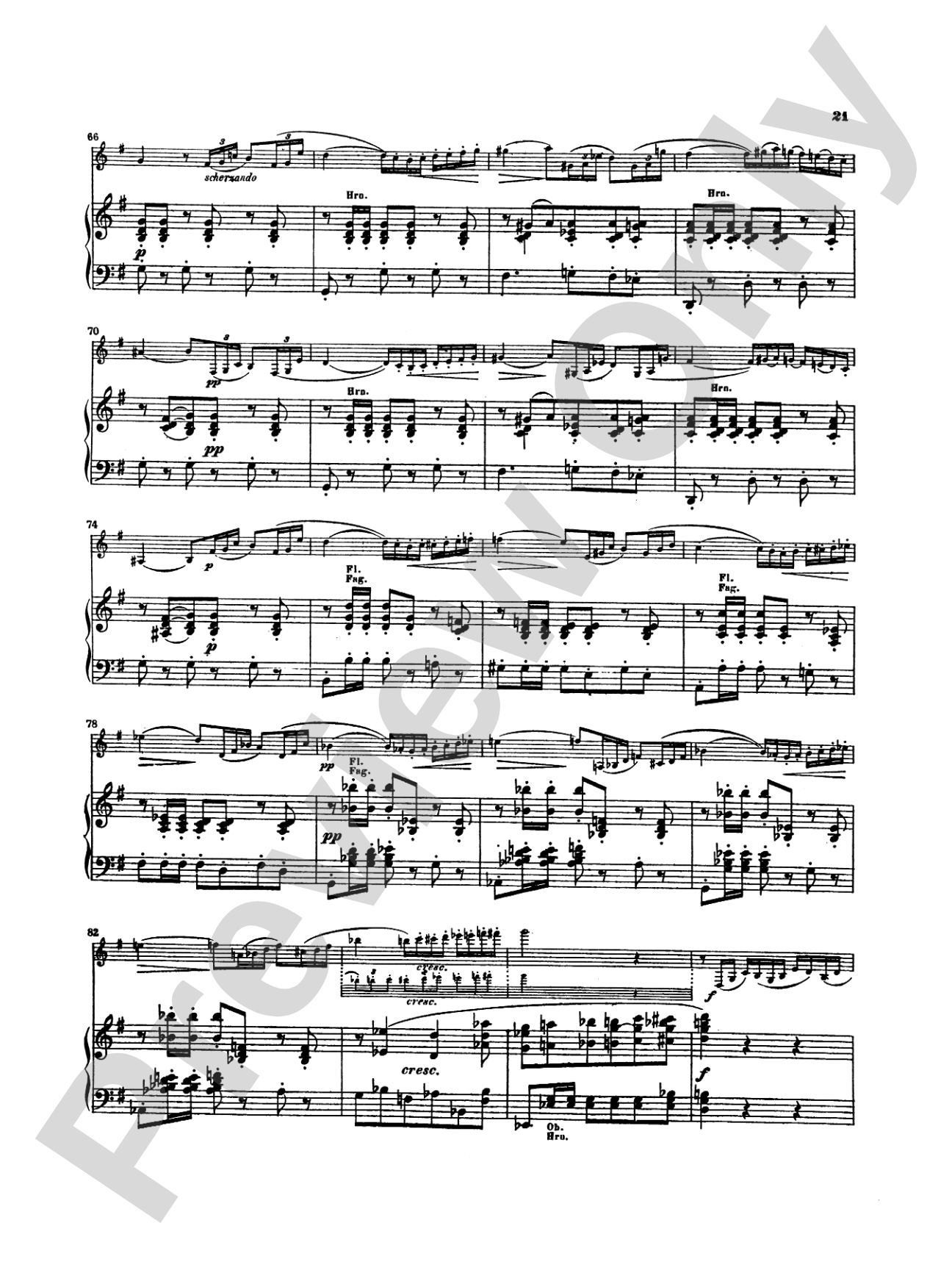
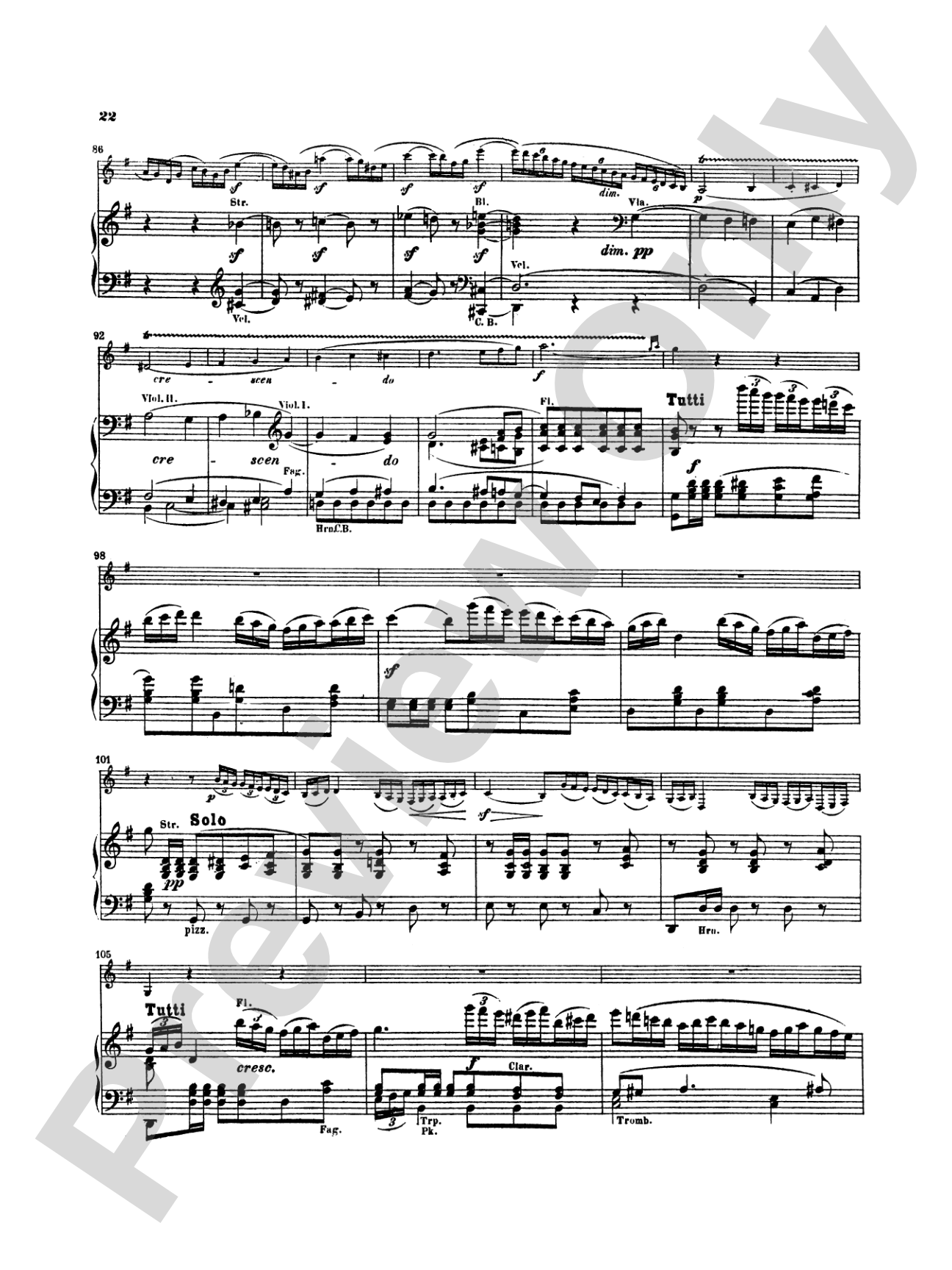
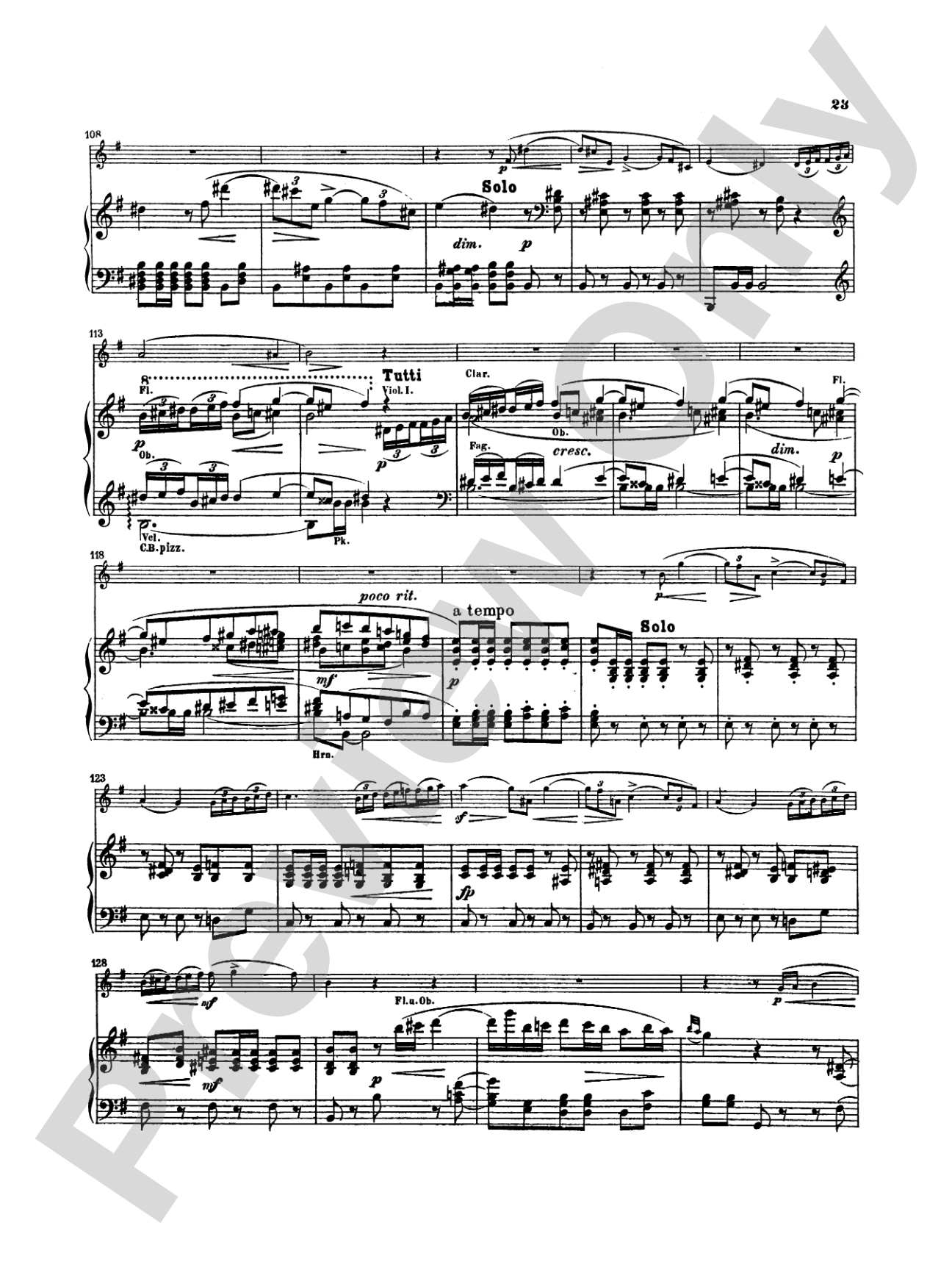
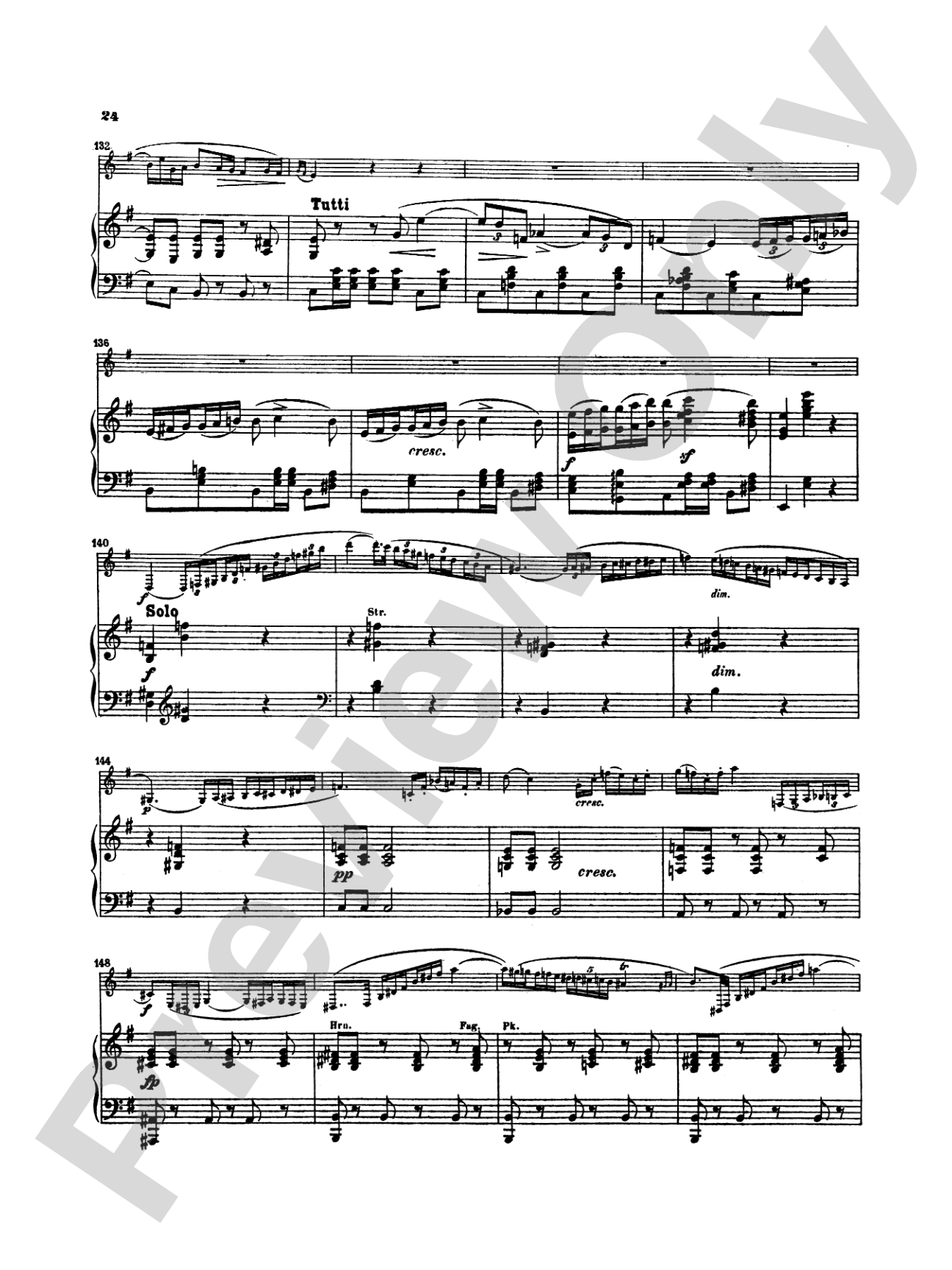
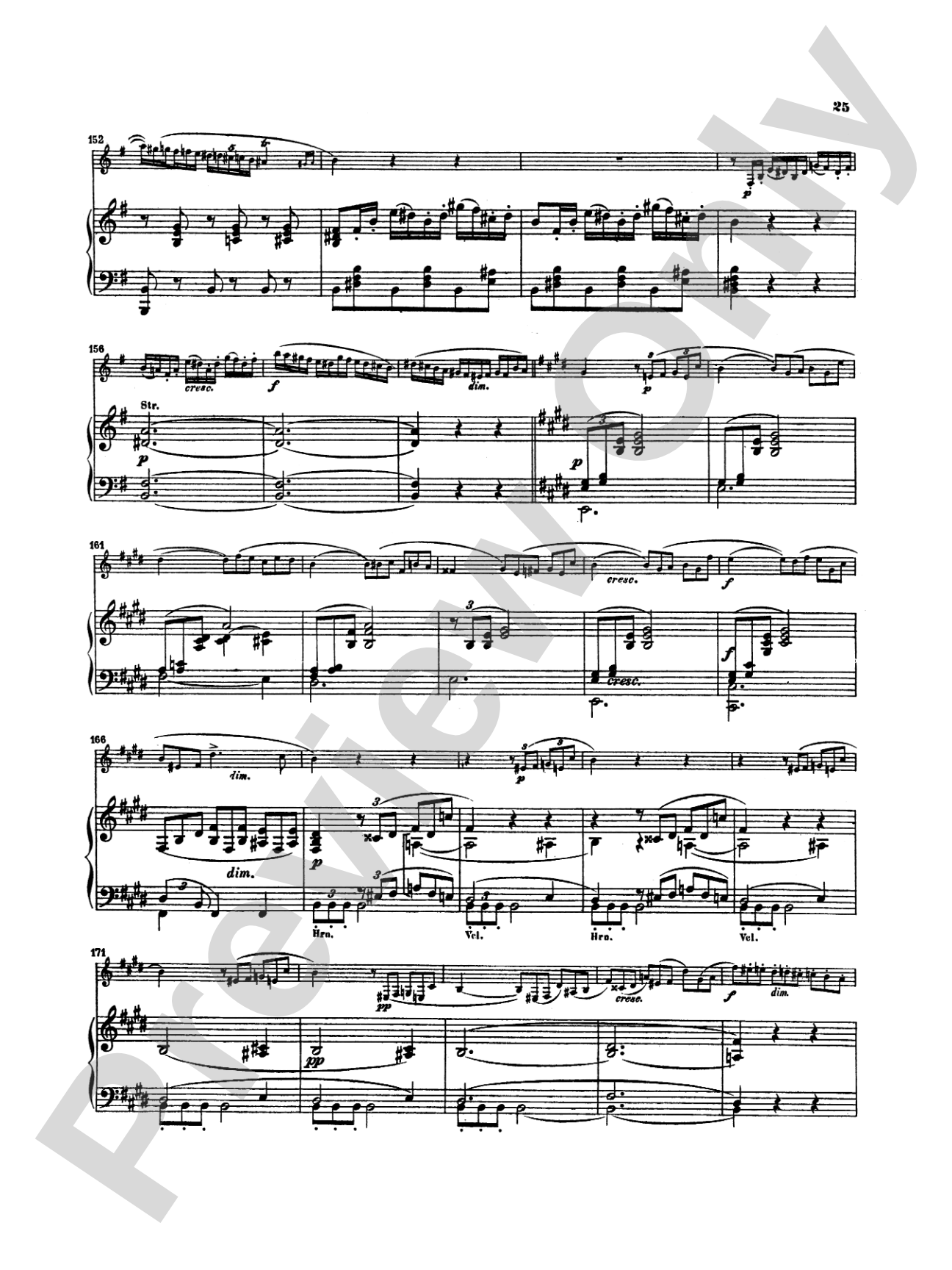
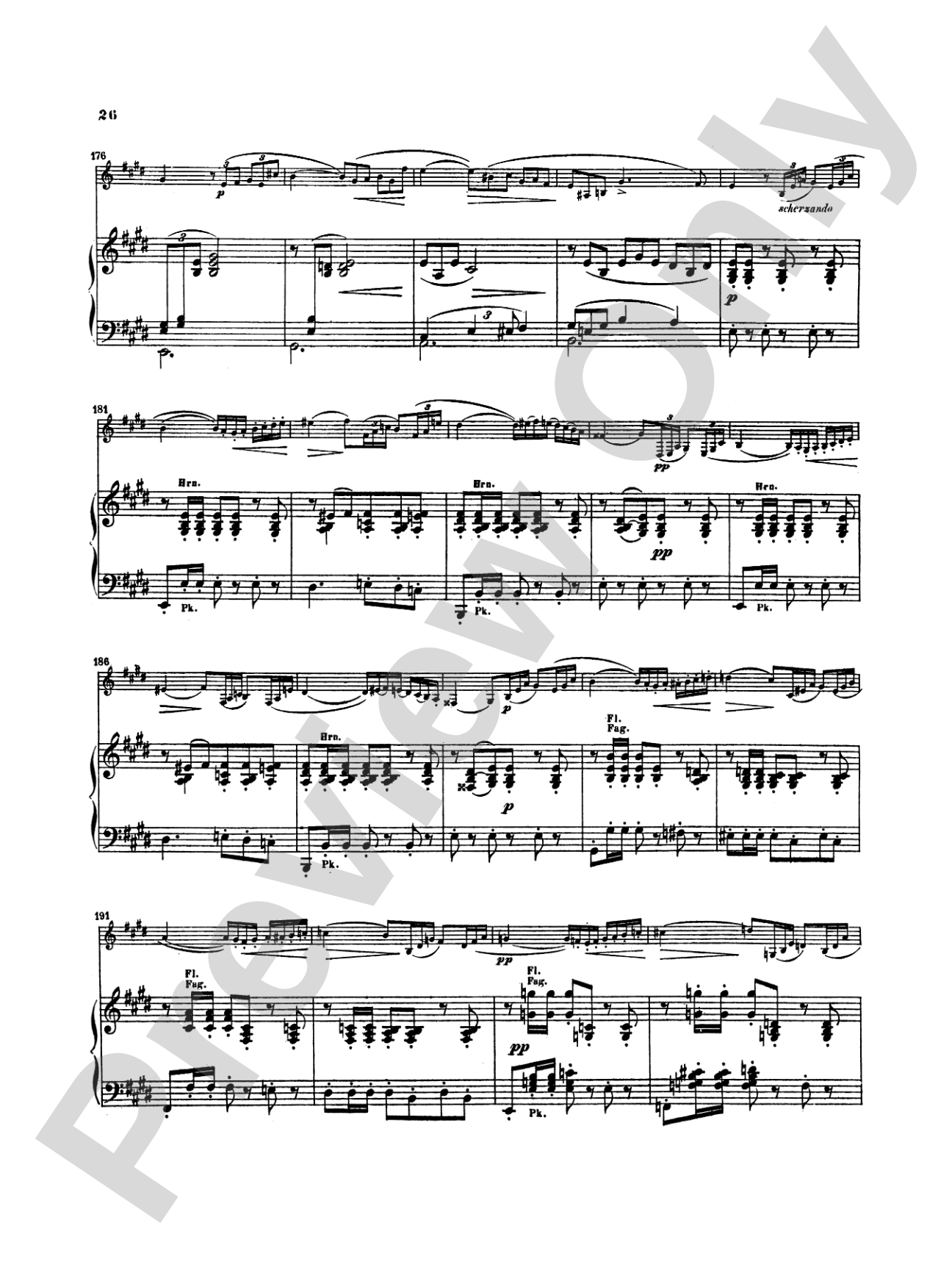
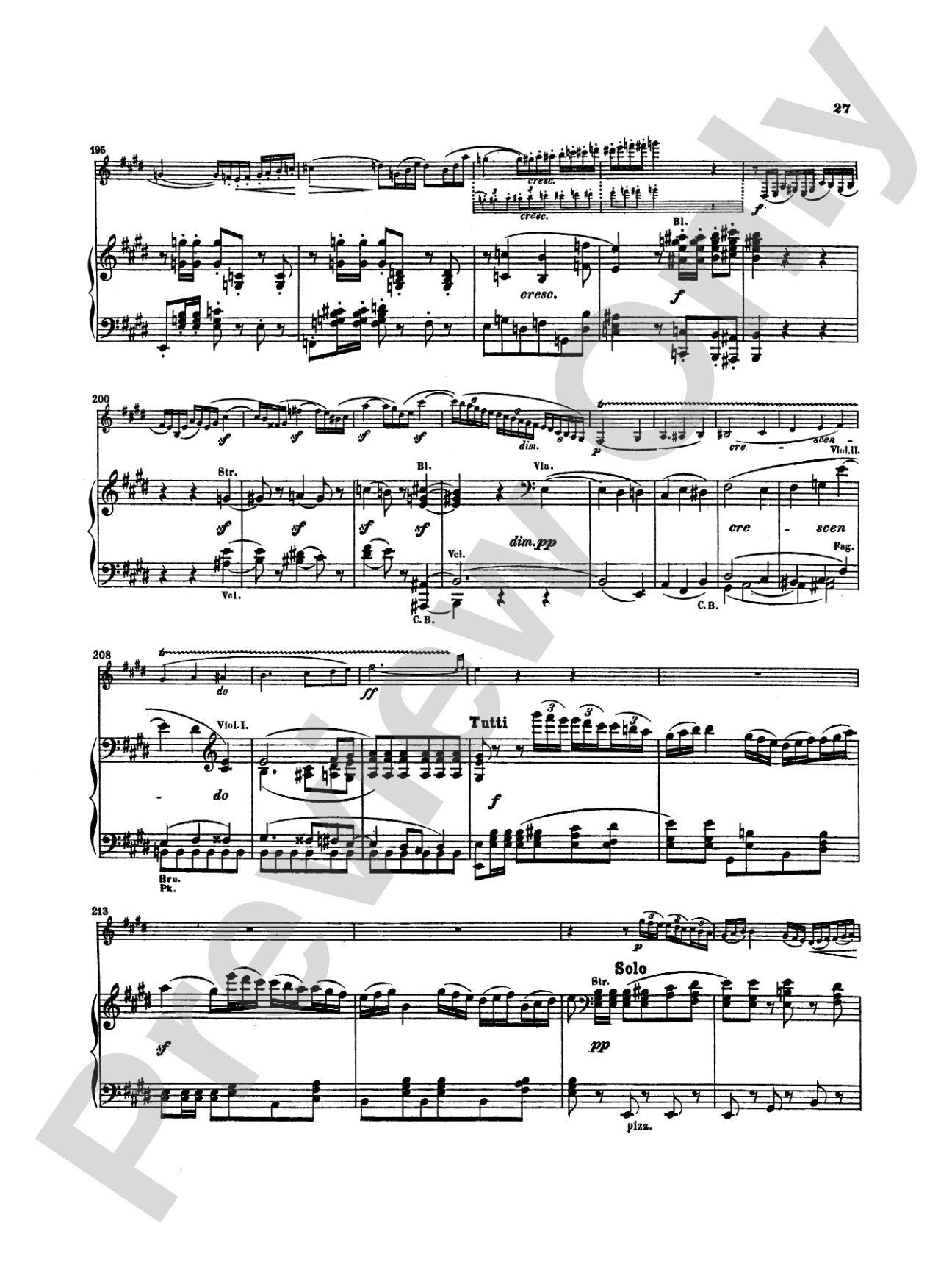
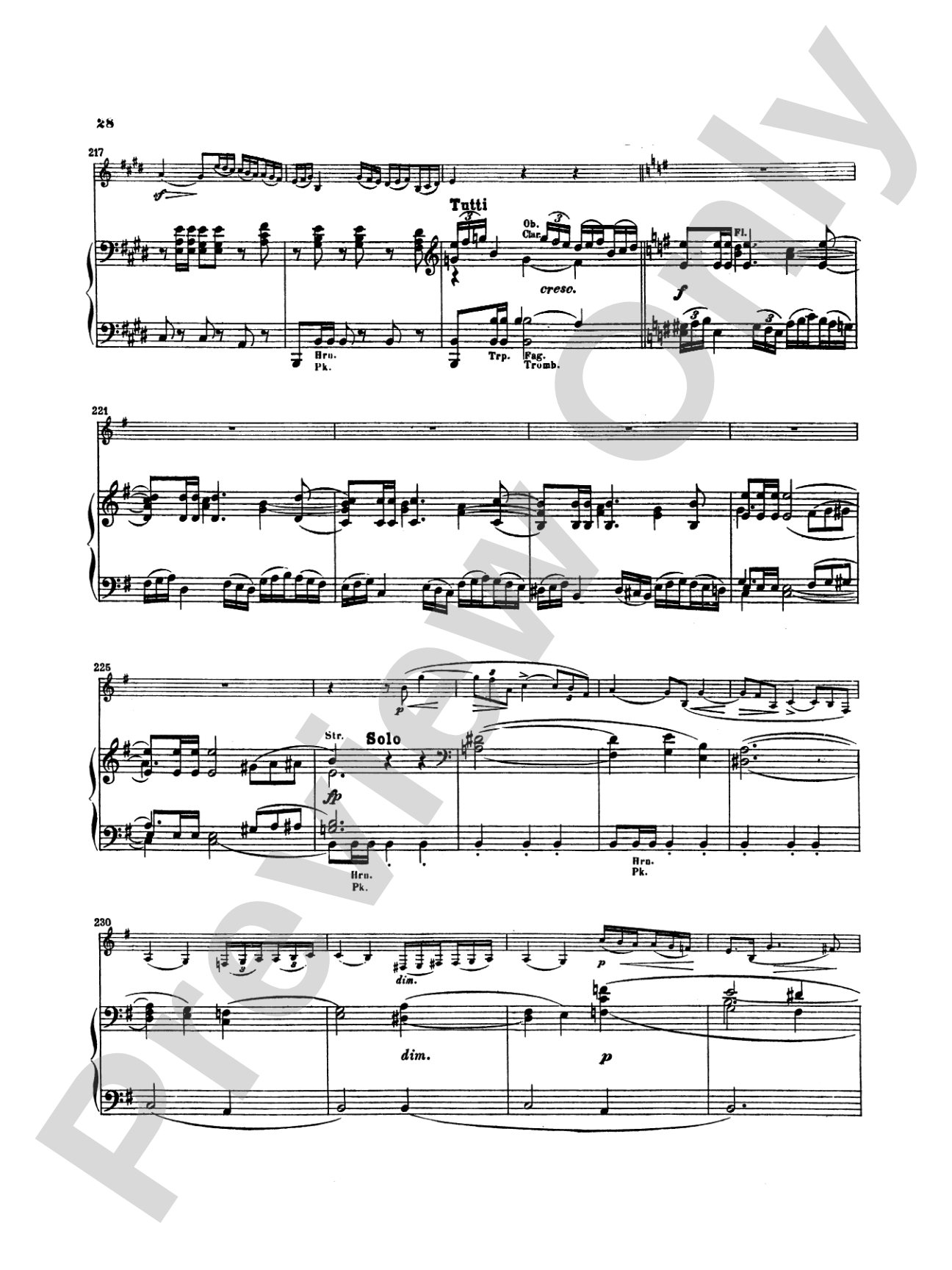
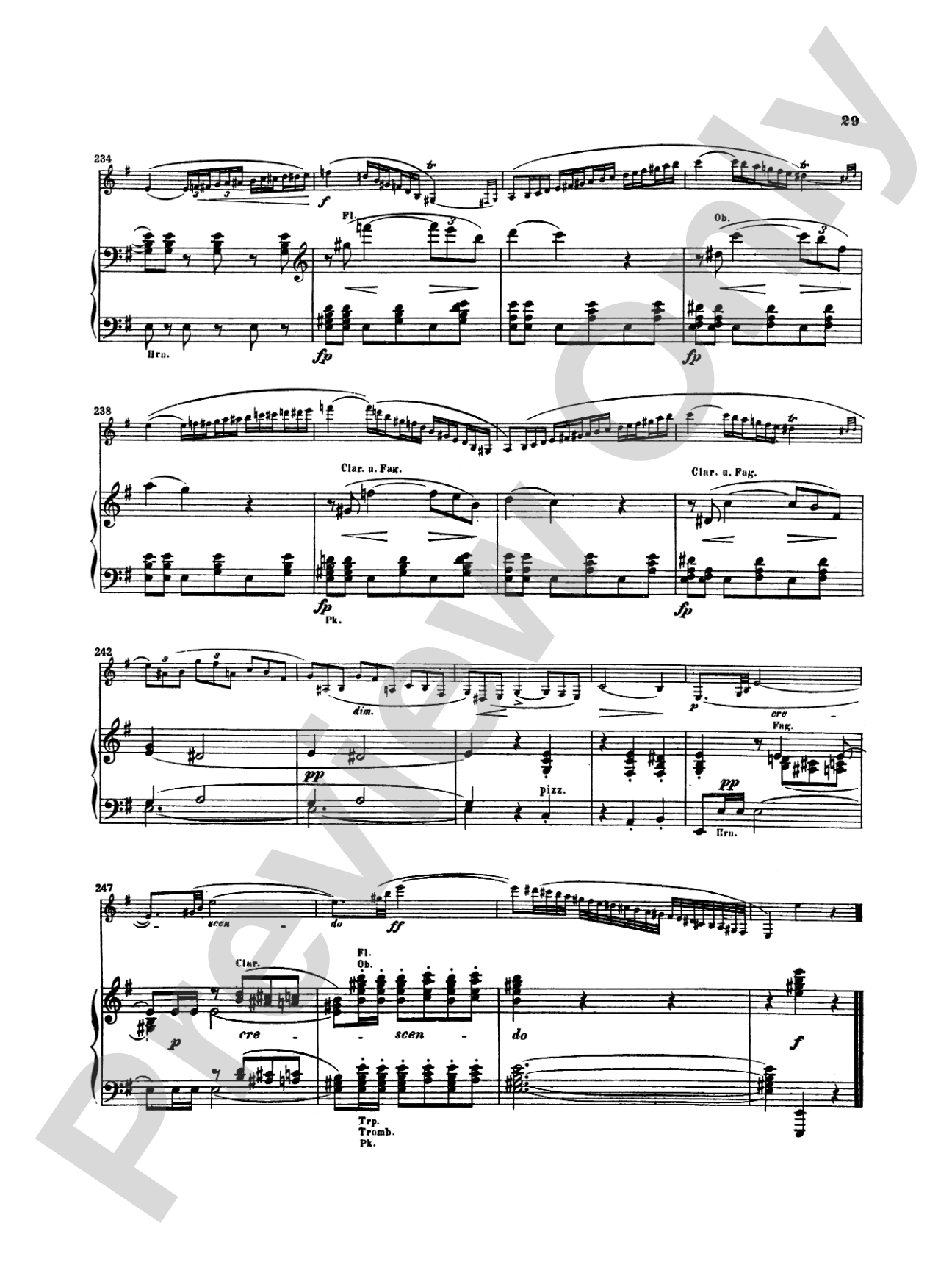


Spohr: Concerto No. 4 in E Minor: Clarinet Part(s)
By Louis Spohr
Item: 00-PK-0003847

$9.95
Pickup currently not available
Buy Extra Parts (Digital PDF Download)
| Product | Price | Quantity |
|---|---|---|
| Spohr: Concerto No. 4 in E Minor | $8.95 |
Parts Added to Cart!
Related Items
Clarinet Concerto No. 4 in A Minor: Clarinet Part(s) |
$9.95
|
View |
Description


Don't just read it, hear it, play along with it, and watch your students grow with it. In MakeMusic Cloud, Spohr: Concerto No. 4 in E Minor: Clarinet Part(s) comes alive with professional accompaniment, adjustable tempo, and built-in practice tools that turn solo practice into real progress.
Open in the Player
Jump straight in and assign it today.
Start Your Free Trial
Open this title and explore the full library in minutes.
Sample Audio
No sample audio found.
Sample Video
No sample videos found.
Additional Details
Series:
Kalmus Edition
Publisher:
Alfred Music
Page Count:
44
SKU:
00-PK-0003847
More about this title
About the Composer: Louis Spohr
Louis Spohr (1784, 1859) was a German violinist and composer whose career spanned the Classical and Romantic eras. His four clarinet concertos remain cornerstones of the solo clarinet repertoire, written when the instrument was still evolving technically and requiring composers to understand both its lyrical potential and its technical limitations. Spohr's writing balances virtuosic passage work with singing melodic lines, making his concertos essential training for clarinetists serious about the instrument's core literature.
Beyond his clarinet concertos, Spohr was a prolific symphonist, chamber composer, and conductor of considerable influence. His orchestration is refined and transparent, giving solo instruments room to shine without drowning them in accompaniment. For music educators, Spohr's concertos represent a crucial bridge between the Classical clarity of Mozart and the Romantic expressivity that would come later in the 19th century.
Why we love this
Spohr's Fourth Clarinet Concerto offers that rare combination of Romantic lyricism and virtuosic substance that appeals equally to advanced student soloists and experienced professionals. The writing sits beautifully in the clarinet's range, rewards careful attention to phrasing and tone control, and carries enough musical weight to anchor a recital or competition program without feeling precious or over-arranged.
What to expect
Spohr's musical language combines the elegant restraint of the Classical era with Romantic warmth and a gentle, introspective character. The melodies unfold with graceful inevitability, supported by harmonic language that is sophisticated without being dense; lyrical passages breathe naturally between moments of idiomatic clarinet display.
Who it's for
Advanced student clarinetists preparing for concerto competitions, recitals, or upper-level solo repertoire requirements will find this concerto both achievable and genuinely rewarding. The piece also suits experienced amateurs returning to challenging solo material or college-level clarinetists seeking substantial Romantic-era standard repertoire.
How to get the most out of it
- Shape the principal melodic lines with subtle dynamic swells rather than aggressive accents; Spohr's style thrives on lyrical continuity and singing tone throughout.
- Balance technical passages (particularly in the faster sections) with careful attention to rhythmic precision; clarity serves the music far better than rushing through runs.
- Listen closely to the accompaniment to understand harmonic context, especially in transitions where the harmony shifts away from the primary key; this awareness strengthens your phrasing choices.
- Mark your dynamic intentions in pencil early and revisit them during later readings; the long-lined phrases often reward slightly different shaping than your first instinct suggests.
How to use it
Program this concerto as the centerpiece of a clarinet recital or as a competition choice when the rules permit a full concerto movement. It pairs well in a program with earlier Baroque or Classical solo sonatas (providing stylistic contrast) or with smaller Romantic chamber works that share Spohr's refined sensibility.
Skills your students will build
- Long-phrase legato playing with consistent tone across the register
- Dynamic control and subtle shaping without excessive vibrato
- Sixteenth-note and thirty-second-note passagework with rhythmic precision
- Intonation stability in extended Romantic harmonic progressions
- Communication with accompaniment in alternating solo and ensemble textures