

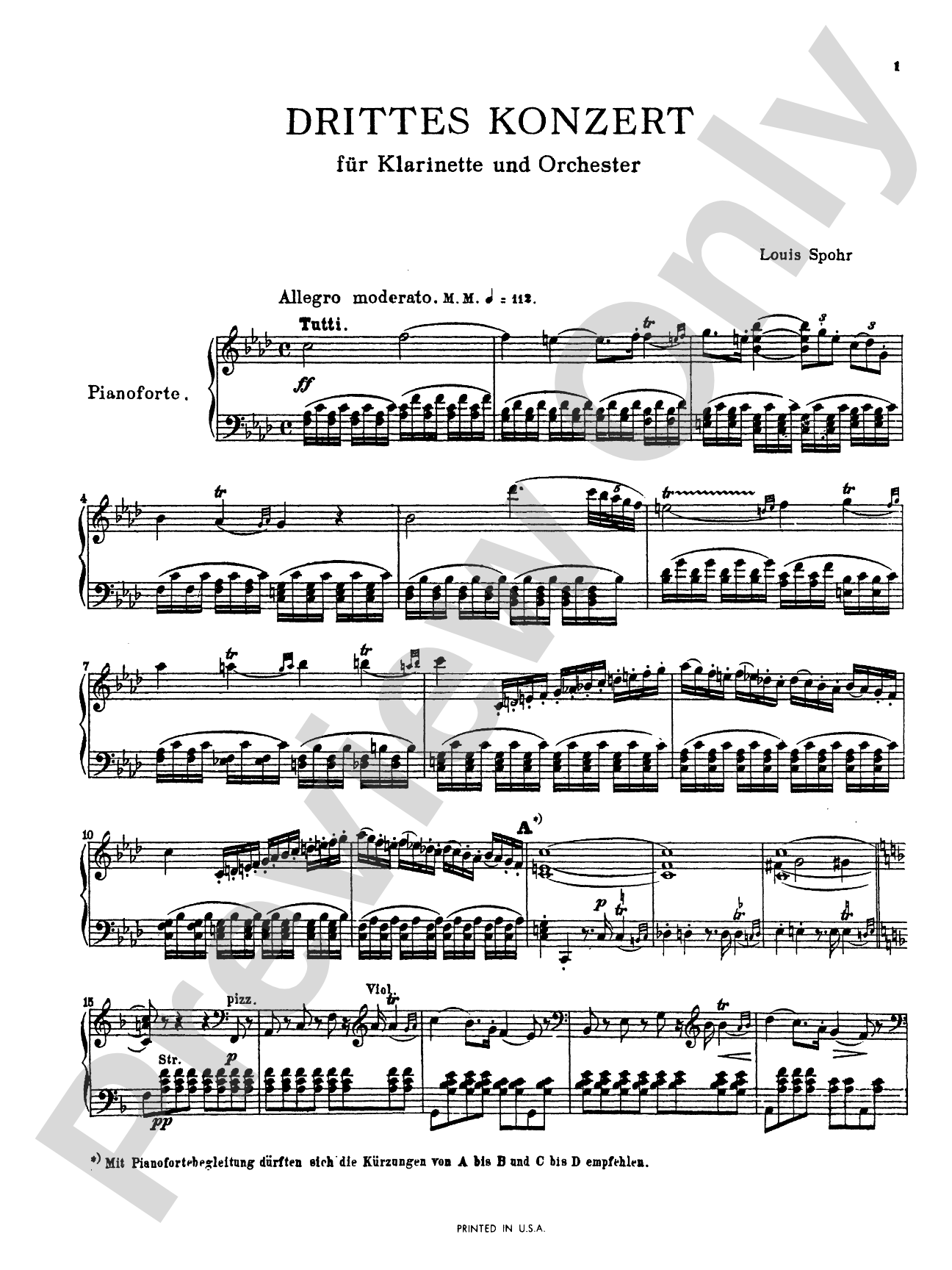
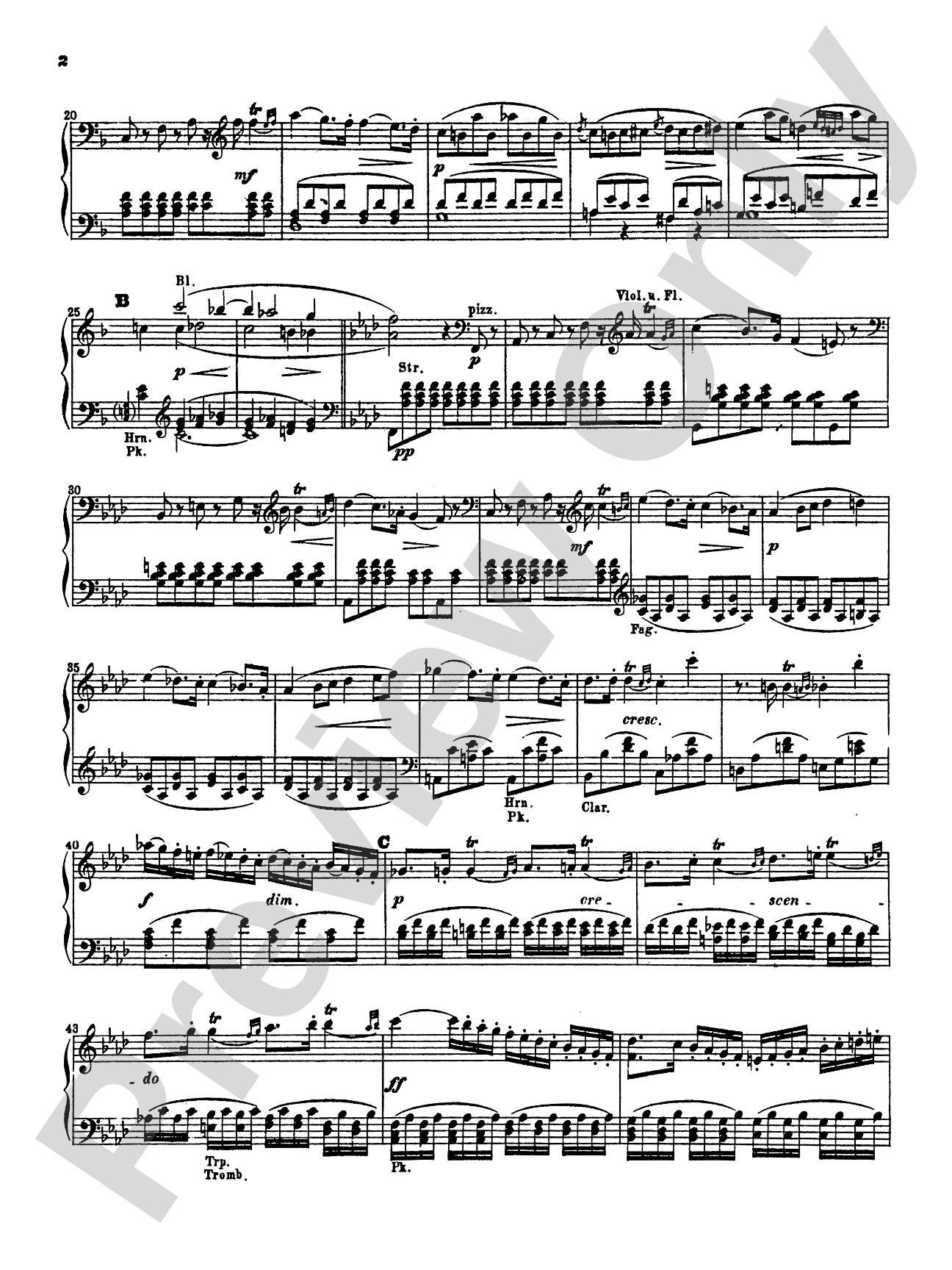
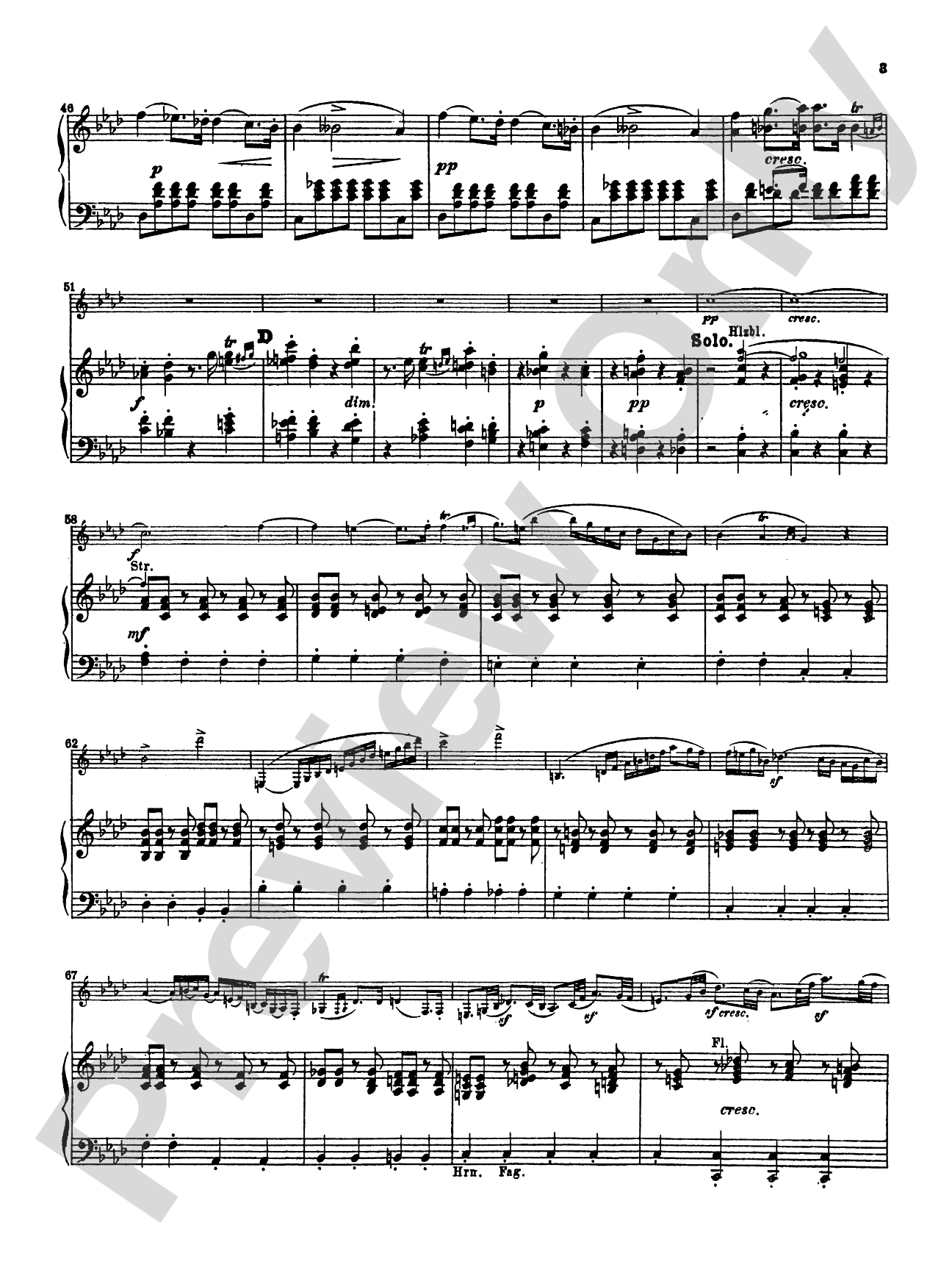
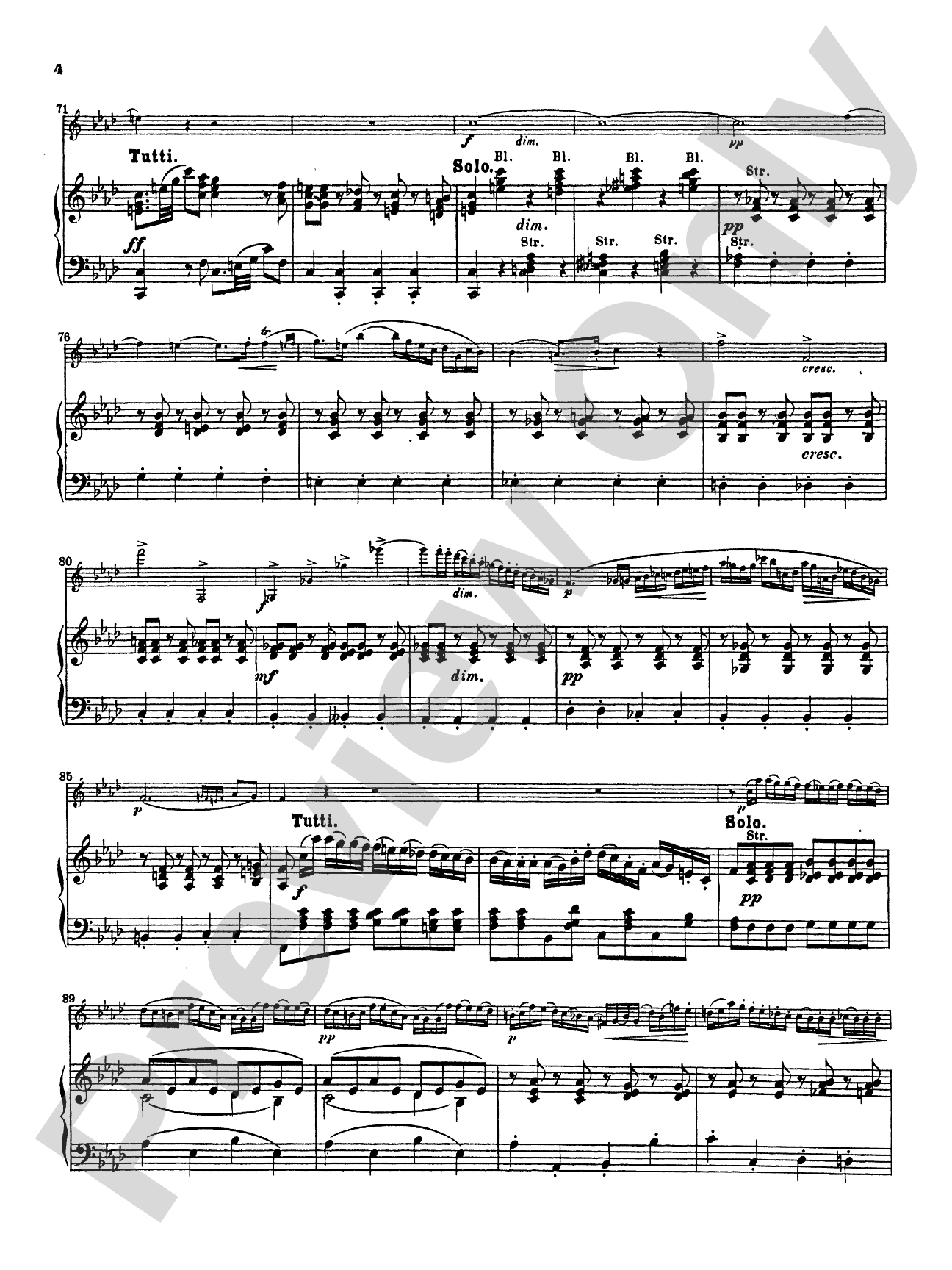
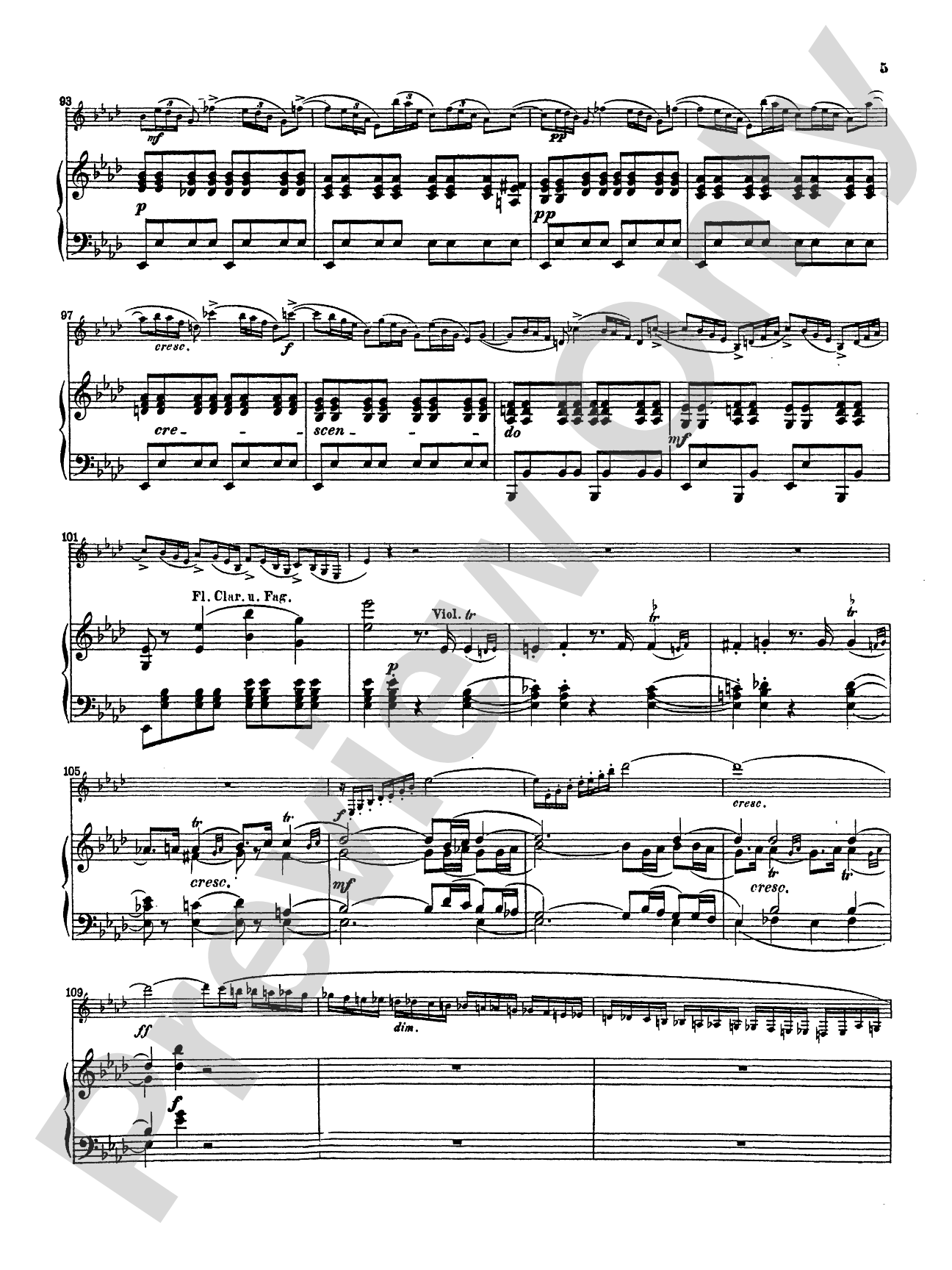
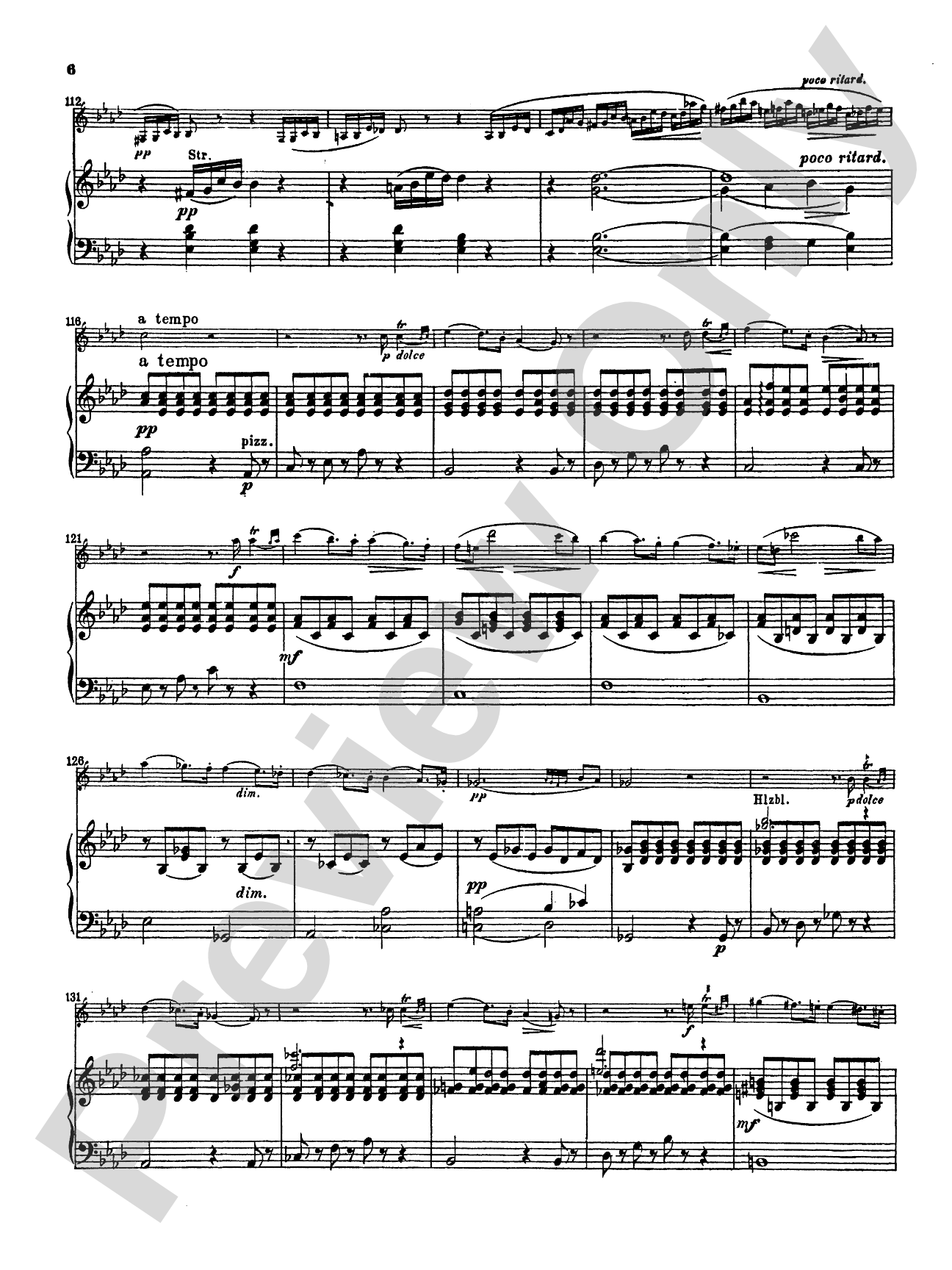
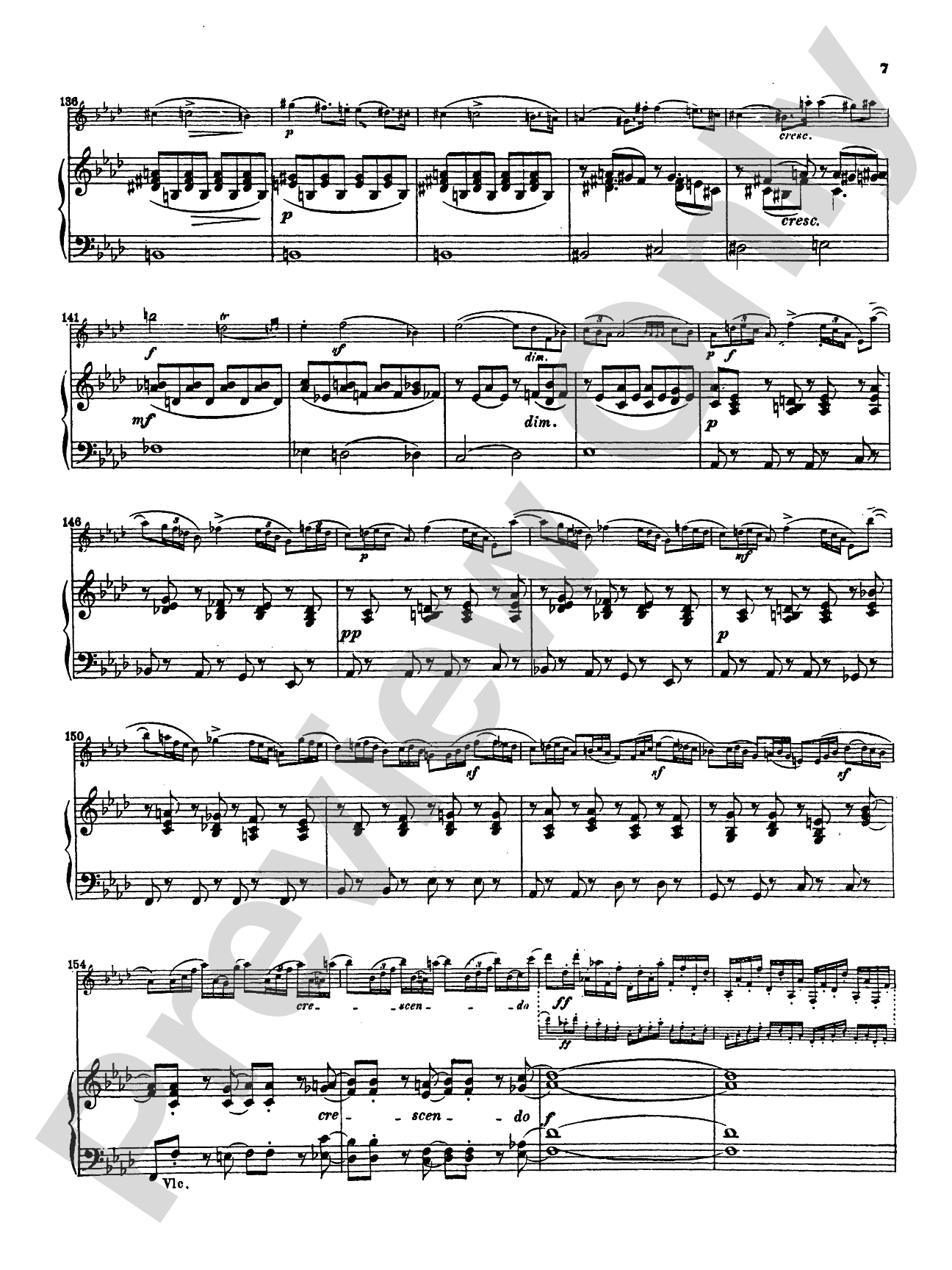
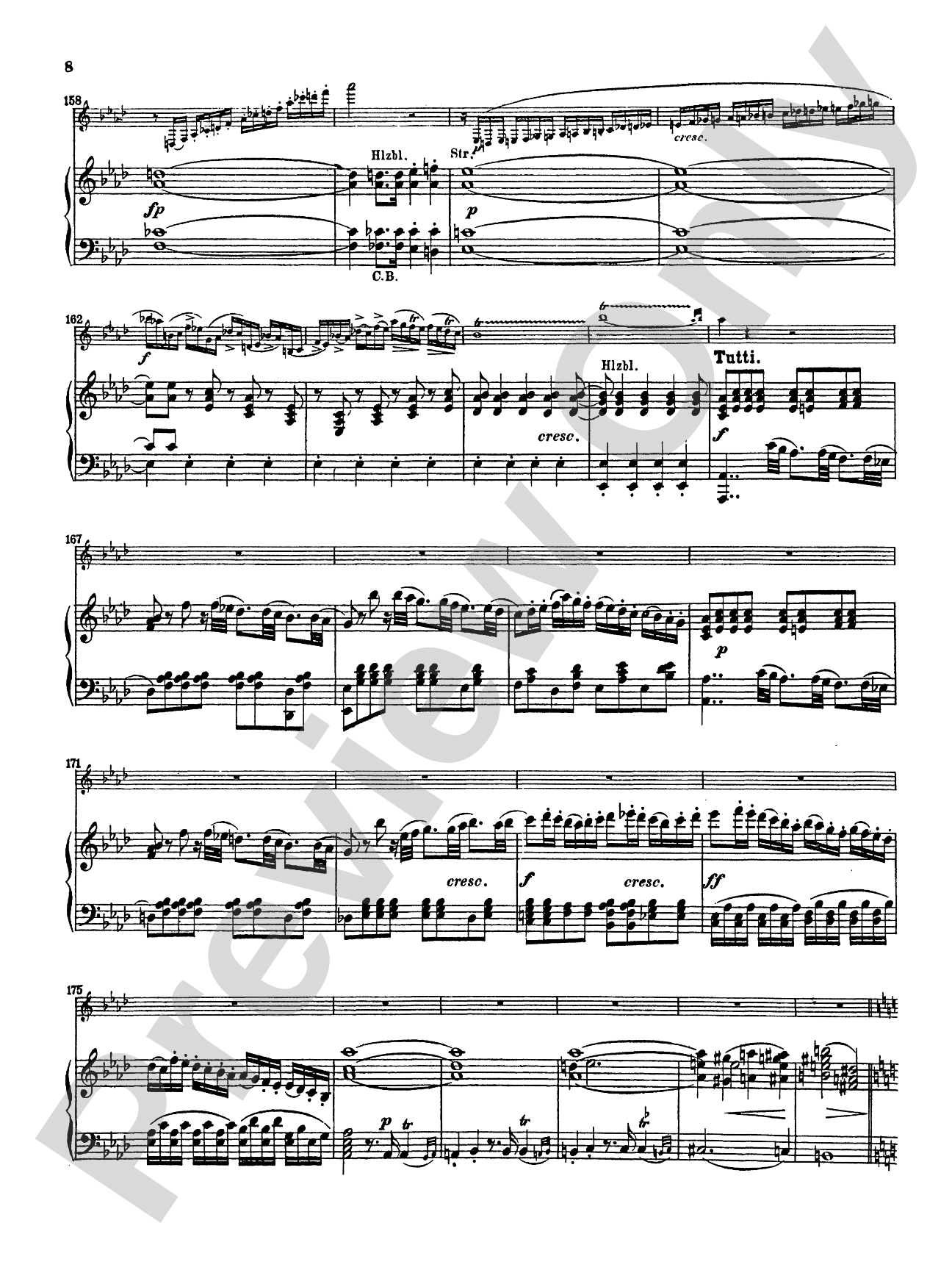
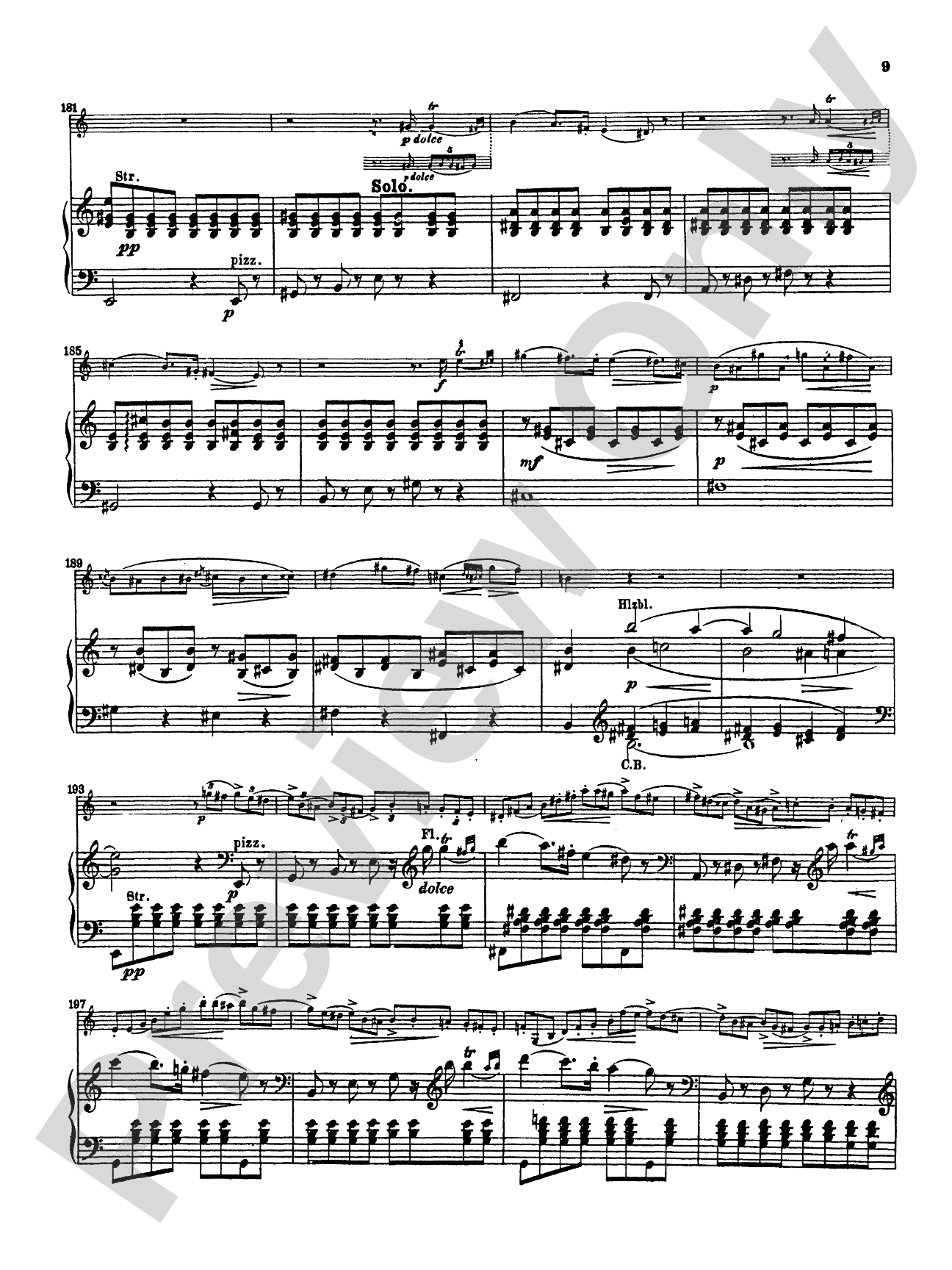
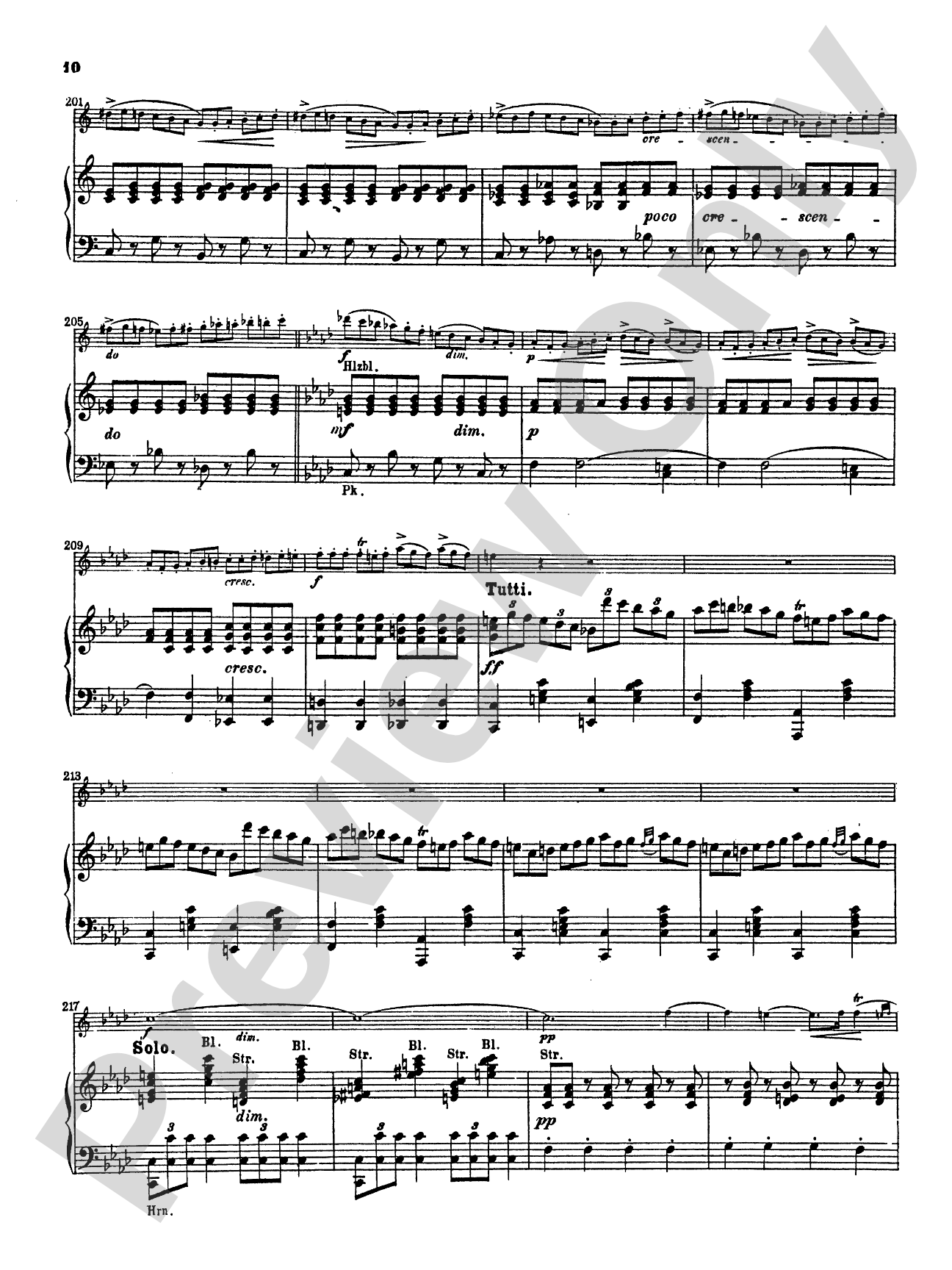
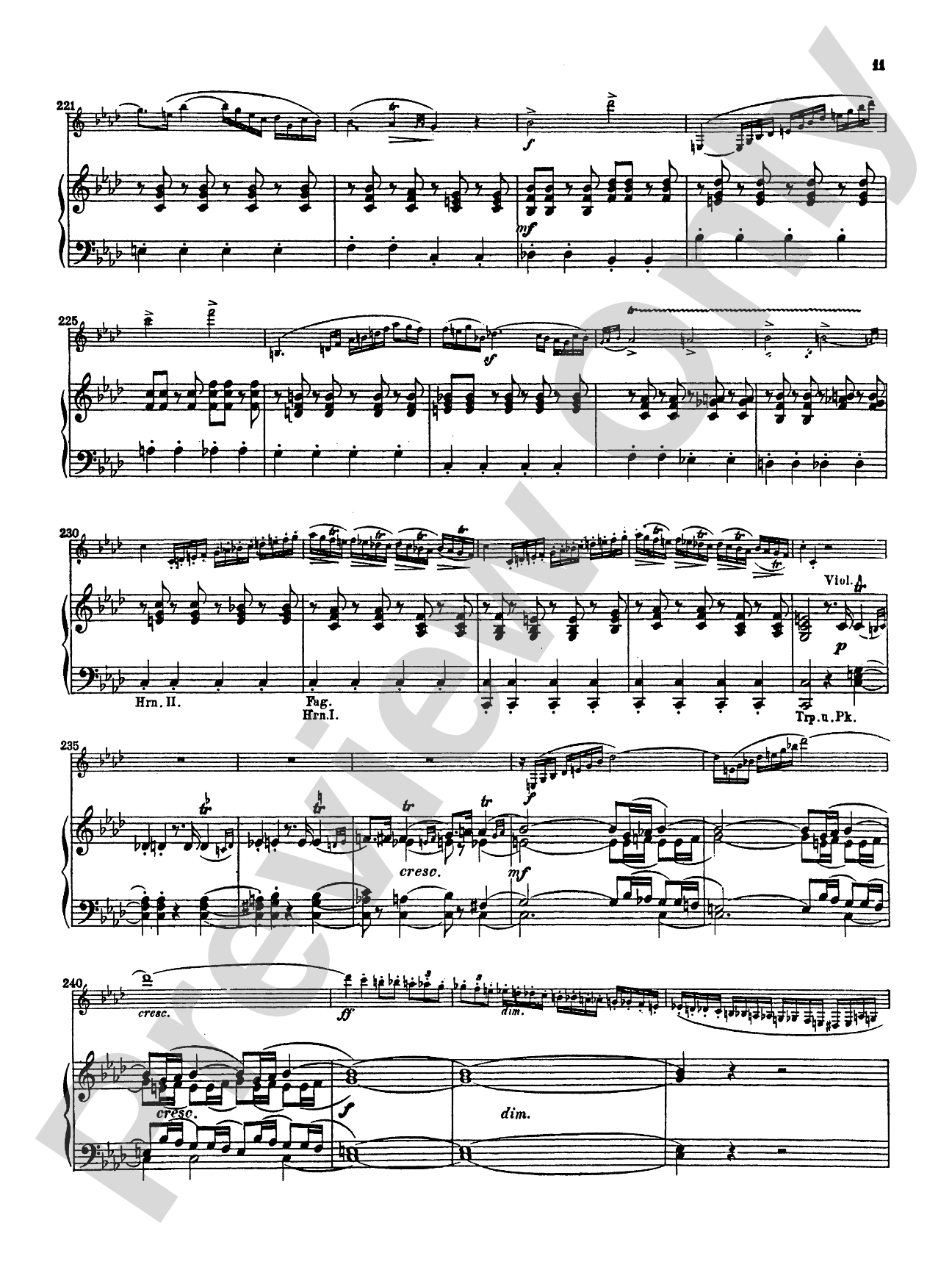
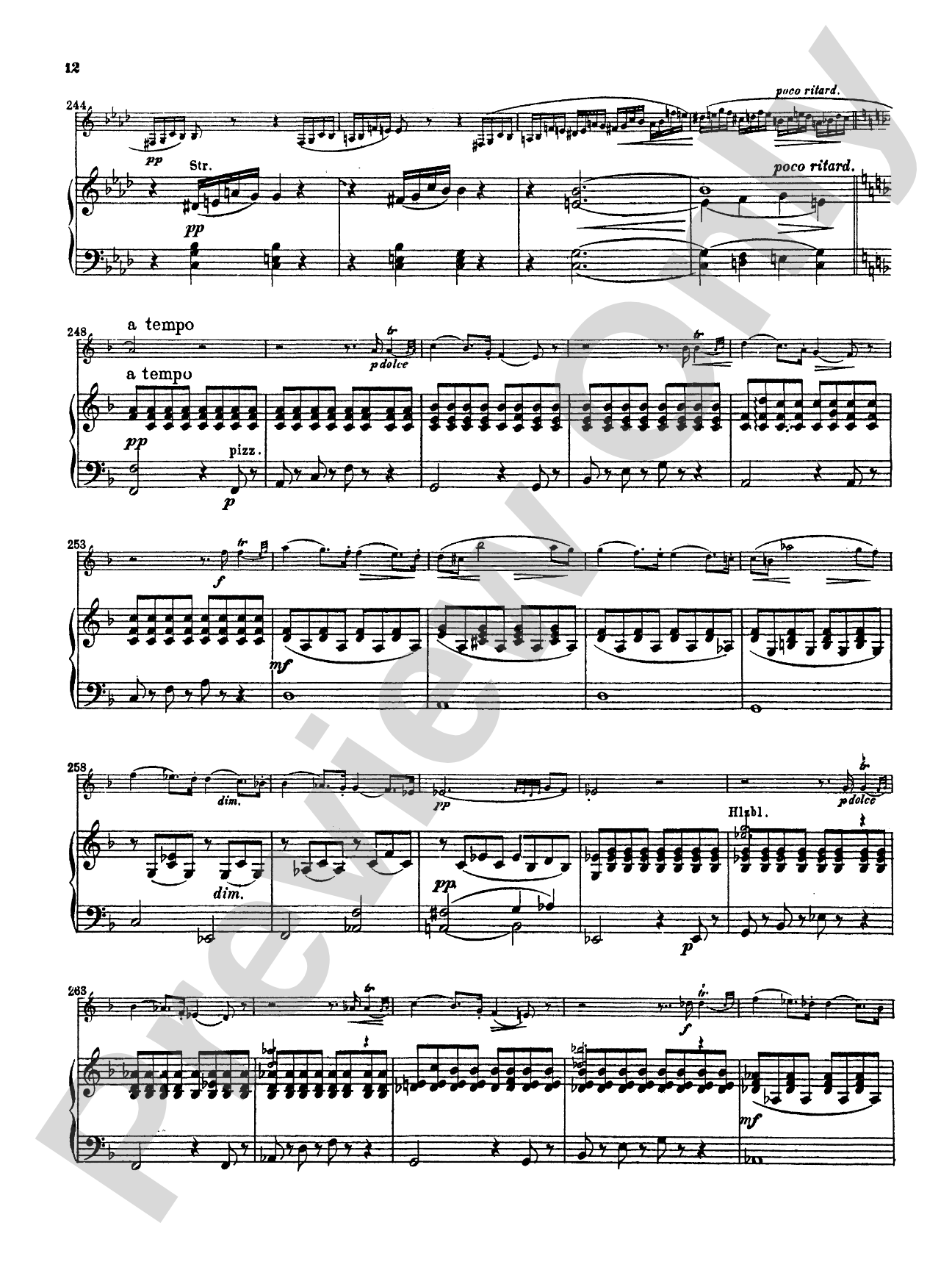
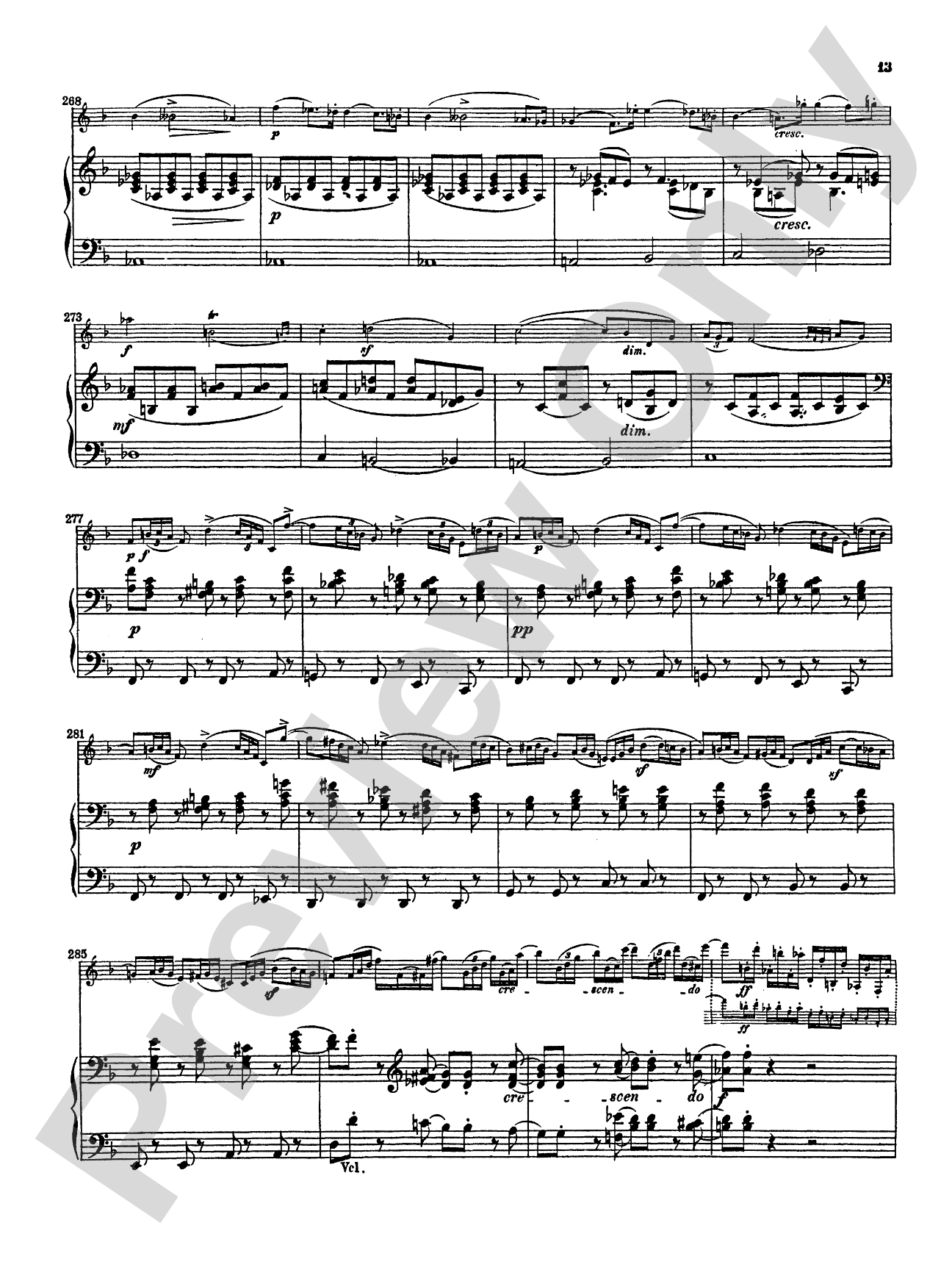
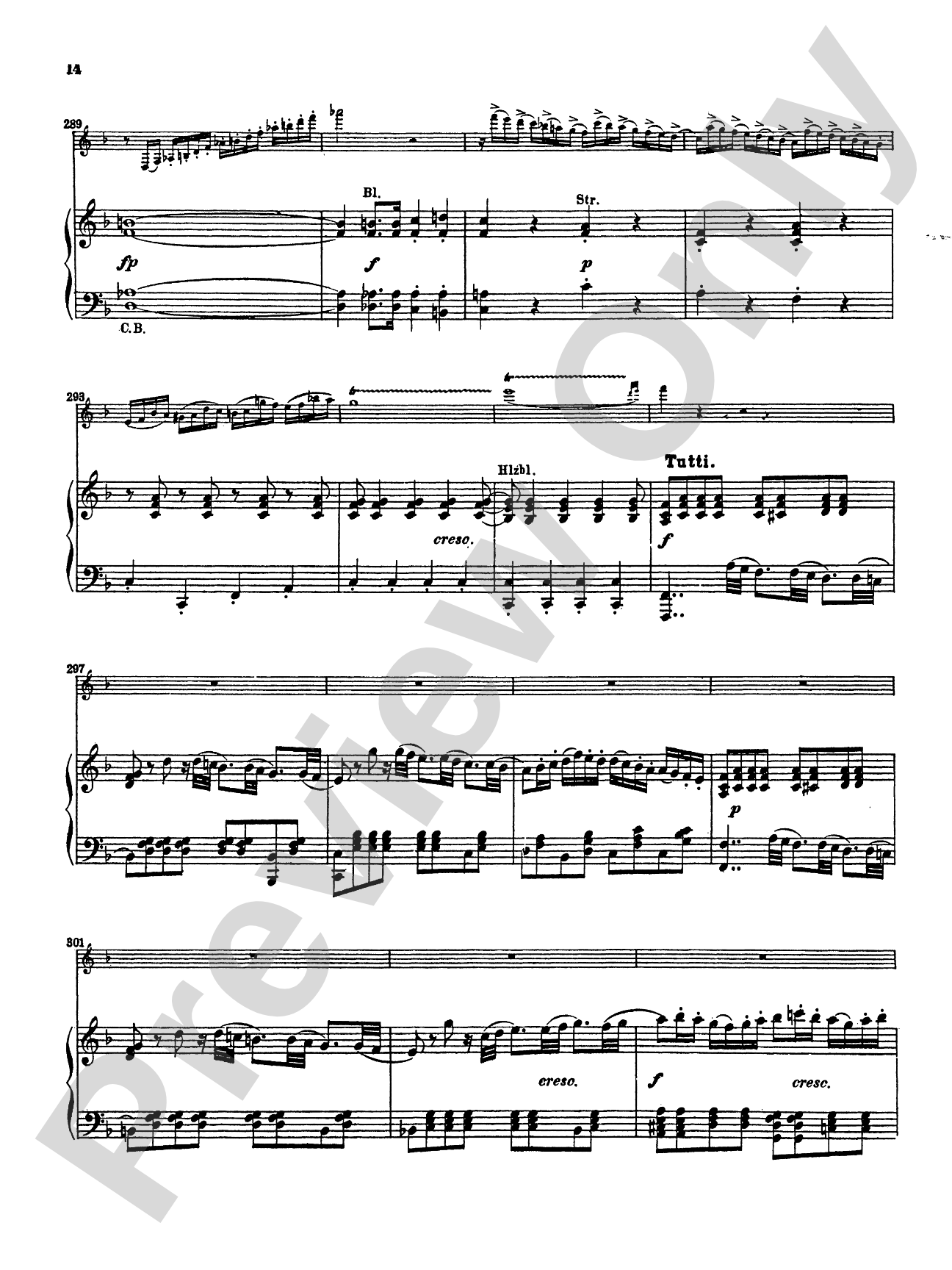
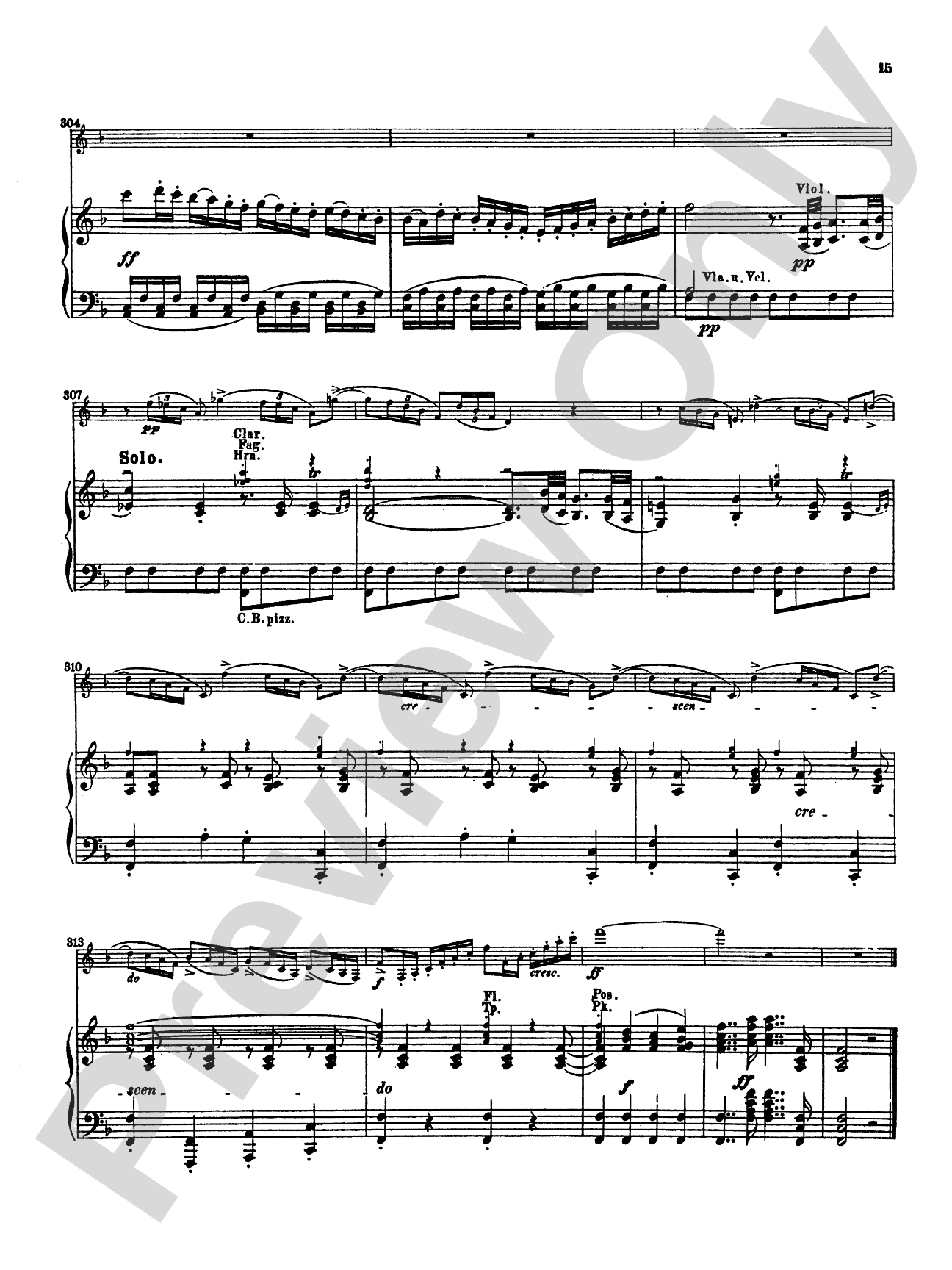
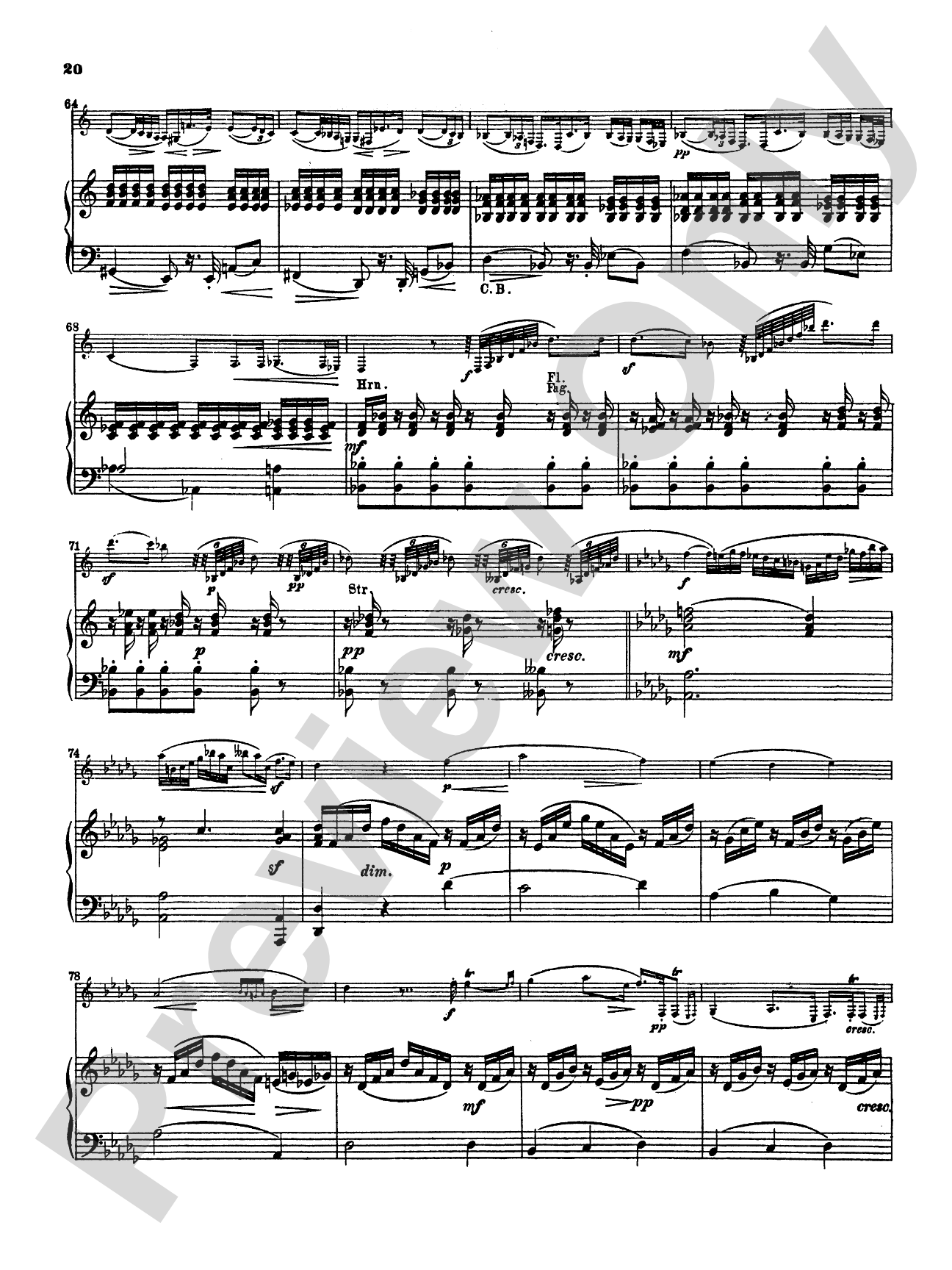
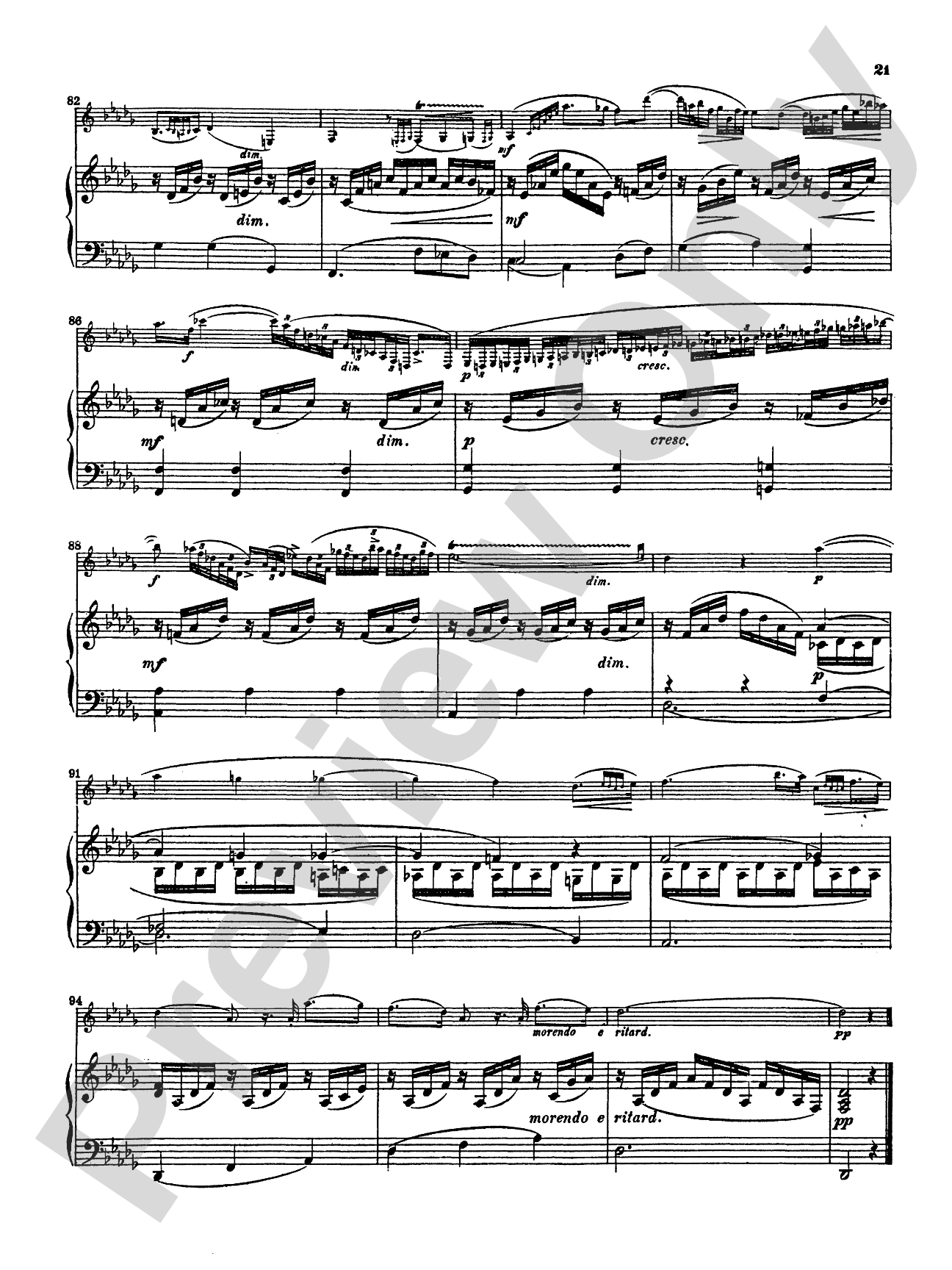
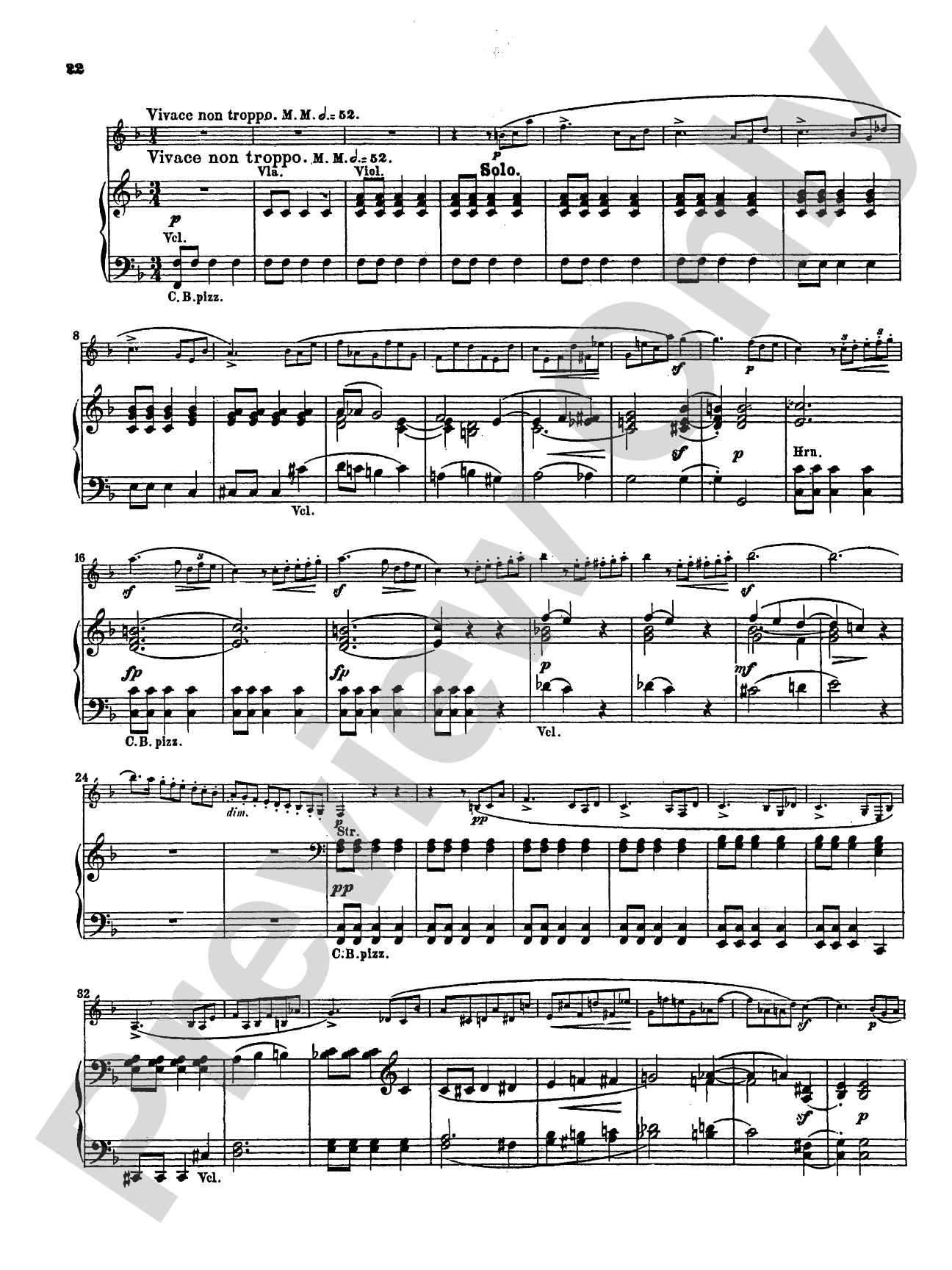
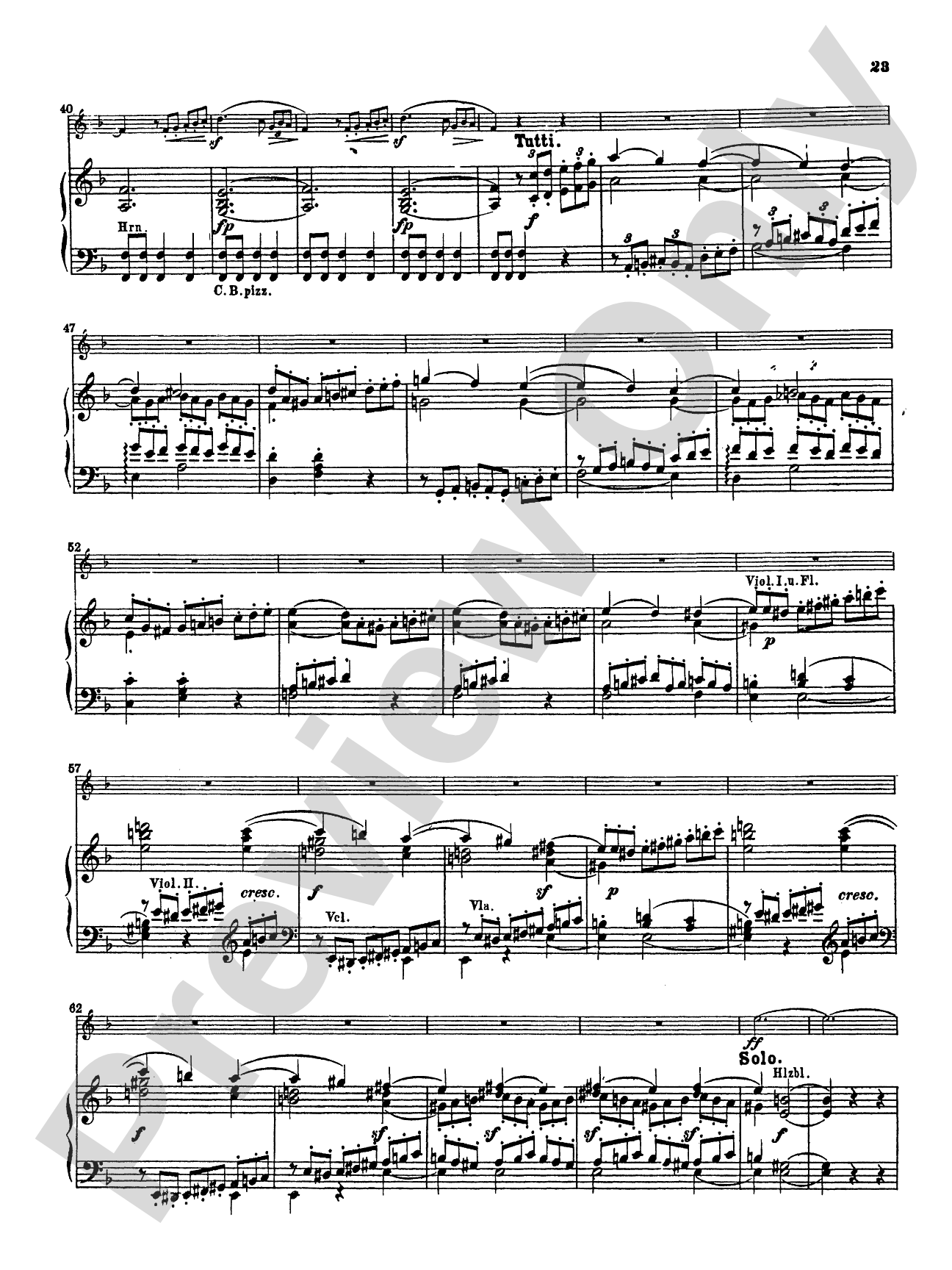
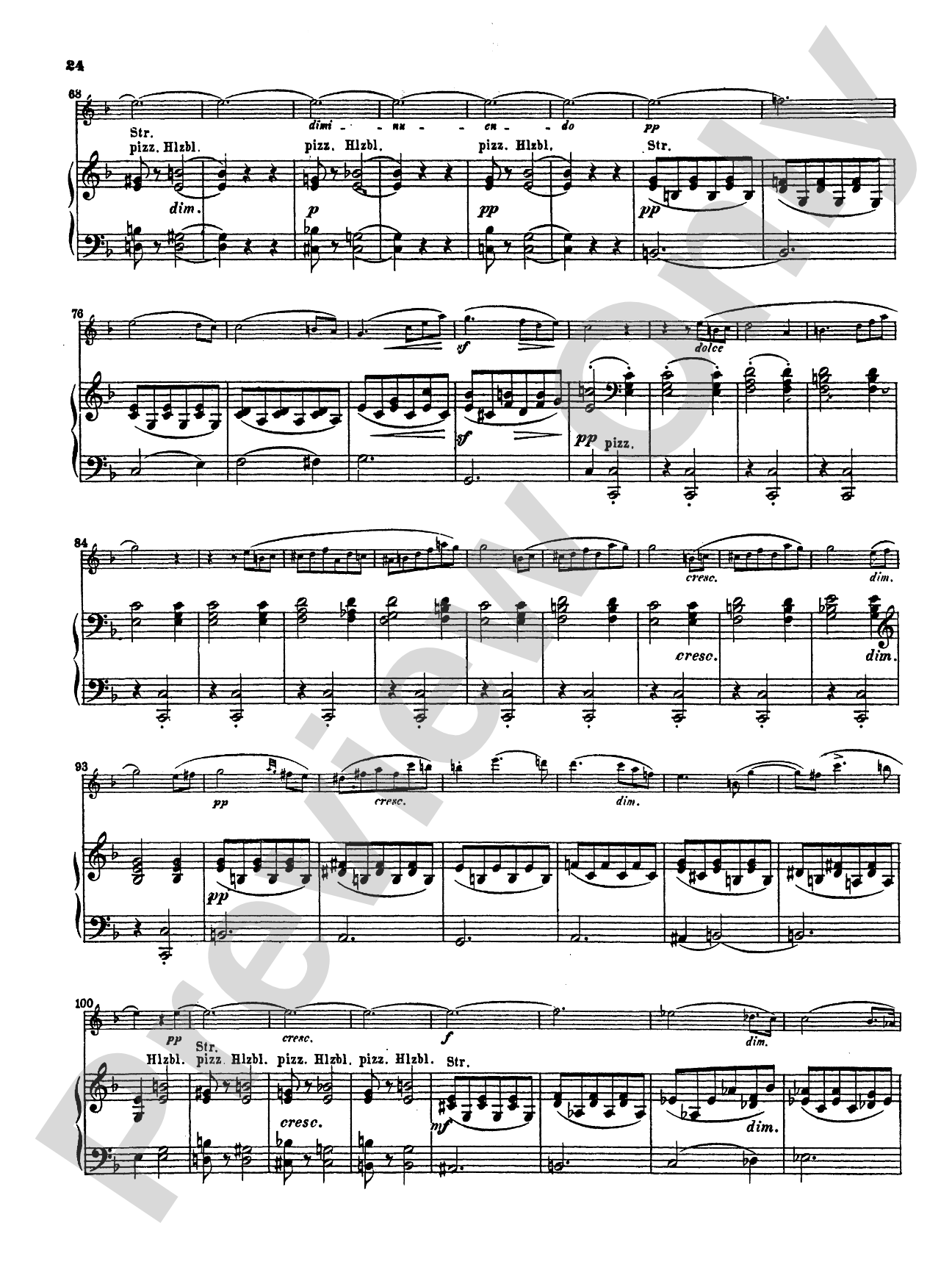
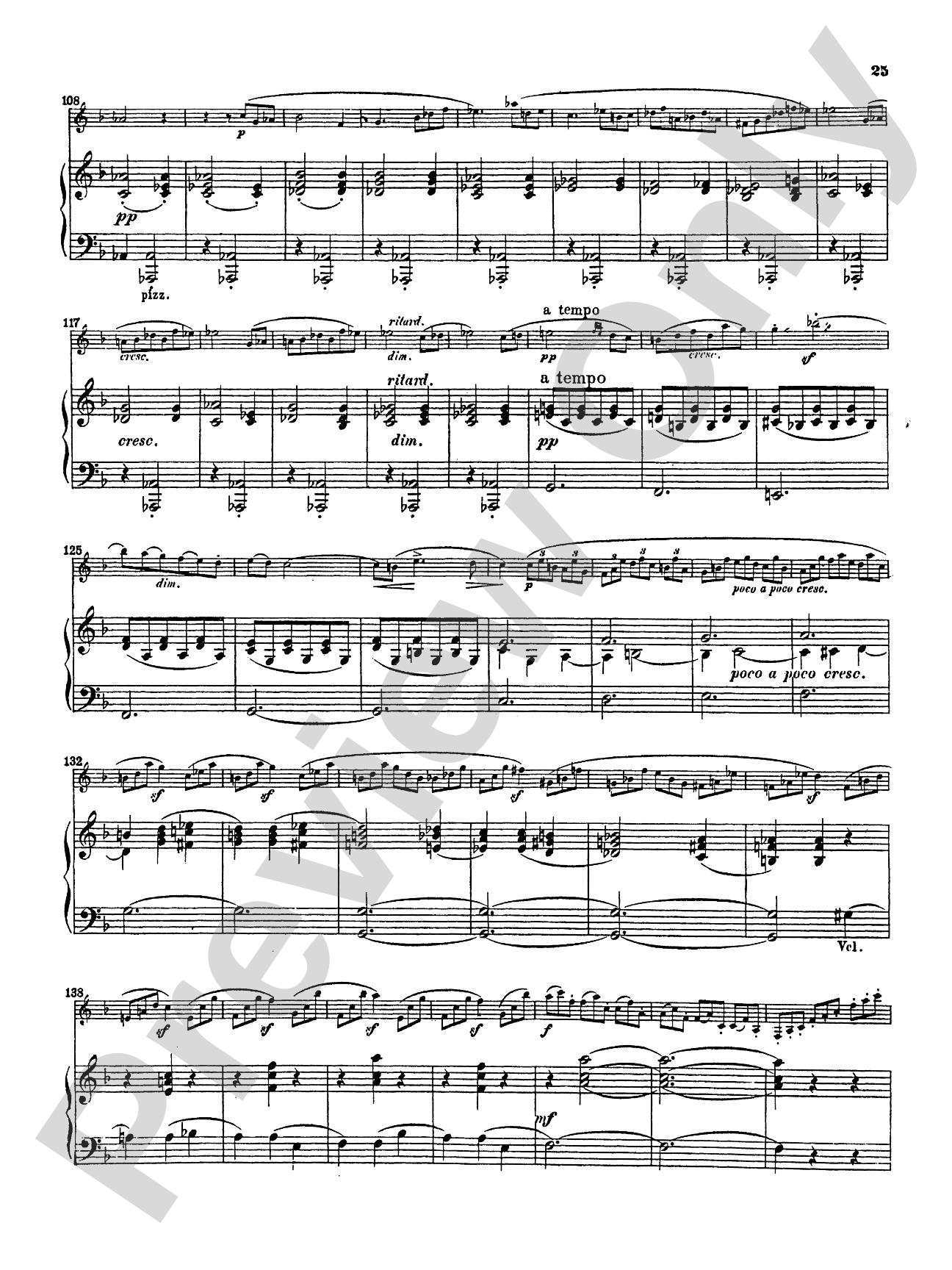
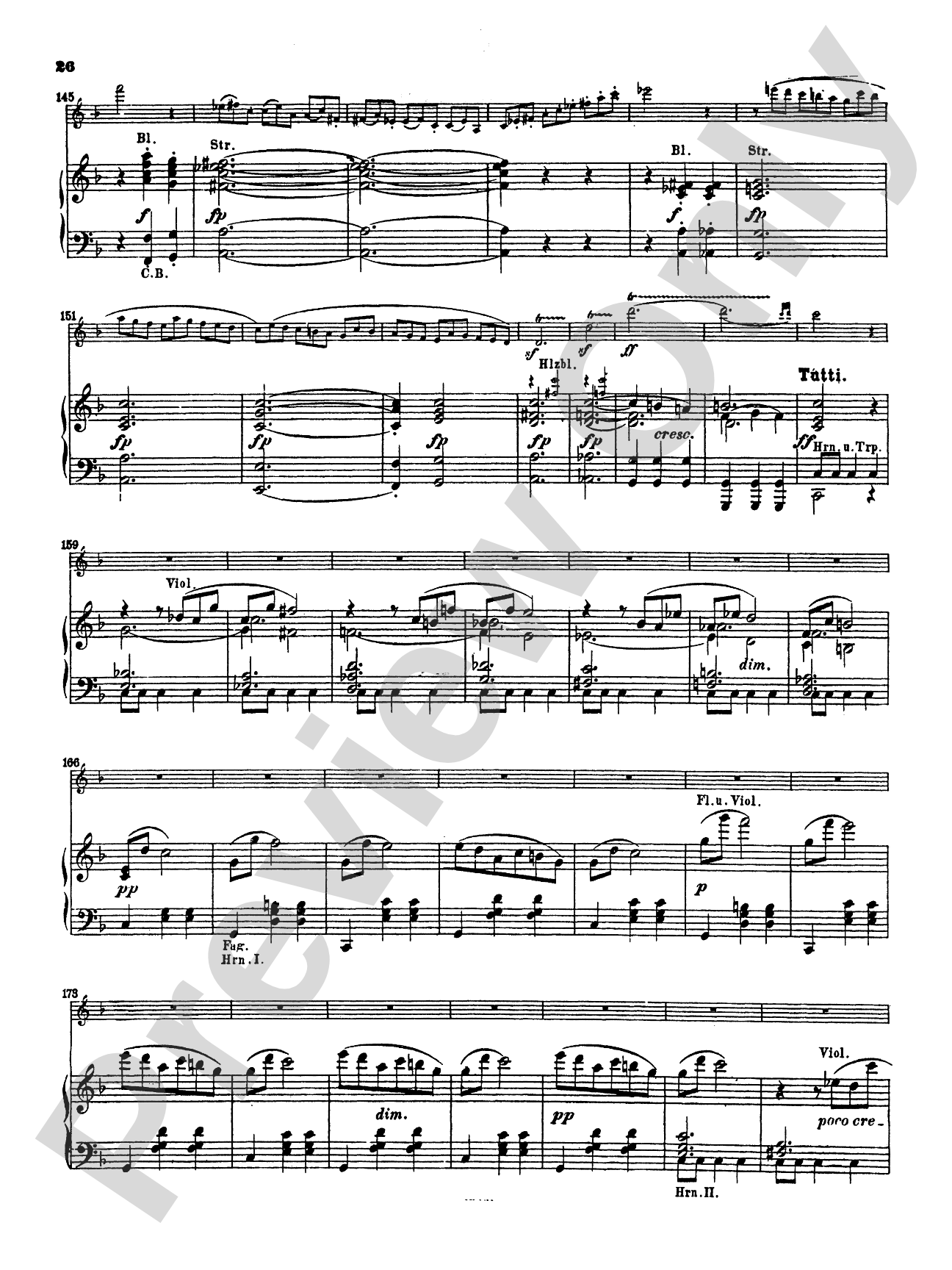
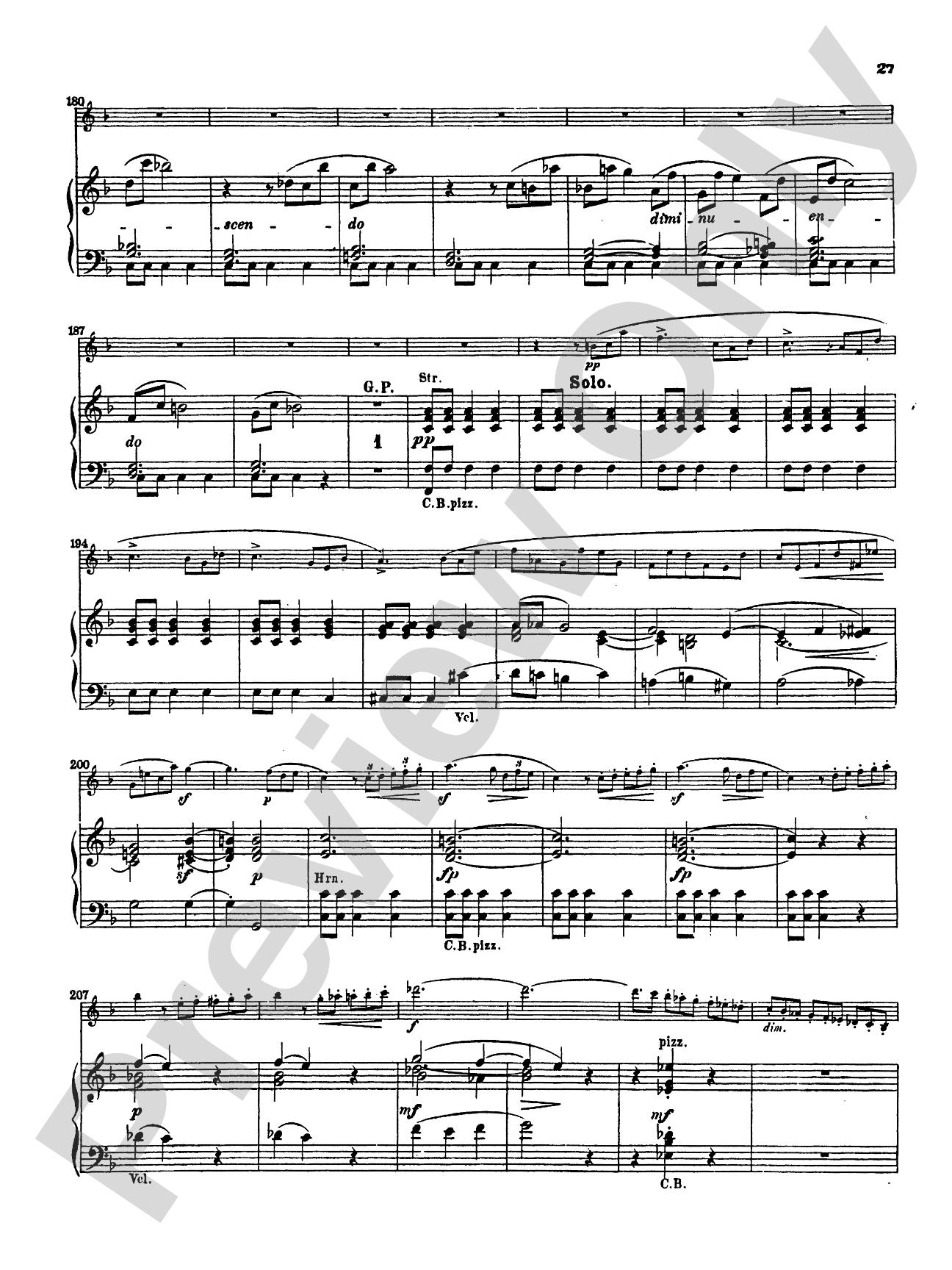
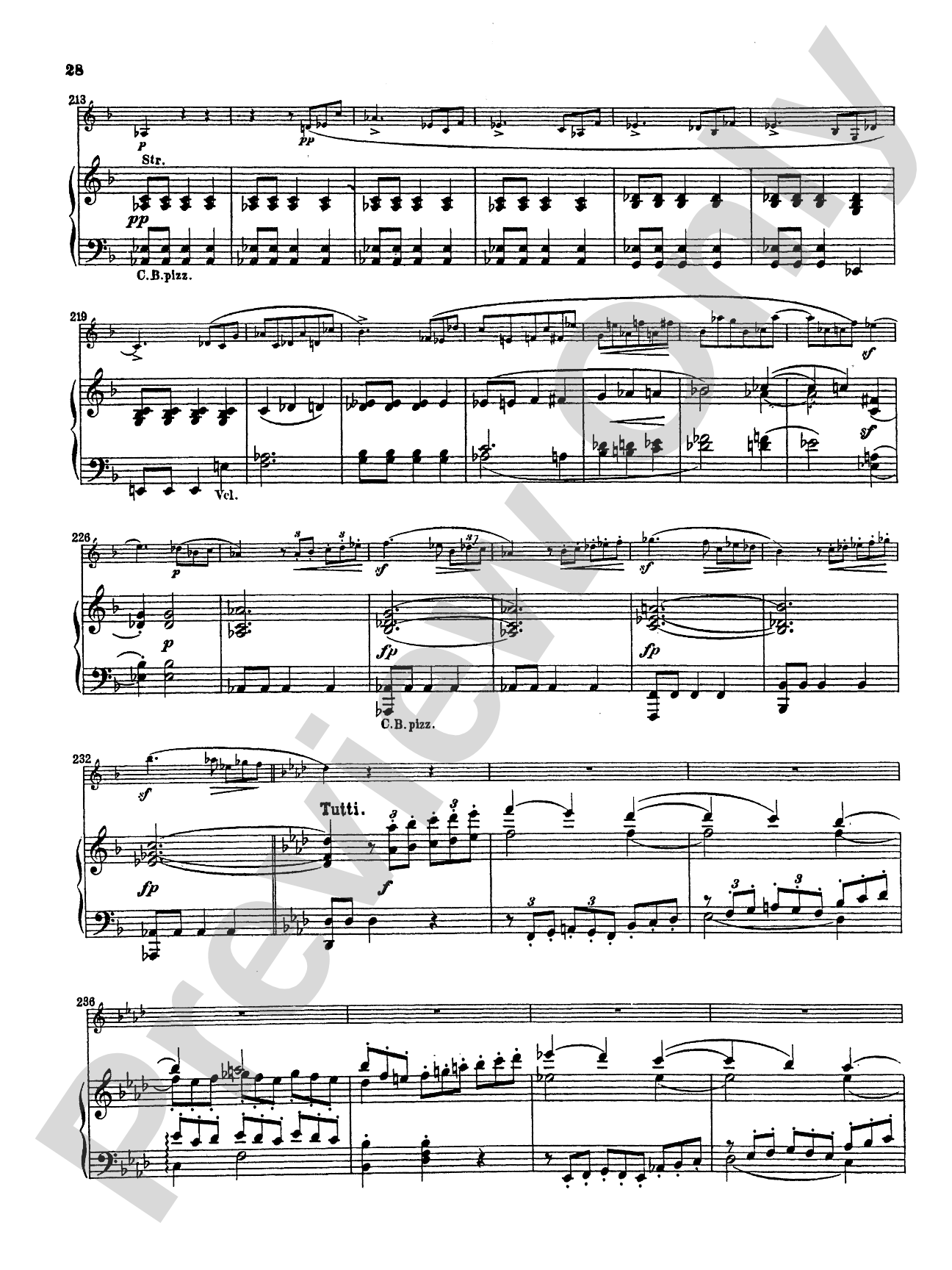
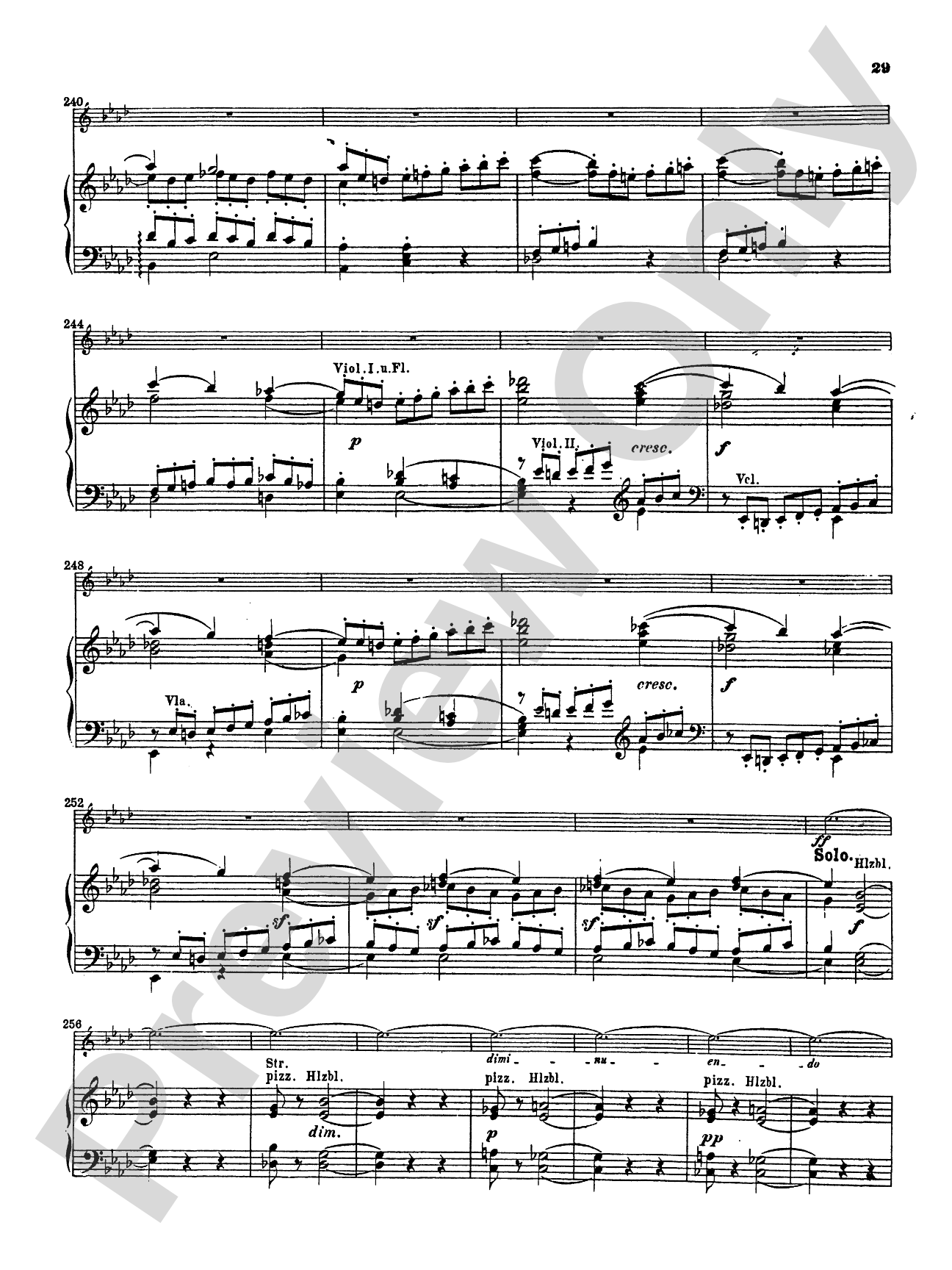
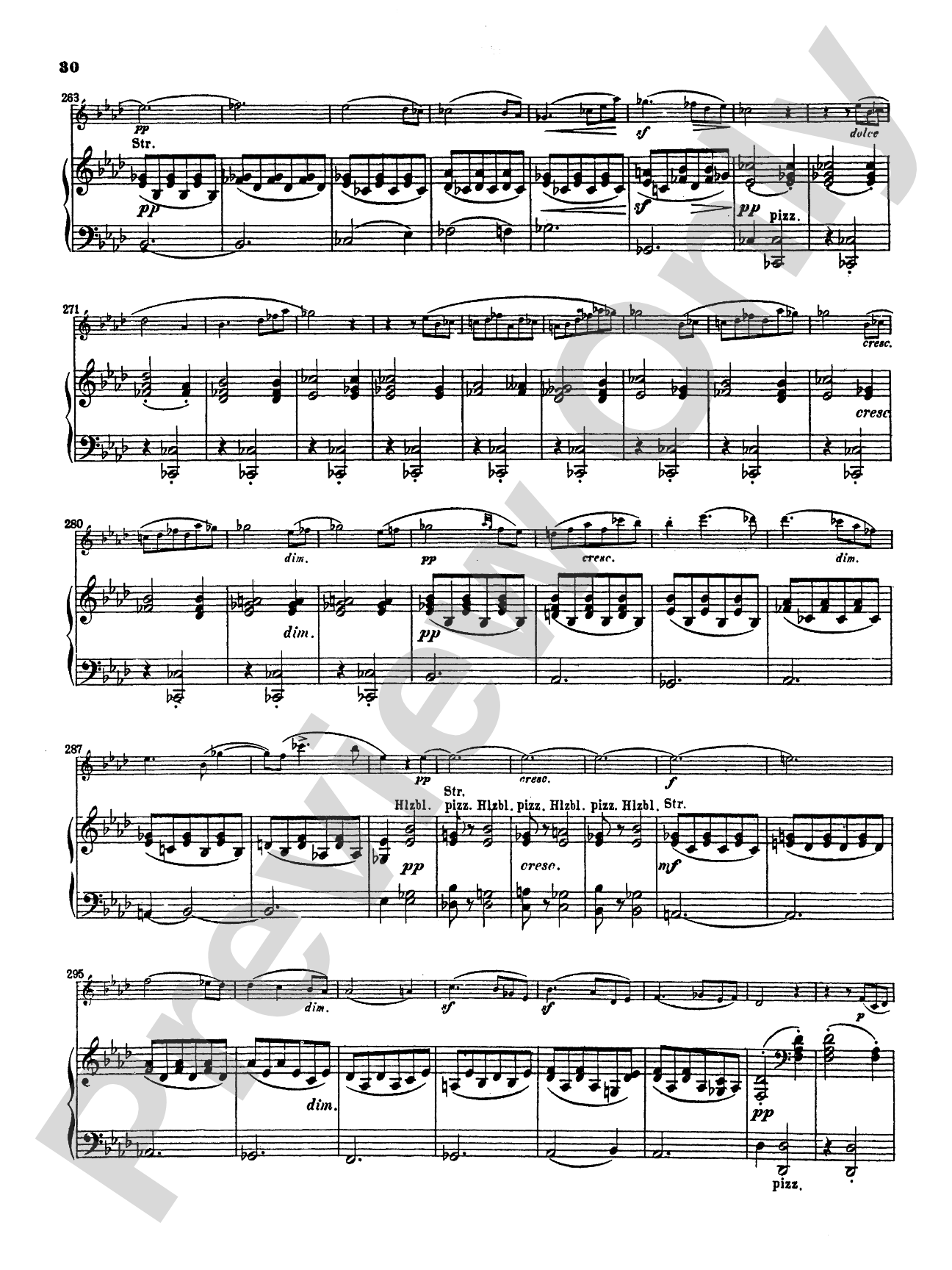
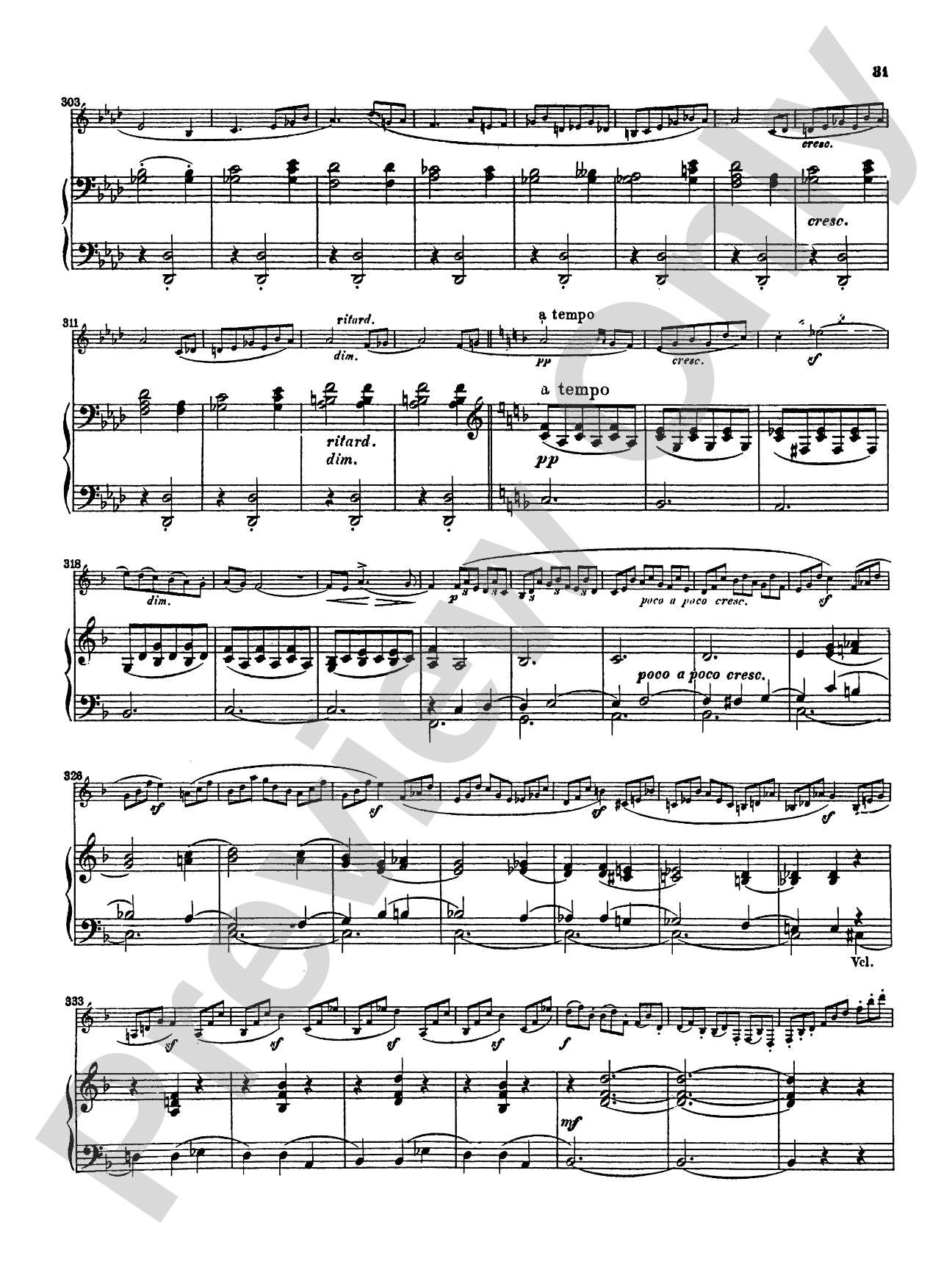
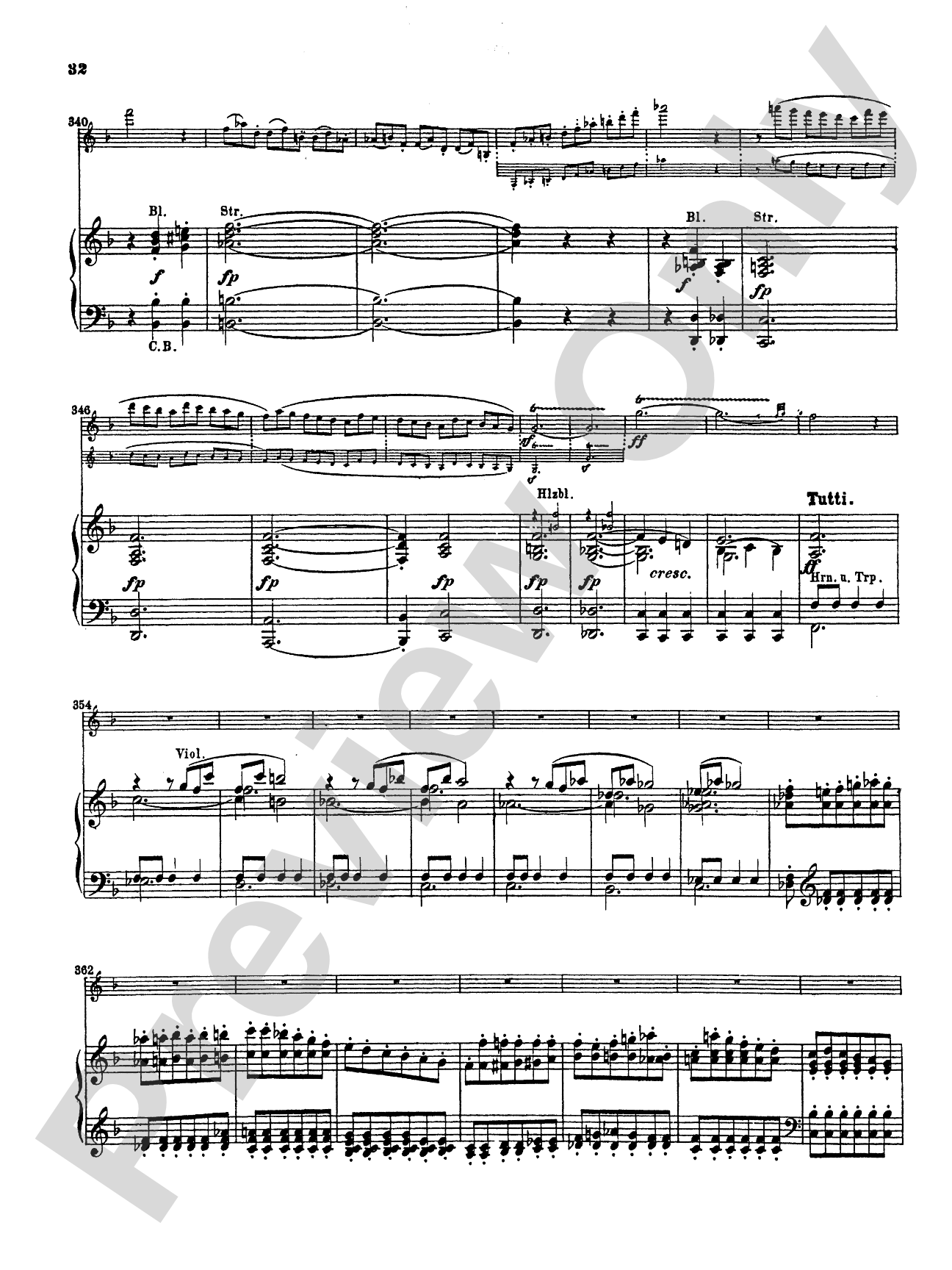
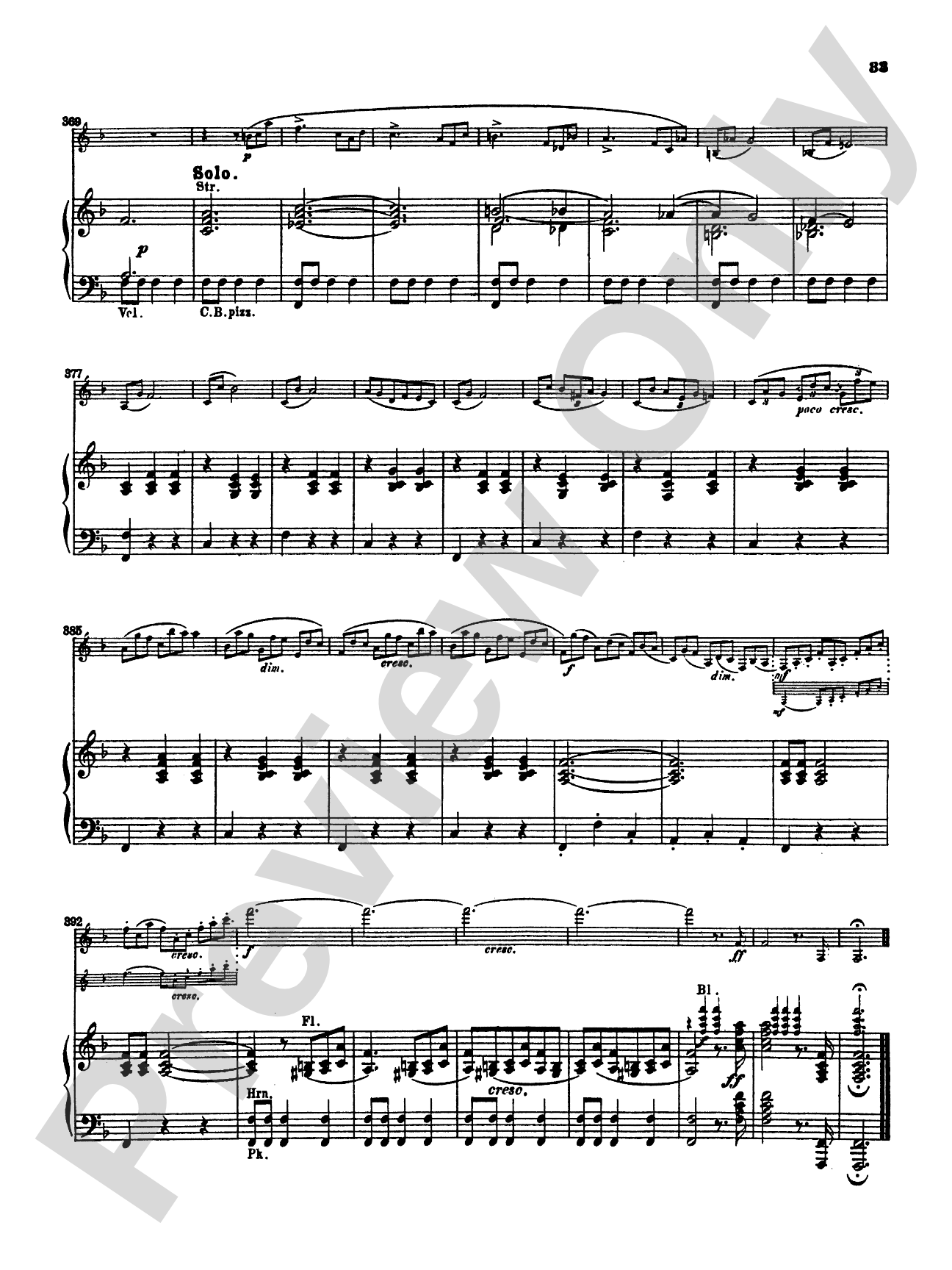


Spohr: Concerto No. 3: Clarinet Part(s)
By Louis Spohr
Item: 00-PK-0003846

$12.95
Pickup currently not available
Parts Added to Cart!
Related Items
Clarinet Concerto No. 3: Clarinet Part(s) |
$12.95
|
View |
Description
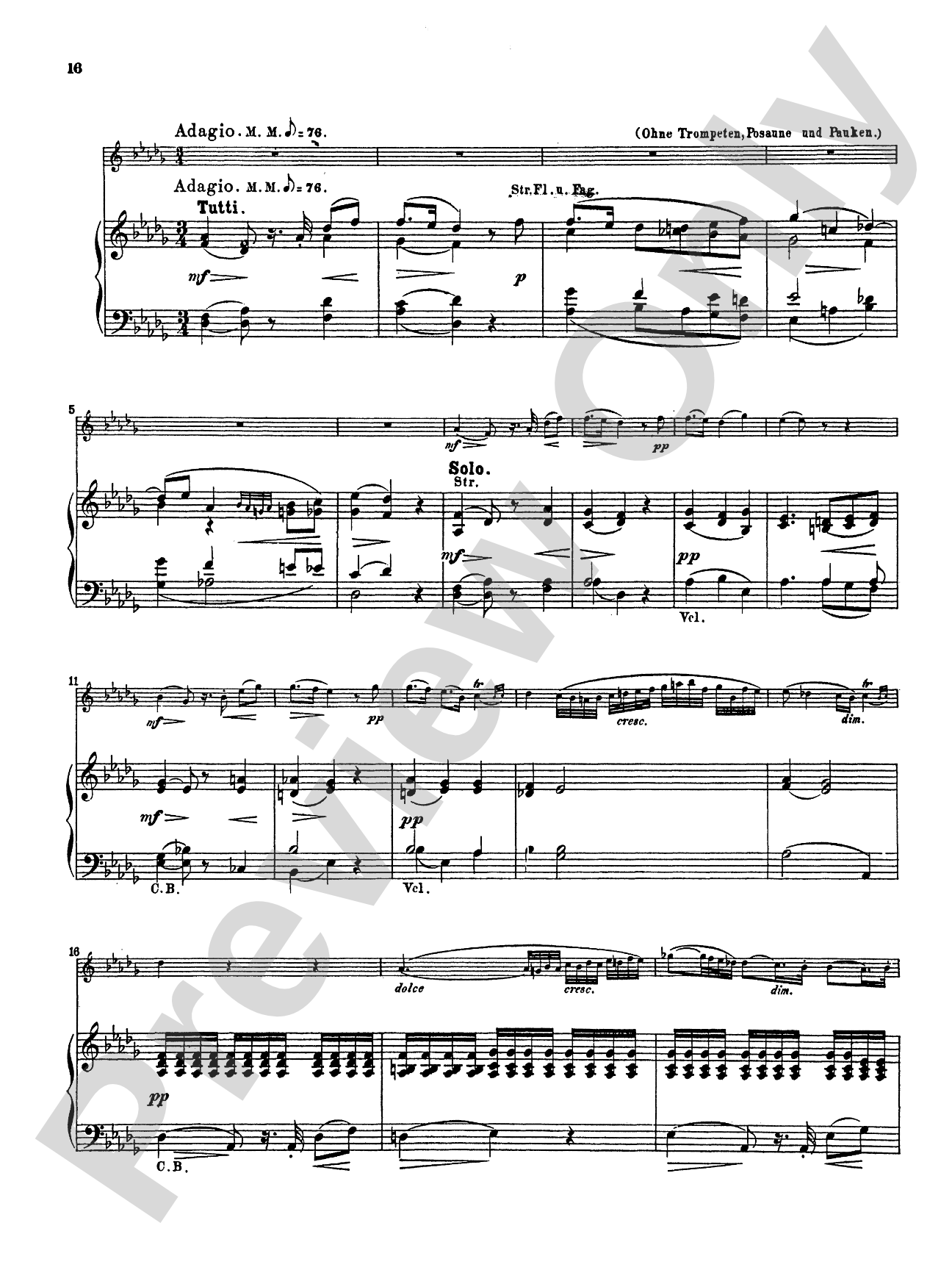
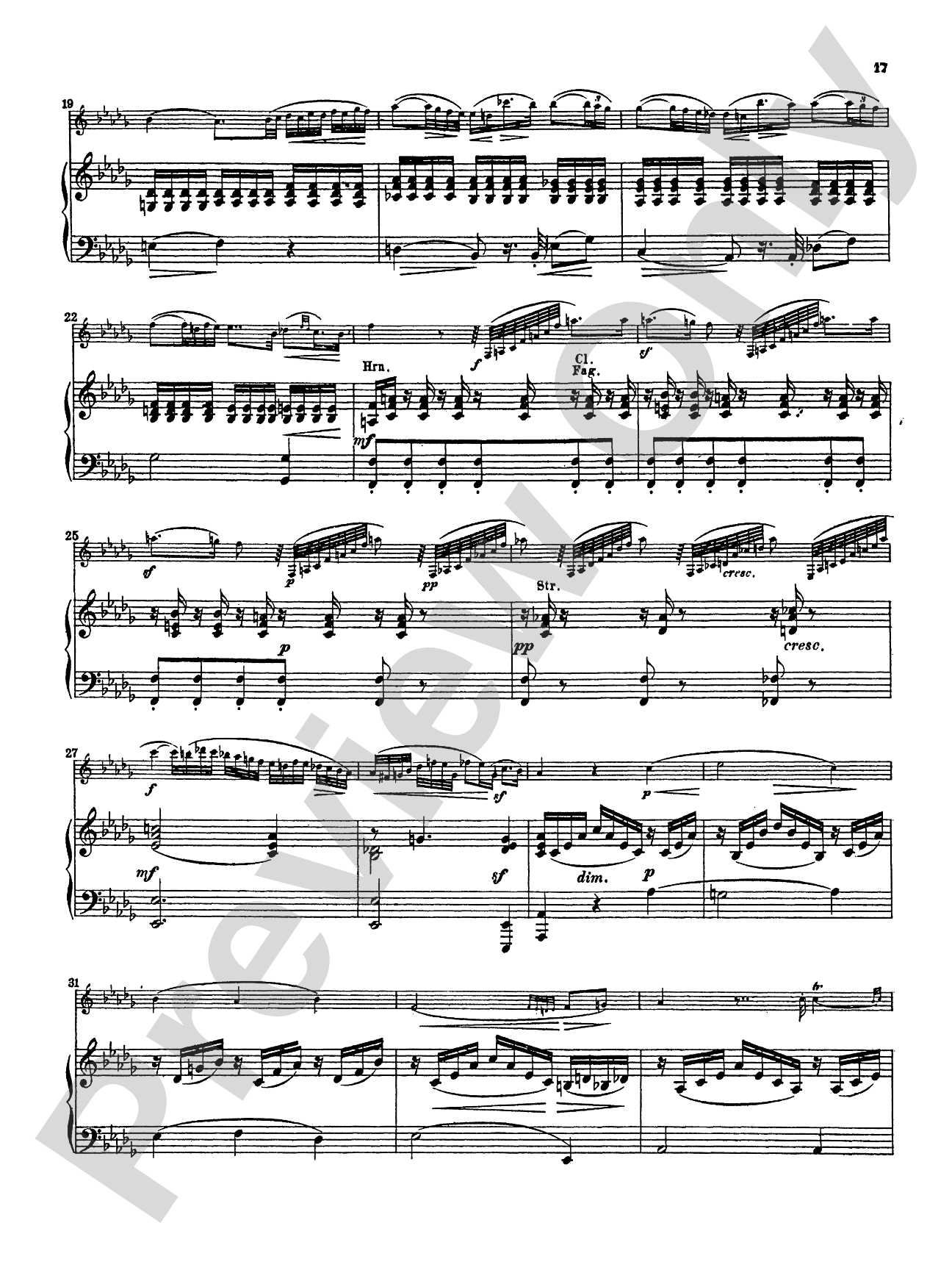
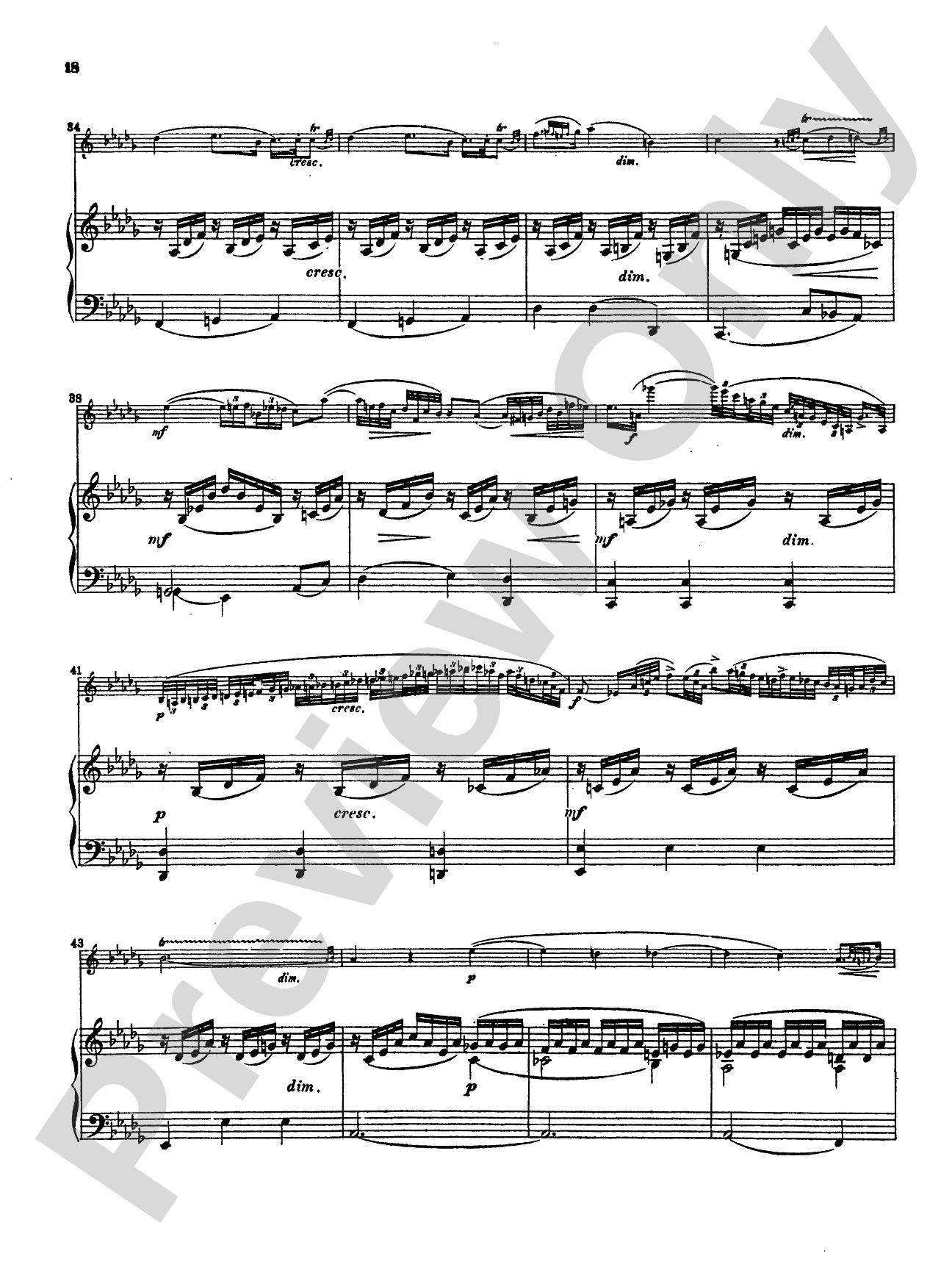
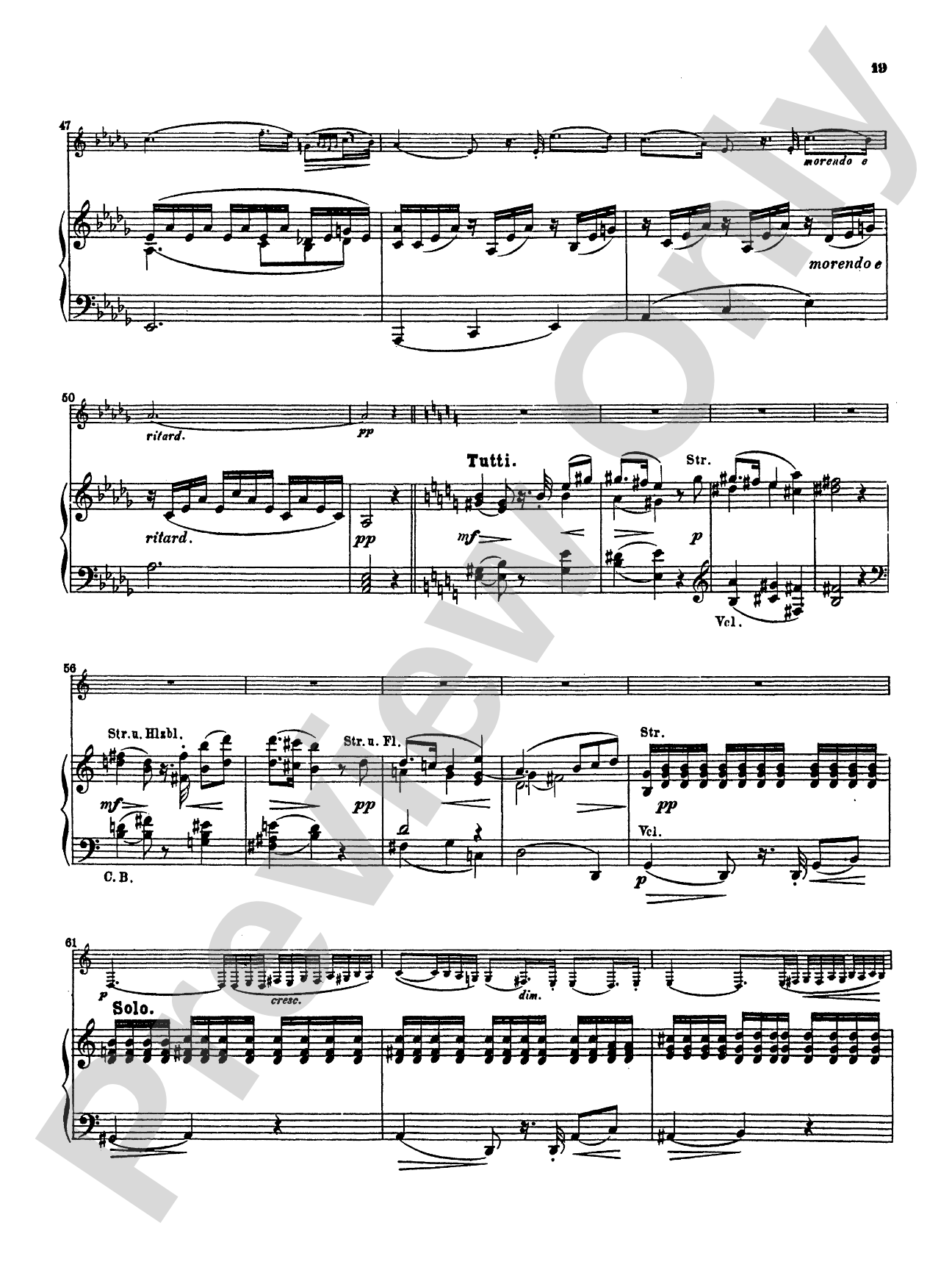
Expertly arranged B-Flat Clarinet Solo by Louis Spohr from the Kalmus Edition series. This is from the Romantic era.


Don't just read it, hear it, play along with it, and watch your students grow with it. In MakeMusic Cloud, Spohr: Concerto No. 3: Clarinet Part(s) comes alive with professional accompaniment, adjustable tempo, and built-in practice tools that turn solo practice into real progress.
Open in the Player
Jump straight in and assign it today.
Start Your Free Trial
Open this title and explore the full library in minutes.
Sample Audio
No sample audio found.
Sample Video
No sample videos found.
Additional Details
Series:
Kalmus Edition
Publisher:
Alfred Music
Page Count:
52
SKU:
00-PK-0003846
More about this title
About the Composer: Louis Spohr
Louis Spohr (1784–1859) was a German composer and virtuoso violinist whose career spanned the Classical and Romantic eras. A prolific creator of concertos, chamber music, and operas, Spohr championed musical innovation while maintaining formal sophistication. His clarinet concertos remain cornerstones of the solo clarinet repertoire, prized for their lyrical breadth and technical demands.
Spohr's influence on clarinet writing was profound. He understood the instrument's expressive range and composed idiomatically for its full compass, creating works that showcase both singing lines and virtuosic passage work. His concertos have educated generations of clarinetists in matters of phrasing, articulation, and musical architecture.
Why we love this
Spohr's Third Concerto sits at the heart of standard clarinet competition and recital repertoire, offering a complete workout in Romantic style without requiring the technical extremism of later works. The piece balances lyrical songfulness with brilliant passagework, giving accomplished students a chance to demonstrate musicianship and control in equal measure.
What to expect
The concerto unfolds with lyrical elegance and Romantic urgency. Sweeping melodies over rippling accompaniment figures create an atmosphere of yearning beauty, while faster episodes crackle with instrumental virtuosity and forward propulsion. The overall arc feels generous and deeply song-like, inviting the soloist to inhabit a protagonist's emotional journey rather than merely execute technical demands.
Who it's for
Advanced high school clarinetists and college-level clarinet students preparing for competition, recital, or audition repertoire will find this concerto essential. Teachers seeking substantial solo material that demands genuine musicianship without straying into 20th-century idioms will appreciate Spohr's straightforward yet rewarding compositional voice.
How to get the most out of it
- Attend carefully to dynamic shape within phrases rather than playing mechanically to marked dynamics; Romantic style demands continuous inflection even in sustained passages.
- Shape the opening theme with a warm, focused tone and consider how rubato serves the long lines without disrupting ensemble stability with any accompaniment.
- Identify the architectural role of each section: opening cantilena, developmental passages, cadenzas, and recapitulation demand distinct musical characters.
- Test articulation choices in florid passages early; clarity and forward motion matter more than speed, particularly in sections with rapid scalar figuration.
How to use it
Program this as a centerpiece of a solo clarinet recital, pairing it with a contemporary piece or a lighter Classical concertante work to show stylistic range. For a chamber or orchestral concert, it works superbly as a featured solo spot, particularly when positioned to contrast with surrounding repertoire of different periods or textures.
Skills your students will build
- Sustained lyrical phrasing across long melodic lines
- Tone control and intonation in high and low registers
- Rapid scalar and arpeggio passage work with clarity and evenness
- Rubato and expressive timing within Romantic harmonic language
- Understanding of concerto form and architectural contrast
- Articulation choices in virtuosic passage work