

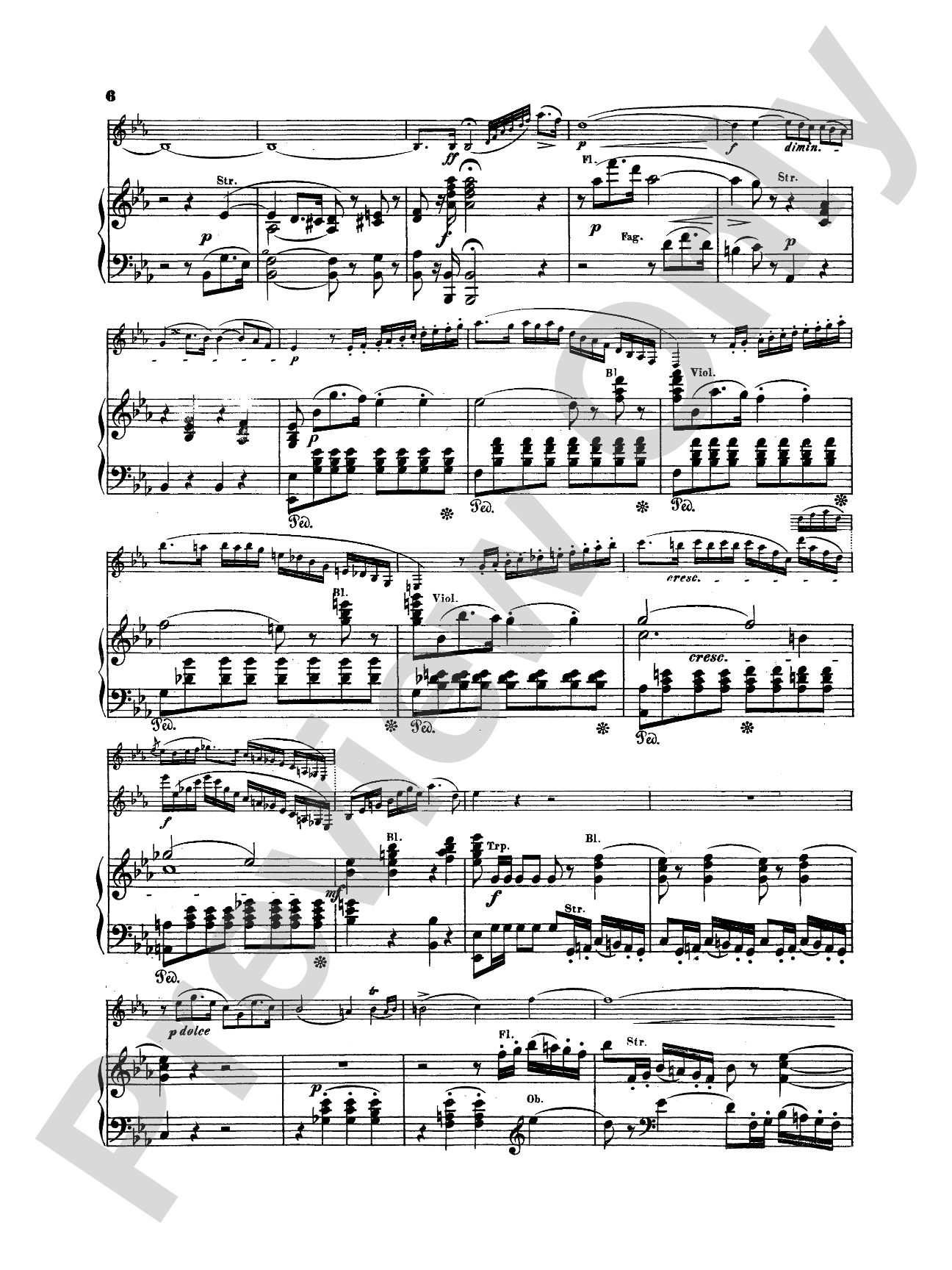
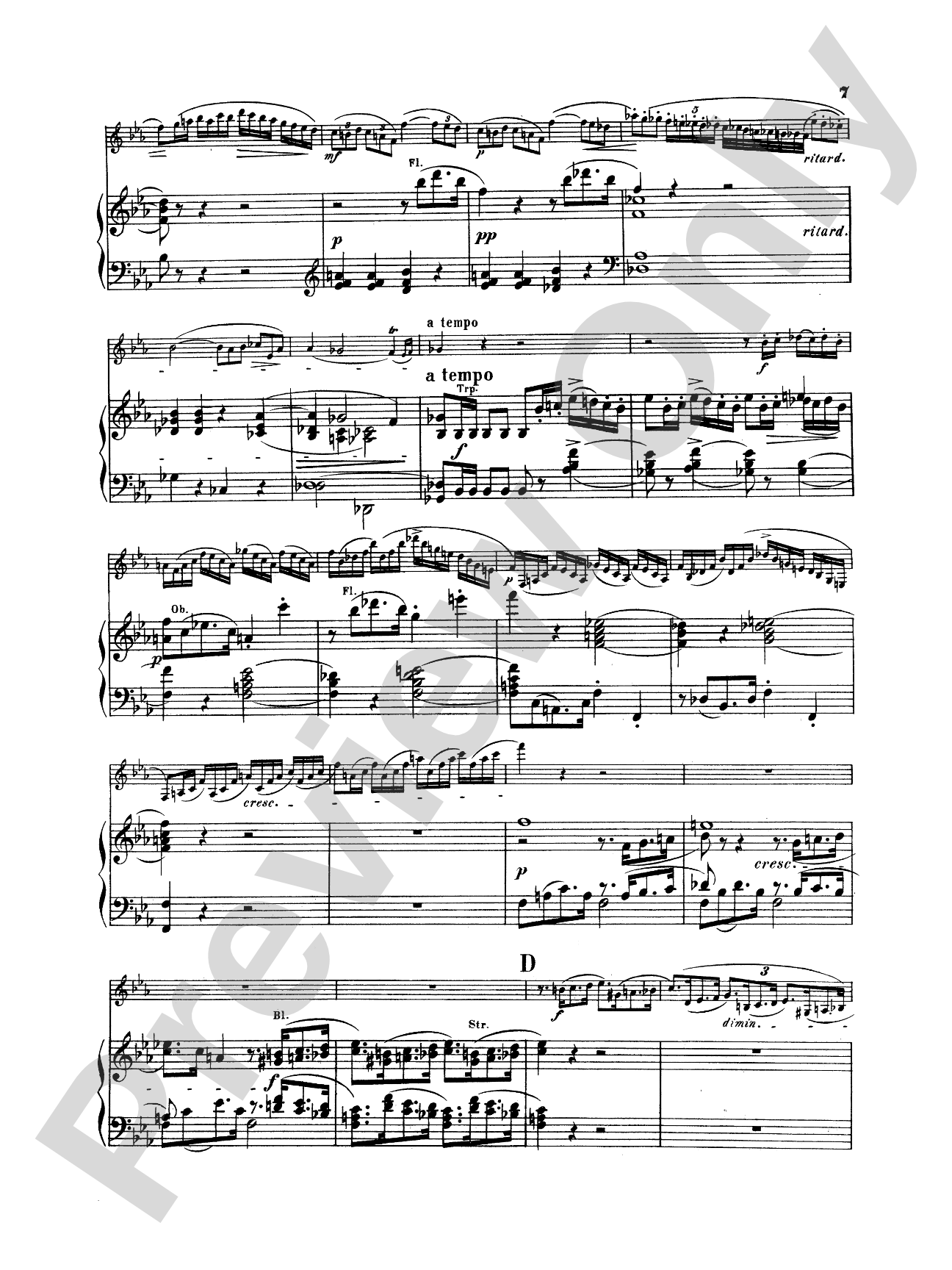
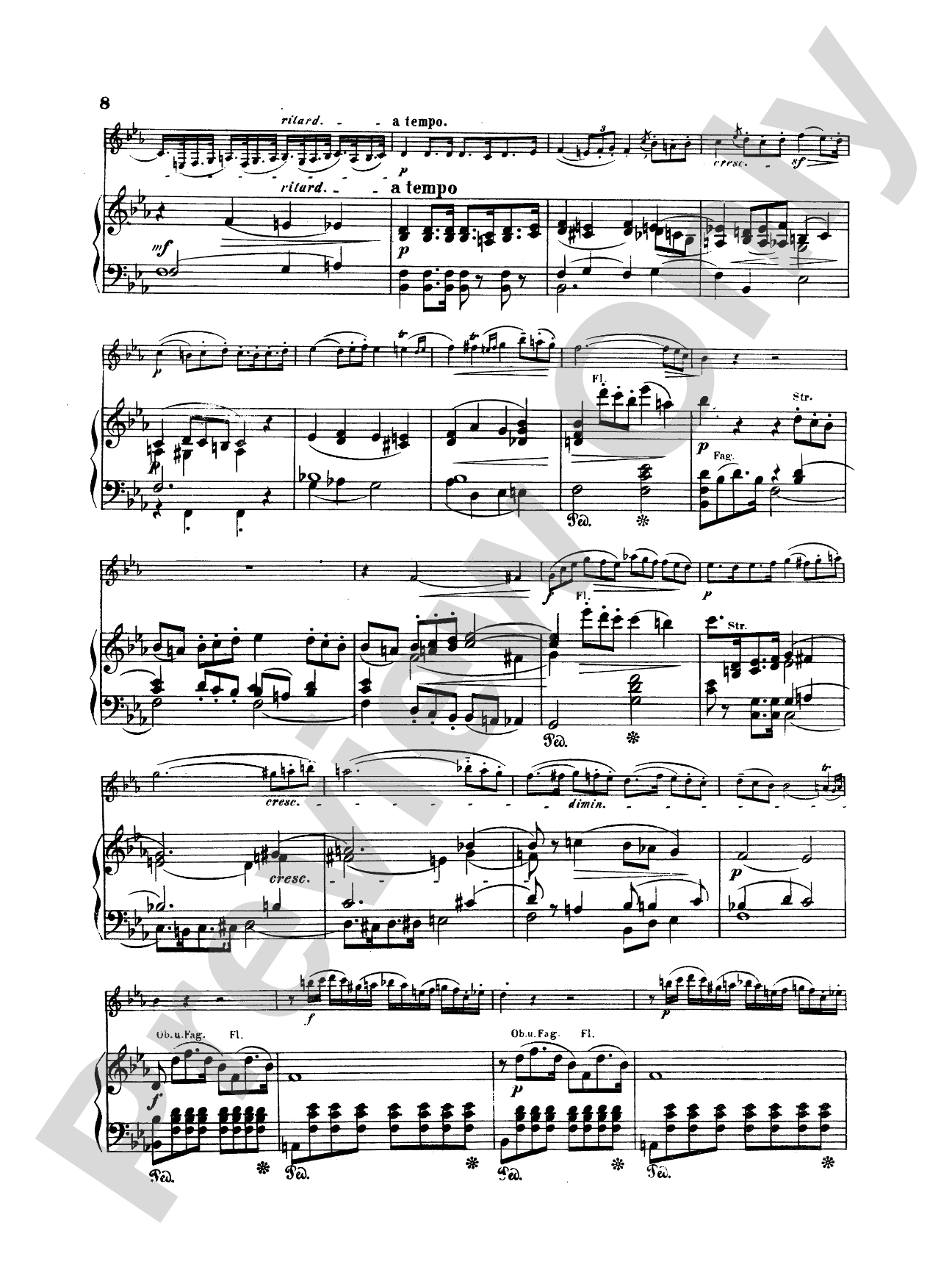

Spohr: Concerto No. 2 in E flat Major, Op. 57
By Louis Spohr
Item: 00-PC-0009287
$8.95
Pickup currently not available
Description
Expertly arranged B-Flat Clarinet Solo by Louis Spohr from the Kalmus Edition series. This is from the Romantic era.


Don't just read it, hear it, play along with it, and watch your students grow with it. In MakeMusic Cloud, Spohr: Concerto No. 2 in E flat Major, Op. 57 comes alive with professional accompaniment, adjustable tempo, and built-in practice tools that turn solo practice into real progress.
Open in the Player
Jump straight in and assign it today.
Start Your Free Trial
Open this title and explore the full library in minutes.
Sample Audio
No sample audio found.
Sample Video
No sample videos found.
Additional Details
Series:
Kalmus Edition
Publisher:
Alfred Music
Page Count:
48
SKU:
00-PC-0009287
More about this title
About the Composer: Louis Spohr
Louis Spohr (1784-1859) was one of the Romantic era's most prolific and technically ambitious composers, particularly celebrated for expanding the clarinet's expressive and virtuosic possibilities. A violinist by training, Spohr brought orchestral sophistication to every genre he touched; his clarinet concertos remain cornerstones of the instrument's solo repertoire and set a standard for lyrical, cantabile writing that defined clarinet concerto composition for generations.
As a conductor and composer who worked across Europe, Spohr bridged Classical and Romantic aesthetics. His concertos reward both technical precision and deep musicality, demanding that players develop not just facility but interpretive maturity.
Why we love this
Spohr's Second Clarinet Concerto sits at a sweet spot for advanced students: virtuosic enough to showcase serious technique and musical growth, yet written with genuine lyricism rather than empty display. The work teaches clarinet singing in the Romantic style, with long-line phrasing and expressive control that translates directly to orchestral and chamber repertoire. For festival and competition contexts, it carries both musical substance and the prestige of a genuine nineteenth-century masterwork.
What to expect
Spohr writes with a singing, almost vocal sensibility; the opening theme unfolds with romantic yearning and requires a warm, lyrical tone production. The work moves between intimate lyricism and virtuosic display without losing its Romantic character, balancing technical excitement with genuine emotional depth and cantabile phrasing.
Who it's for
Advanced high school clarinetists and college students preparing for competitions, festivals, or solo recitals. This work demands secure upper register facility, expressive control across dynamics, and interpretive maturity. Solo clarinetists working toward university audition repertoire will find this a substantial, respected choice.
How to get the most out of it
- Shape the opening solo passages with Romantic breadth; Spohr's melodies reward sustained tone production and control of the diminuendo, which appears frequently throughout the work.
- Clarify the register transitions between clarion and chalumeau passages, as the concerto exploits the full range of the instrument and contrast between registers is part of the musical argument.
- Balance technical passages (scales, arpeggios) with clarity of phrasing rather than speed alone; rhythmic precision and articulation should always serve the melodic line.
- Use the orchestral accompaniment (study score or recording, if available) to locate your cadenzas and understand where the ensemble supports versus where you must carry the narrative alone.
How to use it
This concerto sits well on recital programs following lighter Baroque or Classical solo works, providing a stylistic and technical departure while remaining audience-friendly. It also programs effectively in a traditional solo showcase or competition context, where its historical weight and musical ambition demonstrate serious musicianship.
Skills your students will build
- Sustained legit tone production across the full clarinet range
- Expressive phrasing and dynamic control in Romantic style
- Upper register facility and register transitions
- Passage work articulation and rhythmic clarity
- Interpretation of ornaments and cadenzas in nineteenth-century style
- Balance between virtuosic display and musical narrative