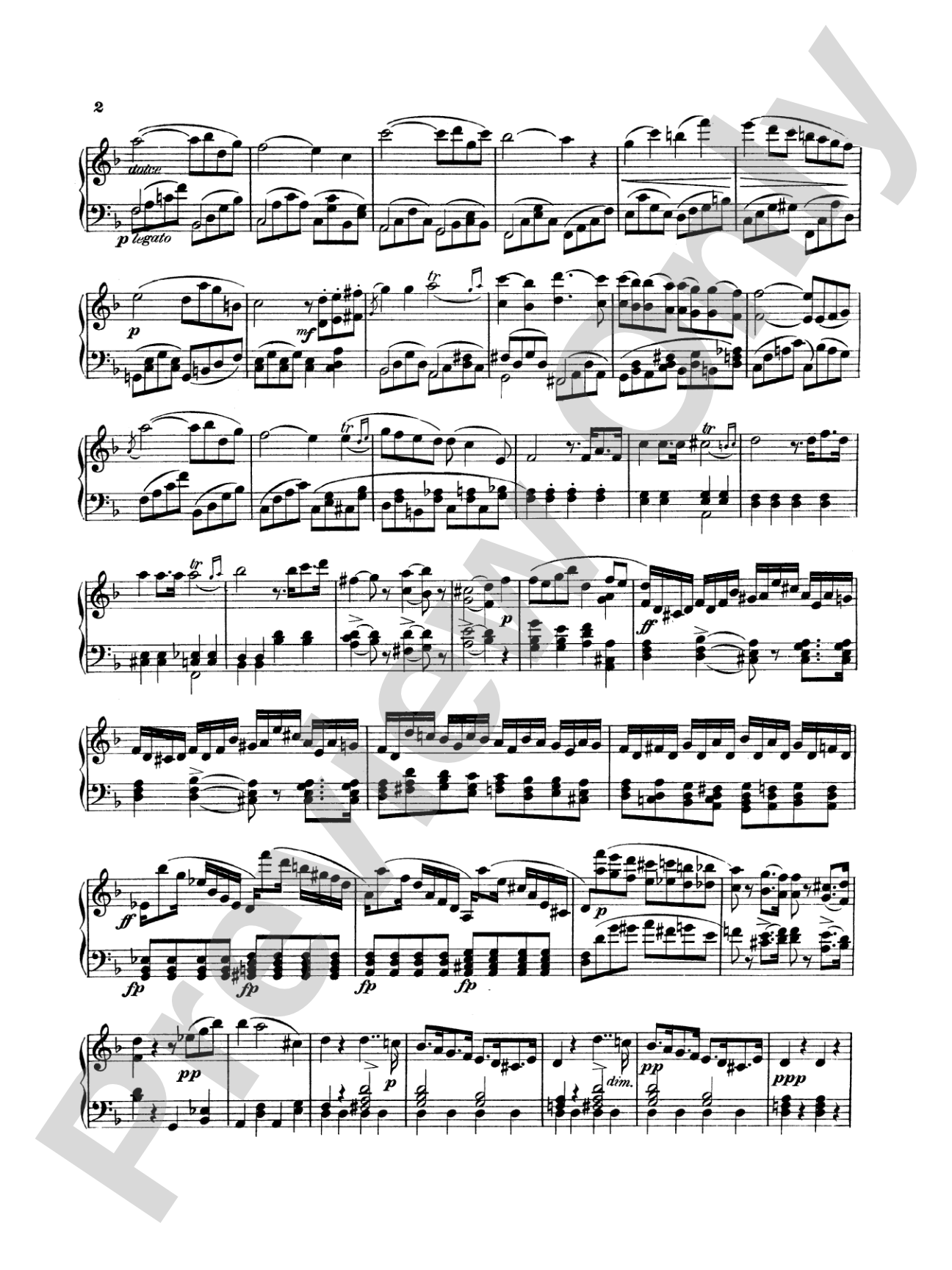
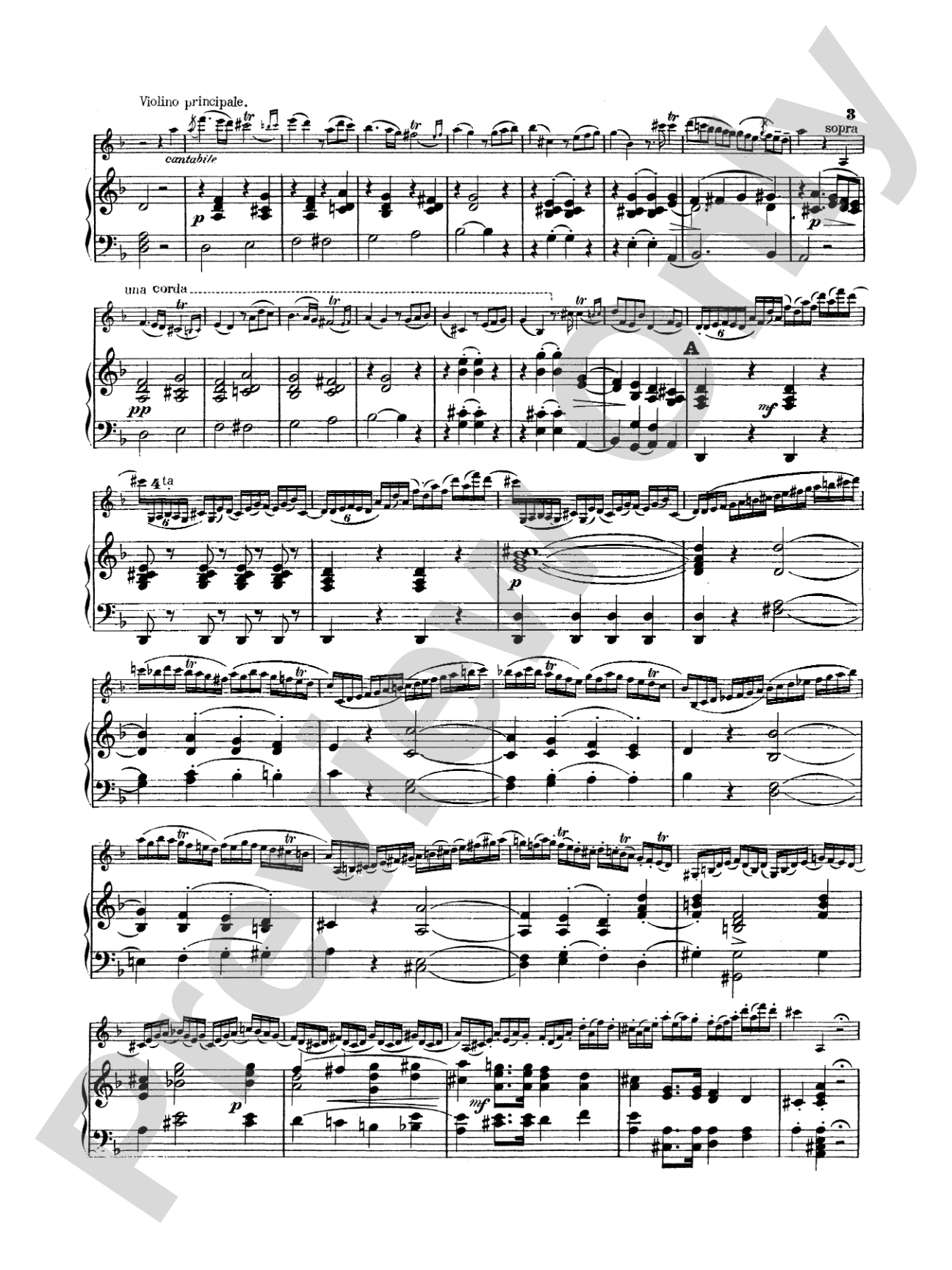
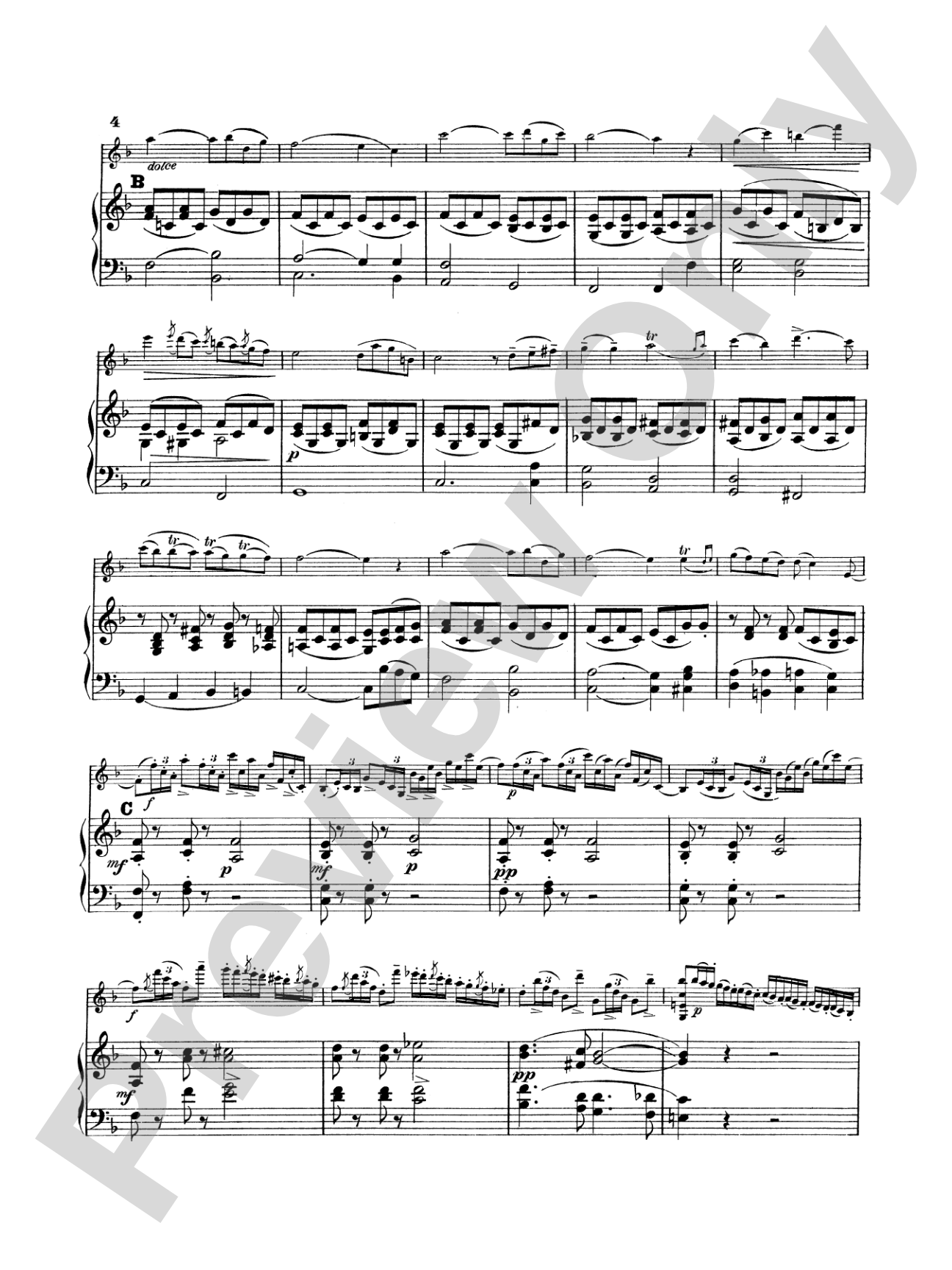
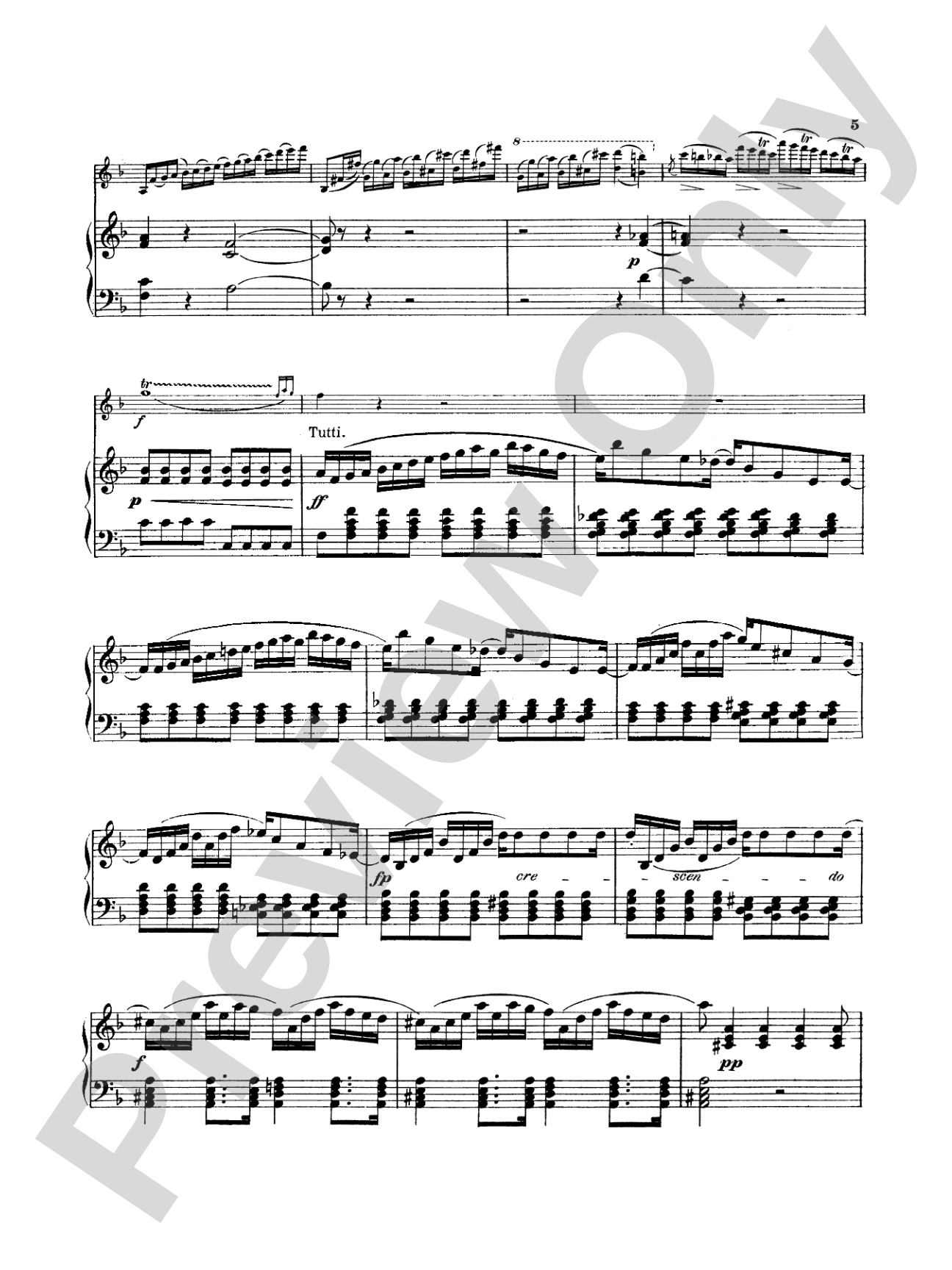
Spohr: Concerto No. 2 in D Minor, Op. 2 Sheet Music Preview

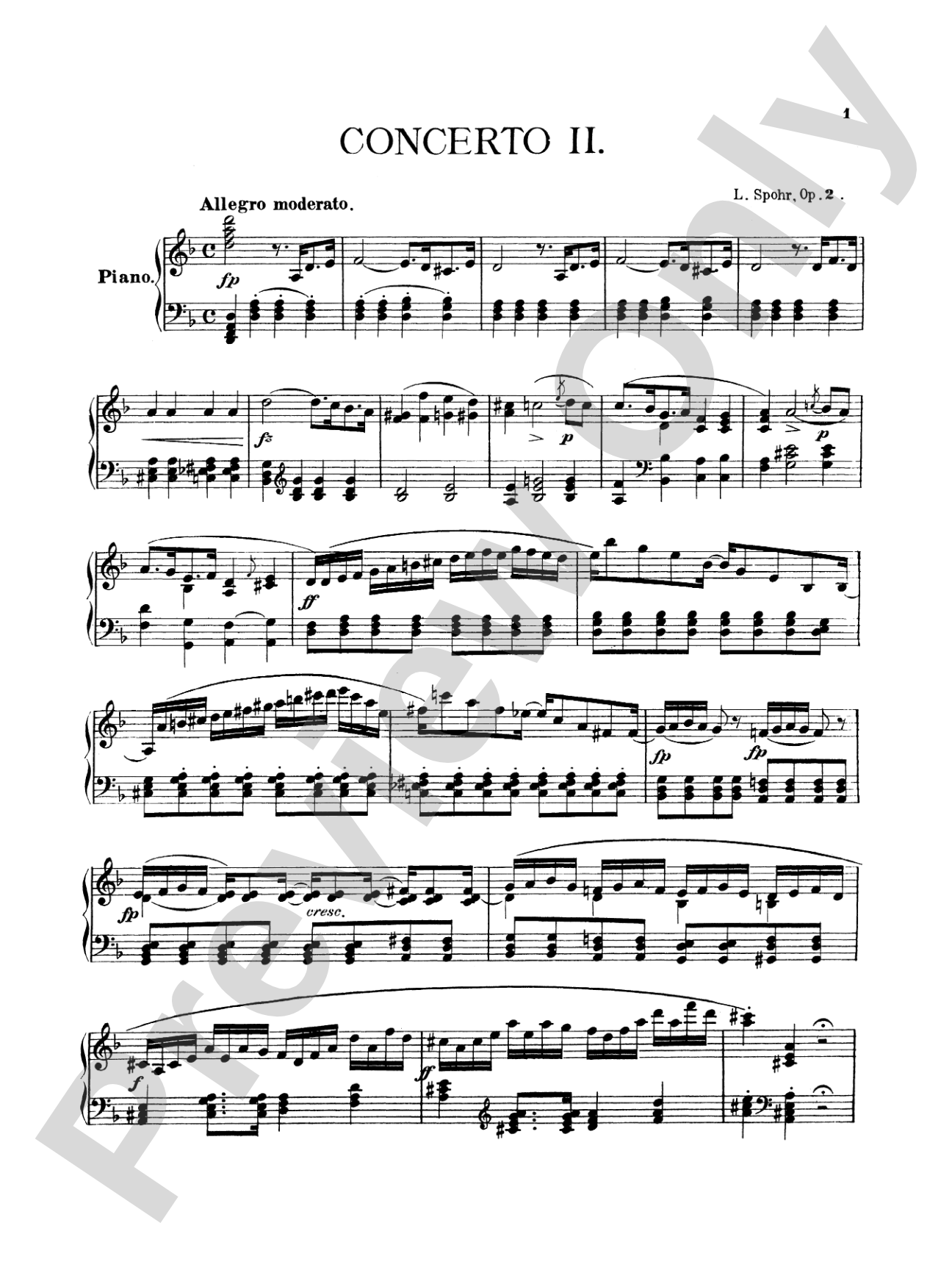
Spohr: Concerto No. 2 in D Minor, Op. 2

By Louis Spohr

Item: 00-PC-0003954

Digital Download
$4.95
Description
One of the leading composers of instrumental music of the early Romantic period, Louis Spohr was a violinist, composer, and conductor. In addition to symphonic works, string quartets, and other solo and chamber music, he composed operas, operettas, and songs. There has been a trend, starting in the late 20th century, to revive his instrumental works and songs.

Don't just read it, hear it, play along with it, and watch your students grow with it. In MakeMusic Cloud, Spohr: Concerto No. 2 in D Minor, Op. 2 comes alive with professional accompaniment, adjustable tempo, and built-in practice tools that turn solo practice into real progress.

Sample Audio
No sample audio found.
Sample Video
Additional Details
Series: Kalmus Edition
Publisher: Alfred Music
Page Count: 40
SKU: 00-PC-0003954

More about this title

About the Composer: Louis Spohr

Louis Spohr (1784-1859) bridged Classical and Romantic violin writing through his four decades as a performing virtuoso. His concertos and chamber works shaped the early Romantic repertoire for strings, drawing admirers across Europe and establishing standards for both compositional craft and interpretive depth that influenced generations of violinists and composers who followed.

Beyond the violin, Spohr was a prolific composer across genres. His symphonies, operas, and chamber music reveal a musician equally engaged with harmonic innovation and lyrical expression. Though overshadowed for much of the 20th century by more canonical Romantic figures, his instrumental works are regaining recognition for their craftsmanship and their pivotal role in the evolution from Classical form toward Romantic sensibility.

Why we love this

This concerto sits at the exact inflection point where Classical virtuosity meets Romantic lyricism. The D minor key and the work's emotional depth give it genuine dramatic weight that rewards serious artistic engagement, making it far more compelling for advanced students than lightweight competition pieces.

What to expect

The D minor tonality casts the entire concerto in a lyric, almost introspective light despite its virtuosic passages. Melodic lines unfold with Romantic yearning, yet the Classical framework keeps everything architecturally elegant; there's no excess, only purposeful expression.

Who it's for

Advanced violinists preparing for competitions, festival adjudications, or recitals where substantial, musically mature repertoire is expected. This concerto suits students with secure technical facility and the interpretive patience to work with genuine musical substance rather than flashy display.

How to get the most out of it

  • Attend to the recitatives in the solo part; they're not mere embellishment but structural signposts that shape phrasing and character across movements.
  • Balance lyrical passages with technical clarity in the fast movements. Spohr's figuration is intricate but never ornamental; every passage serves the musical architecture.
  • Use the slow movement to establish the emotional center of the work. This movement's expressive depth gives the outer movements their dramatic context.
  • Project the opening theme with confidence. Its memorable melody is your anchor for maintaining coherence through the development sections.

How to use it

Open a recital with this concerto when you want to signal serious artistic intent and showcase a violinist's maturity. Pair it with later Romantic works or contemporary pieces to highlight how Spohr's writing anticipates both directions that 19th-century violin music would travel.

Skills your students will build

  • Interpretation of recitative-like solo passages and their structural function
  • Lyrical tone production in sustained passages across multiple registers
  • Navigating rapid figurations with musical clarity and directional phrasing
  • Balance of virtuosic display with emotional authenticity
  • Understanding Classical form as foundation for Romantic expression

You May Also Like