
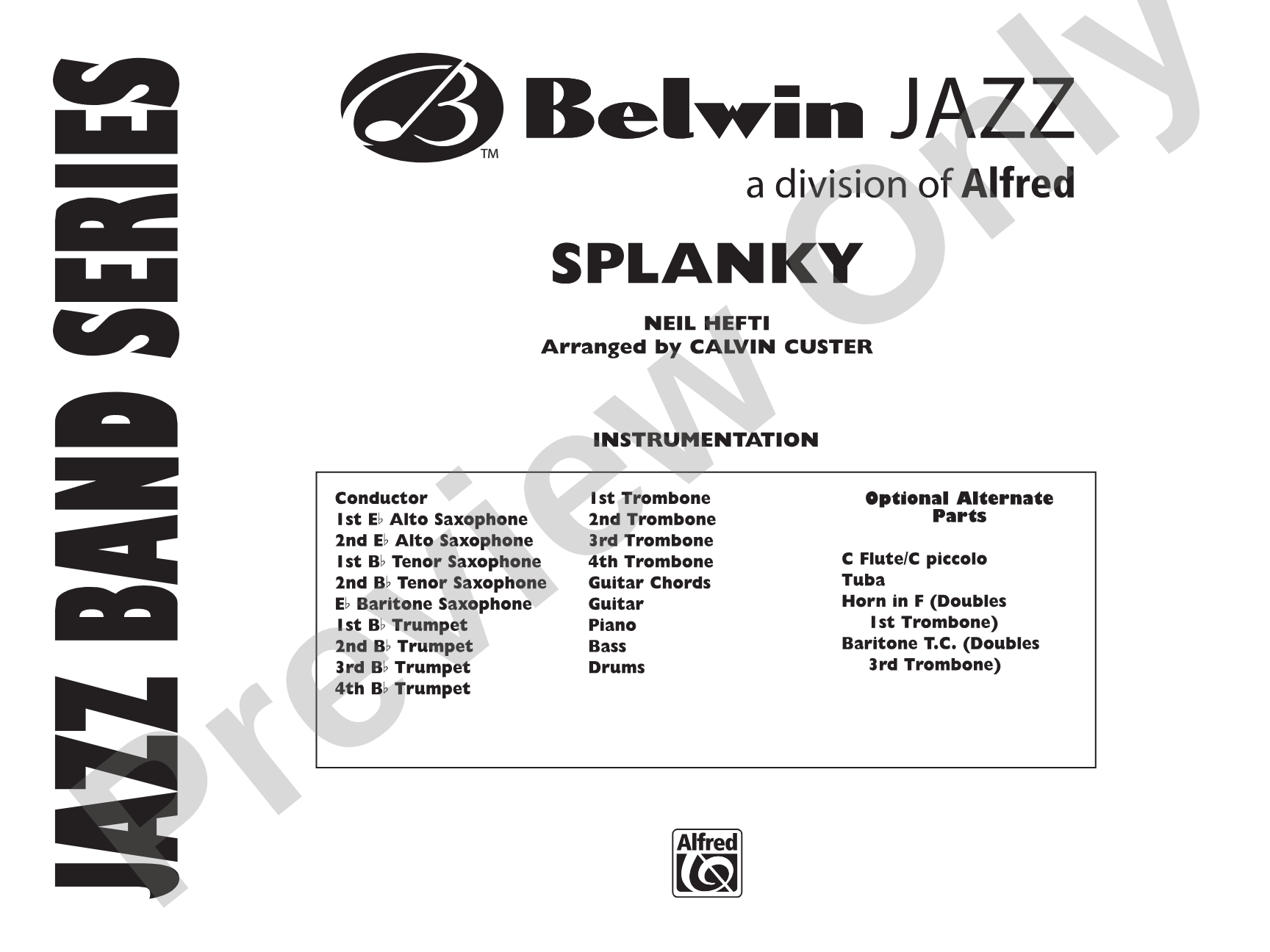
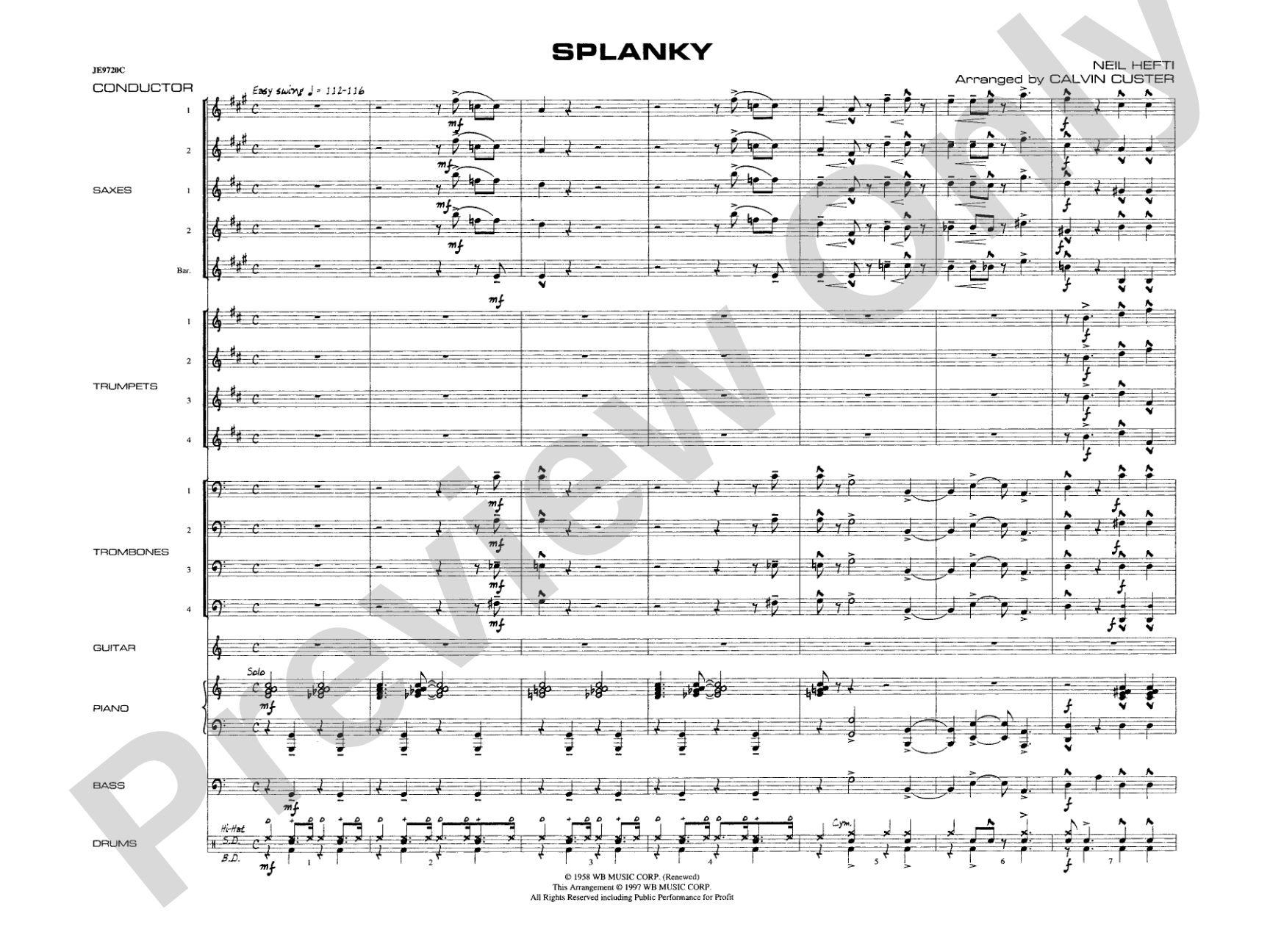
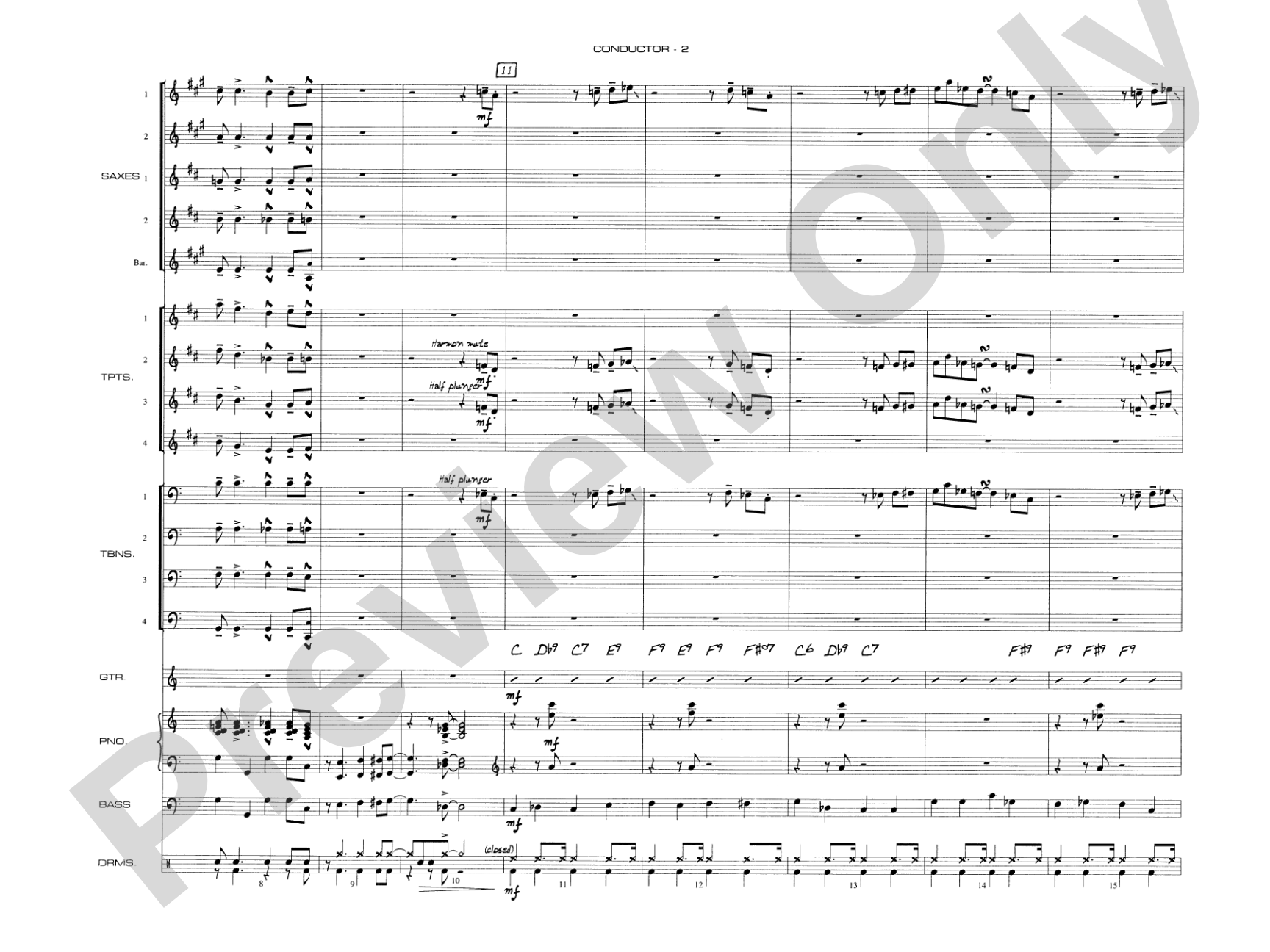
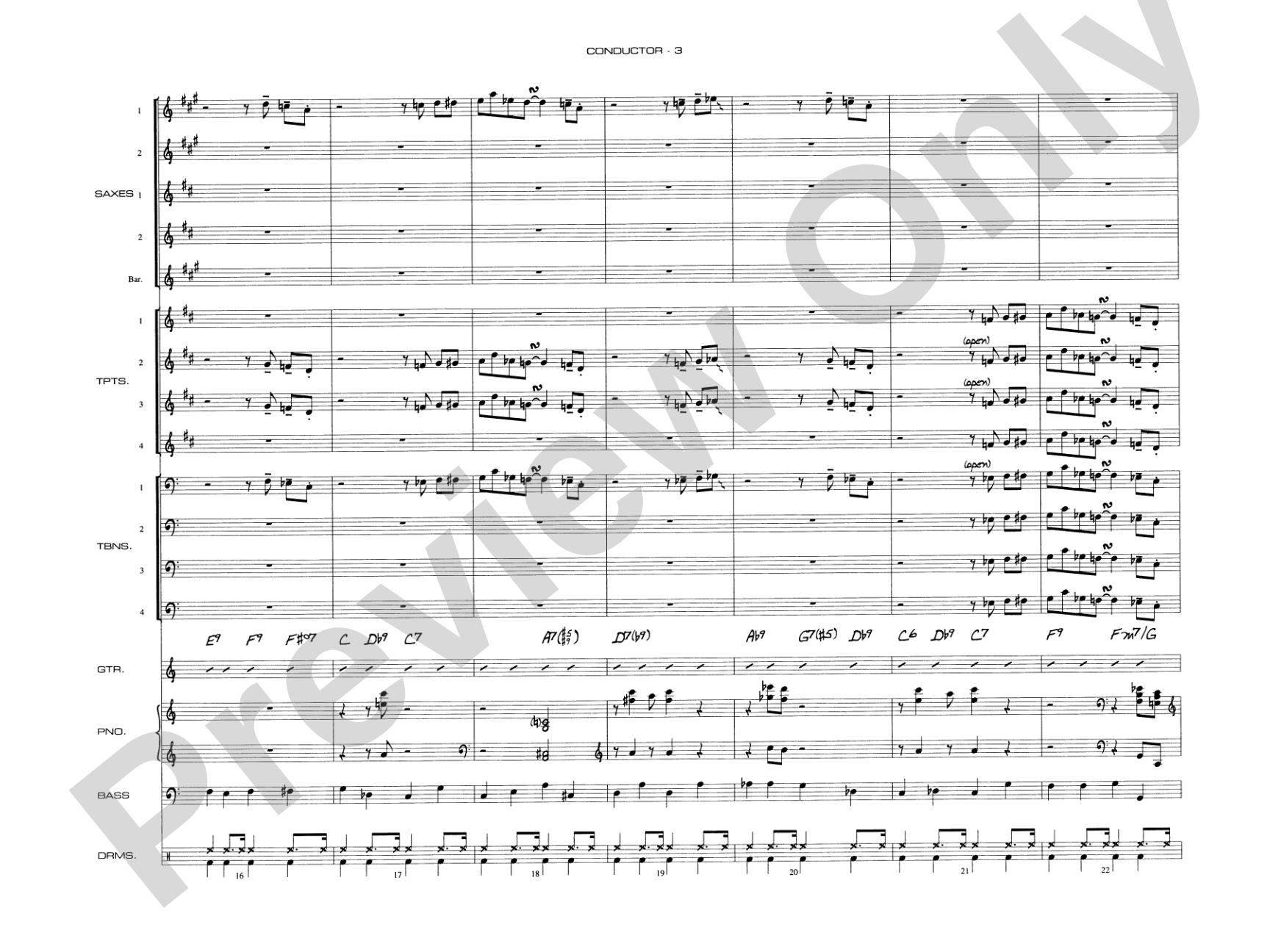
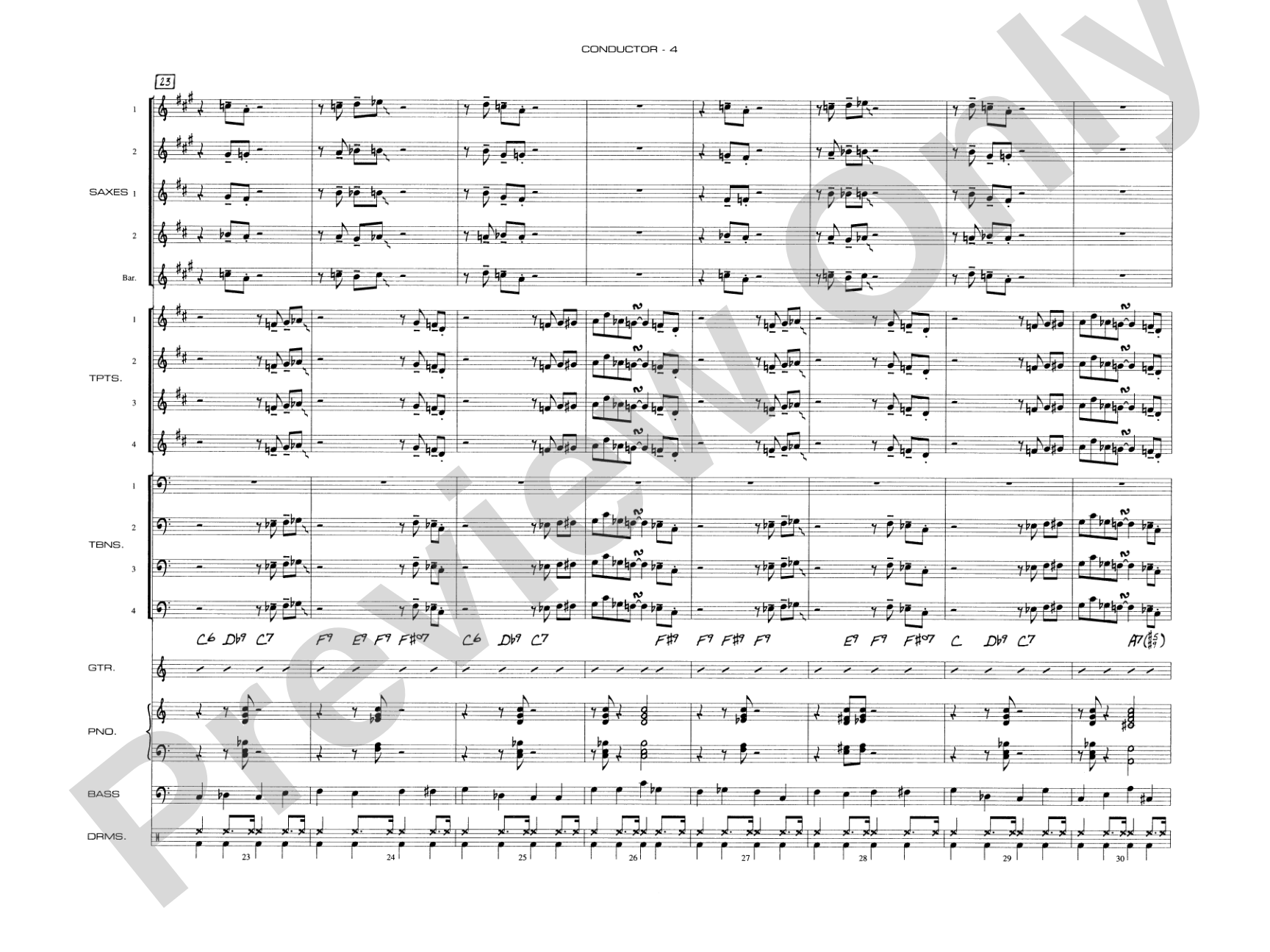
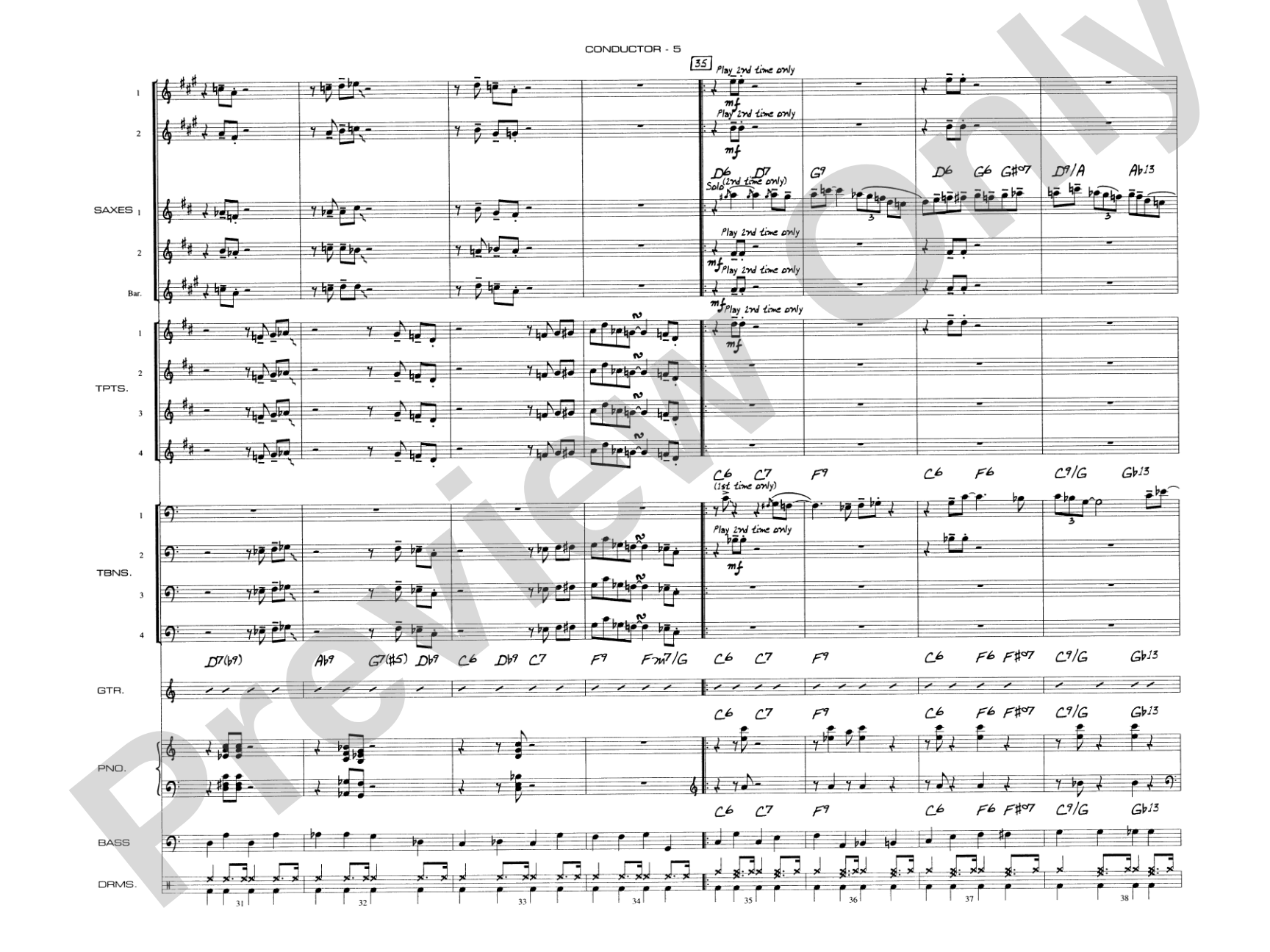
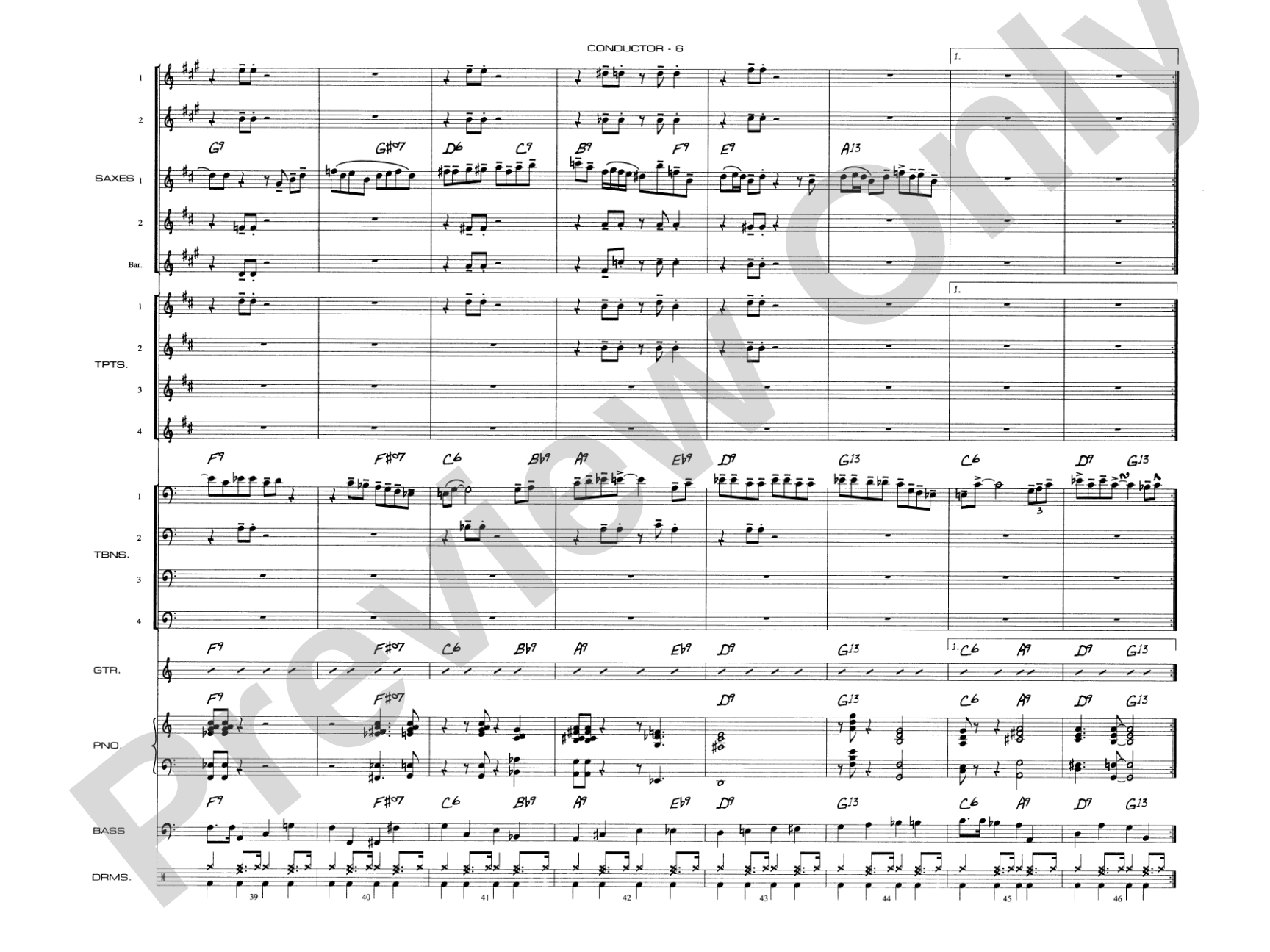
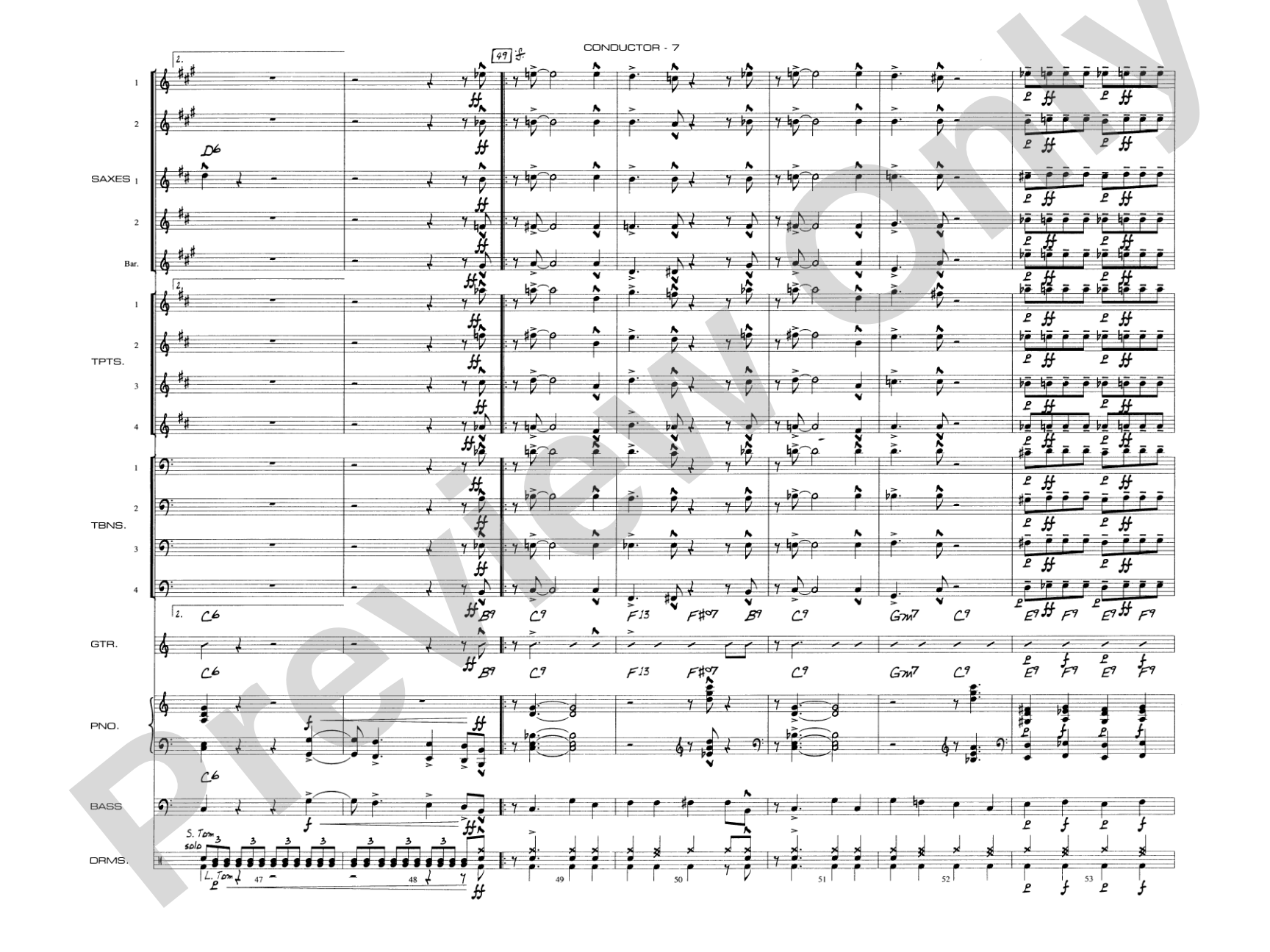
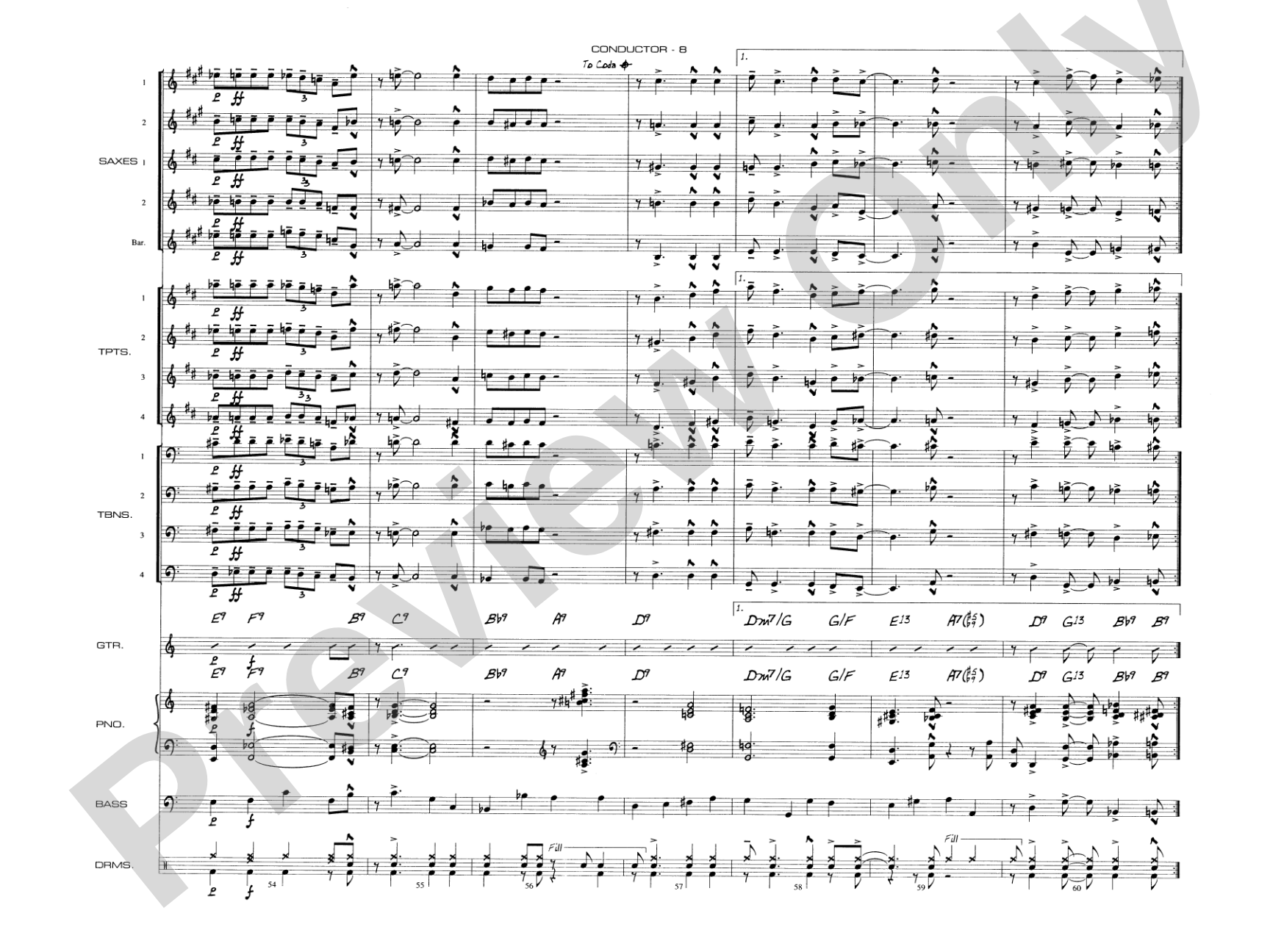
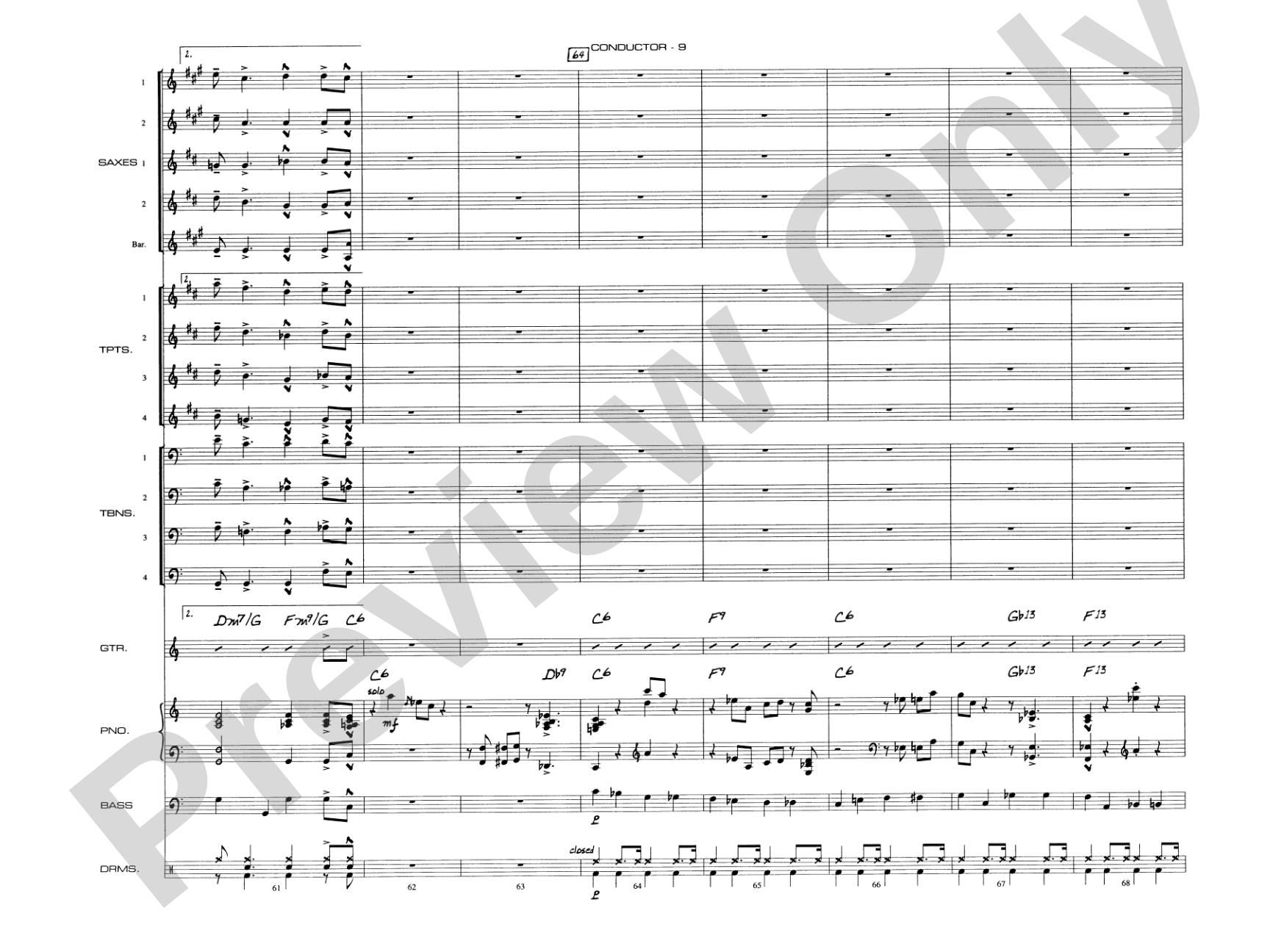
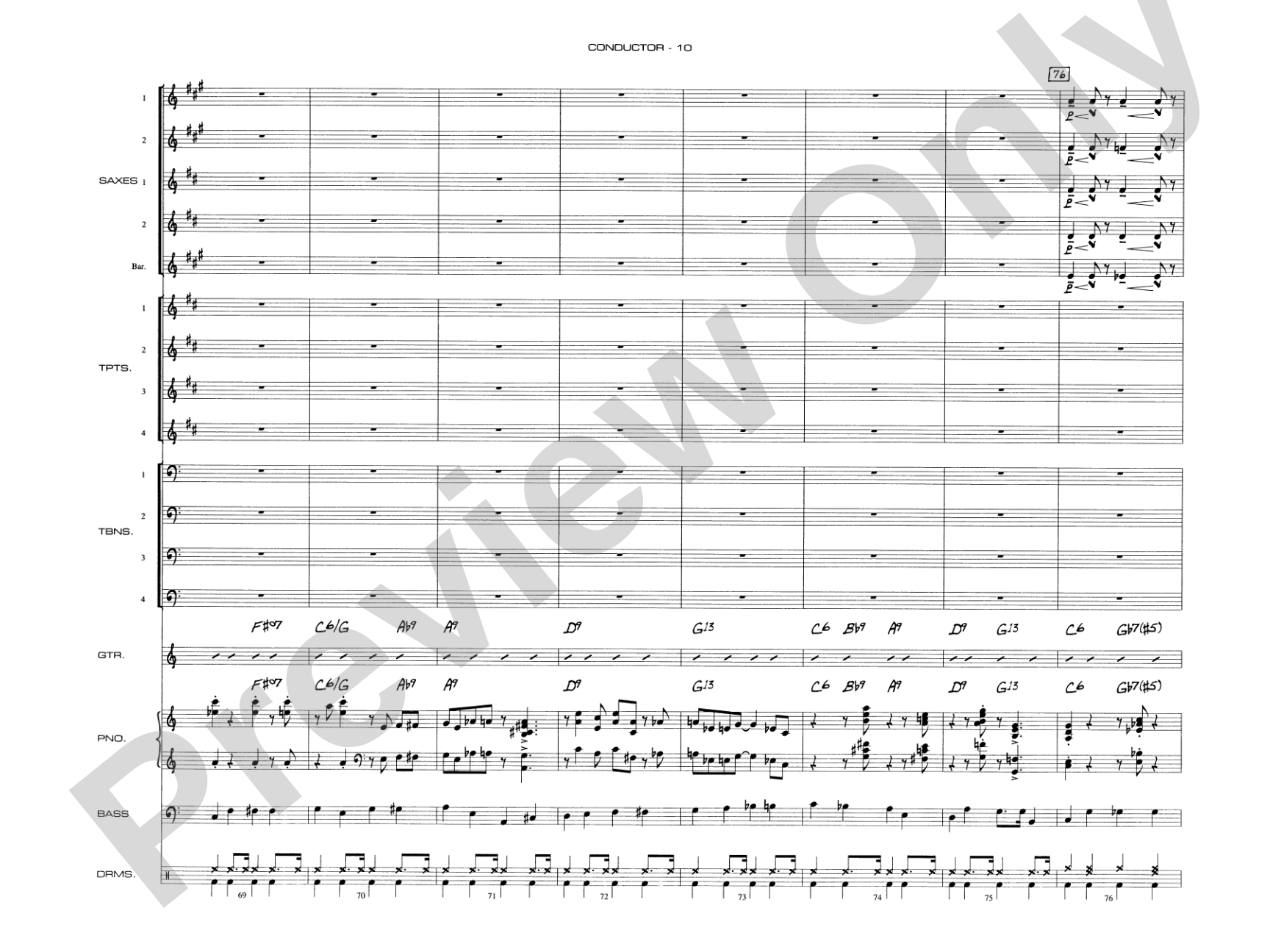
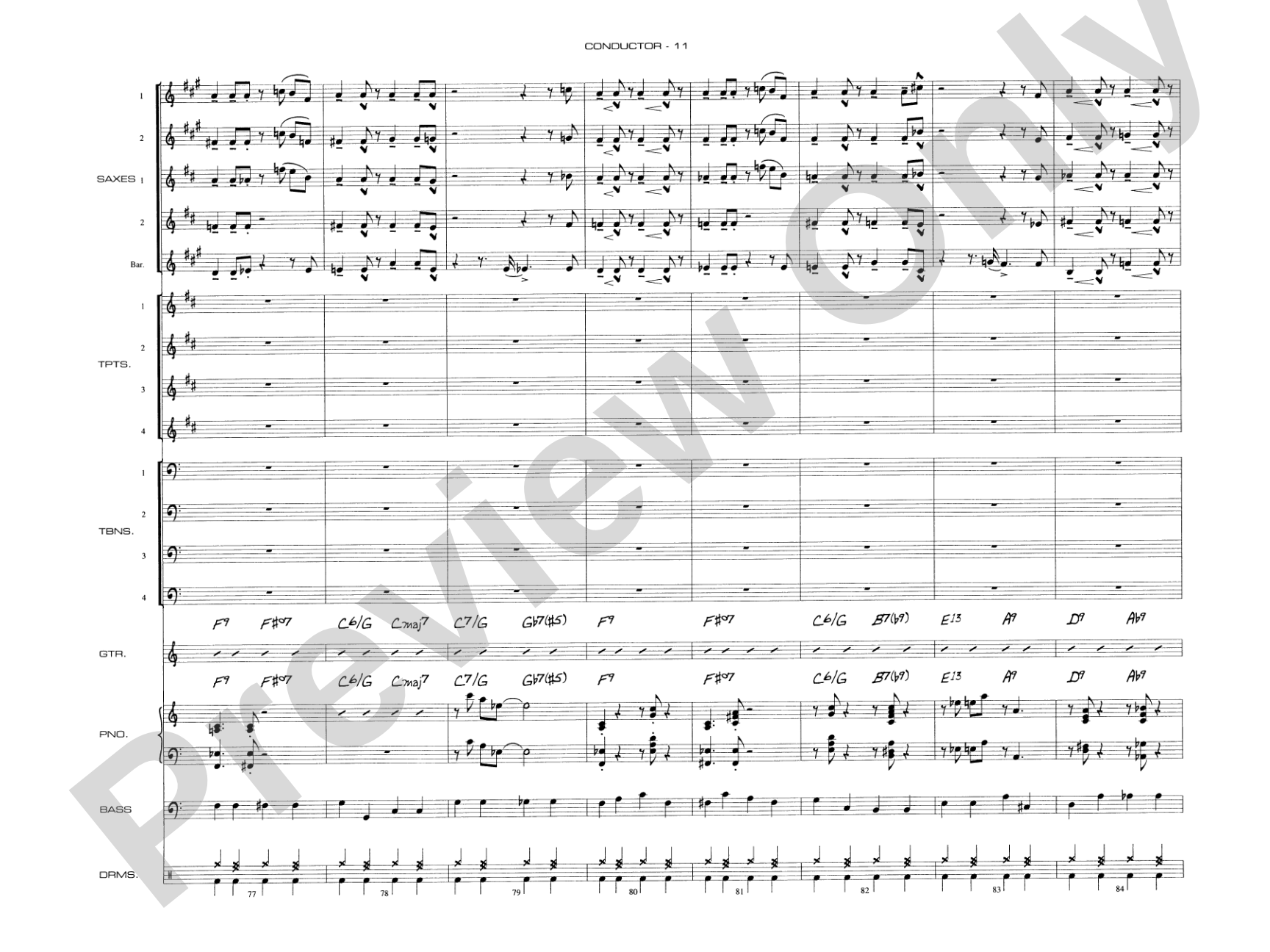
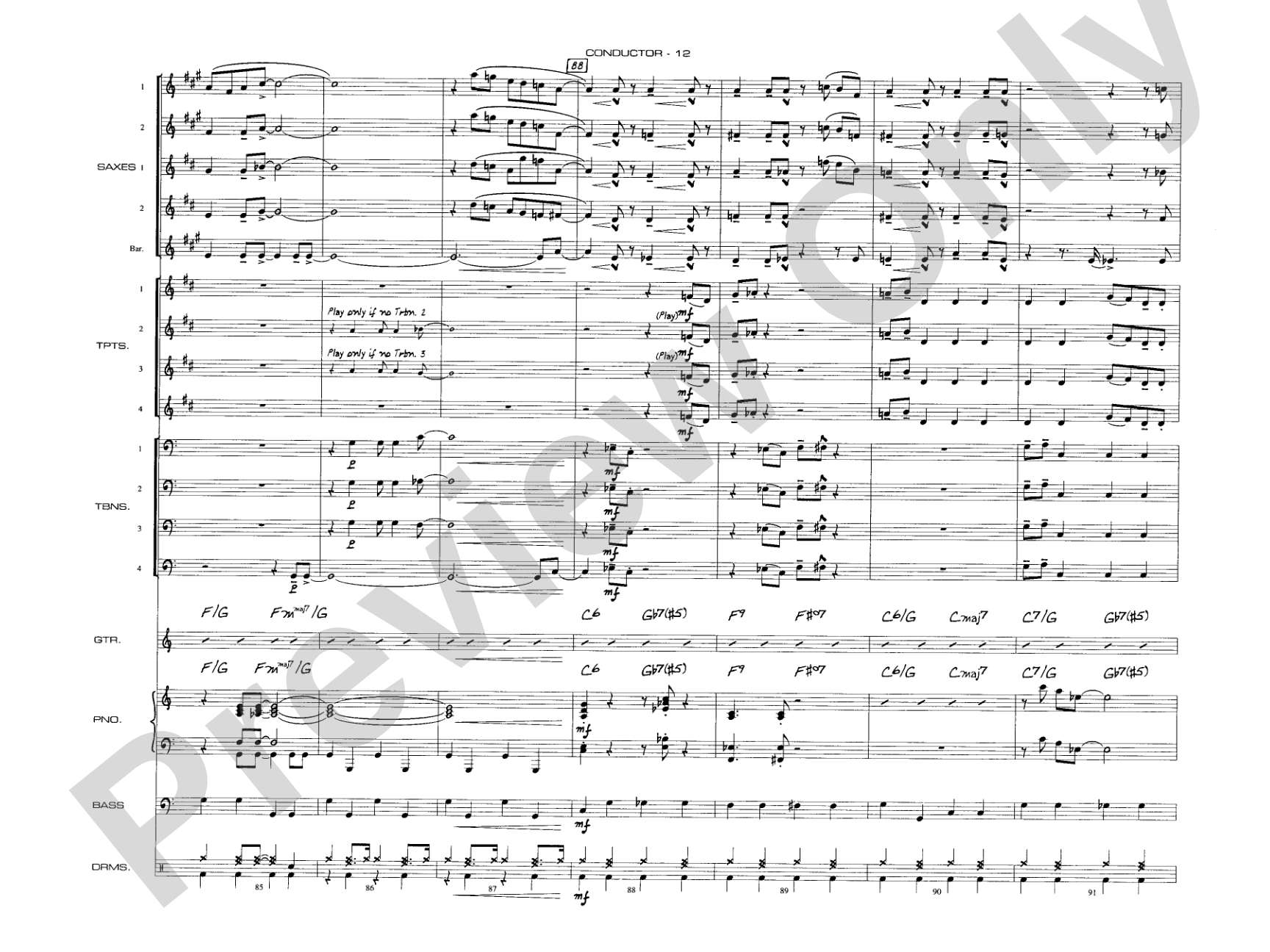
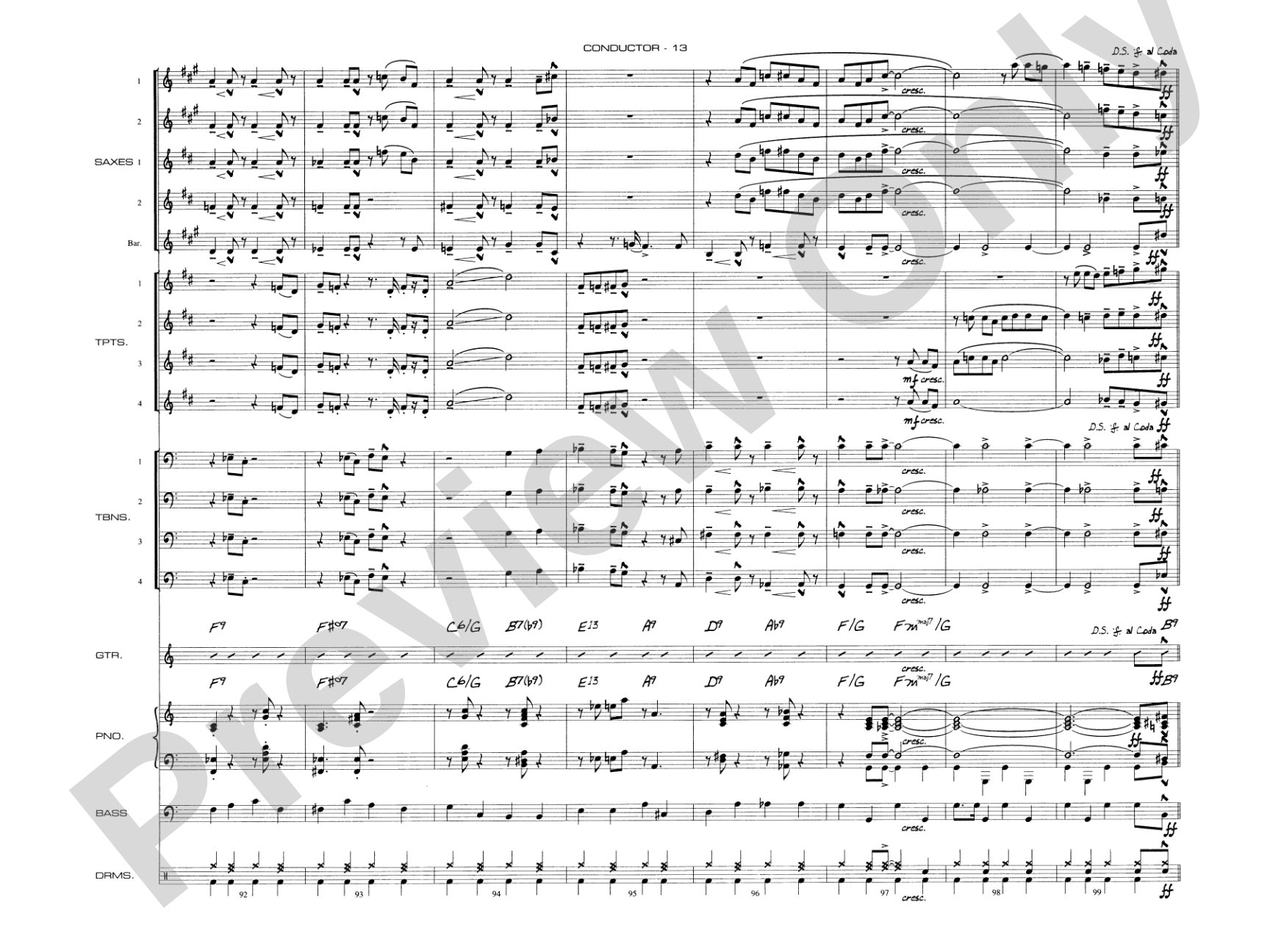
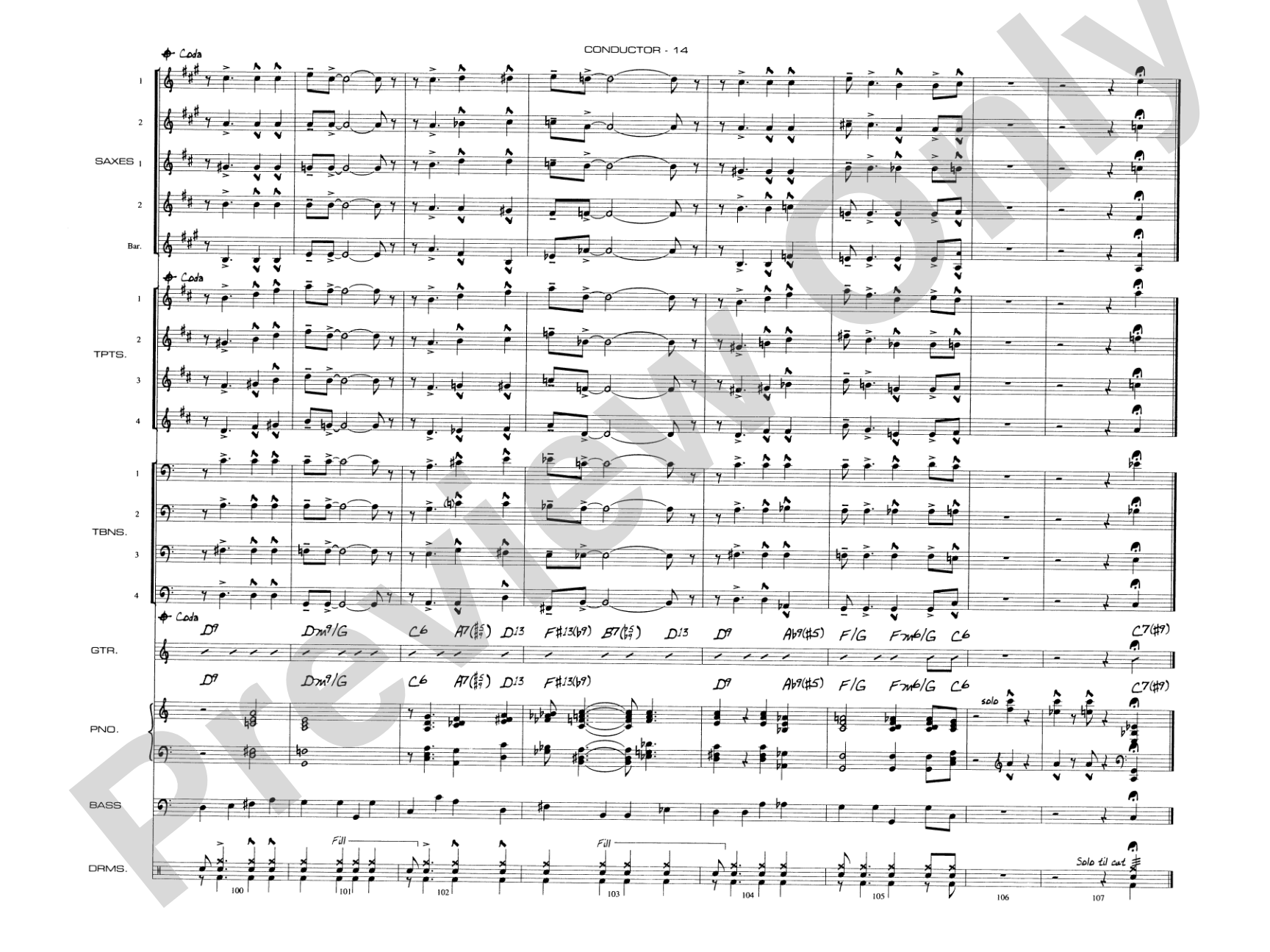


Splanky: Jazz Ensemble Conductor Score & Parts
By Neal Hefti / arr. Calvin Custer
Grade: 3 (Medium)
Item: 00-PK-0002441

$52.00
One moment…
Description
This Count Basie standard gets a fresh new sound in the hands of master arranger Calvin Custer. Neil Hefti was famous for his swingin' charts, and this is a great realization of the Basie style. You need this chart if you want to get your students really cookin' this year. It's also a great choice for festival! (duration 4:43)


Don't just read it, hear it, play along with it, and watch your students grow with it. In MakeMusic Cloud, Splanky: Jazz Ensemble Conductor Score & Parts comes alive with professional accompaniment, adjustable tempo, and built-in practice tools that turn solo practice into real progress.
Open in the Player
Jump straight in and assign it today.
Start Your Free Trial
Open this title and explore the full library in minutes.
Sample Audio
No sample audio found.
Sample Video
No sample videos found.
Additional Details
Series:
Jazz Band Series
Publisher:
Alfred Music
Page Count:
108
SKU:
00-PK-0002441
More about this title
About the Composer: Neal Hefti
Neal Hefti (1922-2008) shaped the sound of mid-century jazz and popular music through his work as a composer, arranger, and bandleader. His charts for the Count Basie orchestra became definitive interpretations of the swing era, blending sophisticated harmonies with the relaxed groove that made Basie's band legendary. Hefti's gift for orchestration influenced generations of arrangers and remains a cornerstone of jazz education repertoire.
Why we love this
Calvin Custer's arrangement captures the essence of Hefti's original Basie charts while giving ensemble directors a playable, engaging version that lets students experience authentic swing writing without overwhelming complexity. The instrumentation and voicings sit perfectly in the Grade 3 range, meaning your section leaders can handle the demands while the rhythm section locks into that classic Basie pocket. At 4:43, it's substantial enough to anchor a festival set or concert program without requiring marathon rehearsal time.
What to expect
Relaxed confidence with a cooking rhythm section underneath. The melody floats over a secure foundation, and the ensemble finds that sweet spot where discipline and swing coexist. There's joy in the writing, the kind that comes from musicians who knew exactly how to make a room feel the groove.
Who it's for
Jazz ensemble directors working with intermediate players (Grades 3-4) who want to introduce students to the language of big band swing and the arranging mastery of the Basie era. This chart works equally well in educational settings and festival competitions, rewarding careful rehearsal with the authentic sound students hear on classic recordings.
How to get the most out of it
- Shape the opening figures with the front line as ensemble hits, not individual solos. The punch comes from locked unison articulation across all horns.
- Let the rhythm section breathe. Basie's legacy is built on space and swing; resist the urge to tighten every beat, and instead trust the groove to carry the momentum.
- Balance the melody between trumpet and tenor saxophone voices. Neither should dominate; they're conversational partners stating the theme.
- Pay attention to the written dynamics in the brass sections. Hefti's charts use subtle dynamic shaping to create movement and interest without relying on tempo changes.
How to use it
Program this alongside other Hefti or Basie charts to build a set that demonstrates the evolution of big band arranging, or use it as a cornerstone piece in a jazz history concert. The moderate length and accessible difficulty make it ideal for a midsummer or early fall program when you're building ensemble cohesion and appetite for the season ahead.
Skills your students will build
- Swing articulation and phrasing in sectional voicing
- Reading lead sheets and chord changes in jazz context
- Ensemble balance between melody and harmonic support
- Rhythmic precision and groove awareness in the rhythm section
- Listening to and responding to other sections in real time