



Spirit of Victory: Concert Band Conductor Score & Parts
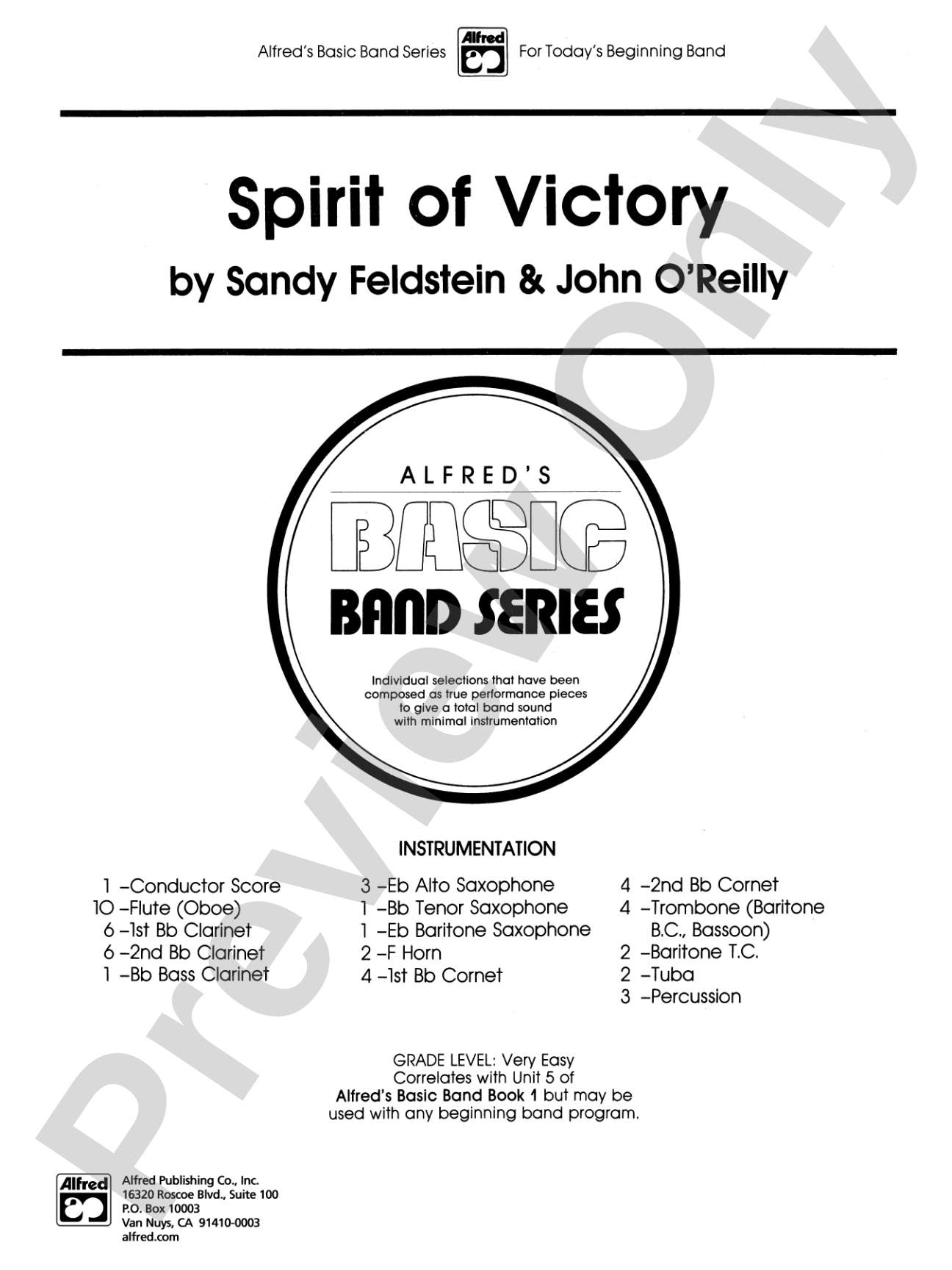
Music by Sandy Feldstein and John O'Reilly
Grade: 1 (Very Easy)
Item: 00-PK-0001846

$35.00
Pickup currently not available
Buy Extra Parts (Digital PDF Download)
| Product | Price | Quantity |
|---|---|---|
| Spirit of Victory: Score | $5.00 | |
| Spirit of Victory: Flute | $3.00 | |
| Spirit of Victory: 1st B-flat Clarinet | $3.00 | |
| Spirit of Victory: 2nd B-flat Clarinet | $3.00 | |
| Spirit of Victory: B-flat Bass Clarinet | $3.00 | |
| Spirit of Victory: E-flat Alto Saxophone | $3.00 | |
| Spirit of Victory: B-flat Tenor Saxophone | $3.00 | |
| Spirit of Victory: E-flat Baritone Saxophone | $3.00 | |
| Spirit of Victory: 1st F Horn | $3.00 | |
| Spirit of Victory: 1st B-flat Cornet | $3.00 | |
| Spirit of Victory: 2nd B-flat Cornet | $3.00 | |
| Spirit of Victory: 1st Trombone | $3.00 | |
| Spirit of Victory: Baritone T.C. | $3.00 | |
| Spirit of Victory: Tuba | $3.00 | |
| Spirit of Victory: 1st Percussion | $3.00 |
Parts Added to Cart!
Description
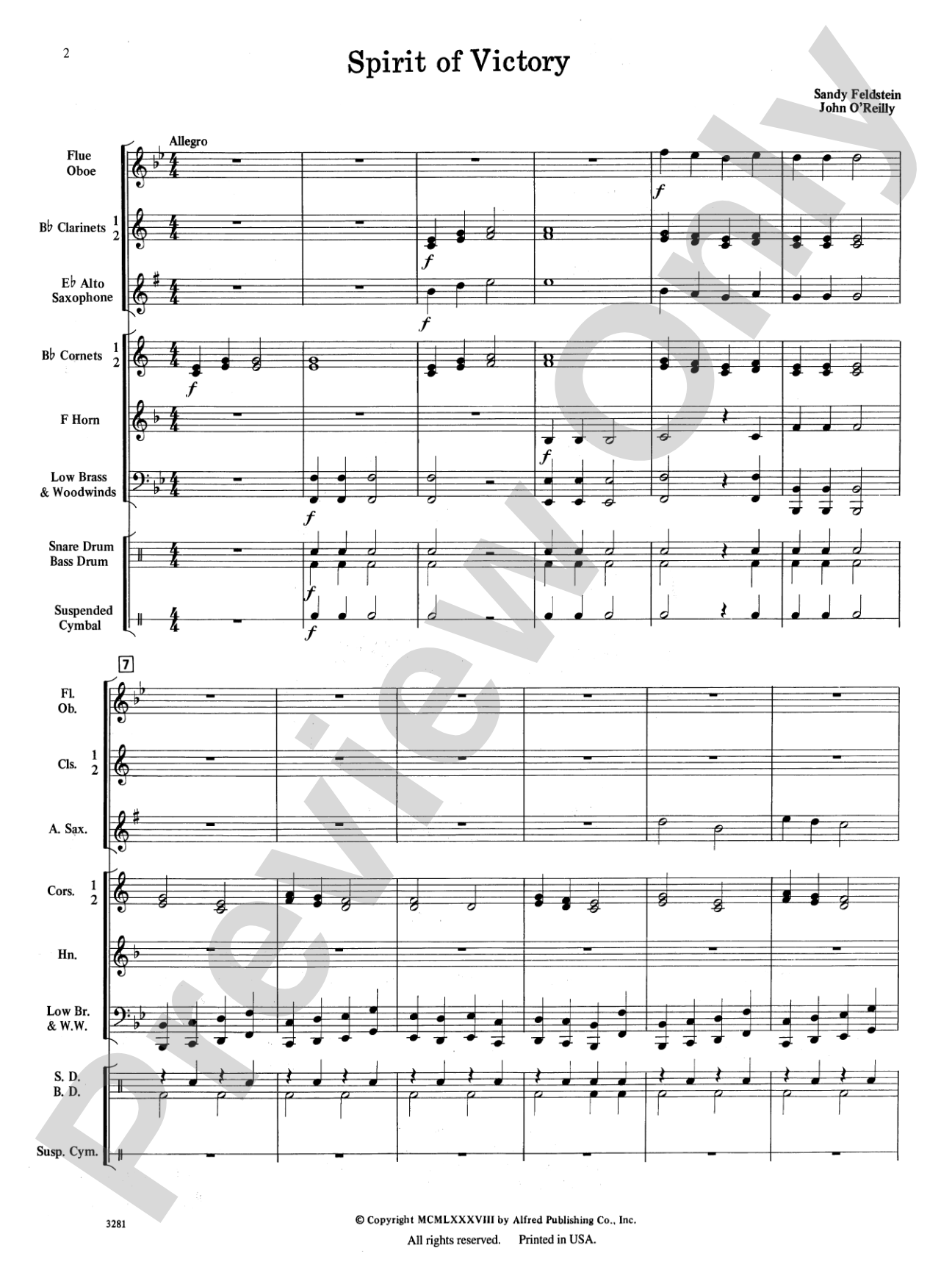
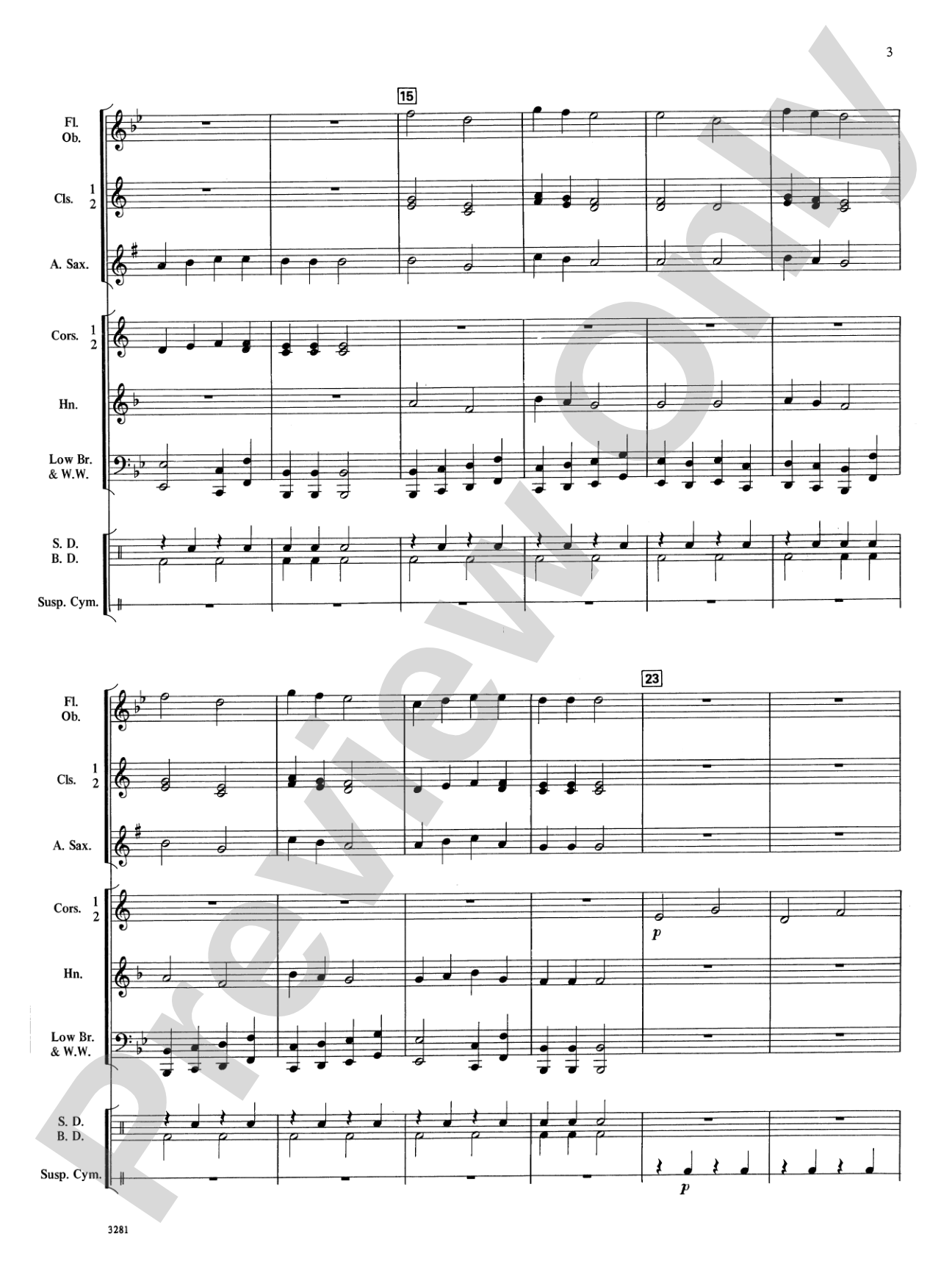
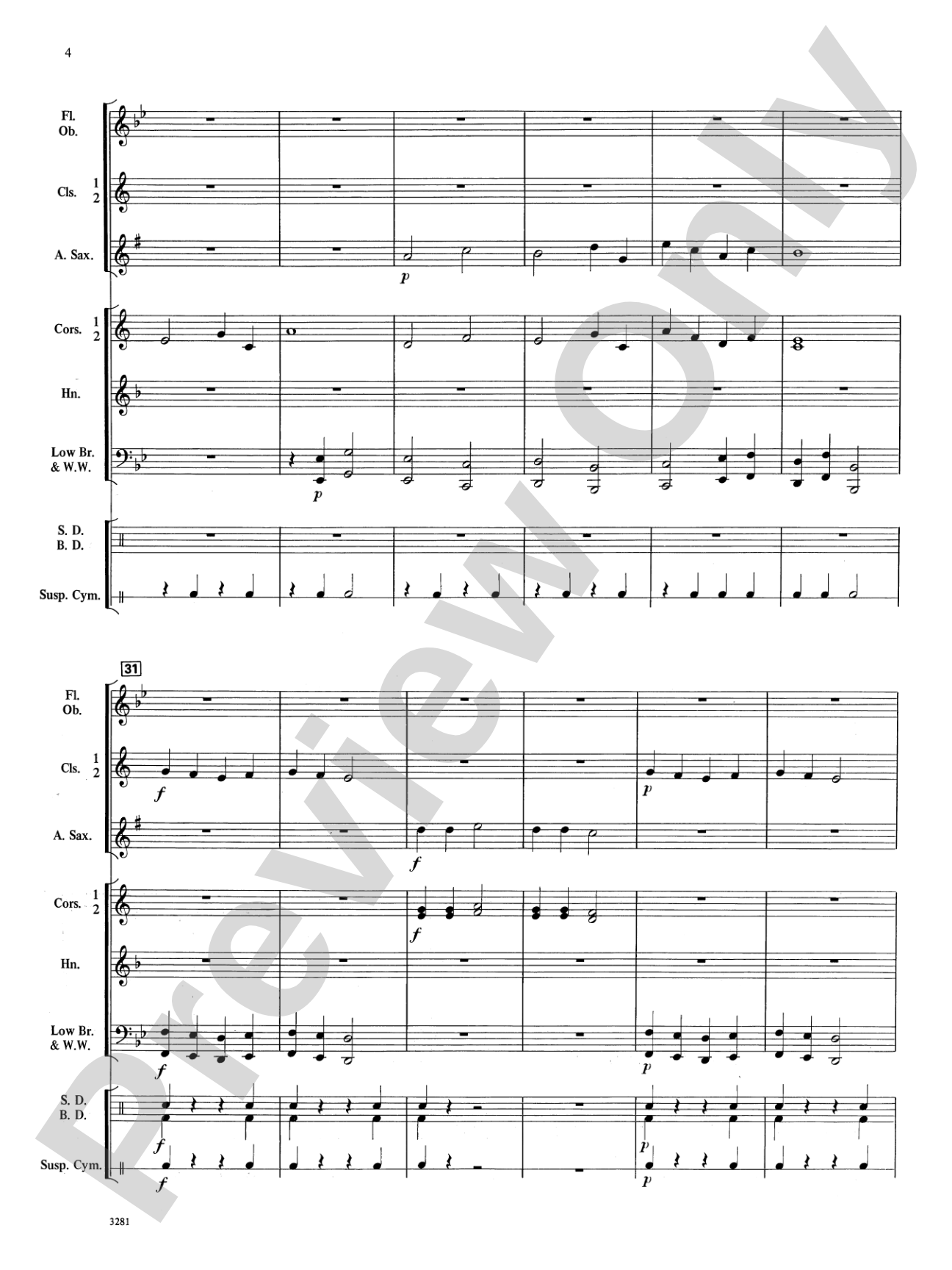
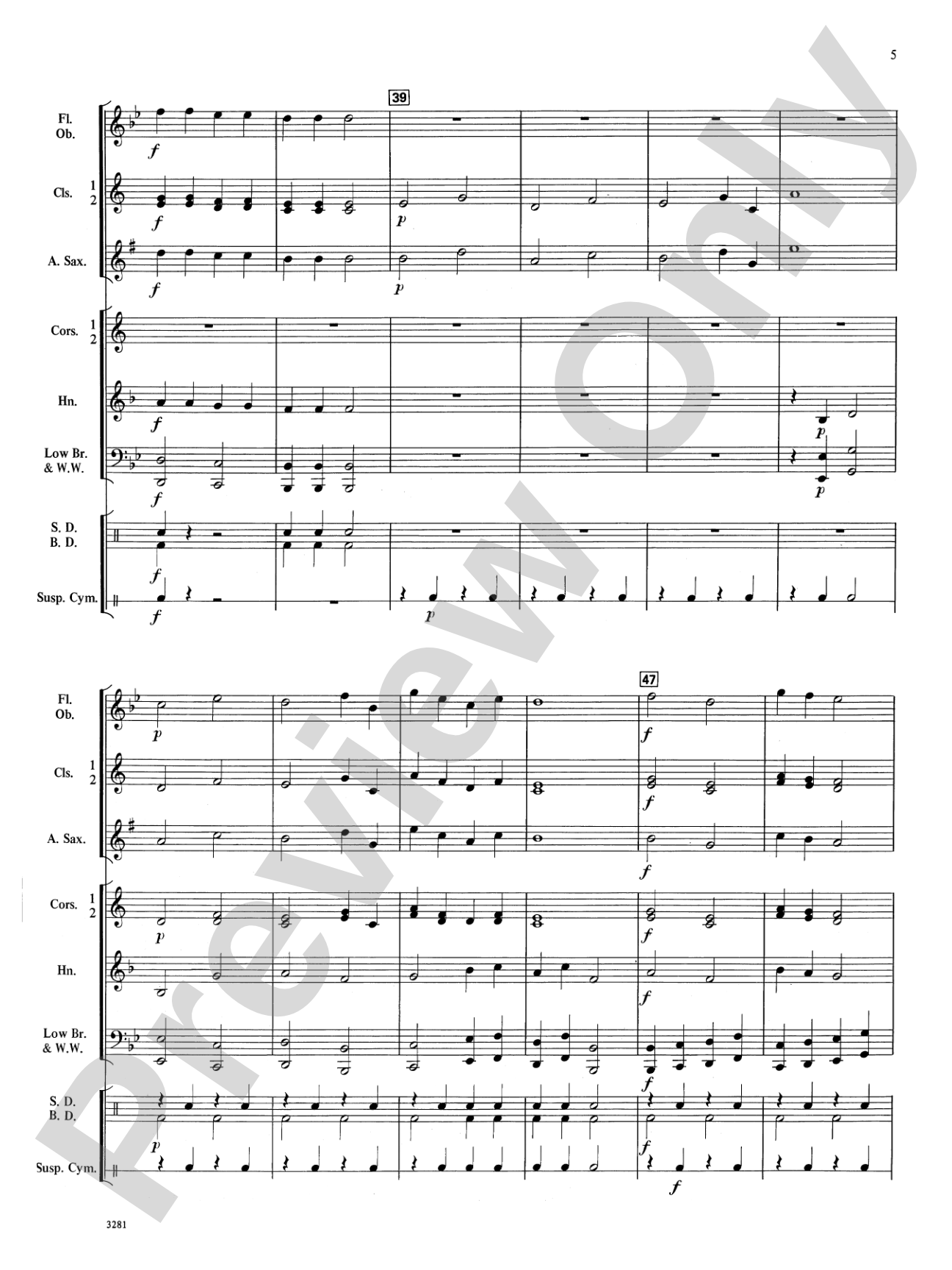
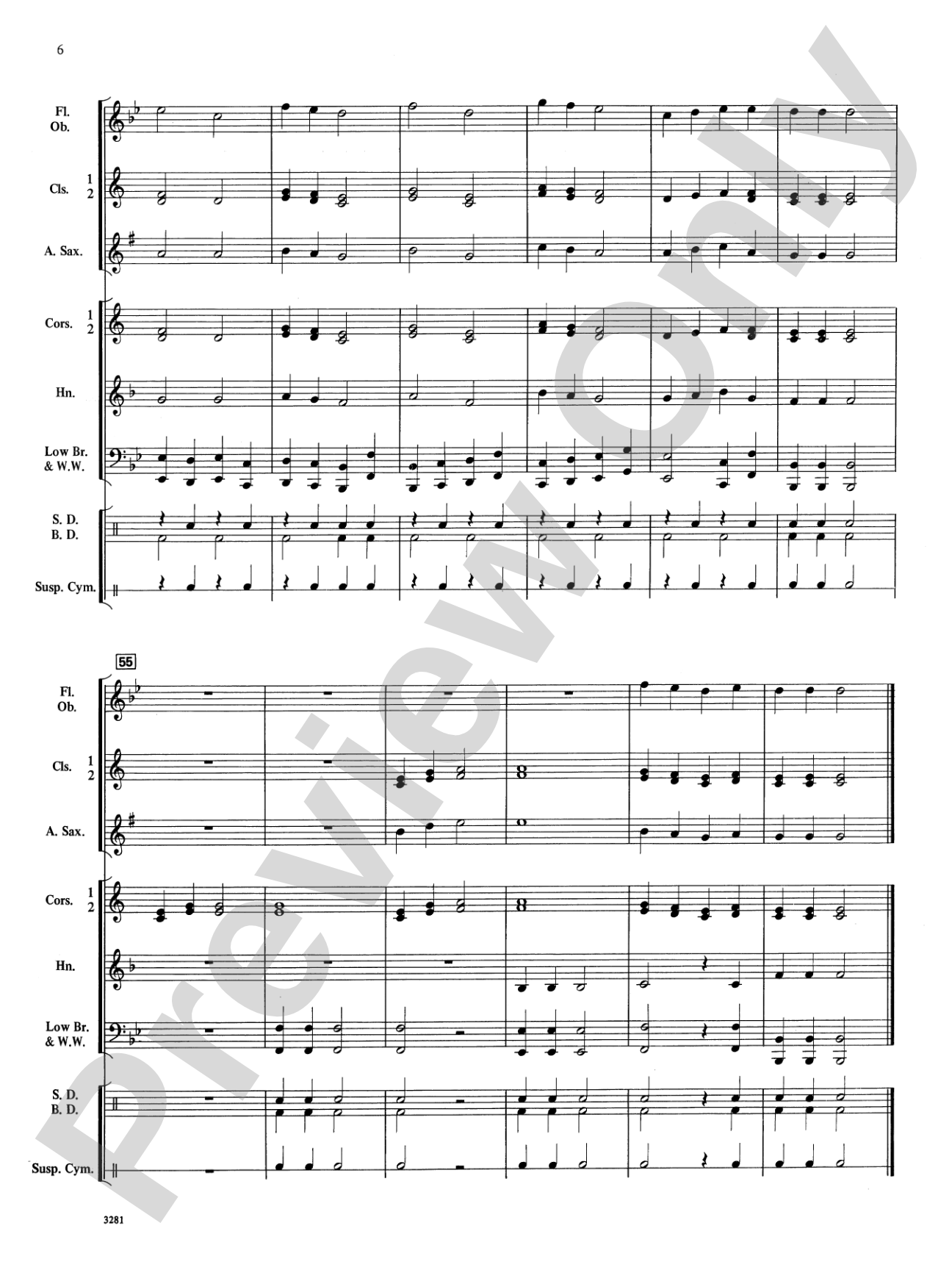
The march for your first concert. Using only six notes and no eighth notes, this beginning march will make your group proud of their first performance. A moving bass line to challenge beginners, combined with a catchy melody and traditional march form, make for a perfect beginning band march. (Grade 1---Correlates with Unit 5 of Alfred's Basic Band Method.)


Don't just read it, hear it, play along with it, and watch your students grow with it. In MakeMusic Cloud, Spirit of Victory: Concert Band Conductor Score & Parts comes alive with professional accompaniment, adjustable tempo, and built-in practice tools that turn solo practice into real progress.
Open in the Player
Jump straight in and assign it today.
Start Your Free Trial
Open this title and explore the full library in minutes.
Sample Audio
No sample audio found.
Sample Video
No sample videos found.
Additional Details
Series:
Basic Band Series
Publisher:
Alfred Music
Page Count:
1
SKU:
00-PK-0001846
More about this title
About the Composer: Sandy Feldstein
Sandy Feldstein is a prolific composer and arranger whose pedagogical instincts have shaped beginning band curricula for decades. His work in the Basic Band Series reflects a deep understanding of what young musicians need: achievable technical challenges paired with music that sounds genuinely rewarding to perform.
Why we love this
This march proves that constraint breeds clarity. By limiting the pitch set to six notes and keeping rhythms straightforward, Feldstein lets young players focus on ensemble blend, intonation, and phrasing without drowning in technical demands. The moving bass line ensures your section leaders stay engaged while the melody remains accessible enough that every player can hear themselves succeeding.
What to expect
A stride forward. The piece has genuine ceremonial weight and forward momentum despite its simplicity. Listeners hear a real march; performers feel the pride of executing something structured and purposeful.
Who it's for
Beginning band directors introducing their students to concert literature beyond scales and exercises. This is the repertoire choice when you want your group to experience the satisfaction of performing a complete, recognizable march form without requiring advanced technique or extensive rehearsal time.
How to get the most out of it
- Balance the bass line prominently; it's the harmonic anchor and gives lower voices purpose beyond rhythmic filler.
- Shape the melody with gentle phrase direction rather than punching every note. Young musicians often play too hard; this piece responds better to controlled airflow.
- Keep tempo steady and march-like without rushing. Let the traditional march form breathe at a tempo your ensemble can execute with confidence.
How to use it
Position this as your opening selection at first or second concert to build confidence and demonstrate ensemble achievement early in the year. It pairs naturally with other Grade 1 repertoire and leaves ample room in the program for one or two additional pieces of varying character.
Skills your students will build
- Reading and executing march rhythm patterns (quarter notes, half notes, whole notes)
- Balancing melody and harmony across sections
- Maintaining steady tempo and ensemble cohesion
- Shaping musical phrases with intentional dynamics and articulation
- Recognizing and performing traditional march form (introduction, A section, B section, return)