
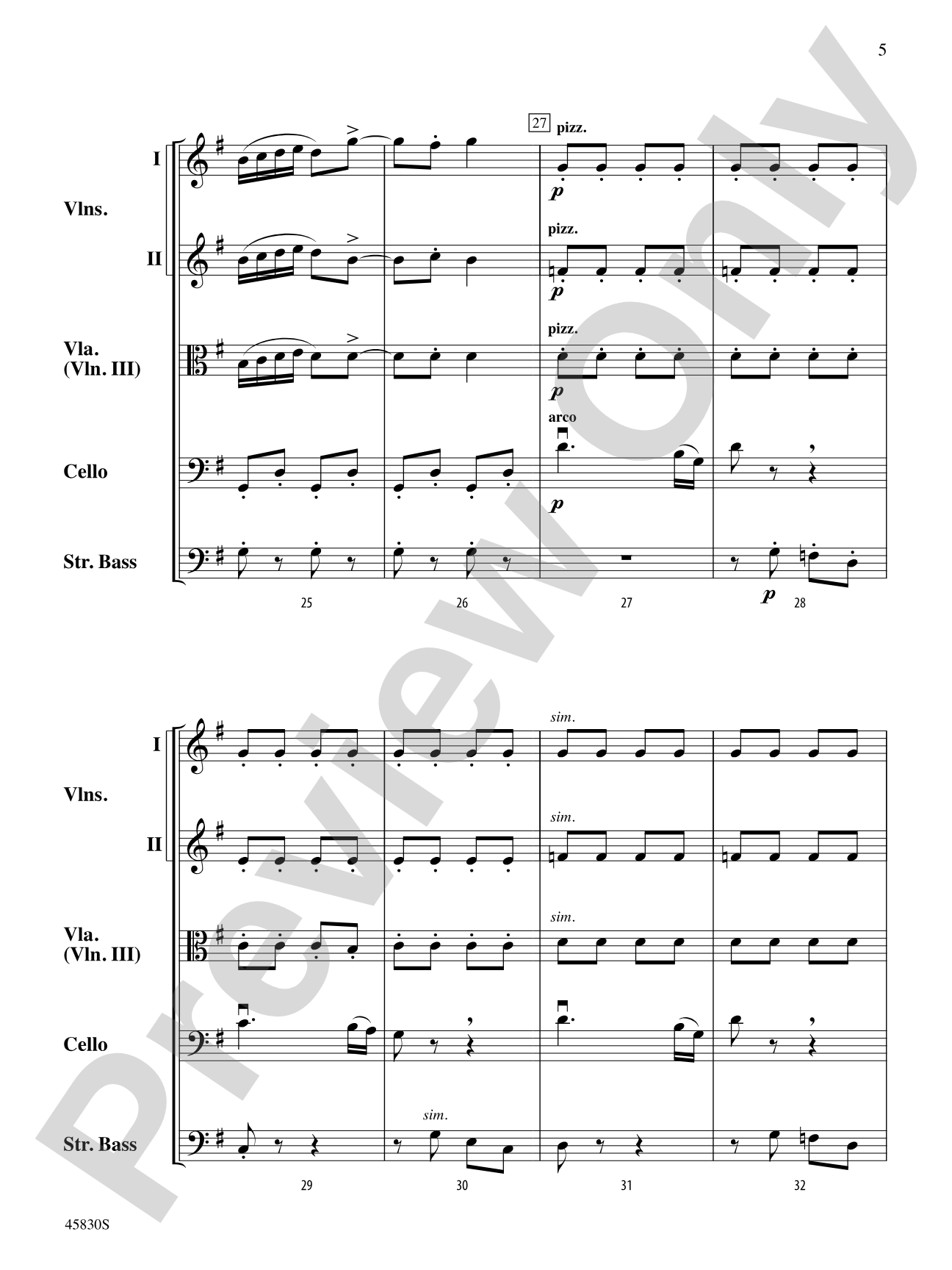
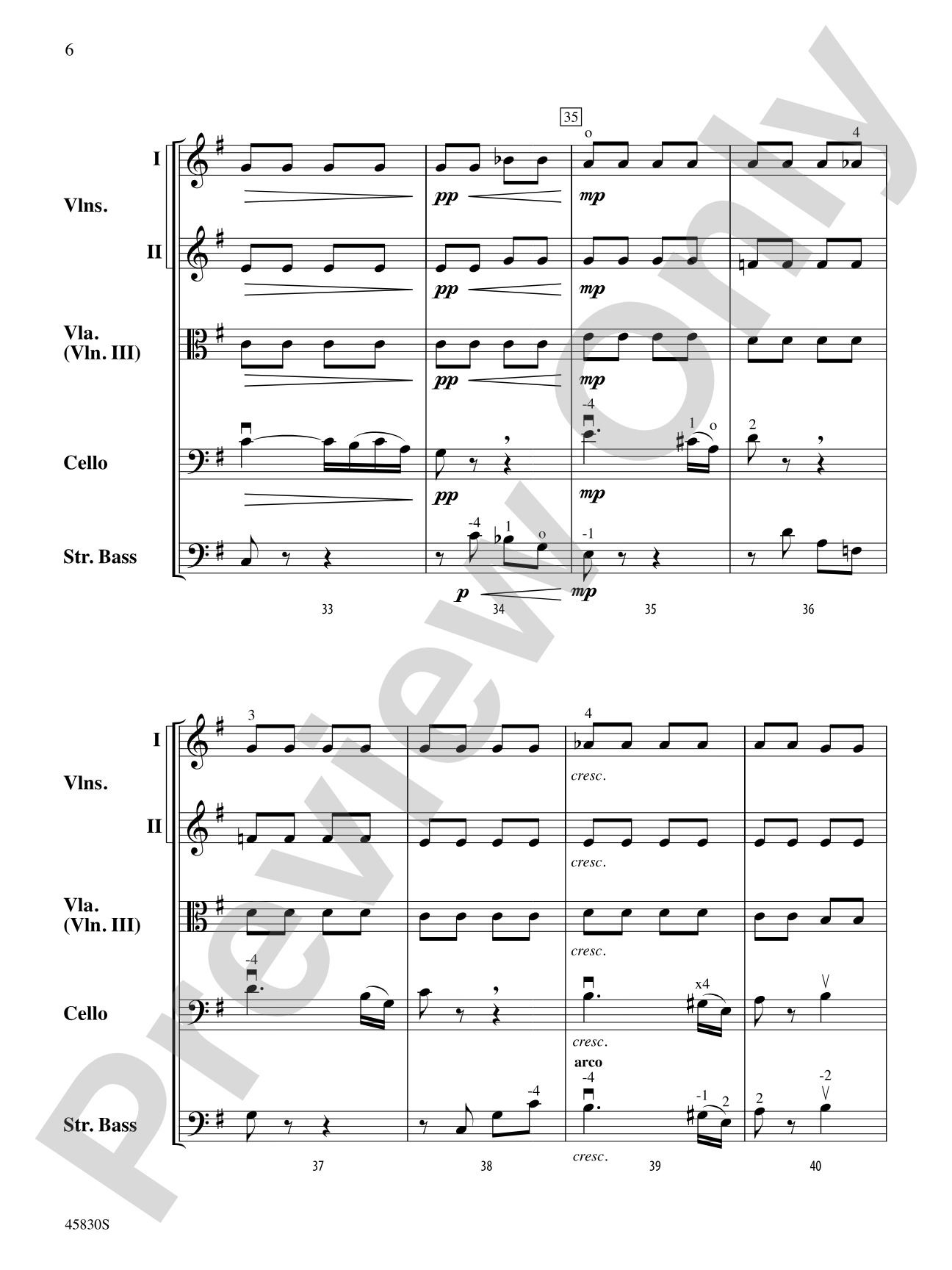
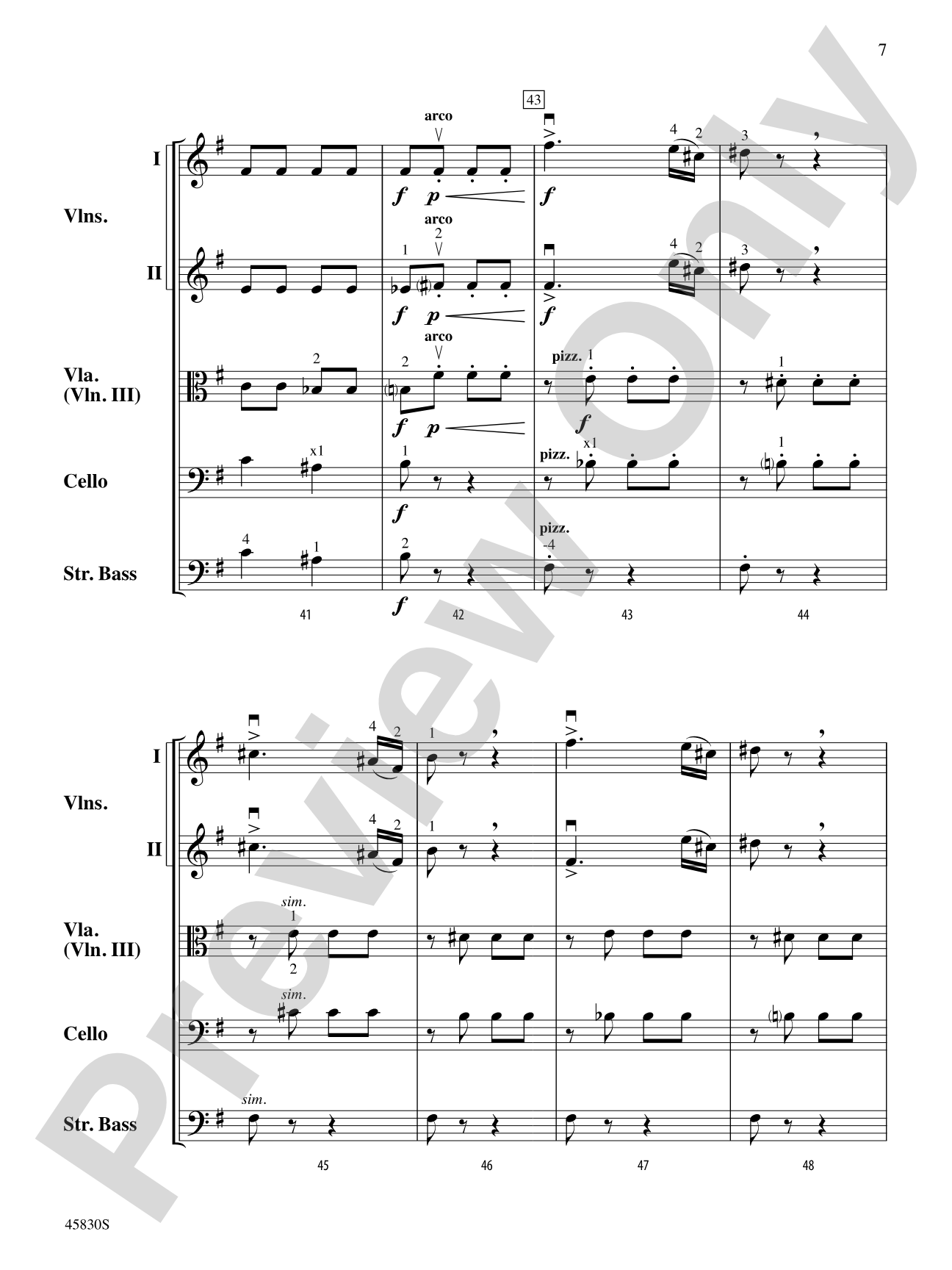
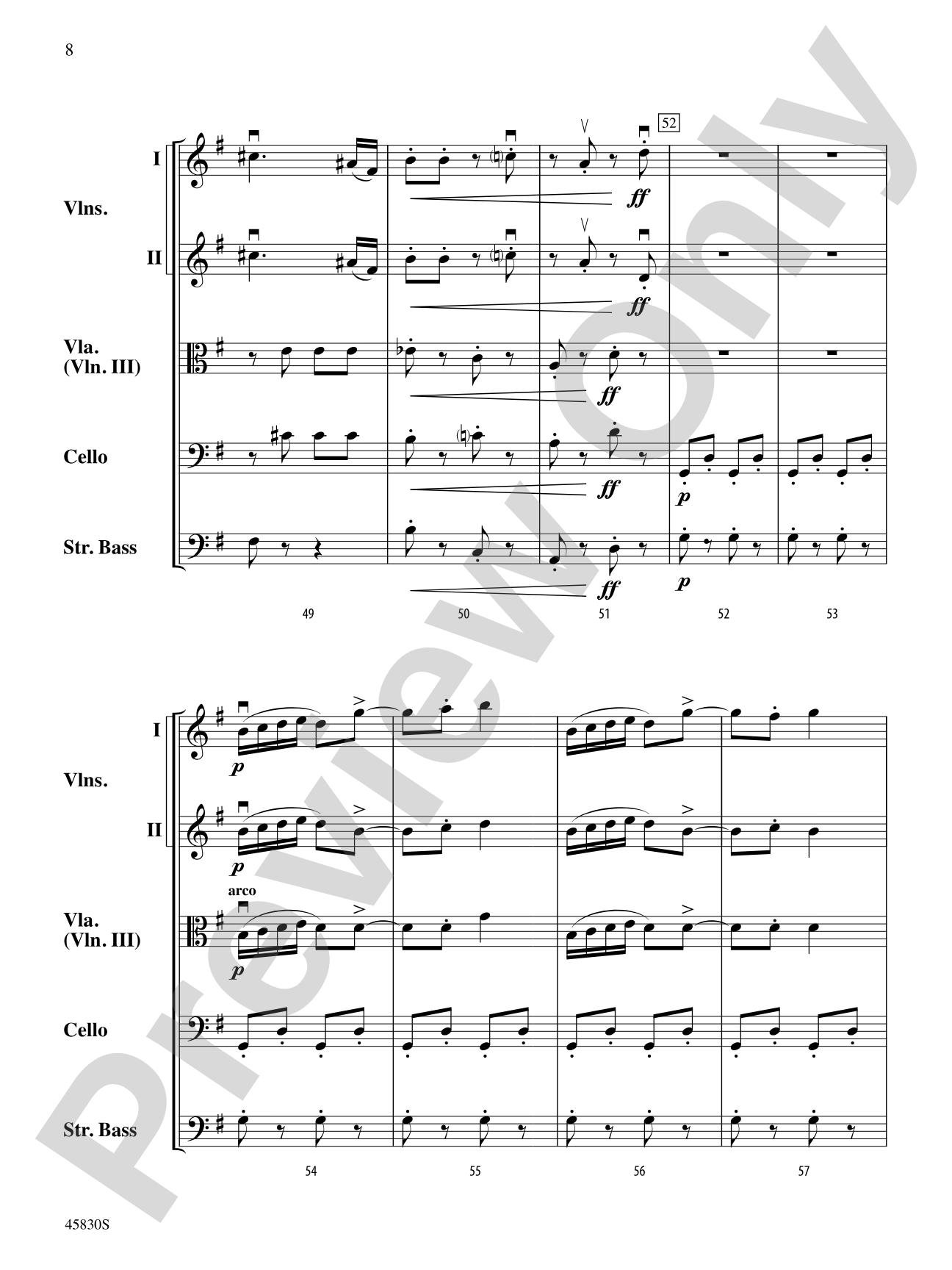

Spinning Song: String Orchestra Conductor Score & Parts
By Albert Ellmenreich / arr. Ralph Ford
Grade: 2
Item: 00-PK-0007339

$49.00
Pickup currently not available
Buy Extra Parts (Digital PDF Download)
| Product | Price | Quantity |
|---|---|---|
| Spinning Song: Score | $9.00 | |
| Spinning Song: 1st Violin | $5.99 | |
| Spinning Song: 2nd Violin | $5.99 | |
| Spinning Song: 3rd Violin (Viola [TC]) | $5.99 | |
| Spinning Song: Viola | $5.99 | |
| Spinning Song: Cello | $5.99 | |
| Spinning Song: String Bass | $5.99 |
Parts Added to Cart!
Related Items
Spinning Song: String Orchestra Conductor Score |
$9.00
|
View |
Description
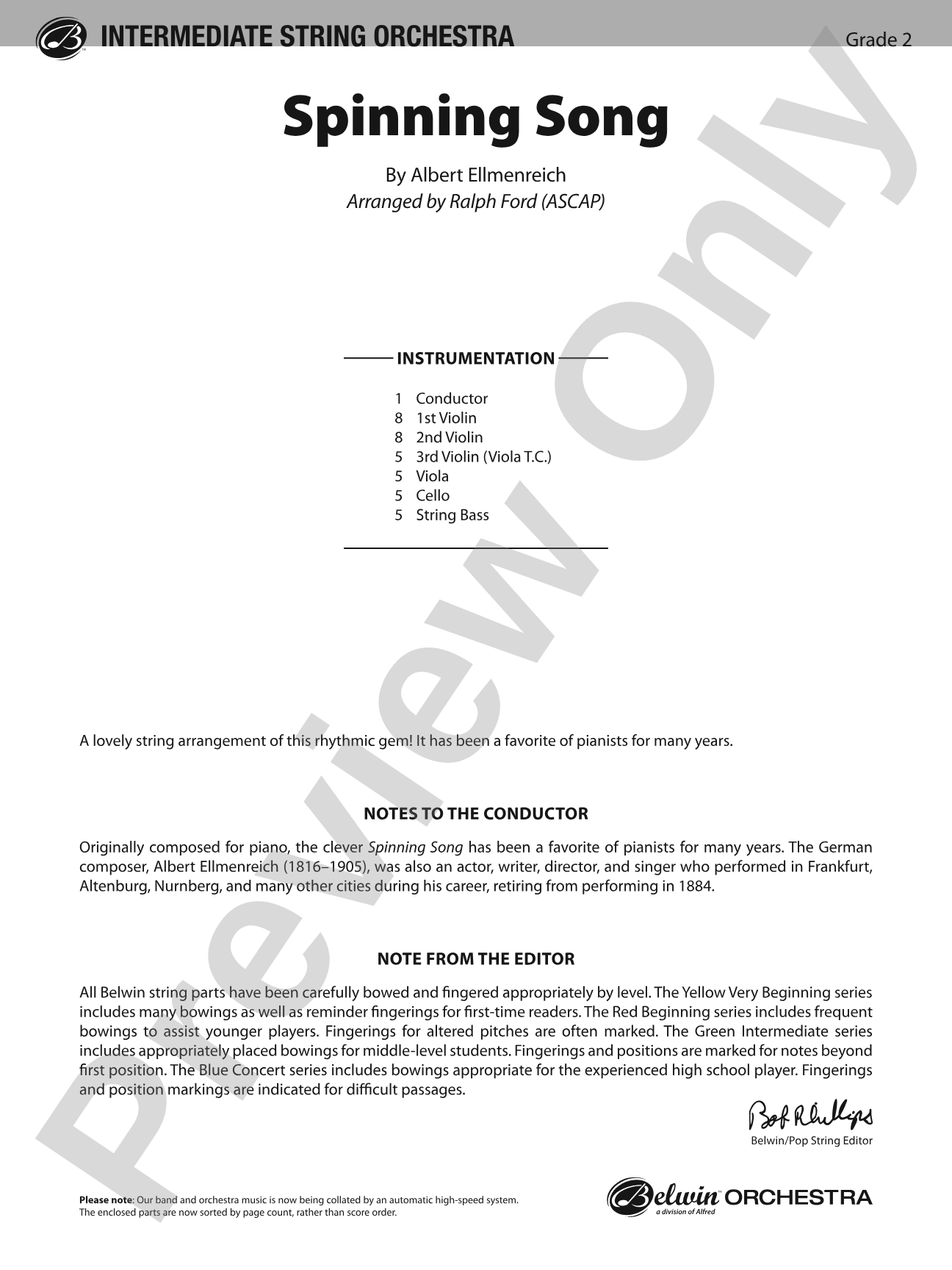
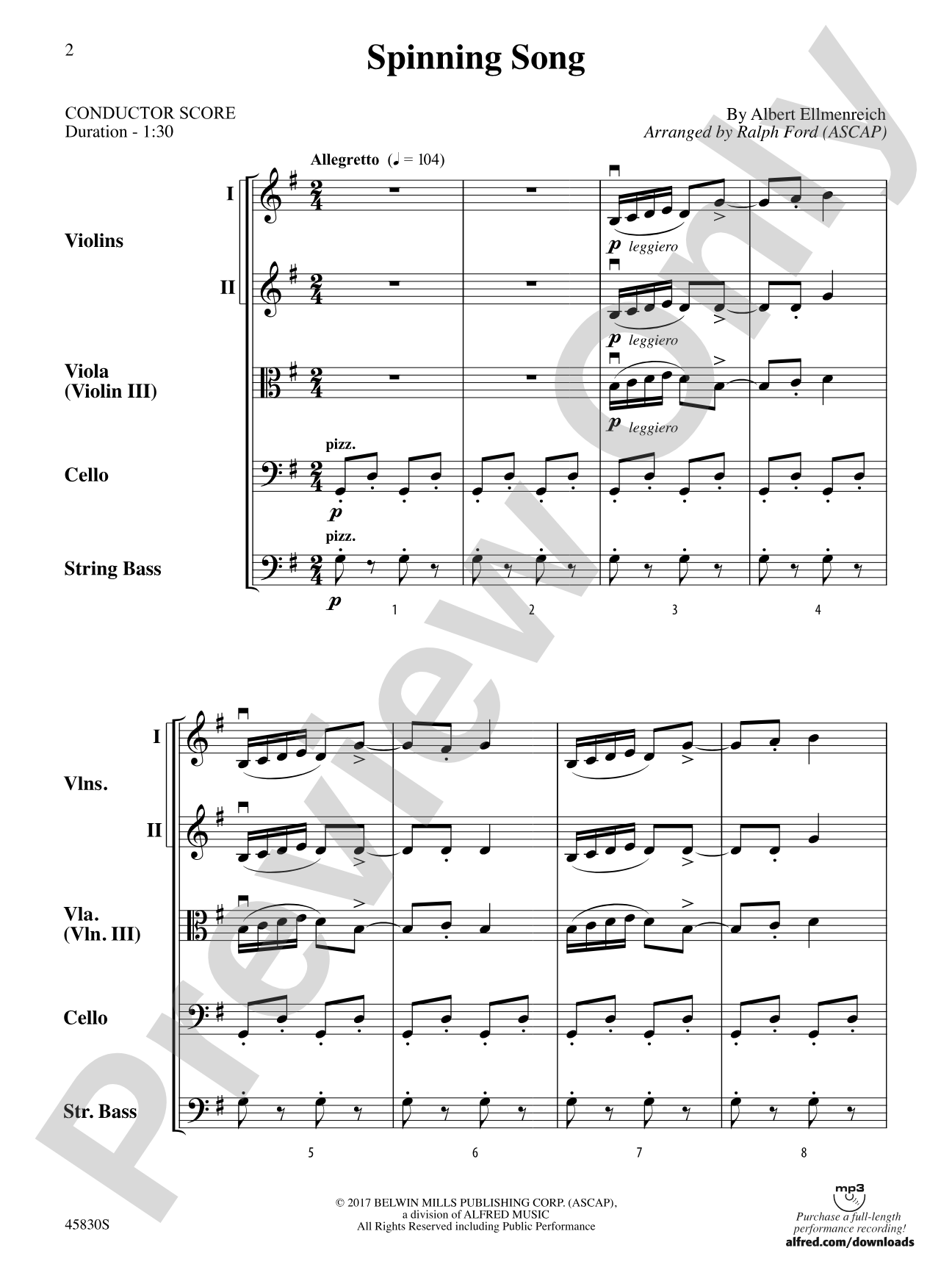
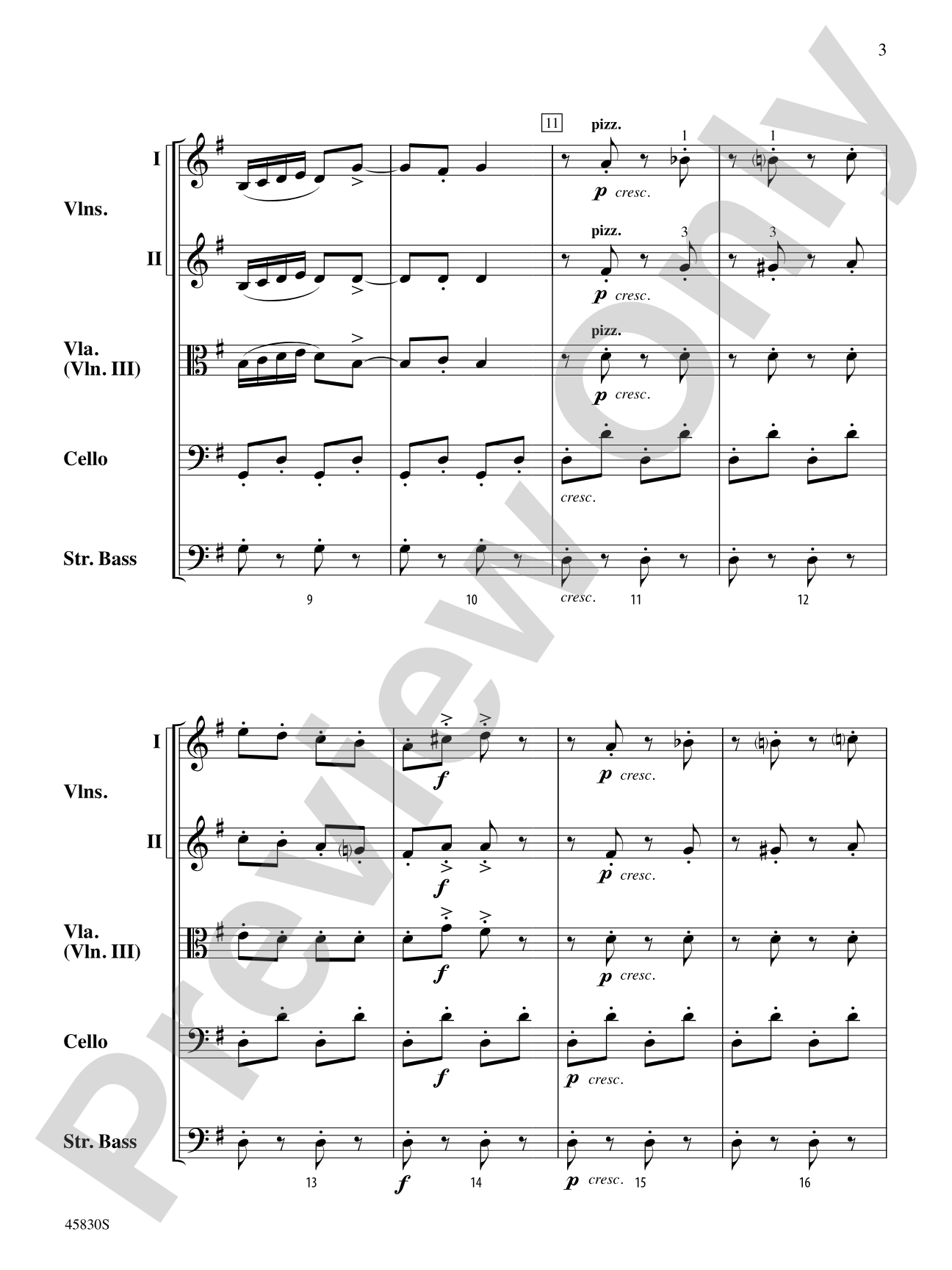
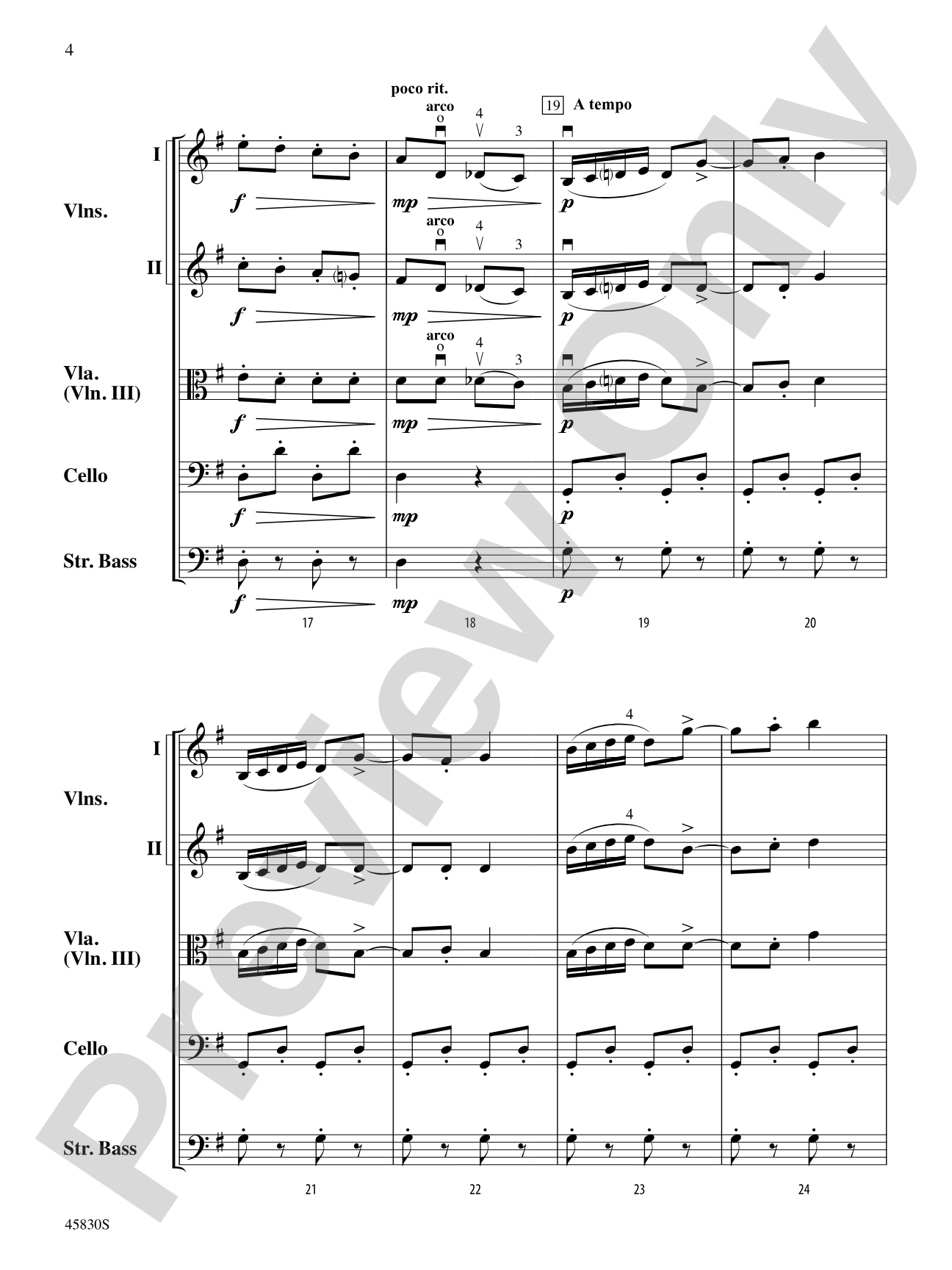
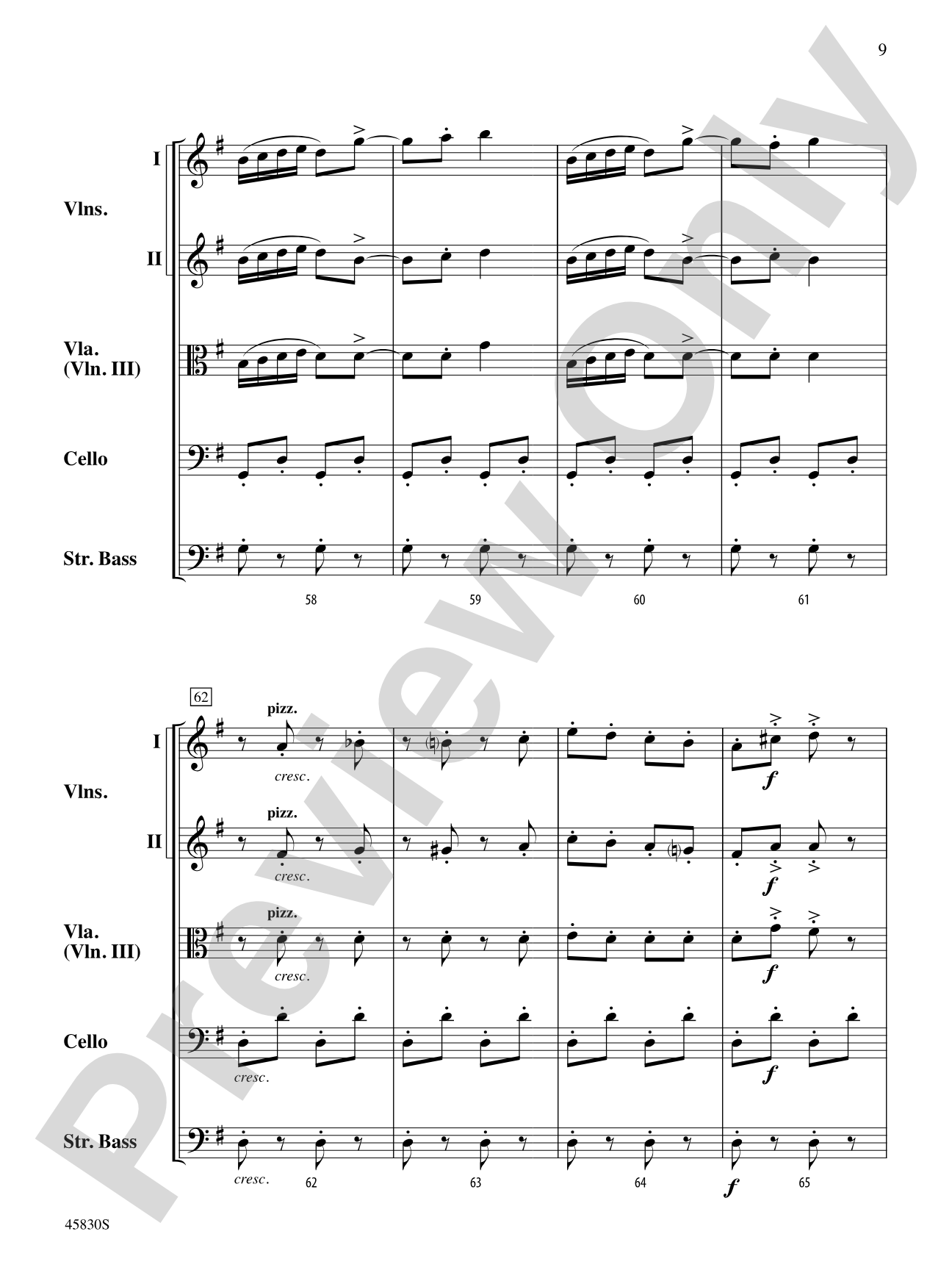
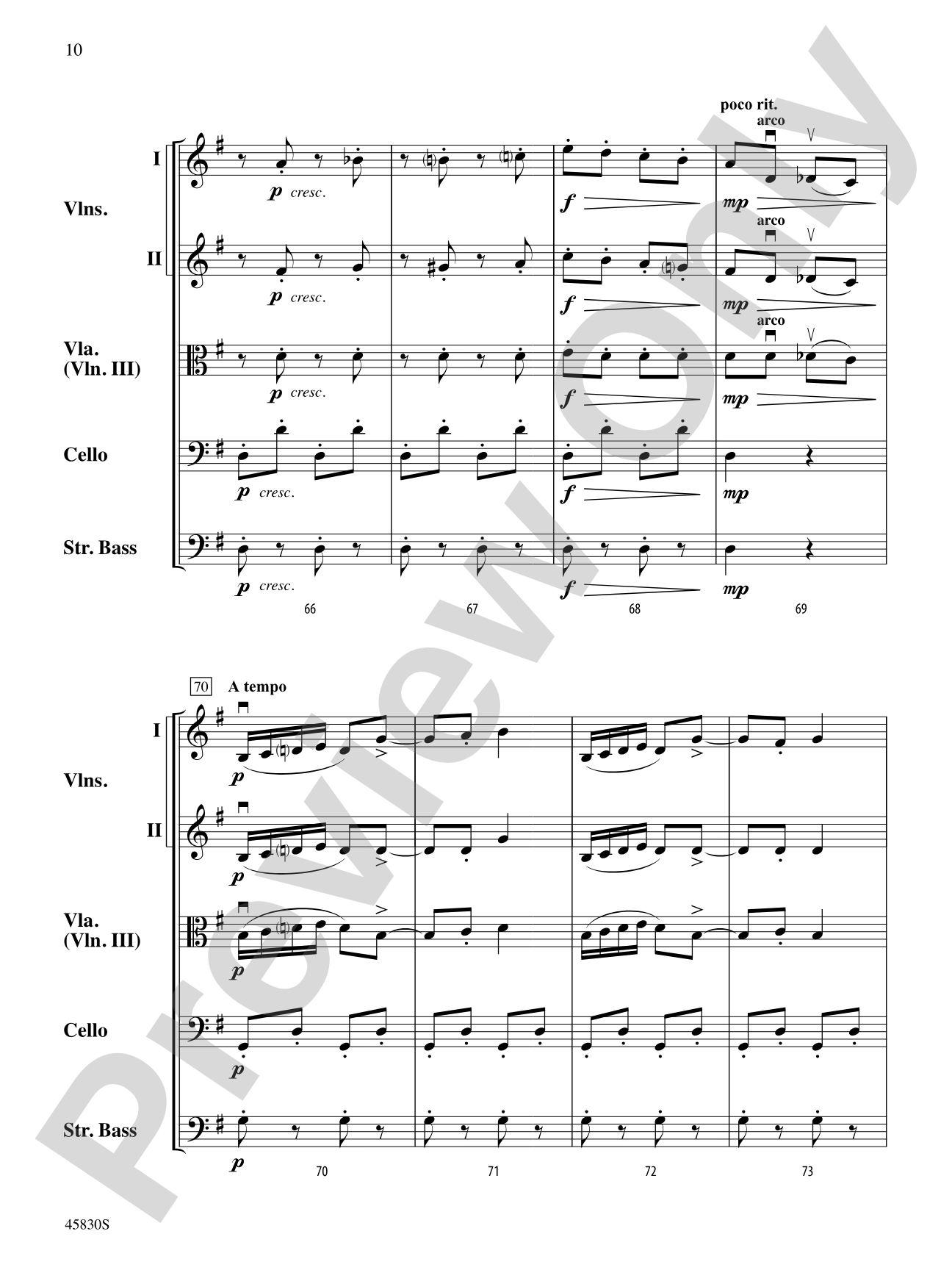
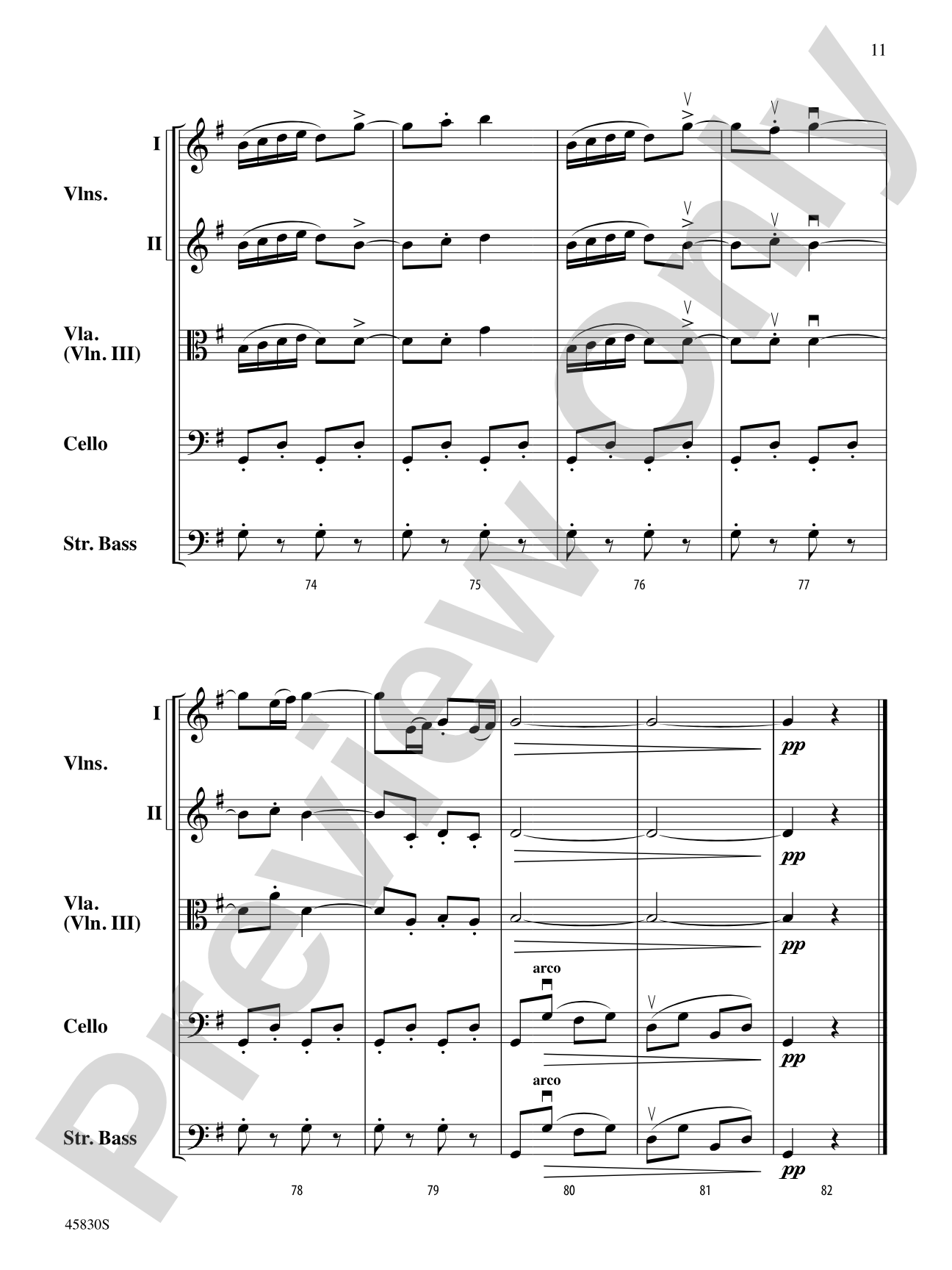
A lovely string arrangement of this rhythmic gem! Written by Albert Ellmenreich and arranged by Ralph Ford, this clever piece has been a favorite of pianists for many years. (1:30)


Don't just read it, hear it, play along with it, and watch your students grow with it. In MakeMusic Cloud, Spinning Song: String Orchestra Conductor Score & Parts comes alive with professional accompaniment, adjustable tempo, and built-in practice tools that turn solo practice into real progress.
Open in the Player
Jump straight in and assign it today.
Start Your Free Trial
Open this title and explore the full library in minutes.
Sample Audio
1
Audio File
--:--
0:00
0:00
Sample Video
Additional Details
Series:
Belwin Intermediate String Orchestra
Publisher:
Alfred Music
Page Count:
134
SKU:
00-PK-0007339
More about this title
About the Composer: Albert Ellmenreich
Albert Ellmenreich (1816, 1905) was a German composer and pianist whose lyrical gift and understanding of keyboard writing earned him a respected place in the Romantic salon tradition. Though less studied in academic circles than his contemporaries, his piano works remain staples of intermediate repertoire for their elegant melodies and rhythmic vitality.
Why we love this
This arrangement preserves the piece's infectious rhythmic energy while distributing the melodic interest across the full section, so no single player carries the weight of the original piano solo. Ralph Ford's orchestration is transparent enough that Grade 2 players remain engaged without getting tangled in overly complex voice-leading.
What to expect
Perpetually in motion, like a music box spinning out an endless, graceful conversation between the violin parts. The writing sparkles with the elegant simplicity of a 19th-century salon favorite, combining rhythmic clarity with genuine charm.
Who it's for
String orchestra directors programming Grade 2 repertoire who need a piece that introduces players to Romantic-era compositional thinking without overwhelming their technical resources. This arrangement works equally well for ensembles building concert programming or preparing contest/festival entries.
How to get the most out of it
- Maintain a steady, dance-like pulse throughout. The rhythmic character depends on consistent tempo and articulation across the section, so rehearse with a steady click or conductor beat early on.
- Shape the melody with subtle dynamic shaping rather than sudden contrasts. Ellmenreich's style favors smooth transitions and lyrical continuity within the perpetual-motion texture.
- Balance the accompaniment figures so they support rather than obscure the melodic line. String players often default to equal weight on all voices; this piece asks for restraint in the inner parts.
- Release attacks cleanly at phrase endings. Romantic-era salon pieces like this benefit from light articulation and clear phrasing rather than heavy sostenuto.
How to use it
Include this as a palate-cleansing encore or mid-concert piece after heavier works. At just 1:30, it fits neatly into festival rotations or concert pairings where you need a sophisticated but accessible closer.
Skills your students will build
- Maintaining steady pulse within flowing, continuous rhythmic figures
- Balancing melody and accompaniment textures
- Reading and performing Romantic-era string writing
- Shaping lyrical lines with dynamic control rather than sudden accents
- Executing clean releases and transparent articulation across multiple voices