
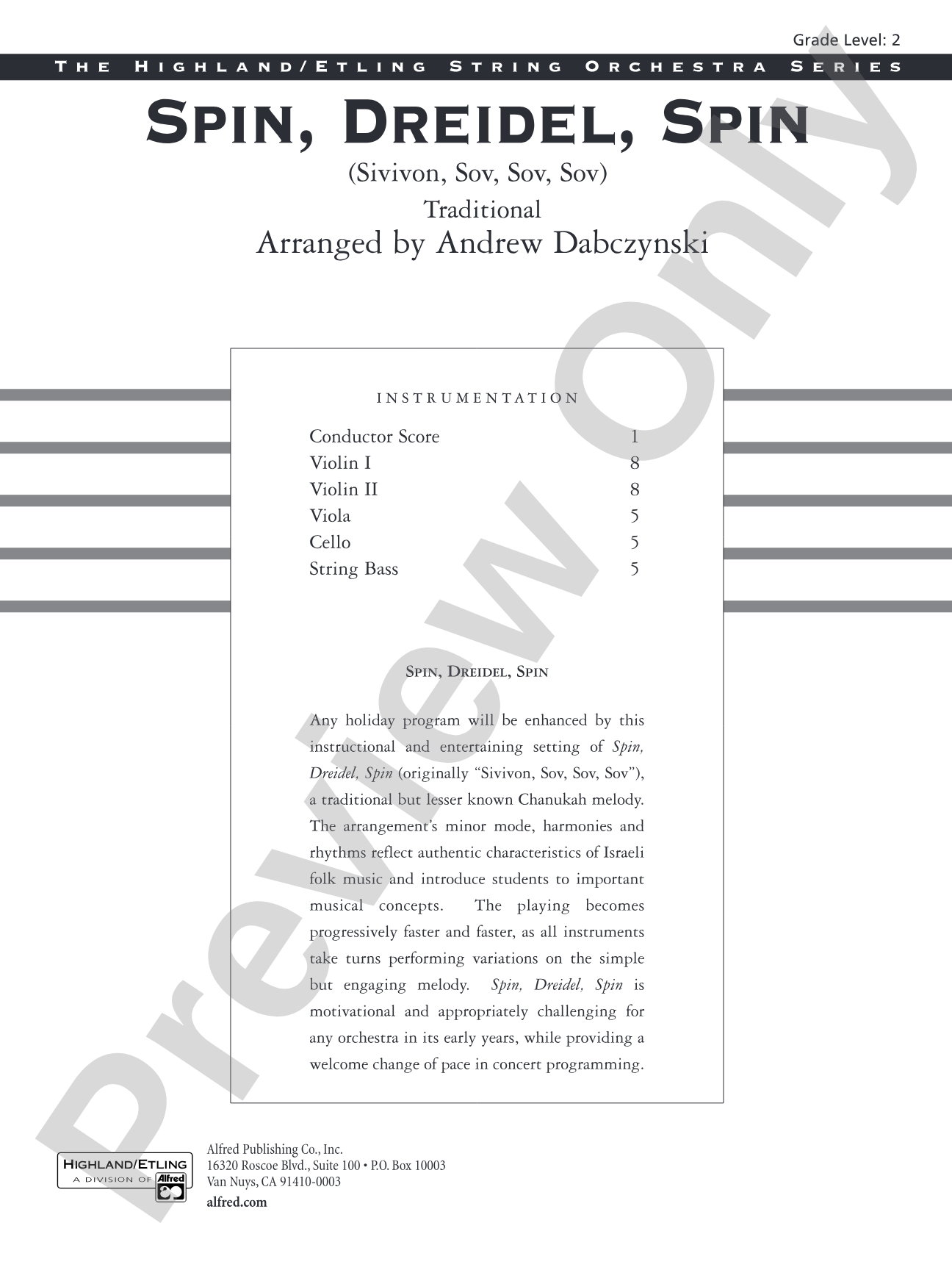
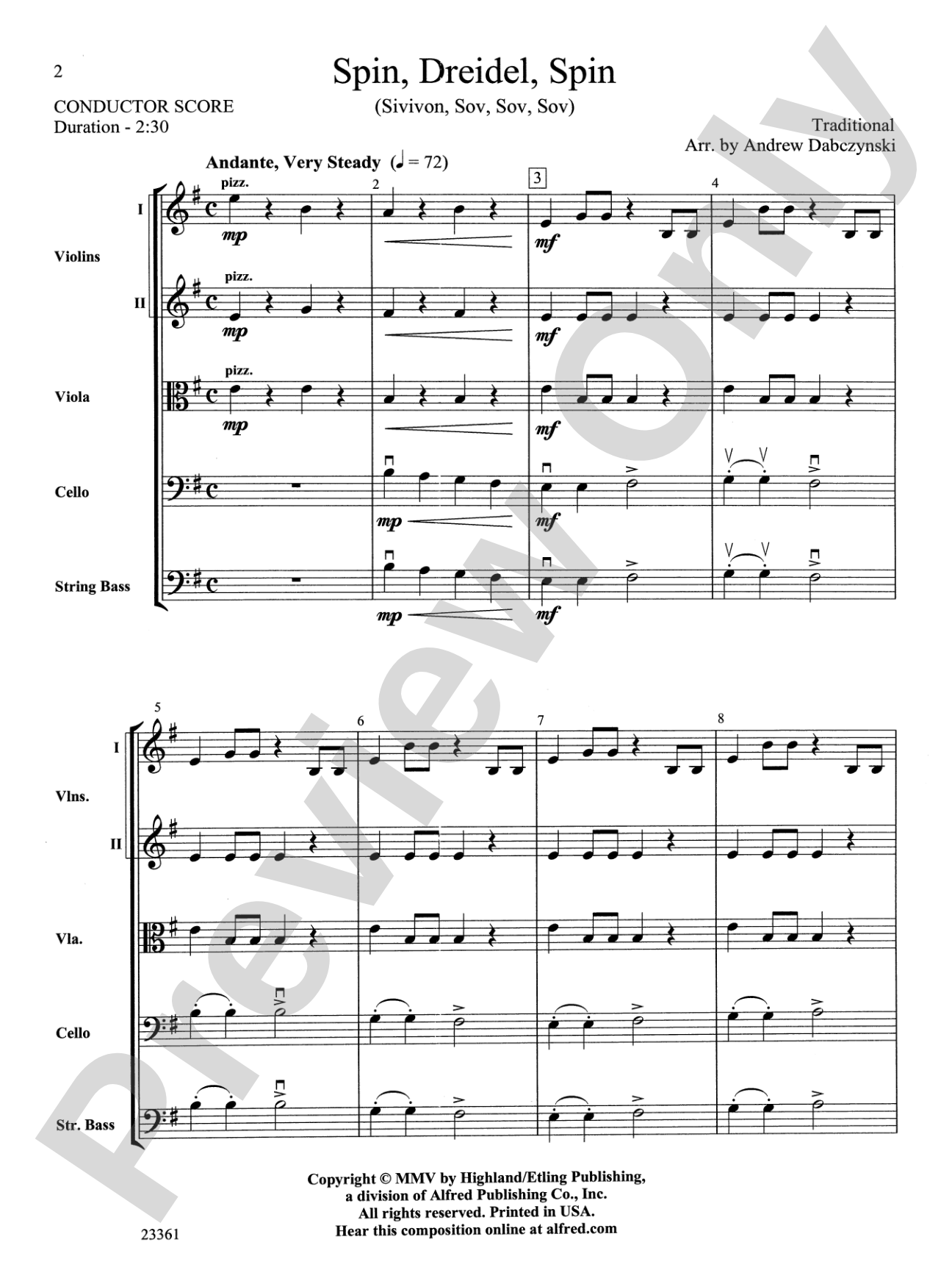
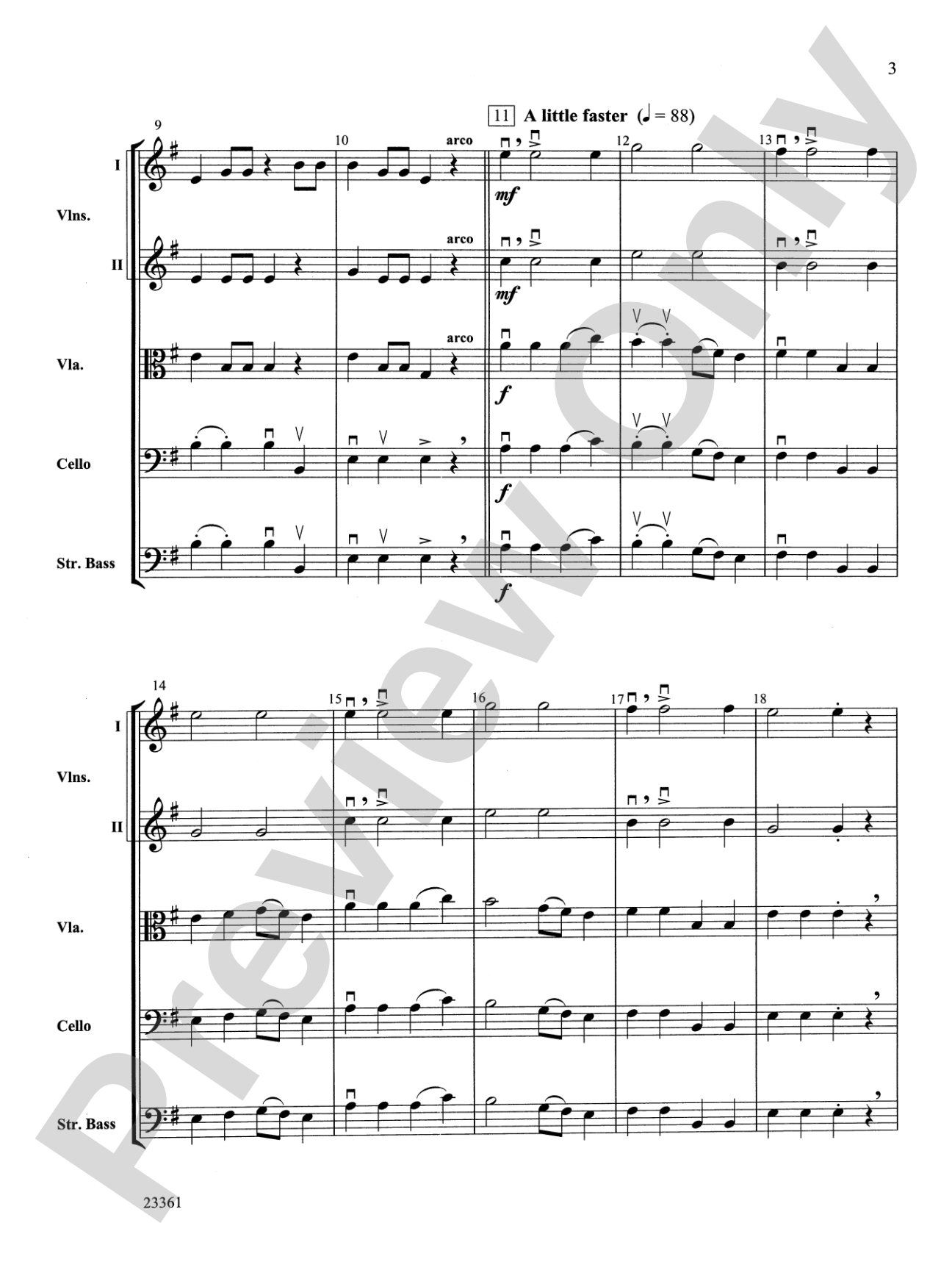
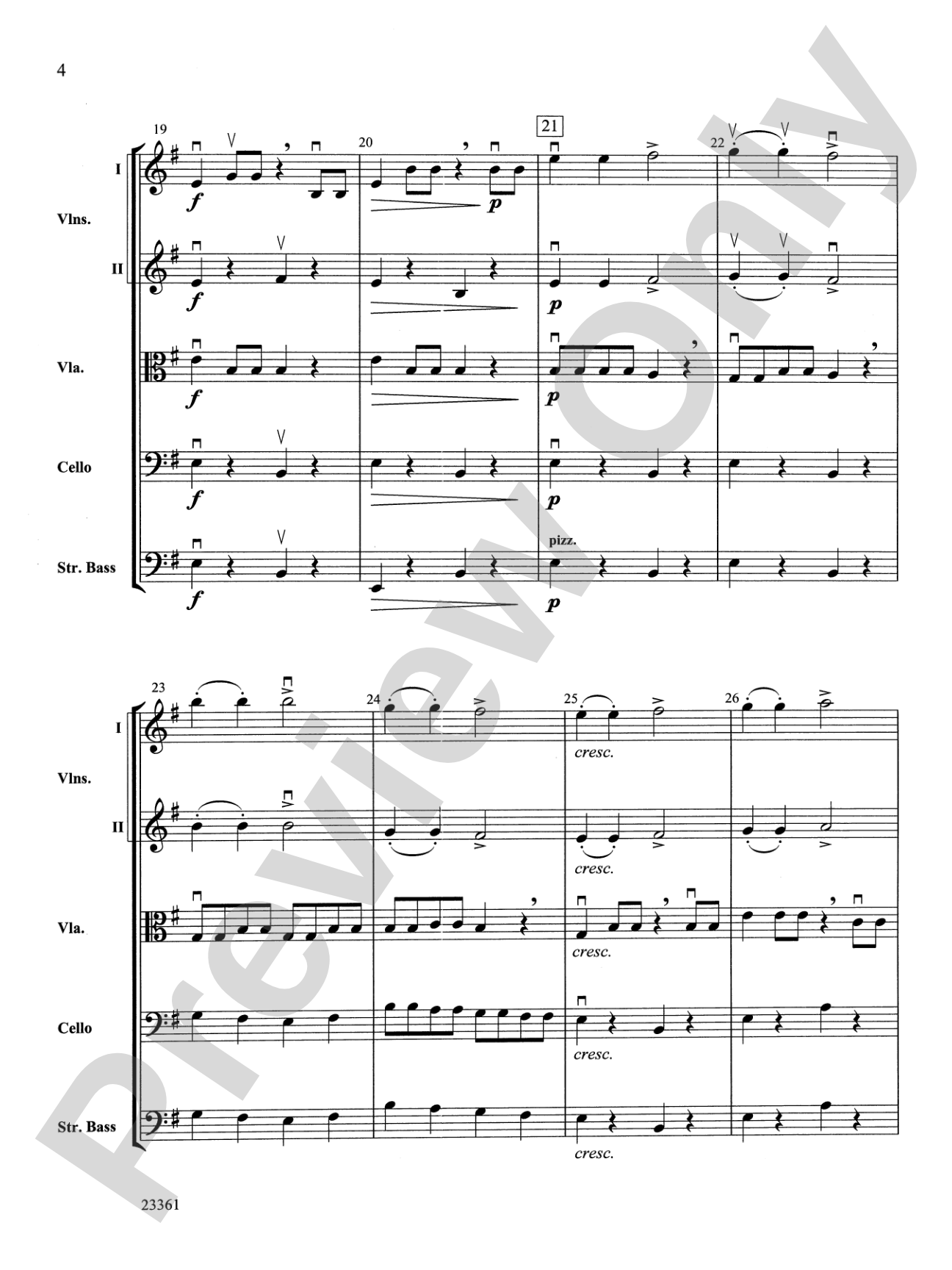
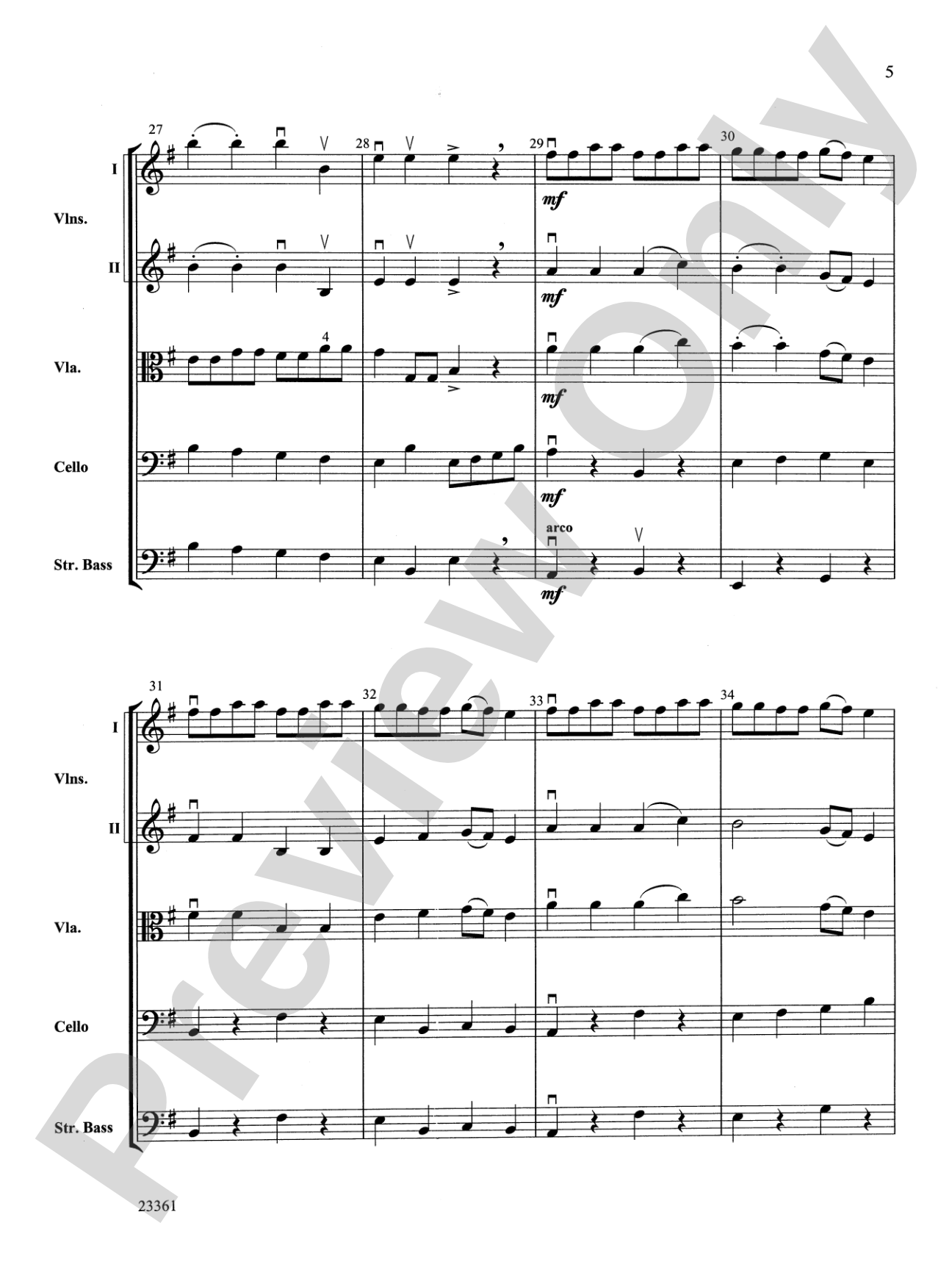
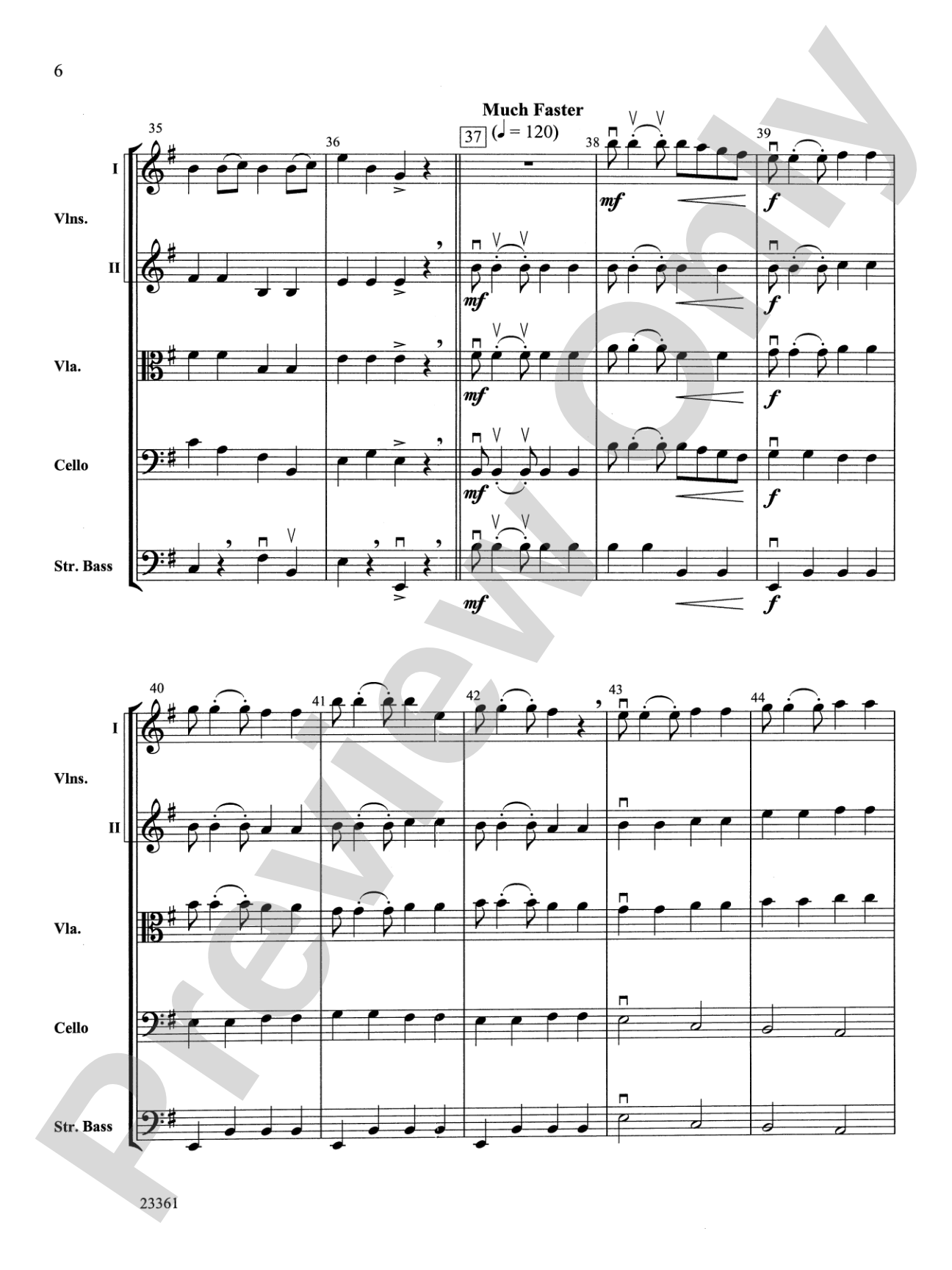
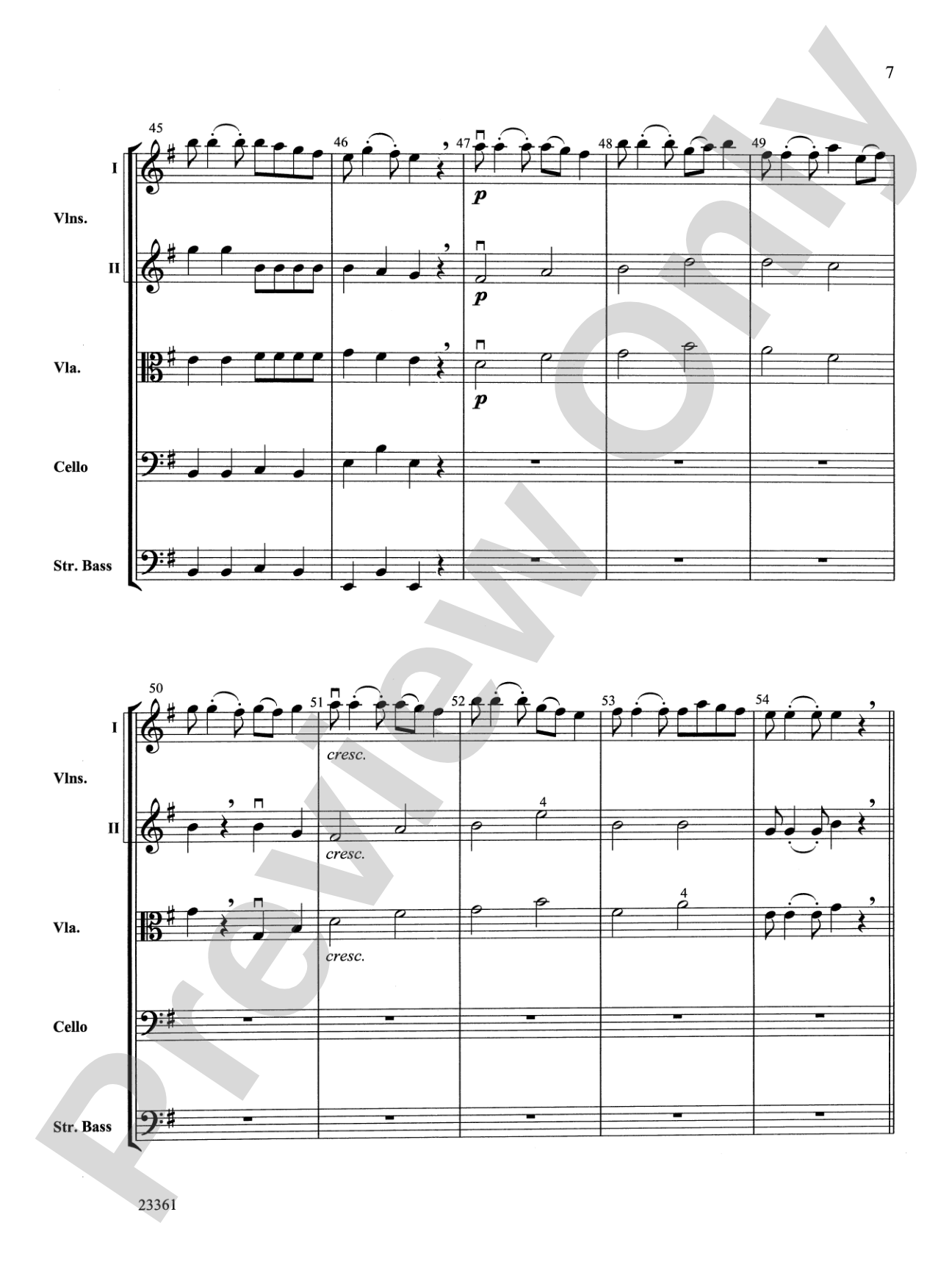
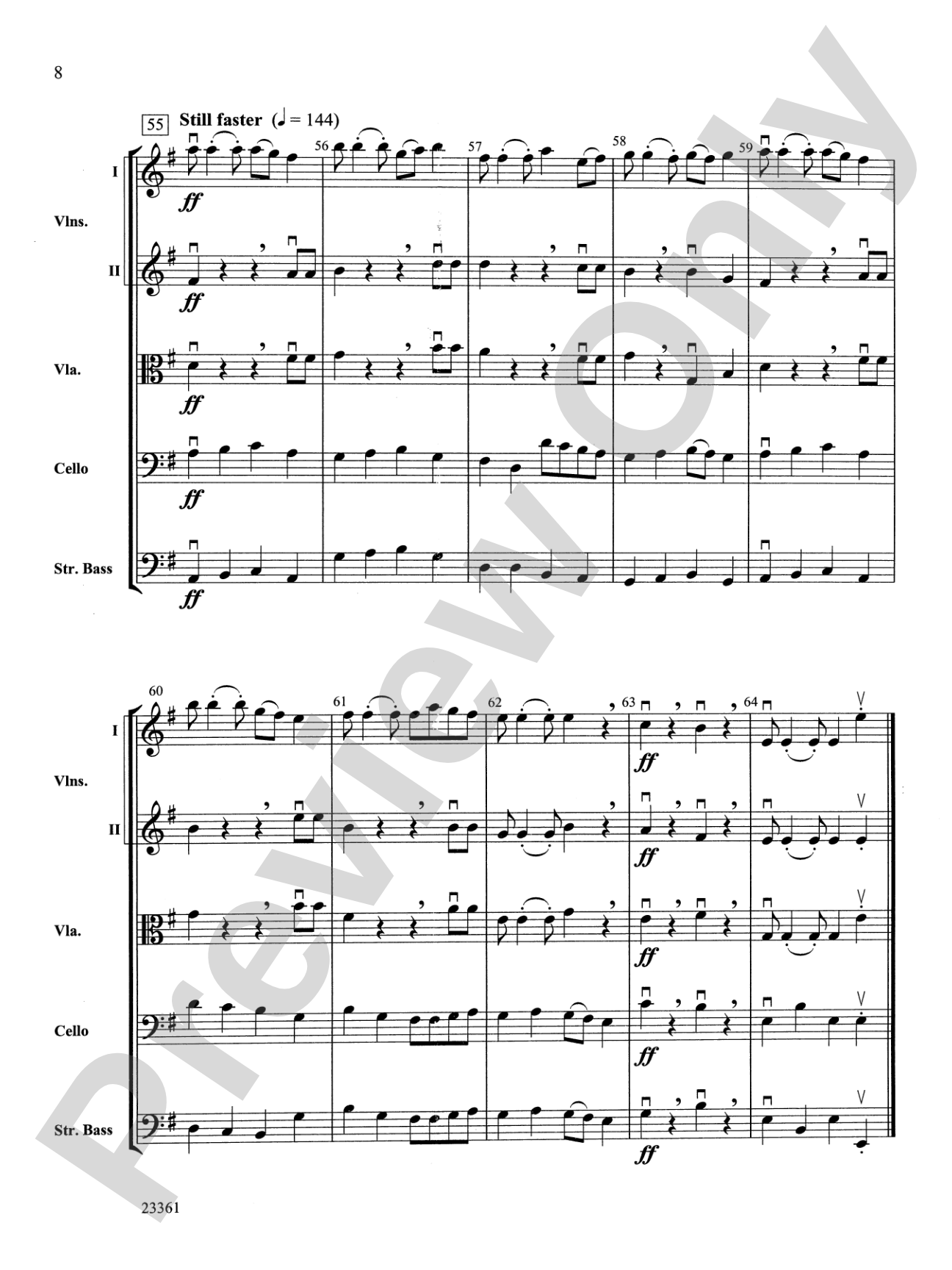

Spin, Dreidel, Spin: String Orchestra Conductor Score & Parts
(Sivivon, Sov, Sov, Sov)
Arr. Andrew H. Dabczynski
Grade: 2
Item: 00-PK-0000714

$46.00
Pickup currently not available
Buy Extra Parts (Digital PDF Download)
| Product | Price | Quantity |
|---|---|---|
| Spin, Dreidel, Spin: Score | $7.00 | |
| Spin, Dreidel, Spin: 1st Violin | $7.99 | |
| Spin, Dreidel, Spin: 2nd Violin | $7.99 | |
| Spin, Dreidel, Spin: Viola | $7.99 | |
| Spin, Dreidel, Spin: Cello | $7.99 | |
| Spin, Dreidel, Spin: String Bass | $7.99 |
Parts Added to Cart!
Description
(2:36)


Don't just read it, hear it, play along with it, and watch your students grow with it. In MakeMusic Cloud, Spin, Dreidel, Spin: String Orchestra Conductor Score & Parts comes alive with professional accompaniment, adjustable tempo, and built-in practice tools that turn solo practice into real progress.
Open in the Player
Jump straight in and assign it today.
Start Your Free Trial
Open this title and explore the full library in minutes.
Sample Audio
1
Audio File
--:--
0:00
0:00
Sample Video
No sample videos found.
Additional Details
Series:
Highland/Etling String Orchestra
Publisher:
Alfred Music
Page Count:
62
SKU:
00-PK-0000714
More about this title
About the Arranger: Andrew H. Dabczynski

Andrew H. Dabczynski served as Emeritus Professor of Music Education at Brigham Young University, where he established the BYU New Horizons Orchestra as both a community ensemble for adult beginners and a teaching laboratory for string educators. His career has spanned teaching roles at the Eastman School of Music, public school positions in New York, and administrative work in Michigan, earning him Utah ASTA's Higher Education Teacher of the Year award in 2005 and recognition for outstanding contributions to music education.
Beyond the classroom, Dabczynski has performed viola with the Rochester Philharmonic, Hartford Symphony, and several regional orchestras, and served six years as a member of the Colden String Quartet at Western Michigan University. His scholarly interests in folk music and ethnomusicology inform both his teaching and his published work, including the widely adopted String Explorer method series co-authored with Alfred Music. He has held leadership positions with the American String Teachers Association and contributed to numerous national string education initiatives.
Why we love this
Dabczynski's deep knowledge of string pedagogy shows in every phrase of this arrangement. He captures the joyful, spinning energy of the dreidel with writing that sits comfortably for Grade 2 players while remaining musically authentic to the folk melody, making it a genuine teaching piece rather than a simplified version.
What to expect
Energetic yet graceful, the arrangement captures the spinning motion of a dreidel with melodic contours that feel celebratory without being overly sentimental. The folk melody sits naturally in the string palette, creating a warm, inviting sound that draws listeners into the holiday tradition.
Who it's for
String orchestras at the Grade 2 level seeking accessible, culturally authentic repertoire for winter or Chanukah concerts. This arrangement works equally well for programs aiming to include Jewish heritage music or for conductors who want a piece that teaches both technical skill and musical sensitivity.
How to get the most out of it
- Establish a steady, slightly lilting pulse to suggest the dreidel's rotation; slight rubato in the melody adds playfulness without losing rhythmic clarity.
- Balance the pizzicato passages in lower strings with enough articulation to define the rhythm while keeping the sound warm and connected to the lyrical passages.
- Let the viola and cello lines breathe independently in the middle section; they carry harmonic interest that young string players often overlook.
How to use it
Pair this with other Grade 2 string literature for a balanced winter concert, or position it as a standalone cultural feature within a larger Chanukah-themed program. Its moderate length and accessibility make it ideal for early in the season while ensemble members are still building confidence.
Skills your students will build
- Maintaining steady pulse through repeated rhythmic figures
- Coordinating bowing and pizzicato techniques within the same piece
- Balancing melody and accompaniment across different string sections
- Playing folk-based melodies with phrasing that respects the tune's cultural origins