


Spiders!: String Orchestra Conductor Score & Parts
By Christopher Alan Schmitz
Grade: 2.5
Item: 00-PK-0009201
$60.00
Pickup currently not available
Buy Extra Parts (Digital PDF Download)
| Product | Price | Quantity |
|---|---|---|
| Spiders!: Score | $10.00 | |
| Spiders!: 1st Violin | $3.00 | |
| Spiders!: 2nd Violin | $3.00 | |
| Spiders!: 3rd Violin (Viola [TC]) | $3.00 | |
| Spiders!: Viola | $3.00 | |
| Spiders!: Cello | $3.00 | |
| Spiders!: String Bass | $3.00 |
Parts Added to Cart!
Description
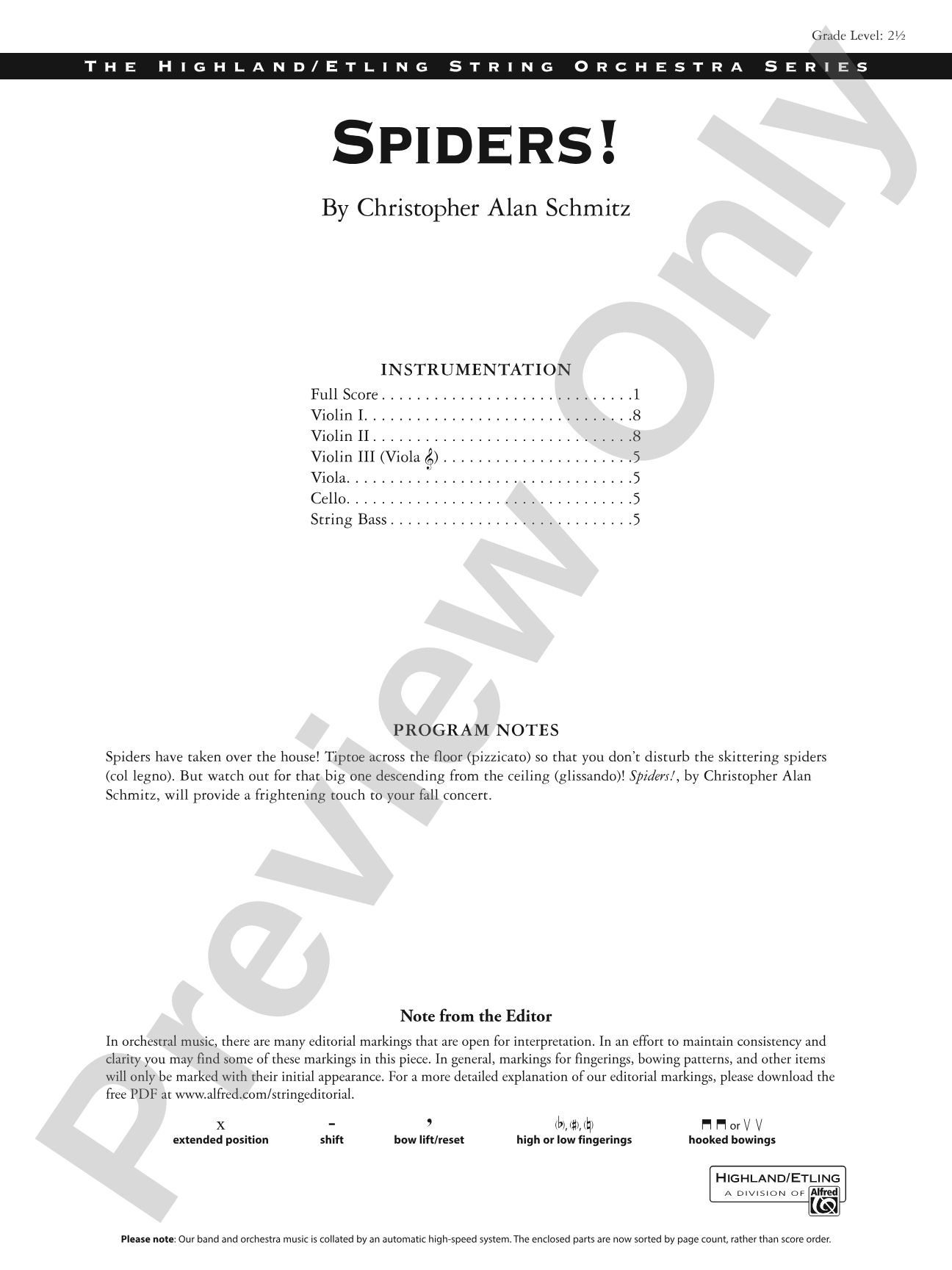
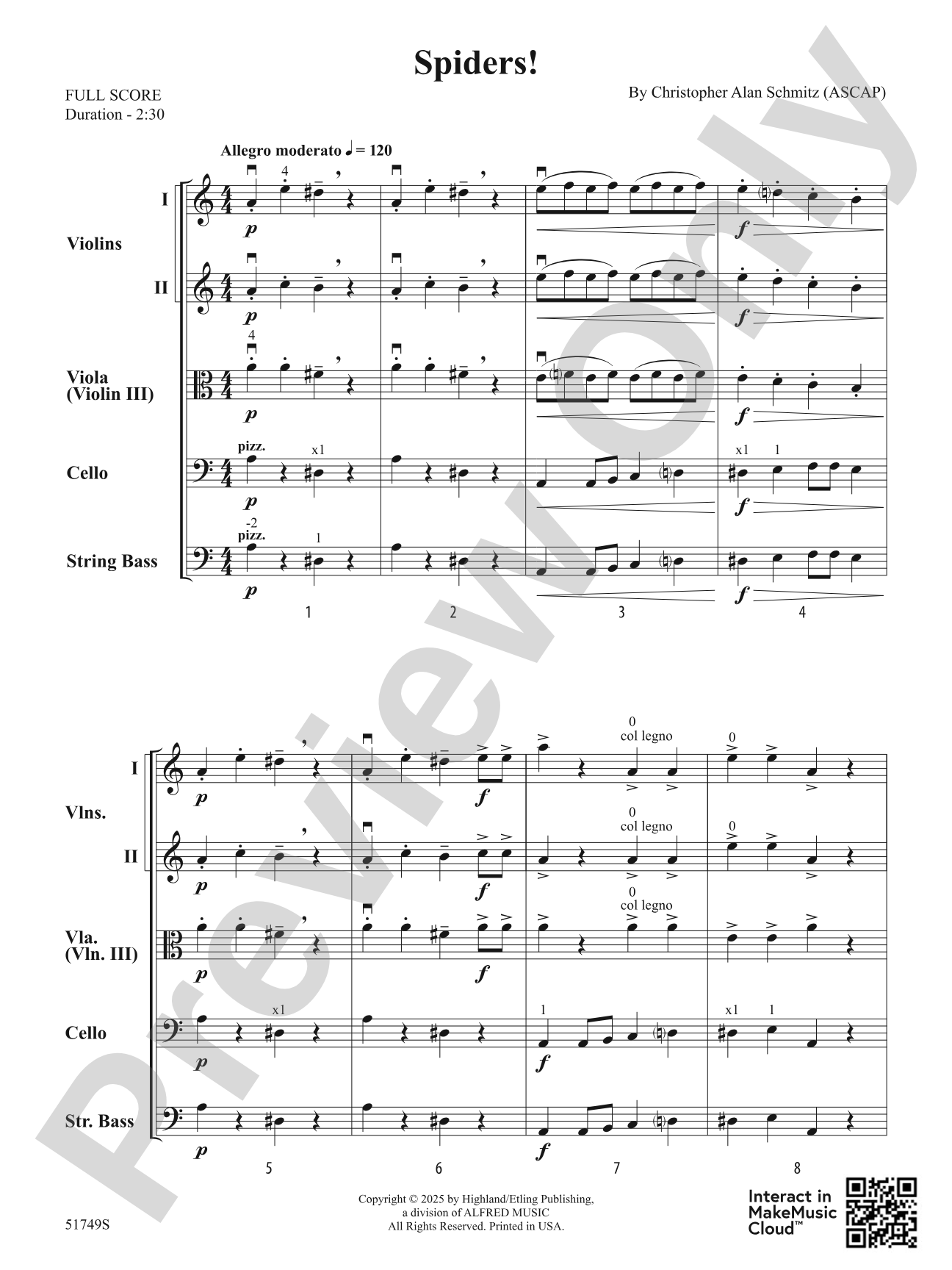
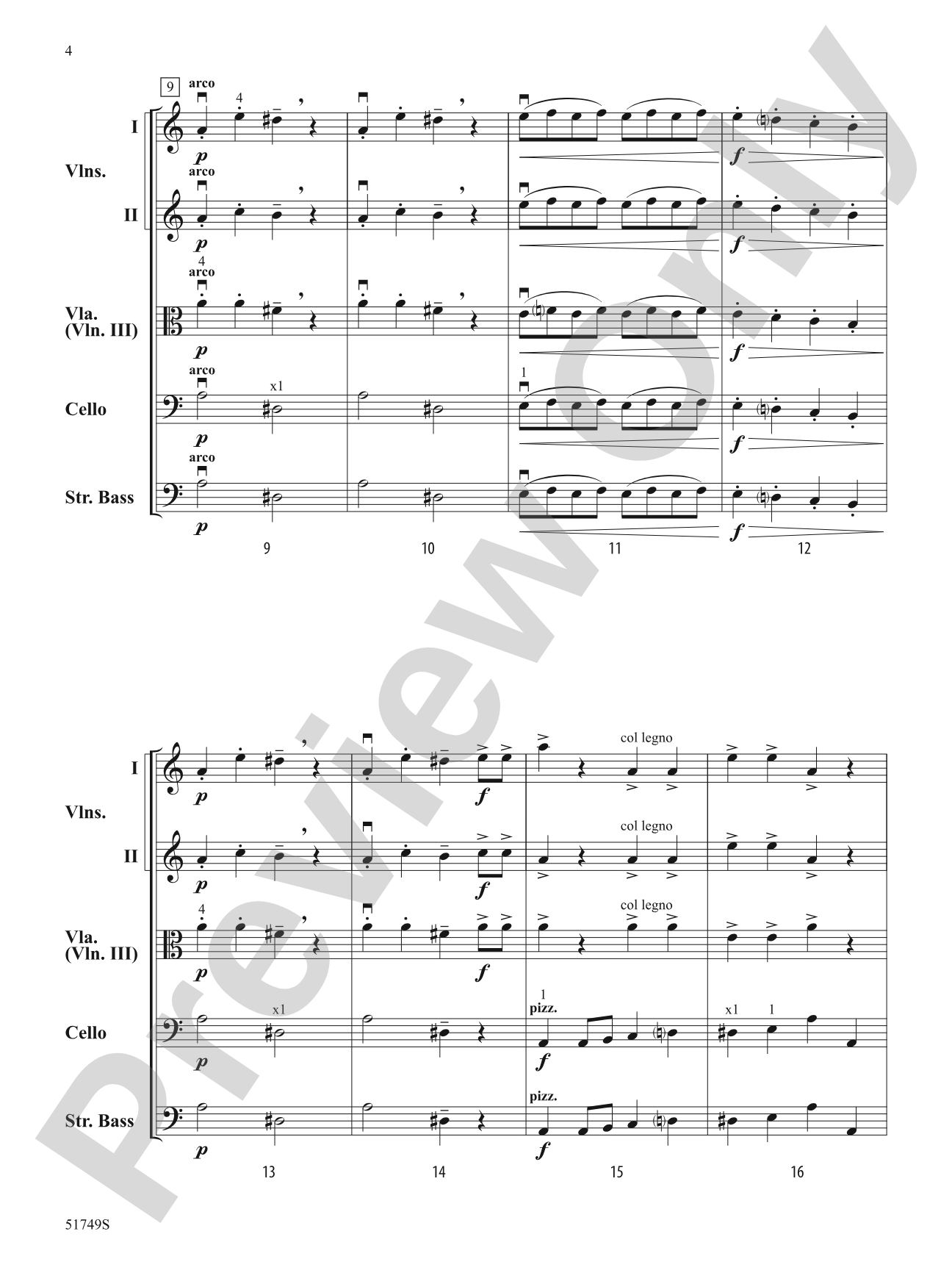
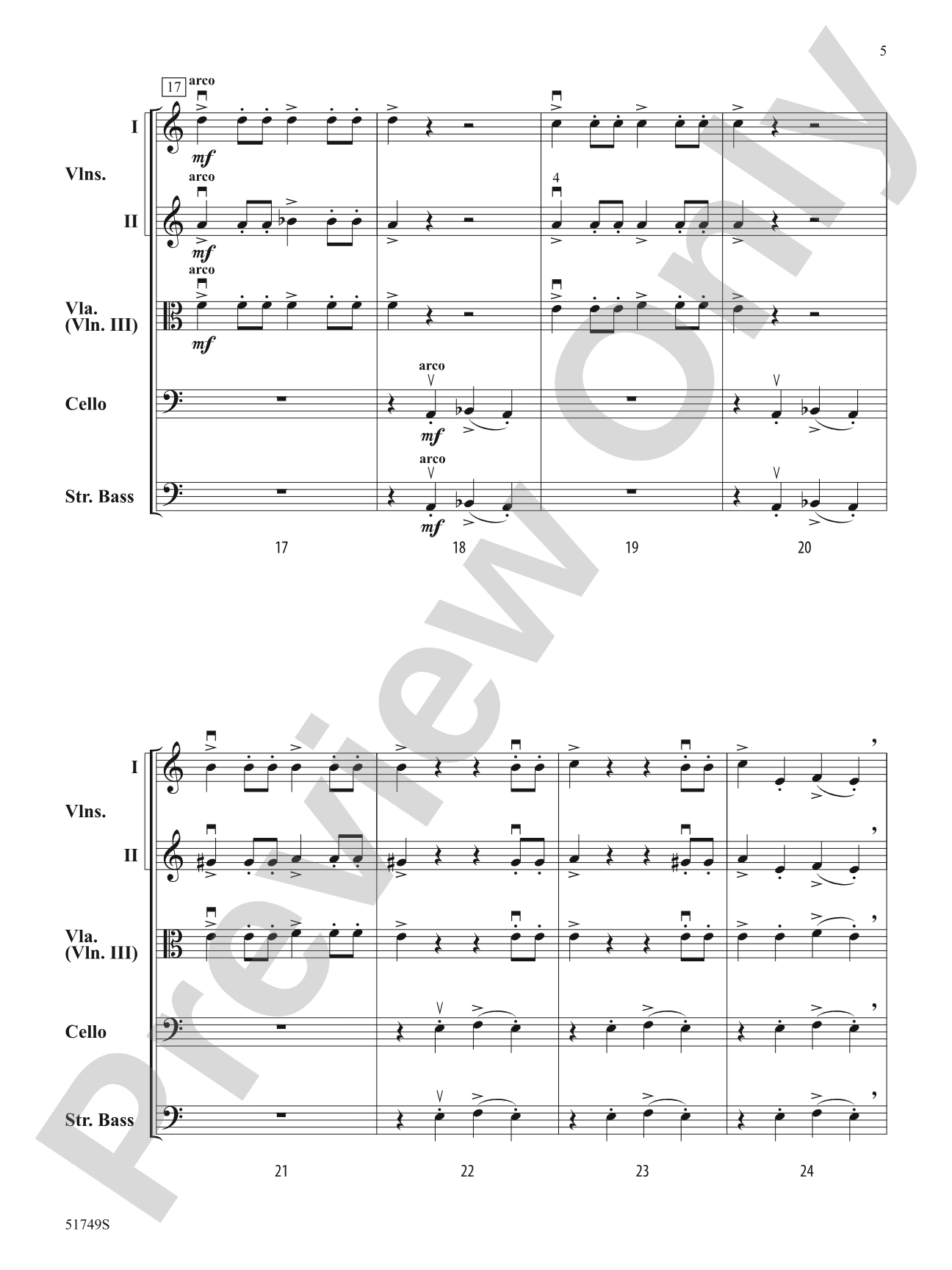
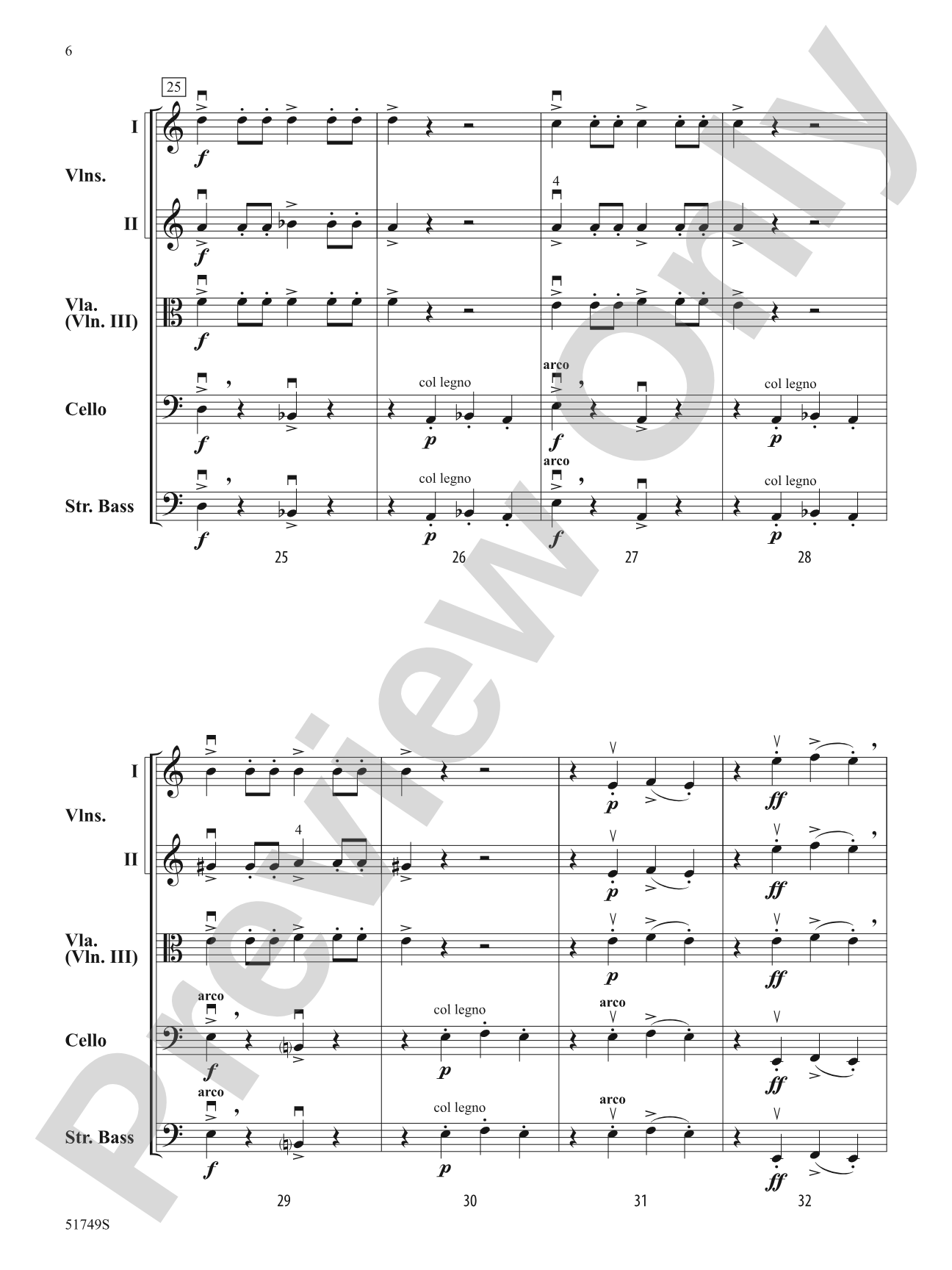
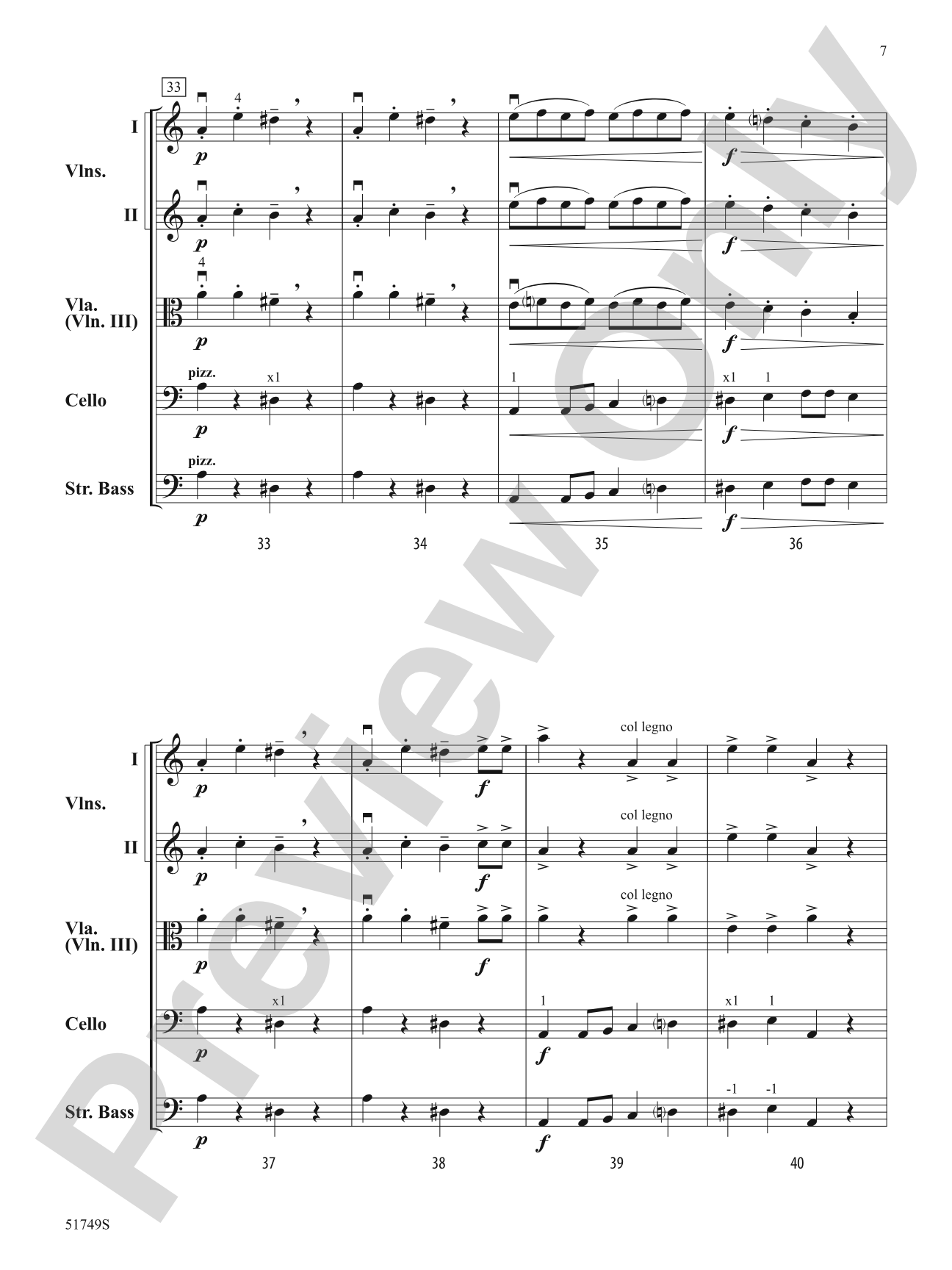
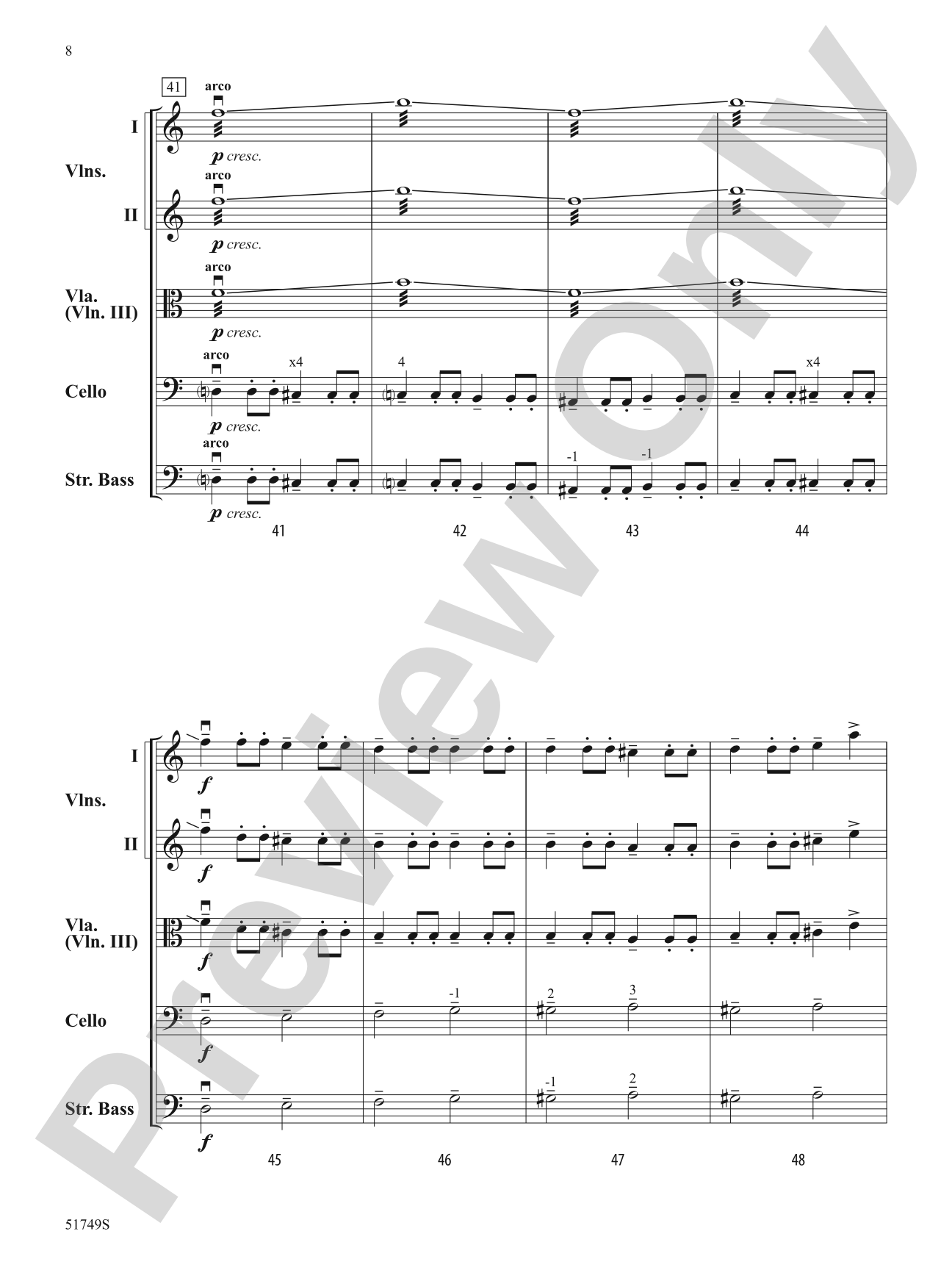
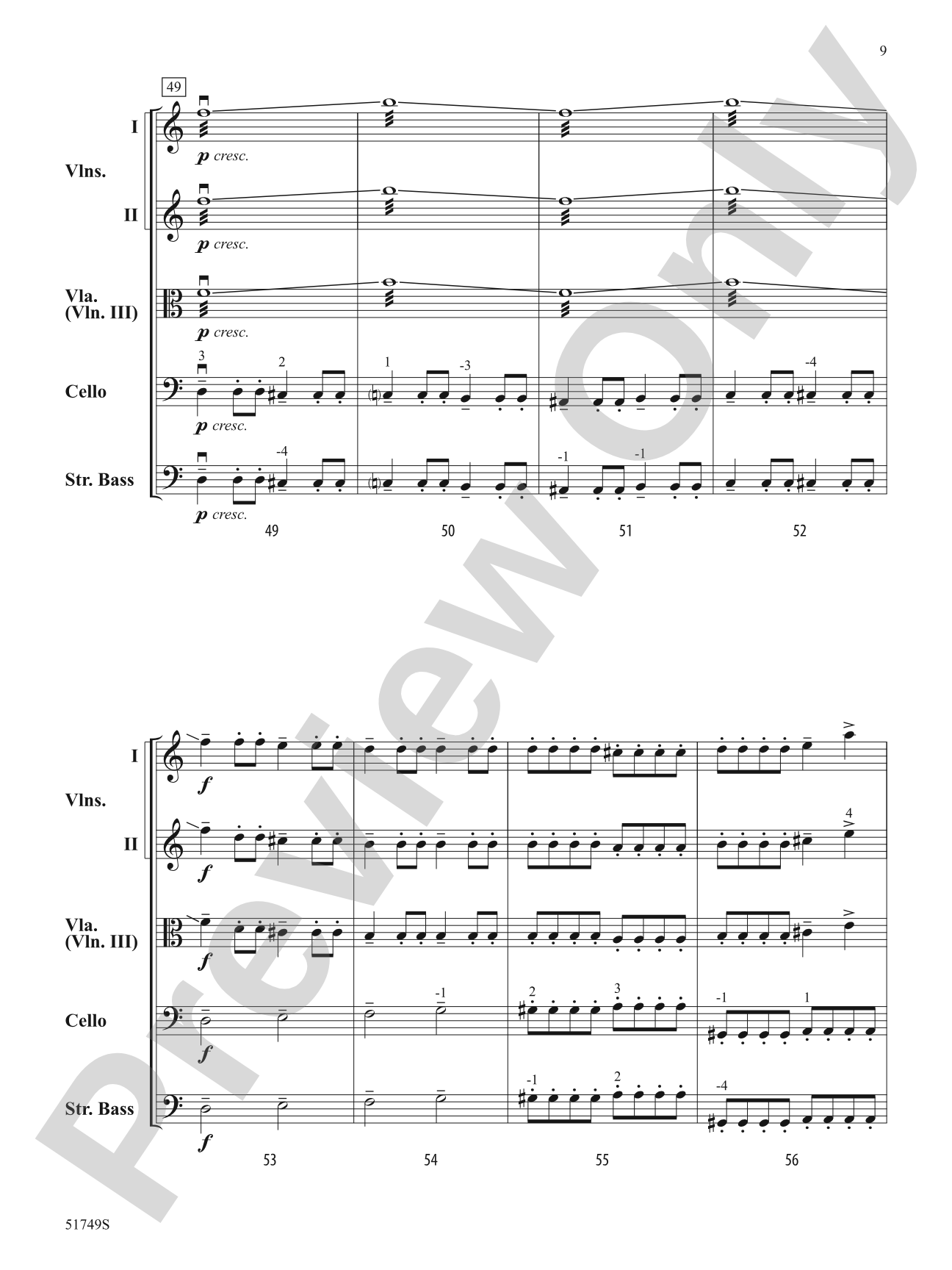
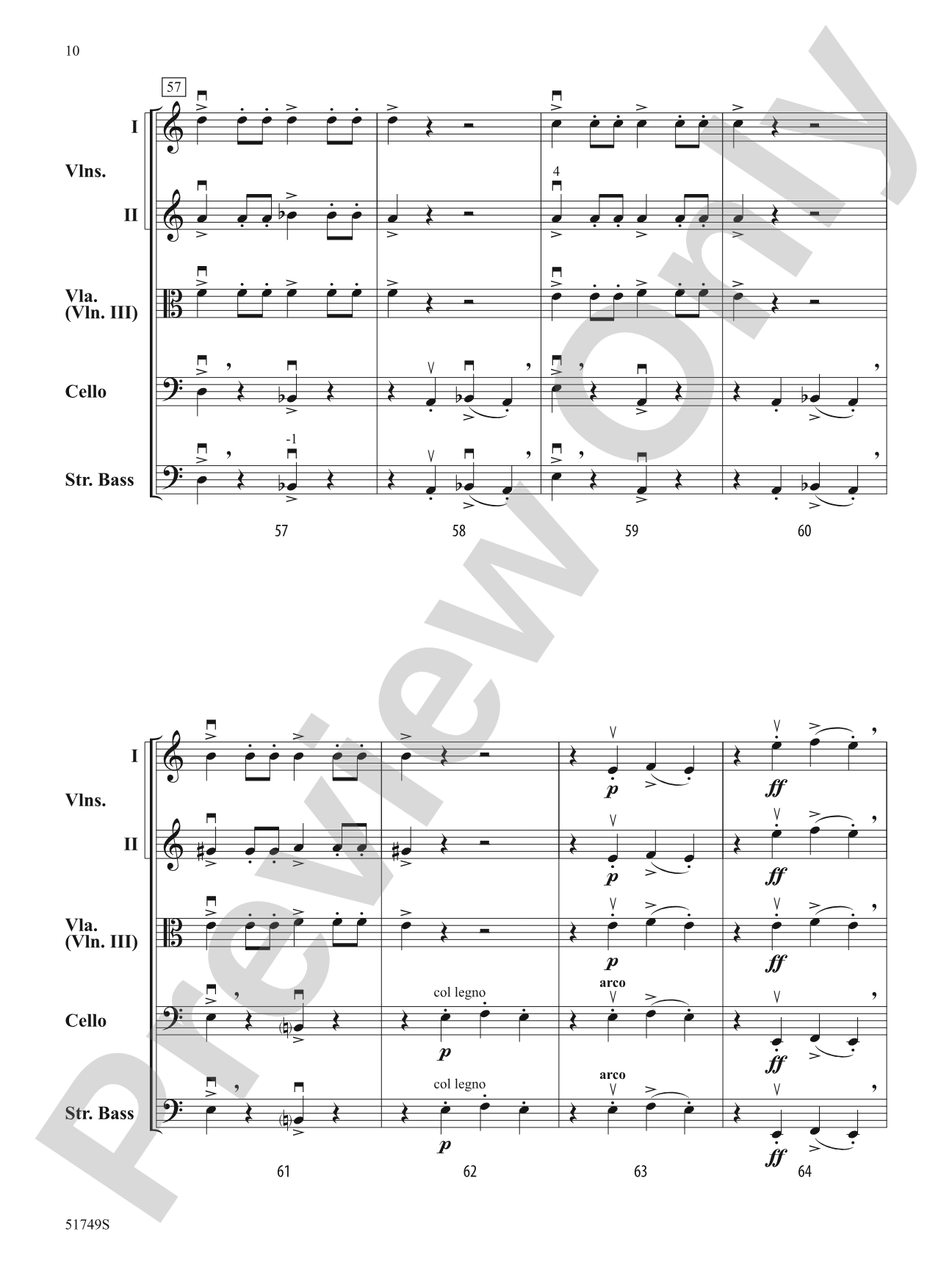
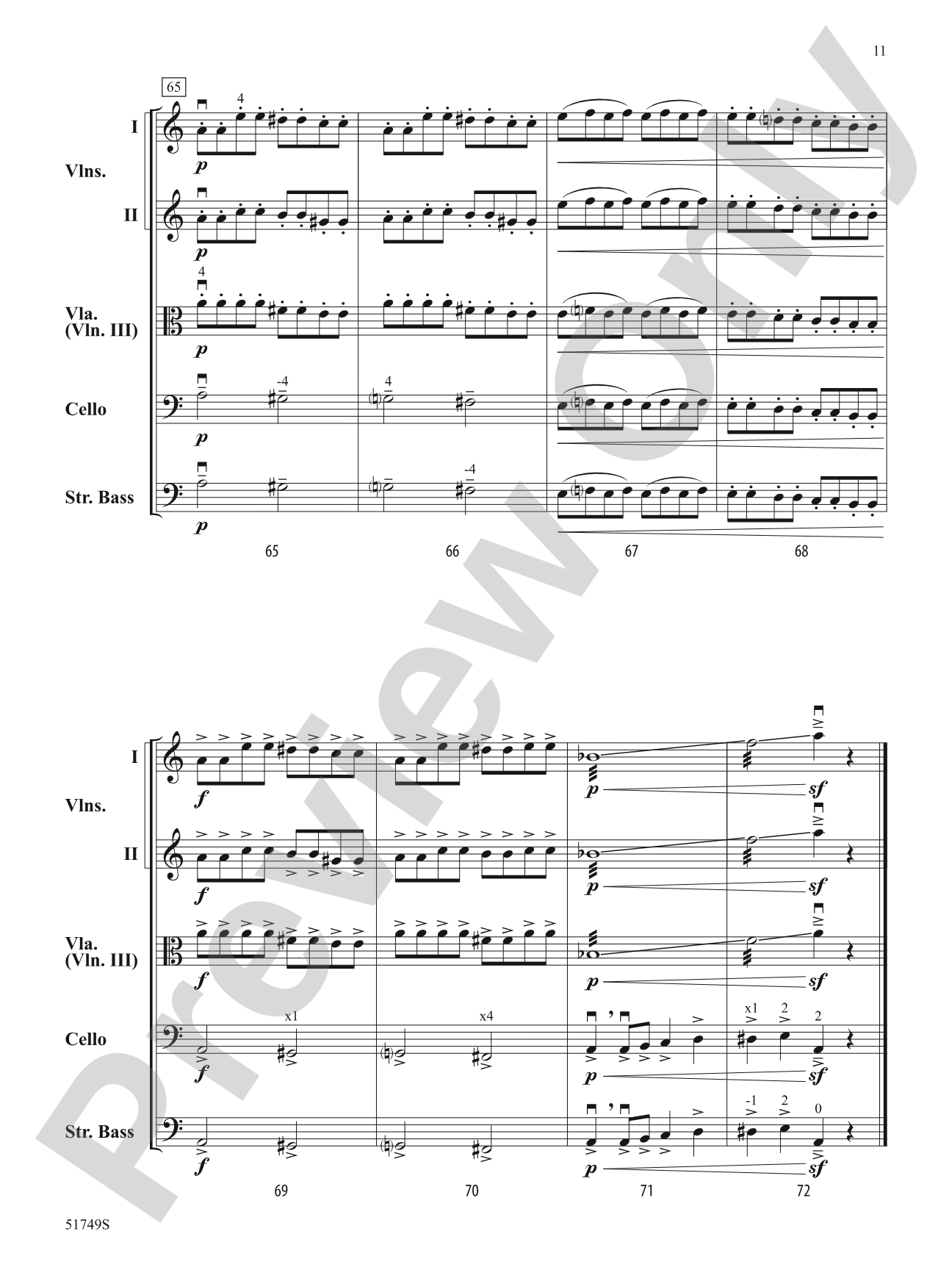
Spiders have taken over the house! Tiptoe across the floor (pizzicato) so that you don't disturb the skittering spiders (collegno). But watch out for that big one descending from the ceiling (glissando)! Spiders!, by Christopher Alan Schmitz, will provide a frightening touch to your fall concert. (2:30)


Spiders!: String Orchestra Conductor Score & Parts isn't in MakeMusic Cloud just yet...but it could be. Let us know you'd like to see it, and you'll help shape what comes next. In the meantime, start a free trial and dive into thousands of interactive titles your students can play along with today.
Request This Title
Tell us you want it.
Start Your Free Trial
Explore everything that's ready to play right now.
Sample Audio
1
Audio File
--:--
0:00
0:00
Sample Video
Additional Details
Series:
Highland String Orchestra
Publisher:
Alfred Music
SKU:
00-PK-0009201
More about this title
About the Composer: Christopher Alan Schmitz

Christopher Alan Schmitz writes music across multiple genres and formats, from solo works to large ensemble pieces, with compositions that critics have praised for their orchestration and emotional range. His works have reached audiences in prestigious venues worldwide, performed by ensembles ranging from the London Symphony Orchestra to the USAF Airmen of Note, and recorded on labels including Navona, Ravello, and Beauport Classical.
Schmitz holds a Doctor of Musical Arts in Composition from the University of Texas at Austin and currently serves as Professor of Music Theory and Composition at Mercer University in Macon, Georgia. His educational music appears regularly in concert programs at all levels, and his compositions have earned recognition from the American Prize in Composition, the Sammy Nestico Award, the J. Samuel Pilafian Composition Award, and the Music Teacher's National Association, among others.
Why we love this
Schmitz brings theatrical storytelling to a skill-appropriate level without condescension. The piece uses concrete sound effects (pizzicato, col legno, glissando) to narrate its spooky scenario, which means students hear exactly why those techniques matter rather than learning them in isolation. For a Grade 2.5 orchestra, that's musical thinking at work.
What to expect
Mischievous and slightly eerie, with moments of comic tension. The pizzicato tiptoing establishes a sense of creeping dread, the col legno adds unsettling texture, and the glissando delivers a punctuating scare. It's Halloween music that entertains rather than genuinely frightens.
Who it's for
String orchestra directors working with intermediate ensembles who want a seasonal piece that teaches extended techniques through a story. Students at this level respond well to concrete imagery, and this piece gives them that context while building facility with pizzicato, col legno, and glissando.
How to get the most out of it
- Clarify the character of each spider sound with your section leaders before rehearsal. Pizzicato should feel delicate and cautious; col legno needs a sharper, clickier attack to capture the skittering effect.
- Shape the glissando moment as a single dramatic gesture. Coordinate a unified starting pitch and smooth descent across the section so the "big spider" descends as one predatory motion.
- Allow the piece to breathe at natural phrase breaks. The programmatic narrative works best when audiences can follow the action, not when it rushes from scare to scare.
How to use it
Place this early in a fall concert to set a playful tone and engage the audience immediately. It pairs well with other season-appropriate lighter fare and serves as an excellent break from more serious repertoire in rehearsal rotations.
Skills your students will build
- Pizzicato technique and tone control
- Col legno articulation and clarity
- Glissando execution across the string range
- Ensemble coordination during extended techniques
- Following a programmatic narrative through musical imagery