


Speed Force: Score
By Bob Phillips
Grade: 1
Item: 00-PR-0007206
$10.00
Pickup currently not available
Description
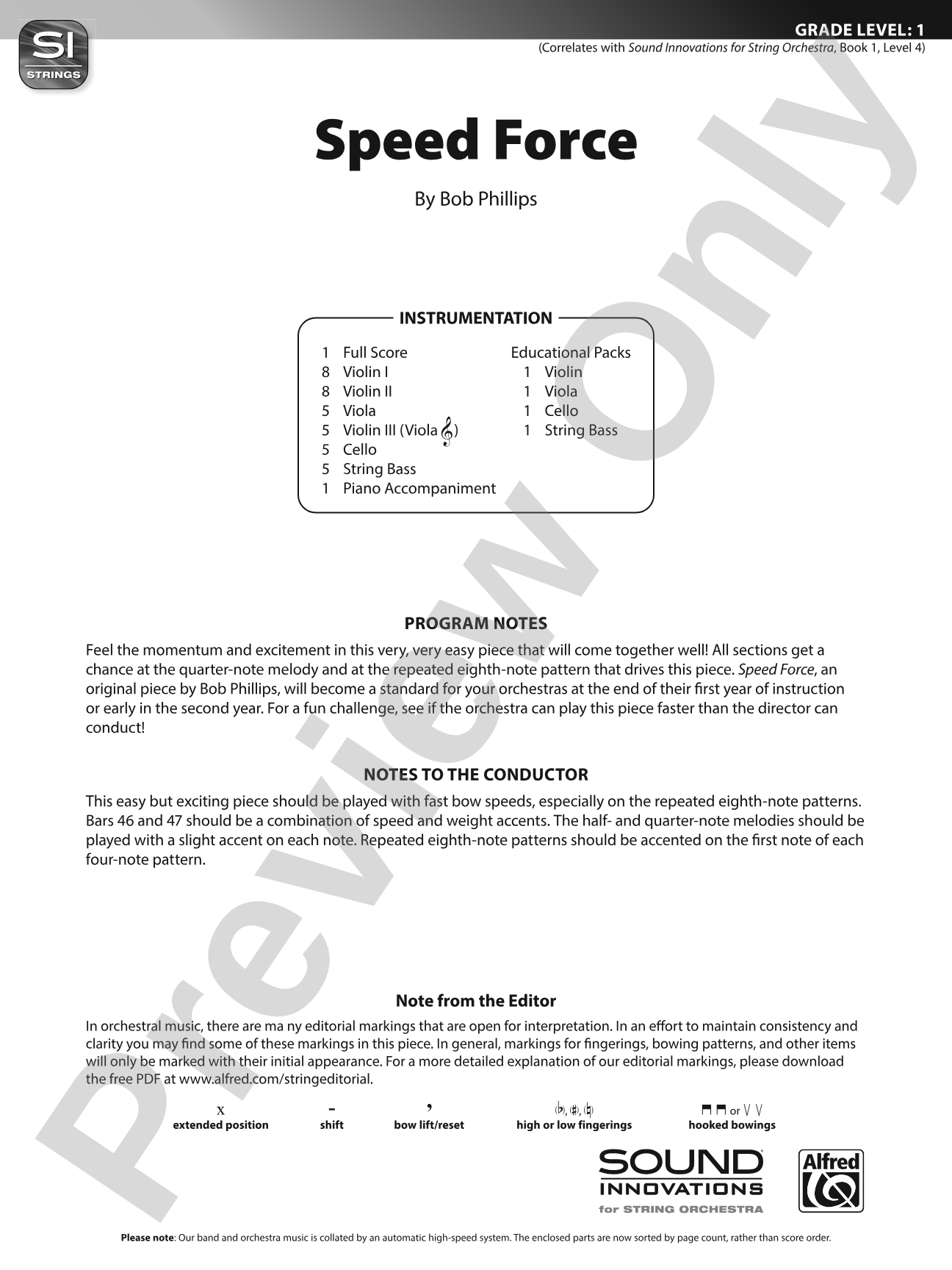
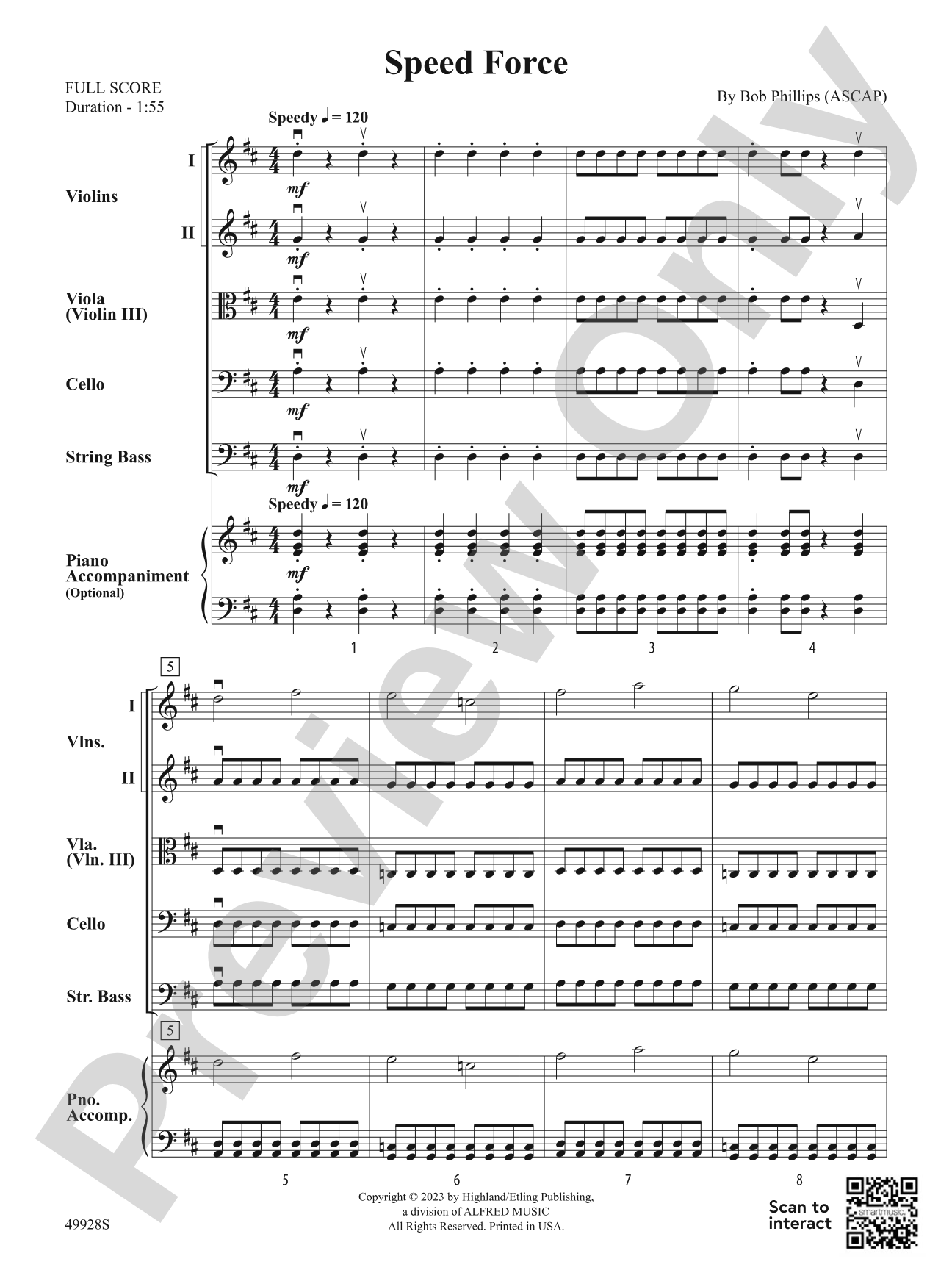
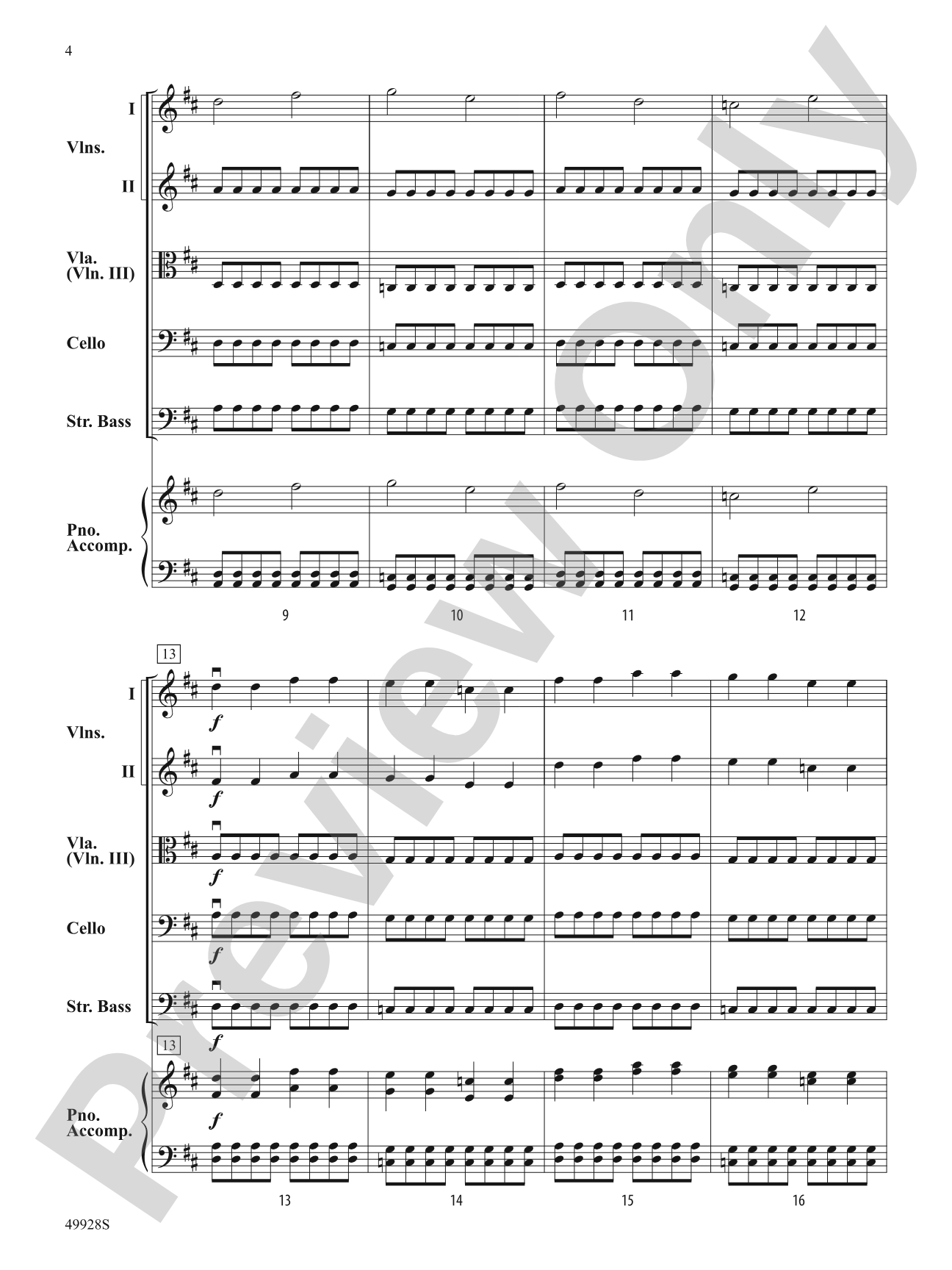
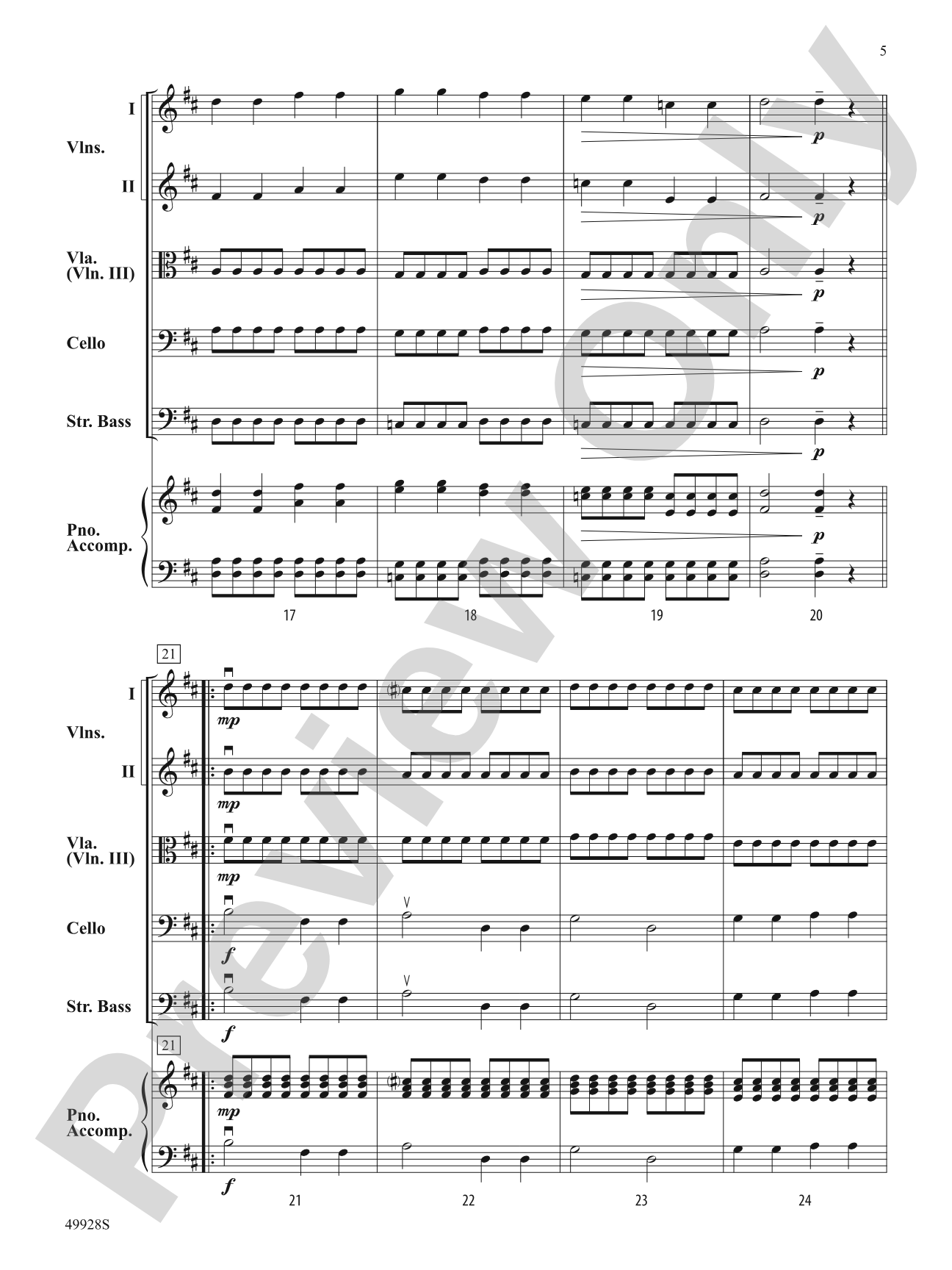
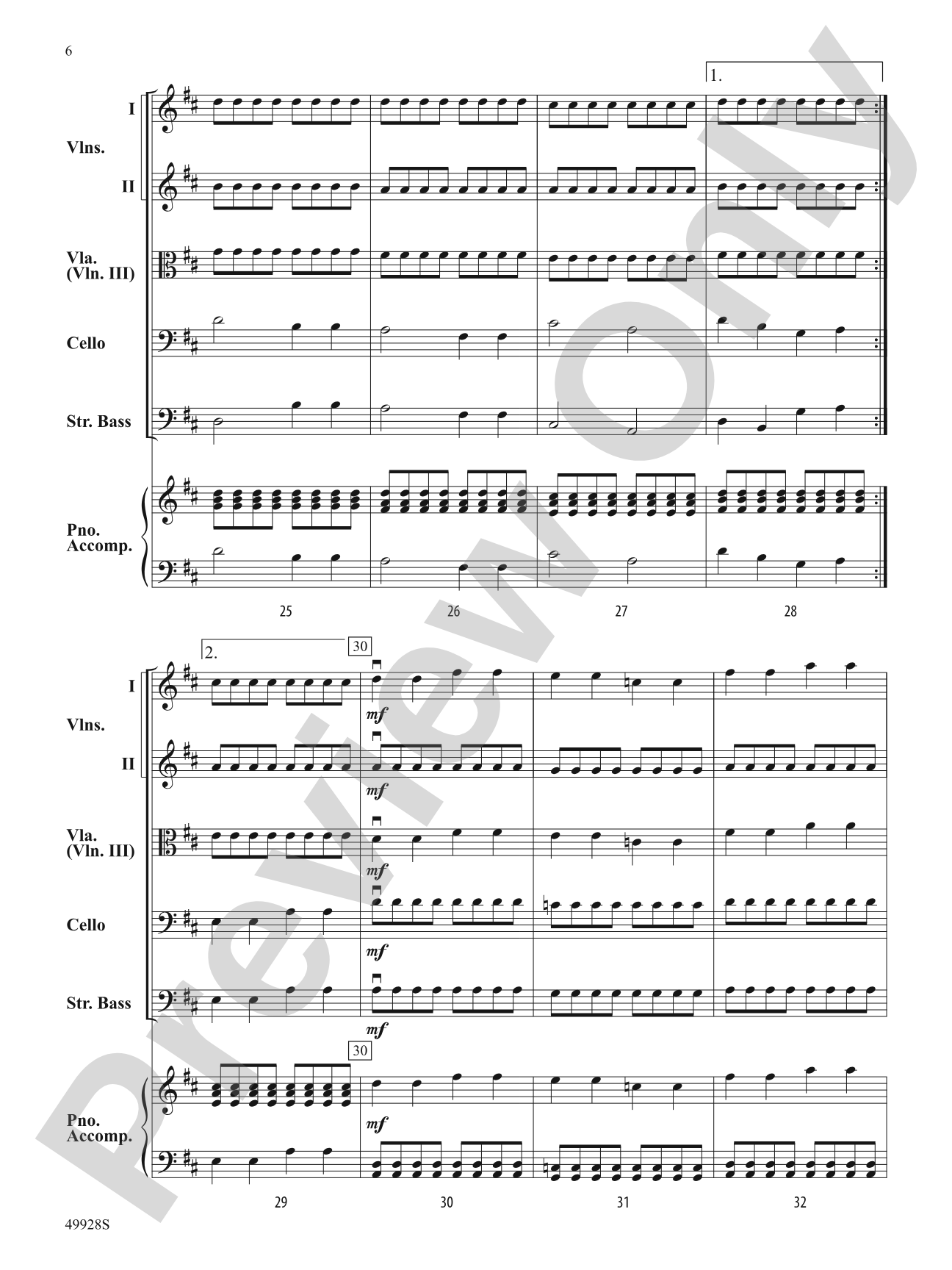
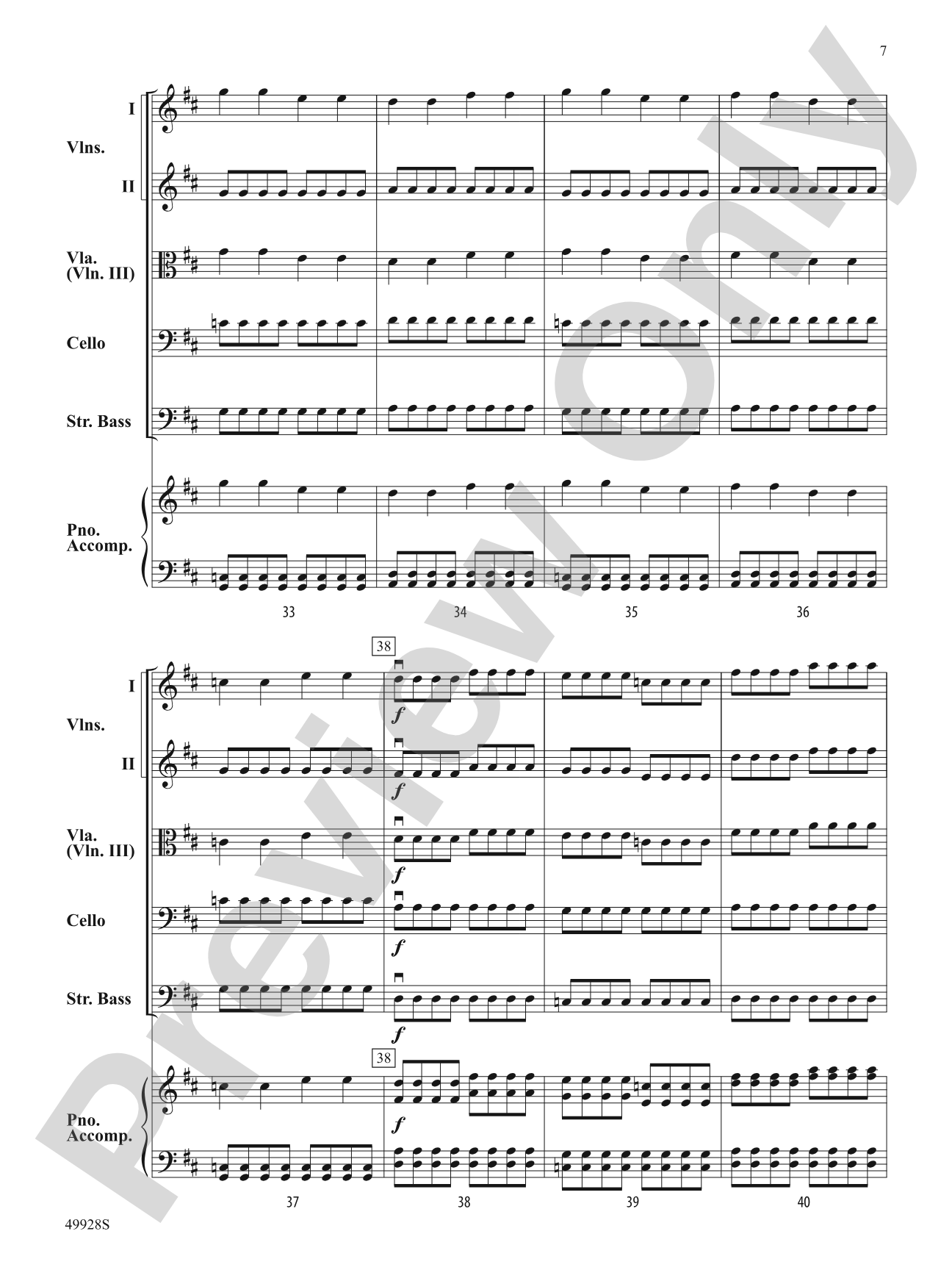
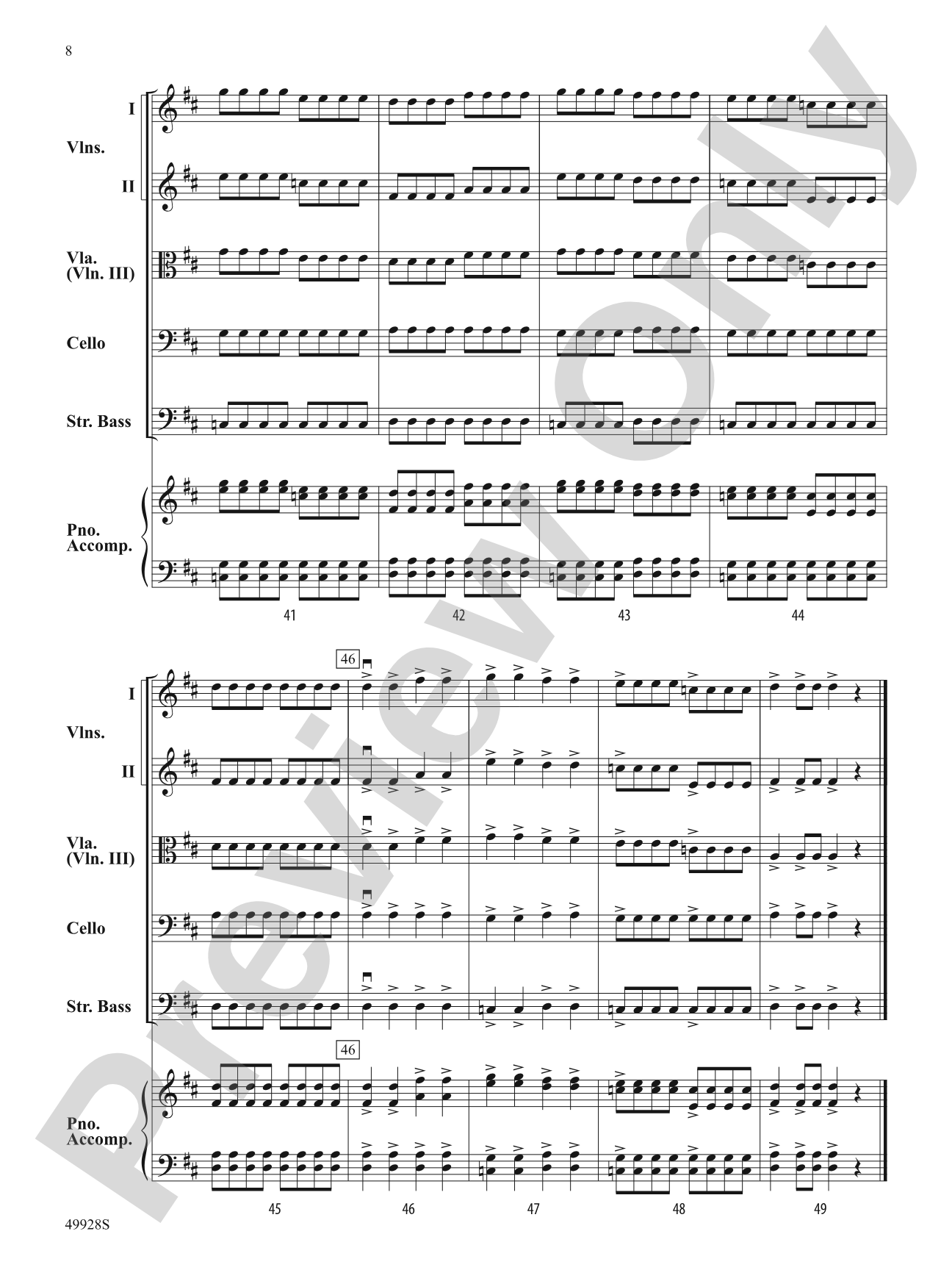
Feel the momentum and excitement in this very easy piece that will come together nicely! All sections get a chance at the quarter-note melody and the repeated eighth-note pattern that drives the work. Speed Force, an original by Bob Phillips, will become a standard for your orchestras at the end of their first year of instruction or early in the second year. Spark a challenge to see if the orchestra can play faster than the director can conduct! (1:55) Correlates to Sound Innovations, Book 1, Level 4.


Don't just read it, hear it, play along with it, and watch your students grow with it. In MakeMusic Cloud, Speed Force: Score comes alive with professional accompaniment, adjustable tempo, and built-in practice tools that turn solo practice into real progress.
Open in the Player
Jump straight in and assign it today.
Start Your Free Trial
Open this title and explore the full library in minutes.
Sample Audio
1
Audio File
--:--
0:00
0:00
Sample Video
Additional Details
Series:
Sound Innovations for String Orchestra
Publisher:
Alfred Music
SKU:
00-PR-0007206
More about this title
About the Composer: Bob Phillips

Bob Phillips has shaped string education through five decades of composing, teaching, and training music educators. A composer of over 200 published works and author of more than 25 instructional series, he brings both breadth and depth to the classroom through his mastery of diverse musical styles. His six-level Sound Innovations series has become foundational curriculum in thousands of programs, and his eclectic style publications (Fiddlers Philharmonic, Jazz Philharmonic, Rock Philharmonic, among others) have expanded what strings students learn and perform.
For 27 years, Phillips directed the Saline, Michigan string program, building it into a nationally recognized model with over 700 students performing in classical and eclectic styles. He founded the Saline Fiddlers Philharmonic, which performed 80+ shows annually and appeared multiple times at the White House and the Midwest Clinic. An award-winning ASCAP composer and experienced conductor for youth symphonies, honors orchestras, and summer camps nationwide, Phillips continues to influence music education through his writing and his String Clinics to Go instructional videos, which thousands of teachers have adopted.
Why we love this
Speed Force delivers exactly what a first-year or emerging second-year orchestra needs: forward momentum without technical overwhelm, and a structure that invites every section into the melody. The repeated eighth-note pulse creates natural ensemble cohesion while the quarter-note theme gives students something to sing and remember, making this an ideal confidence builder before tackling more complex textures.
What to expect
Speed Force crackles with propulsive energy, driven by an insistent rhythmic pattern that propels the quarter-note melody forward. The piece has a kinetic urgency that makes students feel like they're making something happen together, yet remains light and accessible enough that the ensemble can play it cleanly and confidently.
Who it's for
String orchestras in their first year of playing or early second year will find an achievable stepping stone that still challenges musicality and ensemble precision. This piece belongs in the repertoire of directors building programs where students gain confidence through repertoire that rewards both focus and fun.
How to get the most out of it
- Lock the eighth-note accompaniment pattern first in rehearsal; it's the rhythmic heartbeat of the piece. Once sections own their pulse independently, layer the melody over it.
- Balance the melody audibly across sections rather than pushing volume everywhere. Violins don't need to shout just because they have the lead.
- Experiment with slight tempo variation during rehearsal to discover what tempo allows clean articulation and accurate rhythmic precision at speed. This pays off when you make the tempo challenge with your orchestra.
- Pay attention to section entrances and cutoffs, particularly in the repeated patterns. Clean rhythmic unison will boost the overall sense of energy and control.
How to use it
Program this as a concert opener or closer where its brief duration (1:55) and high-energy character refresh both the ensemble and the audience. Its accessibility makes it ideal for sharing at small festivals or contests early in the school year, building ensemble pride before tackling longer or more complex works.
Skills your students will build
- Maintaining steady eighth-note pulse while colleagues play a different rhythmic figure
- Trading and sharing melody lines across instrumental sections
- Playing with rhythmic precision at increasing tempo
- Coordinating section entrances and cutoffs without losing pulse
- Balancing accompaniment and melody roles within an ensemble texture