
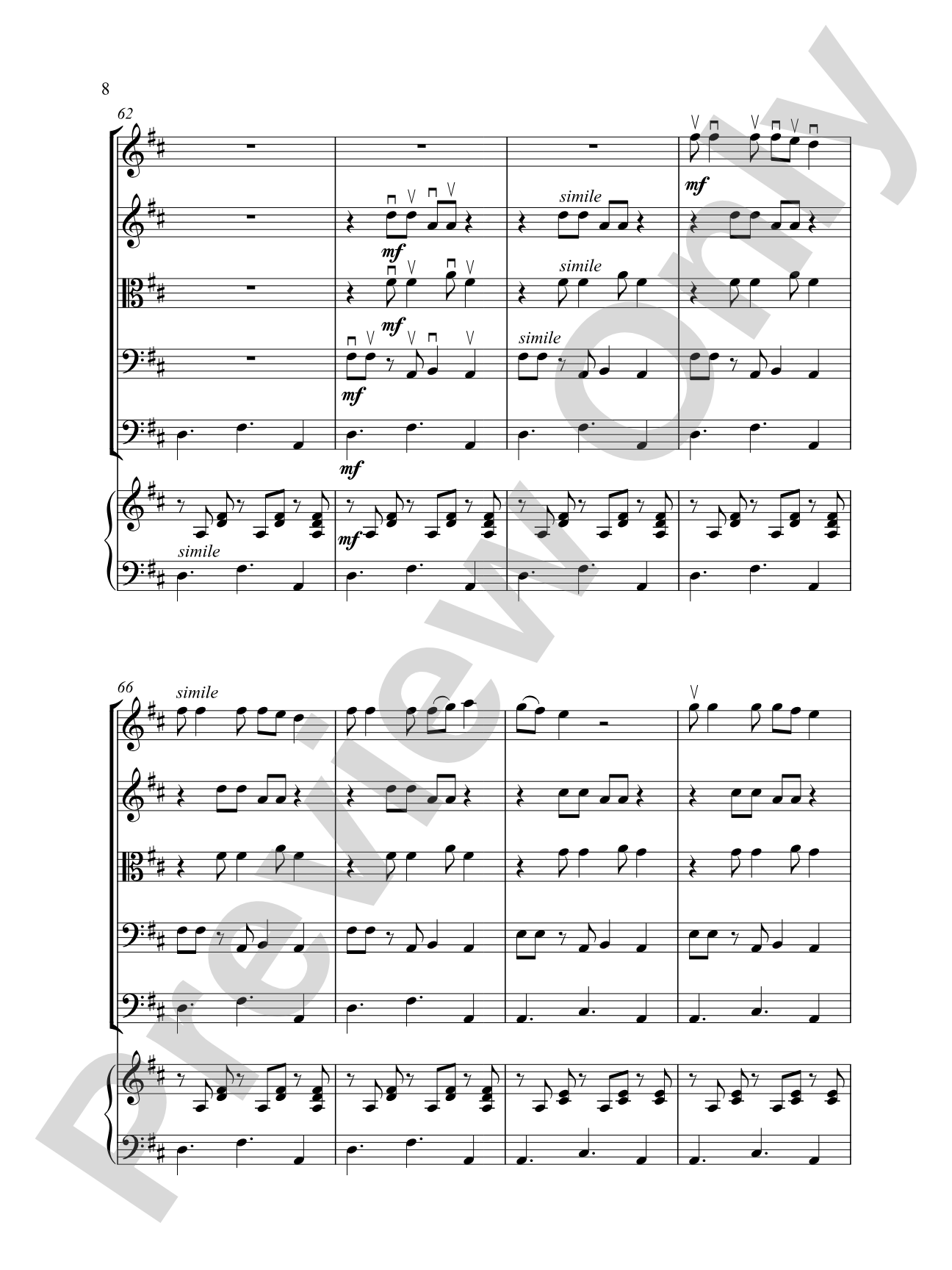
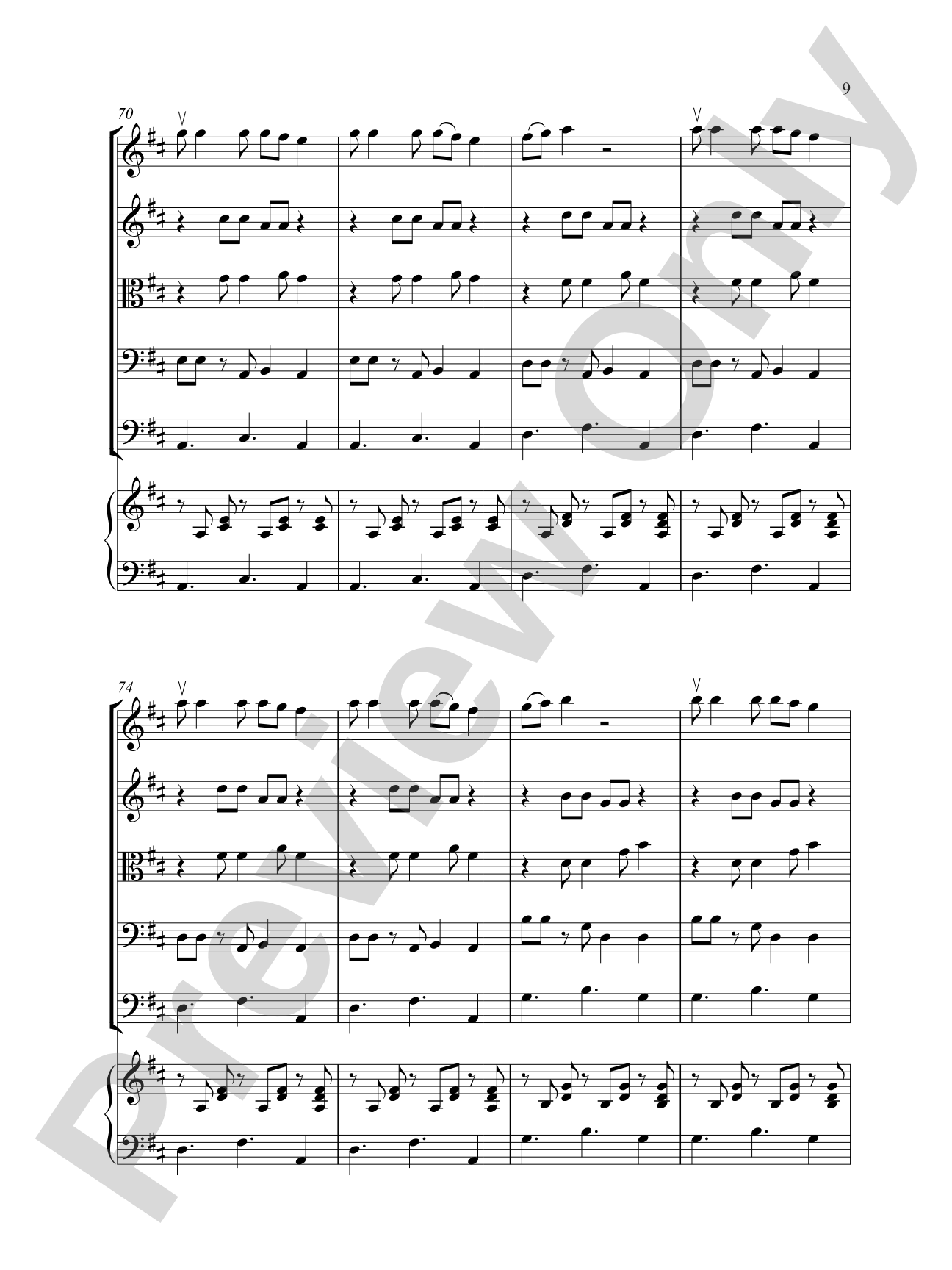
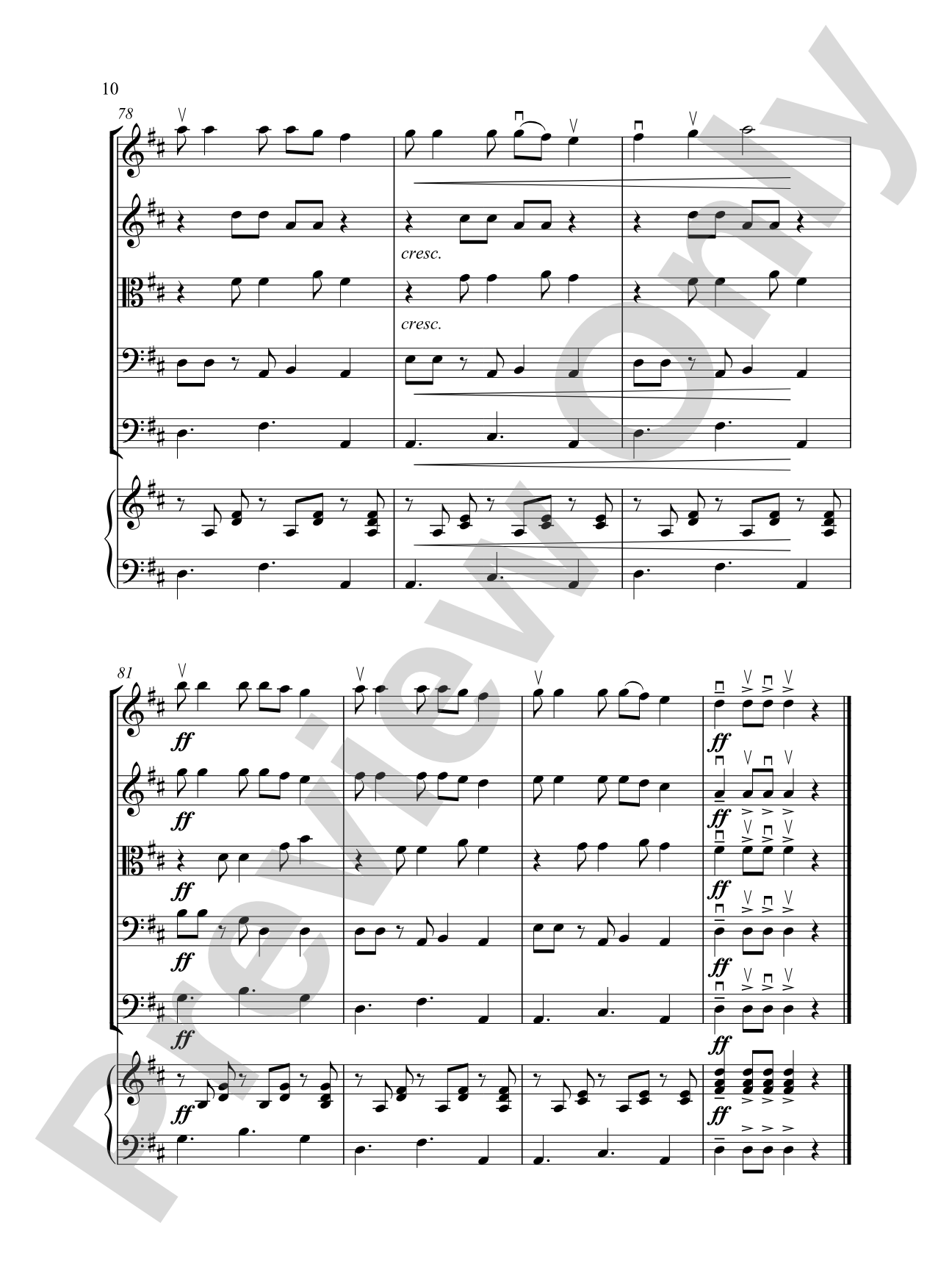

Spanish Fiesta: String Orchestra Conductor Score & Parts
By Loreta Fin
Grade: 2.5
Item: 76-PK-0000043
$45.00
Pickup currently not available
Buy Extra Parts (Digital PDF Download)
| Product | Price | Quantity |
|---|---|---|
| Spanish Fiesta: Score | $7.00 | |
| Spanish Fiesta: 1st Violin | $5.99 | |
| Spanish Fiesta: 2nd Violin | $5.99 | |
| Spanish Fiesta: 3rd Violin (Viola [TC]) | $5.99 | |
| Spanish Fiesta: Viola | $5.99 | |
| Spanish Fiesta: Cello | $5.99 | |
| Spanish Fiesta: String Bass | $5.99 | |
| Spanish Fiesta: Piano Accompaniment | $5.99 |
Parts Added to Cart!
Description
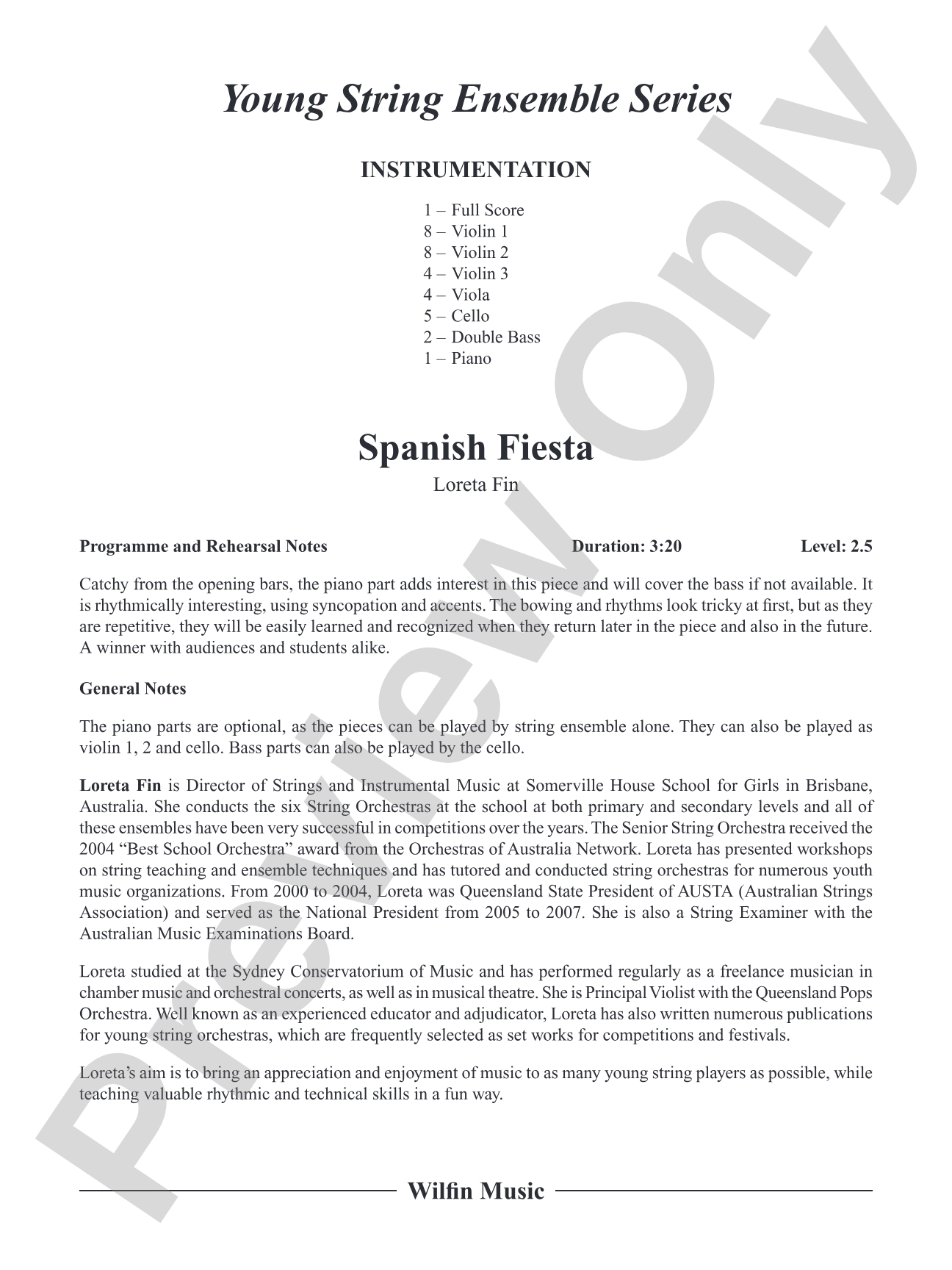
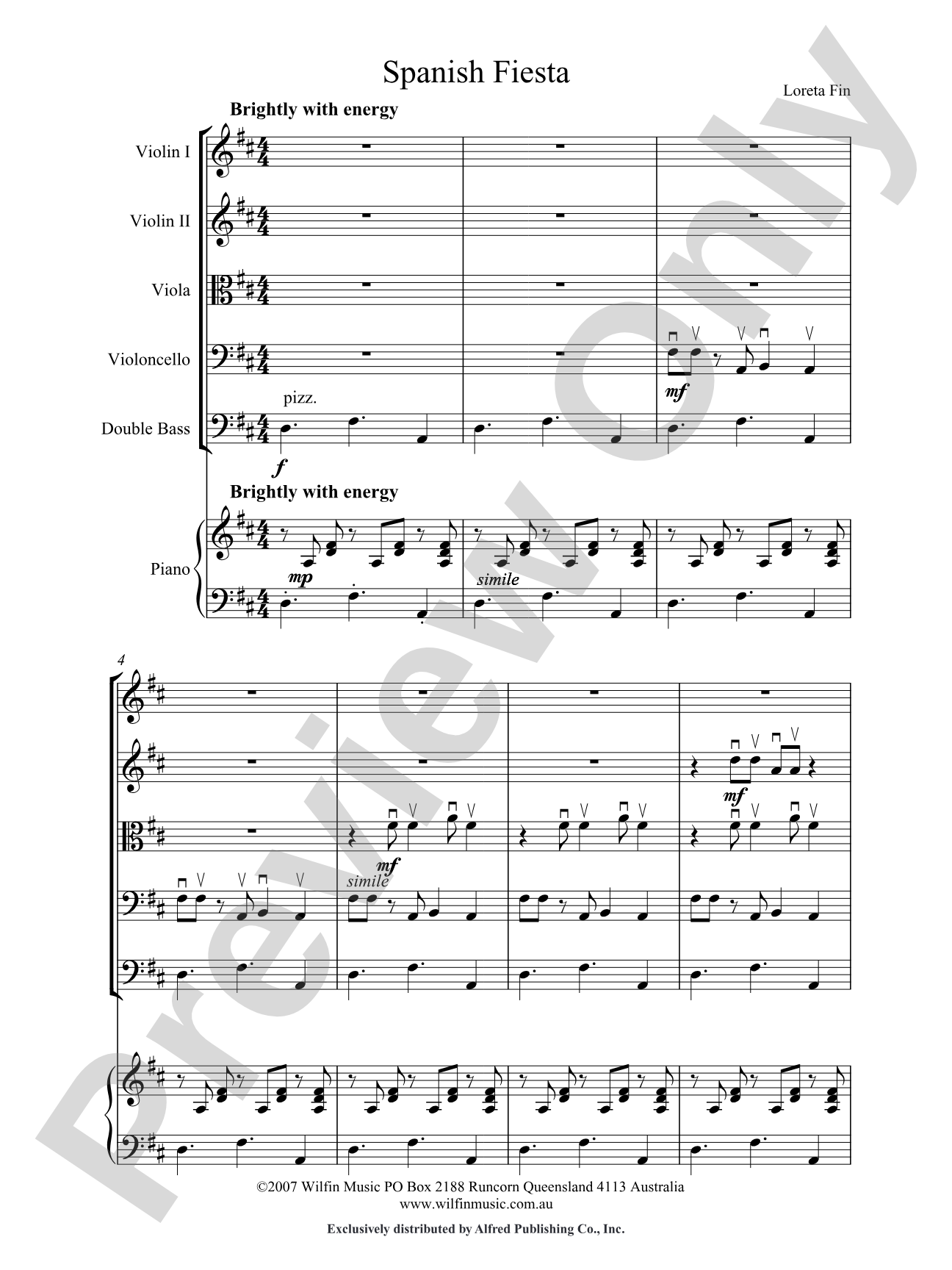
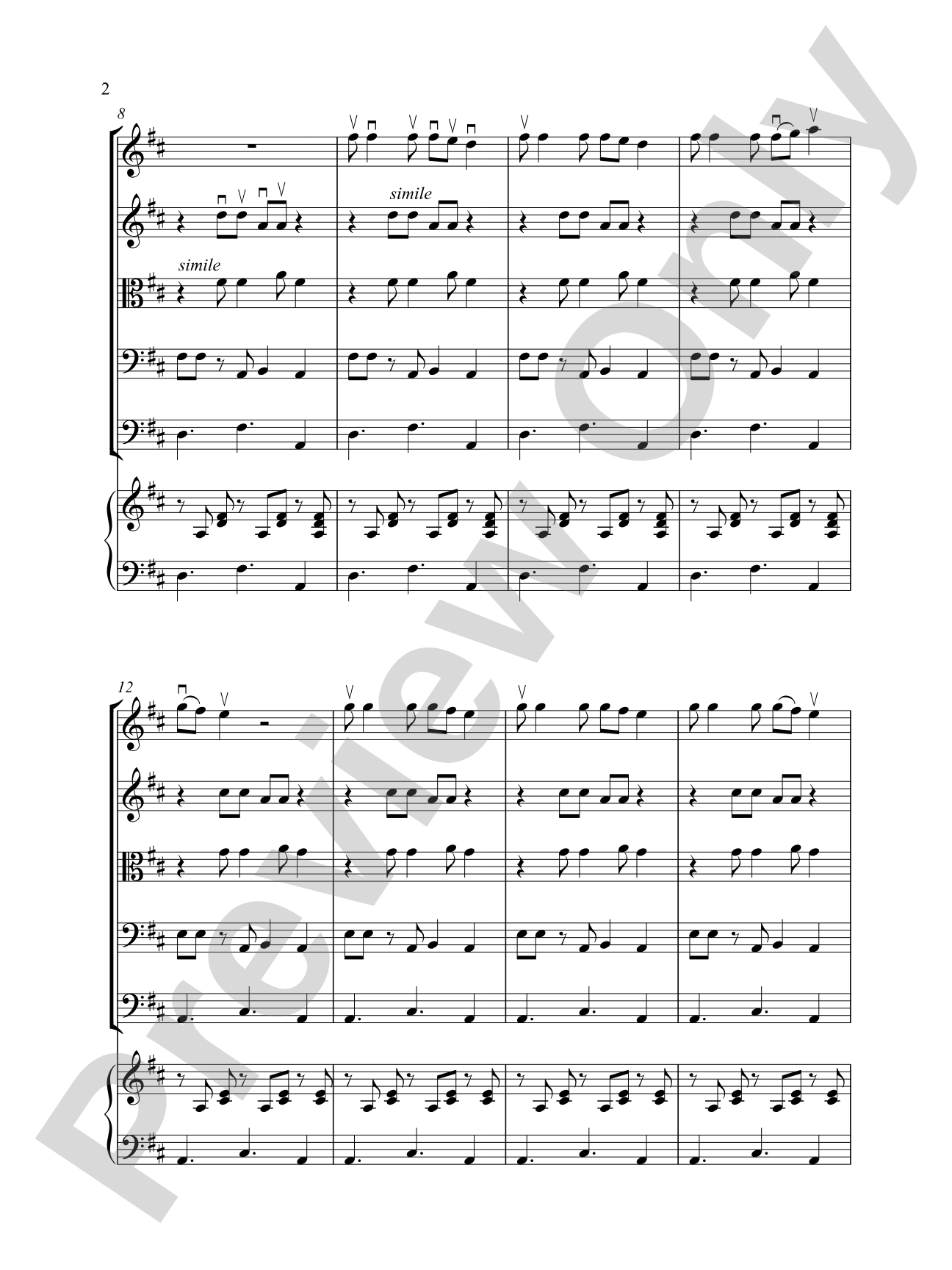
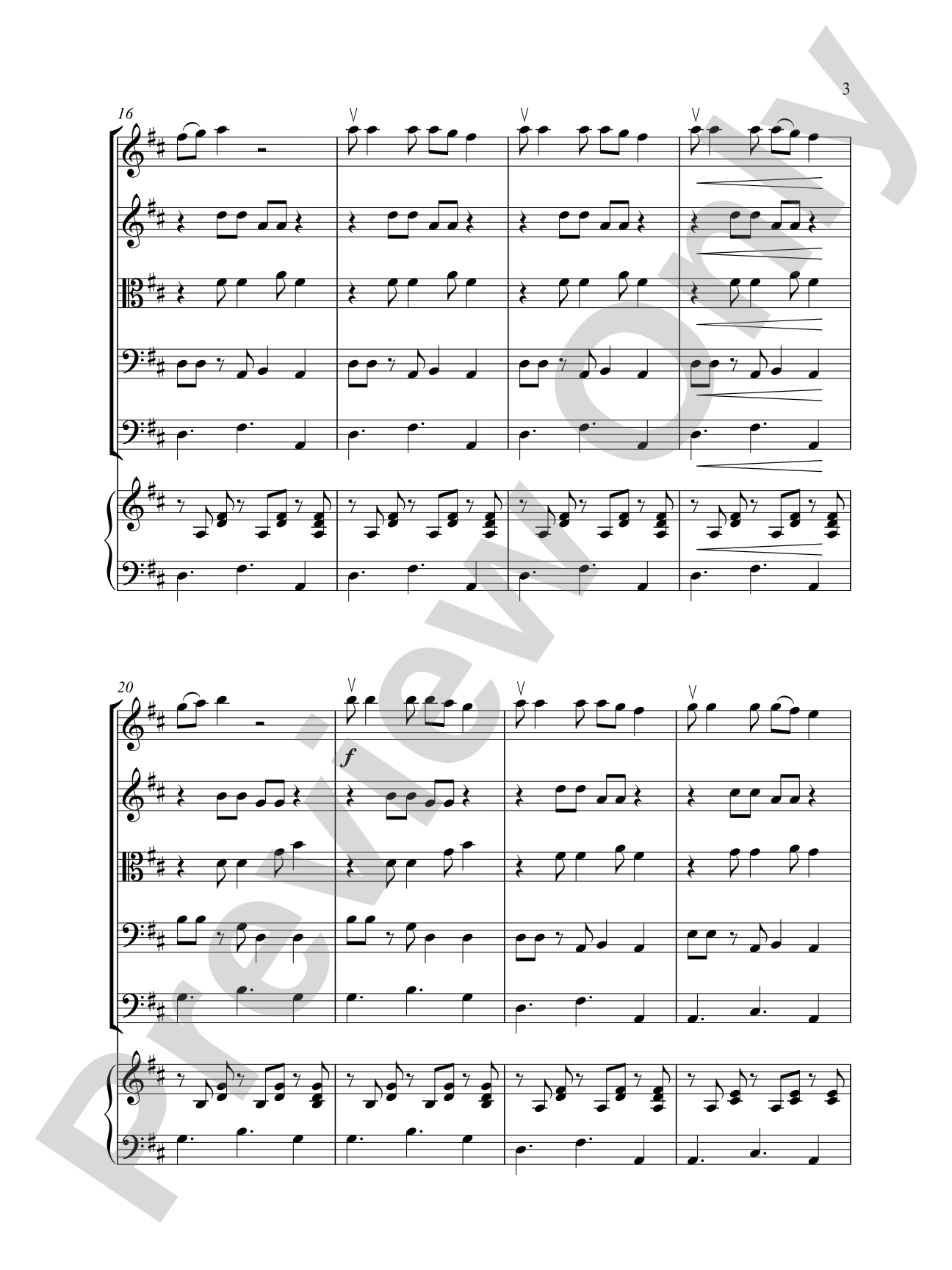
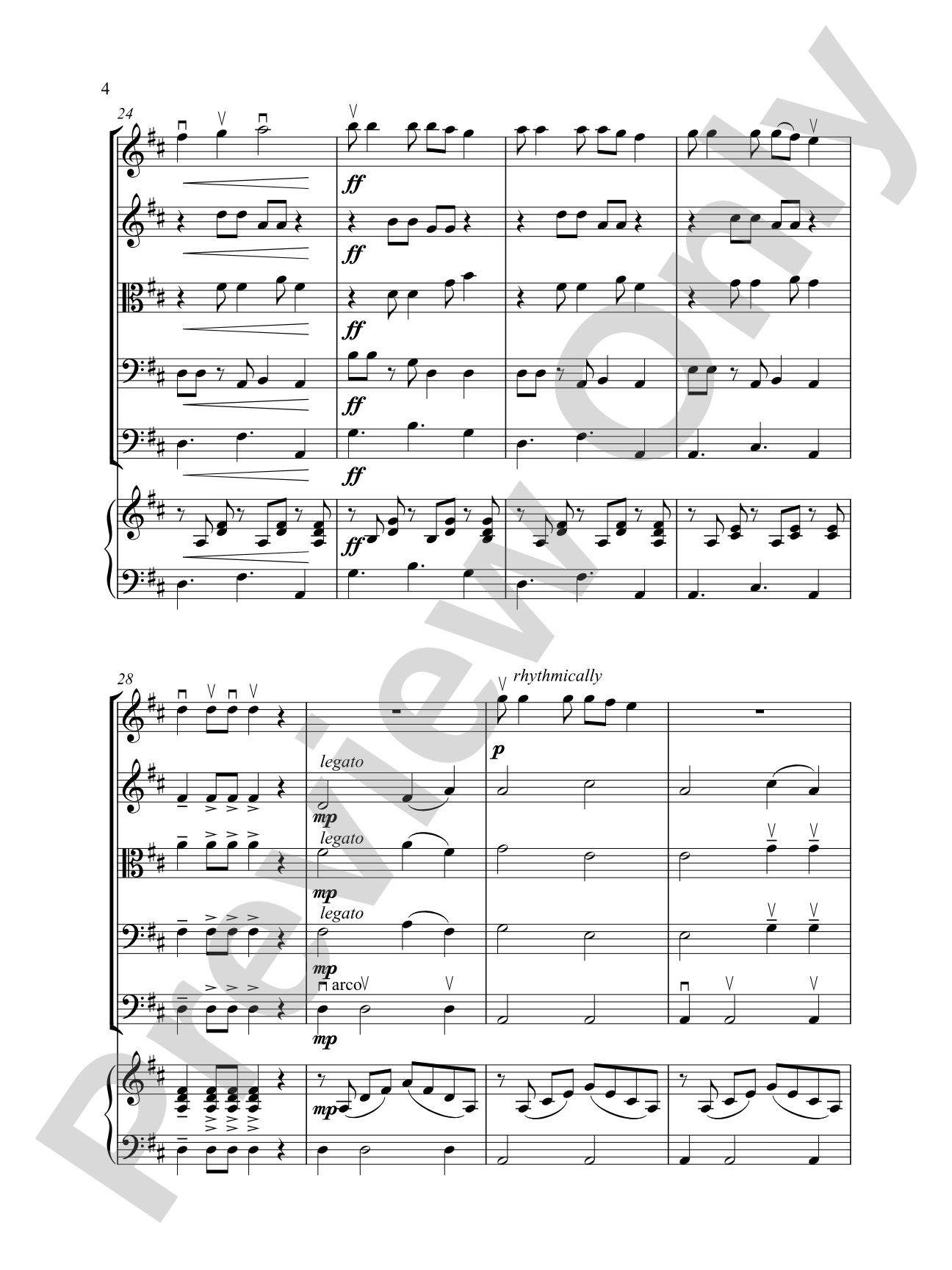
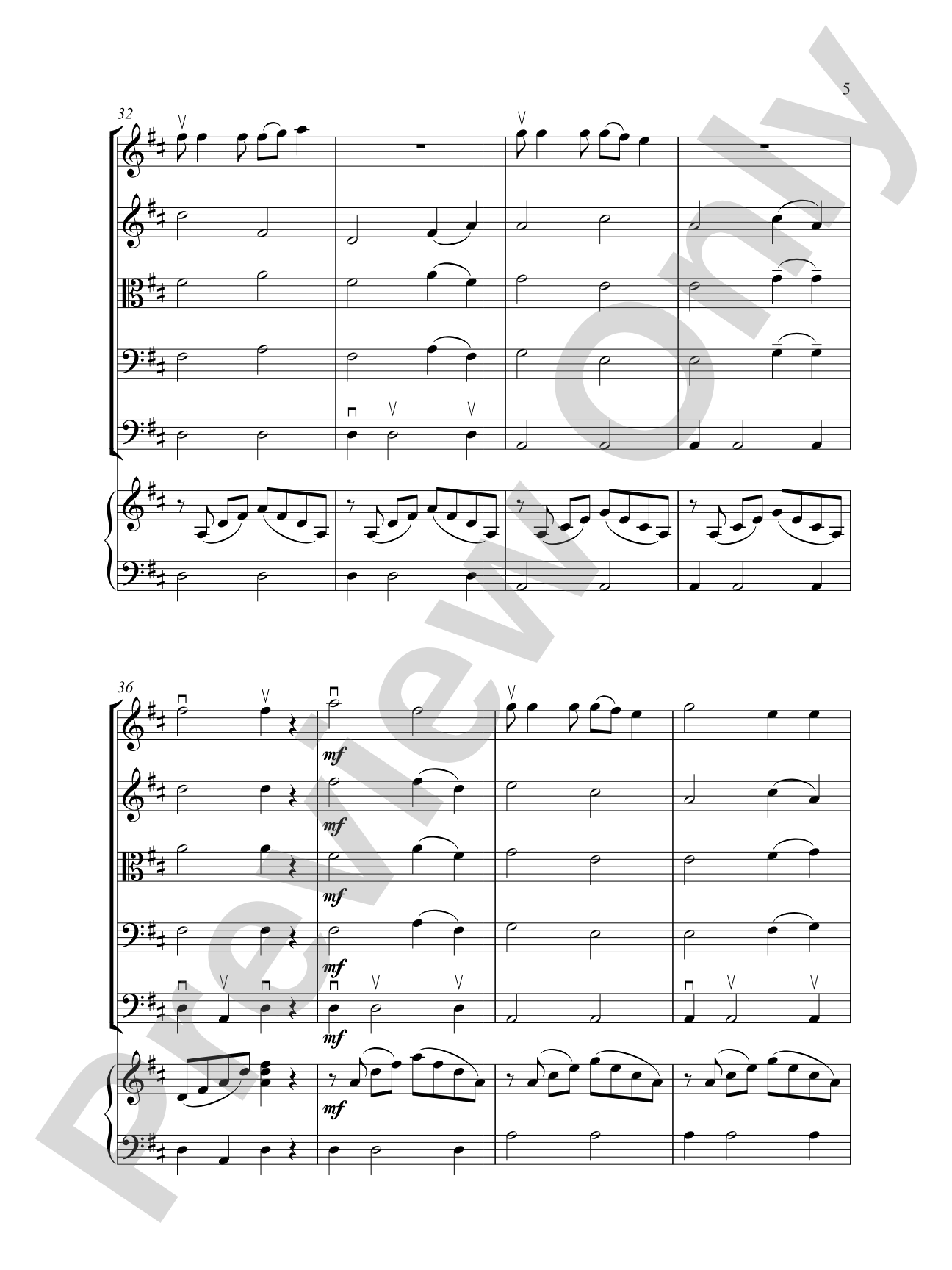
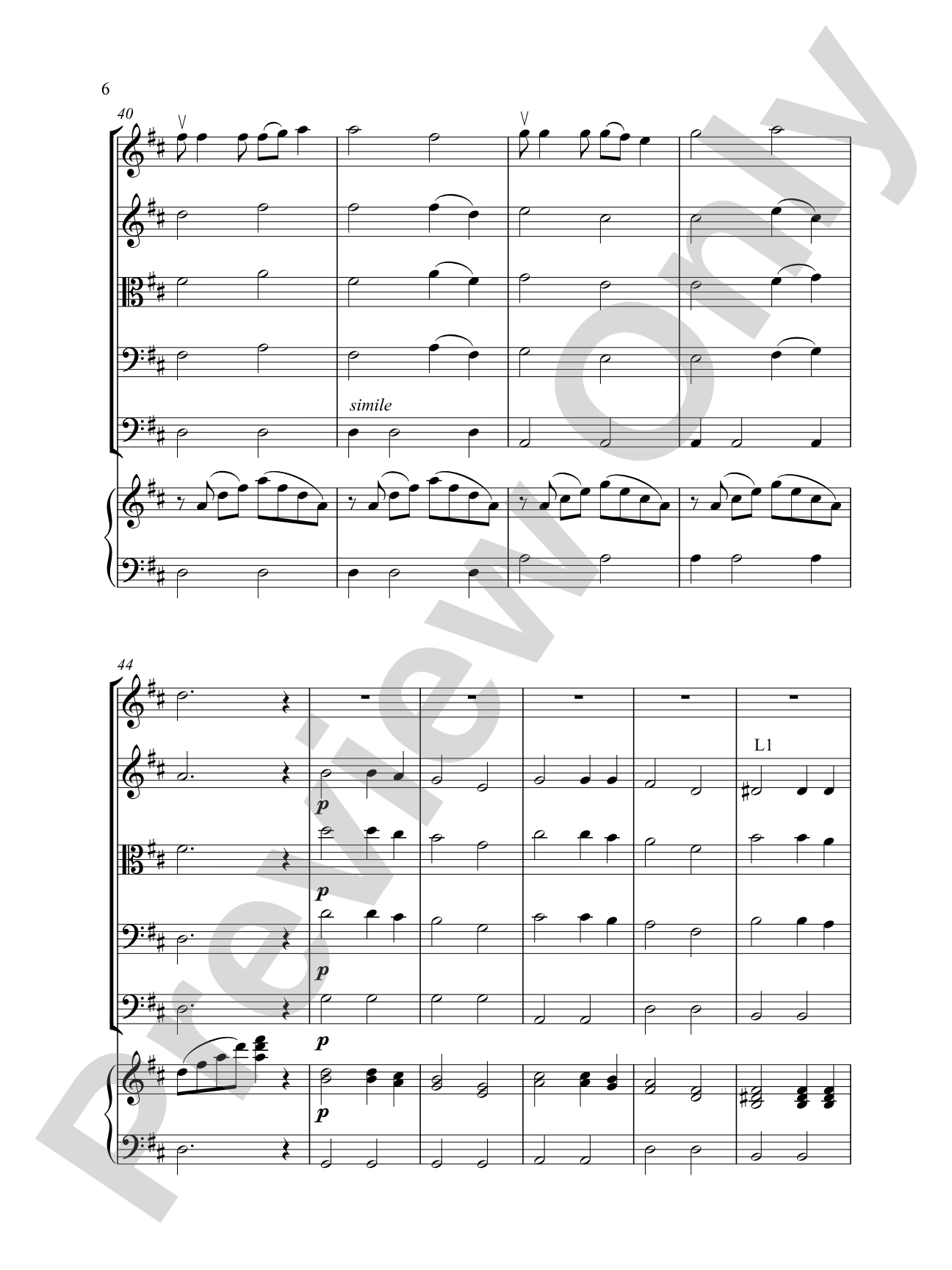
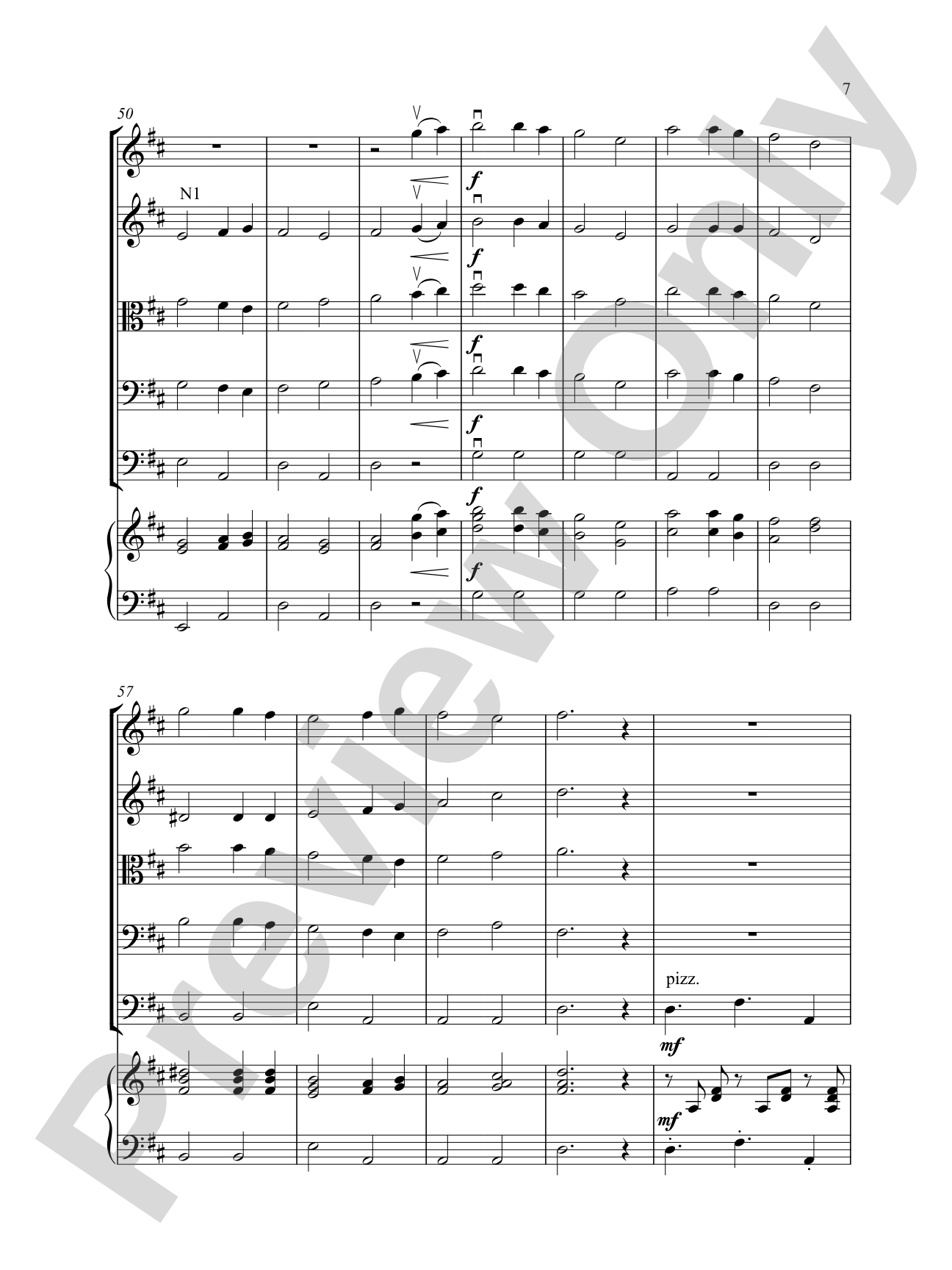
Catchy from the opening bars, the piano part adds interest in this piece and will cover the bass if not available. It is rhythmically interesting, using syncopation and accents. The bowing and rhythms look tricky at first, but as they are repetitive, they will be easily learned and recognized when they return later in the piece and also in the future. A winner with audiences and students alike.


Spanish Fiesta: String Orchestra Conductor Score & Parts isn't in MakeMusic Cloud just yet...but it could be. Let us know you'd like to see it, and you'll help shape what comes next. In the meantime, start a free trial and dive into thousands of interactive titles your students can play along with today.
Request This Title
Tell us you want it.
Start Your Free Trial
Explore everything that's ready to play right now.
Sample Audio
No sample audio found.
Sample Video
No sample videos found.
Additional Details
Series:
Wilfin String Orchestra: Young String Ensemble Series
Publisher:
Wilfin Music
Page Count:
128
SKU:
76-PK-0000043
More about this title
About the Composer: Loreta Fin

Loreta Fin studied violin at the Sydney Conservatorium of Music and performed as first violinist with the Sydney Youth Orchestra before establishing herself as a chamber musician and orchestral performer. For over 25 years, she has served as Principal Viola player with the Queensland Pops Orchestra while directing strings at Somerville House School in Brisbane since 1993.
A prolific composer of more than 100 works for string orchestra, Fin has become a respected voice in string pedagogy across Australia and internationally. She has presented at multiple National Music Conferences, adjudicated major competitions, and conducted Honours Ensembles Programs. Her contributions to string education earned her a Queensland State Award for services to the Australian Strings Association in 2009 and the National Award for Services to Music and String Teaching. Fin currently serves as State Advisor for Strings with the Australian Music Examinations Board.
Why we love this
Fin has written a piece that sounds far more sophisticated than its Grade 2.5 rating suggests. The syncopation and accents create genuine rhythmic interest, while the repetitive patterns mean students master the bowing without frustration. The included piano part is genuinely useful, covering the bass line when low strings are stretched thin.
What to expect
Spanish Fiesta captures the energy and momentum of its title from the very first bars. Syncopation and strategic accents give the piece a rhythmic vitality that audiences find immediately engaging, while the repetitive melodic and rhythmic shapes make the writing memorable for players and listeners alike.
Who it's for
String orchestras with developing musicians who are ready to tackle rhythmic sophistication without needing complex fingering patterns or multiple position shifts. This works equally well for an ensemble of 20 or a smaller group, thanks to the piano's ability to fill in the bass line when needed.
How to get the most out of it
- Lock in the syncopated rhythms during sectional rehearsals by clapping the written figure before bowing. Once the shape is secure in their hands, the part becomes natural.
- Use the piano part as a reference when tuning the lower strings, especially if your ensemble is small. It will help reinforce intonation against a harmonic anchor.
- Conduct clearly through the accents and syncopation in your opening run-throughs. Students will follow the gesture and quickly recognize where the rhythmic interest lies.
How to use it
Program this as a concert opener or closer to energize your audience and remind your students why they love playing music. Its accessibility at Grade 2.5 makes it ideal for a combined or all-festival program, where it will hold its own alongside more complex repertoire.
Skills your students will build
- Reading and executing syncopated rhythms with secure timing
- Playing sustained accents while maintaining tone quality
- Recognizing and remembering repeated rhythmic and melodic patterns across sections of the piece
- Intonation in the lower register against a harmonic accompaniment