
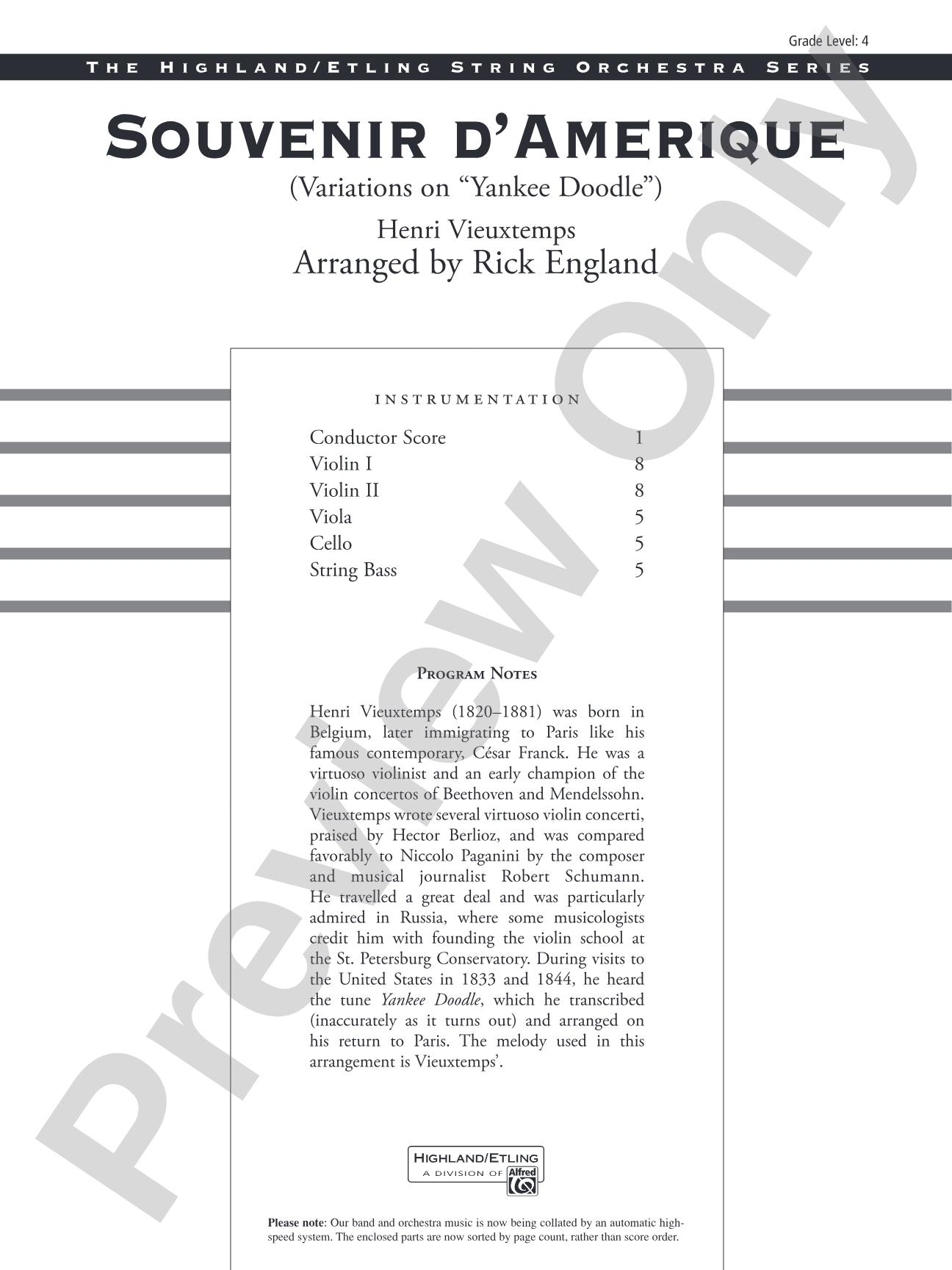
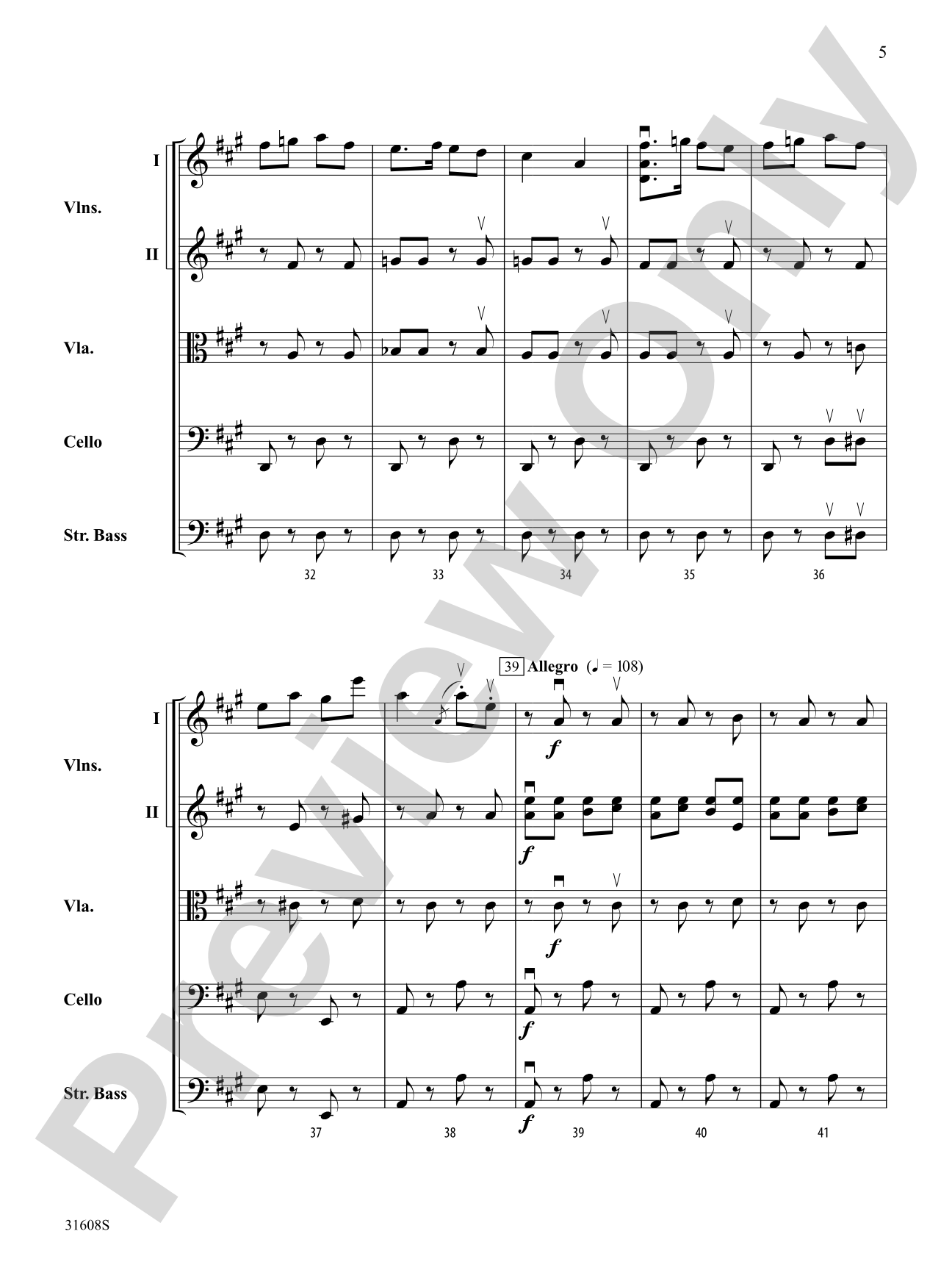
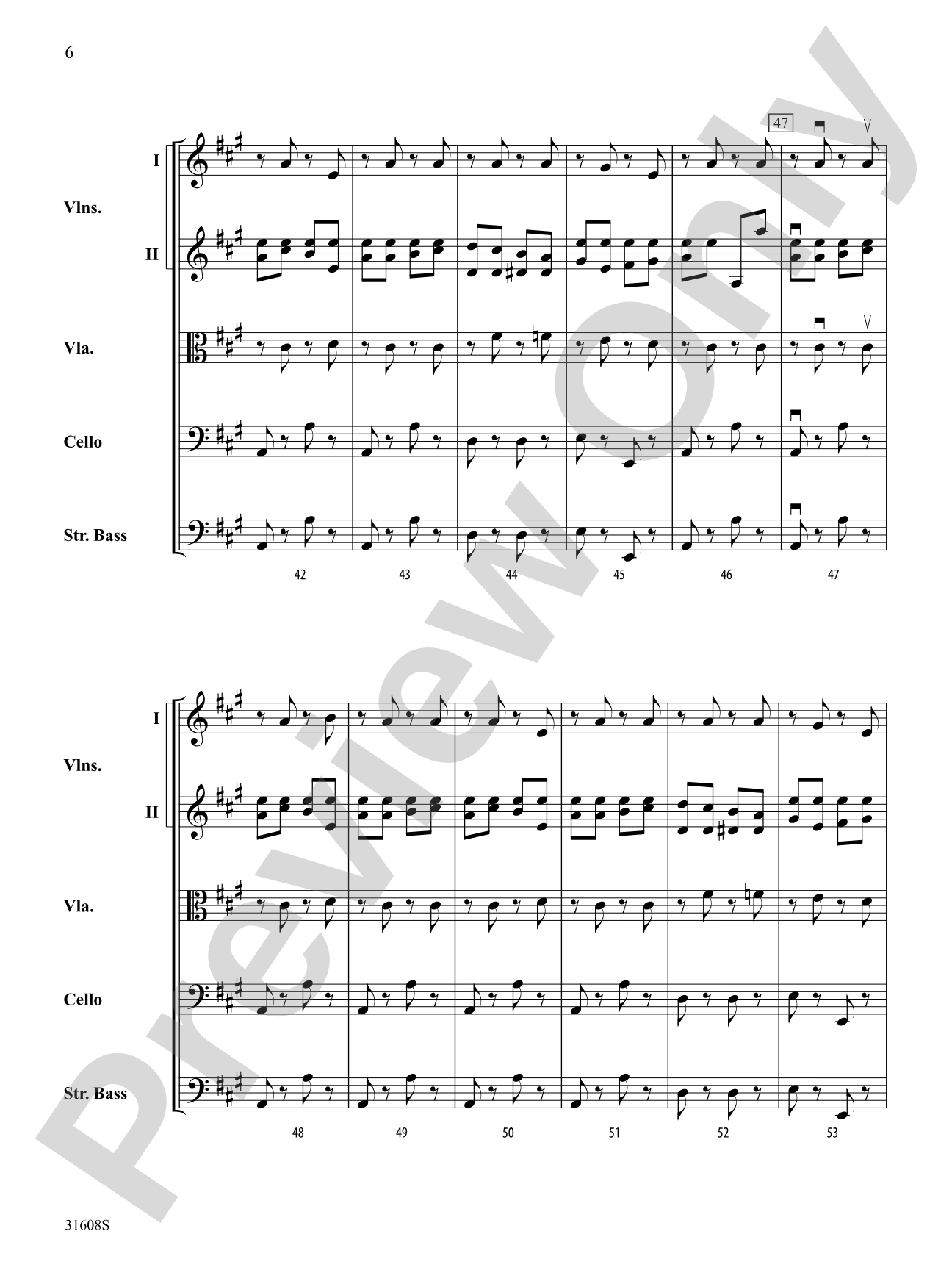
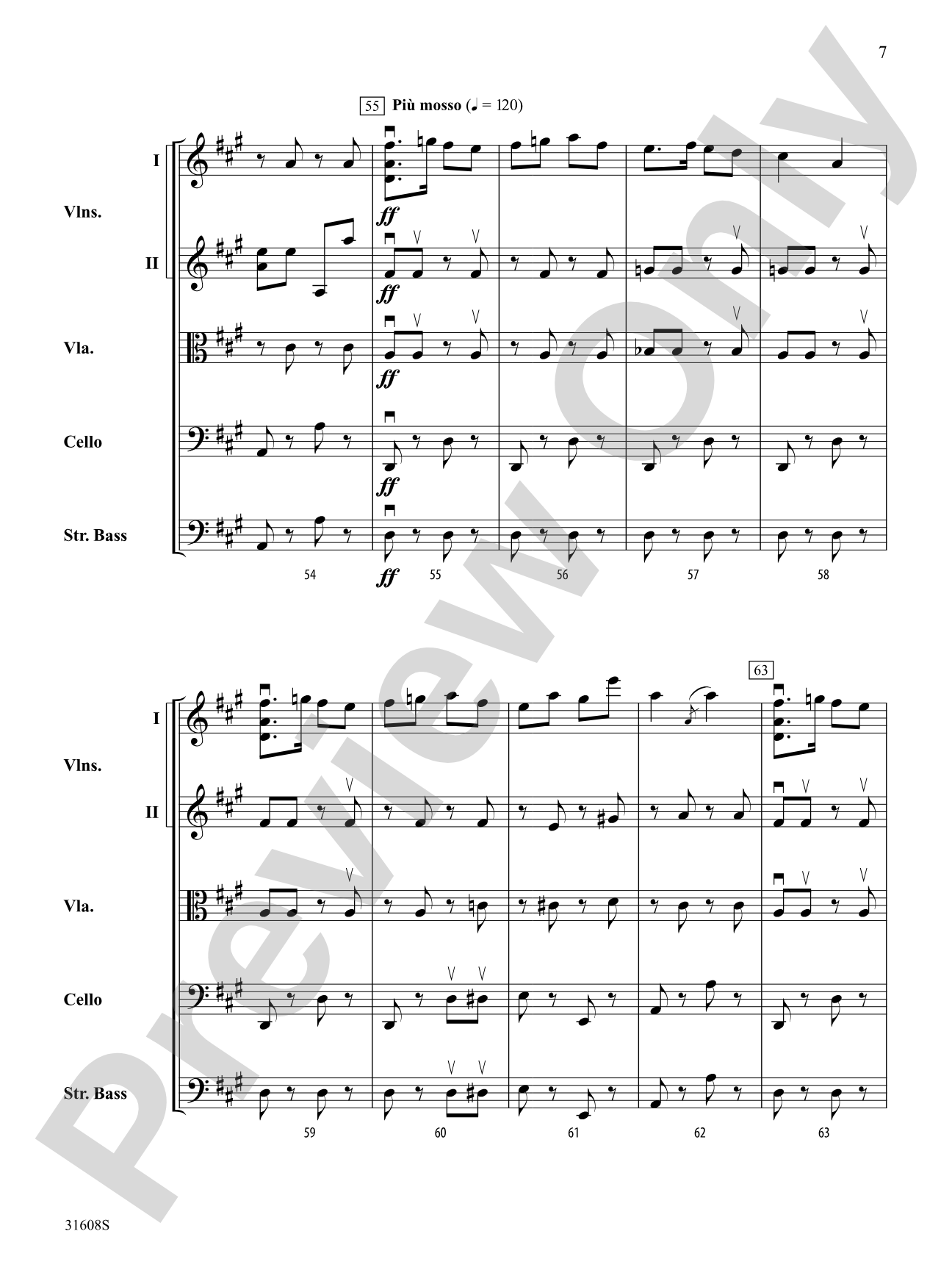
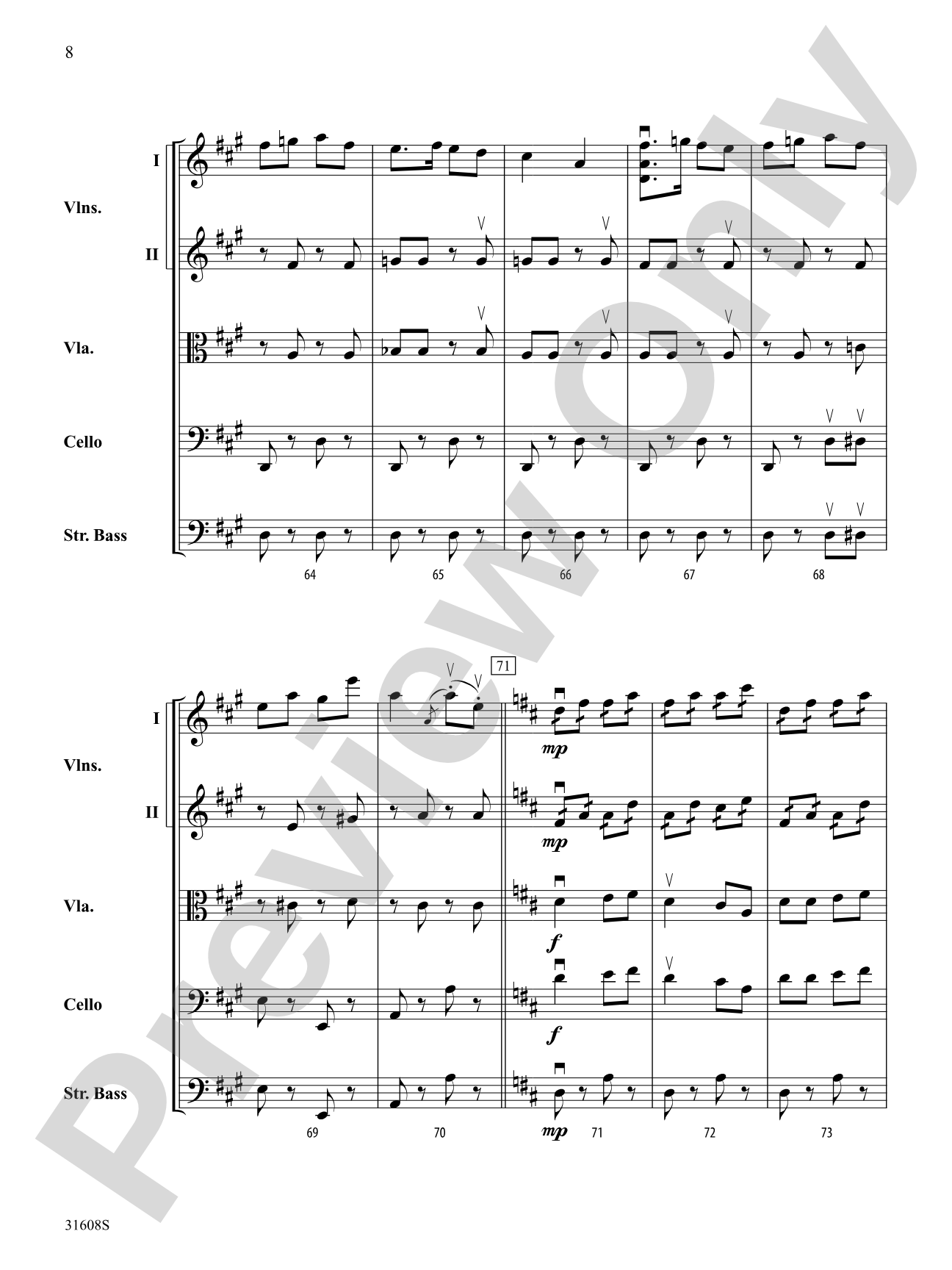
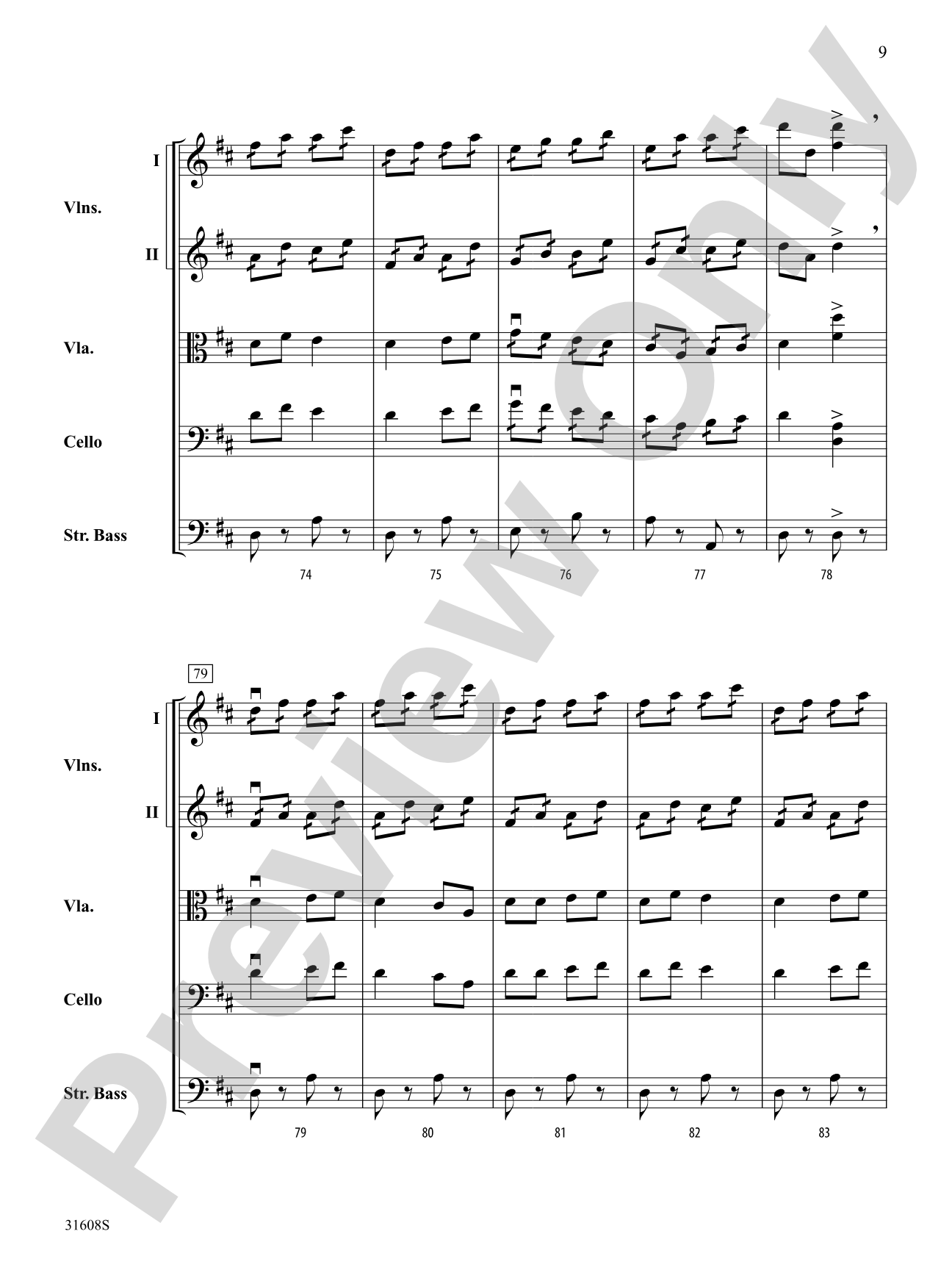
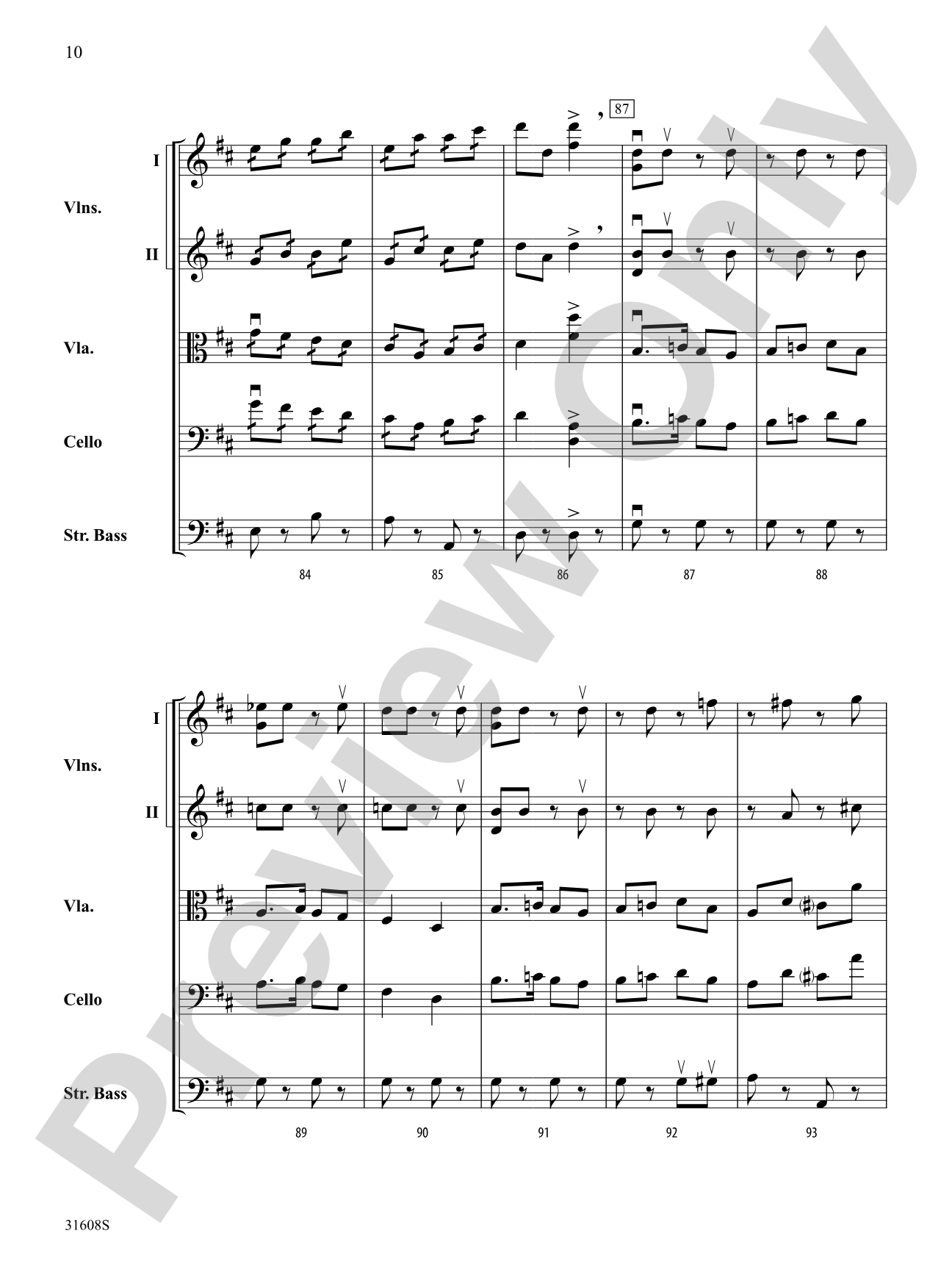
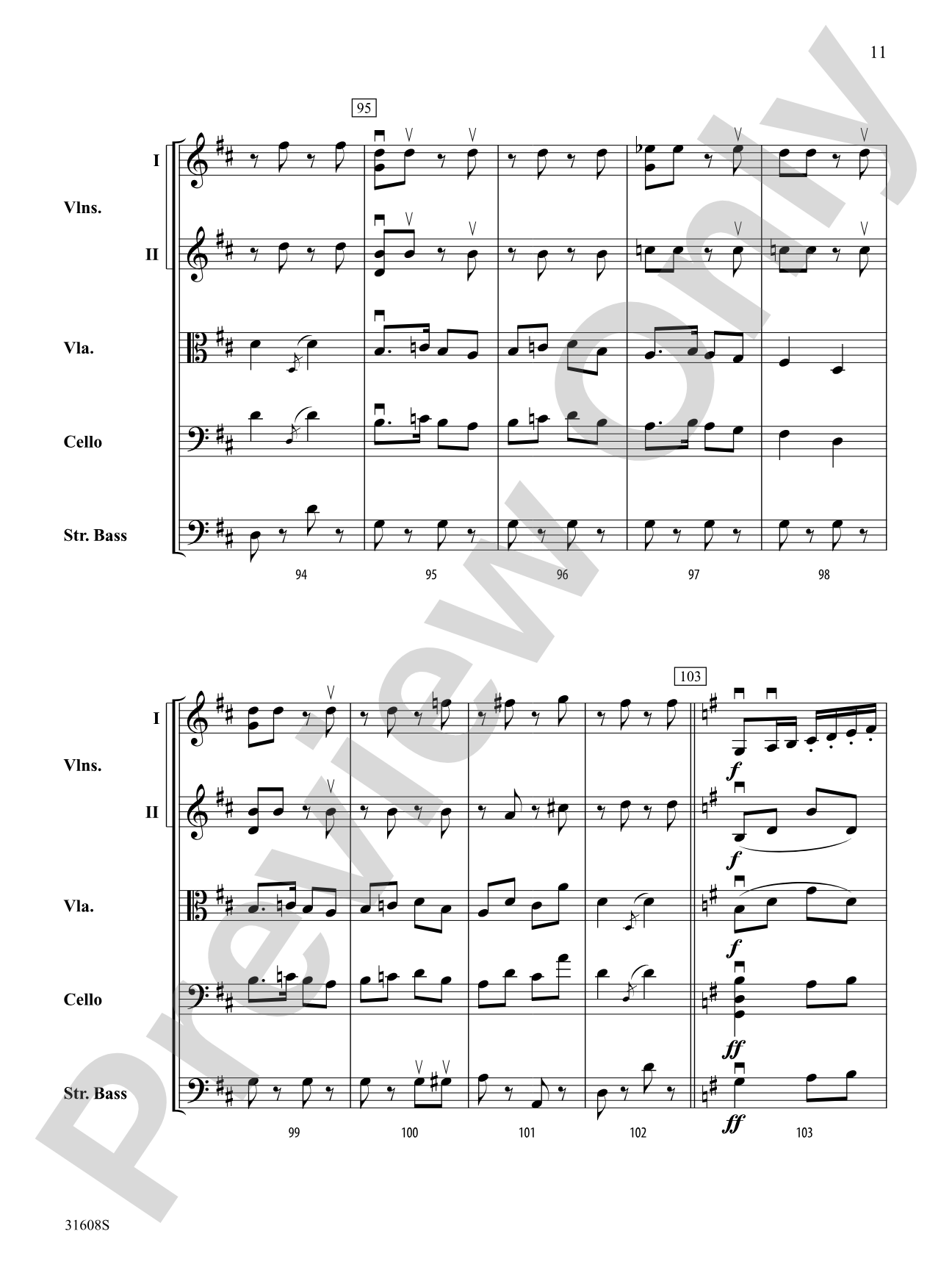
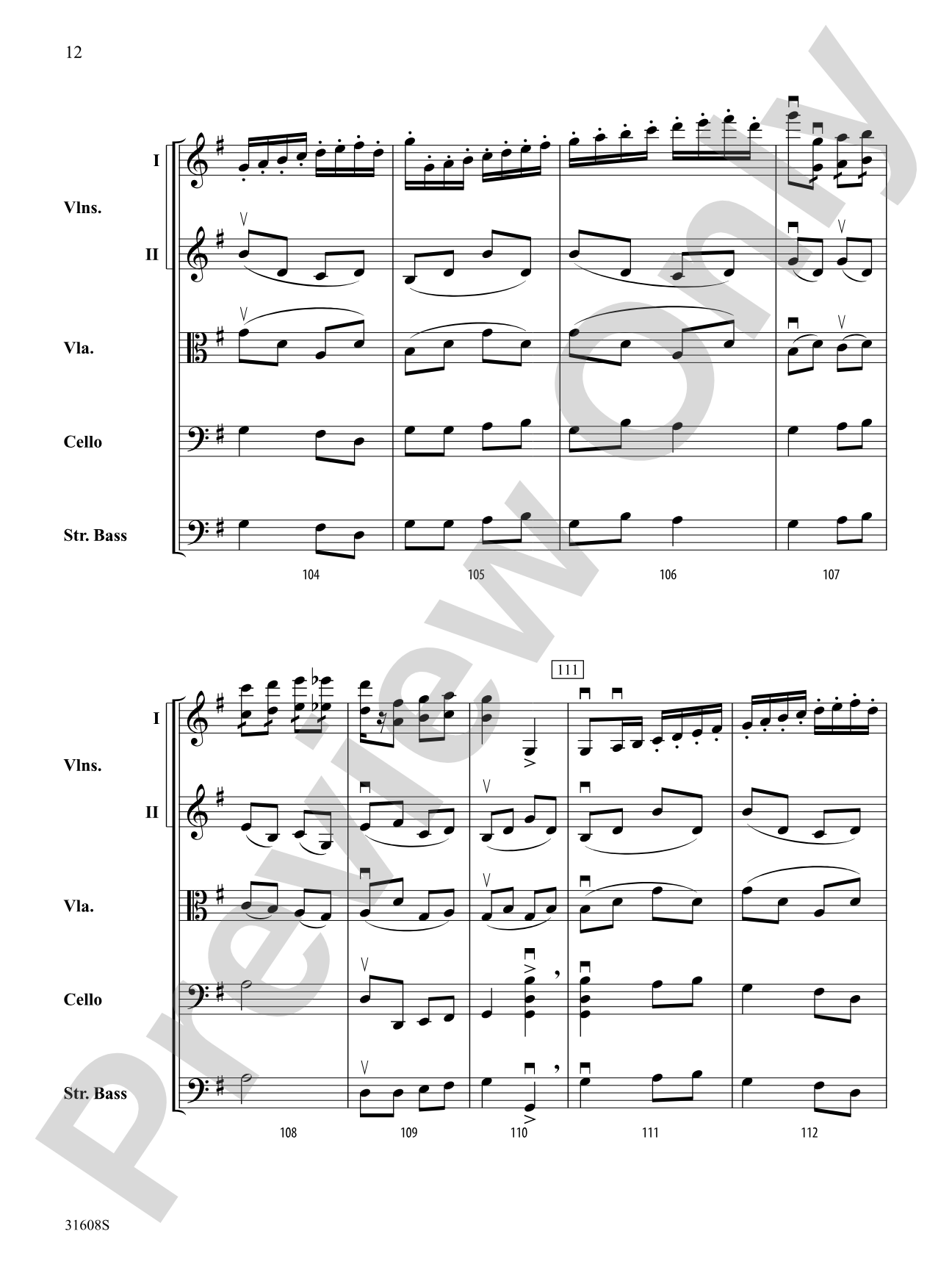
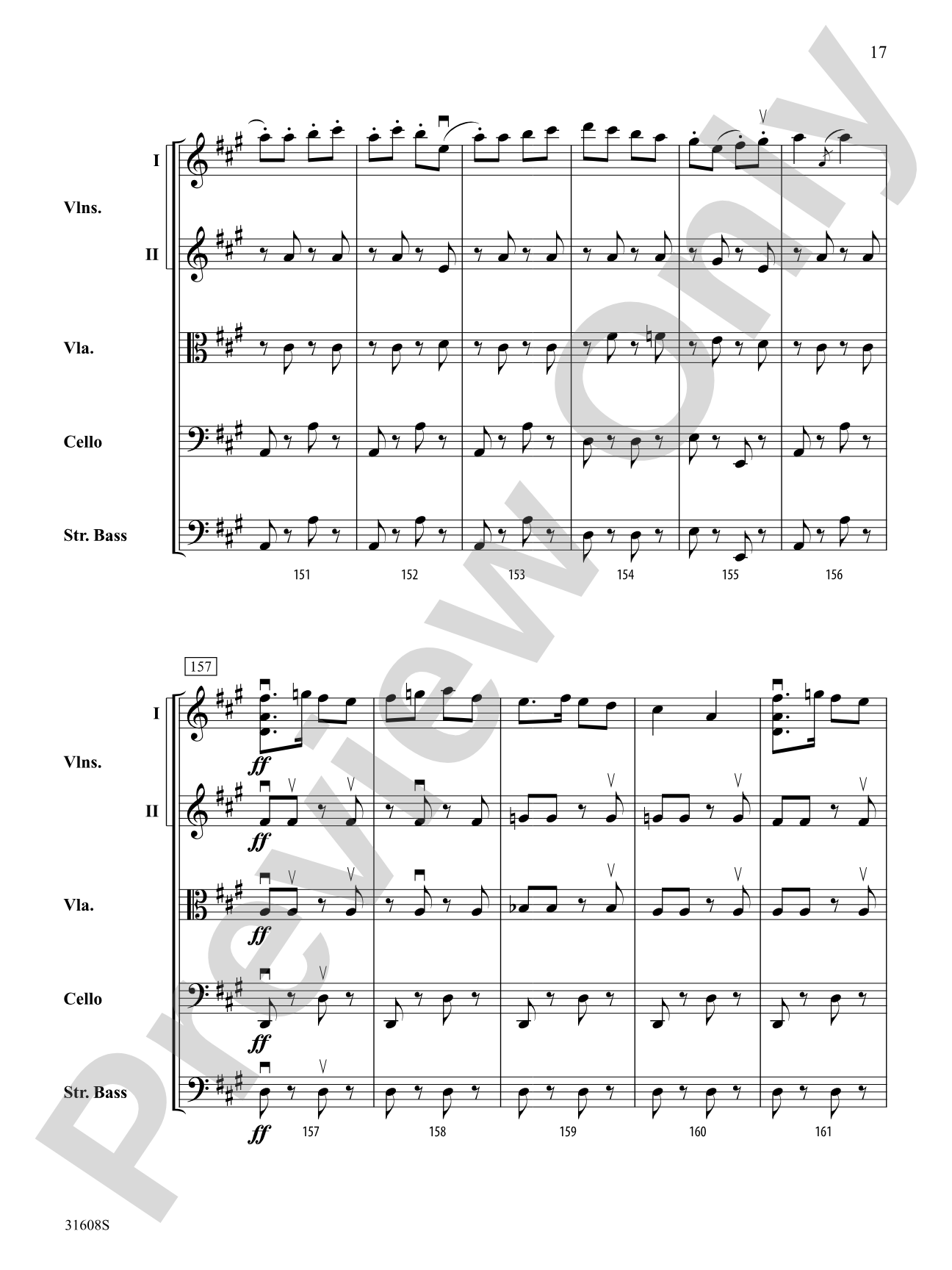
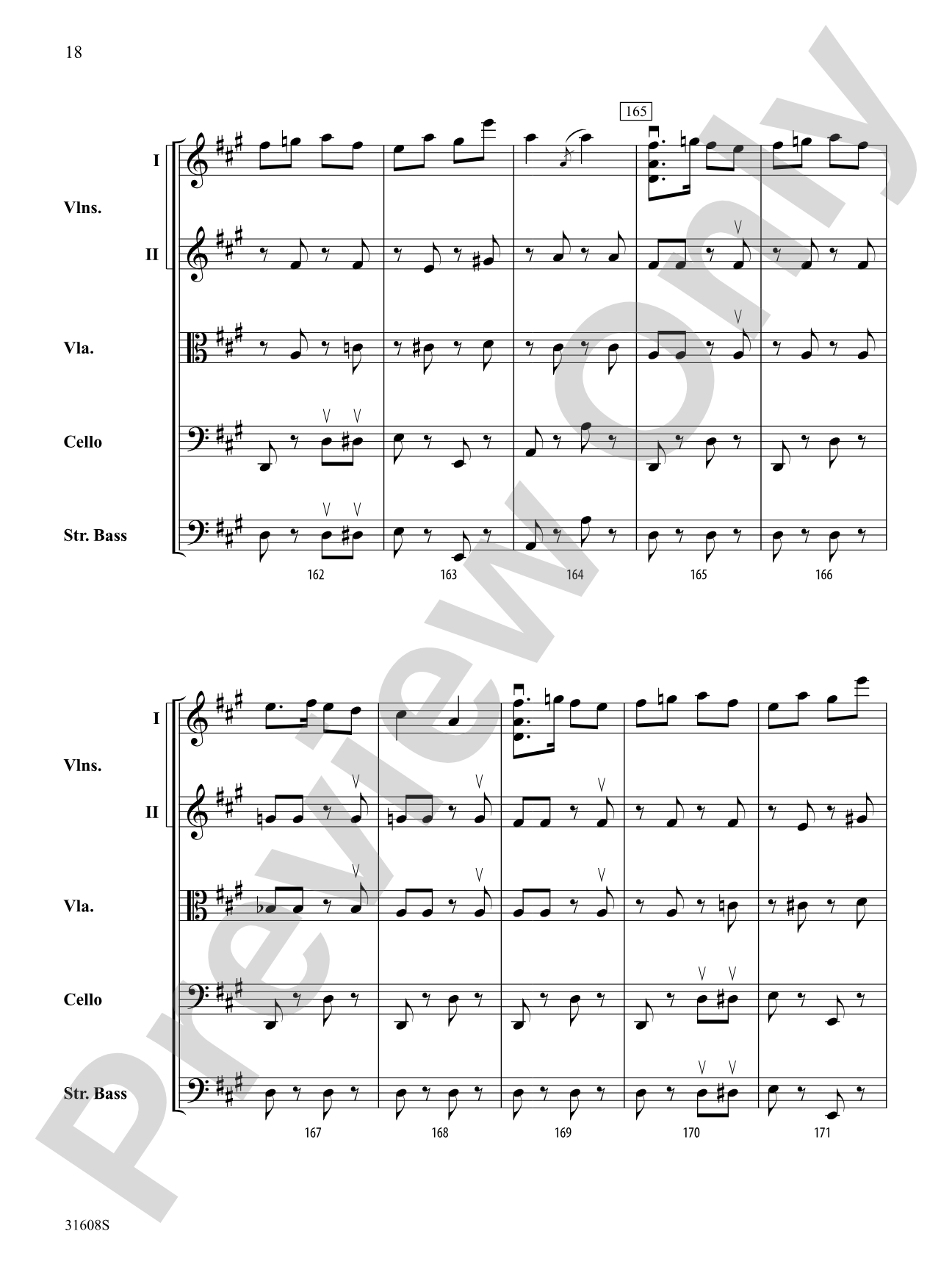
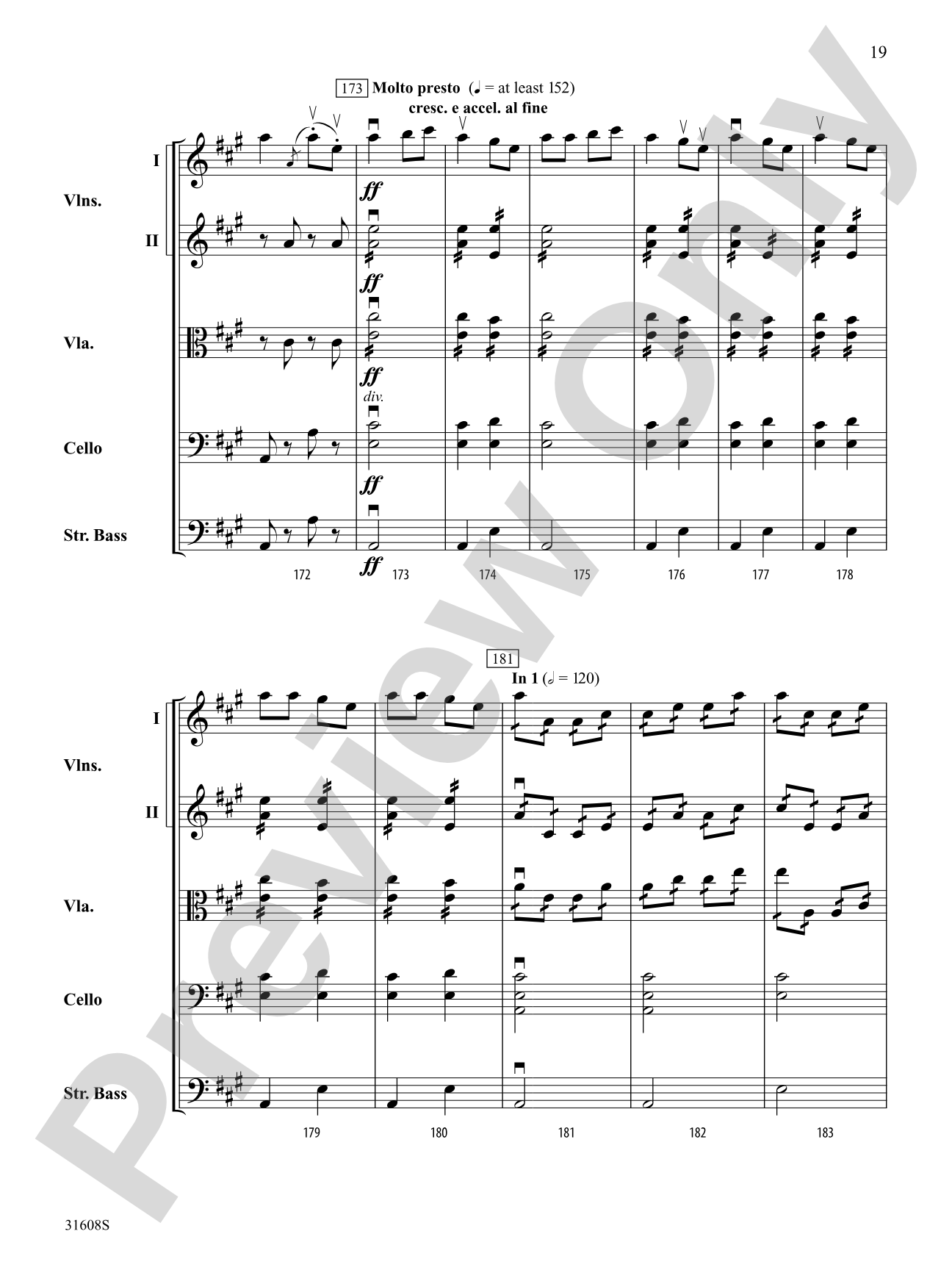
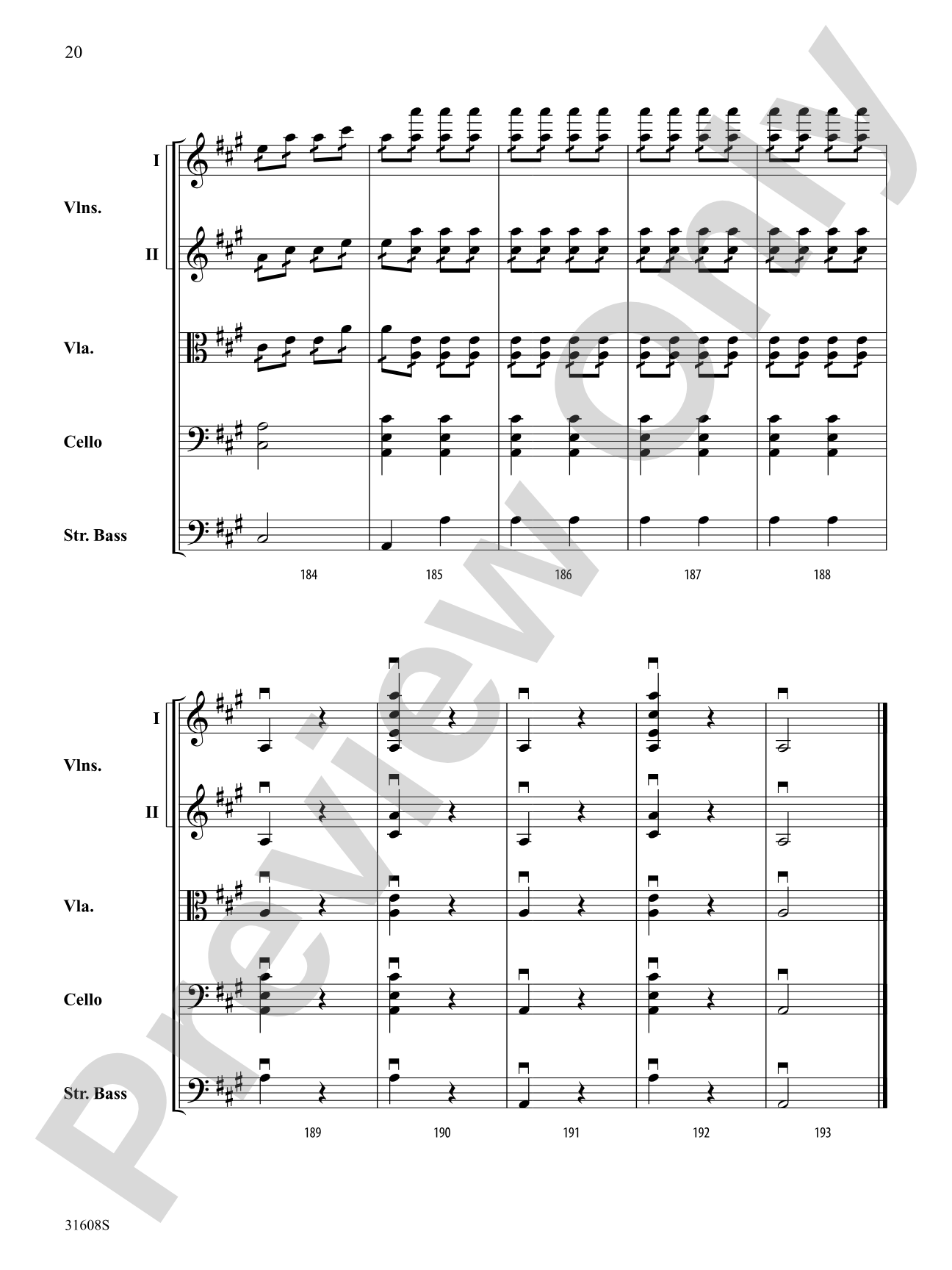

Souvenir d'Amerique: String Orchestra Conductor Score & Parts
Variations on Yankee Doodle
By Henri Vieuxtemps / arr. Rick England
Grade: 4
Item: 00-PK-0004561

$55.00
Pickup currently not available
Buy Extra Parts (Digital PDF Download)
| Product | Price | Quantity |
|---|---|---|
| Souvenir d'Amerique: Score | $7.00 | |
| Souvenir d'Amerique: 1st Violin | $5.99 | |
| Souvenir d'Amerique: 2nd Violin | $5.99 | |
| Souvenir d'Amerique: Viola | $5.99 | |
| Souvenir d'Amerique: Cello | $5.99 | |
| Souvenir d'Amerique: String Bass | $5.99 |
Parts Added to Cart!
Related Items
Souvenir d'Amerique: String Orchestra Conductor Score |
$7.00
|
View |
Description
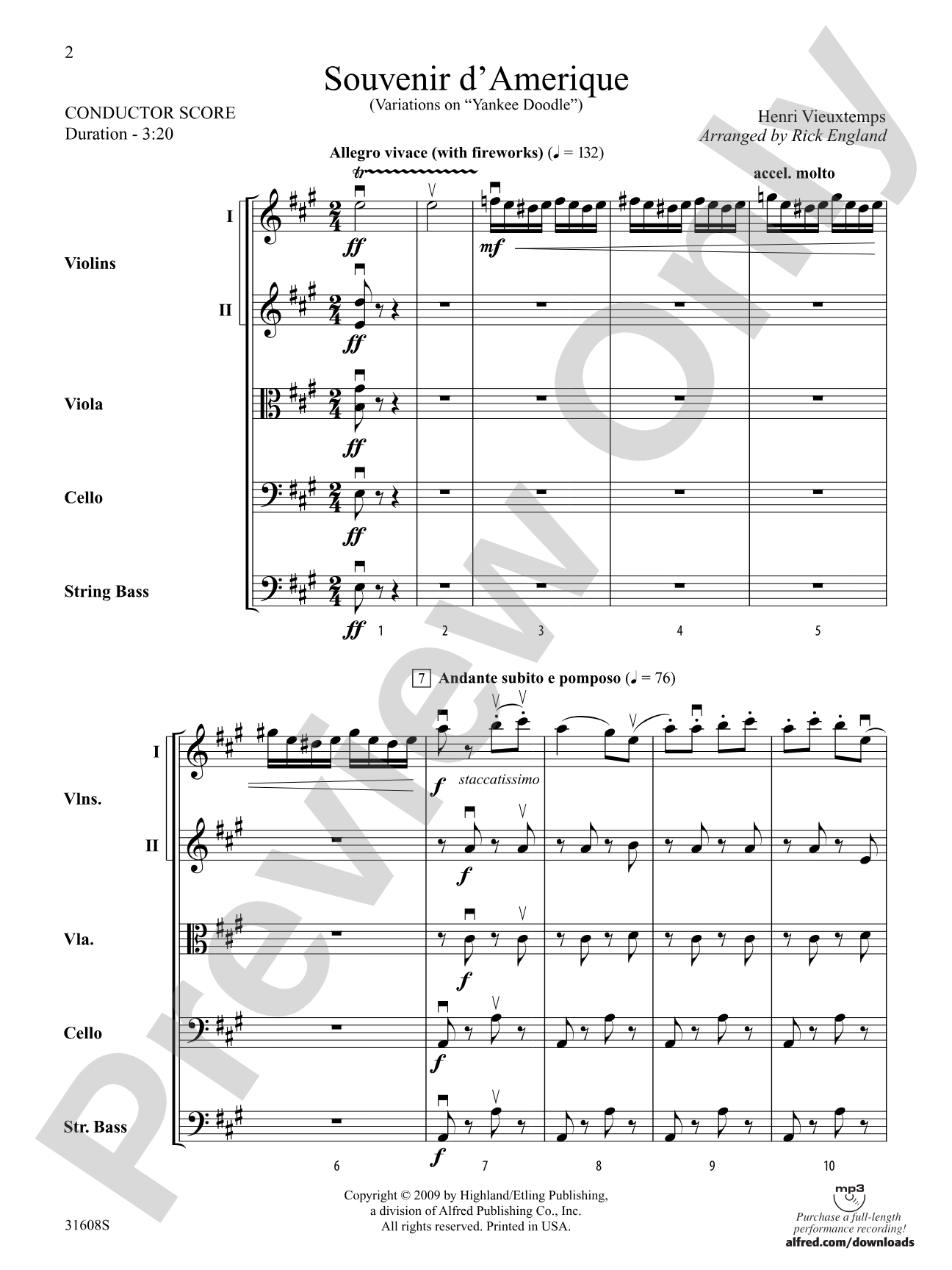
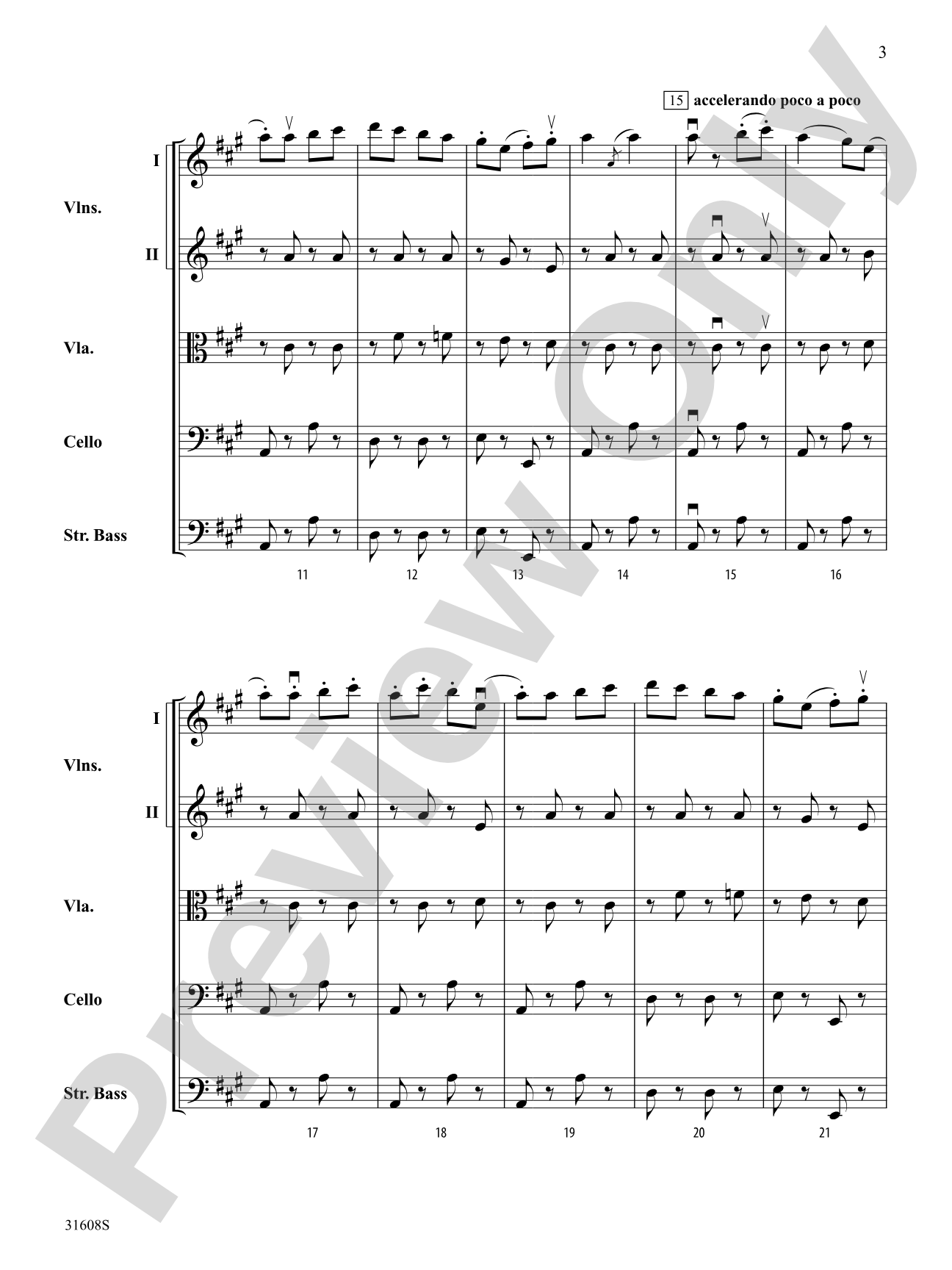
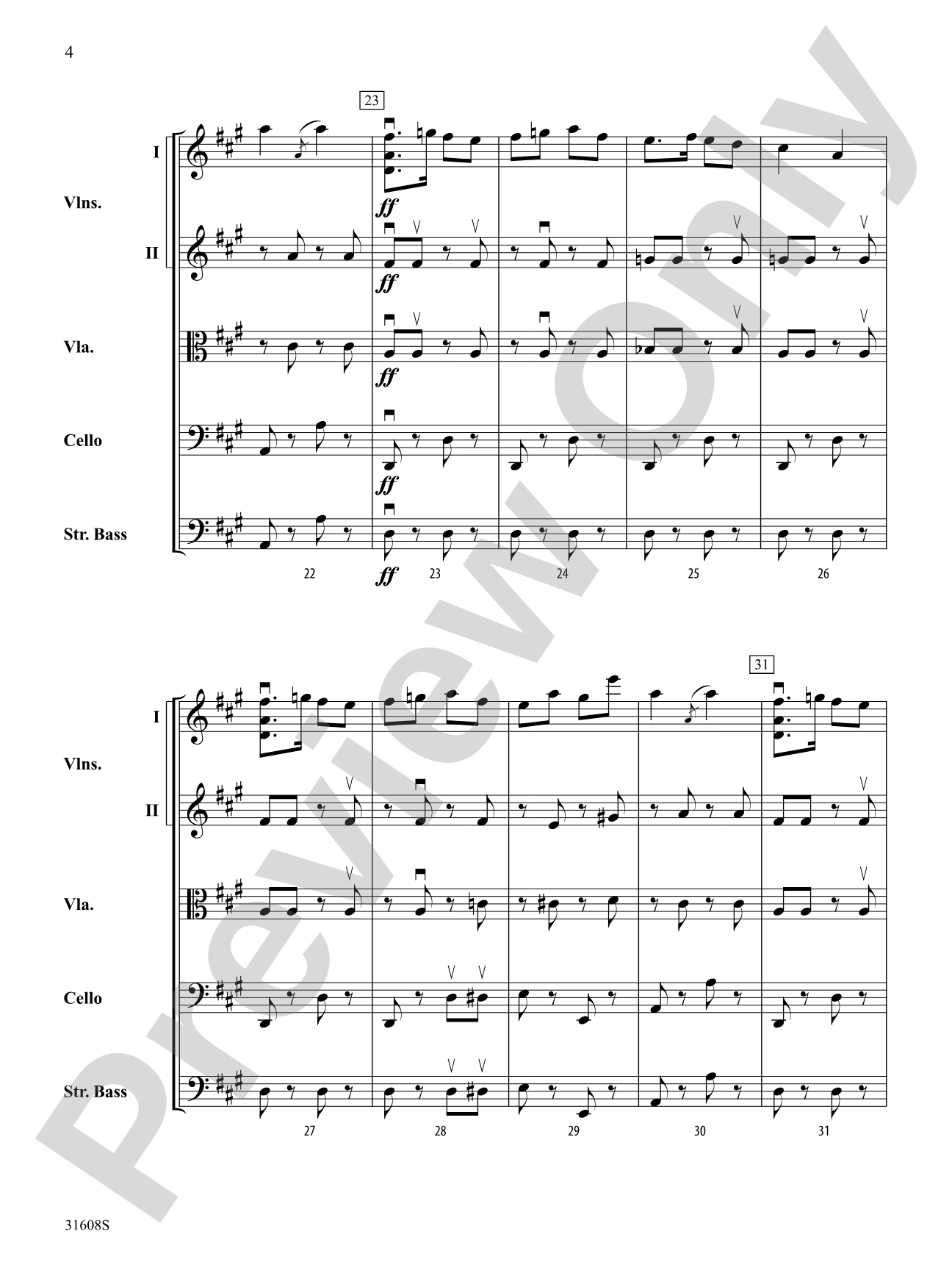
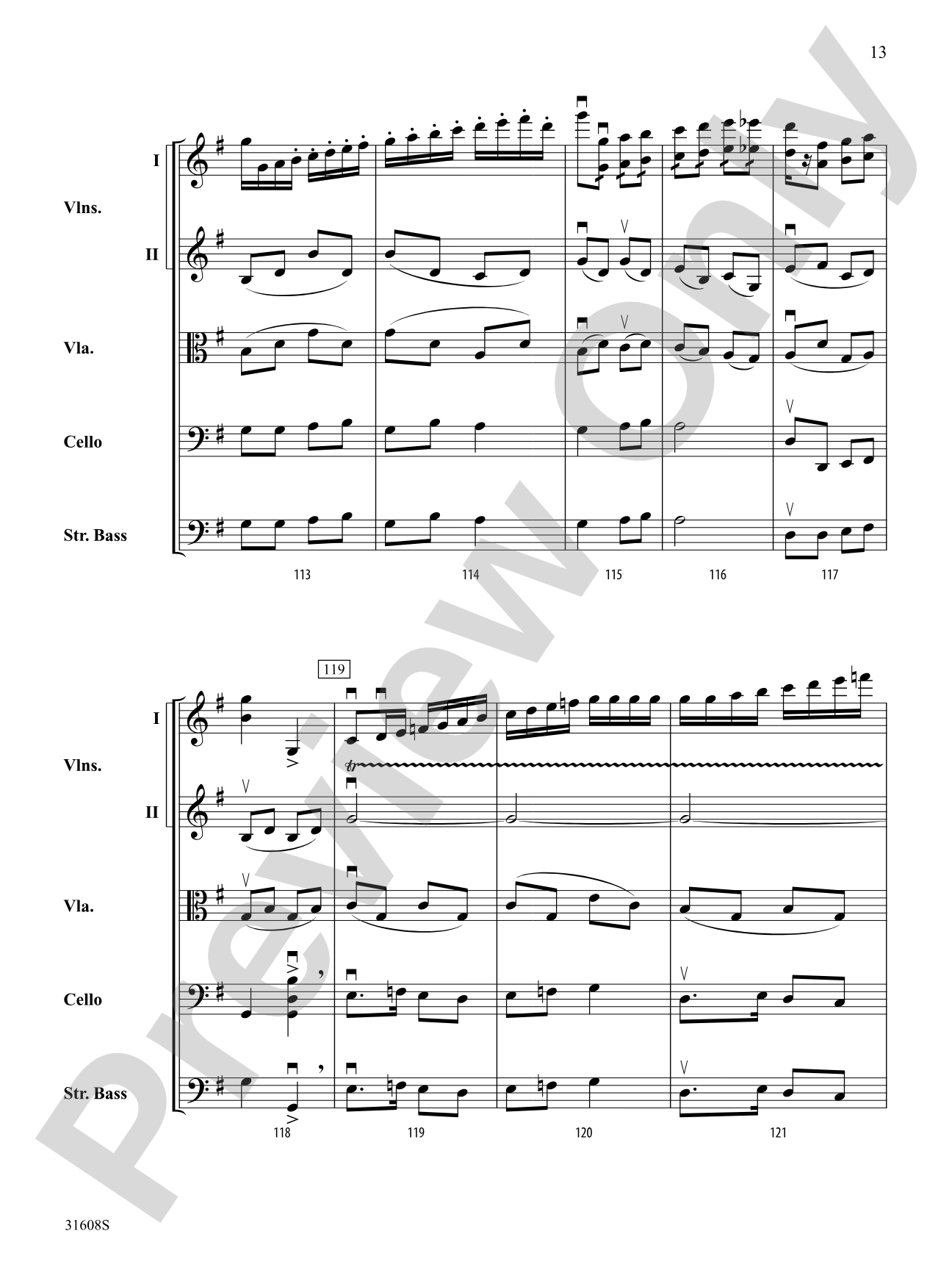
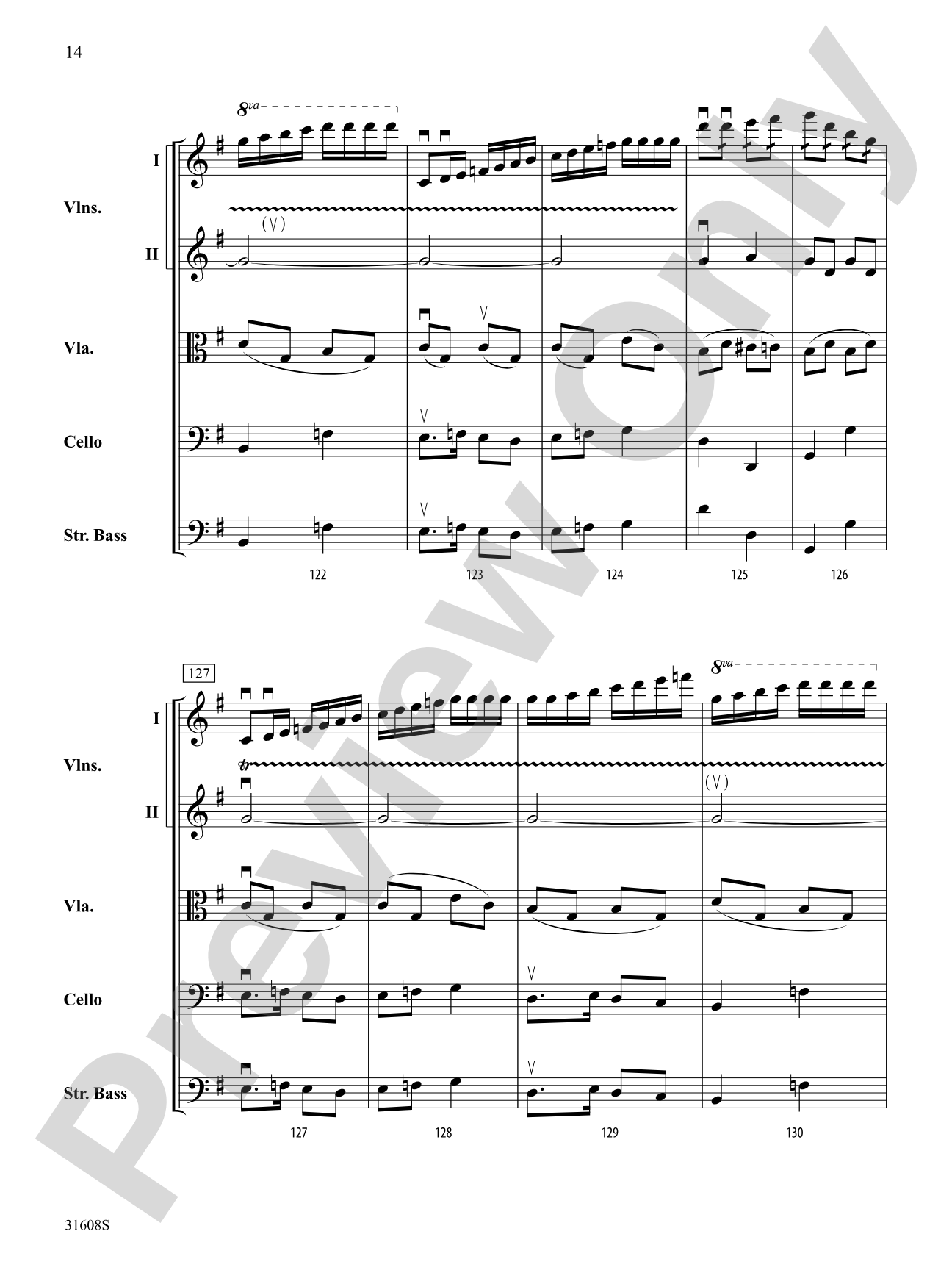
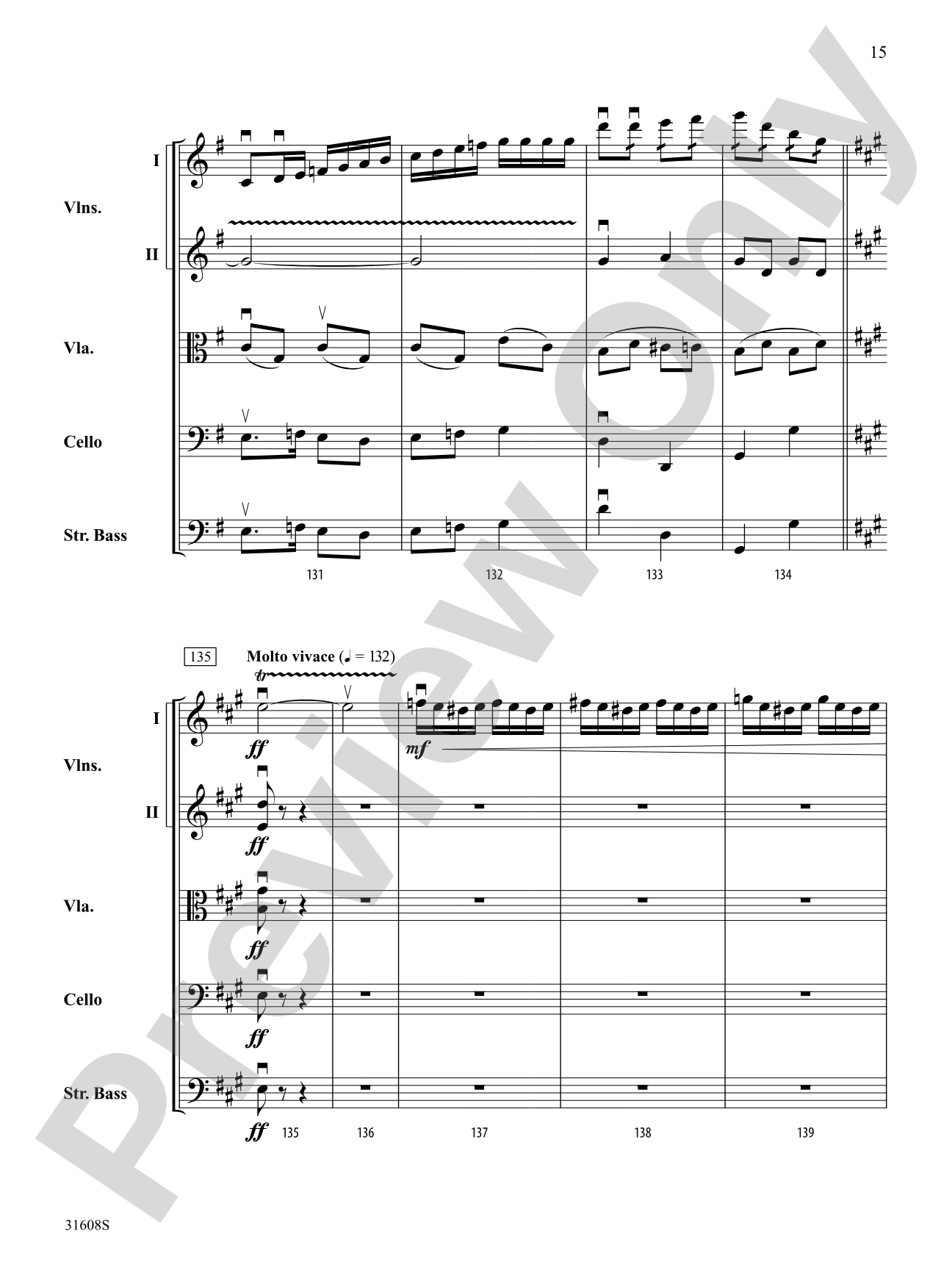
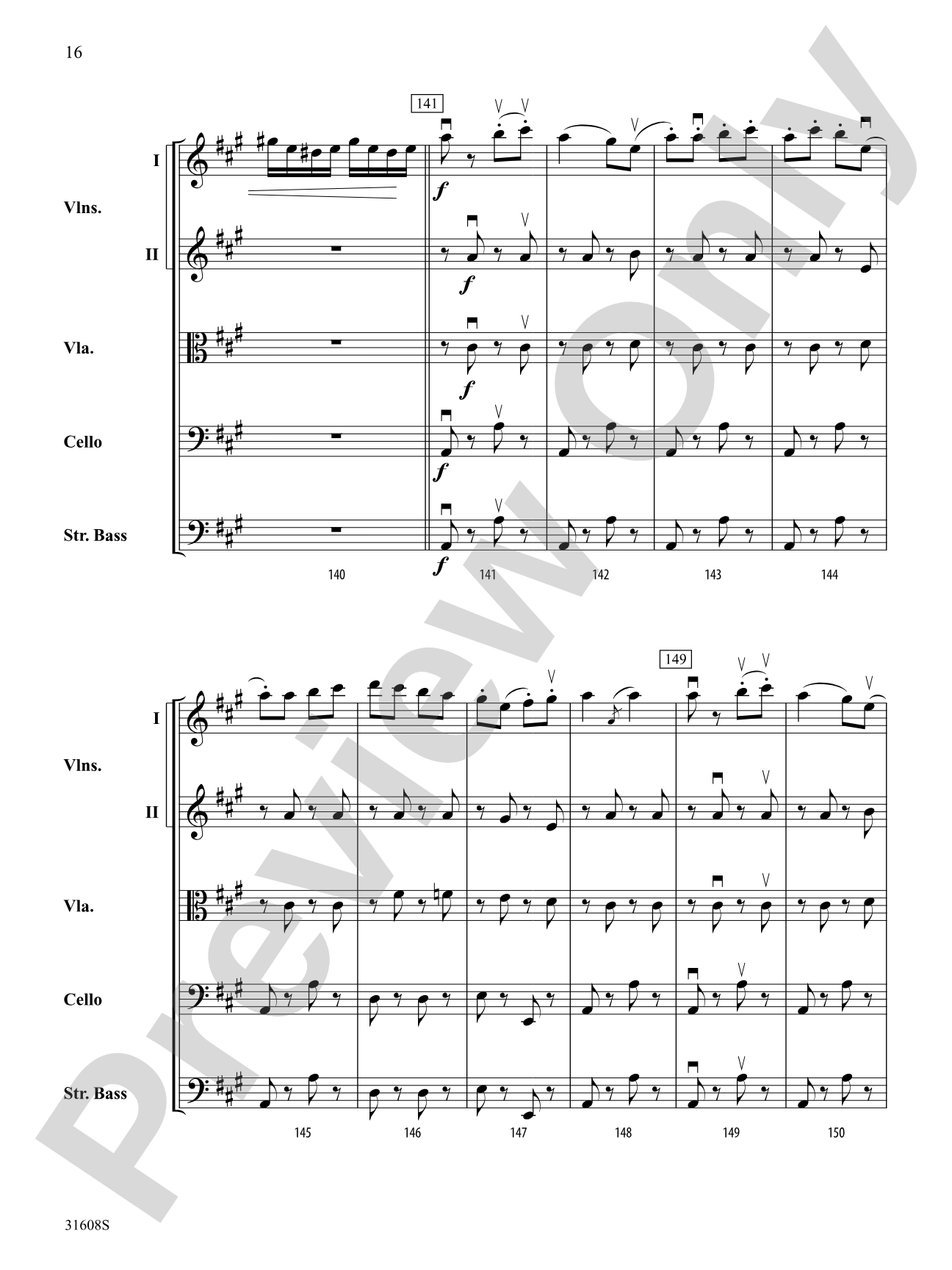
On a tour of America in 1833 and 1834, the Franco/Flemish violin virtuoso Henri Vieuxtemps heard Yankee Doodle. On returning to Europe, he produced the violin and piano barnburner that was the inspiration for this string orchestra arrangement. Everyone in the orchestra gets a crack at the melody and some alternate notes are provided for those with acrophobia. This is a must-have for those who enjoy programming patriotic music where the fireworks are in the string parts. (3:20)


Don't just read it, hear it, play along with it, and watch your students grow with it. In MakeMusic Cloud, Souvenir d'Amerique: String Orchestra Conductor Score & Parts comes alive with professional accompaniment, adjustable tempo, and built-in practice tools that turn solo practice into real progress.
Open in the Player
Jump straight in and assign it today.
Start Your Free Trial
Open this title and explore the full library in minutes.
Sample Audio
1
Audio File
--:--
0:00
0:00
Sample Video
No sample videos found.
Additional Details
Series:
Highland/Etling String Orchestra
Publisher:
Alfred Music
Page Count:
124
SKU:
00-PK-0004561
More about this title
About the Composer: Henri Vieuxtemps
Henri Vieuxtemps (1820-1881) was a Belgian violinist and composer who became one of Europe's most celebrated string soloists during the Romantic era. His virtuosic brilliance and gift for lyrical melody made him a fixture in concert halls across the continent, and his five violin concertos remain cornerstone repertoire for advanced violinists. Vieuxtemps also held the position of concertmaster of the Brussels Conservatory and later taught at the St. Petersburg Conservatory, shaping generations of string players through both his compositions and his artistry.
Why we love this
Rick England's arrangement delivers genuine fun without sacrificing musicality. By distributing the melody across the entire orchestra rather than isolating it in the first violins, he ensures every string section gets an engaging moment in the spotlight, which builds investment and keeps rehearsals lively. The optional alternate notes for higher passages show smart pedagogy, allowing less experienced players to participate fully without dropping out.
What to expect
Vieuxtemps captures the spirited swagger of Yankee Doodle while infusing it with European elegance and virtuosic flair. The piece bubbles with rhythmic vitality and opens unexpected melodic angles as it passes from section to section, creating a sense of discovery rather than nostalgic sentimentality.
Who it's for
String orchestras in grades 4-5 who want a crowd-pleasing patriotic opener with real musical substance. Directors seeking summer pops programming or Independence Day concerts will find a piece that engages all sections equally and respects the audience's taste.
How to get the most out of it
- Bring clarity to the folk melody by marking the phrasing distinctly during sectional rehearsals. Each section's turn at the tune should feel like a fresh restatement, not a repeat.
- Balance is critical when the melody passes between sections. Use light cuing from the podium early on, then trust the ensemble to hand off the line cleanly as confidence builds.
- Let the rhythmic drive come from the accompaniment figures, not from added tempo. The piece's energy lies in the energy of the writing itself.
- Encourage vibrato variety across sections: fuller and more expressive in the lyrical passages, lighter and more contained in the faster figurations.
How to use it
Program this as a first-half opener to set an energetic, celebratory tone without overstaying its welcome at just over three minutes. It pairs naturally with other patriotic or light concert fare, and its self-contained brilliance makes it ideal for outdoor summer concerts or as a prelude to a more substantial work.
Skills your students will build
- Executing clean section-to-section melodic handoffs
- Reading and responding to cues across multiple ensemble parts
- Playing with rhythmic precision in accompanimental figures
- Adapting tone and vibrato for different musical contexts within one piece