South Brisbane Tango Cover Image

South Brisbane Tango: String Orchestra Conductor Score & Parts

$45.00 USD
Sale price  $45.00 USD Regular price 
Skip to product information
South Brisbane Tango Cover Image

South Brisbane Tango: String Orchestra Conductor Score & Parts

By Loreta Fin

Grade: 2

Item: 76-30160

Need it now?

Buy Digital Version
$45.00
Shipped

One moment…

Description
Interesting variety of bowing styles. Melody is shared around the orchestra. Tango style will be easily captured.

South Brisbane Tango: String Orchestra Conductor Score & Parts isn't in MakeMusic Cloud just yet...but it could be. Let us know you'd like to see it, and you'll help shape what comes next. In the meantime, start a free trial and dive into thousands of interactive titles your students can play along with today.

Sample Pages

Sample Audio
No sample audio found.
Sample Video
Additional Details
Series: Wilfin String Orchestra: Young String Ensemble Series
Publisher: Wilfin Music
Page Count: 66
UPC: 038081326931
SKU: 76-30160

More about this title

About the Composer: Loreta Fin
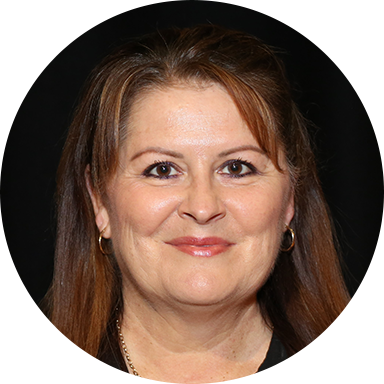
Loreta Fin

Loreta Fin AM is an Australian string educator and composer with deep roots in both performance and teaching. A graduate of the Sydney Conservatorium of Music and former first violinist with the Sydney Youth Orchestra, she served as Principal Viola player with the Queensland Pops Orchestra for over 25 years while building an international reputation as a director of strings and adjudicator at major competitions across Australia and North America.

Fin's career has been defined by her commitment to string education and ensemble writing. She directed strings at Somerville House School in Brisbane for nearly three decades, led the Australian Strings Association at both state and national levels, and has composed more than 100 works for string orchestra published worldwide. Her contributions to music education earned her a Queensland State Award in 2009 and a National Award for Services to Music and String Teaching. Since 2015, she has regularly conducted state and national honours ensembles programs in Brisbane.

Why we love this

Fin writes string parts that sit naturally under young players' fingers while keeping the music genuinely interesting. The tango idiom feels approachable at Grade 2, and the way she distributes the melody around the orchestra ensures every section has something to play that matters. You'll spend minimal time managing balance problems and maximum time enjoying how cleanly this comes together.

What to expect

South Brisbane Tango has the rhythmic confidence and character of the tango idiom without the complexity that would bog down younger players. The melody floats across different string voices, giving the piece a conversational warmth. Bowing variety keeps the texture moving and prevents the kind of monotony that can creep into young ensemble playing.

Who it's for

This score and parts work well for Grade 2 string orchestras, including mixed-ability ensembles where you need engaging music that doesn't demand advanced technique. It's equally suited to school orchestras, community youth ensembles, and young string programs looking for repertoire that plays reliably and holds audience interest.

How to get the most out of it

  • Establish the tango rhythm early in rehearsal using a clear articulation pattern in the viola and cello parts. Let those players anchor the feel before adding the violins.
  • Mark the bowing changes explicitly in parts before rehearsal. Fin uses variety here, so a quick pencil note prevents confusion when switching between détaché and slurred passages.
  • Balance the melody as it passes between sections by having players mark dynamic cues where the line moves. This prevents the tune from disappearing when it lands on an unexpected voice.
  • Work the tango character during a separate sectional with just the ensemble leaders. Once they own the style, the rest of the orchestra will follow naturally.

How to use it

This sits naturally in a spring or end-of-year concert where you want to program something with style and personality that shows students what orchestral color and texture feel like. Pair it with a contrasting Baroque piece or a folk-tune arrangement to give audiences a full picture of what your ensemble can do at this level.

Skills your students will build

  • Executing varied bowing styles (détaché, legato, and spicato articulation)
  • Following a melody as it shifts between violin, viola, and cello sections
  • Maintaining tango rhythm and style through ensemble coordination
  • Balancing dynamics when the musical line is not in the first violin section
  • Reading and performing in a multicultural musical idiom

You May Also Like