
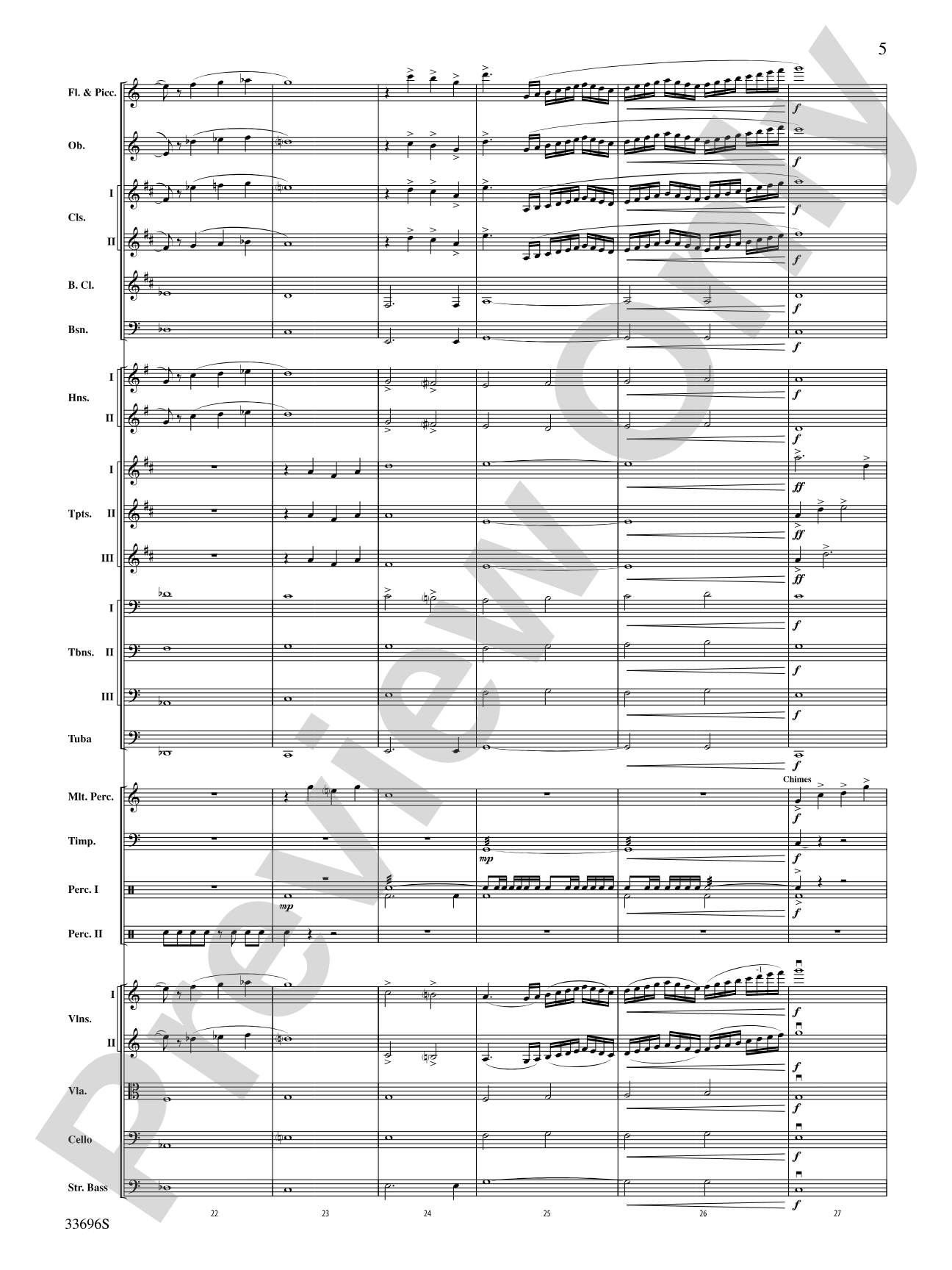
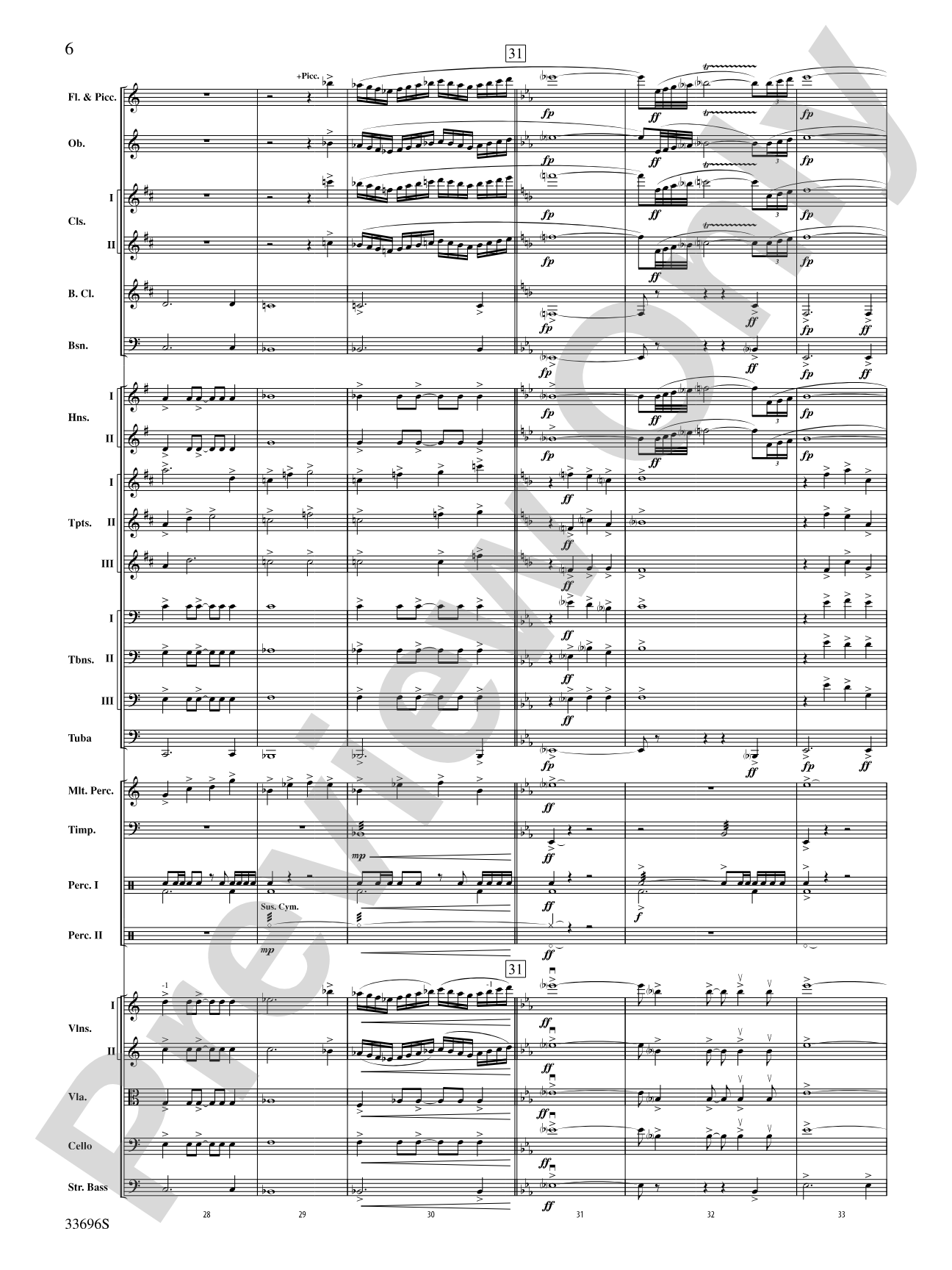
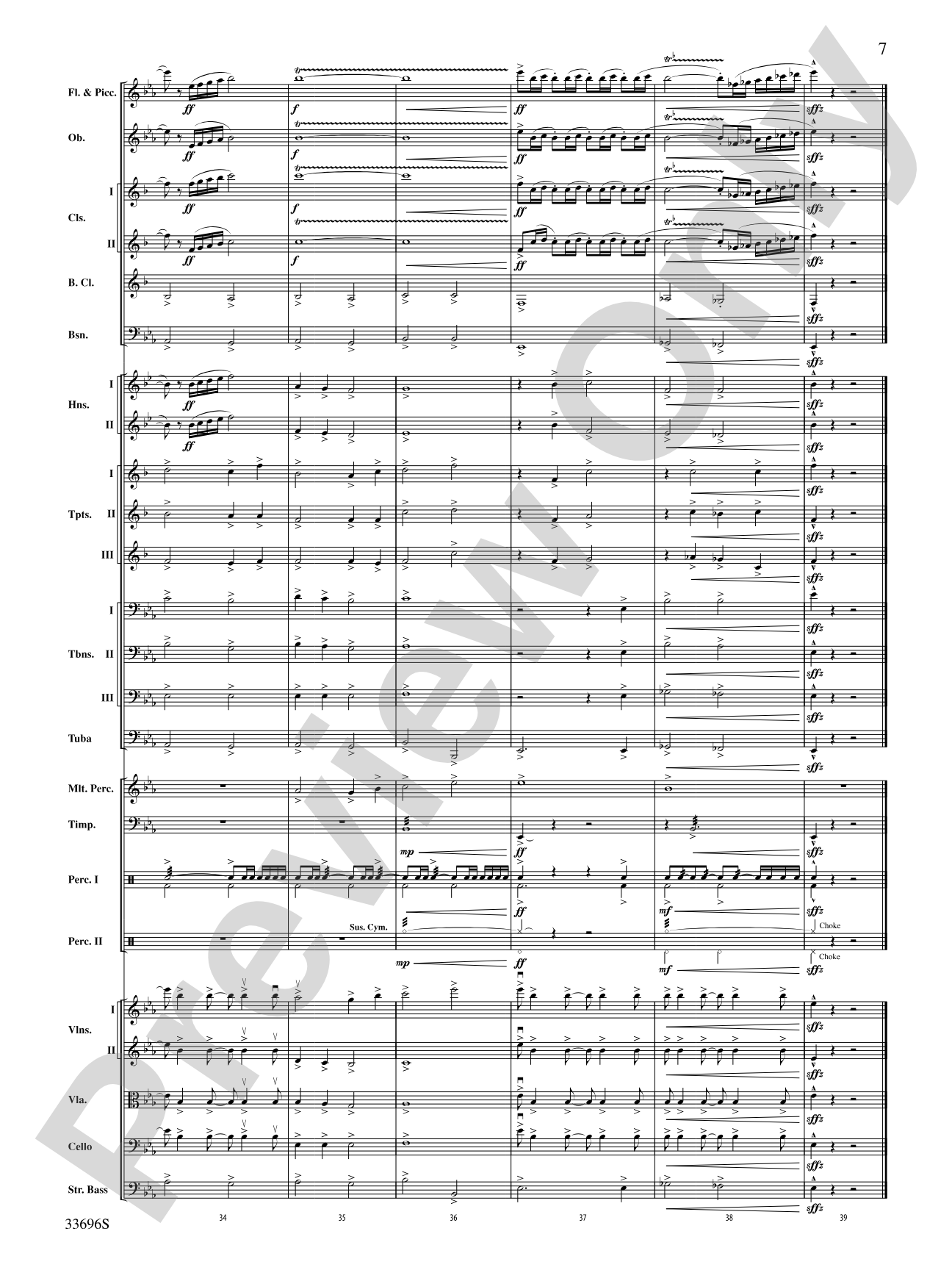


Sound Innovations Fanfare: Score
By Robert Sheldon
Grade: 4
Item: 00-PR-0002804
$8.00
Pickup currently not available
Description
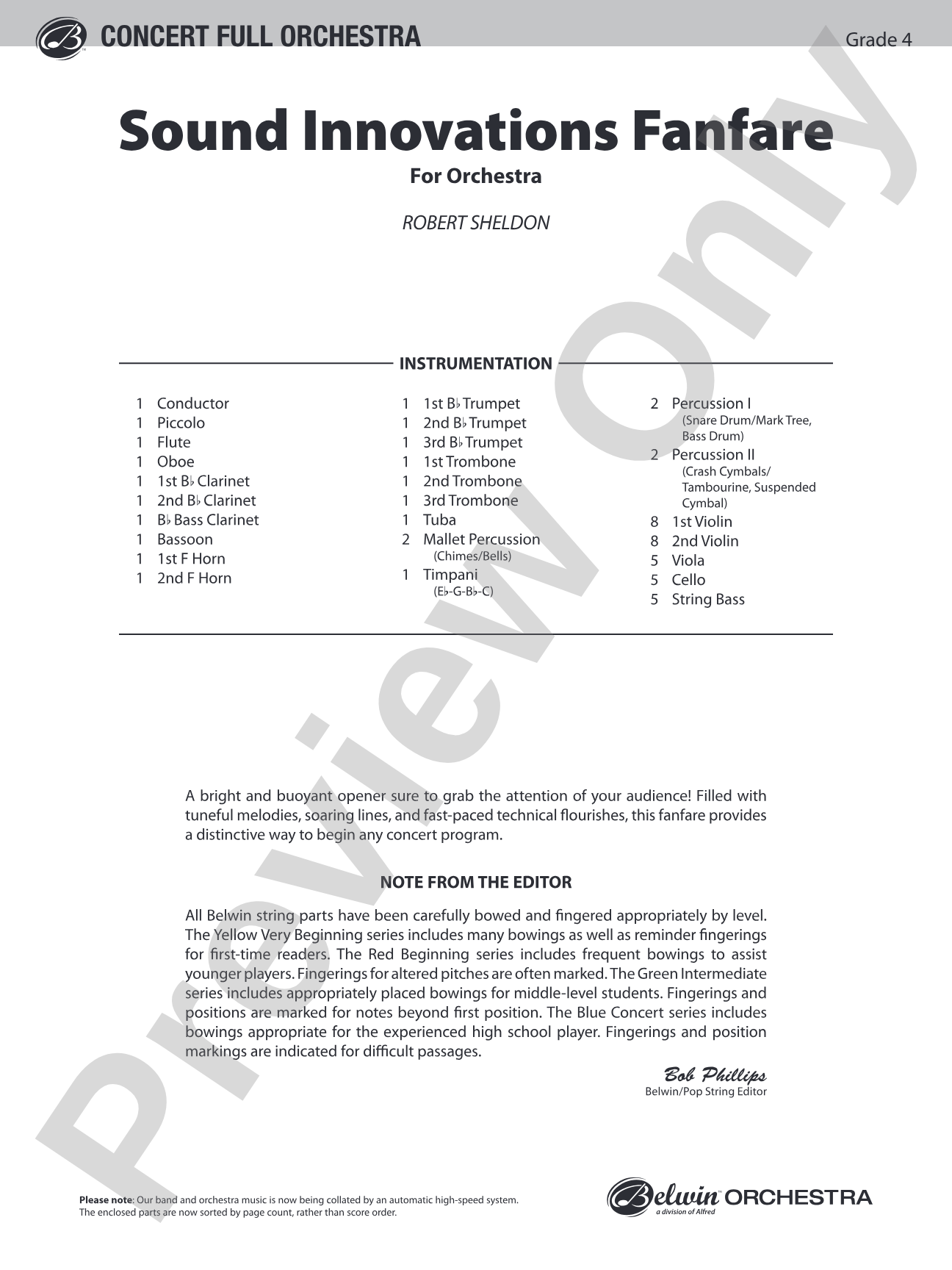
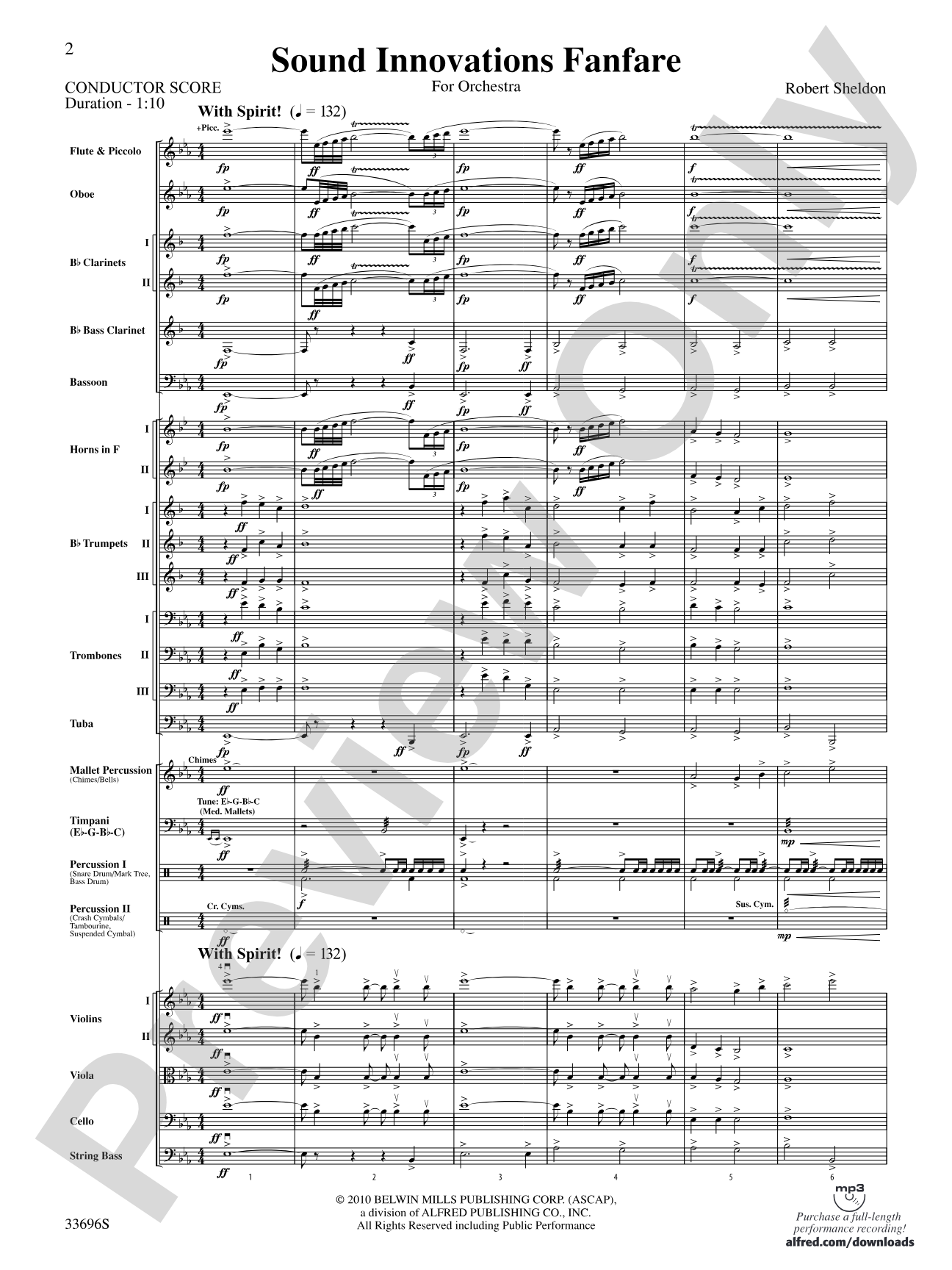
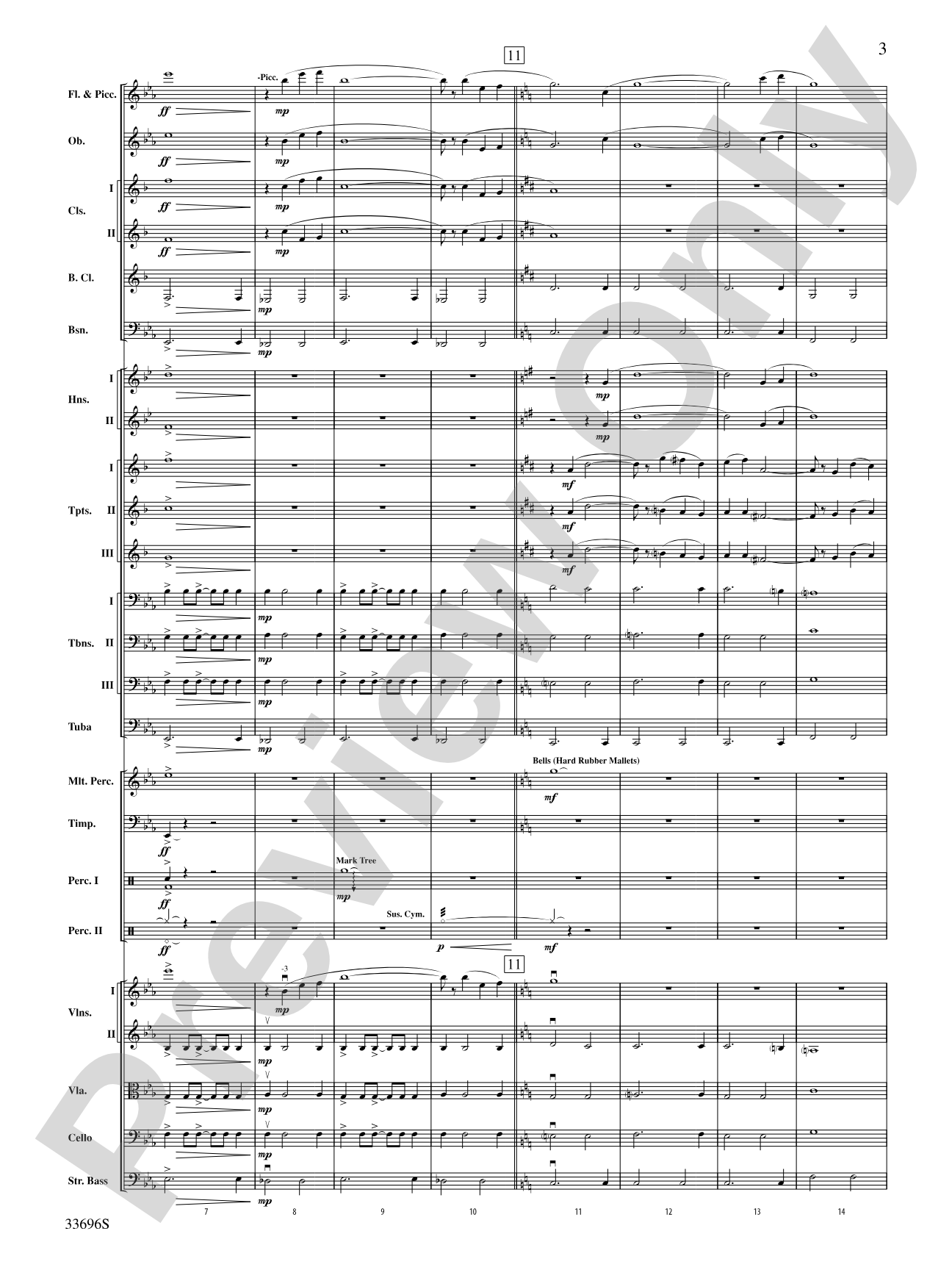
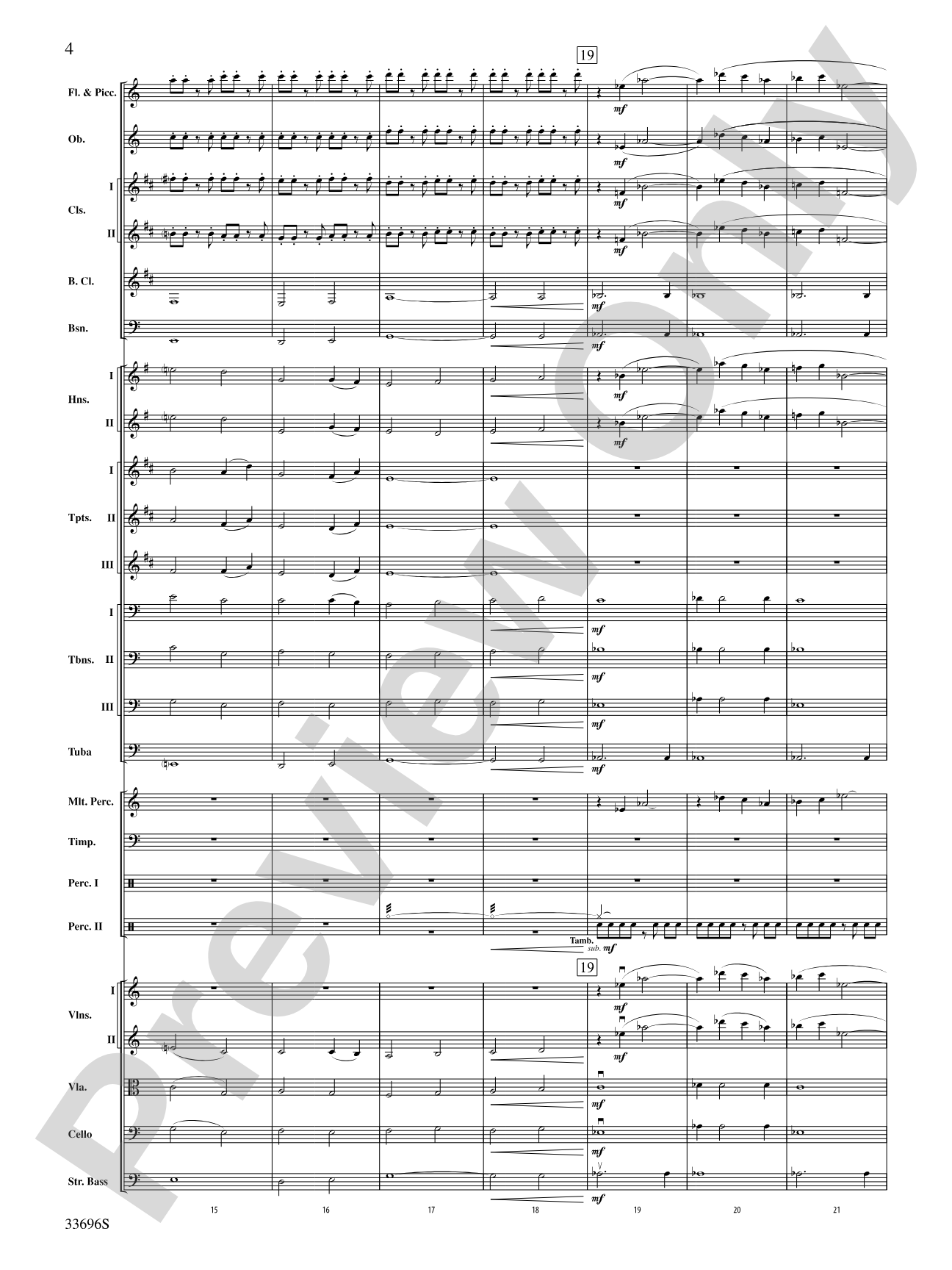
A bright and buoyant opener sure to grab the attention of your audience! Filled with tuneful melodies, soaring lines, and fast-paced technical flourishes, this fanfare provides a distinctive way to begin any concert program.


Don't just read it, hear it, play along with it, and watch your students grow with it. In MakeMusic Cloud, Sound Innovations Fanfare: Score comes alive with professional accompaniment, adjustable tempo, and built-in practice tools that turn solo practice into real progress.
Open in the Player
Jump straight in and assign it today.
Start Your Free Trial
Open this title and explore the full library in minutes.
Sample Audio
1
Audio File
--:--
0:00
0:00
Sample Video
No sample videos found.
Additional Details
Series:
Belwin Concert Full Orchestra
Publisher:
Alfred Music
Page Count:
108
SKU:
00-PR-0002804
More about this title
About the Composer: Robert Sheldon

Robert Sheldon's music appears on concert stages and festival programs across the globe with remarkable frequency. A recipient of honors from the American School Band Director's Association, Phi Beta Mu, and ASCAP, he has built a catalog that speaks to both student ensembles and professional orchestras through compositional clarity and genuine musicality.
Beyond the page, Sheldon maintains an active presence as guest conductor for All-State and Regional Honor Bands, clinician, and commissioning composer. His work has been performed at Carnegie Hall, Orchestra Hall, Boston Symphony Hall, the Sydney Opera House, and the Kennedy Center. VanderCook College of Music awarded him an honorary doctorate in 2020 in recognition of his sustained contributions to music education.
Why we love this
Sheldon understands what makes a great concert opener: immediate melodic appeal, rhythmic energy that draws listeners in, and just enough technical ambition to keep your orchestra engaged without overreaching. The orchestration sits comfortably across all sections while maintaining clarity and forward momentum, making it equally effective whether you're programming a middle school concert or a festival.
What to expect
Bright, propulsive energy greets your audience from the downbeat. Tuneful melodies soar over a rhythmic foundation that propels the piece forward, punctuated by fast-paced technical flourishes that showcase your orchestra's agility and precision. The overall effect is one of celebration and confidence, the kind of opener that sets a positive tone for everything that follows.
Who it's for
Orchestra conductors seeking a Grade 4 piece that opens a concert with immediate impact and musical substance. This fanfare works for middle and high school orchestras, youth symphonies, and all-state groups that need a polished, audience-friendly opener without sacrificing compositional integrity.
How to get the most out of it
- Balance the opening melodic statement across your first violins and woodwinds so the tune cuts through without sacrificing blend. Sheldon's writing often features parallel lines, and ensemble cohesion matters more than individual brilliance in the early measures.
- Attack the faster technical passages with articulation that matches the bright character. Clean tonguing or bowing here keeps the energy crisp rather than muddy.
- Shape the soaring lines with a slight lift toward their peaks and a gentle release on the descent. Avoid letting them become static or one-dimensional.
- Trust the tempo marking. Fanfares work best when they move with conviction. Dragging the pulse undermines the buoyant character Sheldon built into the piece.
How to use it
Open your concert with this piece. Its straightforward Grade 4 difficulty and confident character make it an ideal first impression, settling your audience while allowing your orchestra to settle in as well. Follow it with a contrasting work that demands more introspection or technical depth.
Skills your students will build
- Balancing melody and accompaniment across multiple orchestral sections
- Executing rapid articulation patterns with clarity and uniformity
- Shaping longer melodic lines with purposeful dynamic contour
- Reading and responding to clear, singable harmonic progressions at concert tempo
- Ensemble precision in passages requiring rhythmic unity across mixed instruments