
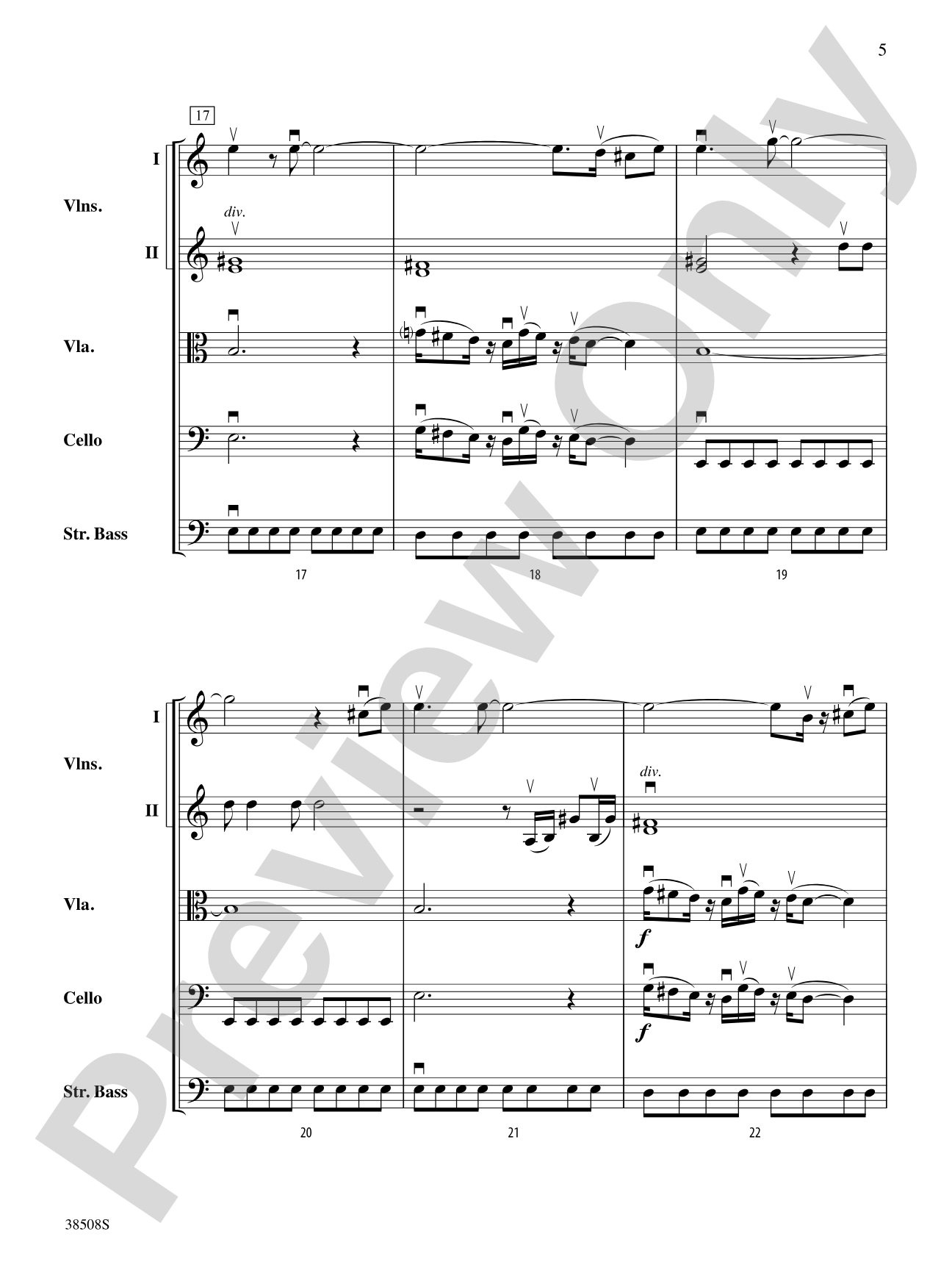
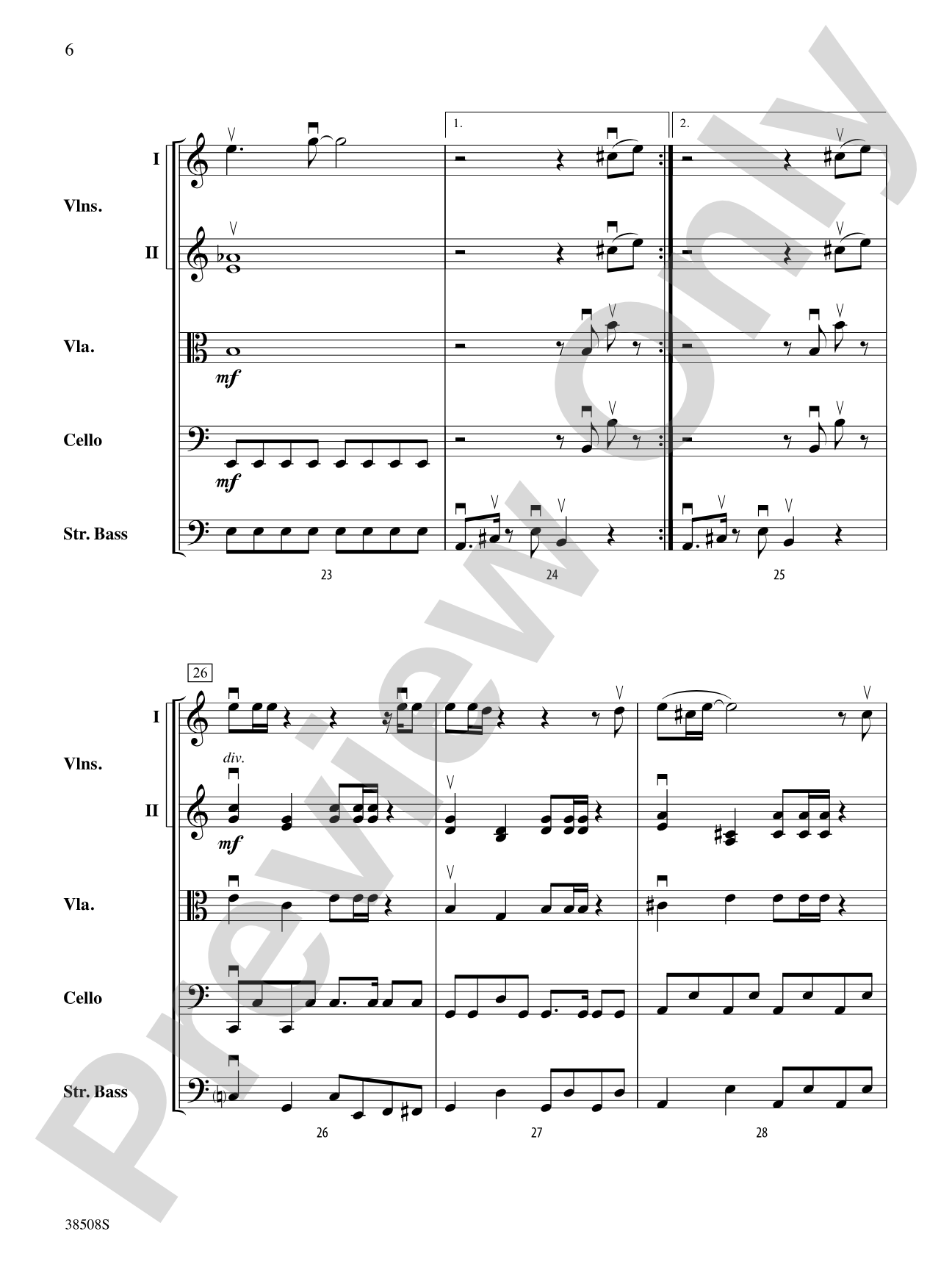
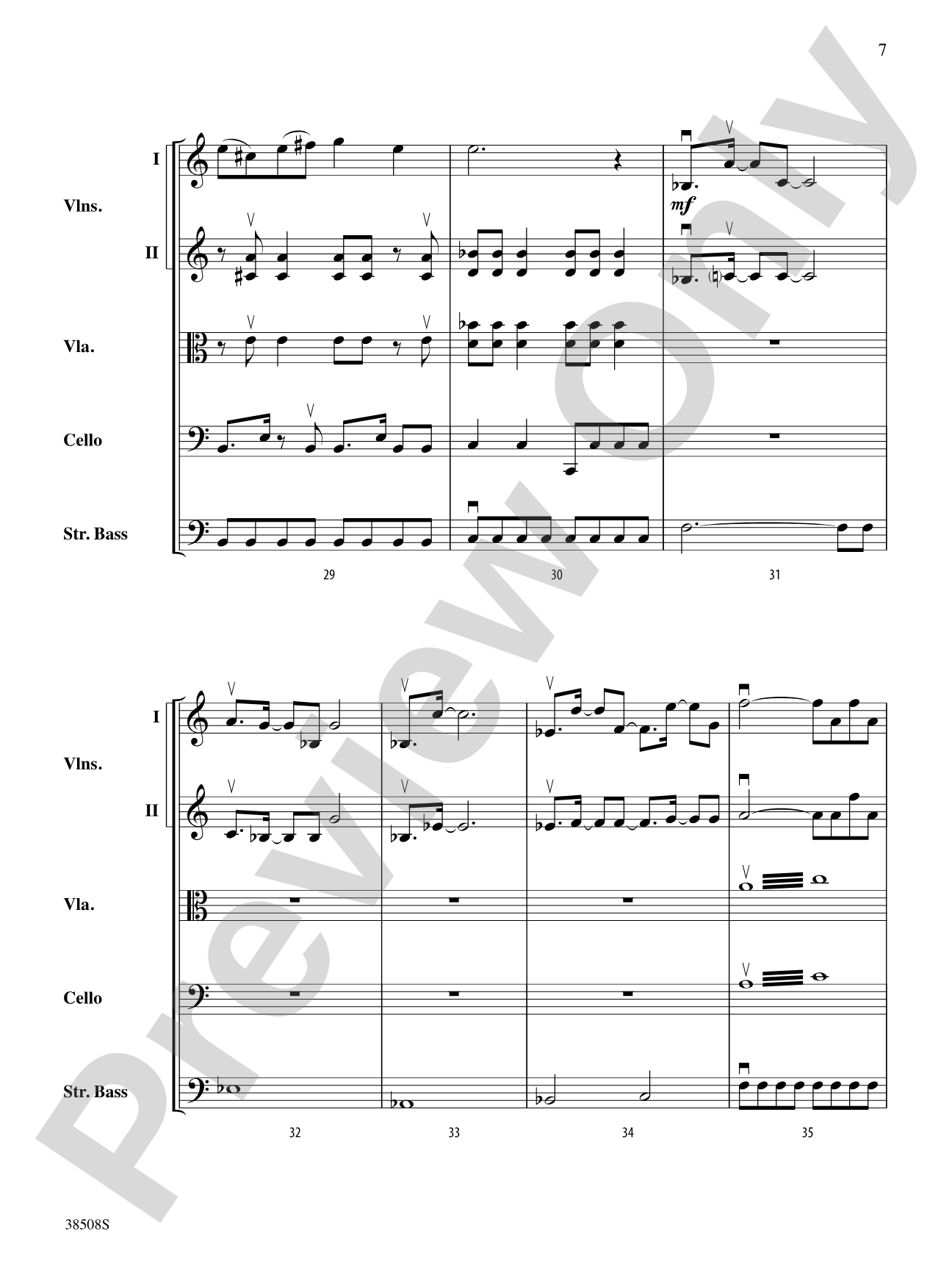
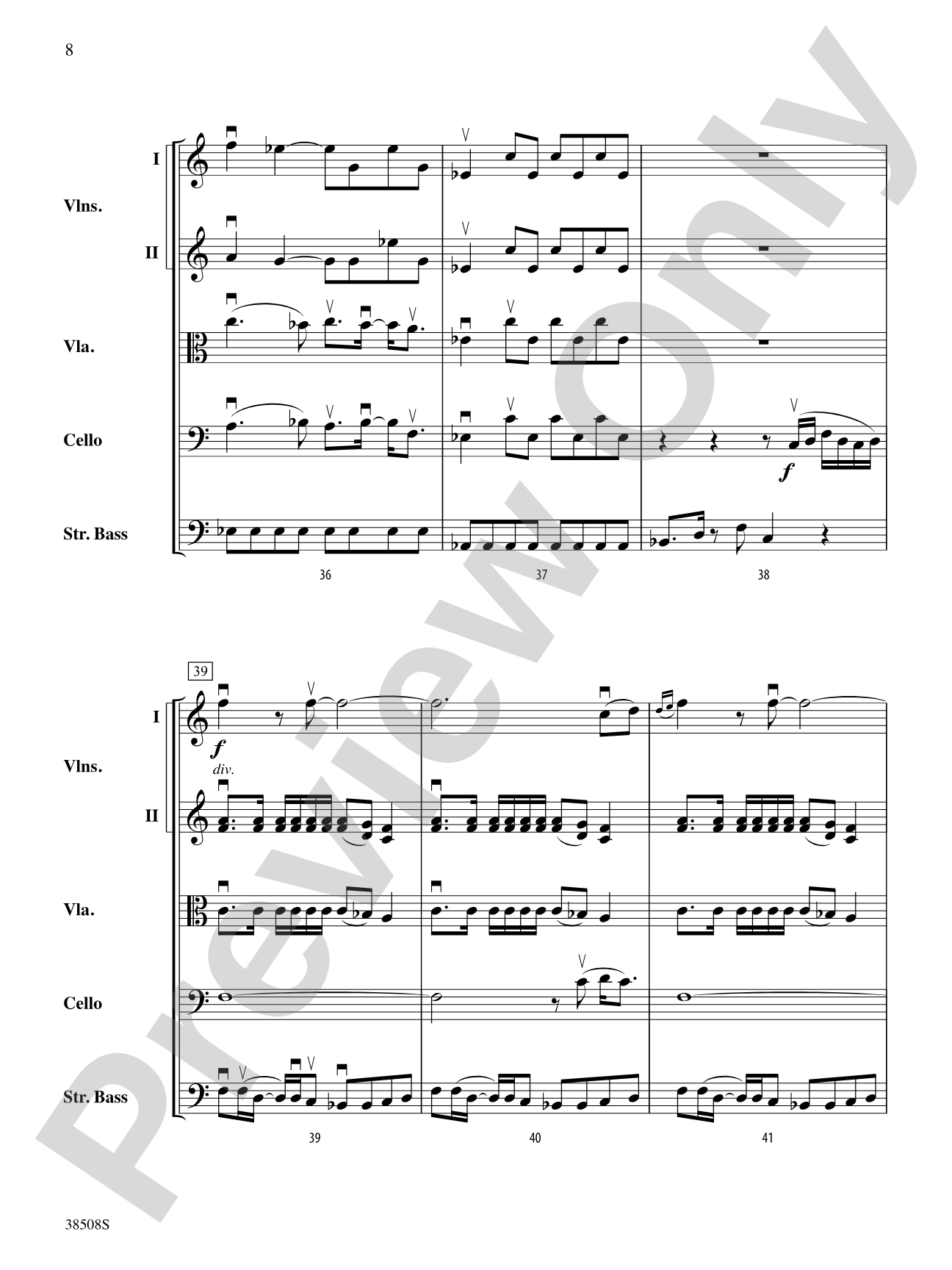



Soul Man: String Orchestra Conductor Score & Parts
Words and music by Isaac Hayes and David Porter [Sam and Dave] / arr. Ed Zunic
Grade: 2.5
Item: 00-PK-0005298

$48.00
One moment…
Related Items
Soul Man: String Orchestra Conductor Score |
$7.00
|
View |
Description
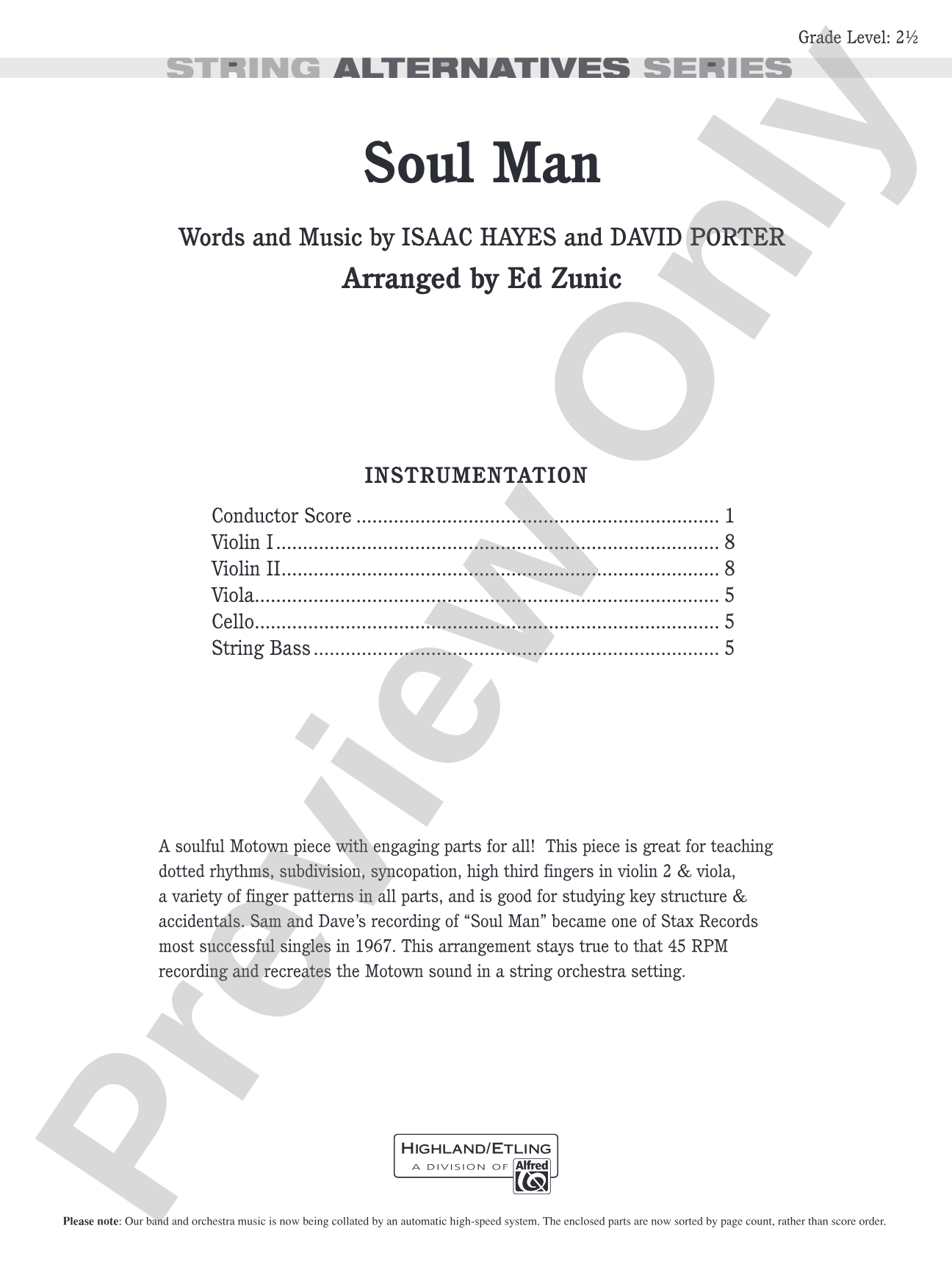
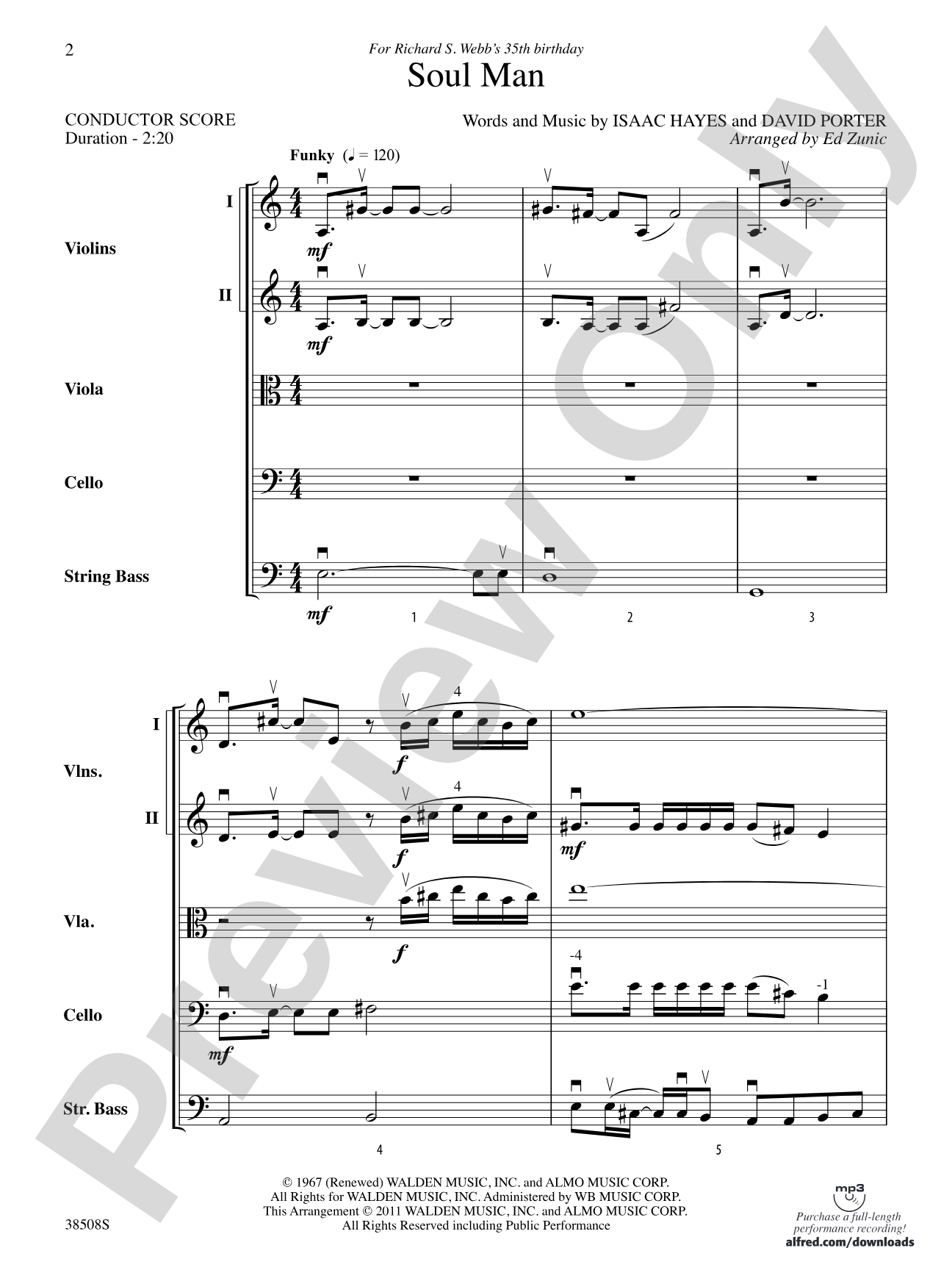
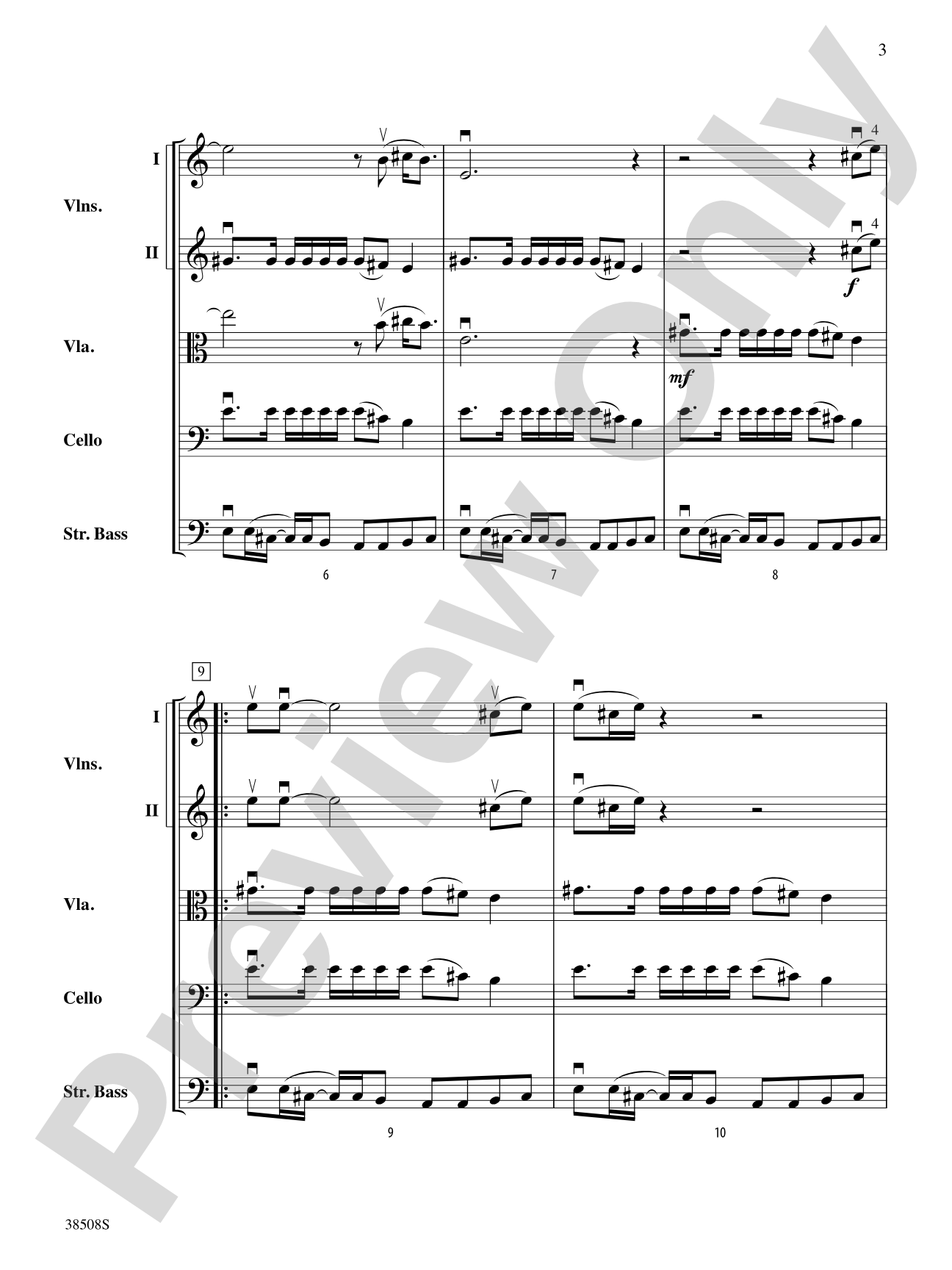
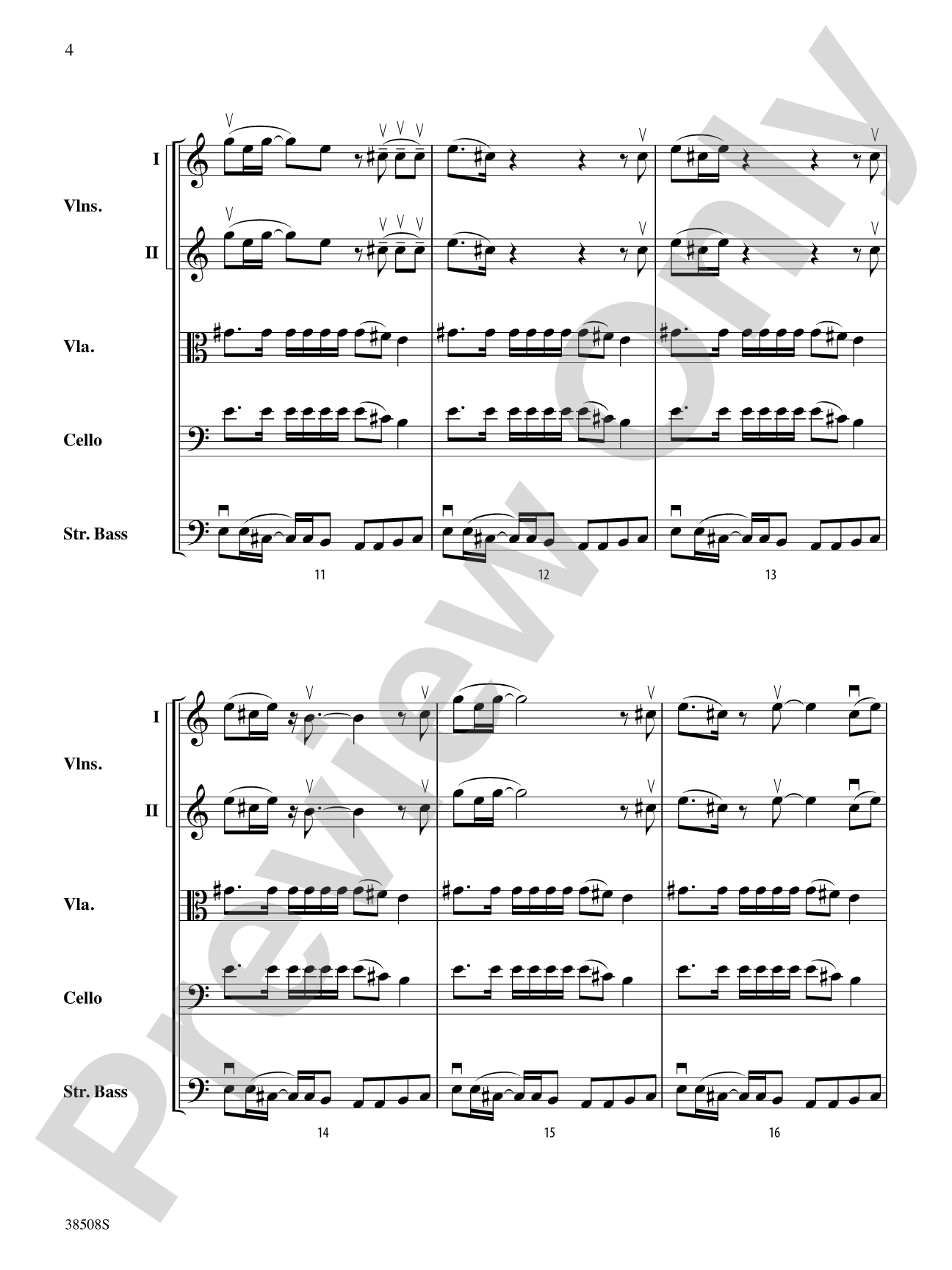
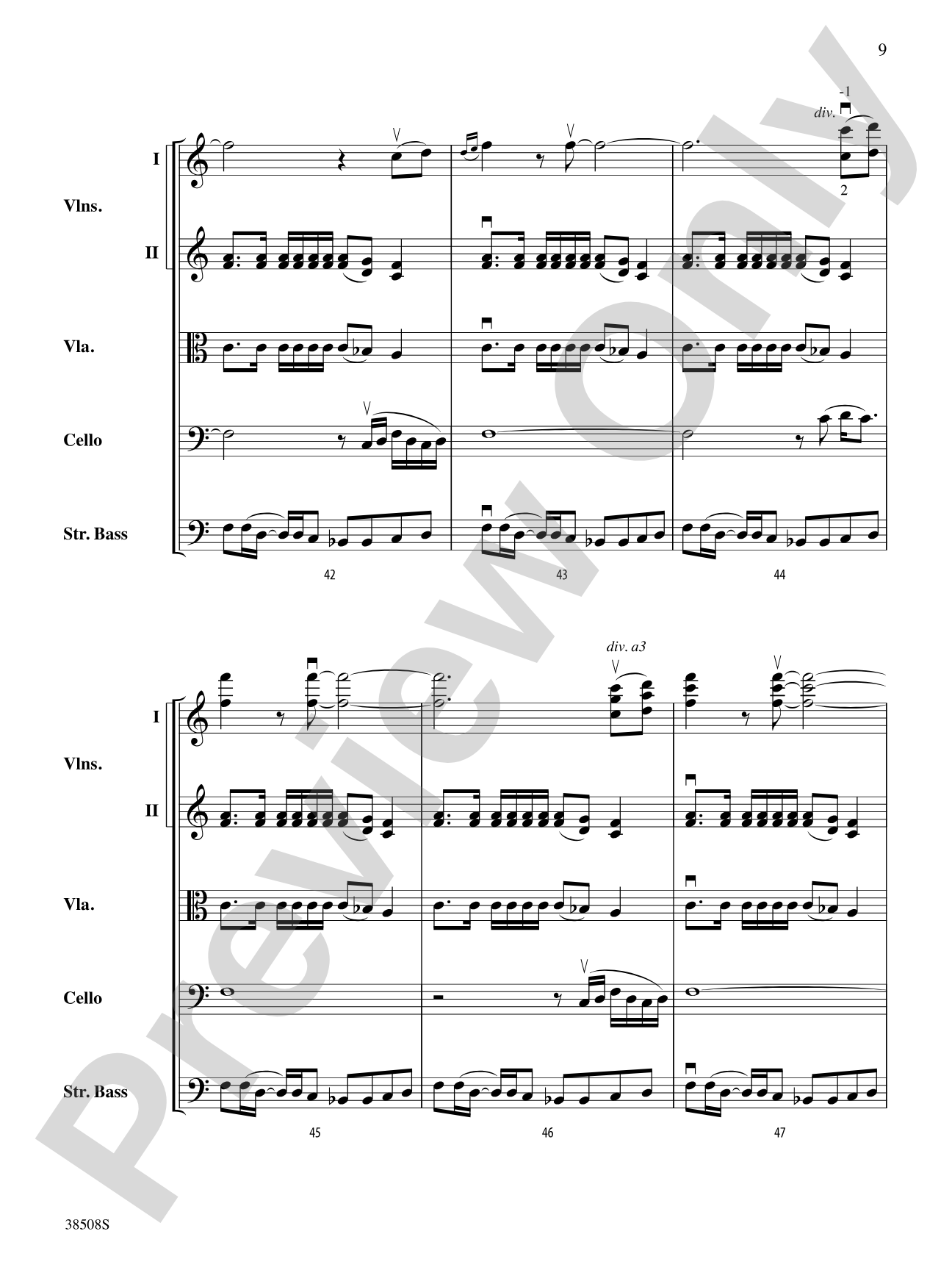
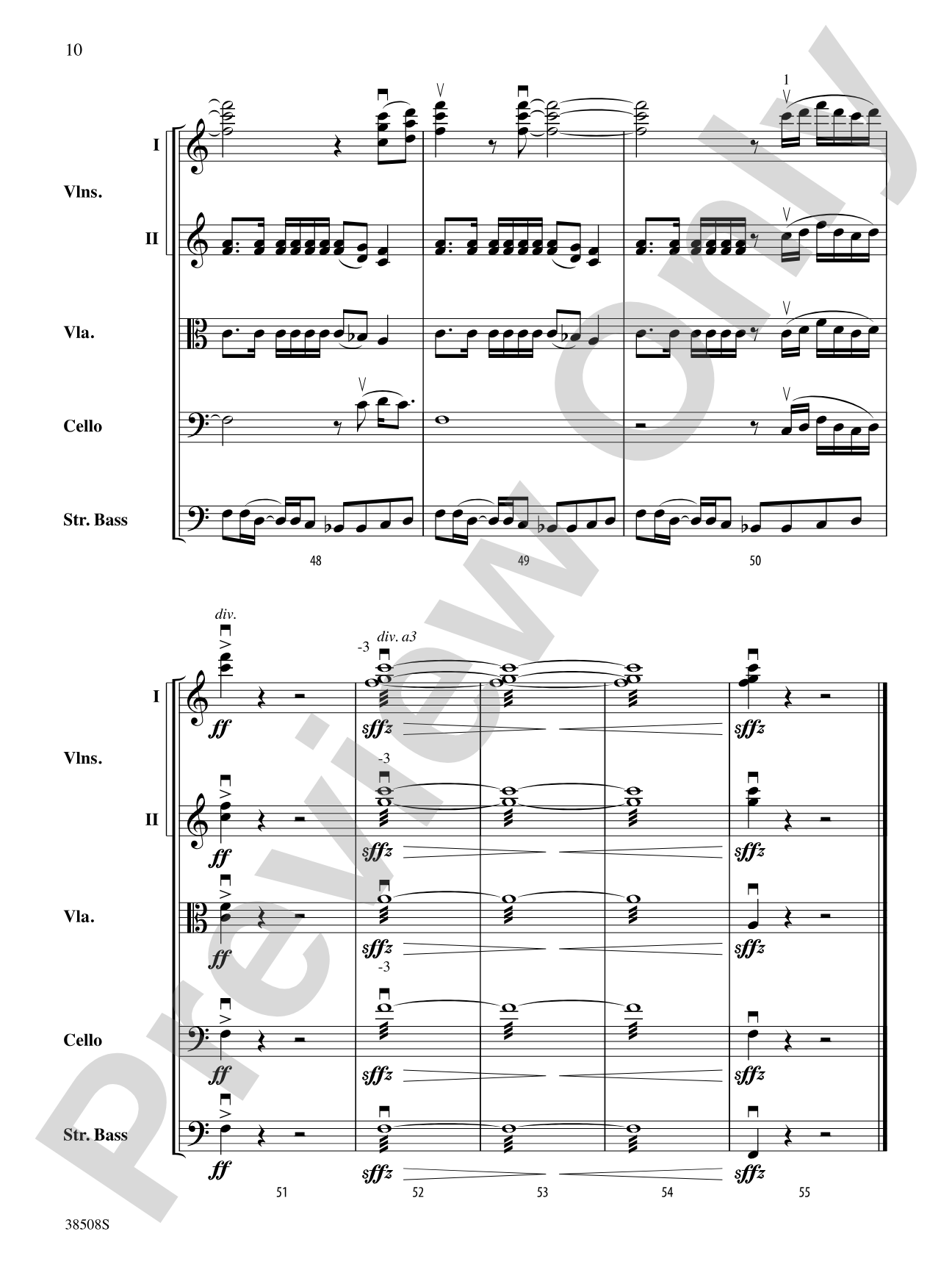
A soulful Motown piece with engaging parts for all! This piece is great for teaching dotted rhythms, subdivision, syncopation, high third fingers in violin 2 & viola, a variety of finger patterns in all parts, and is good for studying key structure & accidentals. Sam and Dave's recording of "Soul Man" became one of Stax Records most successful singles in 1967. This arrangement stays true to that 45 RPM recording and recreates the Motown sound in a string orchestra setting.


Don't just read it, hear it, play along with it, and watch your students grow with it. In MakeMusic Cloud, Soul Man: String Orchestra Conductor Score & Parts comes alive with professional accompaniment, adjustable tempo, and built-in practice tools that turn solo practice into real progress.
Open in the Player
Jump straight in and assign it today.
Start Your Free Trial
Open this title and explore the full library in minutes.
Sample Audio
1
Audio File
--:--
0:00
0:00
Sample Video
No sample videos found.
Additional Details
Series:
Highland/Etling String Alternatives
Publisher:
Alfred Music
Page Count:
104
SKU:
00-PK-0005298
More about this title
About the Composer: Isaac Hayes
Isaac Hayes was a legendary soul musician, songwriter, and producer who helped shape the sound of Stax Records throughout the 1960s and beyond. As a staff songwriter and session musician, Hayes co-wrote some of the label's most iconic hits, including "Soul Man" with David Porter, and later became famous for his deep, spoken-word vocal delivery and lush orchestral arrangements in his solo work.
Why we love this
This arrangement captures the swagger and rhythmic drive of the original 1967 hit while remaining genuinely playable for a developing string orchestra. The part writing gives every section meaningful material, and the focus on specific technical skills (dotted rhythms, syncopation, high positions) means students aren't just playing a pop song; they're building real musicianship within a repertoire they actually want to play.
What to expect
Groovy and confident. The piece channels the unmistakable Motown swagger of the original recording, with sharp rhythmic figures that propel the melody forward and underlying parts that create a genuine sense of movement and soul. There's an infectious energy here that keeps players locked into the pocket rather than merely reading notes on a page.
Who it's for
String orchestras at the intermediate level (Grade 2.5) who want to build technical skills while staying engaged with music that resonates beyond the concert hall. This arrangement works equally well for ensembles seeking to explore non-classical genres and for directors looking to teach syncopation and rhythmic complexity through a familiar, motivating context.
How to get the most out of it
- Lock the rhythmic subdivision in your rehearsals before worrying about dynamics. The syncopated figures in this arrangement require precise ensemble alignment; use a metronome or backing track to nail the pocket.
- Highlight the articulation contrasts between sections. The Motown sound relies on crisp, unified tonguing or bow strokes in the rhythm figures, especially in the violin and viola lines.
- Balance the melody across your string sections. Since this is a vocal feature in the original, make sure your first violins sing through the main theme without overwhelming the harmonic support underneath.
- Work the high third-finger positions in violin 2 and viola separately during sectional rehearsals. Students unfamiliar with these finger patterns benefit from isolated practice before full ensemble run-throughs.
How to use it
Program this alongside other pop or light concert repertoire to showcase your orchestra's versatility and stylistic range. It's substantial enough (104 pages of conductor score and parts) to anchor a concert section devoted to exploring how classical instrumentation intersects with popular music traditions, and it works particularly well as a crowd-pleasing finale or second-half opener.
Skills your students will build
- Reading and performing dotted rhythms with precision
- Navigating syncopated figures across multiple parts
- Playing high third-finger positions on violin 2 and viola
- Executing varied finger patterns across all string parts
- Understanding key structure and identifying accidentals
- Subdividing accurately within syncopated ensemble contexts