
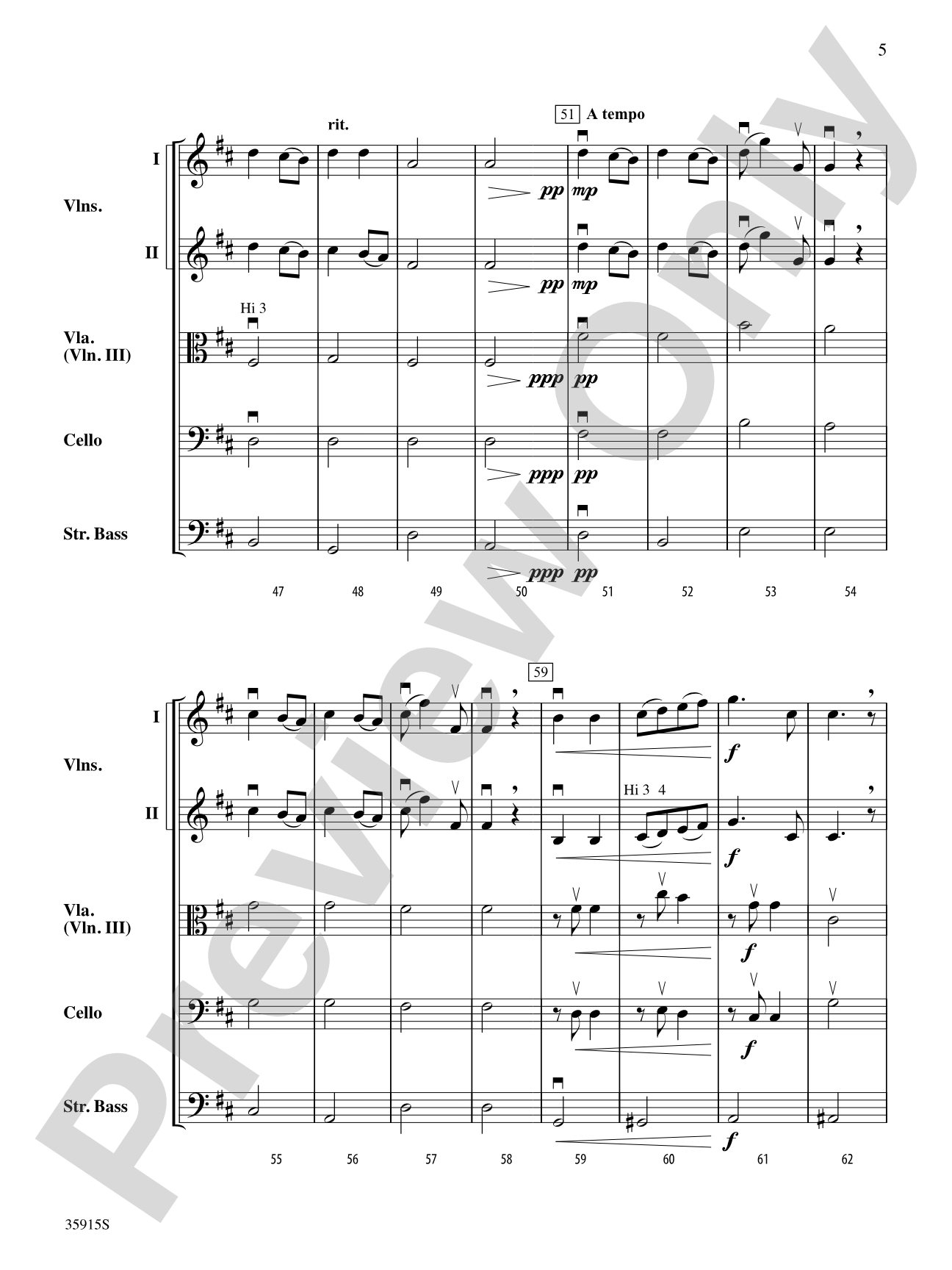
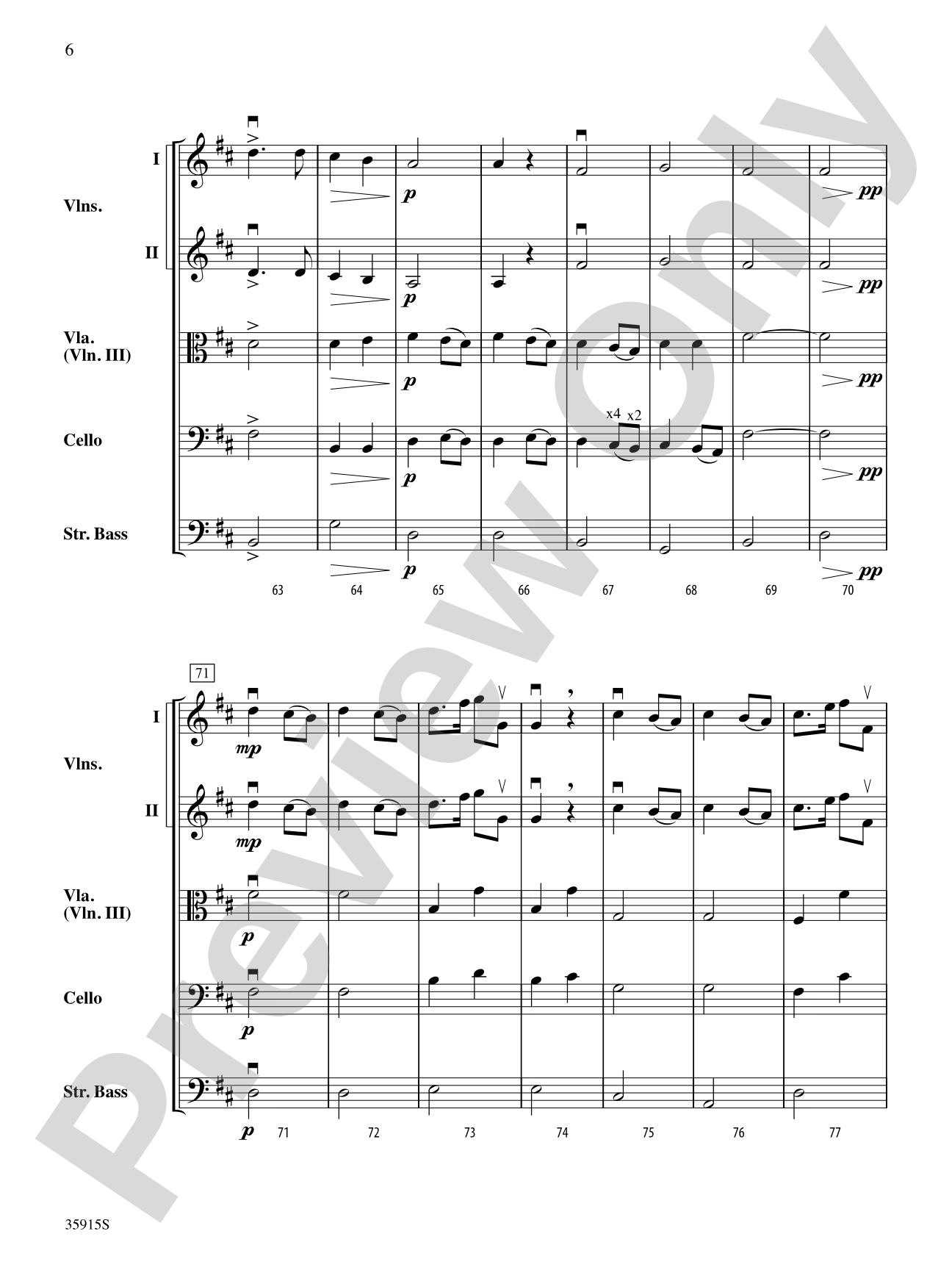
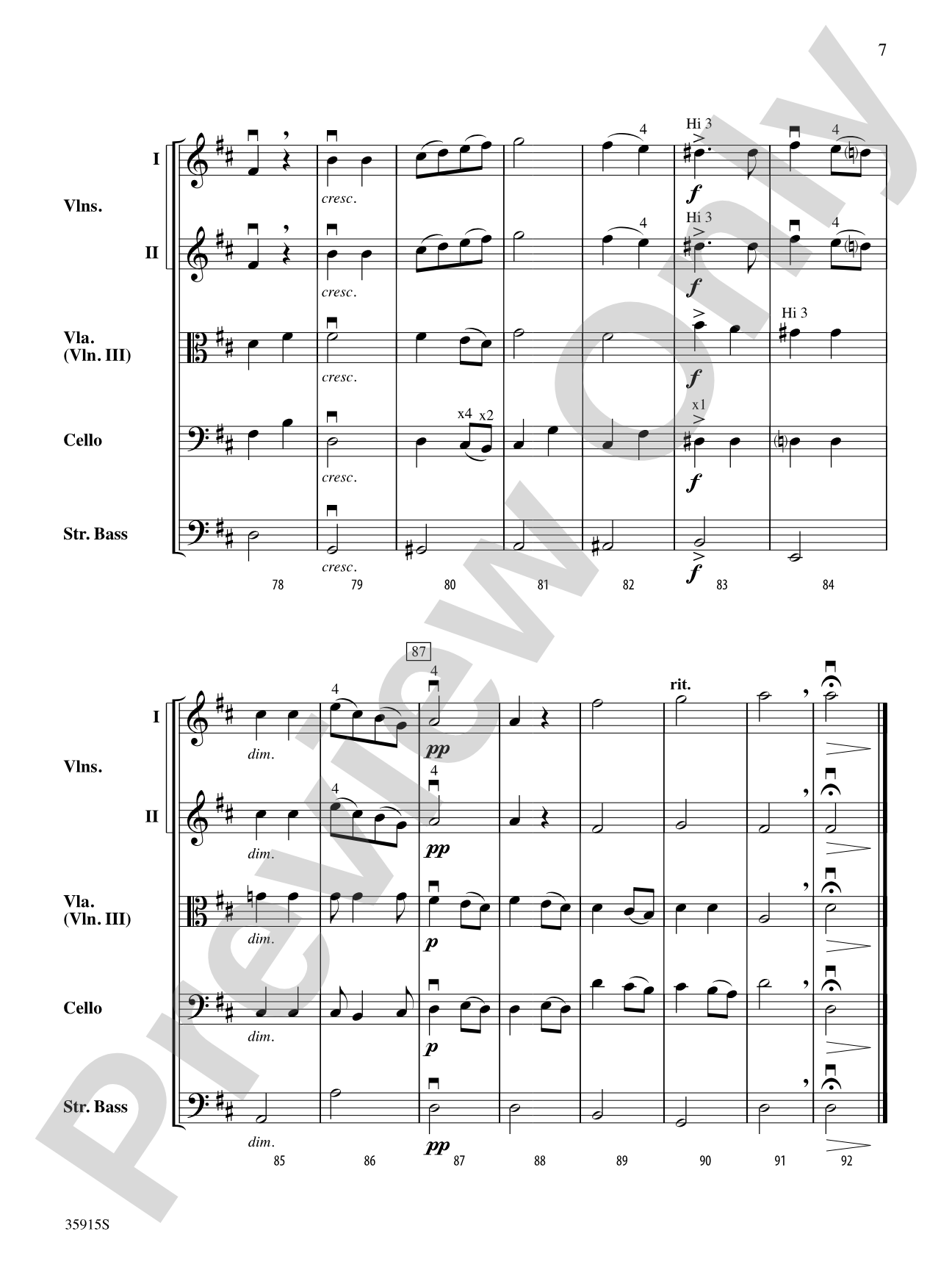


Songs My Mother Taught Me (from "Gypsy Songs"): Score
Viola Section Feature
By Antonín Dvorák / arr. Christina Hans
Grade: 3
Item: 00-PR-0003316
$9.00
Pickup currently not available
Description
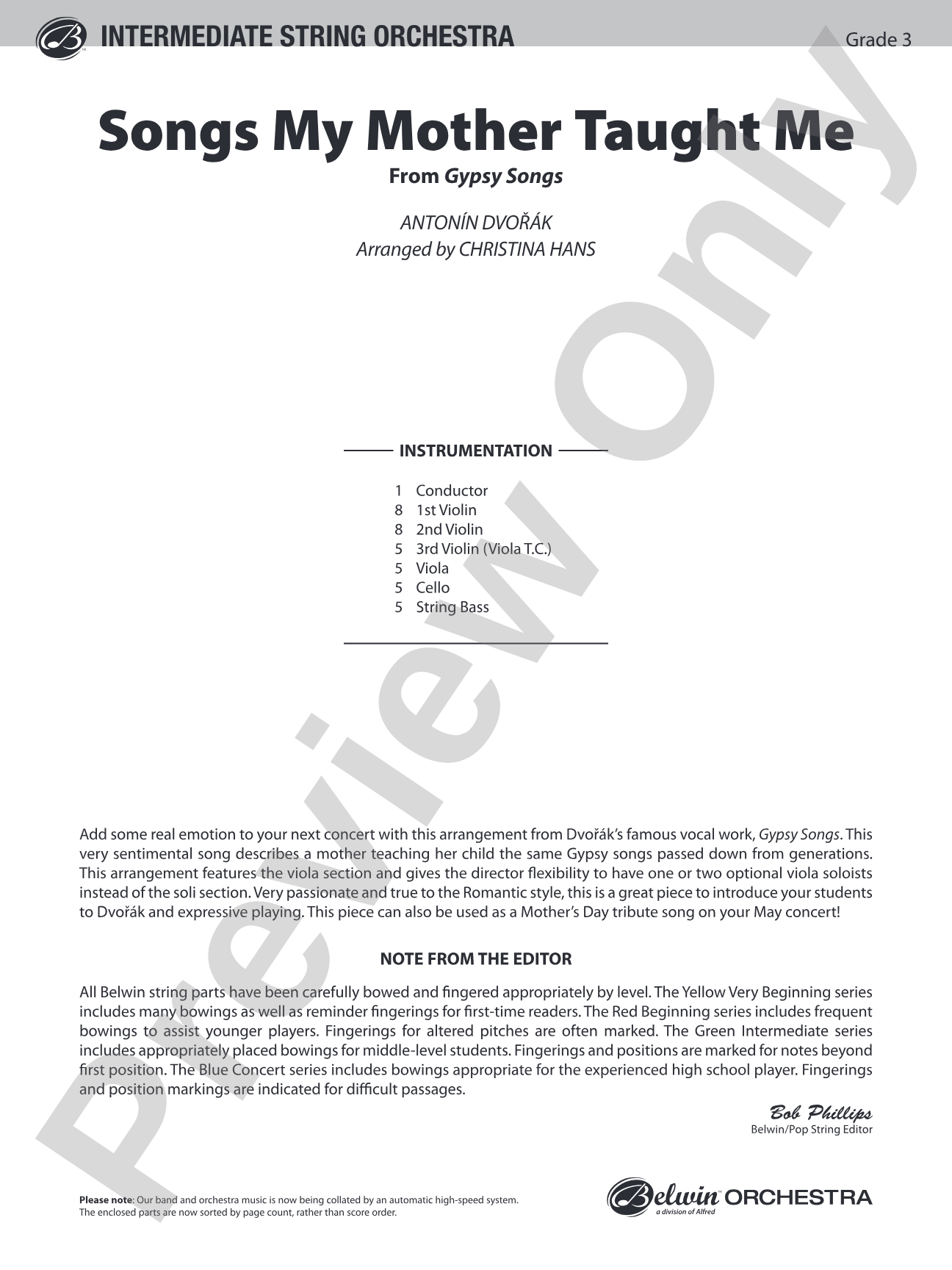
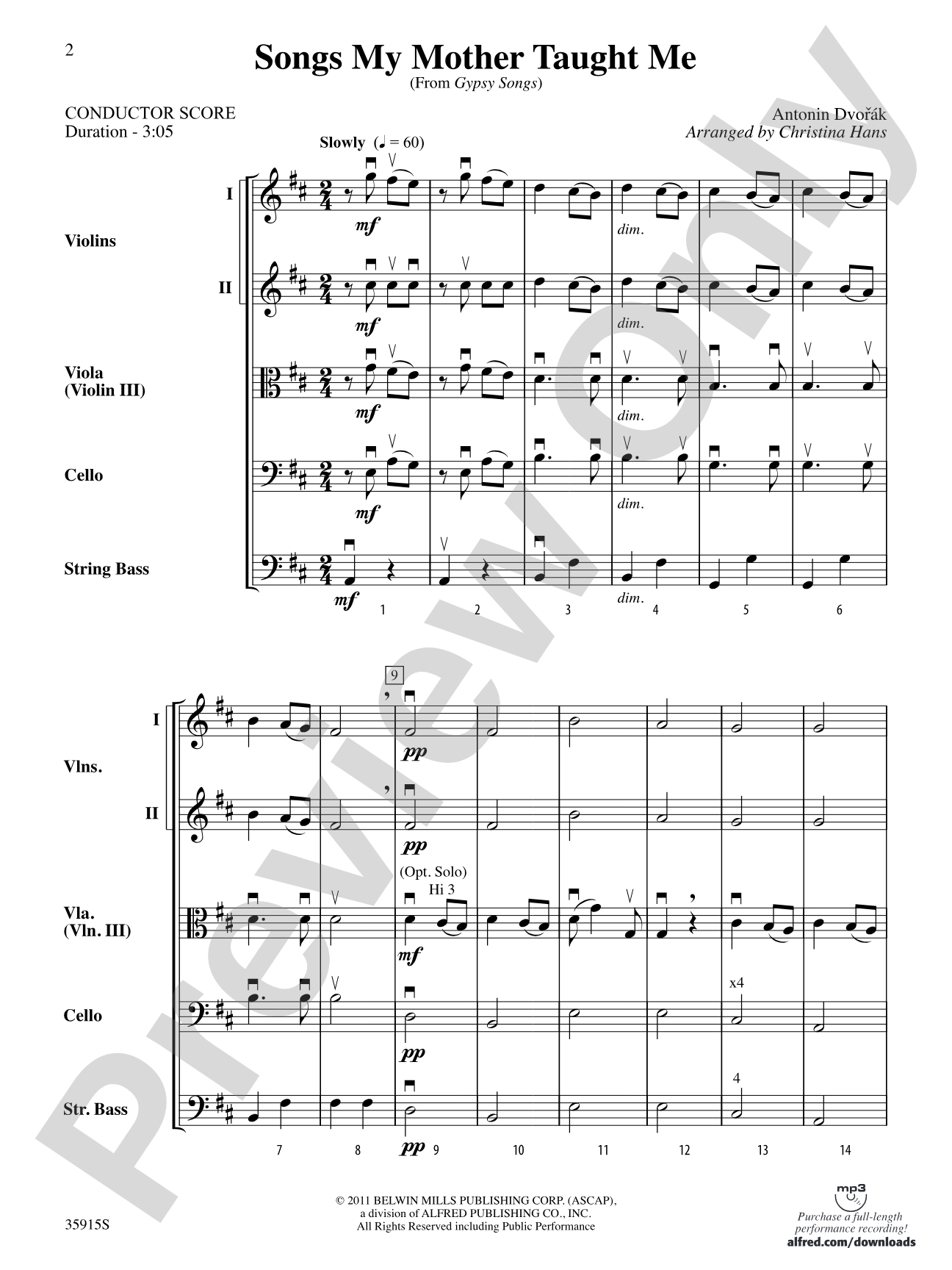
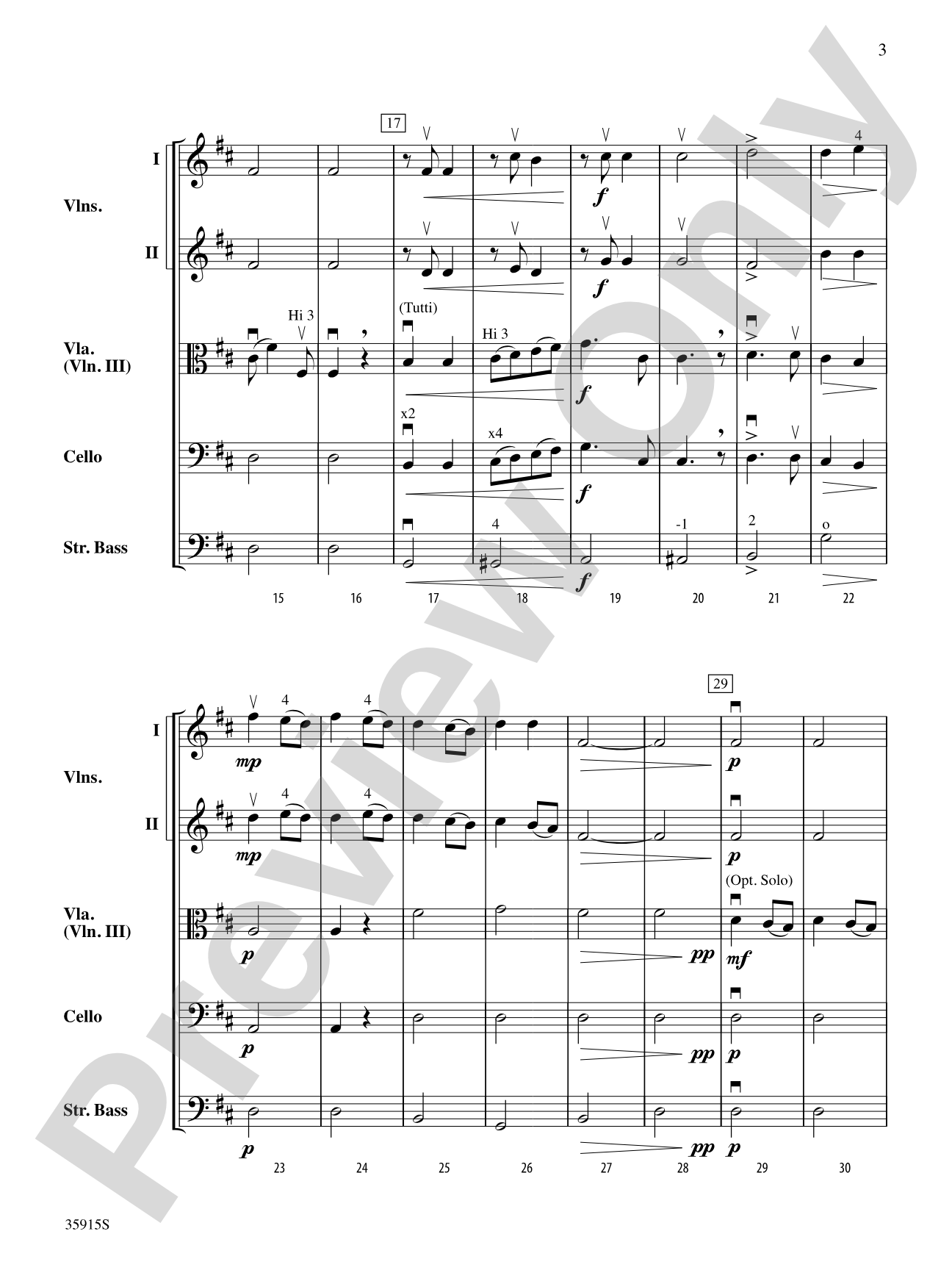
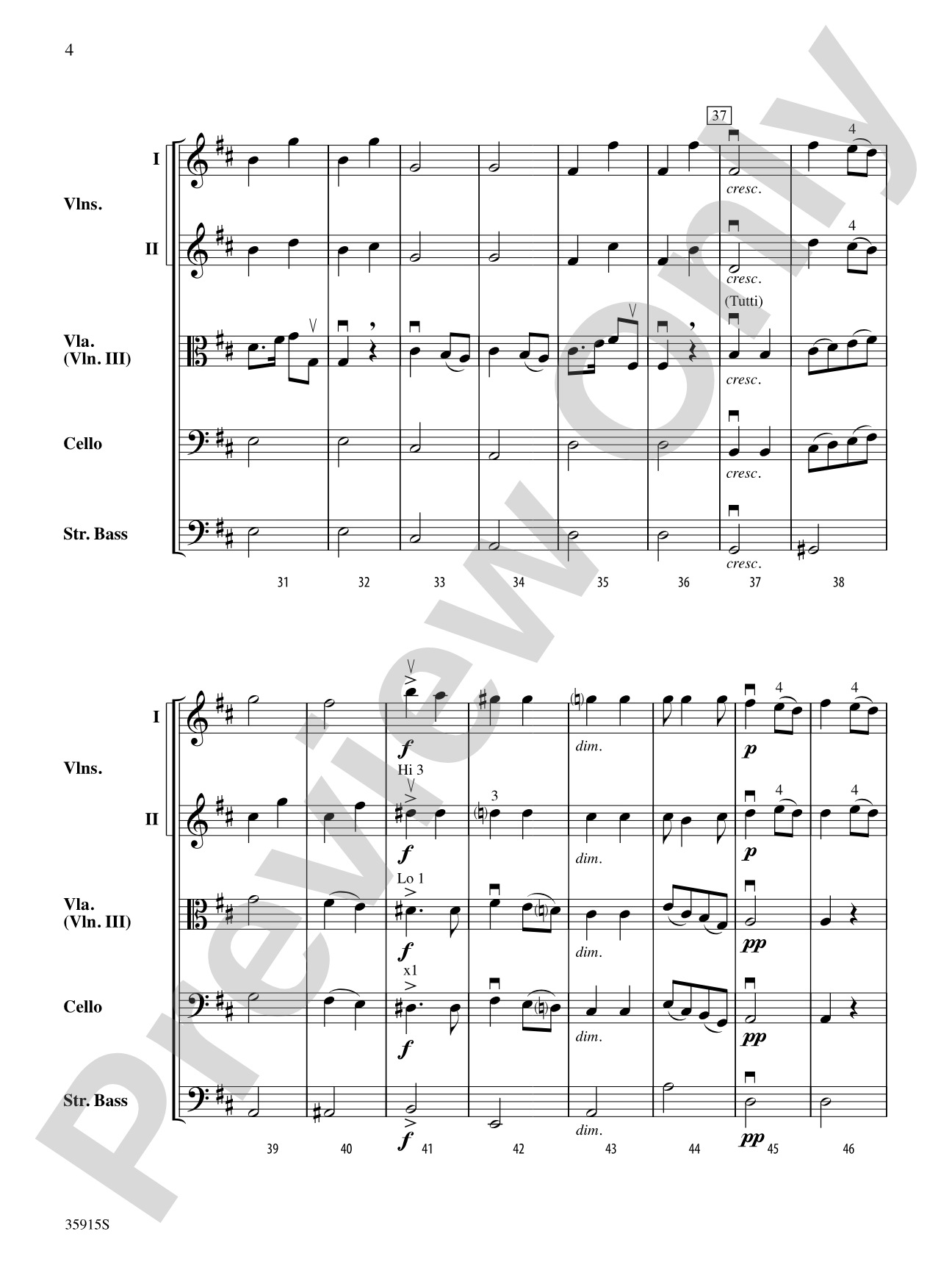
Add some real emotion to your next concert with this arrangement from Dvorák's famous vocal work, "Gypsy Songs." This very sentimental song describes a mother teaching her child the same Gypsy songs passed down from generations. This arrangement features the viola section and gives the director flexibility to have one or two optional viola solists instead of the soli section. Very passionate and true to the Romantic style, this is a great piece to introduce your students to Dvorák and expressive playing. This piece can also be used as a Mother's Day tribute song on your May concert!


Don't just read it, hear it, play along with it, and watch your students grow with it. In MakeMusic Cloud, Songs My Mother Taught Me (from "Gypsy Songs"): Score comes alive with professional accompaniment, adjustable tempo, and built-in practice tools that turn solo practice into real progress.
Open in the Player
Jump straight in and assign it today.
Start Your Free Trial
Open this title and explore the full library in minutes.
Sample Audio
1
Audio File
--:--
0:00
0:00
Sample Video
No sample videos found.
Additional Details
Series:
Belwin Intermediate String Orchestra
Publisher:
Alfred Music
Page Count:
72
SKU:
00-PR-0003316
Instrumentation:
strings w/ vln3
More about this title
About the Composer: Antonin Dvorák
Antonin Dvorák (1841-1904) stands as one of the most important voices of the Romantic era, bridging European classical tradition with the folk idioms of his native Bohemia. His gift for melody and orchestral color made him a master at transforming simple folk material into profound musical statements, a skill that resonates deeply in string writing.
Why we love this
Christina Hans's arrangement honors Dvorák's gift for emotional directness while shifting the spotlight to your viola section, a rare and welcome opportunity at the Grade 3 level. The flexibility to feature one or two viola soloists means you can tailor the arrangement to your instrumentation and still deliver genuine expressive weight.
What to expect
A gentle, intimate conversation across generations, layered with nostalgia and tender affection. The music unfolds with the unhurried warmth of a lullaby shared between mother and child, inviting reflection and quiet sophistication rather than virtuosic display.
Who it's for
String orchestra directors looking for a vehicle to highlight their viola section while building students' understanding of Romantic-era expression and arrangement choices. This piece works equally well for a conductor seeking repertoire with genuine emotional stakes and a flexible instrumentation requirement.
How to get the most out of it
- Shape the melodic line with unhurried phrasing and allow natural rubato to emerge from the accompaniment's steady harmonic support; this piece breathes rather than rushes.
- Balance the featured viola voice(s) by encouraging the accompaniment strings to play with warmth and support rather than prominence, creating a unified sound around the melody.
- Work for consistency of vibrato across the section, particularly where sustained chords underpin the solo material, so the accompaniment feels like one organism rather than individual players.
How to use it
Program this as a spring concert centerpiece, particularly for a Mother's Day tribute concert where it can anchor a thematic program about legacy and family. Its moderate length and Grade 3 accessibility also make it useful as a contest or festival selection that showcases musical maturity without overwhelming ensemble capability.
Skills your students will build
- Sustained legato playing and phrase shaping in the Romantic style
- Accompanying technique that supports rather than competes with featured voices
- Understanding of how folk material and arrangement choices can deepen emotional expression
- Balance and blend when one section carries the primary melodic responsibility