

Song of the Sea Mariner: String Orchestra Conductor Score & Parts
By Soon Hee Newbold
Grade: 2.5
Item: 98-DST6112

$65.00
Pickup currently not available
Buy Extra Parts (Digital PDF Download)
| Product | Price | Quantity |
|---|---|---|
| Song of the Sea Mariner: Score | $11.00 | |
| Song of the Sea Mariner: Violin 1 | $7.00 | |
| Song of the Sea Mariner: Violin 2 | $7.00 | |
| Song of the Sea Mariner: Violin 3 (Viola T.C.) | $7.00 | |
| Song of the Sea Mariner: Viola | $7.00 | |
| Song of the Sea Mariner: Violoncello | $7.00 | |
| Song of the Sea Mariner: Double Bass | $7.00 | |
| Song of the Sea Mariner: Piano | $7.00 |
Parts Added to Cart!
Description
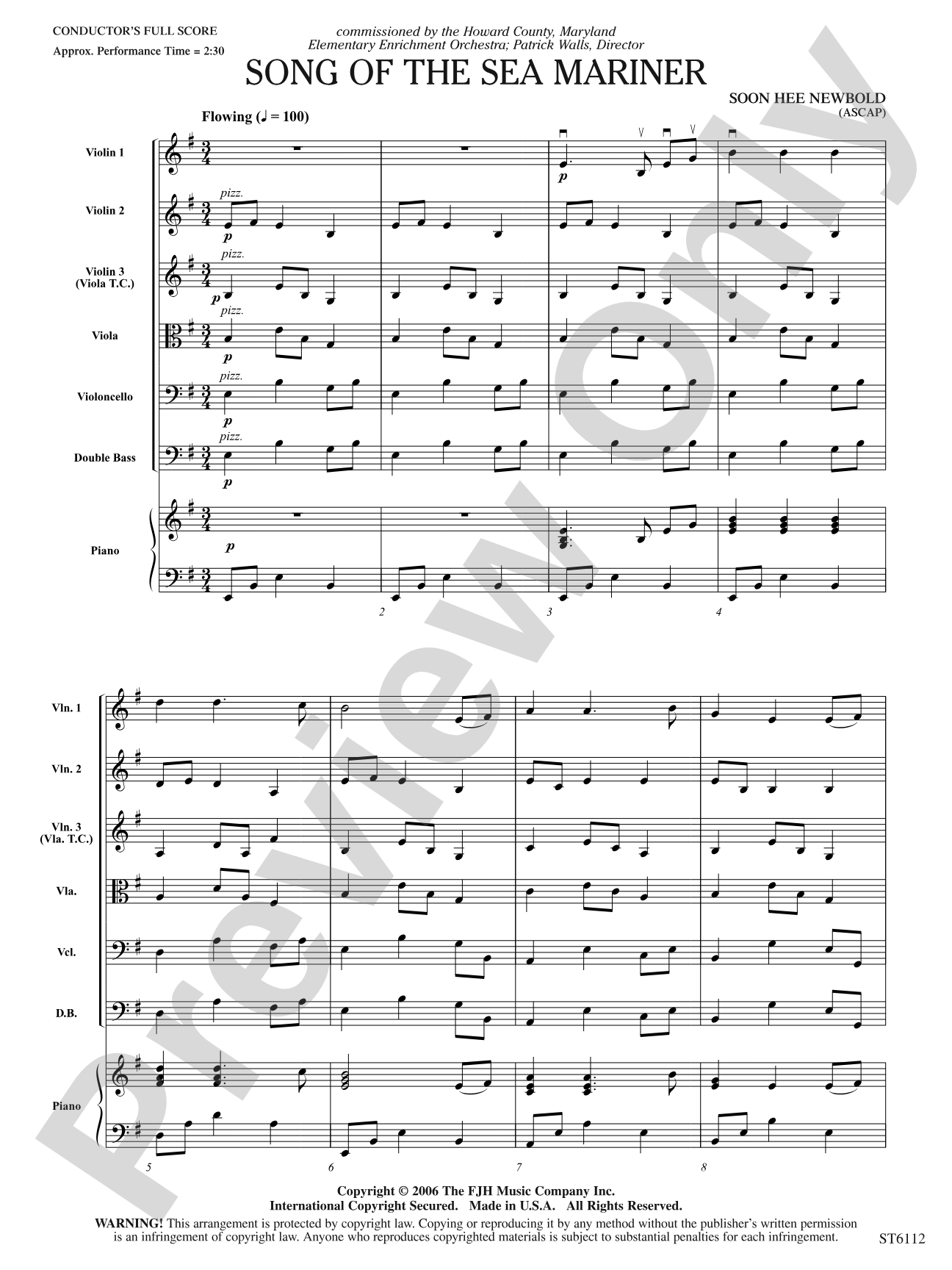
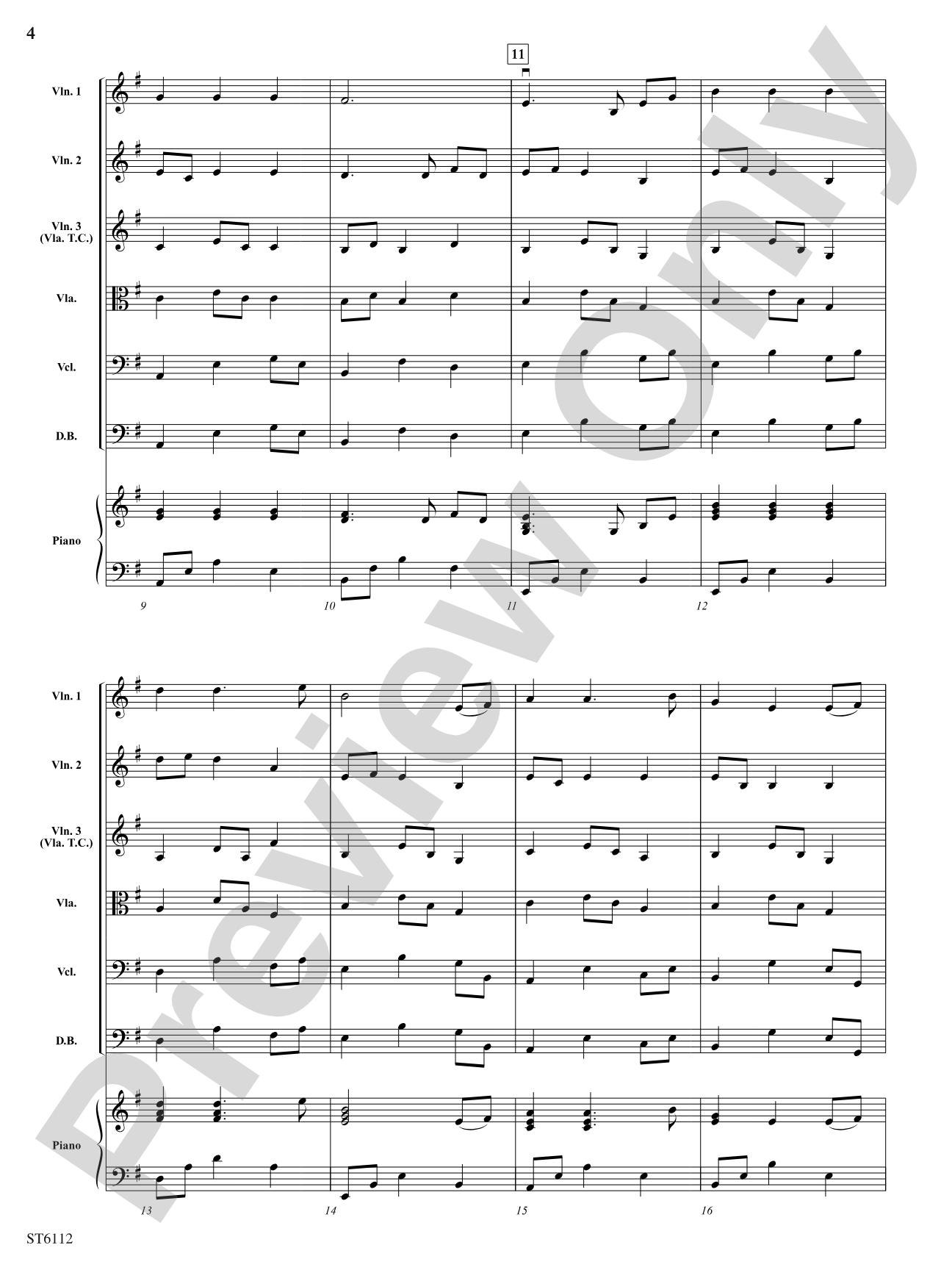
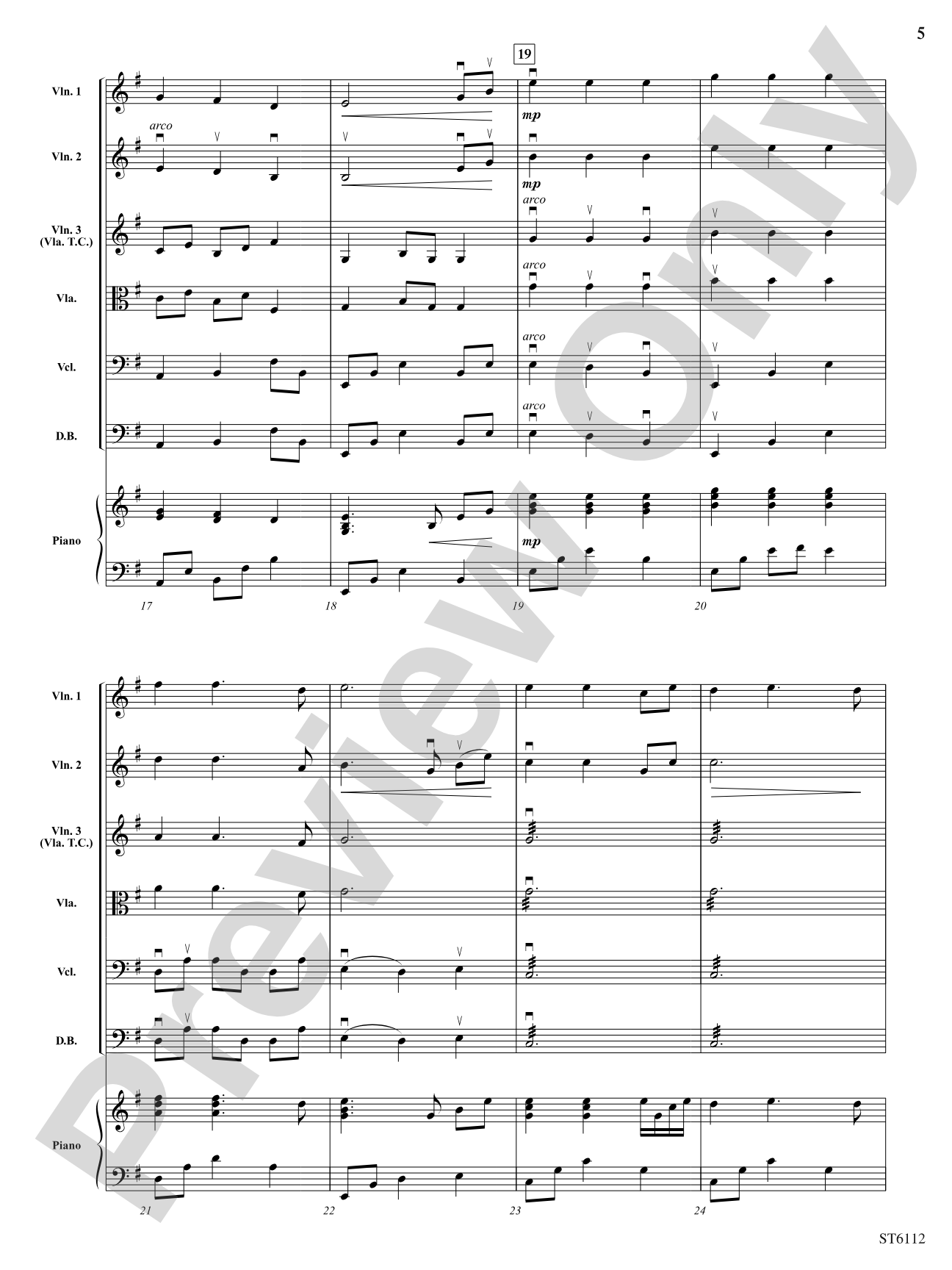
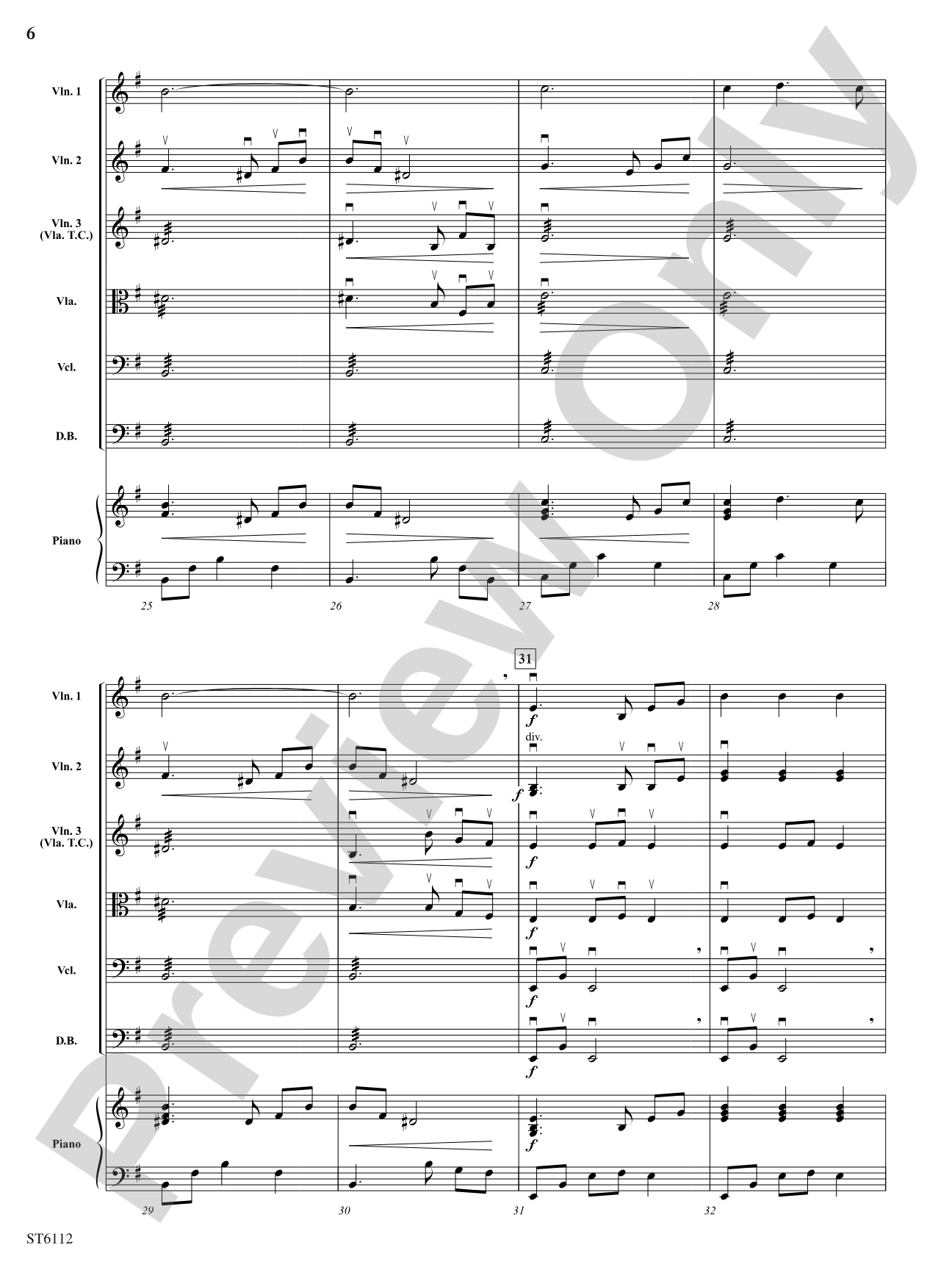
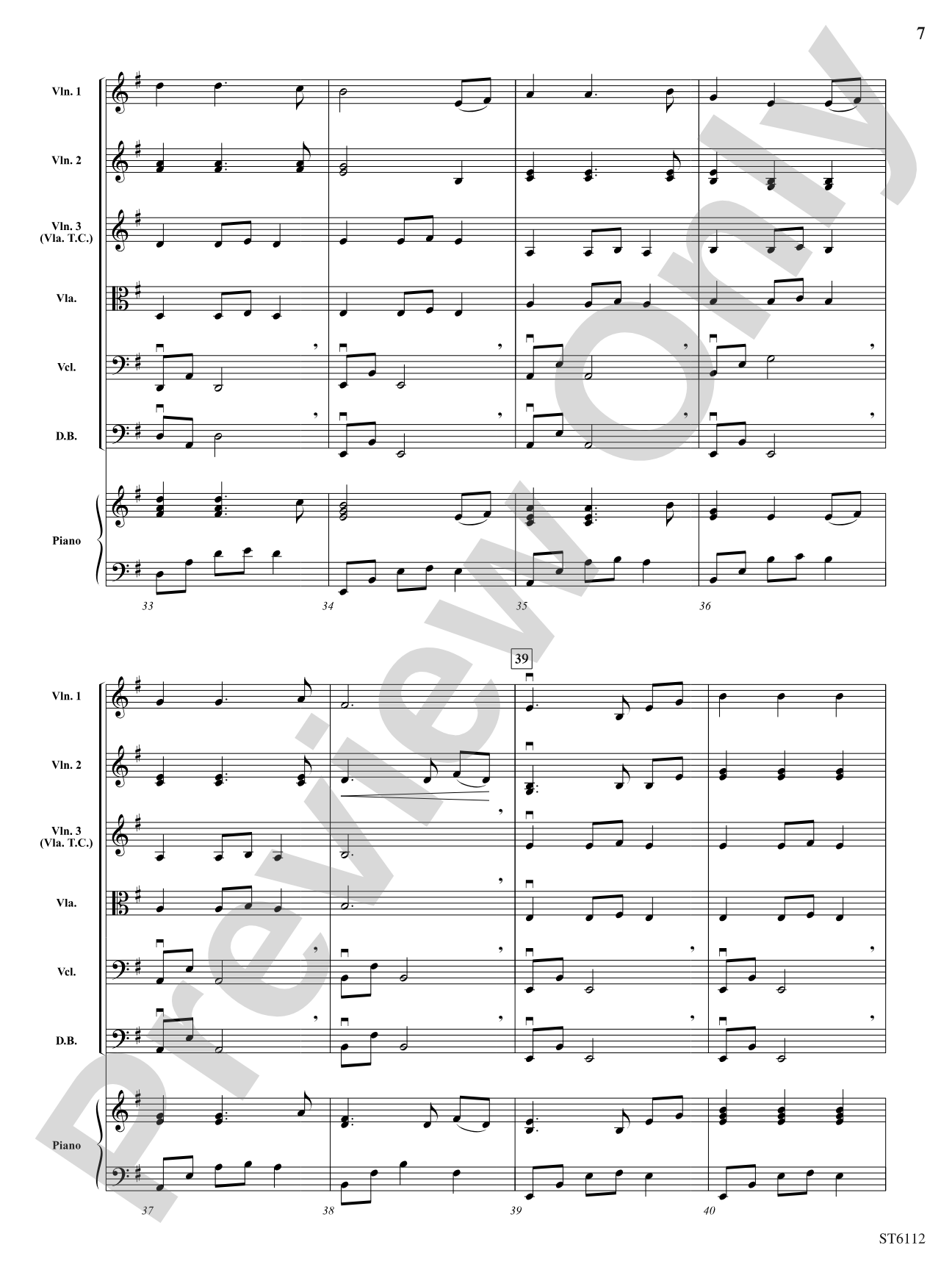
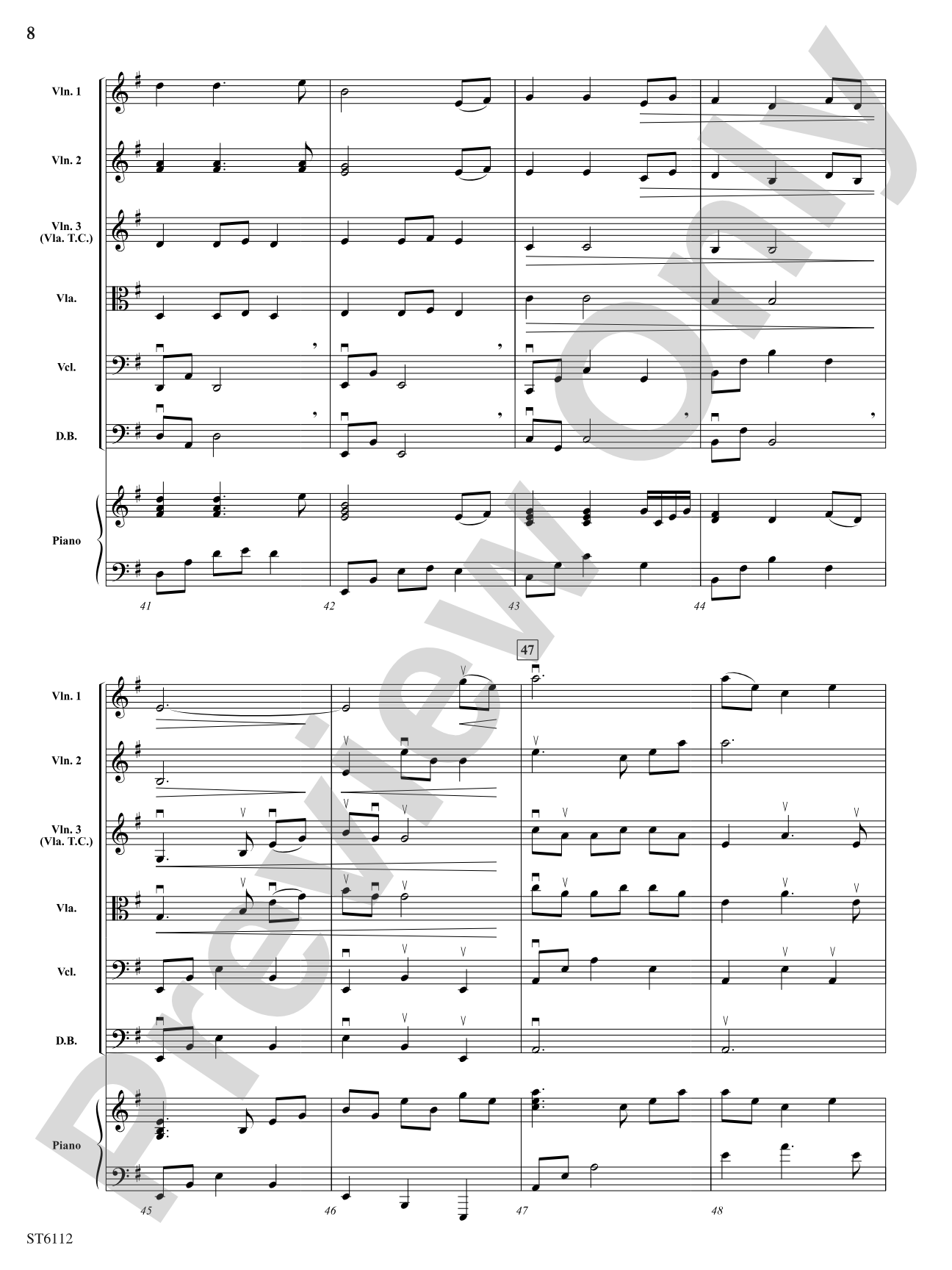
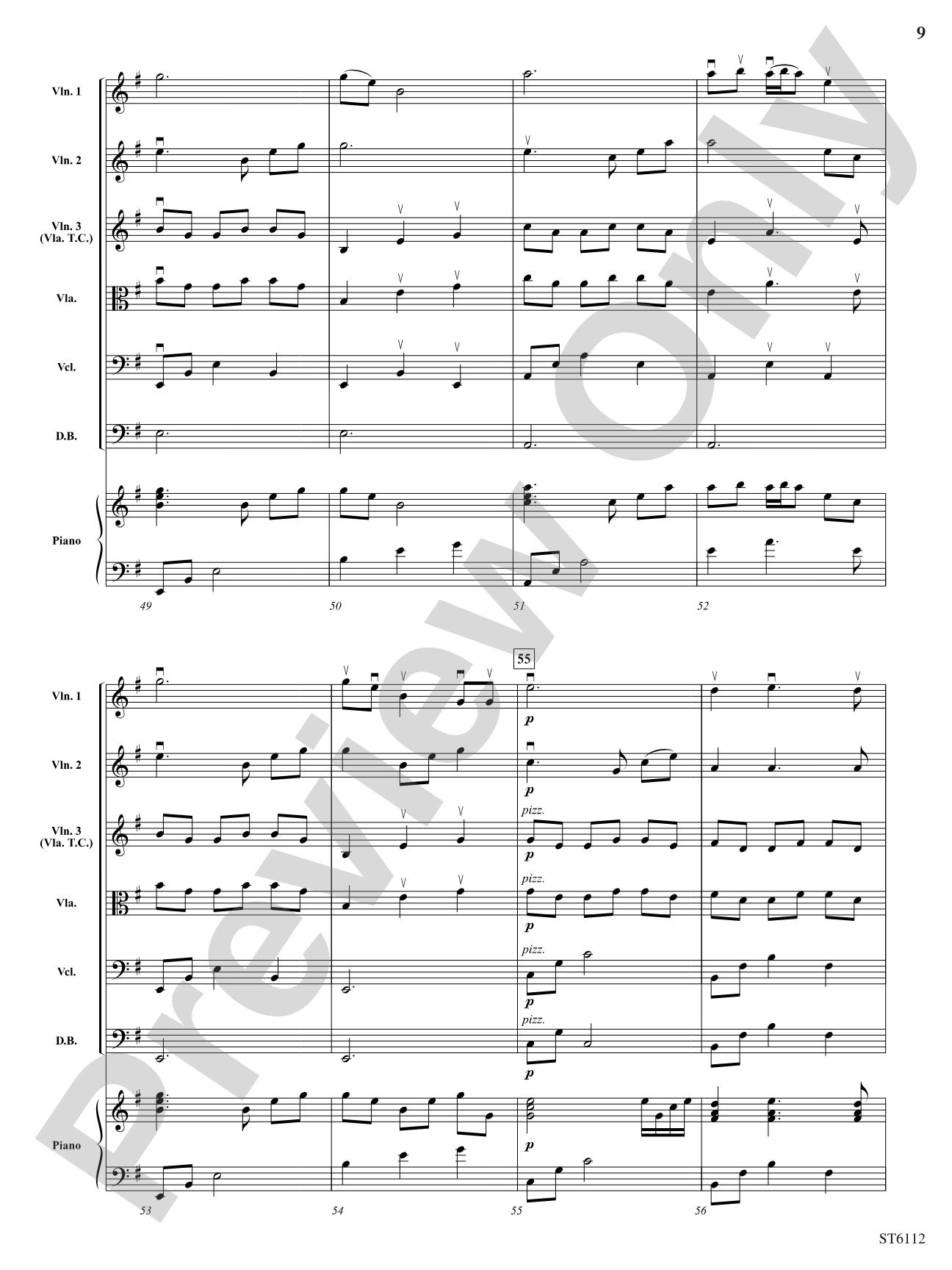
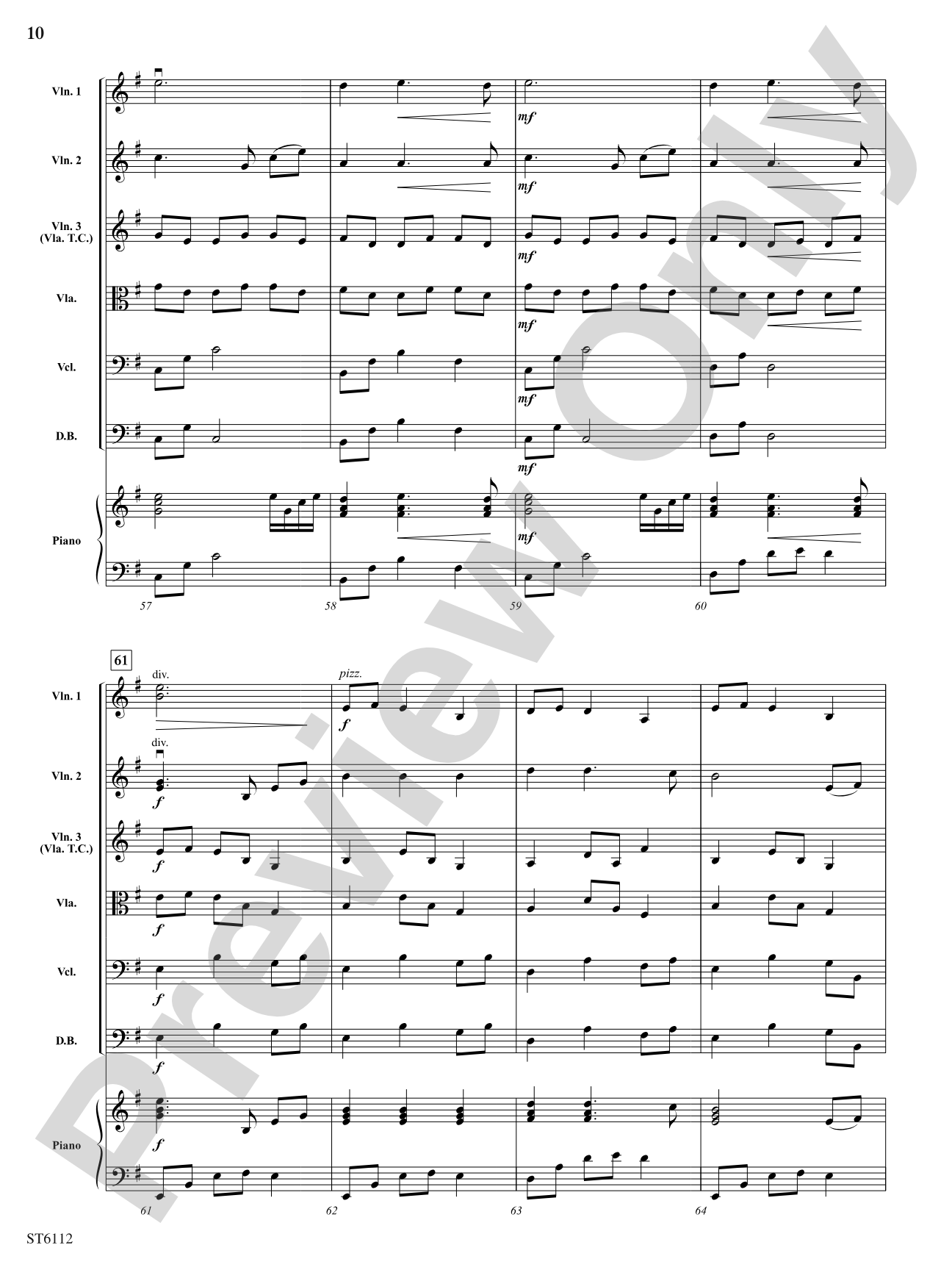
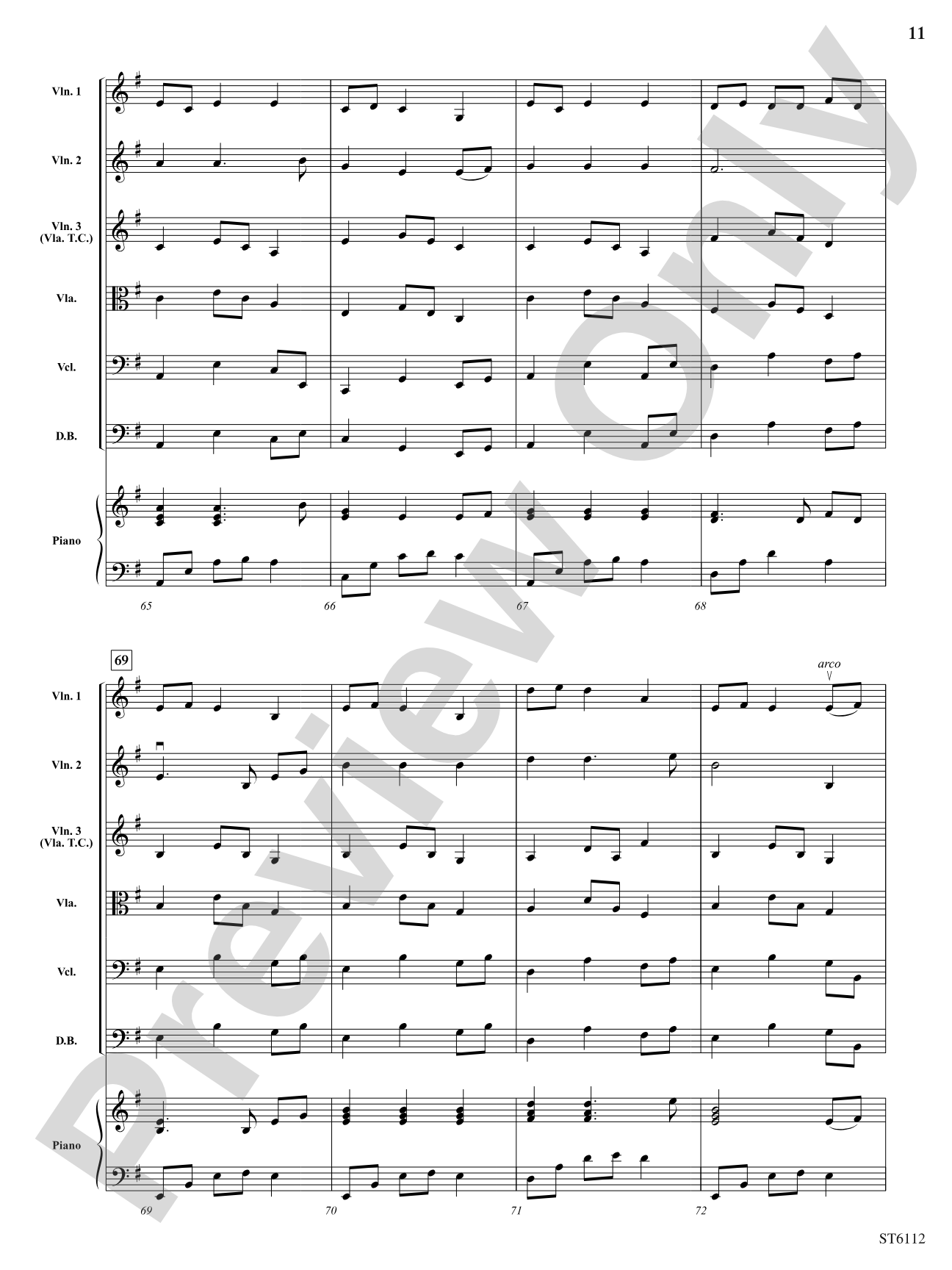
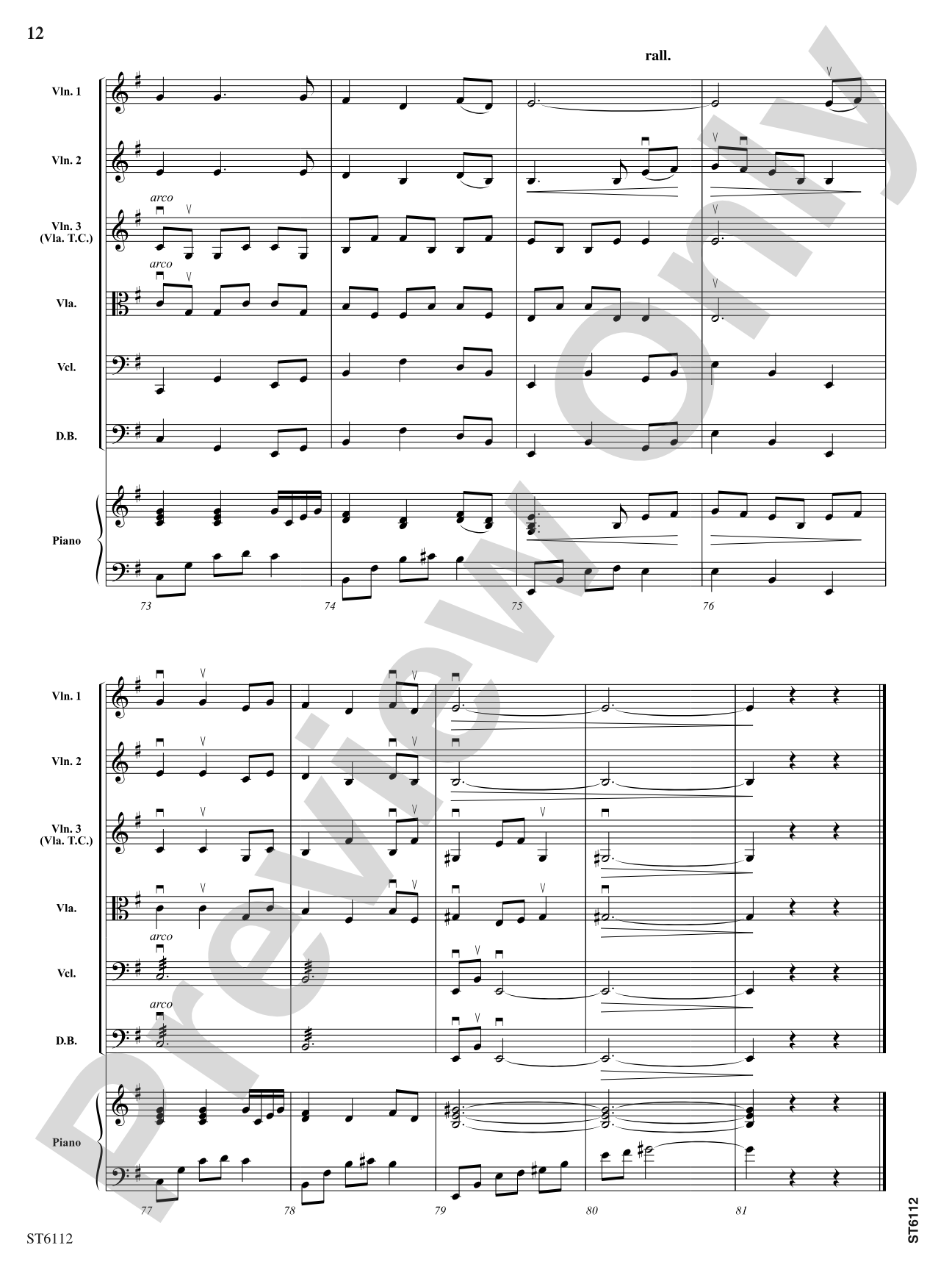
Based on old traditional folk music, this haunting, lyrical work by Soon Hee Newbold captures the melancholy spirit of songs sung by sailors living at sea. A moving pizzicato line in the inner voices supports a soaring melody in the violins before it is shared with the other instruments of the orchestra. A mature and rich sound.


Don't just read it, hear it, play along with it, and watch your students grow with it. In MakeMusic Cloud, Song of the Sea Mariner: String Orchestra Conductor Score & Parts comes alive with professional accompaniment, adjustable tempo, and built-in practice tools that turn solo practice into real progress.
Open in the Player
Jump straight in and assign it today.
Start Your Free Trial
Open this title and explore the full library in minutes.
Sample Audio
1
Audio File
--:--
0:00
0:00
Sample Video
No sample videos found.
Additional Details
Series:
FJH Developing Strings
Publisher:
The FJH Music Company, Inc.
SKU:
98-DST6112
More about this title
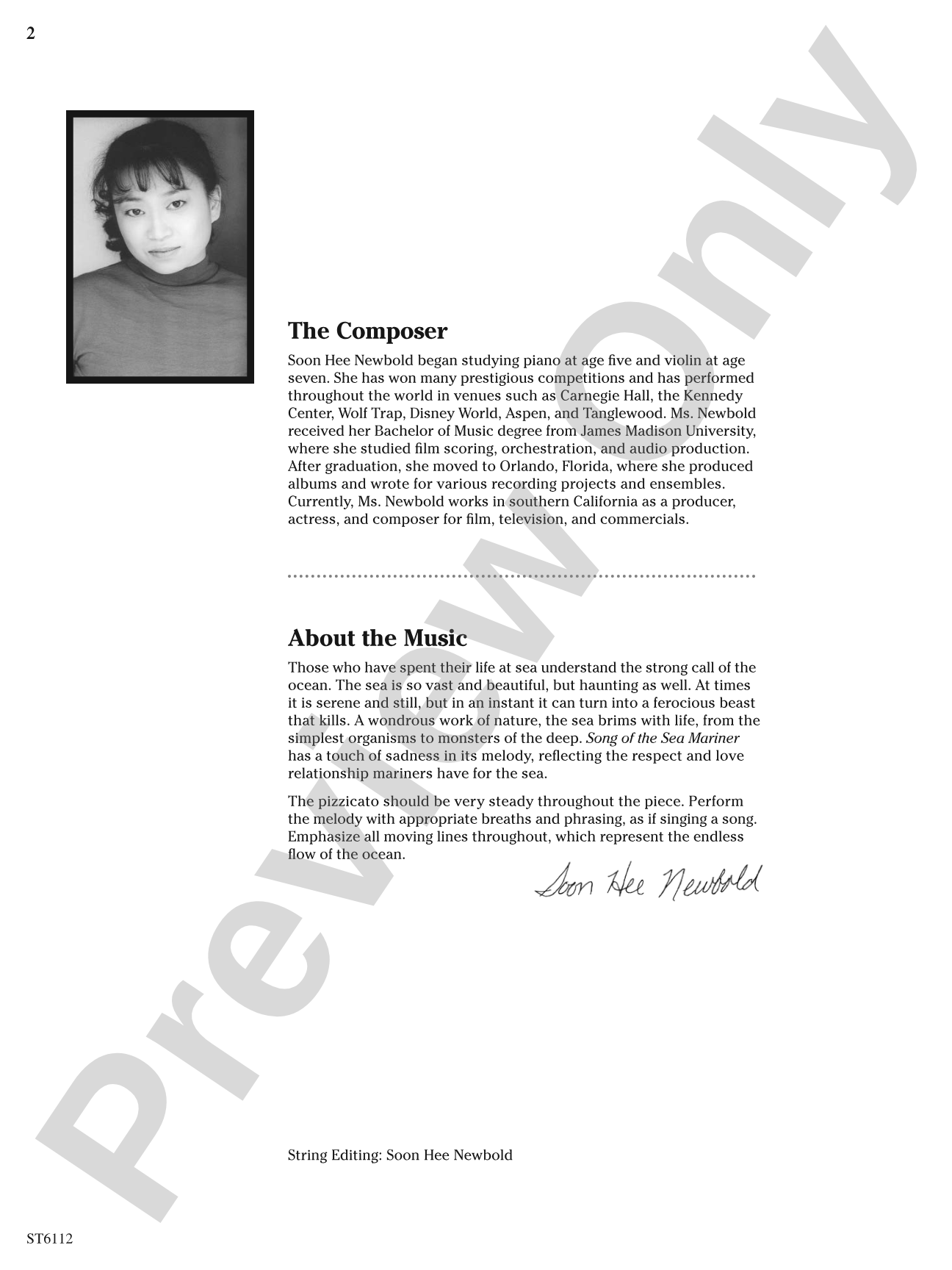
About the Composer: Soon Hee Newbold

Soon Hee Newbold draws on a lifetime of musical experience across multiple continents to craft compositions that speak to diverse audiences. A pianist from age five and violinist from seven, she performed as a concert artist in professional ensembles worldwide before establishing herself as a composer whose works span from elementary school orchestras to professional symphonies at Carnegie Hall, the Kennedy Center, Lincoln Center, and major international venues.
Newbold's compositional voice reflects her extensive global travels and cross-cultural interests. She has conducted orchestras and bands throughout the United States and overseas, including work in the Netherlands, Belgium, Australia, Indonesia, Singapore, and China. Her film and recording work in Hollywood further demonstrates her versatility, while her frequent appearances as a keynote speaker and guest clinician have made her a respected voice in music education.
Why we love this
Newbold's treatment of traditional maritime material strikes a genuine balance between accessibility and sophistication. The pizzicato inner-voice accompaniment provides rhythmic clarity and textural interest that Grade 2.5 players can execute with modest preparation, while the soaring violin melody offers the kind of lyrical writing that reminds young musicians why they play in the first place.
What to expect
There is a wistful, contemplative quality throughout this work, as if you're listening to someone recalling memories of a life lived on the water. The pizzicato texture creates an almost hypnotic foundation that allows the violin melody to soar above it with genuine emotional presence, never feeling overwrought despite the melancholy mood.
Who it's for
String orchestra directors working with developing ensembles at the Grade 2.5 level who want repertoire that balances technical accessibility with genuine musical substance. This piece works well for programs that include students with mixed experience levels, since the pizzicato parts remain manageable while the violin melody rewards stronger players.
How to get the most out of it
- Balance the pizzicato accompaniment so it supports rather than overwhelms the violin line; mark the dynamic level clearly at the first rehearsal and reference it whenever the texture repeats.
- Work the violin melody in sections before full orchestra rehearsal to ensure intonation and phrase shape are secure; this melody carries the emotional weight of the entire piece.
- Shape the accompaniment with subtle dynamic inflection even though it's pizzicato; avoid the trap of playing it as mechanically rhythmic filler.
How to use it
This piece functions beautifully as a concert closer or centerpiece when you want to showcase your orchestra's lyrical capabilities. Program it alongside more energetic works to create dynamic contrast, or pair it with other multicultural repertoire to build a thematic concert around folk traditions from around the world.
Skills your students will build
- Sustained phrase phrasing and long-line melodic playing in violin parts
- Rhythmic precision in pizzicato accompaniment figures
- Balancing multiple textural layers and adjusting volume based on orchestral role
- Intonation refinement in a slower harmonic context
- Interpretation of programmatic content and cultural musical context