
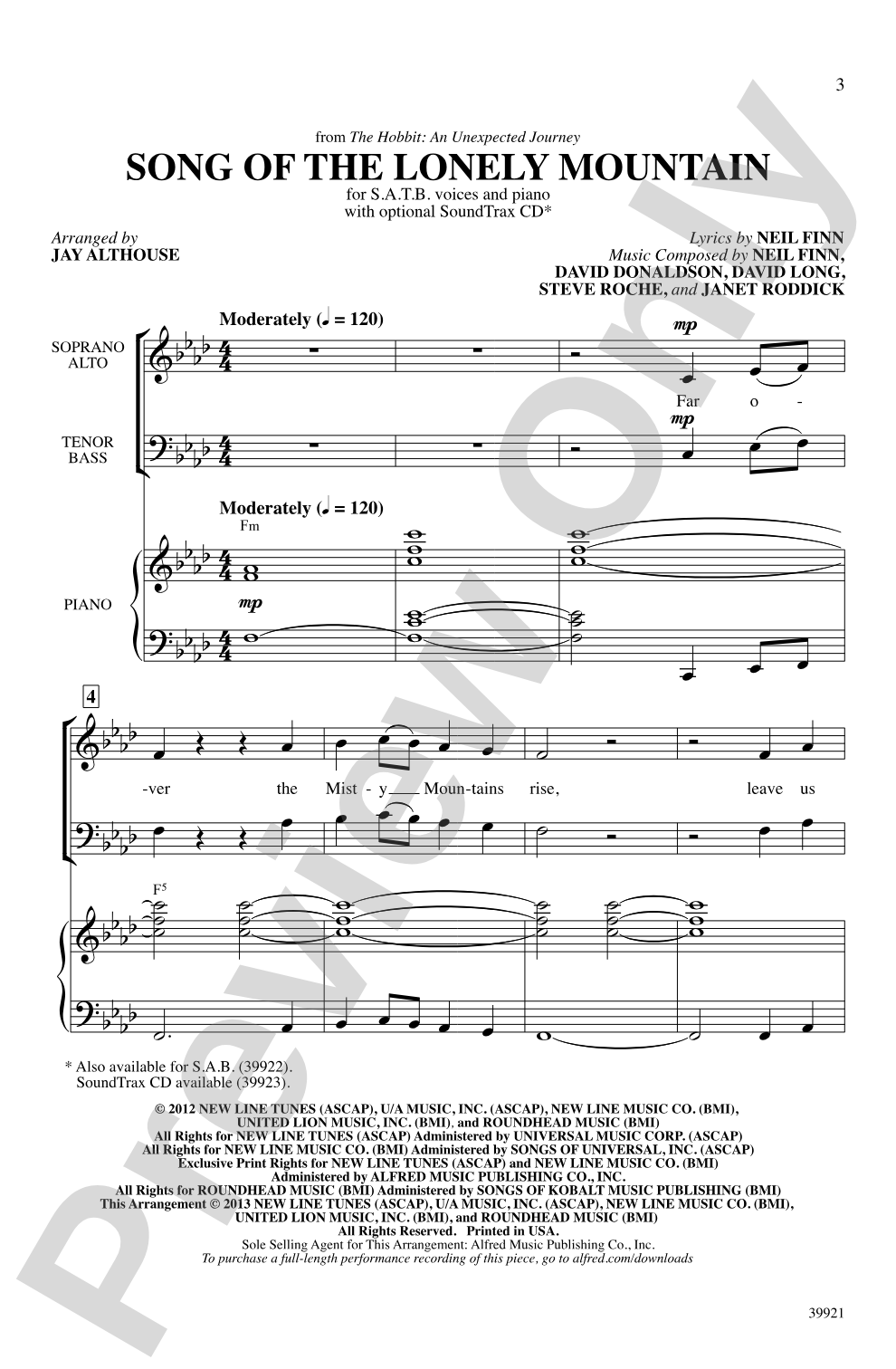
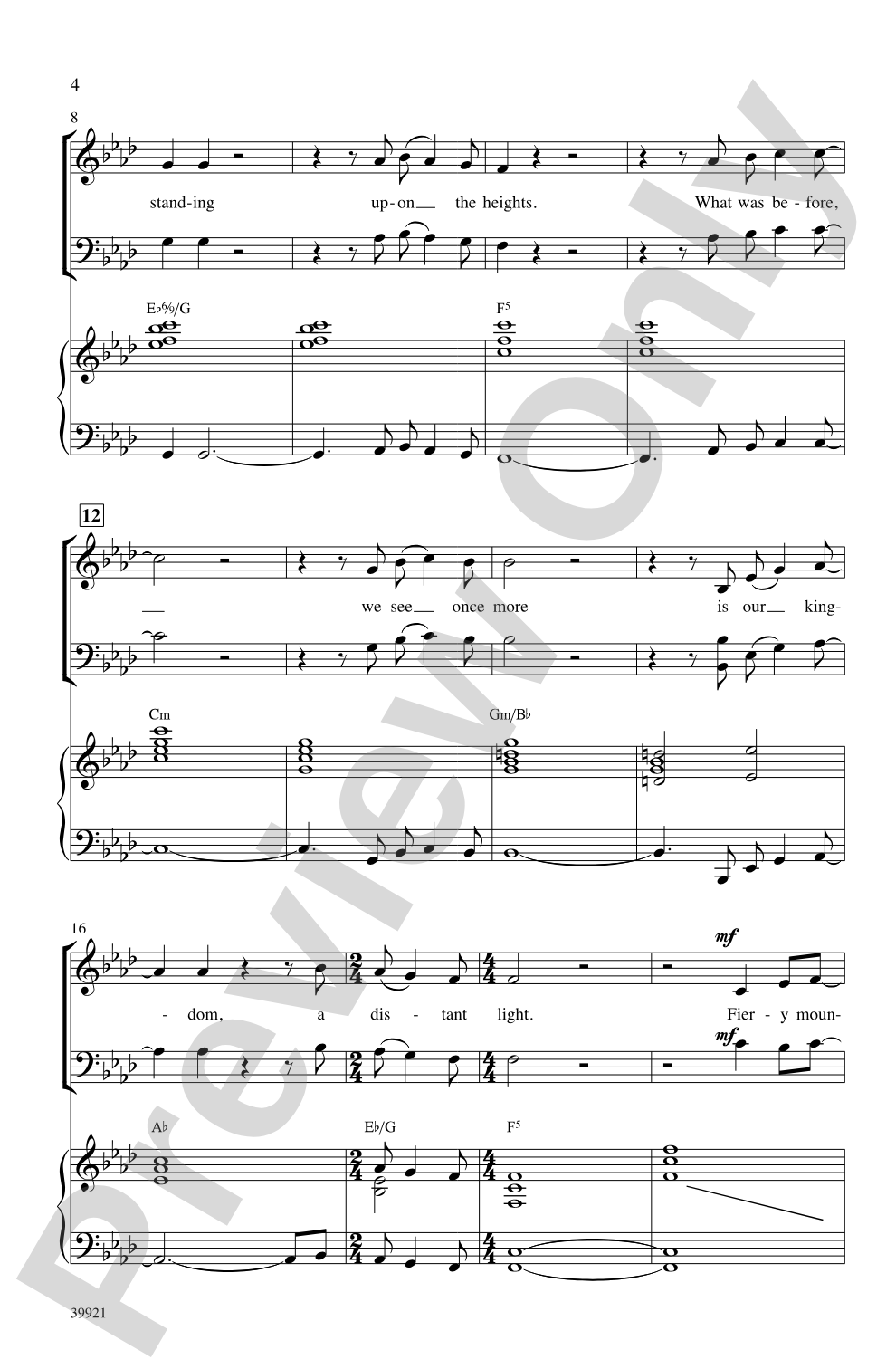
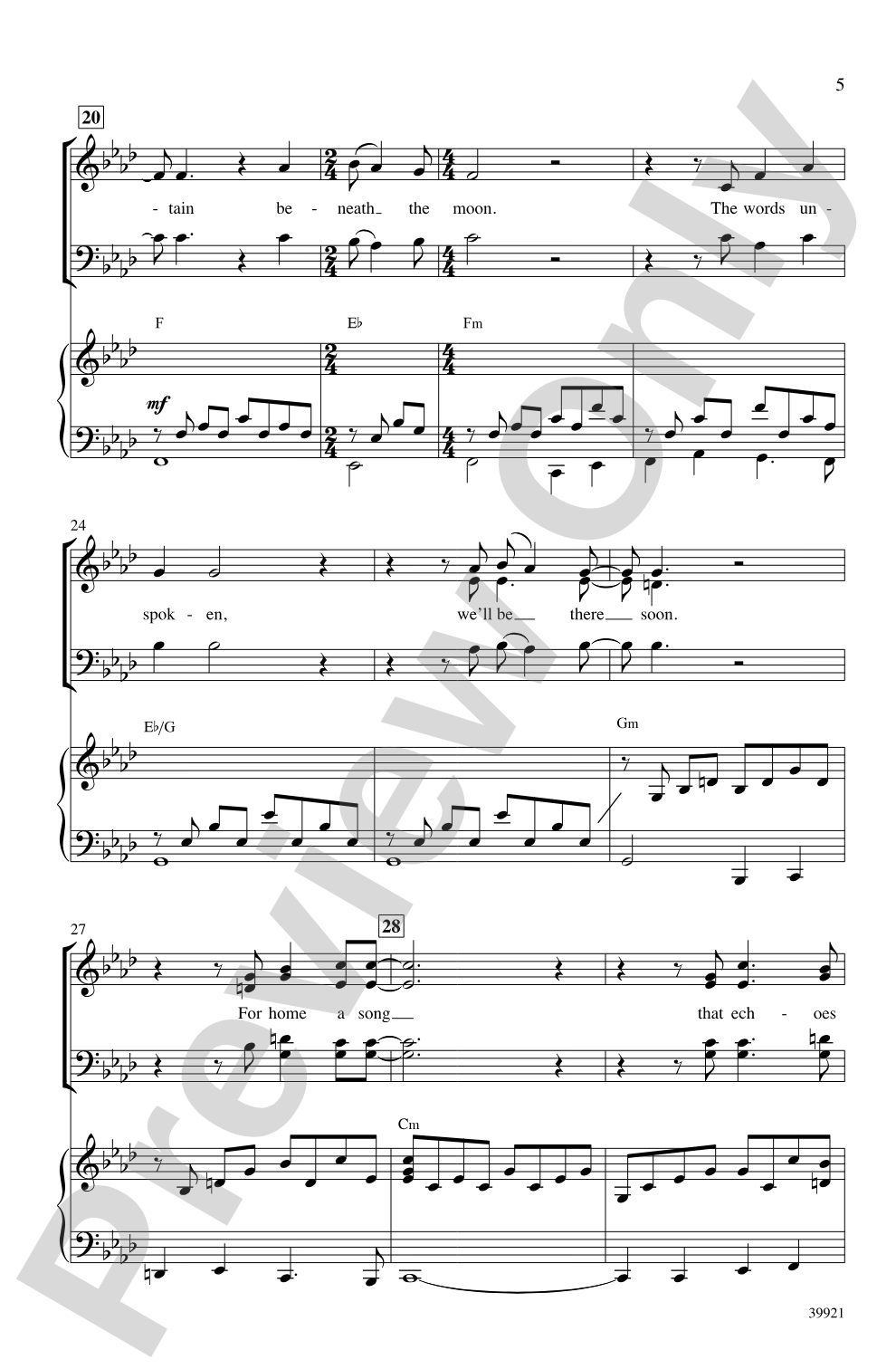

Song of the Lonely Mountain (from The Hobbit: An Unexpected Journey): SATB Choral Octavo
Lyrics by Neil Finn, music composed by Neil Finn, David Donaldson, David Long, Steve Roche, and Janet Roddick / arr. Jay Althouse
Item: 00-PO-0001703

$2.25
Minimum order quantity: 20 copies
One moment…
Related Items
Song of the Lonely Mountain (from The Hobbit: An Unexpected Journey): SoundTrax Digital Audio Download |
$27.99
|
View | |
Song of the Lonely Mountain (from The Hobbit: An Unexpected Journey): SAB Choral Octavo |
$2.25
|
View | |
Song of the Lonely Mountain (from The Hobbit: An Unexpected Journey): SATB Choral Octavo |
$2.25
|
View | |
Song of the Lonely Mountain (from The Hobbit: An Unexpected Journey): SAB Choral Octavo |
$2.25
|
View | |
Song of the Lonely Mountain (from The Hobbit: An Unexpected Journey): Choral Octavo SoundTrax CD |
$27.99
|
View |
Description
Featured over the end credits of The Hobbit: An Unexpected Journey, this song paints the picture of the epic quest taken in the film. The song's roots come from a theme sung by the dwarves earlier in the movie. Like the film, the ballad's steady tempo and harmonies build, capturing the aura and drive of the storyline.


Don't just read it, hear it, play along with it, and watch your students grow with it. In MakeMusic Cloud, Song of the Lonely Mountain (from The Hobbit: An Unexpected Journey): SATB Choral Octavo comes alive with professional accompaniment, adjustable tempo, and built-in practice tools that turn solo practice into real progress.
Open in the Player
Jump straight in and assign it today.
Start Your Free Trial
Open this title and explore the full library in minutes.
Sample Audio
1
Audio File
--:--
0:00
0:00
Sample Video
No sample videos found.
Additional Details
Series:
Alfred Pop Choral Series
Publisher:
Alfred Music
Page Count:
16
SKU:
00-PO-0001703
More about this title
Why we love this
This arrangement captures the narrative arc of the film without requiring your choir to watch three hours of cinema first. The steady build in tempo and harmonic density mirrors the dwarves' growing determination, giving singers a tangible musical story to tell rather than just executing notes on a page.
What to expect
The opening feels contemplative and reflective, evoking the weight of an impossible journey ahead. As the piece unfolds, layers accumulate like waves gathering strength, building toward a driving, resolute conclusion that captures both the epic scope of the quest and the determination of those who undertake it.
Who it's for
Choirs with solid four-part blend and basic ensemble maturity. This is accessible enough for high school or community ensembles but requires singers who can maintain steady intonation and rhythmic precision as the arrangement builds in complexity.
How to get the most out of it
- Establish the steady tempo early in rehearsals and maintain it with precision throughout; the piece's architecture depends on predictable forward momentum.
- Layer the harmonies gradually across rehearsals, starting with the melody and bass line together before adding inner voices, so singers understand how their parts support the overall architecture.
- Balance the SATB voices so the melody remains audible even as fuller harmonic blocks enter; this prevents the piece from becoming thick and muddy during climactic moments.
- Use the recorded accompaniment to lock in ensemble precision during early rehearsals, then gradually reduce reliance on it as confidence grows.
How to use it
This works as a standout narrative piece in a pops or contemporary choral concert, or as a bridge into musical theater programming if your ensemble explores film music. Its steady pacing and clear harmonic language also make it an excellent choice for holiday concerts or end-of-year programs seeking a piece with genuine emotional weight.
Skills your students will build
- Maintaining steady tempo while managing dynamic build
- Balancing melody and harmony in four-part writing
- Shaping phrases across multiple verses without losing momentum
- Blending SATB voices in increasingly complex harmonic contexts