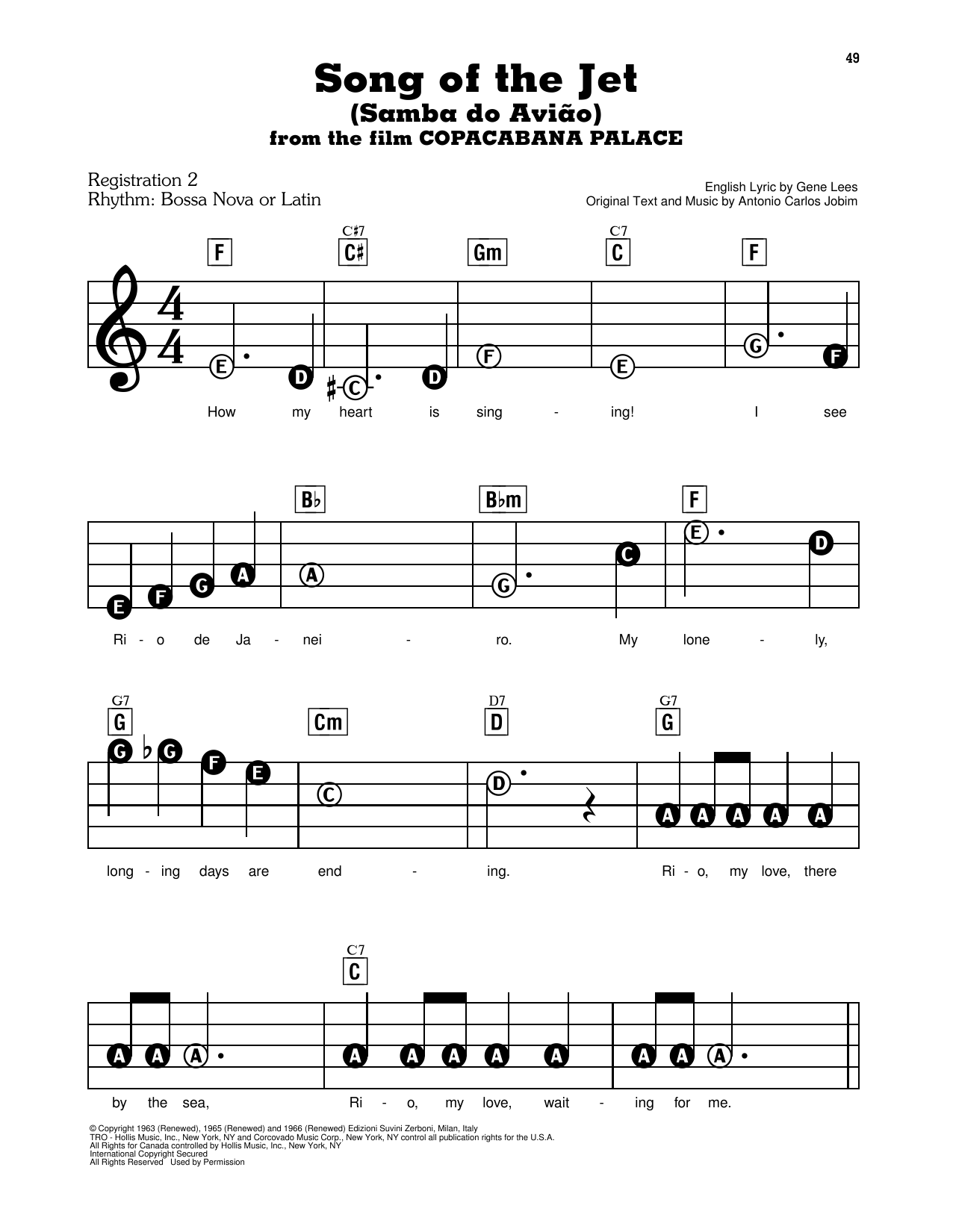
Antonio Carlos Jobim stands as the primary architect of bossa nova, the Brazilian musical movement that fundamentally changed how jazz musicians approached rhythm, harmony, and melody in the 1950s and beyond. His compositions, marked by sophisticated chord progressions and an unmistakable lyrical grace, became the foundation for a worldwide jazz standard repertoire that remains central to music education and performance.
Jobim's work demonstrates that popular music can achieve genuine artistic depth. His melodies balance accessibility with harmonic complexity, making his pieces invaluable teaching tools for students learning how to navigate jazz language, Latin rhythms, and the interaction between melody and chord changes.