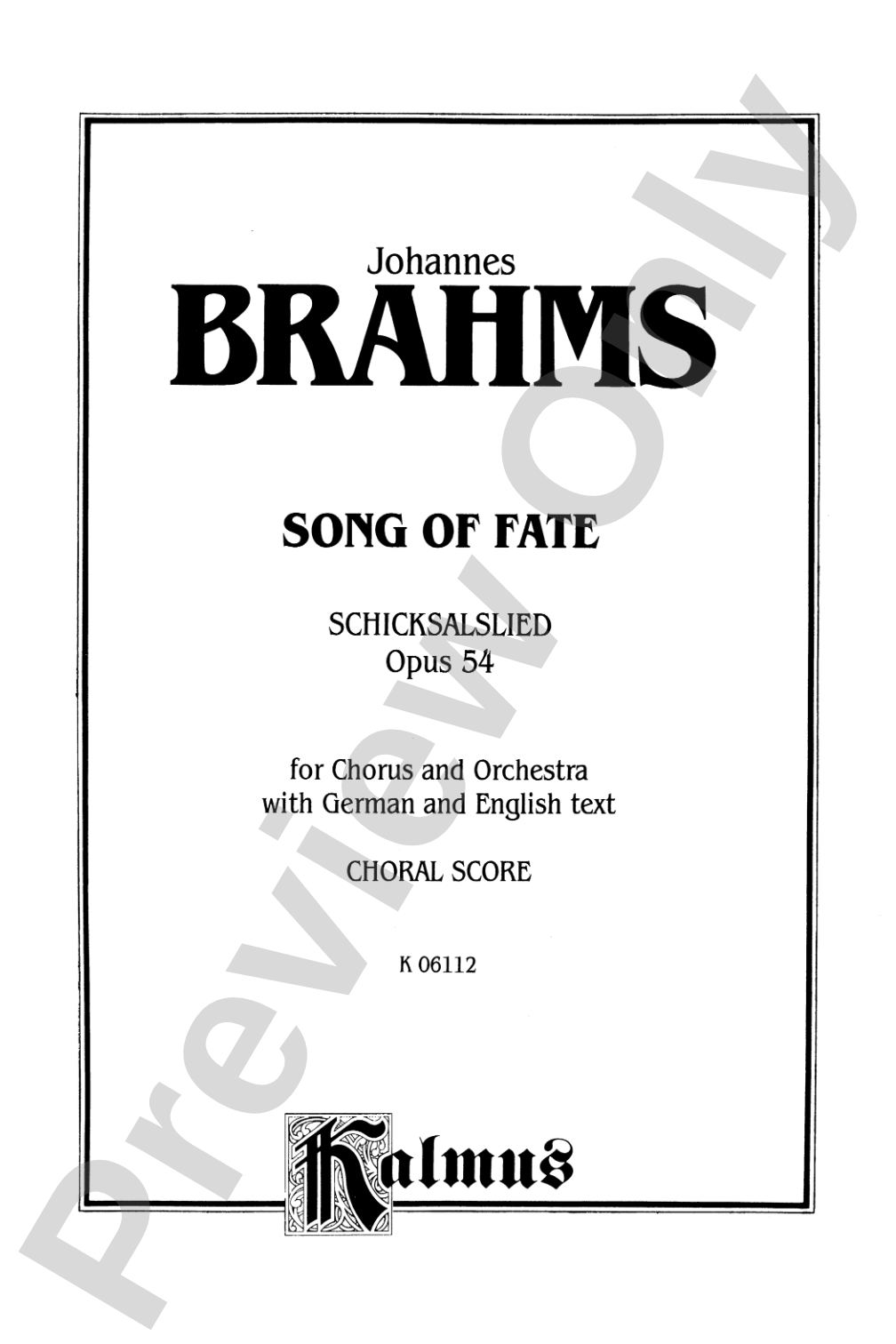
Song of Fate (Schicksalslied), Opus 54 Sheet Music Preview

Song of Fate (Schicksalslied), Opus 54: Choir

By Johannes Brahms

Item: 00-PB-0001159

Digital Download
$8.99
Description
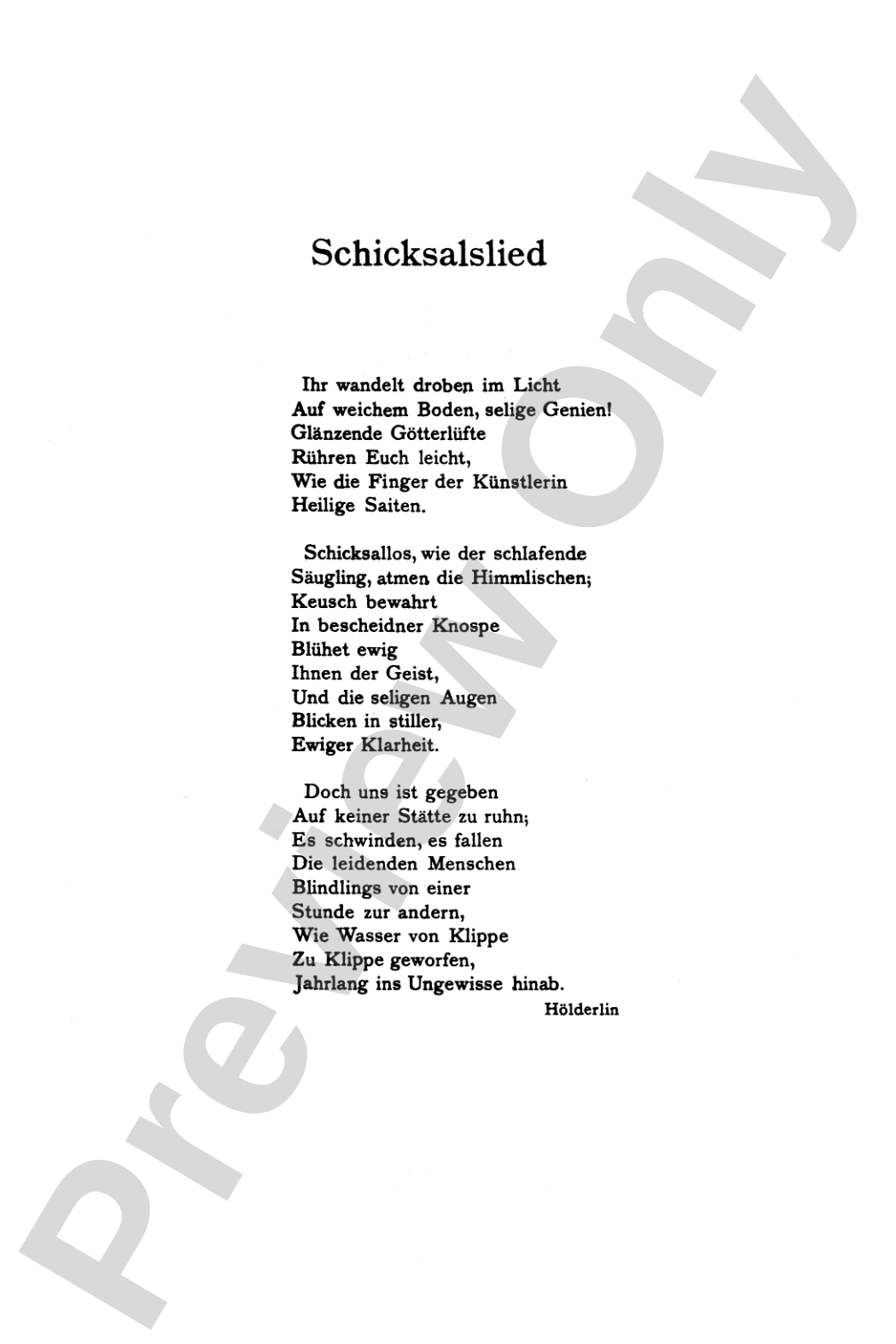
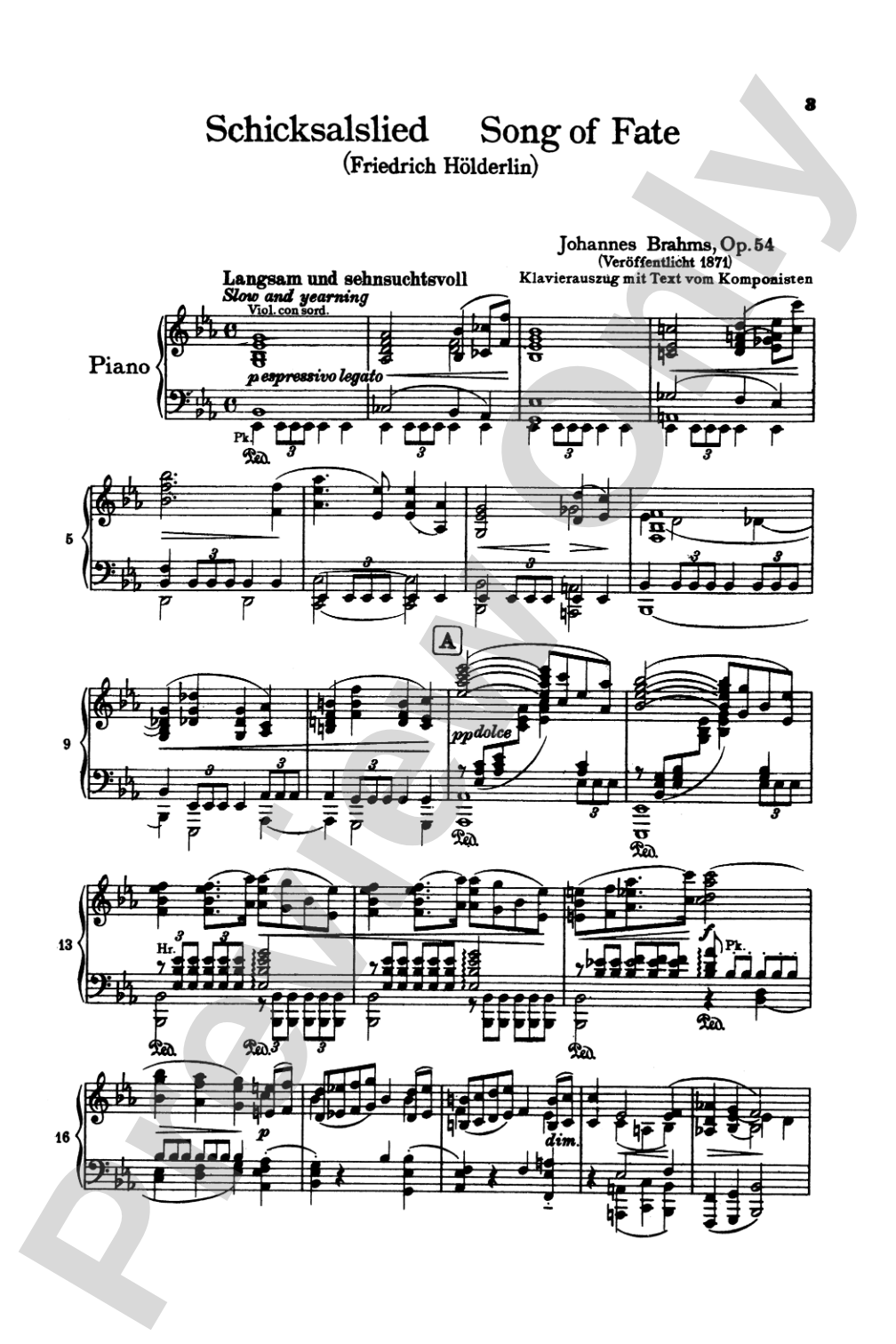
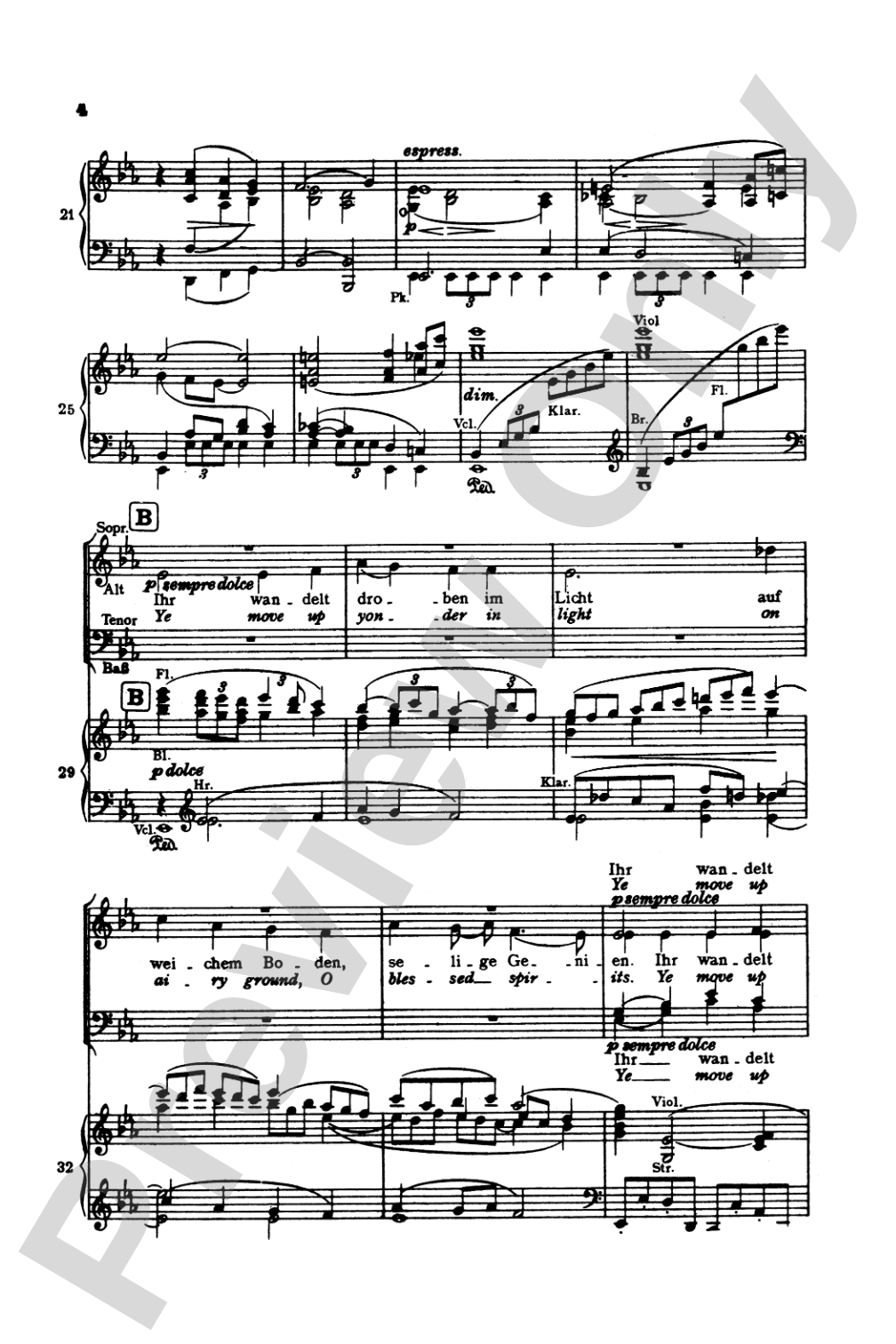
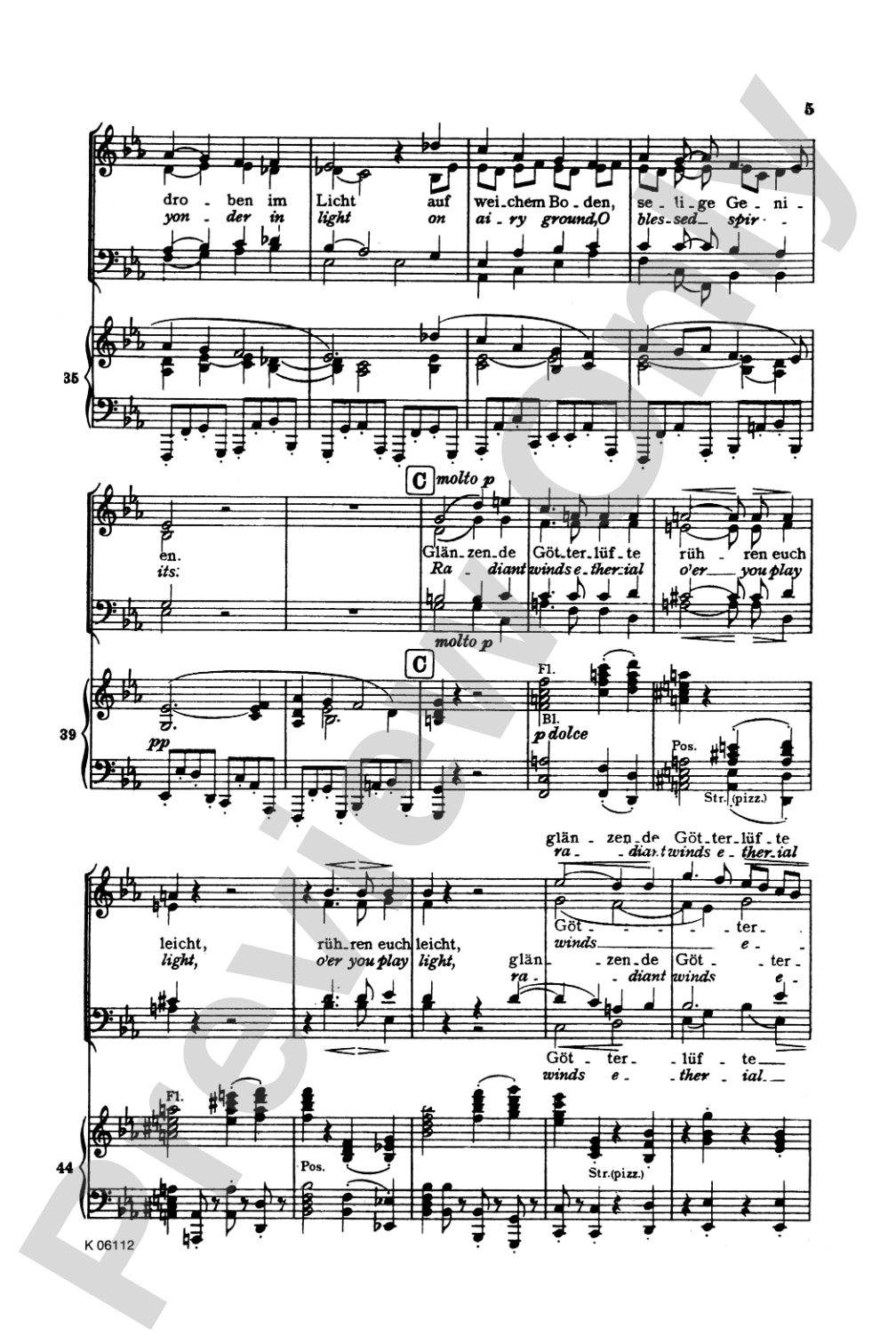
Brahms composed his "Schicksalslied" (Song of Destiny), Opus 54, between 1868 and 1871. It is a short, powerful work for chorus and orchestra. The text is that of Friedrich Holderlin's poem "Hyperions Schicksalslied." Choral score with German and English text and piano accompaniment.

Song of Fate (Schicksalslied), Opus 54: Choir isn't in MakeMusic Cloud just yet...but it could be. Let us know you'd like to see it, and you'll help shape what comes next. In the meantime, start a free trial and dive into thousands of interactive titles your students can play along with today.

Sample Audio
No sample audio found.
Sample Video
Additional Details
Series: Kalmus Edition
Publisher: Alfred Music
Page Count: 24
SKU: 00-PB-0001159
Instrumentation: Orch.

More about this title

About the Composer: Johannes Brahms

Johannes Brahms (1833–1897) shaped the Romantic era by expanding the symphonic and choral traditions he inherited from Beethoven. His meticulous approach to form, harmonic innovation, and orchestration set him apart from his contemporaries; every work reveals layers of craft beneath its expressive surface. In the choral realm, Brahms elevated the genre through ambitious large-scale works that demanded serious musicianship from singers and audiences alike.

Why we love this

The Schicksalslied sits at the intersection of Brahms's structural rigor and genuine emotional depth. Its relatively compact form makes it accessible for ambitious choral programs without requiring months of rehearsal, yet the harmonic language and orchestral colors reward careful preparation and justify programming at serious concerts or festivals.

What to expect

The Schicksalslied unfolds with a brooding, philosophical quality that mirrors Holderlin's meditation on fate and human limitation. Rich harmonic progressions and winding melodic lines create an introspective landscape; moments of radiance emerge not through bombast but through unexpected shifts in texture and dynamics.

Who it's for

This work suits collegiate and professional choirs, adult community ensembles, and advanced high school programs with strong singers and rehearsal time. Conductors seeking substantial Romantic choral repertoire that avoids overexposure will find this a rewarding addition to their library.

How to get the most out of it

  • Balance the chorus against the piano reduction by bringing out inner voices in the orchestral texture; these countermelodies are essential to Brahms's harmonic design and shouldn't disappear beneath the sung parts.
  • Shape the dynamics across longer phrases rather than treating each measure in isolation. The arching contours demand sustained breath control and a collective sense of line that pulls listeners through the work's philosophical arc.
  • Attend closely to the text setting in both German and English. Brahms aligns syllables with harmonic events, so clarity and good diction unlock the emotional content of Holderlin's verse.
  • Ground the opening in a warm, resigned tone before allowing intensity to build. The work's power lies in restraint and gradual emotional revelation, not immediate drama.

How to use it

Position this as a centerpiece on a concert exploring Romantic choral ideals, or pair it with works by composers influenced by Brahms to show his harmonic language's enduring impact. Its 24-page length makes it ideal for a standalone concert segment or as the featured work on a program pairing art songs and larger forms.

Skills your students will build

  • Reading SATB voicing with chromatic and altered harmonies
  • Sustaining long phrases with controlled breath and dynamic shape
  • Balancing choir against orchestral accompaniment (from piano reduction)
  • Interpreting German Romantic text with linguistic and musical sensitivity
  • Understanding Brahms's approach to form and harmonic expansion

You May Also Like