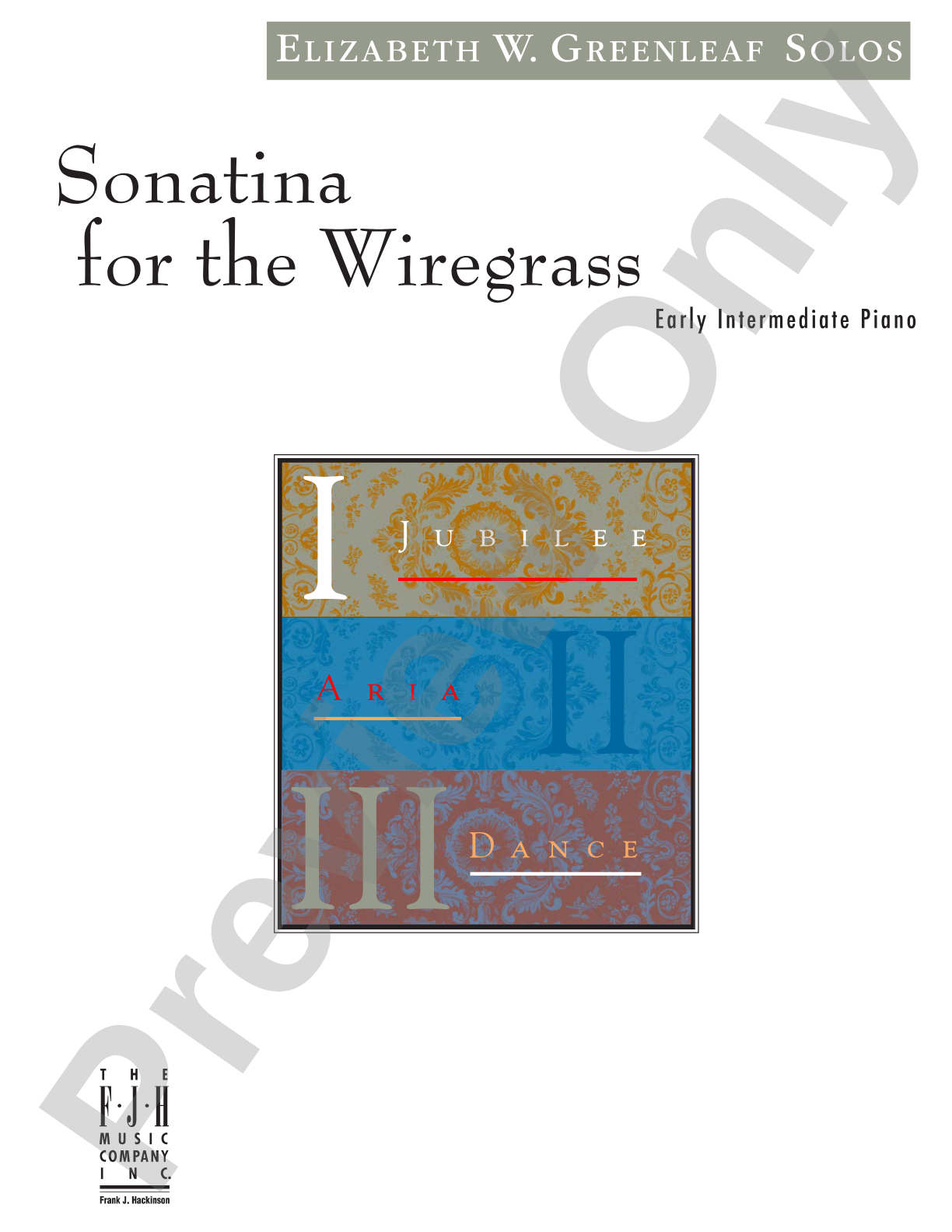
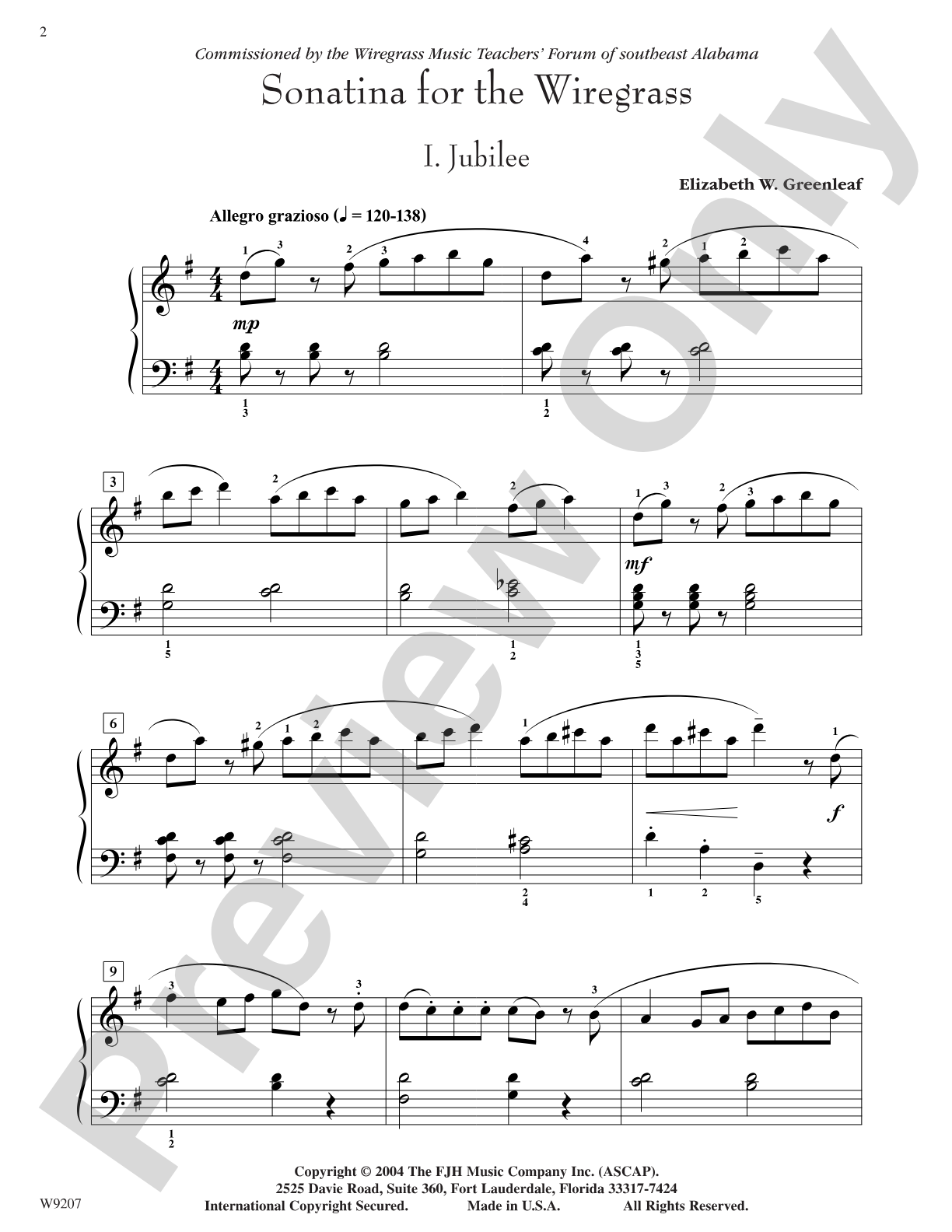
A playfully lyrical piece, Sonatina for the Wiregrass makes a pleasing invitation to the three-movement sonata: Jubilee puts right-hand phrasing and dynamics on display; Aria sings a sequential theme with broken-chord accompaniment, and Dance sums up the work with a fast Minuet. A lovely opportunity to show understanding of sonata form in a modern setting.
Discover MakeMusic Cloud: thousands of interactive titles your students can play along with today.
Elizabeth W. Greenleaf writes music with a clear pedagogical ear, creating pieces that respect student development while refusing to compromise on musical substance. Her work appears regularly in educational settings where composers understand that teaching pieces and artistically satisfying pieces need not be separate categories.
Why we love this
Greenleaf writes sonatas that feel genuinely pianistic without oversimplifying the form itself. Students engage with real harmonic movement and structural thinking, not watered-down versions, and the three-movement arc gives them a satisfying arc to perform from memory or off the page.
What to expect
Lyrical and unpretentious, with genuine warmth in the melodic writing. The piece invites you to explore the piano's singing voice in Aria while building momentum through rhythmic energy in both Jubilee and Dance, creating a journey rather than a showcase.
Who it's for
Intermediate and early intermediate pianists ready to tackle three-movement form in a piece that respects their musicality. Students preparing for recitals or competitions who want engaging, approachable repertoire with real substance.
How to get the most out of it
Shape each phrase in Jubilee with clear arrival points; the right-hand writing invites you to sing through dynamic swells rather than rush between them.
In Aria, keep the broken-chord accompaniment moving with gentle forward motion so the sequential theme floats above it without feeling static.
Treat the final Dance movement as a true Minuet with its character intact; resist the urge to push the tempo just because it's marked fast.
How to use it
Include this on a studio recital alongside a contemporary piece of similar difficulty to show range, or program it as a solo offering at an annual student showcase. The compact length and accessible character make it work well in a mixed repertoire concert where you want thoughtful modern composition without overcommitting rehearsal time.
Skills your students will build
Understanding three-movement sonata structure
Dynamic control and phrase shaping in right-hand melody