
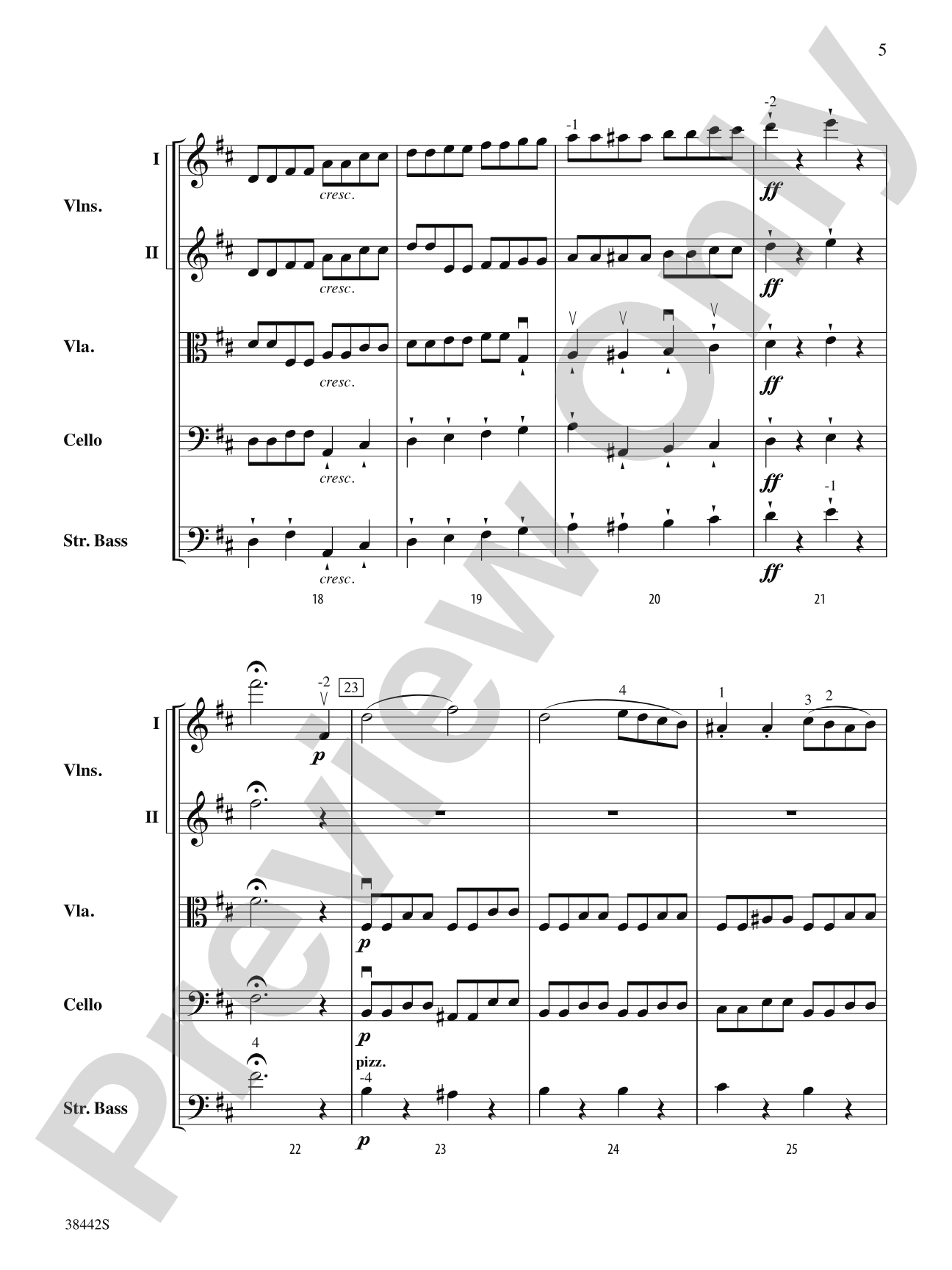
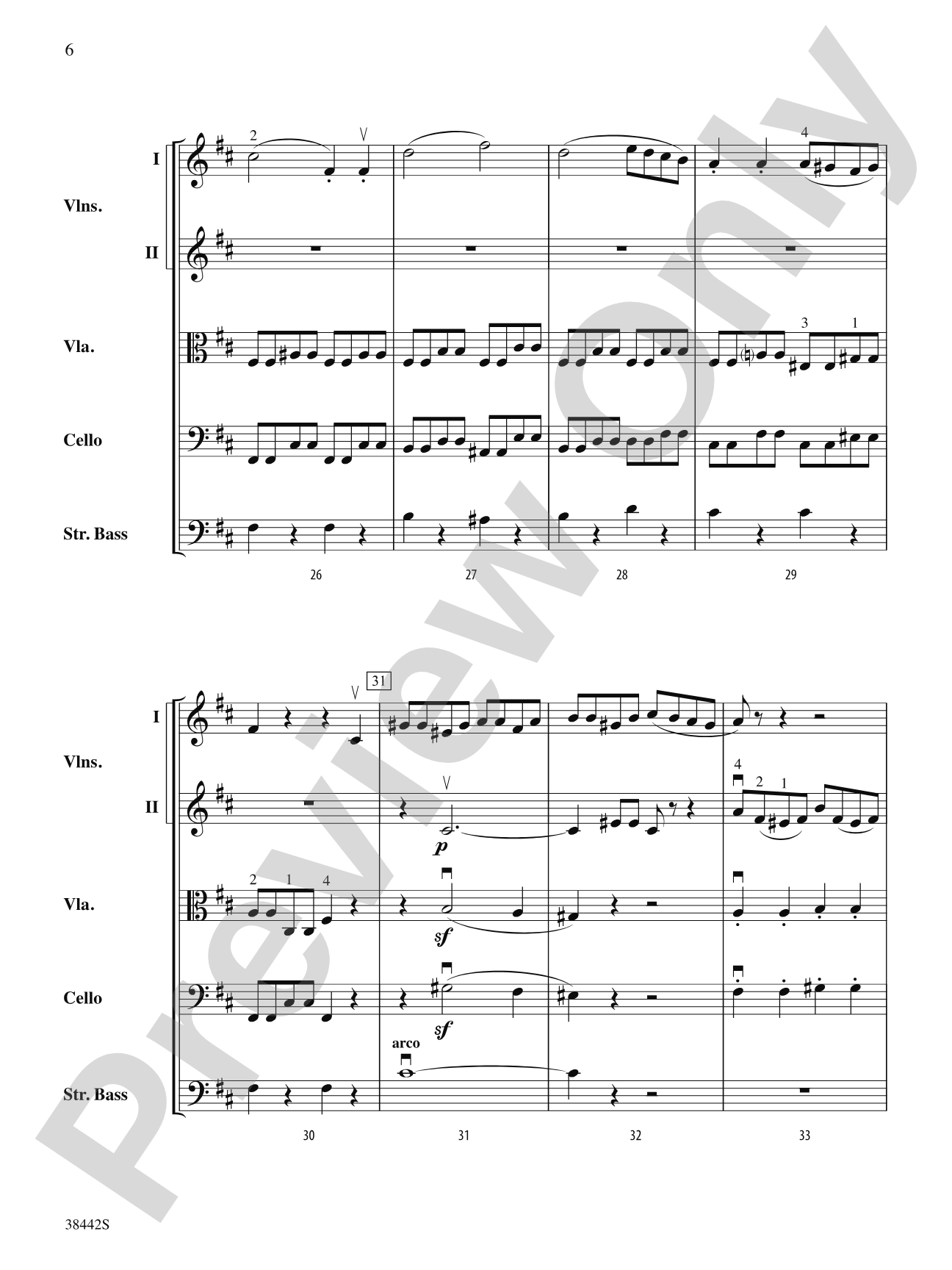
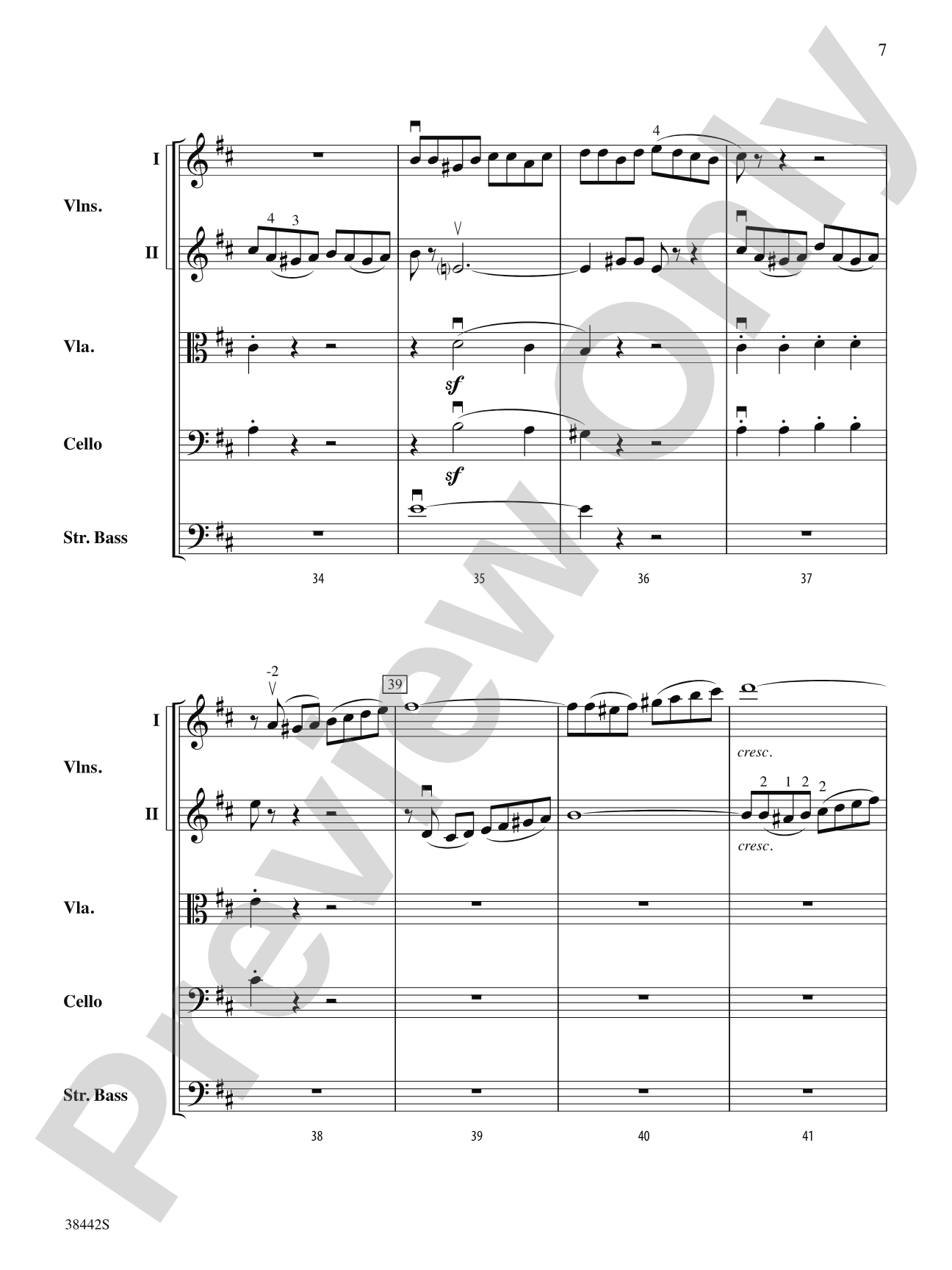
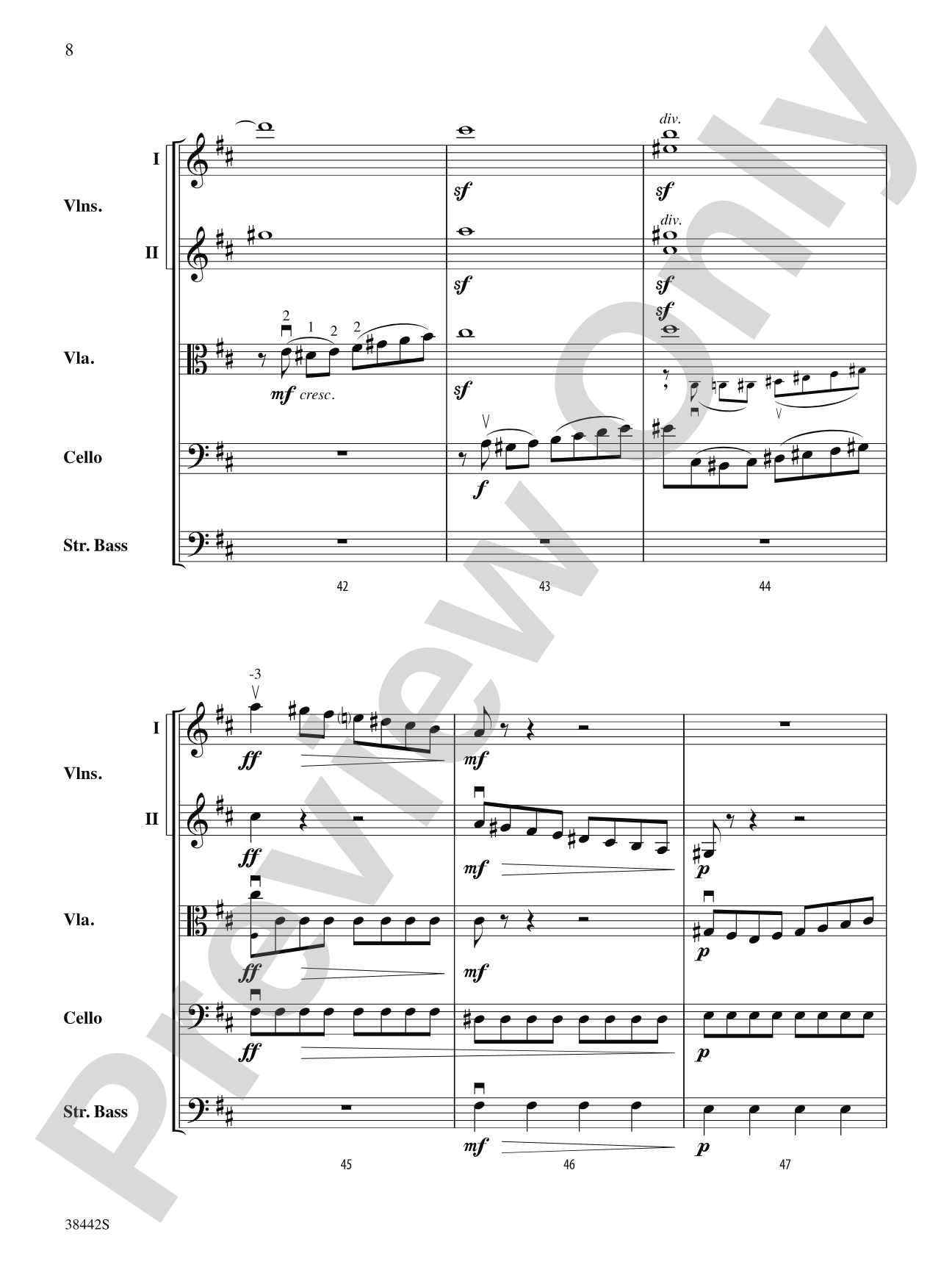
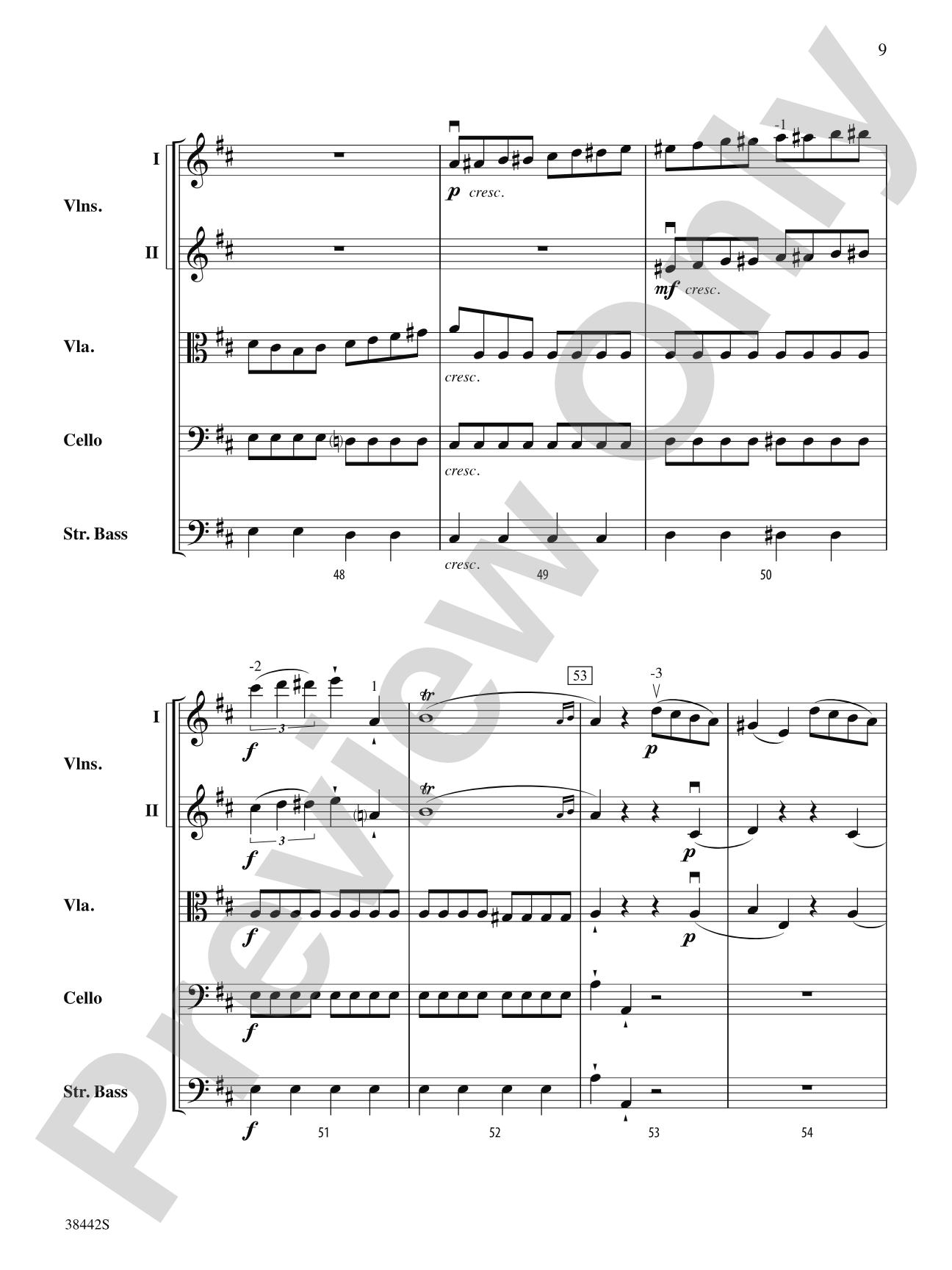
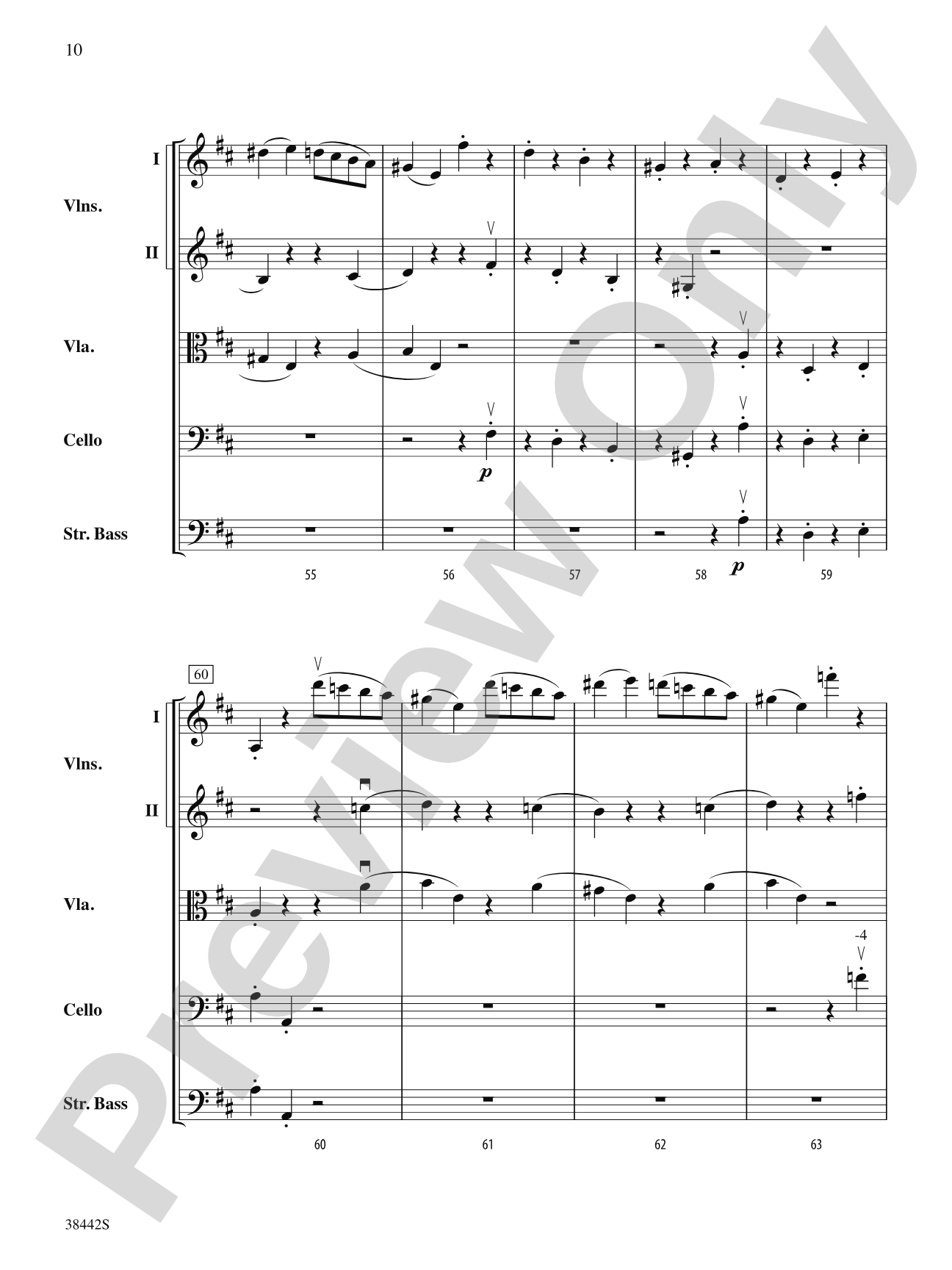
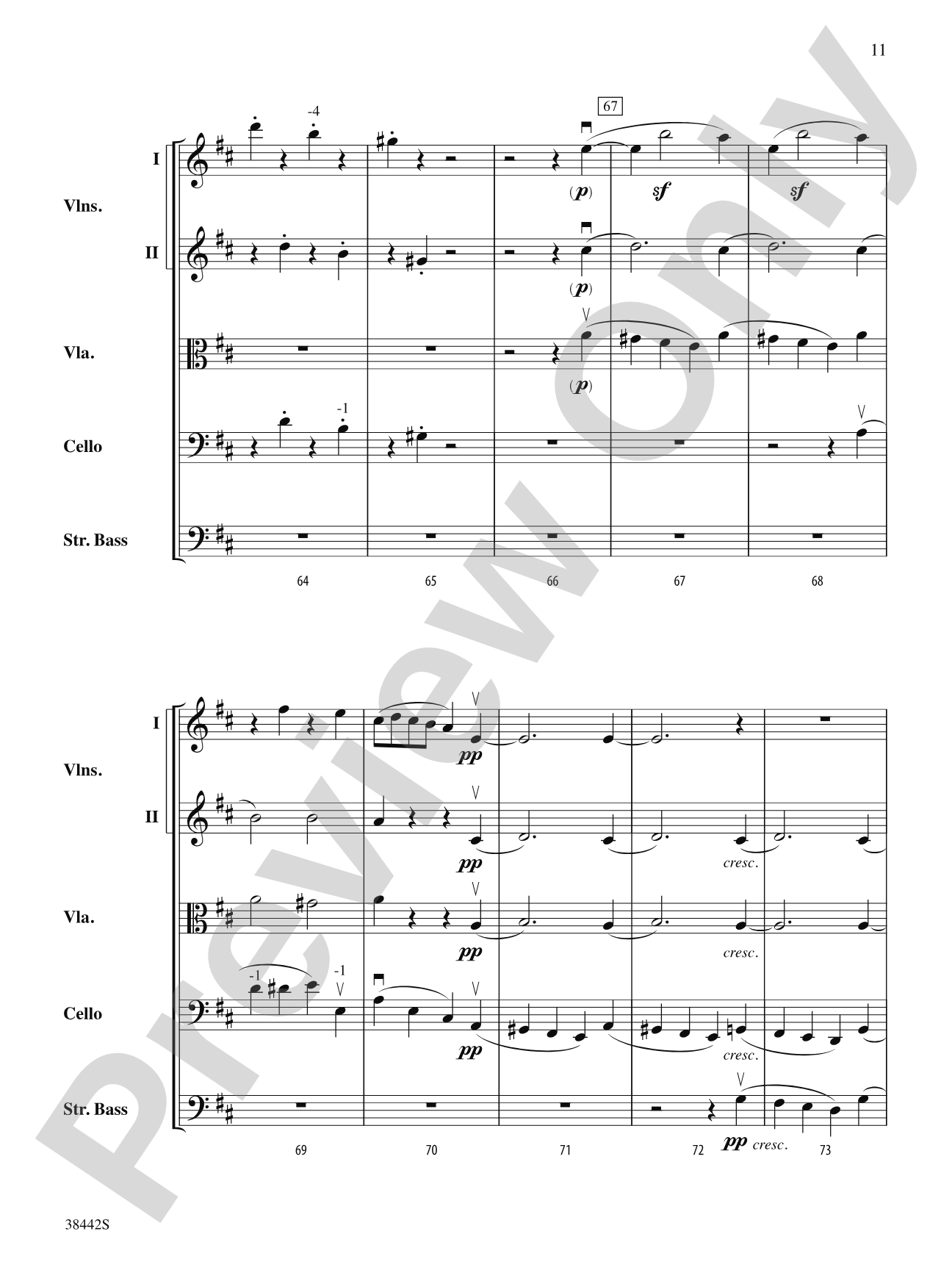
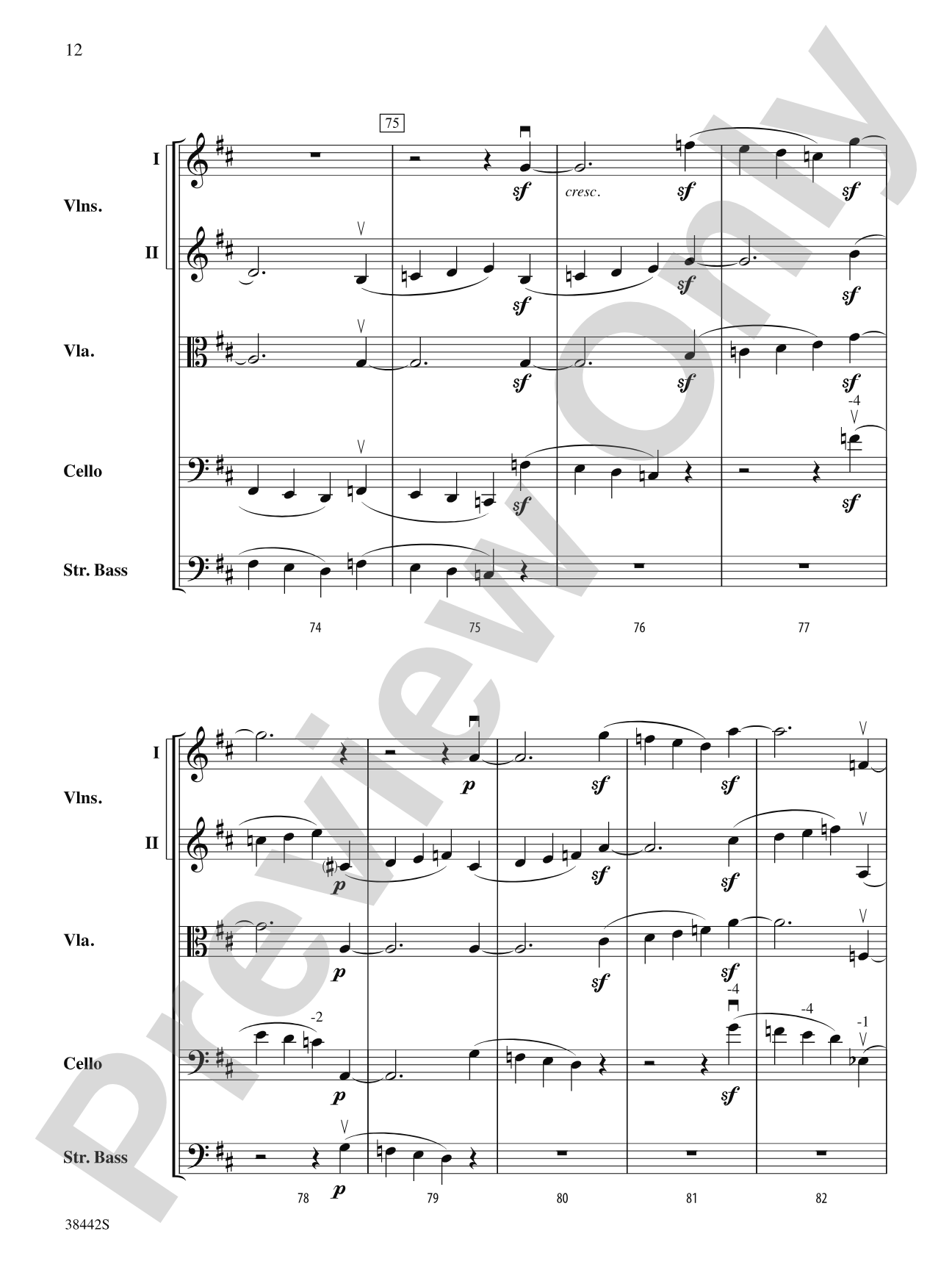
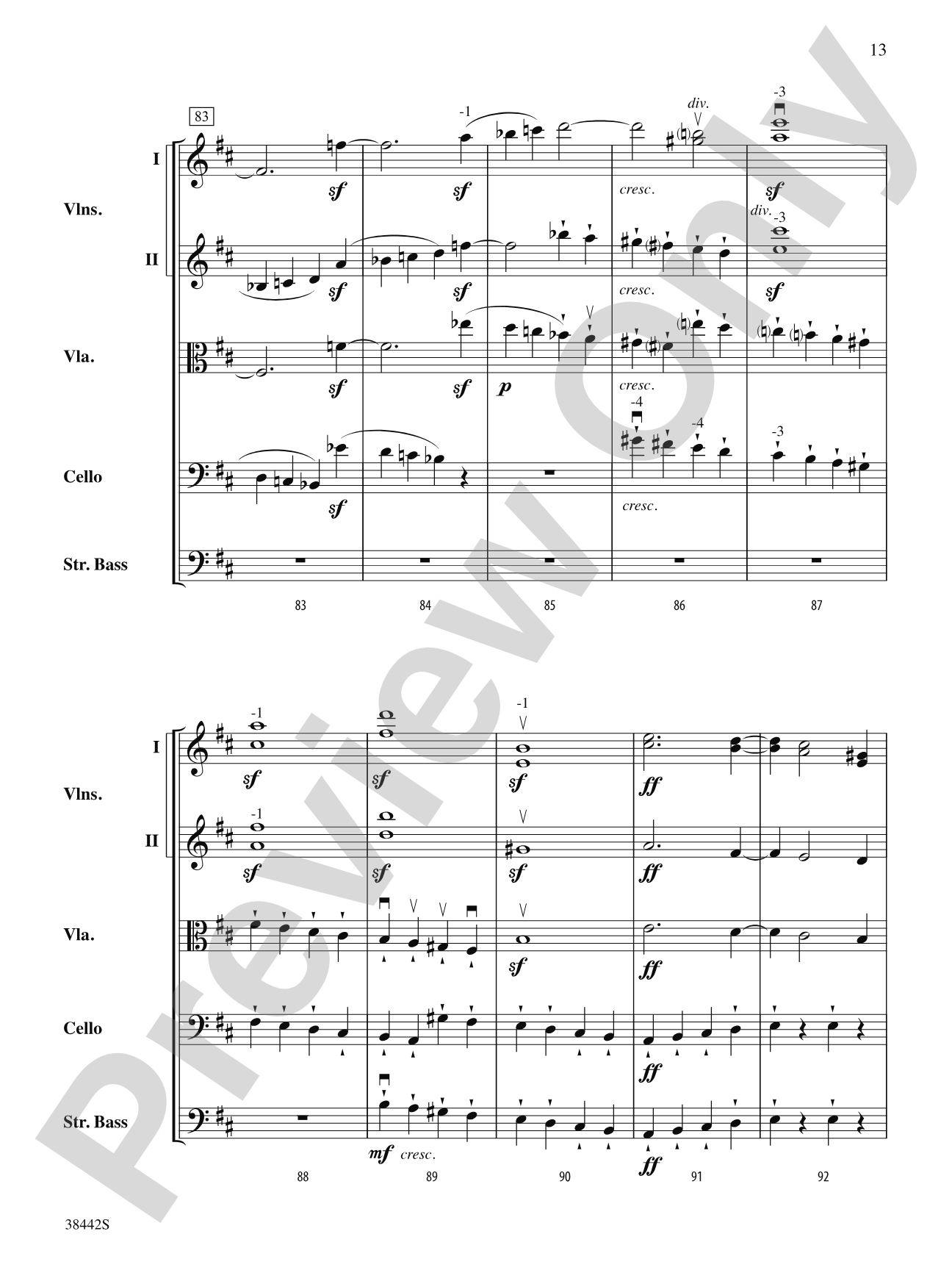
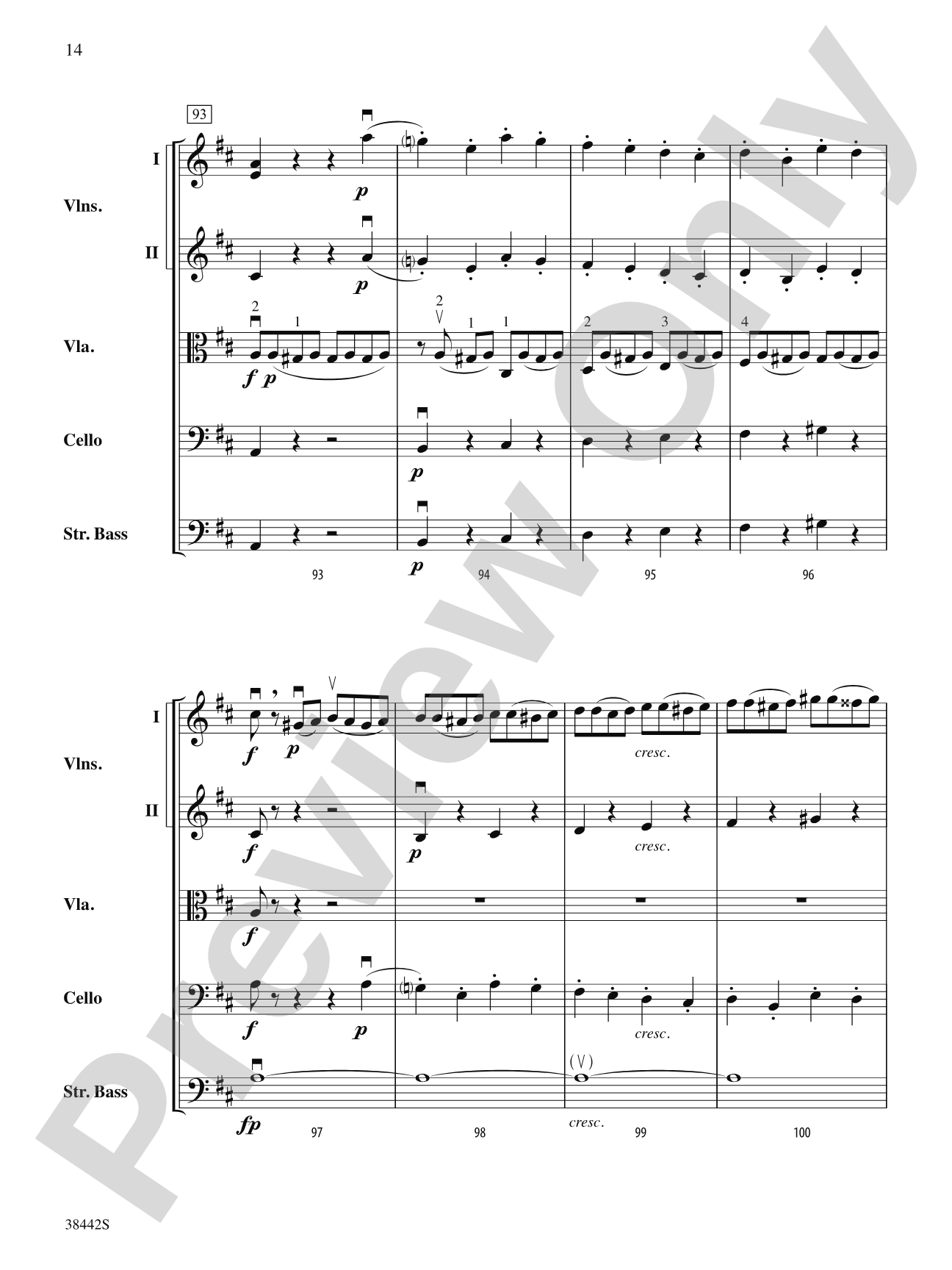
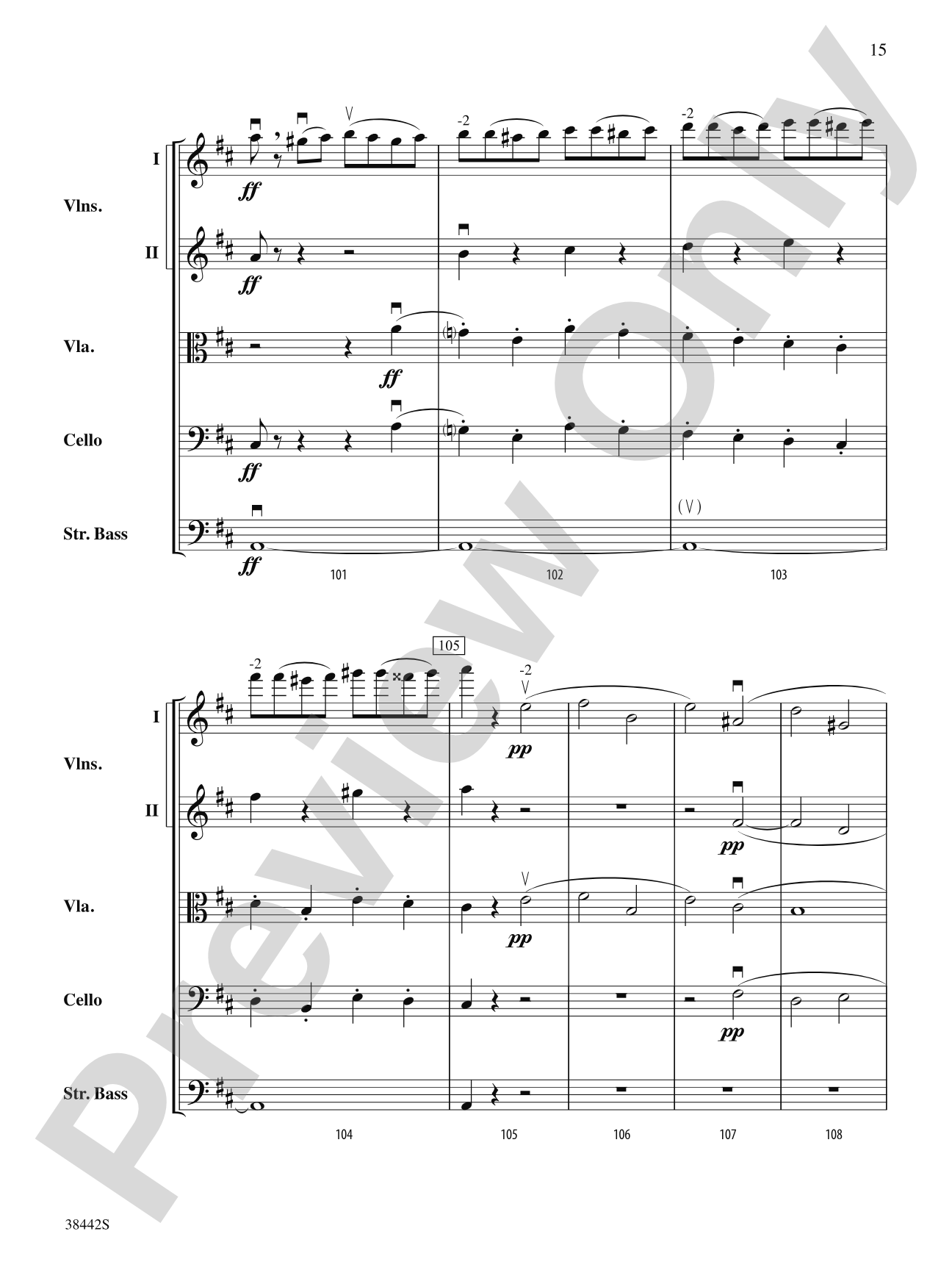
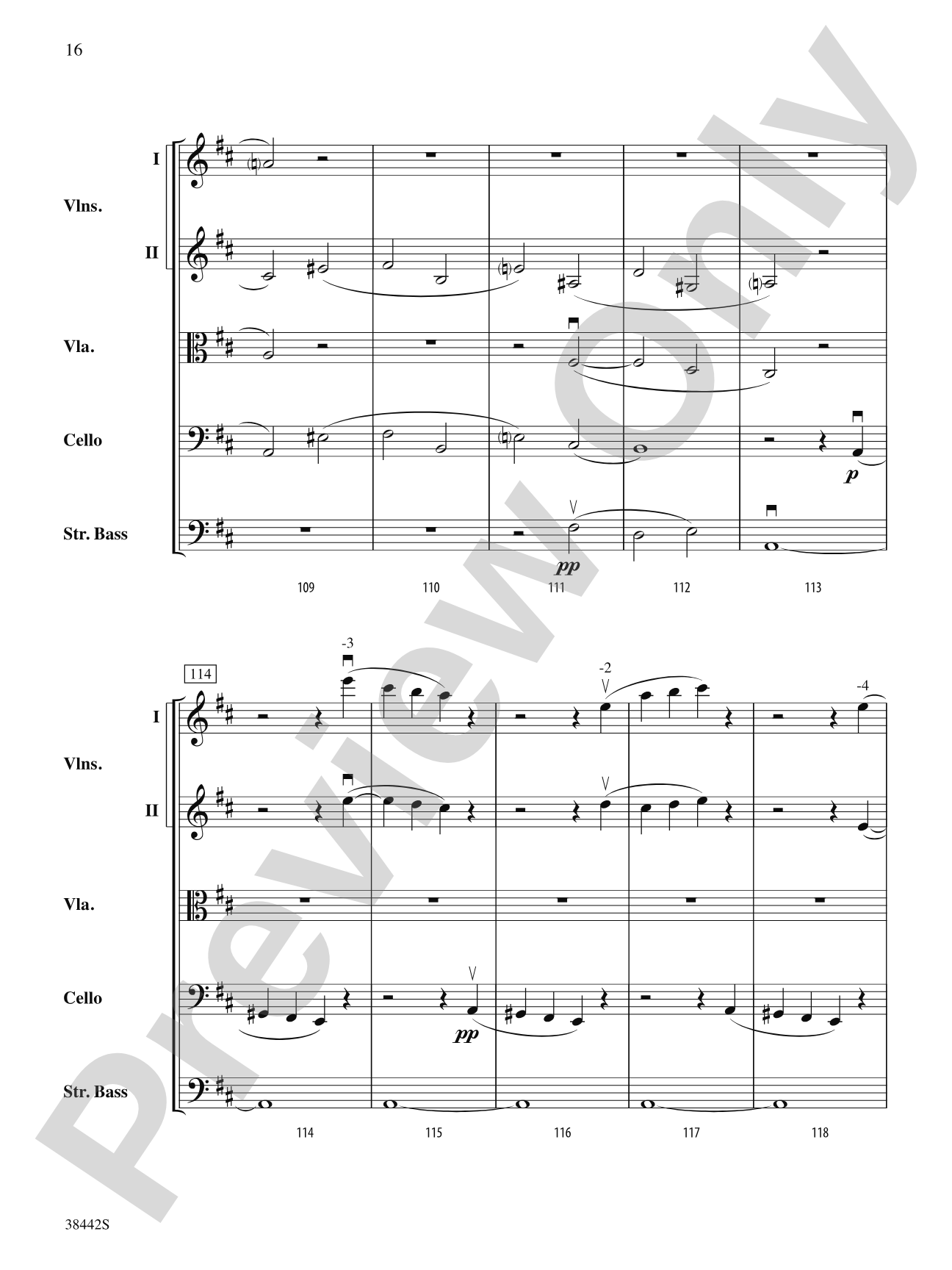
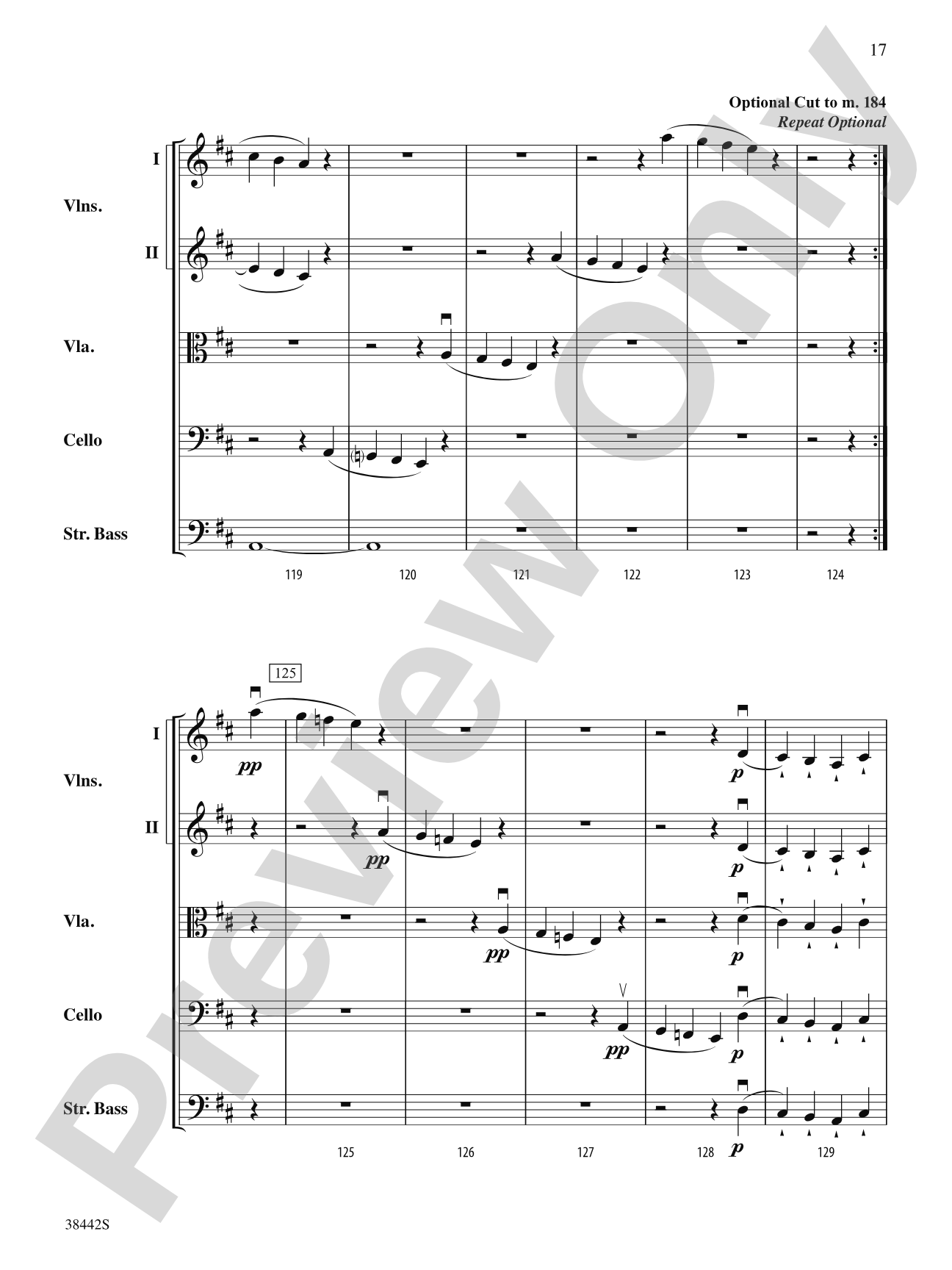
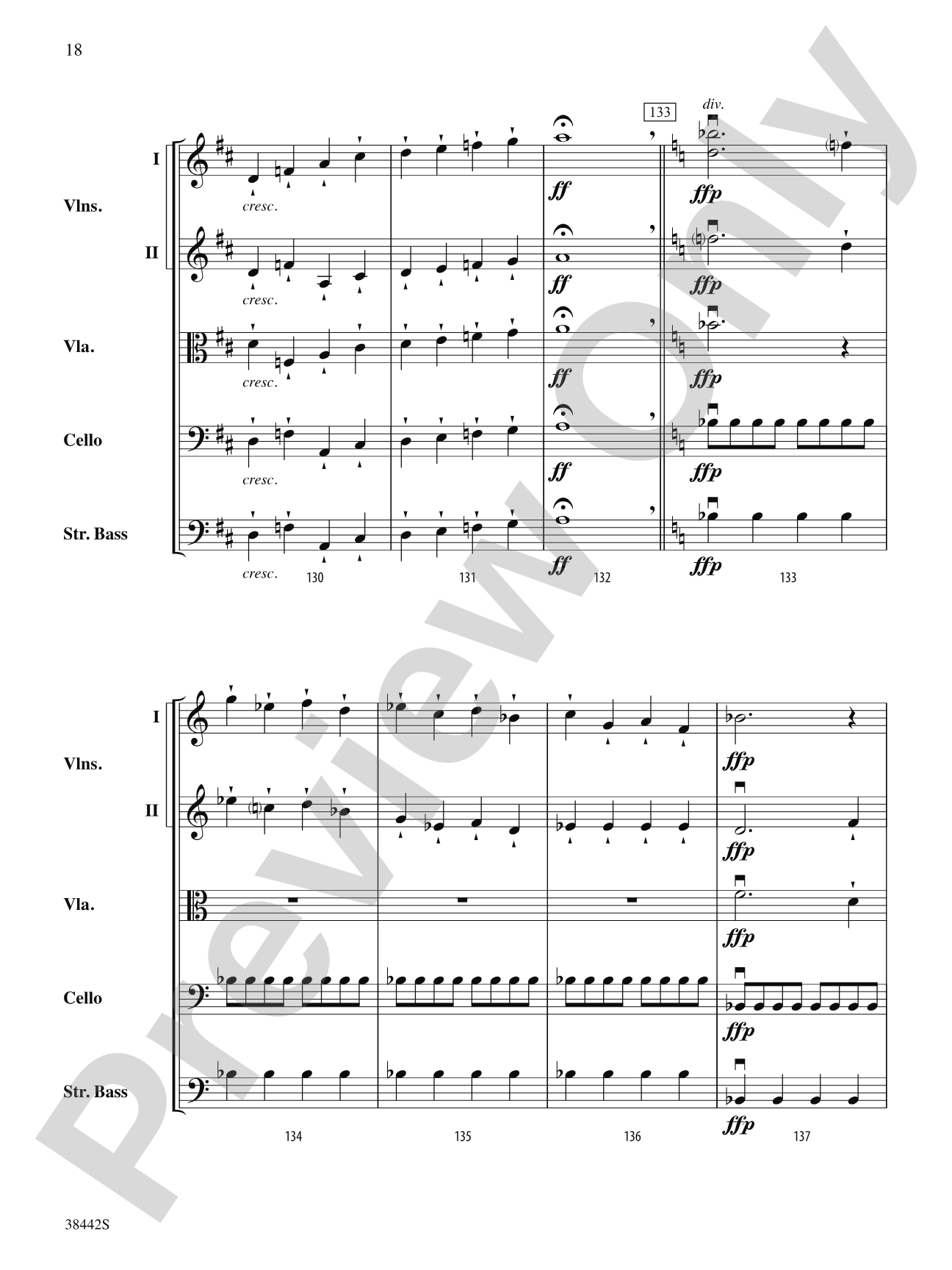
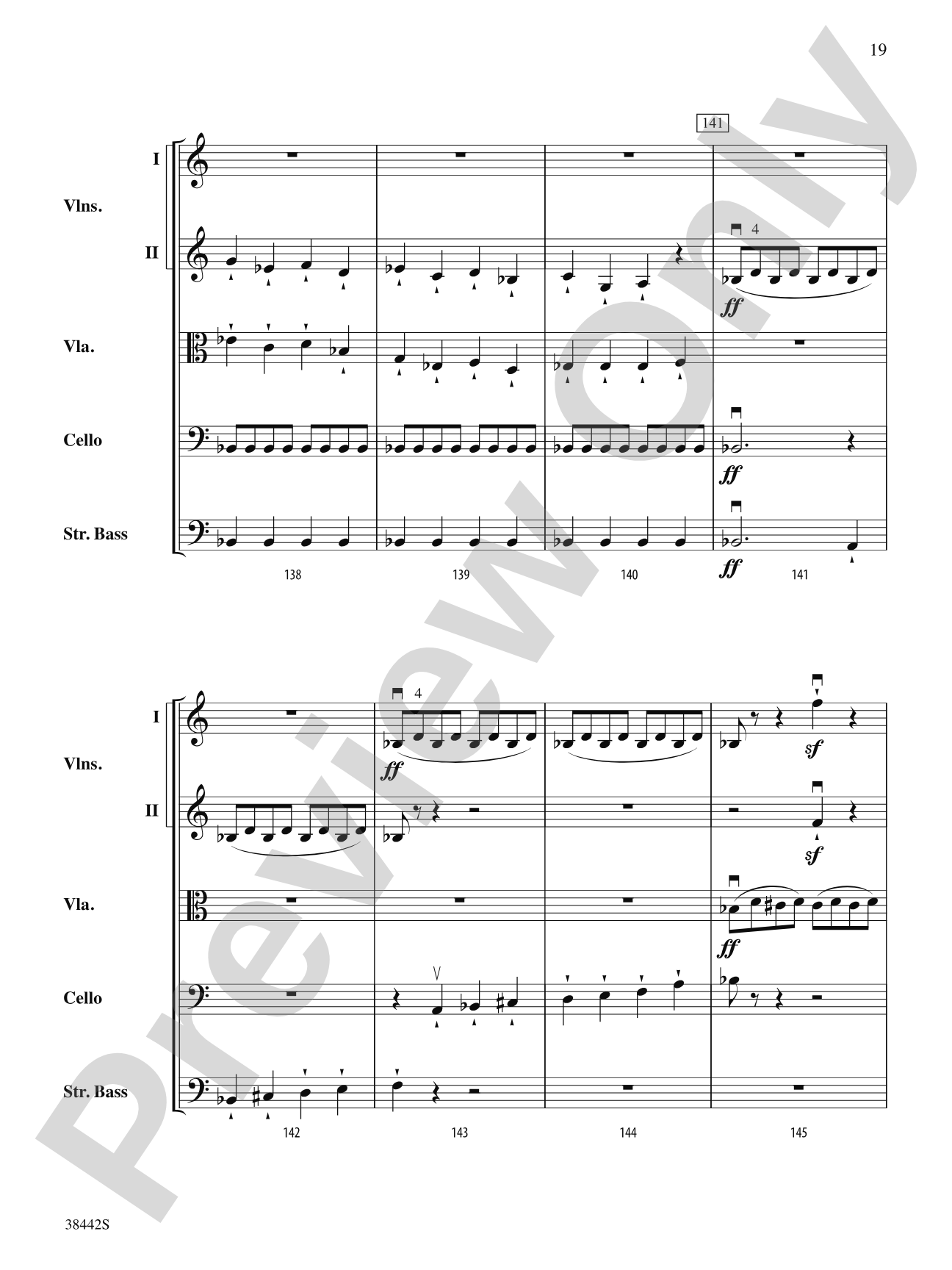
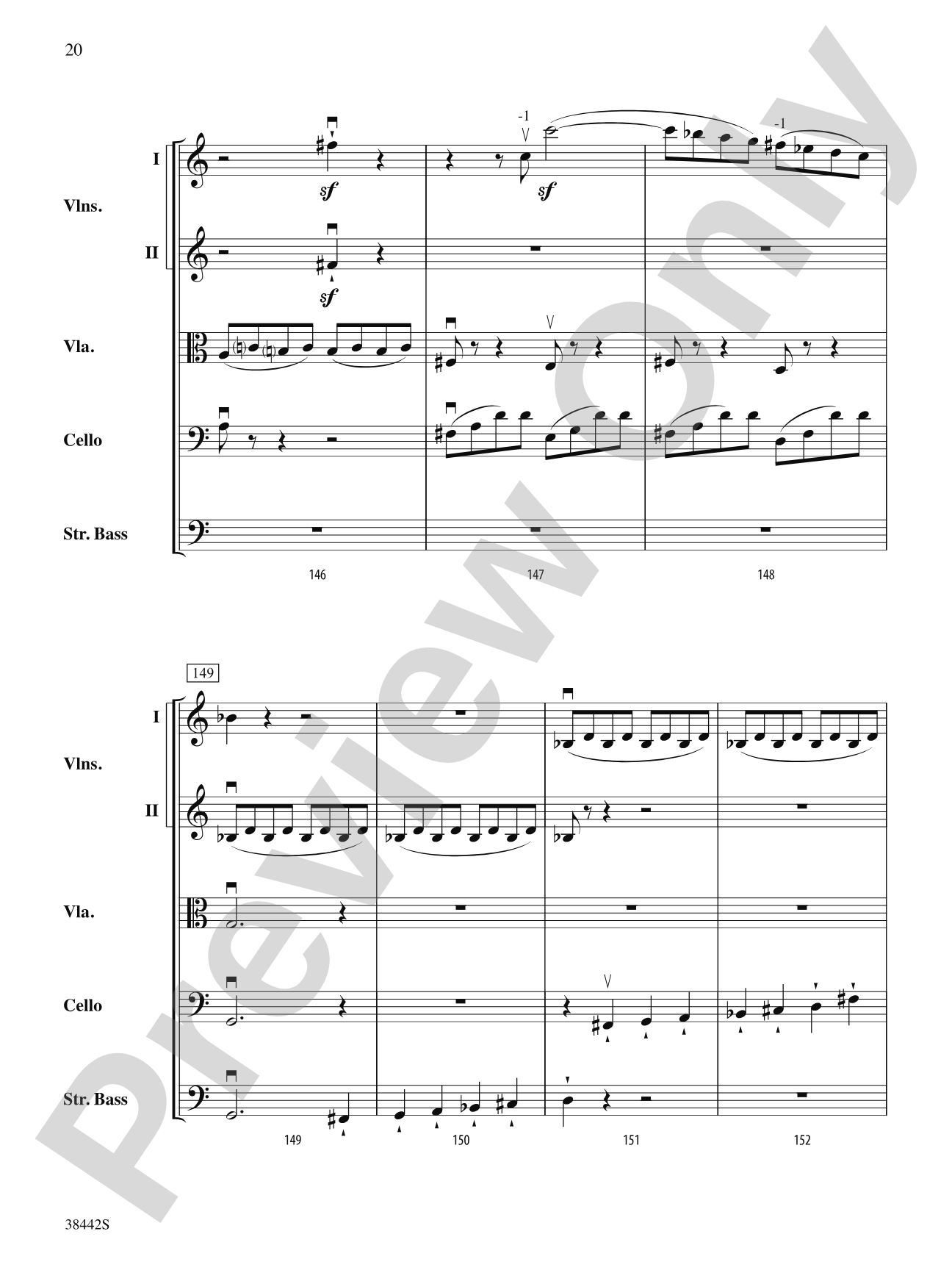
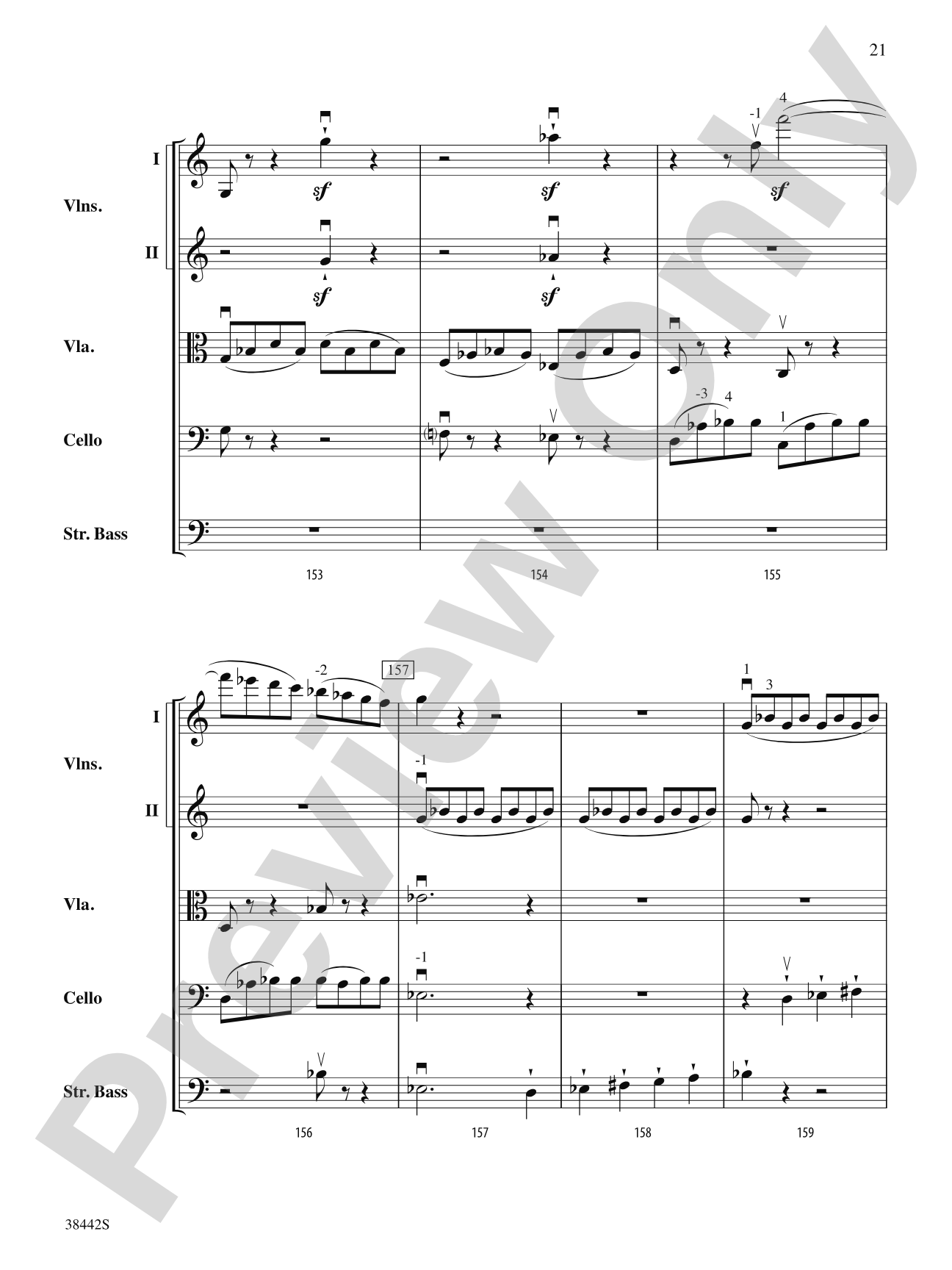
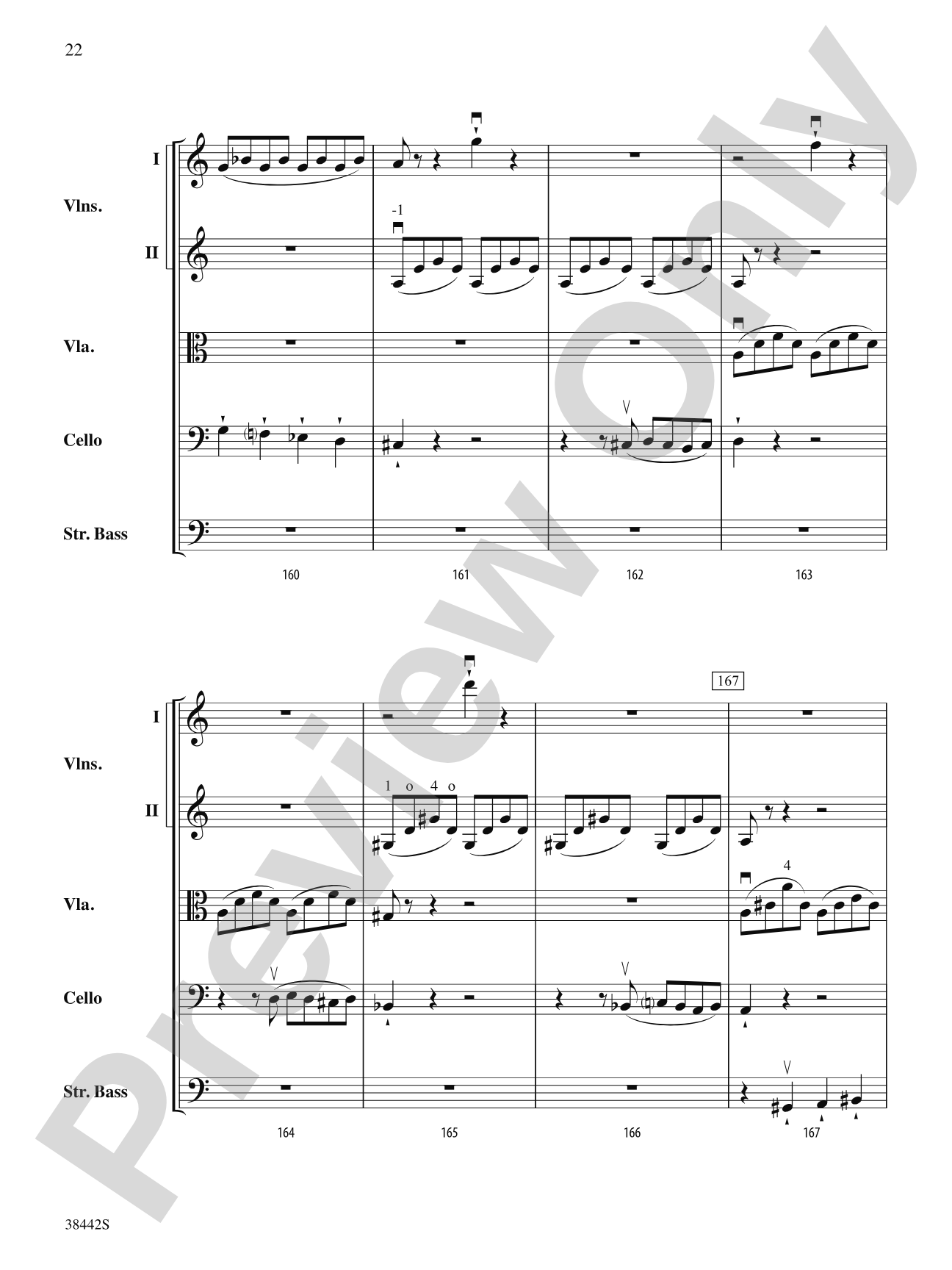
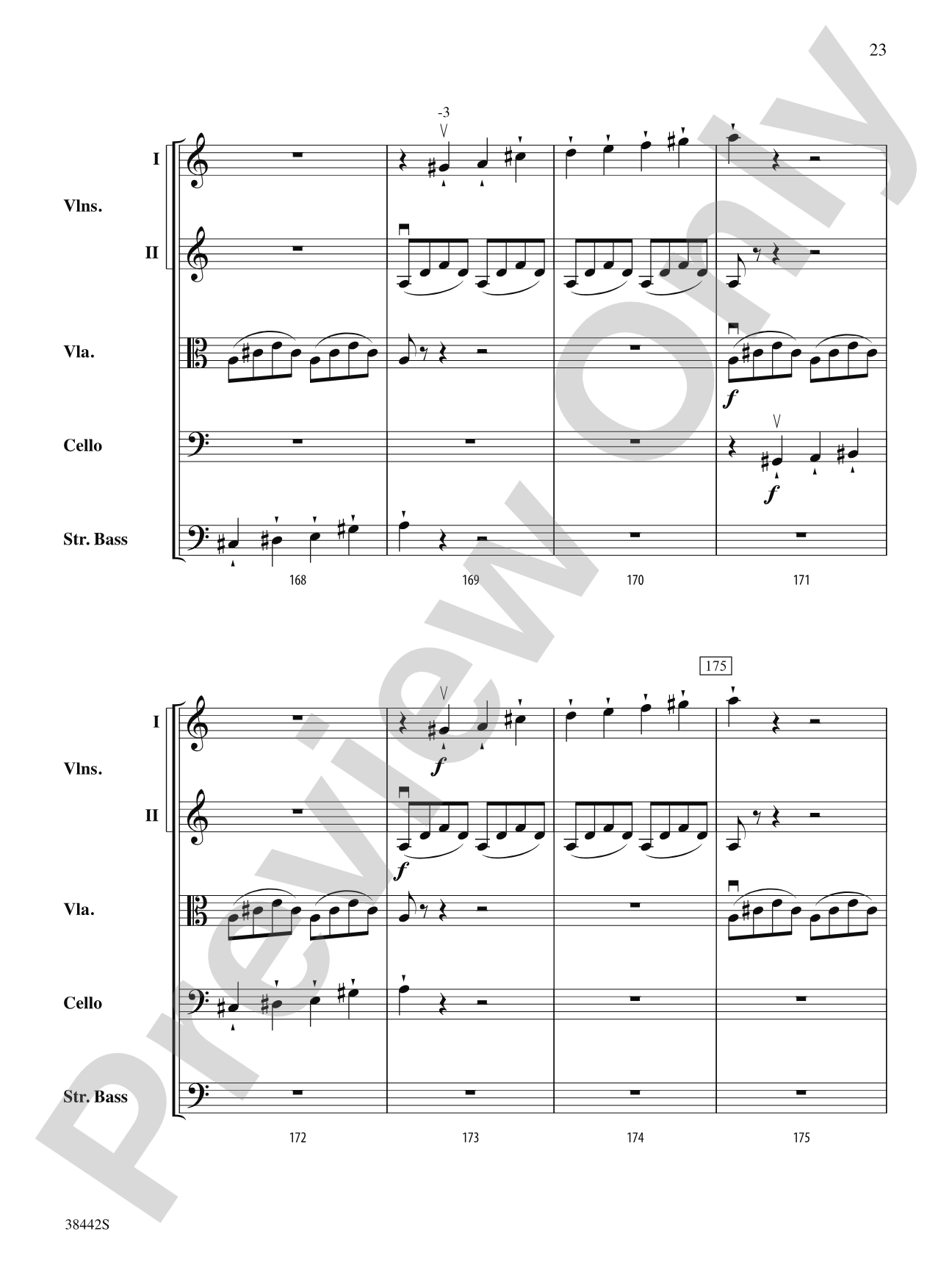
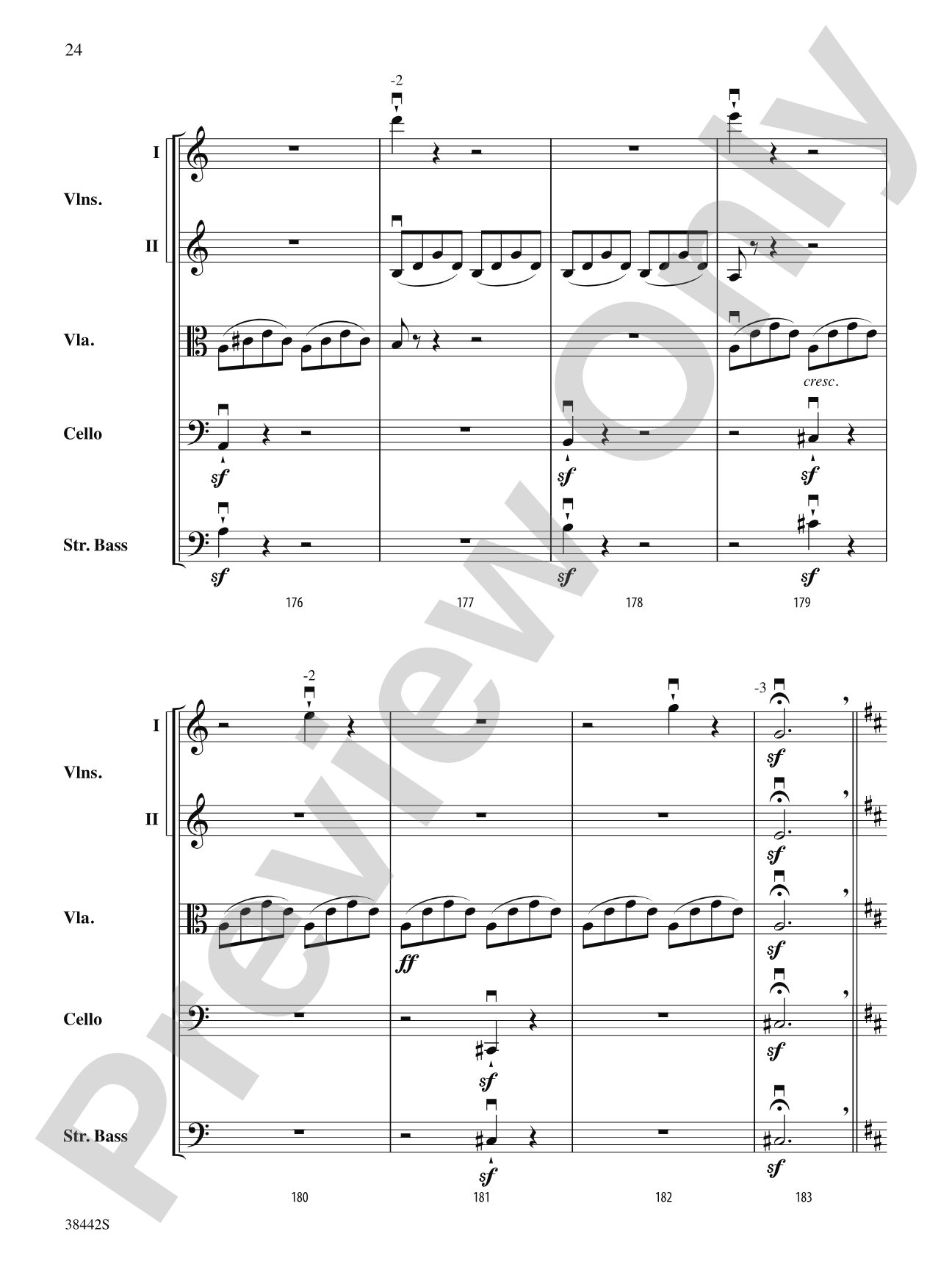
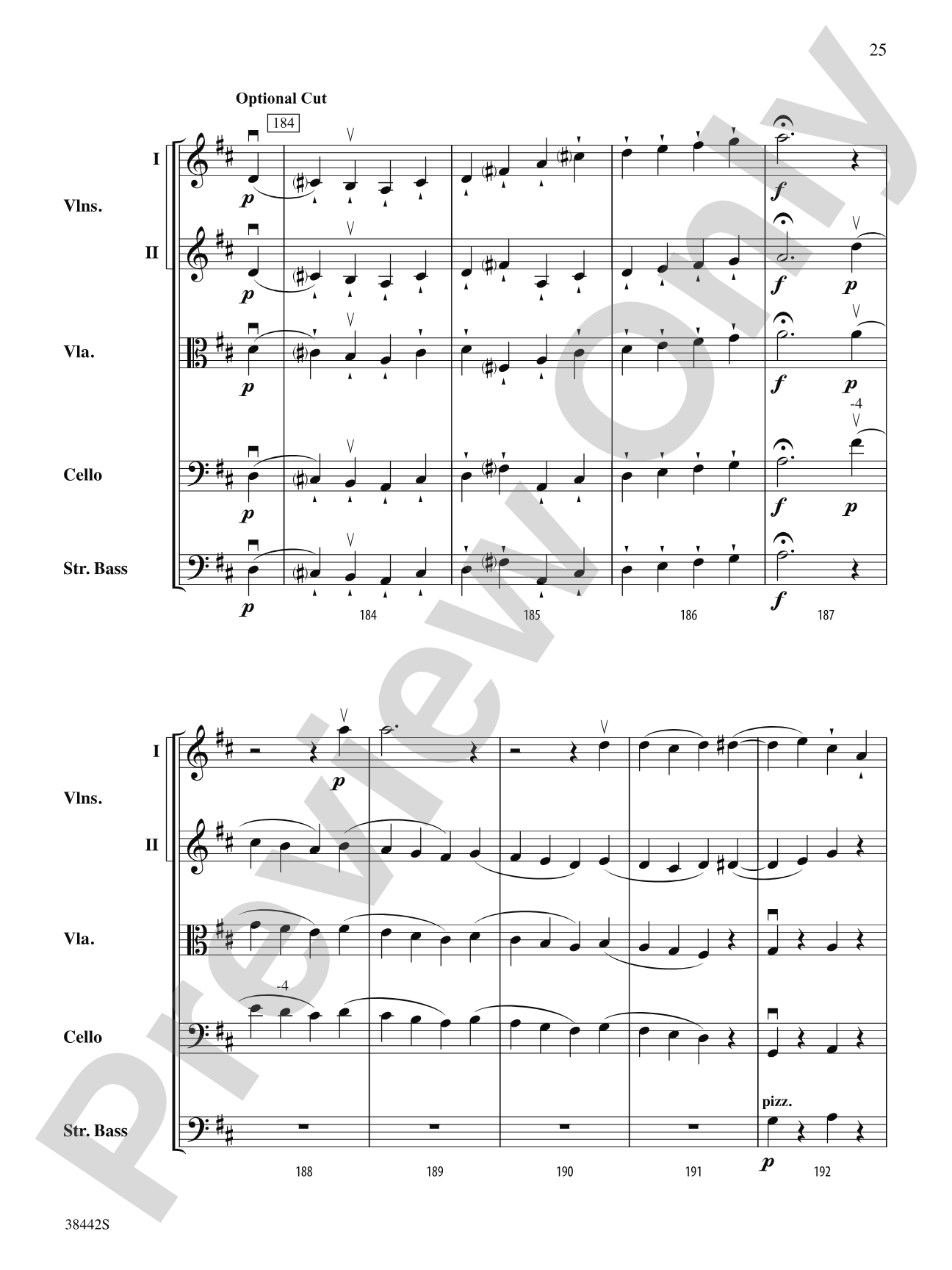
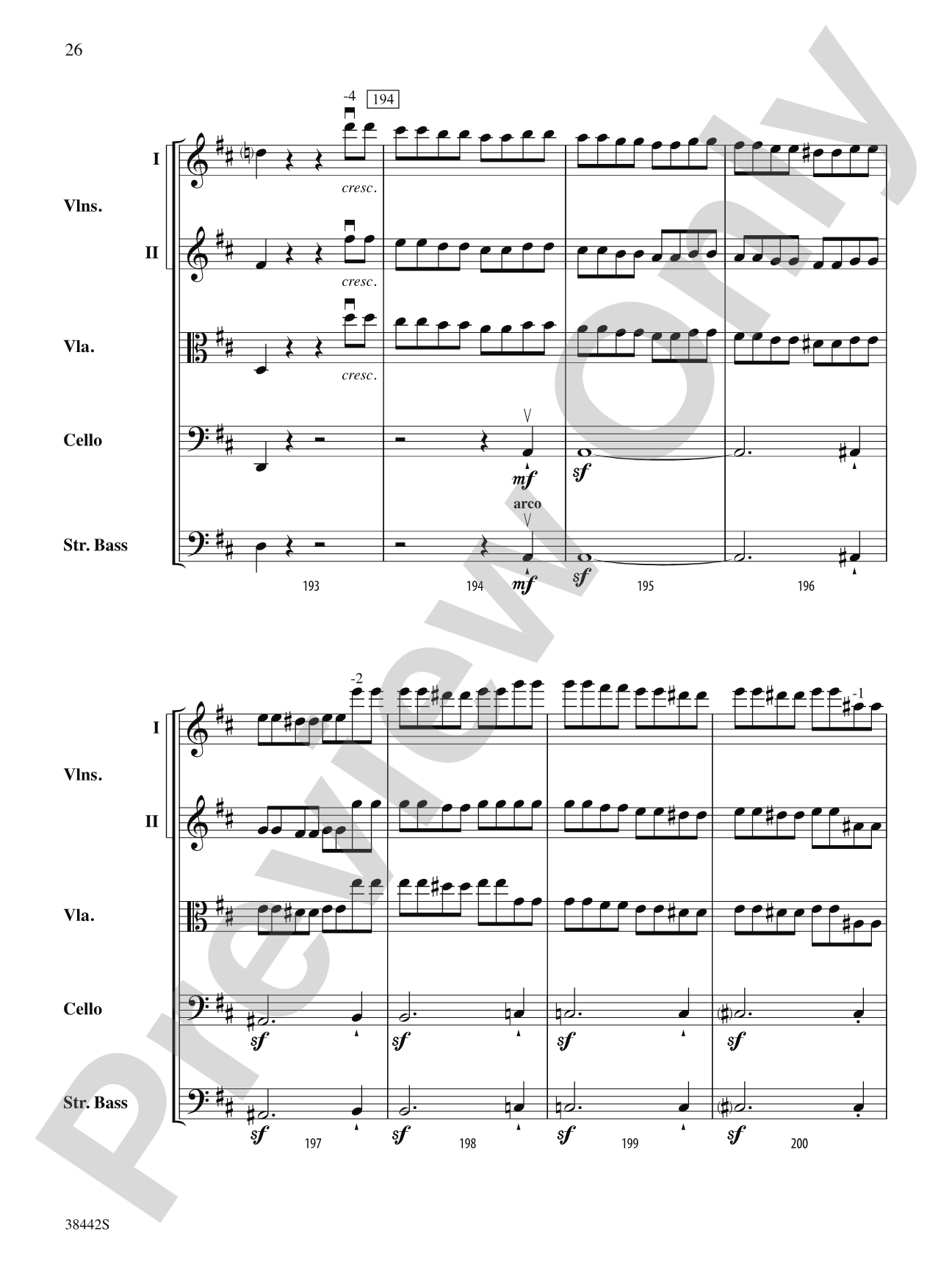
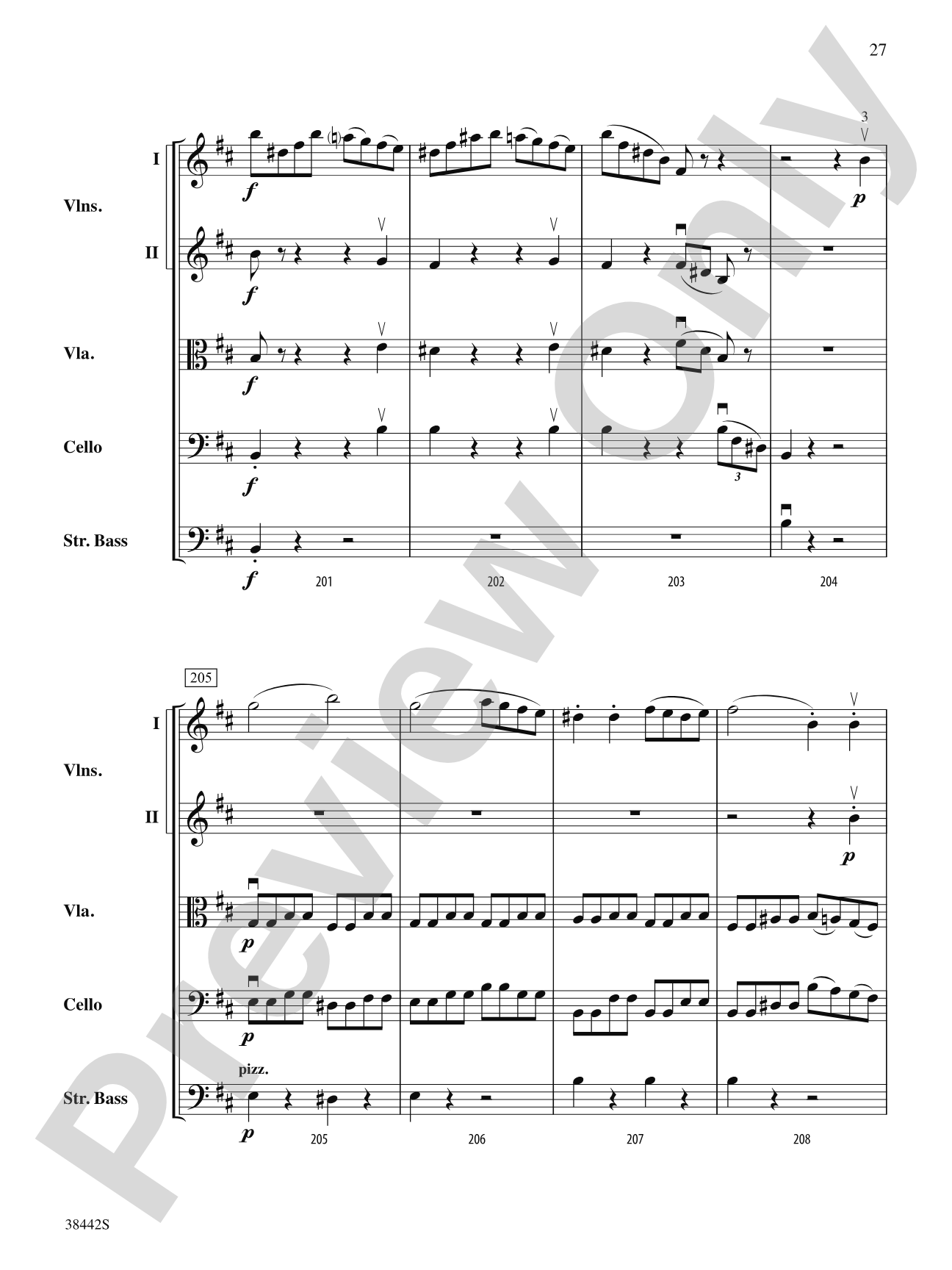
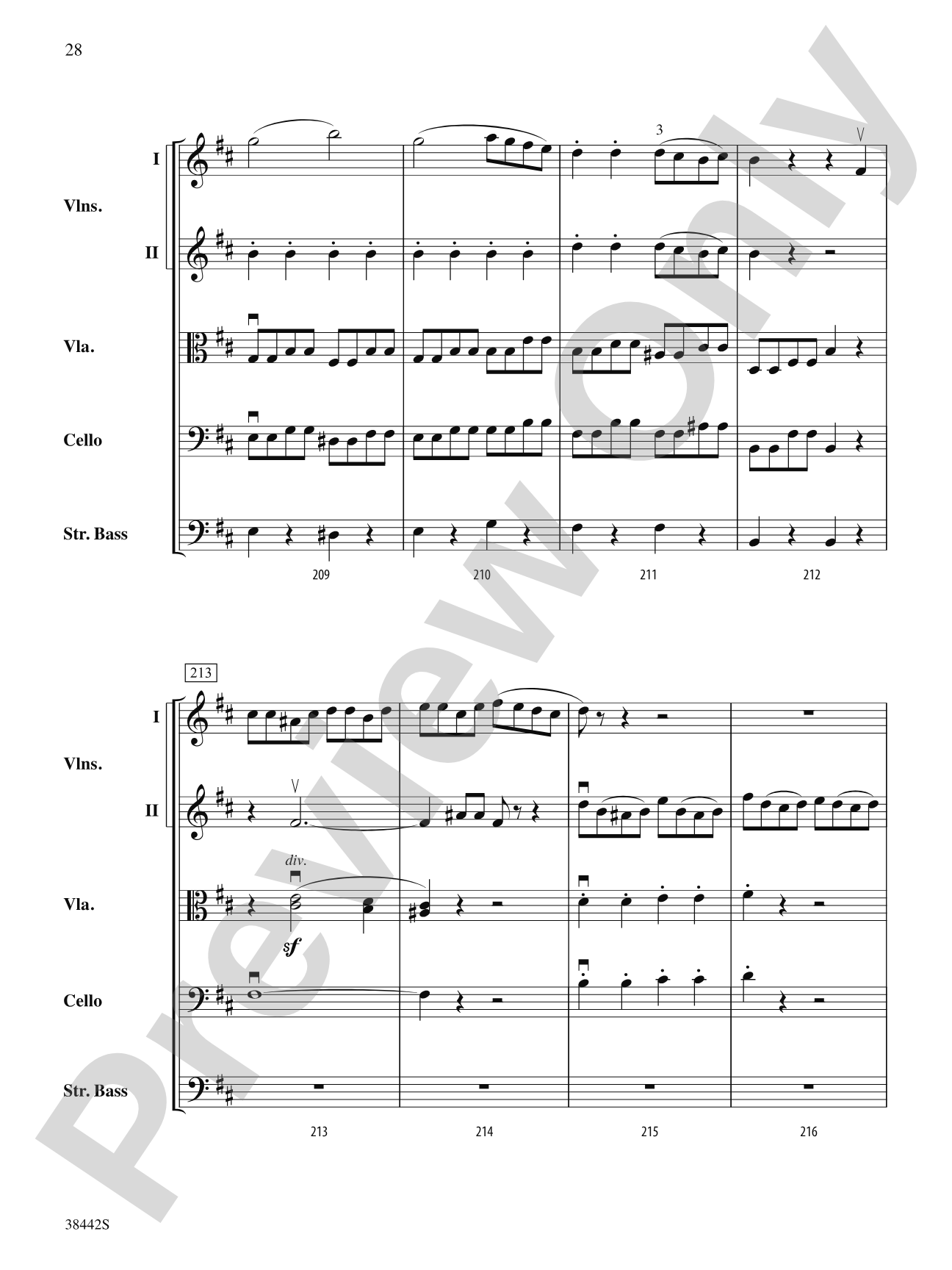
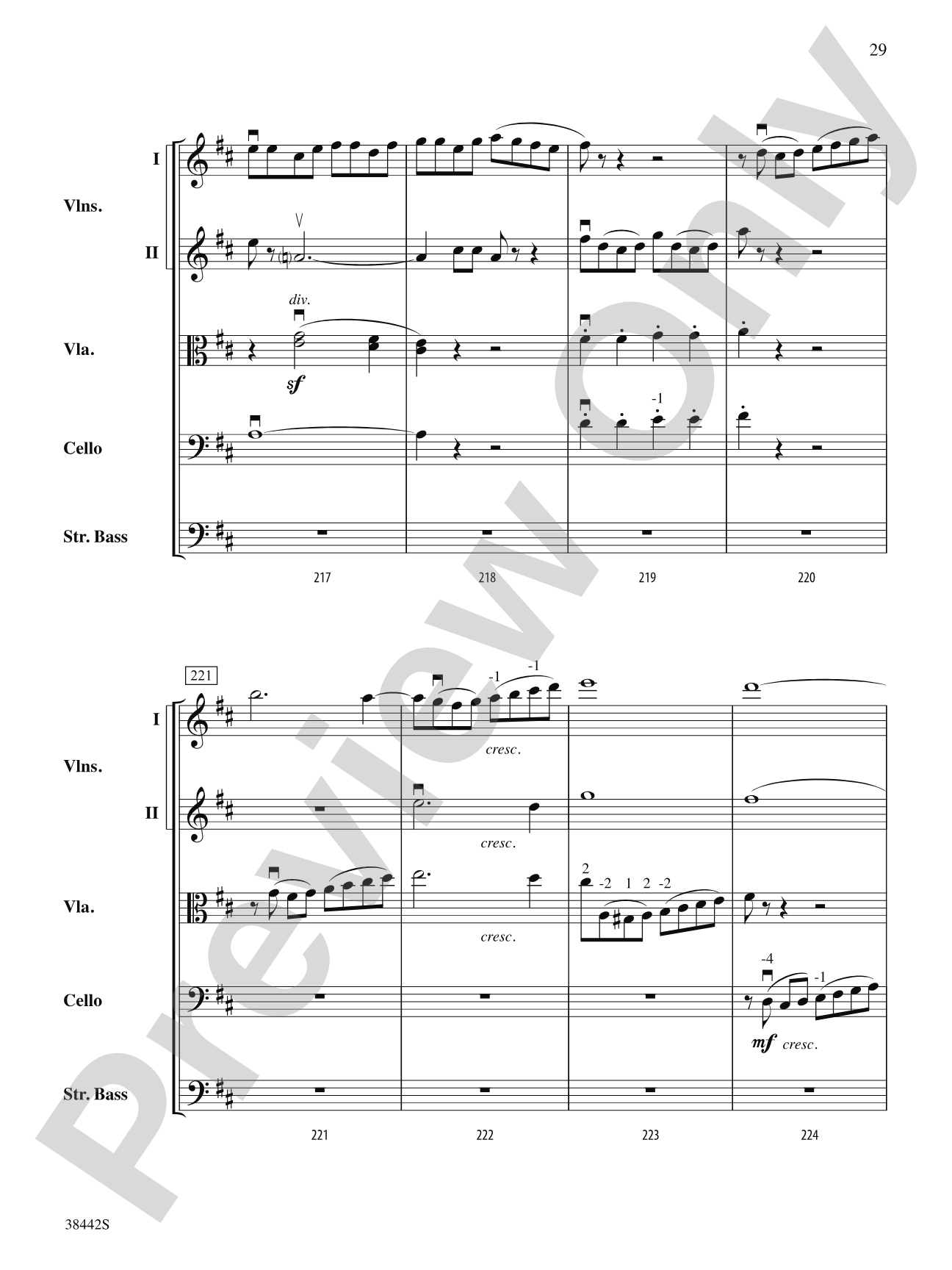
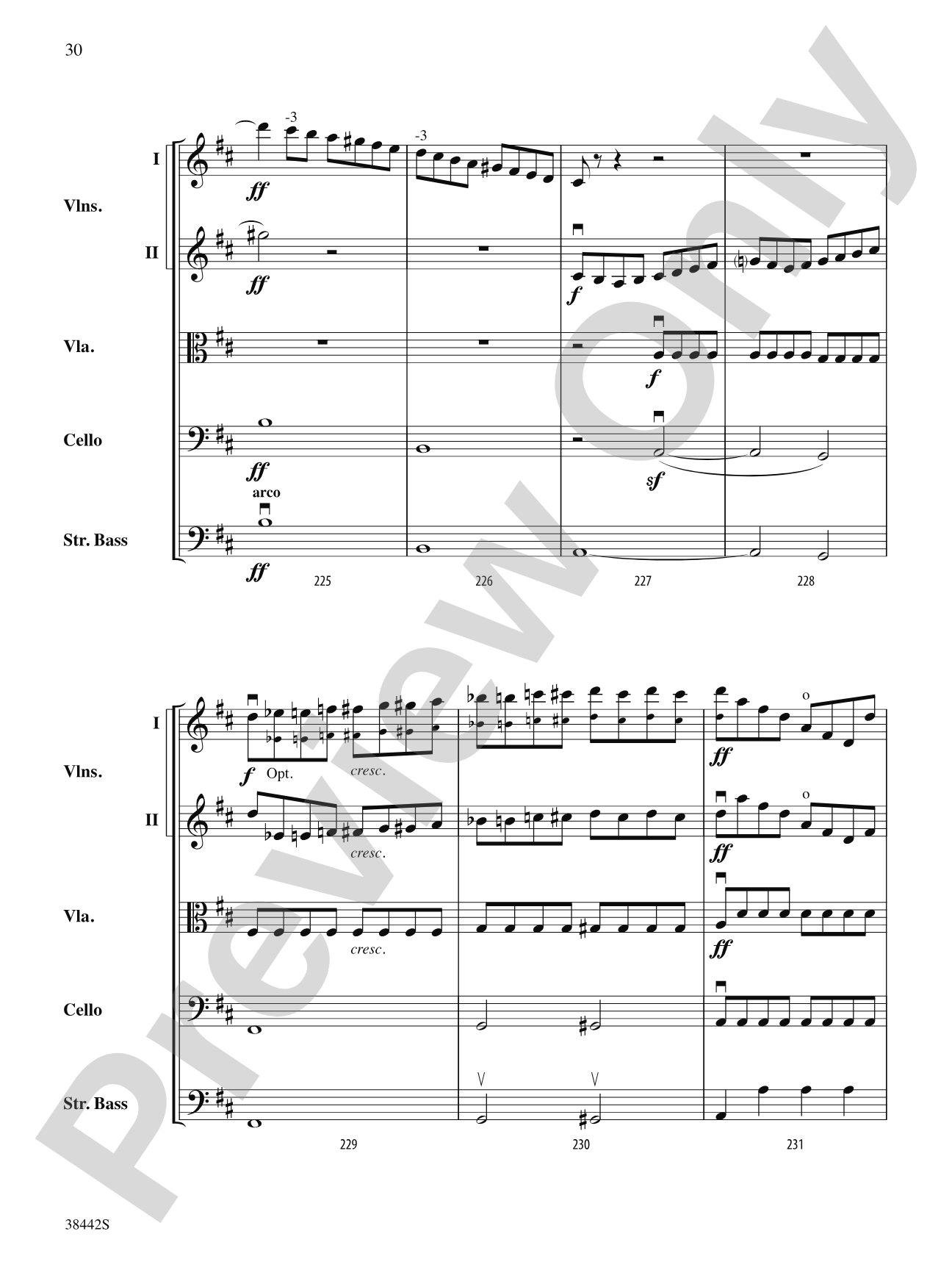
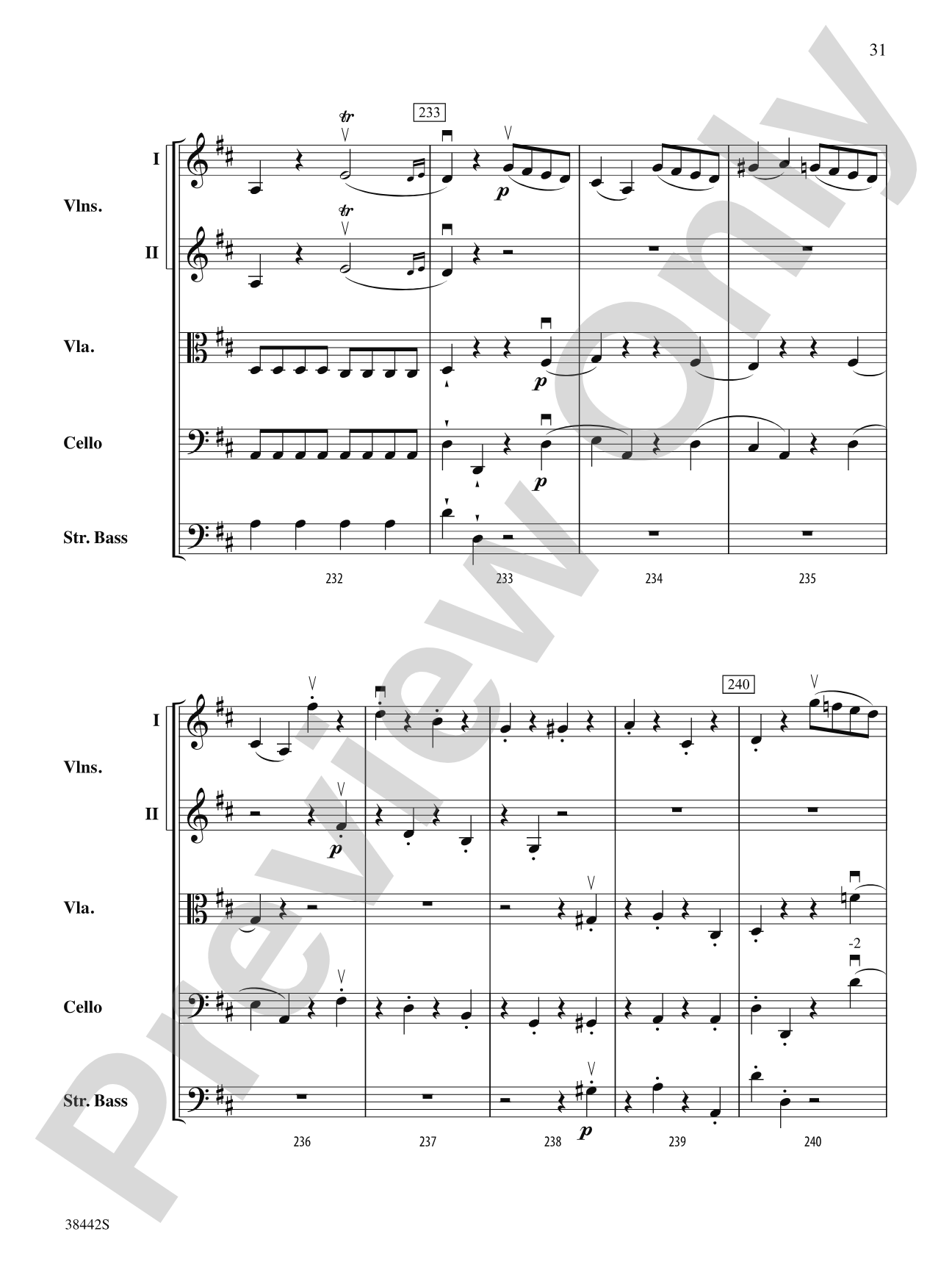
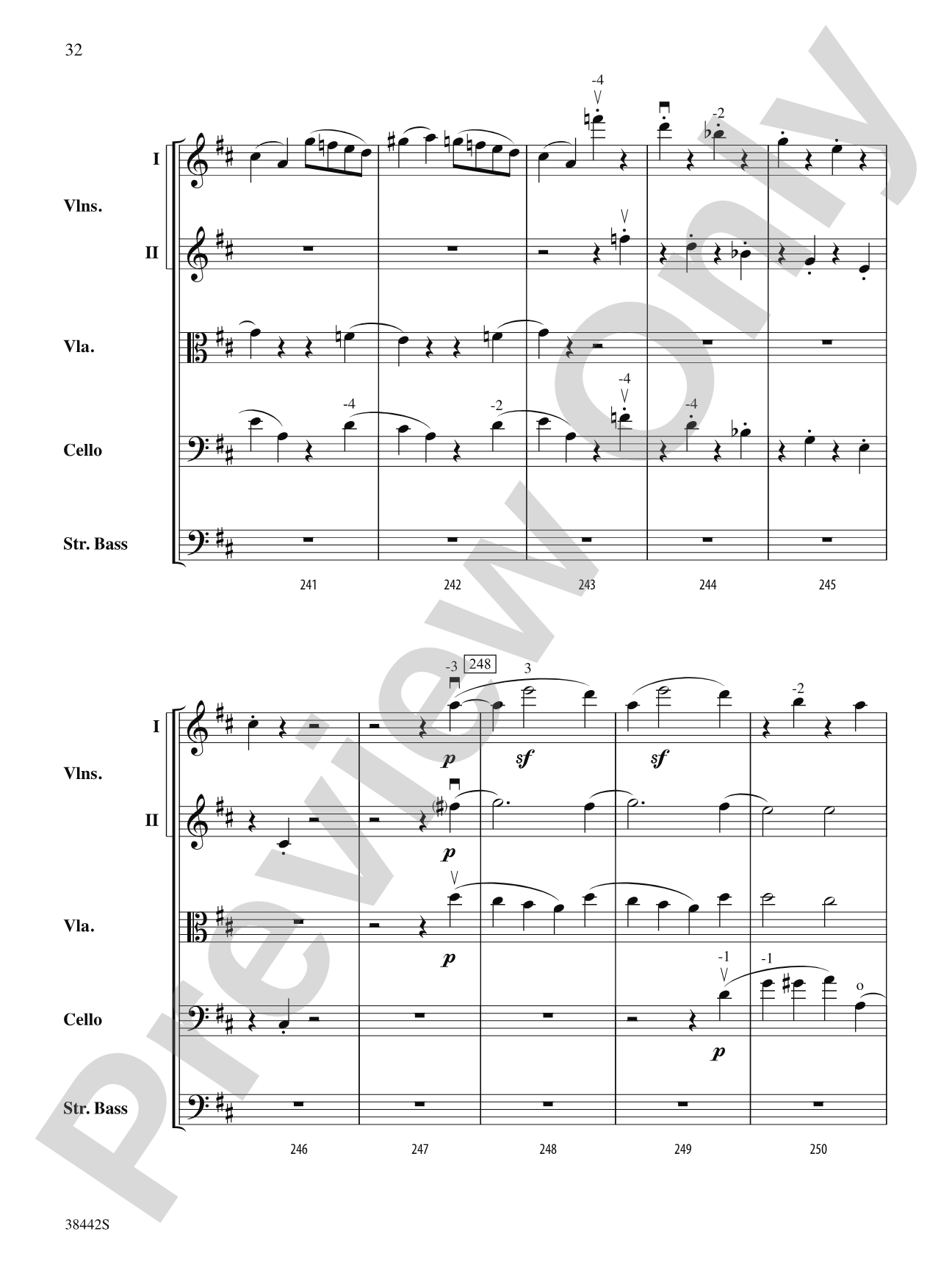
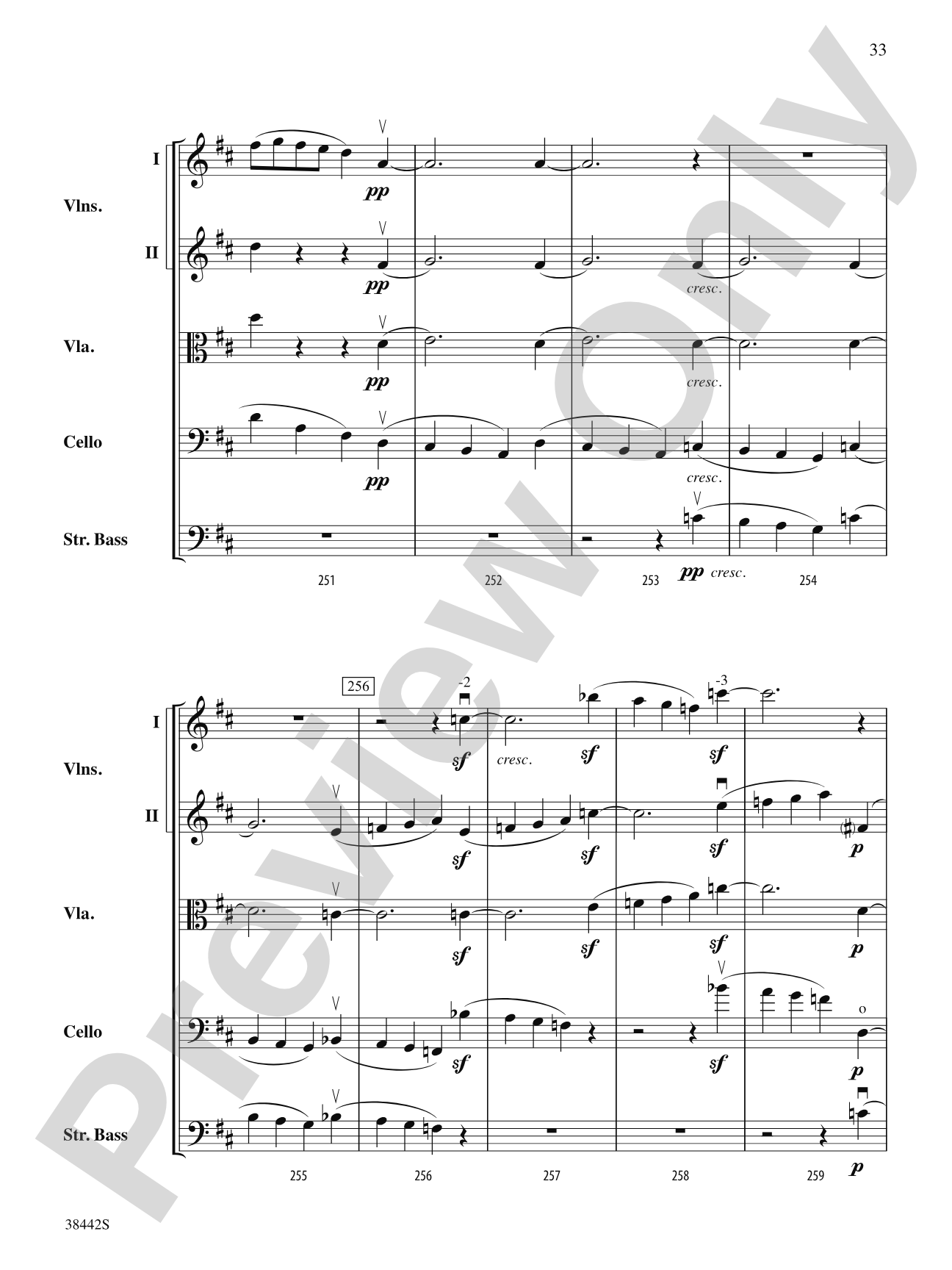
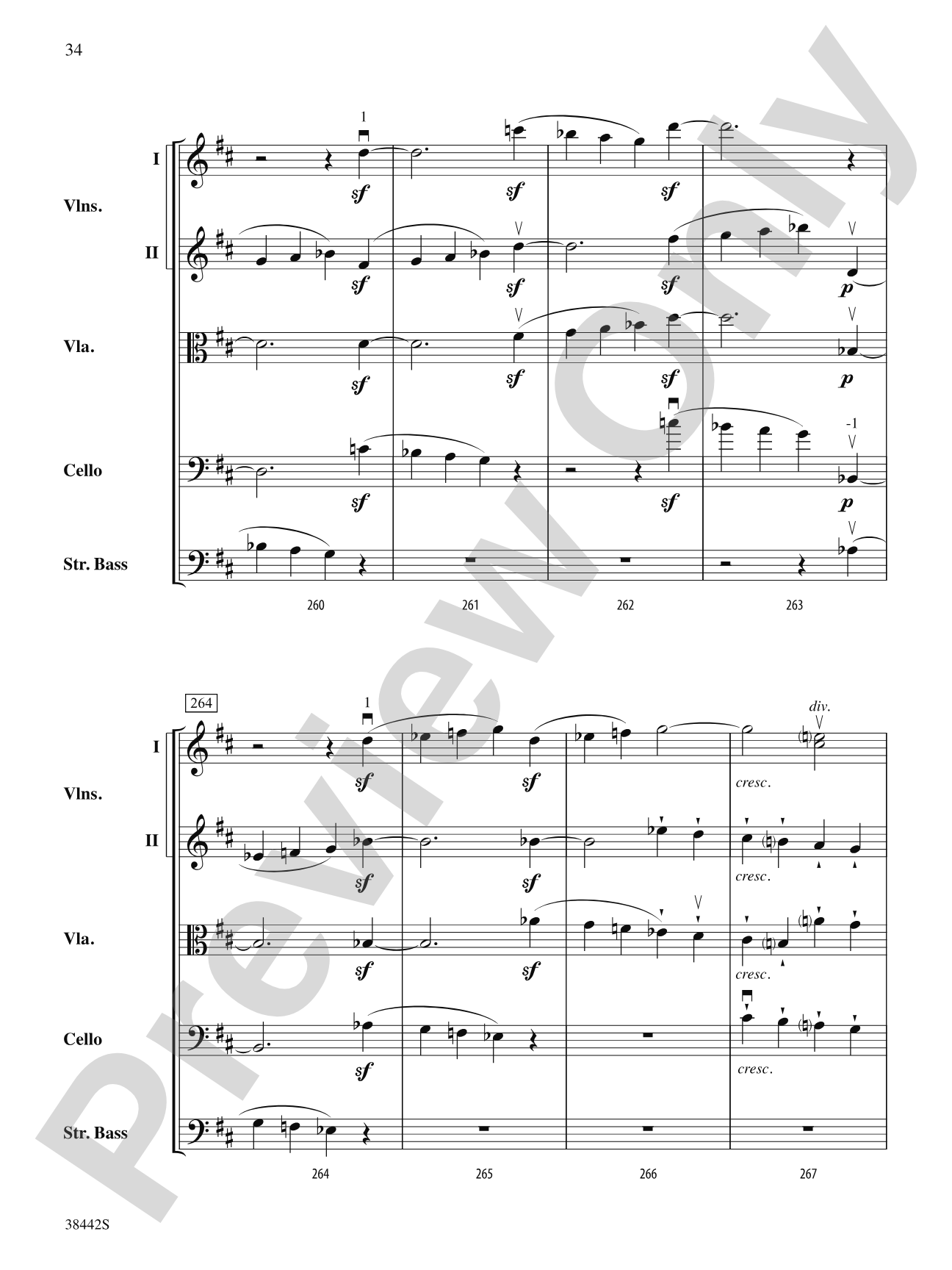
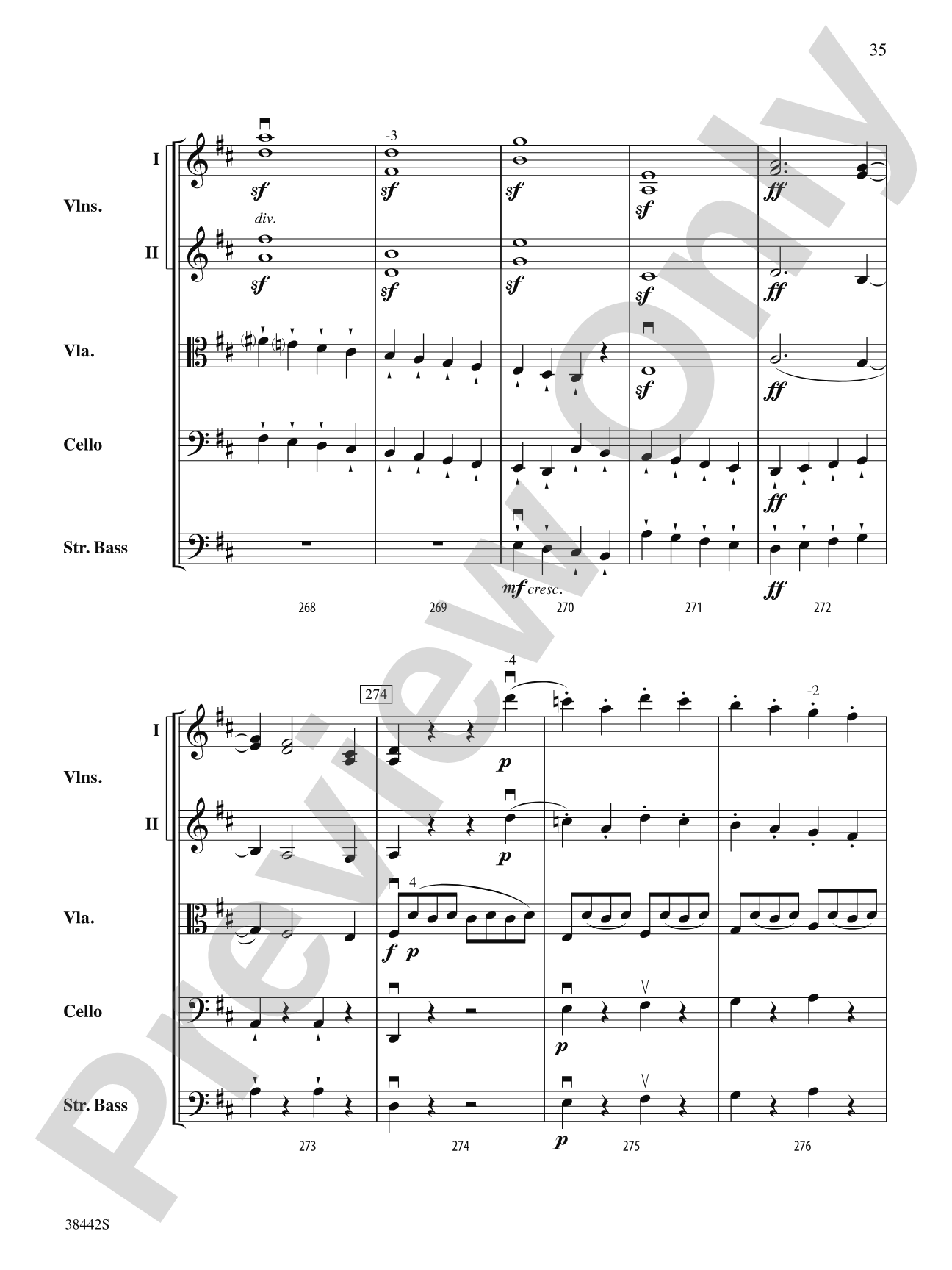
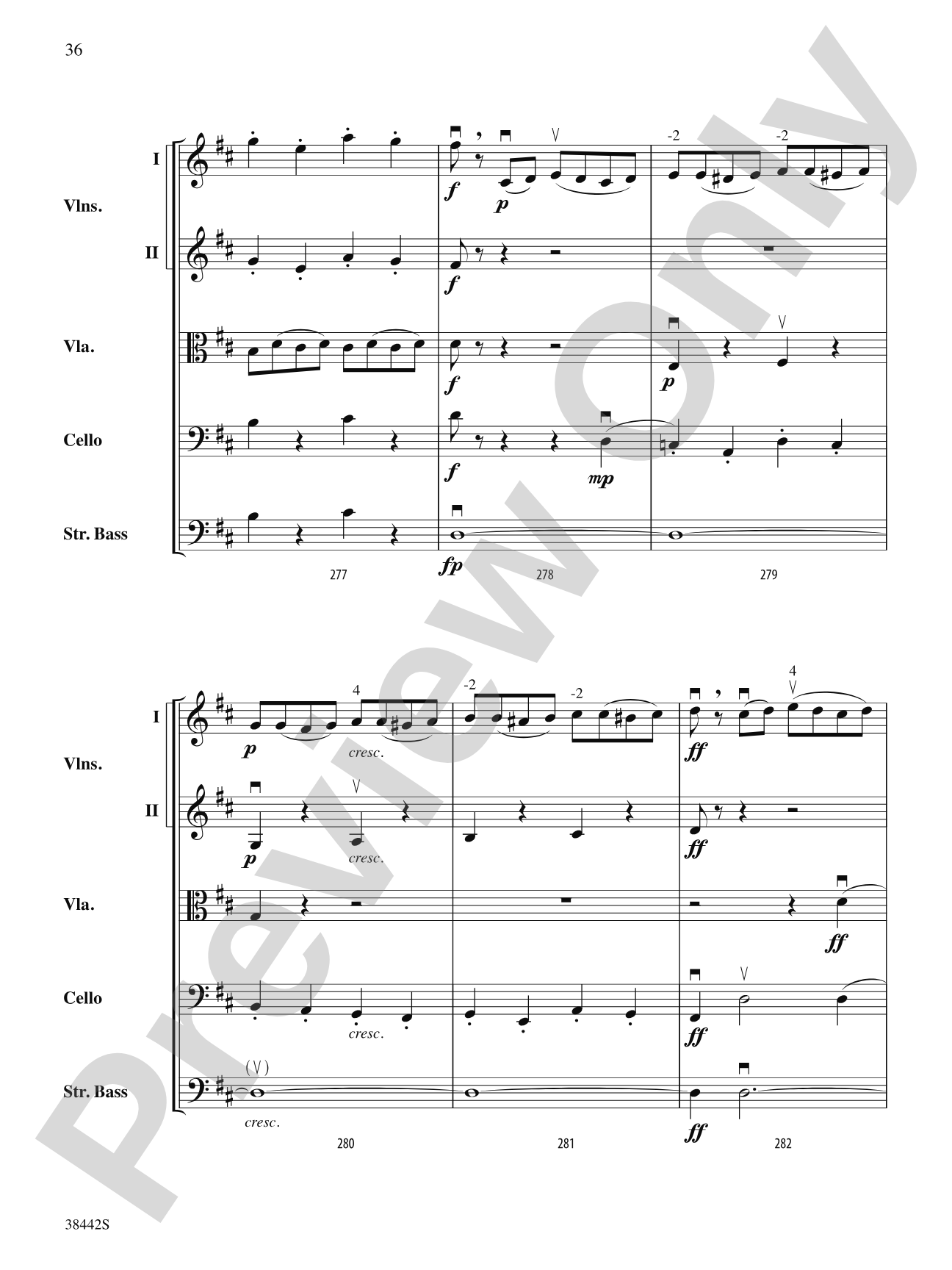
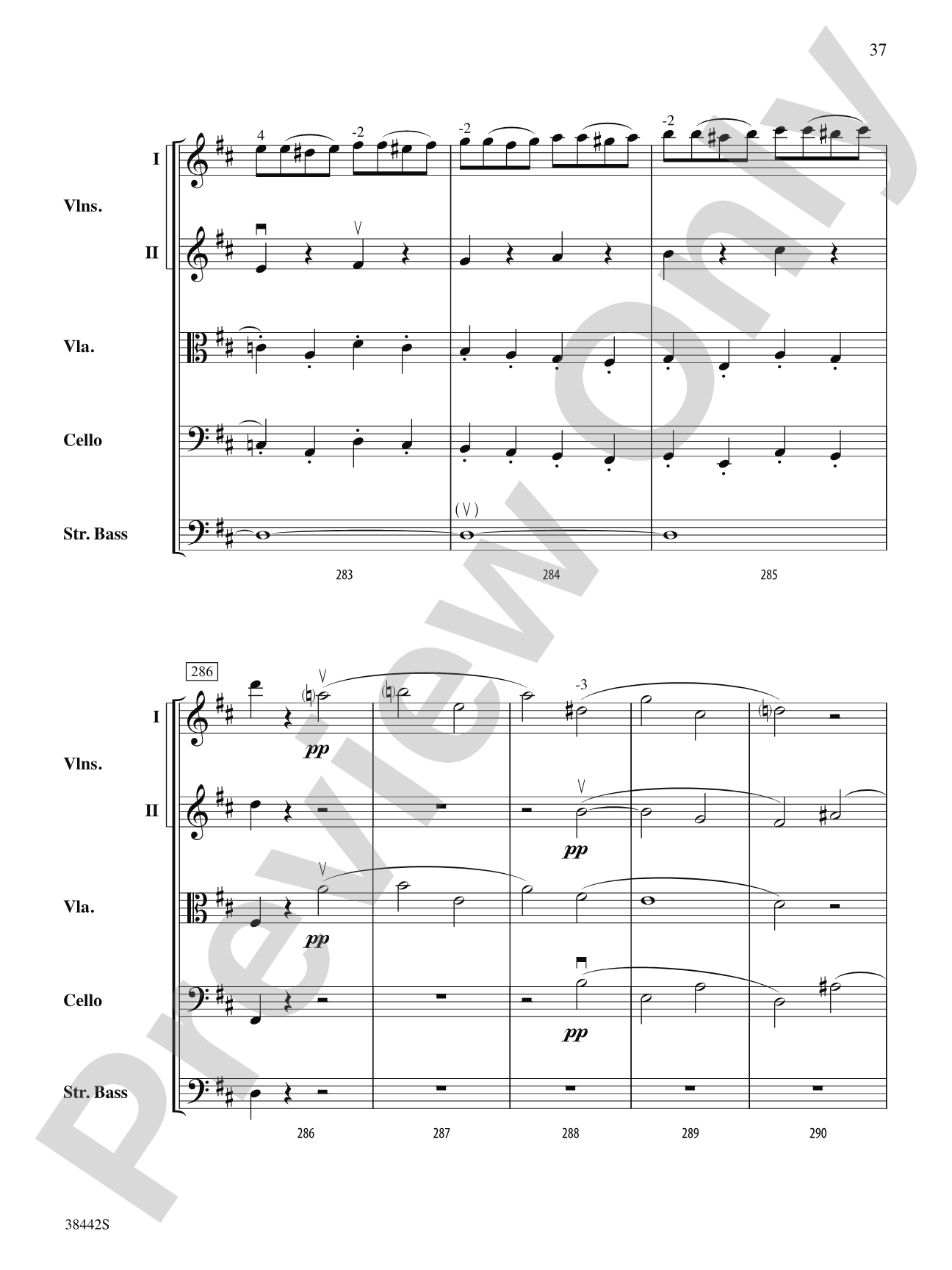
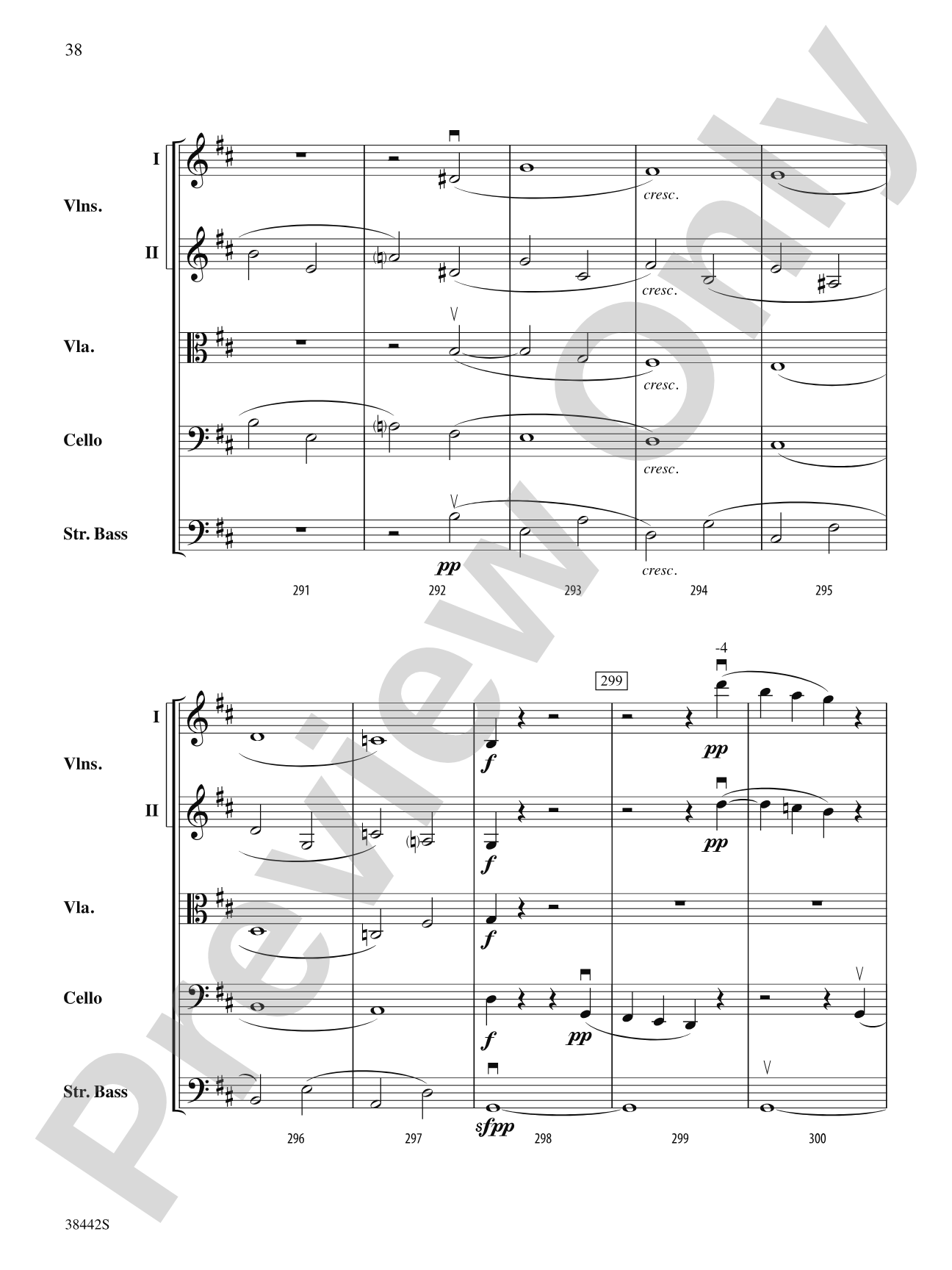
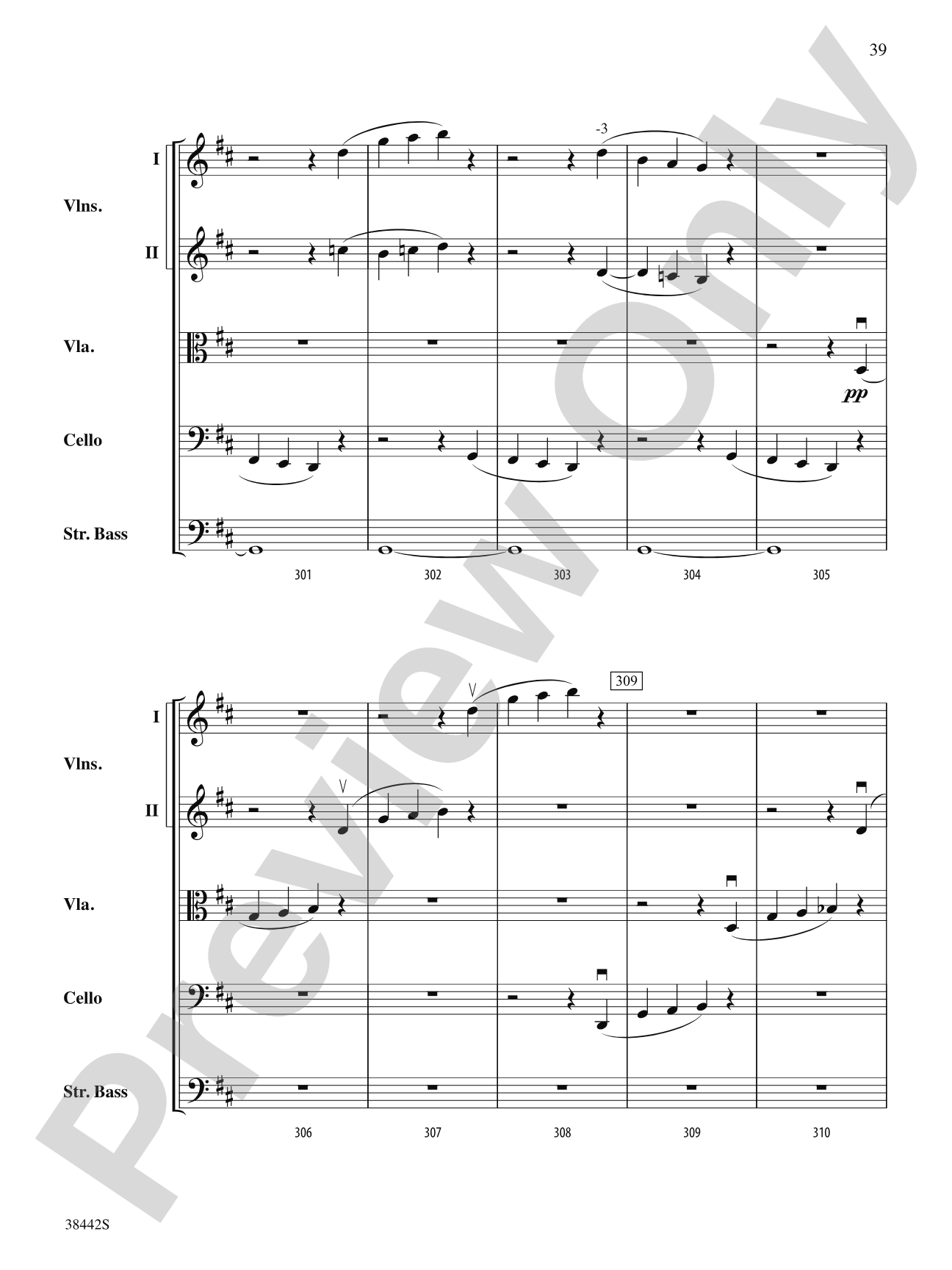
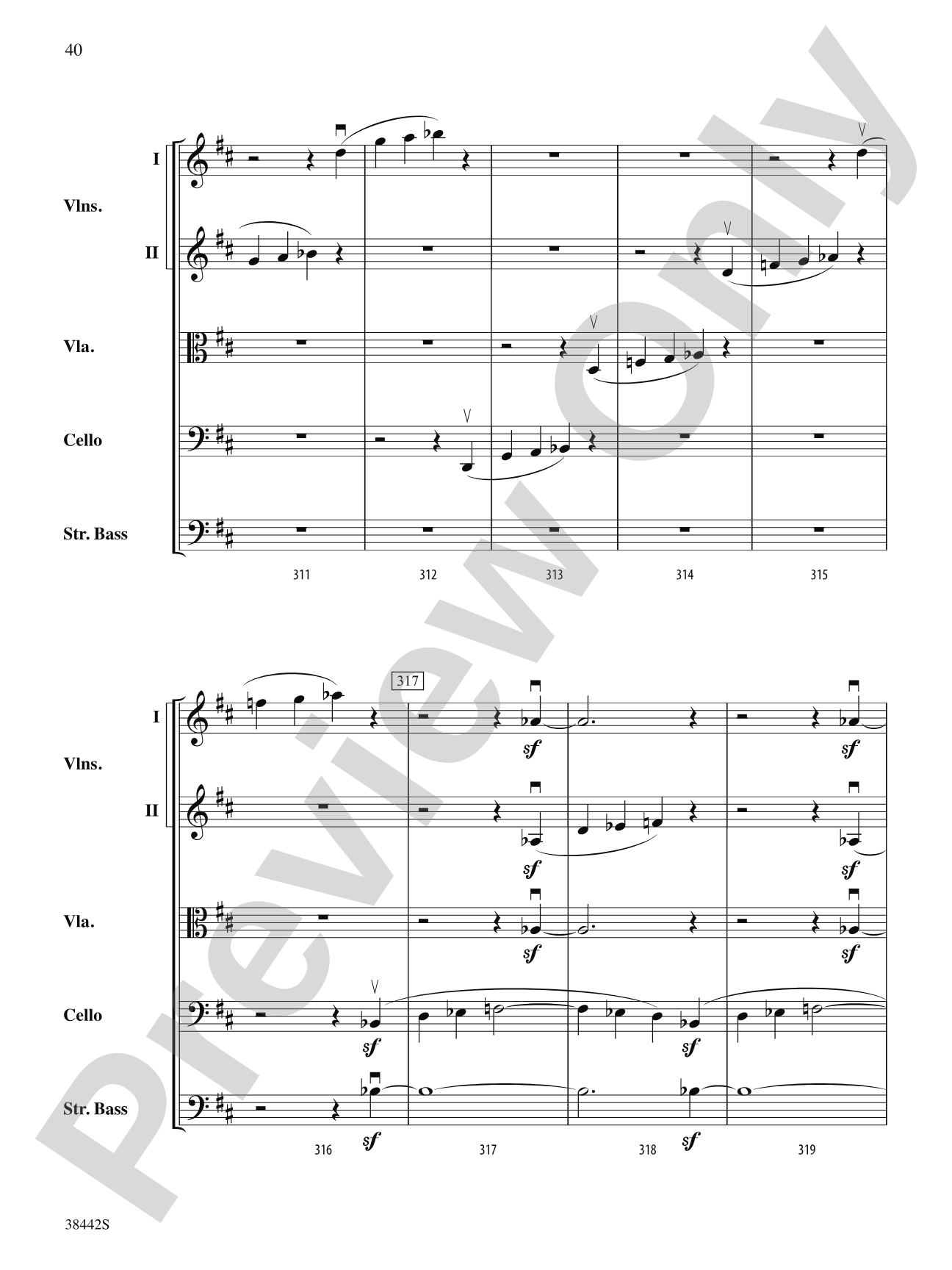
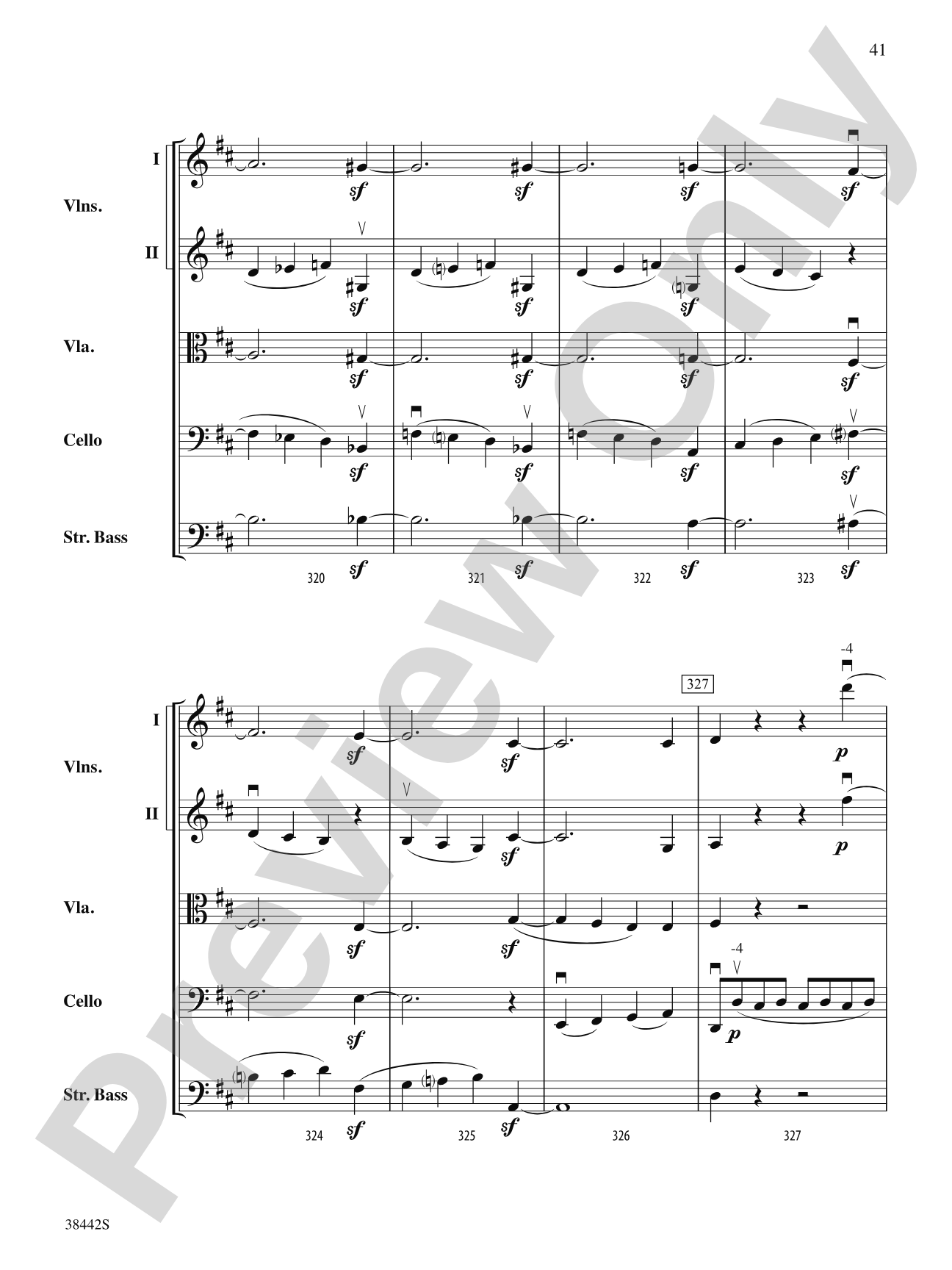
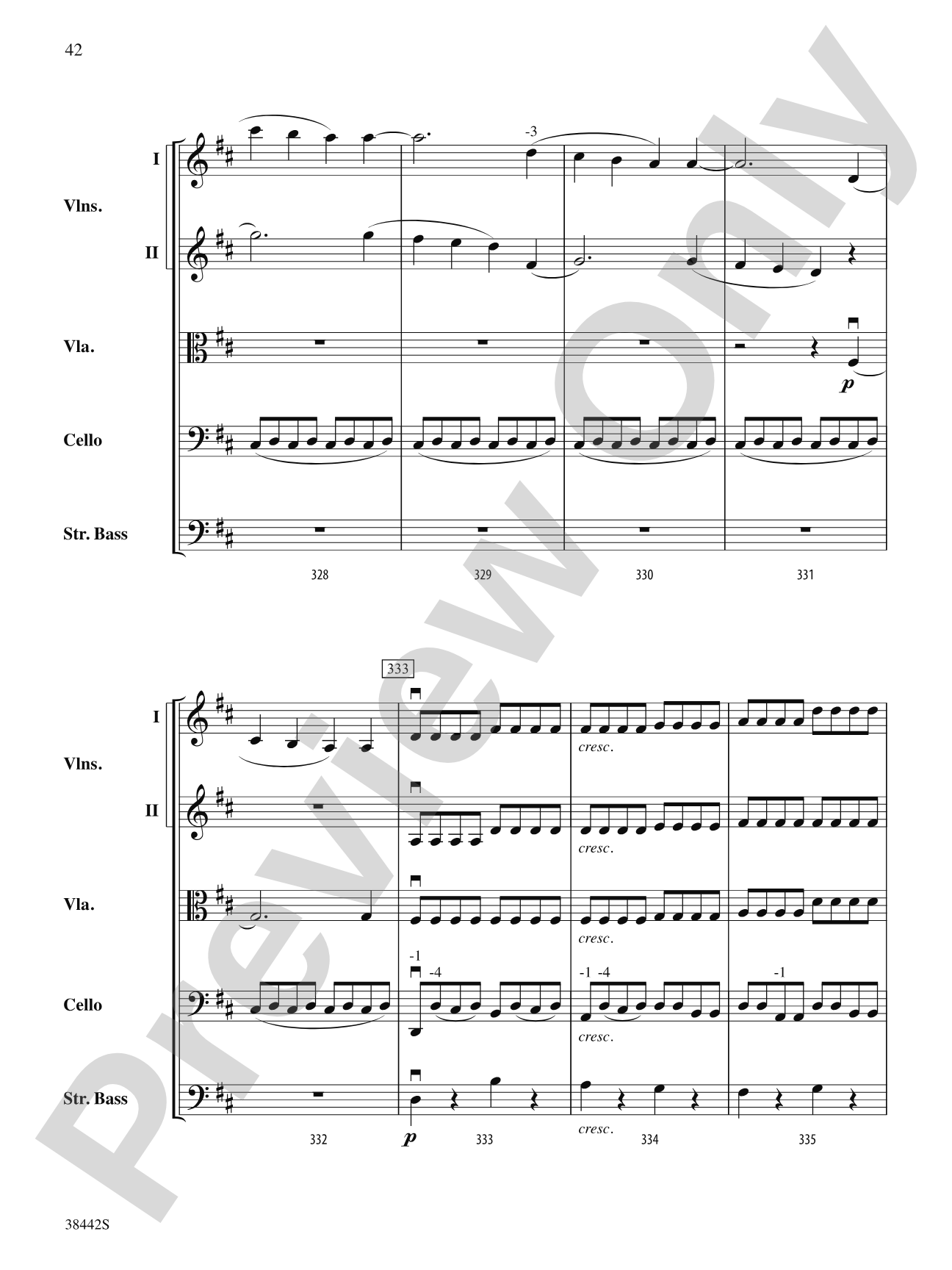
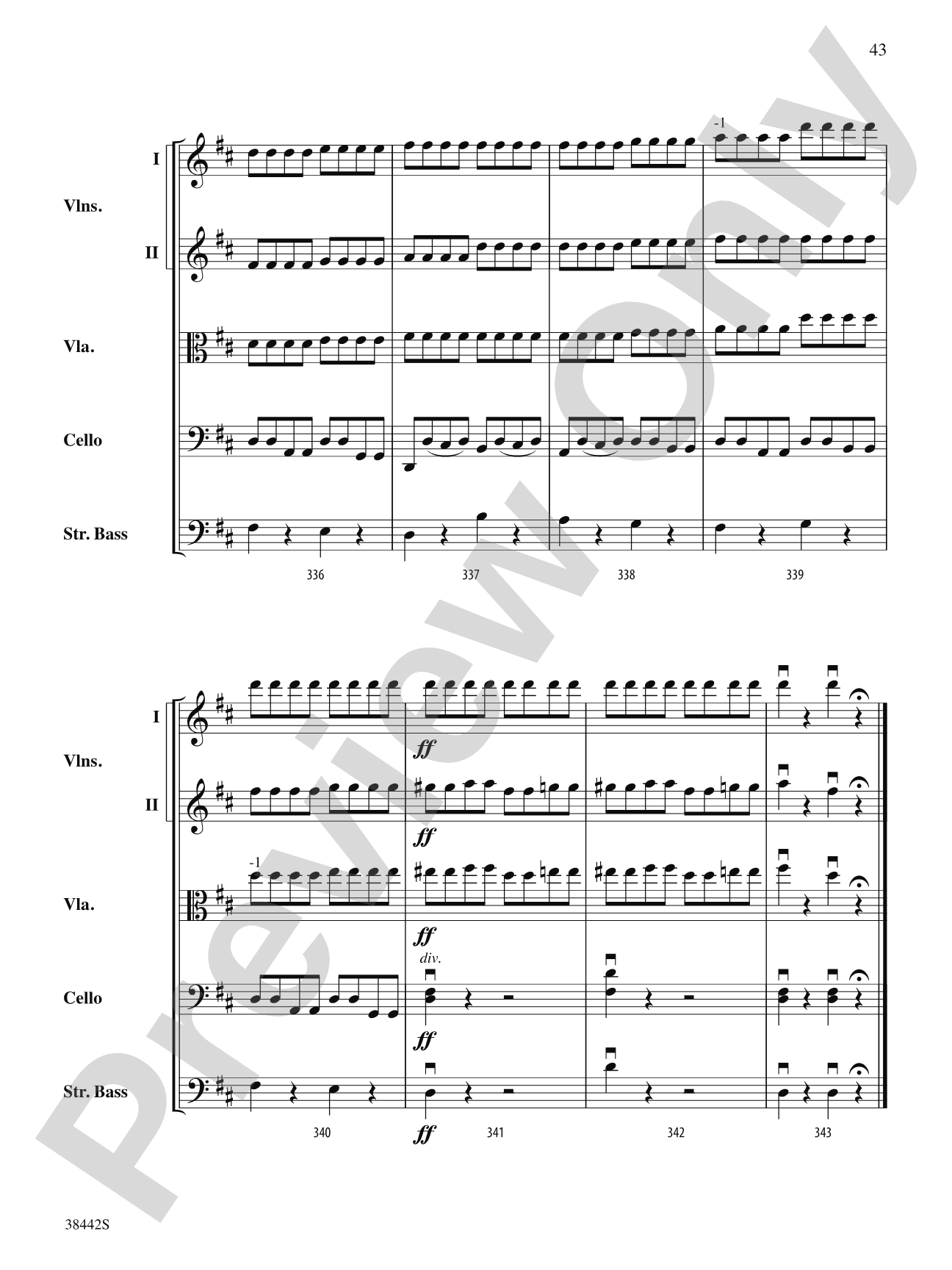


Sonata, Op. 10, No. 3: String Orchestra Conductor Score & Parts
Movement 1
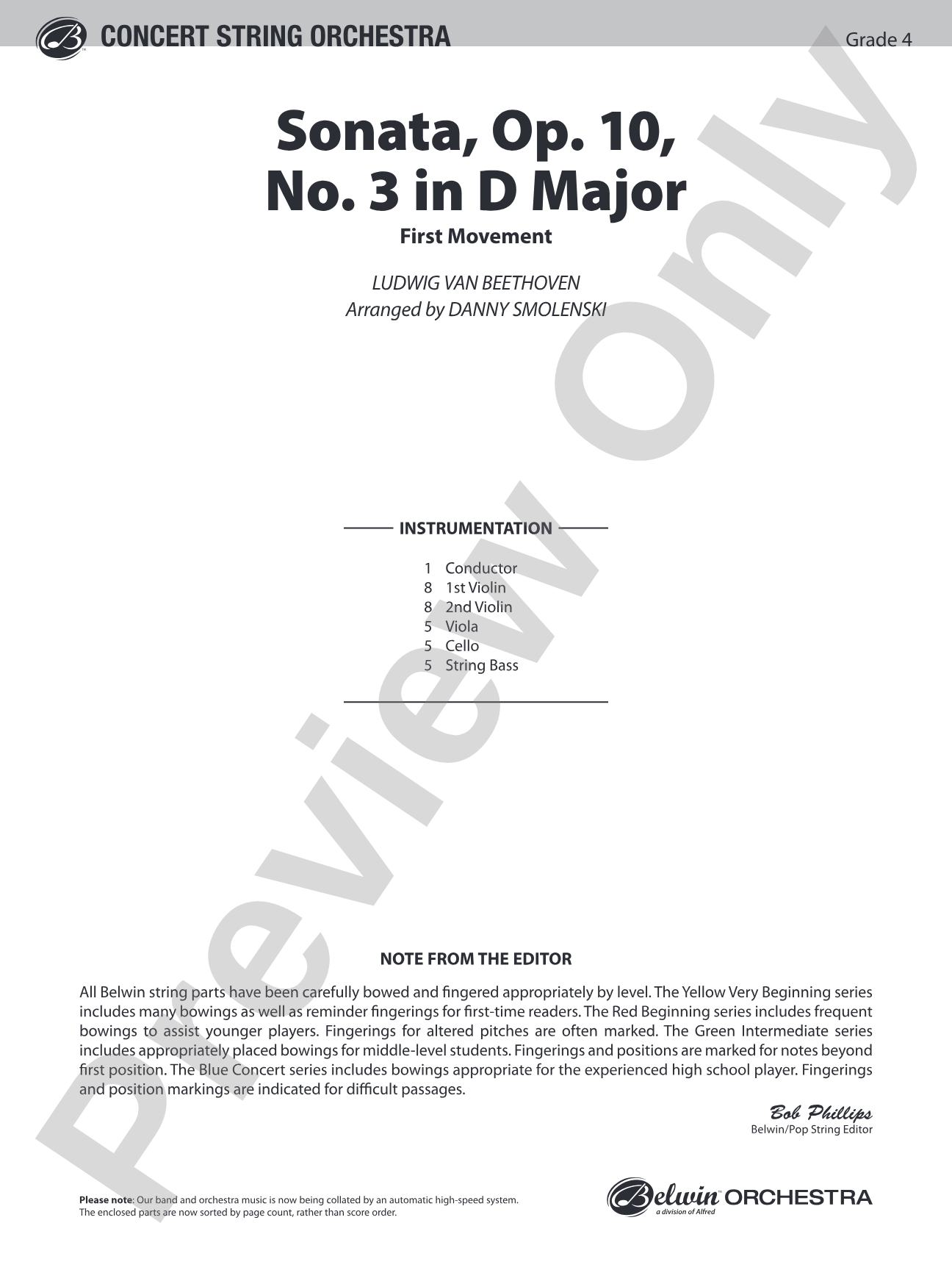
By Ludwig van Beethoven / arr. Danny Smolenski
Grade: 4
Item: 00-PK-0005244

$59.00
Pickup currently not available
Buy Extra Parts (Digital PDF Download)
| Product | Price | Quantity |
|---|---|---|
| Sonata, Op. 10, No. 3: Score | $8.00 | |
| Sonata, Op. 10, No. 3: 1st Violin | $5.99 | |
| Sonata, Op. 10, No. 3: 2nd Violin | $5.99 | |
| Sonata, Op. 10, No. 3: Viola | $5.99 | |
| Sonata, Op. 10, No. 3: Cello | $5.99 | |
| Sonata, Op. 10, No. 3: String Bass | $5.99 |
Parts Added to Cart!
Description
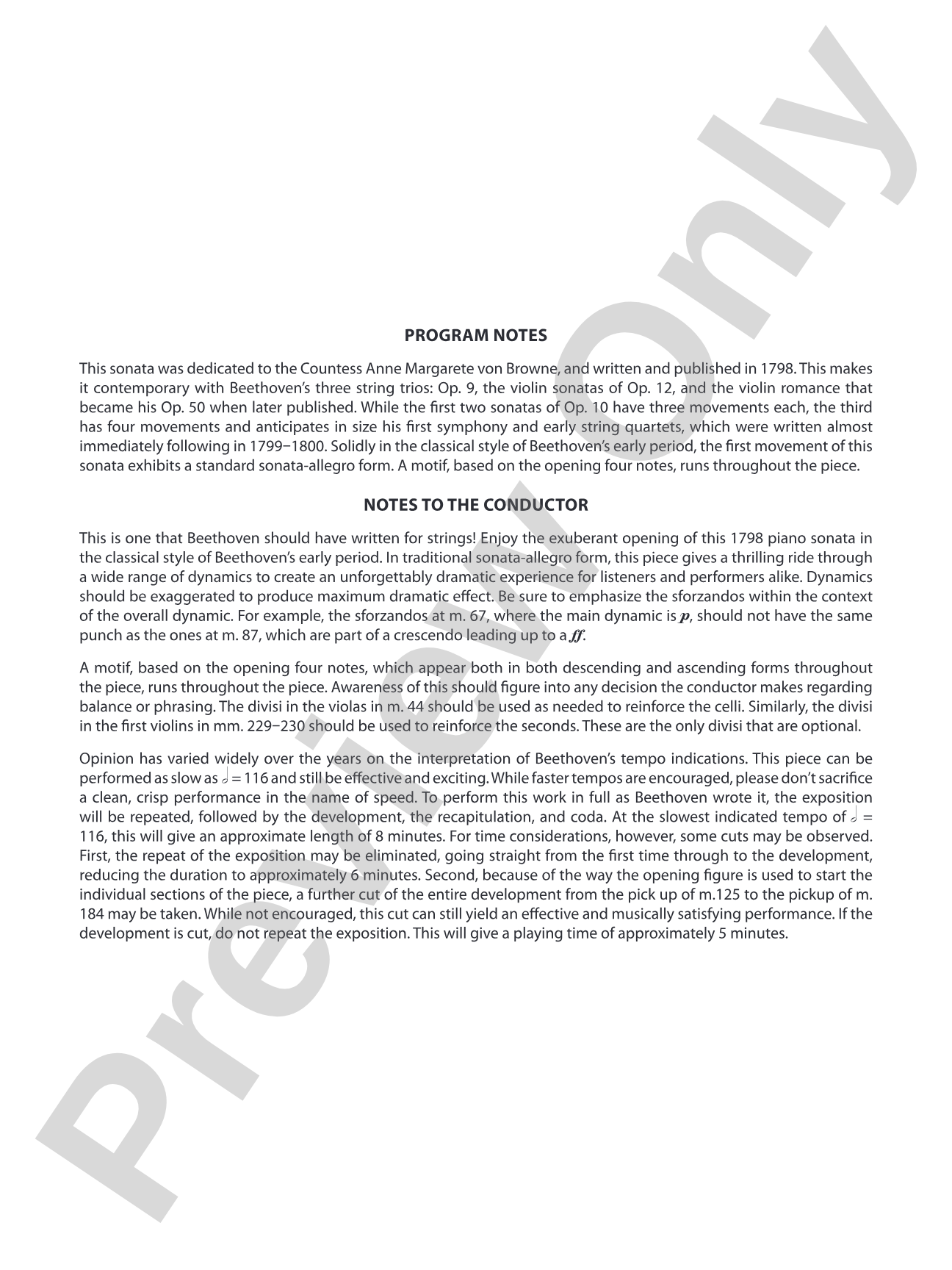
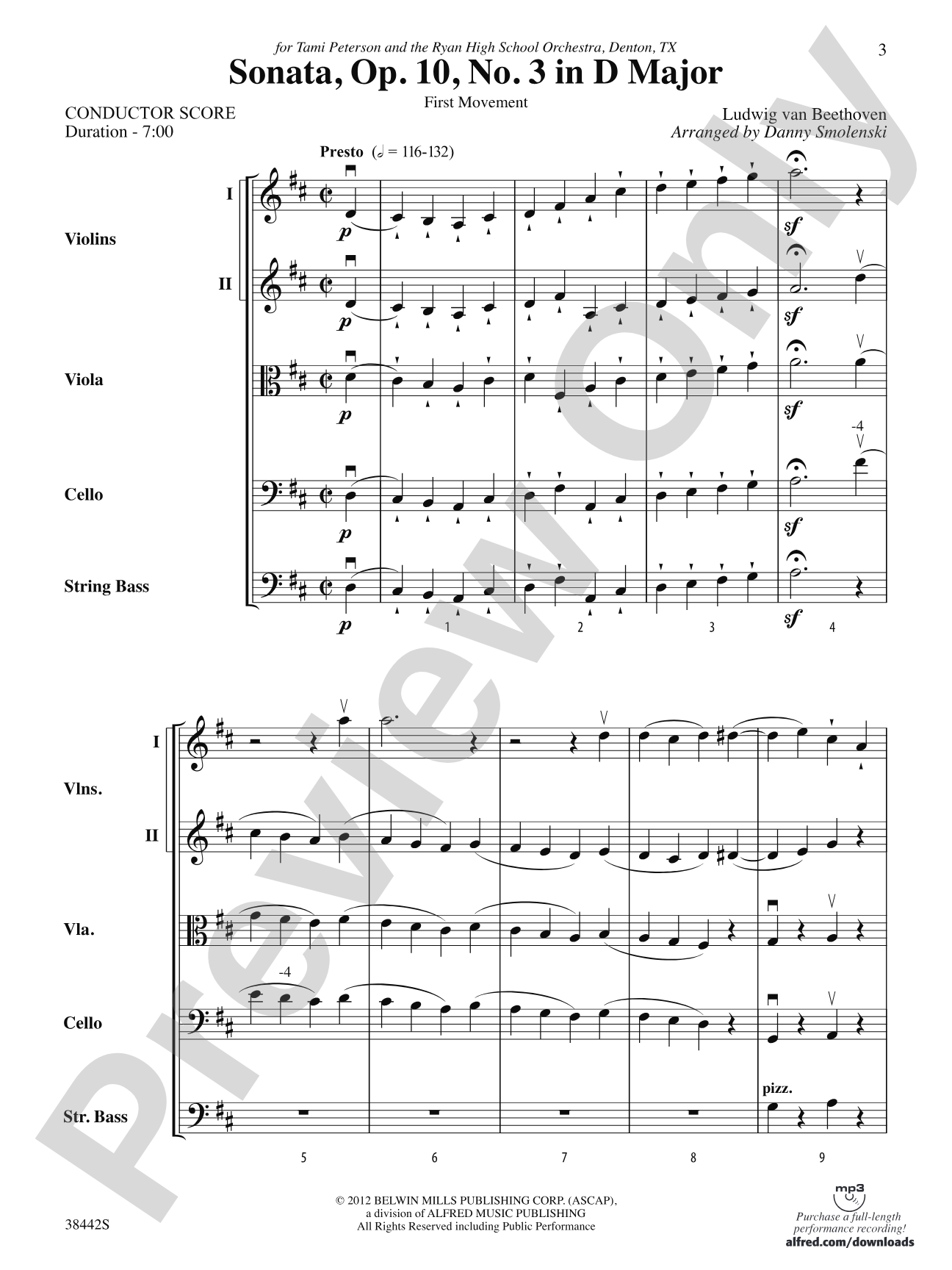
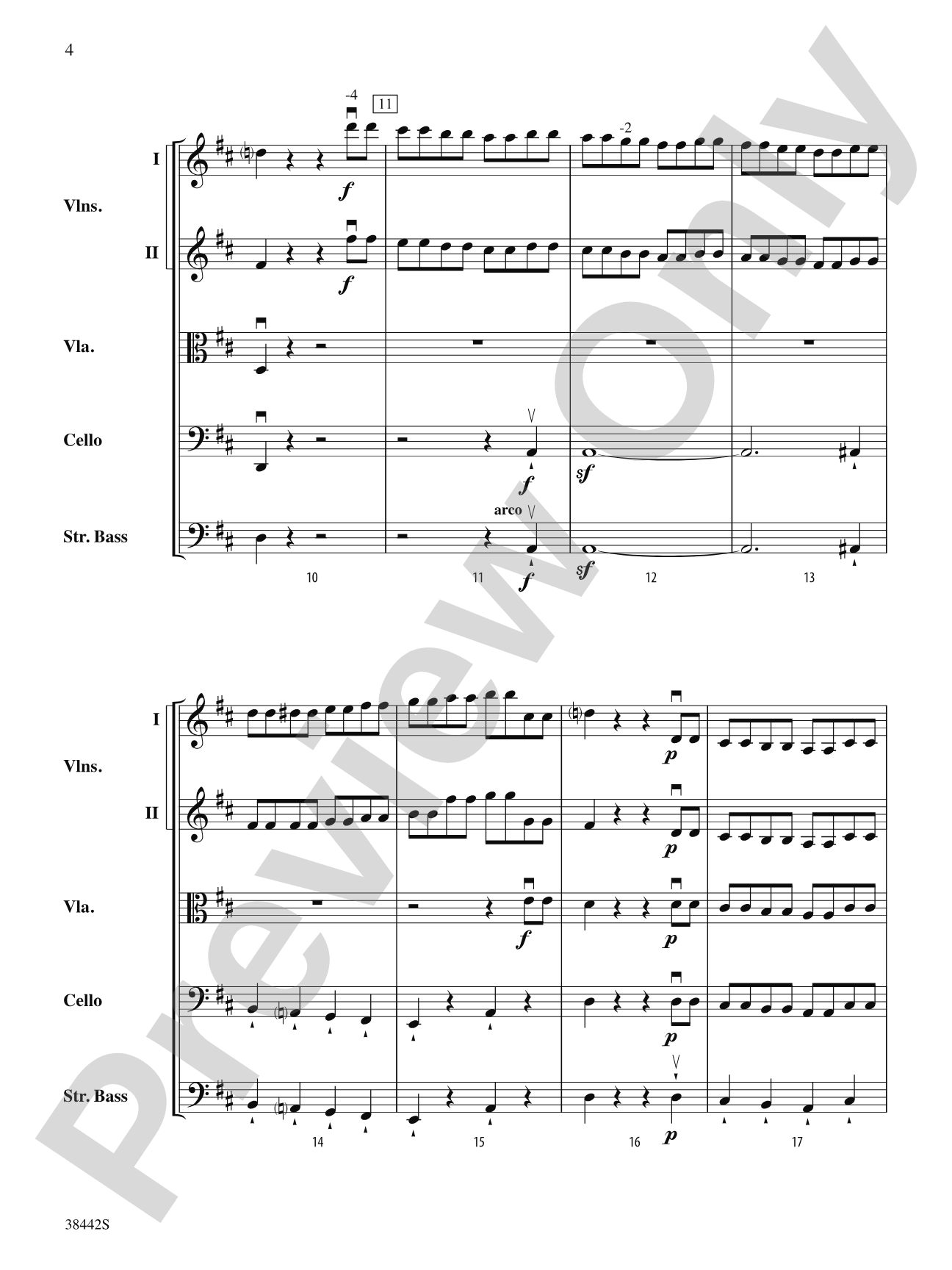
This is one that Beethoven should have written for strings! Enjoy the exuberant opening of this 1798 piano sonata in the classical style of Beethoven's early period. In traditional sonata-allegro form, this piece gives a thrilling ride through a wide range of dynamics to create an unforgettably dramatic experience for listeners and performers alike. The arranger has included suggested cuts if time is a consideration. An exciting addition to the repertoire!


Don't just read it, hear it, play along with it, and watch your students grow with it. In MakeMusic Cloud, Sonata, Op. 10, No. 3: String Orchestra Conductor Score & Parts comes alive with professional accompaniment, adjustable tempo, and built-in practice tools that turn solo practice into real progress.
Open in the Player
Jump straight in and assign it today.
Start Your Free Trial
Open this title and explore the full library in minutes.
Sample Audio
1
Audio File
--:--
0:00
0:00
Sample Video
No sample videos found.
Additional Details
Series:
Belwin Concert String Orchestra
Publisher:
Alfred Music
Page Count:
228
SKU:
00-PK-0005244
More about this title
About the Composer: Ludwig van Beethoven
Ludwig van Beethoven (1770–1827) bridged the Classical and Romantic eras, transforming the sonata form into a vehicle for unprecedented emotional depth and structural innovation. His early works, including the Op. 10 sonatas, establish the foundation for his mature style: clear Classical architecture infused with dramatic gesture and harmonic boldness that would influence every composer who followed.
Why we love this
Danny Smolenski's arrangement captures the urgency and brilliance of Beethoven's original keyboard writing without sacrificing the composer's architectural mastery. The sonata-allegro form gives your orchestra a masterclass in Classical structure while the dynamic range and dramatic trajectory keep players engaged and audiences riveted. The thoughtful cuts make this accessible for ensembles with time constraints while preserving the piece's impact.
What to expect
Buoyant and propulsive, with the gleaming optimism of Beethoven's early Classical voice. The piece tumbles forward with dynamic energy, pushing through contrasts of quiet introspection and brilliant assertion, building toward moments of genuine dramatic weight before resolving with the grace characteristic of 1798 Vienna.
Who it's for
String orchestra directors seeking substantive Classical repertoire that engages intermediate to advanced players. This arrangement works for high school orchestras, youth orchestras, and community ensembles ready to tackle authentic Beethoven with secure intonation and rhythmic precision.
How to get the most out of it
- Shape the opening theme with clear dynamic levels; Beethoven's exuberant character demands that contrast between forte passages and the gentler secondary ideas land decisively.
- Balance the first violin line as the primary voice throughout, especially during the development section where the melodic material fragments across the ensemble.
- Coordinate string crossings and articulations in the accompanying figures to maintain textural clarity; the Classical transparency depends on clean ensemble articulation.
- Prepare the transitions between sections with deliberate attention to tempo and phrase direction; the momentum built in sonata-allegro form carries listeners through dramatic shifts in key and character.
How to use it
Program this as the centerpiece of a Classical-era concert or festival program, where its formal clarity and exciting pacing showcase what string orchestras do best. It pairs naturally with contemporary works or lighter Romantic pieces, providing a structural anchor that audiences recognize and musicians respect.
Skills your students will build
- Sonata-allegro form recognition and interpretation
- Dynamic control across an extended range
- Baroque and Classical articulation in string writing
- Melodic line independence and accompaniment balance
- Intonation stability at varying tempi and dynamic levels