Solo Celebration, Book 6 Cover Image

Solo Celebration, Book 6: Piano Book

$11.99 USD
Sale price  $11.99 USD Regular price 
Skip to product information
Solo Celebration, Book 6 Cover Image

Solo Celebration, Book 6: Piano Book

10 All-New Piano Solos by Favorite Composers

By Brian Chung, Christine Donkin, W. T. Skye Garcia, Jennifer Linn, Wynn-Anne Rossi, Mary K. Sallee, Daryl Smith, Elizabeth Swift, and Andy Villemez

Level: Late Intermediate

Item: 00-52082

$11.99
Shipped

One moment…

Description
This vibrant six-book series showcases 10 original piano solos in each book, bringing together the creative work of many well-known composers and rising talents. Spanning the early-elementary to late-intermediate levels, Solo Celebration highlights a variety of styles with fresh, contemporary elements that spark curiosity and imagination. Composers include W. T. Skye Garcia, Jennifer Linn, Kevin Olson, Catherine Rollin, Wynn-Anne Rossi, and more! Book 6 features music for late-intermediate pianists.

Solo Celebration, Book 6: Piano Book isn't in MakeMusic Cloud just yet...but it could be. Let us know you'd like to see it, and you'll help shape what comes next. In the meantime, start a free trial and dive into thousands of interactive titles your students can play along with today.

Sample Pages

Sample Audio
No sample audio found.
Sample Video
Additional Details
Series: Solo Celebration
Publisher: Alfred Music
Page Count: 32
ISBN10: 1-4706-7690-7
ISBN13: 978-1-4706-7690-2
UPC: 038081599236
SKU: 00-52082

More about this title

About the Composer: Brian Chung
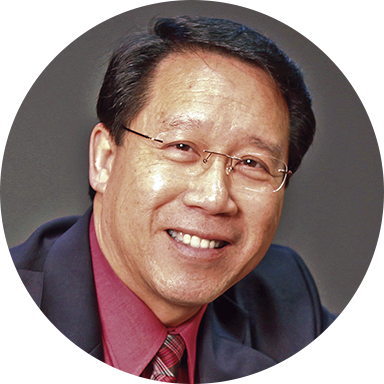
Brian Chung

Brian Chung has spent his career moving fluidly between the concert hall, the composer's desk, and the boardroom. His education spans the University of Michigan (business), the Guildhall School of Music and Drama in London (piano and conducting), and Northwestern University's Kellogg School (MBA), giving him rare perspective on both the artistic and professional sides of music.

Over 31 years at Kawai America, Chung shaped the piano industry while maintaining his work as a performer, composer, and arranger. His contributions to music education have earned him the 2004 MTNA Foundation Fellowship, the 2010 MTNA Distinguished Service Award, the 2019 MTNA Citation for Leadership, and the 2024 Lifetime Achievement Award from the California Association of Professional Music Teachers. He remains deeply committed to the music-making community.

Why we love this

Book 6 delivers exactly what late-intermediate pianists need: contemporary writing that respects technique without sacrificing personality. The mix of established voices (García, Linn, Rollin) alongside emerging composers keeps the collection unpredictable, so each solo rewards repeated teaching. These pieces genuinely inspire curiosity rather than serving as exercises.

What to expect

Energetic and contemporary without losing the warmth that keeps piano appealing. These solos sparkle with modern sensibilities, unexpected harmonic colors, rhythmic play, stylistic fusions, while maintaining the lyricism and structural coherence that make them genuinely enjoyable to perform and hear.

Who it's for

Late-intermediate pianists ready to move beyond standard repertoire into writing that takes them seriously as musicians. This book works for students preparing recitals, advancing through a method series, or simply seeking fresh material that challenges them without becoming inaccessible.

How to get the most out of it

  • Pay attention to the stylistic shifts within individual pieces. Many solos here blend genres (jazz inflections with classical forms, minimalist patterns with lyrical passages), so clarity about which voice leads in each section keeps the piece from sounding muddled.
  • Balance technical showiness with musical intent. Late-intermediate writing often includes passage work that students want to rush; instead, use faster sections to build momentum toward structural goals.
  • Explore the contemporary elements on the page. Whether it's unusual harmonic movement, rhythmic asymmetry, or color effects, these composers wrote them deliberately to expand students' musical vocabulary.

How to use it

Use individual solos as recital pieces or studio showcase items; the variety of styles means multiple students can perform from the same book without repetition. The collection also serves as an excellent bridge repertoire for students transitioning from graded method books into more independent rep selection.

Skills your students will build

  • Reading and executing contemporary harmonic language (extended chords, modal mixture, unusual progressions)
  • Balancing technical demands with musical phrasing across varied tempos and textures
  • Interpreting stylistic markers that blend genres (jazz elements, minimalism, classical forms)
  • Pedaling for color and clarity in modern contexts
  • Developing interpretive independence with less prescriptive notation

You May Also Like