
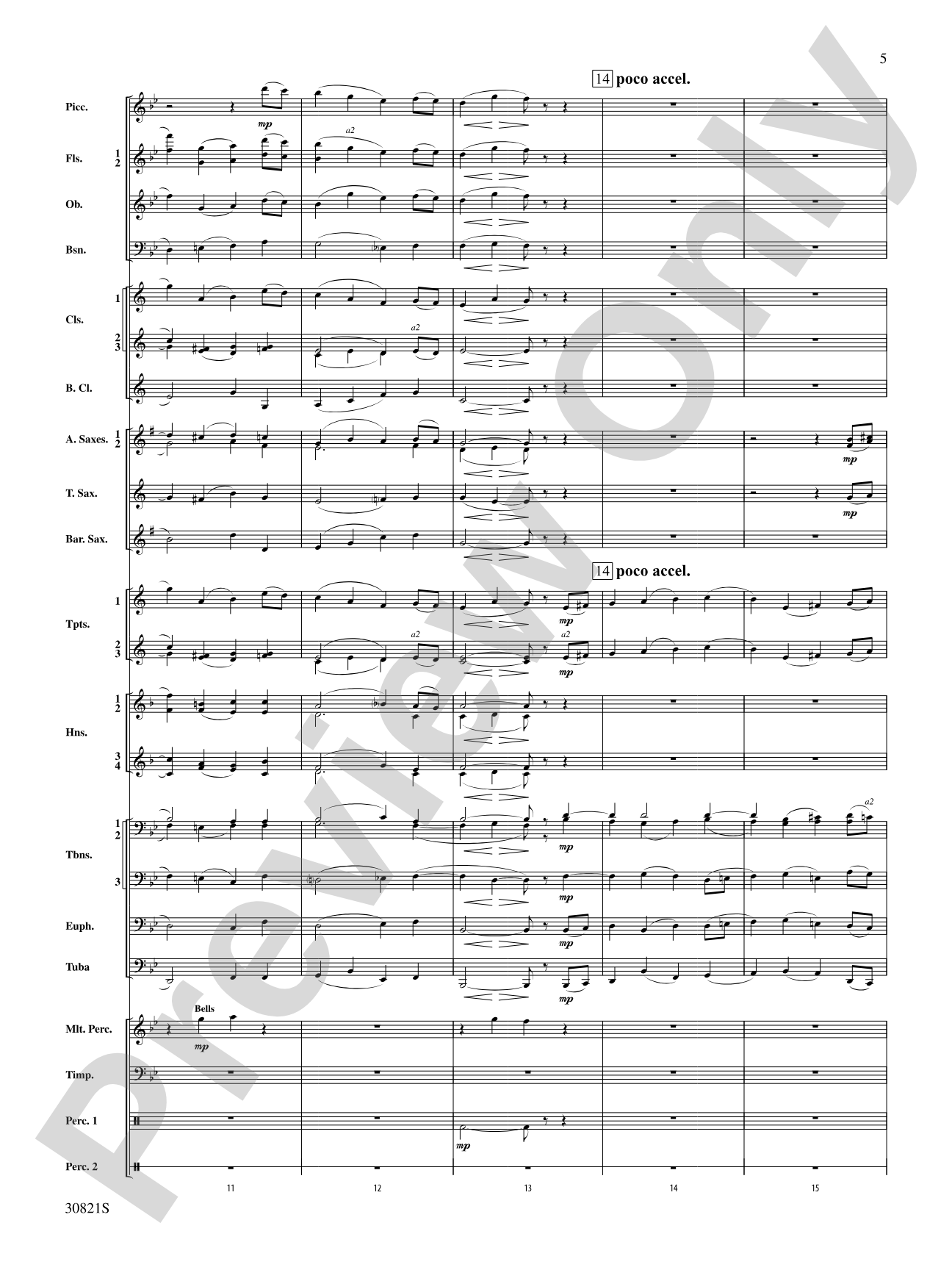
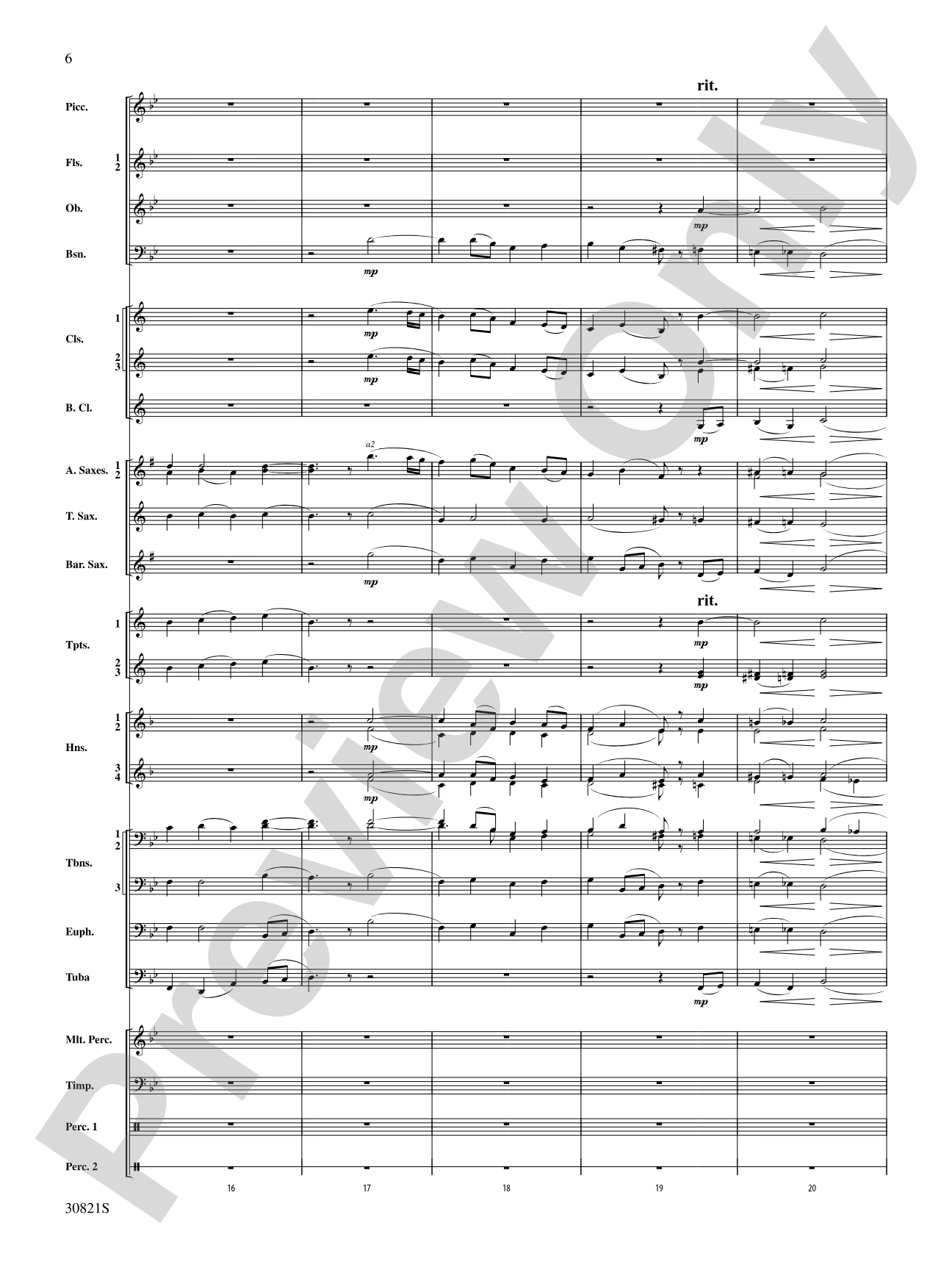
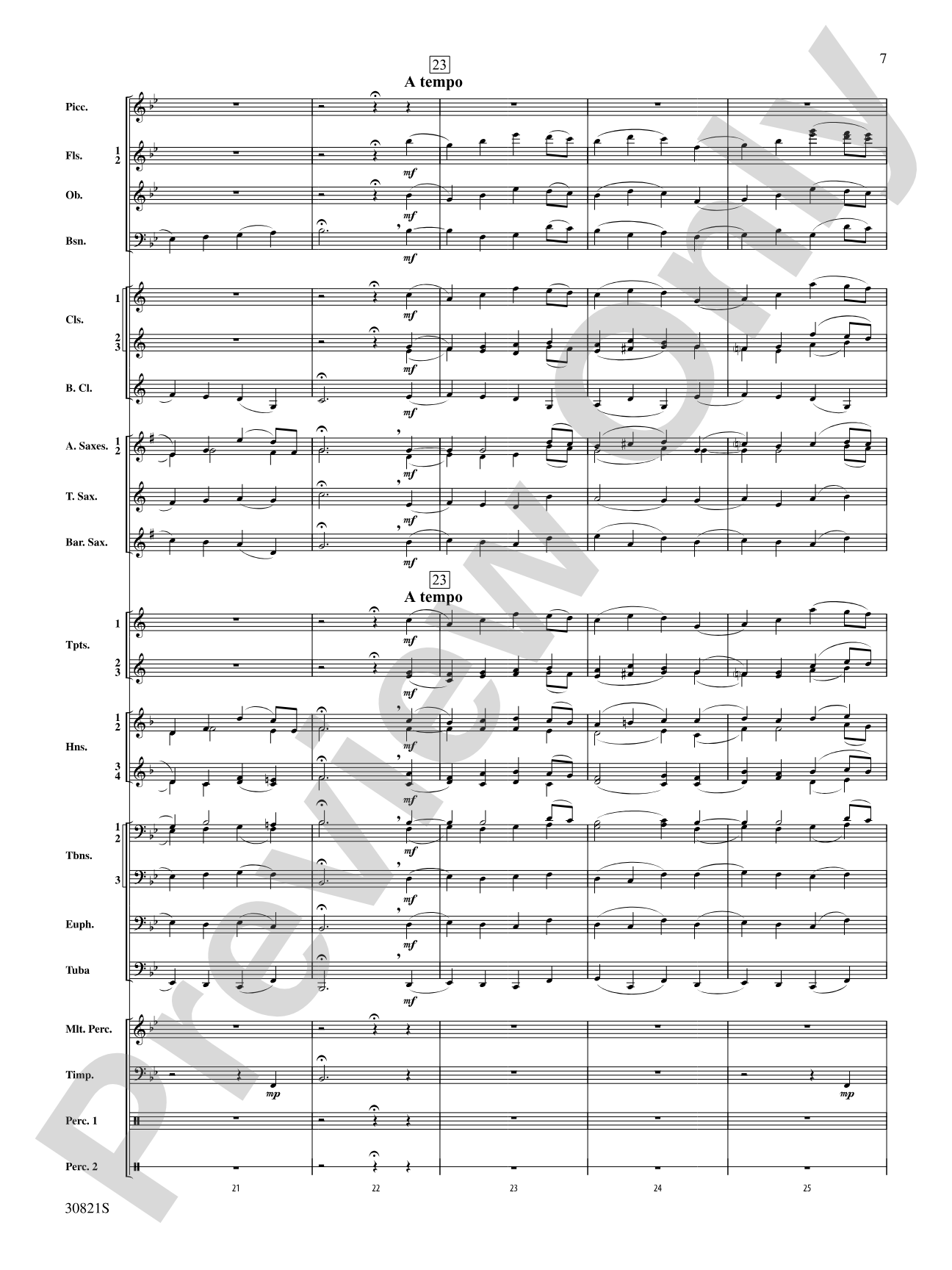
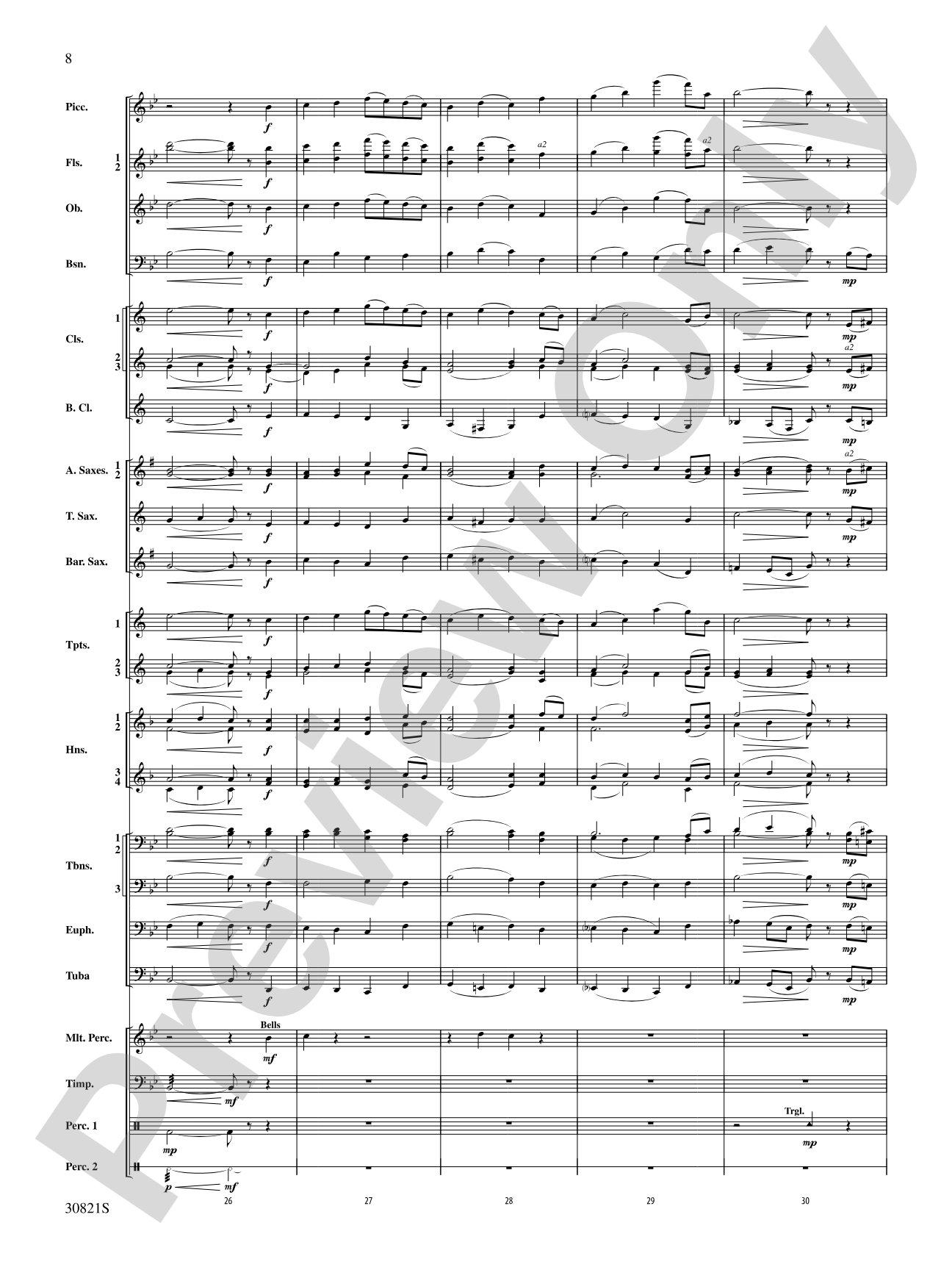
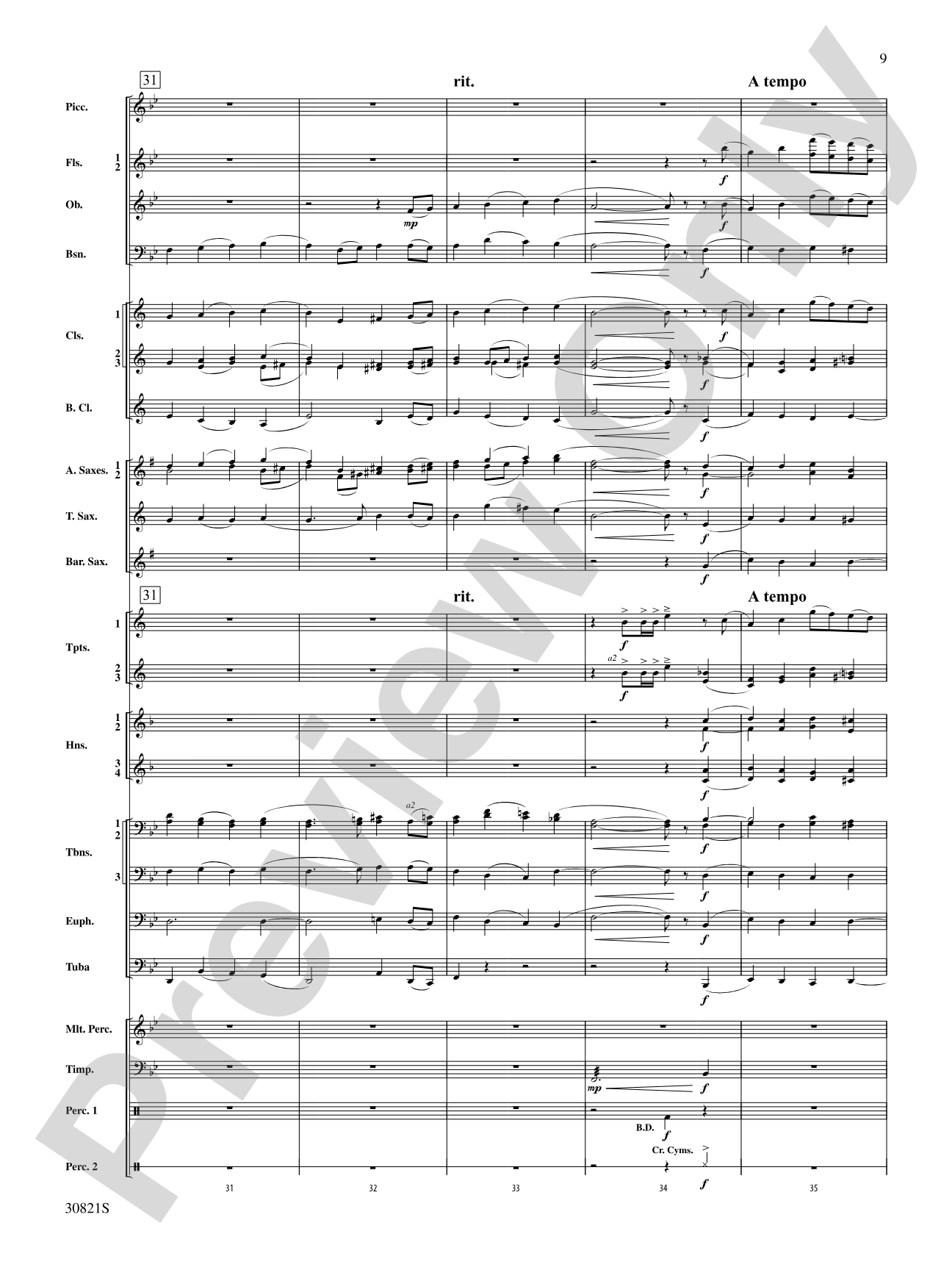
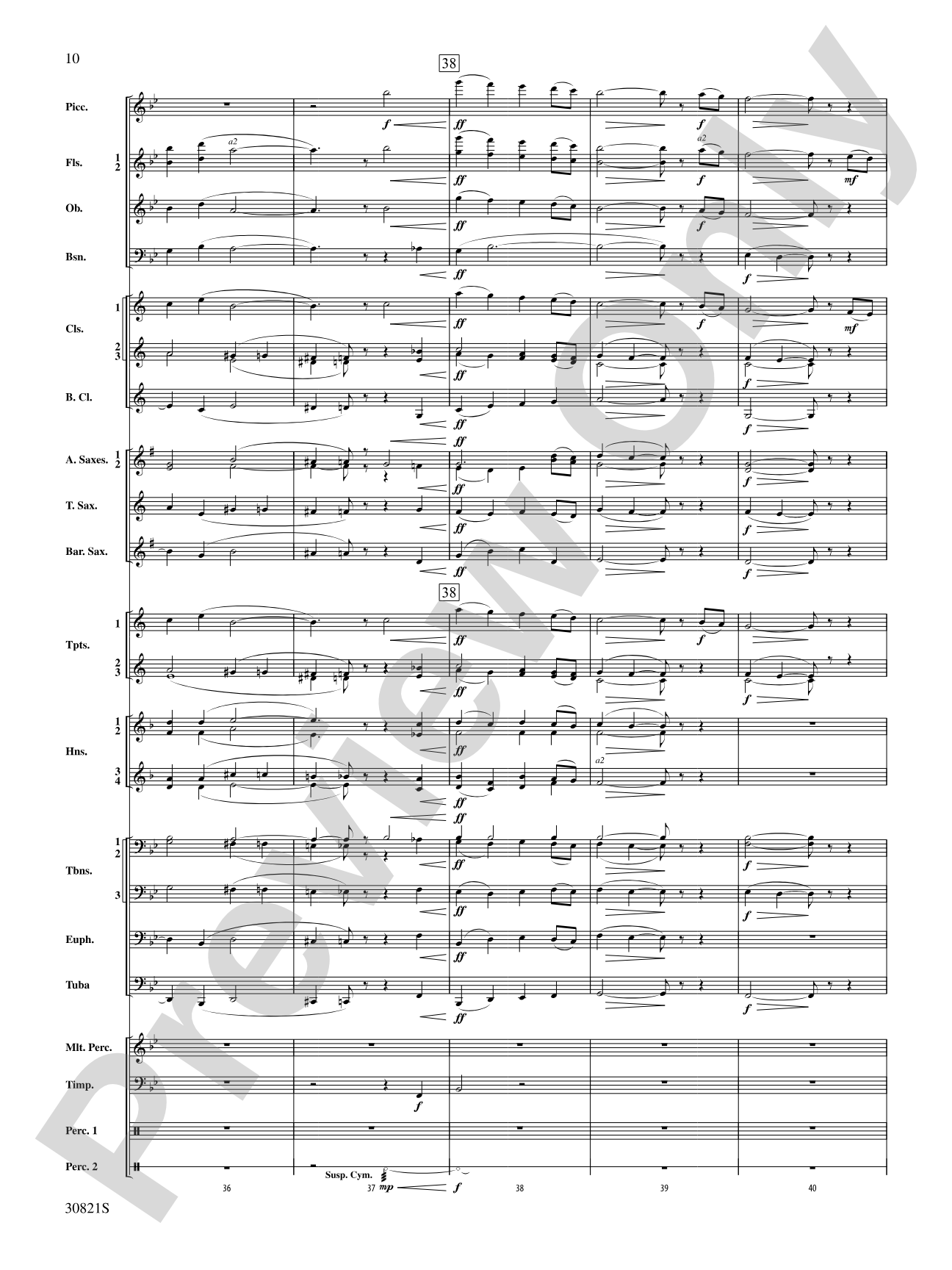
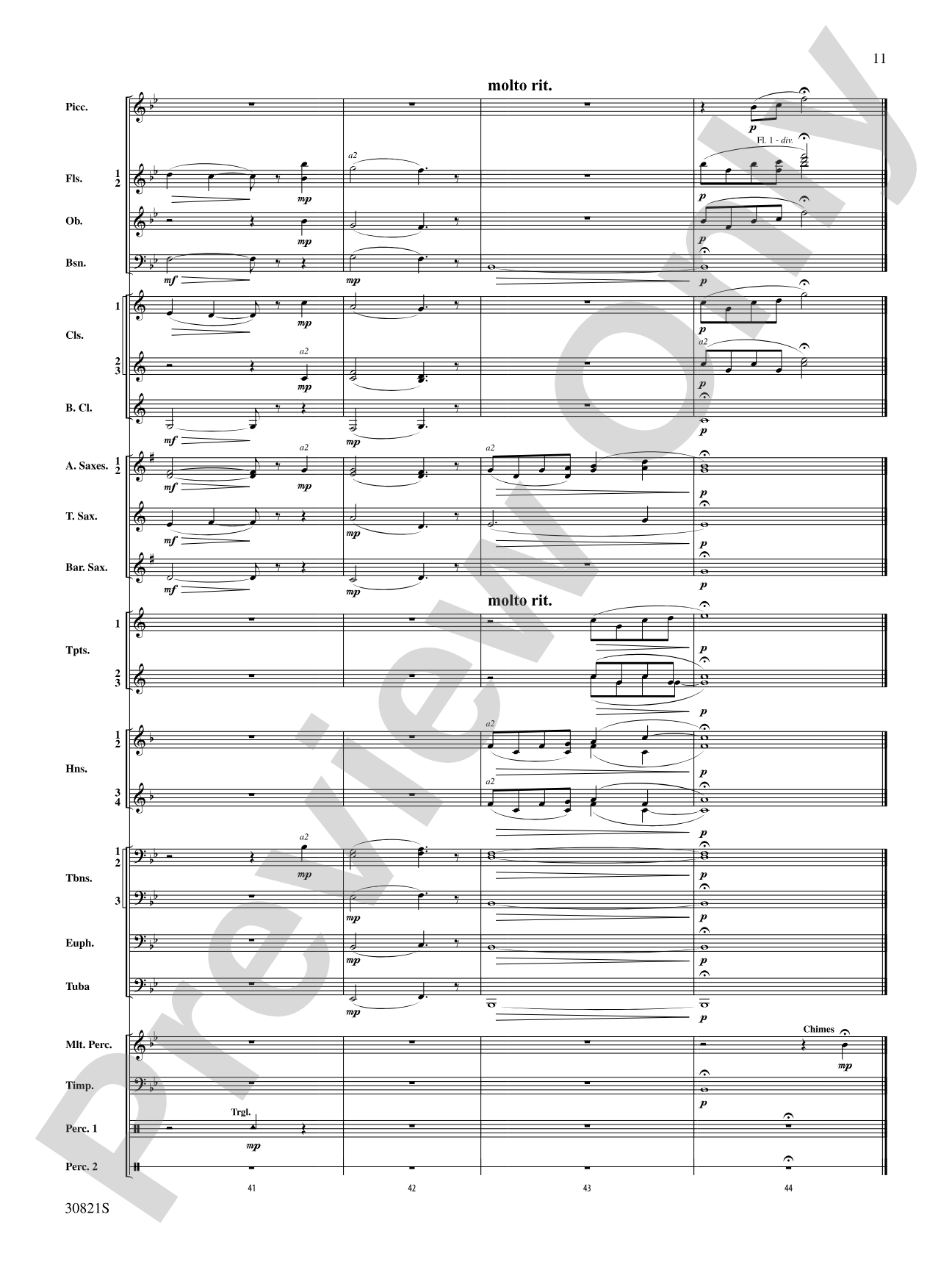


Solemn Melody: Concert Band Conductor Score & Parts
By H. Walford Davies / arr. Douglas E. Wagner
Grade: 4 (Medium)
Item: 00-PK-0001697

$75.00
Pickup currently not available
Buy Extra Parts (Digital PDF Download)
Parts Added to Cart!
Related Items
Solemn Melody: Concert Band Conductor Score & Parts |
$75.00
|
View |
Description
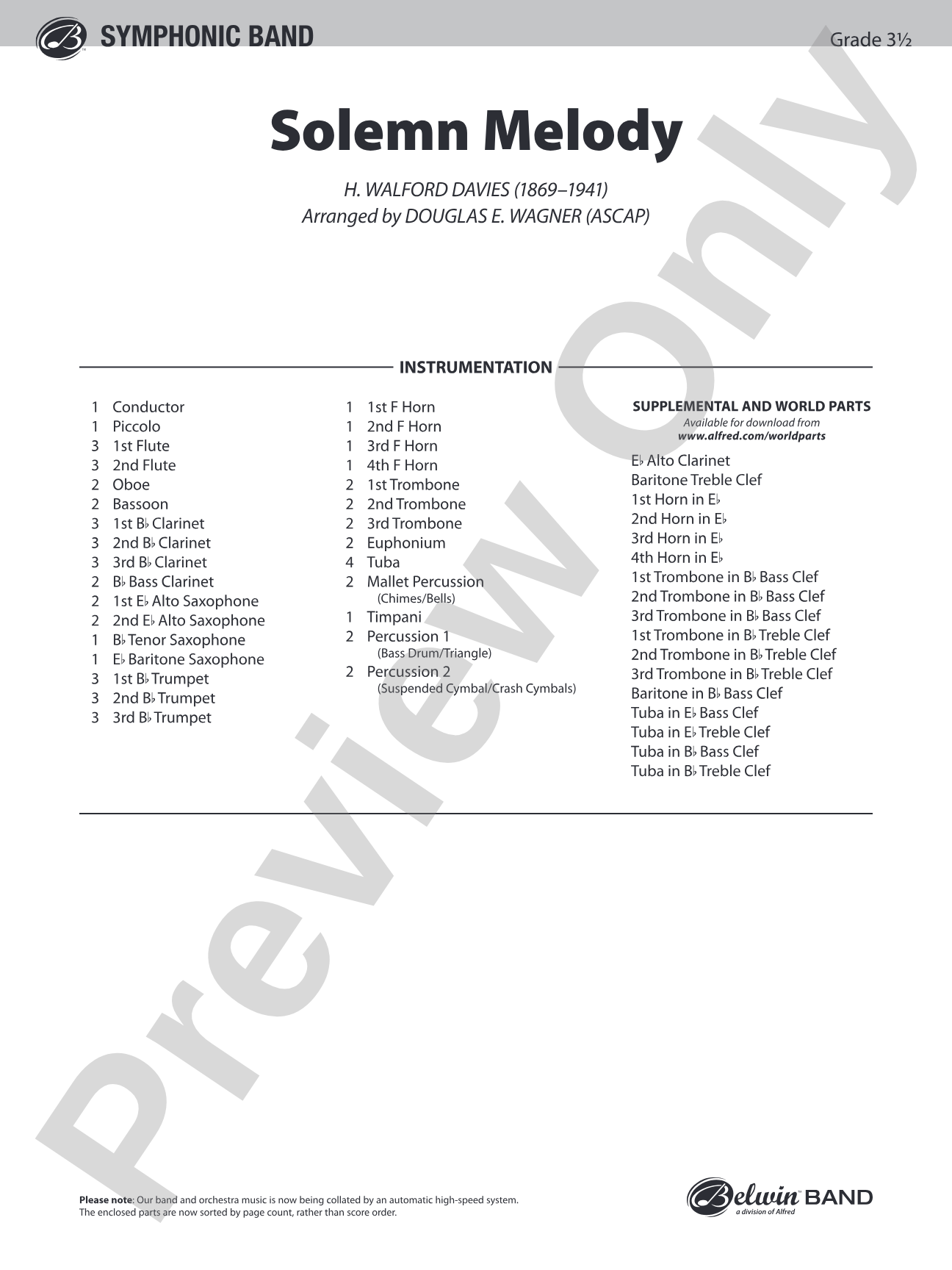
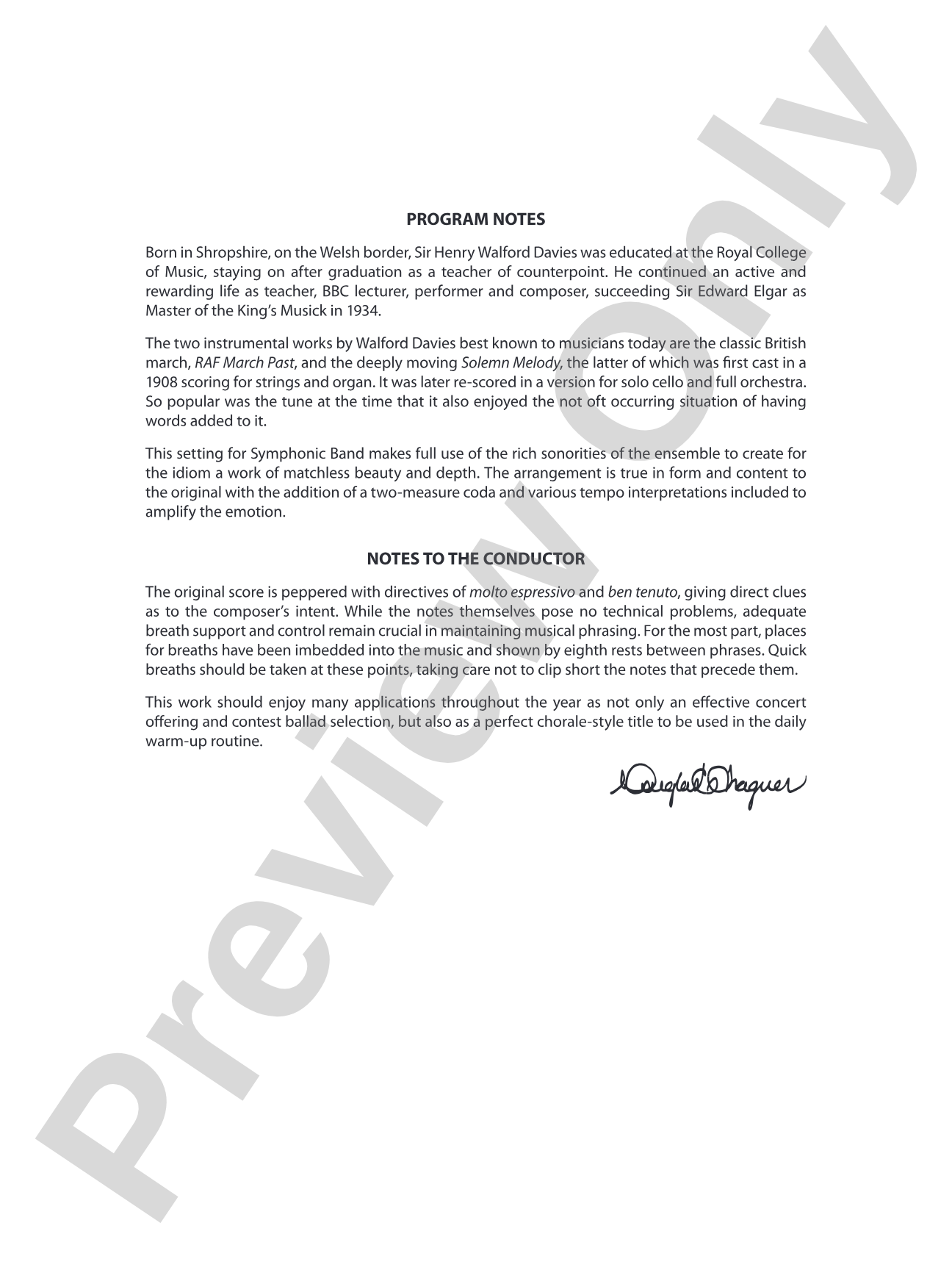
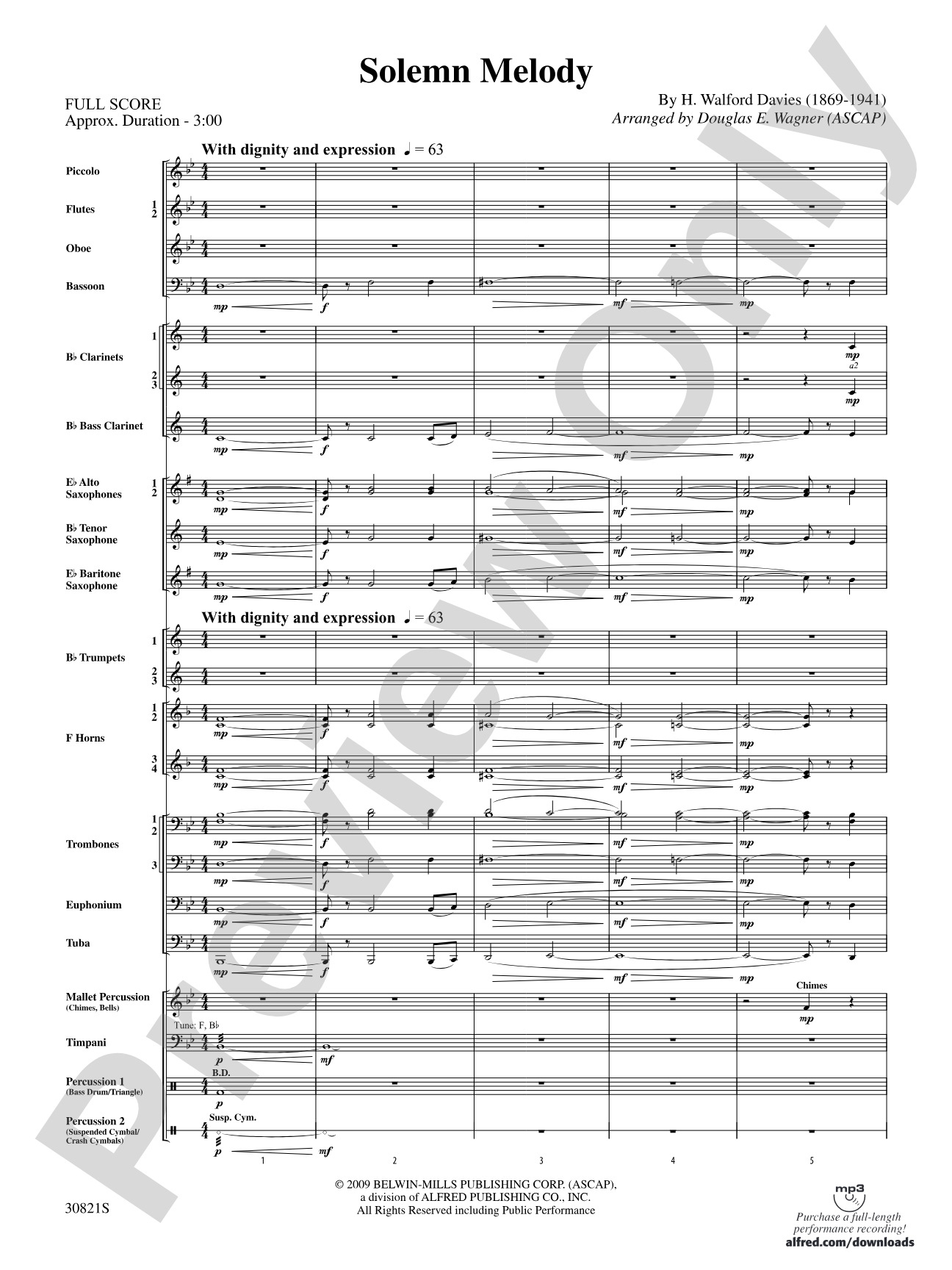
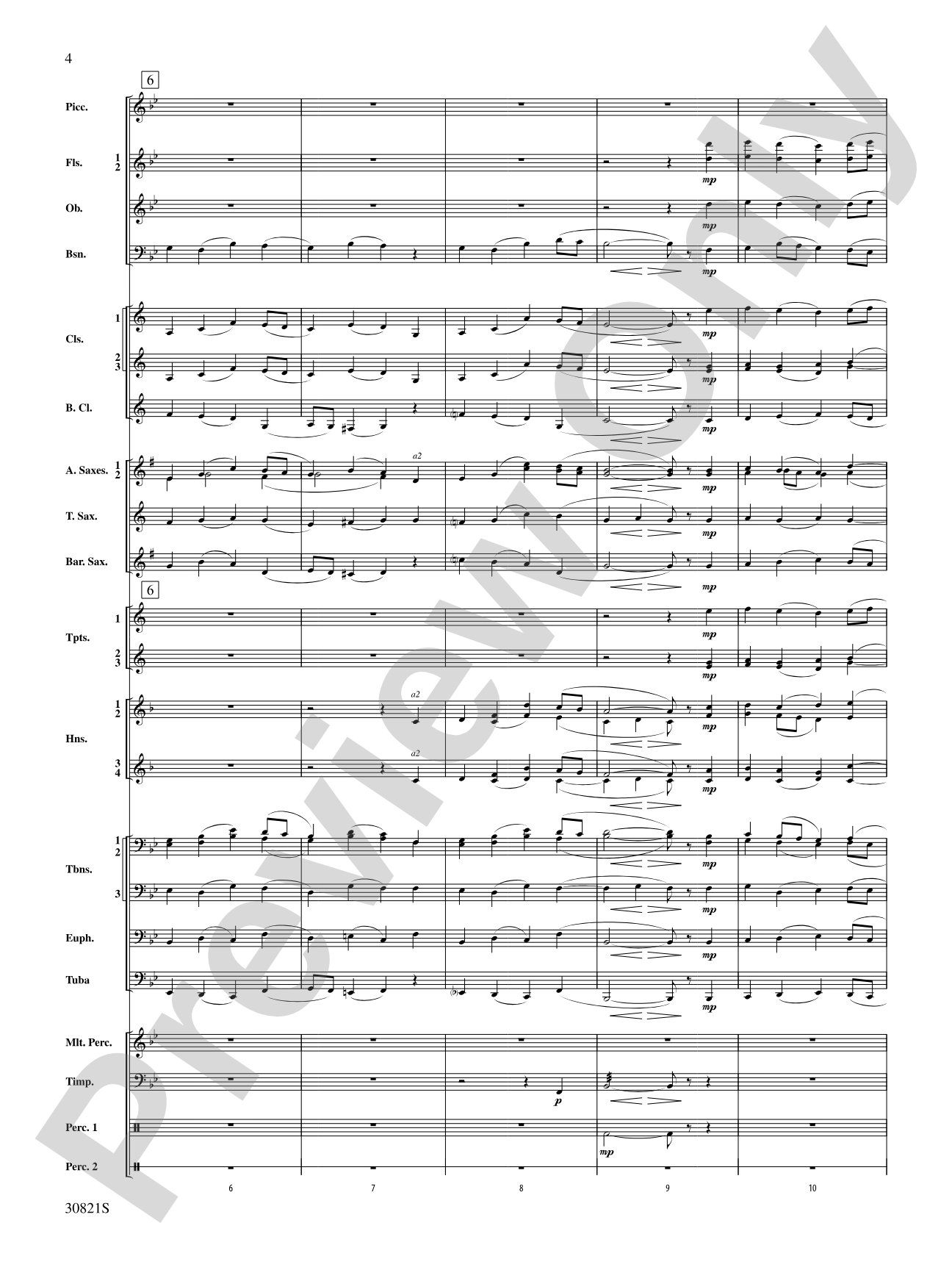
First cast in 1908 for strings and organ, Sir Henry Walford Davies Solemn Melody has enjoyed a number of scorings and even the addition of words. This Douglas Wagner setting expands on the emotion further developing the beauty and depth of the original. A stunning work - completely awe inspiring! This title is available in MakeMusic Cloud.


Don't just read it, hear it, play along with it, and watch your students grow with it. In MakeMusic Cloud, Solemn Melody: Concert Band Conductor Score & Parts comes alive with professional accompaniment, adjustable tempo, and built-in practice tools that turn solo practice into real progress.
Open in the Player
Jump straight in and assign it today.
Start Your Free Trial
Open this title and explore the full library in minutes.
Sample Audio
1
Audio File
--:--
0:00
0:00
Sample Video
No sample videos found.
Additional Details
Series:
Belwin Symphonic Band
Publisher:
Alfred Music
Page Count:
120
SKU:
00-PK-0001697
More about this title
About the Composer: H. Walford Davies
H. Walford Davies (1869, 1941) was a Welsh composer and organist whose gift for melody earned him a place among Britain's most performed liturgical and choral musicians. His role as Master of the King's Musick from 1934 until his death solidified his standing in British musical life, though his legacy rests primarily on works of intimate spiritual character rather than grand orchestral gestures.
Solemn Melody, composed in 1908 for strings and organ, crystallizes Davies's approach to composition: a single, unforgettable theme developed with harmonic refinement and emotional restraint. The piece has transcended its original instrumentation, appearing in numerous arrangements and even acquiring text as a hymn. Its enduring appeal lies in its directness, a melody so carefully shaped that it requires little embellishment to move listeners.
Why we love this
Douglas Wagner's arrangement honors the spiritual depth of the original while giving a concert band the full harmonic and textural resources to realize Davies's vision. Grade 4 bands often struggle with material that asks them to sustain genuine lyricism; this setting builds that maturity through accessible but emotionally demanding writing. The 120-page score-and-parts package makes rehearsal straightforward, and the result is a piece that programs with dignity and lands with genuine impact.
What to expect
A hymn without words, solemn yet not austere, contemplative without sentimentality. The piece unfolds with the inevitability of a prayer, each harmonic progression deepening rather than surprising. By the end, the listener has traveled inward.
Who it's for
Concert bands at the upper-middle level who are ready to tackle music with spiritual and emotional substance. This works for groups that have solid fundamentals and can sustain dynamics over longer phrases without losing focus.
How to get the most out of it
- Shape the opening melody with a natural vocal phrasing rather than strict metronomic evenness. The hymn-like character of Davies's original demands breathing room between phrases.
- Balance woodwind and brass carefully in the early statements. Wagner's arrangement gives both sections the melody at different moments, so sectional balance in ensemble playing becomes essential.
- Resist the urge to accelerate through the quieter moments. Solemn Melody gains power from restraint and stillness; younger conductors often rush introspective passages out of nervousness.
- Tune the whole-note sonorities that close major sections with particular care. These chords sit on the ear, and intonation problems become immediately audible.
How to use it
Program this as a contrast to faster, more extroverted works. It pairs effectively with contemporary concert band literature or classical transcriptions, and works beautifully in contests or festivals where judges value musical maturity over flash. This also makes a striking program closer, especially for spring concerts or commemorative occasions.
Skills your students will build
- Sustaining lyrical phrasing across full phrases without momentum breaks
- Balancing melody and harmonic support between different sections
- Controlling dynamics over extended passages
- Listening for blend and intonation in whole-note sonorities
- Understanding arrangement choices and how orchestration affects emotional content