Soldier, Soldier, Won't You Marry Me? Cover Image

Soldier, Soldier, Won't You Marry Me?: SATB Choral Octavo

$2.25 USD
Sale price  $2.25 USD Regular price 
Skip to product information
Soldier, Soldier, Won't You Marry Me? Cover Image

Soldier, Soldier, Won't You Marry Me?: SATB Choral Octavo

Early American Song / arr. Robert DeCormier

Item: 00-LG51280

makemusic Cloud badge

Need it now?

Buy Digital Version
$2.25
Shipped

One moment…

Description

Don't just read it, hear it, play along with it, and watch your students grow with it. In MakeMusic Cloud, Soldier, Soldier, Won't You Marry Me?: SATB Choral Octavo comes alive with professional accompaniment, adjustable tempo, and built-in practice tools that turn solo practice into real progress.

Sample Pages

Sample Audio
No sample audio found.
Sample Video
Additional Details
Series: Alfred Archive Edition: Lawson-Gould Music Publishers
Publisher: Alfred Music
Page Count: 8
UPC: 783556004691
SKU: 00-LG51280

More about this title

About the Arranger: Robert DeCormier
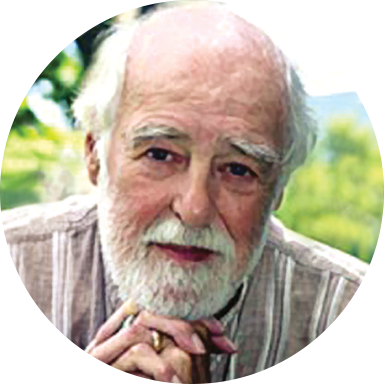
Robert DeCormier

Robert DeCormier studied at the Juilliard School and built a career spanning classical conducting, Broadway, folk music, and choral direction. He served seventeen years as music director of the New York Choral Society, worked as conductor and arranger for Harry Belafonte, and from 1978 to 2010 held the position of music director for Peter, Paul and Mary. His teaching experience includes six years as an associate professor of conducting and ensembles at the Eastman School of Music.

Beyond his conducting work, DeCormier was an accomplished arranger whose arrangements encompassed African-American spirituals and folk songs from the United States and around the world. He founded the professional vocal ensemble Counterpoint in 2000, directing it through concert tours across the Northeast and collaborative workshops with high school choirs. His contributions to music education and the arts earned him the Vermont Governor's Award for Excellence in the Arts in 2002 and a Lifetime Achievement Award from the New England Choral Arts Foundation in 2006.

Why we love this

DeCormier's folk arrangements carry the authenticity of someone who spent decades performing and conducting folk repertoire at the highest levels. This octavo captures the narrative charm and humor of a traditional courtship song while remaining genuinely singable for mixed choirs, avoiding both oversimplification and unnecessary complexity.

What to expect

A folk song with personality and wit, this piece captures the playful back-and-forth of a traditional courtship narrative. The arrangement respects the song's roots in oral tradition while giving each voice part something worthwhile to sing, creating warmth without sentimentality.

Who it's for

Mixed choirs seeking folk repertoire that engages both audiences and singers without requiring specialized vocal techniques. This arrangement works equally well for community choruses, high school choirs, and college ensembles looking to expand beyond classical art song.

How to get the most out of it

  • Approach the text with storytelling clarity. This folk narrative needs conversational phrasing, not formal choral diction, so encourage singers to shape phrases around the dialog and its emotional arc.
  • Balance the harmonic color: DeCormier's arrangements of folk material often layer unexpected sonorities beneath familiar melodies. Listen for how the inner voices support rather than overwhelm the tune.
  • Shape dynamics to follow the dramatic momentum of the courtship exchange rather than the page breaks. Let energy build and soften with the narrative's turns.

How to use it

Pair this with other folk arrangements or American repertoire to create a thematic concert segment, or use it as a lighter foil to more serious choral works on a mixed program. Its accessible character and narrative appeal make it particularly effective as an encore or closing piece.

Skills your students will build

  • Singing folk-influenced melodies with authentic phrasing and natural text declamation
  • Balancing melody awareness across all four voice parts in a folk-based harmonic setting
  • Executing clear narrative communication through ensemble singing

You May Also Like
