

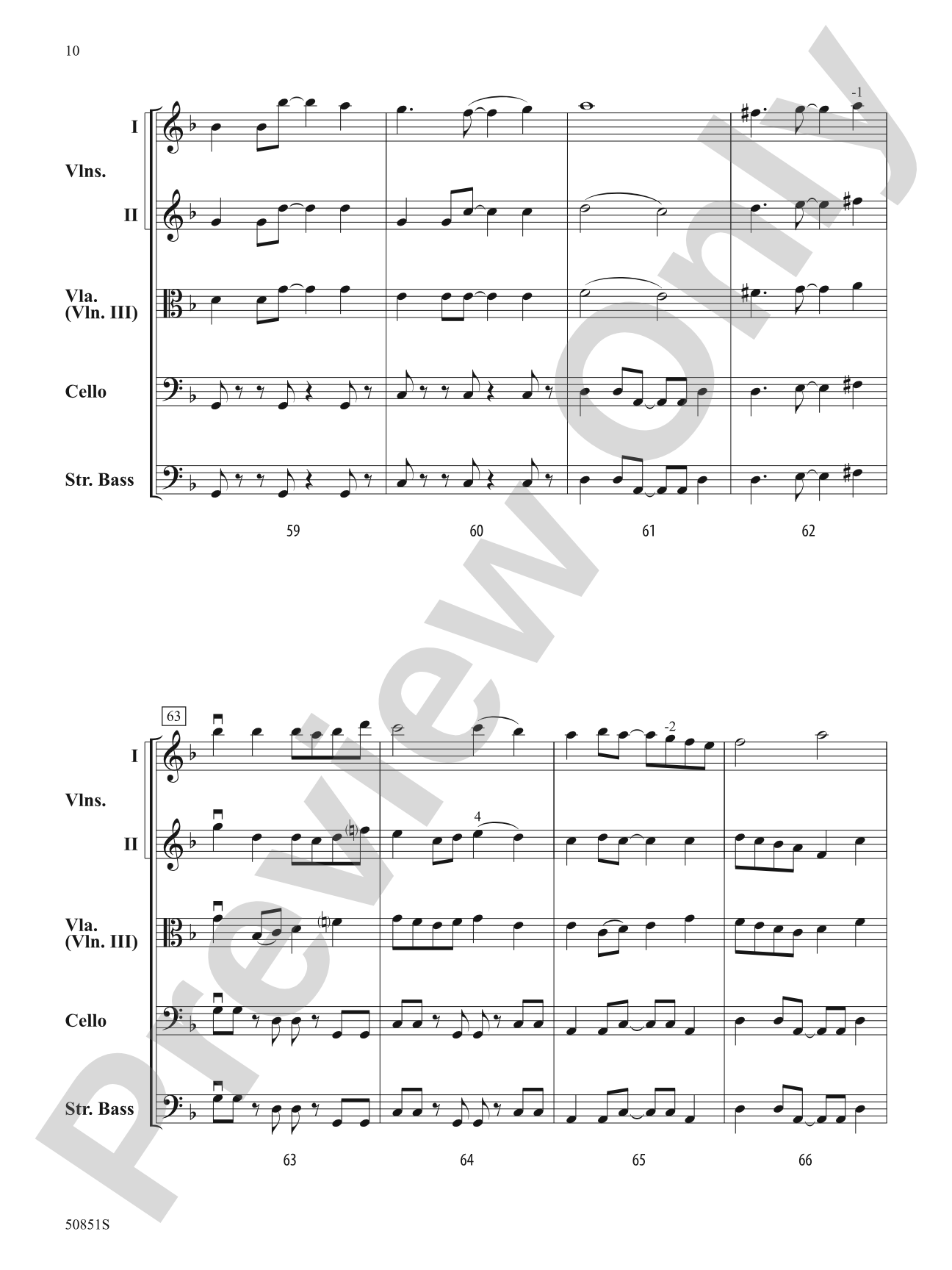
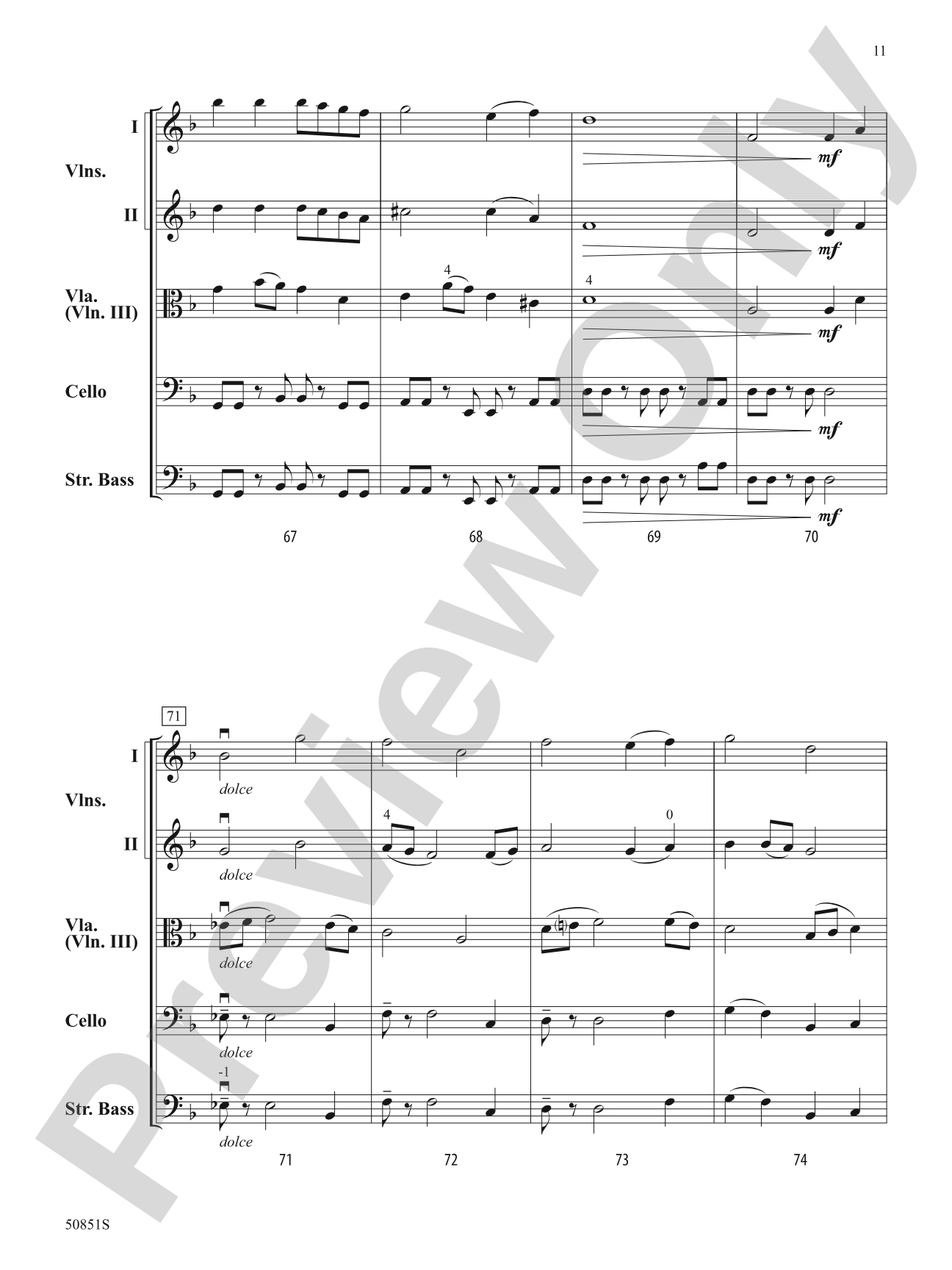
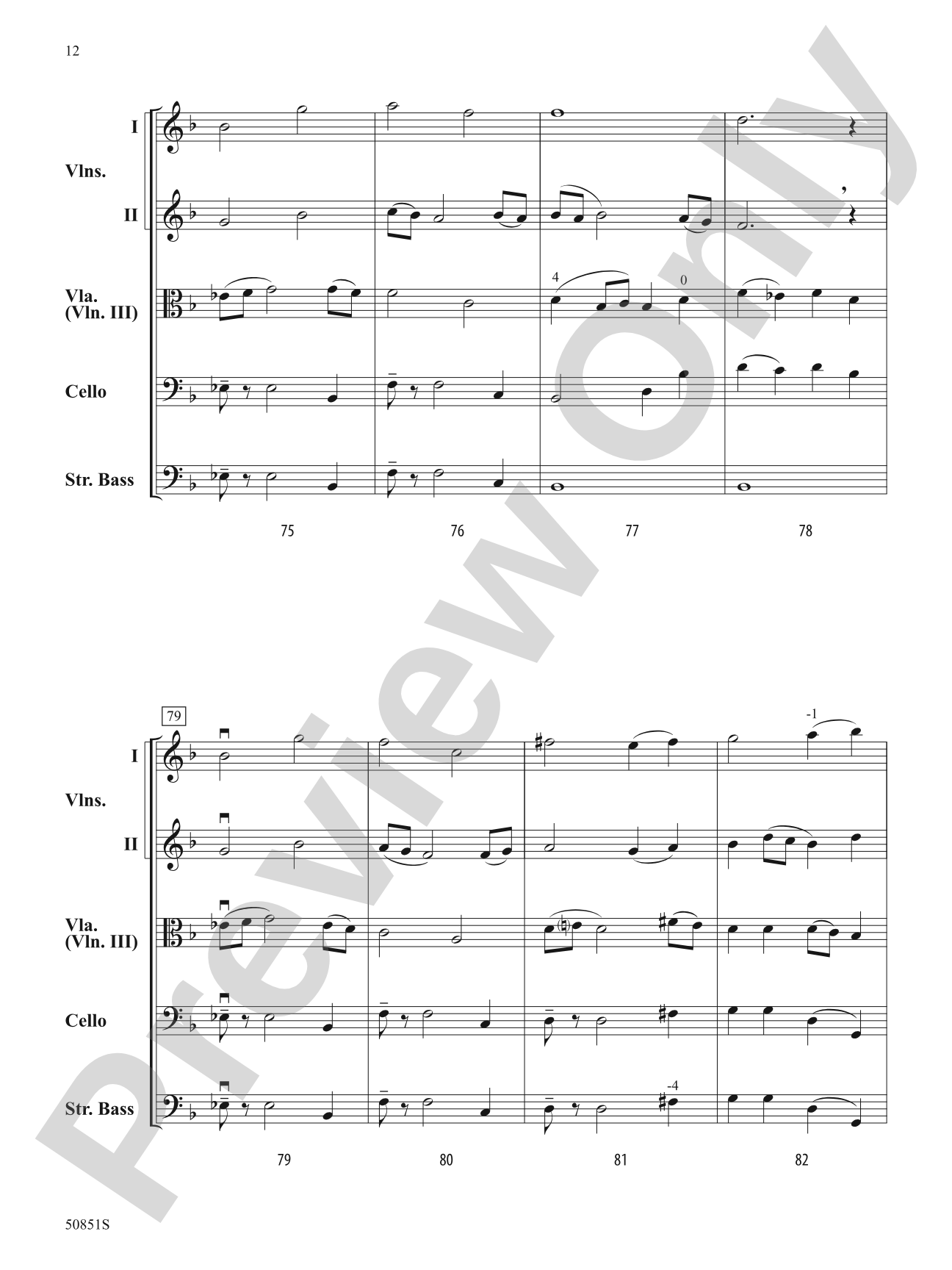
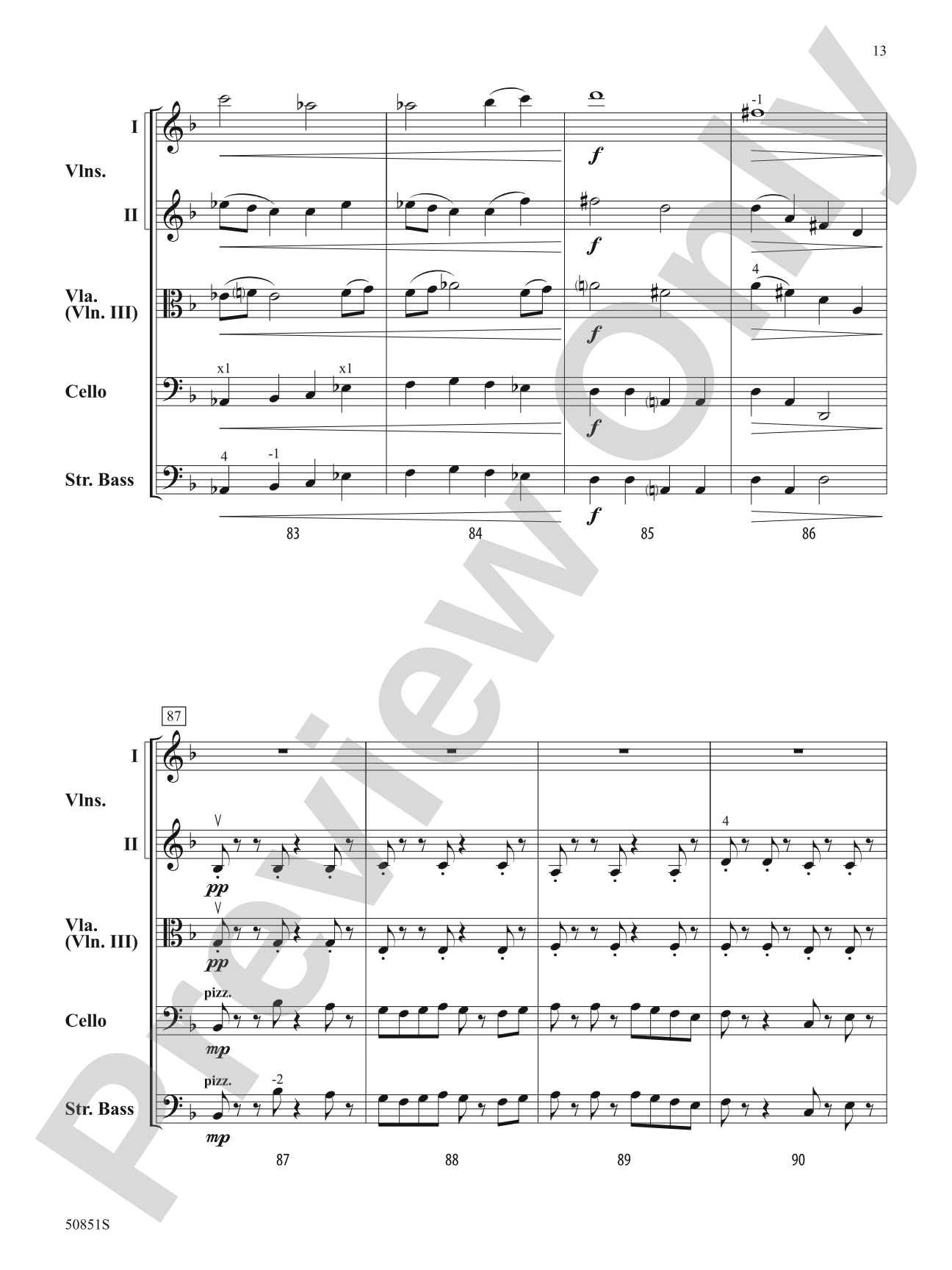

Solaris: String Orchestra Conductor Score & Parts
By Cooper Ford
Grade: 3
Item: 00-PK-0009038

$65.00
Pickup currently not available
Buy Extra Parts (Digital PDF Download)
| Product | Price | Quantity |
|---|---|---|
| Solaris: Score | $10.00 | |
| Solaris: 1st Violin | $3.00 | |
| Solaris: 2nd Violin | $3.00 | |
| Solaris: 3rd Violin (Viola [TC]) | $3.00 | |
| Solaris: Viola | $3.00 | |
| Solaris: Cello | $3.00 | |
| Solaris: String Bass | $3.00 |
Parts Added to Cart!
Description
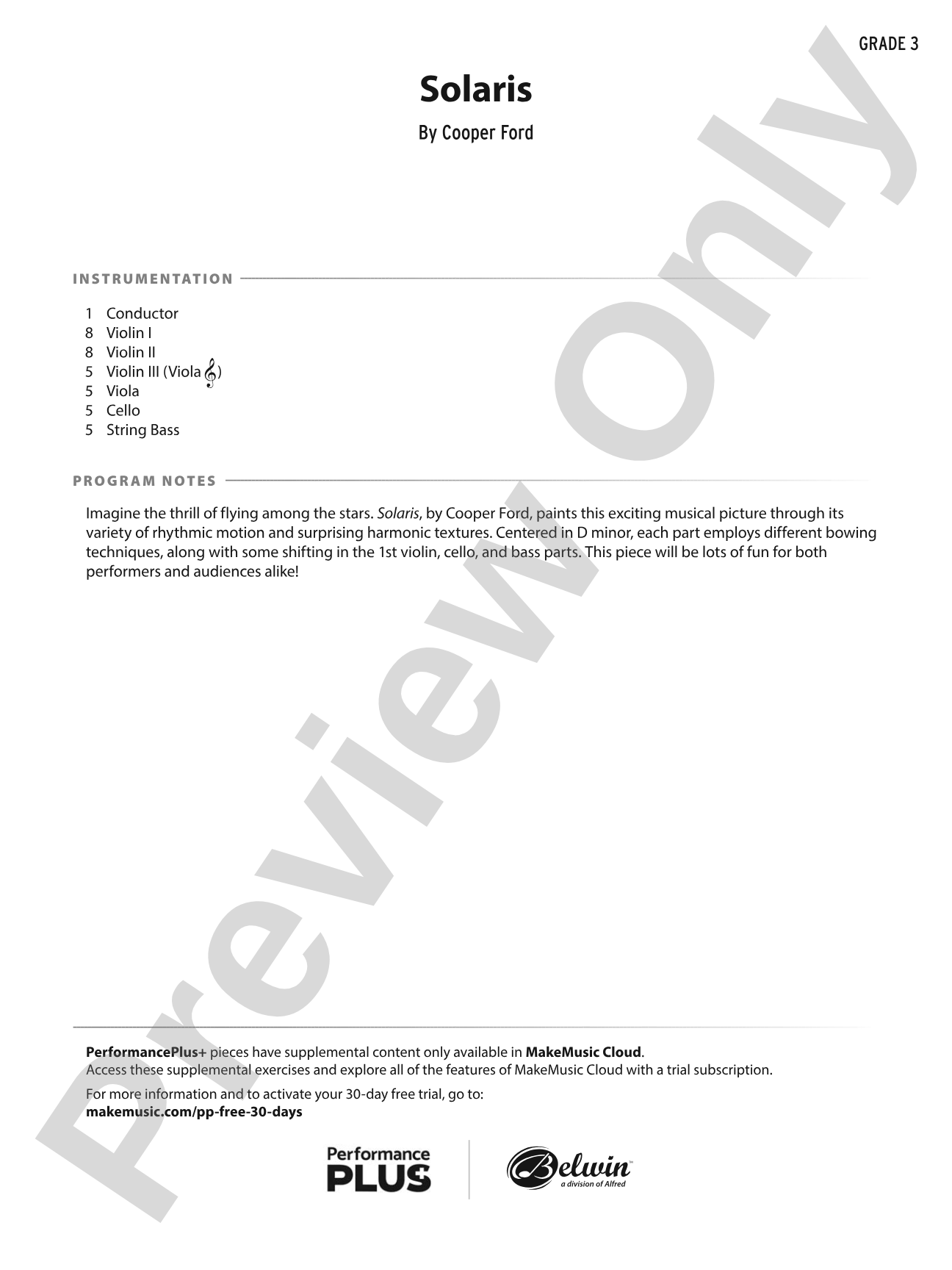
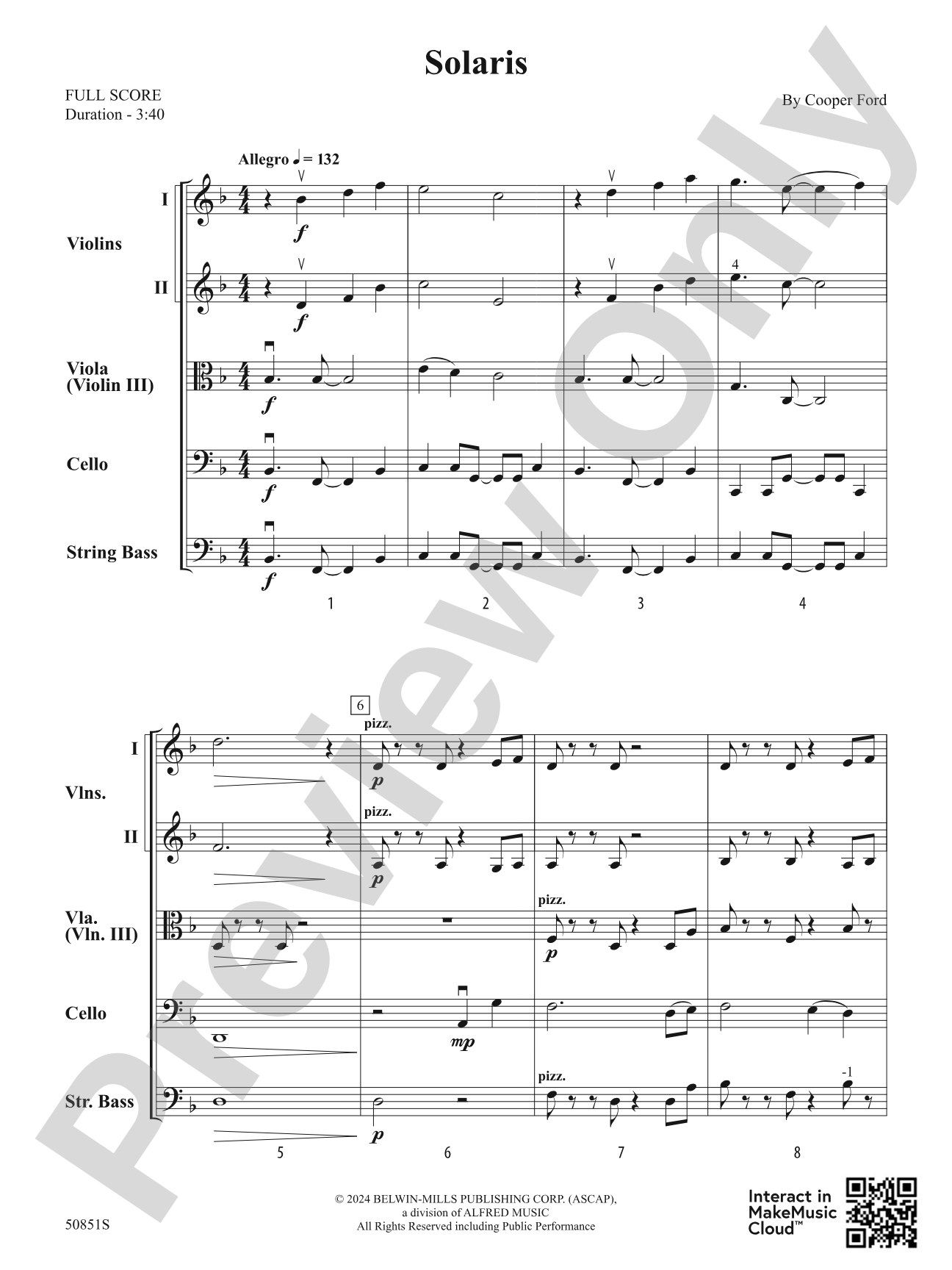
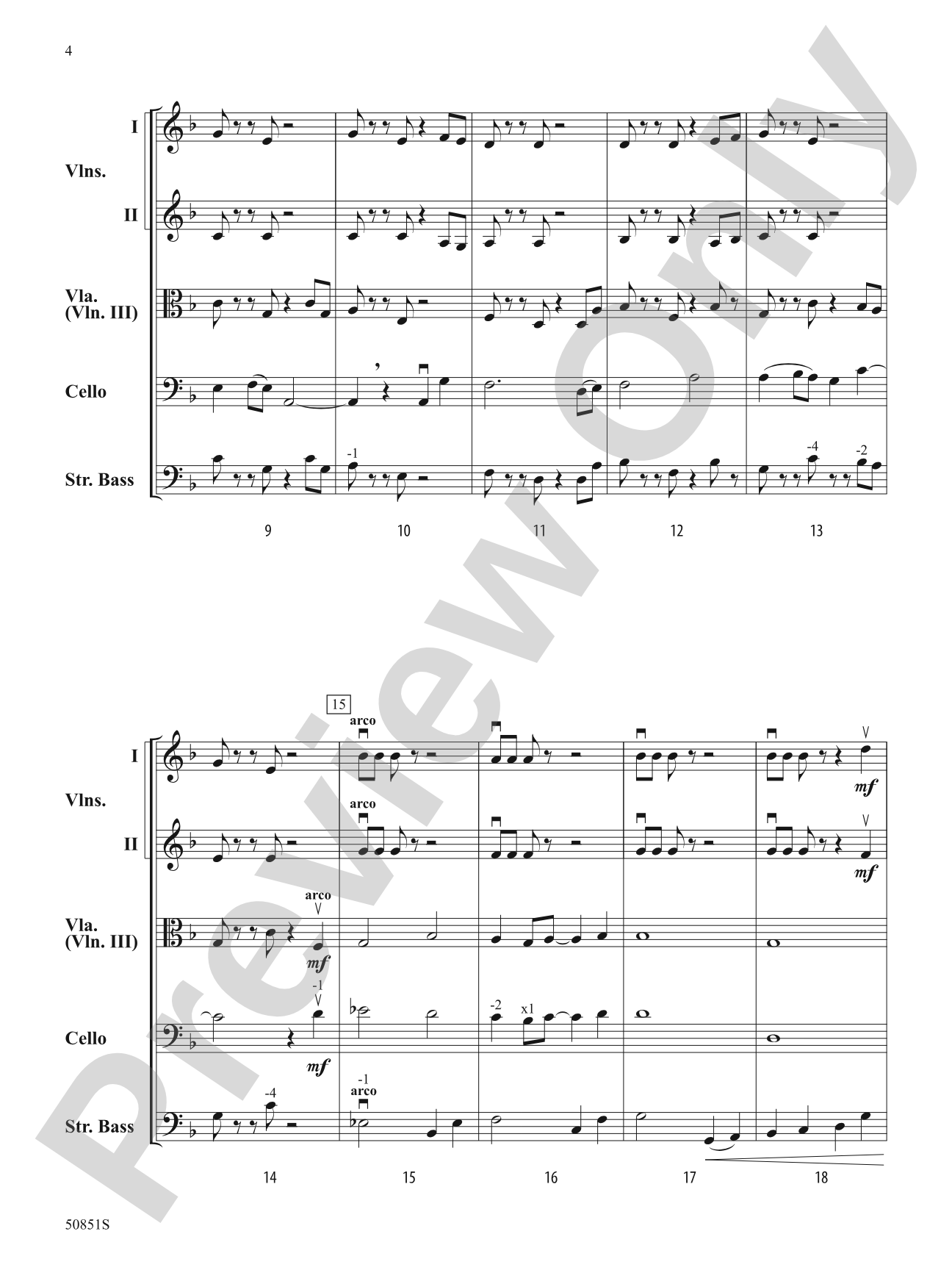
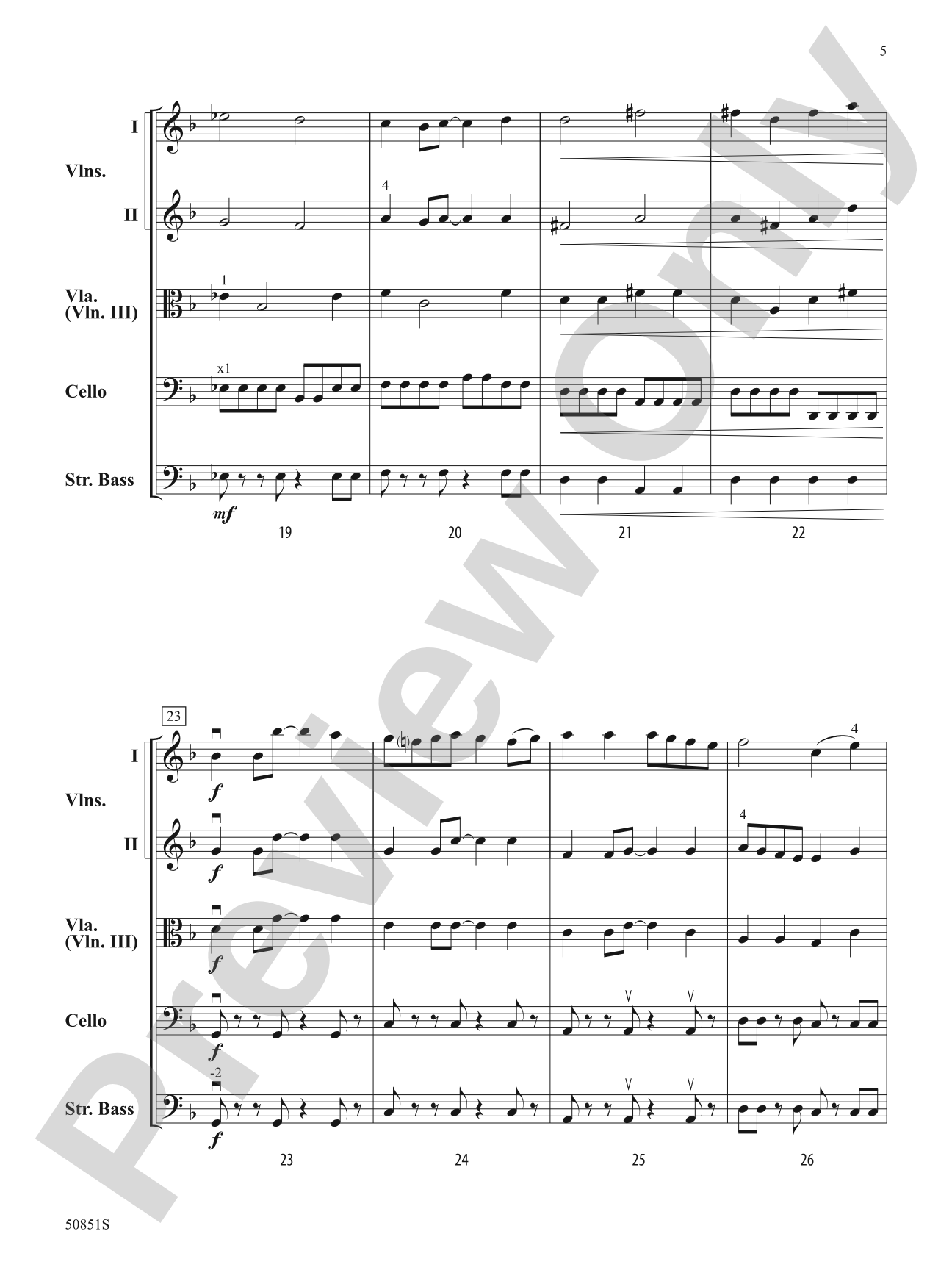
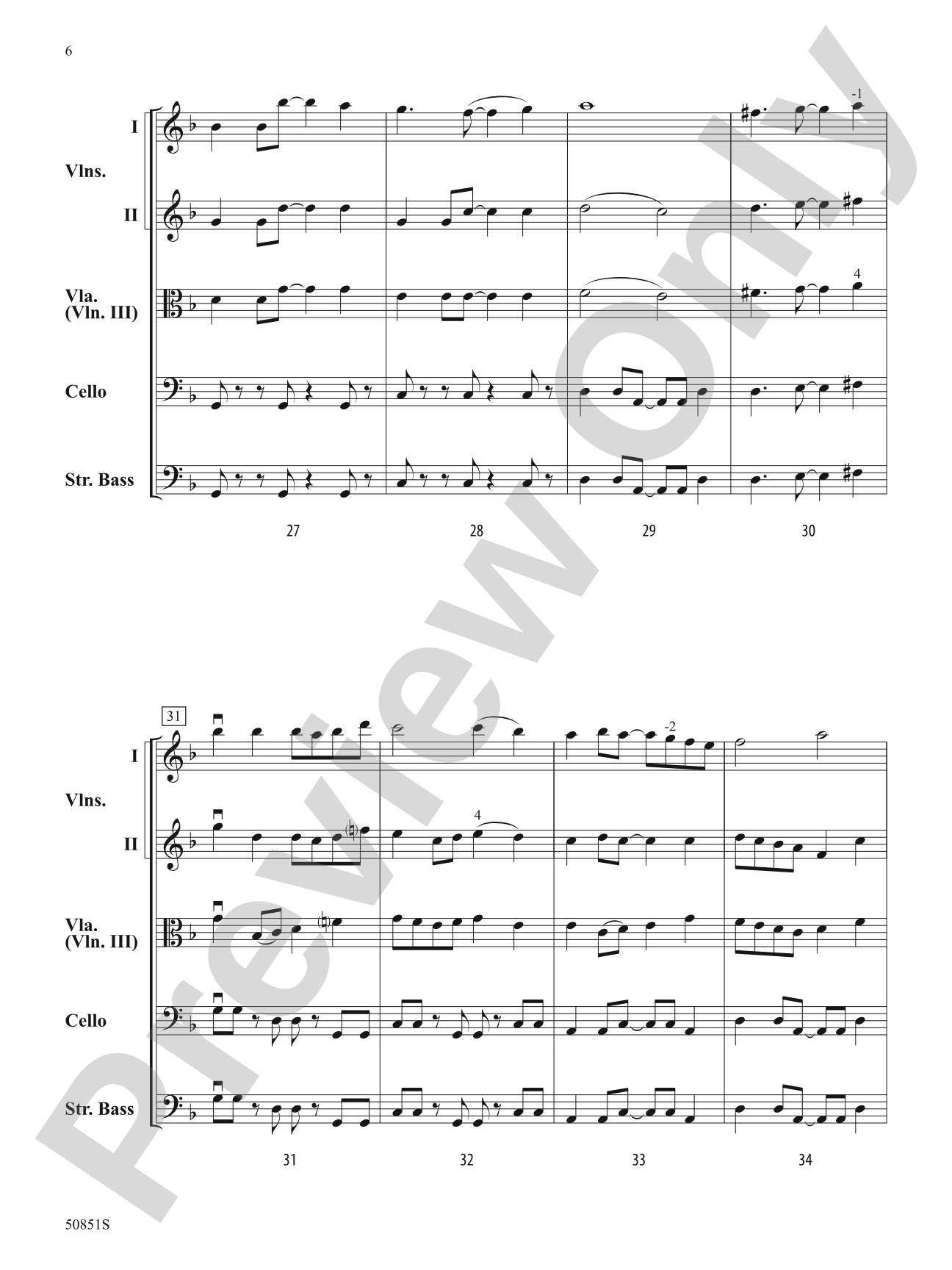
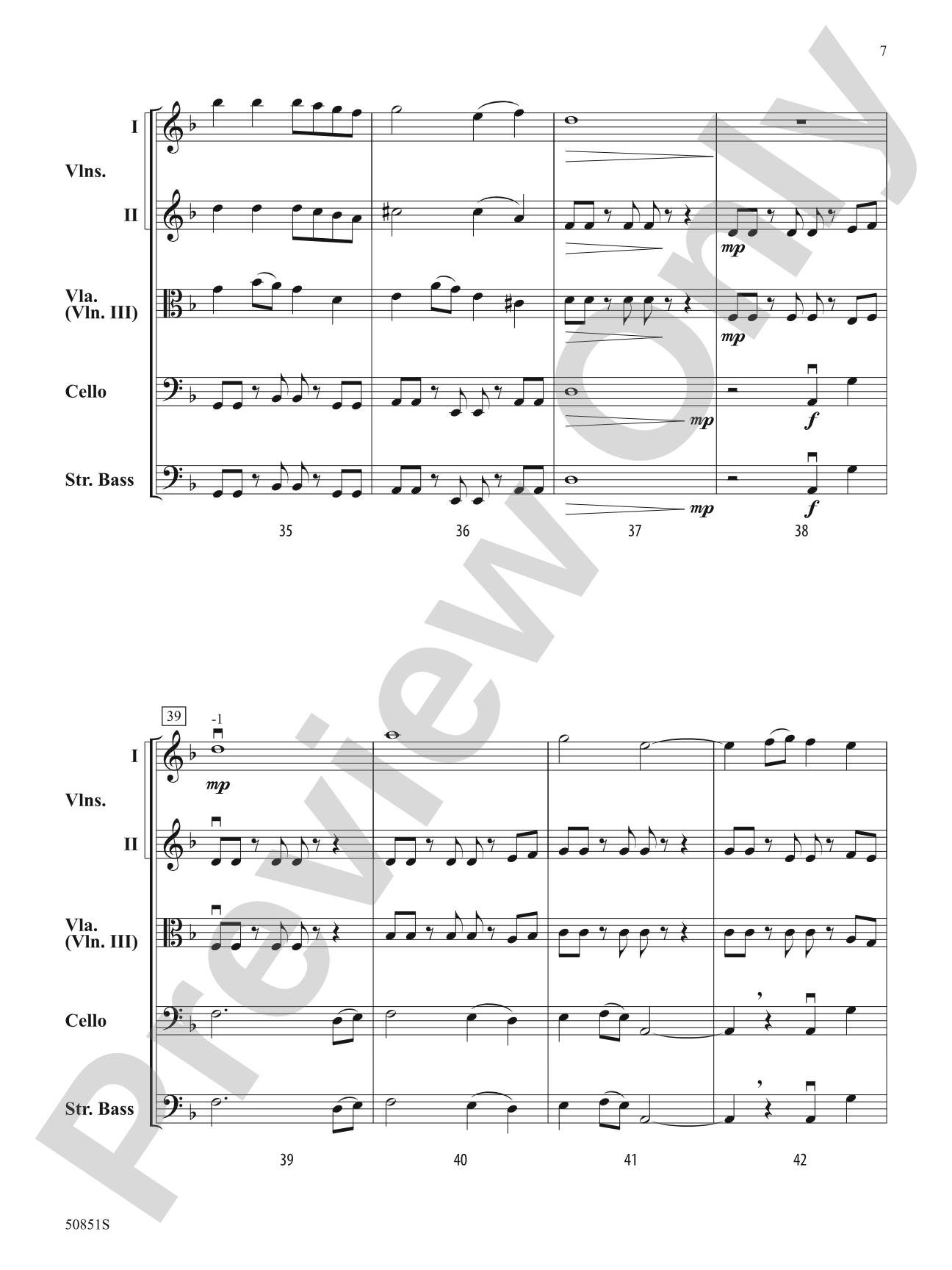
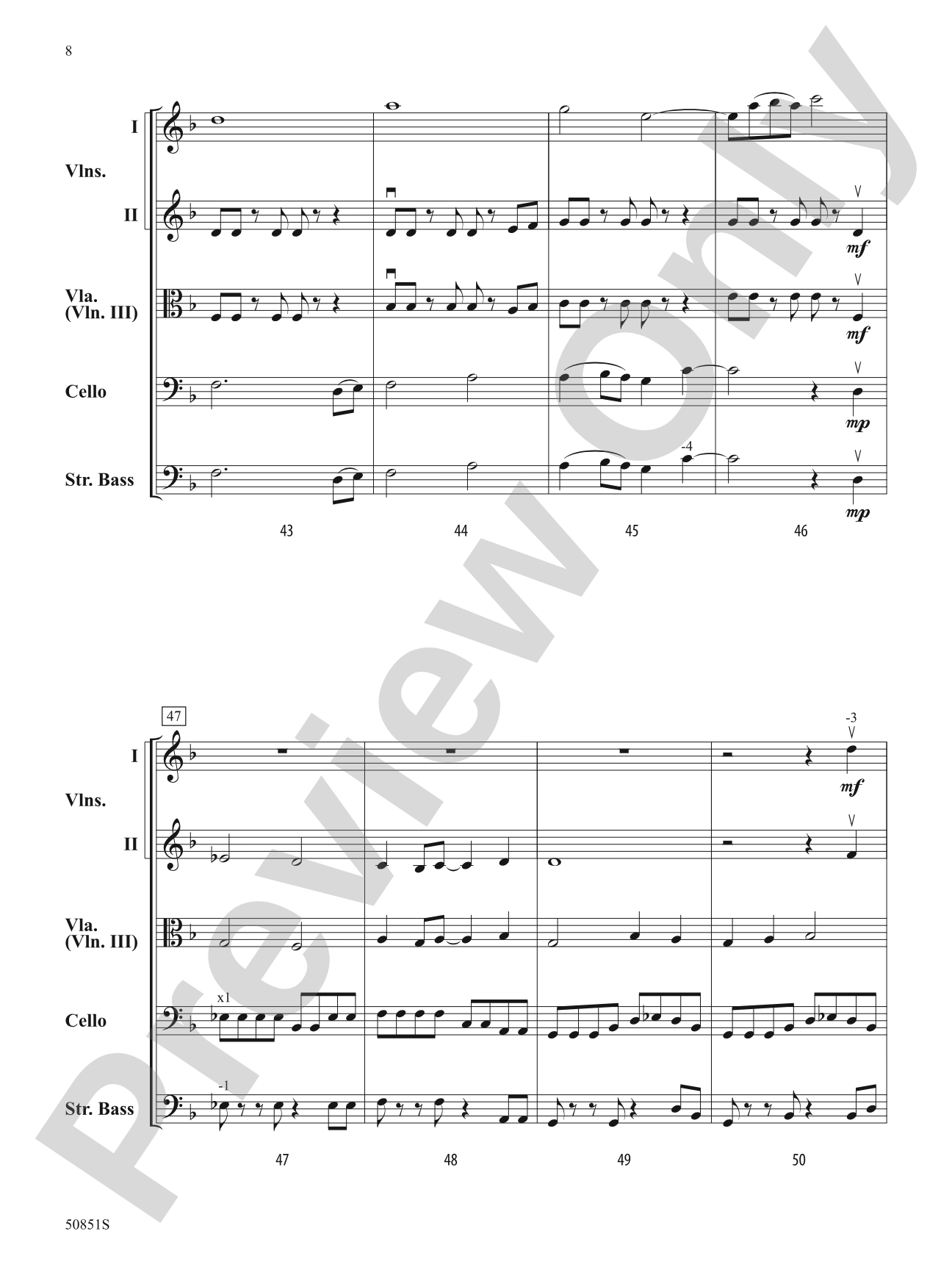
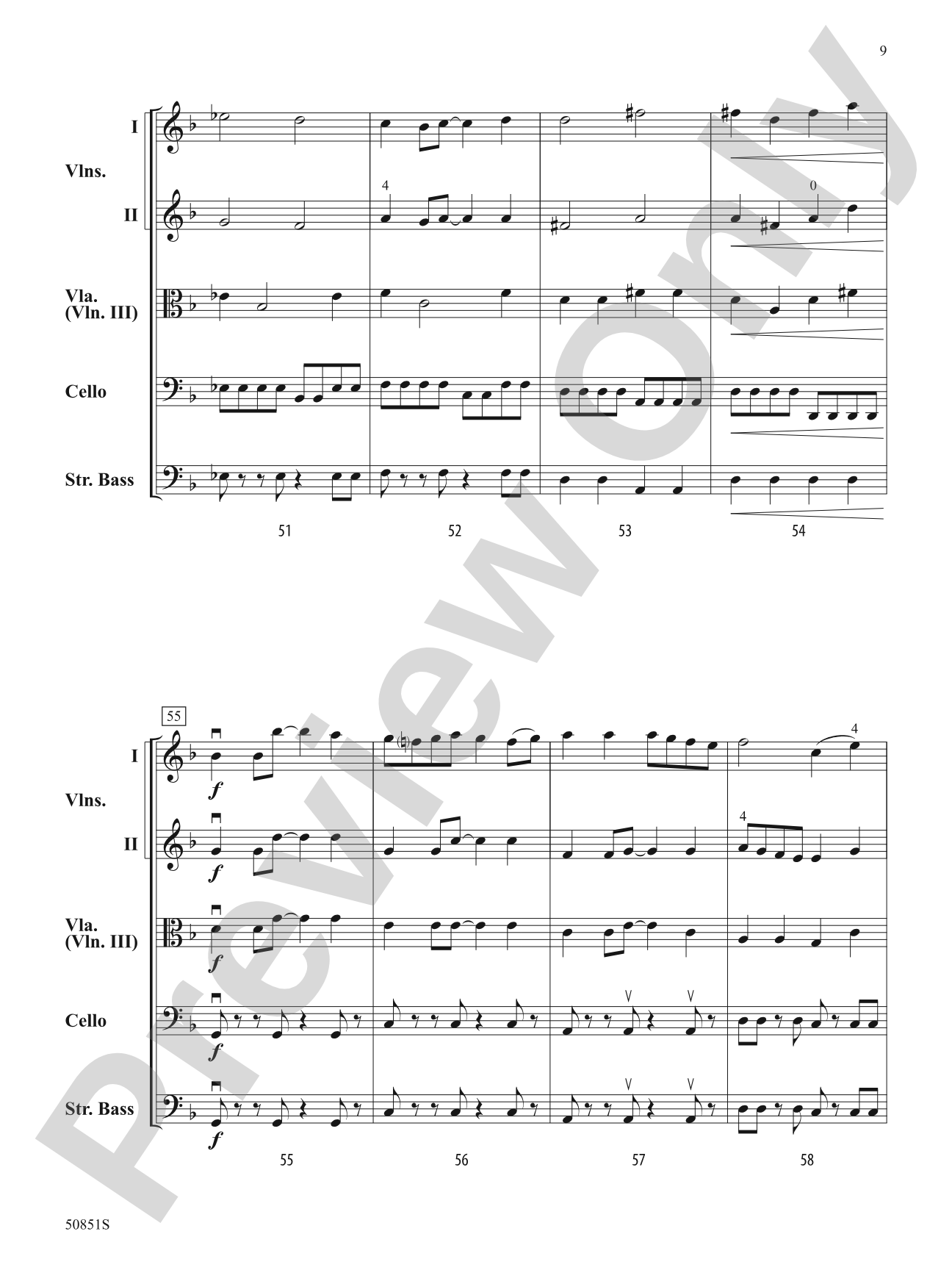
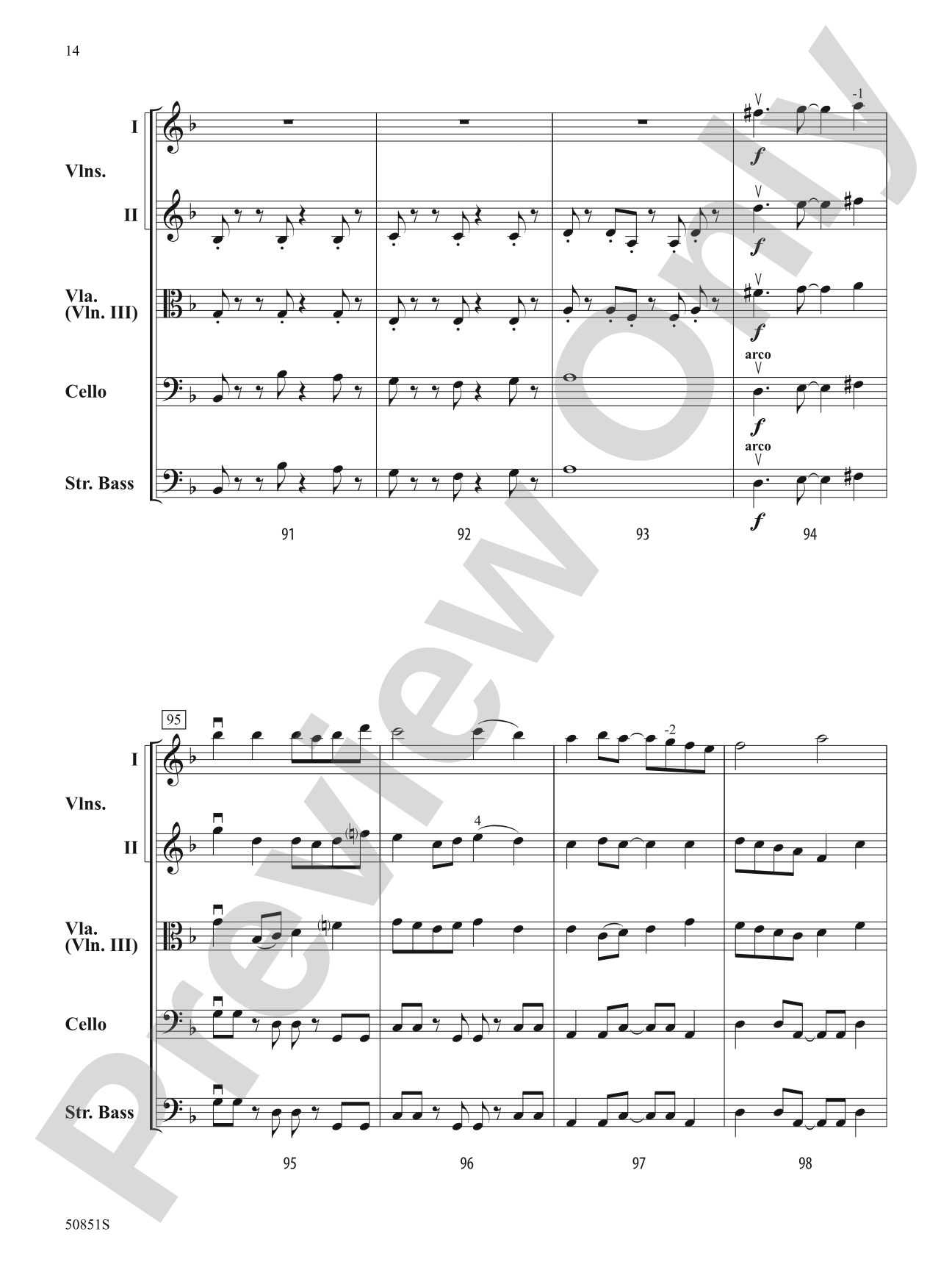
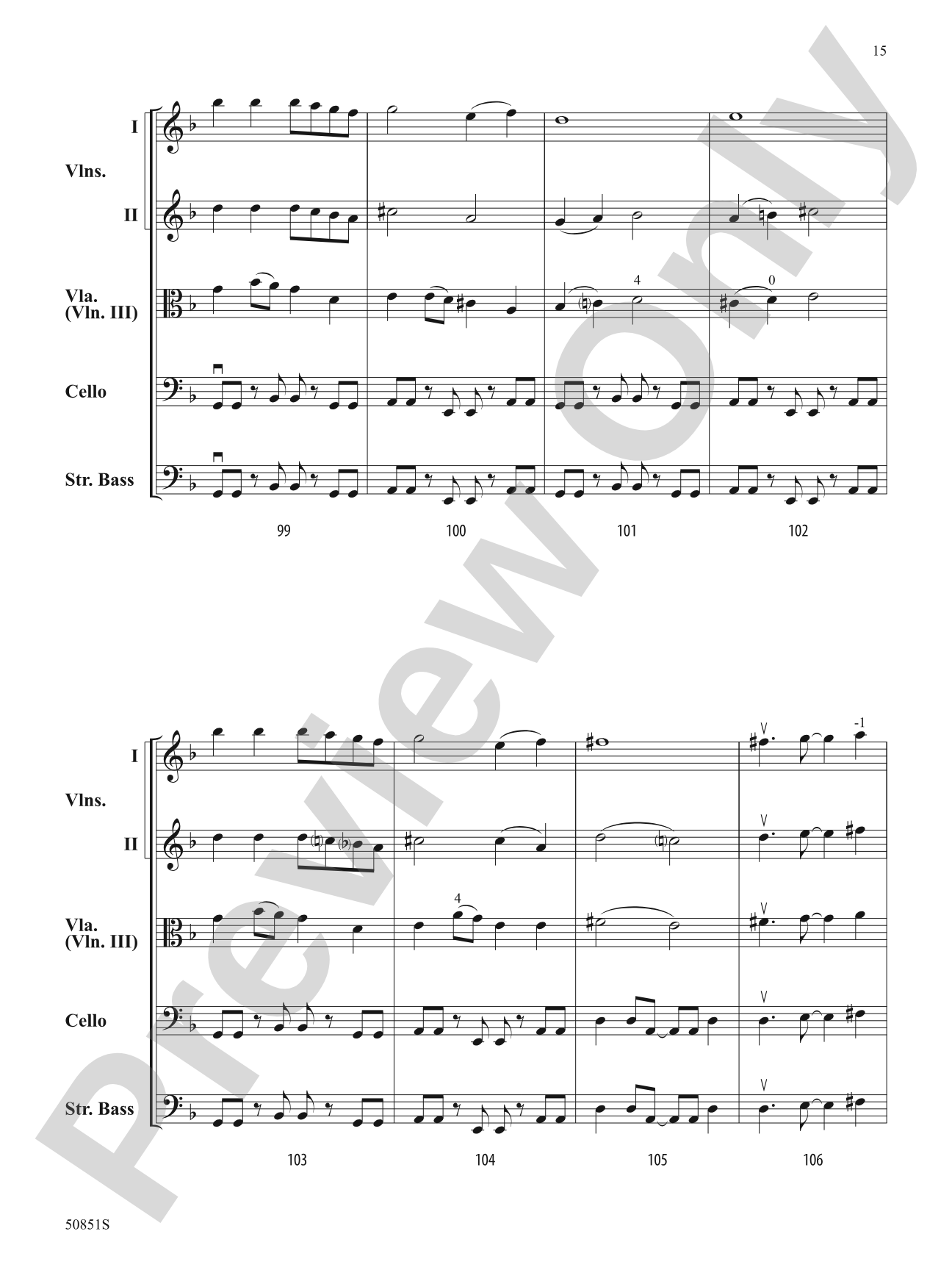
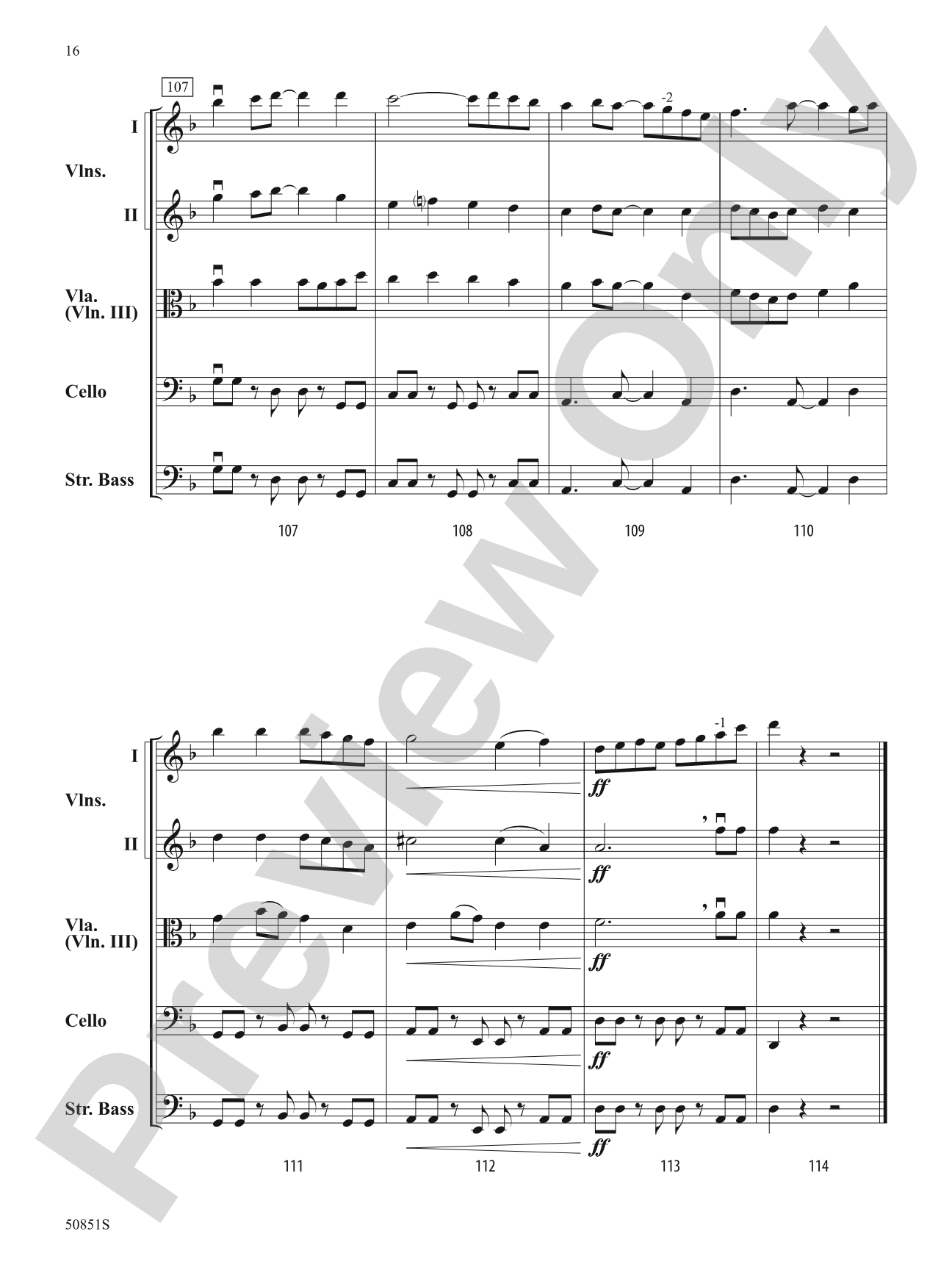
Imagine the thrill of flying among the stars. Solaris, by Cooper Ford, paints this exciting musical picture through its variety of rhythmic motion and surprising harmonic textures. Centered in D minor, each part employs different bowing techniques and some shifting in the 1st violin, cello, and bass parts. This piece will be lots of fun for both performers and audiences alike! (3:40)
The PerformancePlus+ series is an innovative addition to the ever-expanding MakeMusic Cloud interactive library. These engaging selections are presented with educational resources designed to enrich the rehearsal process and create outstanding performances. Including:


The PerformancePlus+ series is an innovative addition to the ever-expanding MakeMusic Cloud interactive library. These engaging selections are presented with educational resources designed to enrich the rehearsal process and create outstanding performances. Including:
- Assignment, recording, and assessment tools within MakeMusic Cloud
- Piece-specific exercises focused on skills and techniques
- Educational tips and suggestions to support learning
Available in print and digital formats.
Don't just read it, hear it, play along with it, and watch your students grow with it. In MakeMusic Cloud, Solaris: String Orchestra Conductor Score & Parts comes alive with professional accompaniment, adjustable tempo, and built-in practice tools that turn solo practice into real progress.
Open in the Player
Jump straight in and assign it today.
Start Your Free Trial
Open this title and explore the full library in minutes.
Sample Audio
1
Audio File
--:--
0:00
0:00
Sample Video
Additional Details
Series:
Belwin String Orchestra - PerformancePlus+
Publisher:
Alfred Music
SKU:
00-PK-0009038
More about this title
About the Composer: Cooper Ford

Cooper Ford grew up in Chatham, New Jersey, where his early exposure to violin and trumpet through school music programs sparked a passion for composition. His teachers recognized his creative potential and encouraged him to develop his compositional voice alongside his instrumental training. Ford earned his Bachelor of Music in Music Education from The College of New Jersey and his Master of Music in Music Education from the University of Florida, grounding his work in both craft and pedagogy.
As Orchestra Director at North Brunswick Township High School, Ford teaches both conducting and Music Production classes, bringing real-world rehearsal experience to his compositions. He has served on the conducting staff of the New Jersey Youth Symphony working with grades 5-7, and remains active as a guest conductor and clinician. His professional involvement with the American String Teachers Association (ASTA) and the National Association for Music Education (NAfME) keeps him connected to the broader music education community.
Why we love this
Ford captures that visceral excitement of cosmic exploration without resorting to orchestral clichés. The rhythmic variety and harmonic surprises keep players engaged throughout, while the piece remains solidly playable at Grade 3 with smart writing for the string section. Directors will appreciate how the shifting and bowing techniques build real skills without feeling like an exercise.
What to expect
A sense of weightless motion and discovery unfolds as the orchestra moves through shifting rhythmic landscapes and unexpected harmonic turns. The music captures the wonder of space travel through varied textures and careful instrumental voices, creating an immersive rather than literal musical journey.
Who it's for
Grade 3 string orchestras looking for engaging, contemporary repertoire that builds real technical skills without overwhelming young players. This piece works equally well for school orchestras preparing for festival or for ensembles seeking concert programming that excites both performers and audiences.
How to get the most out of it
- Establish a clear pulse in the opening section before introducing the rhythmic variations. The piece's energy depends on the ensemble understanding the fundamental beat, even as the surface rhythms shift.
- Work the 1st violin shifts incrementally during sectionals. Mark the positions in the parts early so players aren't discovering them during full rehearsal.
- Highlight the harmonic color changes by having string sections isolate their own parts first. Once each voice owns its line, the textural surprises will read clearly to the audience.
- Balance the bowing between maintaining consistent tone and respecting the compositional intent. Some bowing patterns serve the rhythmic motion; others shape the harmonic texture.
How to use it
Program Solaris as a contrasting movement in a concert that includes classical or romantic repertoire. Its approximately 3 minutes and 40 seconds makes it ideal as a concert opener to set an energetic tone, or as a bridge piece between thematic sections in a themed concert exploring space, discovery, or contemporary expression.
Skills your students will build
- Position shifting in violin and cello parts
- Varied bowing techniques and articulation
- Reading and executing rhythmic motion changes
- Harmonic color awareness and textural balance
- Rhythmic independence within the ensemble