

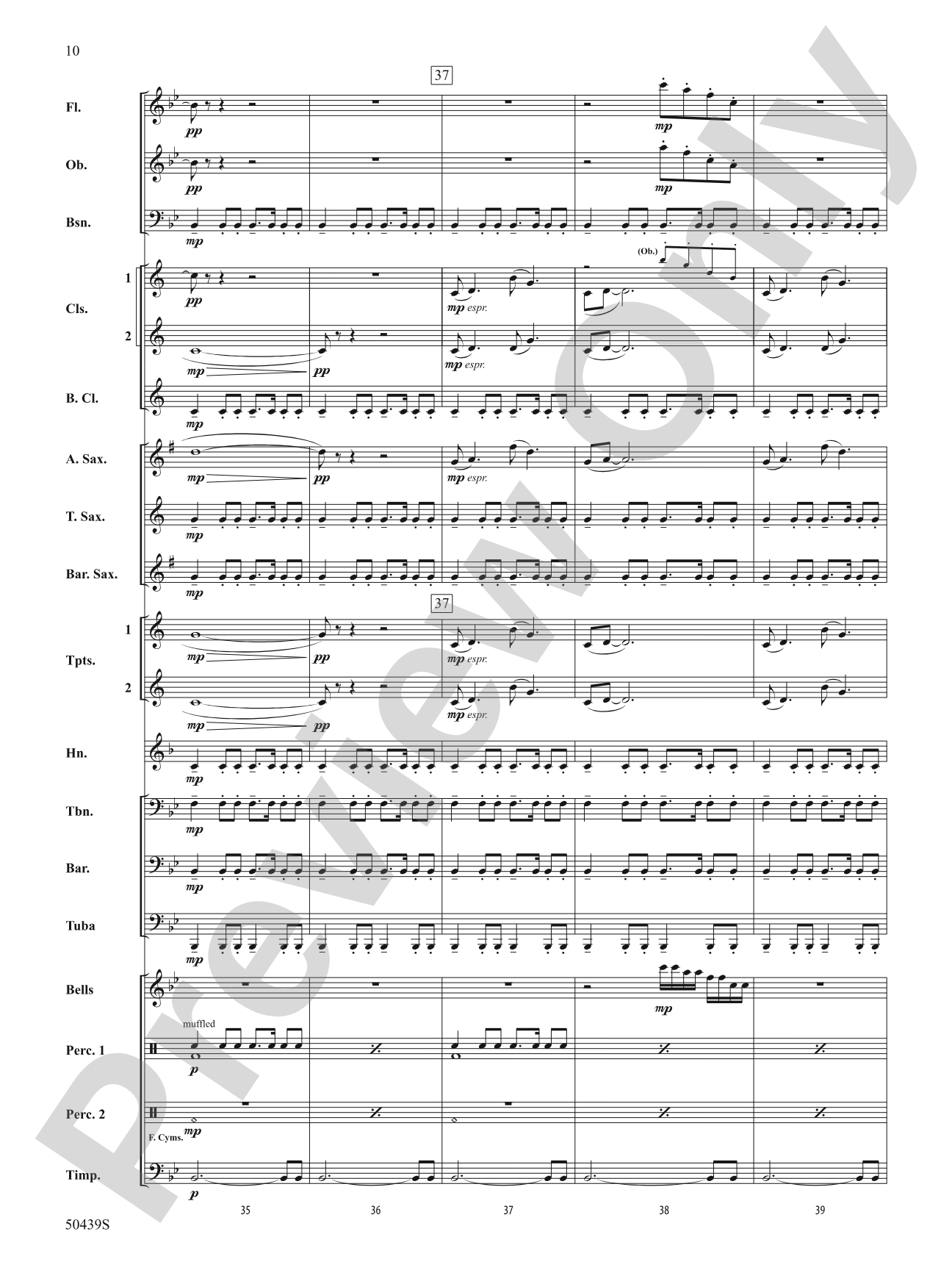
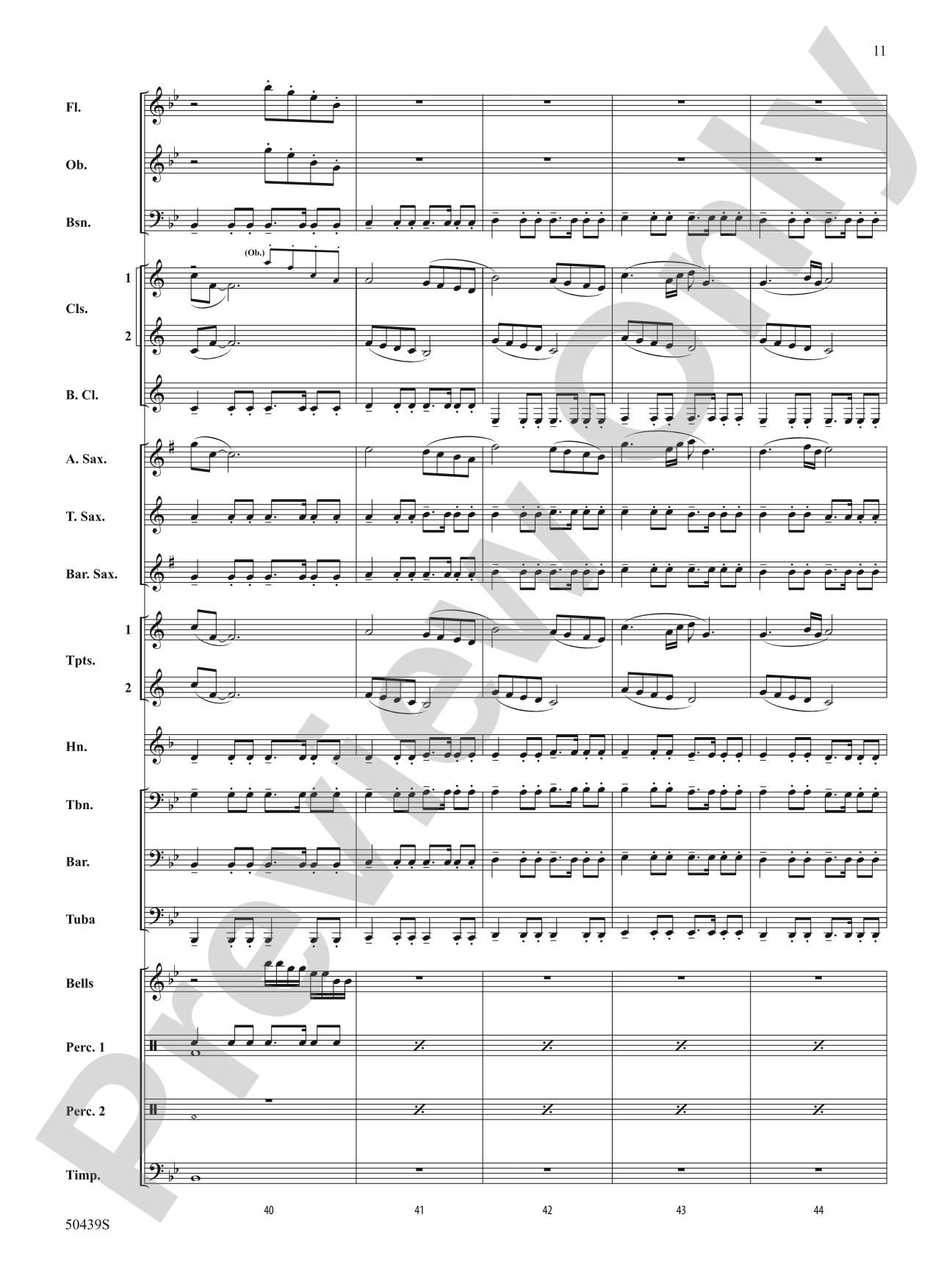
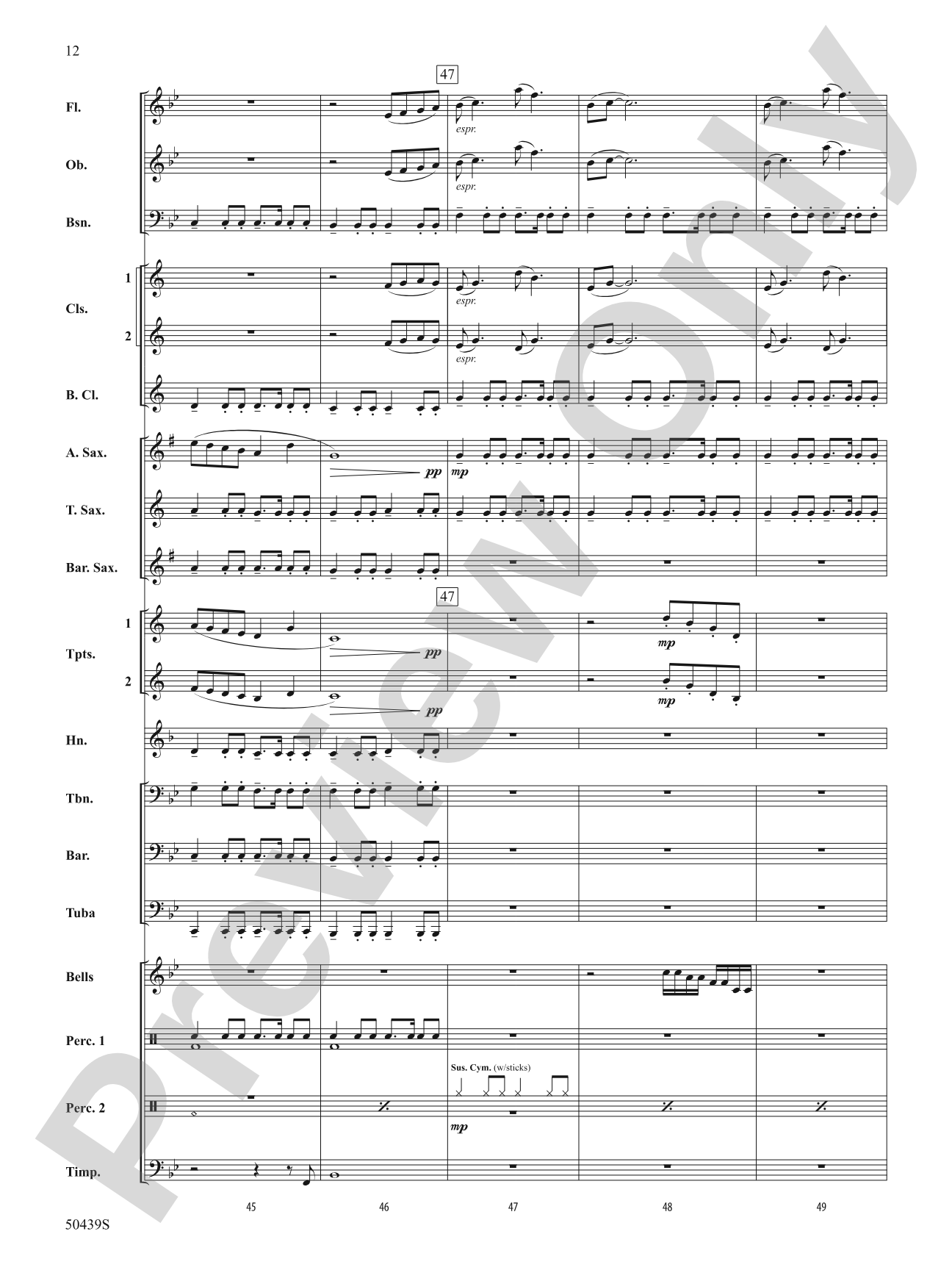
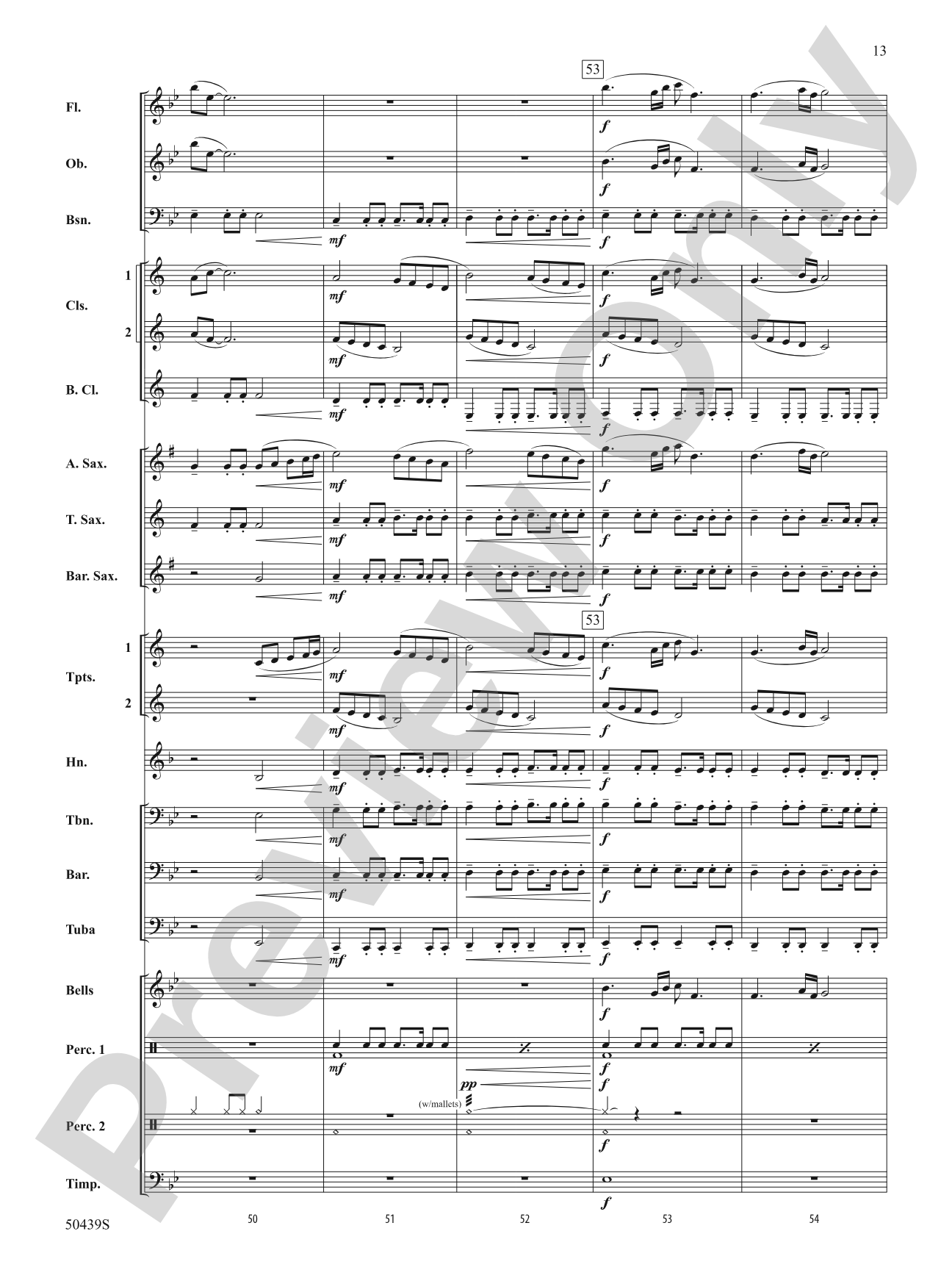

Snowdance: Concert Band Conductor Score & Parts
By Robert Buckley (SOCAN)
Grade: 2
Item: 00-PK-0009424

$75.00
Pickup currently not available
Buy Extra Parts (Digital PDF Download)
| Product | Price | Quantity |
|---|---|---|
| Snowdance: Score | $12.00 | |
| Snowdance: Flute | $5.99 | |
| Snowdance: Oboe | $5.99 | |
| Snowdance: Bassoon | $5.99 | |
| Snowdance: 1st B-flat Clarinet | $5.99 | |
| Snowdance: 2nd B-flat Clarinet | $5.99 | |
| Snowdance: B-flat Bass Clarinet | $5.99 | |
| Snowdance: E-flat Alto Saxophone | $5.99 | |
| Snowdance: B-flat Tenor Saxophone | $5.99 | |
| Snowdance: E-flat Baritone Saxophone | $5.99 | |
| Snowdance: 1st B-flat Trumpet | $5.99 | |
| Snowdance: 2nd B-flat Trumpet | $5.99 | |
| Snowdance: 1st F Horn | $5.99 | |
| Snowdance: 1st Trombone | $5.99 | |
| Snowdance: Baritone B.C. | $5.99 | |
| Snowdance: Baritone T.C. | $5.99 | |
| Snowdance: Tuba | $5.99 | |
| Snowdance: Mallets | $5.99 | |
| Snowdance: 1st Percussion | $5.99 | |
| Snowdance: 2nd Percussion | $5.99 | |
| Snowdance: Timpani | $5.99 |
Parts Added to Cart!
Description
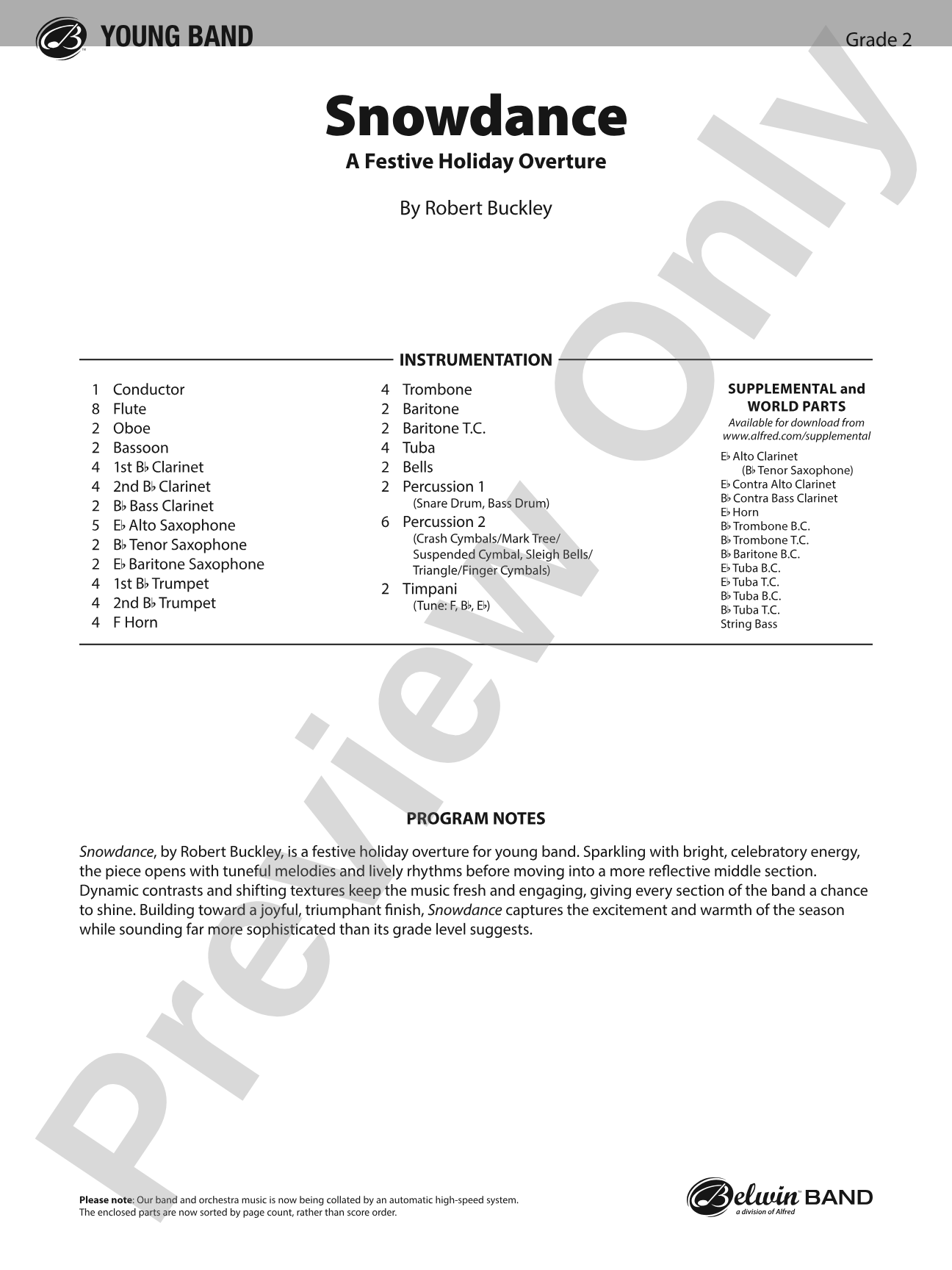
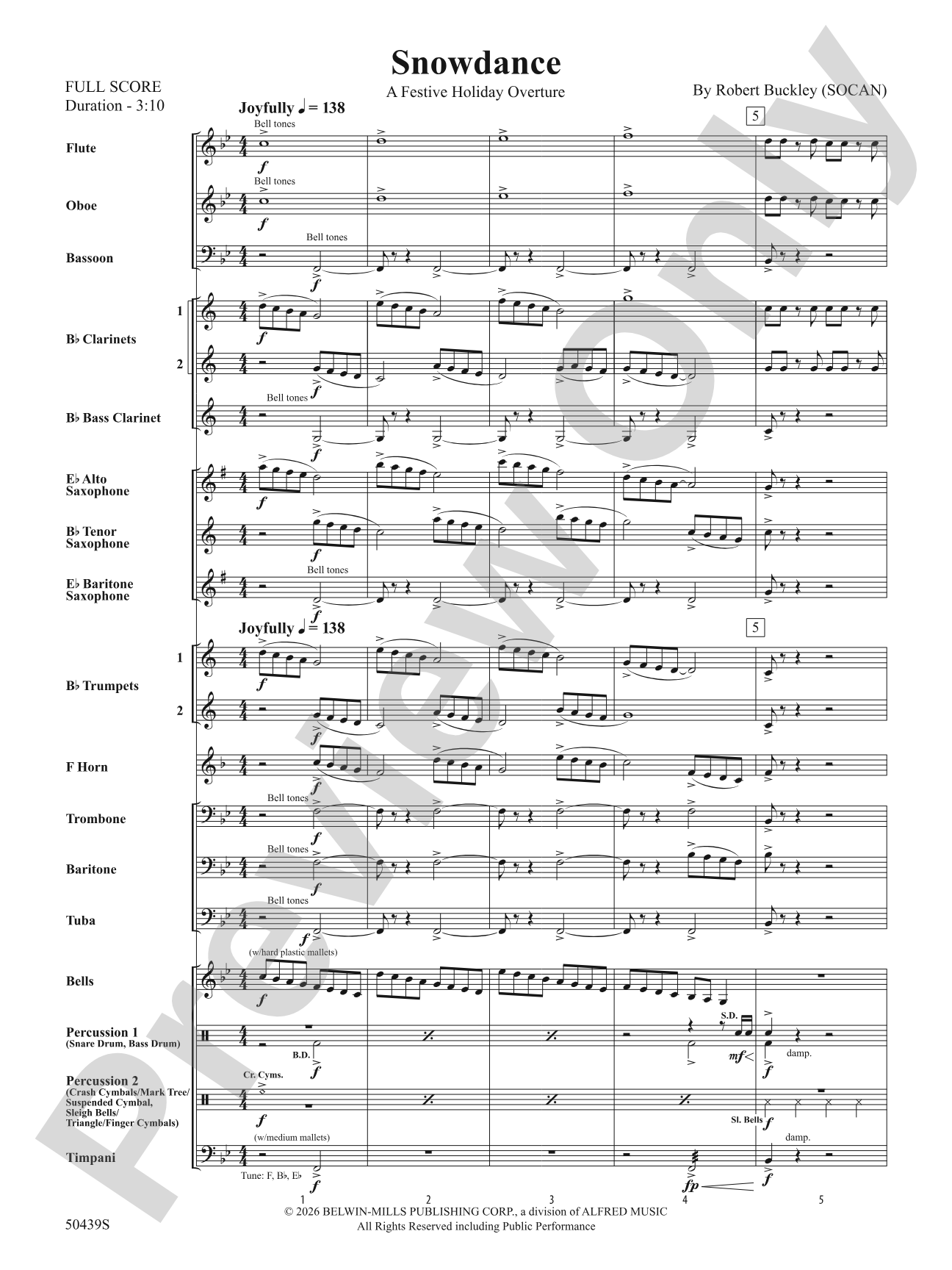
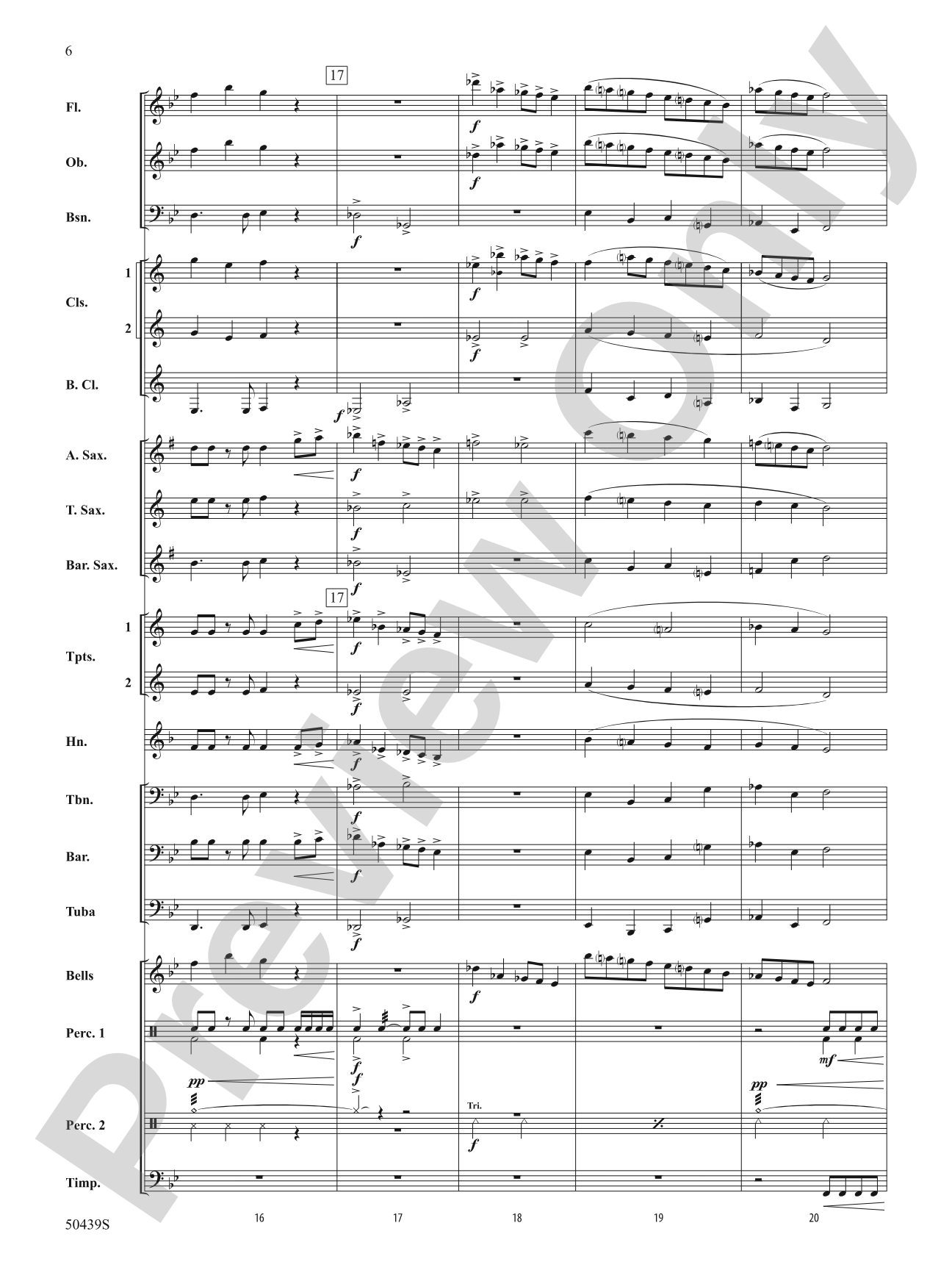
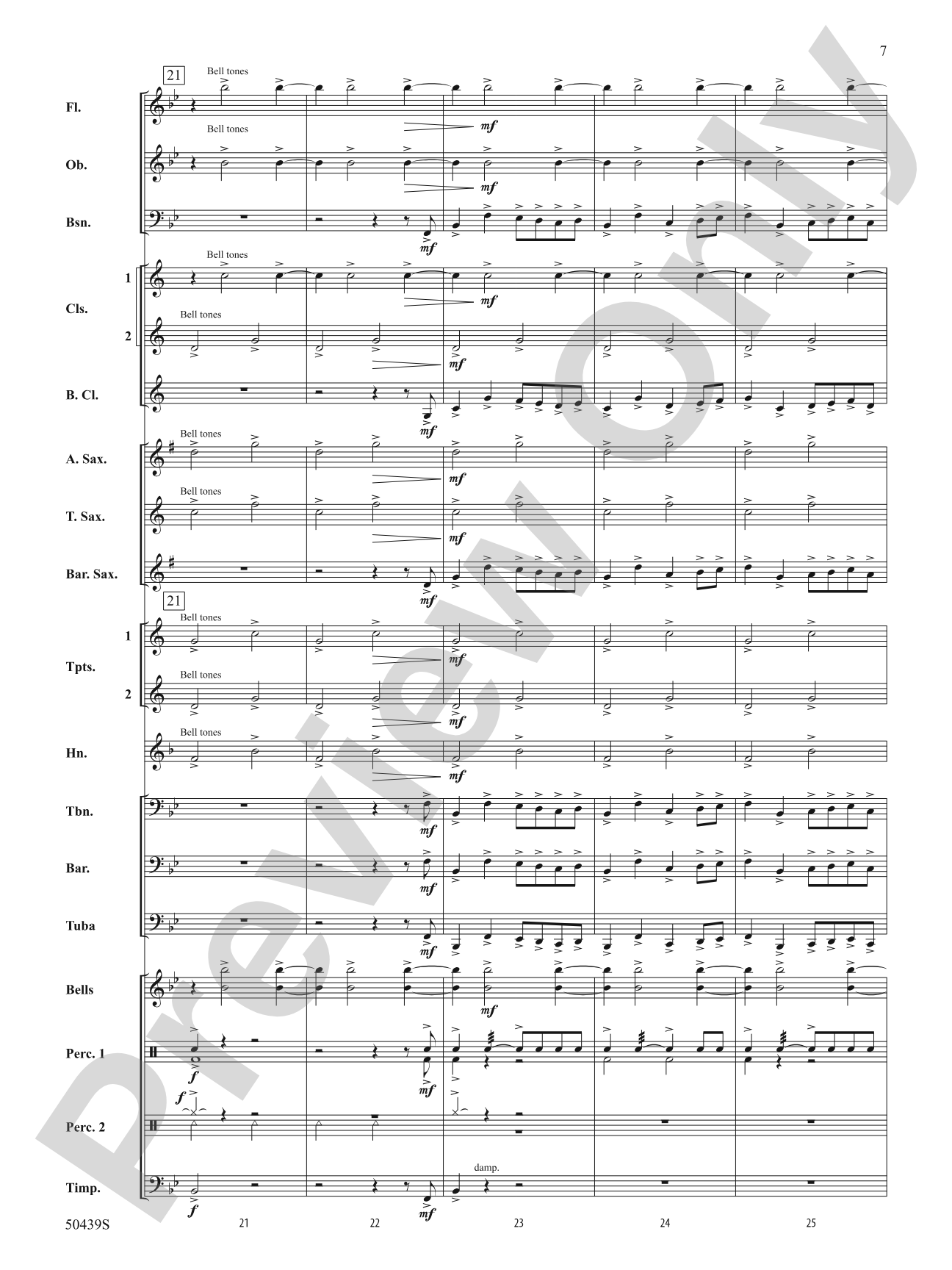
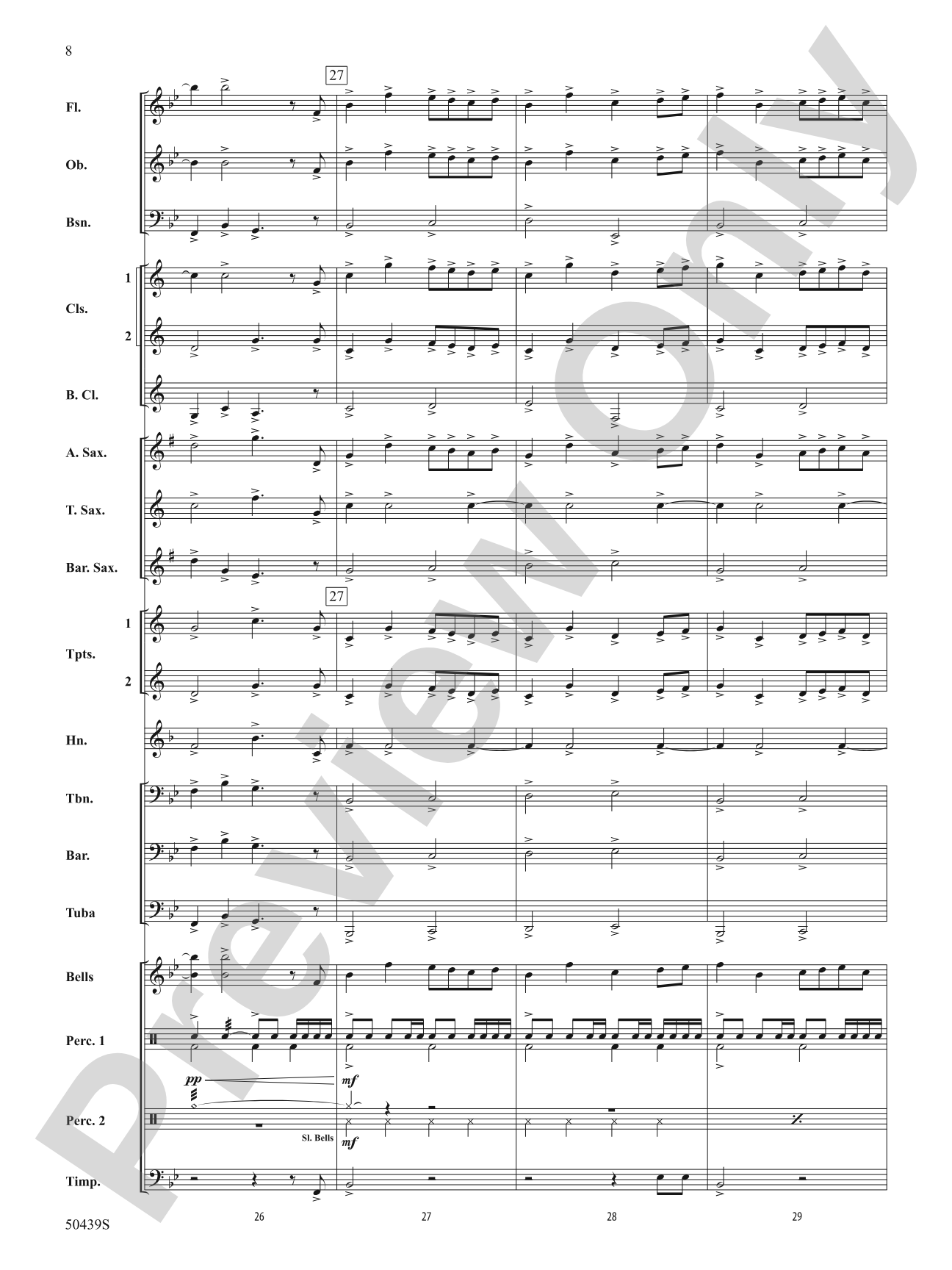
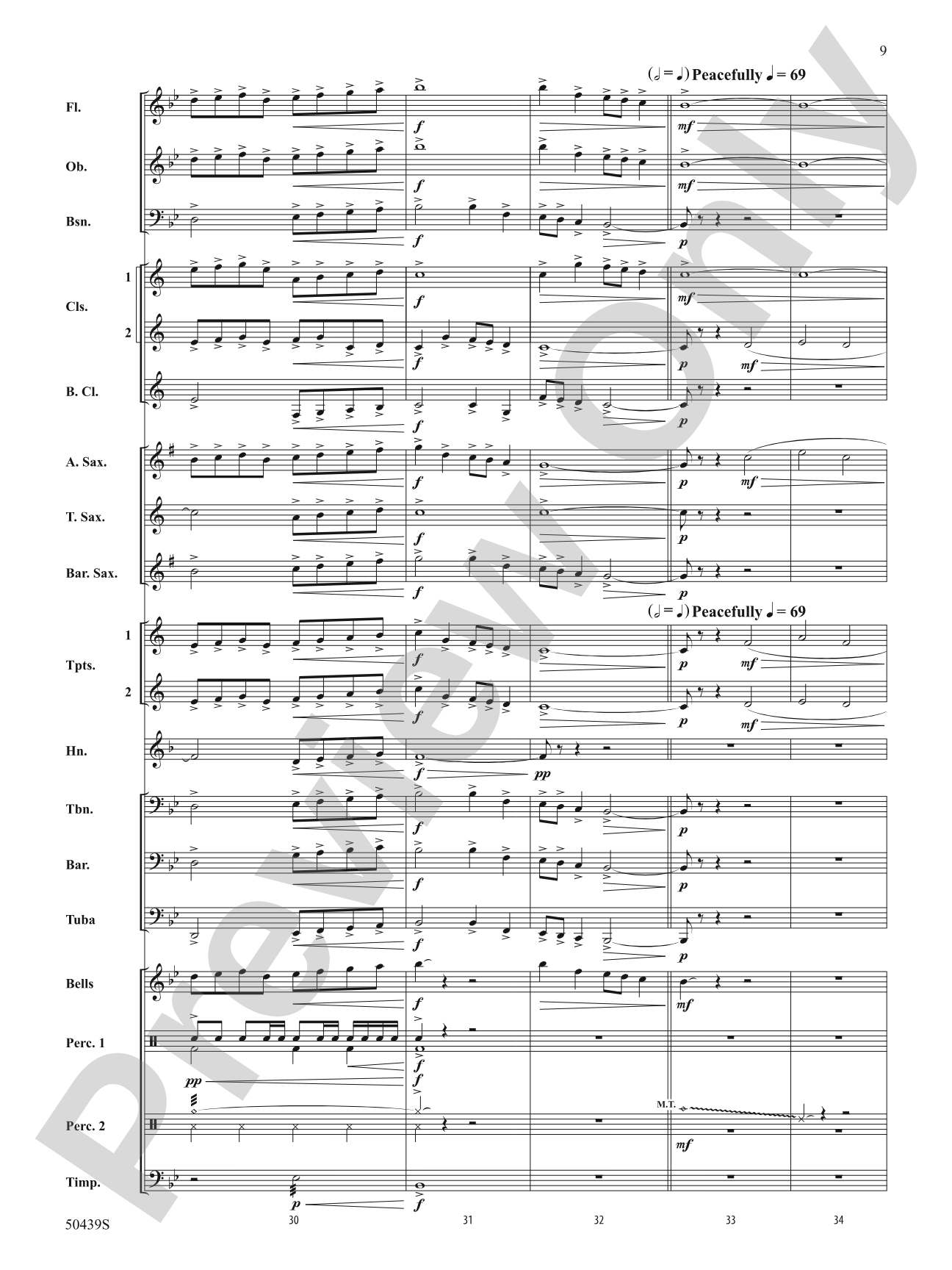
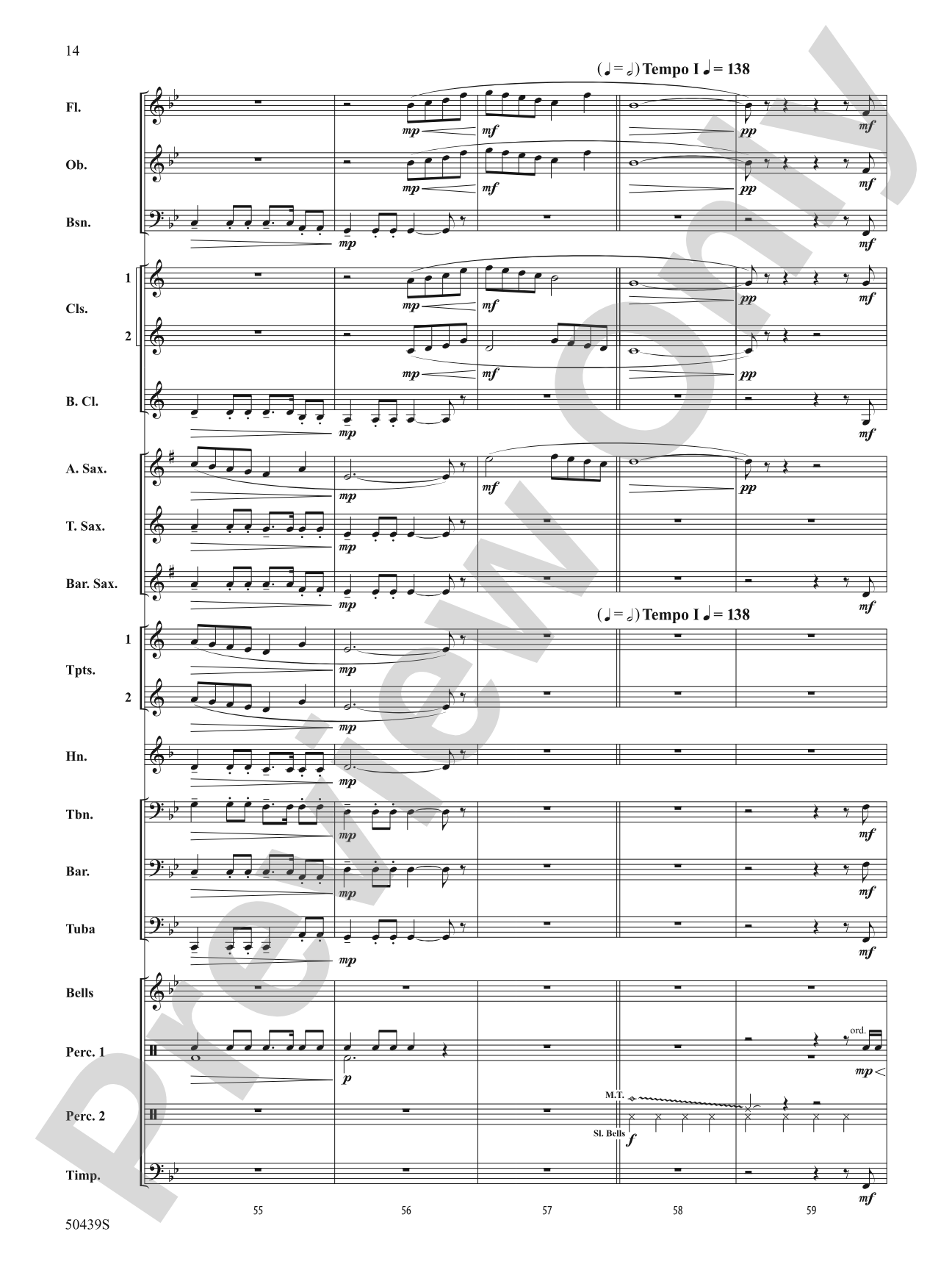
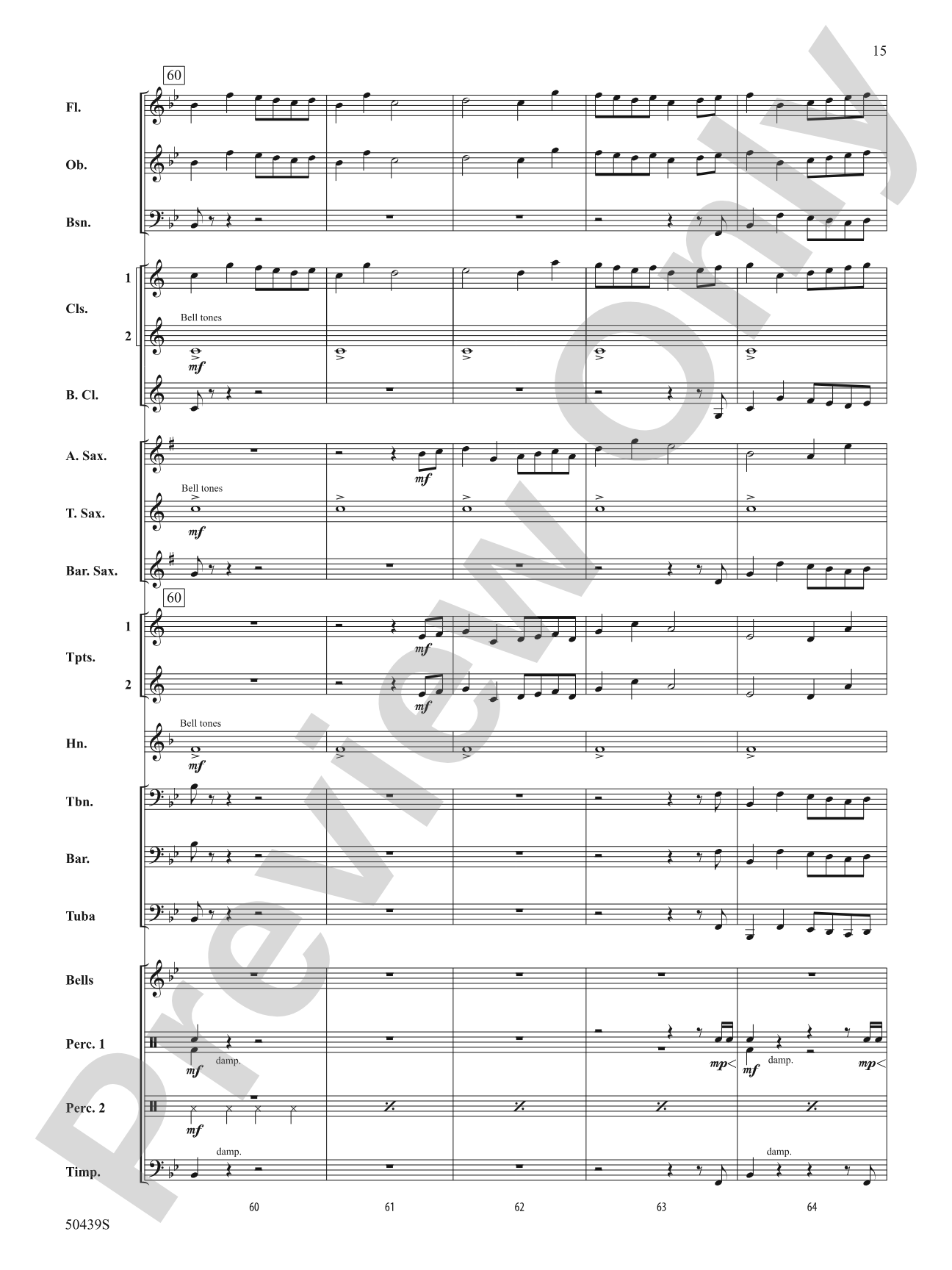
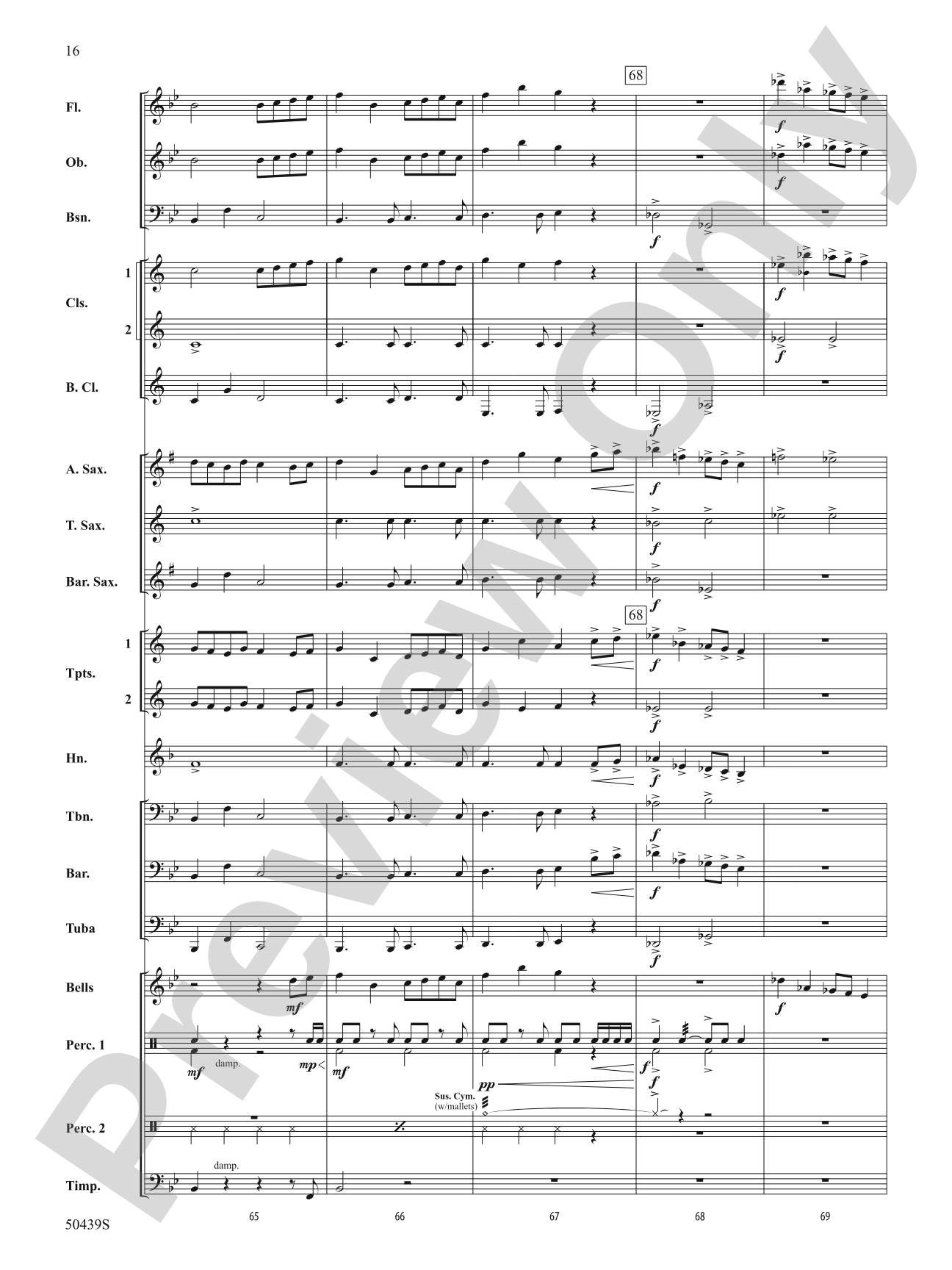
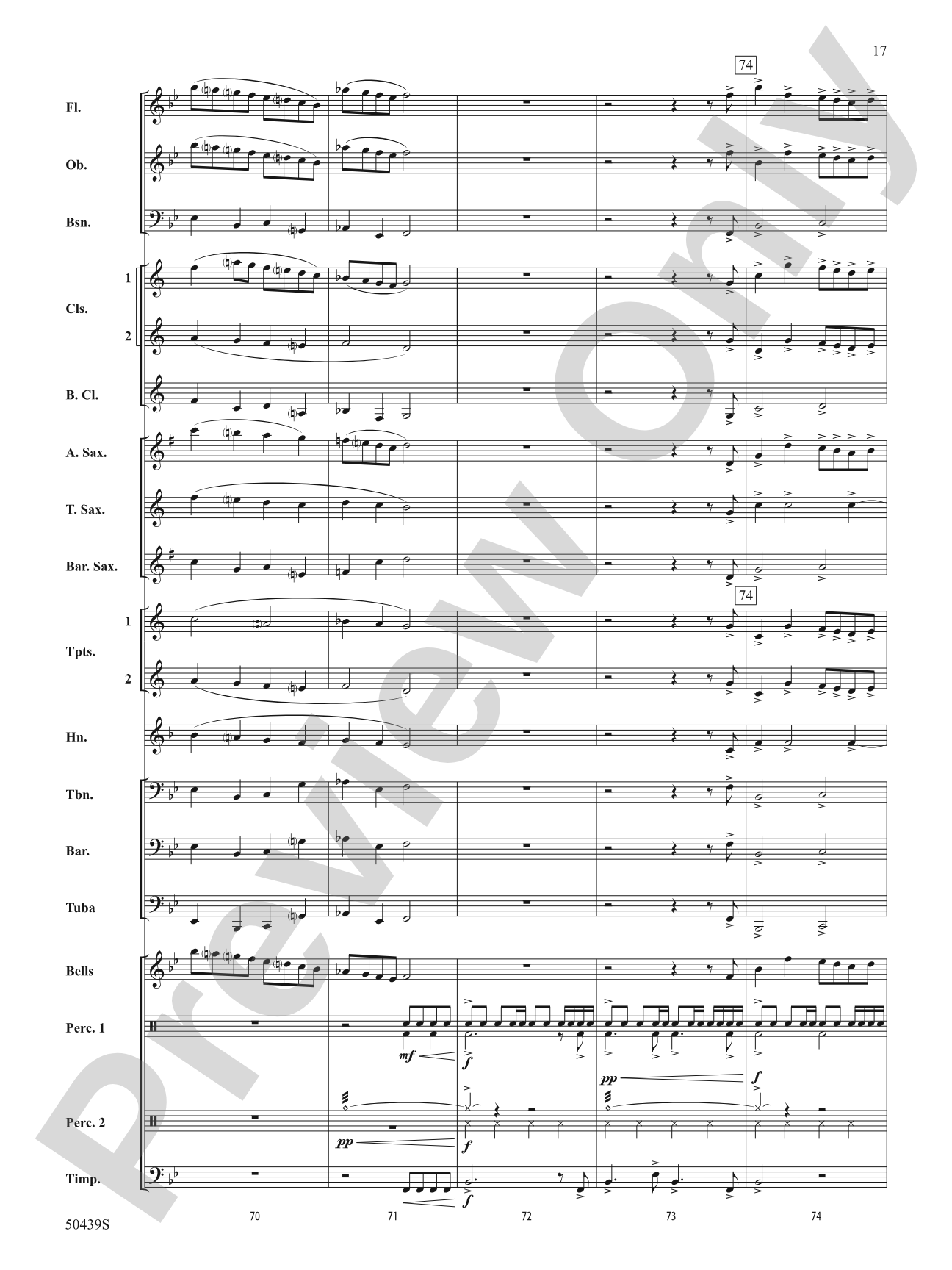
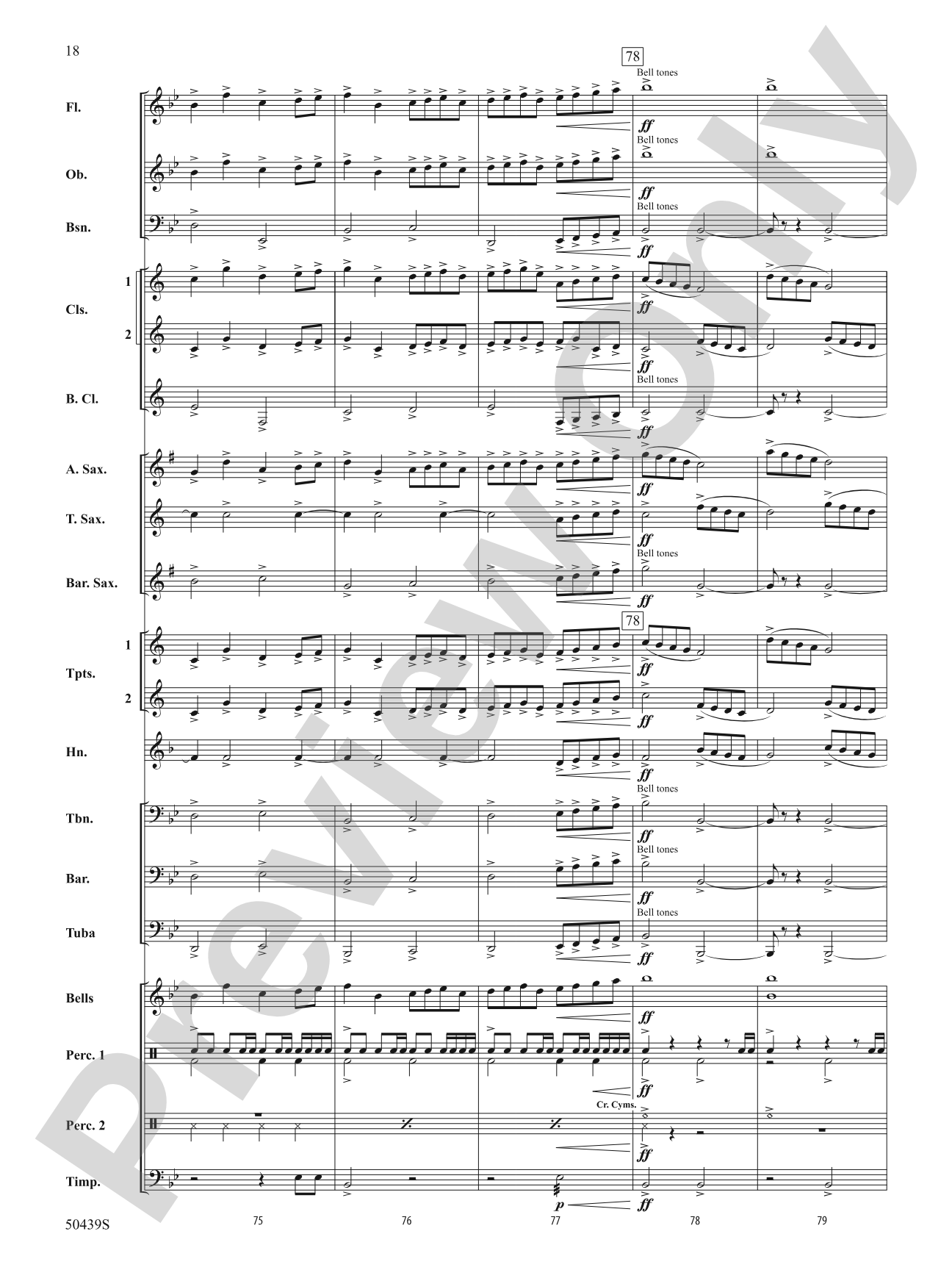
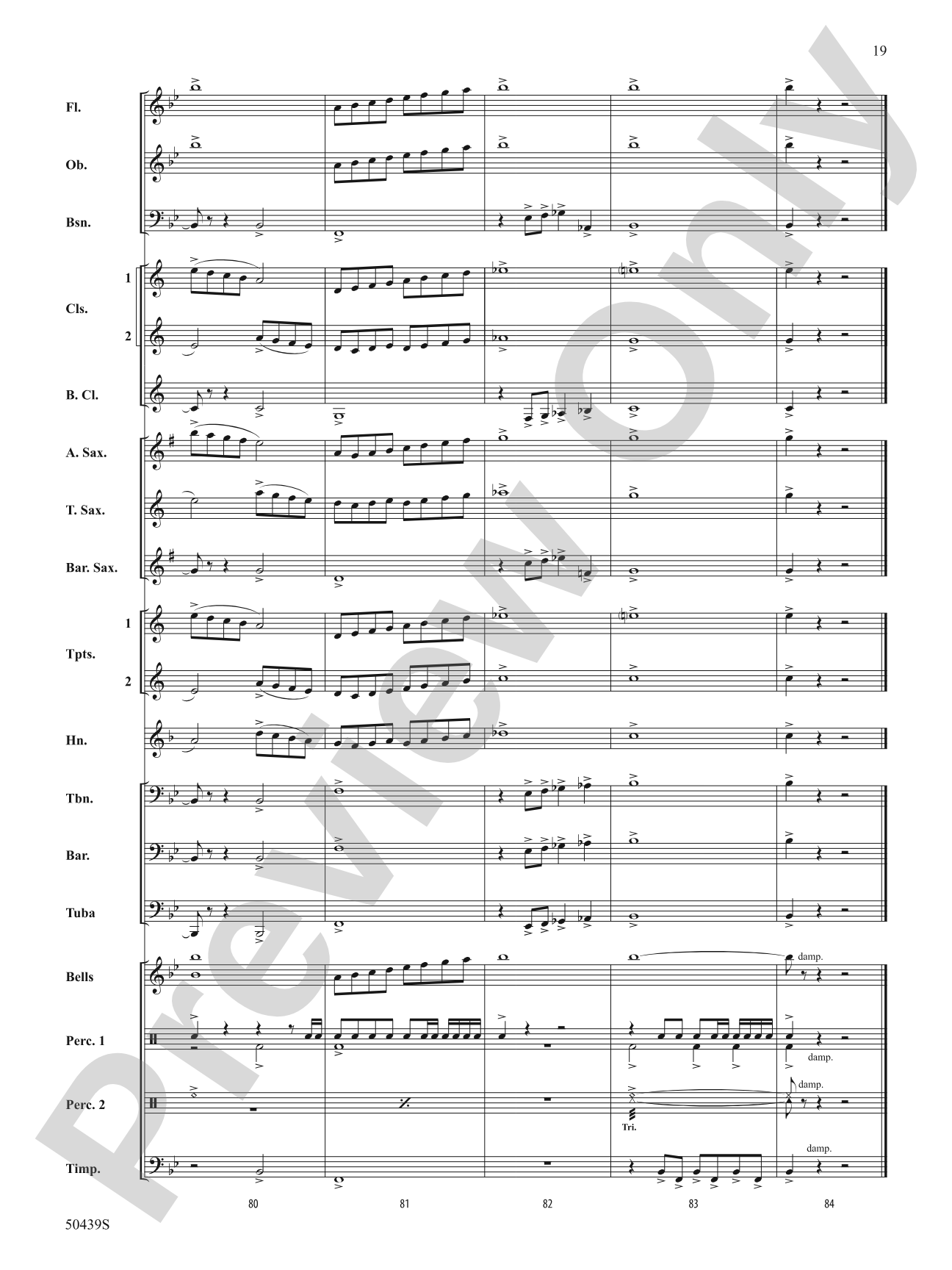
Snowdance, by Robert Buckley, is a festive holiday overture for young band. Sparkling with bright, celebratory energy, the piece opens with tuneful melodies and lively rhythms before moving into a more reflective middle section. Dynamic contrasts and shifting textures keep the music fresh and engaging, giving every section of the band a chance to shine. Building toward a joyful, triumphant finish, Snowdance captures the excitement and warmth of the season while sounding far more sophisticated than its grade level suggests.


Don't just read it, hear it, play along with it, and watch your students grow with it. In MakeMusic Cloud, Snowdance: Concert Band Conductor Score & Parts comes alive with professional accompaniment, adjustable tempo, and built-in practice tools that turn solo practice into real progress.
Open in the Player
Jump straight in and assign it today.
Start Your Free Trial
Open this title and explore the full library in minutes.
Sample Audio
1
Audio File
--:--
0:00
0:00
Sample Video
Additional Details
Series:
Belwin Young Band
Publisher:
Alfred Music
SKU:
00-PK-0009424
More about this title
About the Composer: Robert Buckley
Robert Buckley is a composer and arranger with deep roots in music education, known for creating accessible yet musically rewarding works for young ensembles. His writing balances technical clarity with genuine artistry, making pieces that students enjoy learning and audiences enjoy hearing.
Why we love this
Buckley writes for young bands with genuine musical substance. He understands how to craft a piece that sounds polished and complete without asking for technical feats your ensemble can't deliver, which means your students hear themselves making real music instead of just playing their parts. The structural arc here—bright opening, reflective turn, triumphant close—gives directors a clear interpretive path and gives students a sense of building toward something meaningful.
What to expect
Snowdance opens with sparkle and forward momentum, the kind of bright, celebratory texture that immediately signals festive occasion without resorting to obvious carol quotations. The middle section settles into something more contemplative, creating genuine contrast before the piece builds back toward warmth and triumph. Throughout, the orchestration breathes; colors shift and textures reshape themselves, keeping both ensemble and audience engaged.
Who it's for
Second-year band students and young ensembles that have solidified basic intonation and rhythmic control will thrive with this piece. It sits comfortably in the Grade 2 range while demanding enough musical maturity that your students feel challenged and proud of the result.
How to get the most out of it
- Balance the opening melodies so that every voice feels heard without one line overwhelming the others; this festive energy depends on clarity across all sections.
- Shape the middle section's reflective character by drawing back the dynamic intensity and allowing the band to listen to itself more carefully than in the outer sections.
- Support the final buildup with a slight accelerando in the approach to the climax; let the momentum grow organically rather than holding it back until the last measures.
- Attend to the shifting textures by refreshing your section assignments and cueing patterns—students need to understand when they're carrying a melody and when they're part of the harmonic backdrop.
How to use it
This works beautifully as the opener or closer of a winter or holiday concert, where it can frame the season's spirit without overstaying its welcome. It pairs well alongside both serious seasonal literature and lighter fare, giving your program a sense of progression and polish. Consider it also for contest or festival play, where its combination of accessibility and musical craft tends to resonate with adjudicators.
Skills your students will build
- Dynamic contrast and shaping across multiple sections
- Balanced melody and accompaniment roles
- Listening to texture and orchestration changes
- Sustaining musical line through a multi-part formal structure