
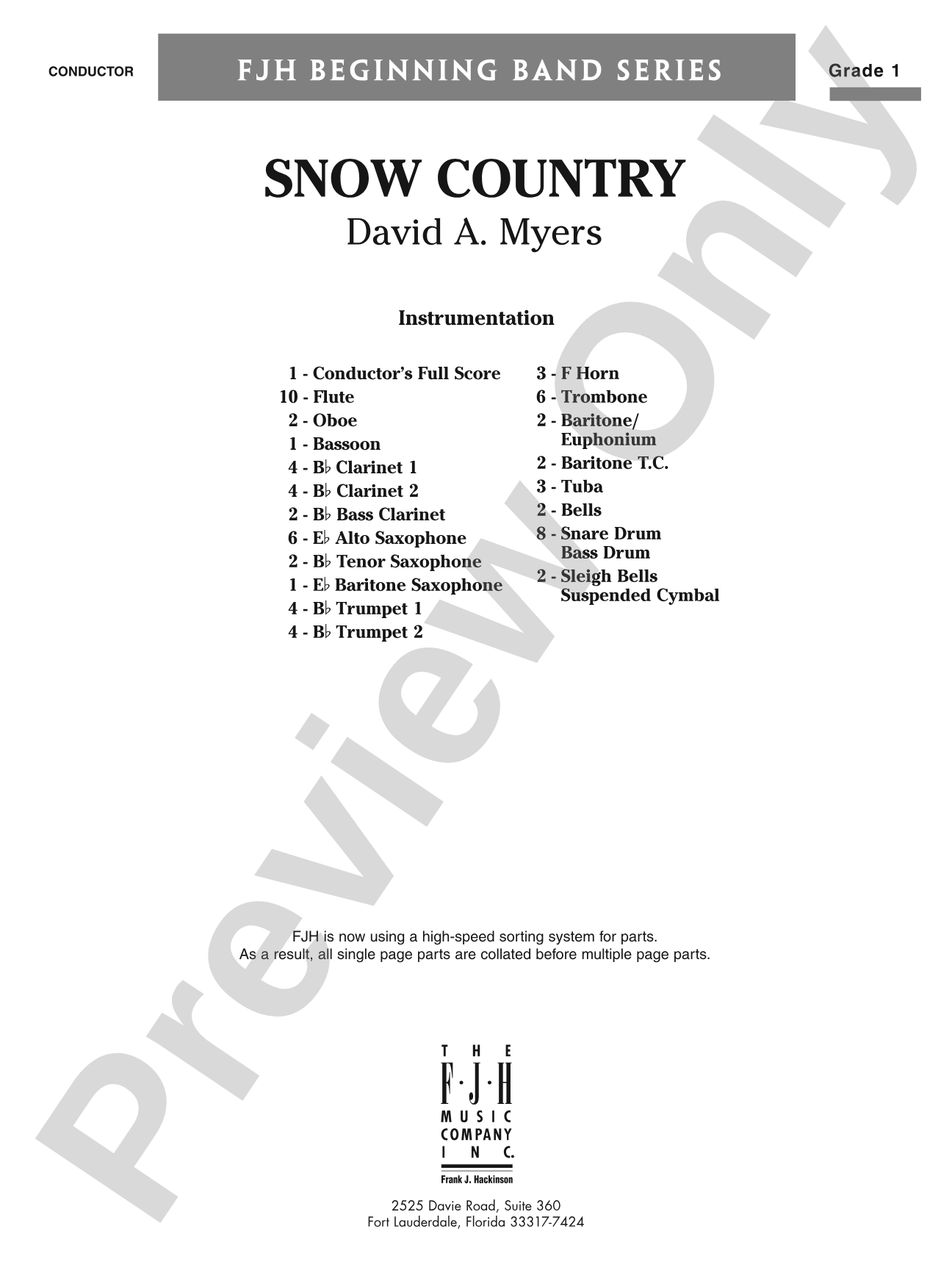

Snow Country: Concert Band Conductor Score & Parts
By David A. Myers
Grade: 1
Item: 98-DB1083
$40.00
Pickup currently not available
Buy Extra Parts (Digital PDF Download)
| Product | Price | Quantity |
|---|---|---|
| Snow Country: Score | $5.00 | |
| Snow Country: Flute | $7.00 | |
| Snow Country: Oboe | $7.00 | |
| Snow Country: Bassoon | $7.00 | |
| Snow Country: B-flat Clarinet 1 | $7.00 | |
| Snow Country: B-flat Clarinet 2 | $7.00 | |
| Snow Country: B-flat Bass Clarinet | $7.00 | |
| Snow Country: E-flat Alto Saxophone | $7.00 | |
| Snow Country: B-flat Tenor Saxophone | $7.00 | |
| Snow Country: E-flat Baritone Saxophone | $7.00 | |
| Snow Country: B-flat Trumpet 1 | $7.00 | |
| Snow Country: B-flat Trumpet 2 | $7.00 | |
| Snow Country: F Horn | $7.00 | |
| Snow Country: Trombone | $7.00 | |
| Snow Country: Baritone/Euphonium | $7.00 | |
| Snow Country: Baritone T.C. | $7.00 | |
| Snow Country: Tuba | $7.00 | |
| Snow Country: Bells | $7.00 | |
| Snow Country: Snare Drum/Bass Drum | $7.00 | |
| Snow Country: Sleigh Bells/Suspended Cymbal | $7.00 |
Parts Added to Cart!
Description
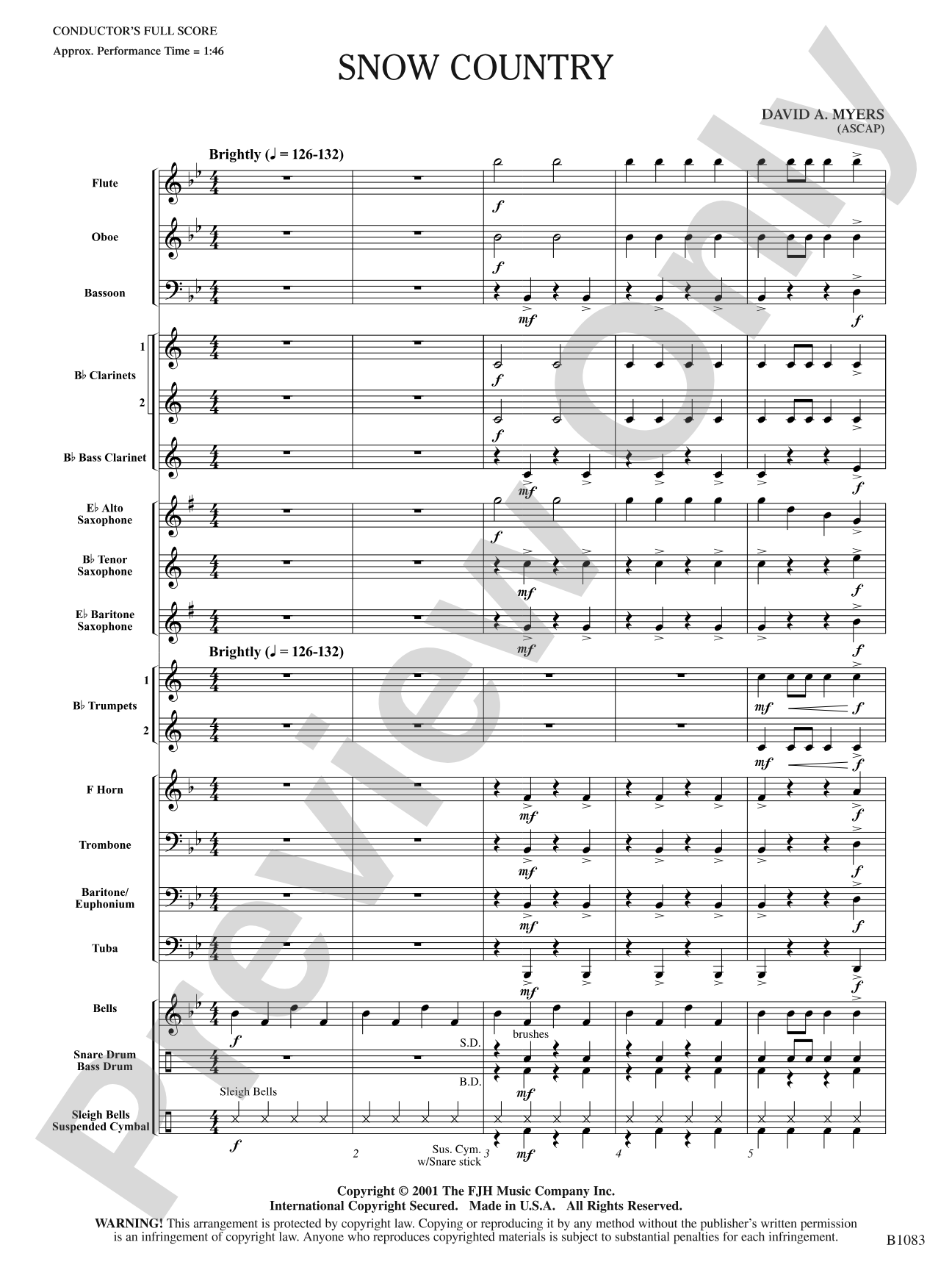
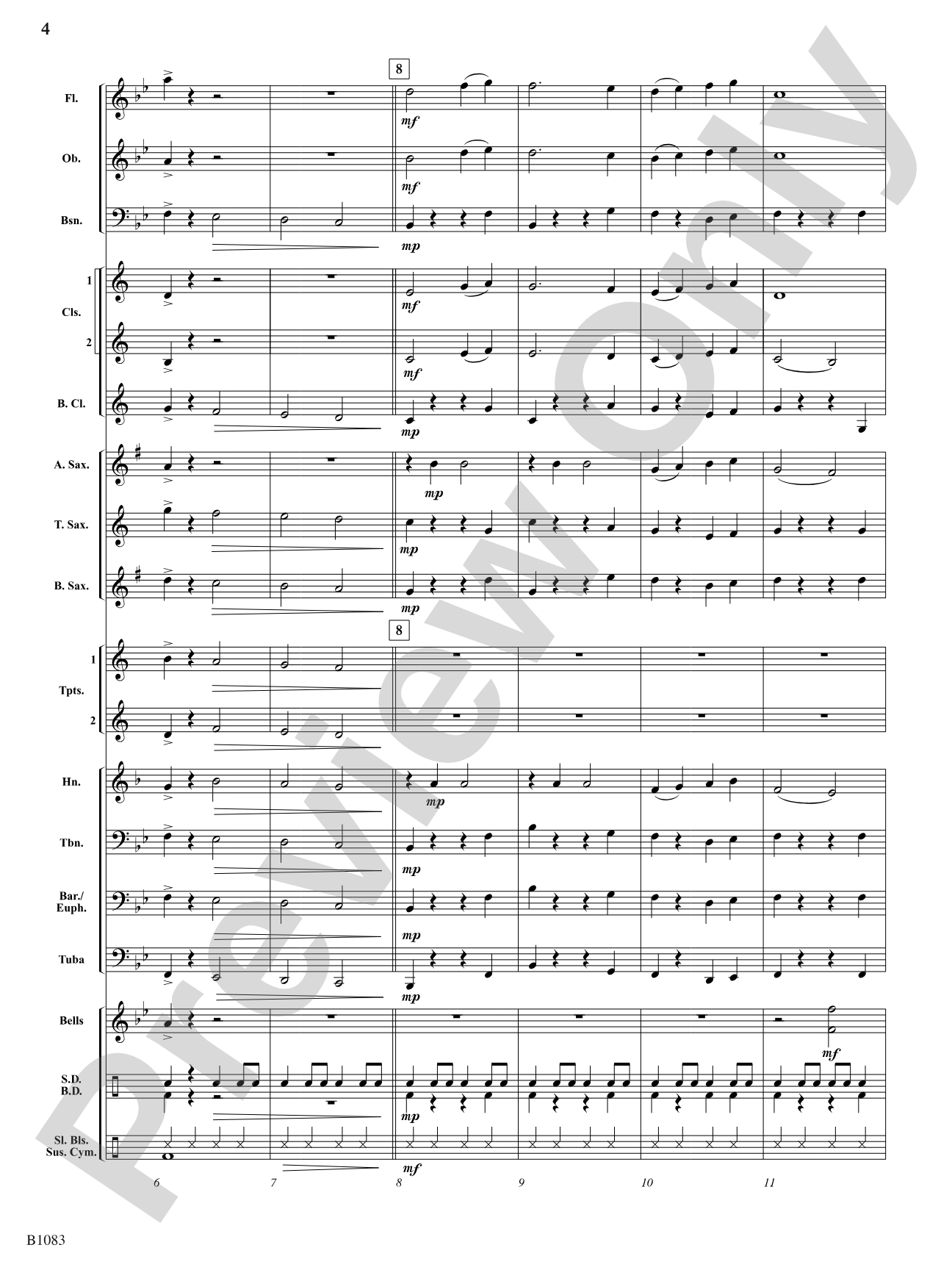
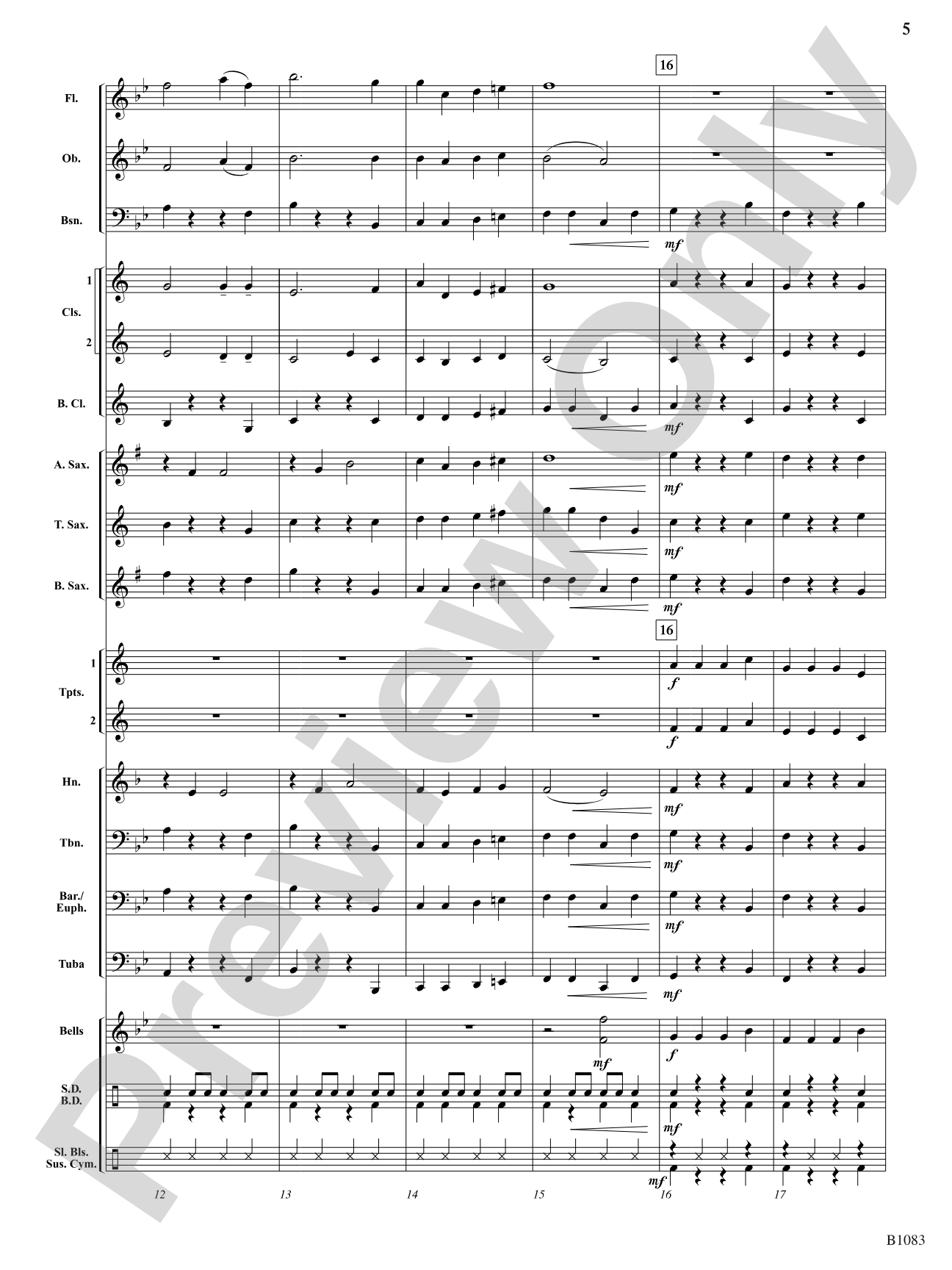
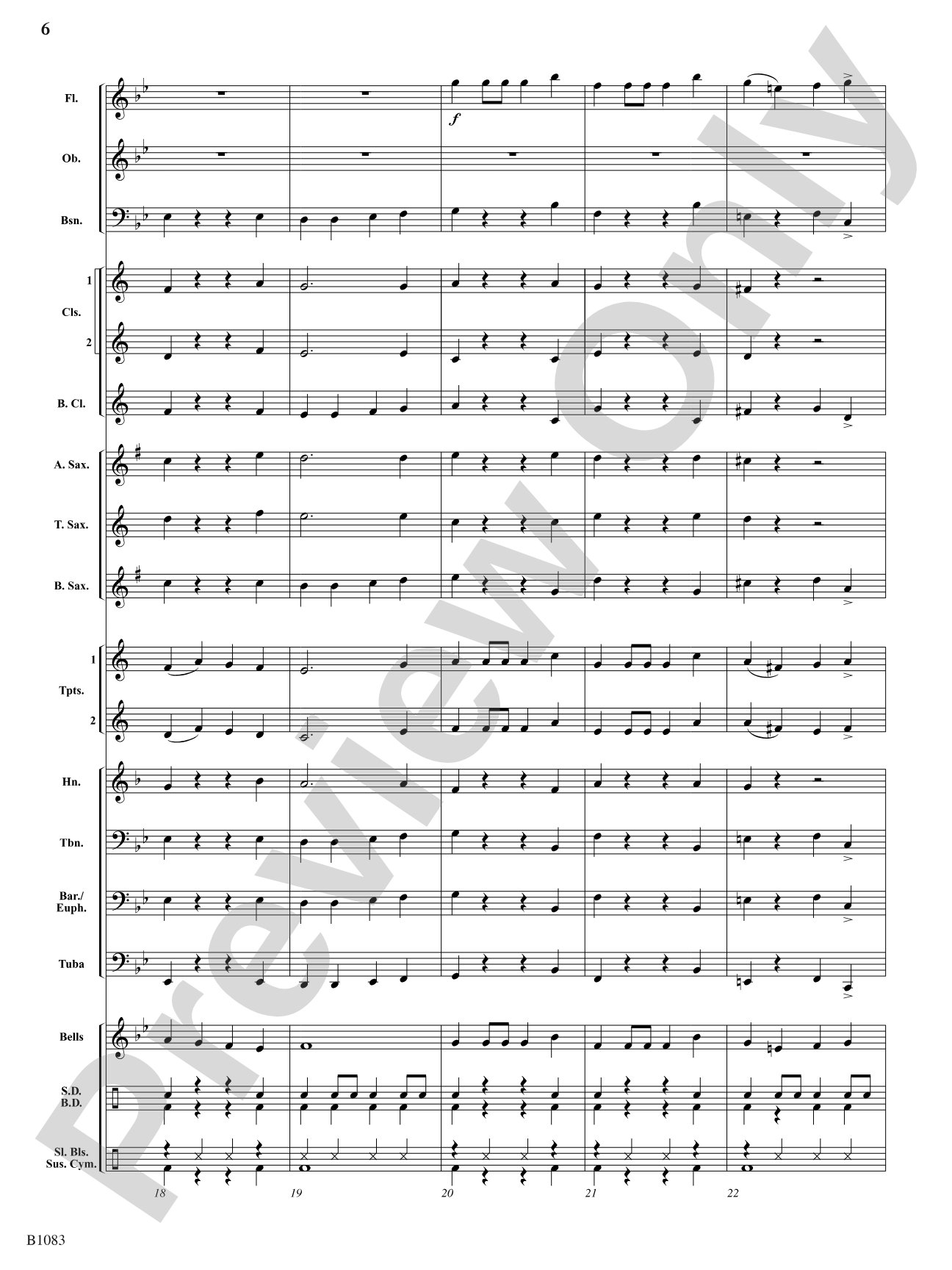
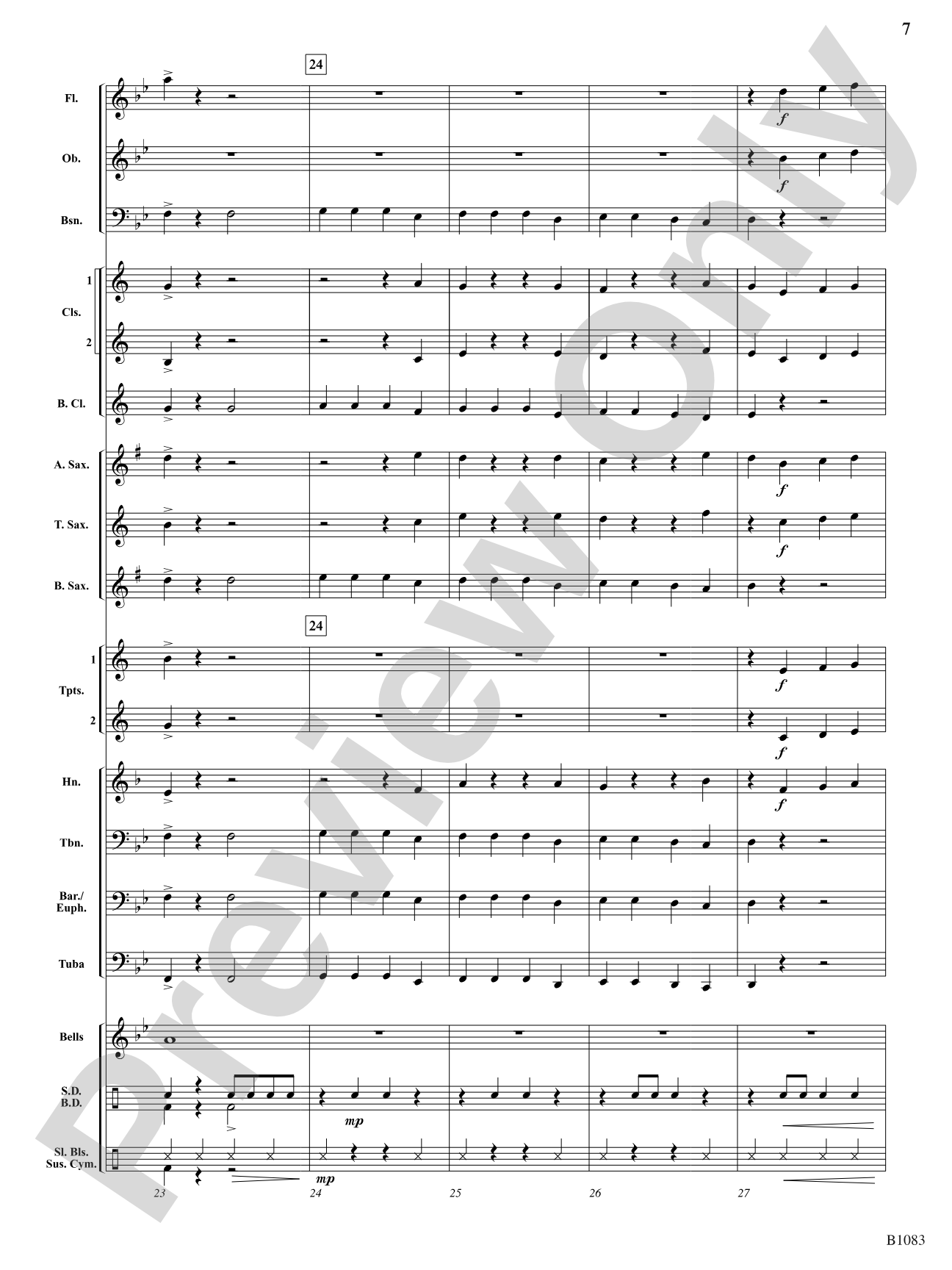
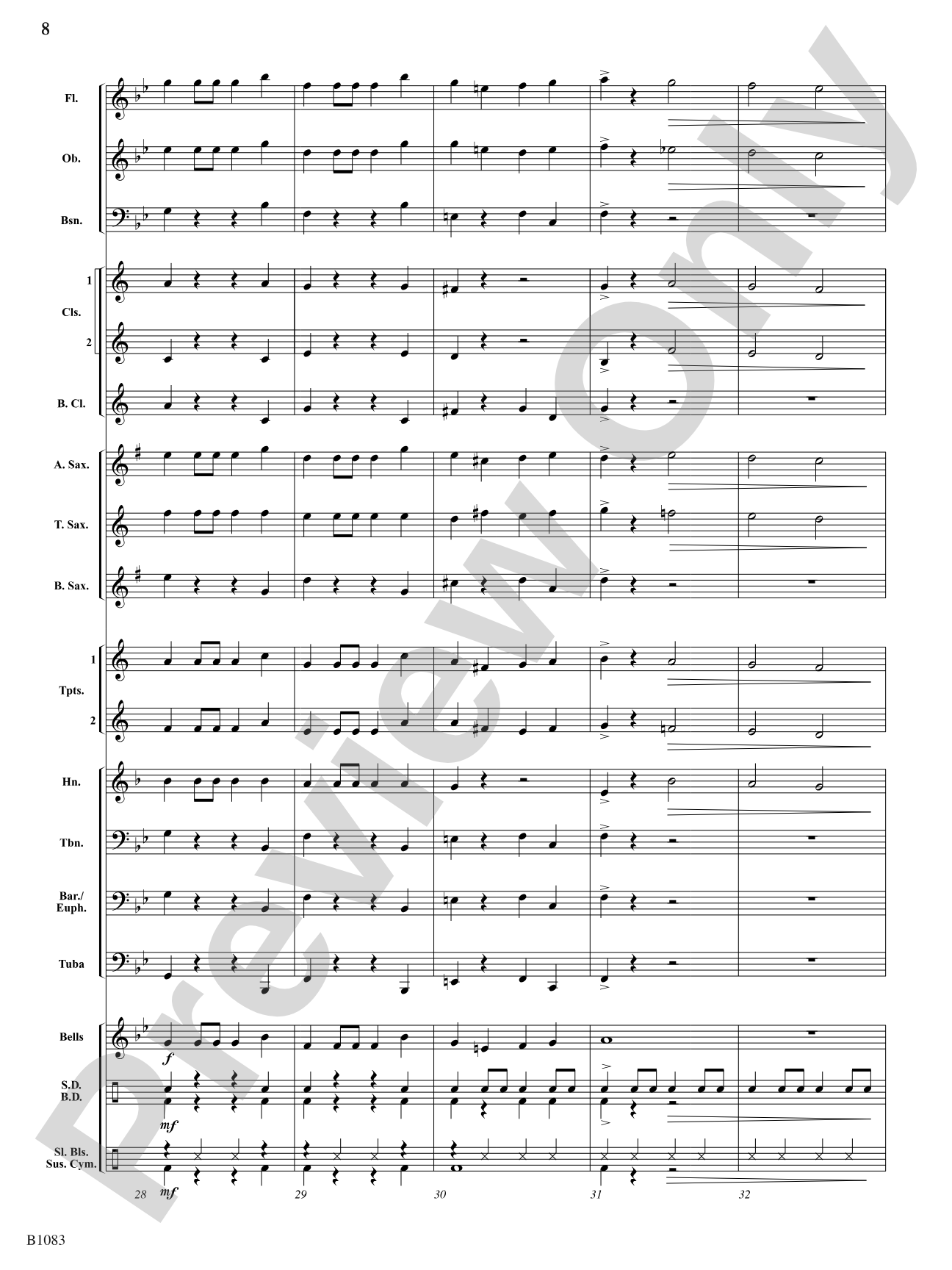
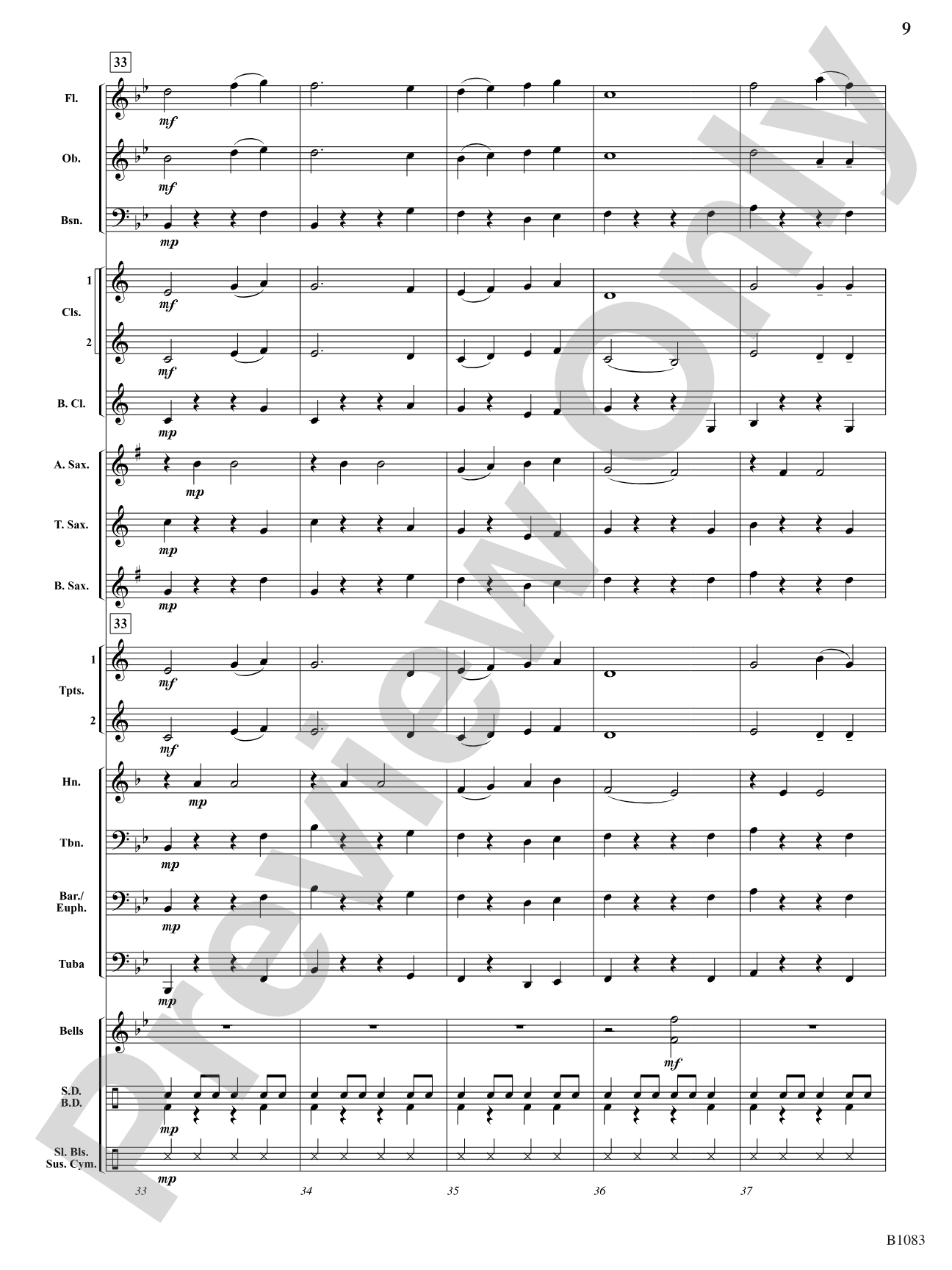
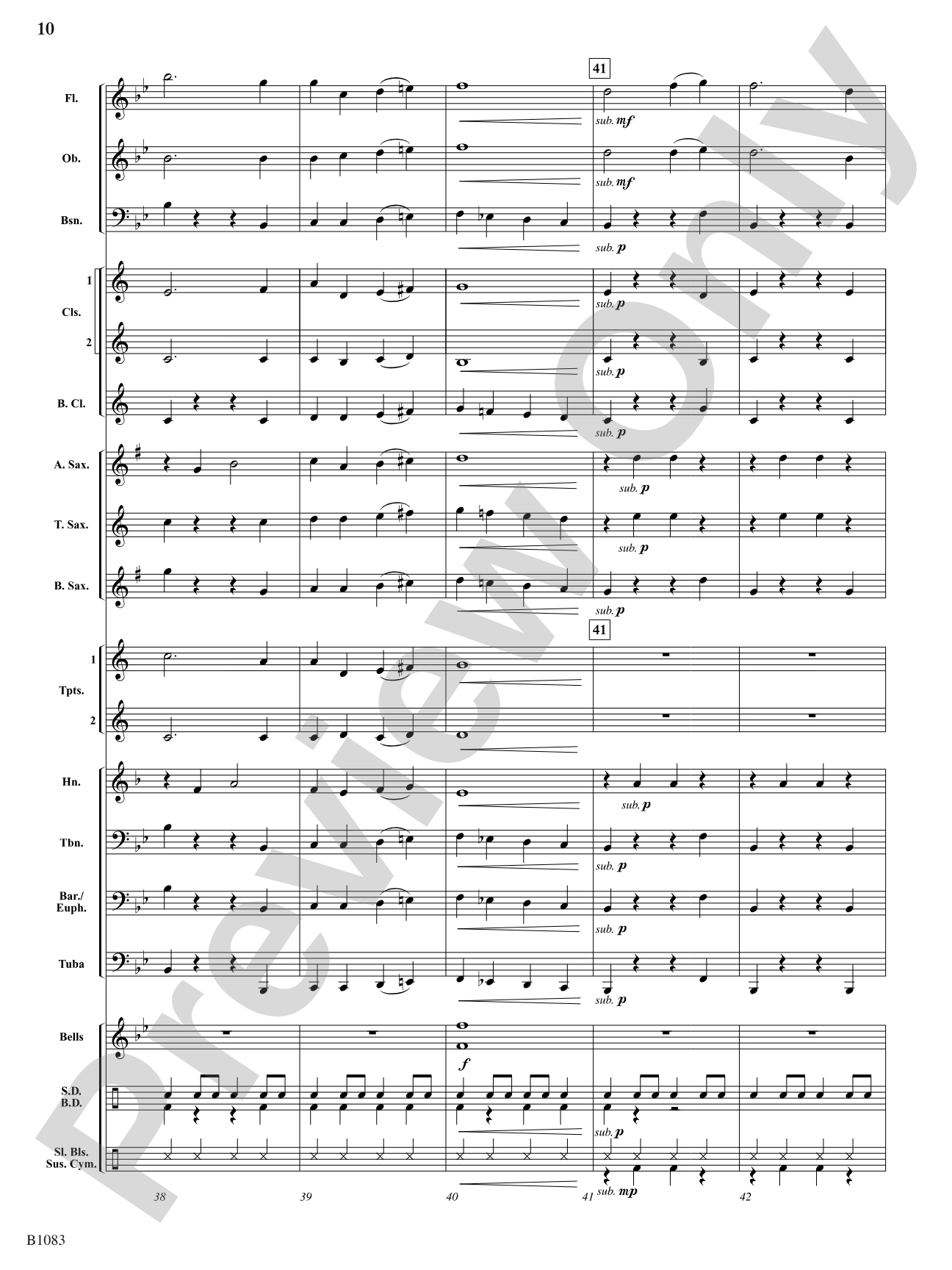
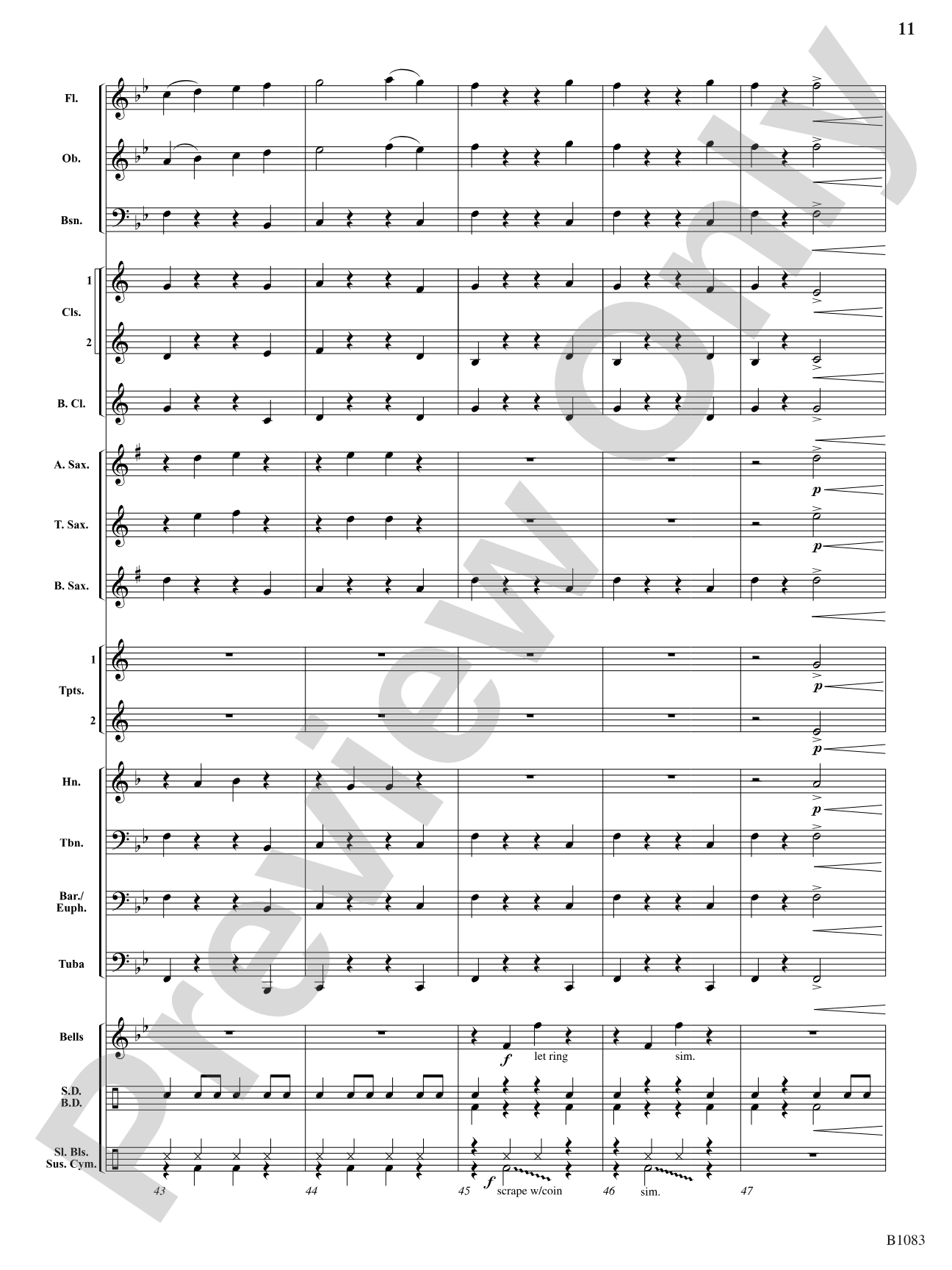
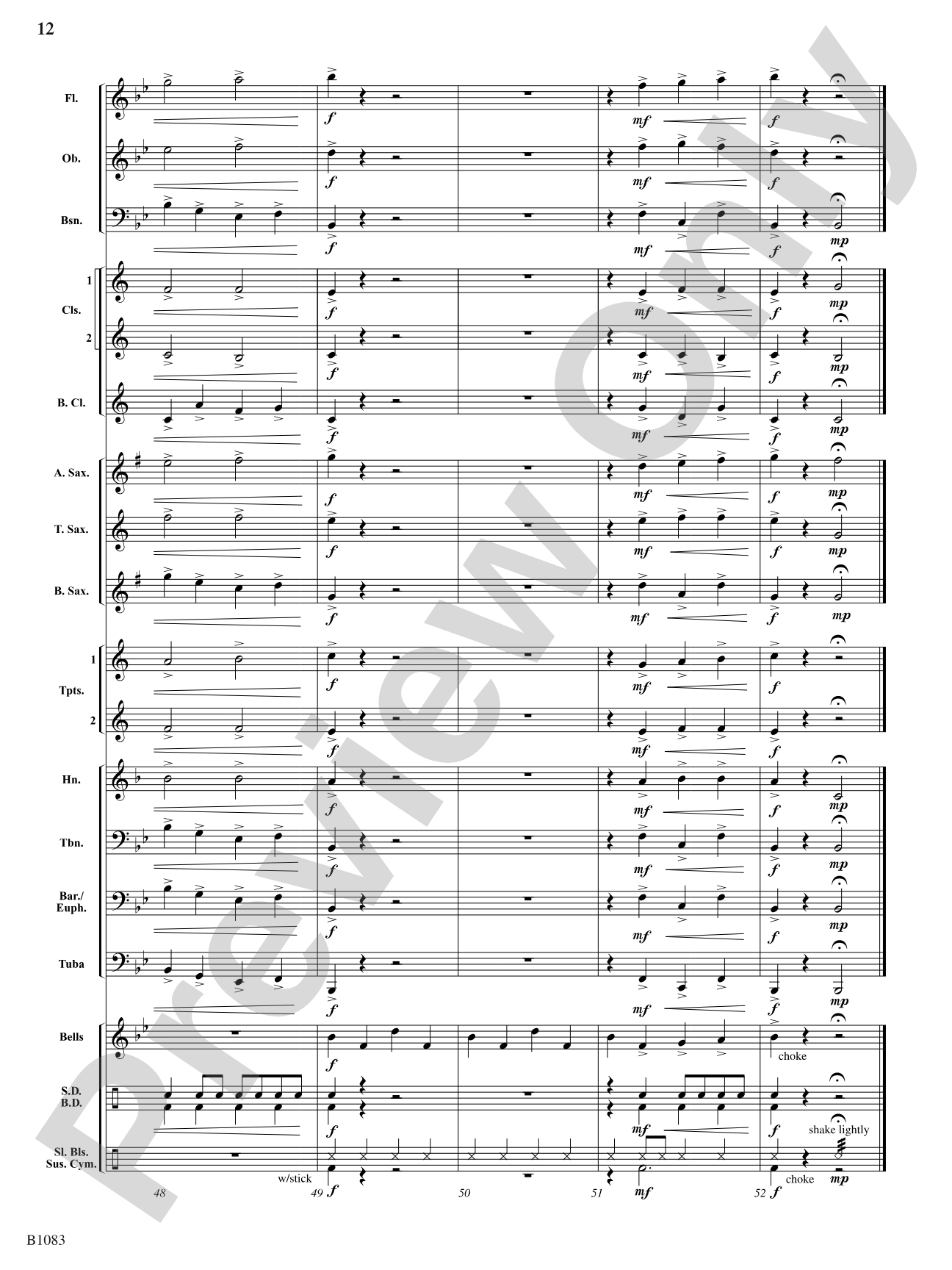
Here's that easy holiday piece that will work out nicely on your first band concert. The ranges are limited and the rhythms are mostly quarter notes in the winds. The bell part is very important and featured throughout. This will certainly bring plenty of holiday cheer to your mid-year concert. (1:45)


Snow Country: Concert Band Conductor Score & Parts isn't in MakeMusic Cloud just yet...but it could be. Let us know you'd like to see it, and you'll help shape what comes next. In the meantime, start a free trial and dive into thousands of interactive titles your students can play along with today.
Request This Title
Tell us you want it.
Start Your Free Trial
Explore everything that's ready to play right now.
Sample Audio
1
Audio File
--:--
0:00
0:00
Sample Video
No sample videos found.
Additional Details
Series:
FJH Beginning Band
Publisher:
The FJH Music Company, Inc.
SKU:
98-DB1083
More about this title
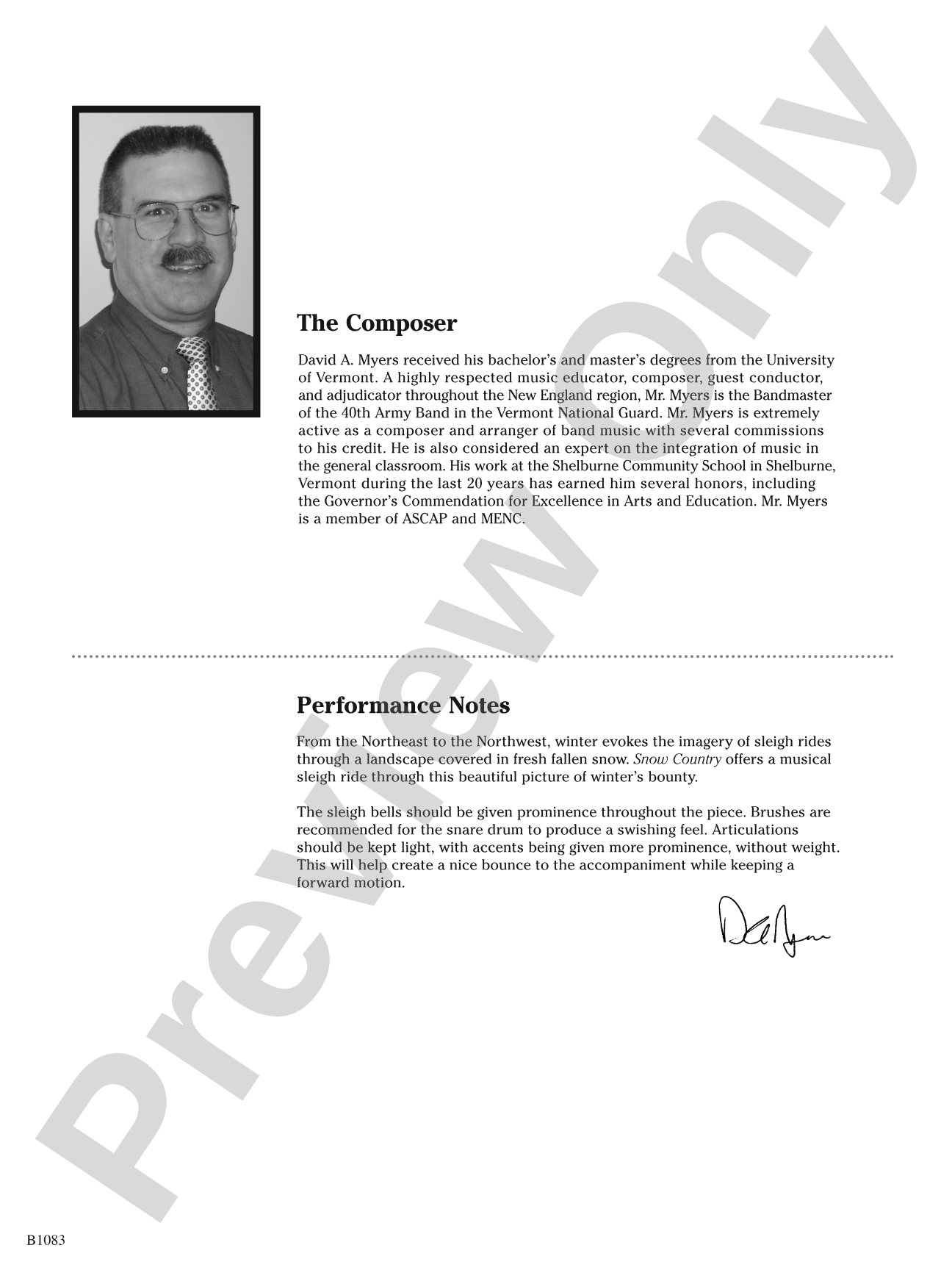
About the Composer: David A. Myers
David A. Myers has built a reputation as a composer who understands the practical needs of beginning band programs. His work prioritizes clear musical writing that doesn't sacrifice expressiveness, making him a trusted voice in early-level concert band repertoire.
Myers' compositions for young ensembles consistently balance accessibility with genuine musicality. Teachers return to his pieces because they work reliably in performance while keeping student engagement high.
Why we love this
The bell part transforms this from background holiday music into something your ensemble will actually play with intention. Myers knew exactly what he was doing by spotlighting bells throughout; it gives your inexperienced players a clear melodic anchor while the rest of the band builds confidence on simpler rhythmic material.
What to expect
The piece has the warmth of a traditional holiday carol without the complexity that would bog down a developing ensemble. There's genuine musical substance beneath the simplicity; students play real parts that matter, not just filler.
Who it's for
Directors opening their first winter concert need accessible material that still sounds polished. This works for bands still learning fundamental ensemble skills, where limited ranges and straightforward rhythms let players focus on tone production and listening.
How to get the most out of it
- Balance the bell part carefully so it sits comfortably above the ensemble without overpowering. These students are still learning blend; a featured part can help them listen toward a specific sound.
- Keep the tempo steady and moderate. The quarter-note writing will feel comfortable when the pulse is clear and unwavering.
- Encourage the winds to sustain their whole notes with full support. Beginners often drop tone quality on longer notes, but those sustained harmonies matter here.
- Let the holiday character emerge from the phrasing rather than pushing for special effects. The simplicity is the point; your students' clean execution will feel celebratory on its own.
How to use it
Open your mid-year concert with this. It sets a festive mood immediately, settles any pre-performance nerves in your youngest players, and gives your audience a clear signal that this is a joyful occasion. The 1:45 duration makes it a perfect bridge between a brief opening remarks and your next piece.
Skills your students will build
- Sustaining whole notes with consistent tone quality
- Playing in unison and simple harmony
- Following a conductor's tempo and phrasing
- Balancing melodic and harmonic roles within an ensemble
- Maintaining steady rhythm with mostly quarter-note writing